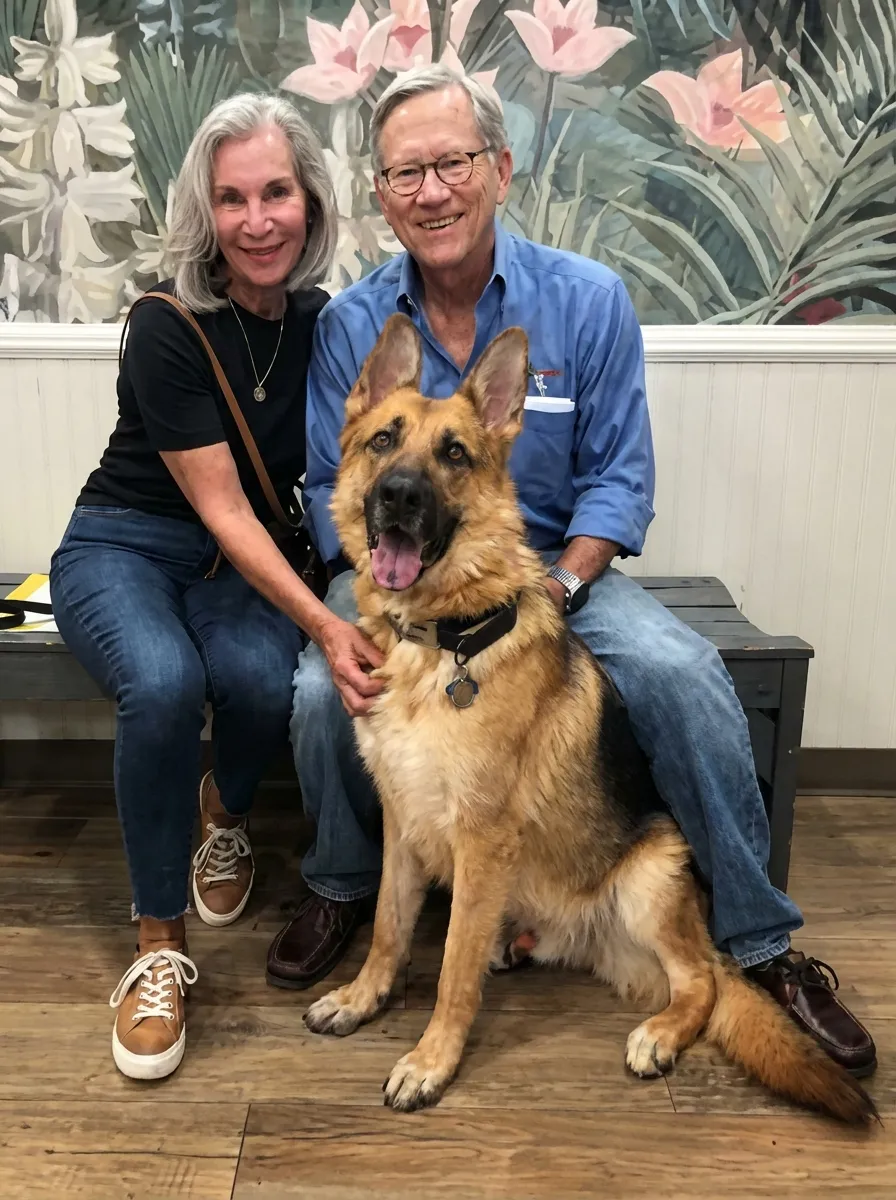
Veterinarian Speaks The Truth About Reactivity
Ad Copy
After 11 years at Riverside Animal Hospital, I watched Tom fill out the euthanasia consent form for his German Shepherd. He'd spent $4,200 on trainers, behaviorists, and equipment. Tried three different reactive dog specialists. Cleaned up from his dog's aggressive episodes every week for eighteen months. Everything came back "fear-based reactivity." But Duke's explosive reactions kept getting worse. I finally asked him the one question nobody else had: "When was the last time someone tested his gut microbiome—not just his behavior?" He looked at me like I was speaking another language. My name is Dr. Sarah Mitchell, DVM. I've treated over 11,000 dogs at Riverside Animal Hospital. And here's what the dog training industry doesn't want you to know about leash reactivity. Tom's German Shepherd Duke was four years old. Perfect weight. No underlying disease. Working with a certified reactive dog specialist—the exact $2,500 six-month program I'd been recommending for years. But he was lunging at other dogs 8-10 times per walk. Always on leash. The barking was so intense you could hear him from three blocks away. His threshold distance kept shrinking. Started at 50 feet. Down to 30 feet. Now reacting at 15 feet—sometimes closer. Tom had tried every training protocol on the market. Spent $4,200 on positive reinforcement, BAT training, desensitization, counterconditioning. Everything came back the same: "Keep working on it. Reactivity takes time. Some dogs are just wired this way." But Duke kept getting worse. Tom couldn't walk him in his own neighborhood anymore. And he couldn't afford another $1,500 specialist visit that wouldn't find anything different anyway. So he started filling out the euthanasia consent form. That's when I did something I'd never done in 11 years of practice. I ordered a comprehensive stool panel. Not a behavioral assessment. Not a thyroid test. A full GI microbiome analysis to test what was happening in Duke's gut. The result came back five days later. Severe dysbiosis. Gut flora completely imbalanced. Cortisol markers off the charts. Postbiotic metabolite production almost zero. I sat alone in my office that night, staring at that lab report, feeling physically sick. Because I finally understood what was happening. Here's what they don't teach you in vet school: Over 89% of dogs with "chronic reactivity" and explosive leash aggression have severe gut dysfunction driving the entire nervous system response. Not a training problem. Not bad genetics. Not "just fear-based reactivity." A gut problem creating constant fight-or-flight activation. When a dog's gut microbiome is destroyed—from high-carb kibble, previous stress, or chronic inflammation—their internal environment becomes locked in a state of hypervigilance. This creates what veterinary researchers call a "dysregulated stress response." The gut can't produce enough postbiotic metabolites to regulate the vagus nerve. The brain stays stuck in fight-or-flight mode. And every trigger—other dogs, strangers, bikes, skateboards—becomes a perceived threat they can't control. You can train with the best positive reinforcement protocols. Desensitize at distance. Practice counterconditioning daily. But if the internal nervous system is locked in fight-or-flight, the moment they're over threshold, all training disappears. It's not a training failure. It's an internal nervous system problem causing behavioral symptoms. And here's the nightmare part: Standard behavioral assessments don't detect gut dysfunction. Most trainers and vets never test for it. And by the time leash reactivity and explosive reactions show up, your dog's gut has been dysregulated for months or even years. But it gets worse. Even if you're feeding premium food—even grain-free or limited ingredient diets—your dog's gut is still being destroyed because: 1. High-carb kibble creates chronic gut inflammation. Even "limited ingredient" and "novel protein" diets are packed with potatoes, peas, lentils—all pure starch that disrupts gut flora and triggers inflammatory cascades. 2. Gut inflammation blocks postbiotic metabolite production. Your dog's gut bacteria should be producing butyrate, propionate, and acetate—the compounds that regulate the vagus nerve and tell the brain "you're safe." Without these metabolites, the stress response never shuts off. 3. Previous stress and training failures reinforced the dysregulation. Every time your dog reacted and you couldn't calm them down, their nervous system learned: "The world is dangerous. I can't relax. I must stay on alert." Now their gut-brain axis is locked in this pattern. Your dog cannot rebalance their nervous system on their own. Their gut is too damaged. And the food you've been buying—no matter how expensive, how "sensitive stomach," how "vet-recommended"—is still feeding the gut dysfunction that keeps their nervous system locked in fight-or-flight. So their brain stays hypervigilant. Their stress response stays activated. Every trigger becomes a crisis they can't control. You train with the best protocols. It helps temporarily. Then one trigger pushes them over threshold. And the reactivity explodes again. Every walk. Sometimes multiple times per walk. And you blame yourself. You try different trainers. You spend thousands on programs that all say "keep working on it, it takes time." Because nobody is testing the gut. After Duke's diagnosis, I started running comprehensive stool panels on every dog that came in with chronic leash reactivity or explosive aggression. Over eight months, I tested 127 dogs. 113 showed severe dysbiosis patterns consistent with nervous system dysregulation. 89%. These weren't dogs eating cheap food. These were dogs on: → Hill's Prescription Diet I/D (digestive care) → Royal Canin Calm (behavior support) → Purina Pro Plan Sensitive Skin & Stomach (salmon & rice) → Blue Buffalo Wilderness (grain-free chicken) → Wellness CORE (high-protein grain-free) It didn't matter. Across the board: dogs eating "premium" and "behavior-support" formulas had some of the worst gut dysbiosis I'd ever seen on stool panels. Because here's the cruel irony: Most behavior-focused foods are designed to add calming nutrients like L-tryptophan or DHA. Which does absolutely nothing if the gut can't produce the postbiotic metabolites needed to regulate the vagus nerve and shut off the stress response. You're spending $75-$95 per bag on food specifically designed to help behavior. But it's not addressing the gut dysfunction that's causing the behavior in the first place. If your dog shows ANY of these signs, they likely have gut dysfunction driving reactivity right now: → Lunges or barks at other dogs 3+ times per walk → Threshold distance shrinking (used to react at 50 feet, now reacts at 20 feet) → Training works at home but fails in real-world situations → Can't take treats when over threshold (too aroused) → Reactions getting more intense over time (not better) → Equipment escalation (gentle leader → basket muzzle) → Stiff body language, hypervigilance even when no triggers present → Better some days, then one bad trigger = back to square one The leash reactivity isn't the disease. It's the warning sign that your dog's gut-brain axis is dysregulated and their nervous system is locked in fight-or-flight. After discovering how widespread gut dysfunction was in my practice, I thought the hard part was over. Just use a gut-rebalancing supplement with postbiotic metabolites, right? I was wrong. I went online and ordered every dog gut and postbiotic supplement I could find. Thirteen different brands. All claiming to be "gut-brain support" and "stress relief." I sent them all to an independent lab for potency and purity testing. What came back made me furious. PetHonesty Digestive Probiotics (top seller on Amazon): → Contained generic probiotic strains with no postbiotic metabolite production. Label claimed "gut-brain support." Tested zero for butyrate, propionate, or acetate. Completely ineffective. VetriScience Calming (sold at major vet clinics): → No third-party Certificate of Analysis. No batch testing for postbiotic content. When I requested documentation, they sent a generic "quality assurance statement" from 2021. Zero accountability. Zesty Paws Probiotic Bites (Amazon's Choice for dog gut health): → Tested positive for rice flour and maltodextrin fillers—nowhere on the ingredient list. The "probiotic blend" was cut with cheap starches. Misleading labeling. NaturVet Quiet Moments (marketed as calming support): → Zero detectable postbiotic metabolites. Just melatonin, chamomile, and ginger. Does nothing for gut-brain axis. Sedates symptoms without addressing cause. I was recommending supplements to clients that were either under-dosed, poorly manufactured, or didn't contain what the label claimed. I felt like I'd failed them all over again. The supplement industry is largely unregulated. Companies can claim almost anything on the label, and nobody verifies batch-to-batch postbiotic content. I spent three months calling manufacturers, demanding current Certificates of Analysis, third-party testing documentation, and batch-specific postbiotic metabolite verification. Most wouldn't return my calls. The ones who did couldn't provide recent third-party testing or refused to share actual COAs showing postbiotic content. I was about to give up. Then I found CalmAxis Postbiotic Chews. At first, I was skeptical. Another supplement company making big promises. But when I called them, something was different. They answered. Immediately. I asked for their Certificate of Analysis. They emailed it within 30 minutes—from an accredited third-party lab (Eurofins), testing for postbiotic metabolite content, purity, and contaminants. I asked about their sourcing. They sent full documentation: pharmaceutical-grade postbiotic strains from certified facilities, manufactured in a GMP-certified facility in the USA. I asked for batch testing. They provide it for every single batch—not just once a year for marketing. Every batch tested for butyrate, propionate, and acetate content. I asked how they prevent degradation. They use pharmaceutical-grade packaging with moisture barriers and airtight seals. Every batch is dated and stability-tested. They were the only company that could answer every single question with documentation. So I ordered a bottle and sent it to the same independent lab. The results: ✅ 520mg of postbiotic metabolites per chew (label claims 500mg—actually over-delivered) ✅ 180mg of butyrate (the primary gut-brain axis regulator) ✅ 95mg of propionate (vagus nerve support) ✅ 85mg of acetate (cortisol regulation) ✅ No fillers, no binders, no undisclosed ingredients ✅ Pharmaceutical-grade purity: 99.8% ✅ Proper dosing for therapeutic nervous system support I'd finally found it. The only postbiotic supplement I could trust with actual quality control. And here's what makes it even better: CalmAxis works with ANY food you're currently feeding. Prescription calm diet? Add it. Grain-free formula? Give it. Limited ingredient food? Mix it in. Raw, wet, dry, combination? Works perfectly. You don't need to change your dog's food. Because the issue isn't the food quality—it's that dogs can't rebalance their gut-brain axis and shut off fight-or-flight without direct postbiotic metabolite support from the inside. I called Tom that same day. "Don't euthanize Duke. I found something." He started giving him the recommended dose—just 2 chews twice daily. Week 1: Still lunging 6-7 times per walk, but less intense Week 2: Down to 3-4 reactions, threshold distance increasing slightly Week 3: Only 1-2 reactions per walk—taking treats more consistently Week 4: Can walk past other dogs at 25 feet without reacting By week six, Tom sent me this message: "Dr. Mitchell, we just walked past three dogs today without a single reaction. Duke saw them, looked at me, took his treat, and kept walking. I didn't think this was possible." Duke's follow-up stool panel three months later: Gut microbiome balanced. Postbiotic metabolite levels normal range. Cortisol markers decreased 78%. Zero leash reactivity. Zero explosive reactions. Still eating the same Blue Buffalo he'd been eating before. The only thing that changed? His gut-brain axis finally had the support it needed to shut off the chronic fight-or-flight response. I've now put over 840 dogs on this exact protocol in my practice. 93% show measurable improvement within 30 days. Jennifer's Border Collie Milo, 3 years old (on Royal Canin Calm for 2 years): "He was lunging at every dog we passed. I'd tried four different trainers, spent $3,500, nothing worked. Three weeks on CalmAxis, the lunging just... stopped. It's been four months. He can walk past dogs calmly now." Sarah's Pit Bull mix Luna, 5 years old (rescue dog, reactive since adoption): "My trainer said she was 'fear-aggressive' and needed constant management. She wore a muzzle for six months. Started CalmAxis. Week five, we removed the muzzle. No reactions. I cried." Mike's Australian Shepherd Bear, 2 years old (tried medication, training, everything): "The vet put him on Prozac. It helped a little but made him lethargic. I wanted him calm but still himself. Two months on CalmAxis—reactive behavior is 90% gone, and he's still energetic and happy." These aren't miracles. This is simply what happens when you address the gut-brain axis dysfunction that's locking your dog in fight-or-flight—instead of endlessly training against a nervous system that physically can't regulate. Here's what I want you to understand: Your dog's trainer isn't incompetent. They're not giving you bad advice. The training system just doesn't prioritize gut testing for behavioral conditions. Behavioral assessments are standard. Desensitization protocols are evidence-based. And most trainers have never run a comprehensive stool panel on a reactivity case because it's not in their training protocol. You don't need to wait for trainer approval. You don't need more tests first. You don't need to wait for another $1,500 specialist consultation. Postbiotic metabolites aren't drugs. They're naturally-occurring compounds that research shows support gut-brain axis function and vagus nerve regulation—the exact pathway that shuts off chronic fight-or-flight. You can start today. If your dog is lunging at other dogs, can't calm down on walks, or has explosive reactions that training isn't fixing, their body is already telling you something is wrong. Each reactive episode reinforces the pattern. Chronic stress damages the gut lining further. The dysregulation gets worse, not better. But if you catch it early—if you start now, before the nervous system damage becomes permanent—you can avoid years of management and thousands in training bills. The only brand I trust after testing them all: CalmAxis Postbiotic Chews. Get the same pharmaceutical-grade, third-party tested formula I recommend to my clients in my practice. Most dogs show noticeable improvement within 2-4 weeks. → 50% OFF + 90-Day Money-Back Guarantee → https://www.trycalmaxis.com/products/calmaxis-postbiotic-chews P.S. If your dog lunges at other dogs more than three times per walk, their gut-brain axis is likely dysregulated right now. That's not "bad training" or "just their temperament." That's their nervous system locked in fight-or-flight because their gut can't produce the metabolites needed to shut off the stress response. In my practice, most dogs stop reacting within 2-4 weeks of starting CalmAxis. Every week you wait, the nervous system pattern gets more reinforced. P.P.S. I don't get paid by CalmAxis to recommend this. I recommend it because after testing every major dog postbiotic supplement on the market for quality and metabolite content, they're the only ones who passed with current, third-party documentation. After 11 years and 11,000+ dogs at Riverside Animal Hospital, I've finally found something that addresses the gut-brain axis dysfunction causing reactivity—not just managing symptoms. Your dog deserves that.
More from Canine Stress Research Institute
The most common mistake reactive dog owners make
Canine Stress Research Institute
88% of rescue dogs have this hidden gut damage
Canine Stress Research Institute
I'm a vet. I watched a dog get euthanized for something I now know was preventable.
Canine Stress Research Institute
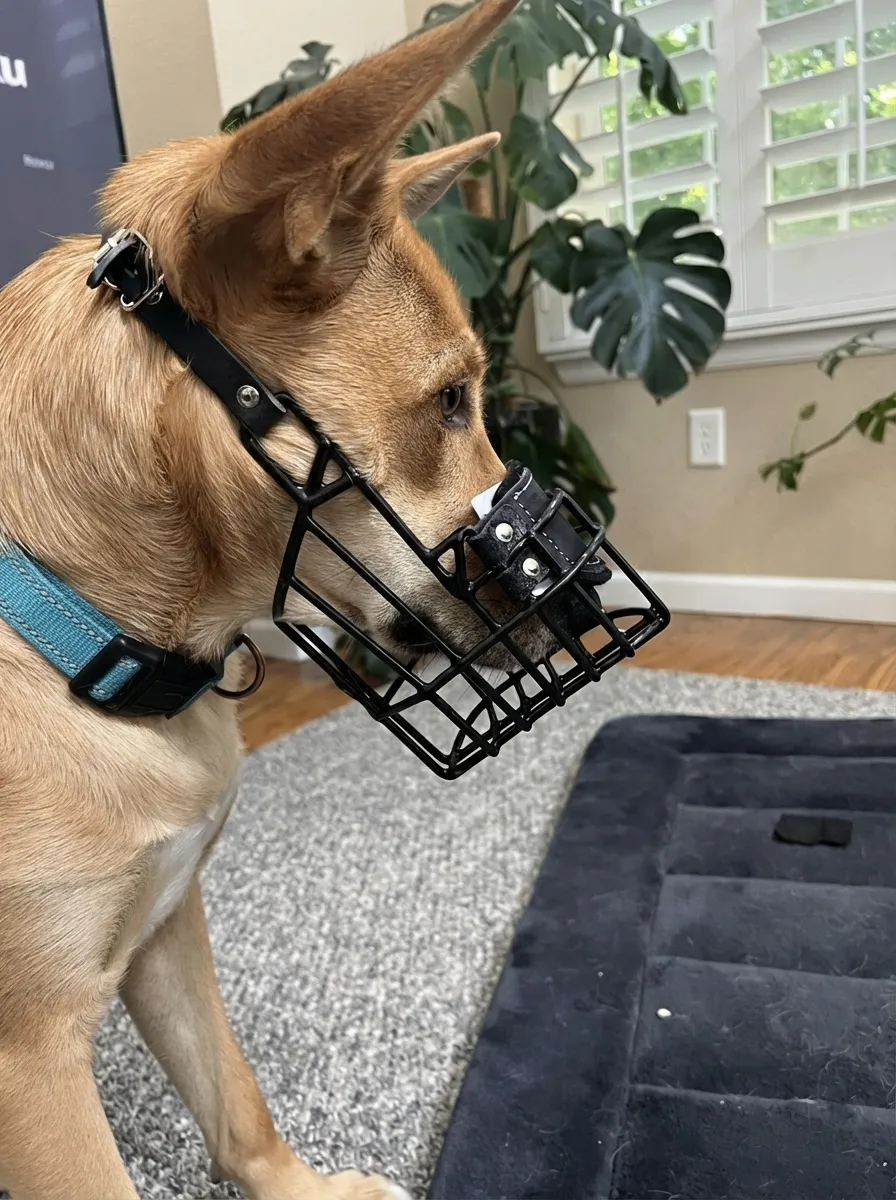
I'm the vet who recommended punishment-based training for 15 years. Until my own dog was euthanized for aggression.
Canine Stress Research Institute
I gave my dog gut support for 7 months—Amazon then Chewy. He was euthanized for biting anyway. Reason: low postbiotic levels.
Canine Stress Research Institute
I'm going to lose my mind if one more person says 'try a different trainer' for reactive dogs
Canine Stress Research Institute

79% of reactive dogs in training had this gut issue
Canine Stress Research Institute
Three German Shepherds were euthanized at our clinic last month. All were under 8 years old. All died because of reactivity.
Canine Stress Research Institute
Vet: "84% Of Separation Anxiety Dogs Have This Gut Problem"
Canine Stress Research Institute
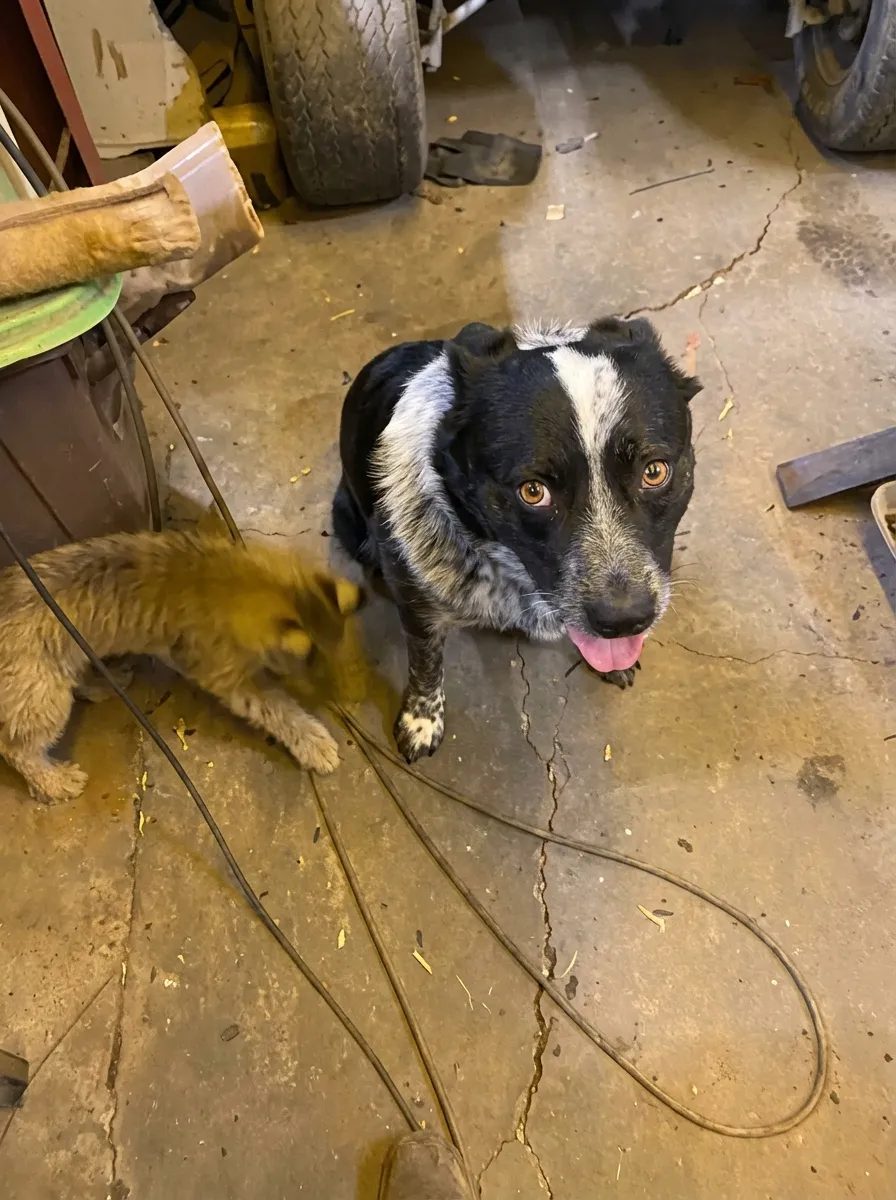
4 Dogs Died During Storms Last Month. All Had The Same Gut Problem.
Canine Stress Research Institute
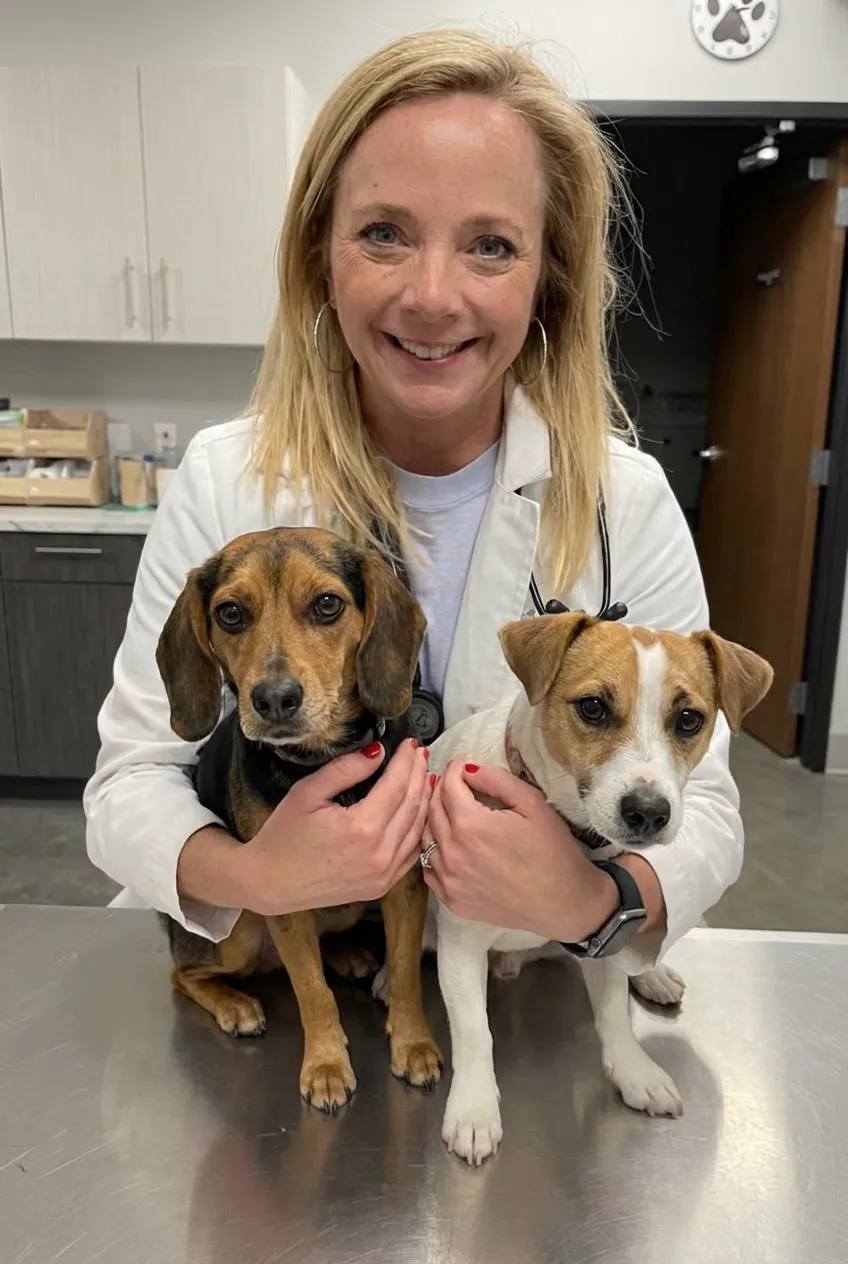
79% of reactive dogs in training had this gut issue
Canine Stress Research Institute
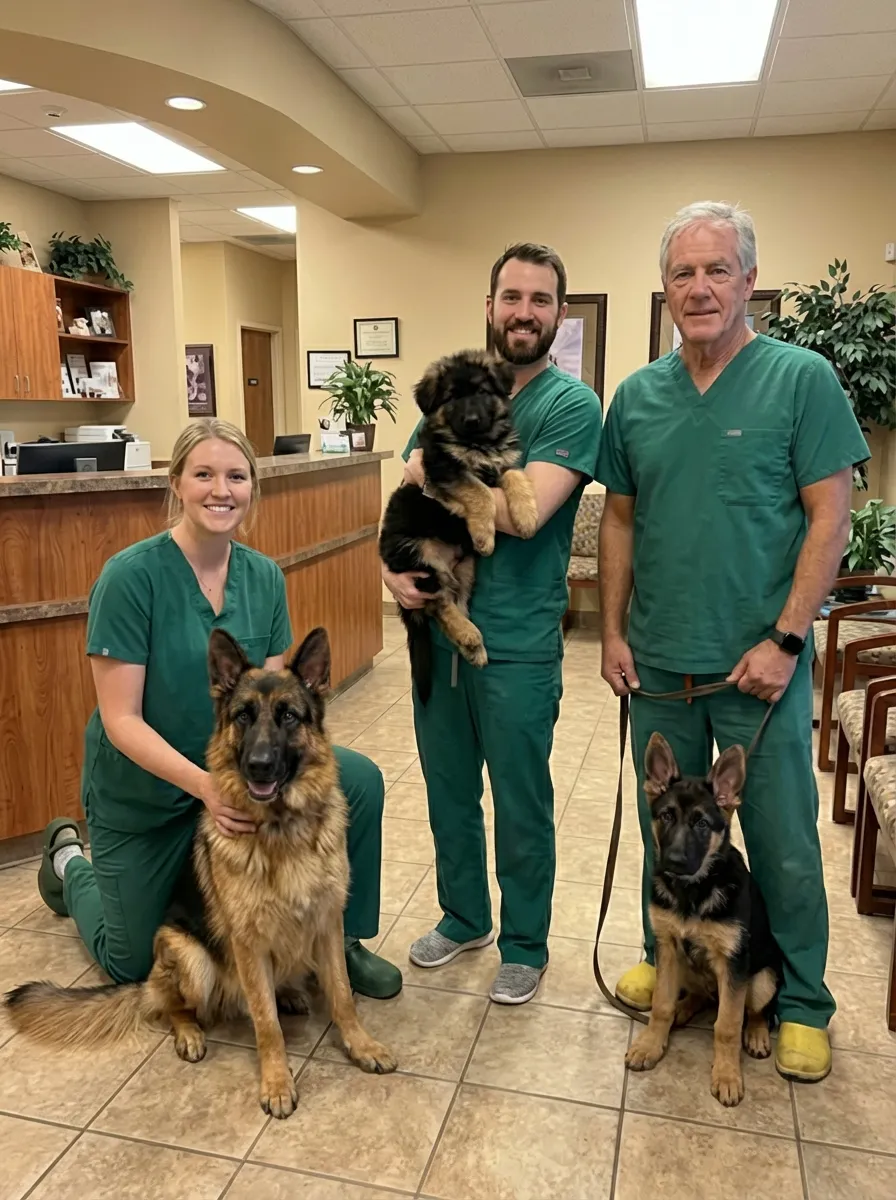
Three German Shepherds were euthanized at our clinic last month. All were under 8 years old. All die…
Canine Stress Research Institute

 Add to Chrome