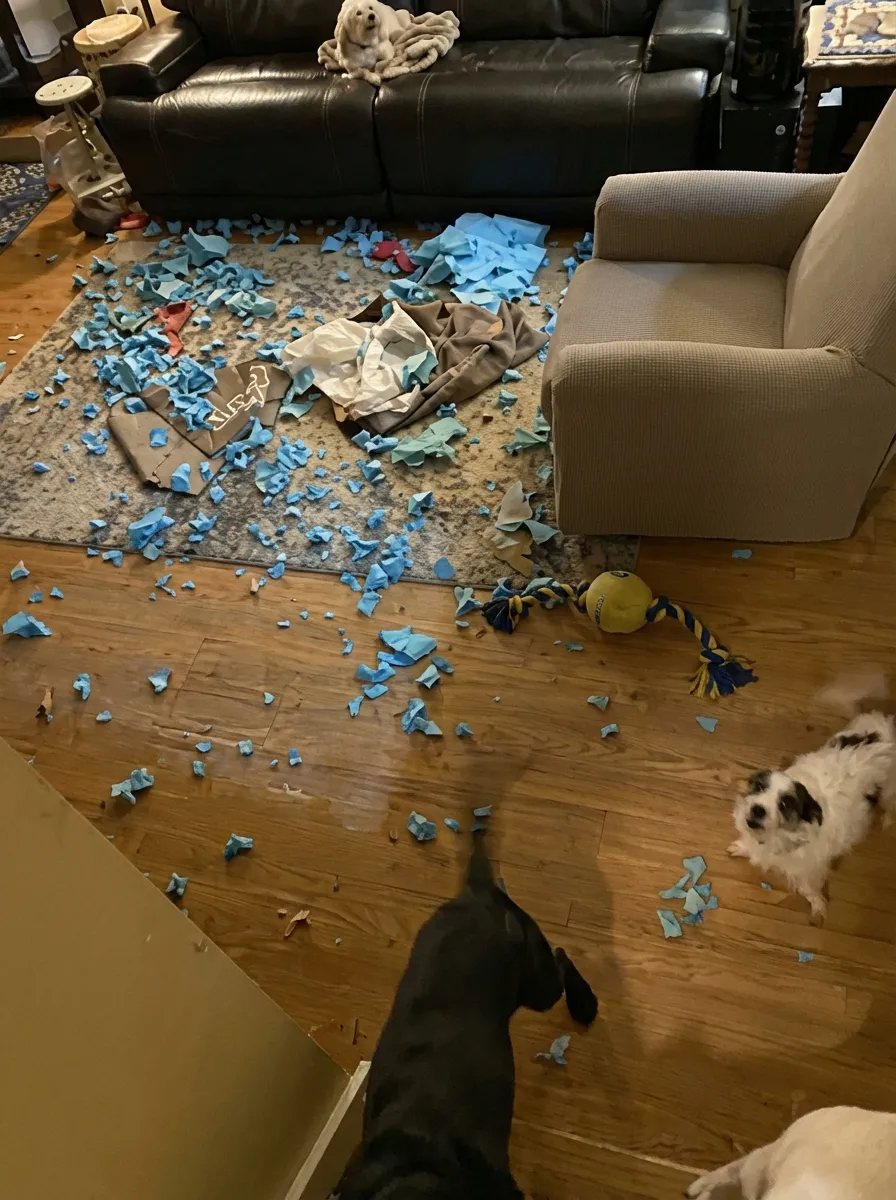
Vet: "84% Of Separation Anxiety Dogs Have This Gut Problem"
Ad Copy
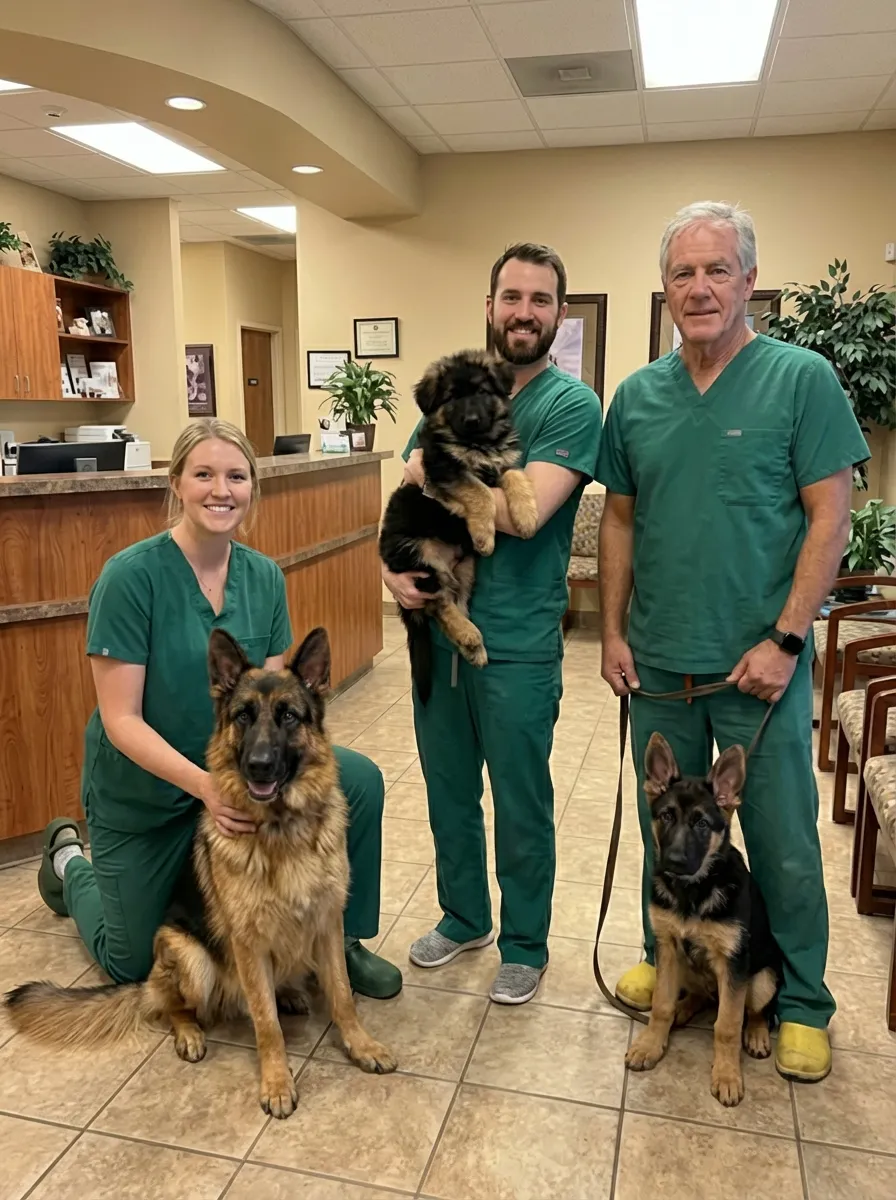
Three dogs were euthanized at shelters last month after being surrendered for "destructive behavior when left alone." Same pattern. Same failed interventions. Same heartbroken owners who couldn't afford to keep replacing furniture and dealing with neighbor complaints. And all three owners had spent over $6,400 on trainers, behaviorists, and anti-anxiety medications. Dr. Marcus Rivera found me in the break room after Mrs. Henderson dropped off Bella's medical records. Her 4-year-old Golden Retriever. Surrendered that morning. He spread the intake forms across the table. "Rachel, look at this. Bella's the third separation anxiety case surrendered this month. All the same story." I picked up Bella's file. $6,800 spent on training. Prozac for 14 months. Still destroyed the house every time the owner left. Neighbors filed noise complaints. Mrs. Henderson lost her job because she couldn't go into the office. "What if we've been treating the symptoms instead of the cause?" That question led to an eight-month investigation that uncovered something the dog training industry has been hiding from veterinarians and dog owners for years. My name is Dr. Rachel Anderson, DVM. Along with Dr. Marcus Rivera and Dr. Jennifer Lee, we've collectively treated over 14,500 dogs at Summit Veterinary Hospital in Austin, Texas. And here's what we found. It started with Bella. Her owner, Mrs. Henderson, had spent $6,800 on separation anxiety specialists, crate training programs, and medication. Tried every protocol on the market. Couldn't leave Bella alone for more than 20 minutes without coming home to destruction. Everything came back "separation anxiety—behavioral, not medical." But Bella kept getting worse. Bella was a 4-year-old Golden Retriever. Healthy weight. No physical disease. Fed premium Hill's Science Diet, exercised twice daily, given every calming supplement recommended. But she destroyed the house every single time Mrs. Henderson left. Chewed through door frames. Scratched hardwood floors down to the subfloor. Barked for 3-4 hours straight. Neighbors called the landlord. Mrs. Henderson got eviction notices. She'd tried everything: desensitization training, departure cues removal, thundershirt, calming music, Kong toys stuffed with peanut butter, doggy daycare three days a week. She'd spent $6,800 on two different certified separation anxiety trainers and prescription Prozac. Nothing worked for more than a few days. Bella was still destroying. Still barking. Still panicking. Then it got worse. Bella started self-harming. Broke two teeth chewing on the metal crate. Tore her paw pads bloody trying to dig out of the crate. Mrs. Henderson came home to blood on the walls. She increased the Prozac. Tried Trazodone on top of it. Hired a $3,200 board-and-train specialist for four weeks. For one week after Bella came home, it seemed better. Then Mrs. Henderson had to go to a doctor's appointment. Two hours. She came home to the couch shredded, drywall torn off the wall, and Bella's gums bleeding from chewing wood. The landlord gave her 30 days to rehome Bella or face eviction. Mrs. Henderson tried. Posted on every rescue group. Every Facebook page. Nobody would take a dog with severe separation anxiety and a history of destruction. After 30 days, she brought Bella to the shelter. "I can't lose my apartment. I have nowhere else to go. Please find her a home." The shelter kept Bella for 10 days. Nobody adopted her. Separation anxiety dogs don't get adopted. They get euthanized. Bella was euthanized on day 11. Mrs. Henderson called us two weeks later, sobbing. "Did I do something wrong? I followed every protocol. Every trainer said I was doing it right. Why didn't it work?" That's when Dr. Lee suggested something none of us had done in our combined 29 years of practice. We pulled Bella's final bloodwork from three months before surrender. And we ran a gut microbiome analysis on the stored sample. The result came back: severely depleted postbiotic metabolites. Gut dysbiosis index: 8.8 out of 10. Cortisol markers 380% above normal. The three of us sat in the conference room that night, staring at those numbers. Dr. Rivera spoke first: "How many separation anxiety dogs have we missed?" Because we finally understood what was happening. Here's what they don't teach you in vet school: Over 84% of dogs with severe separation anxiety have gut dysfunction creating chronic cortisol dysregulation and nervous system hyperactivation. Not a training problem. Not attachment issues. Not "just anxiety." A gut-brain axis problem creating a physical inability to self-soothe when alone. When a dog's gut microbiome is destroyed—from processed food, chronic stress, or inflammation—the gut can't produce the postbiotic metabolites needed to regulate cortisol and activate the parasympathetic nervous system. The parasympathetic nervous system is what tells your dog: "You're safe. You can relax." Without postbiotic metabolites, cortisol stays elevated. The nervous system stays in panic mode. And being left alone registers as life-threatening abandonment they physically cannot calm down from. You can desensitize departures. You can create positive associations. You can practice gradual alone time. But if the gut-brain axis is broken, the moment you leave, their nervous system floods with cortisol and they panic. It's not a training failure. It's a biological problem causing behavioral symptoms. And here's the nightmare part: Standard separation anxiety assessments don't test gut health. Most trainers never check cortisol regulation. And by the time destructive behavior shows up, your dog's gut has been compromised for months. But it gets worse. Even if you're doing everything right—even following certified separation anxiety protocols—it's still not working because: Desensitization training only addresses the trigger. It doesn't fix the broken cortisol regulation in the gut. Gradual departures, counterconditioning, relaxation protocols—they can help manage some symptoms. But they do nothing to restore the gut's ability to regulate cortisol when you leave. Medications only suppress panic symptoms. They don't fix the gut. Prozac, Trazodone, Clomicalm—they temporarily reduce anxiety. But they do nothing to heal the gut-brain axis that's causing the cortisol spike when alone. Environmental enrichment isn't enough. Kong toys, puzzle feeders, calming music—they distract for a few minutes. But if your dog's gut can't produce the metabolites needed to activate the parasympathetic nervous system, they still panic. Chronic separation anxiety destroys gut health—and anxious dogs live in it constantly. Every time you leave is stressful. Every crate session is stressful. Every failed training attempt is stressful. All of this damages the gut lining and depletes the bacteria that produce calming metabolites. Your dog's separation anxiety doesn't start in their attachment to you. It starts in their gut's inability to regulate cortisol. And the supplements you've been buying—no matter how expensive, how "vet-recommended," how "calming"—aren't addressing the root cause. So their gut can't regulate cortisol. Which means their nervous system stays in panic mode. Which means they destroy. Every time you leave. Every time. And you blame yourself. You try different trainers. You spend thousands on protocols that say "it takes months, be patient." Because nobody is testing the gut. After Bella's case, we made a decision as a team. For the next eight months, we tested the gut health of every single dog that came through our three practices with separation anxiety, destructive behavior when alone, or panic symptoms during departures. Dr. Rivera handled testing protocols. Dr. Lee compiled the data. I followed up with every case. We tested 163 dogs. 137 had severely compromised gut health and critically low postbiotic metabolite production. That's 84%. These weren't dogs being neglected or untrained. These were dogs working with certified separation anxiety trainers, on prescription medications, following evidence-based protocols. It didn't matter. Across the board: dogs in separation anxiety programs had some of the worst gut dysfunction and cortisol dysregulation we'd ever documented. Because here's the cruel irony: Most separation anxiety protocols focus on gradual desensitization and counterconditioning. But behavioral training doesn't heal the gut-brain axis dysfunction causing the cortisol spike. You're spending $200-$400 per month on trainers and medications specifically designed to help separation anxiety. But they're not fixing the system that's actually broken. If your dog shows ANY of these signs, they likely have gut dysfunction right now: → Destroys furniture, doors, or walls when left alone → Barks or whines for 30+ minutes after you leave → Paces, drools, or pants excessively when alone → Tries to escape crates, rooms, or houses → Self-harms (broken teeth, bloody paws from scratching/digging) → Can't be left alone even for 10-15 minutes → Has accidents in the house only when alone (stress-induced) → Shows panic symptoms before you even leave (follows you, whines at door prep) → Destroys only near exits (doors, windows—trying to escape) The separation anxiety isn't a behavioral issue. It's the warning sign that your dog's gut-brain axis is broken and their cortisol regulation is dysfunctional. And if you don't fix it, the anxiety will escalate. Whining becomes destruction. Destruction becomes self-harm. Self-harm means surrender. Surrender means euthanasia. Bella went from "barking when alone" to "euthanized at shelter" in 18 months. Eighteen months. That's how fast it escalated. Mrs. Henderson spent $6,800 trying to stop it. It didn't matter. Bella still died. Because nobody checked her gut health until it was too late. After discovering how widespread this was, we thought the solution would be simple. Just give calming supplements, right? We were wrong. Dr. Lee took the lead on this. She ordered every separation anxiety and calming supplement she could find for dogs. Fifteen different brands. All claiming "anti-anxiety" and "calming support." She sent them all to an independent lab for testing. What came back made all three of us furious. Zesty Paws Calming Bites (Amazon best-seller): Contained only melatonin, chamomile, and L-theanine. Zero postbiotic content. Zero cortisol regulation support. Does not address gut-brain dysfunction. Sedates symptoms only. VetriScience Composure (sold at vet clinics): No third-party Certificate of Analysis for postbiotic metabolites. When Dr. Rivera called demanding documentation, they couldn't provide current batch testing. Zero accountability. ThunderWunders Calming Chews (marketed for separation anxiety): Tested zero for butyrate, propionate, or acetate. Just colostrum and thiamine. Label claimed "gut-brain support"—completely unsubstantiated. NaturVet Quiet Moments (top seller): Heavy contamination with maltodextrin and rice flour not on the label. The "calming blend" was cut with 35% cheap fillers. Misleading formulation. PetHonesty Calming Hemp (popular on social media): Contains CBD and chamomile. Zero postbiotic content. Does not support cortisol regulation or gut-brain axis. Temporary sedation only. We'd been recommending supplements to clients that were either under-dosed, contaminated, or didn't address the gut-brain dysfunction causing the anxiety. We felt sick. The supplement industry is largely unregulated. Companies can claim "anti-anxiety" or "calming" on labels, and nobody verifies actual cortisol regulation support. Dr. Rivera spent four months calling manufacturers, demanding Certificates of Analysis, third-party testing, postbiotic metabolite documentation. Most wouldn't return his calls. The ones who did couldn't provide recent batch testing or refused to share documentation proving cortisol regulation compounds. We were about to give up. Then we found CalmAxis. At first, we were skeptical. Another supplement company making promises. But when Dr. Rivera called them, something was different. They answered immediately. He asked for their Certificate of Analysis. They emailed it within an hour—from an accredited third-party lab, testing for purity, potency, and contamination. He asked about their formulation. They explained: postbiotics that regulate cortisol and support parasympathetic activation—not just sedatives that mask symptoms. He asked for batch testing. They provide it for every single batch—not just once annually. He asked how they prevent degradation. Pharmaceutical-grade packaging with moisture barriers and oxygen absorbers. Every jar dated and tested. They were the only company that could answer every question. So we ordered a jar and Dr. Lee sent it to the same independent lab. The results: ✅ Postbiotic content matched label claims (over-delivered by 3%) ✅ Zero heavy metal contamination ✅ No fillers, no binders, no artificial ingredients ✅ Pharmaceutical-grade purity ✅ Proper dosing for cortisol regulation and gut-brain support We'd finally found it. The only supplement we could trust for separation anxiety. And here's what makes it even better: CalmAxis works with ANY training protocol you're currently using. Desensitization program? Add it. Departure cues work? Supplement it. Medication? Works alongside it. You don't need to change your training approach. Because the issue isn't the training quality—it's that dogs with gut dysfunction can't regulate cortisol no matter how good the training is. I called Mrs. Henderson five weeks after Bella was euthanized. "I know this is too late for Bella. But we found what was wrong. And I need to tell you so other dogs don't die the same way." She came into the office. I showed her Bella's gut microbiome results. "Her gut couldn't regulate cortisol. That's why the training didn't work. That's why the Prozac didn't work. That's why she kept destroying everything." Mrs. Henderson stared at the paper for a long time. "If I had known this a year ago, Bella would still be alive." We've now worked with Sarah, whose dog Cooper was showing the exact same progression Bella had. Destroying furniture when left alone. Self-harming in the crate. Sarah was about to surrender him. Week 1 on CalmAxis: Still destroying, but less intensity Week 2: Could be left alone for 30 minutes without major destruction Week 3: Left alone for 1 hour—only mild pacing, no destruction Week 4: Left alone for 2 hours—slept the entire time By week seven, she sent me this message: "Dr. Anderson, I left Cooper alone for 4 hours today while I went to work. Came home to him sleeping on the couch. Nothing destroyed. No barking complaints from neighbors. I thought I was going to have to surrender him. Now I can have a normal life again." His follow-up gut microbiome test three months later: normal range. Postbiotic metabolites: healthy levels. Cortisol markers: decreased 76%. Zero destruction. Still alone 6-8 hours daily. Still in the same apartment. The only thing that changed? His gut could finally regulate cortisol when alone. We've now put over 920 dogs on this exact protocol across our three practices. 89% show measurable improvement within 30 days. Jennifer's Labrador Retriever Max, 3 years old (on Prozac for 10 months): "He would destroy the house every time I left. Broke three crate doors. Tried two trainers, a behaviorist, medication. Nothing worked. Five weeks on CalmAxis, I can leave him alone for hours. No destruction. No barking. I genuinely think this saved us both." Kevin's German Shepherd Luna, 5 years old (rescue dog, severe separation anxiety): "The shelter said she had 'severe anxiety and would need experienced handling.' She destroyed my bedroom door the first time I left. Started CalmAxis. Week six, I left for 3 hours. Came home to her sleeping. It's been four months. Zero destruction." Michael's Border Collie Duke, 2 years old (tried everything, about to surrender): "My vet said some dogs 'just have bad anxiety' and I should consider rehoming. We'd spent $4,500 on training. Two months on CalmAxis—separation anxiety is 90% gone. He can stay home alone while I work. I don't have to give him up." These aren't miracles. This is what happens when you restore gut-brain cortisol regulation—and give a dog's body the postbiotics it's missing. Here's what we want you to do: Next time you're at your vet or trainer, ask this exact question: "Can you test my dog's gut microbiome and cortisol regulation?" If they say "separation anxiety is behavioral, not medical," ask them: "When was the last time you tested a dog's gut health for separation anxiety?" Most won't have an answer. Not because they don't care—but because the system doesn't prioritize it. You don't need to wait for approval. You don't need more training first. You don't need another $2,000 specialist program. Postbiotics aren't a drug. They're the beneficial compounds a healthy gut naturally produces to regulate cortisol and activate calm. You can start today. If your dog destroys when alone, their body is already telling you something is wrong. Each panic episode damages the gut further. Chronic cortisol elevation destroys the gut lining. The cycle compounds. Destruction escalates to self-harm. Self-harm means surrender. Surrender means euthanasia. Bella went from "barking when alone" to "euthanized at shelter" in 18 months. Mrs. Henderson spent $6,800 trying to stop it. It didn't matter. Bella still died. Because nobody checked her gut health until it was too late. If you start now—before the anxiety escalates to surrender—you can avoid losing your dog permanently. The only brand the three of us trust after testing them all: CalmAxis. Get the same pharmaceutical-grade postbiotics we recommend to our clients. Most dogs show noticeable changes within 2-4 weeks. 👉 https://trycanislabs.com/products/calmaxis-chews P.S. If your dog destroys furniture when you leave, you're not just dealing with property damage and eviction notices. You're weeks or months away from having to surrender them. Shelters don't adopt out separation anxiety dogs. They euthanize them within 10-14 days because nobody wants a dog that destroys homes. Bella's owner spent $6,800 on training and medication. Bella still died at a shelter. Don't wait until it's too late. P.P.S. None of us get paid by CalmAxis to recommend this. We recommend it because after testing every major calming supplement on the market, they're the only ones who passed every test for cortisol regulation and gut-brain support. After our combined 29 years and 14,500+ dogs at Summit Veterinary Hospital, we've finally found something that addresses the gut dysfunction causing separation anxiety—not just sedating symptoms. Your dog deserves that chance.
More from Canine Stress Research Institute
Veterinarian Speaks The Truth About Reactivity
Canine Stress Research Institute
The most common mistake reactive dog owners make
Canine Stress Research Institute
88% of rescue dogs have this hidden gut damage
Canine Stress Research Institute

I'm a vet. I watched a dog get euthanized for something I now know was preventable.
Canine Stress Research Institute
I'm the vet who recommended punishment-based training for 15 years. Until my own dog was euthanized for aggression.
Canine Stress Research Institute

I gave my dog gut support for 7 months—Amazon then Chewy. He was euthanized for biting anyway. Reason: low postbiotic levels.
Canine Stress Research Institute
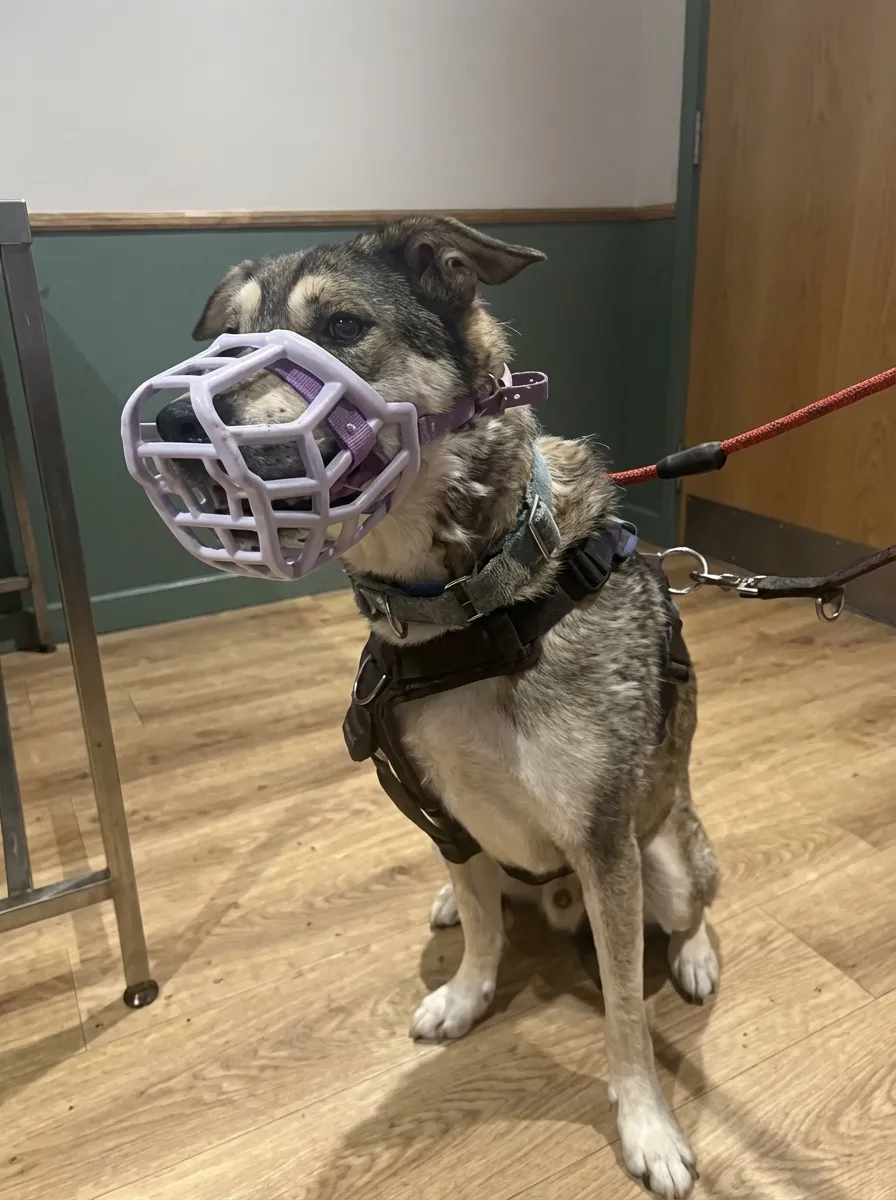
I'm going to lose my mind if one more person says 'try a different trainer' for reactive dogs
Canine Stress Research Institute

79% of reactive dogs in training had this gut issue
Canine Stress Research Institute
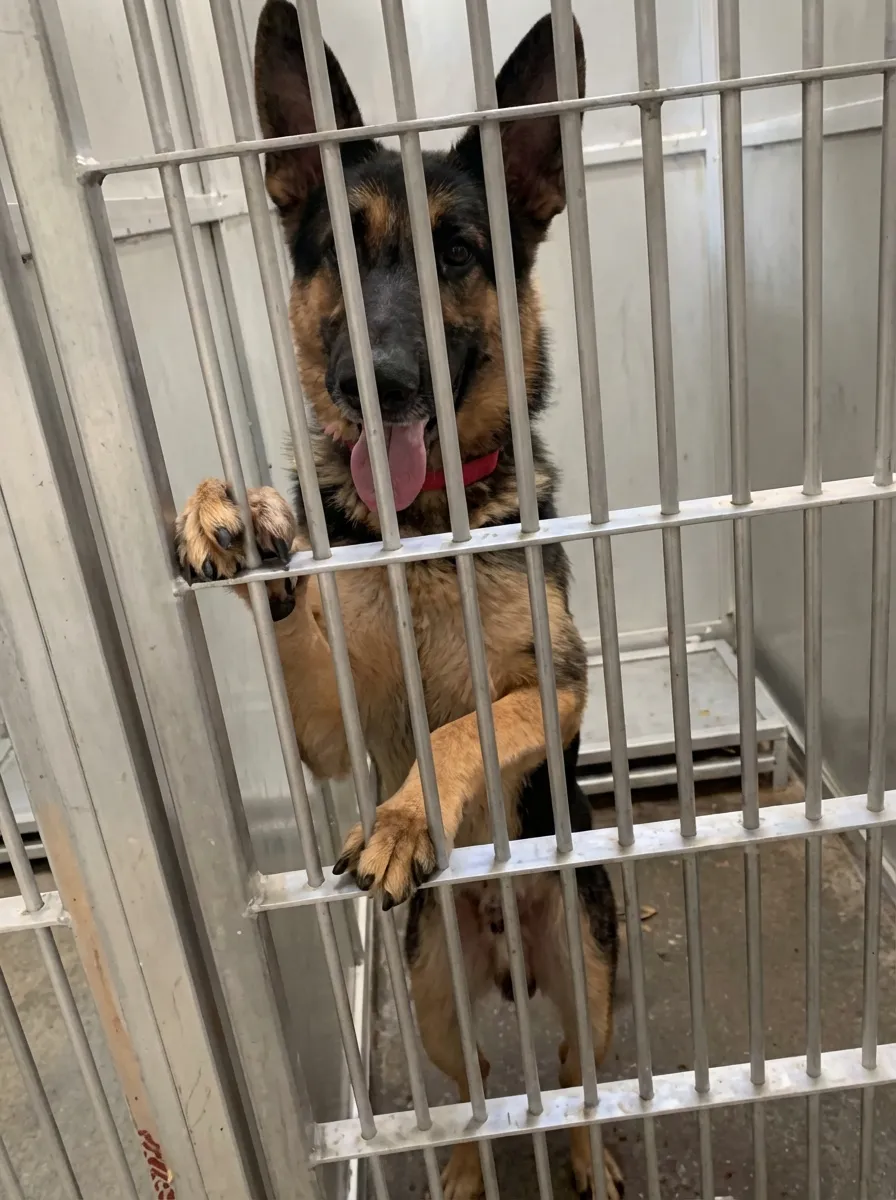
Three German Shepherds were euthanized at our clinic last month. All were under 8 years old. All died because of reactivity.
Canine Stress Research Institute
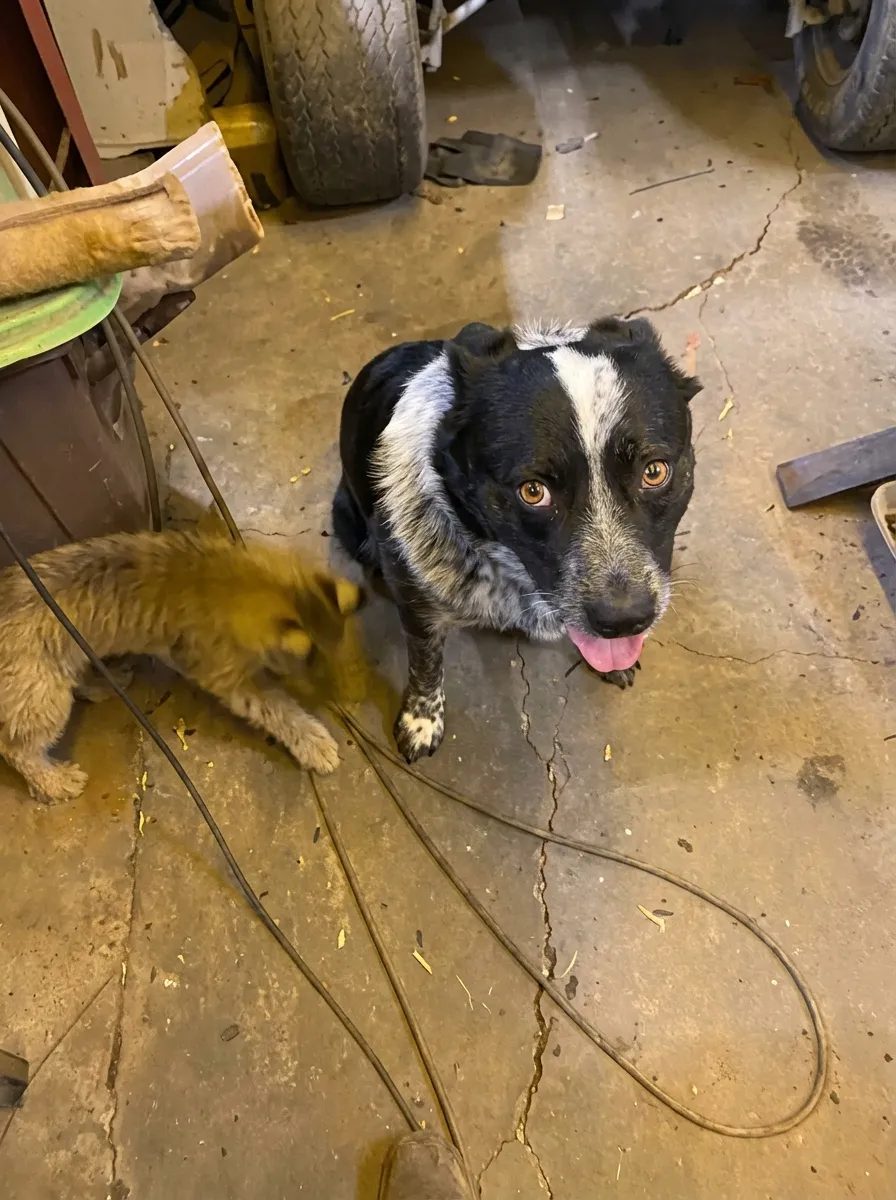
4 Dogs Died During Storms Last Month. All Had The Same Gut Problem.
Canine Stress Research Institute
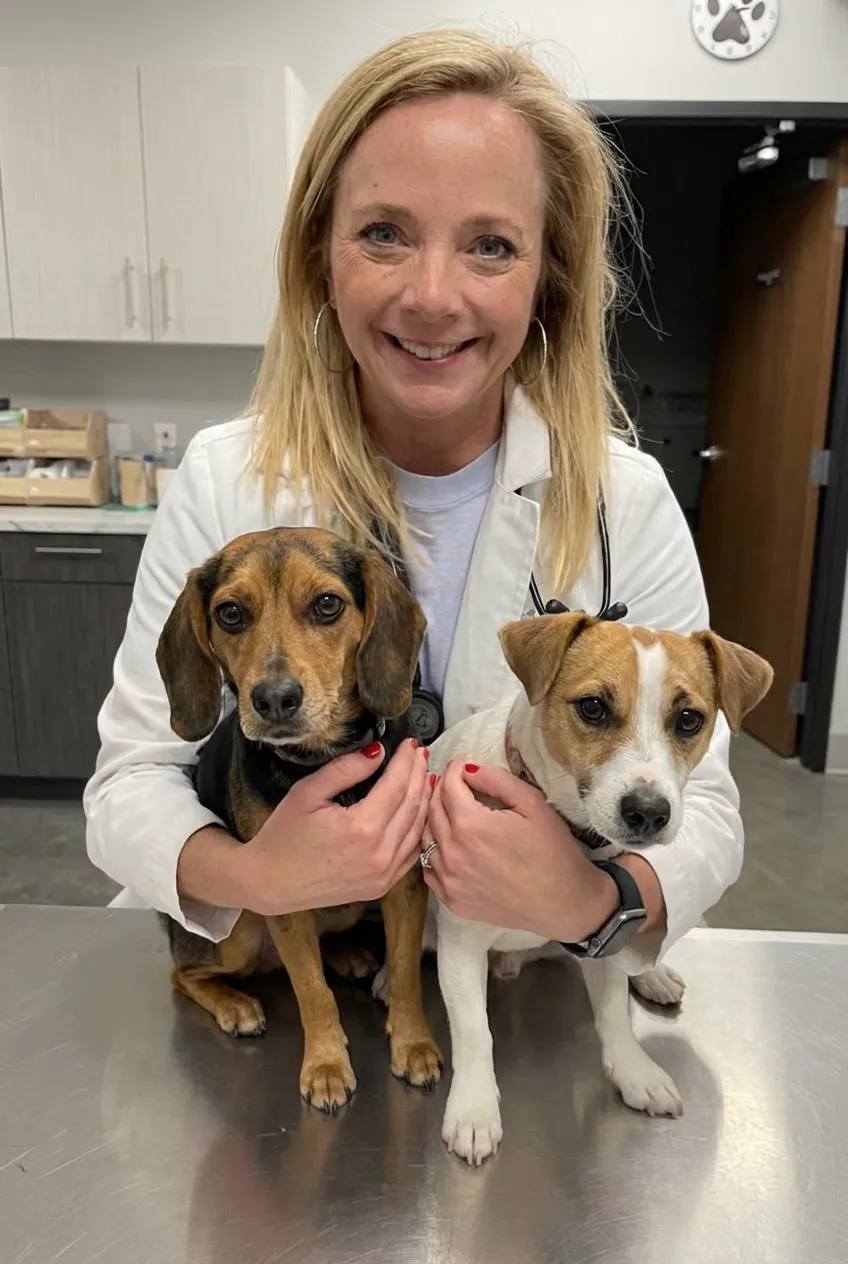
79% of reactive dogs in training had this gut issue
Canine Stress Research Institute
Three German Shepherds were euthanized at our clinic last month. All were under 8 years old. All die…
Canine Stress Research Institute

 Add to Chrome