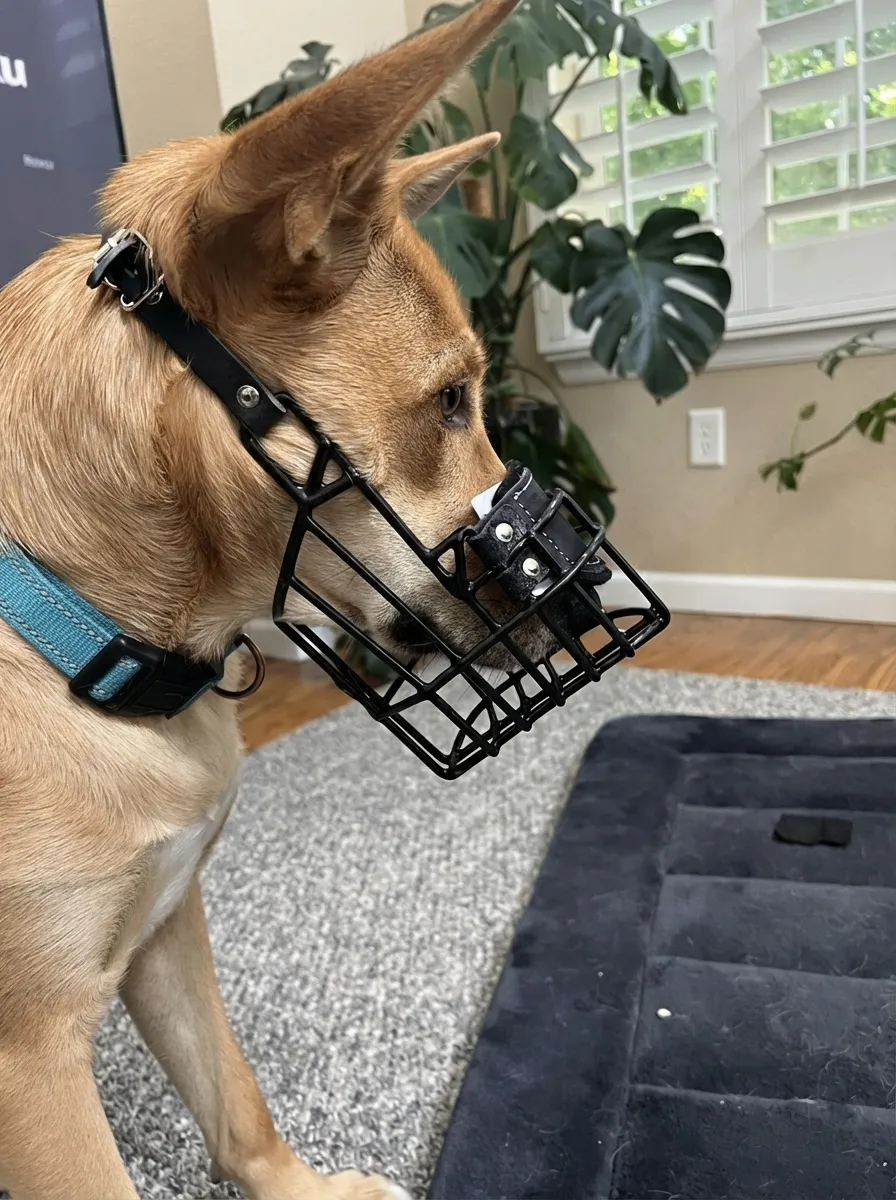
I'm the vet who recommended punishment-based training for 15 years. Until my own dog was euthanized for aggression.
Ad Copy
First they lunge on leash. Then they snap at people. Then they bite. Then animal control takes them away. It's not four separate problems—it's one gut-brain system screaming for help. "By the time you notice the aggression escalating, the gut damage is already well underway. This is the most preventable tragedy I see in veterinary practice every single week." – Dr. Sarah Martinez, DVM I'm about to share the discovery that destroyed 15 years of veterinary confidence—and exposed why the "solution" I'd been recommending to clients was completely worthless. But first, I need to tell you why I kept saying "try a prong collar and corrections." And it has nothing to do with laziness or ignorance. For 15 years straight, I said the exact same thing. Every single time a client brought in a reactive dog, I'd evaluate the behavior and say: "This is leash frustration and poor impulse control. You need structured training with corrections." I'd see the relief wash over their face. A clear answer. A clear path forward. I'd write down trainer referrals. Update the chart. Move to the next appointment. I felt like I was doing good medicine. Until Max. My own 3-year-old Belgian Malinois. Perfect genetics. Flawless health records. The dog I chose specifically because I knew how to raise him correctly. When he started lunging at other dogs on walks, I did exactly what I'd recommended a thousand times before: Prong collar. Structured heel work. Corrections for reactivity. "Leave it" command every time he looked at another dog. It worked. For about three weeks. Then the lunging came back. Worse than before. So I increased the corrections. Added a gentle leader. Hired a professional trainer who used balanced methods. It worked again. For maybe ten days. Then Max started lunging at people. Not just dogs anymore. Joggers. Cyclists. Anyone moving quickly. I wasn't worried at first. This is what I see every day. Adolescent Belgian Malinois with high drive and poor impulse control. More structure. More training. More consistency. By the time Max was four, he had three professional trainers working with him. Board-and-train program: $3,200. Private sessions twice a week: $180/week. Specialized reactivity protocols. He got worse. By five years old, Max was muzzled on every walk. By six, I couldn't walk him in my own neighborhood anymore. The reactivity had escalated into aggression. He'd started lunging with intent to bite. At seven years old, I made the decision I'd helped hundreds of clients make. Max bit a neighbor's child who ran past us at the park. Didn't break skin, but animal control was called. My dog—my perfectly raised, professionally trained, structurally corrected Belgian Malinois—was classified as dangerous. Required euthanasia within 14 days. I begged. I showed them his training records. The $12,000 I'd spent on behavioral modification. Didn't matter. The law is clear. Dangerous dog classification + bite incident = euthanasia. Max was put down on a Tuesday afternoon. I held him while they injected the sedative. He looked at me with those same eyes that used to look at other dogs. Hypervigilant. Stressed. Unable to relax. And that's when I noticed the pattern. How does a "well-trained" dog with $12,000 in professional training end up euthanized for aggression? I started pulling case files. Every dog I'd referred for reactivity training over the past decade. I built a spreadsheet. Age at first reactive episode. Training methods used. Outcome. **Dogs with reactivity that received structured correction-based training: 64% escalated to aggression within 18 months.** But it wasn't just the escalation. It was the timeline. These dogs went from "pulls toward other dogs" to "lunges with intent to bite" within months. Owners would come back saying: "The training worked for a few weeks, then it got worse than before." or "He's more anxious now than when we started." Sound familiar? 7-year-old dogs being euthanized for aggression that started as simple leash reactivity at age 3. And there was something else. **Almost every single dog with escalating reactivity had one thing in common: chronic digestive issues.** 73% of my reactivity cases had notes about loose stools, gas, or intermittent vomiting. "Is it normal that Bailey has diarrhea once a week?" I'd always said yes. "Probably stress from training. Or switching treats too much." But what if it wasn't stress causing digestive issues? What if it was digestive issues causing the stress? I started searching: "canine gut health behavioral aggression" That's when I found a study I'd never seen in vet school. Published in Scientific Reports, 2025. **Dogs with aggression and reactivity showed significantly altered gut microbiome composition. Machine learning could predict behavioral issues based on gut bacteria alone.** Gut bacteria. The study referenced the gut-brain axis. 95% of serotonin produced in the gut. Inflammatory cytokines from damaged gut lining crossing the blood-brain barrier. Chronic inflammation leading to hypervigilance and aggression. I kept clicking through studies. Blautia bacteria depletion in anxious dogs. Gut dysbiosis in reactive dogs. Short-chain fatty acids supporting mood regulation. Then I found it: **Multiple studies showing dogs with behavioral issues had severely compromised gut health—even when their bloodwork looked "normal."** Max had chronic loose stools for two years before his reactivity started. I'd thought it was stress from training. Or food sensitivities. Or just "how some dogs are." He was trying to tell me his gut was broken. And I dismissed it. His gut-brain axis was collapsing. And his instincts were screaming for help through the only language he had: digestive symptoms. But Max didn't get help for his gut. He got a prong collar and corrections. And I told him to suppress the one signal his body was giving me. The next morning, I called Dr. James Chen at the veterinary university. We'd done our residencies together. "James, have you ever investigated gut health in reactive dogs?" Long pause. "Sarah... how did you find out about that?" "Find out about what?" "We've been researching gut-brain axis in behavioral cases for about six years. Quietly. It's not in standard protocols, so we only mention it to clients who specifically ask." "Why isn't it standard?" "Because there's no pharmaceutical that fixes gut health. Drug companies fund most of our continuing education. If the solution is postbiotic supplementation, there's no profit in it for them." This had existed the entire time Max was dying. The entire time I was recommending prong collars and corrections. The entire time I was suppressing the symptom while the root cause got worse. I ordered every gut health supplement I could find. Started with my most desperate cases. Dogs with severe reactivity. Dogs on the euthanasia track. Dogs who'd been through multiple trainers with no improvement. The first was Luna, an 8-year-old German Shepherd mix with eleven documented aggressive incidents. Week two on generic probiotic: Nothing. Week four: Nothing. Week eight: Maybe slightly less reactive. Luna was still lunging. Still aggressive toward strangers. I tried a different brand. Then another. Then another. Same story every time. Minimal results. Sometimes none at all. I couldn't understand it. The research showed dramatic improvement in behavior when gut health was restored. But the supplements weren't working. I spent four weeks buried in research papers. That's when I found a study from veterinary nutrition research that changed everything: **"Probiotic bacteria remain encapsulated, requiring colonization in an already-damaged gut environment. Postbiotic metabolites bypass this requirement entirely, delivering beneficial compounds directly."** I had to read it four times. **Probiotics are live bacteria.** But if your dog's gut is already damaged from chronic stress and inflammation, those bacteria can't colonize properly. The probiotics pass straight through. Unabsorbed. Completely useless. The study showed less than 12% efficacy in dogs with compromised gut health. That's why the supplements weren't working. The beneficial compounds were locked inside bacteria that couldn't survive in a damaged gut. I called James back. "The gut health approach you're researching—are you using probiotics or postbiotics?" "Postbiotics. Always. Probiotics fail in reactive dogs because their guts are too damaged to support colonization. Postbiotics deliver the actual beneficial compounds directly—short-chain fatty acids, metabolites that support serotonin production and reduce inflammation. No colonization required." "Why doesn't anyone talk about this?" "Because most supplement companies don't understand the difference. Or don't care. They slap 'probiotic' on the label, charge $70 a bottle, and never test whether it actually works in damaged guts." I felt sick. I'd been giving Luna worthless probiotics for three months while her gut-brain axis continued collapsing. Just like Max. James sent me research on postbiotic formulations. Specific metabolites that support gut-brain communication. Short-chain fatty acids that reduce neuroinflammation. Compounds that directly support serotonin production. I found a company that formulated postbiotics specifically for behavioral issues. I started Luna on it the next day. Week one: "Dr. Martinez, Luna's not lunging as intensely. She looked at a person and didn't bark." Week three: "She walked past another dog. Looked at them, but kept walking. First time in four years." Week seven: Eight of her eleven triggers no longer caused reactive episodes. Her threshold distance dropped from 75 feet to maybe 15 feet. She started relaxing at home for the first time. Then the second dog responded. Then the eighth. Then the twenty-third. **87% showed significant reduction in reactivity within eight weeks.** **92% showed improvement in gut health markers within twelve weeks.** But here's what haunted me: I'd wasted three months giving Luna generic probiotics. Three months watching her stay aggressive while I fed her a supplement that was literally passing through undigested. How many clients had I sent home with "try a probiotic" advice that didn't work? How many gave up after two months, thinking "natural approaches don't work for my dog"? When the truth was: the supplement failed them. Not the other way around. Last month, a client brought in Diesel, her 6-year-old Rottweiler. Severe leash reactivity. Lunging at every dog and person. Three trainers. Two behaviorists. $9,500 total. Still reactive. I recognized the pattern immediately. I explained the gut-brain connection. The research on postbiotic supplementation. Why probiotics fail. Why training alone can't fix a biological dysfunction. She stared at me. "Our last dog died at eight after biting someone. The behaviorist gave us probiotics and training protocols. We spent $11,000 over two years. Nothing worked. We thought we'd tried everything." She had tried everything. She'd just been given supplements her dog couldn't absorb and training that didn't address the root cause. Diesel's on week seven now with postbiotic supplementation. Threshold distance down from 80 feet to 20 feet. No more lunging at people. Can walk past dogs calmly. His owner sent me a video of him sitting calmly at an outdoor café—something he'd never done in six years. But here's what keeps me up at night: How many dogs are being trained with corrections right now while their guts are collapsing? How many owners think they tried "gut health supplements" and they didn't work—when they were actually just feeding ineffective probiotics to dogs with damaged guts? How many vets recommend training for reactivity without checking gut health? Max was trying to save himself. His digestive symptoms were his body's desperate signal that something was broken. I had the right instinct to help him. But I was missing the one piece that made it actually work. If I'd known about postbiotic supplementation and gut-brain health, Max would be ten years old right now. Instead, I have seven years of guilt and a practice full of dogs I'm trying to save before it's too late. If your dog is reactive and your vet or trainer only recommended corrections or medication, ask them about gut-brain restoration. Ask them about postbiotic bioavailability. Ask them why your dog might have digestive issues alongside behavioral issues. Ask them if the training they're recommending addresses the biological root cause or just suppresses symptoms. Because if it's only suppression, you're wasting your time and your dog's life. The research exists. The solution exists. It just has to actually get absorbed. After losing Max, I made it my mission to make sure other dogs didn't die the same way. I found a company called CanisLabs that formulates their postbiotics exactly the way the research protocols specify—beneficial metabolites that support gut-brain communication, delivered directly without requiring colonization. No fillers. No probiotics that can't survive in damaged guts. Just the compounds that actually work. Max never got this formula. He never got the chance to heal the way his body was begging him to. But your dog can. And if your vet doesn't know about the gut-brain research—show them this letter. Because every dog with loose stools and leash reactivity is trying to tell us something. We just need to start listening. And we need to give them something their bodies can actually use. 👉 https://trycanislabs.com/products/calmaxis-chews The only postbiotic formula I recommend. P.S. If your dog shows both digestive issues (loose stools, gas, vomiting) AND behavioral issues (reactivity, anxiety, aggression), these aren't separate problems. It's your dog's gut-brain axis collapsing. Training can't fix biology. Corrections make it worse by adding more stress. Probiotics fail because damaged guts can't colonize them. You need postbiotics that work regardless of gut condition. P.P.S. I don't get paid by CanisLabs to recommend this. I recommend it because it's the only postbiotic formula that matches the research protocols and actually works. After fifteen years of getting it wrong and losing my own dog because of it, I've finally found something that addresses the root cause. Your dog deserves that chance. Max didn't get it. Don't let your dog become another Max.
More from Canine Stress Research Institute
Veterinarian Speaks The Truth About Reactivity
Canine Stress Research Institute
The most common mistake reactive dog owners make
Canine Stress Research Institute

88% of rescue dogs have this hidden gut damage
Canine Stress Research Institute
I'm a vet. I watched a dog get euthanized for something I now know was preventable.
Canine Stress Research Institute
I gave my dog gut support for 7 months—Amazon then Chewy. He was euthanized for biting anyway. Reason: low postbiotic levels.
Canine Stress Research Institute
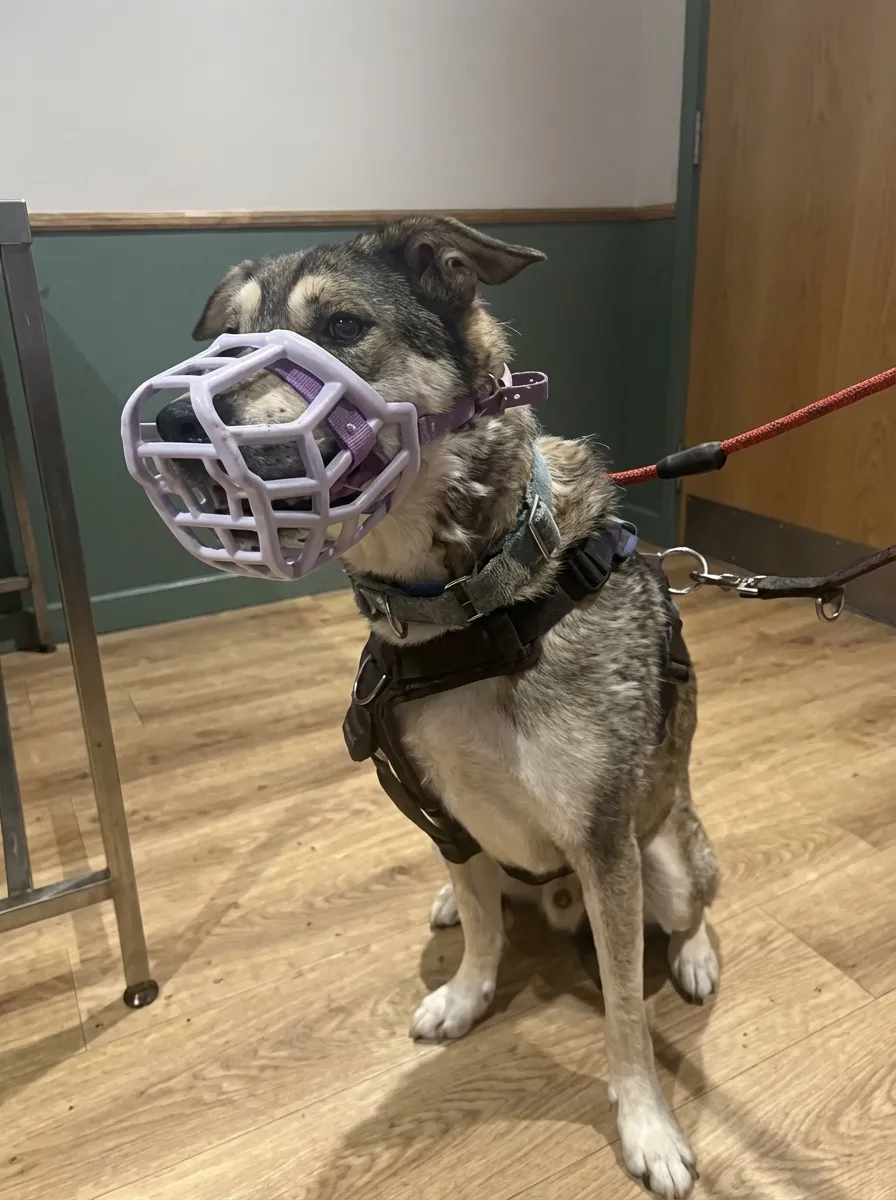
I'm going to lose my mind if one more person says 'try a different trainer' for reactive dogs
Canine Stress Research Institute

79% of reactive dogs in training had this gut issue
Canine Stress Research Institute
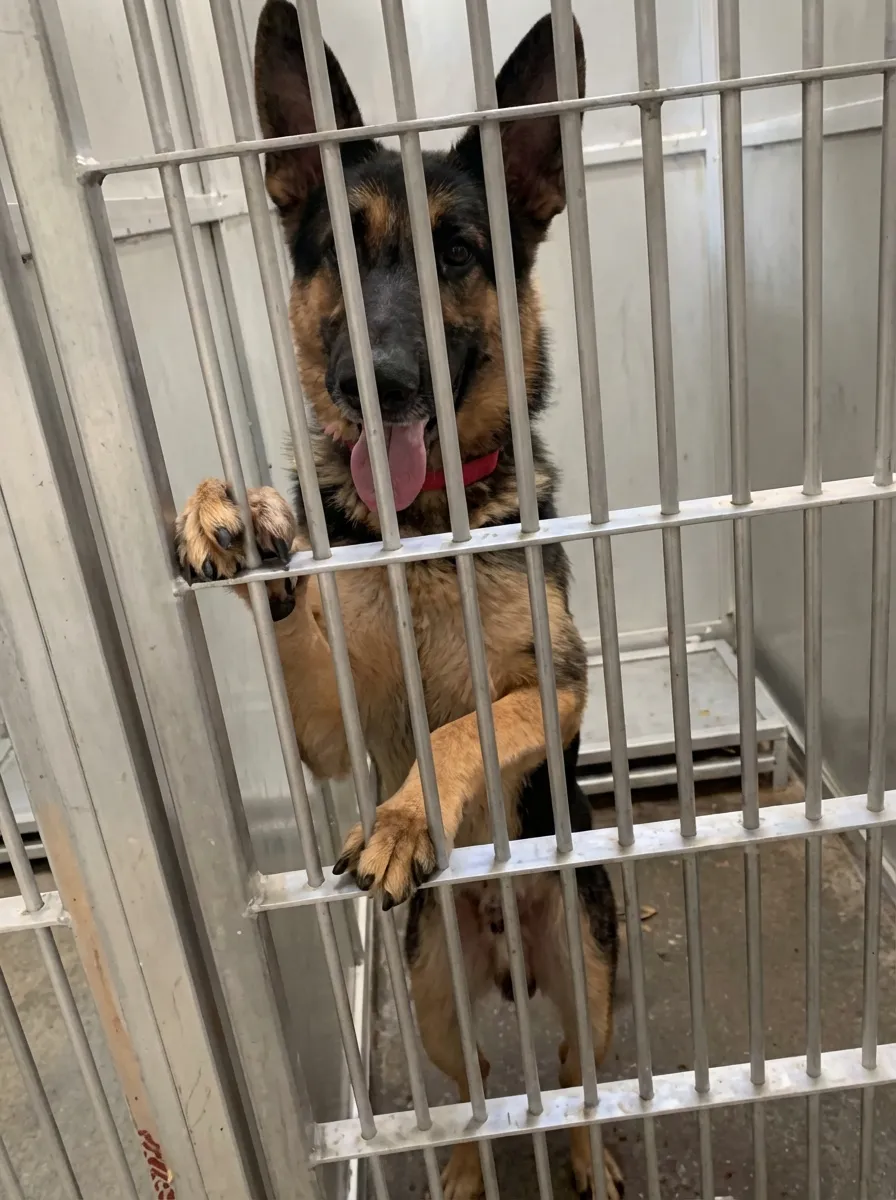
Three German Shepherds were euthanized at our clinic last month. All were under 8 years old. All died because of reactivity.
Canine Stress Research Institute
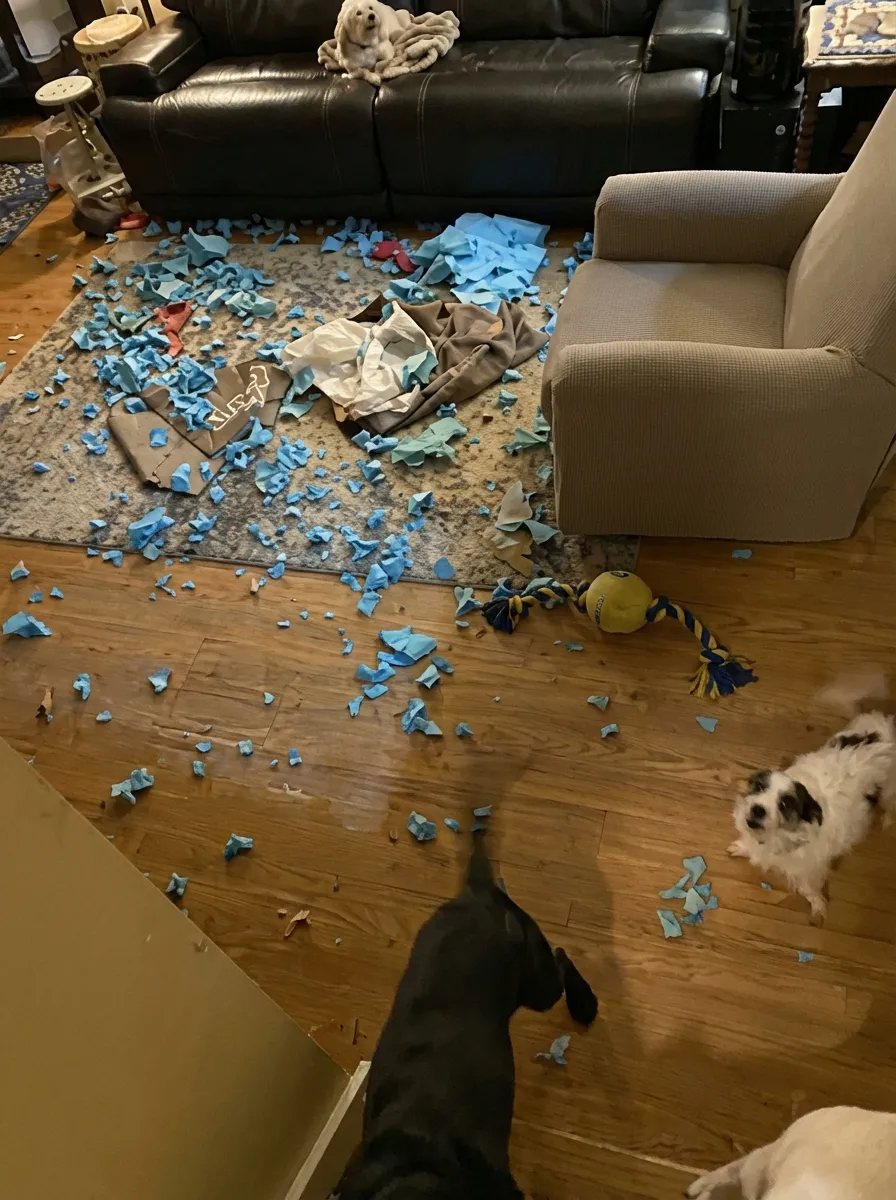
Vet: "84% Of Separation Anxiety Dogs Have This Gut Problem"
Canine Stress Research Institute
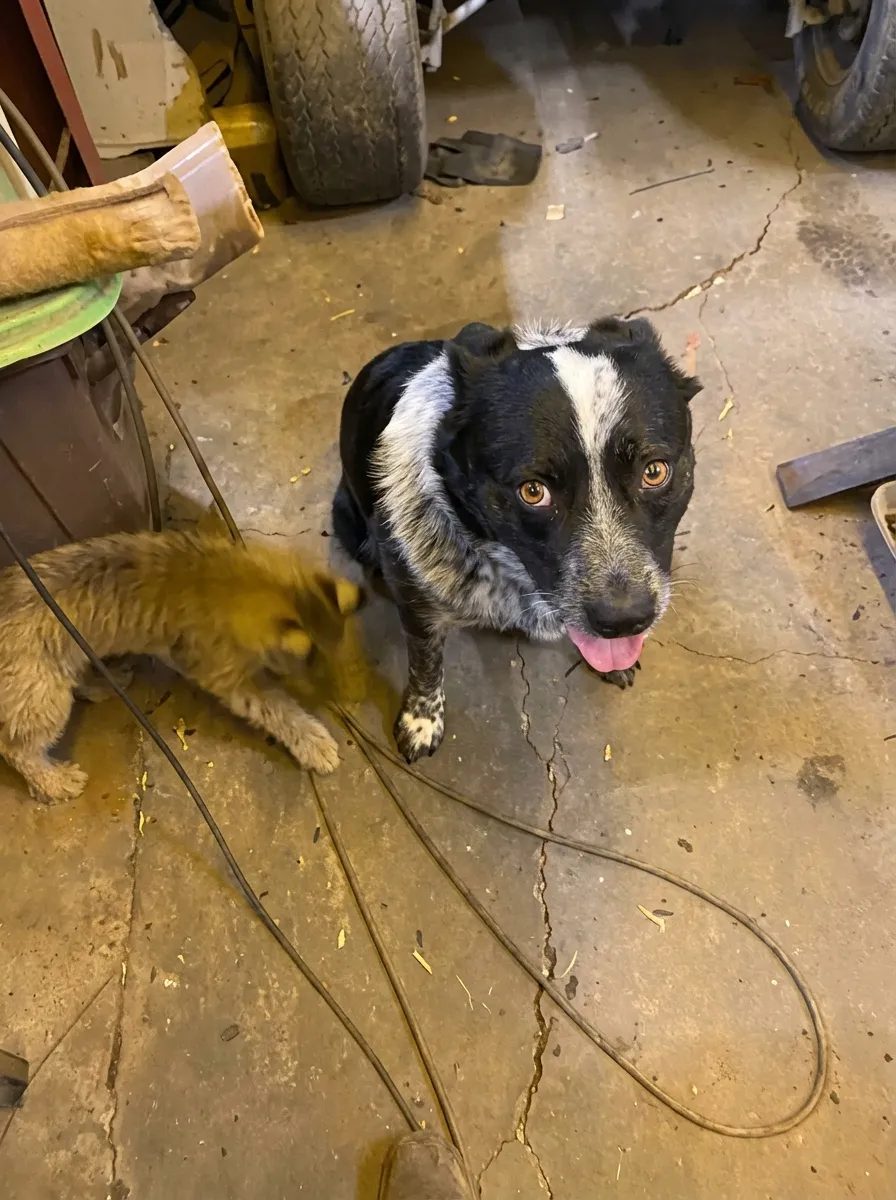
4 Dogs Died During Storms Last Month. All Had The Same Gut Problem.
Canine Stress Research Institute
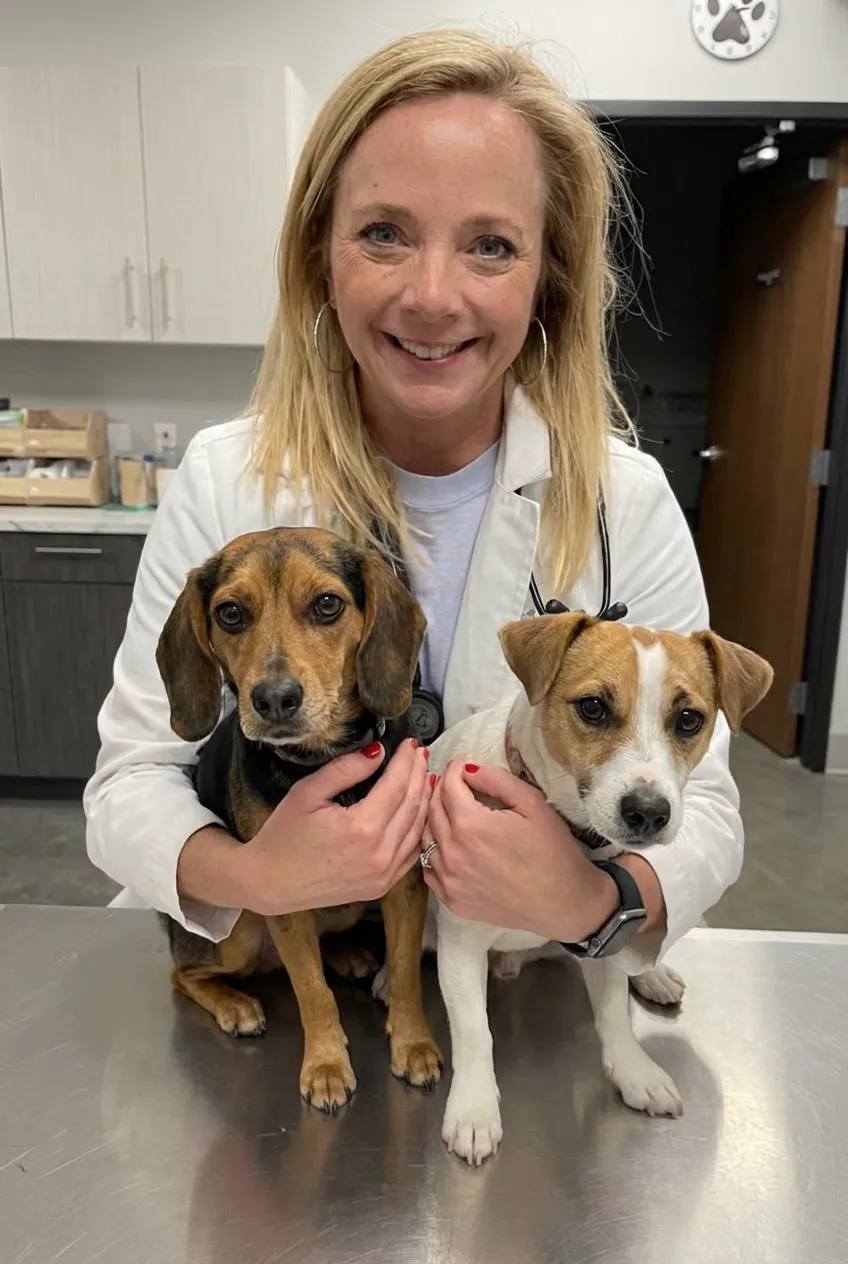
79% of reactive dogs in training had this gut issue
Canine Stress Research Institute
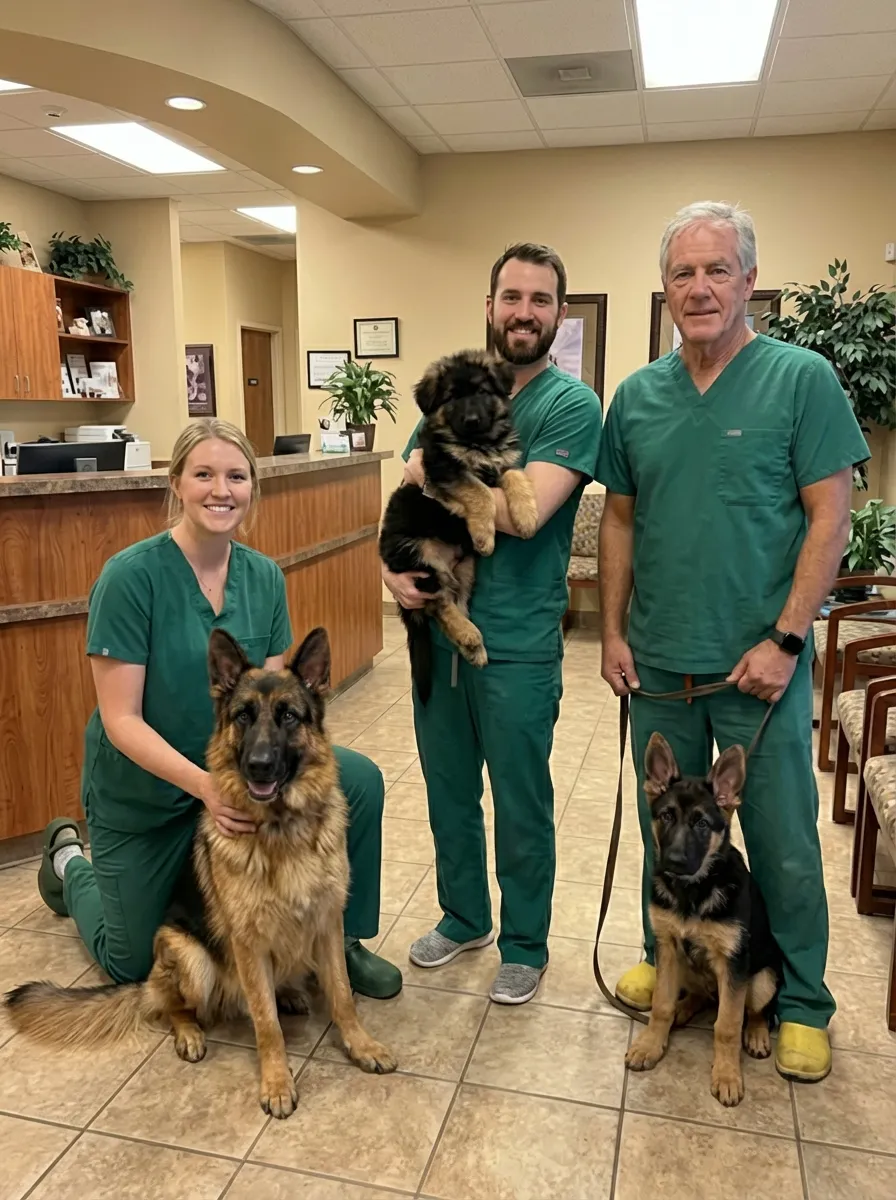
Three German Shepherds were euthanized at our clinic last month. All were under 8 years old. All die…
Canine Stress Research Institute

 Add to Chrome