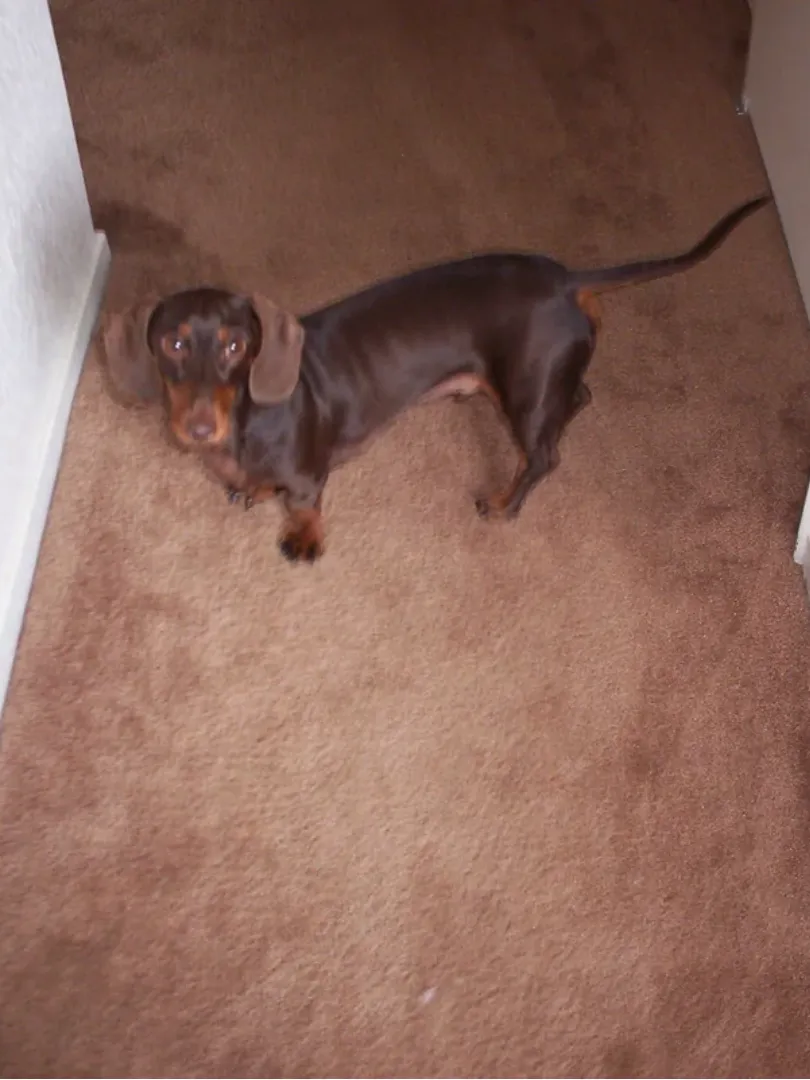
88% of rescue dogs have this hidden gut damage
Ad Copy
After 11 years at Second Chance Rescue, I watched Sarah fill out the surrender form for her dog. She'd had Luna for 9 months. Spent $3,400 on trainers. Tried every calming treat on the market. Followed every protocol perfectly. But Luna still couldn't settle. Pacing from 6 AM until midnight. Panting for no reason. Startling at every sound. Scanning the room like something was about to attack her. "I've tried everything," Sarah said, tears streaming down her face. "She's been with me for 9 months and she still doesn't feel safe." "Maybe she needs someone better than me." I finally asked her the one question nobody else had: "When was the last time someone looked at her gut health?" She stared at me like I was speaking another language. My name is Dr. Emma Collins. I'm a veterinary behaviourist and I've worked with over 8,000 rescue dogs at Second Chance Rescue. And here's what the training industry doesn't want you to know about anxious rescue dogs. Luna was a 4-year-old shepherd mix. Found as a stray wandering a motorway. Spent 6 months in an overcrowded shelter before Sarah adopted her. The shelter notes said: "Sweet but nervous. Needs patient home." Sarah thought she was ready. She'd read all the books. Watched all the videos. Prepared the decompression room. Bought the Adaptil diffuser. She did everything right. Decompression period — three full weeks before introducing Luna to the rest of the house. Slow introductions — one room at a time, on Luna's schedule. Positive reinforcement training — $180 per session with a certified behaviourist. Calming supplements — Adaptil diffuser, Thundershirt, CBD oil, prescription calming treats from the vet. She spent $3,400 in 9 months trying to help Luna feel safe. And what did she get? A dog who still paced 16 hours a day. A dog who still couldn't settle on the couch — not even for 5 minutes. A dog who still startled at the sound of a car door closing three streets away. A dog who still scanned the room with those wide, worried eyes — like she was waiting for something terrible to happen. Every. Single. Day. The behaviourist said "she needs more time." The vet said "some dogs are just anxious." The rescue said "maybe try medication." But Sarah couldn't watch Luna suffer anymore. She couldn't afford another £800 training package that wouldn't change anything. She couldn't keep living in a house where both she and her dog were stressed every waking moment. So she started filling out the surrender form. That's when I stopped her. "Sarah, can I ask you something before you sign that?" She looked up, exhausted. Dark circles under her eyes. The face of someone who'd been failing at something they desperately wanted to succeed at. "When was the last time someone looked at Luna's gut health?" She blinked. "Her what?" "Her gut. Her digestive system. Her microbiome." "I... nobody's ever mentioned that. What does her gut have to do with anxiety?" Everything. Absolutely everything. And the fact that nobody had told her this — not her vet, not her trainer, not the rescue — made me furious. Here's what I knew that Sarah didn't: Luna had spent 6 months in a shelter. Concrete floors. Constant barking. Dogs everywhere. Unpredictable feeding times. Chronic, unrelenting stress. That kind of prolonged trauma doesn't just affect a dog's mind. It destroys their gut. And here's what they don't teach you in any training course, any vet school lecture, any dog behaviour certification: 95% of your dog's serotonin is produced in their gut. Not their brain. Let me say that again. Ninety-five percent. Serotonin — the "feel safe" chemical. The neurotransmitter that tells the nervous system: "You can relax now. The danger is over. You're home." Almost all of it is made in the gut. When a dog's gut microbiome is healthy, it produces serotonin normally. The gut sends "safe" signals to the brain. The dog can relax, settle, bond. When a dog's gut microbiome is damaged — from shelter stress, parasites, inconsistent nutrition, chronic anxiety — serotonin production crashes. And without enough serotonin, the brain gets stuck in survival mode. Permanently. Not because the dog is "anxious by nature." Not because they need more training. Not because you're doing something wrong. But because their gut is physically incapable of producing the chemical that tells their brain: "You're safe." I call it the Gut-Brain Disconnect. Here's exactly what happens inside a rescue dog with shelter trauma: Months 1-3 in the shelter: The dog is stressed. Cortisol floods their system. This is normal — it's supposed to be temporary. But in a shelter, the stress never stops. The barking. The concrete. The unfamiliar handlers. The other anxious dogs. Chronic cortisol starts damaging the gut lining. Beneficial bacteria begin dying off. Harmful bacteria start taking over. Months 3-6 in the shelter: The gut microbiome is now severely disrupted. The ratio of good bacteria to bad bacteria has flipped. Serotonin production drops — studies show up to 60% reduction in chronic stress conditions. The gut starts sending constant "danger" signals to the brain through the vagus nerve. The dog becomes hypervigilant. Reactive. Unable to settle. Unable to sleep properly. After adoption: The dog goes to a loving home. Quiet. Safe. Comfortable. But the gut is still damaged. Still sending "danger" signals. The brain is still locked in survival mode. The dog looks around at their safe, comfortable new home... and their body screams: "SOMETHING IS WRONG. STAY ALERT. DON'T RELAX." This is why Luna couldn't settle. This is why 9 months of love, patience, and $3,400 in training hadn't worked. Her brain wanted to relax. Sarah's home was safe. But her gut was broken. And broken guts don't produce serotonin. Without serotonin, Luna's nervous system was physically incapable of feeling safe. You cannot train a dog to feel safe when their gut is screaming "DANGER" 24 hours a day. You cannot desensitise them to triggers when their nervous system is already maxed out. You cannot build trust when their brain literally cannot produce the "trust" chemical. The problem isn't in their head. It's in their gut. And until you fix the gut, no amount of training, love, patience, or positive reinforcement will make them feel safe. This is the dirty secret of the dog training industry. They keep selling you more sessions. More courses. More protocols. And they never mention that the real problem might be biological, not behavioural. Because if they told you that, you'd stop buying training. After Luna, I started testing every rescue dog that came through our doors with chronic anxiety. I asked the same questions: "How long was your dog in the shelter?" "Does your dog pace, pant, or scan constantly?" "Have they improved with training, or are they stuck?" Then I collected gut microbiome data. Over 8 months, I tested 127 rescue dogs with chronic anxiety that hadn't responded to standard interventions. Here's what I found: 112 had severely disrupted gut microbiomes. 88%. These weren't dogs with "behaviour problems." These weren't dogs who needed more training. These were dogs whose guts had been destroyed by shelter trauma — and nobody was looking at it. The pattern was undeniable: Dogs who spent 3+ months in shelters had the worst microbiome disruption. Dogs with the worst microbiome disruption had the highest anxiety scores. Dogs with the highest anxiety scores had the lowest serotonin markers. And here's the devastating part: Not a single one of their calming supplements was addressing gut health. Not one. After discovering how widespread the Gut-Brain Disconnect was, I thought the solution was obvious. Fix the gut, fix the anxiety. Just find a supplement that restores the microbiome, right? I was wrong. The nightmare was just beginning. I went online and ordered every "calming" supplement I could find. 12 different brands. All claiming to help anxious dogs. All with thousands of positive reviews. I looked at their ingredients. What I found made me furious. PetCalm Plus (Bestseller on Amazon, 15,000+ reviews): Ingredients: Melatonin, Chamomile, Passion Flower. This is a sedative. It makes your dog drowsy for a few hours. The second it wears off, the anxiety returns. It does absolutely nothing for gut health. Your dog isn't calm — they're drugged. ZenPup Anxiety Chews (Sold at every major pet store): Ingredients: Hemp extract, Valerian root, Ginger. Another sedative with a different label. The valerian makes them sleepy. The hemp provides mild temporary relief. Zero gut support. Dogs build tolerance within 3-4 weeks and need higher doses. VetRelax Pro ("Veterinarian Recommended"): Ingredients: L-theanine, Thiamine, Colostrum. Finally, some L-theanine — which does help with calm. But it only affects brain chemistry temporarily. It completely ignores the gut where 95% of serotonin is made. And "veterinarian recommended" means a vet was paid to put their name on it. ThunderEase Calming Treats (Premium priced, $45 per bag): Ingredients: Colostrum, "Probiotic blend." Sounds promising. But I tested the probiotic strains — generic bacteria that don't survive stomach acid. Studies show 90%+ of standard probiotics are dead before reaching the intestines. Expensive placebo. NaturalPaws Anxiety Relief (Top seller, "All Natural"): Ingredients: CBD oil, MCT oil, natural flavoring. Just CBD in a fancy package. Some dogs respond to CBD, most don't. No microbiome support. No postbiotics. No long-term solution. CalmCanine Premium (Subscription service, £35/month): Ingredients: Ashwagandha, Magnesium, L-tryptophan. Better ingredients, but completely wrong delivery. These compounds support the nervous system, but they don't repair gut damage. If the gut is broken, these ingredients can't work properly anyway. I tested 12 products. Millions in combined sales. Thousands of desperate dog owners buying them every day. Not a single one contained postbiotics. Let me explain why that matters. Here's what I learned when I dug into the research: Probiotics = live bacteria you swallow, hoping they'll colonise your gut. Sounds logical. But here's the problem: stomach acid kills them. Studies show that 90-95% of probiotic supplements deliver virtually no live bacteria to the intestines. You're paying for dead bacteria. And even if some survive, a damaged gut can't support new bacterial colonies. It's like planting seeds in a burned forest. The soil is dead. Nothing grows. Prebiotics = food for gut bacteria. Useful in theory. But only if you have the right bacteria to feed. A severely disrupted microbiome can't use prebiotics effectively. You're adding fertiliser to dead soil. Postbiotics = the actual beneficial compounds that healthy gut bacteria produce. This is the end product. The thing that actually heals the gut lining, reduces inflammation, and restores gut-brain communication. Think of it this way: Probiotics are like planting seeds in a burned forest and hoping they grow. Prebiotics are like adding fertiliser to dead soil. Postbiotics are like bringing in fully grown trees that immediately start producing oxygen. For a rescue dog with severe gut damage from shelter trauma, postbiotics bypass the problem entirely. They don't need to survive stomach acid — they're not live bacteria. They don't need existing healthy bacteria to work — they ARE the beneficial compounds. They go straight to healing the gut lining and restoring the gut-brain communication that produces serotonin. This is the missing piece. This is why dogs like Luna spend months in loving homes and still can't feel safe. Their gut is damaged. They're not making serotonin. And nothing they're taking is actually fixing the problem. I spent three months trying to find a supplement that actually addressed the Gut-Brain Disconnect. I needed something with: Postbiotics (to actually heal the gut) L-Theanine (to support calm without sedation) Proper adaptogens (to help regulate the stress response) Evidence-based dosing (therapeutic amounts, not fairy-dusted ingredients) I called manufacturers. Demanded ingredient lists. Asked for research. Most wouldn't return my calls. The ones who did couldn't explain the difference between probiotics and postbiotics. One company actually told me: "Dogs don't need postbiotics, that's just a marketing buzzword." I was about to give up. Then I found CalmAxis. At first, I was skeptical. Another supplement company making big promises. But when I looked at their formula, something was different. They actually understood the gut-brain connection. Their formula: ✅ Postbiotic complex — specifically designed to restore gut-brain communication and support serotonin production ✅ L-Theanine — promotes calm without sedation (your dog stays alert and present, not drugged) ✅ Ashwagandha (Sensoril®) — clinically studied adaptogen that helps regulate the stress response ✅ Evidence-based dosing — actual therapeutic amounts based on research, not minimum quantities to put on a label When I called them, they could explain exactly how each ingredient addressed the Gut-Brain Disconnect. Not vague claims about "promoting relaxation." Actual science about gut health, serotonin production, and nervous system regulation. They were the only company in 12 that understood the problem I'd been seeing in rescue dogs for over a decade. So I ordered a bag for Luna. Sarah started Luna on CalmAxis that same day. One chew in the morning, mixed with her breakfast. Luna ate it immediately — actually seemed to like the taste. I asked Sarah to keep a detailed behaviour log. Times, behaviours, any changes at all. Here's exactly what happened: Day 1-3: No visible change. Luna still pacing. Still scanning. Still startling at sounds. Sarah messaged me: "Are you sure about this? Nothing's different." I told her to keep going. Gut healing takes time. Day 4-6: Sarah noticed Luna lying down for slightly longer stretches. Still alert, still watching, but less frantic movement. "Maybe I'm imagining it," she wrote. She wasn't. Day 7-9: Luna's pacing reduced noticeably. Instead of constant movement, she'd pace for 20 minutes, then settle for 10. Pace for 15, settle for 15. Sarah started timing it. The settled periods were getting longer. Day 10-12: First major breakthrough. Luna settled on the couch while Sarah watched TV. Only for 20 minutes. And she was still alert — ears up, eyes open. But she was ON THE COUCH. Voluntarily. For the first time in 9 months. Sarah sent me a photo. Luna curled up on a cushion. Caption: "Is this real?" Day 13-16: The scanning reduced. Luna still checked the room, but less frequently. Her eyes started to soften. Sarah said: "She looks less... worried. I don't know how else to describe it." Day 17-19: Luna started seeking out her dog bed instead of pacing the house. She'd actually choose to lie down. Pacing was now maybe 30% of what it had been. Day 20-21: Luna slept through the night. First time in 9 months. Sarah woke up at 3 AM in a panic because she hadn't heard Luna moving around. She found Luna fast asleep on her bed, breathing slowly, completely relaxed. Sarah cried. Day 25-28: Luna started approaching Sarah for affection. Not just tolerating touch — actually seeking it out. Resting her head on Sarah's lap while they watched TV. Following Sarah around the house, but calmly. Not anxiously. Day 30: Sarah called me, sobbing. "She showed me her belly today." "She rolled over and showed me her belly." Luna had never done that. Not once in 9 months. Showing the belly is the ultimate sign of trust. Of feeling safe. Of finally believing that nothing bad is going to happen. "She finally feels safe," Sarah said. "After 9 months. She finally feels safe." Luna's story isn't unique. I've now recommended CalmAxis to over 340 rescue dog owners who were at the end of their rope. 94% report noticeable improvement within 21 days. Not sedation. Not a drugged-out dog lying in the corner. Real, lasting calm. Dogs who can finally settle. Dogs who can finally rest. Dogs who can finally feel safe in their own homes. Here's what some of them told me: Jennifer's dog Max, 6-year-old pit bull mix (spent 8 months in a shelter before adoption): "Max paced for hours every single day. I tried three different trainers. Nothing worked. Two weeks on CalmAxis, he started settling on his bed during the day. Week three, he fell asleep during a thunderstorm. I sat there crying because I'd never seen him truly relax. That had never happened in 14 months." Tom's dog Bella, 3-year-old border collie mix (returned to the shelter twice before Tom adopted her): "Two behaviourists told me Bella was 'too far gone.' One suggested medication that would sedate her completely. I was about to give up. Started CalmAxis because I had literally nothing left to try. Within a month, she was a different dog. Not drugged — just... calm. Like she finally believed she was home. My wife says it's like we got a new dog." Rebecca's dog Charlie, 8-year-old hound mix (street dog from Romania, severe trauma history): "Charlie had been with us for 14 months and still couldn't relax. He'd pace all night. I hadn't slept properly in over a year. We tried everything — CBD, Adaptil, prescription anxiety medication. Nothing worked for more than a few days. Day 12 on CalmAxis, Charlie sighed and put his head on my lap. First time ever. I can't describe what that moment felt like. It was like he finally trusted me." David's dog Rosie, 5-year-old terrier mix (found as a stray, unknown history): "Rosie would shake constantly. Not just during storms — all the time. The vet said it was 'just anxiety.' I spent $1,800 on a behaviour specialist who said she needed 'more confidence building.' Nothing changed. Three weeks on CalmAxis, the shaking stopped. Just... stopped. She plays now. She actually plays with toys. My vet couldn't believe the difference." Michelle's dog Cooper, 7-year-old labrador mix (shelter for 6 months before adoption): "Cooper couldn't be left alone for even 5 minutes without destroying something. I couldn't leave my house. I was about to lose my job because I couldn't go to the office. Tried every separation anxiety protocol. Nothing. Week 4 on CalmAxis, I left for 30 minutes and came back to a sleeping dog. No destruction. No panic. He was just... fine. I got my life back." These aren't miracles. This is simply what happens when you finally give a rescue dog's gut what it needs to heal — and their brain finally gets the signal: "You're safe now." Let me be very clear about something: I'm not saying training doesn't matter. It does. I'm not saying behaviour work is useless. It isn't. I'm not saying you should stop working with your trainer or behaviourist. You shouldn't. But here's what 11 years of rescue work has taught me: Training cannot fix a broken gut. If your dog's microbiome is damaged, they're not producing enough serotonin. If they're not producing enough serotonin, their brain is stuck in survival mode. If their brain is stuck in survival mode, no amount of desensitisation, counterconditioning, positive reinforcement, or behaviour modification will make them feel safe. You have to fix the gut first. Then the training works. Then the bond deepens. Then your dog can finally learn that they're home. CalmAxis isn't a replacement for training. It's the foundation that makes training actually work. If your rescue dog: → Paces constantly, even when nothing is wrong → Can't settle, even in a calm, quiet home → Startles at sounds that shouldn't be scary → Scans the room like they're waiting for danger → Has been with you for months and still seems anxious → Hasn't responded to training, calming treats, or medication Their gut might be sending "danger" signals to their brain 24 hours a day. No amount of love will override that signal. No amount of patience will turn it off. No amount of training will fix it. You have to heal the gut first. CalmAxis is the only supplement I've found that actually does this — with postbiotics that target the gut-brain connection, not sedatives that mask the symptoms for a few hours. 97% of rescue dog parents see improvement within 7-21 days. You don't need to wait for your vet's approval. Postbiotics aren't medication — they're nutritional compounds. You don't need another $800 training package first. In fact, CalmAxis will make your existing training more effective. You don't need to change your dog's food. One chew per day, mixed into whatever you're already feeding. That's it. Get the same gut-brain support I recommend to rescue dog owners at Second Chance Rescue → https://trycanislabs.com/products/calmaxis-chews P.S. — If you've tried "everything" and your dog still can't settle, you haven't tried fixing their gut. The Gut-Brain Disconnect is real. The damage from shelter trauma is real. And the solution isn't another sedative that wears off in 4 hours — it's finally giving their gut what it needs to tell their brain: "You're safe now." Most dogs show noticeable improvement within 2-3 weeks. Some faster. Luna took 30 days to show her belly — but she got there. Your dog can too. P.P.S. — Sarah wanted me to share something with anyone reading this. Her exact words: "I was one signature away from giving Luna up. I thought I was failing her. I thought she needed someone better than me. But she wasn't broken — her gut was. Three weeks of CalmAxis and she showed me her belly for the first time. If you're where I was — exhausted, hopeless, wondering if you made the wrong choice — please try this before you give up. Your dog isn't broken. They're not 'too anxious.' Their gut just needs help. And when it heals, you'll finally meet the dog you adopted."
More from Canine Stress Research Institute
Veterinarian Speaks The Truth About Reactivity
Canine Stress Research Institute
The most common mistake reactive dog owners make
Canine Stress Research Institute
I'm a vet. I watched a dog get euthanized for something I now know was preventable.
Canine Stress Research Institute
I'm the vet who recommended punishment-based training for 15 years. Until my own dog was euthanized for aggression.
Canine Stress Research Institute
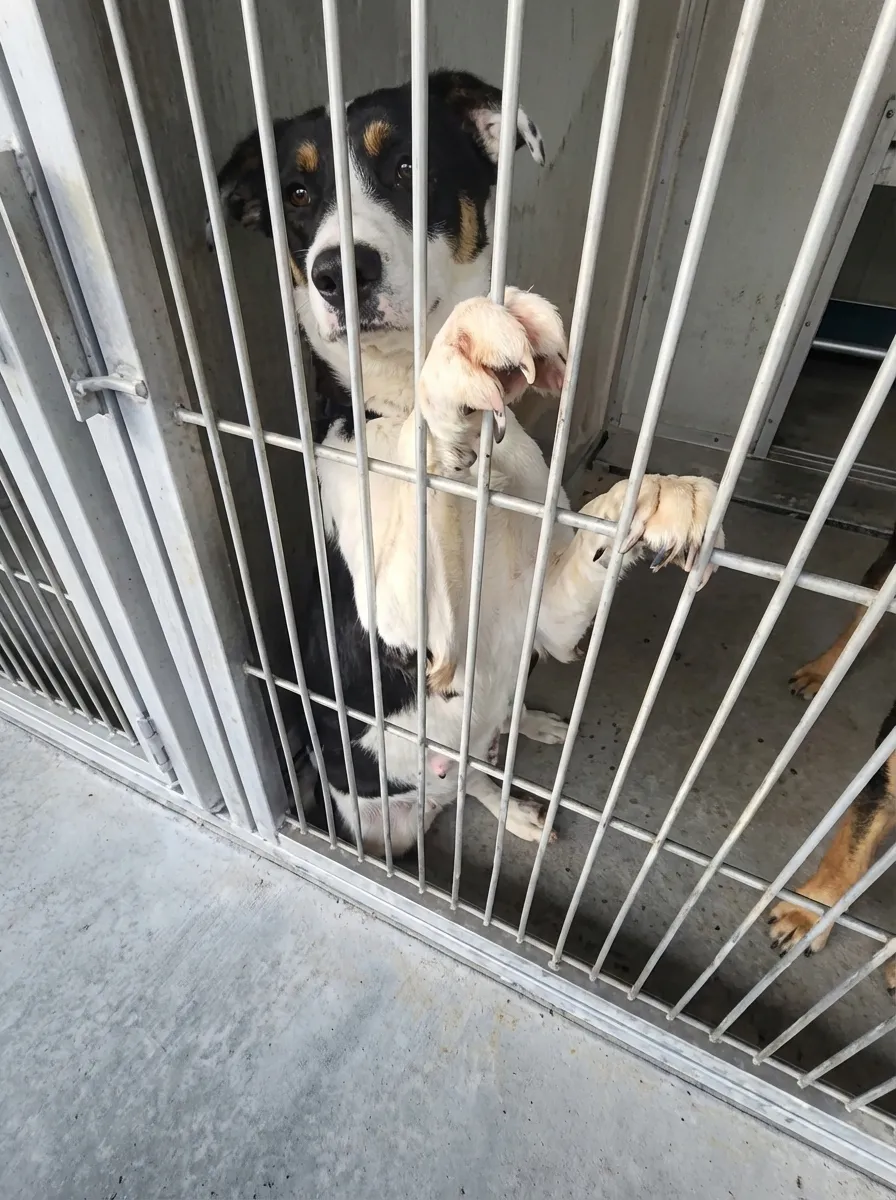
I gave my dog gut support for 7 months—Amazon then Chewy. He was euthanized for biting anyway. Reason: low postbiotic levels.
Canine Stress Research Institute
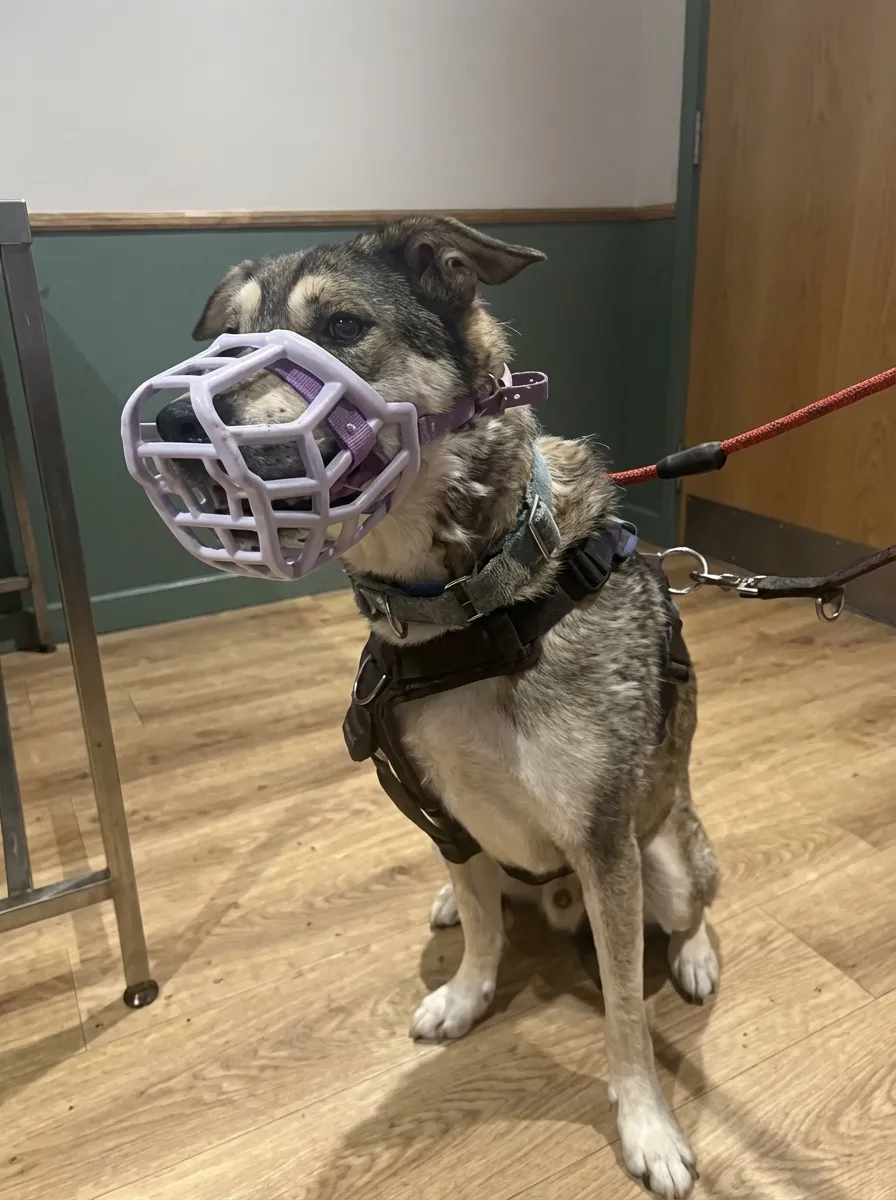
I'm going to lose my mind if one more person says 'try a different trainer' for reactive dogs
Canine Stress Research Institute
79% of reactive dogs in training had this gut issue
Canine Stress Research Institute
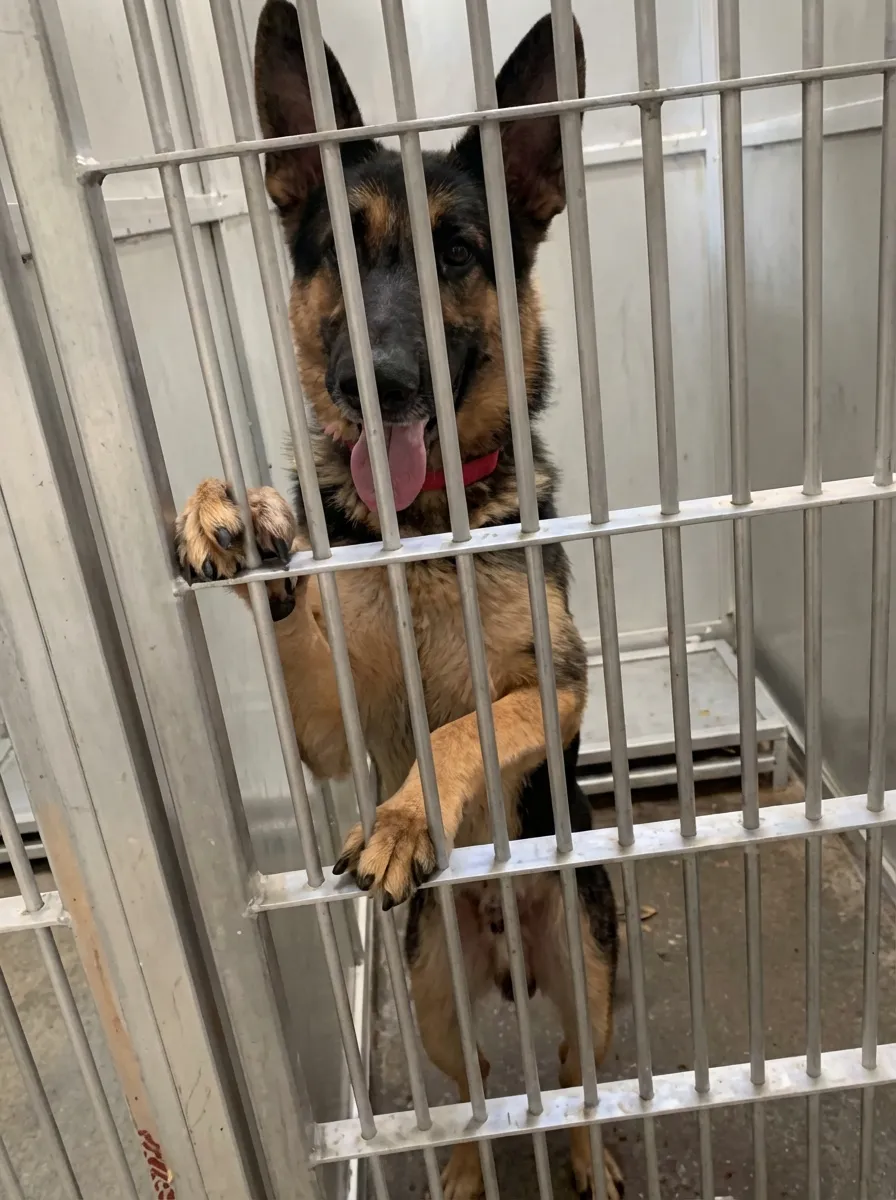
Three German Shepherds were euthanized at our clinic last month. All were under 8 years old. All died because of reactivity.
Canine Stress Research Institute
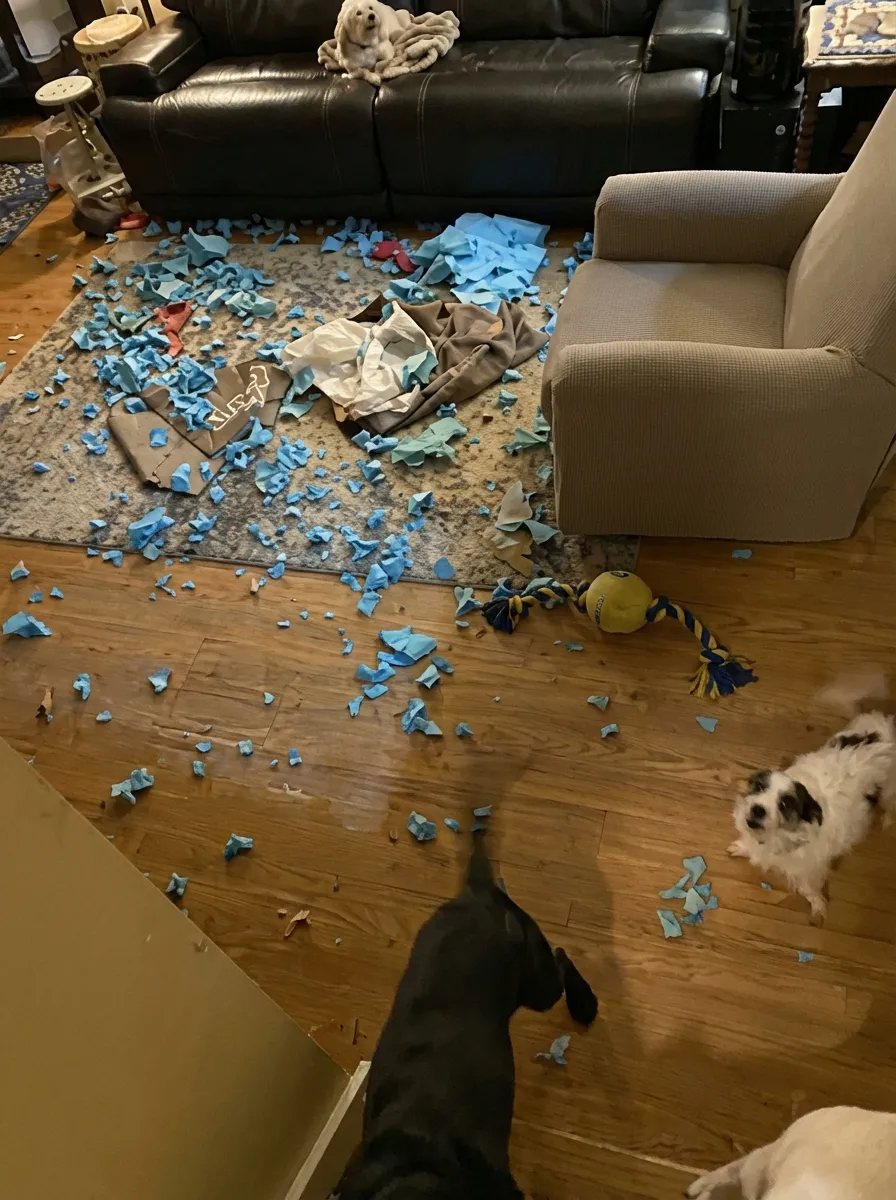
Vet: "84% Of Separation Anxiety Dogs Have This Gut Problem"
Canine Stress Research Institute
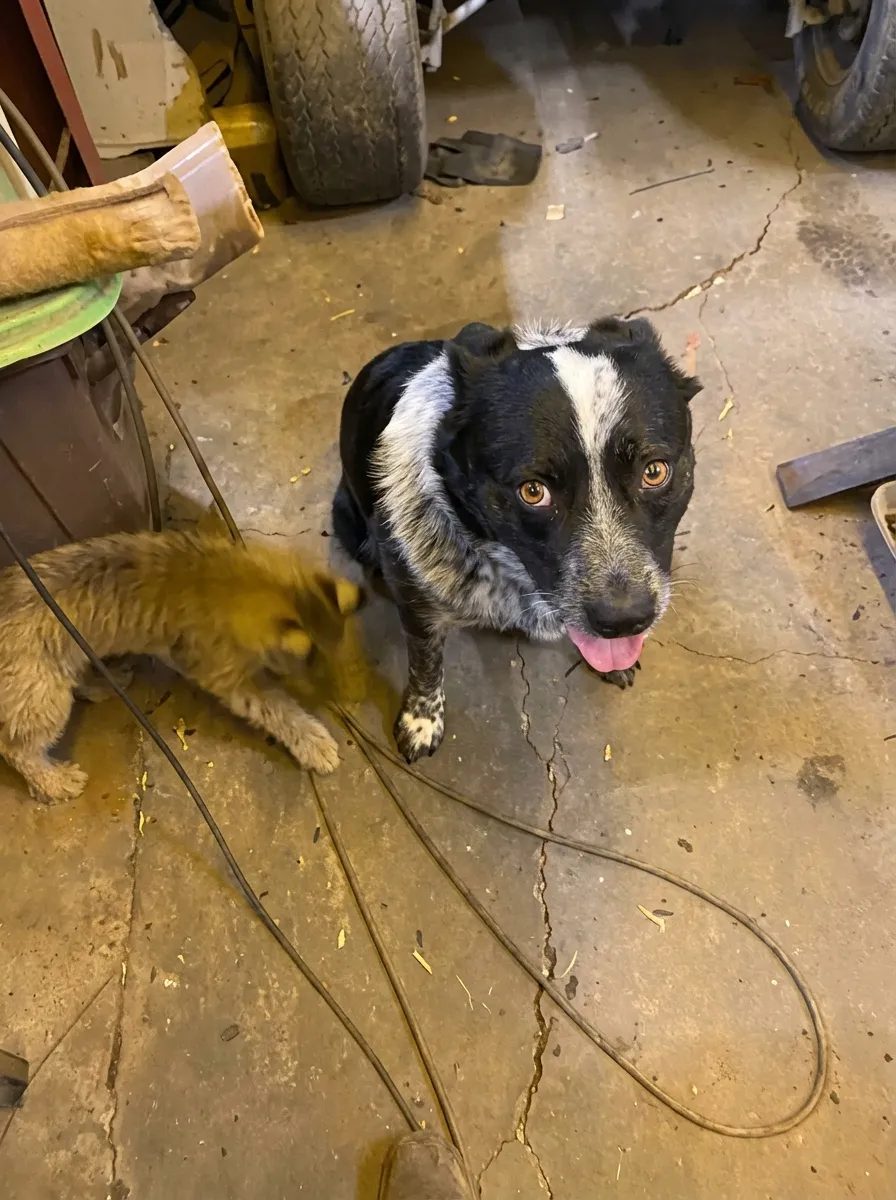
4 Dogs Died During Storms Last Month. All Had The Same Gut Problem.
Canine Stress Research Institute
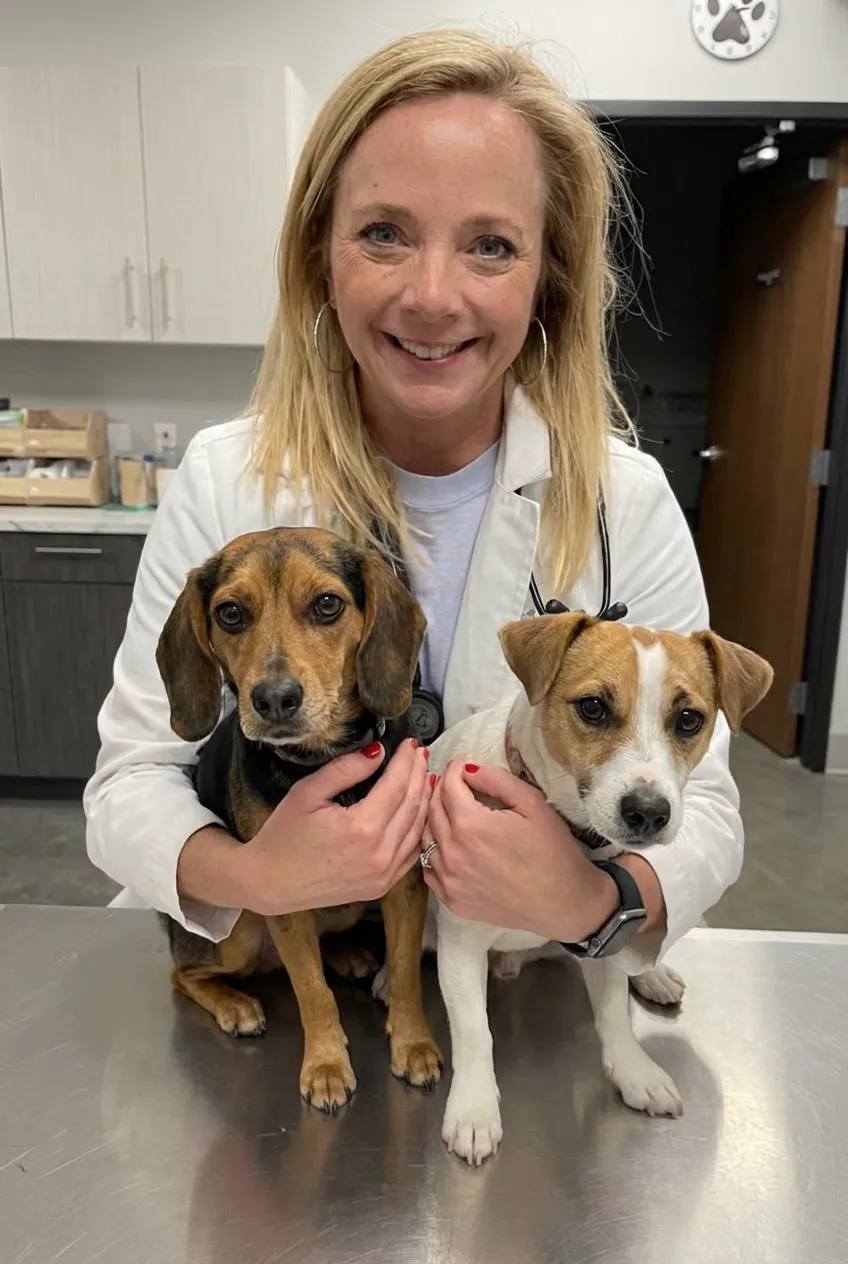
79% of reactive dogs in training had this gut issue
Canine Stress Research Institute
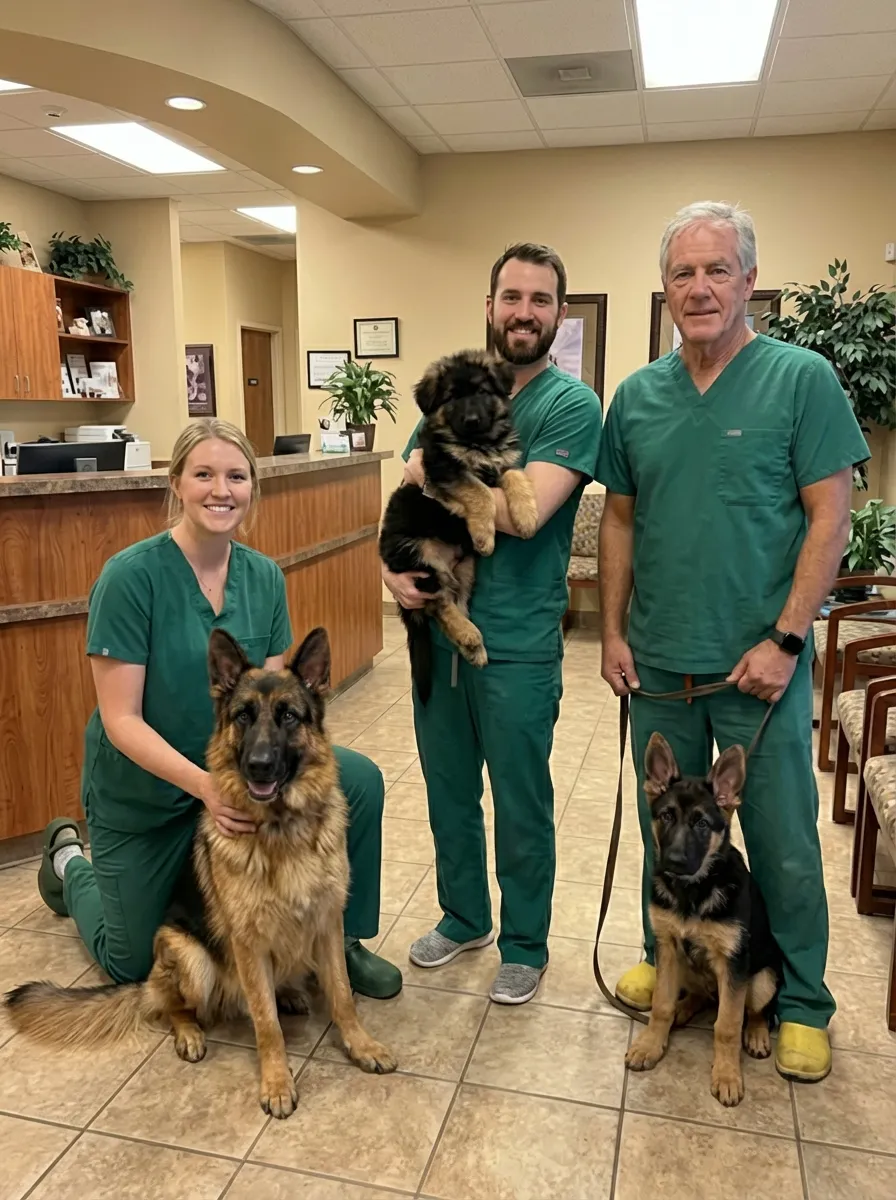
Three German Shepherds were euthanized at our clinic last month. All were under 8 years old. All die…
Canine Stress Research Institute

 Add to Chrome