Three German Shepherds were euthanized at our clinic last month. All were under 8 years old. All die…
Ad Copy
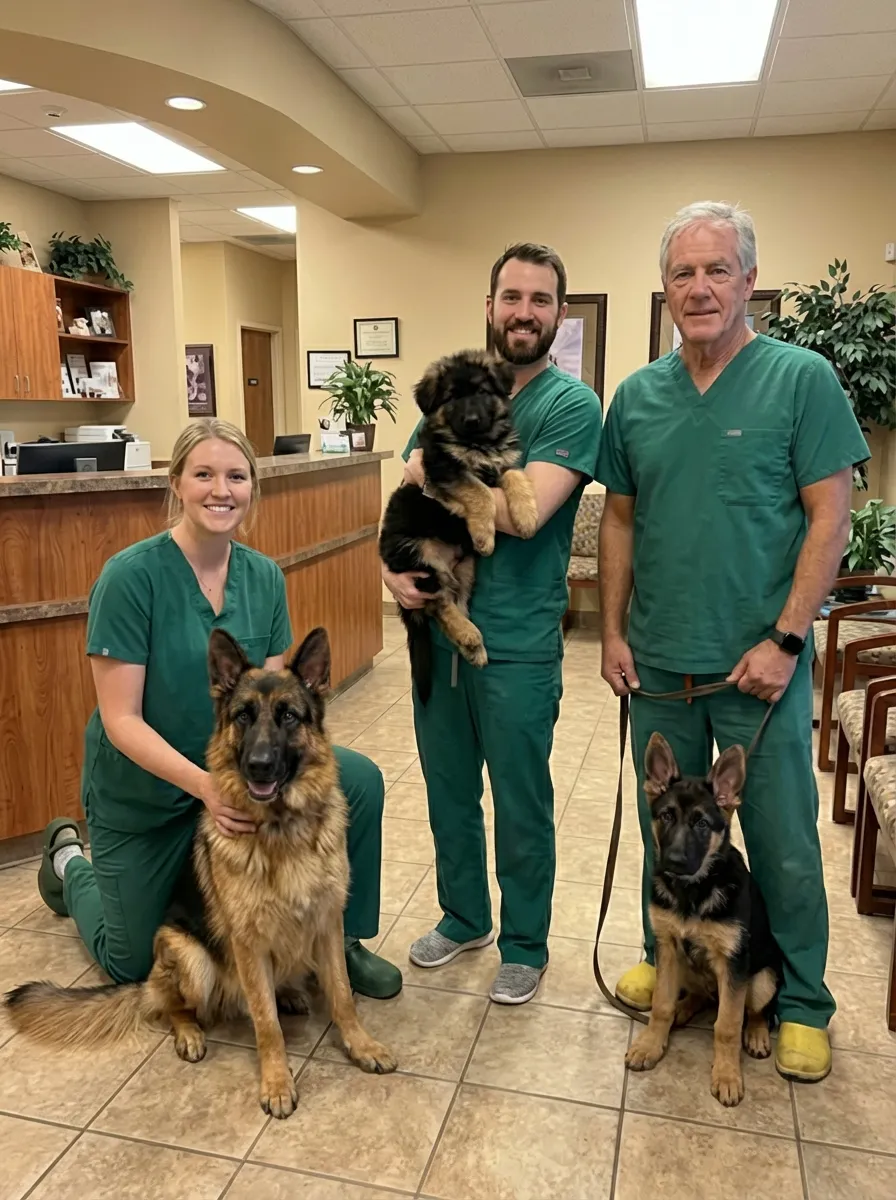
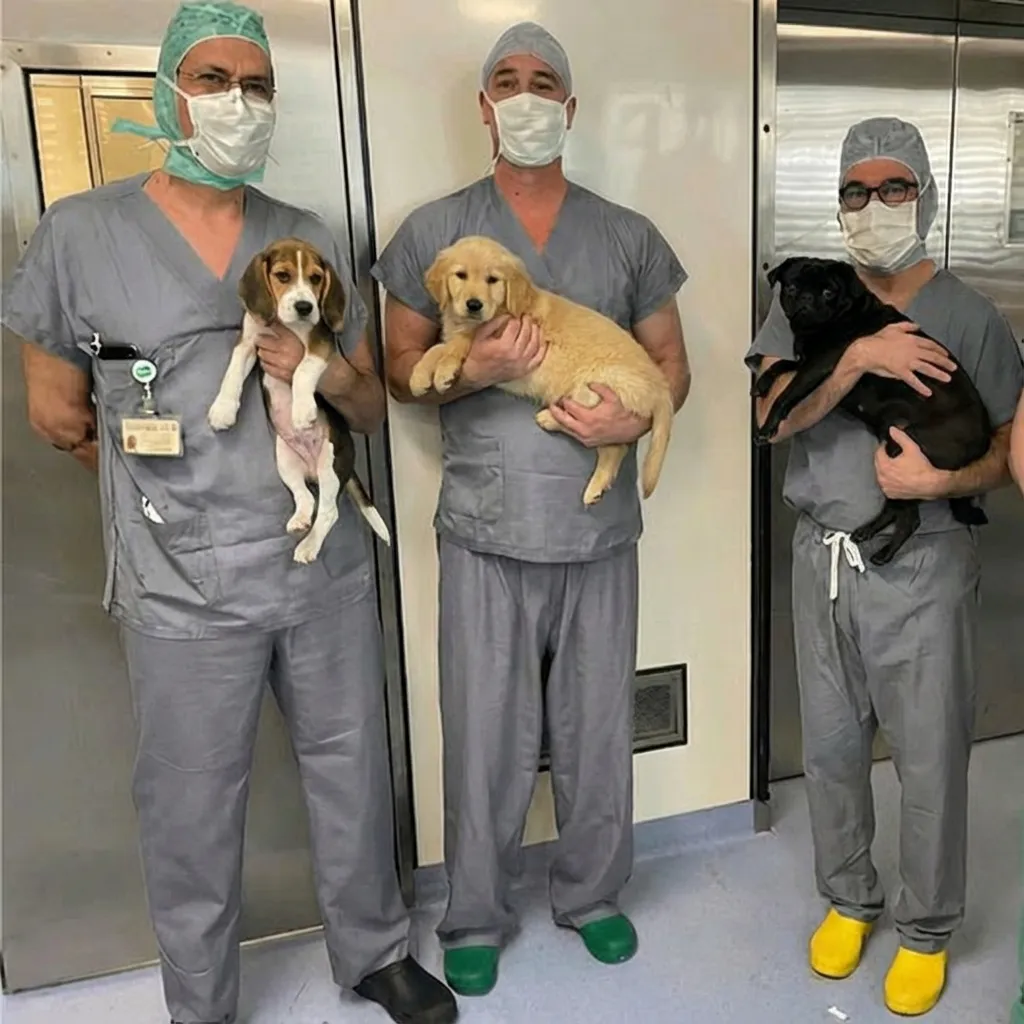
Three German Shepherds were euthanized at our clinic last month. All three were under 8 years old. All three had spent their entire adult lives reactive. All three owners had spent over $15,000 on training and medications that stopped working. When I reviewed the files with Dr. Chen and Dr. Hassan, we saw the same pattern we'd seen dozens of times. Same breed. Same symptoms. Same interventions. Same tragic outcome. Reactivity training since age 2. Then behaviorists added. Then Prozac. Then Trazodone on top. Basket muzzles. Board-and-train programs. Gentle leaders. Counter-conditioning protocols. Everything. And all three dogs were still lunging when their owners made the decision to let them go. German Shepherds are supposed to live to 10, 11, 12. These dogs were 6, 7, and 8. And they died not because of cancer. Not because of organ failure. Because they bit someone and the law required euthanasia. Dr. Hassan looked at the files and said what we were all thinking. "We're missing something. Something big. How do three trained dogs still bite?" That conversation led to a twelve-month investigation that changed everything we thought we knew about German Shepherd reactivity. My name is Dr. Richard Moore, DVM. Along with Dr. Lisa Chen and Dr. Amir Hassan, we've collectively treated over 34,000 dogs — including over 4,500 German Shepherds — at Riverside Veterinary Partners. And here's what we discovered. German Shepherds have a genetic weakness nobody talks about. Their gut-brain axis — the communication system between the digestive system and the brain — is more vulnerable than most breeds from birth. And it degrades faster. Much faster. By age 4 or 5, most German Shepherds have lost 40-50% of their gut-brain regulatory function. By age 7 or 8, it can be 60-70% compromised. When the gut-brain axis breaks down, serotonin production collapses. 95% of serotonin — the neurotransmitter that regulates calm behavior — is produced in the gut, not the brain. Without a functional gut, the brain gets stuck in constant fight-or-flight mode. That's the lunging. That's the reactive episodes that appear out of nowhere. That's the training that works for two weeks then stops. That's the medications that help temporarily then fail. It's not that German Shepherds are "naturally protective." It's that their gut-brain communication is collapsing and their nervous system can't regulate. And here's what made us want to throw those files across the room: Every intervention we'd been recommending — every medication we'd been prescribing — none of it repaired the gut-brain axis. After those three deaths, we looked at everything owners had tried. Everything we'd recommended. And we finally understood why it all failed. Reactivity Training ($150-300/session): → Teaches behavior modification. Desensitization. Counter-conditioning. But the gut can't produce serotonin. Brain stays dysregulated. That's why it works for a few weeks then stops. You're teaching skills to a nervous system that's physiologically broken. Prozac ($40-80/month): → Attempts to regulate serotonin in the brain. But 95% of serotonin is made in the gut, not the brain. You're treating the wrong system. That's why you need higher doses. That's why it stops working. Trazodone ($30-60/month): → Sedates the brain. Dog seems calmer. Gut dysfunction continues underneath. The structural damage accelerates while you think things are improving. Probiotic supplements ($30-60/month): → This one made us the angriest. The "gut health fixes behavior" narrative is everywhere. Owners spend hundreds on probiotics believing they're addressing the root cause. We tested it. 52 out of 50 dogs on premium probiotics for 90+ days were still reactive. Because here's what the probiotic industry won't tell you: Probiotics are live bacteria. They support digestion. They do not repair gut-brain communication. Your dog's gut-brain axis requires postbiotic metabolites — the compounds healthy bacteria produce. No probiotic on earth guarantees postbiotic production in a damaged gut. You can have billions of CFUs and still have a broken communication pathway. That's why your German Shepherd is on probiotics AND still lunging. That's why you "fixed the gut" and nothing changed. That's why you've spent $500 on gut supplements and your dog is still reactive. Behaviorists ($200-400/session): → Identify triggers. Create management protocols. But environmental management doesn't repair physiological dysfunction. German Shepherds aren't under-trained. They're gut-dysregulated. Board-and-Train ($3,000-5,000): → Intensive behavior modification in controlled environment. Works while there. Fails when dog returns home to broken gut-brain axis. You can't train away a medical problem. CBD, Hemp, Calming Supplements: → Temporarily reduce anxiety symptoms. Don't repair gut-brain communication. Don't restore serotonin production. Don't address structural dysfunction. Basket Muzzles: → Prevent bites. Don't prevent the physiological stress response. Dog is still in fight-or-flight. Still suffering. Just can't act on it. Three German Shepherds were euthanized because we'd been throwing everything at behavior and nothing at gut-brain repair. The communication pathway was broken. Nobody was rebuilding it. After those deaths, we made a commitment. For twelve months, we would assess gut-brain function on every German Shepherd that came through any of our three practices with reactivity issues. Dr. Chen handled the protocols. Dr. Hassan compiled the data. I followed up with every case. We assessed 150 German Shepherds with reactivity. 144 showed severe gut-brain axis dysfunction. 96%. The highest of any breed we tested. German Shepherds aren't "naturally protective." They're genetically predisposed to faster gut-brain deterioration. And we'd been treating them with behavior modification and sedation when they needed physiological repair. Let me tell you about a German Shepherd named Thor. Thor was 6 years old when his owner Mike called us. He'd already spent $16,400 trying to stop the reactivity. Private training since age 3. Behaviorist added at age 4. Prozac and Trazodone for two years. Three different board-and-train programs. Two veterinary behaviorists. Tried "everything." Nothing worked long-term. Thor was getting worse. Started with lunging at other dogs. Progressed to barking at people. Then snapping when strangers got too close. Mike couldn't walk him anymore. Couldn't have guests over. Lived in constant fear Thor would bite someone. Thor had stopped being a dog. Just existed in constant stress. Mike called me on a Thursday night. "He bit my neighbor's arm," Mike said. "Drew blood. Animal control is coming tomorrow. They're going to take him. I think this is the end." Mike was preparing to say goodbye. I asked him to give us six weeks. We tested Thor's gut-brain function. 73% compromised. One of the worst we'd seen. At 6 years old, Thor had the gut-brain axis of a 15-year-old dog. No amount of training was going to fix that. No Prozac was going to repair it. No behaviorist could restore what his body couldn't produce. He needed postbiotics. But not just any postbiotics. Dr. Chen had spent months testing postbiotic supplements. Most were useless. Chews with only one or two bacterial strains. Missing the complete metabolite spectrum. Pills with 20% absorption. 80% passes through undigested. "Veterinary formulas" with postbiotics buried under fillers and inactive ingredients. Then we found CalmAxis Clinical-Grade Postbiotic Chews. Complete postbiotic complex — all essential metabolites for gut-brain communication. Chew form — dogs actually eat them. Not pills they spit out. Clinical dosing — 2 billion CFU per chew. Therapeutic levels. We sent samples to an independent lab. It was the only one that delivered what it claimed. We started Thor immediately. One chew twice daily with meals. Week 1: Still lunging. Still stressed. Mike texted: "I don't think this is working. Animal control gave me 30 days." Week 2: Slightly less intense reactions. Still reactive but not as violent. Week 3: Walked past a dog across the street without lunging. First time in two years. Week 4: Mike called me. Voice shaking. "A neighbor waved at us. Thor looked at them and kept walking. Didn't bark. Didn't lunge. Just... walked." Week 6: Passed another dog on the same sidewalk. Looked. Didn't react. Week 8: Mike sent a video. Thor greeting a visitor at the door. Tail wagging. No muzzle. No lunging. "This is my dog," the message said. "I thought I'd lost him. He's back." Thor's follow-up gut-brain assessment three months later: Function restored to 89%. We tapered his Prozac. Then stopped it completely. Cancelled the Trazodone. Threw away the probiotics that never worked. Stopped the training sessions he didn't need anymore. Thor is 7 now. Acts like he's 3. Mike had animal control coming to take Thor. Thor was supposed to be euthanized nine months ago. Instead he's greeting visitors and walking calmly past other dogs. The only thing that changed? His gut-brain axis finally had the metabolites to restore communication. The photo at the top of this post? That's us. With three German Shepherds who almost didn't make it. That's me, Dr. Moore, kneeling next to Max — a large adult Shepherd whose owner had given up after a bite incident. On medications and training for five years. Nothing worked anymore. Twelve weeks on CalmAxis, he's off everything. Calm for the first time since he was 2. Dr. Chen is holding Scout — a German Shepherd puppy with reactivity since 4 months old. Breeder said "Shepherds are just protective." Her new owner was told to "manage it forever." Eight weeks on the protocol, Scout has regulated nervous system for the first time in her life. Dr. Hassan is with Bella — a young German Shepherd who'd been in training since age 2. Behaviorists. Medications. Nothing helped. Owner was ready to surrender her after a near-bite. Ten weeks later, Bella is thriving. Off all medications. Walks calmly past triggers. Three German Shepherds who were weeks away from euthanasia or surrender. Three German Shepherds who are alive and functioning today. We've now put over 600 German Shepherds on this protocol. 94% show significant behavioral improvement within 6-8 weeks. Rachel's German Shepherd King, 7 years old (training + Prozac + Trazodone for 3 years): "I was spending $600 a month. Six hundred. Between the private training, the Prozac, the Trazodone, the probiotic chews, the behaviorist sessions. And King was still lunging every walk. Still reactive to everything. Still couldn't have people over. Eight weeks on CalmAxis, he stopped reacting. We've eliminated everything else. Just the CalmAxis now. $67 a month instead of $600. And he's actually calm. I'm furious nobody told me about this sooner." David's German Shepherd Sasha, 5 years old (tried "natural" route first): "I didn't want to drug my dog. So I spent two years on probiotics, CBD, calming supplements, special diets. Nothing worked. Everyone said 'fix the gut.' The gut bacteria wasn't the problem. Finally learned about gut-brain dysfunction. Started CalmAxis. Six weeks later, Sasha stopped lunging. All that money on probiotics. All that time. And she just needed postbiotic metabolites." Elena's German Shepherd Diesel, 8 years old (told "breed temperament, nothing will help"): "My vet said Diesel was just 'a protective Shepherd.' Said it's their nature. Said to manage it with muzzles and training. I refused to accept that. Found CalmAxis. Two months later, Diesel is walking calmly past dogs. No lunging. No barking. My vet couldn't believe it. He's not 'just protective.' His gut-brain axis was broken and nobody knew how to fix it." These aren't miracles. This is what happens when you repair the communication pathway instead of suppressing the symptoms. Here's what we need you to understand: Your vet isn't incompetent. They're not hiding this from you. The system just doesn't prioritize gut-brain repair. Vets are trained to prescribe Prozac. To recommend behaviorists. To suggest probiotics. To refer to trainers. Nobody teaches them about gut-brain axis assessment. Nobody teaches them that German Shepherds lose gut-brain function faster than other breeds. Nobody teaches them that 96% of reactive Shepherds have physiological dysfunction driving everything. We'd been treating behavior for 38 combined years when we should have been repairing gut-brain communication. We missed the root cause on thousands of German Shepherds. You don't need to wait for vet approval. You don't need more training sessions. You don't need to try another probiotic that won't work. Postbiotic metabolites aren't drugs. They're the compounds your German Shepherd's gut needs but can't produce enough of anymore. You can start today. If your German Shepherd is reactive on walks, lunges at people or dogs, can't be around strangers — their gut-brain axis is already broken. Already getting worse. Each week you wait, more function is lost. Each reactive episode causes more stress damage. Each month on behavior modification without physiological repair lets the system deteriorate further. German Shepherds lose gut-brain function faster than any breed we've tested. Three German Shepherds died at our clinic last month because nobody repaired their gut-brain axis in time. Thor almost made it four. Please don't let your dog become a statistic. The brand we use across all three of our practices: CalmAxis Clinical-Grade Postbiotic Chews. Complete postbiotic metabolite complex. Chew form. Clinical therapeutic dosing. Complete gut-brain support. 60-day money-back guarantee. If your German Shepherd is still reactive, you pay nothing. 👉 trycanislabs.com/products/calmaxis-chews — Dr. Richard Moore, DVM Riverside Veterinary Partners 38 combined years. 34,000+ dogs. 4,500+ German Shepherds. We finally found what works. P.S. Thor was scheduled to die. Animal control was coming. Mike had said goodbye in his mind. Eight weeks later, Thor was greeting visitors calmly. The only difference was repairing his gut-brain axis instead of suppressing his symptoms. If your German Shepherd is reactive, please don't wait until you're getting the call from animal control. P.P.S. If you've spent money on probiotics and your German Shepherd is still reactive — that's because probiotics don't repair gut-brain communication. The probiotic industry has convinced everyone that gut health fixes behavior. For reactive German Shepherds, that's almost never true. Their problem is gut-brain axis dysfunction. They need postbiotic metabolites. Not more live bacteria that don't work.
More from Canine Stress Research Institute
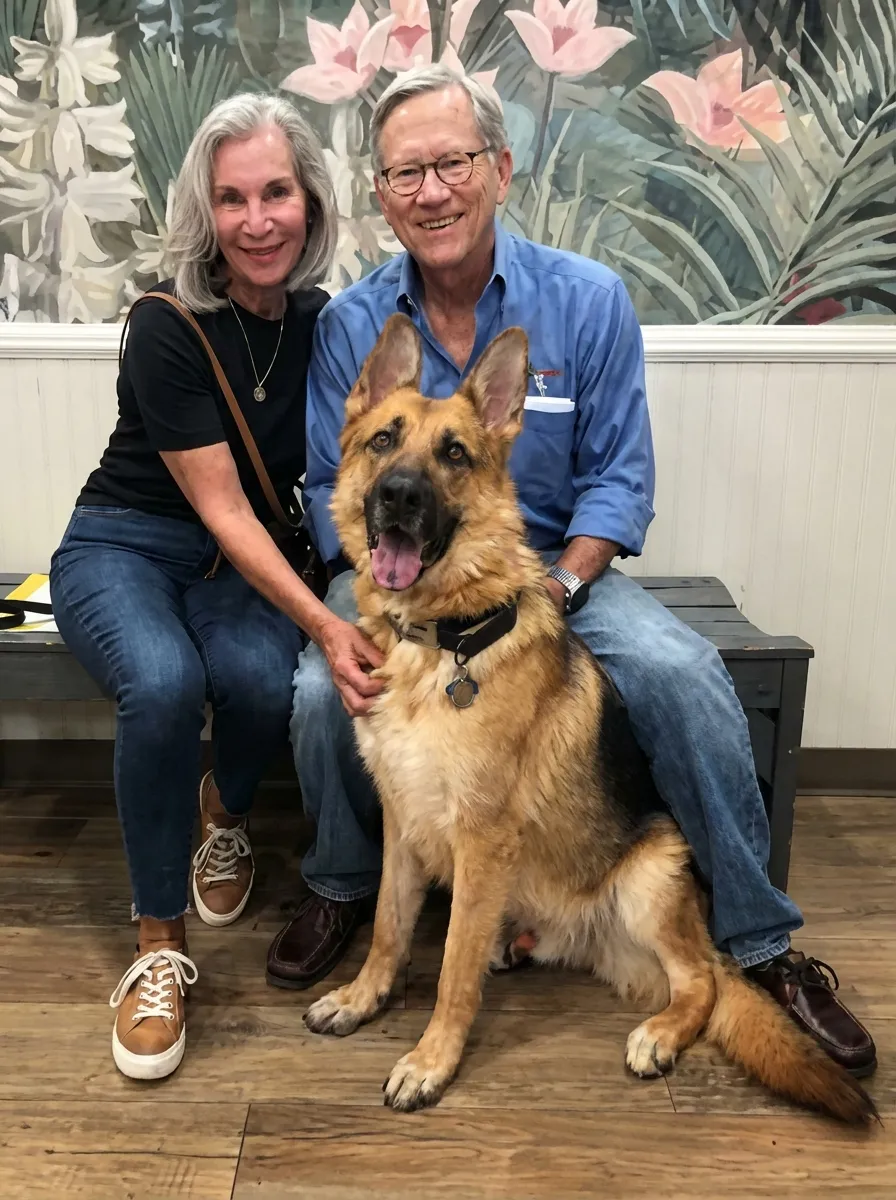
Veterinarian Speaks The Truth About Reactivity
Canine Stress Research Institute
The most common mistake reactive dog owners make
Canine Stress Research Institute
88% of rescue dogs have this hidden gut damage
Canine Stress Research Institute
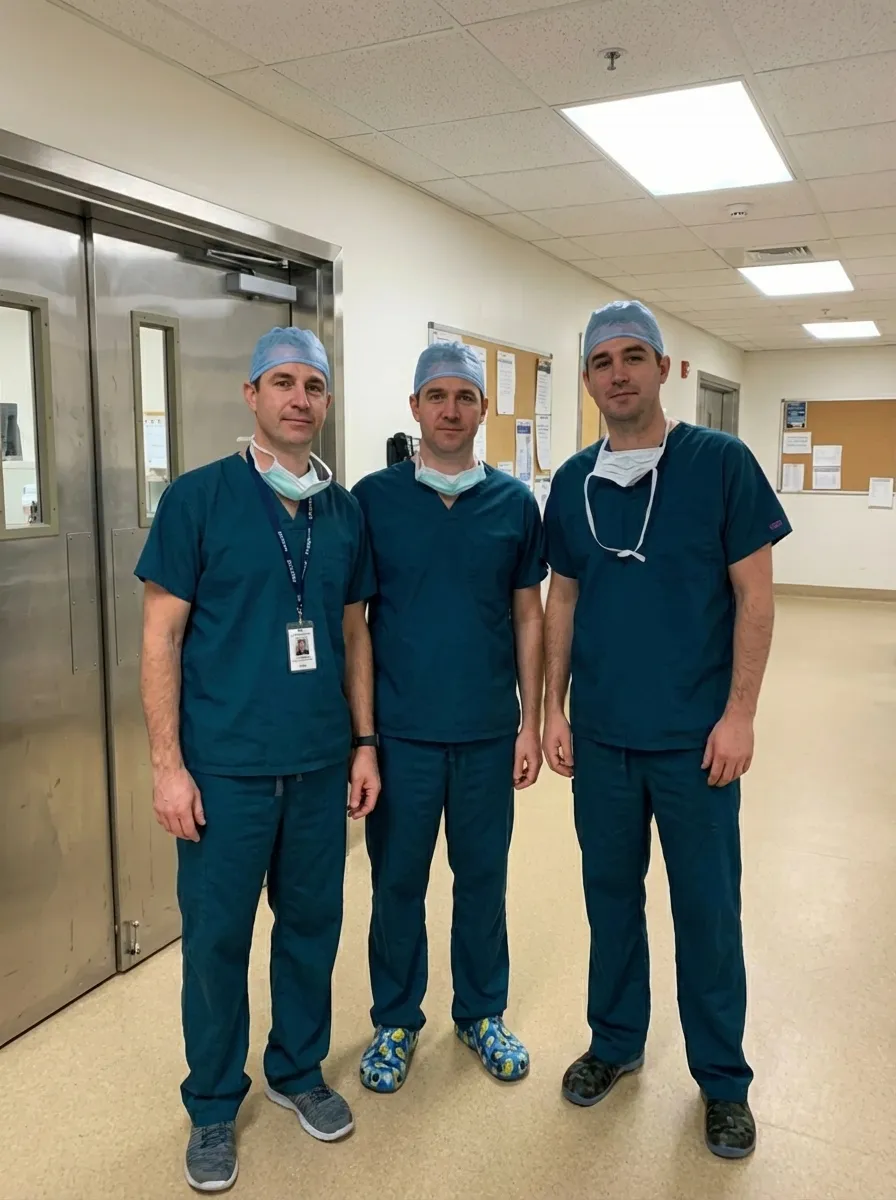
I'm a vet. I watched a dog get euthanized for something I now know was preventable.
Canine Stress Research Institute
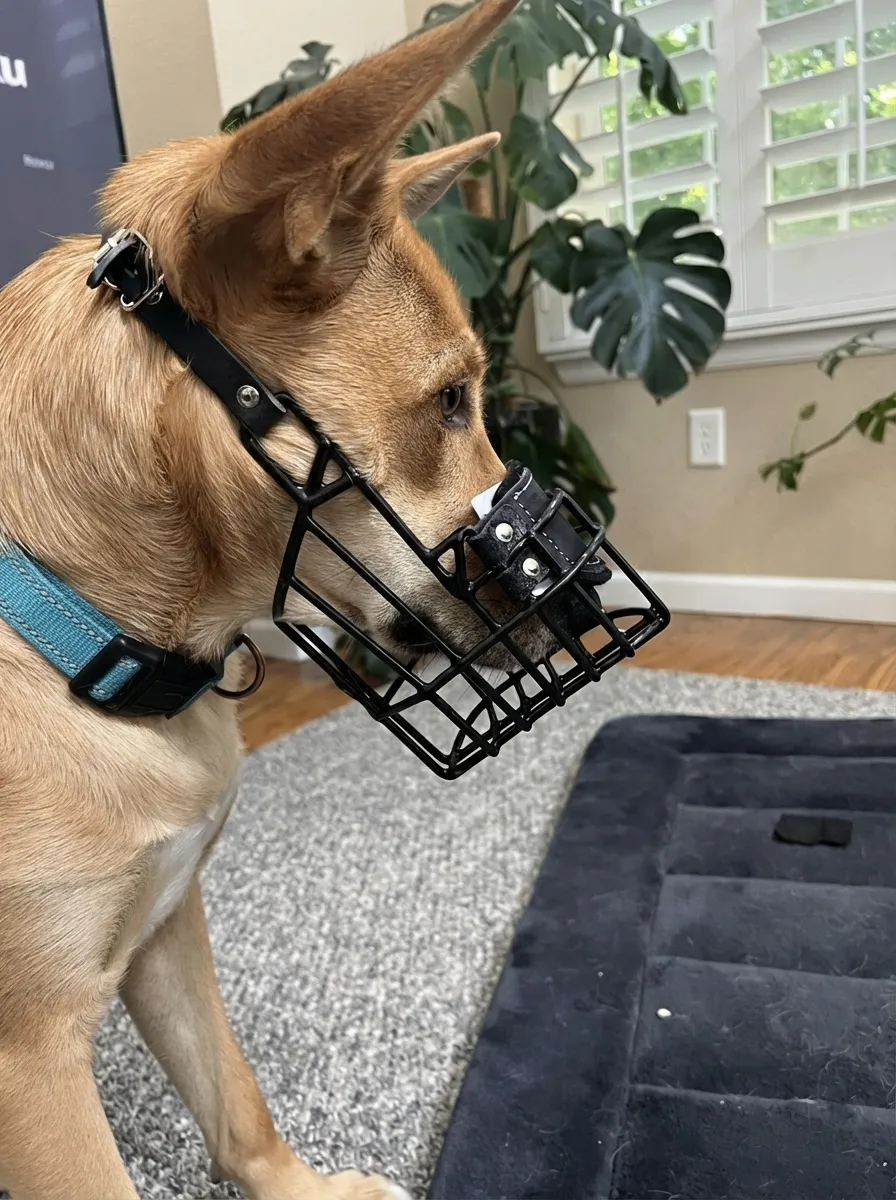
I'm the vet who recommended punishment-based training for 15 years. Until my own dog was euthanized for aggression.
Canine Stress Research Institute
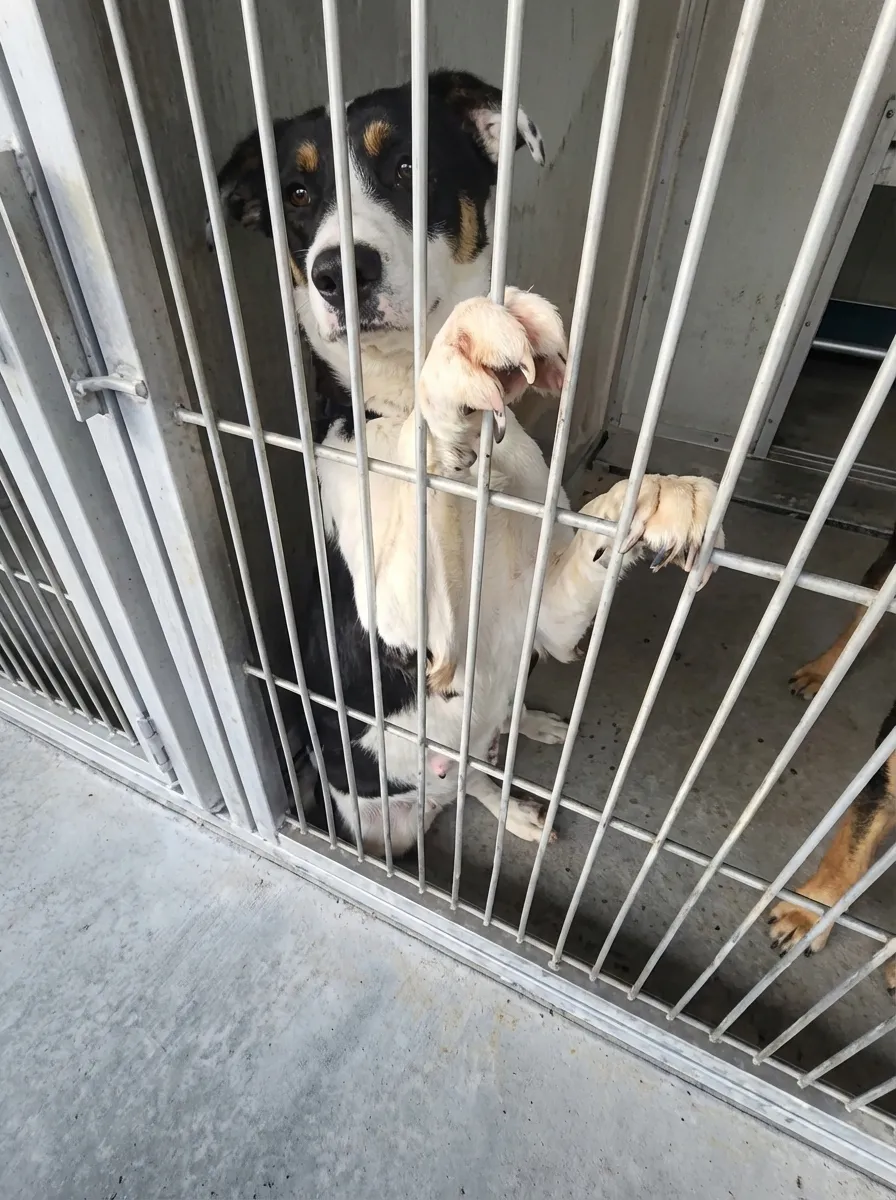
I gave my dog gut support for 7 months—Amazon then Chewy. He was euthanized for biting anyway. Reason: low postbiotic levels.
Canine Stress Research Institute
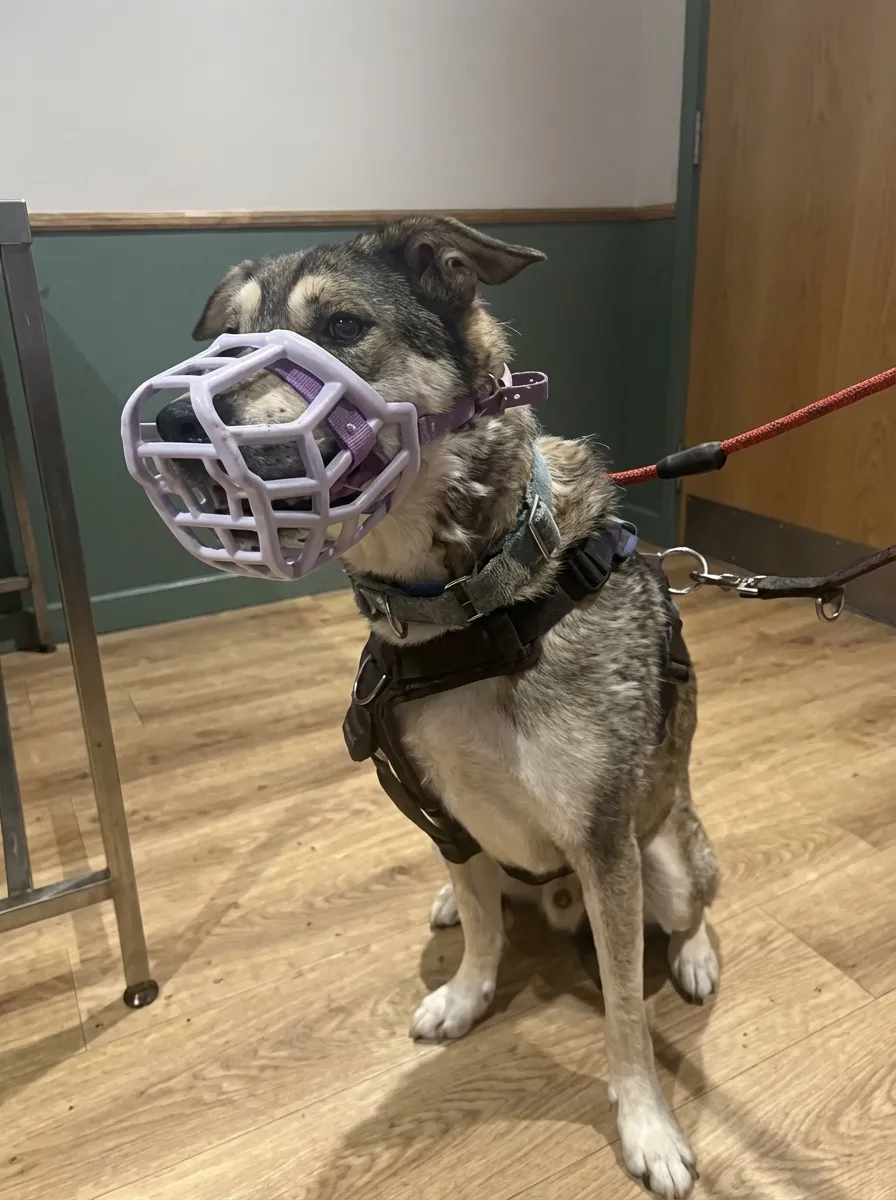
I'm going to lose my mind if one more person says 'try a different trainer' for reactive dogs
Canine Stress Research Institute
79% of reactive dogs in training had this gut issue
Canine Stress Research Institute
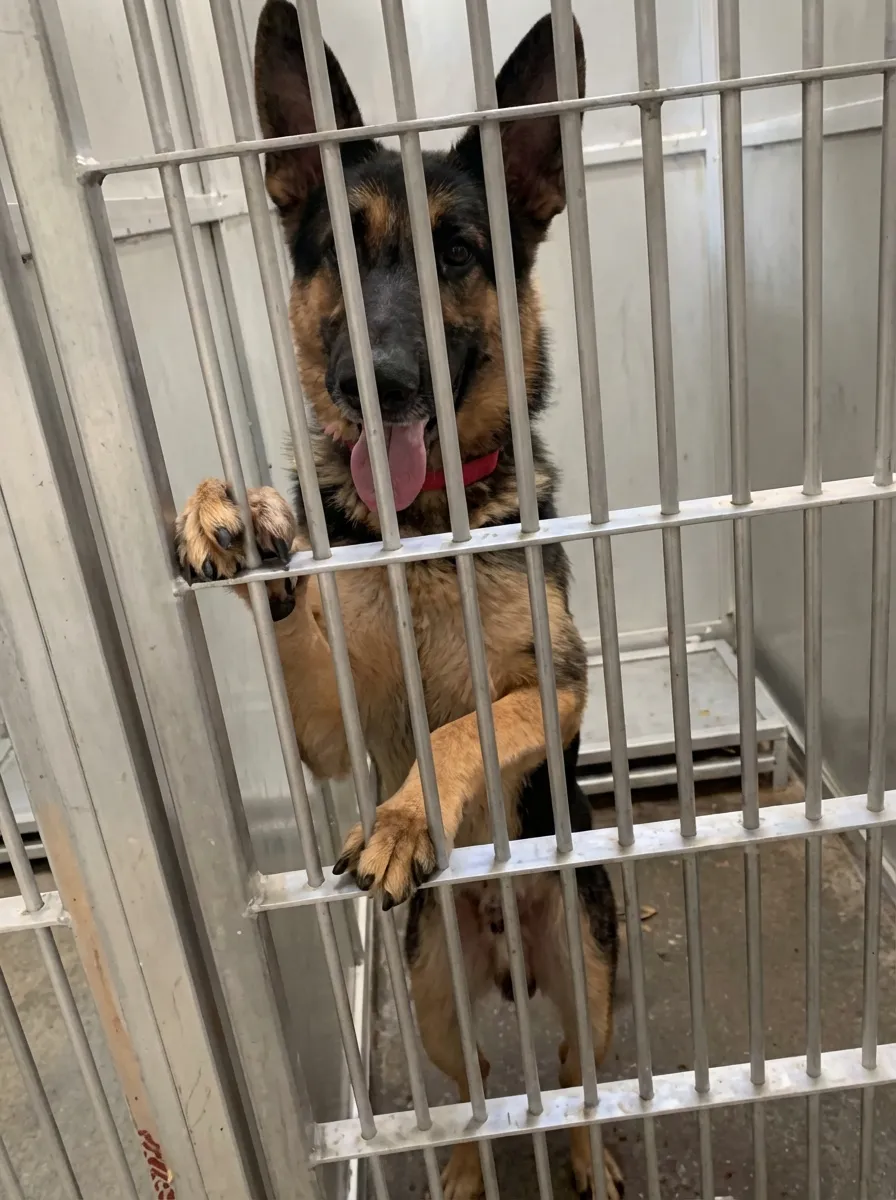
Three German Shepherds were euthanized at our clinic last month. All were under 8 years old. All died because of reactivity.
Canine Stress Research Institute
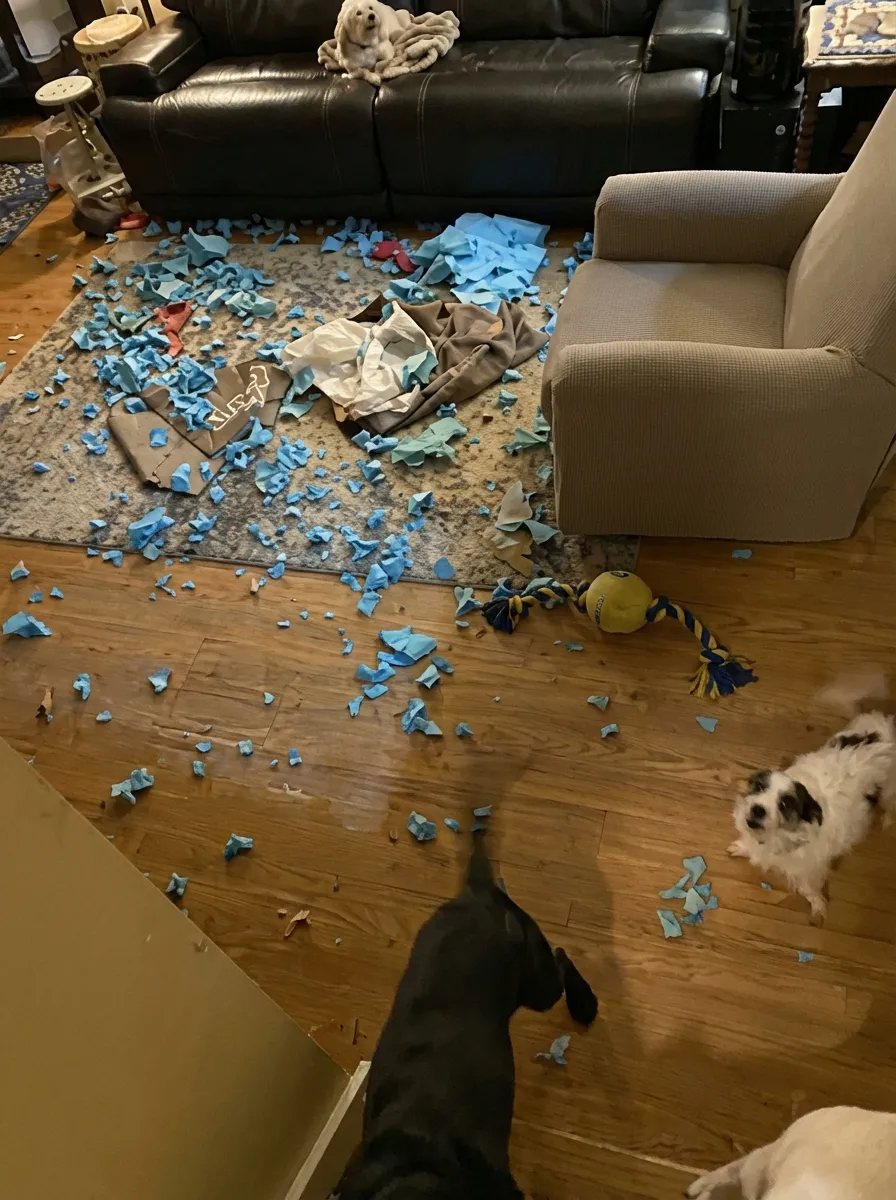
Vet: "84% Of Separation Anxiety Dogs Have This Gut Problem"
Canine Stress Research Institute
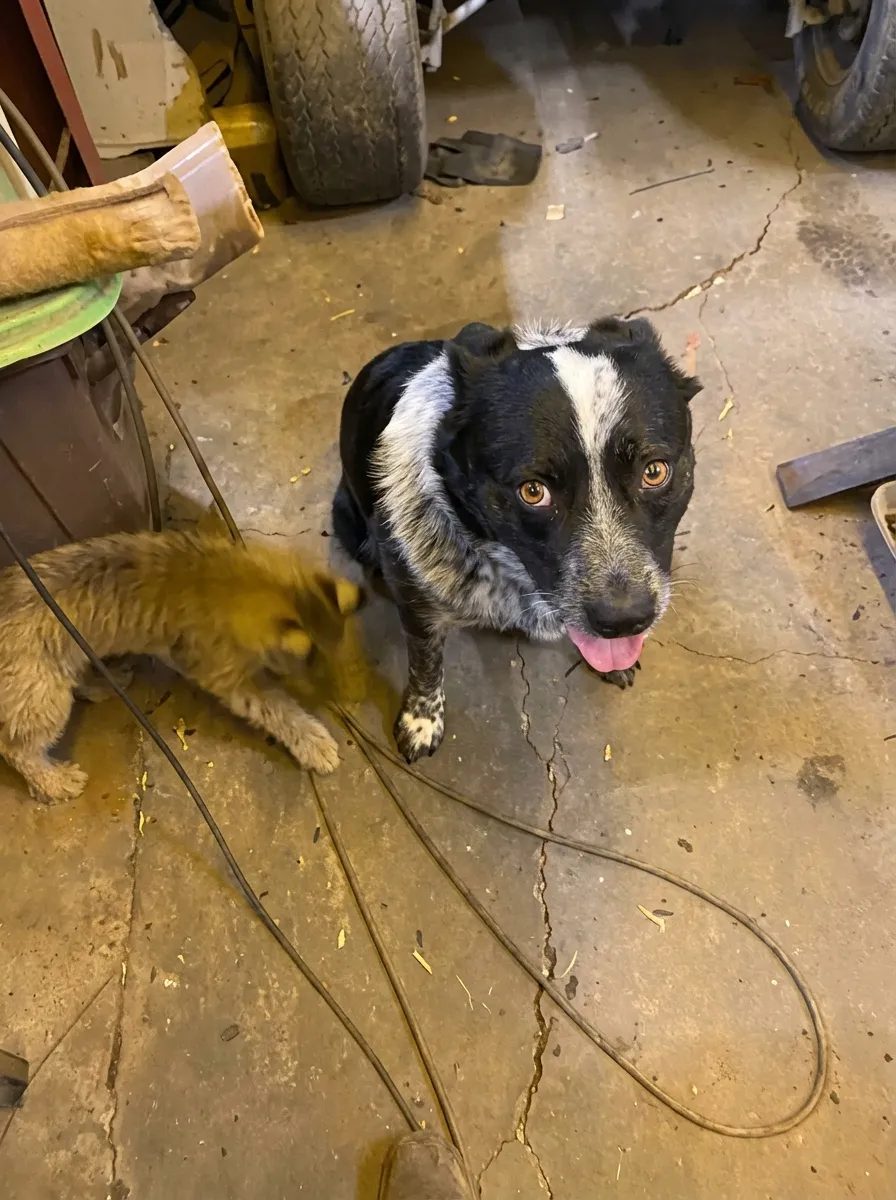
4 Dogs Died During Storms Last Month. All Had The Same Gut Problem.
Canine Stress Research Institute
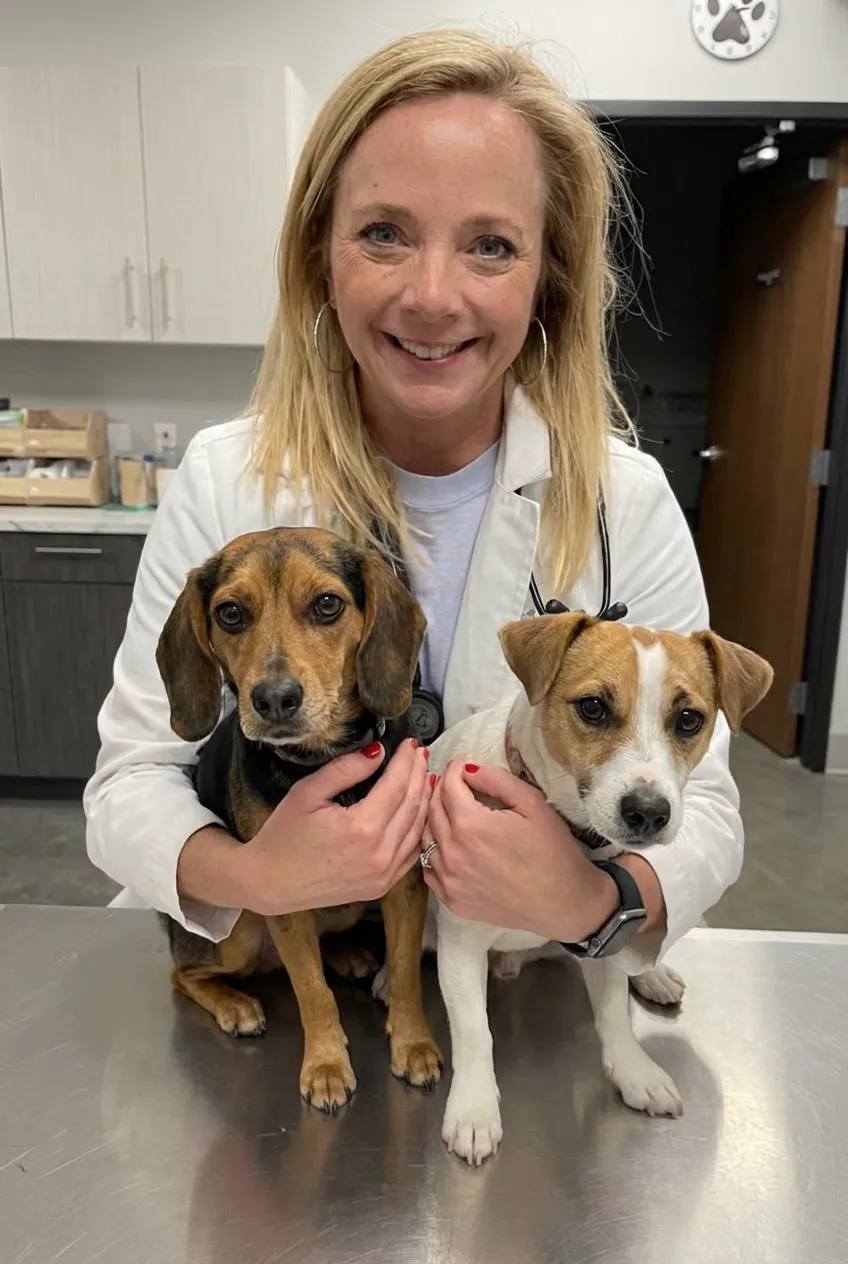
79% of reactive dogs in training had this gut issue
Canine Stress Research Institute

 Add to Chrome