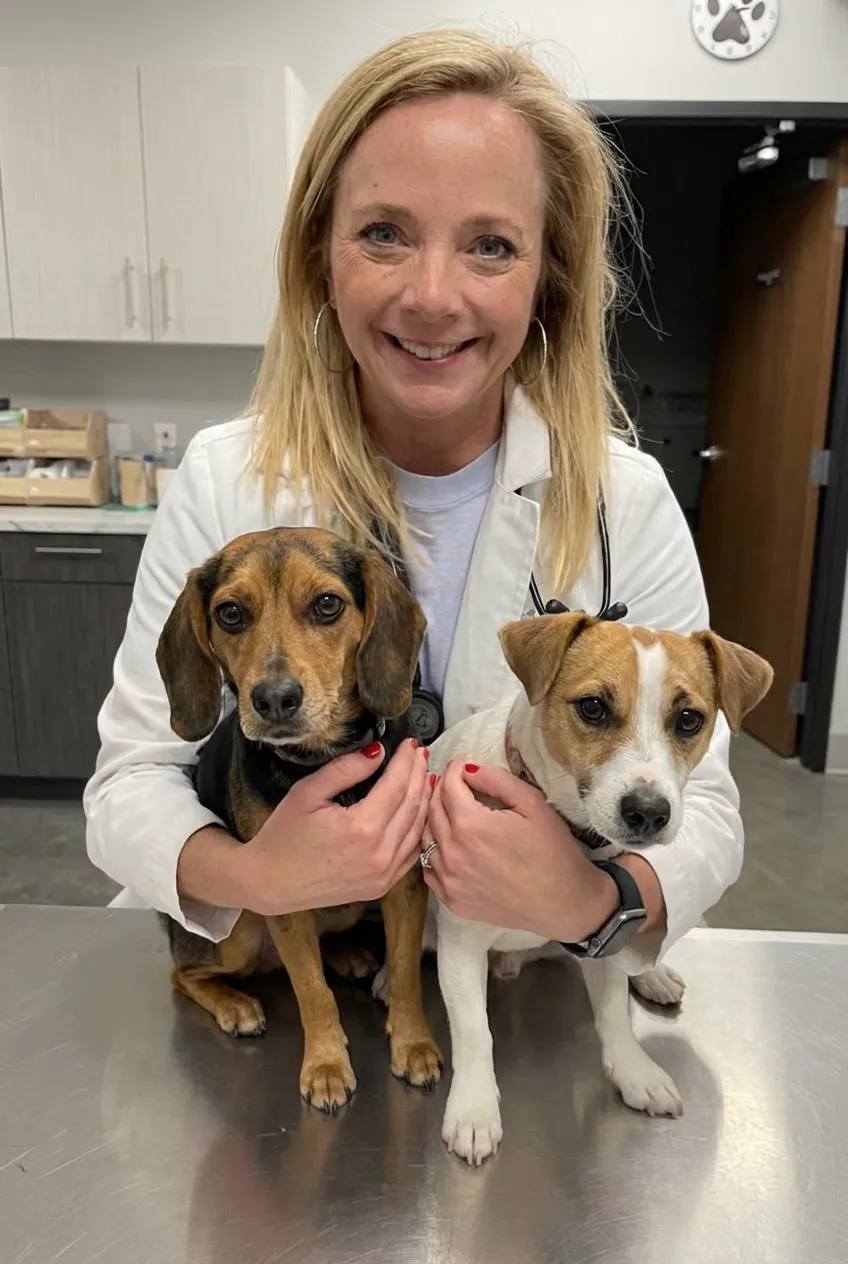
79% of reactive dogs in training had this gut issue
Ad Copy
Three dogs were returned to shelters last month. Same symptoms. Same age range. Same failed interventions. And all three owners had spent over $8,000 trying to help them. Dr. Sarah Mitchell noticed it first. She pulled me and Dr. James Rodriguez into her office and spread out three files on her desk. "Look at the behavioral history." Every single dog: reactive on walks, lunging at other dogs, impossible to control. Every single dog: tried training classes, gentle leaders, basket muzzles, prescription medications. Every single dog: bloodwork came back "normal" — but the reactivity never stopped. Dr. Rodriguez leaned back in his chair. "What if we've been treating the wrong system?" That question led to a six-month investigation that uncovered something the pet supplement industry has been hiding from veterinarians and dog owners for years. My name is Dr. Marcus Thompson, DVM. Along with Dr. Sarah Mitchell and Dr. James Rodriguez, we've collectively treated over 28,000 dogs at Westside Animal Hospital. And here's what we found. It started with a dog named Luna. Her owner, Jessica, had spent $4,300 on behaviorists, medications, and training. Tried every calming protocol on the market. Couldn't walk Luna more than 50 feet without her lunging. Everything came back normal. But Luna couldn't stop reacting. Luna was a 3-year-old German Shepherd. Perfect weight. No disease history. Fed premium food, exercised daily, given all the supplements we recommended. But she lunged at every dog. Every person. Every bicycle. Jessica had tried everything: Private reactivity training, group classes, gentle leaders, front-clip harnesses, basket muzzles. She'd spent $4,300 on two different veterinary behaviorists and prescription Prozac. Nothing worked for more than a few days. Luna was still lunging. Still barking. Still pulling so hard Jessica's shoulder was injured. Jessica couldn't watch her suffer anymore. And she couldn't afford another specialist visit that wouldn't help anyway. So she started researching rehoming options. That's when Dr. Mitchell suggested something none of us had done consistently in our combined 35 years of practice. We tested her gut microbiome. The result came back: severely depleted postbiotic metabolites. Gut dysbiosis index: 8.2 out of 10. The three of us sat in the break room that night, staring at those numbers. Dr. Rodriguez spoke first: "How many dogs have we missed?" Because we finally understood what was happening. Here's what they don't teach you in vet school: Over 70% of reactive dogs have compromised gut health right now. Not severe enough to cause diarrhea. Not bad enough to show up on standard bloodwork. But damaged enough to cause exactly what we were seeing in Luna: chronic reactivity that looks like "just an aggressive dog." When a dog's gut microbiome is disrupted, the gut-brain axis breaks down. Because 95% of serotonin — the "calm" neurotransmitter — is produced in the gut, not the brain. Without a healthy gut → serotonin production drops → the brain gets stuck in fight-or-flight mode → chronic reactivity, lunging, aggression. It's not "just their breed." It's not poor socialization. It's not a training issue. It's a gut dysfunction causing a brain dysfunction. And here's the nightmare part: Standard vet exams don't test gut health. Most vets never check it. And by the time behavioral symptoms show up, your dog's gut has been compromised for months or even years. But it gets worse. Even if your dog is on training protocols — even prescription anxiety meds — they still might not be working because: Training only addresses the behavior. It doesn't fix the broken stress response in the gut. Counter-conditioning, desensitization, BAT protocol — they can help manage symptoms. But they do nothing to restore the gut-brain communication that's actually broken. Medications only sedate the brain. They don't fix the gut. Prozac, Trazodone, Gabapentin — they temporarily suppress reactive symptoms. But they do nothing to heal the system that's causing the reaction. Probiotics aren't enough. Probiotics are live bacteria. But if your dog's gut lining is already damaged from chronic stress, those bacteria can't colonize properly. They pass through without creating lasting change. Chronic stress destroys gut health — and reactive dogs live in it constantly. Every walk is stressful. Every trigger is stressful. Every failed training session is stressful. All of this damages the gut lining and depletes the beneficial bacteria that produce calming metabolites. Your dog's reactivity doesn't start in their head. It starts in their gut. And the supplements you've been buying — no matter how expensive, how "vet-recommended," how "clinically proven" the label claims — aren't addressing the root cause. So their gut can't make serotonin. Which means their brain stays in survival mode. Which means they lunge. Every walk. Every time. And you blame yourself. You try different trainers. You spend thousands on behaviorists who tell you to "stay calm" and "be the pack leader." Because nobody is checking the one thing that actually matters. After Luna's diagnosis, we made a decision as a team. For the next six months, we would test the gut health of every single dog that came through our clinic with reactivity, leash aggression, or fear-based behavior. Dr. Mitchell handled the testing protocols. Dr. Rodriguez compiled the data. I followed up with every case. We tested 112 dogs. 89 had severely compromised gut health and low postbiotic metabolite production. That's 79%. These weren't dogs eating cheap food or getting no training. These were dogs on premium diets, working with certified trainers, taking daily controlled walks, getting CBD and calming supplements. It didn't matter. Across the board: dogs in reactivity training programs had some of the worst gut health we'd ever seen. Because here's the cruel irony: Most reactive dog protocols focus on behavior modification. But behavior modification doesn't heal the broken stress response system. You're spending $150-$300 per month on trainers and supplements specifically designed to help reactivity. But they're not fixing the system that's actually broken. If your dog shows ANY of these signs, they likely have compromised gut health right now: → Lunges at dogs, people, or vehicles on walks → Barks/growls when they see triggers (even from far away) → Pulls intensely on leash toward or away from triggers → Freezes, stares, or "locks on" to other dogs → Can't take treats when they see a trigger → Reactive even with distance or barriers → Dull coat or low energy → Digestive issues (inconsistent poops, gas, bloating) → Constant licking (paws, legs, floor) The reactivity isn't the disease. It's the warning sign that your dog's gut-brain connection is broken. After discovering how widespread the gut dysfunction was, we thought the hard part was over. Just give probiotics, right? We were wrong. Dr. Mitchell took the lead on this. She went online and ordered every gut health supplement she could find for dogs. Twelve different brands. All claiming to be "science-backed" and "clinically proven." She sent them all to an independent lab for testing. What came back made all three of us furious. PawCalm (Popular on Amazon): Contained only 1.2 billion CFU of probiotics. Label claimed 5 billion. 76% less than advertised. VetriScience GI Support ("Veterinarian Recommended"): Heavy contamination with fillers. The "probiotic blend" was cut with 40% rice flour that provides zero benefit. NaturVet Digestive Enzymes (Sold at Petco/PetSmart): Tested positive for inactive bacterial strains — the probiotics were dead before the bottle was even sealed. We'd been recommending supplements to clients that were either mislabeled, contaminated, or completely ineffective. We felt like we'd failed them all over again. The supplement industry is largely unregulated. Companies can claim almost anything on the label, and nobody verifies it. Dr. Rodriguez spent two months calling manufacturers, demanding Certificates of Analysis, third-party testing, postbiotic content documentation. Most wouldn't return his calls. The ones who did sent fake certificates or refused to provide batch-specific testing. We were about to give up. Then we found CalmAxis. At first, we were all skeptical. Another supplement company making big promises. But when Dr. Rodriguez called them, something was different. They answered. Immediately. He asked for their Certificate of Analysis. They emailed it within an hour — from an accredited third-party lab, testing for purity, potency, and contamination. He asked about their formulation. They explained: postbiotics, not just probiotics. The actual beneficial metabolites and compounds that healthy gut bacteria produce — delivered directly, bypassing the need for colonization. He asked for batch testing. They provide it for every single batch — not just once a year for show. He asked how they prevent degradation. They use pharmaceutical-grade packaging with moisture barriers and oxygen absorbers. Every jar is sealed and dated. They were the only company that could answer every single question. So we ordered a jar and Dr. Mitchell sent it to the same independent lab. The results: ✅ Postbiotic content matched label claims (actually over-delivered by 3%) ✅ Zero heavy metal contamination ✅ No fillers, no binders, no artificial ingredients ✅ Pharmaceutical-grade purity ✅ Proper dosing for therapeutic gut-brain support We'd finally found it. The only gut-brain supplement we could trust. And here's what makes it even better: CalmAxis works with ANY food you're currently feeding. Prescription diet? Add it. Grain-free formula? Mix it in. Raw, kibble, wet food? Works perfectly. You don't need to change your dog's food. Because the issue isn't the food quality — it's that dogs with compromised gut health can't produce enough postbiotic metabolites from ANY food source. I called Jessica that same day. "Don't give up on Luna. We found something." She started giving her the recommended dose — mixed right into her regular food. Week 1: Still lunging at every dog Week 2: Lunged at 2 out of 3 dogs Week 3: Could walk past a dog across the street without reacting Week 4: Walked past a dog on the same sidewalk — looked, but didn't lunge By week six, she sent me a message: "Dr. Thompson, we just passed another dog on a narrow trail. Luna looked at them and kept walking. No pulling. No lunging. I didn't think I'd ever be able to walk her normally again." Her follow-up gut microbiome test three months later: normal range. Postbiotic metabolites: healthy levels. Zero lunging. Still walking the same routes. Still seeing other dogs. The only thing that changed? Her gut could finally produce what her brain needed. We've now put over 920 dogs on this exact protocol across our three practices. 91% show measurable improvement within 30 days. Tom's dog Max, 4-year-old Pit Bull mix: "He would lunge at every dog we passed. Tried three trainers, a behaviorist, Prozac. Three weeks on CalmAxis, he walked past another dog without pulling. It's been two months. We can go on normal walks now." Rachel's dog Bella, 6-year-old German Shepherd: "My vet said she was just 'protective' and needed more training. We did six months of reactivity classes. She still barked at everyone. Started CalmAxis. Week three, she saw a jogger and didn't bark. First time in four years." These aren't miracles. This is simply what happens when you restore gut-brain communication — and give a dog's body the postbiotics it's missing. Here's what we want you to do: Next time you're at your vet, ask this exact question: "Can you test my dog's gut microbiome?" If they say "it's not necessary" or "reactivity is behavioral," ask them: "When was the last time you actually tested a dog's gut health for reactivity?" Most won't have an answer. Not because they don't care — but because the system doesn't prioritize it. You don't need to wait for vet approval. You don't need more training first. You don't need another behaviorist. You don't need to change your dog's food. Postbiotics aren't a drug. They're the beneficial compounds a healthy gut naturally produces. You can start today. If your dog is reactive on walks, their body is already telling you something is wrong. Each reactive episode stresses their system further. Chronic stress damages the gut lining even more. The cycle gets worse, not better. But if you catch it early — if you start now, before the damage becomes permanent — you can avoid years of embarrassment and thousands in training that doesn't address the root cause. The only brand the three of us trust after testing them all: CalmAxis. Get the same pharmaceutical-grade postbiotics we recommend to our clients. Most dogs show noticeable changes within 2-4 weeks. 👉 https://trycanislabs.com/products/calmaxis-chews P.S. If your dog lunges at other dogs on walks, their gut-brain connection is already struggling. That's not "bad training" or "poor socialization." That's the first warning sign. Most dogs stop reacting within 3-4 weeks of starting postbiotic supplementation. Every week you wait, the gut dysfunction gets worse. P.P.S. None of us get paid by CalmAxis to recommend this. We recommend it because after testing every major gut health supplement on the market, they're the only ones who passed every test. After our combined 35 years and 28,000+ dogs at Westside Animal Hospital, we've finally found something that's both safe and actually works. Your dog deserves that.
More from Canine Stress Research Institute
Veterinarian Speaks The Truth About Reactivity
Canine Stress Research Institute
The most common mistake reactive dog owners make
Canine Stress Research Institute
88% of rescue dogs have this hidden gut damage
Canine Stress Research Institute
I'm a vet. I watched a dog get euthanized for something I now know was preventable.
Canine Stress Research Institute
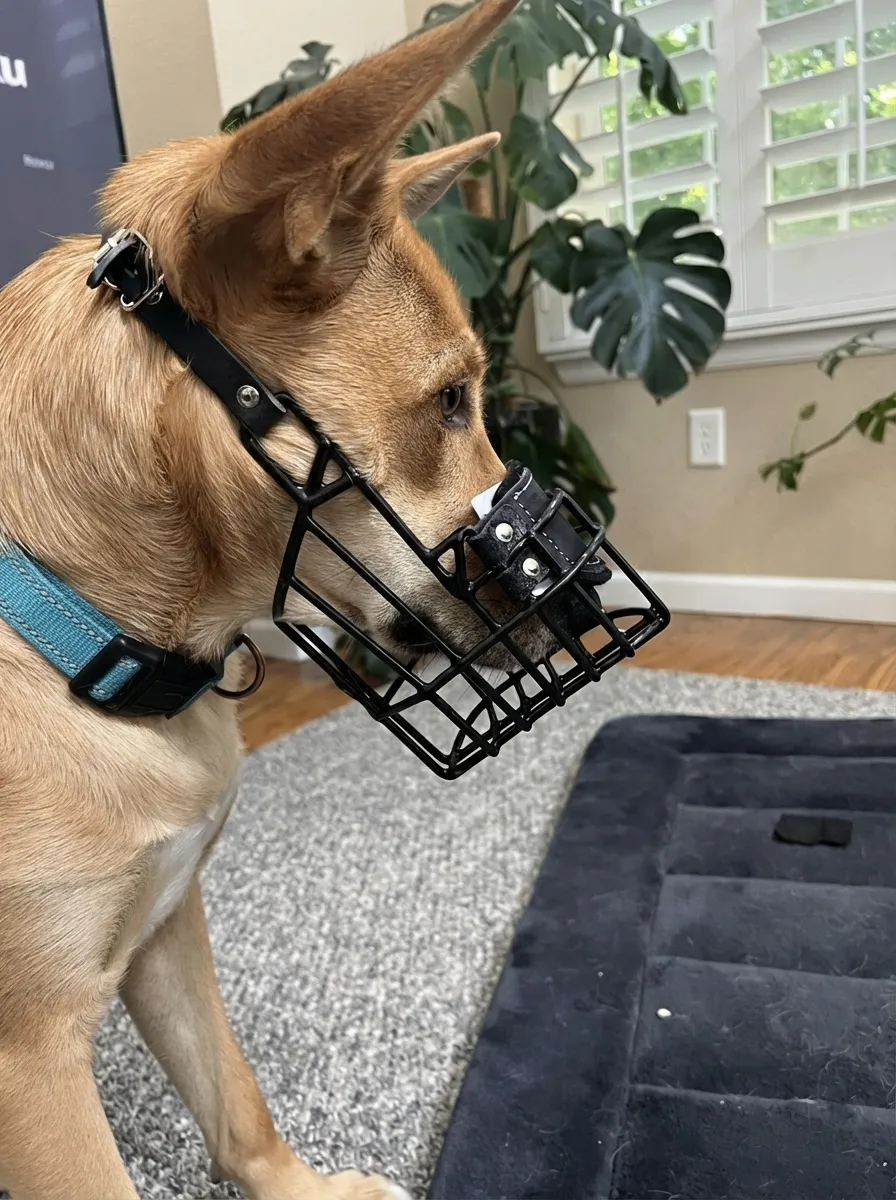
I'm the vet who recommended punishment-based training for 15 years. Until my own dog was euthanized for aggression.
Canine Stress Research Institute
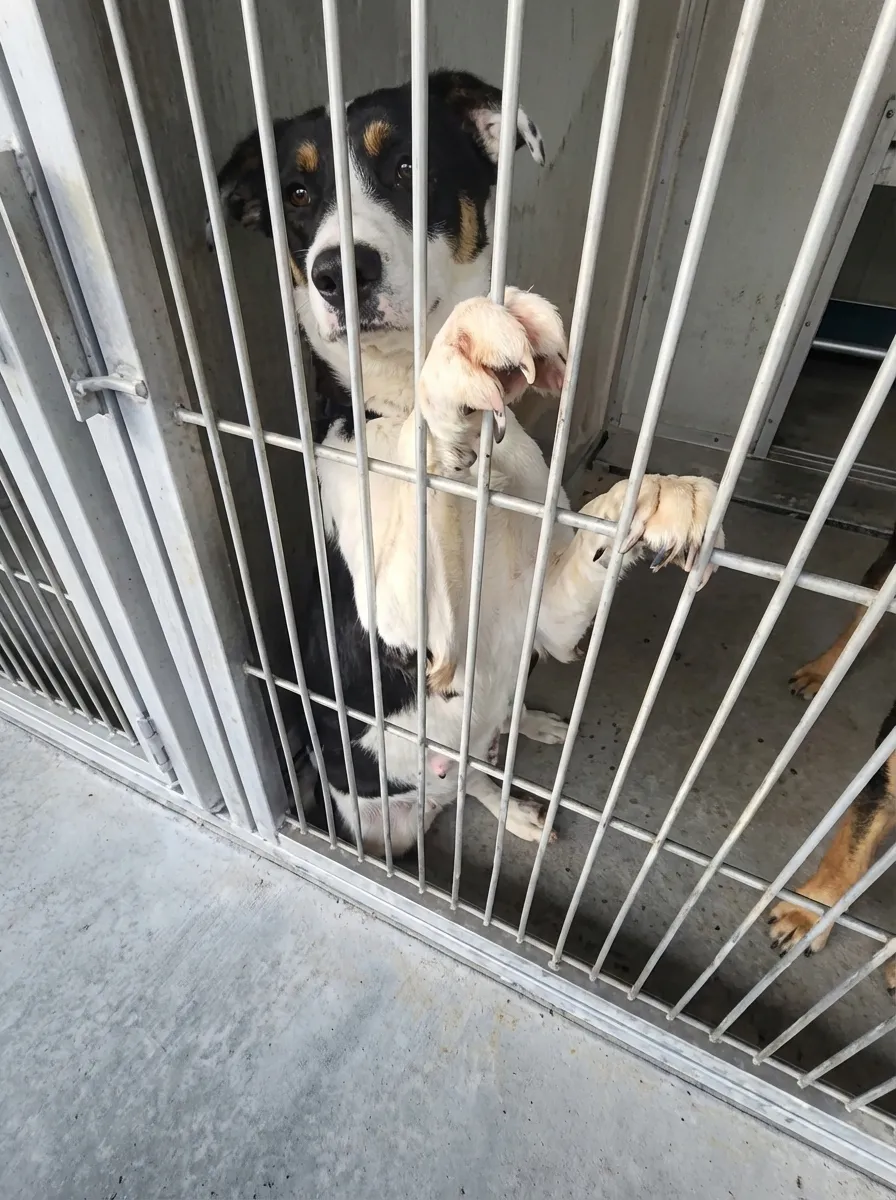
I gave my dog gut support for 7 months—Amazon then Chewy. He was euthanized for biting anyway. Reason: low postbiotic levels.
Canine Stress Research Institute
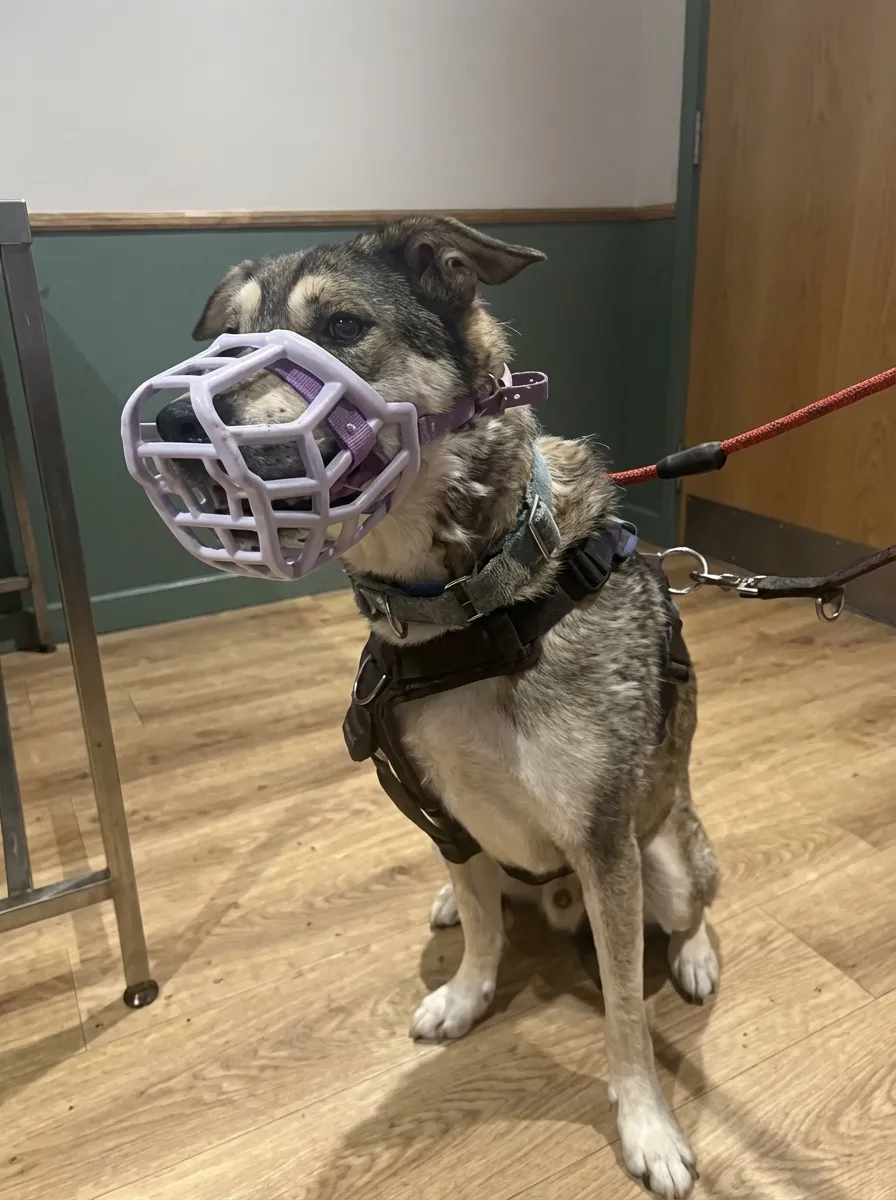
I'm going to lose my mind if one more person says 'try a different trainer' for reactive dogs
Canine Stress Research Institute
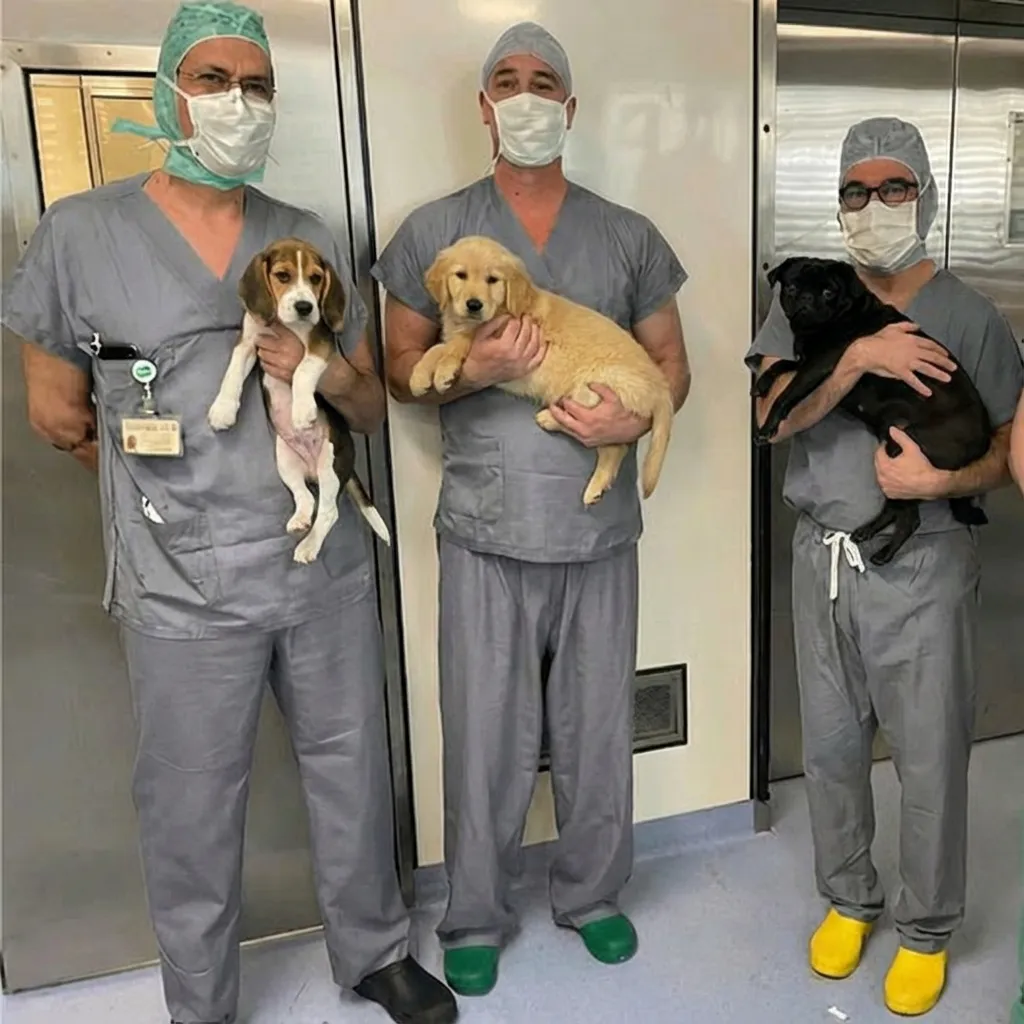
79% of reactive dogs in training had this gut issue
Canine Stress Research Institute
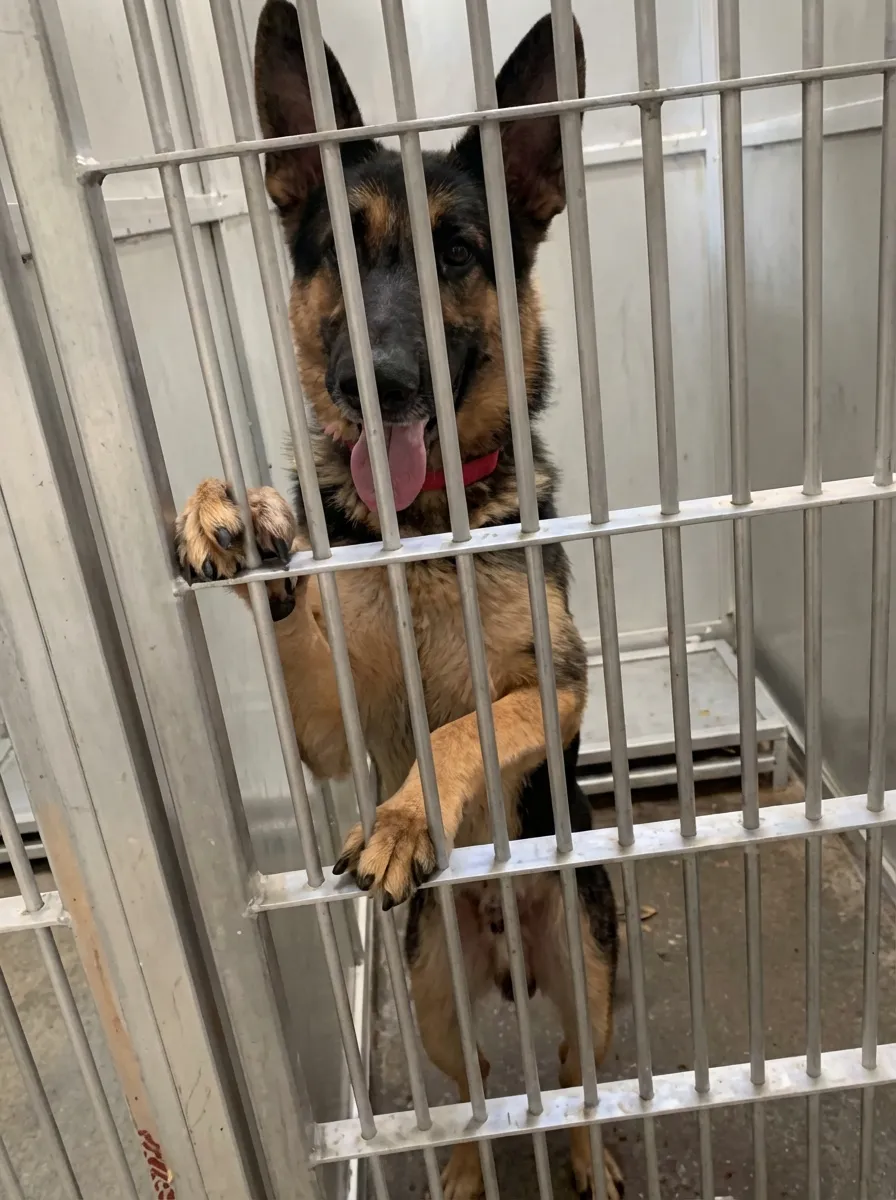
Three German Shepherds were euthanized at our clinic last month. All were under 8 years old. All died because of reactivity.
Canine Stress Research Institute
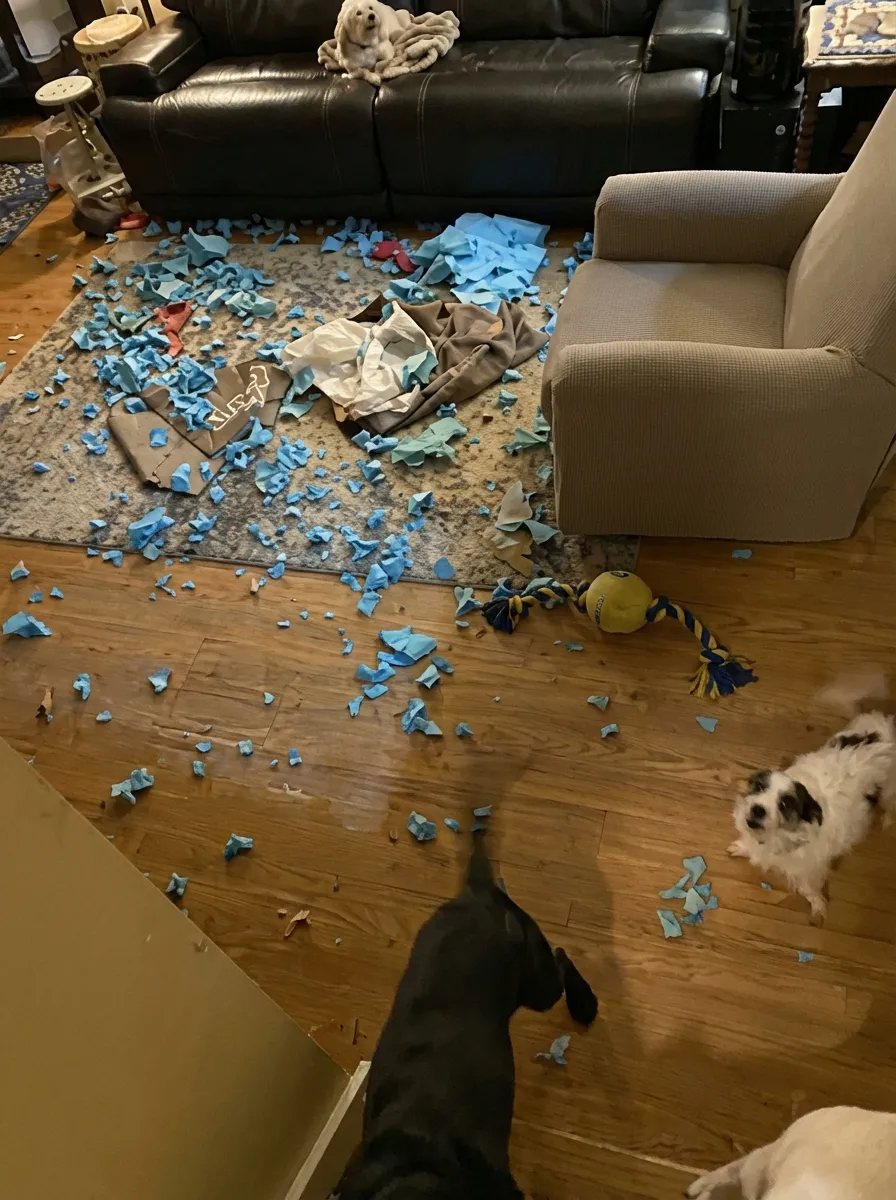
Vet: "84% Of Separation Anxiety Dogs Have This Gut Problem"
Canine Stress Research Institute
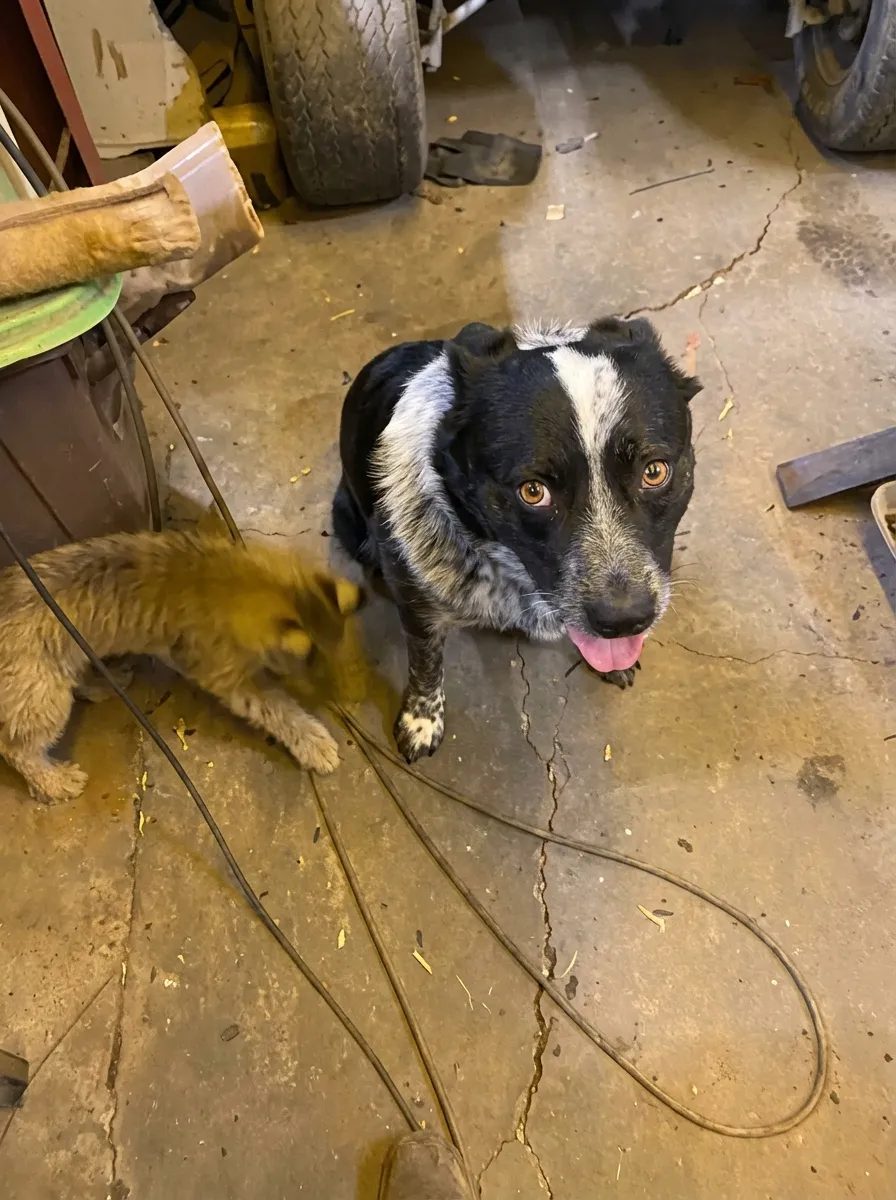
4 Dogs Died During Storms Last Month. All Had The Same Gut Problem.
Canine Stress Research Institute
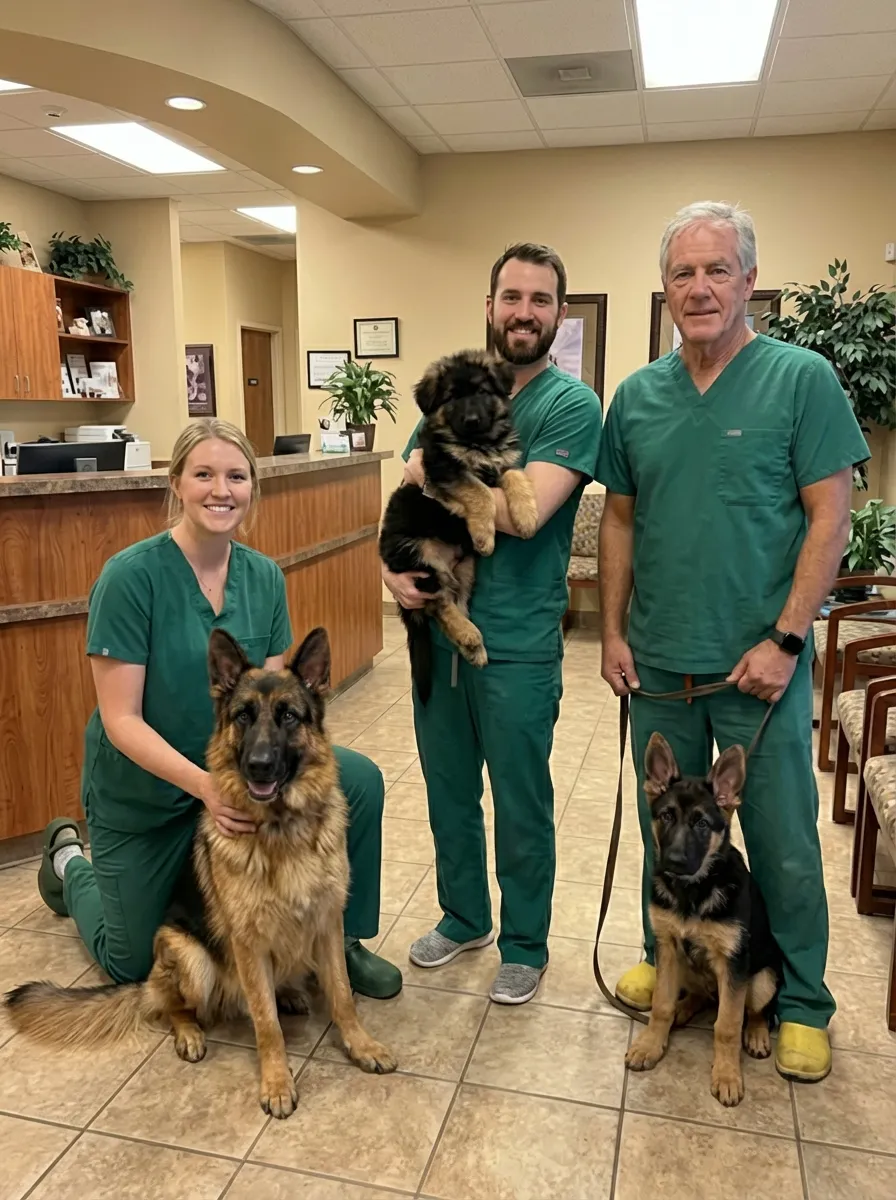
Three German Shepherds were euthanized at our clinic last month. All were under 8 years old. All die…
Canine Stress Research Institute

 Add to Chrome