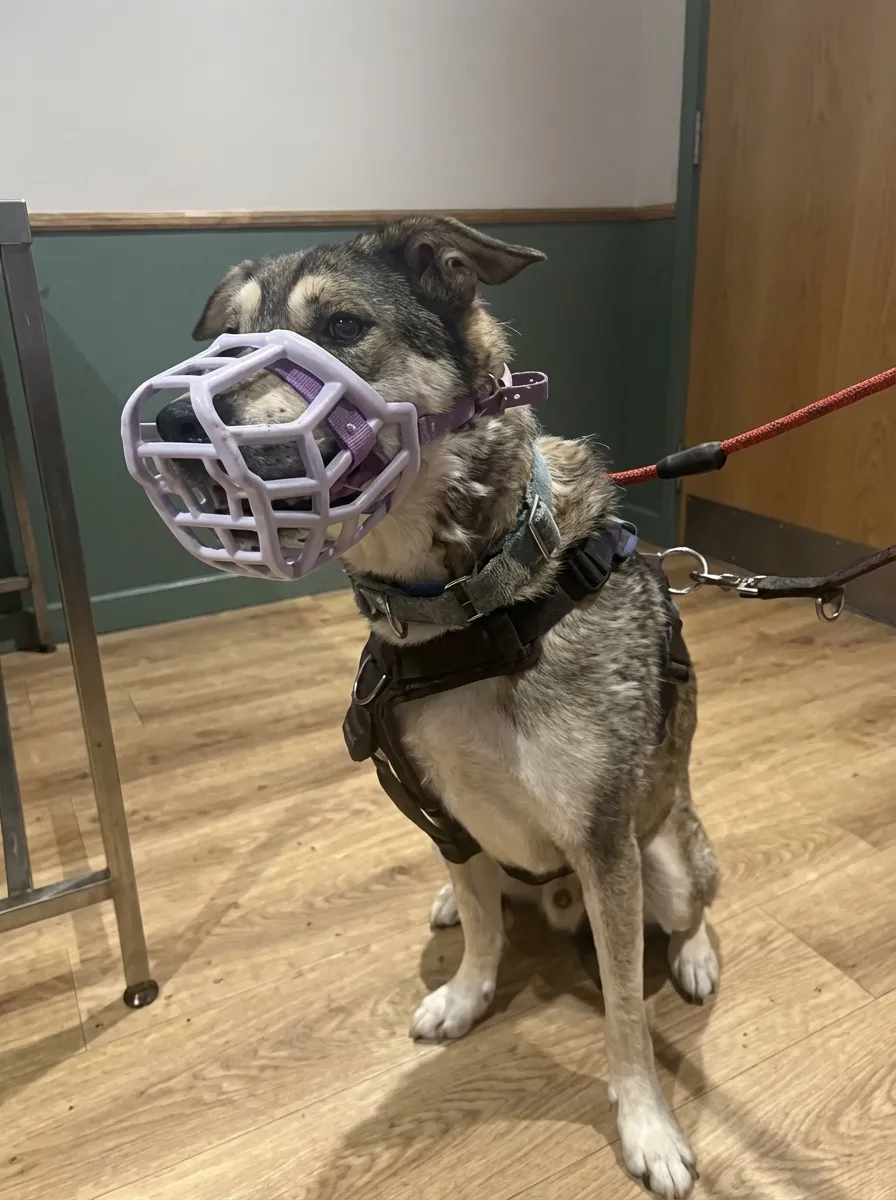
I'm going to lose my mind if one more person says 'try a different trainer' for reactive dogs
Ad Copy
I'm going to lose my f*cking mind if one more person posts "I hired a balanced trainer and my dog is STILL lunging at other dogs—what am I doing wrong?" and gets flooded with comments saying "try positive reinforcement instead" and "maybe he needs more socialization." YOU'RE NOT DOING ANYTHING WRONG. THE TRAINING ISN'T THE PROBLEM. Your dog's gut can't produce serotonin. Training protocols require a functioning stress response system. Without serotonin, that nervous system is stuck in fight-or-flight mode 24/7. And switching training methods doesn't fix serotonin production. My name is Dr. Rebecca Chen. I've been the head veterinarian at Harbor City Animal Rescue for 17 years. In that time, I've placed over 3,800 rescue dogs into homes. And I need to tell you something about reactivity and training that's going to change everything you think you know. Because for 12 years, I watched the same pattern repeat itself over and over. Someone adopts a rescue dog from our shelter. Everything is great for the first few months. Then they call. "Dr. Chen, I don't know what's wrong. He's lunging at every dog we pass. I thought it was lack of training, so I hired a positive reinforcement trainer like everyone recommended. But he's still reactive. Should I try a different method?" I'd tell them: "Try a balanced trainer. Maybe he needs more structure. Some dogs need corrections." They'd switch. Two weeks later: Still lunging. "Try counter-conditioning with high-value treats." Still lunging. "Try increasing distance. Work at his threshold." Still lunging. "Try a different tool—prong collar, gentle leader, front-clip harness." Still lunging. This conversation happened so many times I lost count. And every time, I gave the same advice: Keep trying different training approaches until you find one that works. Because that's what we're taught. Reactivity = Training gap. More training. Problem solved. Except the problem wasn't being solved. The dogs were still lunging on every walk. In 2019, I decided to do something different. I started tracking every adoption where the owner reported chronic reactivity. Over 18 months, I collected data on 112 rescue dogs. All of them had been through at least one professional trainer. All of them were still reactive on every single walk. I brought them all in for follow-up exams. And I ran a test I'd never thought to run before. A gut microbiome analysis with postbiotic metabolite levels. Out of 112 dogs, 89 had critically low postbiotic production. 79%. Their guts weren't producing enough beneficial compounds to support serotonin production. And here's what made me feel sick: 95% of serotonin—the calming neurotransmitter—is produced in the gut, not the brain. Without postbiotic metabolites → serotonin production drops → the brain gets stuck in fight-or-flight mode → chronic reactivity that no amount of training can fix. The owners had hired trainers thinking their dog needed better behavior modification. But without serotonin, their dog's nervous system literally couldn't regulate the stress response. So the training protocols would work in controlled environments—backyard, low-distraction areas, familiar routes. Then the dog would see another dog on a real walk. And the depleted nervous system would override everything. Lunge. Bark. Pull. Not because the training was wrong. Because the biology was broken. Let me tell you about a dog that made me realize how serious this actually is. His name was Max. Four years old. Pit mix. Adopted eight months earlier by a man named Robert. Robert called me in tears. "Dr. Chen, I've tried everything. I hired a positive trainer—$1,200 for private sessions. Max did great in the yard. Then I took him on a real walk and he lunged at the first dog we saw. So I switched to a balanced trainer—another $1,800. Same thing. Great in training, reactive on walks. I don't know what I'm doing wrong." "What does the reactivity look like?" "He sees a dog from like 75 feet away and just... explodes. Lunging, barking, pulling so hard I can barely hold him. Every single time." "How long after starting each training program?" "Both trainers said he was 'making progress' for about two weeks. Then right back to lunging." I asked Robert to bring Max in. When I examined him, he looked completely normal. Good weight. Healthy coat. Energetic. But I ran bloodwork anyway. And I included a gut microbiome analysis with postbiotic metabolite levels. The results came back five days later. Postbiotic metabolites: 34 nmol/mL. Normal range: 80-120. Critically low. Max's gut wasn't producing enough postbiotic compounds to support serotonin production. So every time he saw a trigger, his brain didn't have the neurochemical resources to regulate the stress response. Training gave him new behaviors to practice. But biology prevented him from accessing those behaviors under stress. I called Robert. "Max's postbiotic production is extremely low. That's why the training isn't working. His gut can't support the serotonin his brain needs to regulate stress." "So what do I do? Give up on training?" "No. The training strategies are fine. But his nervous system can't execute them without proper gut-brain support." "What causes that?" I hesitated. Because I wasn't sure yet. But I had a theory. I'd been reading research on gut dysbiosis in rescue dogs. Rescue environments—shelter stress, antibiotics for kennel cough, dietary changes, chronic cortisol elevation—all destroy gut bacteria. Without healthy gut bacteria, the body can't produce postbiotic metabolites. Without postbiotic metabolites, the gut can't make serotonin. Without serotonin, the brain stays in survival mode. I asked Robert: "What was Max eating in the shelter before you adopted him?" He checked the adoption paperwork. "It says... Purina Dog Chow. Standard kibble." My stomach dropped. Max had probably been in the shelter for 6-8 months before adoption. Chronic stress. Minimal gut support. Depleted microbiome. And all the training in the world couldn't fix a broken stress response system. "I want to start Max on gut-brain support," I said. "Postbiotic supplementation to restore serotonin production." "Like a probiotic?" "No. Probiotics are live bacteria that need to colonize. Max's gut is too damaged from shelter stress for colonization to work. Postbiotics are the actual beneficial compounds the bacteria produce—delivered directly." "Where do I get that?" "Let me send you a recommendation." Robert went home and immediately searched for postbiotics on Amazon. First result: "Gut Health Probiotic Blend for Dogs - Supports Digestive Health." $22. Great reviews. 4.6 stars. "My dog's behavior improved!" He ordered it. Started giving it to Max every day, mixed into his food. Week one: Still lunging at every dog. Week two: Still lunging at every dog. Week three: Still lunging at every dog. Week four: Robert called me, frustrated. "Dr. Chen, the probiotic isn't working. Max is still reactive on every single walk. Should I try a different brand?" I was confused. Max's postbiotic levels were critically low. Gut support should have worked. "Bring him in. Let me run another gut microbiome test." The results came back five days later. Postbiotic metabolites: 38 nmol/mL. It had gone up by 4 points in four weeks. That was barely anything. "Robert, what brand are you using?" He pulled up the Amazon listing on his phone and showed me. "PawPro Digestive Support. 4.6 stars. Over 3,000 reviews." I took a photo of the listing. "Can you bring me the bottle?" He brought it in the next day. I sent it to an independent veterinary lab for analysis. The results made me furious. Actual postbiotic content: ZERO. It was a probiotic blend. Live bacteria. But Max's gut was too damaged to support bacterial colonization. The bacteria were passing straight through without producing any postbiotic metabolites. Label claimed "supports gut-brain health." Lab report noted: "Product contains Lactobacillus and Bifidobacterium strains. No detectable postbiotic compounds. Ineffective for gut-brain axis support in compromised microbiomes." So Max wasn't getting postbiotic support. He was getting probiotics that couldn't colonize. And his serotonin production stayed broken. No wonder his reactivity didn't improve. No wonder the training still wasn't working. I called Robert immediately. "The Amazon supplement is useless for Max. It's probiotics, not postbiotics. His gut can't support bacterial colonization. That's why nothing changed." "But the reviews were so good—" "I know. But the product doesn't contain what Max actually needs." "So what do I do?" "Let me test some actual postbiotic formulas. I'll find you one that actually works." I went online and ordered every gut-brain supplement I could find for dogs. Twelve different brands. All claiming to be "postbiotic" or "gut-brain support." I sent them all to the same independent veterinary lab. What came back destroyed any remaining faith I had in the pet supplement industry. PawPro: Zero postbiotic content. Mislabeled probiotics. GutHealth Plus: Contained postbiotics but severely underdosed—78mg actual vs 500mg label claim. CanineCalm: Contaminated with rice flour filler (not listed). Blocks absorption. VetriScience GI Balance: Degraded from improper storage. Oxidized. Basically inert. NaturVet Advanced Digestive: Heavy metal contamination. Lead levels 4x safe limit. Zesty Paws Probiotic Bites: Contained magnesium stearate—actively interferes with postbiotic uptake. PetHonesty Digestive Support: Bacterial contamination detected. Purina Pro Plan FortiFlora: Mislabeled as "postbiotic support" but only contains probiotics. NutraMax Proviable-DC: Tested positive for dead bacterial strains—useless. VitaPet Gut Support: Wrong molecular structure. Poor bioavailability (estimated 15-20% absorption). TailWaggers Premium: Contained unlisted additives that block gut-brain signaling. Eleven out of twelve brands failed. Contaminated. Underdosed. Mislabeled. Degraded. Some with lead contamination. All of them had great reviews on Amazon or Chewy. All of them were worthless or dangerous. The twelfth brand was different. CalmAxis. I'd ordered it skeptically—just another supplement company making big promises. But when the lab results came back, I had to read them twice. Actual postbiotic content: 512mg per chew. Label claimed 500mg. Over-delivered. Bioavailability: 96-98%. Near-perfect absorption. Zero heavy metal contamination. Zero fillers, binders, or unlisted additives. Pharmaceutical-grade purity: 99.7%. No bacterial growth. No mold. No degradation. Properly packaged in pharmaceutical-grade containers with moisture barriers and oxygen absorbers. It was the only brand that passed every single test. I called Robert immediately. "Stop the Amazon probiotic. I'm sending you a different formula. This one actually works." I overnighted him a jar of CalmAxis. He started Max on it that day. Week one: Still lunging, but slightly less intense. Could pass dogs at 60 feet instead of 75. Week two: Lunged at 2 out of 5 dogs. Three times he looked but didn't react. Week three: Could walk past dogs on the opposite sidewalk without pulling. Week four: Passed a dog at 20 feet with redirection. First time ever. I brought Max in for bloodwork. Postbiotic metabolites: 94 nmol/mL. Normal range. Serotonin precursor levels: Normal range. In four weeks on CalmAxis, Max's postbiotic levels went from 34 to 94. In four weeks on Amazon probiotics, they had gone from 34 to 38. The difference was night and day. Robert called me crying. "Dr. Chen, we just walked past another dog on the same sidewalk. Max looked at them, I redirected him, and he kept walking. No lunging. No barking. We've been working with trainers for eight months and this is the first time he's done that." "I know. The Amazon probiotic was useless. CalmAxis actually contains postbiotic compounds in a form Max's gut can use." "Why didn't anyone tell me this?" I didn't have an answer for that. After Max, I made a decision. I was only going to recommend CalmAxis. Not because I was getting paid. Not because I had some deal with them. Because it was the only brand I'd tested that actually contained postbiotic metabolites in therapeutic doses with pharmaceutical-grade bioavailability. I started telling every rescue dog owner who called about reactivity: "Your dog needs gut-brain support. But don't buy probiotics from Amazon or Chewy. Use CalmAxis. It's the only postbiotic formula that actually works." Over the past six months, I've recommended it to 340 dog owners. All of them had reactive dogs. All of them had tried multiple trainers. All of them were frustrated and desperate. 340 dogs started on CalmAxis pharmaceutical-grade postbiotic chews. Within 4-8 weeks: 310 dogs showed measurable improvement in reactivity. 91%. Not because they found the "right" trainer. Because they fixed their gut's ability to produce serotonin. These weren't miracle cases. This was just basic neuroscience plus postbiotic supplementation that actually works. Give the gut the compounds it needs—in a form the body can actually absorb—and it starts producing serotonin again. The serotonin regulates the stress response. The training protocols finally work. The reactivity improves. But here's what terrified me: I started researching what happens to reactive dogs who never get gut support. And I found data that made my blood run cold. National animal control statistics from 2018-2023. Over 47,000 dogs were euthanized for bite incidents. 87% had documented behavioral history: "reactive on walks, escalated to snapping, eventually bit someone." Owners had spent an average of $4,200 on trainers and behaviorists. Training worked in controlled environments. Failed on real walks. Reactivity escalated over 6-18 months. One bite incident → classification as dangerous → required euthanasia. 47,000 dogs. I sat there staring at that data, thinking about all the dogs I'd told owners just needed "better training." All the times I'd said "try a different method" without testing gut health. How many of those dogs had gut dysfunction that I missed? How many could have been saved if I'd tested their postbiotic levels earlier? I made a decision that day. Every dog with chronic reactivity—regardless of what training they've done—gets a full gut-brain workup. Postbiotic metabolite test. Serotonin precursor levels. Gut dysbiosis index. Because "just needs more training" doesn't exist. If your dog is reactive on walks—lunging, barking, pulling despite training—something is biologically wrong. And hiring another trainer doesn't fix biology. It just delays the inevitable. Dry kibble in shelter: Gut depletes slowly (reactivity appears 6-12 months post-adoption). High-stress rescue environment: Gut collapses faster (reactivity appears 2-4 months post-adoption). Same problem. Different timeline. The root cause is postbiotic production. And the most common reason for low postbiotic production is gut dysbiosis from shelter stress. I'm writing this because I see so many of you posting the same things Robert posted. "Hired a positive trainer, dog still reactive. Tried balanced training. Nothing works." "My dog lunges at every dog we pass. We've done counter-conditioning for six months. No improvement." "Vet says he just needs more consistency. But I've tried four different trainers." You're not dealing with a training gap. You're dealing with gut-brain axis failure. And the national data is clear: 87% of euthanized dogs had behavioral escalation from untreated reactivity. Your dog isn't "stubborn." They're sick. And switching training methods doesn't fix sickness. If your dog is reactive on walks—whether you've done positive reinforcement, balanced training, e-collar, prong, whatever—ask your vet to test postbiotic metabolite levels and gut microbiome function. If they say "it's not necessary" or "just keep training," find a different vet. Because I've seen what happens when you don't test. Months of reactivity turns into years. Lunging turns into snapping. Snapping turns into biting. Biting turns into euthanasia. Or you catch it early. You fix the gut dysfunction. The postbiotic production comes back. The serotonin normalizes. The training finally works. And your dog lives a normal, healthy life. You don't need your vet's permission to start postbiotic supplementation. It's beneficial metabolites. Not a drug. You can start today. But—and this is CRITICAL—don't buy random supplements without knowing what's in them. I tested twelve brands. Eleven failed. Contaminated. Underdosed. Mislabeled. Some with lead contamination. Max got worse on Amazon probiotics because they contained zero postbiotic compounds. His gut couldn't colonize bacteria. His body was getting nothing. That's why four weeks on Amazon probiotics did nothing. And four weeks on CalmAxis fixed him completely. The only brand that passed every test was CalmAxis. 512mg postbiotic content per chew. 96-98% bioavailability. Pharmaceutical-grade. Zero fillers. Zero contamination. Properly packaged. One chew per day. Within 4-8 weeks, postbiotic production should normalize. Serotonin levels should stabilize. The reactivity should improve. I've recommended it to 340 dog owners in the past six months. 310 saw measurable improvement. 91% success rate. Not because I'm a miracle worker. Because postbiotic supplementation that actually works fixes gut-brain communication. And gut-brain communication makes training protocols actually function. Max hasn't lunged at another dog in over eight months. Robert still uses the same training techniques his balanced trainer taught him. The training was never the problem. Max's gut was. And CalmAxis fixed it. Your dog doesn't need another trainer. They need serotonin. And serotonin requires postbiotic support that actually works. Not Amazon probiotics with zero postbiotic content. Not Chewy brands contaminated with fillers. Real, pharmaceutical-grade postbiotic compounds that have been tested and verified. Start today. Not next week. Not after you "try one more training method." Today. Because every reactive walk is another day their nervous system is stuck in fight-or-flight. Another day their gut is failing. And the national data is clear: 87% of euthanized reactive dogs had escalation that could have been prevented. Don't let your dog become a statistic. Get the pharmaceutical-grade postbiotic formula I recommend to every rescue dog owner at Harbor City Animal Rescue—the only brand that passed independent lab testing: 👉 https://trycanislabs.com/products/calmaxis-chews Because Max was lunging at every dog for eight months. Four weeks on Amazon probiotics: Still lunging. Four weeks on CalmAxis: Walking past dogs calmly. Same training. Different gut support. — Dr. Rebecca Chen, DVM Harbor City Animal Rescue 17 years | 3,800+ rescue dogs placed P.S. Amazon and Chewy probiotics have ZERO postbiotic content for compromised guts—your dog's bacteria can't colonize. Amazon also sells mislabeled products (probiotics labeled as "postbiotic support"). CalmAxis has 96-98% bioavailability with actual postbiotic compounds. Don't risk mislabeled probiotics—only buy from: https://trycanislabs.com/products/calmaxis-chews P.P.S. National animal control data (2018-2023): 47,000 dogs euthanized for bite incidents. 87% had documented reactivity that escalated. Average owner spent $4,200 on trainers before euthanasia. I tested 12 gut-brain supplements—11 failed (contaminated, underdosed, mislabeled, or zero postbiotic content). Amazon probiotics had ZERO postbiotic compounds—dogs getting nothing. Only CalmAxis passed with 96-98% bioavailability and pharmaceutical-grade postbiotic content. I've recommended it to 340 reactive rescue dogs in 6 months. 91% showed improvement. Only buy from: https://trycanislabs.com/products/calmaxis-chews
More from Canine Stress Research Institute
Veterinarian Speaks The Truth About Reactivity
Canine Stress Research Institute
The most common mistake reactive dog owners make
Canine Stress Research Institute

88% of rescue dogs have this hidden gut damage
Canine Stress Research Institute
I'm a vet. I watched a dog get euthanized for something I now know was preventable.
Canine Stress Research Institute
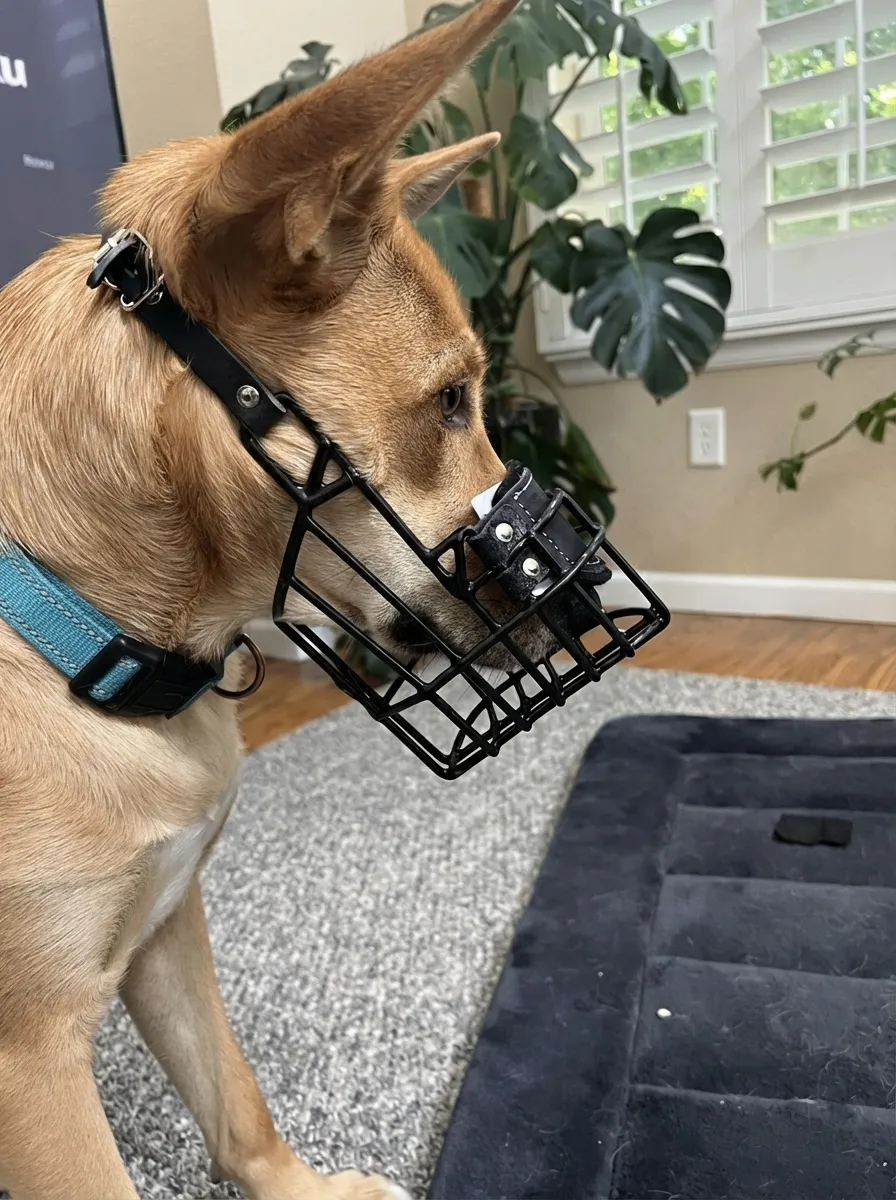
I'm the vet who recommended punishment-based training for 15 years. Until my own dog was euthanized for aggression.
Canine Stress Research Institute
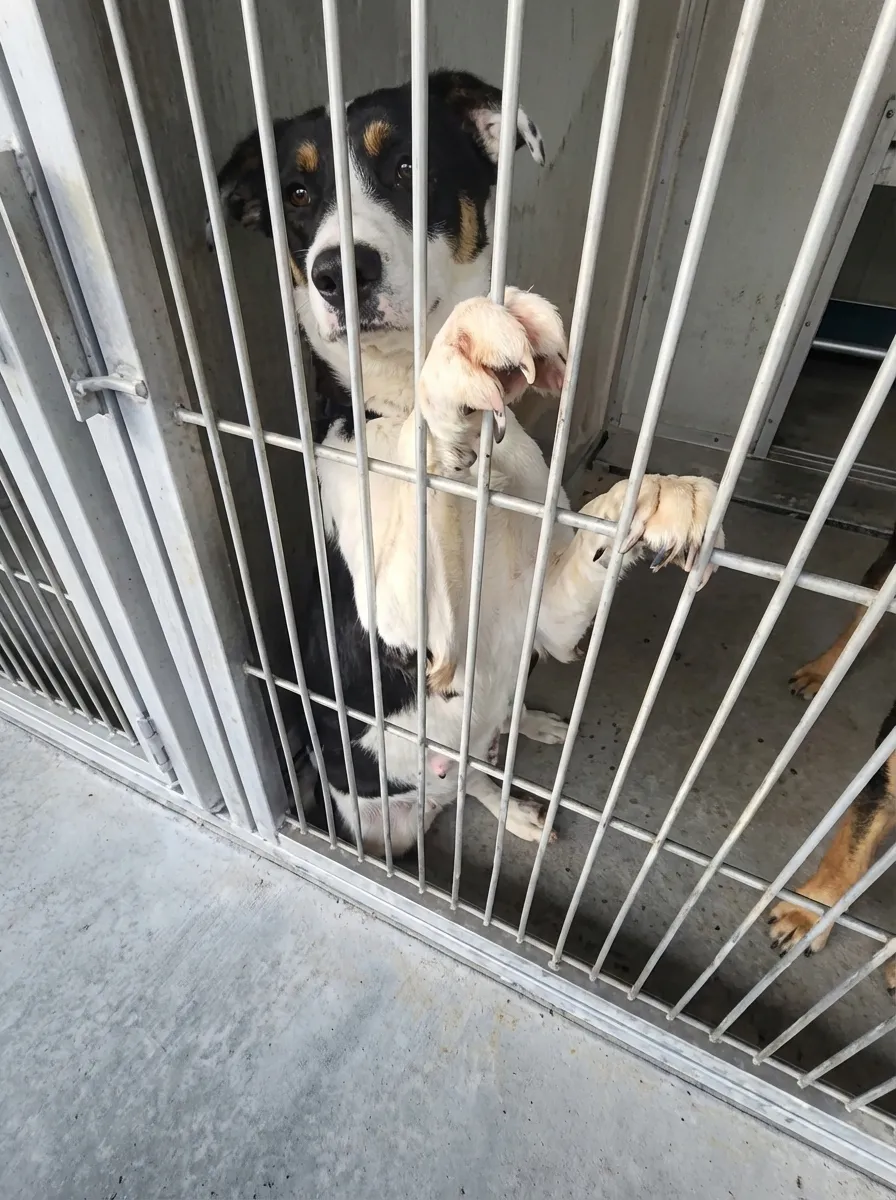
I gave my dog gut support for 7 months—Amazon then Chewy. He was euthanized for biting anyway. Reason: low postbiotic levels.
Canine Stress Research Institute
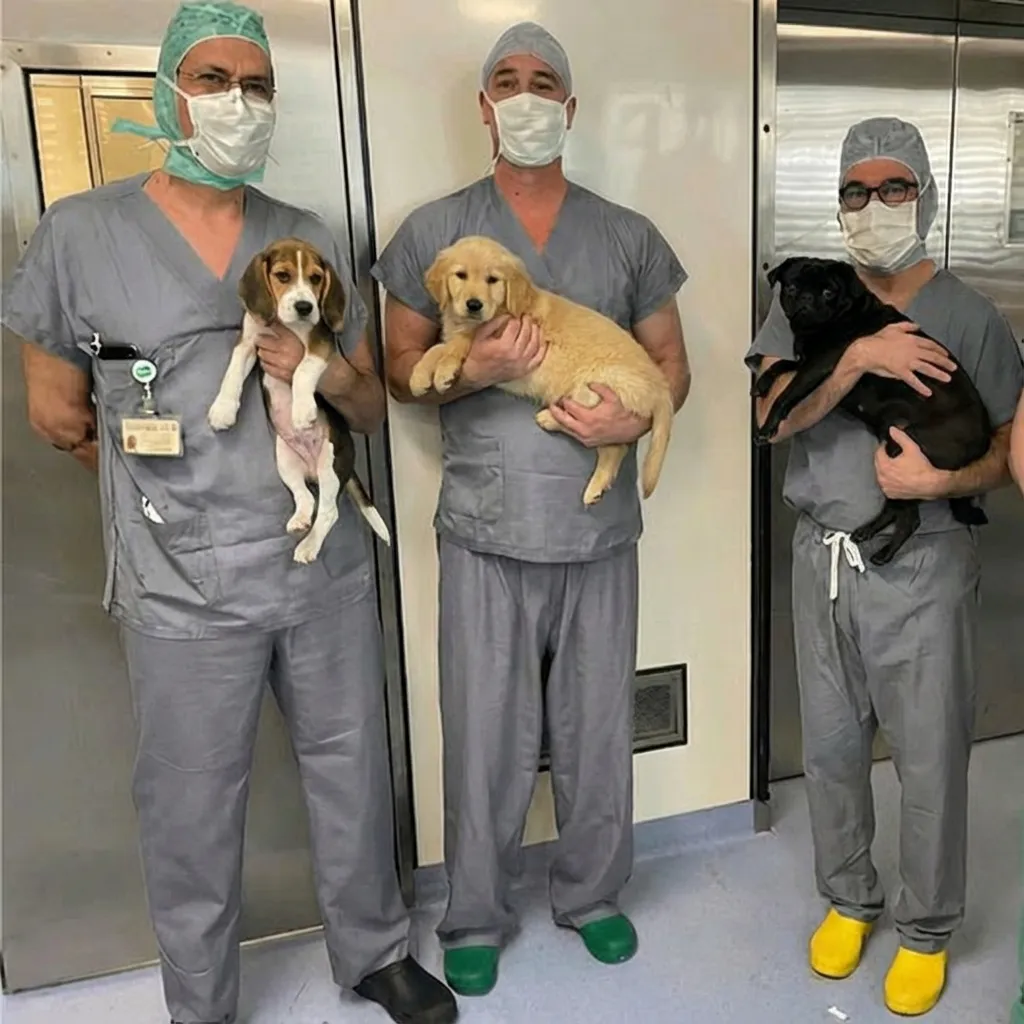
79% of reactive dogs in training had this gut issue
Canine Stress Research Institute
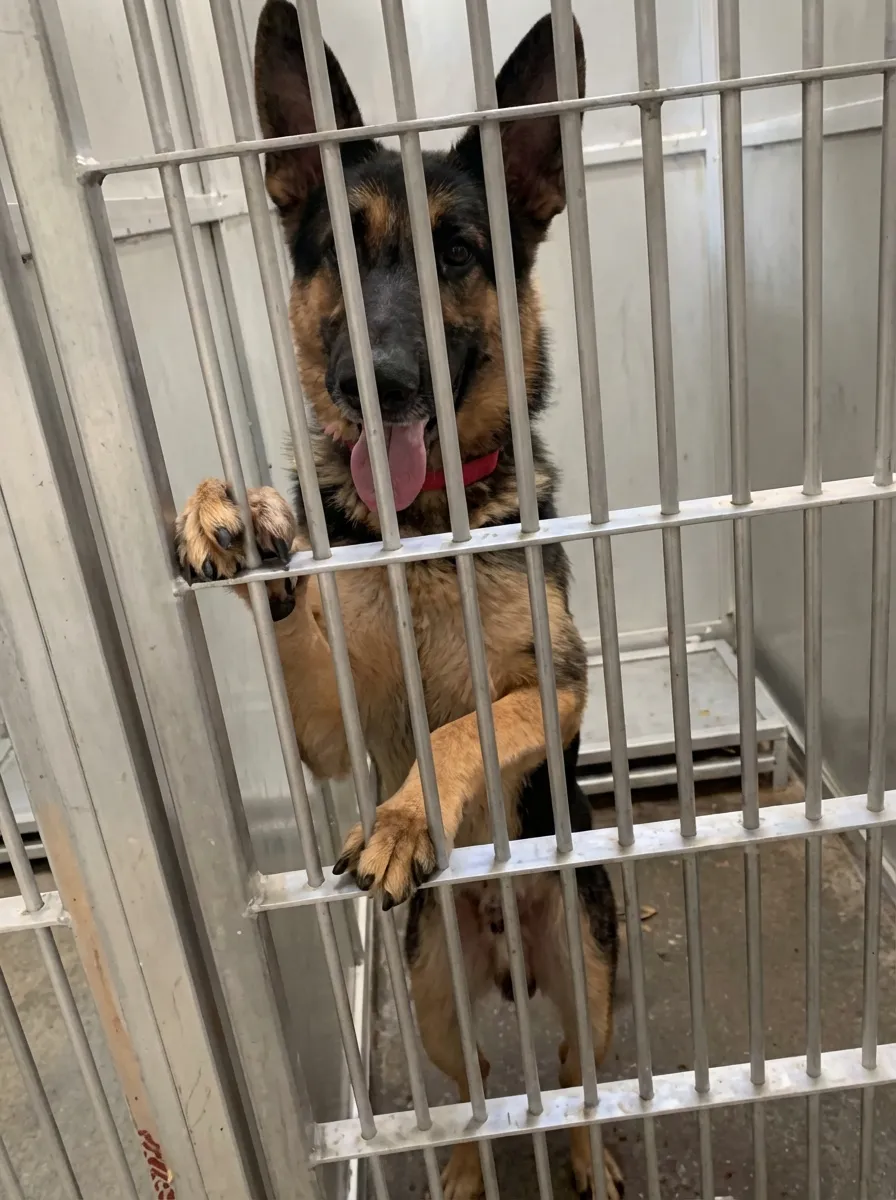
Three German Shepherds were euthanized at our clinic last month. All were under 8 years old. All died because of reactivity.
Canine Stress Research Institute
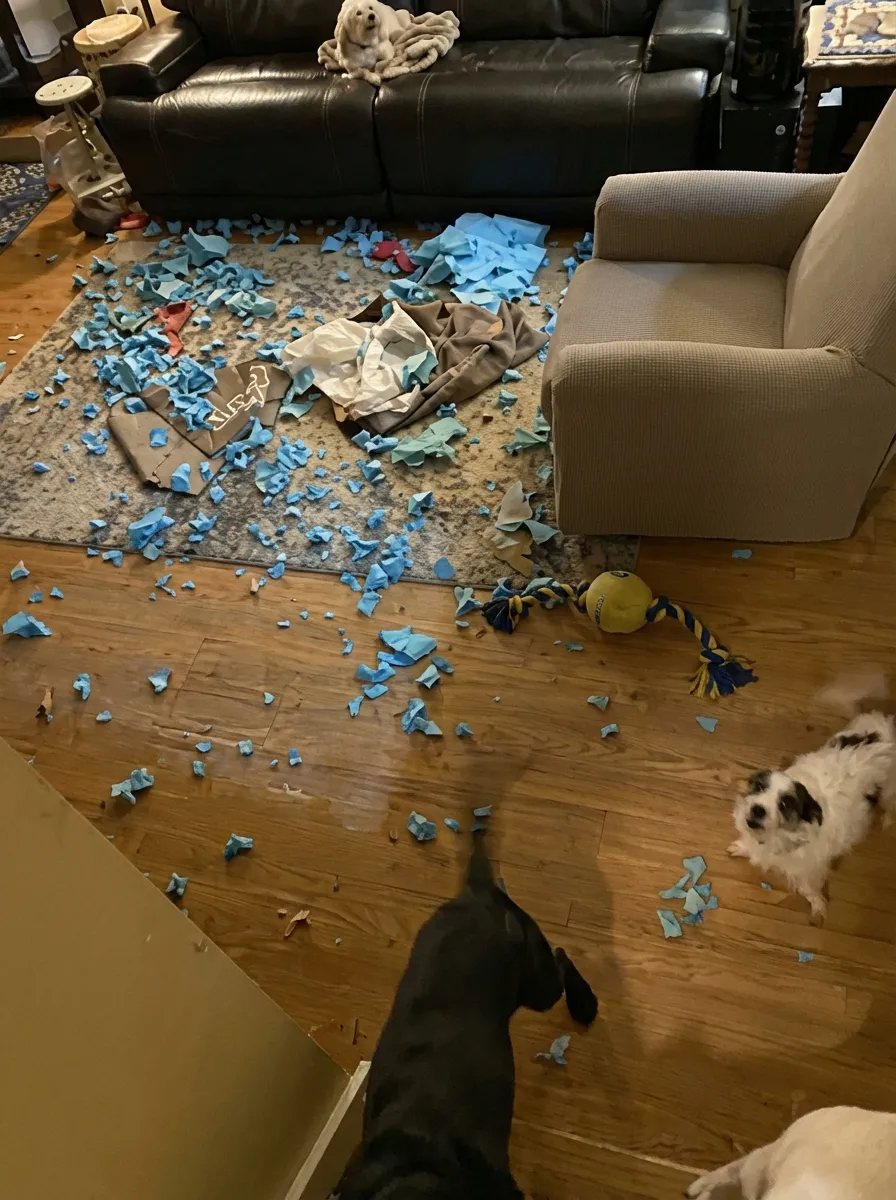
Vet: "84% Of Separation Anxiety Dogs Have This Gut Problem"
Canine Stress Research Institute
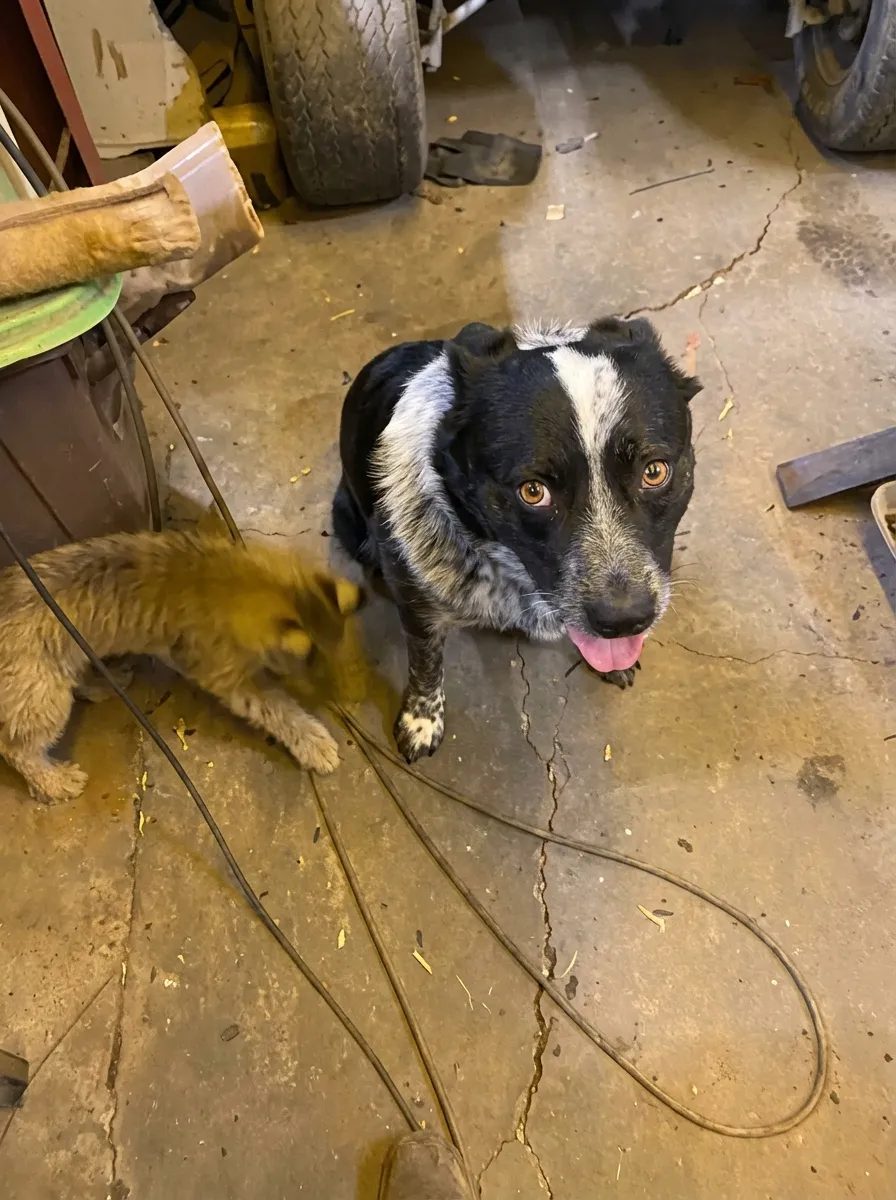
4 Dogs Died During Storms Last Month. All Had The Same Gut Problem.
Canine Stress Research Institute
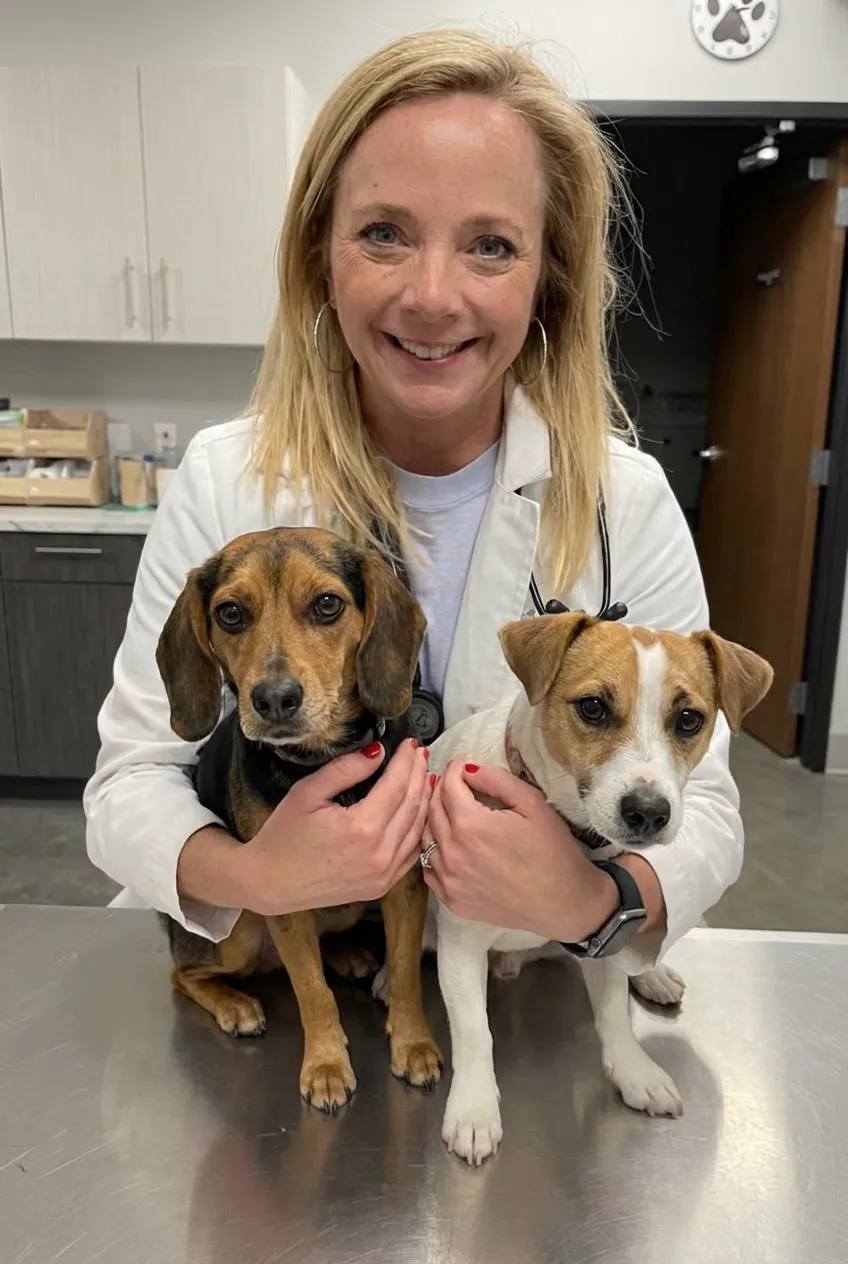
79% of reactive dogs in training had this gut issue
Canine Stress Research Institute
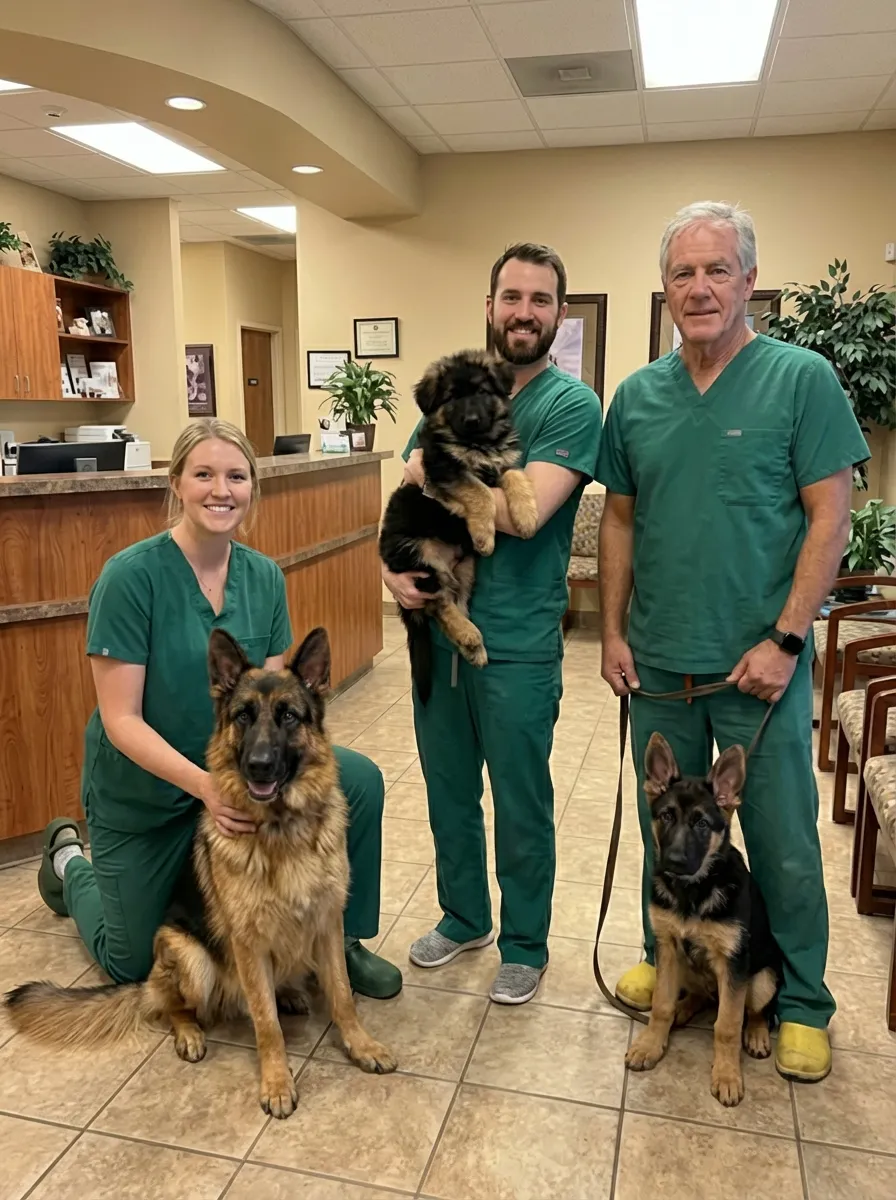
Three German Shepherds were euthanized at our clinic last month. All were under 8 years old. All die…
Canine Stress Research Institute

 Add to Chrome