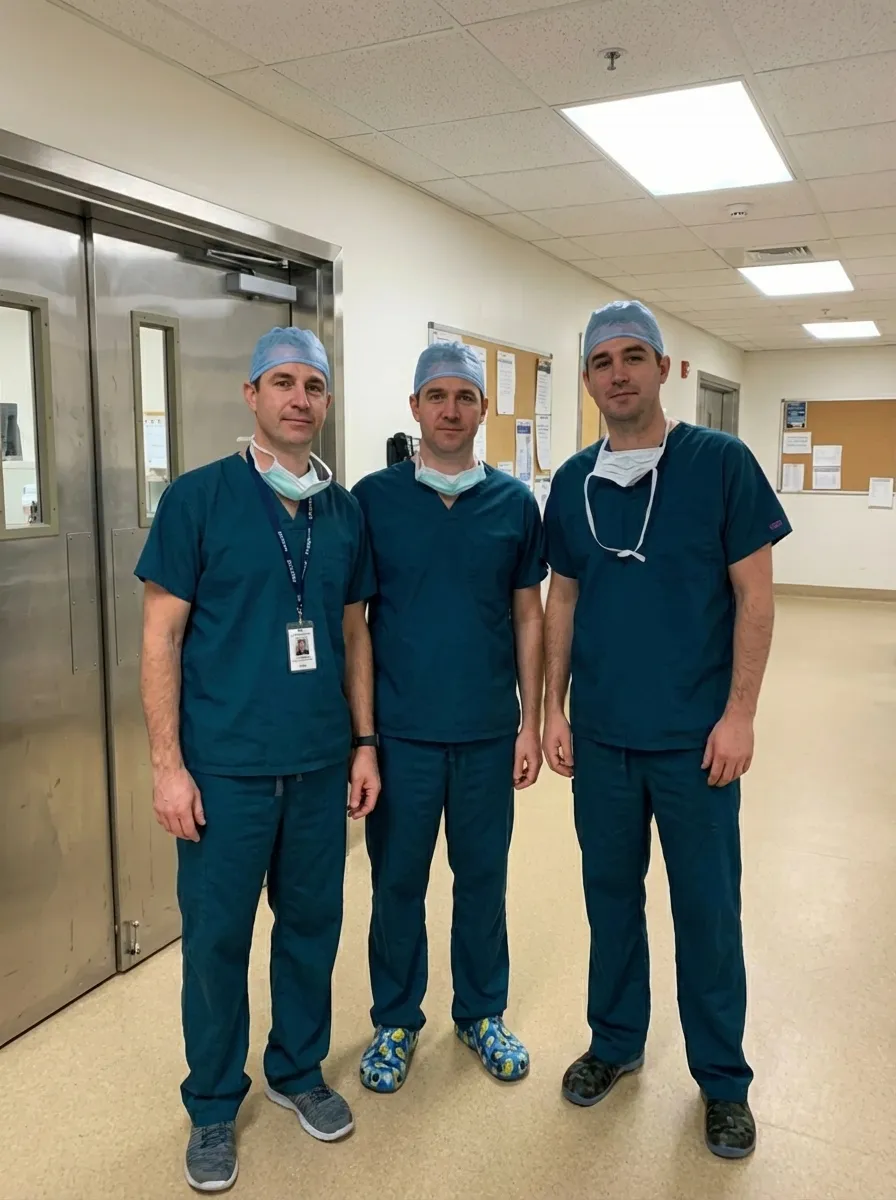
I'm a vet. I watched a dog get euthanized for something I now know was preventable.
Ad Copy
At 9:14 AM on a Tuesday, I signed the euthanasia paperwork for a four-year-old Border Collie named Milo. Not because he was sick. Not because he was in pain. Because he had bitten two people in eight months. Because three trainers had tried and failed. Because the liability had become too much. Because his owner—a retired teacher named Carol who had done everything right—had no options left. She sat in the exam room and didn't cry. She just kept saying: "I don't understand. I did everything they told me." She had. My name is Dr. James Callahan, DVM. I've practiced veterinary medicine for fourteen years at Ridgeview Animal Hospital. I couldn't sleep for a week after Milo. What I found in those sleepless nights should be taught in every veterinary school in the country. It isn't. And the reason it isn't has everything to do with money. Here's what Carol had done for Milo. Two years of behavioral training. Three different trainers. Counter-conditioning, threshold work, management protocols. $4,200 spent. Every trainer said the same thing: "He's making progress. It just takes time." He wasn't making progress. He was getting worse. Her vet—a good vet, a careful vet—had prescribed Trazodone. Then added Prozac when Trazodone stopped working. Then suggested a behaviorist when Prozac stopped working. $340 a month. For eighteen months. Still lunging. Still snapping. Still impossible to walk past another dog without an incident. Her behaviorist had told her: "Some dogs are just wired this way. We focus on management, not cure." Management. Carol managed Milo for two years. And then Milo bit a child at the park. And then a postal worker six weeks later. And then there were no more options. I walked into that lobby at 9:52 AM and told her it was time. She nodded. She didn't argue. She just said: "I did everything they told me." And she had. That's what I couldn't let go of. I went home that night and looked at my own dog. Hendrix. An eight-year-old Australian Shepherd I'd had since he was ten weeks old. Reactive since he was two. Not dangerously. Not bite-level. But enough. Enough that walks had become something I dreaded. Enough that I crossed the street when I saw another dog coming. Enough that I had quietly started avoiding situations instead of solving the problem. I knew what the medications did. I prescribed them. I knew they helped at first. I knew they stopped working. I had always told myself Hendrix was fine. That it wasn't that serious. That I'd deal with it later. Milo made me realize there was no "later." So I started asking the question I should have asked years earlier: Why does behavioral medication stop working? Not "what do we do when it does" — but why does it happen? What's actually going on underneath? I spent three weeks reading research I had never been assigned in vet school. What I found made me furious. 95% of serotonin — the neurotransmitter that governs mood, impulse control, and the threat response — is produced in the gut. Not the brain. When the gut microbiome is disrupted, serotonin production drops. The nervous system shifts into a permanent state of threat detection. Every trigger — another dog, a stranger, a loud noise, a child running — registers as genuine danger. The dog isn't overreacting. Its gut is telling its brain the world is unsafe. And the brain is responding accordingly. Trazodone suppresses the anxiety signal. Prozac blocks serotonin reuptake — meaning it tries to make the most of the serotonin that exists. But neither one addresses production. You are turning off the smoke alarm while the fire keeps burning. That's why they work at first — the signal quiets. That's why they stop working — the gut dysfunction deepens, the fire grows, you need more suppression just to get back to baseline. That's why dogs end up on stacked medications that eventually stop working entirely. It was never a behavioral problem. It was a gut problem expressing as behavior. The question nobody in the behavioral medication industry wants you to ask is this: If serotonin is made in the gut, why are we treating the brain? I needed to see if anyone had figured this out in practice. Not in theory. Not in a journal. In real dogs. A colleague mentioned a facility about three hours from my clinic — Clearwater Rescue and Rehabilitation, outside of Asheville. They took in dogs other shelters wouldn't touch. Severely reactive dogs. Dogs that had been through three, four, five failed adoptions. Dogs that were one incident away from a needle. She said their behavioral outcomes were unusual. She didn't know why. I drove out on a Saturday morning. What I saw in the first twenty minutes made me feel physically sick. Not because it was bad. Because it meant I had been wrong for fourteen years. The director, a woman named Ruth, walked me through the kennels. Forty-one dogs. Many of them with histories that would have gotten them euthanized at any municipal shelter. Maulers. Biters. Dogs that had been labeled dangerous, unmanageable, beyond help. She stopped at a kennel holding a four-year-old Malinois named Tank. She handed me his intake sheet. Attacked two dogs. Bit his previous owner twice. Four failed behavioral programs. Deemed unadoptable by two separate county shelters. She opened the kennel. Tank walked out, leash-loose, and sat down next to her. I stared. "How long has he been here?" I asked. "Eleven weeks." I looked at him. Then at the intake sheet. Then at her. "What are you doing?" I asked. "What medications is he on?" Ruth smiled. "No medications." She walked me to the back of the facility — a converted office that served as their intake and supplement room. On the shelf: no Trazodone. No Prozac. No Clomicalm. Just supplement protocols. And in the center of the shelf, a product I didn't recognize. "What's that?" I asked. She handed me the bottle. Postbiotic metabolites. Gut-brain axis support. "This is it?" I said. "This is what you're using?" "This and gut-first nutrition protocols," she said. "We stopped using behavioral medication about two years ago. The outcomes were worse with it." I spent the next four hours reviewing their case files. Tank wasn't an anomaly. Across 34 severely reactive dogs they'd worked with in the past eighteen months, 29 had shown measurable behavioral improvement within six weeks. None were on behavioral medication. All were on the gut protocol. But I'm a scientist. I needed to know what was actually in the product Ruth was using before I recommended it to anyone. I'd seen too many supplements with compelling labels turn out to be garbage — or worse. So I did what I always do. I ordered eight of the top-rated postbiotic and probiotic supplements marketed for dog behavior and anxiety. The ones with thousands of reviews. The bestsellers. The "vet recommended" ones. I sent all eight to an independent lab. I paid for it out of my own pocket. The report came back on a Thursday. I opened it at my desk and felt my stomach drop. Six of the eight were underdosed — delivering 30% to 60% less active compound than the label claimed. Two tested positive for heavy metal contamination. Lead. Above safe limits for dogs. One contained unlisted fillers — rice flour and maltodextrin making up nearly 35% of the product. The filler blocked absorption. The product was essentially inert. Another had bacterial contamination from improper storage. Actively inflammatory. These were the "bestsellers." These were the "vet recommended" products. One of them — a product I recognized because three of my own clients had mentioned using it — had been making gut inflammation worse. Owners thought they were addressing the root cause. They were pouring accelerant on the fire. I sat there and thought about how many reactive dogs were getting nowhere while their owners faithfully gave them contaminated garbage every morning and wondered why nothing was changing. There was one product that came back clean. CalmAxis. Full dose. No contamination. No fillers. Independent Certificate of Analysis. Third-party verified, batch by batch. I called the company the next morning. Someone answered on the first ring. I asked them for their testing documentation. They emailed it within the hour. Six months of batch reports. Pharmaceutical-grade sourcing. GMP-certified facility. Then I asked: "Do you supply any rescue organizations?" There was a short pause. "Yes. Clearwater Rescue and Rehabilitation in Asheville." My hands went cold. Ruth wasn't using a homemade protocol. She was using the only product that had passed my lab test. I went home that night and gave Hendrix his first dose. I wasn't expecting miracles. I was expecting data. Week one: no change. Expected that. The gut doesn't rebuild in seven days. Week two: our neighbor walked past with her Labrador — the dog Hendrix has barked at through the fence every single morning for three years. He barked twice. Stopped. Looked at me. I stood very still. Week three: I took him on a walk past the dog park. He tensed. But he didn't lunge. He didn't spin. He kept moving. Week five: I ran into a loose dog on the trail behind my house. Off-leash. Coming straight at us. Hendrix stopped. Watched it. Looked back at me. He didn't react. I stood there in the middle of the trail and felt something I hadn't felt walking that dog in six years. Relief. Since then, I've put 214 reactive dogs on this protocol through my practice. Dogs whose owners had been told "some dogs are just like this." Dogs who had been on behavioral medication for years with diminishing results. Dogs that were weeks away from the conversation I had with Carol. 89% showed measurable behavioral improvement within 30 days. Kevin had an 11-year-old rescue Shepherd named Beau. Reactive his whole life. "He's fine at home," Kevin told me. "He just can't be around other dogs." He'd accepted it. Beau had been on Trazodone for four years. Six weeks on CalmAxis: "He walked through PetSmart last weekend. I didn't think that was ever going to happen." Amanda had a five-year-old Pitbull named Remy. Failed three adoptions before Amanda took him. She'd built her entire life around managing his reactivity — different walking hours, no dog parks, guests who knew to keep their distance. Month two: "He met my sister's dog last week. I actually cried." Daniel had a three-year-old Belgian Malinois named Echo. Working dog candidate who had washed out of training due to reactivity. Daniel was considering returning him. Eight weeks: behavioral evaluation passed. Echo is now in active training. I could have stayed quiet about this. I could have kept prescribing Trazodone and Prozac and telling owners that management is the goal. It's what I was trained to do. It's what the system rewards. Behavioral medication is a reliable, recurring revenue stream. A dog that needs monthly refills is a dog that comes back every month. The system is not designed to fix the problem. It is designed to manage it — indefinitely, at your expense. I'm not saying your vet is dishonest. I'm saying your vet was trained in a system that never taught them what I found in three weeks of sleepless research after Milo died. If your dog is reactive, here is what's likely true: You've tried training. It helped for a while. Then stopped. You've tried medication. It helped for a while. Then stopped. You've been told "some dogs are just like this." Or "management is the goal." Or "he just needs more socialization." And somewhere underneath all of it you have a quiet, terrible fear that this is never going to get better. It might not. If the gut isn't addressed. But if the gut is addressed — actually addressed, with a product that has the lab verification to prove it works — the outcomes are different. Not "managed." Actually different. The only postbiotic supplement I've tested independently and recommend to my clients is CalmAxis. Don't buy the cheap products on Amazon. I've seen the lab reports. They're either doing nothing or making things worse. Read the science. Then decide. 👉 https://trycanislabs.com/products/calmaxis-chews Milo didn't have to die. I think about that every day. I became a veterinarian to help animals — not to manage problems that have real solutions. You already know something is wrong. You've seen the lunging. You've crossed the street. You've built your life around avoiding situations. The bacteria — the dysfunction — it doesn't wait. Neither should you. P.S. — Behavioral medication doesn't fix serotonin production. It suppresses the signal. Every week you wait, the gut dysfunction deepens and the threshold gets lower. By the time the medication stops working entirely, you're not managing reactivity anymore. You're managing a dog one incident away from a bite. P.P.S. — I'm not saying never use medication. I'm saying: the gut dysfunction happening right now won't reverse itself. Start addressing the root cause today, while there's still time to change the outcome.
More from Canine Stress Research Institute
Veterinarian Speaks The Truth About Reactivity
Canine Stress Research Institute
The most common mistake reactive dog owners make
Canine Stress Research Institute

88% of rescue dogs have this hidden gut damage
Canine Stress Research Institute
I'm the vet who recommended punishment-based training for 15 years. Until my own dog was euthanized for aggression.
Canine Stress Research Institute
I gave my dog gut support for 7 months—Amazon then Chewy. He was euthanized for biting anyway. Reason: low postbiotic levels.
Canine Stress Research Institute
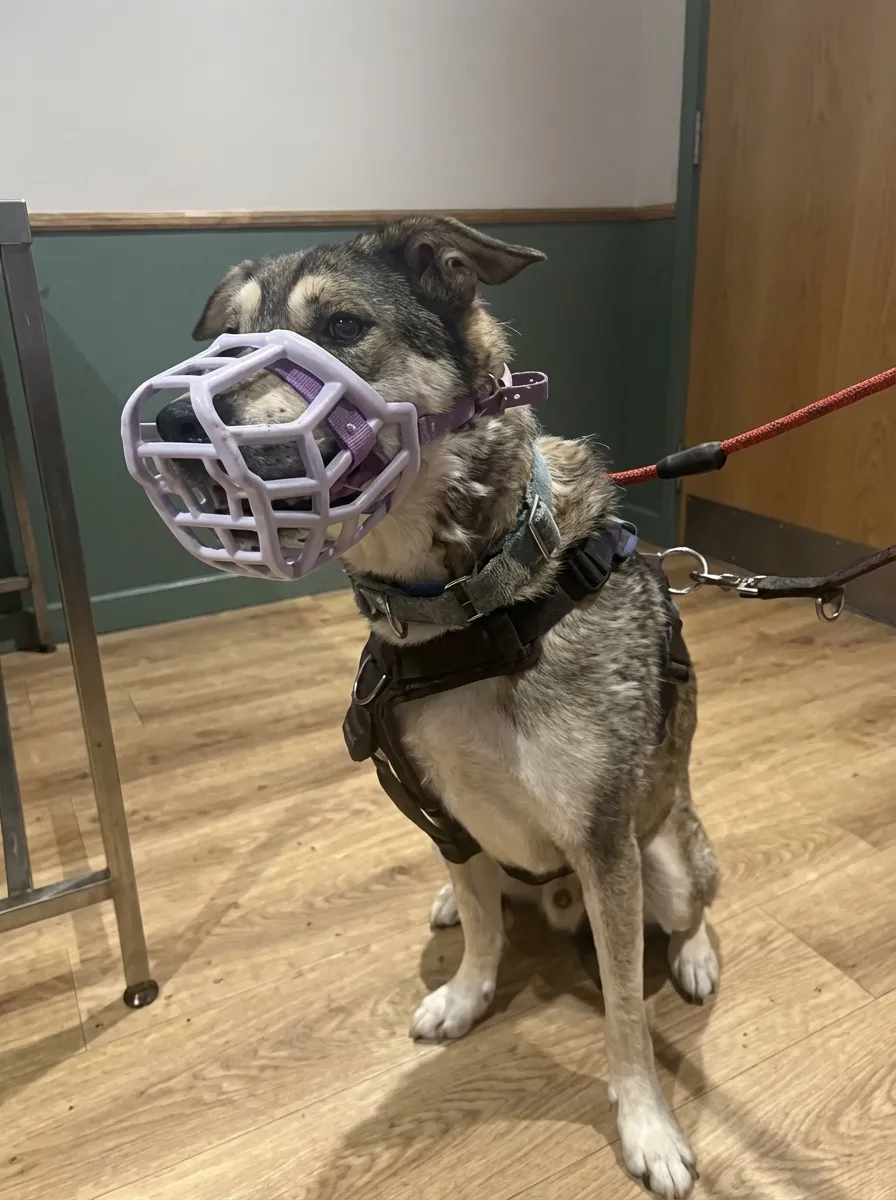
I'm going to lose my mind if one more person says 'try a different trainer' for reactive dogs
Canine Stress Research Institute
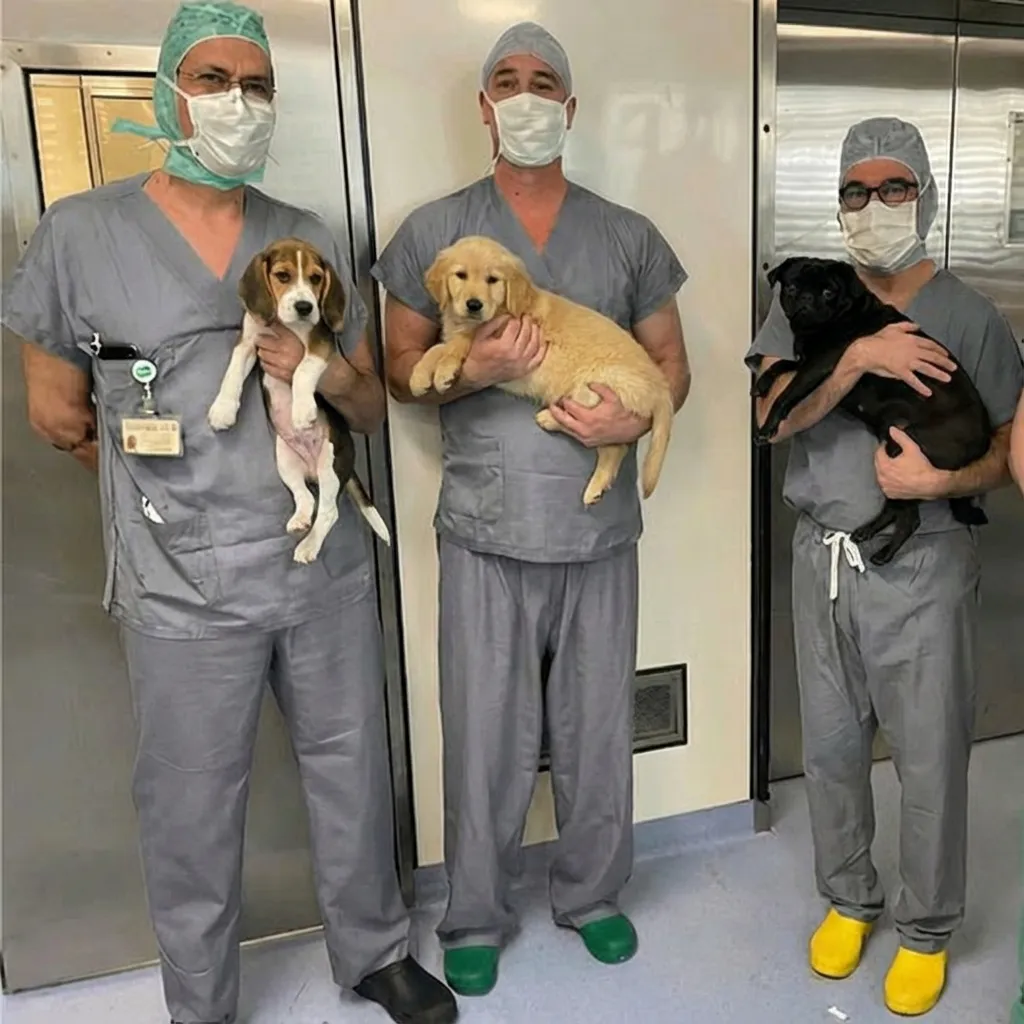
79% of reactive dogs in training had this gut issue
Canine Stress Research Institute
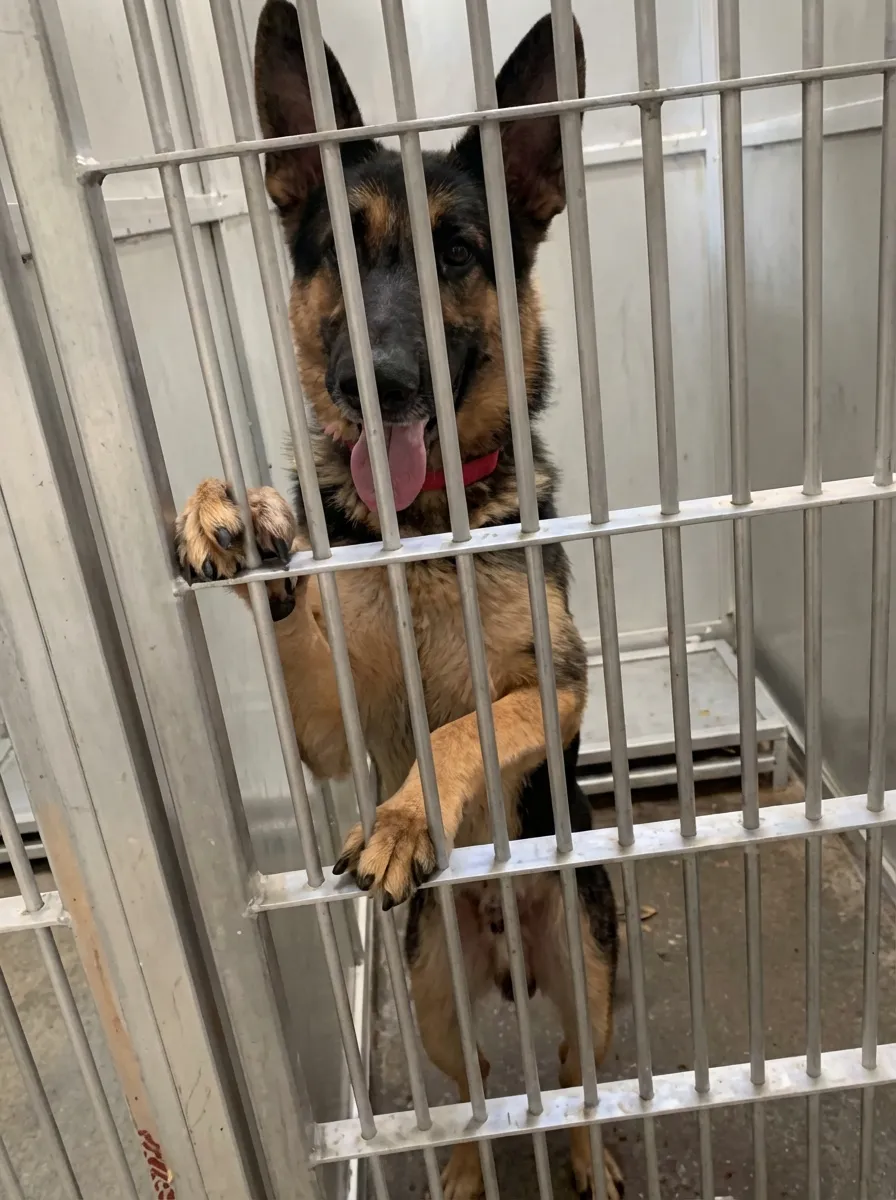
Three German Shepherds were euthanized at our clinic last month. All were under 8 years old. All died because of reactivity.
Canine Stress Research Institute
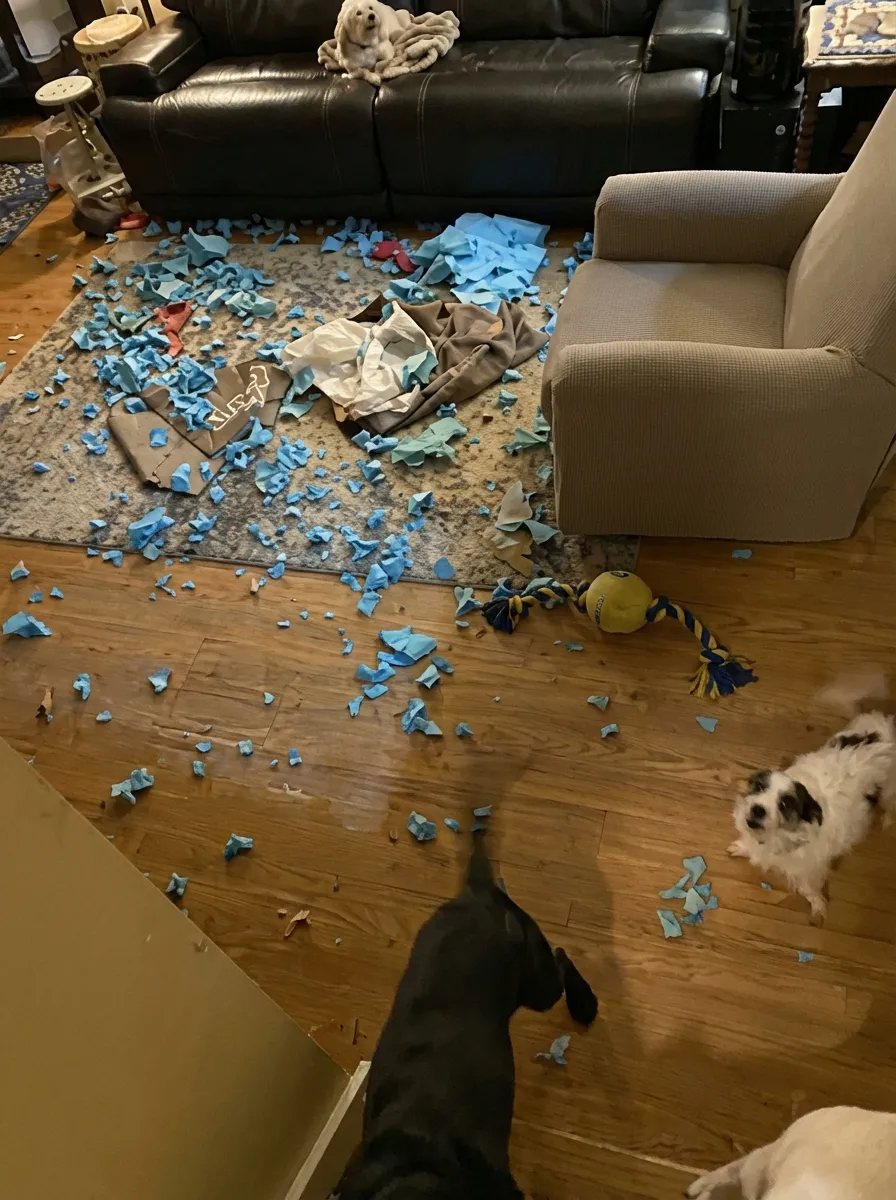
Vet: "84% Of Separation Anxiety Dogs Have This Gut Problem"
Canine Stress Research Institute
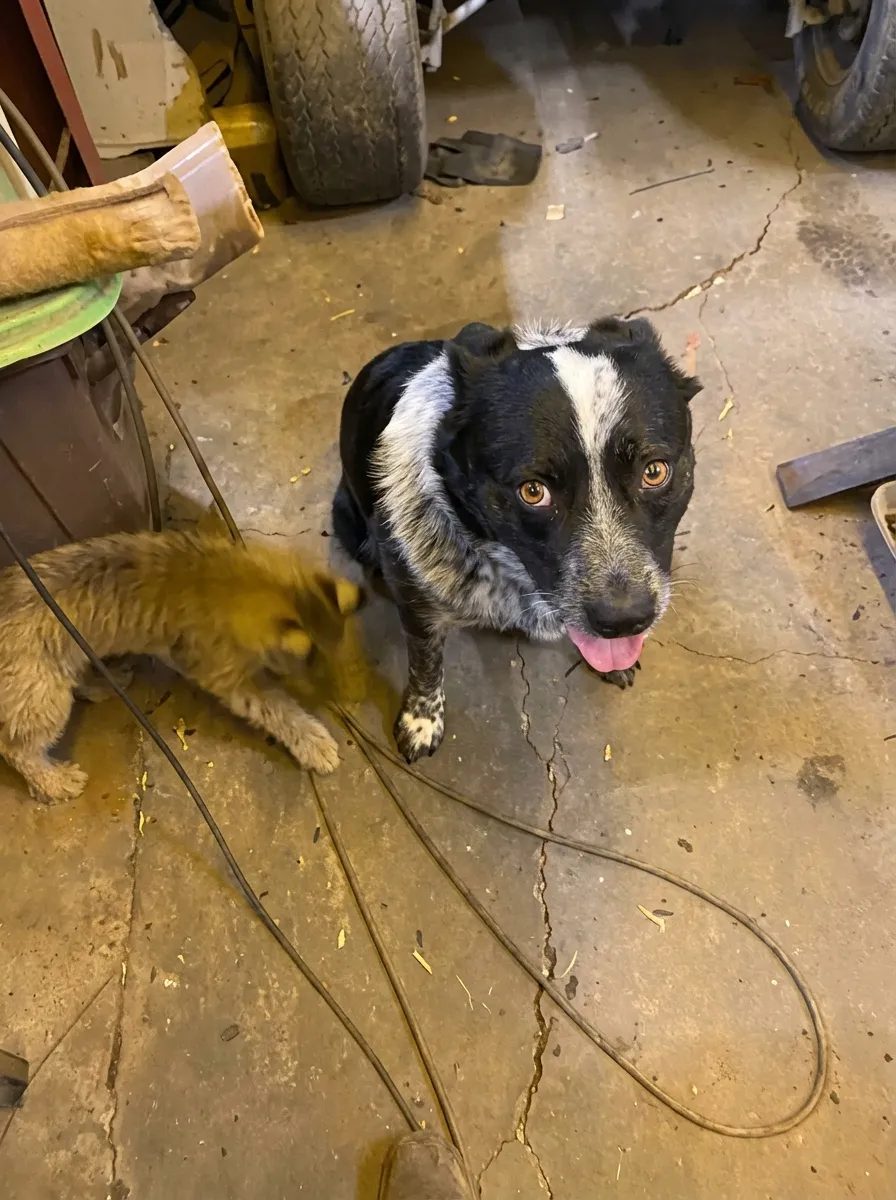
4 Dogs Died During Storms Last Month. All Had The Same Gut Problem.
Canine Stress Research Institute
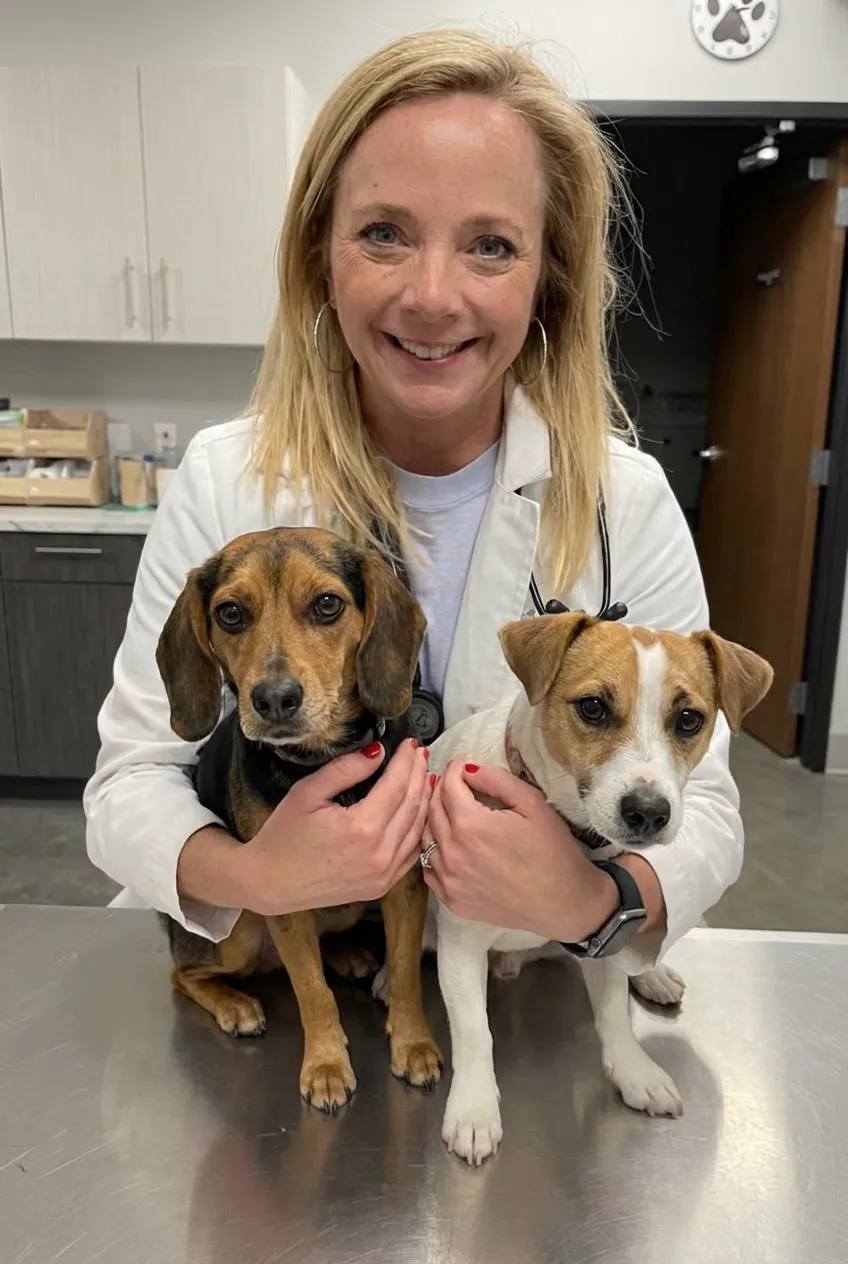
79% of reactive dogs in training had this gut issue
Canine Stress Research Institute
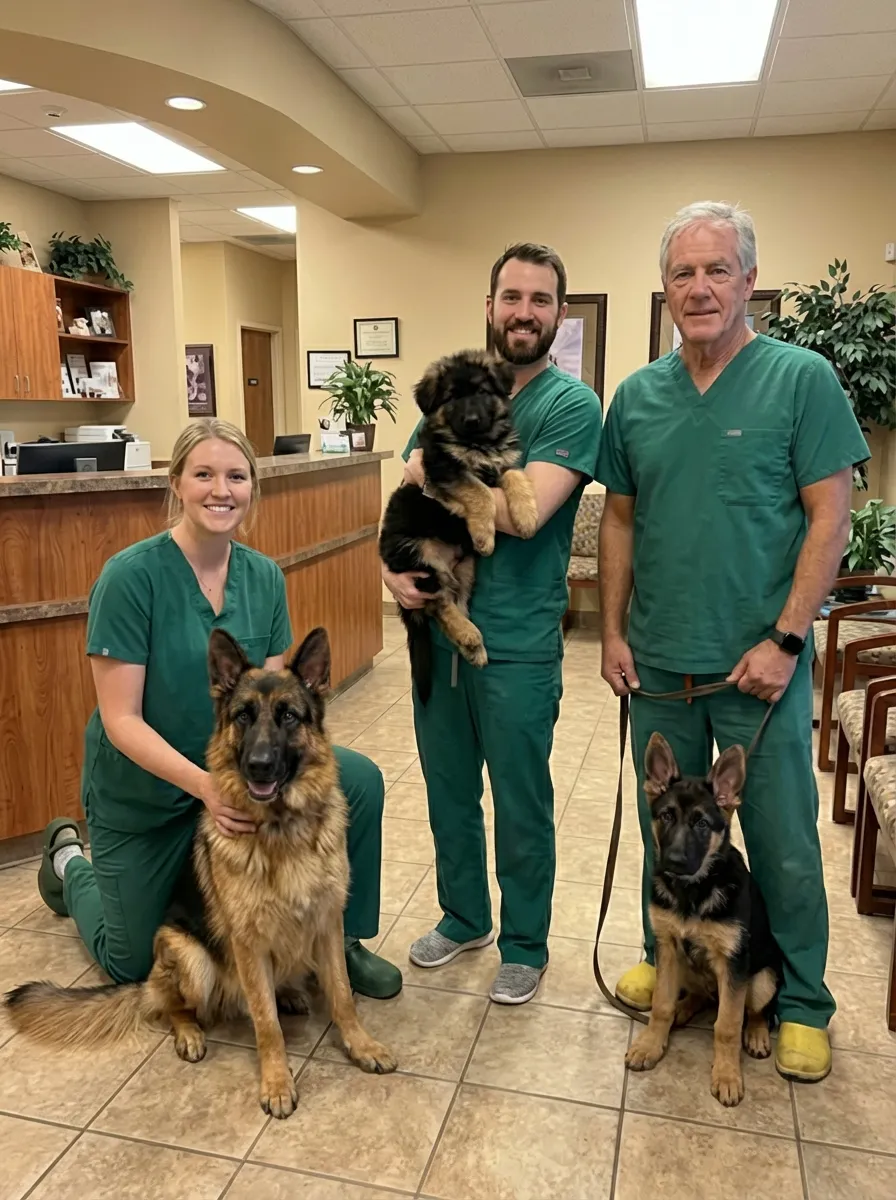
Three German Shepherds were euthanized at our clinic last month. All were under 8 years old. All die…
Canine Stress Research Institute

 Add to Chrome