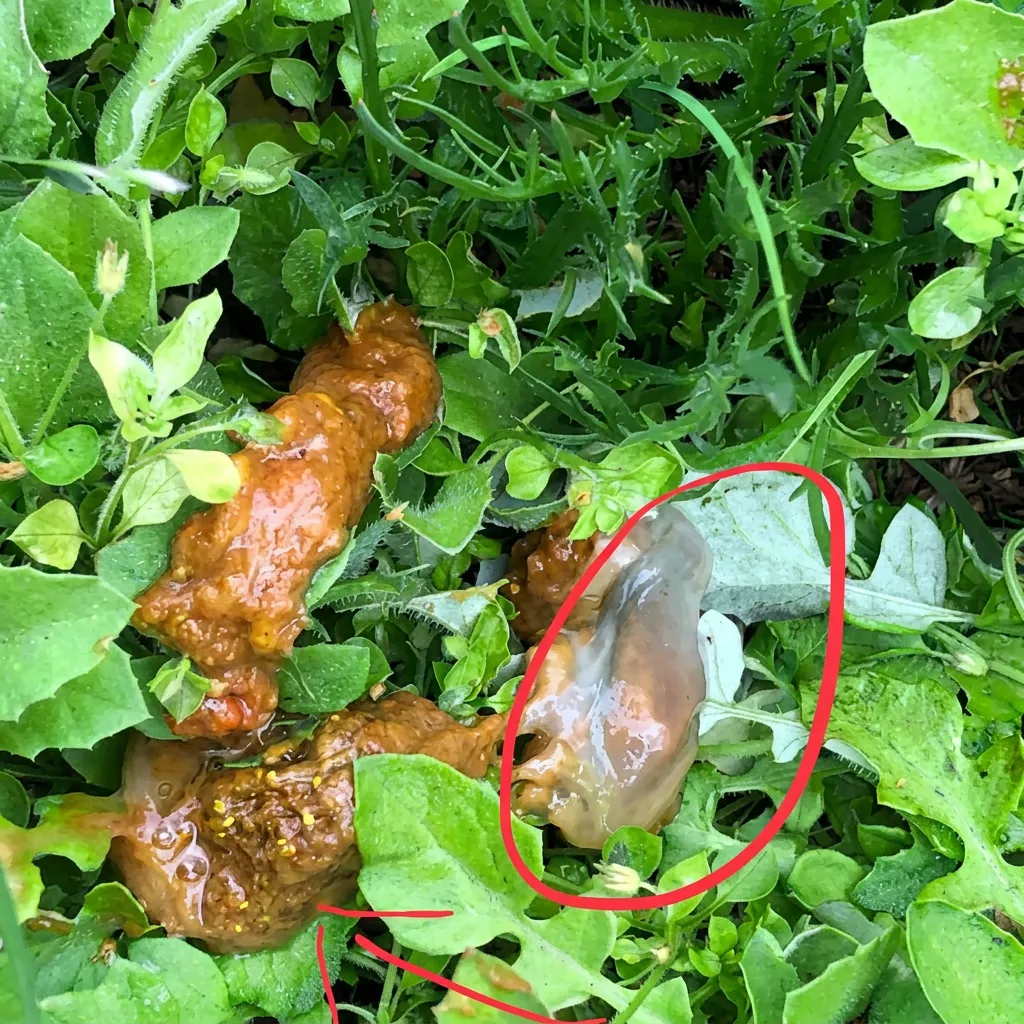
It's not their temperament. It's their gut.
Ad Copy
Did you know that if your dog lunges at every dog on your walks, that's not a training problem — that's gut dysfunction? Is your dog pacing the house every evening, can't settle no matter how tired they are? That's a gut problem. Does your dog stop taking treats the moment they see a trigger — even the high-value stuff your trainer told you to bring? That's gut dysfunction too. Do they scan the horizon on walks, ears up, tense, waiting for the next thing to explode at? Serotonin depletion. Made in the gut. Do they tremble when strangers come into the house, even the ones they've met before? Same root cause. But most dog owners don't believe me when I tell them this. The number one threat to your reactive dog is not their temperament, it's not their breed, and it's definitely not another $180-a-month behavior consult with a trainer who's going to tell you the same three things you already tried. Your dog is probably also dealing with hypervigilance that no amount of decompression fixes. Explosive reactions to sounds that shouldn't matter — a distant bark, a slammed car door, someone walking past the window. Reactive behavior on leash that gets worse the more you "work on it" with counter-conditioning. And that inability to settle in their own home, ears up, always waiting for something to happen? That's gut dysfunction too. But most reactive dog owners tragically ignore the biological cause for years until their dog is stacked on Prozac, Trazodone, Gabapentin, none of them working long-term, the reactivity getting worse while the vet bills and trainer invoices pile up. These days, research shows 79% of dogs enrolled in reactive behavior programs test positive for compromised gut function — and canine anxiety disorder diagnoses have increased 700% since 2020. Dogs develop this from chronic stress. From early life trauma if they're a rescue. From a bad experience at 6 months. From being scared at the dog park once. From antibiotics that wiped out their microbiome. From high-carb kibble diets that feed the wrong bacteria. Once the gut microbiome collapses, it starts a cascade that's almost impossible to fix with standard behavioral tools. Within weeks of the dysbiosis starting, the gut lining begins to break down — creating what researchers call intestinal hyperpermeability, or "leaky gut." Over months and years, this damage compounds. Every single day, inflammatory compounds leak into your dog's bloodstream and reach the brain. They dysregulate cortisol so it stays elevated 24/7 — even when your dog should be relaxing at home. They shut down serotonin production — and 95% of your dog's serotonin is made in the gut, not the brain. They damage the vagus nerve pathway, which is the direct highway between the gut and the emotional regulation centers of the brain. They keep the nervous system locked in fight-or-flight mode, which is why your dog can't take treats on walks — when a dog is over threshold, digestion literally shuts off, so food rewards become biologically impossible to process. They create constant hypervigilance because the brain, deprived of calming neurotransmitters, defaults to scanning for threats. Most dog owners don't even realize their dog's reactivity is biological, not behavioral. That the barking, lunging, and inability to settle isn't a training failure — it's a broken system that no amount of desensitization can fix. Maybe you've told your vet about the reactivity and got prescribed Fluoxetine, but they'll never tell you that the underlying gut dysfunction is likely what's actually driving it — because keeping your dog medicated makes the veterinary pharmaceutical industry billions of dollars every year. Five trainers. Two behaviorists. A $2,000 board-and-train program. And your dog is still lunging at other dogs on every walk. Because none of those approaches address the biology. But there's a compound that's been quietly changing outcomes in my integrative practice for years — the kind of breakthrough I've been recommending to clients who come in with dogs on stacked medications and a behavioral euthanasia consult on the calendar. And three weeks later, they always come back telling me their dog is a different animal. The lunging is gone. They can walk past another dog on the sidewalk without exploding. They can settle on the mat during dinner instead of pacing. They can accept treats during training again — actually process a reward. They sleep through the night without startling at every sound. Their whole nervous system has come down out of survival mode. And they're off the medications they'd been stacking for years. One client had a 4-year-old rescue Malinois mix who was scheduled for a behavioral euthanasia consult after biting the mailman. Three weeks into the protocol, she canceled the appointment. Her dog was walking past other dogs on-leash for the first time in his life. This overlooked compound is butyrate — a short-chain fatty acid produced when your dog's gut is functioning correctly, and the single most important molecule for gut-brain axis restoration. I know this class of compounds personally. I spent two years of my residency at a canine neurobiology lab studying the vagus nerve — the direct communication pathway between the gut and the brain. Every reactive dog we brought in for gut testing showed the same pattern. Dysbiosis. Low butyrate. Elevated inflammatory markers. Depleted serotonin. It took me years of clinical practice after that to figure out how to actually restore it — because just giving dogs probiotics doesn't work. Butyrate is the fuel your dog's gut lining uses to repair itself. Without it, the barrier stays broken and inflammatory compounds keep leaking into the bloodstream. When butyrate is delivered directly in a stable postbiotic form, the gut lining heals, serotonin production restarts, the vagus nerve begins signaling calm again, and your dog's nervous system finally comes back online. The most effective form is a stabilized postbiotic complex delivered alongside L-Theanine for immediate calming during triggers and Chamomile Extract for long-term nervous system reset — not the weak probiotic blends flooding pet stores that die in stomach acid before they ever reach the gut. That's why I use CalmAxis Postbiotic Chews, and it's the only one I recommend to my clients. Just 2 chews daily for a medium dog with this specific formula could help: 🐾 Restore the gut lining and rebuild butyrate production naturally 🐾 Stop the lunging, barking, and reactive explosions on leash 🐾 Reduce hypervigilance so your dog can finally settle at home 🐾 Let your dog take treats during training again — nervous system online 🐾 Rebalance cortisol so the fight-or-flight loop finally breaks 🐾 Rebuild serotonin production from the gut level 🐾 Restore deep sleep instead of nightly restlessness It's safe. It's non-sedative. And when the ratios are right, it works. No prescriptions. No zombie-dog side effects. No endless trainer packages. Just real gut-brain restoration at the cellular level. But before you go buy any postbiotic supplement, there's one thing you need to know. Most calming supplements on the market? Not helpful. Wrong mechanism. Wrong dose. Filled with cheap fillers and sourced from mass-market ingredient suppliers who use probiotic strains that don't survive shelf life, let alone stomach acid. And most "calming chews" use so little of the actual active compounds that they barely move the needle on gut restoration. They'll list L-Theanine on the label, but at doses so low you'd need to feed your dog 40 chews to get to a clinical amount. I've watched owners waste hundreds of euros on brands that didn't deliver. To make sure you're getting a formula that actually restores the gut-brain axis, it must be built around a stabilized postbiotic complex, deliver L-Theanine at the researched dose, and be third-party tested for bioactive concentration. The only brand I've found that meets that standard is CanisLabs. Other brands claim to sell "calming" chews but skip the postbiotic layer entirely — because live probiotics are cheaper to source than stabilized postbiotic butyrate. The bacterial counts they list on the label are irrelevant if those bacteria are dead by the time your dog eats them. CalmAxis Postbiotic Chews contains: 🐾 A stabilized Postbiotic Blend with butyrate at clinical concentration — the compound your dog's gut needs to repair itself 🐾 L-Theanine at 200mg — the researched dose that supports calm within 30–45 minutes, without sedation 🐾 Chamomile Extract paired with Ashwagandha for long-term nervous system reset and cortisol regulation 🐾 Third-party lab tested in the EU for purity and potency 🐾 No fillers, no drowsy-making sedatives, no habit-forming ingredients 🐾 Soft chews dogs actually eat — no fighting a pill down or hiding it in cheese I use it on my own dog. And now… so do more than 10,000 other dog parents across Europe. It's become a daily ritual. Chew. Given. Done. If you read the reviews on the site, you'll see why every owner dealing with reactive, anxious, or rescue dogs is buying only from this brand. This little jar changed their dog's life — and it could change yours too. 90-day money-back guarantee — because I'm confident it will work for your dog like it has for thousands of others. ✦ ✦ ✦ "I had a client come in with a 3-year-old rescue German Shepherd who'd been on Fluoxetine for two years, Trazodone as-needed for another year, and enrolled in a $2,400 board-and-train program the year before that. Still lunging. Still couldn't take treats past the driveway. Still hiding under the bed during storms. She'd tried Thundershirts, calming collars, high-value treats, three trainers, and a veterinary behaviorist consult that ended with a recommendation to increase the Fluoxetine dose. She'd also tried two 'calming chews' from Amazon and saw nothing change. After 3 weeks on CalmAxis Postbiotic Chews, she called me almost in tears. Her dog walked past a neighbor's Doberman that morning. Didn't lunge. Didn't bark. Just looked, then kept walking. The gut-brain axis had restarted. His body finally had the ability to signal 'safe' to his brain again." ✦ ✦ ✦ Why Most Vets Never Connect Reactivity to Gut Health: Because they're trained to prescribe SSRIs and refer out to trainers, not to test gut biomarkers in reactive dogs. But when your dog's gut microbiome is disrupted, they can't produce the serotonin, GABA, and calming compounds their brain needs to feel safe. Poor gut integrity means inflammatory compounds leak into the bloodstream and reach the brain faster than your dog's body can clear them out — keeping the nervous system in fight-or-flight around the clock. The Postbiotic Blend at clinical concentration delivers butyrate directly — bypassing the "will the probiotics survive stomach acid?" problem entirely — restoring the gut lining and restarting neurotransmitter production at the source. When gut function is restored and inflammation drops, you get: 🐾 Calm walks without leash reactivity 🐾 A dog who can settle at home without pacing 🐾 The ability to take treats and process training rewards again 🐾 Deep sleep instead of hypervigilant nights 🐾 No more explosions at other dogs, strangers, or sounds 🐾 A nervous system that finally feels safe 🐾 Your dog acting like the dog you always knew they could be It's not just sedating the brain like Prozac and Trazodone do. It's addressing the root cause of your dog's reactivity, hypervigilance, AND inability to settle. ✦ ✦ ✦ Most people buy at regular price, but right now CanisLabs is running a founder's launch promotion where you can get significant savings for a limited time. The only problem is they produce in small clinical batches to keep the postbiotic complex stable, and they simply can't produce unlimited supply. They sell out fast. So I want to apologize in advance — if you click the link below, you might see they're sold out. Dog owners have waited weeks to get their hands on the next batch. But I suggest you click the button to see if there's any left. So if you want a real way to break the reactivity loop, quiet the nervous system, and finally give your reactive dog the calm baseline they were biologically supposed to have, I'd click and grab a jar before they're gone again. 👉 https://trycanislabs.com/products/calmaxis-chews — Dr. David Chen, DVM Integrative Veterinary Medicine 14 years clinical practice in canine behavioral resolution
More from Canine Stress Research Institute
Veterinarian Speaks The Truth About Reactivity
Canine Stress Research Institute
The most common mistake reactive dog owners make
Canine Stress Research Institute
88% of rescue dogs have this hidden gut damage
Canine Stress Research Institute
I'm a vet. I watched a dog get euthanized for something I now know was preventable.
Canine Stress Research Institute
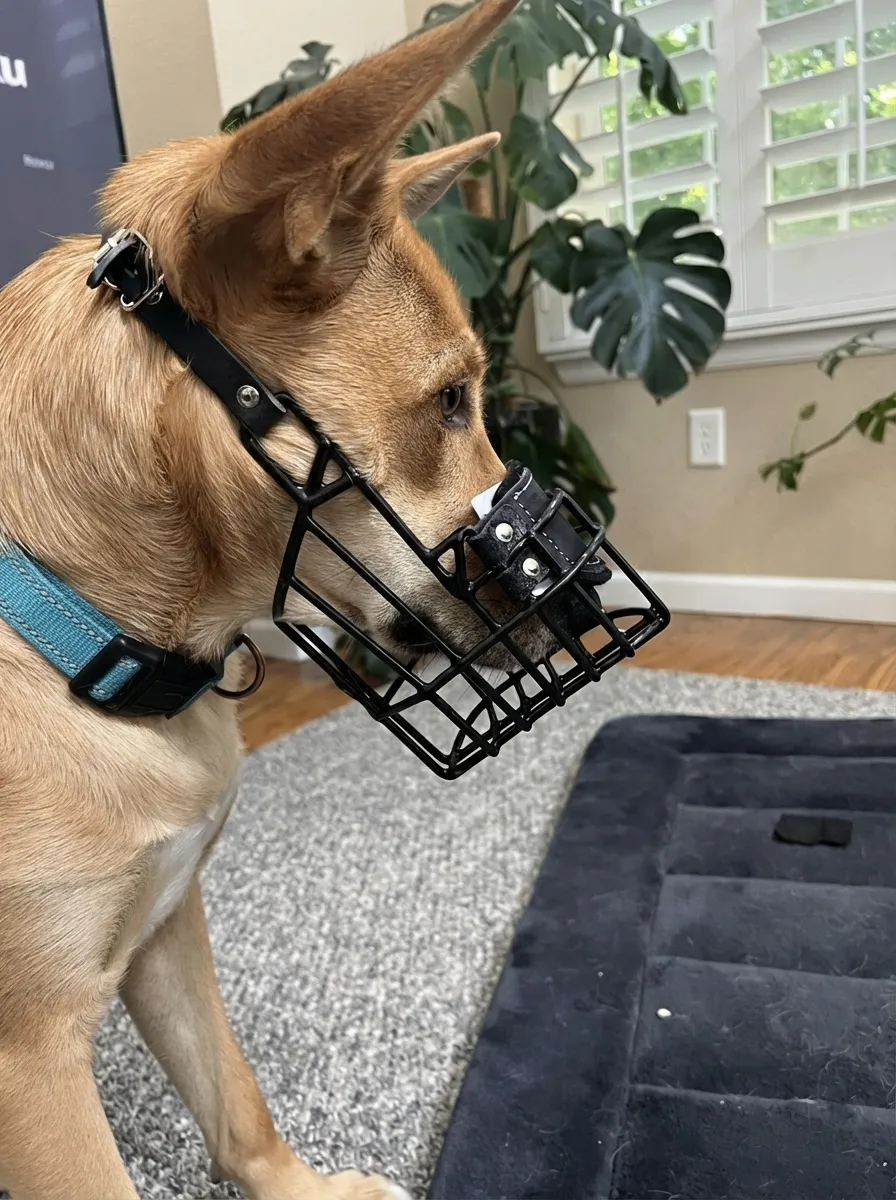
I'm the vet who recommended punishment-based training for 15 years. Until my own dog was euthanized for aggression.
Canine Stress Research Institute
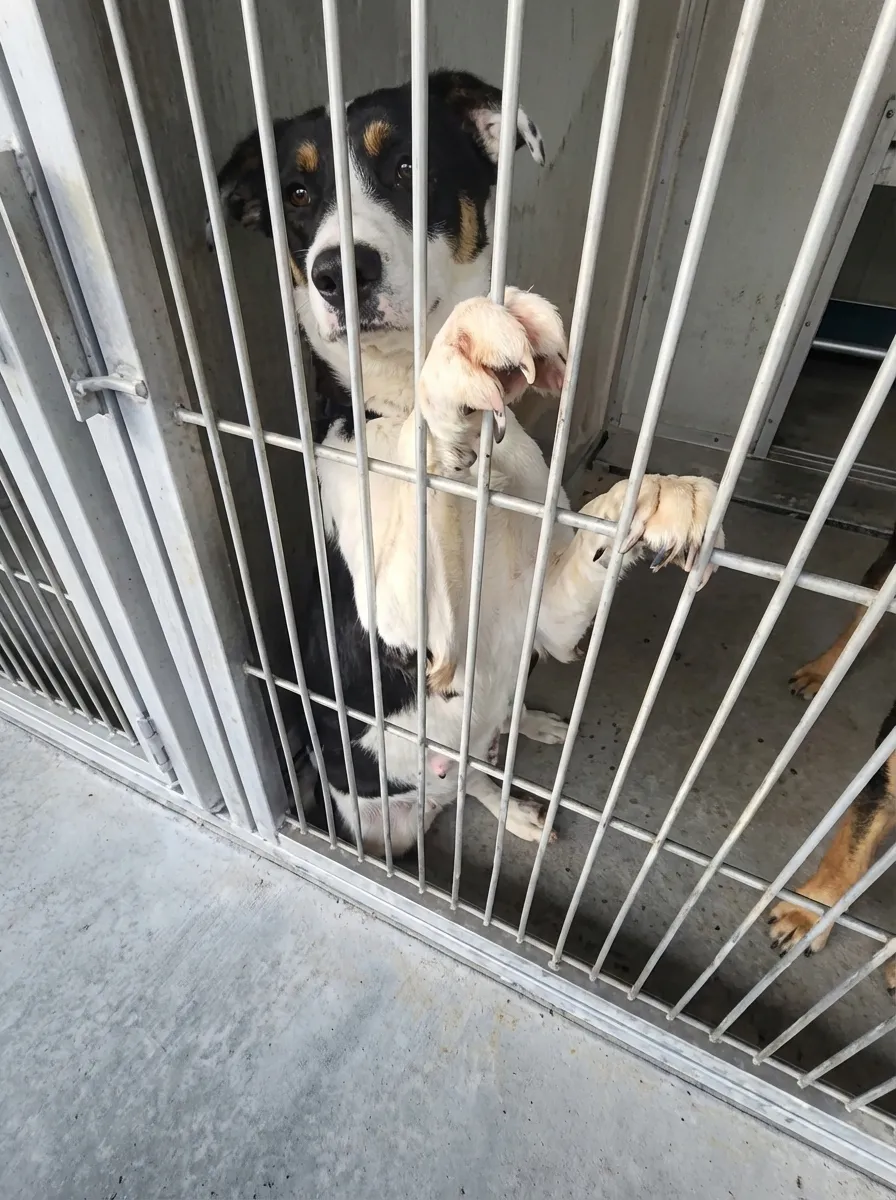
I gave my dog gut support for 7 months—Amazon then Chewy. He was euthanized for biting anyway. Reason: low postbiotic levels.
Canine Stress Research Institute
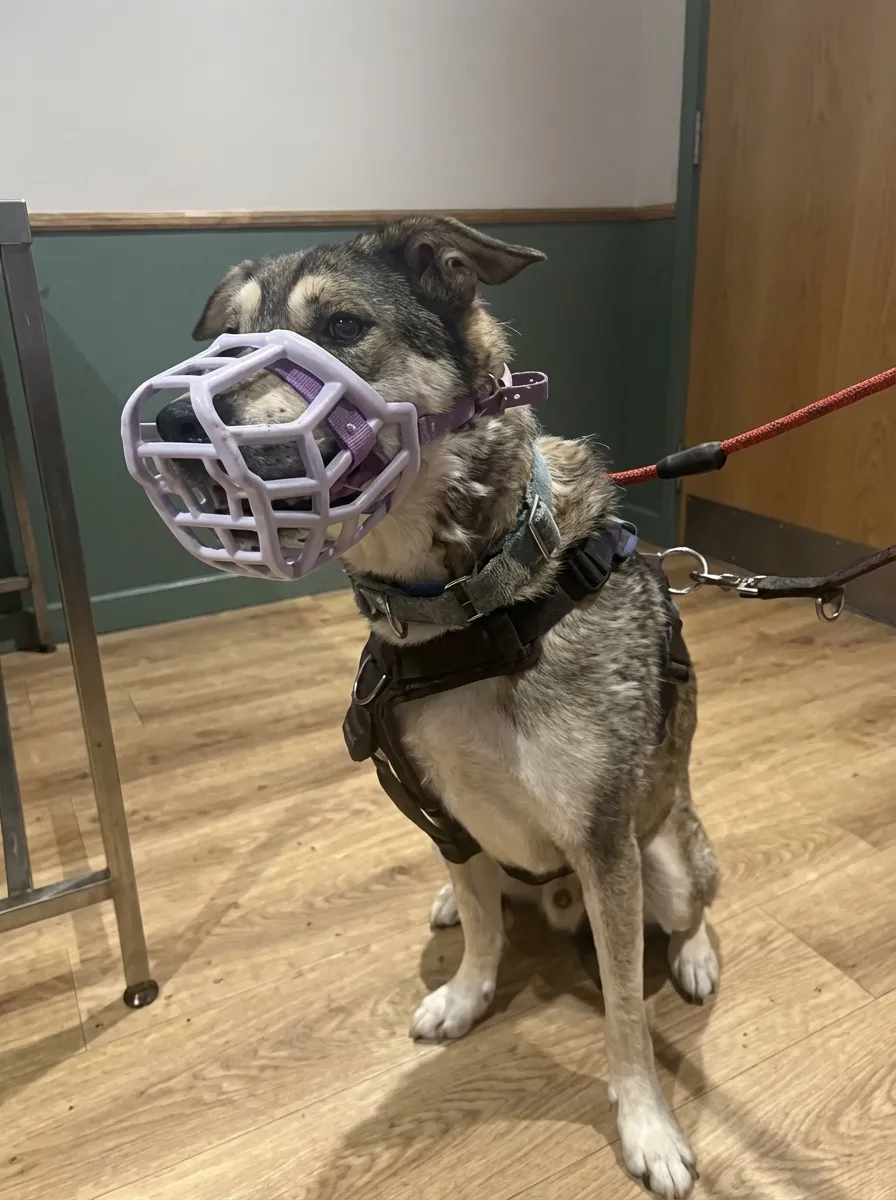
I'm going to lose my mind if one more person says 'try a different trainer' for reactive dogs
Canine Stress Research Institute
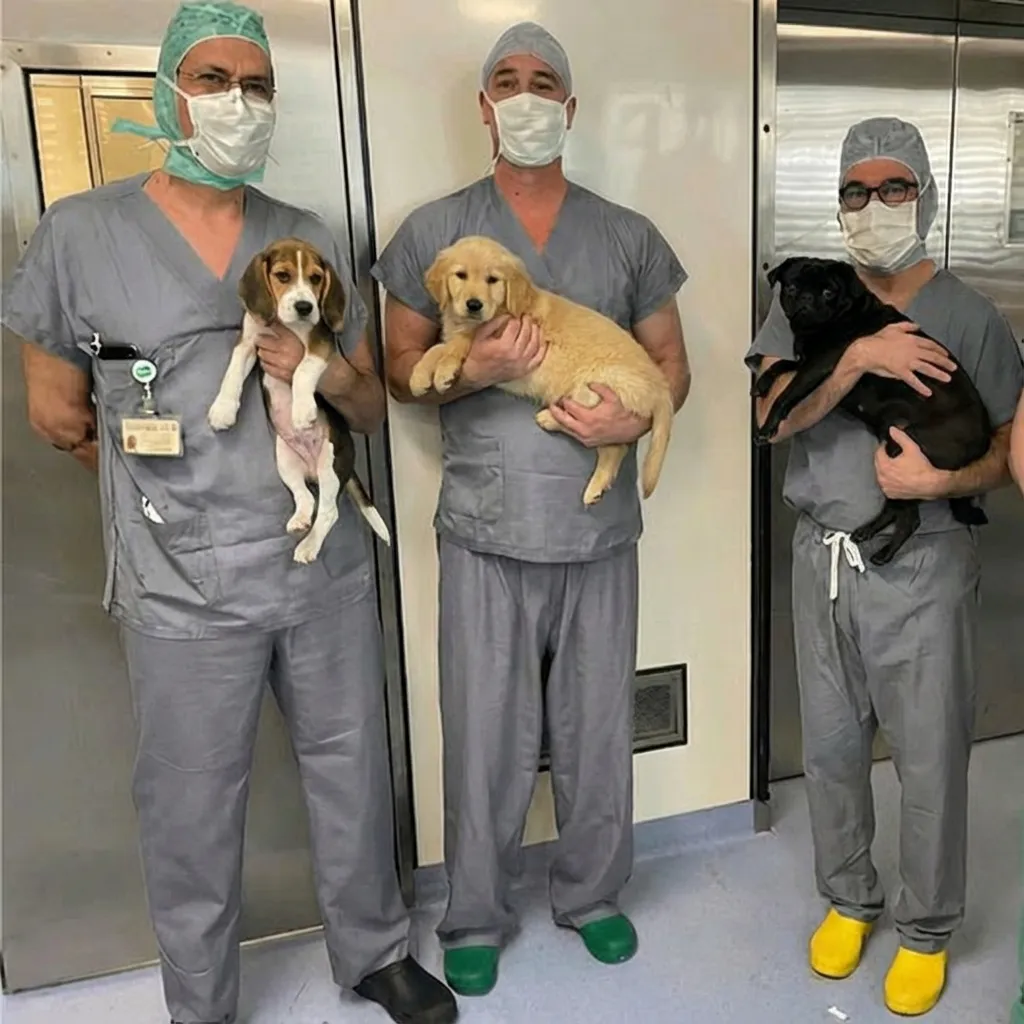
79% of reactive dogs in training had this gut issue
Canine Stress Research Institute
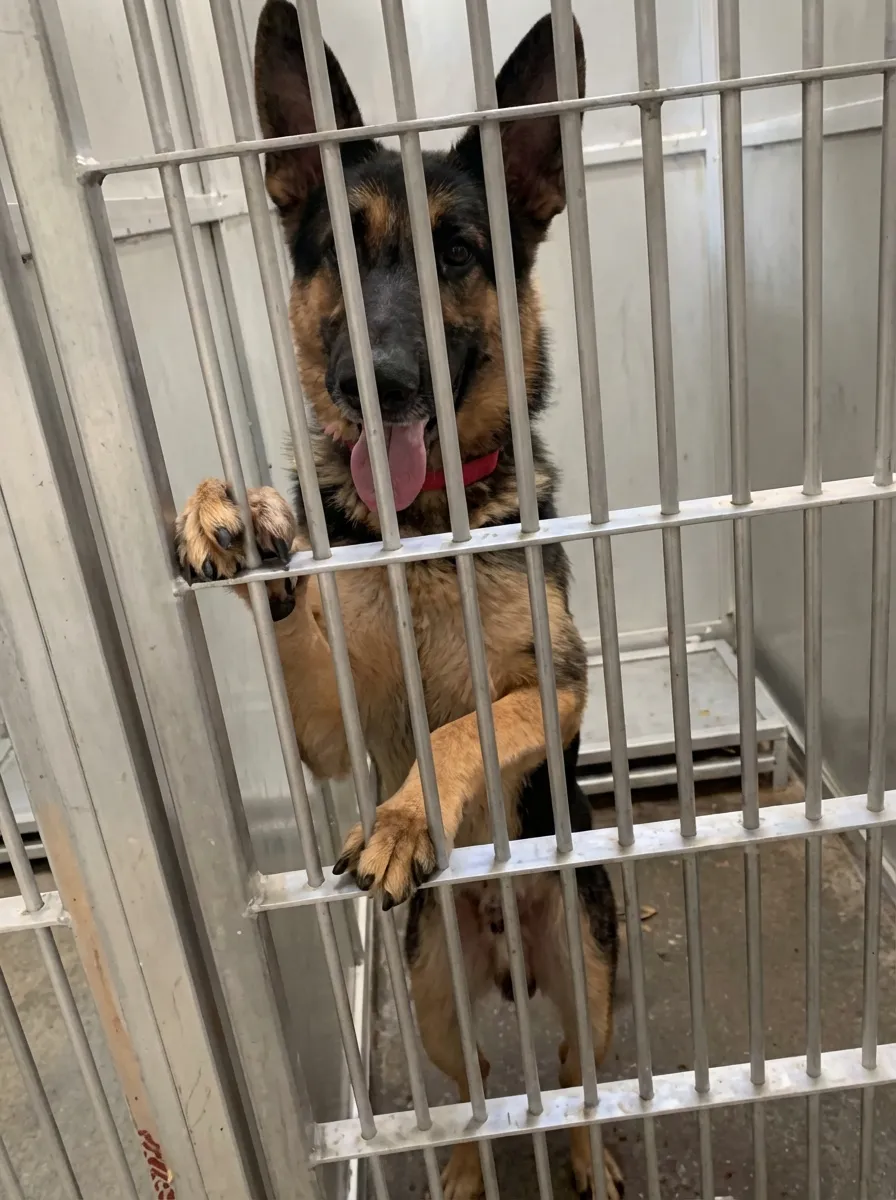
Three German Shepherds were euthanized at our clinic last month. All were under 8 years old. All died because of reactivity.
Canine Stress Research Institute
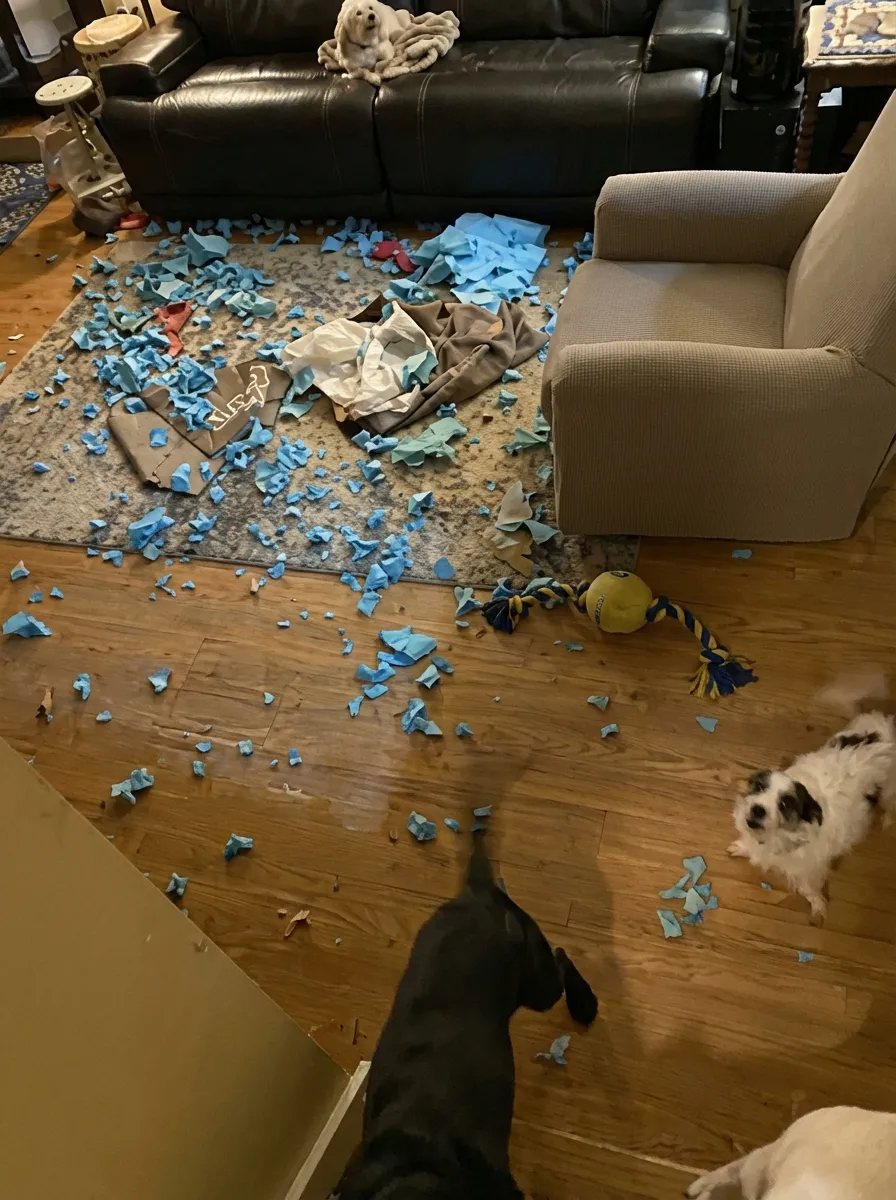
Vet: "84% Of Separation Anxiety Dogs Have This Gut Problem"
Canine Stress Research Institute
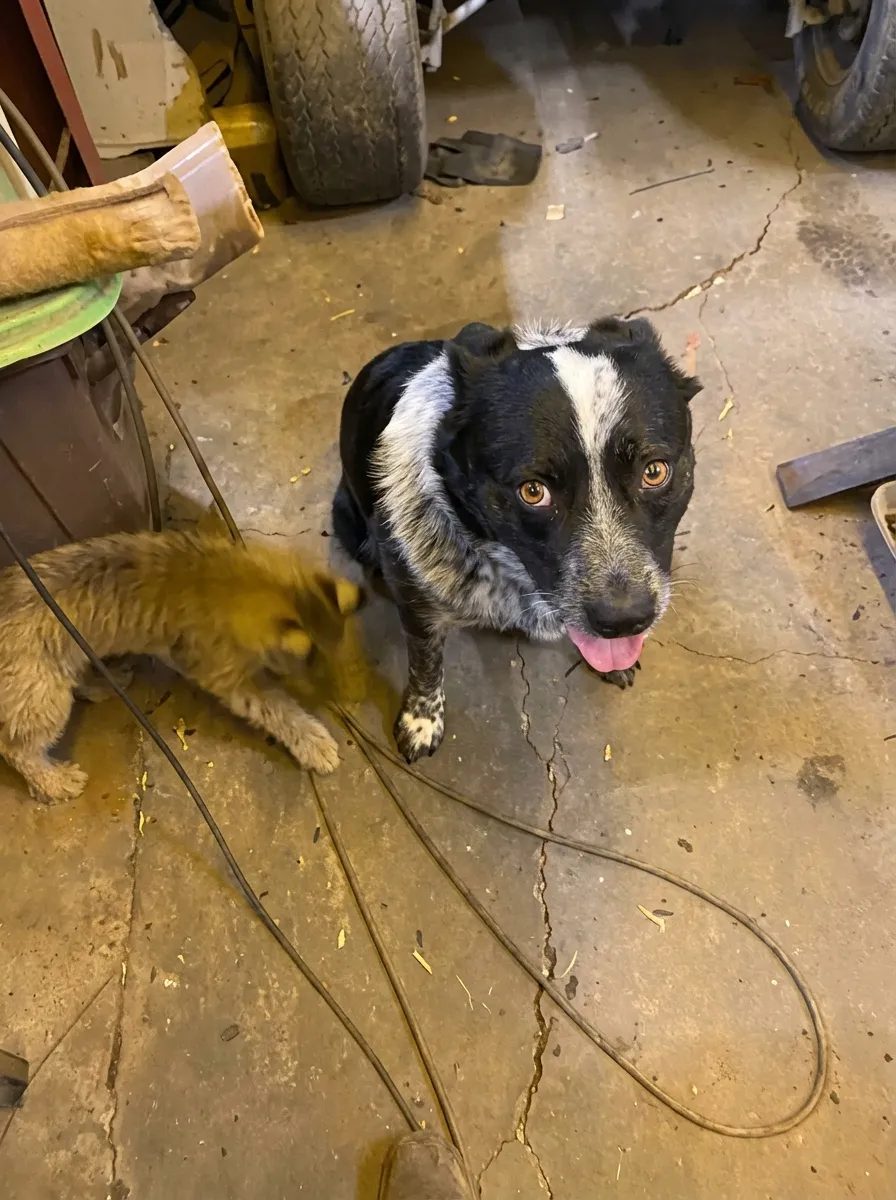
4 Dogs Died During Storms Last Month. All Had The Same Gut Problem.
Canine Stress Research Institute
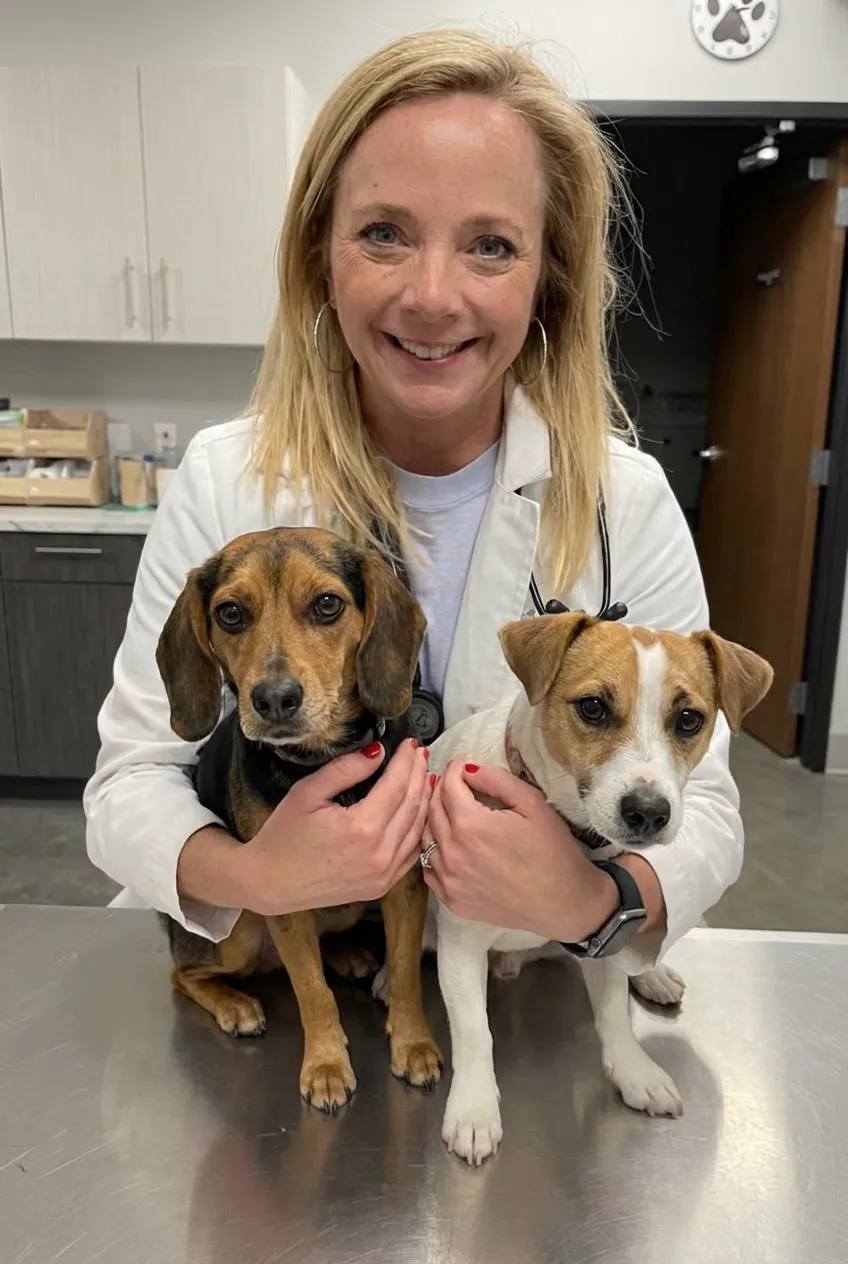
79% of reactive dogs in training had this gut issue
Canine Stress Research Institute

 Add to Chrome