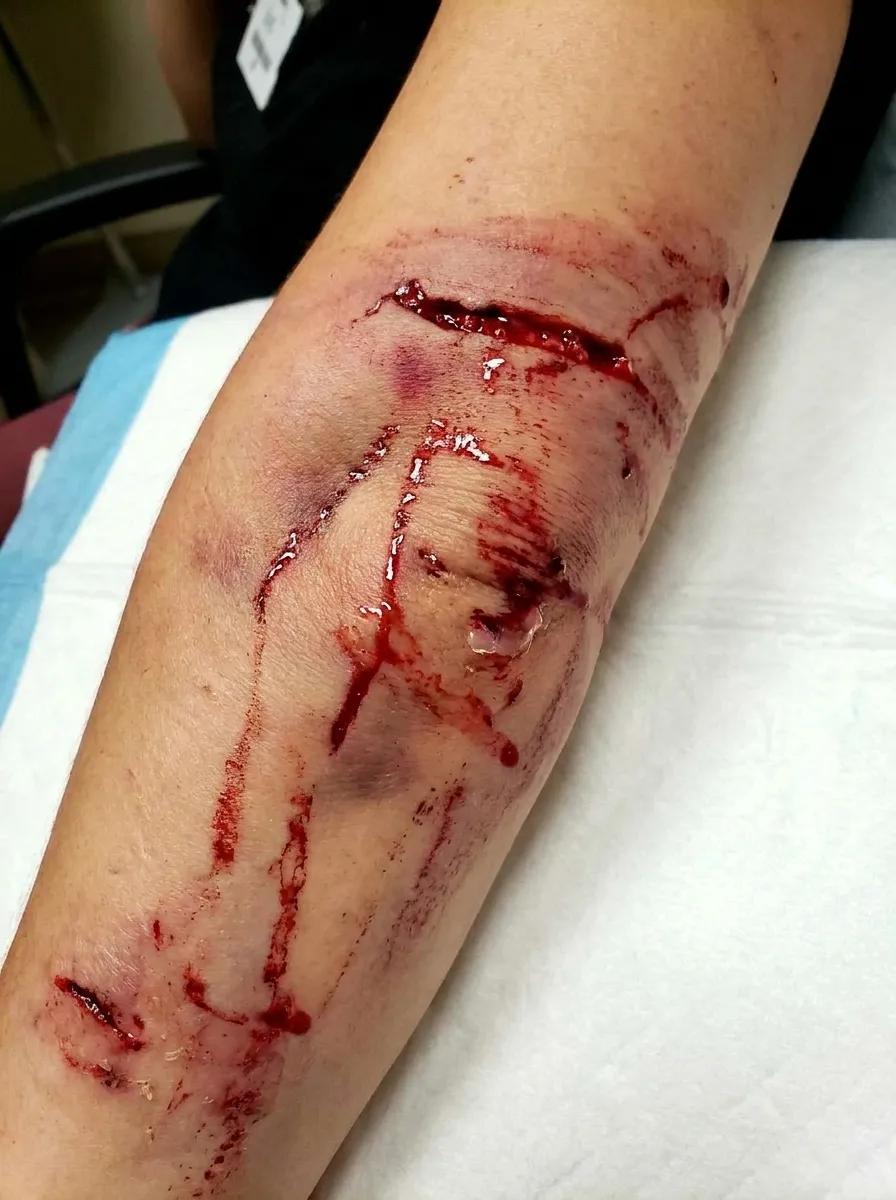
His Doberman bit through his forearm after 9 months on Trazodone. We were treating the wrong organ.
Ad Copy
The wound on Marcus's forearm needed 47 stitches. His Doberman Titan had been on Trazodone for nine months. The veterinarian who prescribed it had increased the dose three times. Each increase bought about three weeks of relative calm before the reactivity returned. This time, Titan caught Marcus's arm because Marcus reached for the leash a half-second before Titan was ready. The image of his arm — split open from wrist to elbow, the white of the fascia visible at the deepest point — is one I will never forget. Neither is the look on Marcus's face when he sat in our consult room, his sedated Doberman at his feet, and asked the question every reactive dog owner asks eventually: "What did I do wrong?" He hadn't done anything wrong. He had done everything we told him to do. My name is Dr. Patricia Wells, DVM. Along with Dr. James Carter and Dr. Rachel Moore, I've spent the last fourteen years at Lakeview Animal Hospital treating dogs with anxiety, fear-based aggression, and leash reactivity. Between us, we've treated over 31,000 dogs. We prescribed Trazodone. We prescribed Prozac. We told owners to add Gabapentin when the other two wore off. And we watched dogs get better for three weeks. Then worse again. Then the owner would come back and we'd increase the dose. And it would work for three weeks. And then they'd be back again. For fourteen years, we accepted this as the nature of reactive dogs. Some dogs just have a higher baseline anxiety. Some dogs have a reactivity ceiling. Some dogs need lifelong medication management. I believed all of it. Until Marcus walked into our clinic with 47 stitches and a nine-month-old prescription history that had ended in a hospital trauma bay. That was the case that broke something open. Here's what nobody told Marcus when his vet first prescribed Trazodone. Here's what nobody told the 31,000 owners we sent home with prescription pads over fourteen years. Trazodone turns off the smoke alarm. Prozac stretches whatever serotonin exists. But if the gut keeps setting fires — neither one was ever going to fix your dog. That's the thing nobody told any of our clients. Not because they were lying. Because nobody had looked at the gut. Here's the mechanism nobody explained to me in vet school. 95% of serotonin — the neurotransmitter that determines whether the brain can regulate emotional responses or defaults to permanent fight-or-flight — is produced in the gut. Not the brain. The gut. Trazodone works by blocking serotonin reuptake — making existing serotonin last longer in the synaptic gap. But if the gut isn't producing adequate serotonin in the first place, there's less and less to stretch each time. That's why it works at first and then stops. Prozac works by the same mechanism. The alarm quiets because you're maximizing what little serotonin exists. But the gut is still failing to produce more. The dysfunction deepens. Within weeks, you're back at the same level of reactivity — or worse — and you need a higher dose just to get back to where you were. You are turning off the smoke alarm while the gut keeps setting fires. The fires never stopped. The alarm just got louder than the medication could handle. Dr. Carter was the one who finally connected this to what we were seeing clinically. He'd come back from a four-day veterinary neurogastroenterology conference in Denver — not a behavior conference, not a training seminar, but a gut conference — and walked into my office on a Tuesday morning without saying hello. He set down a printed paper. Peer-reviewed. The Journal of Veterinary Internal Medicine. He pointed at one paragraph. "Read that." I read it. I read it again. "Patricia," he said. "Every reactive dog owner we've ever sent home with Trazodone has been managing a gut problem. We just never checked the gut." I pushed back. I'd been practicing fourteen years. We tested everything. Thyroid. Blood chemistry. Hormone panels. Pain assessment. Neurological screening. "The gut doesn't show up in blood panels," he said. "We've been running tests that can't find the problem and telling owners the dog is healthy." I didn't want to believe him. But I'd already seen Titan. And the consent forms stacked on the counter. Dogs with "perfect bloodwork." Dogs whose owners had done everything right. Dogs who bit someone and were gone 48 hours later. I started testing the gut. Here's what the research showed — research published in seventeen peer-reviewed papers since 2020 that had never appeared in any curriculum I'd been through: When a dog's gut microbiome is compromised — by chronic stress, processed food, antibiotics, or inflammation — the gut can't produce adequate postbiotic metabolites. Postbiotic metabolites are the compounds a healthy gut produces to regulate the vagus nerve — the direct communication highway between the gut and the brain. The vagus nerve carries a signal upward that tells the brain: you're safe. You can relax. The threat response is off. Without adequate postbiotic metabolites, the vagus nerve goes quiet. The brain stops receiving the "you're safe" signal. Fight-or-flight becomes the permanent default. And no medication designed to regulate a brain that's receiving this signal can compensate for a brain that's receiving no signal at all. That's why the medication treadmill keeps accelerating. That's why dogs on the highest doses still lunge. That's why training works in the controlled session and falls apart the moment a trigger appears without warning. The behavioral training was always working correctly. The gut was destroying the biological foundation the training needed to hold. Over the following six months, we ran gut microbiome analyses on every reactive dog that presented at our clinic. We tested 109 dogs. 86 had severely compromised gut microbiomes and critically depleted postbiotic metabolite production. 79%. Dogs on prescription anxiolytics for months or years. Dogs who had never missed a dose. Dogs whose owners had complied with every medical recommendation we'd ever made. The medication was suppressing the alarm. The gut dysfunction was deepening the whole time. After discovering how widespread the problem was, we needed to find out what we could actually do about it. Specifically: were there postbiotic supplements on the market that actually delivered what they claimed? Dr. Moore ordered twelve of the most widely recommended products available. Products I had personally suggested to clients. Products with "veterinarian recommended" labels and thousands of five-star reviews. She sent them all to an independent laboratory. What came back made all three of us sick. PawCalm — Amazon's #1 bestseller in calming aids. Label claimed 5 billion CFU of active probiotics. Independent test: 1.2 billion. 76% below advertised potency. And even those were irrelevant — live bacteria can't colonize a gut that's been damaged by chronic stress. They dissolve in stomach acid before they arrive. VetriScience Composure — the "Veterinarian Recommended" brand sitting on shelves at every Petco. 40% undisclosed rice flour filler. No measurable postbiotic metabolite content. Zero mechanism for vagus nerve support. Owners spending $40 a month for rice flour. Zesty Paws Calming Bites — over 100,000 five-star reviews. Lab confirmed: bacteria dead on arrival. Not surviving the journey from manufacture to the dog's gut. The probiotic count on the label was correct at production. By the time it reached the consumer, the cultures were gone. NaturVet Quiet Moments — L-theanine and melatonin. Addresses anxiety signals in the brain. Zero gut mechanism. Another smoke alarm suppressor with no impact on production. Products I had been recommending to clients for years. Products I had believed were helping. The supplement industry, I realized, is built on the same assumption as the medication industry: Suppress the alarm. Don't fix the fire. Because suppression is a recurring revenue model. And actual gut repair isn't. Dr. Carter spent eight weeks calling manufacturers directly. Demanding Certificates of Analysis. Requesting batch-specific independent testing data. Most wouldn't provide it. Some sent internal company documents. Not third-party. Not from accredited labs. Then he called CalmAxis. They answered immediately. Certificate of Analysis arrived in forty-five minutes — accredited independent laboratory, batch-specific, covering every active compound on the label. He asked about their postbiotic formulation specifically — not probiotics, postbiotics. The actual metabolites a healthy gut produces, delivered directly to the gut lining. No colonization required. No dissolution in stomach acid. The compounds that restore vagus nerve signaling without needing a healthy microbiome to produce them first. He asked about batch testing frequency. Every production run. Without exception. Documentation provided on request to any practitioner who asked. We sent CalmAxis to the same lab that had failed the twelve others. ✅ Postbiotic content over-delivered by 3% ✅ Short-chain fatty acid profile confirmed — butyrate, acetate, propionate at therapeutic levels ✅ Neuroactive metabolite profile confirmed ✅ Zero heavy metal contamination ✅ No fillers, no binders ✅ Pharmaceutical-grade purity Every label claim matched the report exactly. That had happened zero times across twelve other products. We introduced CalmAxis into our clinical protocol alongside — not instead of — existing behavioral management. Marcus came back in six weeks later for Titan's follow-up. The wound on his arm was healing. The Doberman at his feet was a different dog. By week four, Titan had taken treats within visual distance of another dog for the first time in his life. His trainer — who had been working with him for eight months and was on the verge of telling Marcus the case was lost — called me directly. "I don't know what you added," she said. "Something fundamental changed. He's available in a way he hasn't been since I started with him." By month three, Titan was reclassified from "dangerous, euthanasia recommended by previous clinic" to "manageable with appropriate environment." He still wears a basket muzzle on walks. We're not promising miracles. But Marcus hasn't been bitten again. And Titan is no longer a candidate for the surrender list. Diane's dog Nora. 3-year-old rescue. Severe multi-trigger reactivity. On Prozac for over a year with declining effectiveness. Month 2 on CalmAxis: first measurable threshold extension in six months of work. From three meters to twenty meters. Month 4: visiting a dog-friendly outdoor space with her owner. Six visits. No incident. Diane: "My vet kept increasing the Prozac dose. It worked less every time. Nobody ever suggested the gut might be why." These outcomes are not exceptional. They are what happens consistently when the vagus nerve finally receives the signal it was always supposed to receive — and the brain can finally regulate what training has been trying to teach. If your dog is on Trazodone, Prozac, or both — and the doses keep increasing while the reactivity keeps returning — you are on the medication treadmill. The alarm is being suppressed. The gut is still setting fires. And every week you stay on the treadmill, the dysfunction deepens, the dose climbs, and the window where this can be reversed gets smaller. Marcus's window almost closed the day Titan bit through his forearm. Yours hasn't closed yet. But the next bite is the one that ends the conversation. Don't buy from Amazon — counterfeits confirmed. Only order directly: 👉 trycanislabs.com/products/calmaxis-chews $39.95 for a 60-day supply. That's $0.66 per day. Compare that to a month of Prozac. A behaviorist consult. The trauma bay visit Marcus paid for after Titan finally crossed the line. P.S. We kept every dog on their existing medication while introducing CalmAxis. This is not a replacement for veterinary care. It's the missing piece that makes veterinary care work the way it was supposed to. Most dogs in our protocol showed enough improvement within 4–6 weeks to begin working with their vet on tapering medication doses. Some are off medication entirely. None of them are off CalmAxis. P.P.S. None of us at Lakeview Animal Hospital receive compensation from CalmAxis. We recommend it because it's the only product that passed independent laboratory testing across every parameter we required — and because, clinically, we've seen what changes when the vagus nerve finally receives the signal the gut was always supposed to be sending. After 38 combined years and 31,000+ dogs, this is the recommendation we stand behind completely. If your dog is still on the medication treadmill — please don't wait for your Marcus moment to start asking the question we waited fourteen years to ask.
More from Canine Stress Research Institute
Veterinarian Speaks The Truth About Reactivity
Canine Stress Research Institute
The most common mistake reactive dog owners make
Canine Stress Research Institute
88% of rescue dogs have this hidden gut damage
Canine Stress Research Institute
I'm a vet. I watched a dog get euthanized for something I now know was preventable.
Canine Stress Research Institute
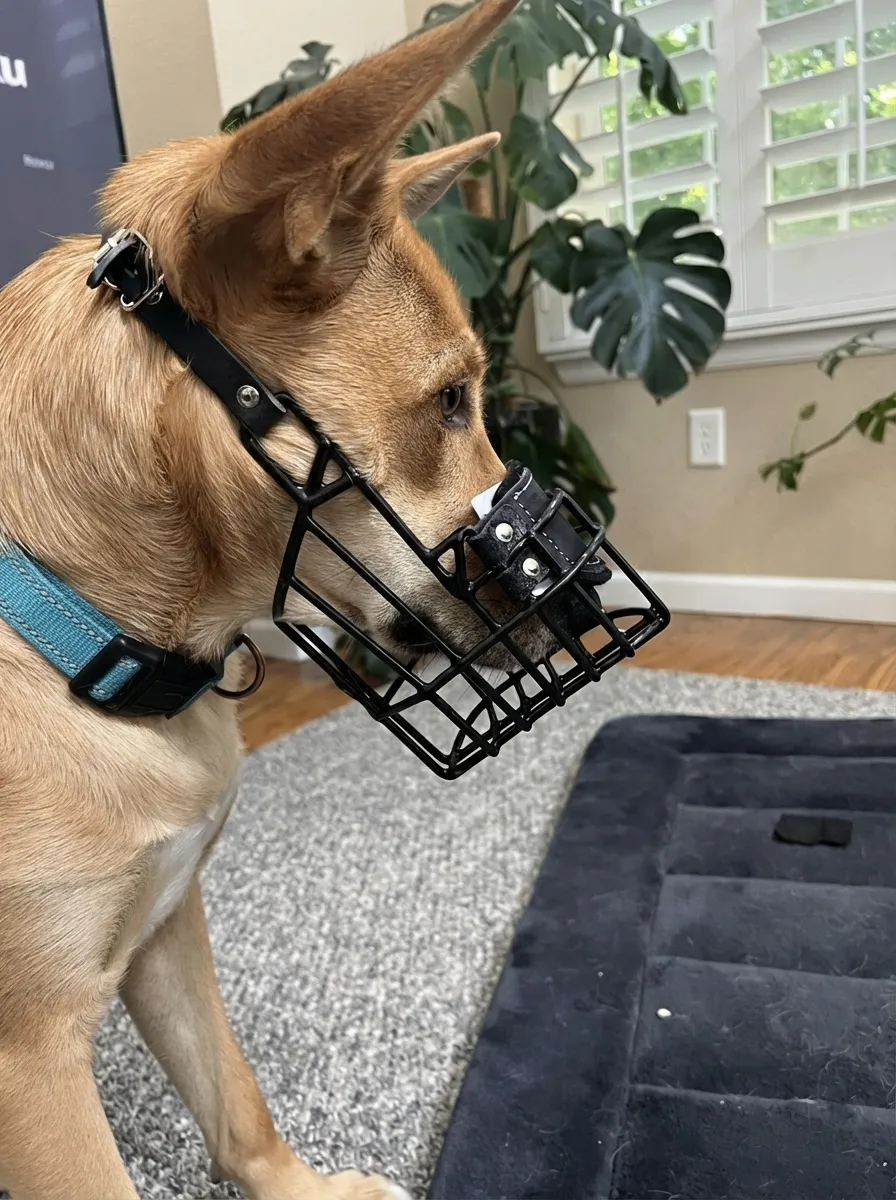
I'm the vet who recommended punishment-based training for 15 years. Until my own dog was euthanized for aggression.
Canine Stress Research Institute
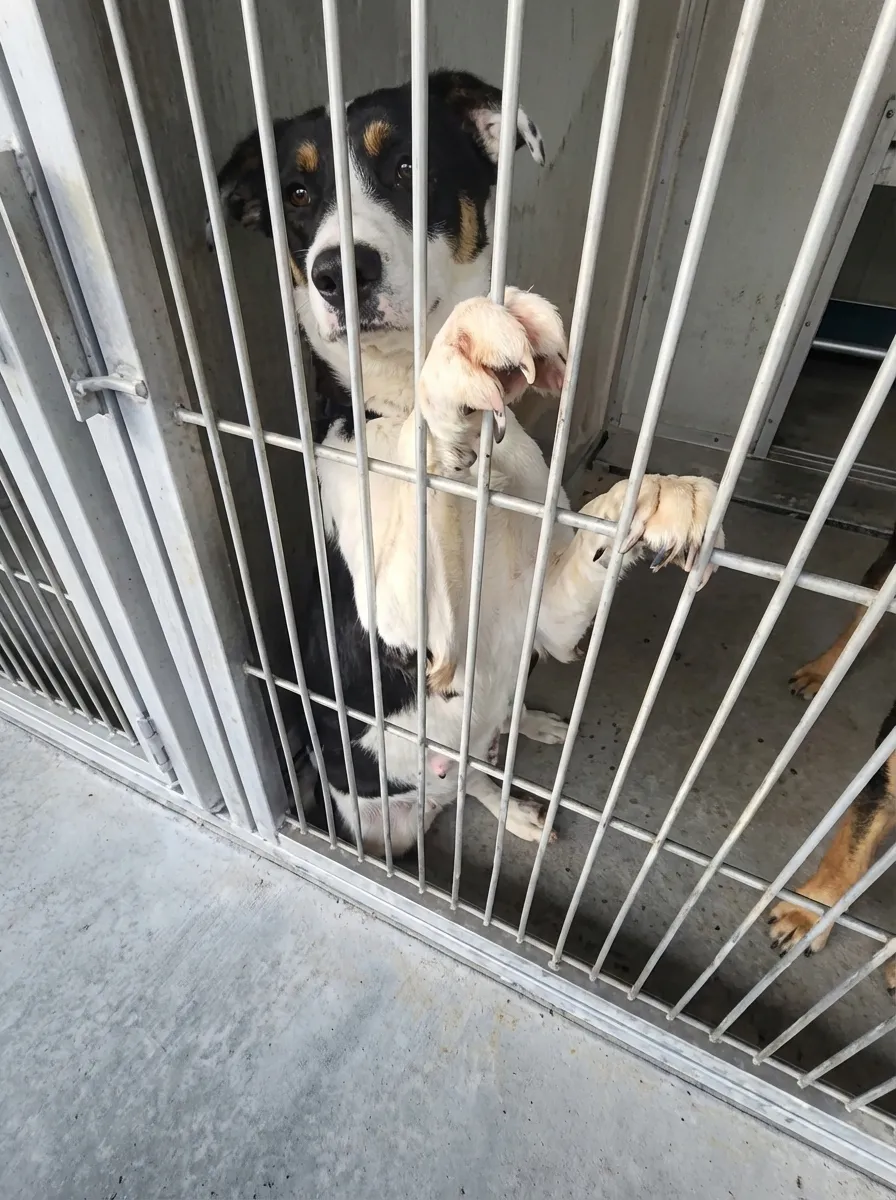
I gave my dog gut support for 7 months—Amazon then Chewy. He was euthanized for biting anyway. Reason: low postbiotic levels.
Canine Stress Research Institute
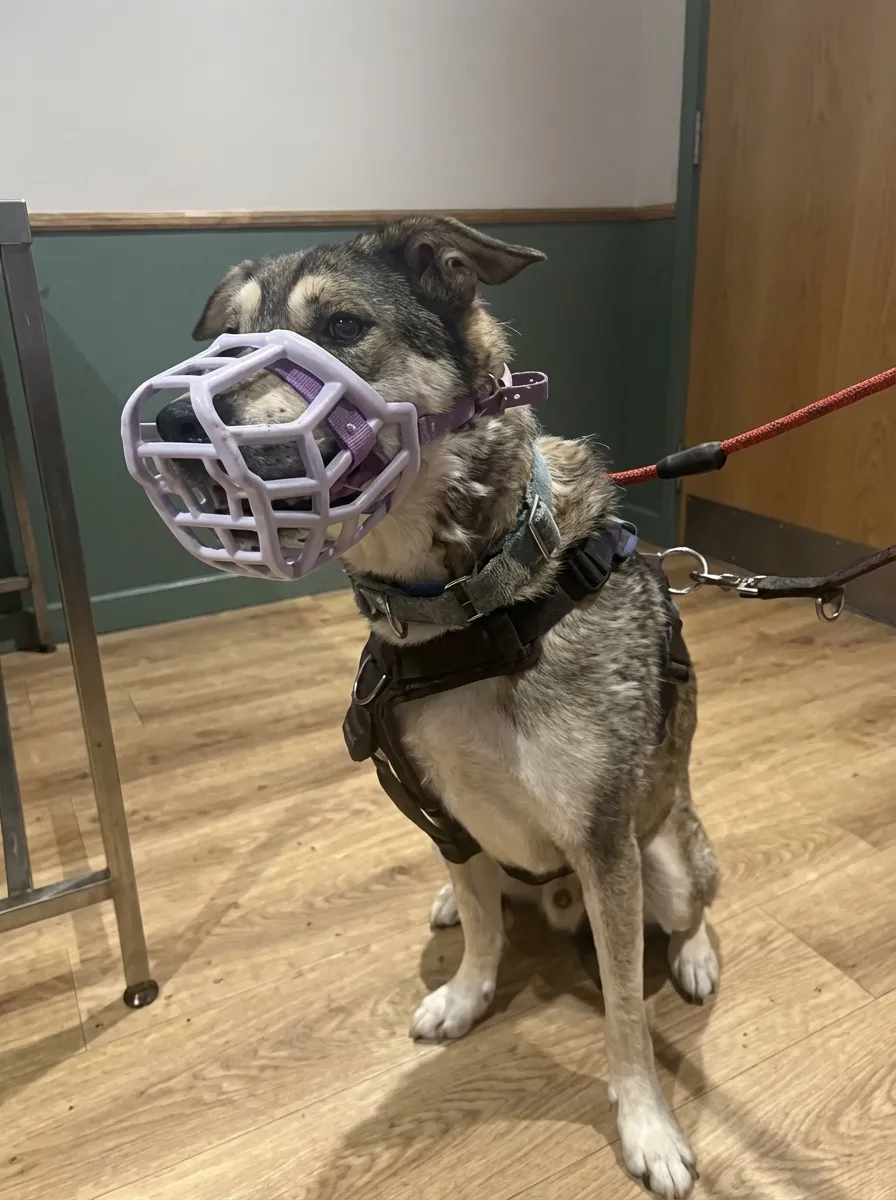
I'm going to lose my mind if one more person says 'try a different trainer' for reactive dogs
Canine Stress Research Institute
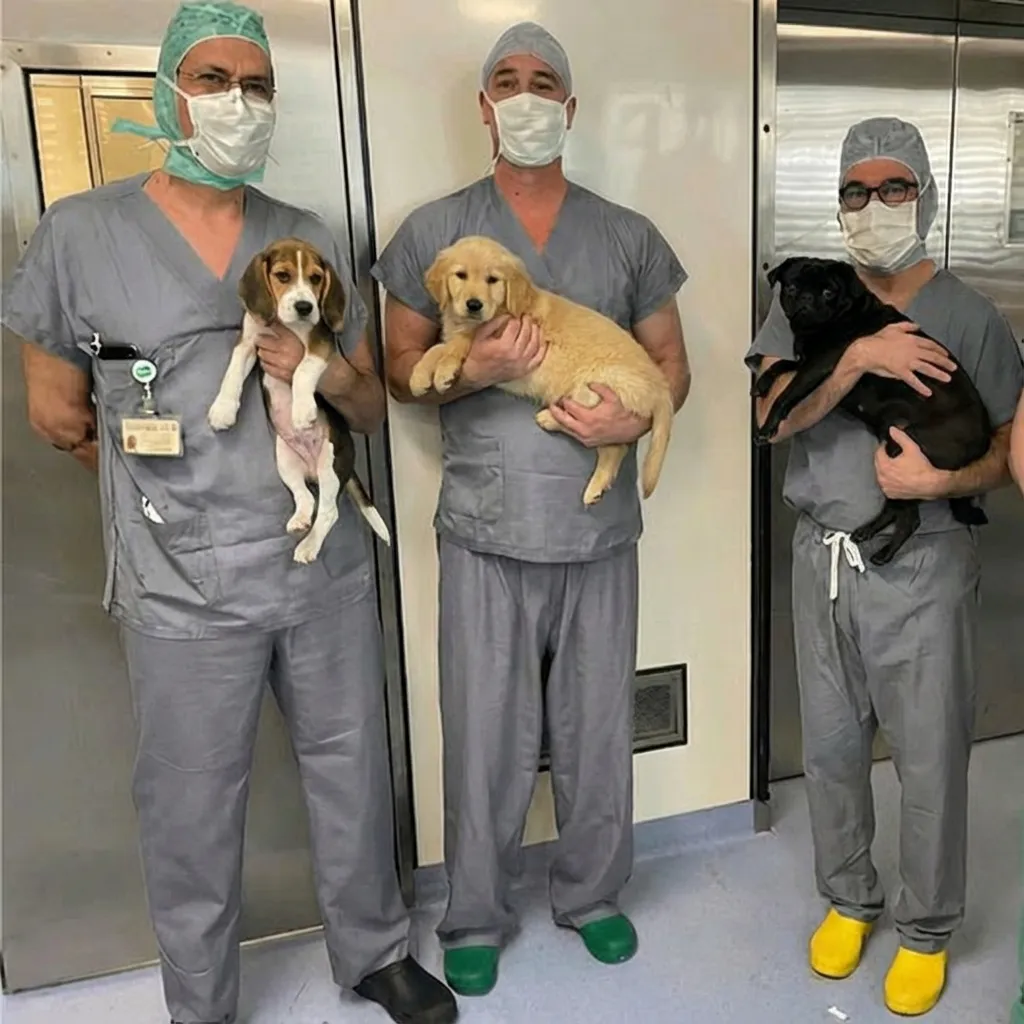
79% of reactive dogs in training had this gut issue
Canine Stress Research Institute
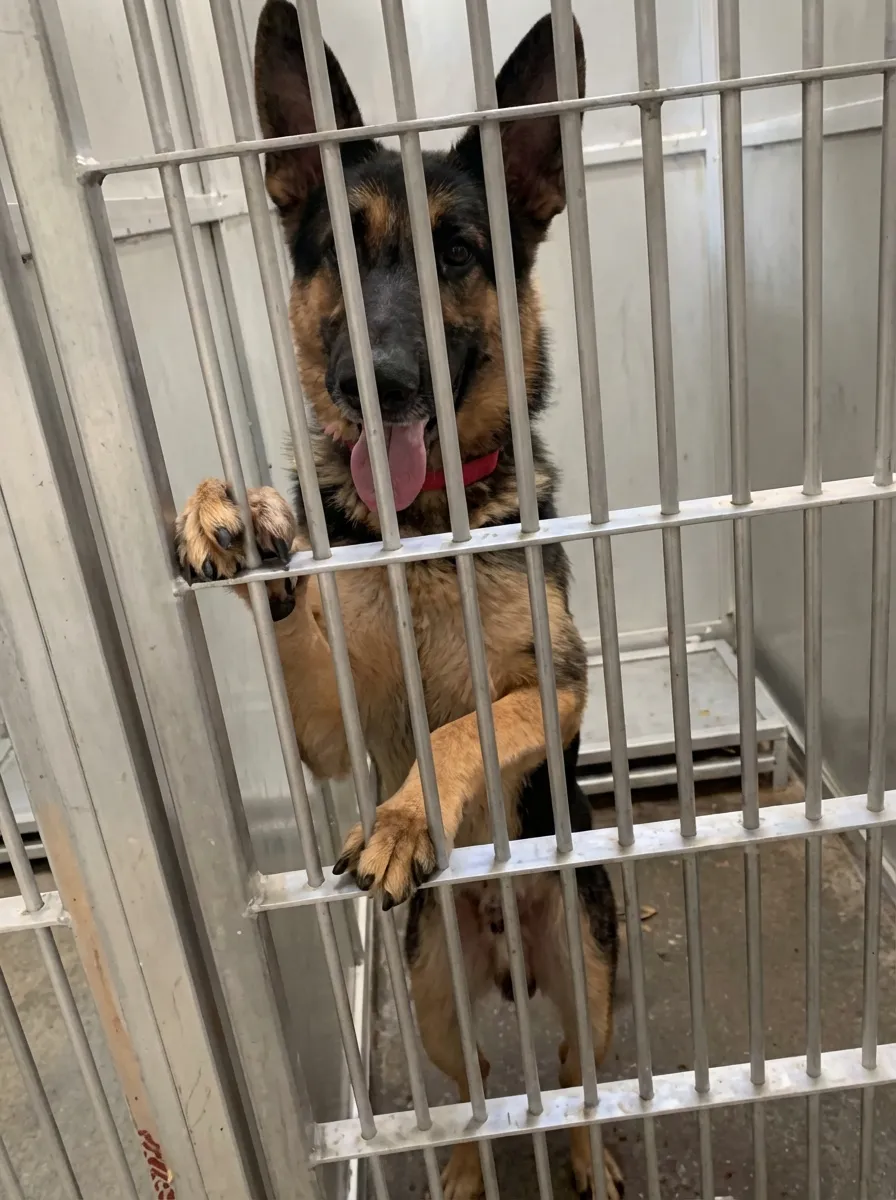
Three German Shepherds were euthanized at our clinic last month. All were under 8 years old. All died because of reactivity.
Canine Stress Research Institute
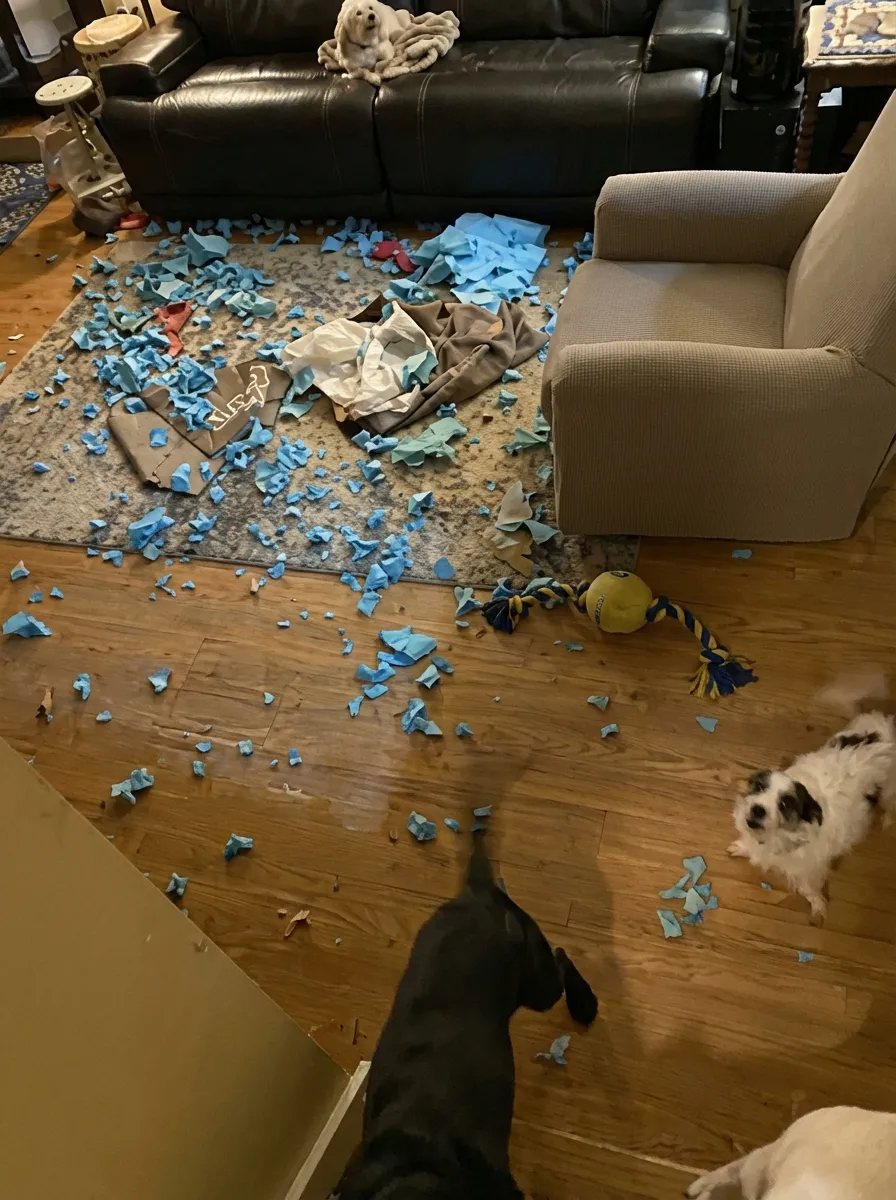
Vet: "84% Of Separation Anxiety Dogs Have This Gut Problem"
Canine Stress Research Institute
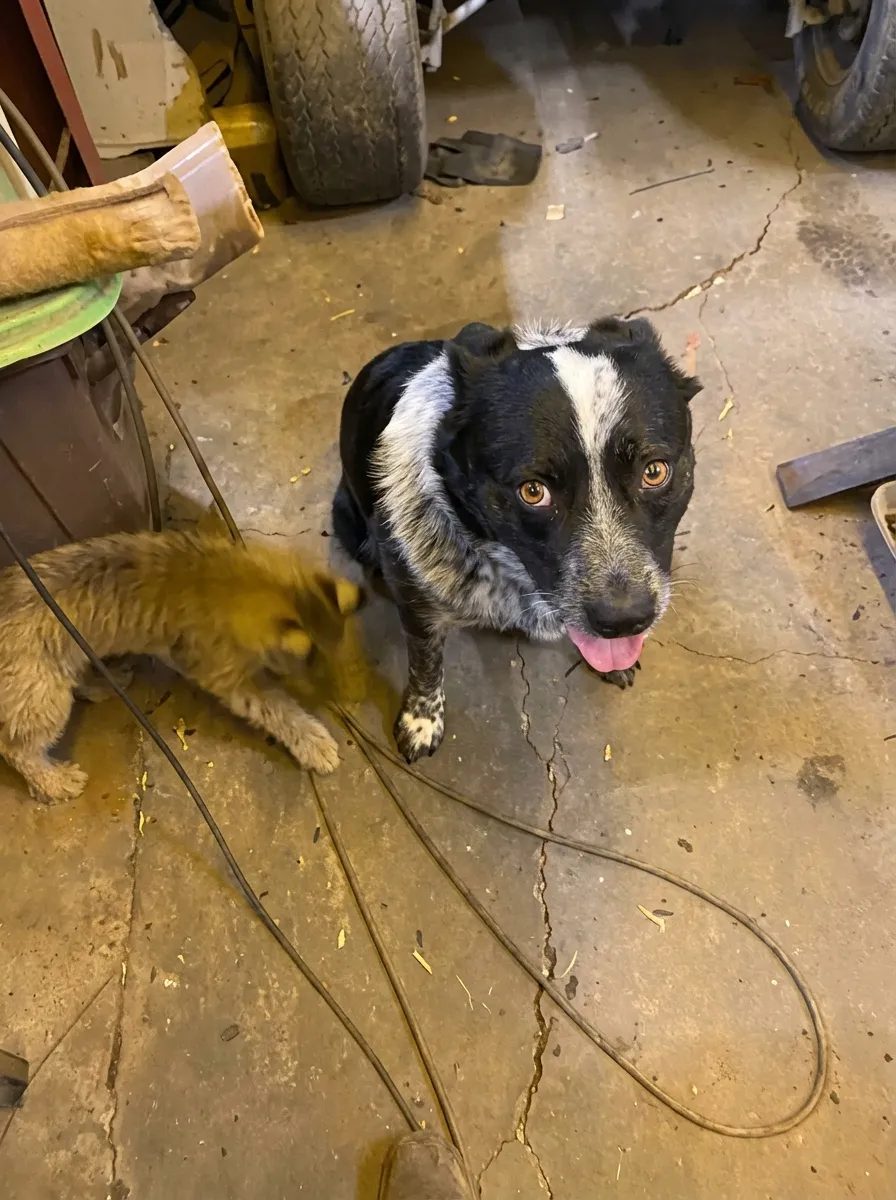
4 Dogs Died During Storms Last Month. All Had The Same Gut Problem.
Canine Stress Research Institute
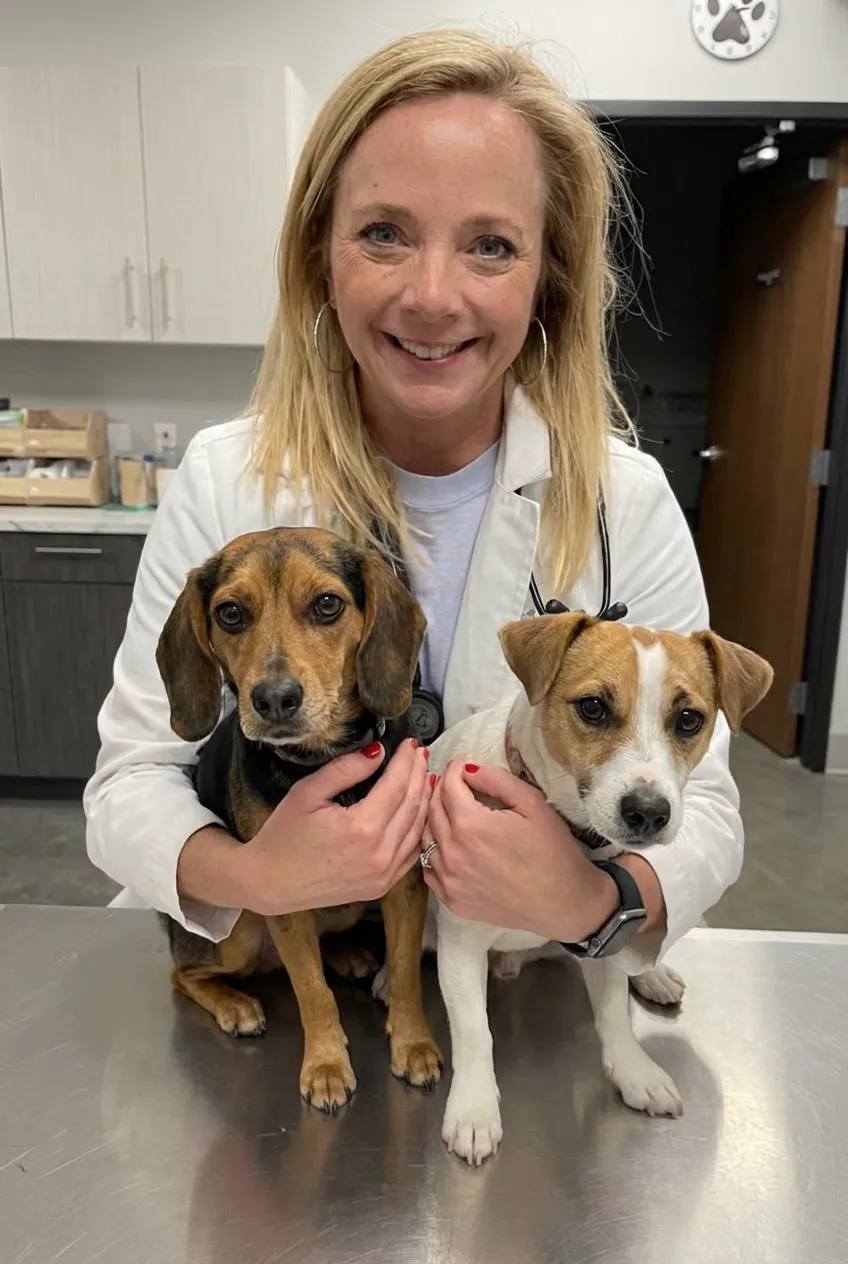
79% of reactive dogs in training had this gut issue
Canine Stress Research Institute

 Add to Chrome