Artery Clean-Up Enzyme
Ad Copy
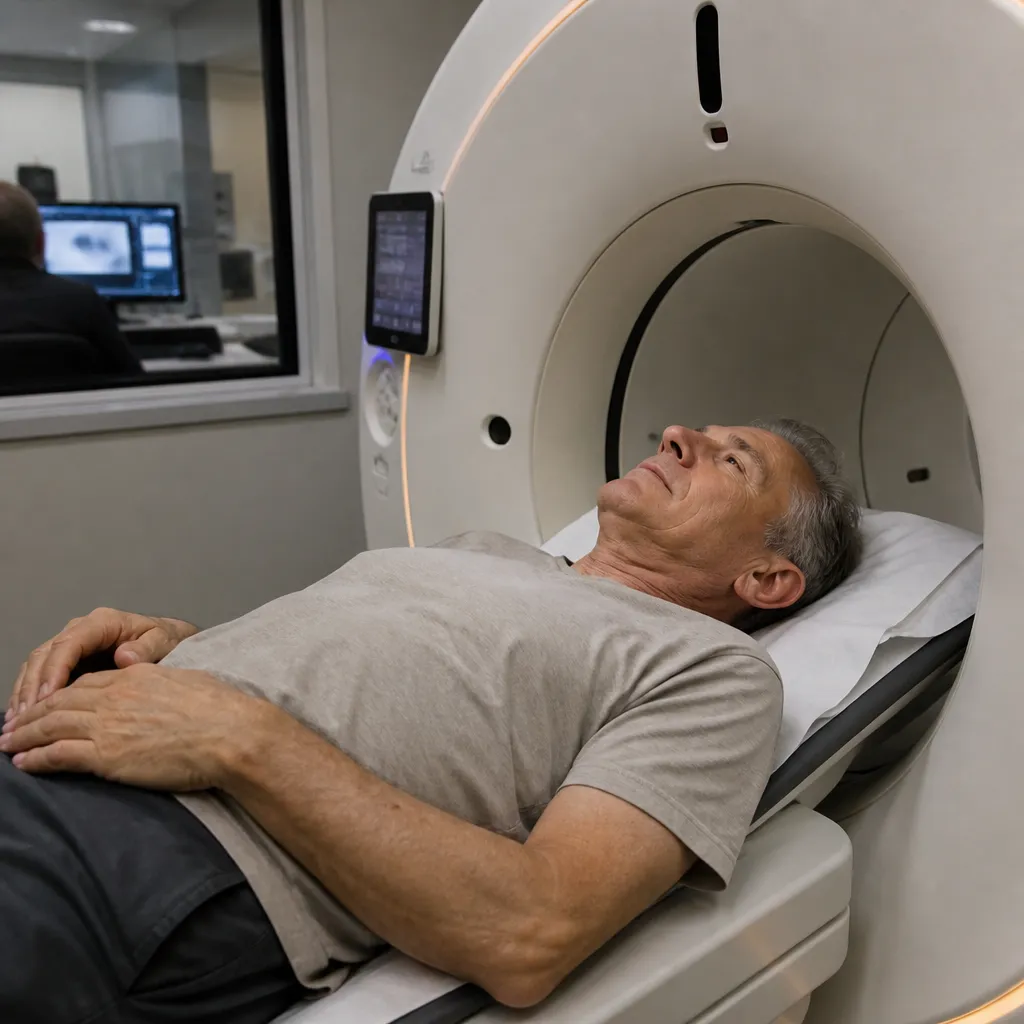
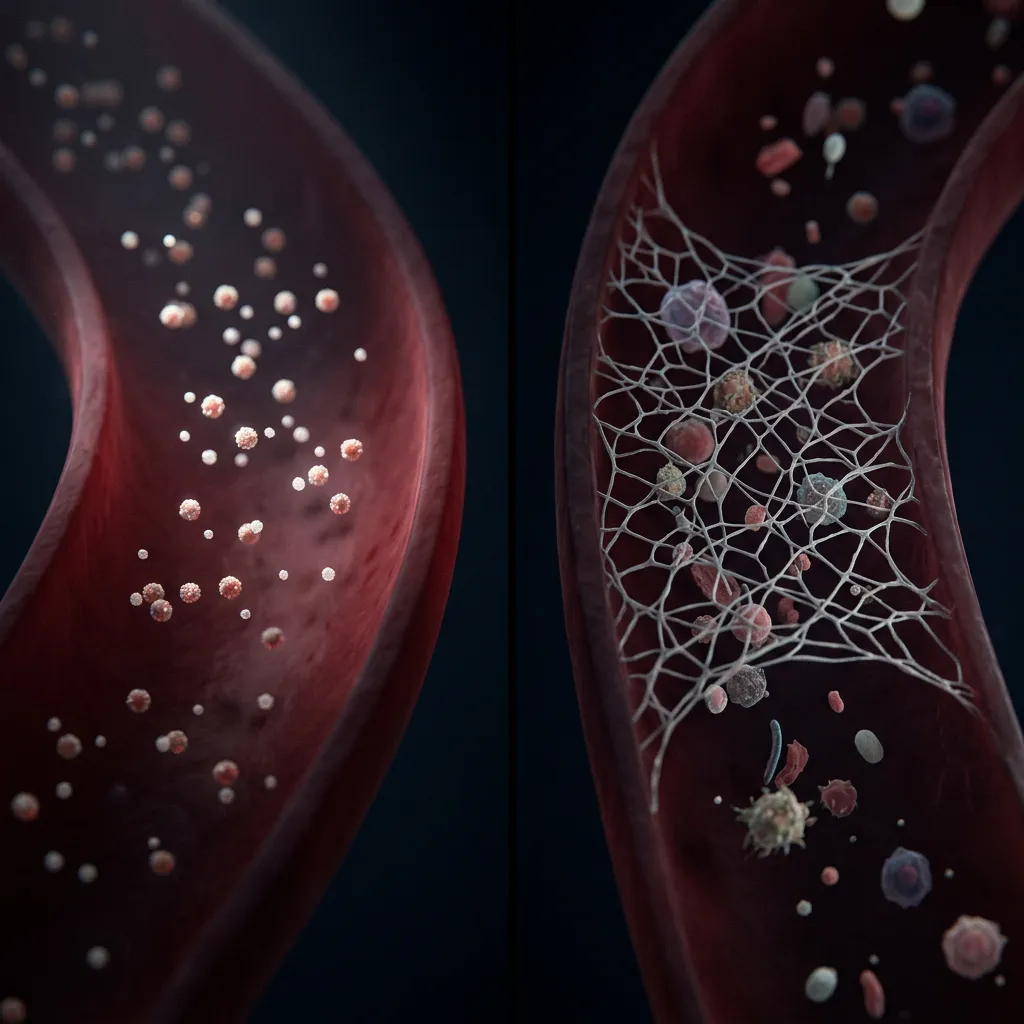
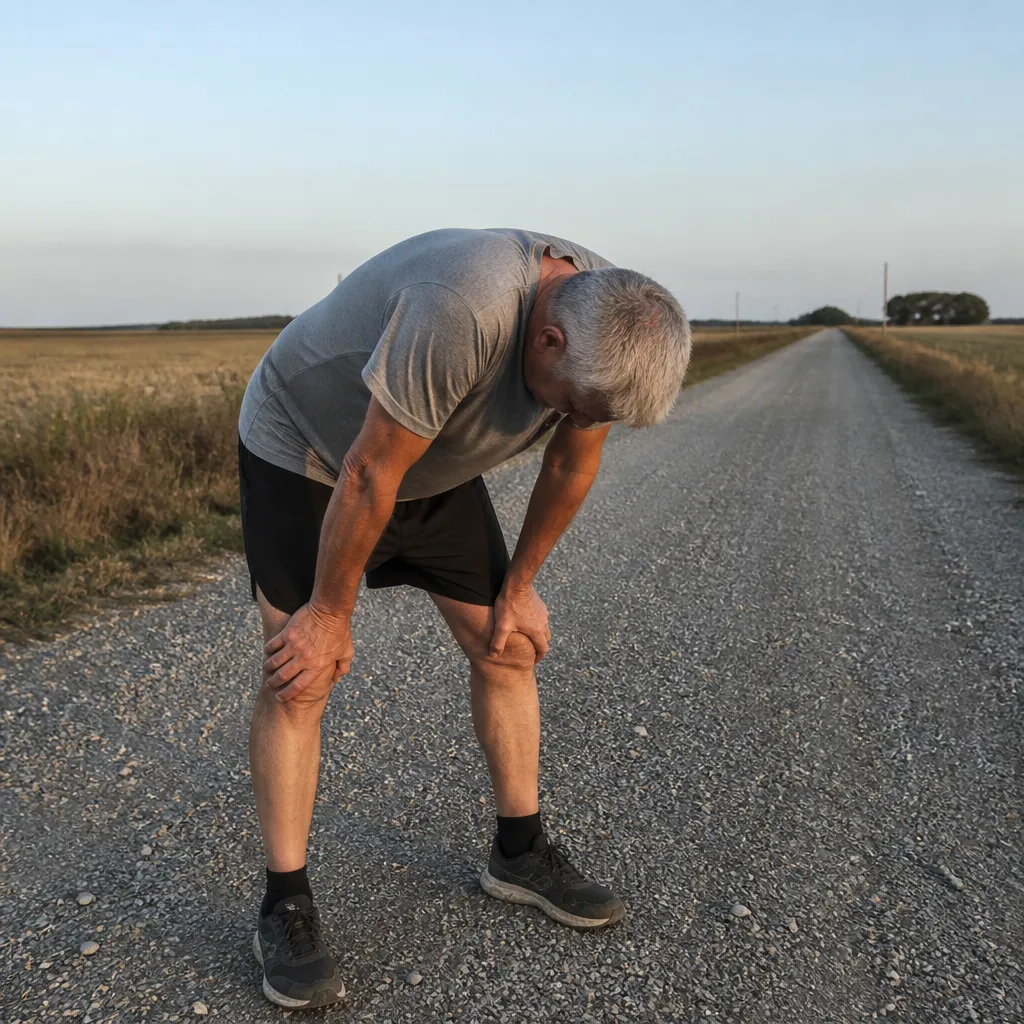
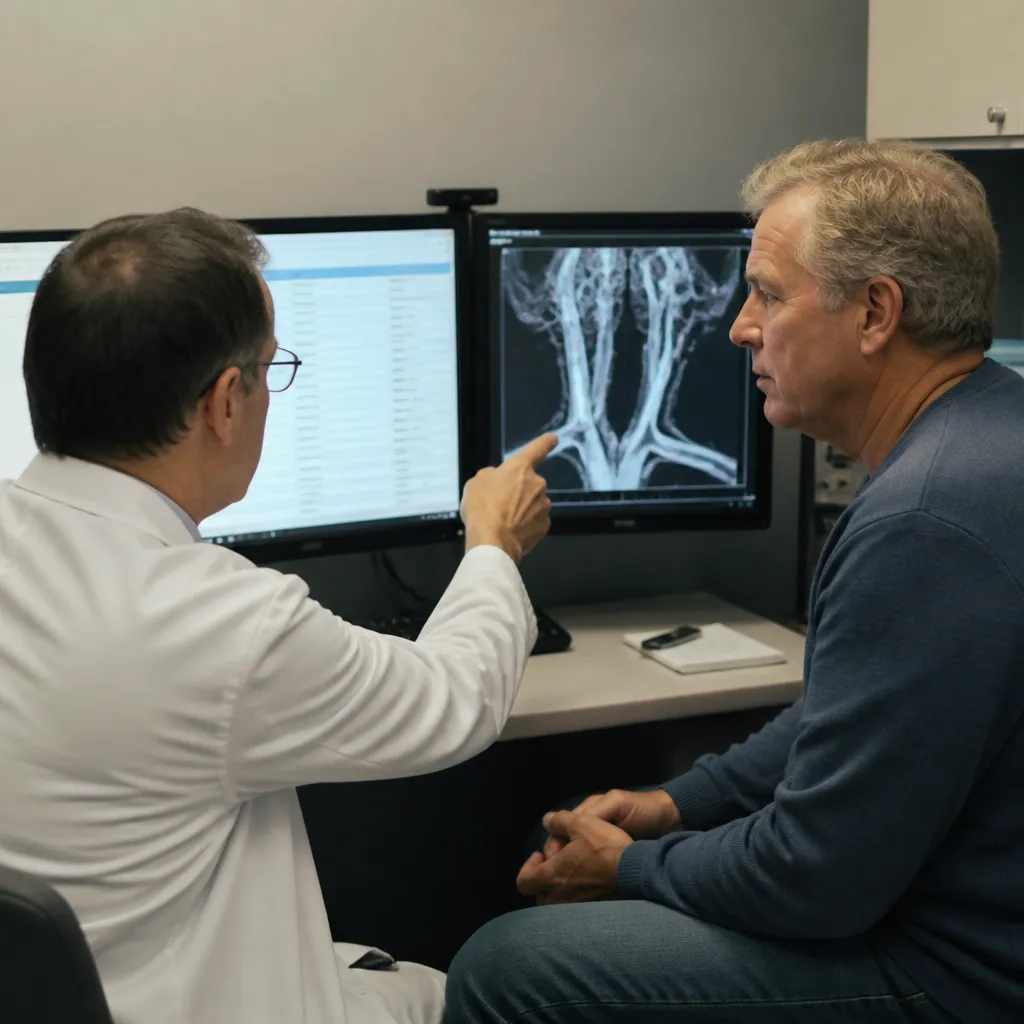
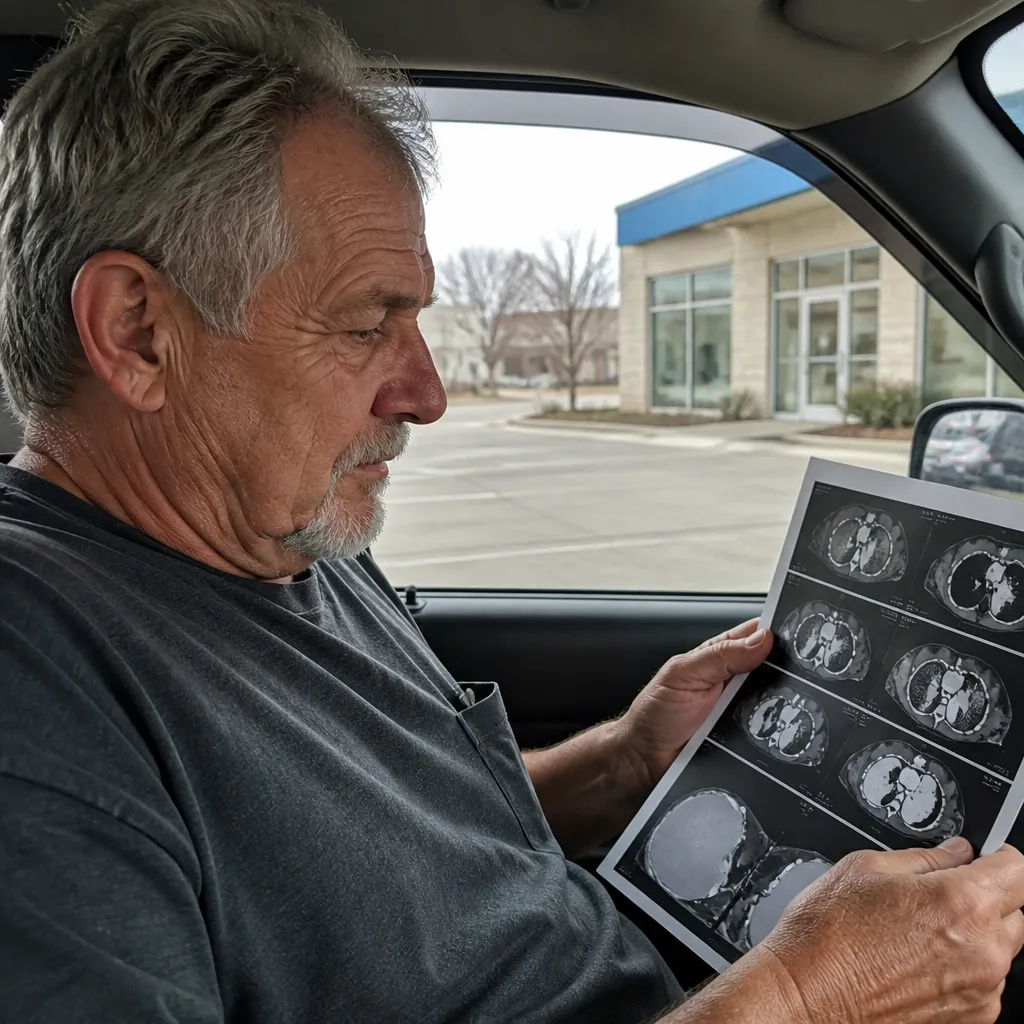
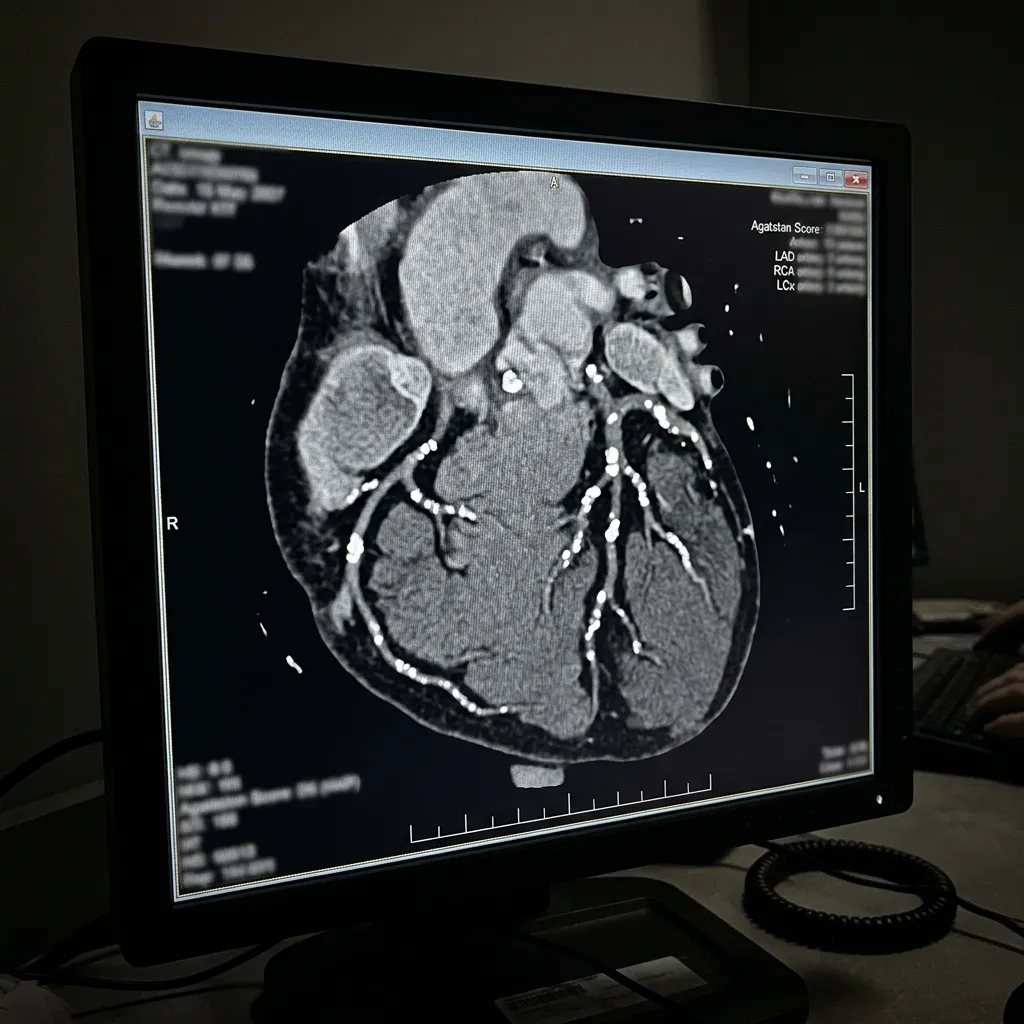
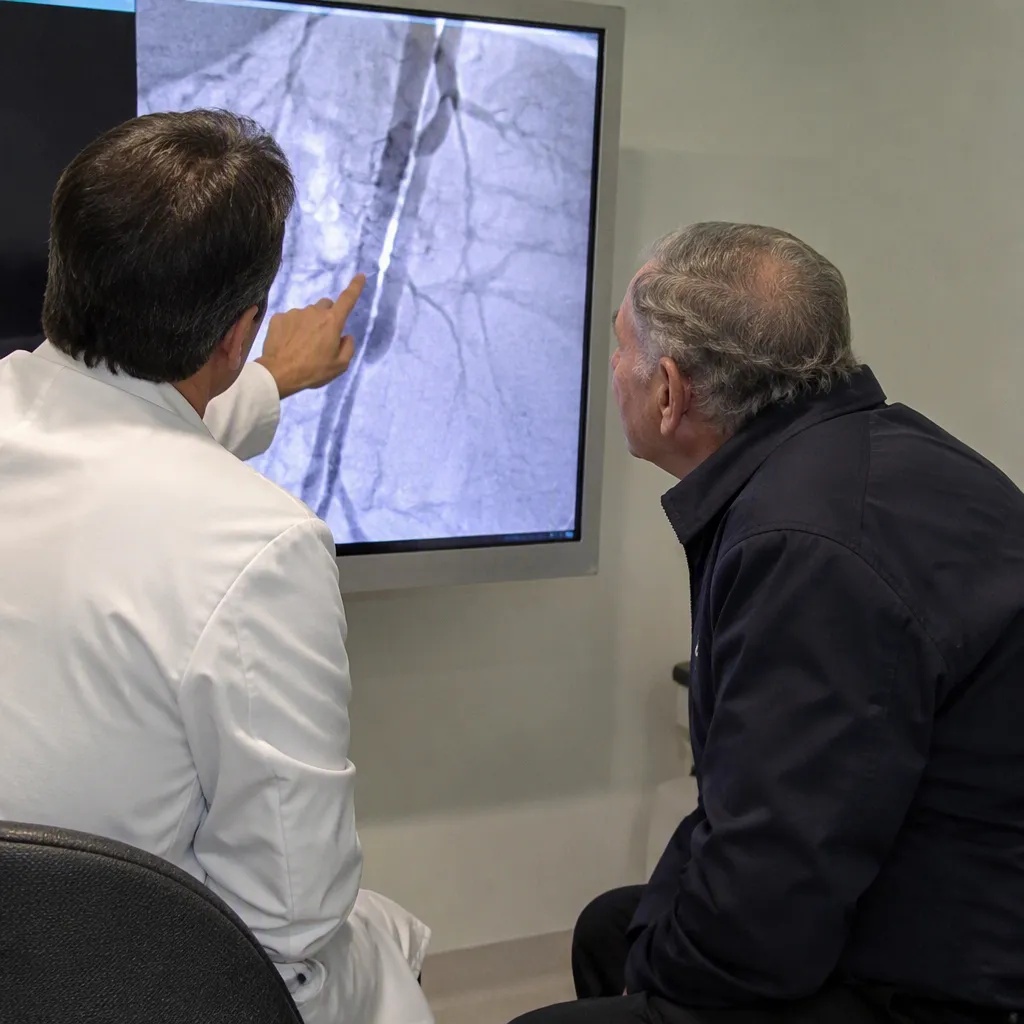
I saw a statistic that made me sick. Men over 60 with artery plaque already accumulating are, according to what I found that night, carrying something the standard panel does not measure and has never been designed to measure. Not measured poorly. Not measured occasionally. Never. I didn't believe it when I read it. My father had a panel run every year for nineteen years and not one of those pages ever looked at what his plaque was actually forming on. But here's the truth. Your regular specialist watches the number. The specialist watches the pictures. What sits between those two, the thing plaque physically attaches to, is where the whole process begins... and nobody in that building is paid to look there. That's why most of us never hear about it. That's why my father never heard it either. My father was part of that statistic. Nineteen years of appointments. Nineteen years of a number that behaved itself. Found in his own driveway on a Tuesday morning at 64, with the truck door open and the radio still on. I'm 62. Last spring my scan came back with the words "moderately to severely elevated" on it and my specialist started talking about adding a second thing on top of the first thing. I said no. And what I found instead... in a farmhouse kitchen in the San Joaquin Valley... took me from a man who set eighty-pound honey supers on the ground between hives and stood there with his hands on his knees... to a man who pulled his whole yard over four days last August. No second prescription. But to understand why I was desperate enough to drive five hours south at four in the morning to knock on a stranger's door, you have to know what nineteen years of clean paperwork did to my father. And what I didn't know it was quietly doing to me too. For NINETEEN YEARS... almost two decades... my father was the best patient that office had. Every appointment. Every prescription filled the day it ran out. He kept the printouts in a manila folder in the kitchen drawer, in order, going back to the Clinton administration. They told him the number was the thing. Get it down, keep it down, and you've done what can be done. His number came down. Everything else came apart. Within the first few years he got winded on the fifteen steps up to his own back door and started blaming the weather. The specialist said that was normal for a man his age. By year five his hands went cold in September. He kept gloves in the truck starting in October, then starting in September, and then he just left them in there year round. By year eight he stopped fishing the far bank at the lake, because the far bank meant walking around. He fished the near bank and told everybody the near bank was better. His energy? Gone. This was a man who ran a two-truck excavating outfit for thirty-one years, up at five, in the seat by six-thirty. By the end he was asleep in the recliner before the local news finished. His legs swelled. His feet were cold in July. My mother started leaving a blanket on the recliner in August. And every time we brought it up, the same sentence. "Your numbers look good. The tiredness is age. Keep walking." He was walking two miles a day. Walking more was not the problem. My mother said it was like watching a man go out one candle at a time in a room where everybody kept telling her the lights were fine. They had him on that list for NINETEEN YEARS. Nineteen years of the paperwork improving. Nineteen years of him getting quietly smaller. Nineteen years of "good numbers." Nineteen years of appointments where they either checked the number again or added something to the list... but never once... not ONE TIME... did anybody say, "Maybe something is accumulating here that this doesn't touch." And then it took him anyway. 64 years old. Sixty-four. Found him in the driveway with the truck door open. The radio was still on. At the funeral my uncle took my arm at the back of the church and said something I'll never forget. "They managed the one thing they could see, Ross. Then they spent nineteen years not looking at whatever else was going on in there." So fast forward to three months ago. I'm 62. Ross. I've kept bees in the Sierra foothills since 1991. Two hundred and forty colonies at the peak. Sixty now. I've told everybody for four years that I scaled back because of the almond contracts. It was not the almond contracts. It was the boxes. A full honey super weighs eighty pounds and you lift it off the top of a hive at chest height. Two summers ago I started setting them on the ground between colonies and standing there with my hands on my knees while my helper found something to do with the smoker. He's twenty-four. He never once looked over at me, which was worse than if he had. And I've been a good patient too. That's the part that made me feel like I was going out of my mind. Salt out of the cooking. Red meat gone. Nineteen pounds off and kept off. Three miles every morning at six, rain or otherwise, for nine years. I've tried fish oil three times a day. Garlic capsules. CoQ10. Niacin. K2. Red yeast rice. Plant sterols. L-arginine, then L-citrulline when the arginine stopped doing anything I could feel. Beet powder every morning for fourteen months, tasting like the underside of a garden. Two circulation products from the health food store. A cardio blend from the warehouse store with a photograph of a man on a bicycle on the front. My hands are still cold in September. Then last spring I paid for a scan myself. Out of pocket, no referral, at a place off the highway that advertises on the radio. Eleven minutes on a table. The report came back with accumulation described in language I had to read four times. I go to my appointment. They pull up my panel. Look at me. "Ross, your numbers are excellent. But the scan shows what it shows. I'd like to add a second agent, and I want you back in six months." My chest tightened. A second thing on top of the first thing. Nineteen years of my father's manila folder. Nineteen years of gloves in a truck in July. Nineteen years of a man fishing the near bank. And then it took him anyway. "No," I said. She blinked. "I'm sorry?" "My father did this exact thing for nineteen years. Every appointment, every prescription. His paperwork was better than mine the year he died in his own driveway." She gave me that look. "Ross, we need to be proactive about the plaque." "What's the point of adding to a list if the list is the one he was on?" She didn't have an answer. I told her to give me three months. She wasn't happy. Wrote something in my chart. I didn't care. For three months I did everything right, twice as hard. Cut carbohydrates in half. Walked an hour instead of forty minutes. Added magnesium. Drank water until I was up twice a night for it. Three months later I went back. Hands still cold. Still setting boxes on the ground. She reached for the pad again. "Ross, it's time." "Give me three more months." "Ross—" "Three more months." She sighed. I didn't care what she wrote. That night I couldn't sleep. I kept thinking about my father in that recliner. Same list. Same clean paperwork right up until the driveway. At 2 AM I gave up. Went out to the kitchen. Opened my laptop. I started searching. Not what plaque does. What plaque IS. What it physically attaches to. Why it accumulates in some men and not others. Why nothing on the shelf touches it. Every site said the same thing. Watch the number. Eat less of this. Walk more. Reduce stress. I'd done all of it. So had he. So I kept digging. Looking for people who'd actually solved this. Not managed it. Solved it. That's when I found the thread. A forum for men over 55, about nine hundred replies. The title... "Why are the old farmers in Livingston still up ladders at 85?" I almost scrolled past. But something made me click. Livingston, California. A Japanese farming colony founded there in 1907. Four generations in the same dirt. Post after post. Photographs of men in their eighties in almond trees. Stories from grandchildren. A few linked studies about what's been on those breakfast tables every single morning for a hundred years. One comment had been quoted about forty times in that thread. "It isn't the walking and it isn't the rice. Go ask one of them what's in the wooden trays in the back kitchen." Somebody had posted a road name. I looked at the clock. 2:51 AM. By 4 AM I was in the truck. By nine I was in the valley, windows down, driving between orchards with no address, looking for a name on a mailbox. I found a hand-painted sign at the end of a gravel road. Vegetables, eggs, walnuts. There was a man up an eight-foot orchard ladder with a pruning saw. I sat in the truck and watched him come down that ladder one rung at a time, without holding the rails, carrying the saw. I parked and walked across the yard. By the time I got to him I was breathing through my mouth. "Excuse me," I said. "I don't want to bother you. But how old are you?" He looked at me with clear eyes under a straw hat. "Eighty-eight." I stood there. 62 years old. Winded from crossing a farmyard. And this man twenty-six years older had just come off a ladder like he was stepping off a curb. "I'm 62," I said. "I keep bees. My scan came back with plaque in it. My specialist wants to add another prescription. My father did that for nineteen years and it took him at 64." He set the saw against the ladder. Looked at me for a long moment. "You drove a long way," he said. "Come in the kitchen. I'll show you something." His kitchen smelled like coffee and steamed rice. He poured me a cup without asking. Pulled out a chair. "Your picture of plaque," he said. "It's the wrong picture." I didn't understand. "You think it is grease sticking to a clean pipe. It is not. Nothing sticks to a clean wall." He put his palm flat on the table. "Smooth as the inside of a wet glass. Debris slides right over it." He folded his hands. "Your arteries take small damage constantly. Not dramatic. Ordinary wear, blood moving under pressure through the same bend a hundred thousand times a day. Your body patches it immediately. The patch material is a protein called fibrin. Fibrin is stranded. Not smooth. Picture a net laid over the spot, holding the repair while the wall underneath heals." He tapped the table once. "That net is not the enemy. That net is why you do not bleed out from a paper cut." I stared at him. "But here is what nobody told you when they showed you that scan. The patch is supposed to be TEMPORARY. Your body makes its own enzymes whose only job is the housekeeping. Net goes up, wall heals underneath, housekeeping crew comes through and takes the leftover mesh back down. Damage, patch, heal, turnover. That loop has run your whole life." He shook his head slowly. "After fifty, the housekeeping half slows down. The patching does not. That side stays enthusiastic into your eighties. So the nets stay up. A little more this year than last year. Never enough to notice in any one month." He looked me straight in the eye. "And leftover mesh does not sit there being neutral. It becomes structure. Rough, stranded, sticky structure on a surface that was built to be slick. Cholesterol is debris. Debris needs something to catch on. That mesh is what your plaque is growing on, and it is the part of this that no one measures." My eyes started to burn. "That is why your number comes down and your scan gets worse. That is why your hands are cold in September. That is why nothing on that shelf did anything. And no diet fixes it, no walk fixes it, no second prescription fixes it, because none of those things is an enzyme, and a mesh is not a chemistry problem. A mesh is a housekeeping problem." He tapped his finger once on the table. "That is what was accumulating in your father. Not the number. The number was fine. Nineteen years of a scaffolding nobody was taking down, while a specialist told him he was doing well." I asked him how he knew any of this. He smiled a small smile. "My mother made it in that room." He nodded at a door off the kitchen. "Her mother made it in Fukushima. Every house I grew up in had it going in the back." He got up and opened that door. Four shallow wooden trays on a shelf, covered in cloth, sitting over a pan of water with a lamp underneath. "Soybeans," he said. "Cooked, then a bacterium, then twenty hours warm. It is called natto. It smells like a barn and pulls into strings when you lift the spoon and nobody in this house has ever once called it health food. It is breakfast." He let me look at it. "What you want is not the bean. It is what the bacteria make while they eat. In 1980 a researcher named Sumi took traditional natto into a laboratory, isolated that enzyme, put it in a dish, and what he saw changed how researchers thought about fermented food for forty years. He named it nattokinase." Natto. I'd never heard the word in my life. He must have read my face. "You are not going to eat this," he said. "Americans never do. So you will buy it in a capsule, and that is where they will take your money." He sat back down. "Real enzyme is measured in activity. Not weight. The bottles in your country say milligrams on the front, and milligrams tell you NOTHING about an enzyme. You can cook the enzyme dead in a factory in March, weigh the powder, certify it, and print 100 mg on that label with a straight face." He held up one finger. "Activity is FU. Fibrinolytic units. Most brands will not print it. When they do print it, it is two thousand, and the research that made anybody interested in the first place was not run at two thousand." "And the second part. It must be one ingredient. They bury it inside twelve-ingredient blends with a bicycle on the label. Divide one capsule twelve ways and there is no room for a serious amount of anything. The blend exists so the label looks generous. Heat in manufacturing degrades what is left. Stomach acid handles the rest if nothing protects it. And almost nobody tests for activity, because weight is easy and weight always passes." He looked at me. "Find the enzyme. Buy the activity, not the weight. That is it. That is all of it." I asked if anybody sold it the way he was describing. He nodded. "My granddaughter buys mine. One company. It prints the FU on the label. Five thousand. One ingredient, nothing else in the capsule. Third-party tested for activity, not weight. K2-free. One capsule in the morning." He wrote the name on the back of an envelope and slid it across the table. MAÏA Nattokinase. I ordered it from his kitchen table. Bottle came four days later. Week one. Nothing. I stood at the sink on day six thinking a 62-year-old beekeeper had just mailed money to a soybean company. But I kept taking it. Week two. My wife took my hand across the breakfast table, the way she does without thinking about it, then held on a beat longer and turned to look at me. She said, "You're warm." I hadn't noticed. That's the strange part. Not a moment of feeling better. The absence of something I'd been working around so long I'd stopped registering it. Week three. I slept until six. Then again the next night. And the fifteen steps up to my own back door stopped being a decision, which will only make sense to you if you've ever stood at the bottom of a staircase and done the math. Week five. The road loop was three miles again. I only knew it because I found myself standing out past the culvert at the far turn, looking at a field I hadn't stood in front of in two years. Week eight. I lifted a full super off the top of a hive at chest height and set it on the tailgate. Then another one. Then I stopped counting. Then it was August. Four days of pulling honey. Sixty colonies. I did my half and then some, and my hands hurt that night the way hands are supposed to hurt after four days like that. My helper said it in the yard, loading the last of it. He said, "You didn't sit down once." That night my wife came out and sat next to me on the porch step and didn't say anything for a while. Then she told me that for the last two years she'd been keeping her phone on the nightstand instead of the kitchen charger. That she'd started listening for the truck. That the afternoon I came home from the bee yard and told her the boxes were heavier this year, she went upstairs, sat on the edge of the tub and cried, and then came down and made dinner and never said one word about it. Two years. Ten feet away from me. I did not know. I want you to understand that I did not have the first idea. I called my mother that night and told her where I'd driven and what I'd found. Long silence. Then she said, "Your father would have driven too, honey. Nobody ever gave him the road." If you're reading this, you probably see yourself somewhere in this. Your paperwork keeps coming back fine. Your scan says otherwise, or you haven't had one and you already know. Your hands are cold in a warm house. Your legs go on inclines you've walked for twenty years. You take the stairs in two stages and check your phone on the landing so it looks like a choice. Your specialist has mentioned adding something. Or bumping something. You've tried fish oil. Garlic. CoQ10. Niacin. K2. Red yeast rice. Plant sterols. Arginine. Beets. The blend with the bicycle on it. None of it moved anything you actually feel. But now you know why. Beets and arginine work on the wall's ability to relax. Fish oil works on the fluid. CoQ10 works on how your cells burn fuel. Red yeast rice works upstream on production. Every one of them doing something real, on a different floor of the same building. Not one of them is an enzyme. Not one of them has any business anywhere near the mesh. MAÏA is different. 5,000 FU per capsule, printed on the label where you can read it before you spend a dollar. One ingredient. Nattokinase. Nothing else in the capsule. Fermented from non-GMO soybeans, processed to protect the enzyme activity instead of to hit a price point. Third-party tested for ACTIVITY, not weight. K2-free. One capsule each morning with coffee. That's the entire protocol. It's studied for its role in supporting healthy circulation, and traditionally it's been used to support healthy fibrin levels, which after that farmhouse kitchen was the only thing I'd found anywhere aimed at the half of this that has no test on the form. Take it for 30 days. There's a 30-day money-back guarantee, and that was honestly the only reason I had the nerve to order from a company I'd never heard of. If nothing changes, send it back and you're out nothing but thirty days you were going to spend anyway. https://www.buymaia.com/shocking-discovery-nattokinase-plaque Pay attention to your hands at the breakfast table around week two. Pay attention to the staircase around week three. Pay attention to the far turn on whatever walk you shortened without ever deciding to shorten it. You're at a fork. One road. Keep watching the number. Add the second thing when the scan gets worse. Add the third thing after that. Spend the next twenty years collecting a list while the thing the debris is actually building on goes unmeasured and undiscussed, because there's no box for it on the form. End up where my father did. In a driveway on a Tuesday morning with the radio still on. The other road. Do what I did. Go looking for the half of this nobody prints. Take the enzyme in the morning. See what your hands feel like in two weeks. I took the second road. It gave me my Augusts back. Nobody is coming to bring this up with you. Your specialist is watching the number, the specialist is watching the pictures, and the thing accumulating between them has no code attached to it, which means it will never come up in an appointment unless you are the man who brings it up. Accumulation is a process, and a process does not politely pause while you think it over. What's up there this year is up there next year, plus whatever gets added. My father never had this. You do. — Ross P.S. I do owe you an apology in advance. They're small, and fermentation batches don't scale on demand. They run out. Last time I reordered, my shipment sat nine days behind and I spent that week looking into the bottom of the bottle like a man rationing water. If you click below and they're sold out, I'm sorry for sending you. The wait isn't long. P.P.S. My uncle started taking it six weeks after I did. He's 71, and he buried his brother in that same church. He called me on a Sunday in October and told me he'd carried his own generator out to the shed. Then he said, "Your dad never got told any of this, Ross." He didn't. I did. Now so have you. The link is below. https://www.buymaia.com/shocking-discovery-nattokinase-plaque
More from Natural Wellness Magazine

Artery Clean-Up Enzyme
Natural Wellness Magazine

Artery Clean-Up Enzyme
Natural Wellness Magazine

Artery Clean-Up Enzyme
Natural Wellness Magazine

Artery Clean-Up Enzyme
Natural Wellness Magazine
Artery Clean-Up Enzyme
Natural Wellness Magazine
Artery Clean-Up Enzyme
Natural Wellness Magazine
Artery Clean-Up Enzyme
Natural Wellness Magazine
Artery Clean-Up Enzyme
Natural Wellness Magazine
Artery Clean-Up Enzyme
Natural Wellness Magazine
Artery Clean-Up Enzyme
Natural Wellness Magazine
Artery Clean-Up Enzyme
Natural Wellness Magazine
Artery Clean-Up Enzyme
Natural Wellness Magazine

 Add to Chrome