Artery Clean-Up Enzyme
Ad Copy
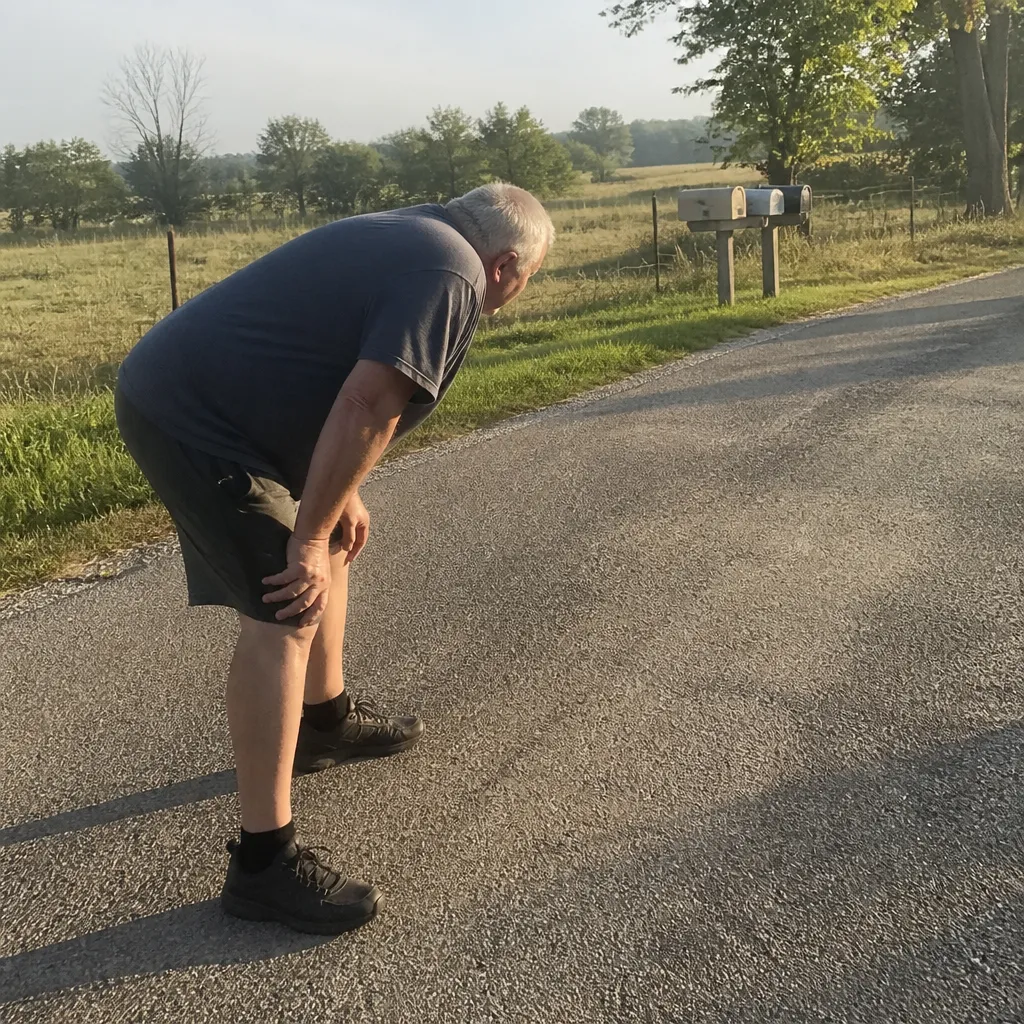
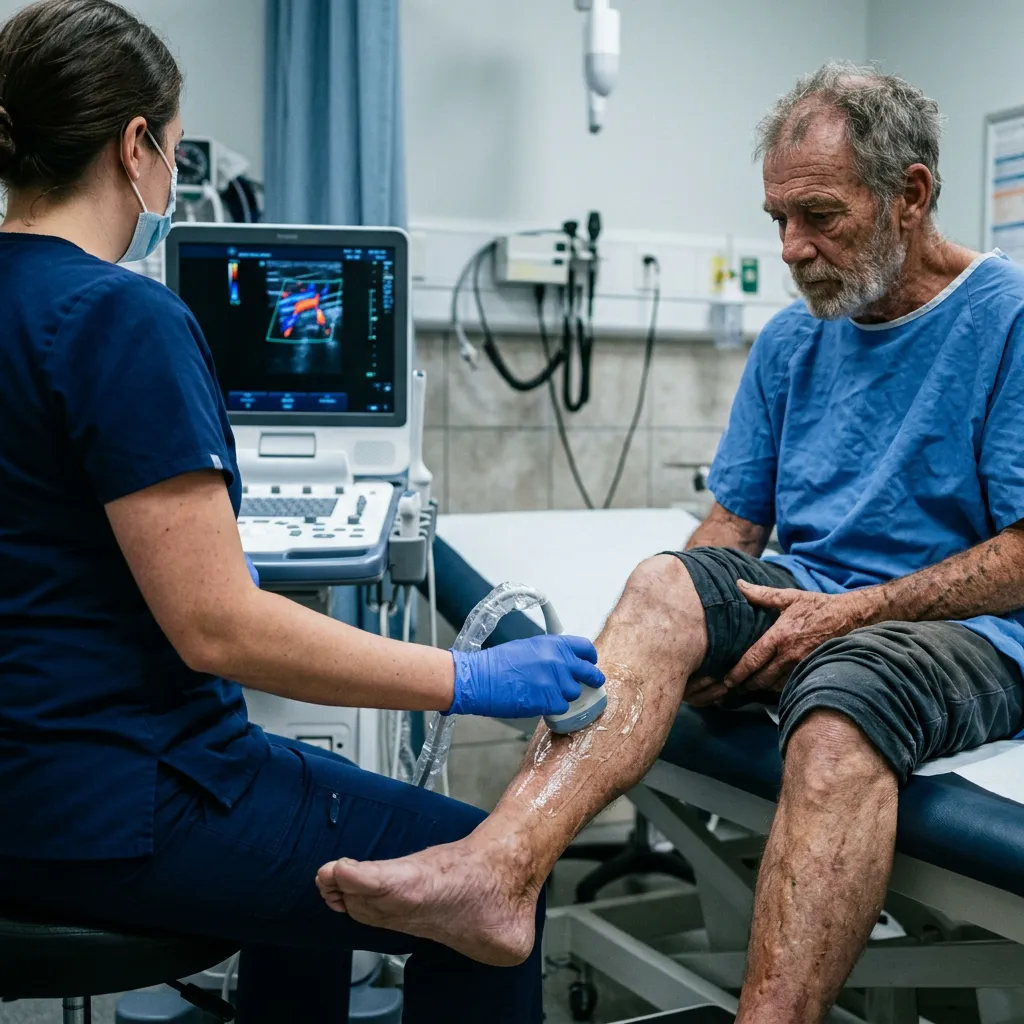
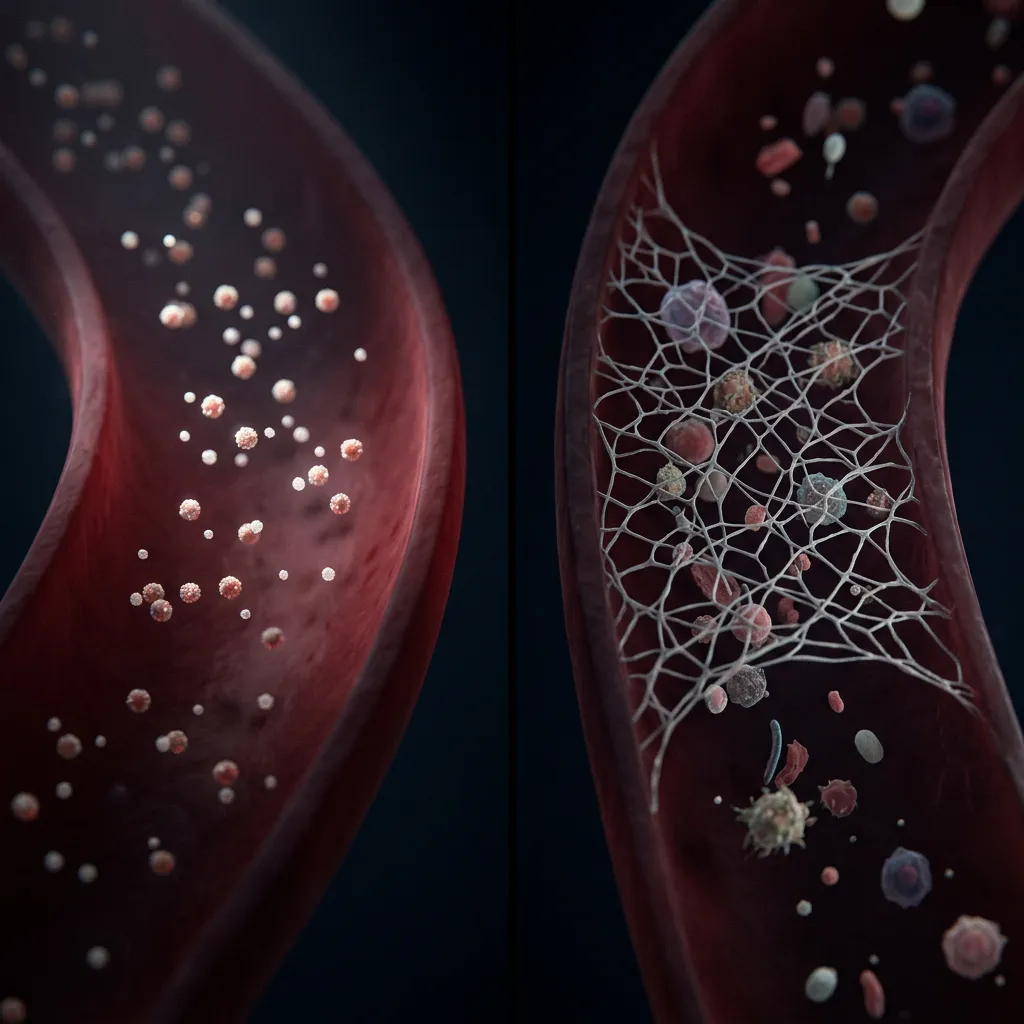
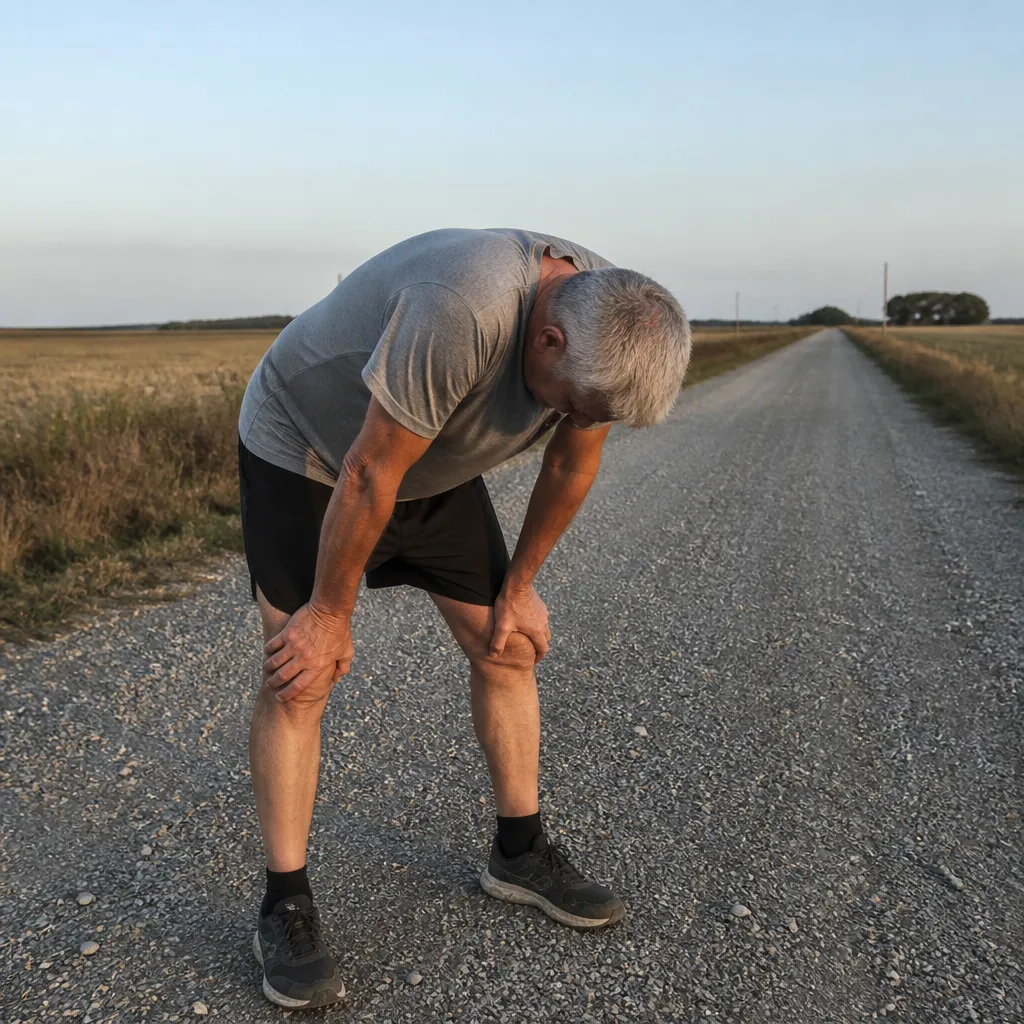
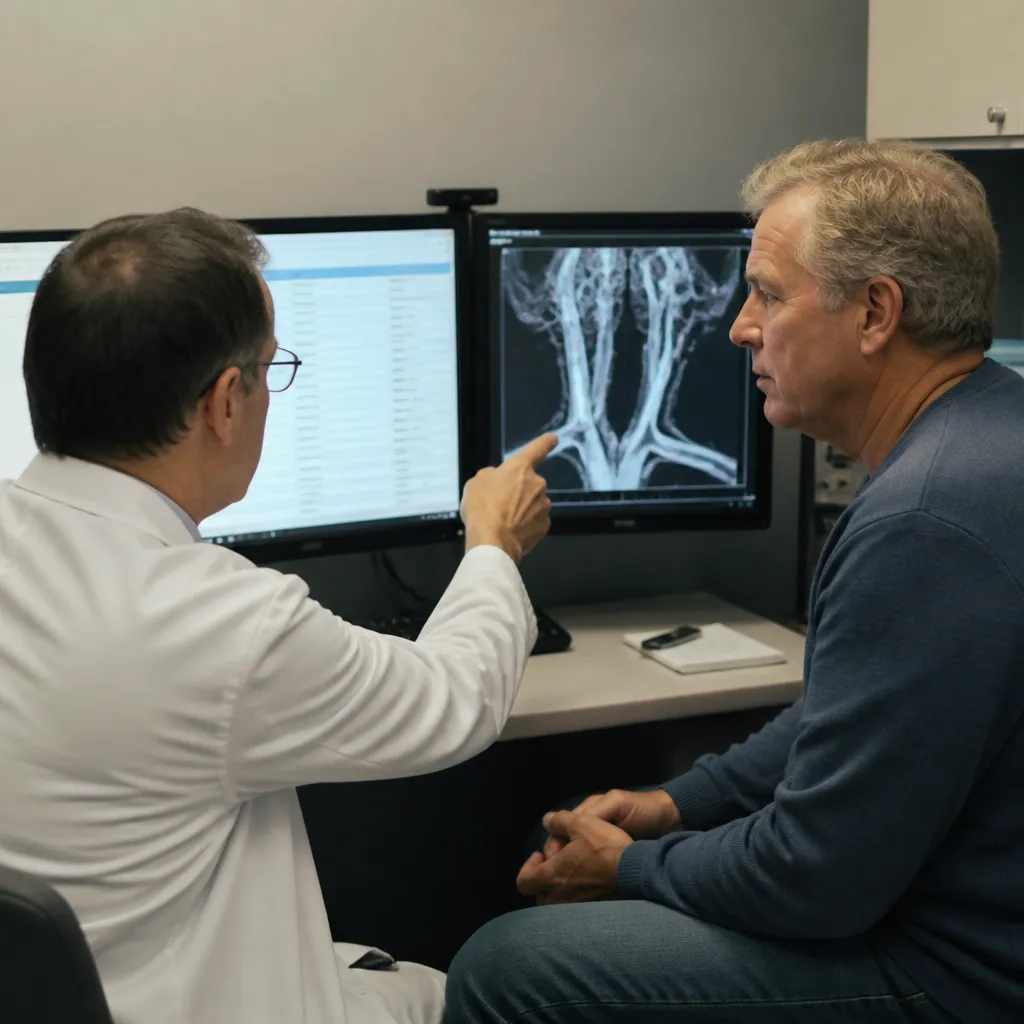
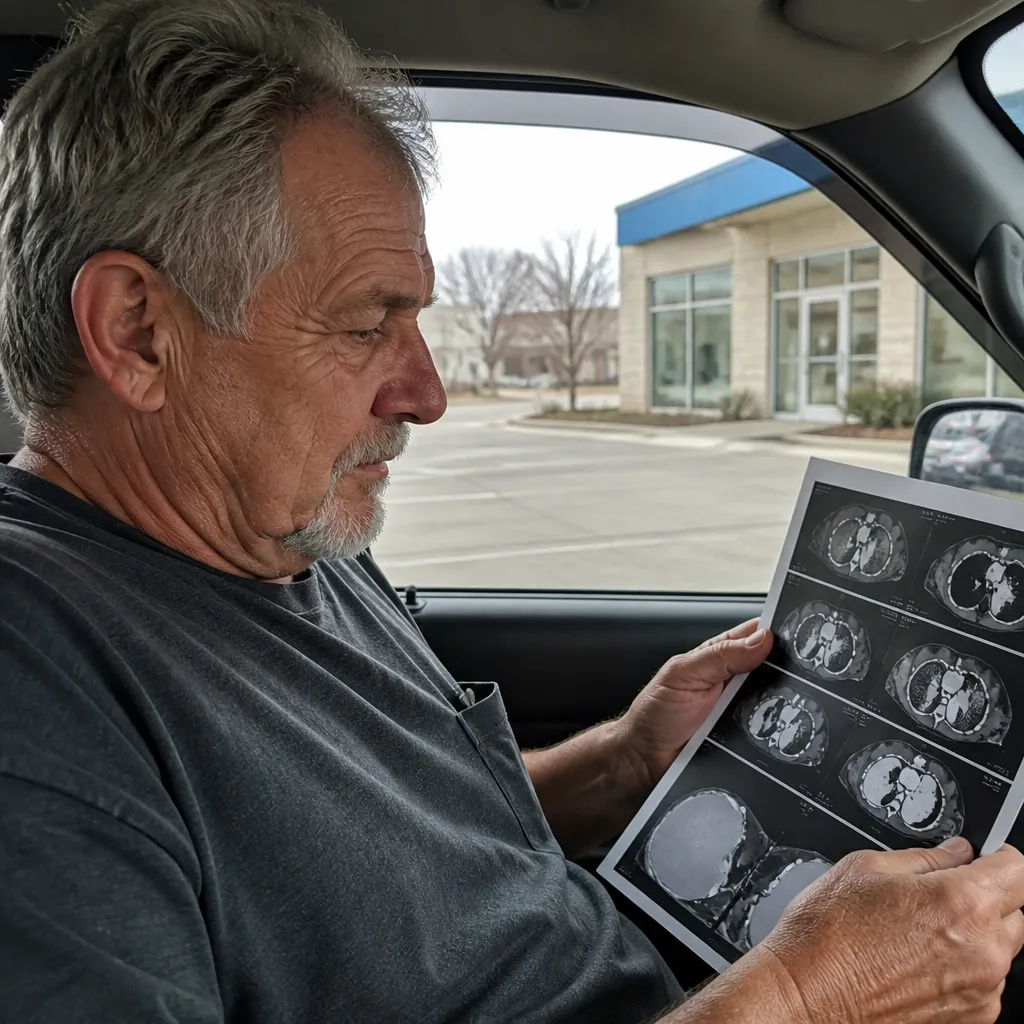
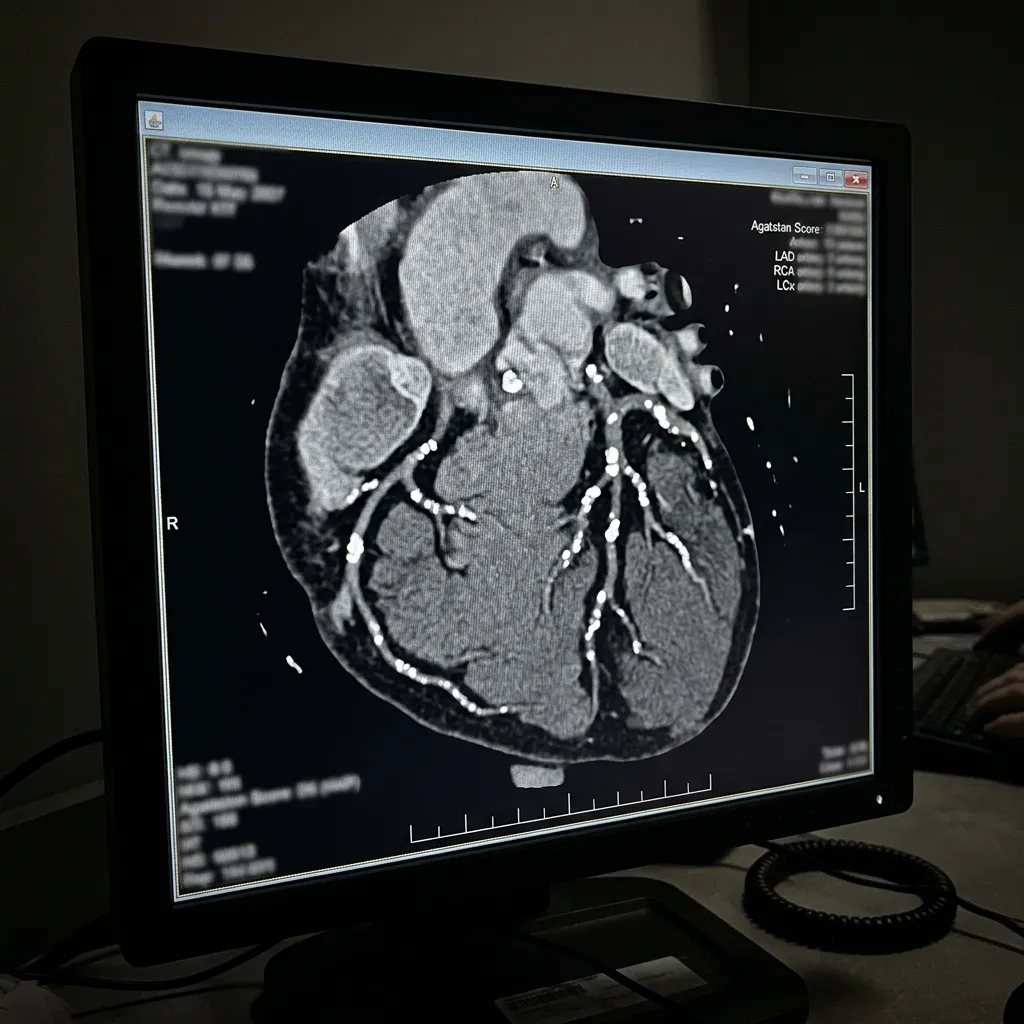
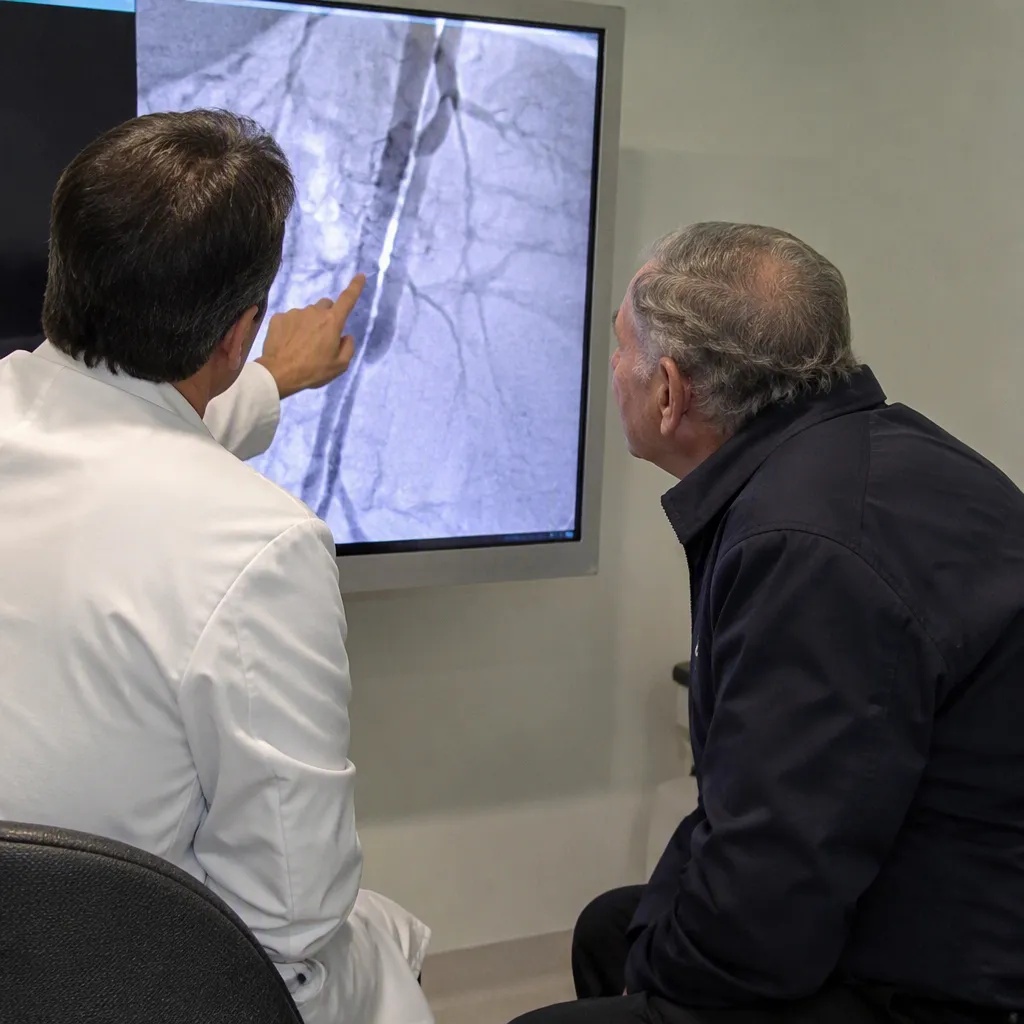
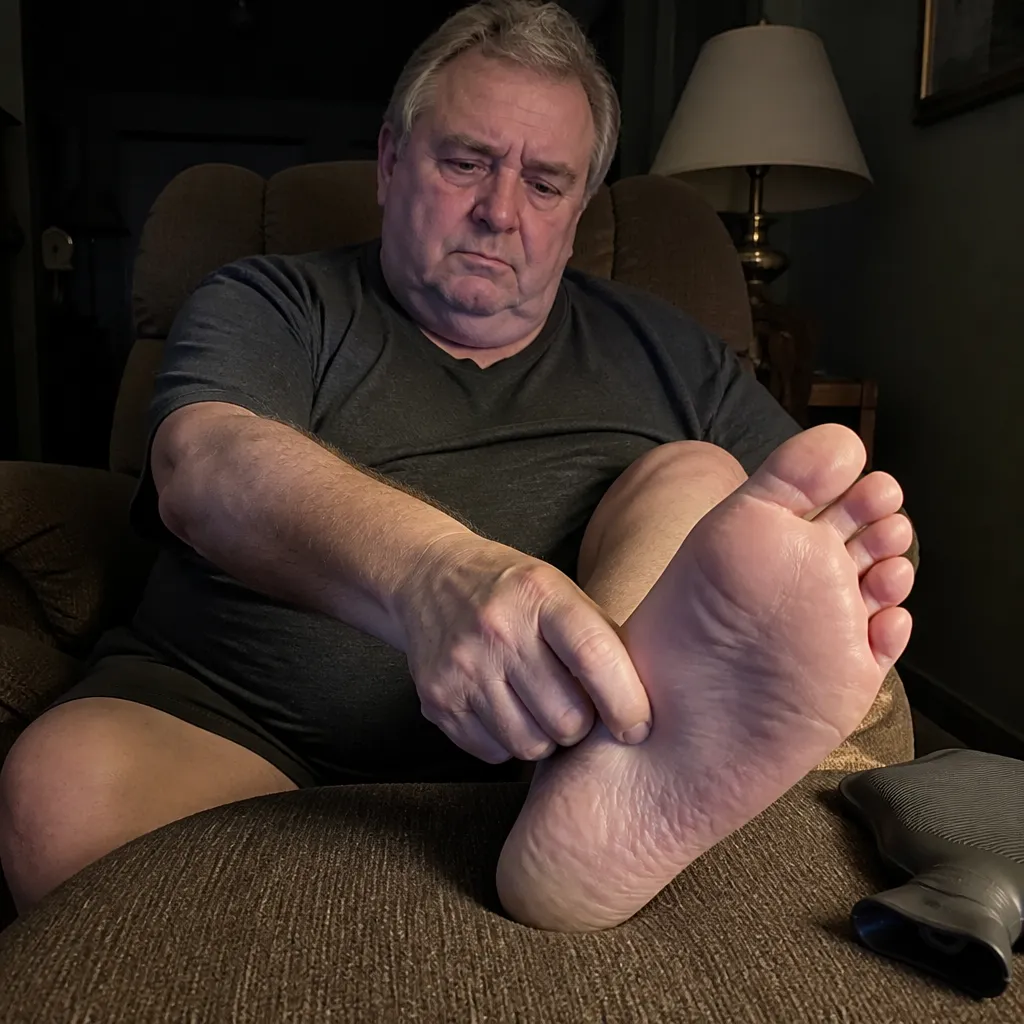
I drove myself to the emergency room at five in the morning because I couldn't feel my left foot. I was alone in the car. I'm alone in the house too. My wife Dorothy passed four years ago. So when I got to that parking lot and couldn't get my leg to hold weight, and I stood there in the dark hanging onto the open door of my own truck, the thought I had wasn't help me. It was: nobody knows I'm here. Nobody would know until Thursday. I'm 68 years old. And I nearly went down over something I had been told for nine years was nothing but a number on a page that looked good. I'm writing this because of what a man in the next bed said to me two days later, in a room I did not want to be in, with a blood pressure cuff on my arm and nothing on my chart that explained a single thing I had actually been living. If you're a man past sixty and your paperwork keeps coming back fine while you quietly stop doing the things you used to do without thinking, I'm asking you to read this before your body does to you what mine did to me. Let me start at the beginning. My name is Ray. I live outside Duluth, in the house Dorothy and I bought in 1986. I ran a two-man well drilling outfit for thirty-one years. Up at five, on a rig by six-thirty, in February, in Minnesota. My hands have been through everything a man's hands go through, and until I was about fifty-eight they were never cold. That's how it started. The hands. By 59 I kept a pair of gloves in the truck for the fall. By 61 the gloves stayed in the truck through May. By 63 I noticed my feet never warmed up under the blankets no matter how long I lay there, and Dorothy used to put her feet against mine to warm them and by then she'd started saying, jokingly, that it wasn't working anymore. Then Dorothy got sick. Then Dorothy was gone. I was 64. I think the year after did something to me that I'm not going to be able to explain properly. I'd sit at that kitchen table at night with a plate in front of me and not eat it. Cooking for one isn't cooking. It's assembling something. By 65 I was stopping halfway up my own basement stairs. By 66 I had a system. Gloves in the truck, gloves in the shop, gloves in the pocket of every coat on the hook by the door. I carried two things up the stairs at a time so I'd only have to do it once. I parked closer to the door at the hardware store. I stopped on the landing and checked a phone that had nothing on it, so that anybody watching would think I was checking a phone. I was 66 years old and I had organized my entire house around fourteen steps. Every walk got shorter. The three-mile loop down to the bridge and back became two, then became the stretch down to the mailboxes, and I told myself it still counted because I was going faster, which was a lie, and I knew it was a lie while I was telling it to myself. And the legs. Lord, the legs. Two hundred yards down the road and my calves would seize up like somebody had a grip on them. I'd stand there in the road with my hands on my knees waiting for it to let go. Then I'd walk another two hundred yards and do it again. Every October my brother Dale and I cut and split for both houses. Two years ago I split through the first armload, set the maul down on the block, and told him my shoulder was acting up. My shoulder was fine. I sat on the tailgate in the cold and watched my little brother do the rest of it, and he had the decency not to look over at me one time, which was worse than if he had. That's the part nobody warns you about. It isn't only the tiredness. It's the lying. I never told anybody. Not Dale. Not my daughter Nell. Not the men I've had coffee with at the same table on Tuesday mornings since 1998. And slowly, the way it happens, it took the whole thing. I quit the ice house, because dragging the sled out was more than I wanted anybody to see. I quit driving down to Rochester for my grandson's games, because two hours in a truck and then bleachers was two hours in a truck and then bleachers. I quit the camp Dale and I have gone to every fall since 1991, and I told him it was the price of gas. My whole world came down to the house, the shop, and the road as far as the mailboxes. And I figured, the way everybody kept telling me, that I was just getting old. That a man's parts wear out. That sixty-eight is sixty-eight. Because I had tried everything. Fish oil three times a day for two years. Garlic capsules that made the truck smell like somebody's kitchen. CoQ10. Niacin. K2. Red yeast rice. Plant sterols. L-arginine, then L-citrulline when the arginine stopped doing anything I could feel. Beet powder every morning for fourteen months, stirred into cold water, tasting like the underside of a garden. Two circulation products from the health food store, recommended by a kid who looked about twenty-four. A cardio blend from the warehouse store with a photograph of a man on a bicycle on the front. Nineteen pounds off and kept off. Salt out of the cooking. Red meat gone. Walking every single morning at six, even at the end when the walking was only to the mailboxes. Three specialists in four years. The first one told me the numbers looked good and to keep doing what I was doing. The second one said some of this is normal for a man my age. The third one added something to the list, and it did what everything else on the list did, which was nothing I could feel. Nine years of clean paperwork. Nine years of getting smaller. Until the week it put me in a hospital bed. It started on a Sunday. The cramping in my calves came on the mailbox walk and didn't let go the way it usually did. I sat in the truck in the driveway for twenty minutes waiting on it. Monday it was there when I got out of bed. Wednesday my left foot went cold in a way that was different, and I want to be careful here, because I'm not going to sit here and tell you what was happening inside me. I'm telling you what I felt. It was cold like something had been shut off. I put a hot water bottle on it. It stayed cold. Thursday night I couldn't sleep. I sat in Dorothy's chair in the dark with my foot up on the ottoman, pressing on it with my thumb and not feeling my thumb. At quarter to five I put a coat on over what I'd slept in and picked up the keys. I sat in the dark garage for two full minutes telling myself to call somebody. I didn't. I'm the kind of man who drives himself. So I drove, at five in the morning, with my hands shaking on the wheel, to the same hospital where Dorothy spent her last eleven days. The emergency room was almost empty. I told the nurse my foot had been cold for two days and I couldn't get my leg to hold weight in the parking lot. She did not ask me a single other question. She got a wheelchair and took me straight back through the doors. I was on a table by half past five. They kept me two nights. They ran everything they run, and I am not going to pretend I understood most of it, and I'm not going to describe it here because it's mine and because it doesn't matter to the point. What matters is what the specialist said on the second afternoon, sitting on a rolling stool with my chart on a screen behind him. He was a decent man. He wasn't rushing me. He looked at that screen for a while and then he turned around and told me the truth, which I'll give him credit for. He said my numbers were where they were supposed to be. He said they had been where they were supposed to be for nine years. I asked him what to do. He paused for a long moment. Then he said, "Honestly, what we have is aimed at your numbers. What you're describing is a different problem, and mainstream practice doesn't have a particularly elegant tool for it." He said he wanted to see me in six months. That was it. That was the whole thing. I called Nell from the phone in the room. She's ninety minutes away, two kids in high school, her own whole life. She was there by eleven, and she sat in that chair by the window for six hours, and I told her I was fine about forty times. Now here's the part I'm actually writing this for. There was another bed in that room. The man in it was 84 years old. His name was Mr. Hiro Nakamura and he'd been in three days with a hip he broke doing something on a ladder that an 84-year-old man had no business doing. Thirty-four years he'd spent as a maintenance man for an irrigation district. Screens, intakes, silt basins. He explained his whole career to me in about four minutes and then asked me what I was in for. I told him. All of it. The foot, the mailboxes, the tailgate, the nine years of good paperwork. He listened the entire way through without interrupting once, which nobody had done. Then he said, "What did they tell you the buildup is stuck to?" I said cholesterol sticks to the artery wall. That's the picture everybody has. He shook his head. He said, "Nothing sticks to a clean wall. You could run silt through a smooth pipe for forty years and it would come out the other end. I know, because that was my job. Something has to be on there first. Something has to give it a texture." Then his daughter came in with his breakfast, because he wouldn't eat what they brought him, and she'd been bringing him a container every morning. She opened it and the smell filled that room like a barn. He lifted a spoon out of it and the whole thing pulled into strings. He said, "Natto. Every morning of my life. My mother's mother, every morning of hers, in Ibaraki." I asked him if he thought it did anything. He said, "I don't think anything about it. It's breakfast. But you should go read what's in it, because it isn't the bean." They let me out the next afternoon. I sat down at my kitchen table that night and I read until two in the morning, and I'm going to give you what I found the way I found it, because it is the entire reason I'm typing any of this out. Your arteries take small damage constantly. Nothing dramatic. Ordinary wear from blood moving under pressure through the same bend a hundred thousand times a day, plus whatever your particular sixty-eight years piled on top of it. Your body patches that damage immediately, the way any competent crew patches a hairline crack before it turns into a real problem. The patch material is a protein called fibrin. Fibrin is stranded, and it is not smooth. Picture a net laid across the spot, holding the repair in place while the wall underneath does its healing. That net is not the enemy. That net is the only reason you don't bleed out from a paper cut. Here's the half nobody had ever said to me. The patch is supposed to be temporary. Your body makes its own enzymes whose only job is the housekeeping end of that process. The net goes up, the wall heals underneath, and the housekeeping crew comes through and takes the leftover mesh back down. Damage, patch, heal, turnover. That loop has run your entire life while you were on a rig thinking about something else. After 50, the housekeeping half slows down. The patching does not. That side stays enthusiastic well into your eighties. It's the cleanup that loses a step, and then another one, and two halves of a system that stayed balanced for five decades quietly stop being balanced. So the nets stay up. A little more this year than last year. Never enough to notice in any particular month, which is exactly why nobody notices. And leftover mesh does not sit there being neutral. It becomes structure. Rough, stranded, sticky structure on a surface that was built to be as smooth as the inside of a wet glass. Cholesterol is debris. Debris needs something to catch on. That was Mr. Nakamura's silt basin, in a hospital bed, with a spoon in his hand. Think of the lint trap you have never once pulled all the way out of your dryer. The screen isn't the flaw in the design. It's doing precisely the job it was built to do. But nobody empties it, and the airflow through that machine in year ten is not the airflow it had in year one. Or scaffolding. A crew puts it up because they need it, the work gets finished, then nobody takes it down, and now every leaf and paper cup and piece of blown trash in that neighborhood has somewhere to lodge. So why had nobody told me. Because fibrin turnover is not on the panel. No billing code. No reference range printed in the margin. Nothing for the software to flag in red. The panel measures cholesterol because cholesterol is cheap to measure, simple to chart, and there is a prescription that moves it. What doesn't get measured doesn't get discussed. That is the whole mechanism by which a man can spend nine years doing everything correctly, hit every target anybody named for him, and never once be told there is a second half of the story with no line item anywhere on the page. And sitting at that table at two in the morning, I finally understood why not one thing I ever swallowed had done anything for me. The beet powder and the arginine work on the vessel wall's ability to relax. The fish oil works on the fluid moving through it. The CoQ10 works on how the cells burn fuel. The red yeast rice and the sterols work upstream on production, nowhere near the wall itself. Every one of them doing something real, on a different floor of the same building. Not one of them is an enzyme. A mesh is not a chemistry problem. A mesh is a housekeeping problem, and I had spent four years and a great deal of money buying chemistry. So then the question was whether there is an enzyme. There is, and it has been on breakfast tables for a thousand years, and an 84-year-old man ate a container of it four feet from my bed while I lay there feeling sorry for myself. In 1980, a Japanese researcher named Hiroyuki Sumi took traditional natto into a laboratory and isolated the enzyme the fermentation produces. Not the soybean. The enzyme the bacteria make while the beans ferment. He put it in a dish, watched what happened, and what he observed changed how researchers thought about fermented food for the next forty years. He named it nattokinase. And once you know it's in there, the population thread is hard to unsee. There are whole regions of Japan where that dish is on the table every single morning, generation after generation, in families where nobody calls it health food any more than you'd call eggs health food. Researchers have been circling those regions for decades. An old peasant breakfast, and modern research finally catching up to somebody's grandmother. Then I went to buy some, and this is where I nearly got taken, and where I think most men reading this will get taken. The first bottle I picked up said 100 mg on the front in confident type. Milligrams tell you nothing about an enzyme. Weight is the easiest thing on earth to certify and the least useful thing to know. You can fill a capsule with enzyme that got cooked into uselessness in a factory back in March, weigh the powder, certify it, and print 100 mg on that label with a completely straight face. Enzyme activity is measured in FU. Fibrinolytic units. That is the only figure on the bottle that means anything at all, and most brands don't print it. When they do print it, it's low. Two thousand FU is everywhere on that shelf. The research that got anybody interested in the first place was not run at 2,000 FU. Then there's the blend problem. Most nattokinase sold in this country is buried inside a twelve-ingredient formula, sharing one capsule with hawthorn and a dusting of eight other things. Divide a single capsule twelve ways and there is no room for a serious amount of anything. The blend exists so the label looks generous. Enzymes are fragile on top of all of it. Heat during manufacturing degrades activity before the bottle is ever sealed, and no manufacturer is going to volunteer that on the packaging. Stomach acid handles whatever survived if there's nothing protecting it. And almost nobody third-party tests for activity. They test for weight, because weight is easy and weight always passes. I read labels for a week and a half. I put six bottles back on six shelves. The one I ordered, and the one I have taken every morning since, is MAÏA Nattokinase. 5,000 FU per capsule, printed on the label where you can read it before you spend a dollar. One ingredient. Nattokinase. Nothing else in the capsule. Fermented from non-GMO soybeans, processed to protect the enzyme activity instead of to hit a price point. Third-party tested for activity, not weight. K2-free, which mattered to me because I'd been taking K2 on its own for years and had no interest in guessing at my total. One capsule each morning with coffee. That is the entire protocol. Nothing to schedule, nothing to stir into water, nothing to hold your nose for at six in the morning. It's studied for its role in supporting healthy circulation, and traditionally it's been used to support healthy fibrin levels, which after that night at my kitchen table was the only thing I'd found anywhere aimed at the half of this that has no test on the form. Here is exactly what happened. Week one. Nothing. I nearly quit. I stood at the sink on day six thinking a 68-year-old well driller had just mailed money to a soybean company. I'd told myself I'd give it a month. I held on. Week two. On a Tuesday I got out to the truck without stopping to think about anything, and it was only when I reached for the gloves in the console and didn't need them that I noticed I hadn't needed them the day before either. Week three. I slept until six. Then again the next night. And the basement stairs stopped being a decision, which will only make sense to you if you have ever stood at the bottom of your own steps and calculated whether you needed the thing down there badly enough to go get it. Week five. I walked down to the bridge and back. I didn't set out to. I got to the mailboxes and just kept going, and I ended up standing on that bridge looking at water I had not stood over in two years, and I stood there like an old fool for a good while. Week eight. I carried both coolers out to the truck. Not one at a time with a breather in between. Both, the way I always used to, without staging them by the door first. Then it was October. Dale backed the trailer into my driveway on a Saturday and we cut and split a cord and a half for the two houses, and I did my half of it. All of it. My hands hurt that night the way hands are supposed to hurt after a day like that. He didn't say anything about it in the yard. He said it in the driveway, loading the maul into his truck. He said, "You're back." Nell drove up the next weekend. We were sitting at the kitchen table, and I told her about the bridge, because I hadn't told anybody about the bridge. She got quiet. Then she told me that for the last two years she had been calling Marge next door on Sunday nights. Not to chat. To ask whether she'd seen my truck move that week. Two years of that. Every Sunday. And on the weeks Marge said no, Nell would call me Monday morning with some invented question about the storm windows just to hear me pick up. I did not know. I want you to understand that I did not have the first idea. She said the Sunday after the emergency room, she drove up to the top of my road and sat in her car for an hour and didn't come in, because I'd told her forty times I was fine and she didn't want to make me say it again. I got up and stood at the sink with my back to her for a minute, and neither of us said anything, and then she asked if I wanted more coffee. If you've been living this, you already know every word I've written. You know the gloves in the truck in June. You know what it is to stop on a landing and check a phone that has nothing on it. You know the two hundred yards, and the hands on the knees, and the standing there in the road waiting for your own legs to let go of themselves. You know what it is to carry two things up the stairs so you only have to do it once, and to have never once said that out loud to another living person. You know the tailgate. You know watching somebody younger do the work that used to be yours, and you know the specific thing you said to explain it, and you know it wasn't true. You know what it is to be handed a printout that says you're fine by a man who is not lying to you. And if you live alone, the way I do, you know the quiet arithmetic I'm not sure I can put properly into words. That one of these mornings it's going to be bad, and there won't be anybody in the house, and nobody would know for a couple of days. Your body is not just old. Something is accumulating, and the thing it's accumulating on has no line on your paperwork, no billing code, and no prescription attached to it, which means it is never going to come up in an appointment unless you're the man who brings it up. That's the road. I know where it nearly went for me. I was hanging onto the door of my own truck in a hospital parking lot at five in the morning with a foot I couldn't feel. Don't wait for that morning. MAÏA backs it with a 30-day money-back guarantee. That was honestly the only reason I had the nerve to order from a company I'd never heard of after nine years of being told I was doing everything right. Take it for a month, and if nothing changes, send it back and you're out nothing but thirty days you were going to spend anyway. https://www.buymaia.com/shocking-discovery-nattokinase-plaque I do owe you an apology in advance. They're small, and fermentation batches don't scale on demand. It takes the time it takes, and if you rush it the activity isn't there, which is the whole point of the bottle. They run out. Last time I reordered, my shipment sat nine days behind and I spent that week looking into the bottom of the bottle like a man rationing water. So there's a real chance you click below and find it sold out. If that happens, I'm sorry for sending you. But if it's there, get it. Then in about two weeks, pay attention to your hands. And to the stairs. And to the exact spot on the road where you've been stopping. Accumulation is a process, and a process does not politely pause while you think it over. What's up there this year is up there next year, plus whatever gets added. The only thing you control is when you start paying attention to the half of it nobody printed. I'm 68 years old. Last spring I drove myself to an emergency room alone at five in the morning. This October I split my half of the woodpile, and my little brother stood in my driveway and told me I was back. The link is below. Ray https://www.buymaia.com/shocking-discovery-nattokinase-plaque
More from Natural Wellness Magazine

Artery Clean-Up Enzyme
Natural Wellness Magazine

Artery Clean-Up Enzyme
Natural Wellness Magazine

Artery Clean-Up Enzyme
Natural Wellness Magazine

Artery Clean-Up Enzyme
Natural Wellness Magazine
Artery Clean-Up Enzyme
Natural Wellness Magazine
Artery Clean-Up Enzyme
Natural Wellness Magazine
Artery Clean-Up Enzyme
Natural Wellness Magazine
Artery Clean-Up Enzyme
Natural Wellness Magazine
Artery Clean-Up Enzyme
Natural Wellness Magazine
Artery Clean-Up Enzyme
Natural Wellness Magazine
Artery Clean-Up Enzyme
Natural Wellness Magazine
Artery Clean-Up Enzyme
Natural Wellness Magazine

 Add to Chrome