Artery Clean-Up Enzyme
Ad Copy
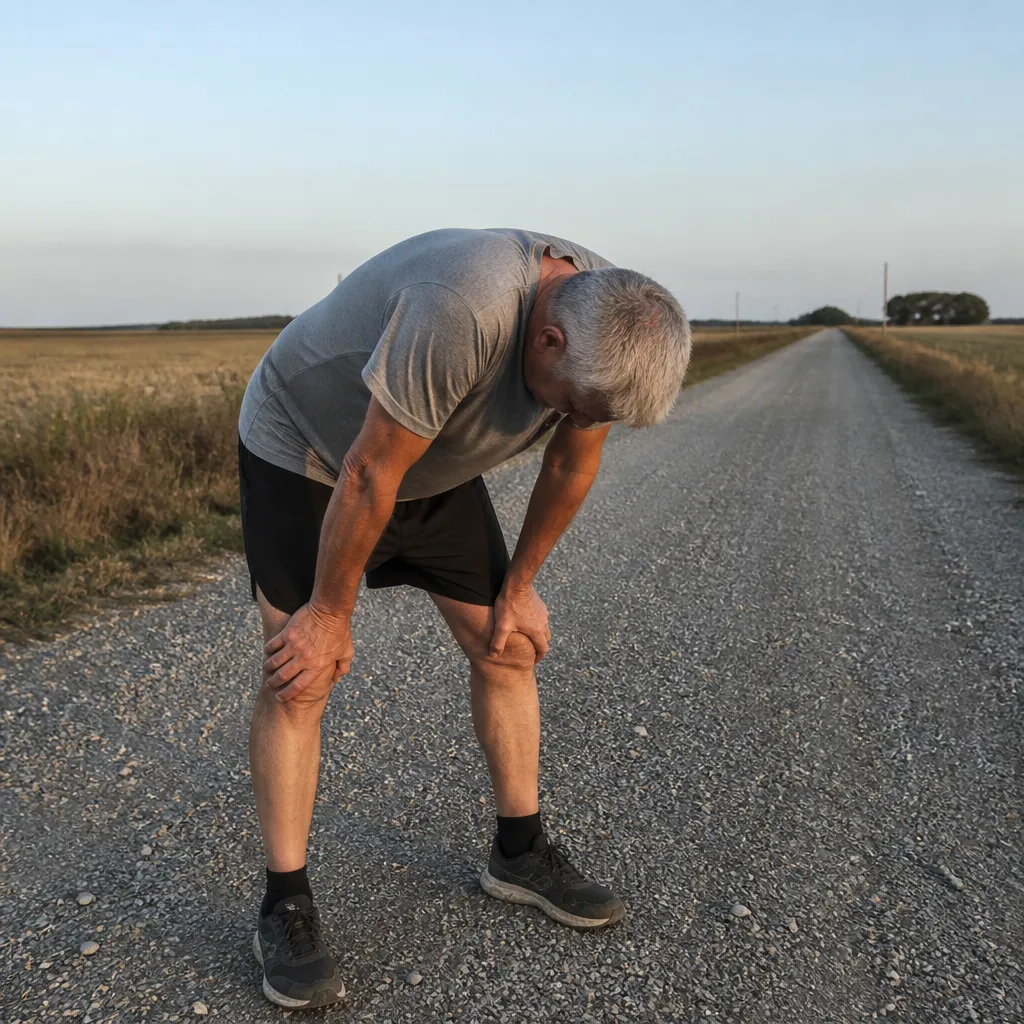
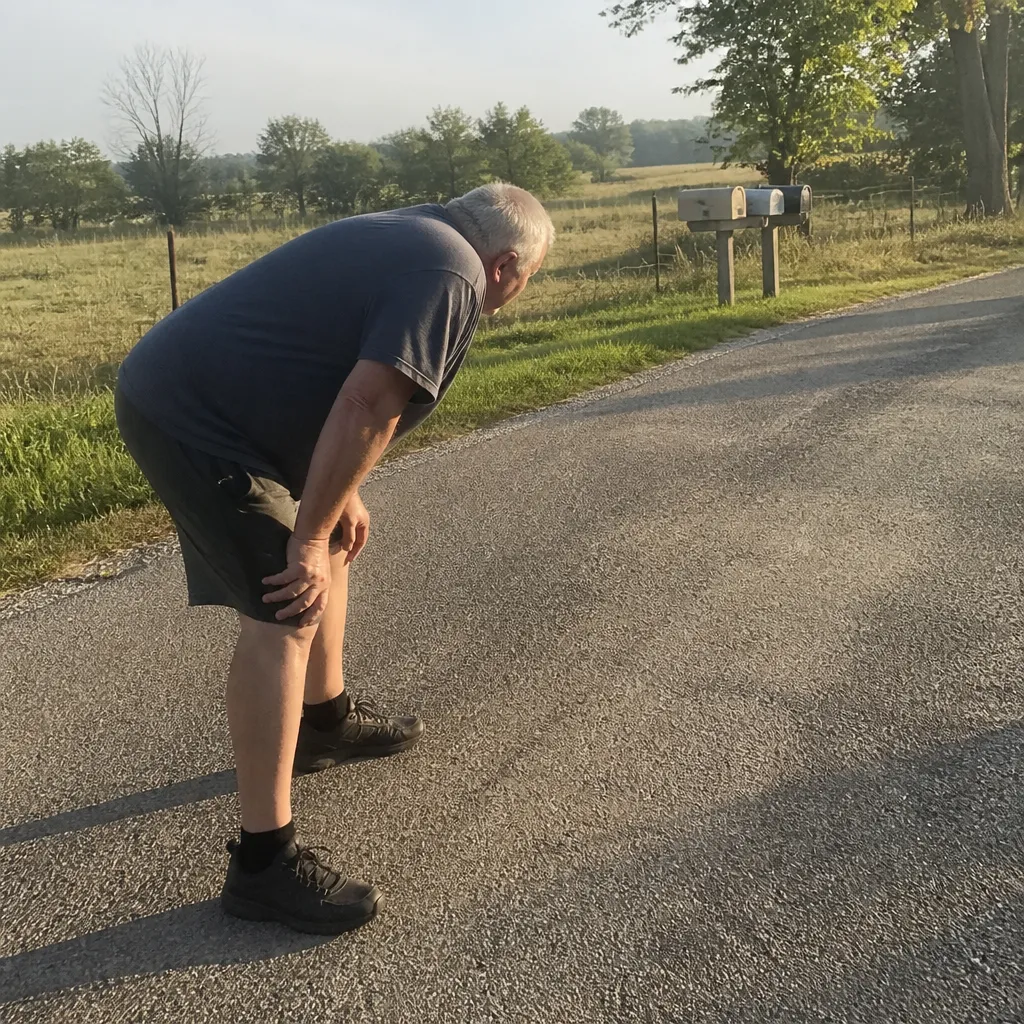
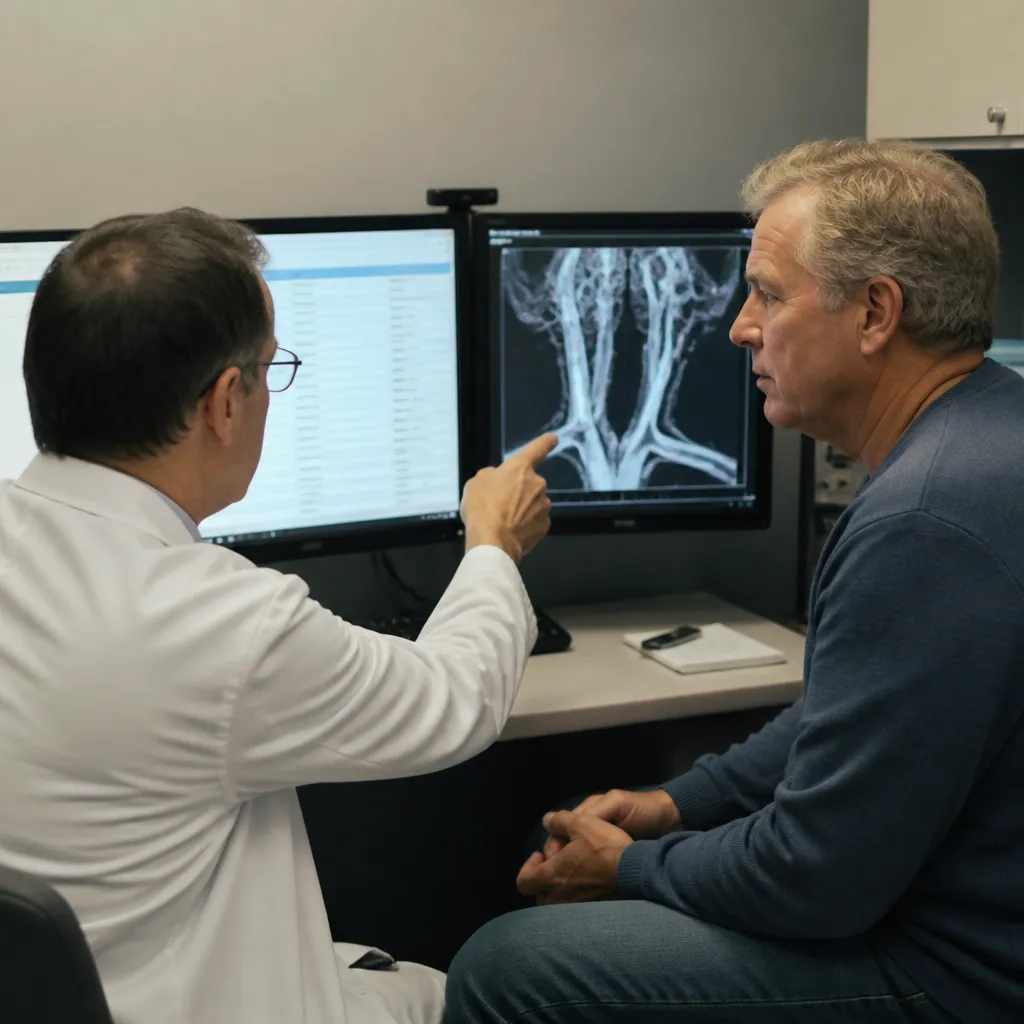
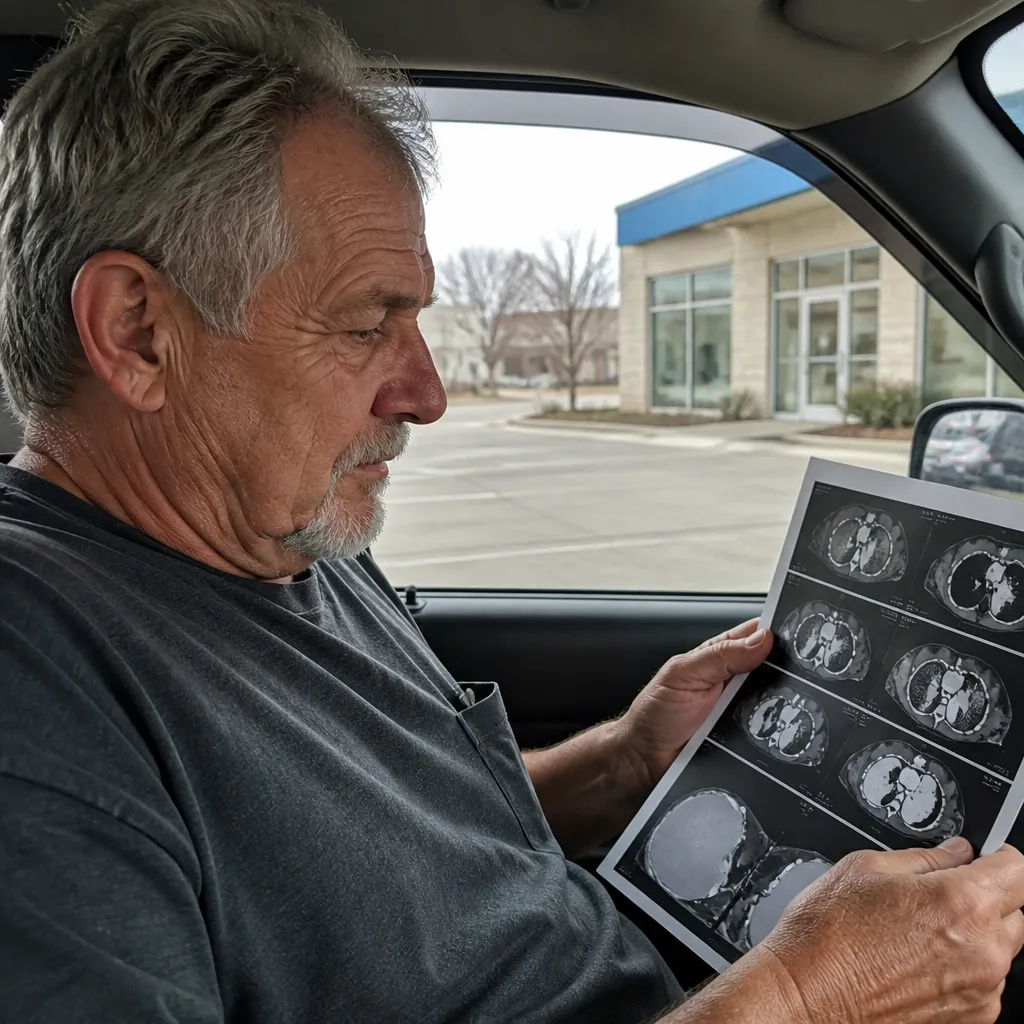
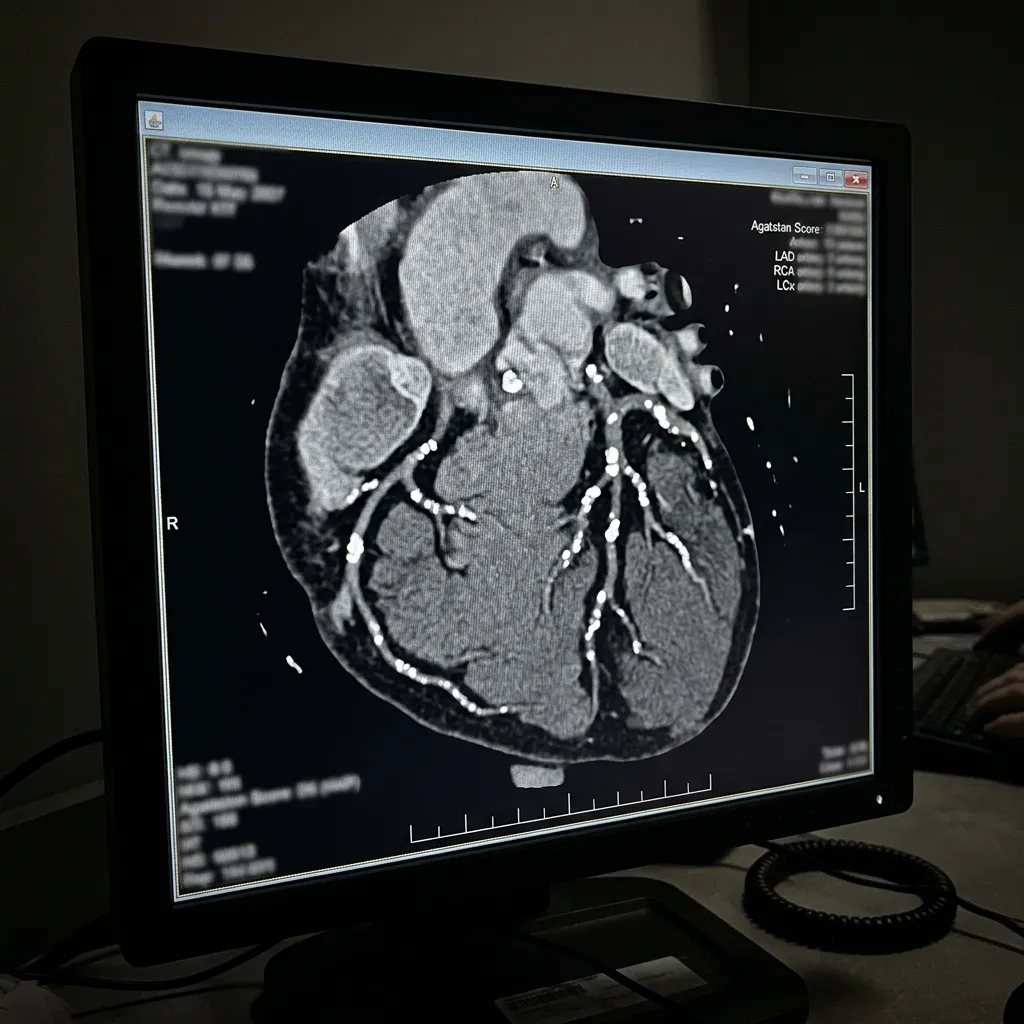
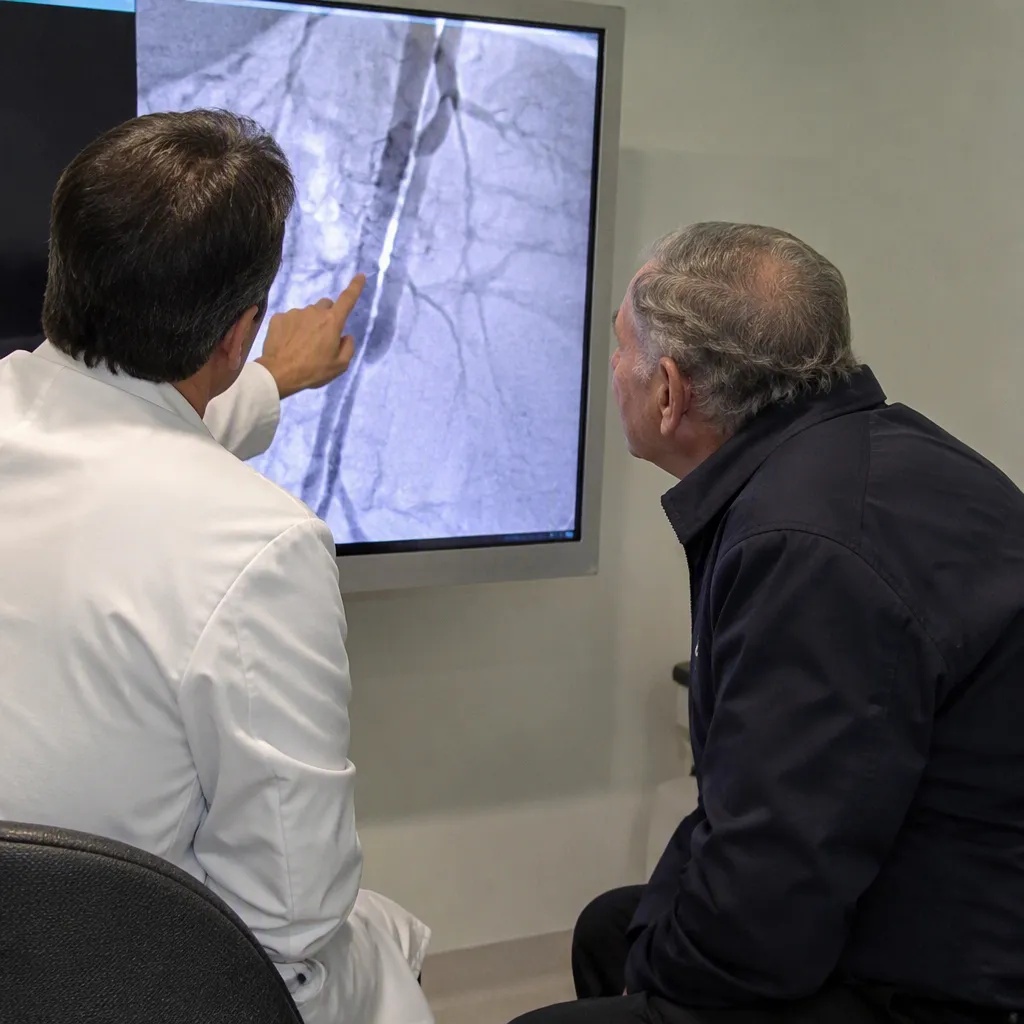
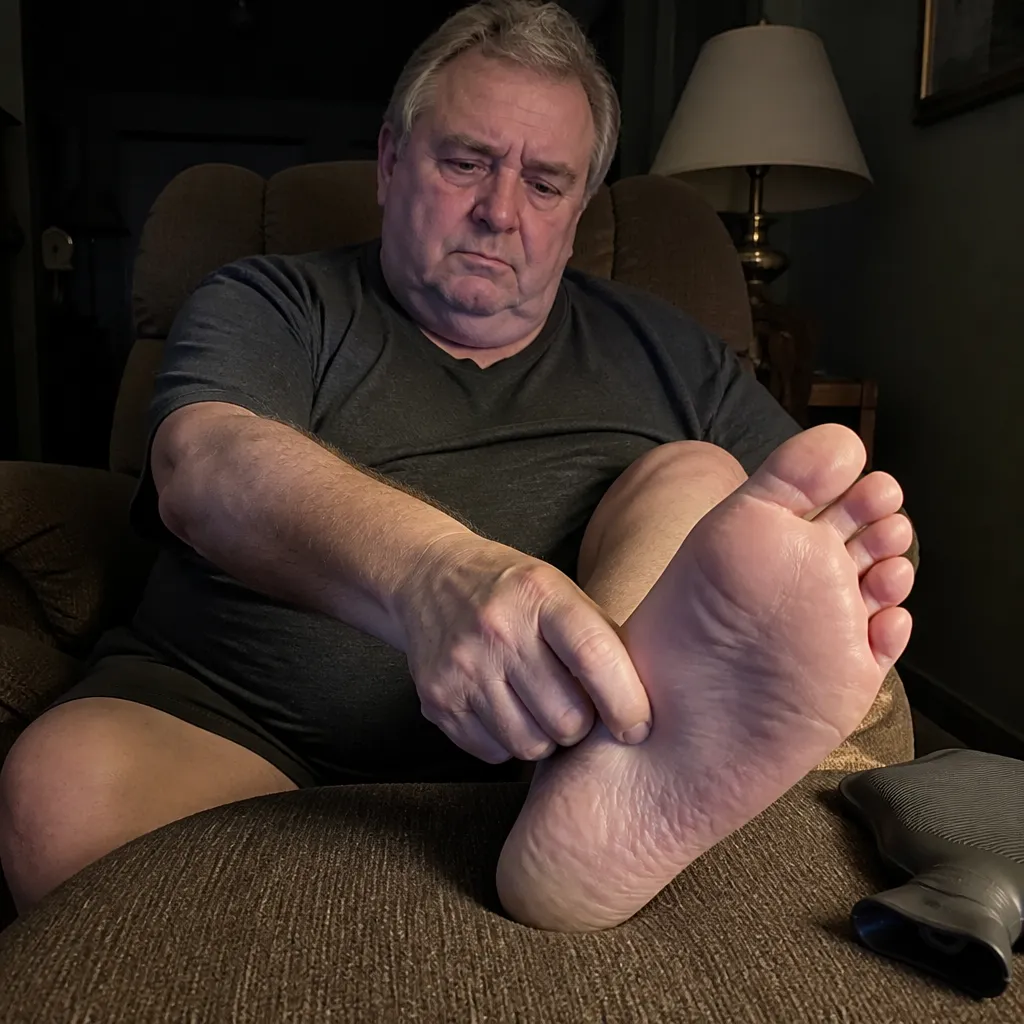
My brother died from artery plaque. I know how that sounds. Everybody knows how that one ends. Nobody reads that sentence and feels anything but a small tired nod. I nodded too. Right up until I watched it take the person I'd known longest in this world. His name was Walt. He was my big brother. He was 69. And he went from the one thing every specialist we ever sat in front of told him was well managed. I'm writing this tonight because I had exactly what Walt had. Same road. Same list of things to swallow every morning. Same paperwork coming back fine year after year. The same slow narrowing of a whole life down to a house and a driveway. And about a year after I'd have followed him, a 79-year-old man behind a hardware counter told me the truth about what had been happening inside both of us. A truth that four specialists between us and a cabinet full of bottles never once mentioned. If you're a man past sixty and your numbers keep coming back good while your world keeps getting smaller, read this. For your sake. And for Walt's. Let me tell you about my brother. Walt was the older one. Six years up on me. He was the one who taught me to drive a stick in a parking lot and the one who came and got me in Billings at two in the morning in 1979 without ever telling our father about it. He ran a gravel outfit for thirty-three years. Two trucks, then five, then two again at the end when he wanted it smaller. We both started noticing things around the same stretch of life. Walt a few years ahead of me, the way he was ahead of me at everything. So I got to watch, for years, exactly where the road went. I just didn't understand I was already on it. His specialist gave him a prescription and told him the number was the thing. Get it down, keep it down, you've done what can be done. His number came down. It stayed down for eleven years. I saw the printouts. He kept them in a folder in the kitchen drawer. By his early sixties he had gloves in the truck year round. By 65 he'd stopped fishing the far bank at the reservoir and started telling everybody the near bank was better. By 67 he had a system. Two things carried up the stairs at once. The good chair moved downstairs. A stop on the landing where he'd look out the window like a man admiring his own view. He used to joke about it in that dark way a man jokes about something that's eating him. He called the landing his observation deck. Then it stopped being funny. He quit Sunday dinners at my house because it was forty minutes each way. He quit the elk camp we'd gone to every October since 1988, and he told me it was his knee. It was not his knee. The last two years, Walt barely got past his own mailbox. His whole world came down to one house and one shop and a driveway, and he was ashamed of it, and he would not talk about it, not to his own brother. Then last spring it stopped being a slow thing. He called me on a Tuesday and said his left foot had been cold for three days in a way that was different, and could I run him into town. That was the only time in fifty years my brother asked me for something like that. I got him there. They kept him. And I am not going to walk you through the four days that followed, because they're his and because they don't change the point. I held my brother's hand in a hospital bed and watched him go, from something every one of his printouts said was under control. I was 63 years old. And I had just watched my own future. Because here's what I hadn't let myself see. I had exactly what Walt had. I knew every single part of it, because I'd been living my own quiet version for four years. I knew the gloves that never came out of the truck. I knew the two hundred yards down my road where my calves would lock up like somebody had ahold of them, and standing there with my hands on my knees looking at gravel, waiting for my own legs to give themselves back to me. I knew feet that never warmed up under the blankets no matter how long I lay there. I knew waking at three in the morning and lying there looking at a ceiling. I knew carrying two loads up the stairs so I'd only make the trip once, and I knew I had never said that out loud to another living person. And I knew the tailgate. Two Octobers ago my nephew and I put up firewood and I ran the saw and let a twenty-nine-year-old do the splitting, and I told him my elbow was giving me trouble. My elbow was fine. Like Walt, I never told anybody. Not my kids. Not the men at the Thursday breakfast table I'd been sitting at since 1996. A grown man, too proud to say the words. I'd given up the walk. I'd given up the camp. I'd quietly become a man who arranged his life around twelve stairs. I felt old in a way that had nothing to do with my birthday. Mostly I felt beaten. And I believed, because everybody told me, that a man just wears out. That sixty-three is sixty-three. I had tried everything else, the same as Walt had. Fish oil three times a day for two years. Garlic capsules that made the truck cab smell like somebody's kitchen. CoQ10. Niacin. K2. Red yeast rice. Plant sterols. L-arginine, then L-citrulline when the arginine quit doing anything I could feel. Beet powder every morning for fourteen months, stirred into cold water, tasting like the underside of a garden. Two circulation products from the health food store, recommended by a kid who looked about twenty-four. A cardio blend from the warehouse store with a photograph of a man on a bicycle on the front. Twenty-two pounds off and kept off. Salt out of the cooking. Red meat gone. Walking every morning at six, even at the end when the walking was four hundred yards of gravel. Four specialists between the two of us, telling us both the same things. The number looks good. Some of this comes with the territory. Keep doing what you're doing. None of it ever worked. For either of us. But Walt ran out of road first. And standing at his graveside in April, I knew with a cold certainty that I was four or five bad years behind my brother. So for the first time in my life I refused to accept "it's your age." And the man who finally explained it to me was not a specialist. I want to be clear about that. His name is Sam Watanabe. He's 79 years old and he's owned the hardware store in our town since 1974, and his father owned it before him starting in 1948, three years after the family came back from where they'd been sent during the war, which he mentioned to me exactly once in twenty years and never again. He's up and down a rolling ladder behind that counter all day long at 79. He asked me how I was doing after the funeral, the way people do. And standing there with a gallon of bar oil in my hand, I told him. The driveway. The two hundred yards. Walt. He came out from behind that counter and listened to the whole thing without saying one word, which nobody had done in four years. Then he asked me something I did not have an answer for. He said, "Bill. What did they tell you it's building on?" I said cholesterol sticks to the artery wall. That's the picture everybody has. He shook his head, slow. He said, "Nothing sticks to a clean wall. You've run water through new pipe. It comes out the other end. Something has to be on there first, giving it a place to grab." And then he explained the rest of it to me, and four years, and my brother's whole death, finally made sense. Here it is the way he gave it to me. Your arteries take small damage constantly. Nothing dramatic. Ordinary wear from blood moving under pressure through the same bend a hundred thousand times a day, plus whatever your particular sixty-three years piled on top of it. Your body patches that damage immediately, the way any competent crew patches a hairline crack before it turns into a real problem. The patch material is a protein called fibrin. Fibrin is stranded, and it is not smooth. Picture a net laid across the spot, holding the repair in place while the wall underneath does its healing. That net is not the enemy. That net is the only reason you don't bleed out from a paper cut. Here's the half nobody had ever said to either of us. The patch is supposed to be temporary. Your body makes its own enzymes whose entire job is the housekeeping end of that process. The net goes up, the wall heals underneath, and the housekeeping crew comes through and takes the leftover mesh back down. Damage, patch, heal, turnover. That loop has run your whole life while you were behind a wheel thinking about something else. After 50, the housekeeping half slows down. The patching doesn't. That side stays enthusiastic well into your eighties. It's the cleanup that loses a step, and then another one, and two halves of a system that stayed balanced for five decades quietly stop being balanced. So the nets stay up. A little more this year than last year. Never enough to notice in any particular month, which is exactly why nobody notices. And leftover mesh does not sit there being neutral. It becomes structure. Rough, stranded, sticky structure on a surface that was built to be as smooth as the inside of a wet glass. Cholesterol is debris. Debris needs something to catch on. Sam told me to think of the lint trap I've never once pulled all the way out of my dryer. That screen isn't the flaw in the design. It's doing precisely the job it was built to do. But nobody empties it, and the airflow through that machine in year ten is not the airflow it had in year one. Or scaffolding. A crew puts it up because they need it, the work gets finished, then nobody takes it down, and now every leaf and paper cup and piece of blown trash in that neighborhood has somewhere to lodge. That is the mesh. That is the first step of the thing my brother was buried with, and neither of us ever heard the word fibrin spoken in an exam room. I asked Sam why. He said, "Because there's no test for it on the form." Fibrin turnover isn't on the panel. No billing code, no reference range printed in the margin, nothing for the software to flag in red. The panel measures cholesterol because cholesterol is cheap to measure, simple to chart, and there's a prescription that moves it. What doesn't get measured doesn't get discussed. That's the whole mechanism. That is how my brother spent eleven years driving one number down, doing every single thing he was told, and was never once informed there was a second half of the story with no line item anywhere on the page. And standing at that counter I understood why nothing either of us swallowed had done anything. Beet powder and arginine work on the vessel wall's ability to relax. Fish oil works on the fluid moving through it. CoQ10 works on how your cells burn fuel. Red yeast rice and the sterols work upstream on production, nowhere near the wall itself. Every one of them doing something real, on a different floor of the same building. Not one of them is an enzyme. A mesh is not a chemistry problem. A mesh is a housekeeping problem, and Walt and I had spent fifteen years between us buying chemistry. So I asked Sam what does have any business up there. He went in the back and came out with a container his wife packs him for lunch and opened the lid right there on the counter. The smell filled that whole front room like a barn. He lifted the spoon and the entire thing pulled into strings. He said, "Natto. Every morning of my life. My mother made it in a wooden box in a room off the kitchen. Her mother made it in Wakayama." I asked if he thought it did anything for him. He said, "I don't think anything about it. It's breakfast. But go read what's in it. It isn't the bean. It's what the bacteria make while they're eating it." I went home that night and read until two in the morning. In 1980, a Japanese researcher named Hiroyuki Sumi took traditional natto into a laboratory and isolated the enzyme the fermentation produces. Not the soybean. The enzyme the bacteria make while the beans ferment. He put it in a dish, watched what happened, and what he observed changed how researchers thought about fermented food for the next forty years. He named it nattokinase. And once you know it's in there, the population thread is hard to unsee. Whole regions of Japan where that dish is on the table every single morning, generation after generation, in families where nobody calls it health food any more than you'd call eggs health food. Researchers have been circling those regions for decades. An old peasant breakfast, and modern research finally catching up to somebody's grandmother. Then I went to buy some, and this is where I nearly got taken. The first bottle I picked up said 100 mg on the front in confident type. Milligrams tell you nothing about an enzyme. Weight is the easiest thing on earth to certify and the least useful thing to know. You can fill a capsule with enzyme that got cooked into uselessness in a factory back in March, weigh the powder, certify it, and print 100 mg on that label with a completely straight face. Enzyme activity is measured in FU. Fibrinolytic units. That is the only figure on the bottle that means anything at all, and most brands don't print it. When they do print it, it's low. Two thousand FU is everywhere on that shelf. The research that got anybody interested in the first place was not run at 2,000 FU. Then there's the blend problem. Most nattokinase sold in this country is buried inside a twelve-ingredient formula, sharing one capsule with hawthorn and a dusting of eight other things. Divide a single capsule twelve ways and there's no room for a serious amount of anything. The blend exists so the label looks generous. Enzymes are fragile on top of all of it. Heat during manufacturing degrades activity before the bottle is ever sealed, and no manufacturer is going to volunteer that on the packaging. Stomach acid handles whatever survived if there's nothing protecting it. And almost nobody third-party tests for activity. They test for weight, because weight is easy and weight always passes. I read labels for a week and a half. I put six bottles back on six shelves. The one I ordered, and the one I've taken every morning since, is MAÏA Nattokinase. 5,000 FU per capsule, printed on the label where you can read it before you spend a dollar. One ingredient. Nattokinase. Nothing else in the capsule. Fermented from non-GMO soybeans, processed to protect the enzyme activity instead of to hit a price point. Third-party tested for activity, not weight. K2-free, which mattered to me because I'd been taking K2 on its own for years and had no interest in guessing at my total. One capsule each morning with coffee. That's the entire protocol. Nothing to schedule, nothing to stir into water, nothing to hold your nose for at six in the morning. It's studied for its role in supporting healthy circulation, and traditionally it's been used to support healthy fibrin levels, which after that night at my kitchen table was the only thing I'd found anywhere aimed at the half of this that has no test on the form. I ordered it sitting on the couch in a house that still had my brother's folder of printouts on the counter, because I'd brought it home from his place and hadn't been able to make myself throw it out. Here is exactly what happened. Week one. Nothing. I nearly quit. I stood at the sink on day six thinking a 63-year-old man had just mailed money to a soybean company. I'd told myself thirty days. I held on. Week two. I reached into the console for the gloves out of habit and didn't put them on, and stood there in my own driveway realizing I hadn't put them on the day before either. Week three. I slept until six. Then again the next night. And the stairs stopped being a decision, which will only make sense to you if you've ever stood at the bottom of your own steps and calculated whether you needed the thing up there badly enough to go get it. Week five. I got to the bend at the culvert, where I always turned around, and I just kept going, and I came out at the county road for the first time in two years. I stood at the end of my own driveway looking at a stop sign like it was something worth looking at. Week eight. I carried both loads of tools up to the loft in one trip. Not staged by the door. Not one at a time with a rest between. Then it was October. My nephew came up with the trailer and I split and stacked my half of eight cords over three weekends, and my hands hurt at night the way hands are supposed to hurt after days like that. He didn't say anything about it in the yard. He said it Sunday evening, loading the maul into his truck. He said, "You were moving." He's Walt's son. My daughter came up two weeks later. We were at the kitchen table and I told her about the county road, because I hadn't told anybody about the county road. She got quiet. Then she told me that for the last two years she'd been calling Sam at the hardware store on Friday afternoons. Not to talk. To ask whether I'd come in that week. Two years of that. Every Friday. And on the weeks he said no, she'd call me Saturday morning with some invented question about her mother's recipe box, just to hear me pick up the phone. Sam never said one word about it. Not in two years. Not standing at that counter with a container of natto open in front of me. I did not know. I want you to understand that I did not have the first idea. Last month I finally threw out Walt's folder. Eleven years of printouts, every one of them saying his number was where they wanted it. I stood over the barrel a while before I did it. If you've been living this, you already know every word I've written. You know the gloves that never come out of the truck. You know the landing where you stop and look out at a view you've seen ten thousand times. You know the two hundred yards, and the hands on the knees, and waiting in the road for your own legs. You know carrying two loads up so you only have to go once, and you know you've never said that out loud to a single living person. You know the tailgate, and the younger man doing the work that used to be yours, and the exact thing you said to explain it, and that it wasn't true. And you know what it is to be handed a printout that says you're fine by somebody who isn't lying to you. Your body is not just wearing out. Something is accumulating, and the thing it's accumulating on has no line on your paperwork, no billing code, and no prescription attached to it, which means it is never going to come up in an appointment unless you are the man who brings it up. That's the road. I know exactly where it ends. I buried my brother at the end of it in April. MAÏA backs it with a 30-day money-back guarantee, and that was honestly the only reason I had the nerve to order from a company I'd never heard of. Take it for a month, and if nothing changes, send it back and you're out nothing but thirty days you were going to spend anyway. https://www.buymaia.com/shocking-discovery-nattokinase-plaque I owe you an apology in advance. They're small, and fermentation batches don't scale on demand. It takes the time it takes, and if you rush it the activity isn't there, which is the entire point of the bottle. They run out. Last time I reordered, my shipment sat nine days behind and I spent that week looking into the bottom of the bottle like a man rationing water. So there's a real chance you click below and find it sold out. If that happens, I'm sorry for sending you. But if it's there, get it. And if you've got a brother, the way I had mine, get him one too. Don't wait the way we both did. Accumulation is a process, and a process does not politely pause while you think it over. What's up there this year is up there next year, plus whatever gets added. The only thing you control is when you start paying attention to the half of it nobody printed for you. I'm 63 years old. Last April I buried my big brother over something every printout he owned called well managed. This October I put up my half of eight cords, and his son stood in my driveway on a Sunday night and told me I was moving. Walt never got the chance. You still have it. The link is below. Bill https://www.buymaia.com/shocking-discovery-nattokinase-plaque
More from Natural Wellness Magazine

Artery Clean-Up Enzyme
Natural Wellness Magazine

Artery Clean-Up Enzyme
Natural Wellness Magazine

Artery Clean-Up Enzyme
Natural Wellness Magazine
Artery Clean-Up Enzyme
Natural Wellness Magazine
Artery Clean-Up Enzyme
Natural Wellness Magazine
Artery Clean-Up Enzyme
Natural Wellness Magazine
Artery Clean-Up Enzyme
Natural Wellness Magazine
Artery Clean-Up Enzyme
Natural Wellness Magazine
Artery Clean-Up Enzyme
Natural Wellness Magazine
Artery Clean-Up Enzyme
Natural Wellness Magazine
Artery Clean-Up Enzyme
Natural Wellness Magazine
Artery Clean-Up Enzyme
Natural Wellness Magazine

 Add to Chrome