Artery Clean-Up Enzyme
Ad Copy
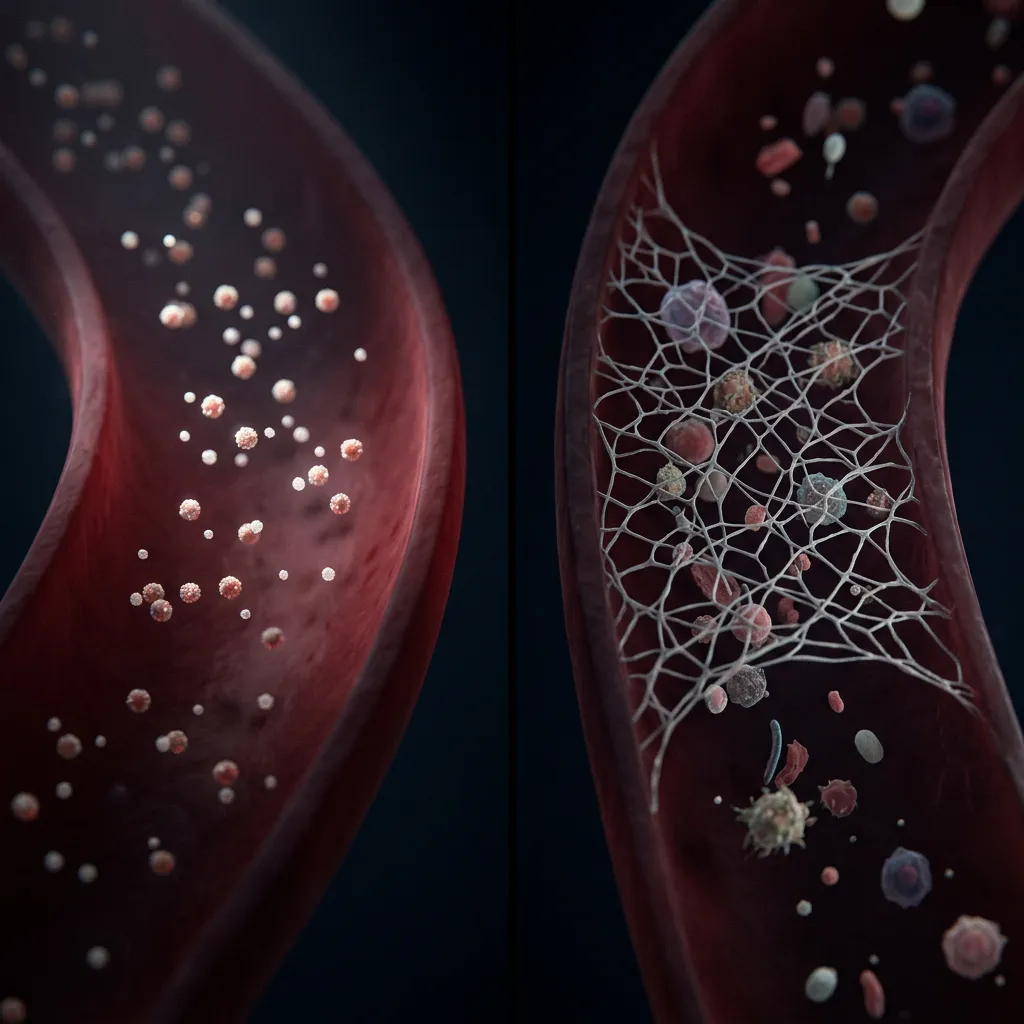
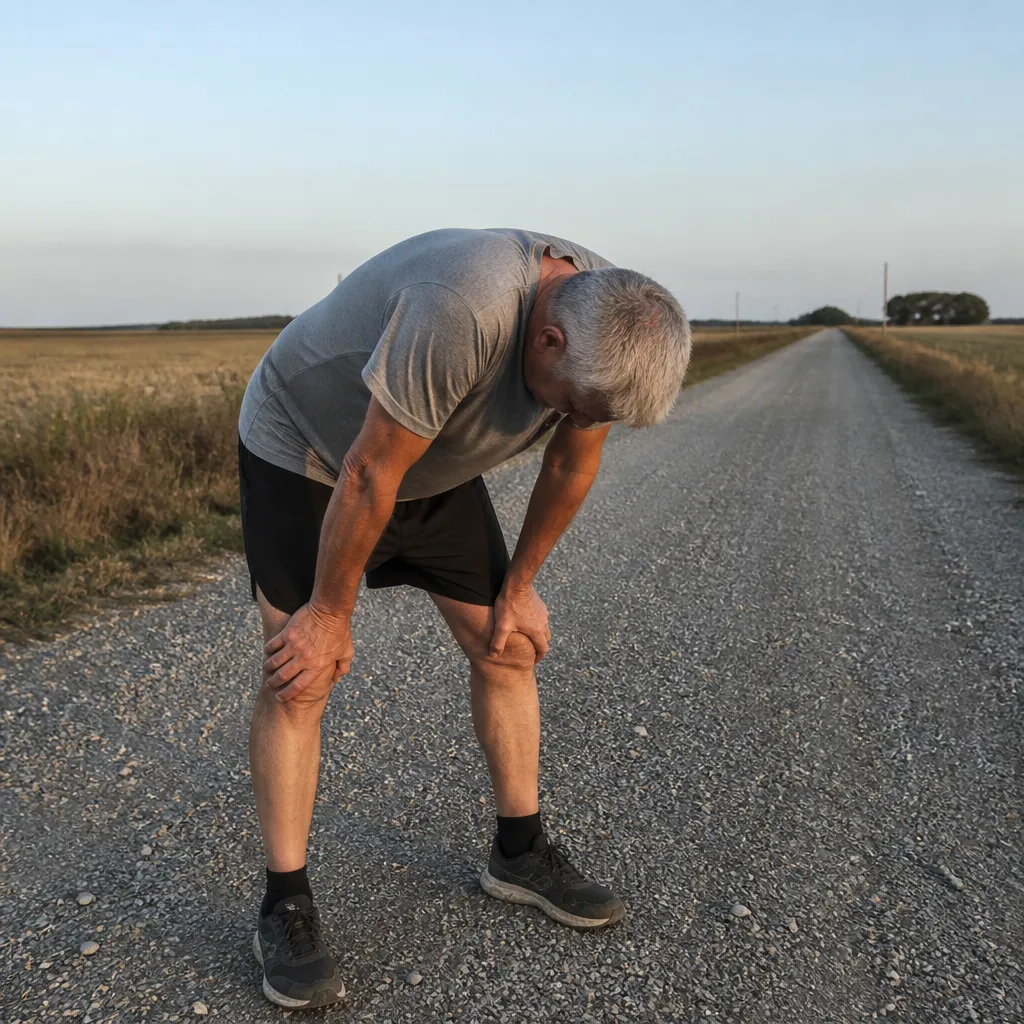
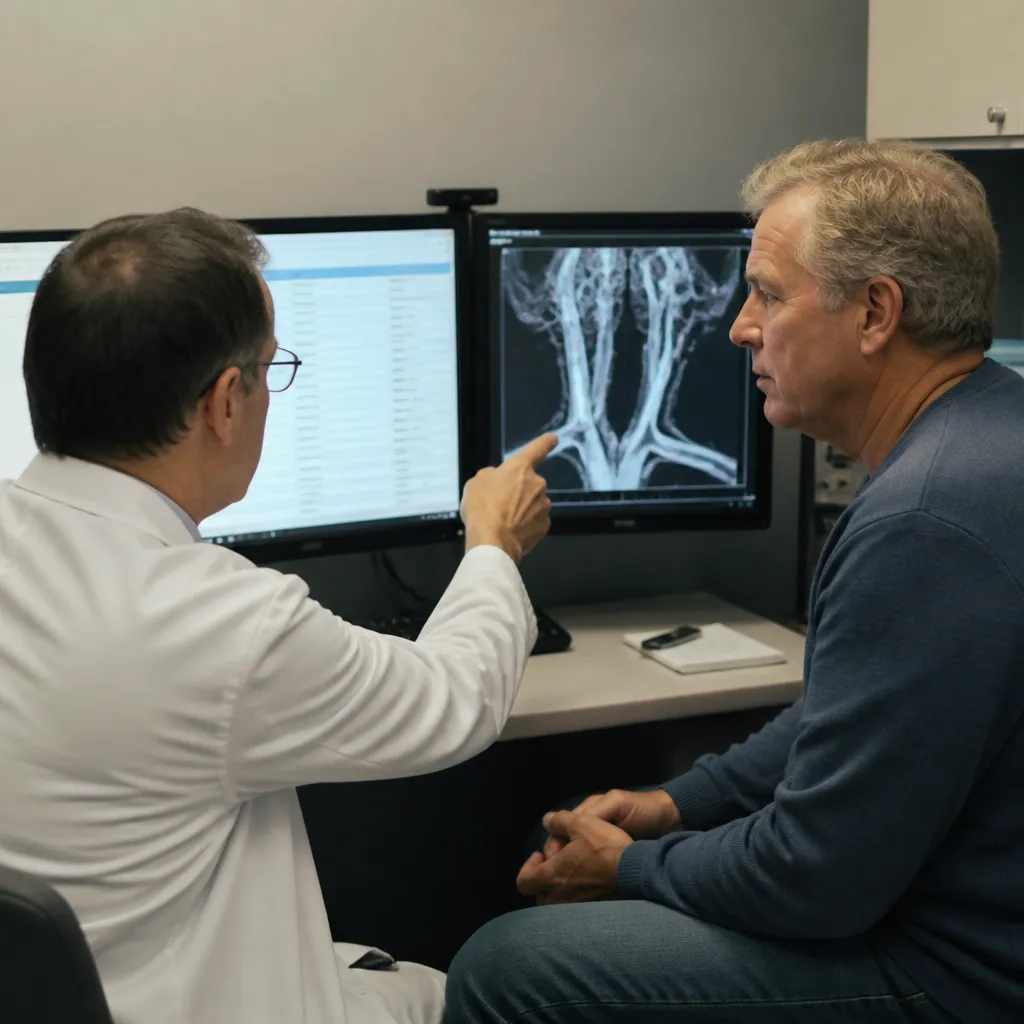
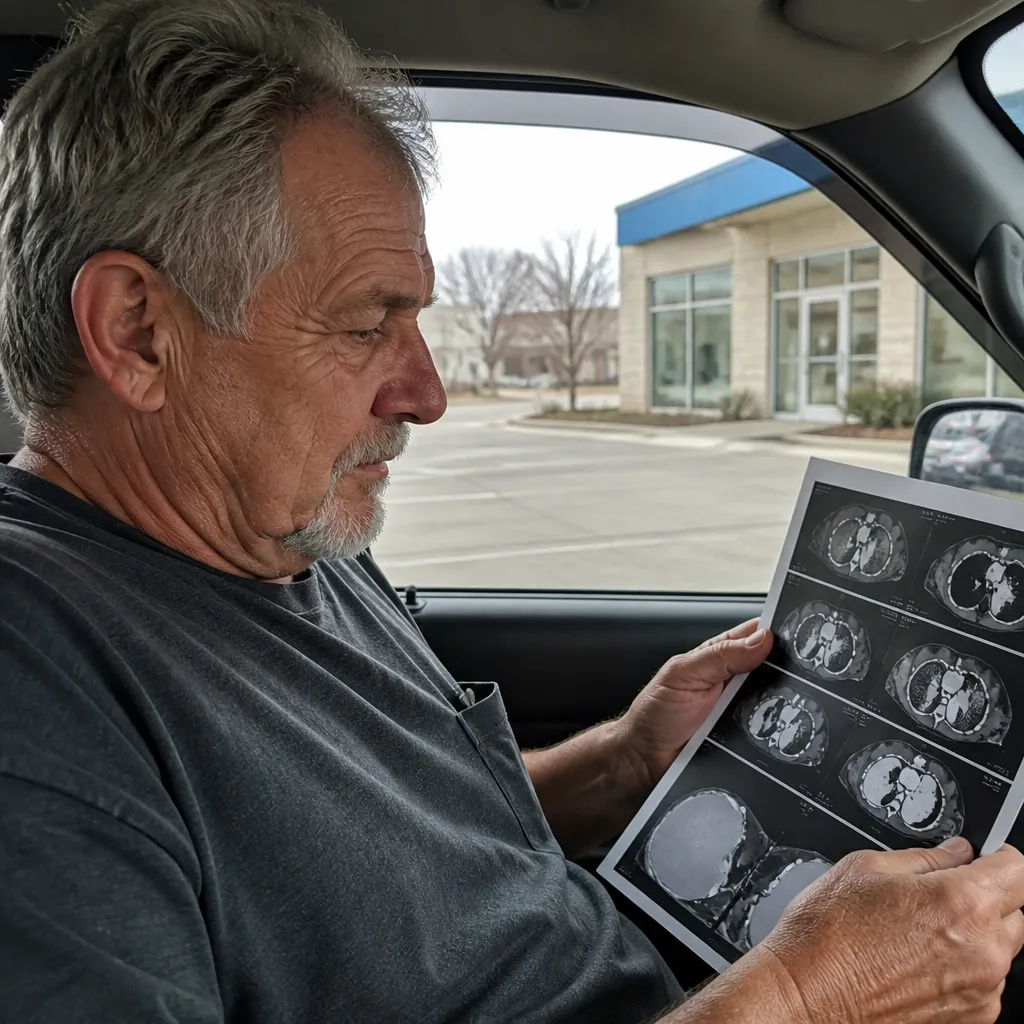
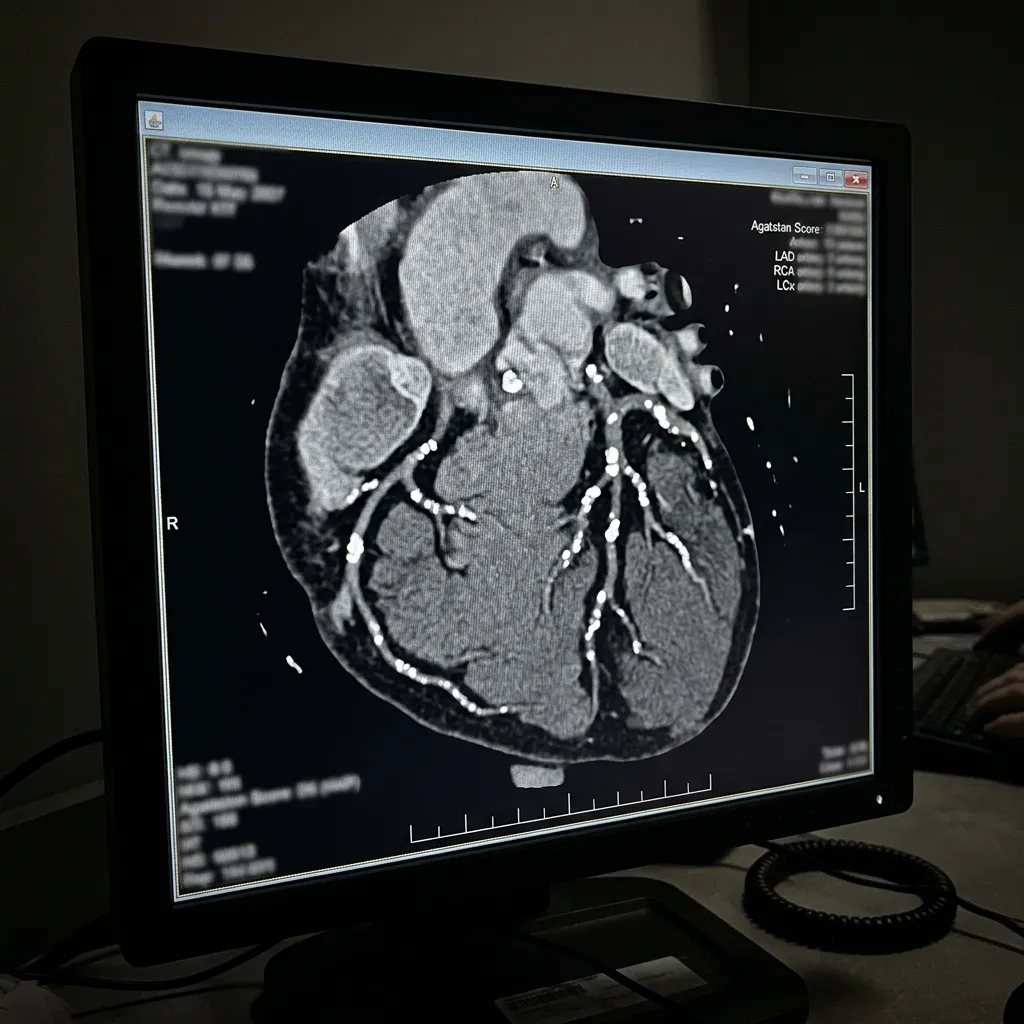
I've spent 19 years helping men manage their cholesterol. And if your number keeps climbing no matter what you take, I need to tell you something my own profession doesn't want you to hear. By the time I'm done, you're going to be angry. Not at me. But at what they've been getting wrong the whole time. Over two decades working with men whose cholesterol creeps up year after year while they take every supplement the shelf has to offer and change their diet three times and walk the neighborhood until their legs ache and still come back to the same chair in my office with the same number or worse. And I'm breaking from my own profession to say this out loud. Because three things are happening right now. One. Your cholesterol number is trying to tell you something is wrong. Two. The system keeps calling it "just a lipid problem." And three. Every single thing you've been given to lower that number was aimed at the wrong target. Let me tell you about Warren. 66 years old. Retired machinist. The kind of man who could set up a four-axis CNC mill from memory and run parts for twelve hours without sitting down. Built his own deck. Rebuilt his own transmission. Once drove eight hours to help his son move a refrigerator up three flights of stairs because his son couldn't afford movers. For years, the warnings crept in slowly. First it was the cholesterol number at his annual visit. 218. His specialist said watch the diet. Then 234. Added fish oil. Then 247. Added CoQ10. Added garlic extract. Cut out red meat. Cut out fried food. Started walking a mile and a half every morning before his coffee. Then 251. The number went up while he was doing everything right. He told me during one visit, "I used to eat whatever I wanted and work it off by noon. Now I eat like a monk and walk like a penitent and the number just keeps climbing. My wife does all the cooking now. She weighs everything. Checks every label. I just sit there and eat whatever she puts in front of me and wait for the next lab to tell me it wasn't enough." He never complained the way you'd expect. He just went quiet. Looked at the wall. Like he'd already decided the number was never going to cooperate. His wife Sharon started managing everything. The grocery list. The supplements. The meal prep on Sundays. She'd line up his bottles on the counter every morning and he'd swallow them one by one with his juice and neither of them said anything because what was left to say. Warren sat in my office every four months and watched me look at his chart and he could see it on my face before I opened my mouth. Here's what makes me furious. Warren came through the system the way everyone does. His primary specialist. A lipid specialist. A nutritionist. Me. Thousands of dollars in visits, bloodwork, and panel after panel. And every one of us told him some version of the same thing. "Your cholesterol is too high." "This happens with age and genetics." "Let's try adding something else to bring the number down." So we tried. Fish oil for two years. His number didn't budge. The expensive kind in the black bottle, the one the guy at the supplement store promised was "clinical grade." Nothing. CoQ10. He took it faithfully for eighteen months. The number didn't care. Garlic extract that repeated on him until his wife banned it from the house. Red yeast rice that gave him muscle cramps so bad he couldn't sleep. A "cholesterol support blend" with fourteen ingredients sharing one capsule. Plant sterols. Soluble fiber capsules. Niacin that turned his face red and made him itch for three hours. He tried every one honestly. Gave each its window. None of them moved the number in any direction that mattered. None of it worked because none of it was aimed at what was actually wrong. And I didn't understand why until my own numbers started doing the same thing. It started the way it always does. A cholesterol reading I told myself was a fluke. Just a bad month. Just stress. Then the next one came back higher. And I was taking the same fish oil I'd been recommending to clients for fifteen years. I was taking the CoQ10. I was eating clean. Walking four miles every morning. Doing everything I told Warren and every other man in that chair to do. And my number kept climbing. I was standing in the lobby of a vascular research conference in Atlanta, looking at my own lab printout on my phone, when a retired researcher stopped me in my tracks. Sharp. Calm. 67 years old with three decades studying what actually happens inside artery walls, not what the blood panel says from the outside. He looked at the printout over my shoulder and said, "Staring at that number is like reading the odometer and thinking it tells you the condition of the engine. Can I show you something? It might change how you think about cholesterol entirely." He picked up a napkin from the coffee station and drew a simple cross-section. A circle. A lining. A wall. "Every specialist in this building manages cholesterol like a math problem," he said. "Number high, push it down. Number low, celebrate. That's like mopping the floor in a house where the ceiling is leaking and calling yourself a roofer because the floor looks dry for an hour." Then he tapped the drawing. Right at the wall. "Your artery walls take micro-damage every single day. Pressure at the bends. Friction where the vessels branch. Turbulence from blood that never stops moving. This isn't disease. This is maintenance. It happens to every human being with a pulse." "Your body patches those damaged spots. The patching material is a protein called fibrin. Think of it as a mesh net. Temporary. It lays down over the damaged area, holds things in place while the wall heals underneath, and when the repair is done, your body sends its own enzymes to take the net back down." "When you're younger, those enzymes are fast. The mesh never sits long enough to cause problems. Clean turnover." He paused. "After fifty, the enzyme activity slows. The mesh stays up longer. Then it stops coming down at all." He drew layers on the napkin. One on top of another. "Old mesh on top of old mesh. And those layers become scaffolding. Now here's the part that matters for your cholesterol number." He tapped the layers. "Cholesterol drifts through the bloodstream in every human being. It's supposed to. Your brain is 25 percent cholesterol. Your hormones depend on it. Your cell membranes are built from it. Cholesterol moving through the blood is normal, necessary biology." "The problem isn't that cholesterol is present. The problem is that the scaffolding is there to catch it." "When fibrin mesh stays on the artery wall, cholesterol settles into it. Calcium lodges in it. Oxidized fats. Cellular debris. All of it collects in the scaffolding the way leaves collect in a rain gutter nobody cleans." "That is plaque. Not because your cholesterol number is too high. Because the mesh that was supposed to come down years ago is still sitting on the wall, catching everything that floats past." I felt sick. Not because it was complicated. Because it was so simple. And because I'd missed it for nineteen years. He kept going. "Think about it this way. If you had a river running through a canyon, and someone stretched a net across the river, everything floating downstream would collect in the net. Branches. Leaves. Silt. The river itself is fine. The things floating in it are fine. The net is the problem." "Your blood is the river. Cholesterol is what's floating in it. The fibrin mesh is the net." "Every supplement you've been recommending, every one you've been taking yourself, is aimed at reducing what's floating in the river. Fish oil makes the water flow smoother. CoQ10 supports the energy of the riverbank. Garlic, plant sterols, niacin, they all try to reduce what's floating." "Nobody is looking at the net." "And the net keeps catching whatever's still there, no matter how little of it is left." I thought about Warren. About every single client I'd sat across from and told "your number is still high, let's try adding something else." I was counting leaves in the river. Not looking at the net stretched across it. "So what addresses the net?" I asked him. He said, "The body was supposed to address the net on its own. It produces enzymes specifically designed to manage fibrin. That's the cleanup system. Up until about fifty, it works. After fifty, it slows. Sometimes dramatically." "The mesh accumulates. The scaffolding builds. And every supplement aimed at the cholesterol itself is working upstream while the real architecture of the problem is downstream, sitting on the wall, catching everything that floats past regardless of what you take." "There's one enzyme with over forty years of published research on its relationship to fibrin. It's called nattokinase." He explained it plainly. Nattokinase is an enzyme isolated from a traditional Japanese food called natto. Fermented soybeans. Sticky, stringy, the kind of breakfast dish most Americans wouldn't get past the texture of. Japanese families have been eating it for over a thousand years. In 1980, a researcher named Hiroyuki Sumi isolated the enzyme in his lab and observed something that changed the direction of fermented food research for the next four decades. The enzyme had a specific affinity for fibrin. Not a general nutritional benefit. A targeted relationship with the exact protein that forms the mesh. Since then, nattokinase has been studied across multiple countries and institutions. The published research spans over forty years. And in the regions of Japan where natto is consumed daily, generation after generation, the population data on vascular health has drawn consistent attention from the research community worldwide. "This isn't some new invention," he said. "This is an ancient food that modern science finally caught up to." "So every fish oil capsule, every CoQ10 tablet, every garlic extract, every plant sterol your clients swallow," he said, "is aimed at what's floating in the river. The net is still there. The scaffolding is still catching. And the cholesterol that's present, even in reduced amounts, still settles into the mesh." "If the mesh is addressed, the scaffolding isn't there to catch what floats through. The cholesterol stays in the bloodstream where it belongs, doing the job it was always supposed to do. Moving through. Not accumulating." "That's why your number keeps climbing even though you're doing everything right. It's not that you're failing. It's that the mesh keeps catching, and the body keeps producing more cholesterol partly in response to the ongoing accumulation. A feedback loop nobody explained to you because nobody was looking at the wall. They were all looking at the blood." That's why fish oil didn't work for Warren. That's why CoQ10 didn't work. That's why garlic, plant sterols, niacin, red yeast rice, and every other supplement on his counter didn't move the number. They were all aimed at the river. None of them were aimed at the net. "So what supports the body's ability to manage the net?" I asked. He said, "Nattokinase. But not what's on the supplement aisle." Then he told me something that made me grip the edge of the table. "Most nattokinase products on the market are useless before they reach you." "They list milligrams on the label. Milligrams measure weight. For an enzyme, weight tells you nothing. What matters is fibrinolytic units, FU. The measurement of actual enzyme activity. Most brands don't print it." "The ones that do typically list 2,000 FU. A fraction of the activity levels used in published research." "Then they bury it inside a blend. A 'cardio complex' or a 'cholesterol support formula' with ten or twelve other ingredients sharing capsule space. Divide the room and nothing gets a meaningful amount." "Enzymes are fragile. Heat during manufacturing degrades activity before the bottle is sealed. Stomach acid finishes what's left. And almost none of these companies test for enzyme activity through independent labs. They test weight. They test contamination. Whether the enzyme still functions when it reaches your body is a question they never answer." "It's like buying a garden hose and being told it holds water. You get it home, connect it, turn the faucet on, and nothing comes out. The label said hose. The shape said hose. But the hose was kinked before you bought it. You conclude hoses don't work. But the hose was fine. The product was dead." "Men try nattokinase from the supplement aisle. Two months. Nothing changes. They throw the bottle away and cross nattokinase off the list. But the enzyme was right. The product just never had any real activity inside it." He pulled out his phone and showed me one company that had done what almost no one in the industry bothers to do. MAÏA Nattokinase. 5,000 FU per capsule. Printed on the label. Not milligrams. Fibrinolytic units. The measurement that actually tells you whether the enzyme is going to do its job. Single ingredient. Not a blend. Not a complex. Not a capsule shared by twelve ingredients that each get a sliver. Fermented from non-GMO soybeans. K2-free. Third-party tested for enzyme activity, not just weight. Because they have something to test for. One capsule. Every morning. That's the entire protocol. I almost laughed. "One capsule of fermented soybean enzyme. You're telling me that's the answer to a cholesterol problem I've been working on for nineteen years?" He didn't smile. "I'm telling you that the cholesterol was never the problem. The cholesterol was the thing getting caught. The mesh was the problem. And this is the one compound with four decades of research on its relationship to the mesh. Support the body's enzyme activity, and the scaffolding gets the attention it's been waiting for. The net that's been catching everything finally gets addressed. And what's floating in the river stays in the river instead of accumulating on the wall." I started taking it myself. Week one. I took one capsule every morning with my coffee. By day five, something I wasn't expecting. My hands, which had been going cold before noon for the past two years, were warm when I sat down for lunch. I hadn't connected my hands to my cholesterol. The researcher had told me I would. The mesh narrows the smallest vessels first. Hands and feet feel it before anything else does. Week three. The afternoon heaviness I'd been carrying in my legs, the kind I'd chalked up to sitting too much, started to arrive later. Then lighter. Then some afternoons it didn't arrive at all. I was standing at my desk at four o'clock and realized I hadn't shifted my weight in over an hour. Week six. I got my bloodwork done. I sat in my car and looked at the printout. My total cholesterol had come down more in six weeks than it had moved in two years of fish oil and dietary changes. I sat there for a long time. Week eight. I walked three miles on a Saturday morning and my legs felt like they belonged to someone five years younger. My hands were warm the entire time. I came home and my wife said, "You look different." I hadn't told her about the capsule. She could see it. Then I called Warren. "I need to tell you something. Everything I had you on before was aimed at the wrong thing. I didn't understand that your cholesterol number wasn't the real problem. The real problem was the fibrin mesh sitting on your artery walls catching every molecule of cholesterol that floated past. And nothing in that cabinet of supplements, not one bottle, was an enzyme. Not one of them could reach the mesh." Warren was quiet for a long time. Then he said, "Just tell me what to do." He started the same way. One capsule, every morning, with his coffee. The change wasn't instant for him either. But two weeks in, he told me his hands were warm in the morning for the first time in years. Not hot. Just present. He could feel the coffee mug in his fingertips instead of just his palms. He said he sat at the kitchen table staring at his own hands for a full minute. By week four, the heaviness in his legs that had been arriving by noon started coming later. Then lighter. He told me he climbed the stairs to his attic without gripping the railing and didn't realize he'd done it until he was standing at the top. By week six, his wife Sharon told him something that broke him open. She said she'd been watching him for weeks. She said his color was different. His face had changed. He was getting up from the table without bracing on the arms of the chair, something he'd stopped doing so gradually that neither of them noticed until he started doing it again. "You look like you did five years ago," she said. "I didn't want to say anything in case I was imagining it." She wasn't imagining it. About six weeks in, his bottle ran out before his next order arrived. He went four days without it. The cold hands came back on day two. The heaviness in his legs returned by day three. Not as severe as before, but present. Noticeable. He wasn't happy about it, but he told me it answered the one question he still had. "It wasn't in my head. When I stopped, I felt it. When I started again, it settled back down." Week ten. Warren went in for his bloodwork. His specialist looked at the printout for a long time. Then looked at Warren over the top of the chart. "Whatever you've been doing, keep doing it." Warren told him. The fibrin. The mesh. The scaffolding. The difference between supplements aimed at the blood and the one enzyme aimed at the structure where the accumulation actually sits. The specialist typed. Nodded slowly. Said, "Interesting." That's all. But Warren's hands are warm. His legs hold through the day. His wife stopped lining up bottles on the counter every morning because there's only one now. Here's what I need you to understand. This was never just about a number for Warren. It was about not feeling like a project his wife had to manage. It was about eating a meal without wondering whether every bite was pushing a number in the wrong direction. It was about waking up on a Saturday morning and feeling like a man whose body worked instead of a man whose body was slowly failing while everyone watched the chart and called it progress. It was about standing in his own garage and picking up a wrench because he had a project again. A reason to get up. A reason to use his hands. Your cholesterol number isn't just "too high" and done. The number is a symptom. The scaffolding underneath is the structure. For years, maybe decades, the fibrin mesh that was supposed to come down after each repair has been accumulating on your artery walls, and every single supplement you've taken has been aimed at what's floating in the blood while the mesh underneath kept catching it. This isn't a cholesterol problem. It's a structural problem. And supporting the enzyme activity that manages the structure is something your body has been waiting for since it slowed down after fifty. If you've been watching your cholesterol climb while you take every supplement on the shelf and change your diet three times and walk until your legs ache and still come back to the same number or worse, it isn't because you're failing. It's because every bottle on that counter is aimed at the river. And the net is still there. MAÏA Nattokinase comes with a 30-day money-back guarantee. If nothing changes, you get a full refund. https://www.buymaia.com/shocking-discovery-nattokinase-plaque Even if you're skeptical, and you should be after everything else that's let you down, give it a real try. One capsule. Every morning. Let your body do what it's been trying to do since the enzymes slowed down. Give it time to respond. I do need to be upfront about something. MAÏA is a small company. They don't mass-produce this. They can't. Fermenting high-activity nattokinase in small batches and testing for enzyme potency isn't something you scale the way the big brands scale their underdosed, blended, untested capsules. https://www.buymaia.com/shocking-discovery-nattokinase-plaque They sell out. It happens. If you check and they're out of stock, try again the following week. But if it's available, don't wait. See if your body responds the way mine did. The way Warren's did. The supplement aisle isn't coming to fix this for you. Fish oil isn't looking at the mesh. CoQ10 isn't looking at the scaffolding. Garlic, plant sterols, niacin, and that fourteen-ingredient blend aren't looking at the fibrin sitting on the artery wall catching everything that floats past. Nobody is looking at the net. A retired researcher taught me more about what's actually happening inside artery walls in thirty minutes than I had learned in two decades of practice. It's about time I passed that along. One more thing. Keep your existing specialist appointments. Don't cancel anything. Don't change anything you're currently doing. Just add this one capsule every morning and see what your body tells you over the next few weeks. The look on your specialist's face at your next visit might be worth it by itself. P.S. I no longer think of rising cholesterol as a standalone lipid problem. I think of it as a scaffolding problem. The cholesterol is what gets caught. The fibrin mesh is what catches it. Every supplement I recommended for nineteen years was aimed at reducing what's floating in the river. Not one of them was aimed at the net stretched across it. That's the step nobody told you about. That's the step that comes before everything else. P.P.S. Fish oil. CoQ10. Garlic. Plant sterols. Niacin. Red yeast rice. Beet powder. Arginine. Turmeric. Every bottle on that counter was a fine supplement aimed at a real part of the system. But not one of them is an enzyme. Not one of them can reach the fibrin mesh where the scaffolding sits. You have to support the mesh first. Then what's floating in the blood stops accumulating on the wall. Then the river flows the way it's supposed to flow. That's the order. Nobody told you the order. Now you know. P.P.P.S. Warren, in his own words: "I thought my cholesterol was something I was going to fight for the rest of my life. Take more bottles. Eat less of everything. Walk further. And still come back every four months and hear the same number. Sharon was managing my whole life around a chart that never moved. But it wasn't the cholesterol. It was what was catching the cholesterol. Once I started supporting that, the number wasn't a fight anymore. Sharon doesn't line up bottles on the counter every morning now. There's just one. And for the first time in years, she's not worried when the lab envelope comes in the mail https://www.buymaia.com/shocking-discovery-nattokinase-plaque
More from Natural Wellness Magazine

Artery Clean-Up Enzyme
Natural Wellness Magazine

Artery Clean-Up Enzyme
Natural Wellness Magazine

Artery Clean-Up Enzyme
Natural Wellness Magazine
Artery Clean-Up Enzyme
Natural Wellness Magazine

Artery Clean-Up Enzyme
Natural Wellness Magazine
Artery Clean-Up Enzyme
Natural Wellness Magazine
Artery Clean-Up Enzyme
Natural Wellness Magazine
Artery Clean-Up Enzyme
Natural Wellness Magazine
Artery Clean-Up Enzyme
Natural Wellness Magazine
Artery Clean-Up Enzyme
Natural Wellness Magazine
Artery Clean-Up Enzyme
Natural Wellness Magazine
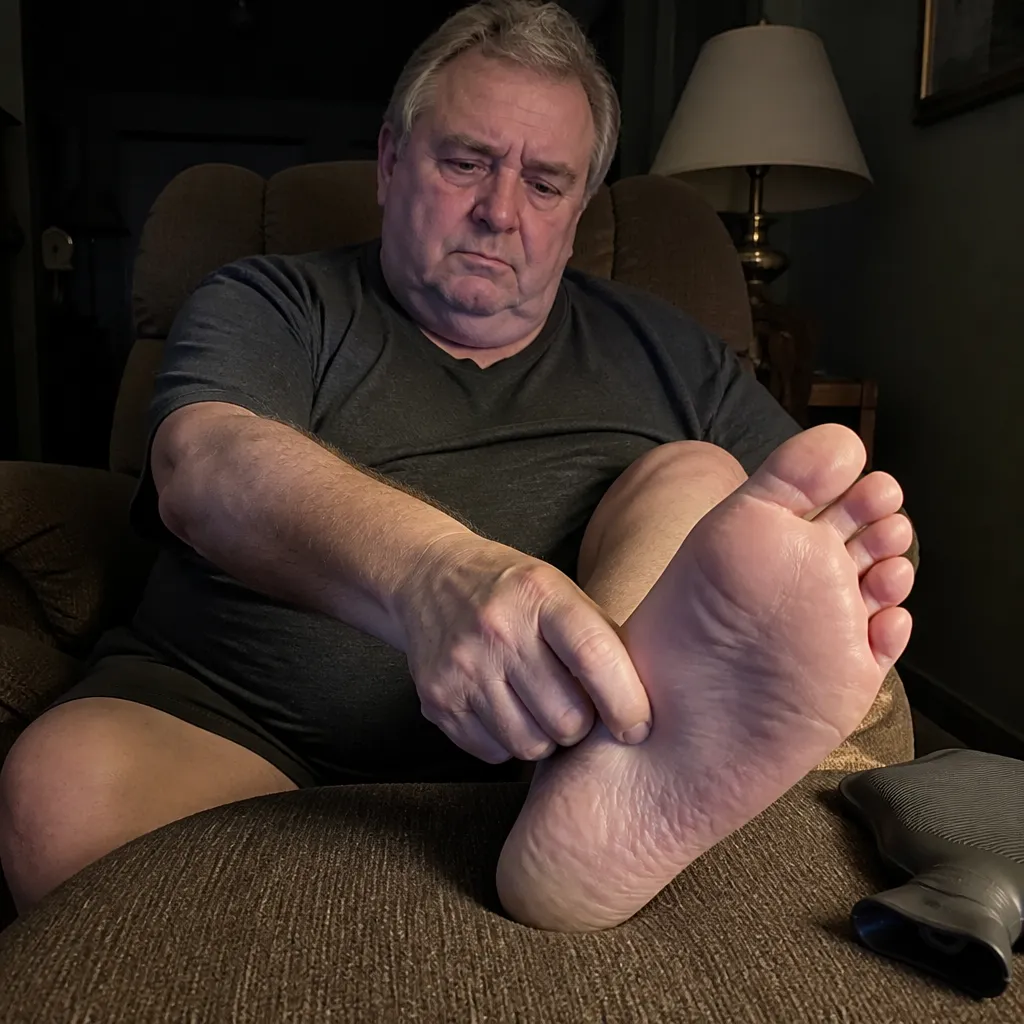
Artery Clean-Up Enzyme
Natural Wellness Magazine

 Add to Chrome