Artery Clean-Up Enzyme
Ad Copy
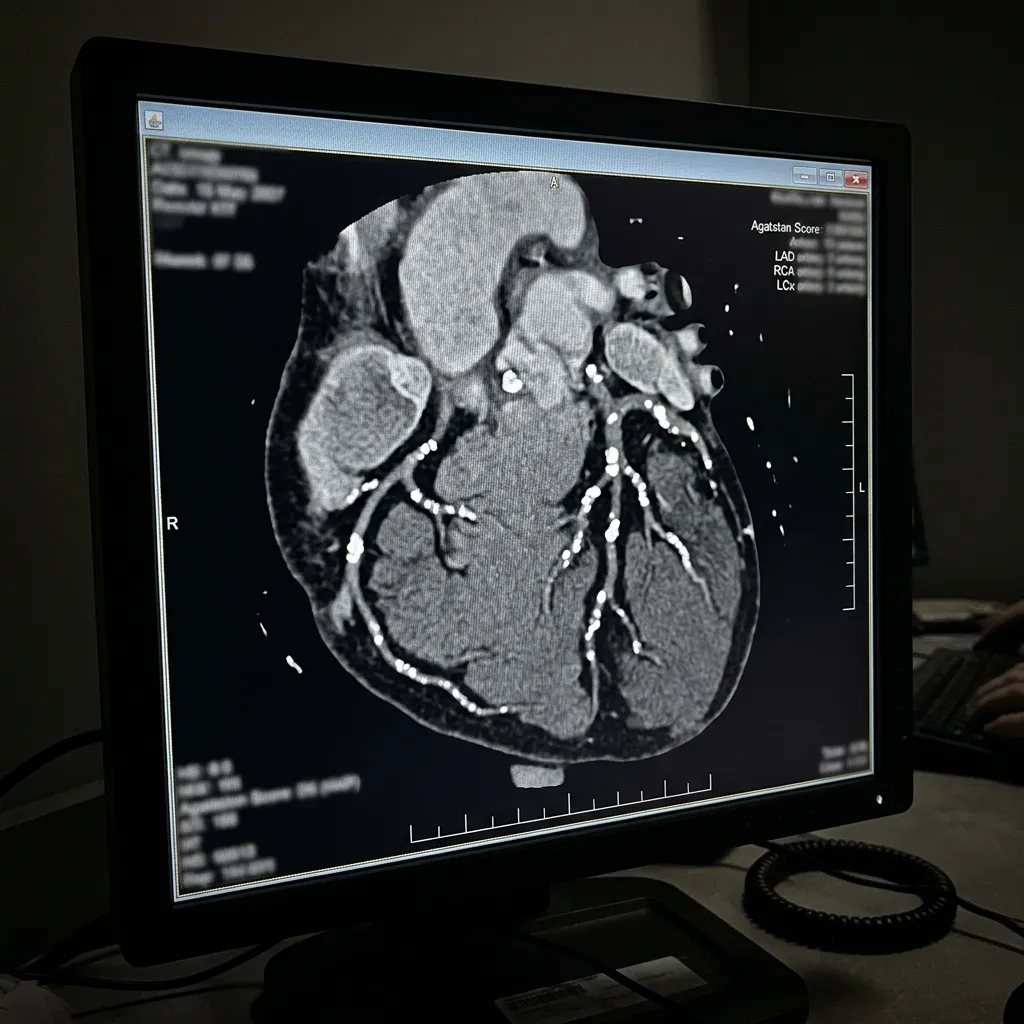
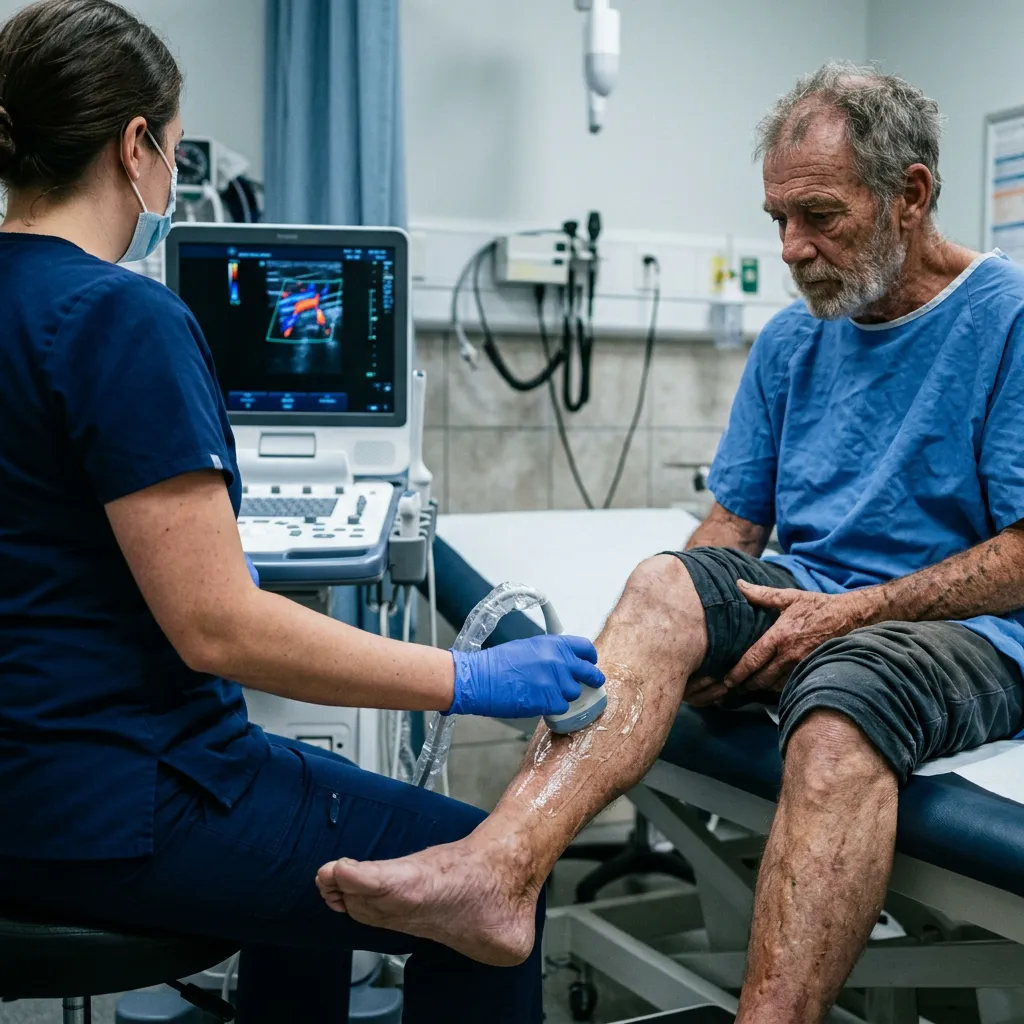
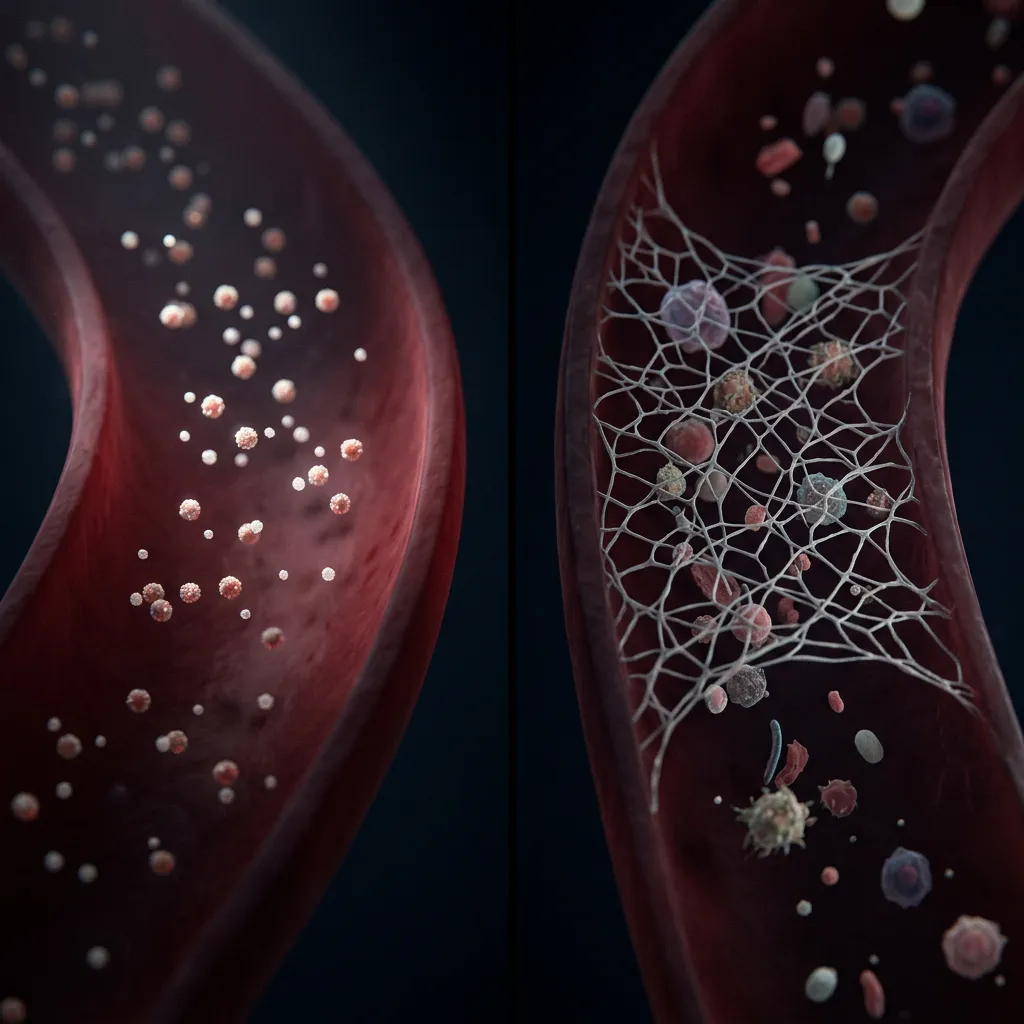
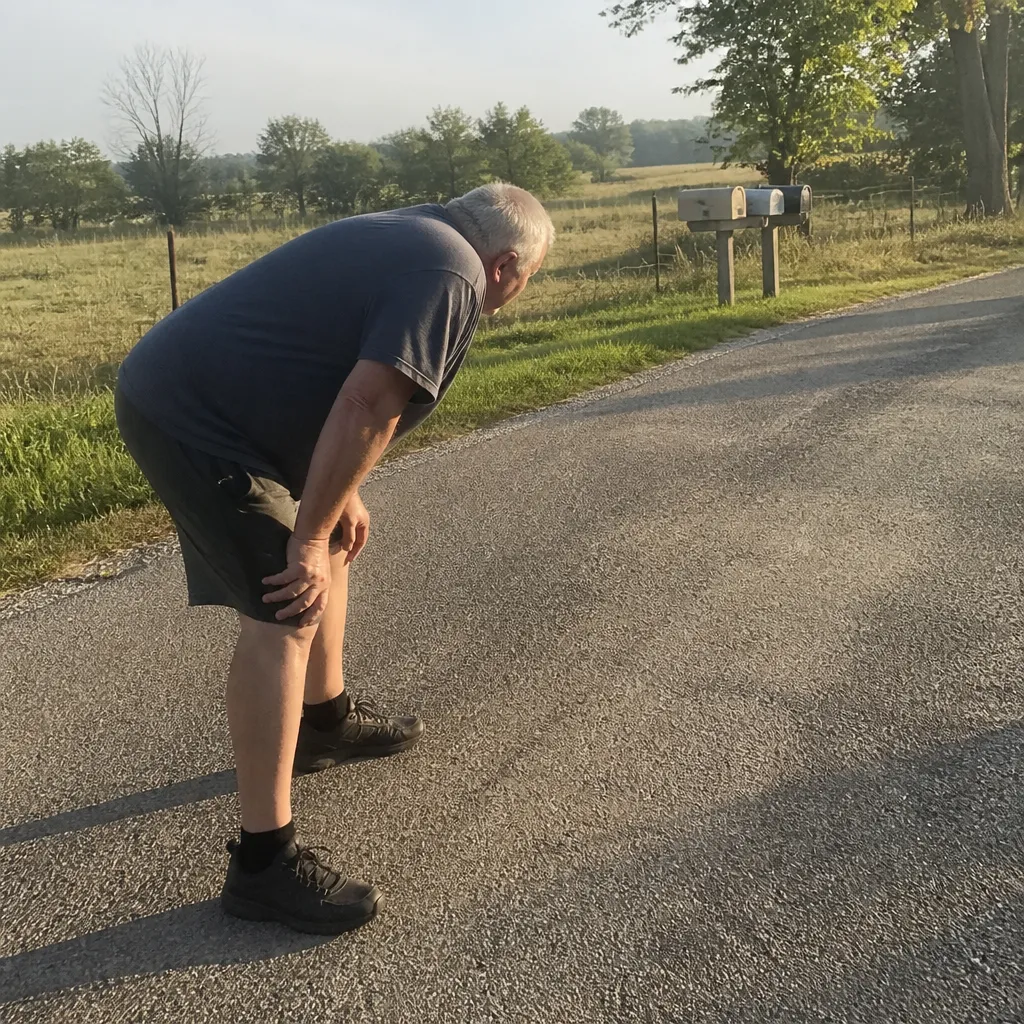
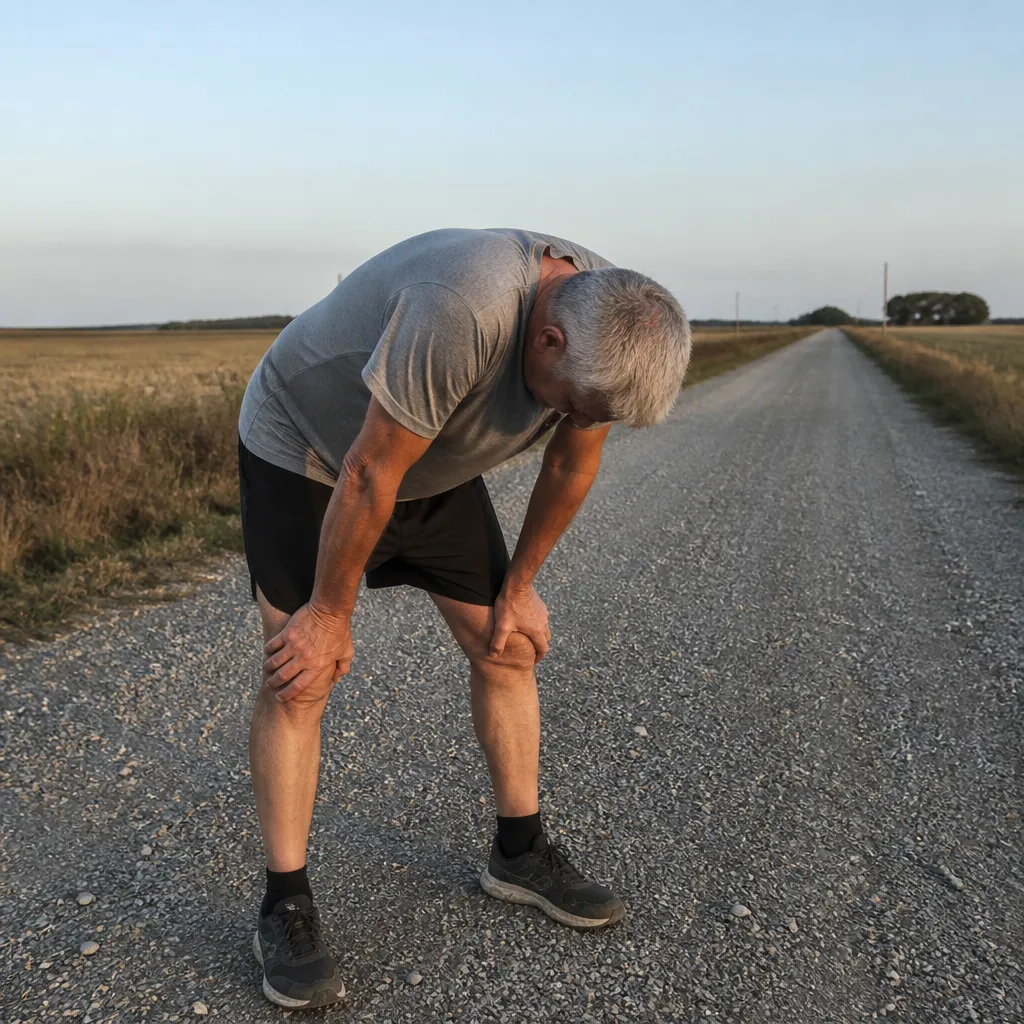
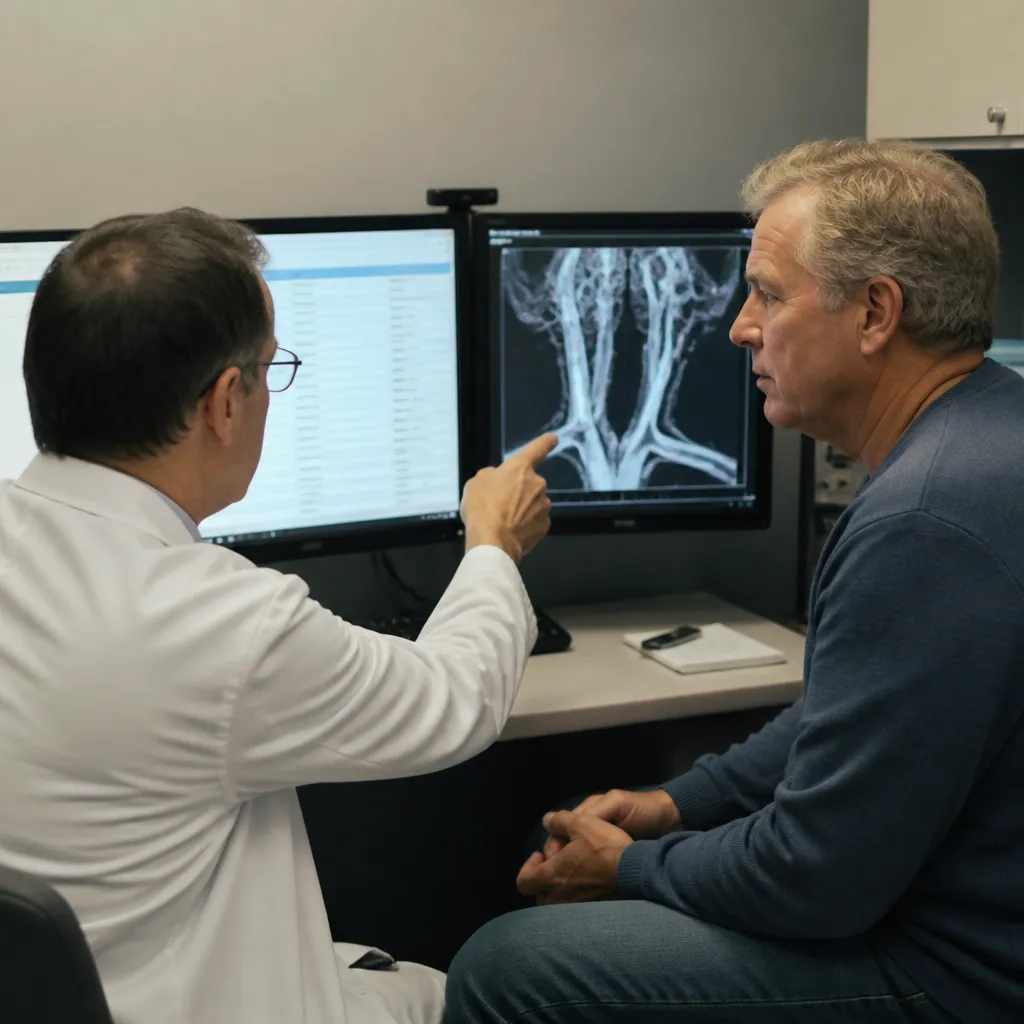
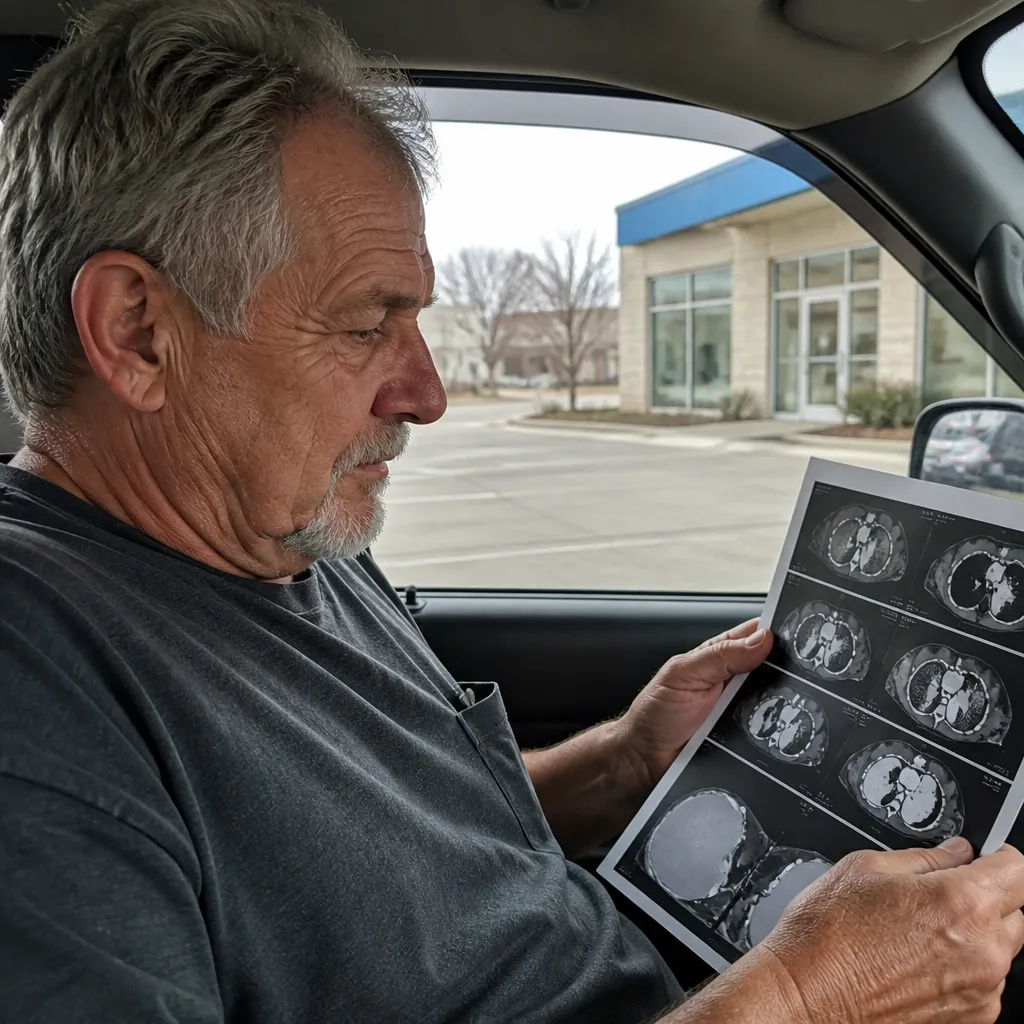
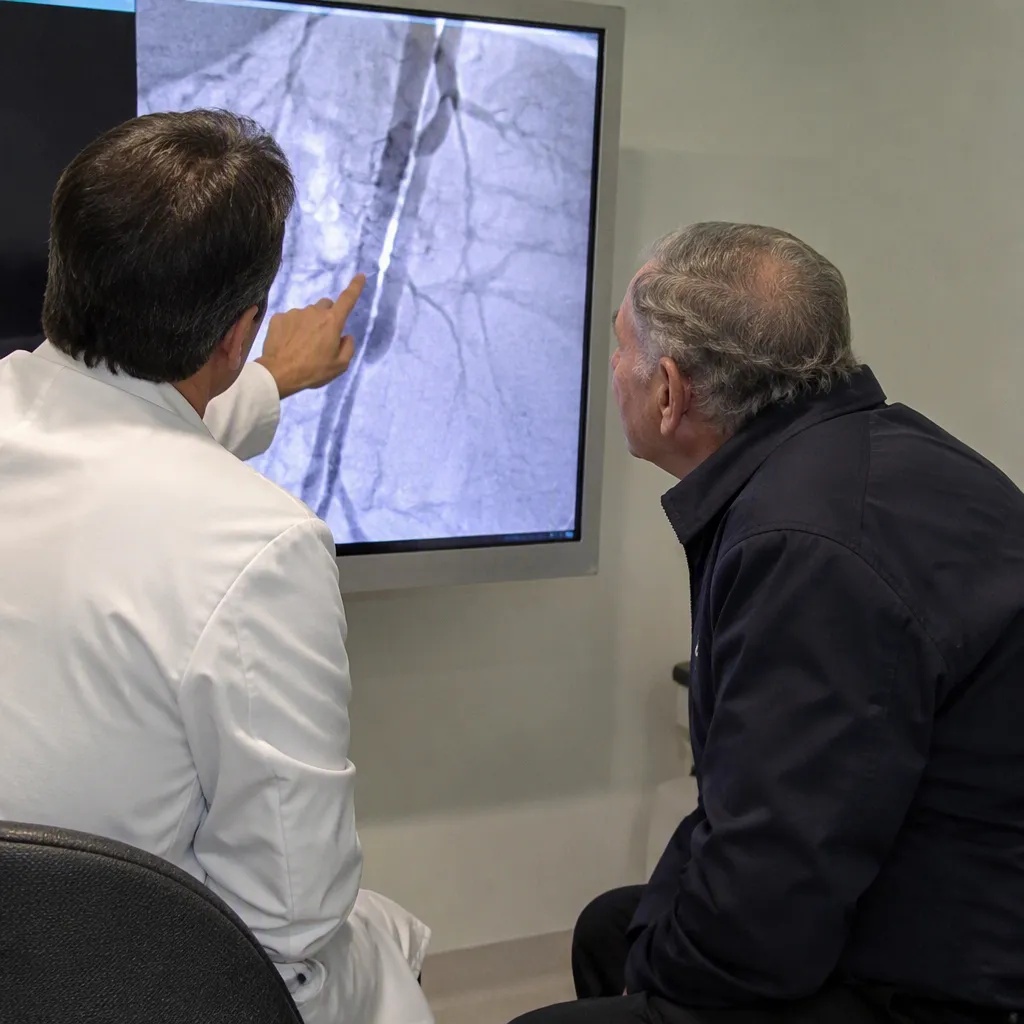
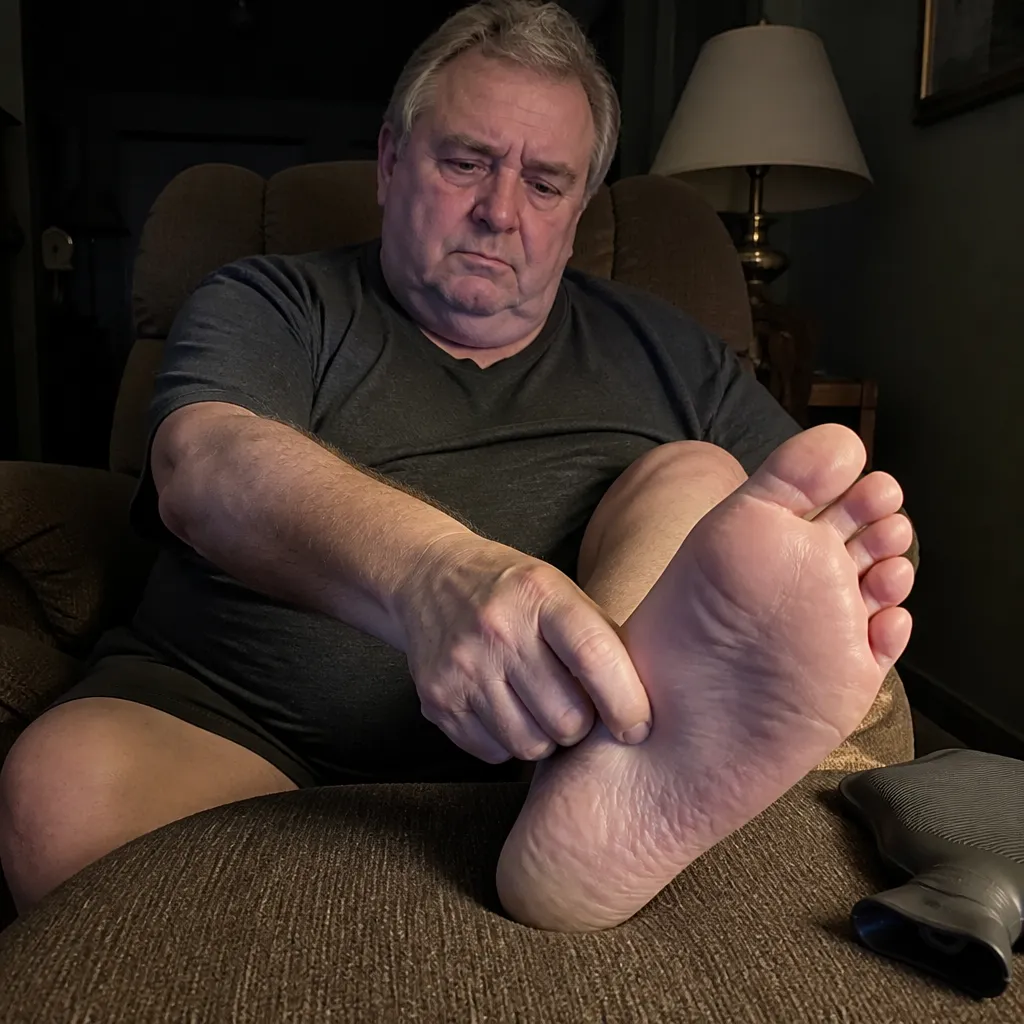
I am 81 years old and I just finished a marathon. I need you to sit with that for a second. Because three years ago I couldn't walk to my mailbox without my legs filling with sand, and my cholesterol had been "under control" for twelve years. Twelve years of doing everything right. Twelve years of lab reports that made my specialist nod. Twelve years of numbers that looked like the numbers of a man who should not be standing at the top of his own driveway wondering whether his legs would carry him to the bottom and back. I'm not telling you this to impress you with the marathon. I'm telling you because what happened between that driveway and that finish line has nothing to do with training plans or genetics or willpower. It has to do with something accumulating inside my blood vessels that twelve years of managing one number on a lab report never touched, and that nobody explained to me until I was 78 years old and sitting in a folding chair at a health talk I almost didn't attend. Let me start where this actually starts. Not at the finish line. At the kitchen counter, 6 AM, staring at a row of bottles I'd been taking faithfully for over a decade, wondering why I kept feeling worse while the labs kept saying I was fine. My name is Gene. I live outside Memphis, Tennessee. Retired from the railroad in 2008 after 34 years. Brakeman, then conductor, then operations. I've been on my feet for a living since I was 22. I was a runner my whole life. Not fast. Not competitive. Just steady. Three to five miles, three mornings a week, since 1974. I ran in the rain. I ran in Memphis in August, which is something only a man who needs to move more than he needs comfort would volunteer for. Running wasn't exercise. It was my identity. Gene runs. That was my line in the family. At 53, my numbers came back high at a routine physical. My specialist put me on a plan. I followed it. I followed it the way a man who has been disciplined his whole life follows a plan, which is completely, without deviation, and with the quiet belief that doing the right thing produces the right result. For the first few years, it did. The numbers came down. The lab reports got better. My specialist was pleased. Carol, my wife, was relieved. I was relieved. I was doing the thing. The thing was working. Case closed. Except my body didn't read the lab report. Around 67, the runs started getting heavier. Not harder in the way that effort makes things hard. Heavier. A density in my legs during the last mile that I hadn't earned. Same distance. Same pace. Same loop past the high school, down the hill to the creek bridge and back. But my legs felt like they were moving through something thicker than air. I told myself it was age. Sixty-seven. You slow down. That's the deal. By 70, the recovery changed. I used to come home from a run, shower, eat breakfast, and start my day like the run was a footnote. Now I was sitting on the porch for twenty minutes afterward, waiting for the heaviness in my legs to pass, pretending to enjoy the morning when really I was just waiting for my body to let me stand up again. By 72, I dropped from three miles to two. By 74, two became one. By 76, I stopped running entirely and told Carol I was switching to walking because it was "better for the joints." She nodded. She didn't challenge the lie. Carol has been married to me for 54 years. She knows when I'm managing my own pride. But my joints were fine. My knees didn't hurt. My hips didn't hurt. My legs just wouldn't go. And through all of it, every six months, the lab report came back and the specialist nodded and the numbers were "in range" and everything was "under control." That sentence started making me angry in a way I didn't know how to express. Because I could see the numbers. I could also see my body. And the two were not telling the same story. The cold came next. My hands would go white at the fingertips starting in October and stay that way until April. Carol would reach for my hand and pull back like she'd touched something from the refrigerator. I'd wrap both hands around my coffee mug every morning, not drinking, just borrowing heat because my own body couldn't produce enough to warm my fingers. Then the fog. Not dramatic. Not emergency-level. Just a slow softening of the edges. I'd walk into a room and forget why. I'd start a sentence and the second half would fall out of my head. I'd tell Carol a story and she'd say, "Gene, you told me that yesterday." I hadn't remembered telling her. This was a man who could recite train schedules from 1985. A man who remembered the name of every conductor he'd worked with over 34 years. A man whose mind had always been as reliable as his legs. Both were going. At the same time. While the numbers on the lab report stayed exactly where they were supposed to be. Carol became the woman who bought everything. Fish oil. Because it supports healthy cholesterol already within normal range. Plant sterols. Because the label said "cholesterol support." CoQ10. Because my brother Danny swore by it. Garlic capsules. Because a man said garlic was the answer. Beet powder. Because Carol read it supported blood flow. Red yeast rice. Fiber supplements. Pomegranate extract. A "circulatory support blend" from the vitamin aisle with twelve ingredients on the back and probably not enough of any single one to matter. Our kitchen counter looked like the supplement aisle had moved in. Carol joked she needed a spreadsheet to track what I'd taken. I laughed. But the laughing stopped when nothing changed. Every bottle promised some version of circulation support or cholesterol support. None of them changed how my legs felt on the stairs. None of them warmed my hands. None of them brought back the word that fell out of the sentence or the energy that disappeared by 2 PM. None of them gave me back the third mile I'd lost, or the second, or the first. I was doing everything right. Taking the supplements. Following the plan. Showing up for the labs. Getting the nod from the specialist. And every evening I sat in a recliner with cold hands and heavy legs wondering what "under control" actually meant if my body felt like it was slowly shutting down. That went on for years. The runs stopped entirely at 76. The walks shortened. The world shrank. I stopped going to the Saturday morning group walk with the men from the book club because I couldn't keep pace. I stopped mowing with the push mower. I stopped volunteering at the food bank because four hours of standing left me wrecked for two days. At 78 I was sitting in a chair by the window watching the morning happen without me, and the lab report on the fridge said everything was fine. Then October. Carol's friend Diane from book study invited us to a community health talk at the fellowship hall. A retired vascular specialist giving a free lecture on circulation for adults over 60. I did not want to go. I had been doing everything the system told me to do for twelve years and my reward was a recliner and cold hands. I did not need another lecture about cholesterol. Carol said, "Come with me. If it's boring we'll leave." We went. The specialist was a man named Dr. Warren. Mid-seventies. Thin. Sharp. He stood at the front of the fellowship hall with sixty people in folding chairs and he said something in the first two minutes that made me sit up straight for the first time in months. "How many of you have been managing your cholesterol for five years or more and feel like your body is getting worse even though your numbers are getting better?" I raised my hand. So did half the room. He said, "That's because the number everyone obsesses over is only one part of the picture. And nobody is explaining the rest of it to you." He explained the rest of it. Here is what twelve years of lab reports and supplement bottles and specialist visits never taught me. Your body is constantly repairing the inside of your blood vessels. Every day, the lining sustains micro-injuries. Friction, pressure, oxidative stress, the ordinary wear of blood moving through tissue at speed for decades. Small damage, constant damage. The body patches those injuries with fibrin. A fibrous protein that works like a mesh. A net stretched across the injury site. Temporary scaffolding while the repair happens underneath. When you're younger, the body sends cleanup enzymes to clear that mesh once the repair is done. Fibrin goes down. Repair happens. Fibrin comes back up. The walls stay smooth. Blood flows freely. After 50, the cleanup slows down. The body still produces fibrin at the same rate. The micro-injuries don't decrease. Decades of wear mean more patching, not less. But the enzymes responsible for clearing the mesh become less efficient. The balance tips. Fibrin stays in place. Layers build on layers. The temporary patch becomes a permanent structure. And a permanent structure inside a blood vessel becomes scaffolding. Dr. Warren used an analogy that I have repeated a hundred times since. Construction scaffolding around a building. Goes up for the job. Comes down when the job is done. Now imagine the crew finishes but nobody removes the scaffolding. It stays. Leaves collect. Dirt. Debris. Over months and years the scaffolding itself becomes the obstruction. Everything that drifts by catches on it and lodges. That is what happens when fibrin accumulates inside the vessels. The mesh stays. Particles settle into it. Calcium. Cellular debris. Oxidized material. All the things the system has been measuring and managing, the cholesterol, the lipids, the debris, those particles settle into the fibrin scaffolding and stay. And the scaffolding itself is not on the lab report. Nobody measures it. Nobody checks whether the cleanup system is running. The panel measures what's floating in the river. It does not look at the net stretched across it, catching everything that passes. I sat in that folding chair and twelve years rearranged themselves in my head. Twelve years of managing the debris. Twelve years of watching the numbers. Twelve years of supplements aimed at the particles floating in the blood. Nobody, not one specialist, not one bottle on the counter, had ever addressed the scaffolding the debris was settling into. Fish oil supports healthy blood fluidity. The fluid. Not the mesh. Plant sterols support healthy cholesterol levels. The particles. Not the structure they're lodging in. Beet powder and garlic support circulation and vessel relaxation. The walls. But relaxing a vessel that's narrowed by accumulated fibrin is like widening a road with barriers still standing in the middle. CoQ10 fuels the cells. The energy supply. But the fuel can't reach the cells if the passage is narrowing year after year. Every single bottle on that counter was aimed at the river. The particles, the fluid, the walls, the fuel. Nothing was aimed at the net. None of them are enzymes. None of them have the biological mechanism to interact with fibrin. They were all working downstream of the structural problem nobody told me existed. That was the missing piece. Not another supplement to manage the number. Not another bottle promising "cholesterol support." The scaffolding. The fibrin. The accumulating mesh that the standard panel doesn't measure and twelve years of diligent management never addressed. Dr. Warren talked about a Japanese researcher named Hiroyuki Sumi. 1980. Working with fermented soybean preparations in a university lab. He isolated an enzyme from a traditional dish called natto, the sticky, stringy breakfast food Japanese families have eaten for over a thousand years. The enzyme had specific fibrinolytic activity. An affinity for fibrin. He named it nattokinase. Four decades of published research since then. Multiple countries. Study after study. Nattokinase supports healthy fibrin levels. Supports the body's own enzyme activity. Supports healthy circulation. Not by working on the cholesterol. Not by working on the blood. Not by working on the walls. By supporting the body's ability to manage the mesh itself. Dr. Warren said something I wrote on the back of the bulletin. "If you've been managing cholesterol for years and your body still feels like it's declining, ask yourself whether anything you're doing addresses the fibrin. Because the debris everyone measures is settling into a scaffolding nobody checks. You can polish the river for a decade. If the net is still catching everything that flows through, the passage is still narrowing." After the talk I walked up to him. Eight people waiting. I waited my turn. I said, "Twelve years on a plan. Numbers perfect. My body is falling apart. I've taken every supplement on the shelf. What am I missing?" He said, "I can't tell you what to take. But look at nattokinase. Be careful with what you buy. Most products are underdosed, measured in milligrams instead of fibrinolytic units, and buried inside blends. Find one that's single ingredient, measured in FU, at 5,000 FU or above, and third-party tested for actual enzyme activity." I went home. Carol went to bed. I sat at the kitchen table until 1 AM reading everything I could find about fibrin and nattokinase and fibrinolytic activity. Everything checked out. Published research. The 1980 isolation. Decades of follow-up. The specific affinity for fibrin. The regions of Japan where natto is consumed daily, generation after generation. And the supplement problem was real. Most nattokinase products underdosed. Most in blends. Most listing milligrams instead of FU. Most manufactured at temperatures that degrade the enzyme before the bottle is sealed. I found MAÏA Nattokinase at about 12:45 AM. 5,000 FU per capsule. Single ingredient. Fermented from non-GMO soybeans. Third-party tested for enzyme activity, not powder weight. One capsule. Each morning. 30-day money-back guarantee. Full refund if it did nothing. After a kitchen counter full of bottles that didn't work and didn't offer refunds, that guarantee was the only reason I pressed the button. I took the first capsule the next morning with my coffee. I expected nothing. I had earned the right to expect nothing. Twelve years of doing everything right had produced perfect numbers and a body that couldn't walk to the mailbox without stopping. Week one. Nothing I could identify. Legs heavy. Hands cold. Recliner by 3 PM. Around day fourteen. My hands were warm at breakfast. Not dramatically warm. Just the temperature hands are supposed to be when they belong to a man sitting in a heated kitchen in November in Tennessee. I was holding my coffee mug differently. Not wrapped around it for warmth the way I had for years. Just holding it. I didn't celebrate. I just noticed. Week three. I walked to the mailbox and back without the wall-leaning pause in the foyer. Just walked in, set the mail on the counter, kept moving to the kitchen. My breathing was quiet. My hands were warm. I stood at the counter and looked at the row of bottles by the coffee maker and I felt something shift behind my ribs. Week four. I walked the full block. My legs felt like legs. Not concrete. Not wet towels. Just legs, carrying me through a distance I used to cover without thinking. Week five. I told Carol. We were on the porch after dinner. She said, "Gene, you walked to the corner today." I said, "I walked the whole block." She looked at me. I said, "The enzyme. From the talk. I've been taking it since October." She was quiet. Then she said, "Your hands have been warm." She had noticed. Of course she had. Week six. I ran. Not three miles. Not the old loop. I ran to the end of the street and back. Maybe 400 yards. At a pace a young man would call walking. I called it the greatest run of my life. Carol was on the porch when I came back. Hand over her mouth. "Gene, you're running." "I know." She went inside. I heard her blow her nose. Around week seven my supply ran out. Four days without it. By day three the heaviness crept back. The cold returned to my fingertips. The old weight settled in like it had been waiting just outside the door. When the new bottle arrived, it lifted within days. That settled it. Not placebo. Not coincidence. Pattern. I keep three bottles in the cabinet now. I will never run out. What happened after that took time. Months. I did not go from the recliner to a marathon in one season. I went from the recliner to the block. From the block to a mile. From one mile to two. From two to three, the old loop, past the high school, down the hill, across the creek bridge and back. The first time I ran the full three miles again I was 79. I came home and sat on the porch steps and I was not heavy and my hands were warm and the November air was cool on my face and I cried in a way I have not cried since my father's funeral. Carol came out and sat next to me and held my hand and said, "Welcome back, Gene." By 80 I was running four mornings a week. The old schedule. The old rhythm. The thing I thought twelve years of perfect cholesterol management had somehow failed to preserve. My grandson Tyler, who is 26, said, "Grandpa, if you can do three miles four times a week, you can do a marathon. You just have to be willing to go slow." I said, "Son, I have been going slow for three years. I am very good at slow." We trained together. Saturday mornings. He'd drive up from Nashville. We built the distance over months. Five miles. Eight. Twelve. My legs held. My chest stayed open. The fuel was getting where it needed to go because the passage was no longer narrowing while I obsessed over the particles floating through it. Two months ago. The Memphis Marathon. 26.2 miles. I walked portions. I went slow. Tyler stayed with me. At mile 26 the finish line was visible. Tyler put his hand on my back and said, "Go ahead, Grandpa." I ran the last two-tenths of a mile. I crossed the finish line at 81 years old with my grandson behind me and Carol at the barrier crying so hard our daughter Pam was holding her up. I am not telling you this so you'll run a marathon. I am telling you this because three years ago I was a man who had done everything right for twelve years and couldn't walk to the end of his street, and nobody had ever told him about the scaffolding. The number matters. I am not telling you to stop managing it. Keep every appointment. Stay on your plan. Keep doing the things the system tells you to do. But if you've been doing all of that and your body is still declining, if the lab report keeps saying you're fine and your legs keep saying you're not, ask the question nobody asked me for twelve years: Is anything you're taking aimed at the fibrin? Because the cholesterol everyone measures is settling into a scaffolding nobody checks. And every bottle on that counter, every supplement with "cholesterol support" on the label, is aimed at the particles. The fluid. The walls. The fuel. Not one of them is aimed at the mesh. Nattokinase is an enzyme. Not a vitamin. Not a mineral. Not a blend. A specific enzyme with specific fibrinolytic activity, isolated from a fermented food that Japanese families have eaten for over a thousand years. It supports healthy fibrin levels. It supports the body's own enzyme activity. It supports healthy circulation in a way that nothing else on that counter was designed to do. https://www.buymaia.com/pre-sales-natt-chol MAÏA Nattokinase. One capsule. 5,000 FU. Single ingredient. Third-party tested for enzyme activity. No blend. No filler. No guesswork. 30-day money-back guarantee. If it does nothing, full refund. After twelve years of bottles that didn't work and didn't offer refunds, that guarantee is the reason I tried one more time. That one time was the time that mattered. https://www.buymaia.com/pre-sales-natt-chol They are a small company. Small batches. They sell out. My second order took an extra week. I keep three bottles now. After four days without it taught me the scaffolding never stops waiting, I am not giving it the chance. I am not getting paid for this. I am an 81-year-old retired railroad man in Tennessee who spent twelve years managing a number while the scaffolding underneath it quietly narrowed the passage to his own legs, his own hands, his own mind. I am writing this on my porch on a Tuesday morning because I ran three miles before breakfast and my hands are warm and my legs feel like mine again, and I think there are men sitting in recliners right now with perfect lab reports and bodies that are falling apart, and nobody has told them about the mesh. The number is not the whole story. The scaffolding is the rest of it. One capsule. Every morning. The rest is just time. P.S. Tyler finished the marathon 90 minutes ahead of me and then turned around and ran back to mile 22 to escort me home. He is 26 and he ran 31 miles that day so his grandfather wouldn't cross the line alone. I take one capsule every morning. He is the reason. Because when your grandson gives you 31 miles of his own legs so you can use yours, you do not stop taking care of the passage that feeds them. One capsule. Every morning. The scaffolding doesn't care about your lab report. The scaffolding doesn't wait while you admire your numbers. It builds. Quietly. While the panel measures everything except the thing that's actually narrowing the road. P.P.S. The 30-day guarantee means there is no risk. You do not have to trust me. You do not have to trust the company. Give your body 30 days. If nothing changes, full refund. Compare that to every bottle on the counter that didn't work and didn't give you your money back. This is the only one that puts its money where its mouth is. P.P.P.S. Carol keeps the marathon finisher's medal on a hook by the front door. I told her it belongs in a drawer. She said, "Gene, that medal is not for you. It's for every man who walks through this door with perfect cholesterol and legs that won't carry him up the stairs. When they ask how an 81-year-old finished a marathon after twelve years of doing everything right and still declining, I'm going to tell them about the scaffolding." She's told four people so far. Two of them ordered their own bottle. Carol is not a salesperson. She is a 78-year-old woman who watched her husband manage a number for twelve years while the thing underneath the number quietly took his legs, his energy, his sharpness, and his Saturday mornings. The number was never the whole story. The scaffolding was the rest of it. Please don't spend another year polishing the river while the net catches everything that flows through it. https://www.buymaia.com/pre-sales-natt-chol
More from Natural Wellness Magazine

Artery Clean-Up Enzyme
Natural Wellness Magazine

Artery Clean-Up Enzyme
Natural Wellness Magazine

Artery Clean-Up Enzyme
Natural Wellness Magazine

Artery Clean-Up Enzyme
Natural Wellness Magazine
Artery Clean-Up Enzyme
Natural Wellness Magazine
Artery Clean-Up Enzyme
Natural Wellness Magazine
Artery Clean-Up Enzyme
Natural Wellness Magazine
Artery Clean-Up Enzyme
Natural Wellness Magazine
Artery Clean-Up Enzyme
Natural Wellness Magazine
Artery Clean-Up Enzyme
Natural Wellness Magazine
Artery Clean-Up Enzyme
Natural Wellness Magazine
Artery Clean-Up Enzyme
Natural Wellness Magazine

 Add to Chrome