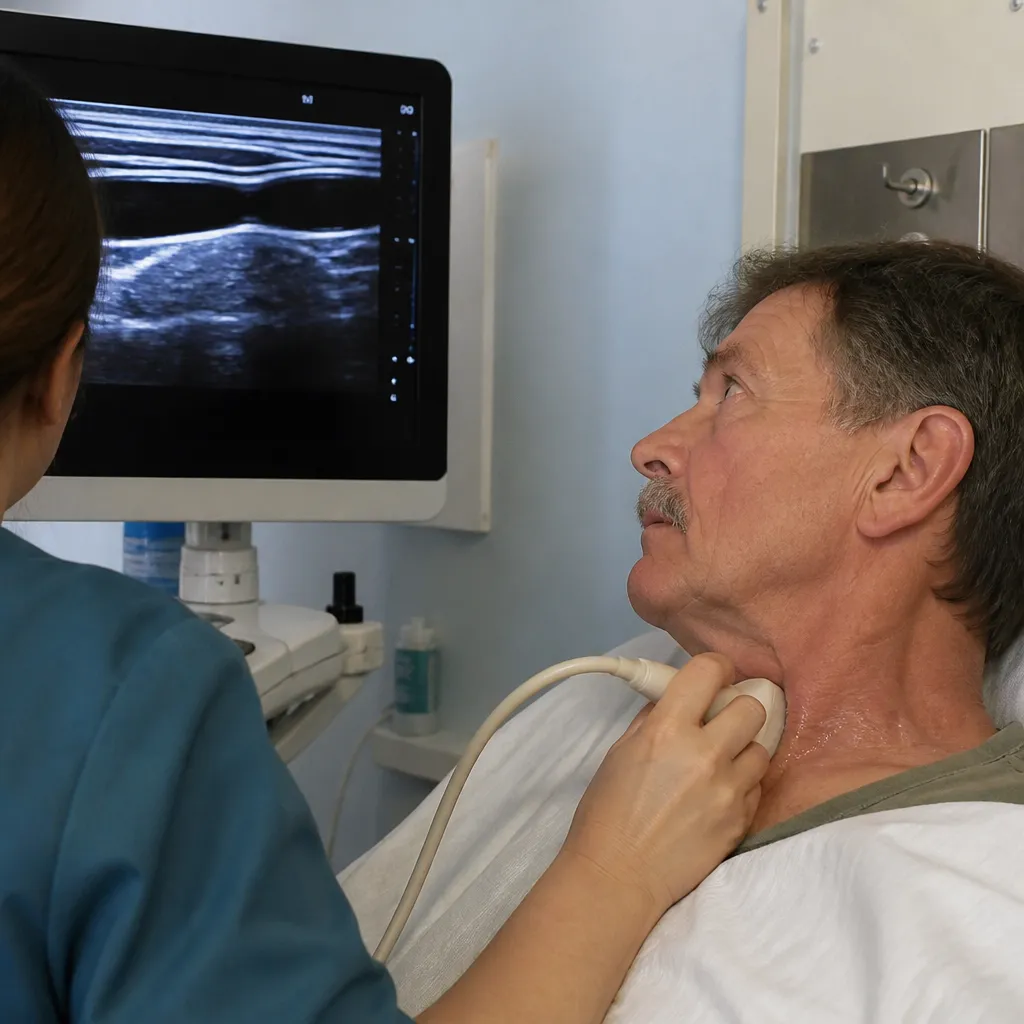
Artery Clean-Up Enzyme
Ad Copy
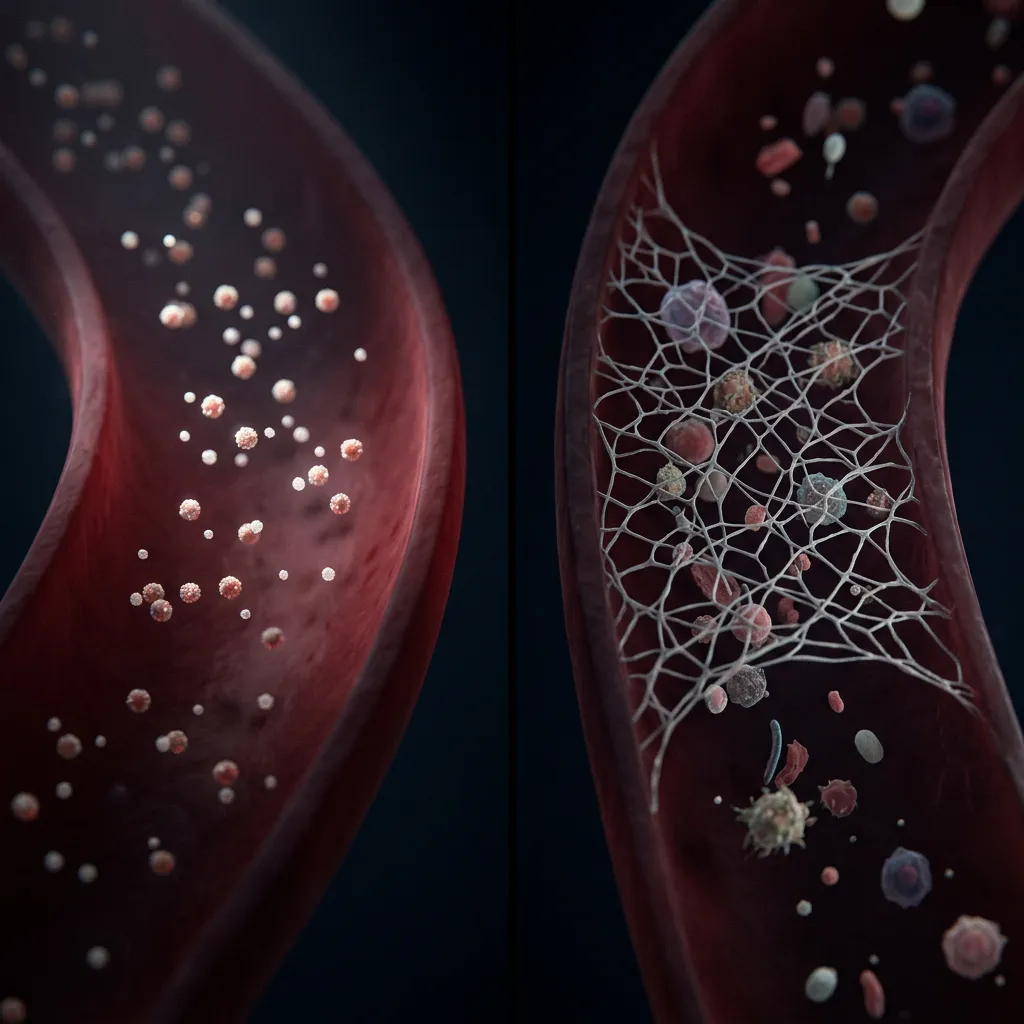
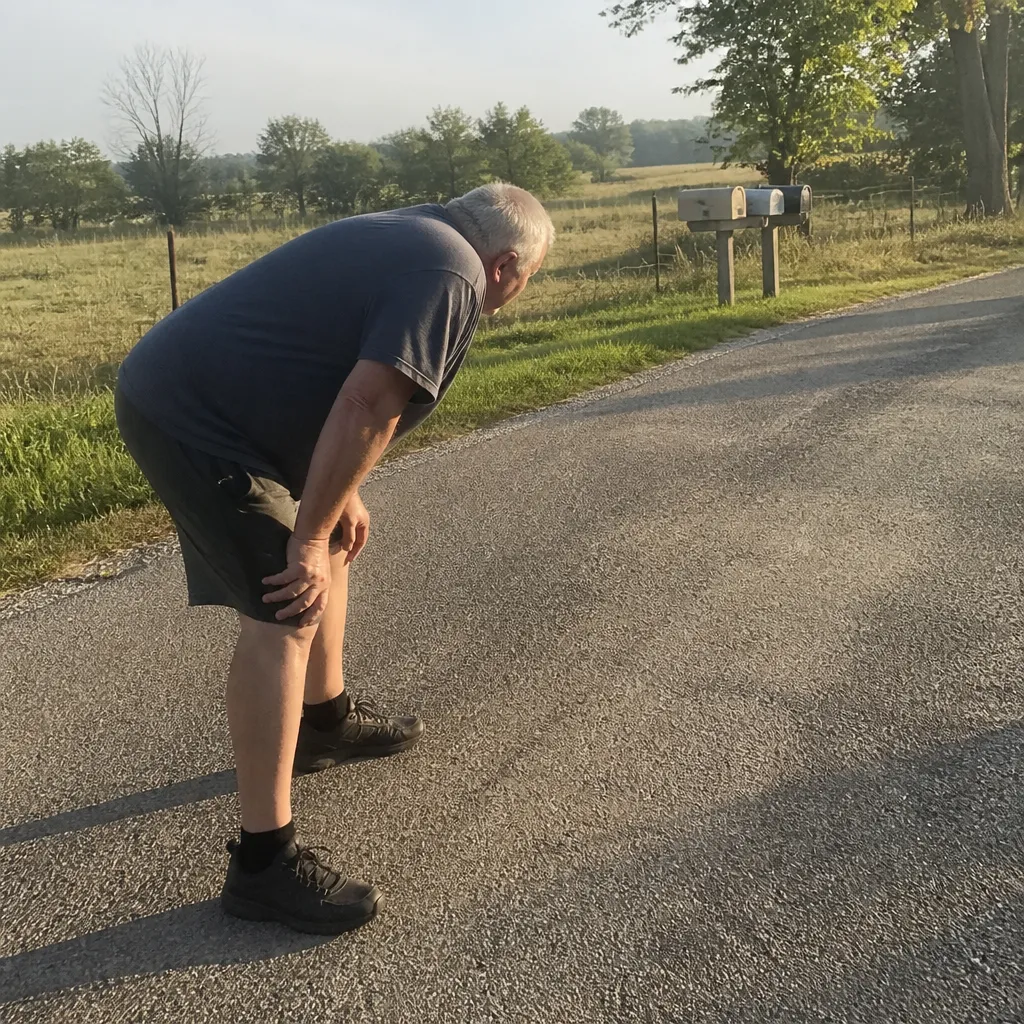
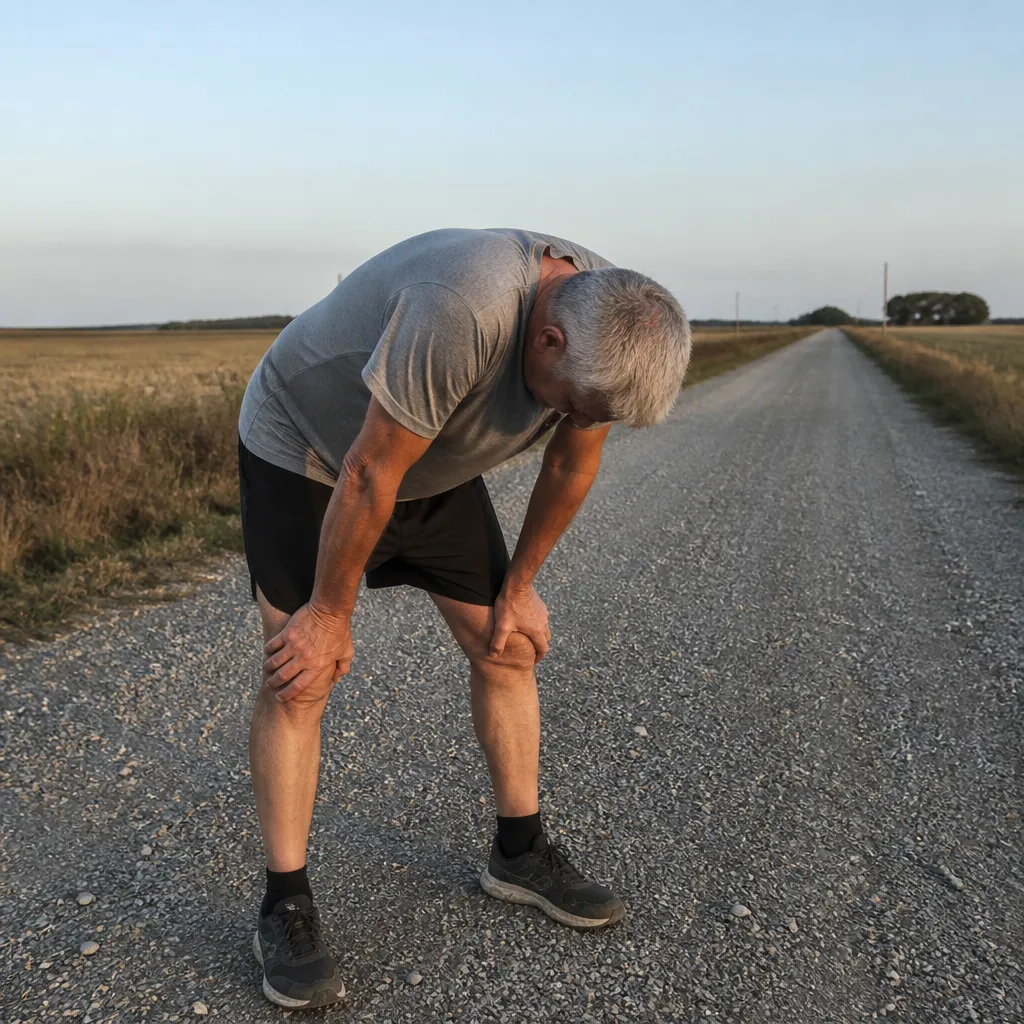
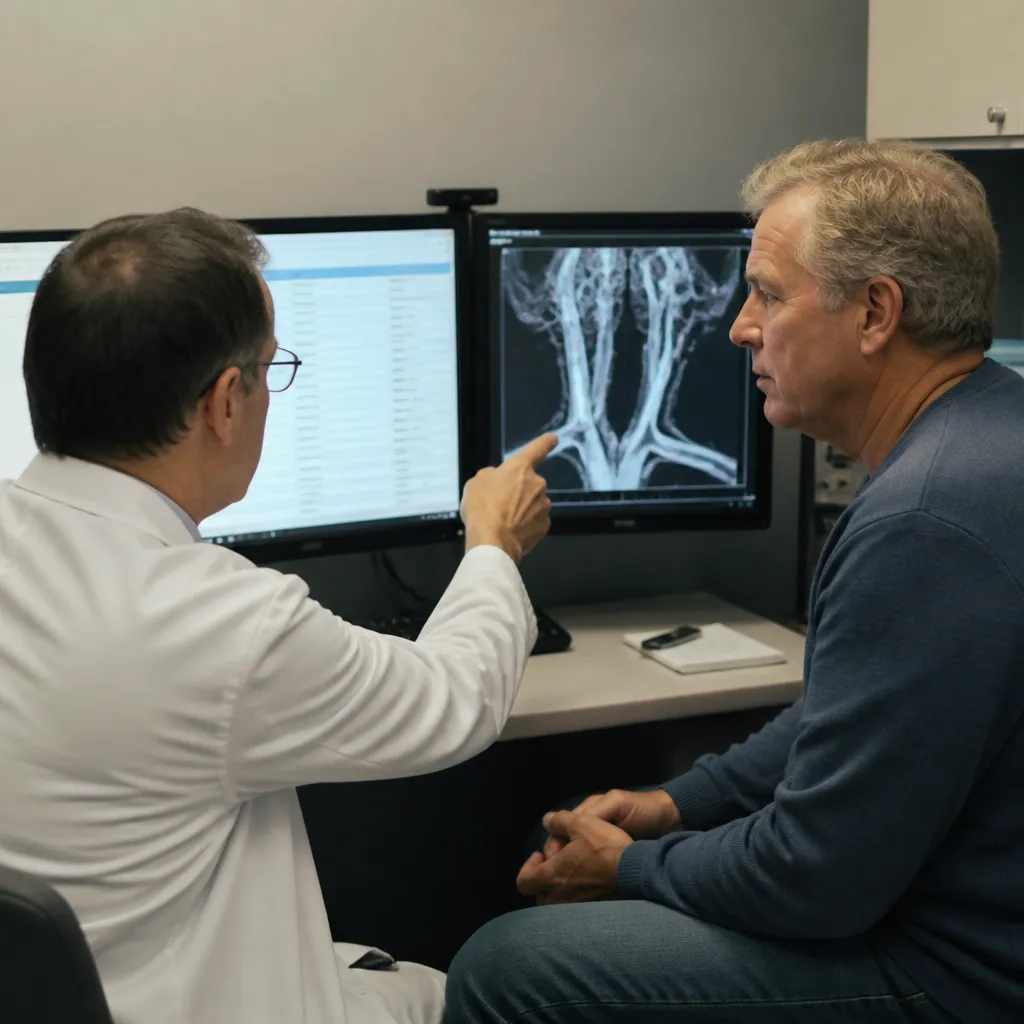
I saw a statistic that made me sick. Men over 50 with unmanaged fibrin buildup are significantly more likely to experience a serious vascular event than men the same age without it. Not slightly more likely. Significantly. I'd had narrowing arteries for almost 12 years and not one specialist had ever mentioned fibrin. But here's the truth. Your lipid panel measures cholesterol. Your specialist watches the number. The thing actually forming the scaffolding inside your artery walls sits between those measurements and nobody is paid to look there. That's why most of us never heard this. That's why my father never heard it either. My father was part of that statistic. Took every supplement the shelf had to offer for sixteen years. Fish oil every morning. CoQ10 every night. Garlic, beet powder, turmeric, a circulation blend from the health food store. His cholesterol number looked fine at every single visit. A vascular event took him at 69. I'm 57. Last month my specialist told me my cholesterol was creeping up and my arteries showed early signs of narrowing. He wanted to add another supplement protocol and start monitoring me more closely. I sat in that chair and I saw my father's face. And what I found instead, on a small farm in Lancaster County, Pennsylvania, took me from cold hands by morning, heavy legs by noon, and a body that felt ten years older than it was, to walking five miles on uneven ground without stopping. No additional protocol. No new stack of bottles. But to understand why I was desperate enough to drive five hours to a farm on a Tuesday morning, you have to know what I watched those years of supplements do to my father. And what I didn't know they were quietly failing to do for me too. For sixteen years my father took every supplement anyone recommended. Started with fish oil. His specialist called it "the foundation." Said it would support his circulation and keep things flowing. He took it every morning with his oatmeal for sixteen years straight. His circulation never improved. Within the first year the cold hands were less frequent but never gone. He'd go a few weeks feeling decent and then wake up on a Saturday unable to close his fists because his fingers were too stiff and swollen. His specialist said it was the weather. By year five his stamina was gone. This was a man who ran a feed store for twenty-eight years, loading fifty-pound bags into truck beds with one arm. He was sitting in his recliner after dinner by 6:30 and asleep before the news was over. His legs started swelling around year eight. Ankles thick by evening. Shoes tight by noon. His specialist added beet powder and told him to elevate at night. Now it was fish oil and CoQ10 and beet powder and garlic and elevation. Five approaches, same chart, nobody connecting what was actually happening underneath. And every time we brought it up, his specialist said the same thing. "His cholesterol looks fine, Michael. The swelling is probably just age. He needs to stay active and keep hydrating." He'd been walking two miles every morning since he was 50. Hadn't missed a day until his legs wouldn't let him finish. Activity wasn't the problem. My mother said it was like watching him disappear one supplement at a time. They had him on that routine for sixteen years. Sixteen years of the heaviness coming back anyway. Sixteen years of planning around the possibility that next week his legs might not cooperate. Sixteen years of visits where they'd adjust his stack or add another bottle, but never once, not one time, did anyone say, "Maybe something is happening that these supplements aren't reaching." And then the vascular event took him anyway. 69 years old. Sixty-nine. Collapsed in his garage on a Saturday morning reaching for a wrench on the pegboard. At the service my mother grabbed my arm and said something I'll never forget. "For sixteen years they told him his numbers were fine, Michael. They were watching the wrong thing the whole time." So fast forward to four months ago. I'm 57. I've been managing my own vascular health since my mid-forties. I've been a good patient. Fish oil every morning. CoQ10 at night. No red meat. Garlic extract. Arginine. Beet powder stirred into water until the taste made me gag. A vascular support blend from the warehouse store with eleven ingredients sharing one capsule. Turmeric with black pepper. Magnesium. My hands still went cold before lunch. My legs still got heavy by two o'clock. My ankles still swelled by evening. I went to my annual visit. The specialist pulled up my chart. Looked at my numbers. Looked at me. "Michael, your cholesterol is creeping up. Your imaging is showing early narrowing. With your family history, I think we need to get more aggressive with your protocol." My chest tightened. Sixteen years of watching my father take every bottle on the shelf. Sixteen years of his specialist telling him his numbers were fine while his body kept slowing down. And then the vascular event took him anyway. "No," I said. "Not yet." He leaned back. "Michael, we need to address this before it progresses." "What's the point of more bottles if they didn't save him?" He didn't have an answer. I told him to give me three months. He wasn't happy. Wrote something in my chart. I didn't care. For three months I did everything right. Cut my diet down even further. Added more water. Added vitamin C. Took every supplement the forums recommended. Three months later I went back. Numbers barely moved. Hands still cold. Legs still heavy by afternoon. The specialist pulled out his pad again. "Michael, it's time." "Give me three more months." "Michael." "Three more months." He sighed. I didn't care what he wrote. That night I couldn't sleep. I kept thinking about my father. Same supplements. Same numbers coming back "in range" every year right until the Saturday morning they called me. At 2 AM I gave up. Went downstairs. Opened my laptop. I started searching. What actually causes artery narrowing to progress when your cholesterol looks fine and you're doing everything right. Why the buildup keeps growing. Why nothing on the supplement shelf seems to reach whatever is forming inside the walls. Every site said the same thing. Take your fish oil. Eat more vegetables. Walk more. Reduce stress. I'd done all of it. So I kept digging. Looking for people who'd actually addressed this. Not managed the surface. Addressed the structure. That's when I found the thread. Buried deep in a forum. Hundreds of comments. The question that started it was simple: "Why do some populations almost never develop significant arterial plaque?" I almost scrolled past. But something made me click. Person after person in the comments pointing to the same data. The same regions. The same populations. Rural communities in Japan. Small farming communities in the U.S. with traditional diets. Places where men in their 80s were still doing physical labor, still mobile, still strong, with vascular imaging that looked decades younger than their age. Someone posted a reference to a farm in Lancaster County, Pennsylvania. An old Mennonite family that had been fermenting foods for generations. I looked at the clock. 2:39 AM. By 5:30 AM I was in my car. By noon I was in Pennsylvania. I didn't have an address. Just drove until I saw farmland. Turned down a dirt road when I spotted a hand-painted sign. "Vegetables and Preserves." First farm I came to, there was an old man on the porch repairing a piece of harness equipment I didn't recognize. Had to be in his mid-80s. Lean. Straight-backed. His hands moved like he'd done this ten thousand times. No stiffness. No hesitation. No swollen knuckles. Just easy, steady work with fingers that gripped and twisted and pulled without a tremor. I parked and walked up to the porch. By the time I reached the steps I was winded from crossing the yard. "Excuse me," I said. "I don't want to bother you. But how old are you?" He looked up with steady, clear eyes. "Eighty-four." I stood there. 57 years old. Out of breath from crossing a gravel yard. And this man 27 years older moving like someone half his age. "I'm 57," I said. "My arteries are narrowing. I've been taking every supplement on the shelf for years. My father took the same ones for sixteen years. A vascular event killed him at 69." He set down his work. Looked at me for a long moment. "You came here for a reason," he said. "Come inside. I'll show you something." His kitchen smelled like coffee and wood smoke. He poured me a cup without asking. Pulled out a chair. "Your supplements," he said. "They're working on the wrong layer." I didn't understand. "Fish oil works on the blood. Keeps it flowing smoother. That's real. CoQ10 works on the energy supply for the tissue. That's real too. Beet powder and arginine work on the vessel walls. Help them relax and widen. Also real." He folded his hands on the table. "But none of those things are enzymes. And none of them can reach what's actually forming inside the artery wall." He tapped the table once. "Every artery in your body takes micro-damage every single day. Pressure at the bends. Friction where the vessels branch. Normal wear. Your body patches those spots with a protein called fibrin. Think of it as a mesh net. Temporary. Goes up while the wall heals. Comes down when the repair is done." He paused. "When you're young, your body sends its own enzymes to take that mesh down quickly. Clean turnover. You never feel it." "After fifty, those enzymes slow. The mesh stays up longer. Then it stops coming down at all." He folded one hand over the other slowly, like layers stacking. "Old mesh on top of old mesh. And those layers become scaffolding. Cholesterol, calcium, oxidized fats, cellular debris. It all settles into the mesh the way silt settles into a screen in a creek bed." He looked at me. "That is plaque. Not because your cholesterol number is too high. Not because you ate the wrong food. Because the temporary mesh that was supposed to come down years ago is still sitting on the artery wall, catching everything that passes through it." My eyes started to burn. "That's why your father's numbers looked fine for sixteen years while his arteries kept narrowing. The panel measures what's in the blood. Nobody was checking what was on the walls. Those are two different questions. The standard approach only answers one of them." I stared at him. "And here's the part that will make you angry," he said. "Fish oil doesn't reach fibrin. CoQ10 doesn't reach fibrin. Garlic, beet powder, arginine, turmeric, and that circulation blend with eleven things sharing one capsule, none of them are enzymes. None of them can touch the mesh." He shook his head slowly. "Your father spent sixteen years scrubbing the floor of a house where the ceiling was leaking. The floor never dried because the water was coming from above. The mesh was the ceiling. Not one thing on his counter was built to reach it." He tapped the table once more. "That is what happened to your father. His numbers were in range. But the scaffolding was building every single day. The supplements he took were aimed at every layer of the system except the layer where the accumulation actually sits. And his arteries paid for it while his specialist told him he was doing everything right." I asked him how he knew. He smiled. A small, steady smile. "My family has been fermenting foods on this land for generations. And for a very long time, we've known about an enzyme that supports the body's own ability to manage fibrin." "Nattokinase," he said. "Comes from natto. Fermented soybeans. Japanese families have been eating it for over a thousand years. In 1980, a researcher named Hiroyuki Sumi isolated the enzyme in his lab and found it had a specific affinity for fibrin. Not a general effect. A targeted relationship with the exact protein that forms the mesh." "Since then, the research has spanned decades. Multiple countries. Multiple institutions. Over forty years of published studies. And in the regions where natto is consumed daily, generation after generation, the population data on vascular health has drawn consistent attention from the research community." He stood up. Walked to a shelf along the kitchen wall. "But most nattokinase on the market is worthless before it ever reaches you." He turned back. "They list milligrams on the label. Milligrams measure weight. For an enzyme, weight tells you nothing. What matters is fibrinolytic units, FU. The measurement of actual enzyme activity. Most brands don't print it." "The ones that do list 2,000 FU. A fraction of what the research used." "Then they bury it inside a blend. A 'cardio complex' with ten or twelve other ingredients sharing capsule space. Divide the room and nothing gets a meaningful amount." "Enzymes are fragile. Heat during manufacturing degrades activity before the bottle is sealed. Stomach acid finishes what's left. And almost none of these companies test for actual enzyme activity through independent labs. They test weight. They test contamination. Whether the enzyme still works when it reaches your body is a question they never ask." He held up his hand. "So men buy nattokinase from the supplement aisle. They take it for two months. Nothing changes. They throw the bottle away and conclude nattokinase doesn't work. But the enzyme was right. The product was dead before they opened it." I asked him if there was one he trusted. He nodded. "My son spent years studying this. Talked to researchers. Visited labs. Found one company doing it the right way." He wrote the name on a piece of paper and handed it to me. MAÏA Nattokinase. 5,000 FU per capsule. Printed on the label. Not milligrams. Fibrinolytic units. Single ingredient. Not a blend. Fermented from non-GMO soybeans. K2-free. Third-party tested for enzyme activity, not just weight. One capsule. Every morning. That's it. I ordered a bottle from his kitchen table. It arrived a few days later. I took the first capsule the next morning with my coffee. Sat on my back porch. Waited. What happened over the next few weeks changed my life. Week one. No change. Same cold hands. Same heavy legs. I sat on the porch and stared at my father's watch on my wrist and waited. Week two. My hands were warm before I finished my coffee. Not dramatically. Just present. I could feel the mug in my fingertips instead of just my palms. I wrapped my fingers around it and held on. Week three. The heaviness in my legs arrived later. Then lighter. Somewhere around day eighteen I realized I hadn't thought about my legs when I got out of bed that morning. Hadn't calculated. Just stood up and walked to the kitchen. Week four. My ankles were normal by bedtime. Not swollen. Not puffy. Not marked with sock lines pressed into the skin. I sat on the edge of the bed and looked at them and they looked like they belonged to someone five years younger. My follow-up was at the end of month two. The specialist pulled up my chart. Looked at the numbers. Stopped. Scrolled. Looked at me. "Michael. What did you change?" I told him. The farm. The old man. The fibrin mesh. The scaffolding. The difference between supplements that work on the blood and the walls and the energy, and the one enzyme that supports the body's own ability to manage the structure where the buildup actually sits. He typed. Nodded slowly. "Let's run your full panel again in four weeks. If everything holds, we hold on the aggressive protocol." Four weeks later the numbers held. The specialist looked at the results and said, "Whatever you're doing, keep doing it." That was four months ago. Zero mornings with cold hands. Zero afternoons with heavy legs. Zero evenings with swollen ankles. Without another bottle on the counter. Without another protocol. Without living in fear of ending up where my father ended up. Last weekend I hiked a trail I used to do with my father before his body started failing him. Five miles. Uneven ground. I kept waiting for the heaviness in my calves to announce itself the way it had for years. It never came. I sat at the trailhead afterward and thought about him. I called my mother that night. Told her what I'd found. Told her about the mesh. The scaffolding. The enzyme that supports the thing none of his supplements could reach. Long silence. "Your father tried everything they told him to try, Michael. Every bottle. Every morning. He just never found this." If you're reading this, you probably see yourself in my story. Your numbers look fine and your body tells a different story. Your specialist has mentioned getting more aggressive. You've tried the fish oil, the CoQ10, the beet powder, the garlic, the arginine, the twelve-ingredient blend. You've tried walking more, eating cleaner, drinking more water than any human being should reasonably drink. They didn't work. But now you know why. You weren't supporting the mesh. You were scrubbing every surface around it while the scaffolding kept building underneath. The fibrin that was supposed to come down after fifty kept accumulating, layer after layer, and every supplement you took was aimed at a different part of the system that sits above where the buildup actually lives. Your artery walls have been absorbing that accumulation this whole time, just like my father's were, while the numbers came back fine and the specialist said keep doing what you're doing. MAÏA Nattokinase is different. 5,000 FU per capsule. Single ingredient. Not buried in a blend. Fermented from non-GMO soybeans. K2-free. Third-party tested for enzyme activity, not just weight. One capsule a day. Every morning. Try MAÏA for 30 days. See what happens to your hands. See what happens to your legs. See what happens to the afternoons that used to be a negotiation between your body and your plans. https://www.buymaia.com/shocking-discovery-nattokinase-plaque If nothing changes, full refund. No questions. You're at a crossroads. One path. Keep taking what you've been taking. Keep watching your hands go cold. Keep feeling your legs get heavy by noon. Keep swelling by evening. Spend the next decade scrubbing every surface while the scaffolding keeps stacking. End up where my father did. Another path. Try what I tried. Support the enzyme activity your body has been losing since fifty. Give the mesh the attention none of those other bottles could provide. Track what your body tells you. See what changes in 30 days. I chose the second path. It gave me my legs back. My hands back. My afternoons back. And it may have kept me off the same path my father walked for sixteen years until the path ran out. The supplement aisle isn't coming to save you. Your fish oil isn't looking at the mesh. Your CoQ10 isn't looking at the scaffolding. Your beet powder isn't looking at the fibrin. Nobody is looking at the layer where the buildup actually sits. Every year you wait is another year of mesh accumulating. Another year of scaffolding catching what floats through. Another year closer to becoming the statistic I refuse to be. My father didn't have this information. You do. Michael Delaney P.S. My hands went from cold before lunch to warm by the time my first cup of coffee was finished. My legs went from heavy by noon to holding me on a five-mile trail over uneven ground without a single stop. My ankles went from swollen every evening to normal at bedtime. That happened in the first two months. Your timeline will be yours. But you won't know until you try. The 30-day money-back guarantee means you risk nothing. P.P.S. My older brother Dan started MAÏA six weeks after I did. He's 61. Same cold hands. Same heavy legs. Same shelf full of supplements that never reached the right target. He called me last week. His hands are warm. His legs hold through the day. He walked his dog the full two-mile loop for the first time in over a year. He said, "I'm not going to end up like Dad." Neither am I. Neither should you. https://www.buymaia.com/shocking-discovery-nattokinase-plaque P.P.P.S. MAÏA is a small company. They ferment in limited batches because enzyme activity requires time and testing that most brands skip entirely. I learned the hard way that they go in and out of stock. I keep two bottles in the house now. One for me. One for Dan. Because after watching what happened to my father, I'm not interested in waiting until something cracks to start supporting the mesh. If your next visit is in 30 to 60 days and you want to walk in feeling different than you did last time, start now. Not next month. Now. Every month that passes while the scaffolding keeps building is a month you don't get back. https://www.buymaia.com/shocking-discovery-nattokinase-plaque
More from Natural Wellness Magazine

Artery Clean-Up Enzyme
Natural Wellness Magazine

Artery Clean-Up Enzyme
Natural Wellness Magazine
Artery Clean-Up Enzyme
Natural Wellness Magazine
Artery Clean-Up Enzyme
Natural Wellness Magazine
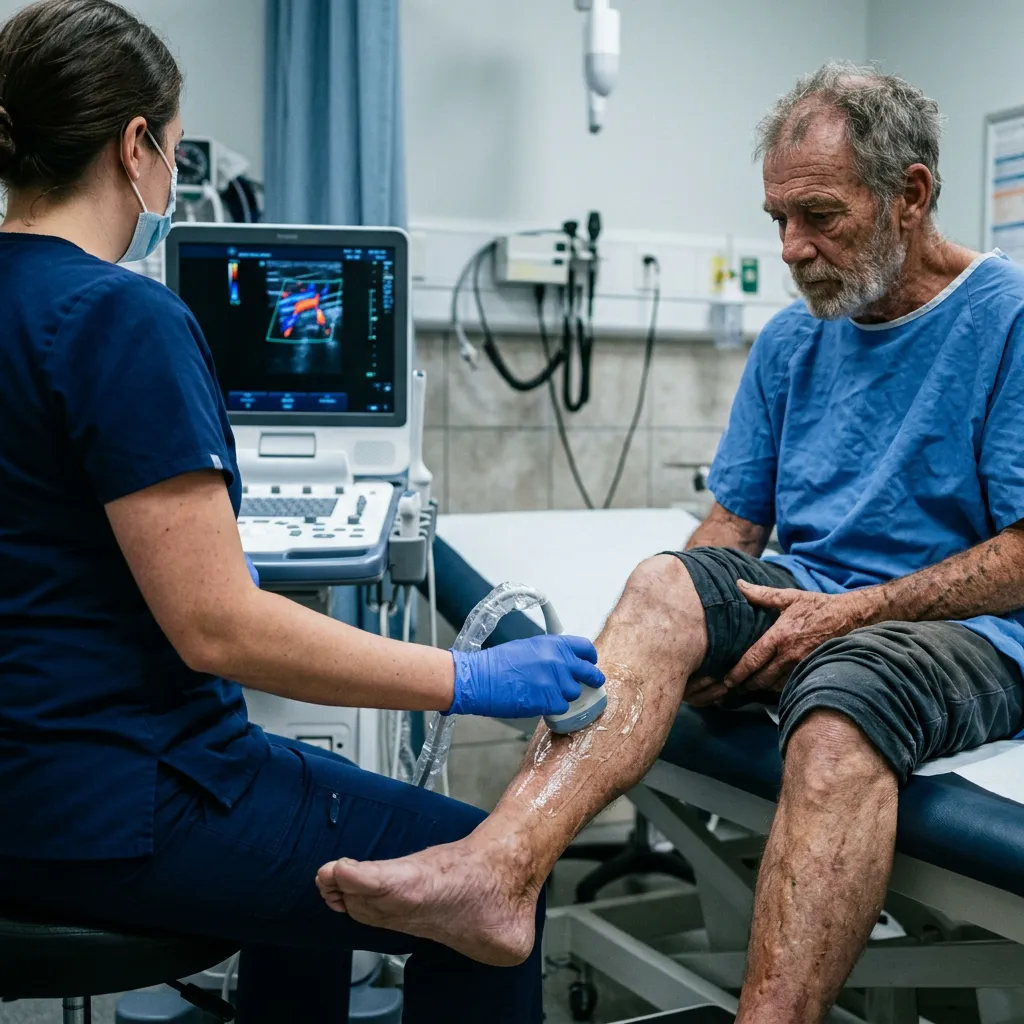
Artery Clean-Up Enzyme
Natural Wellness Magazine
Artery Clean-Up Enzyme
Natural Wellness Magazine
Artery Clean-Up Enzyme
Natural Wellness Magazine
Artery Clean-Up Enzyme
Natural Wellness Magazine
Artery Clean-Up Enzyme
Natural Wellness Magazine
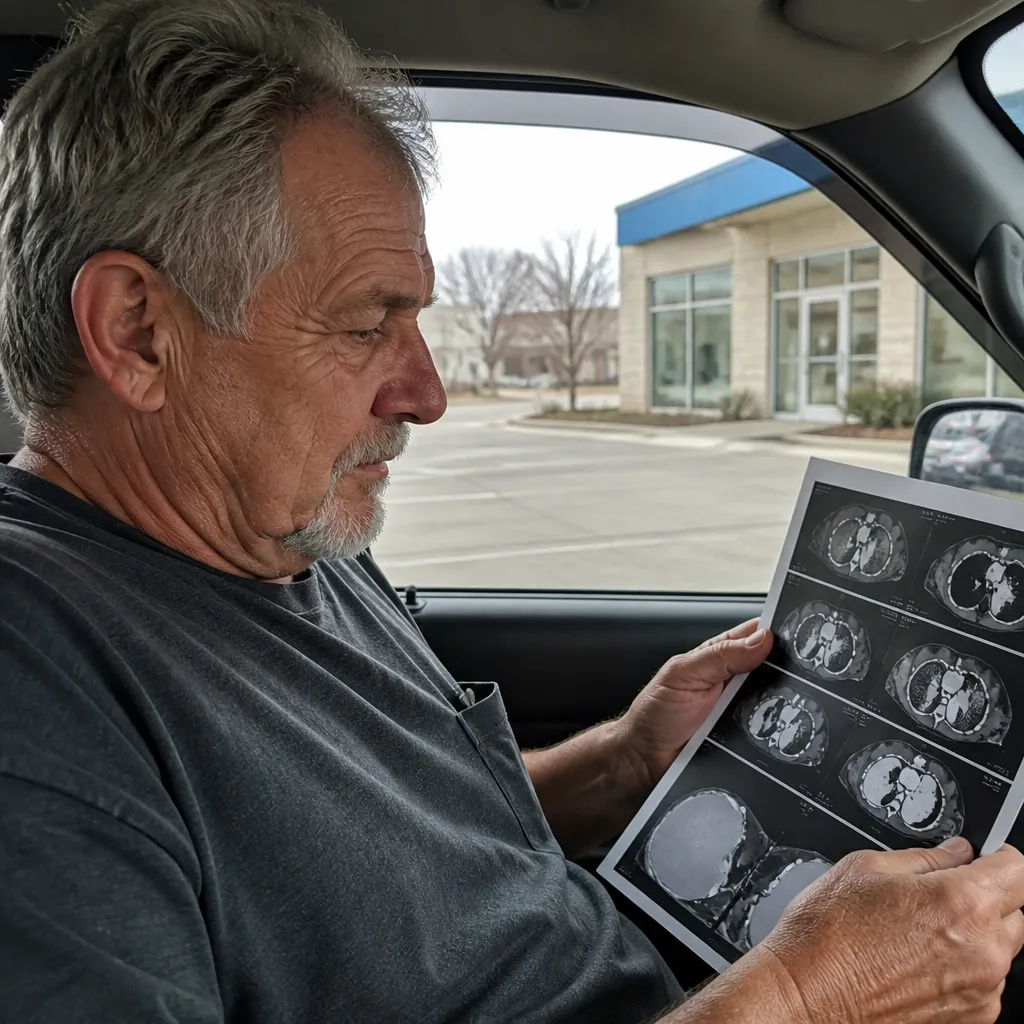
Artery Clean-Up Enzyme
Natural Wellness Magazine
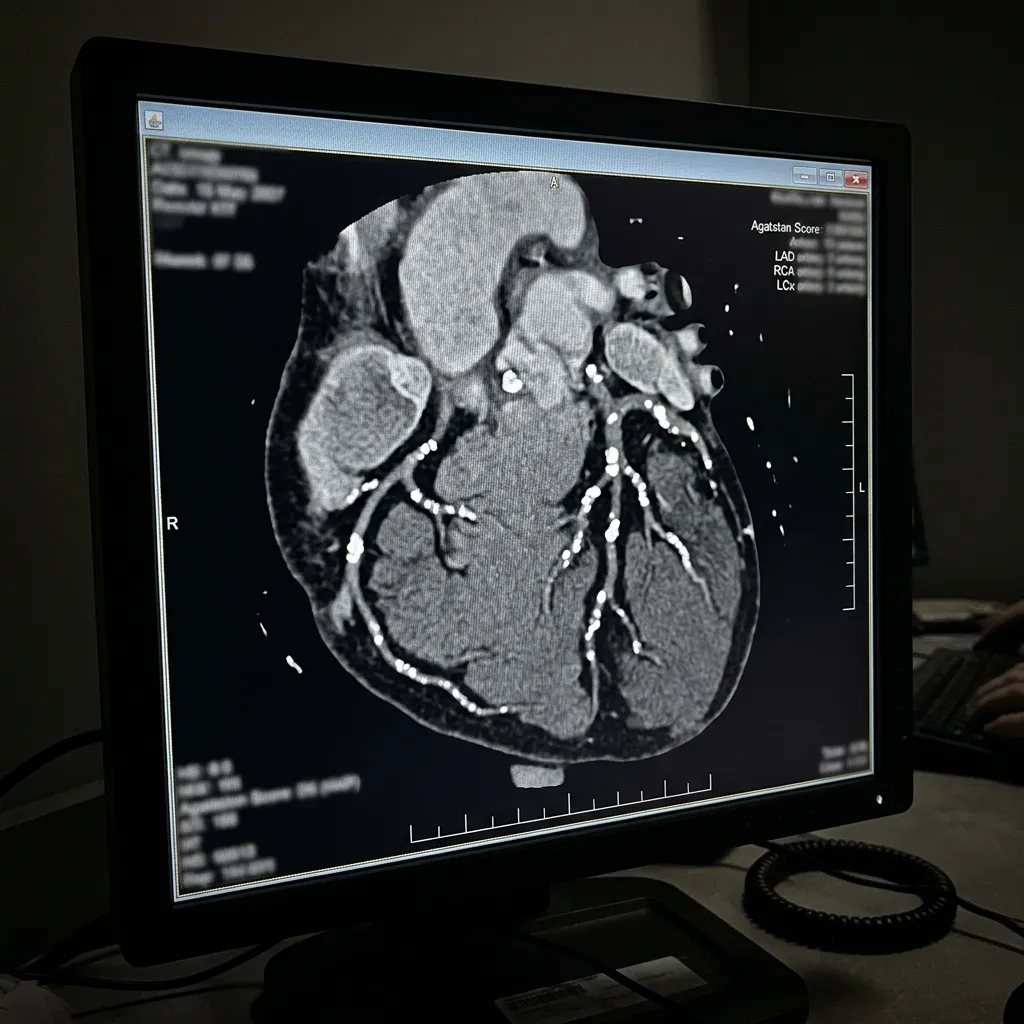
Artery Clean-Up Enzyme
Natural Wellness Magazine
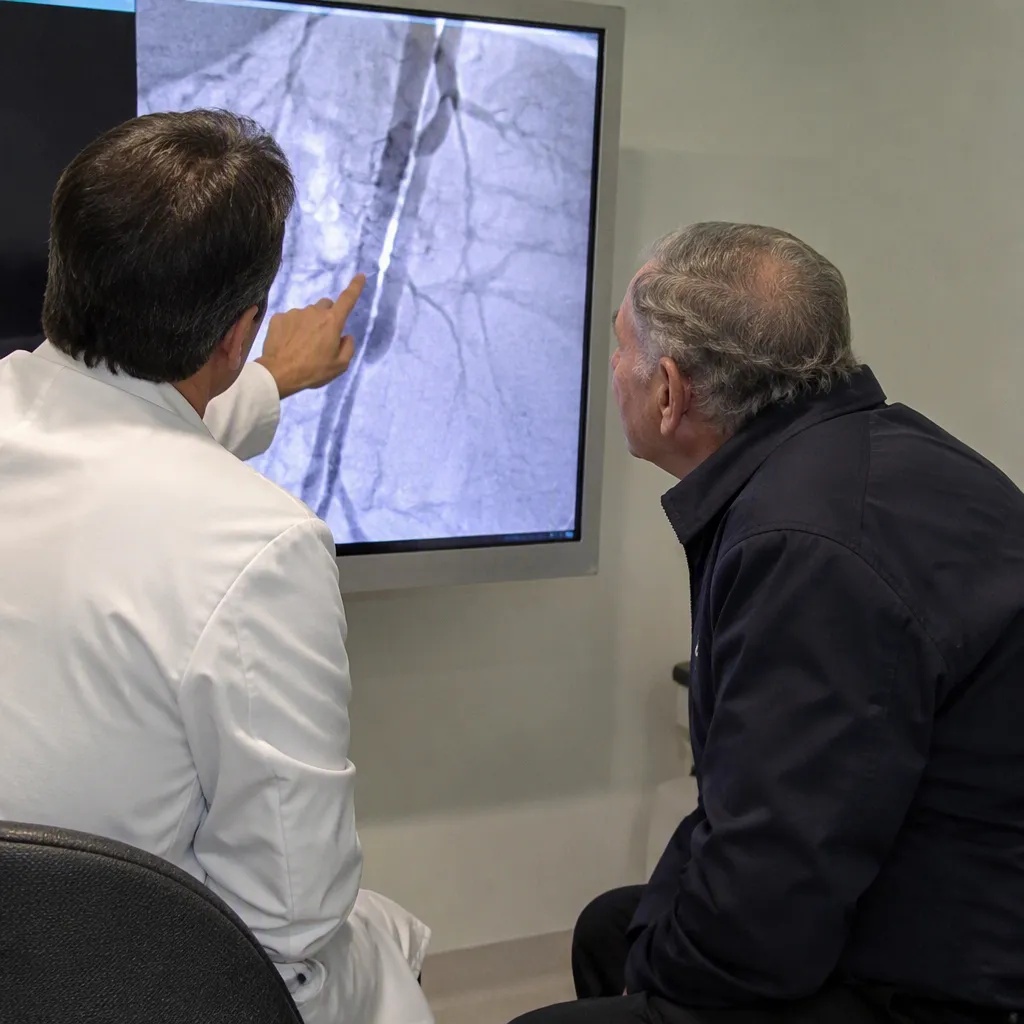
Artery Clean-Up Enzyme
Natural Wellness Magazine

 Add to Chrome