Ceylon Cinnamon 7200mg Equivalent with MCT Oil
Ad Copy
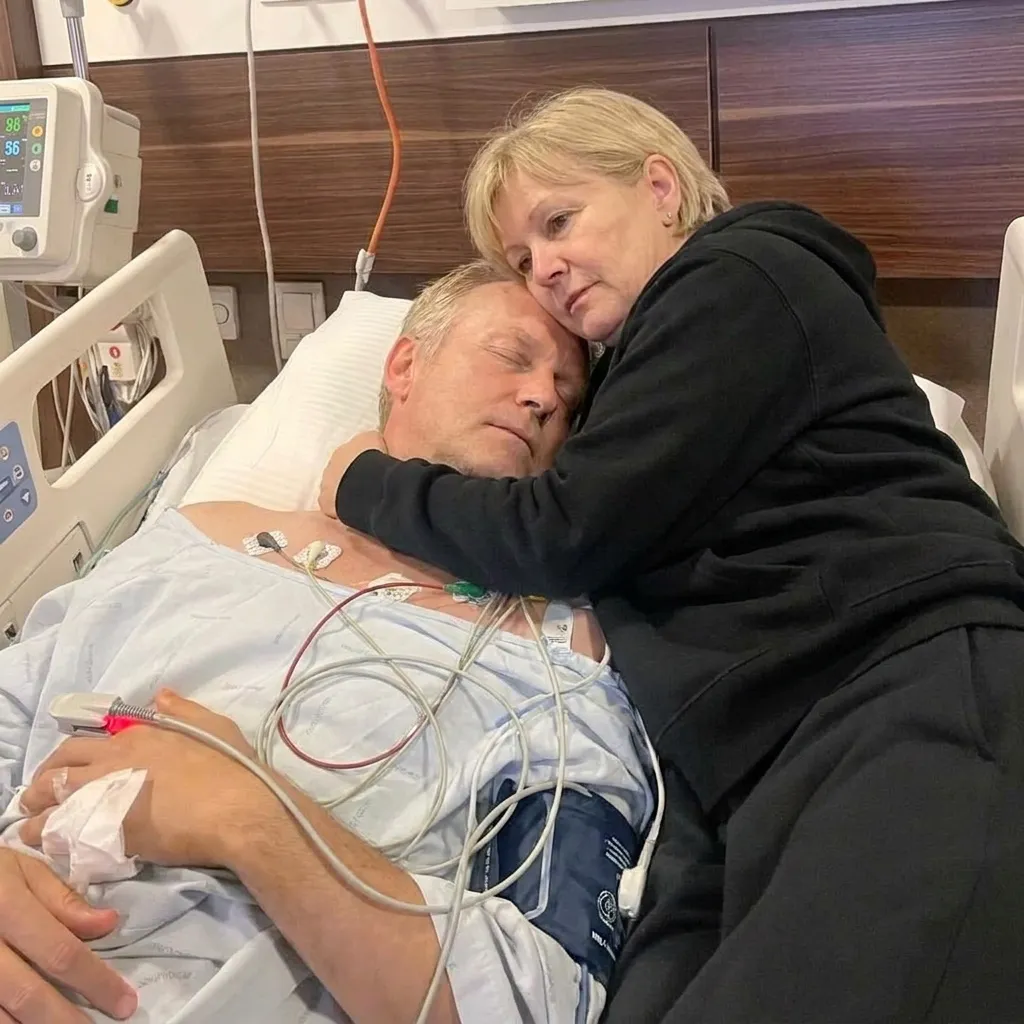
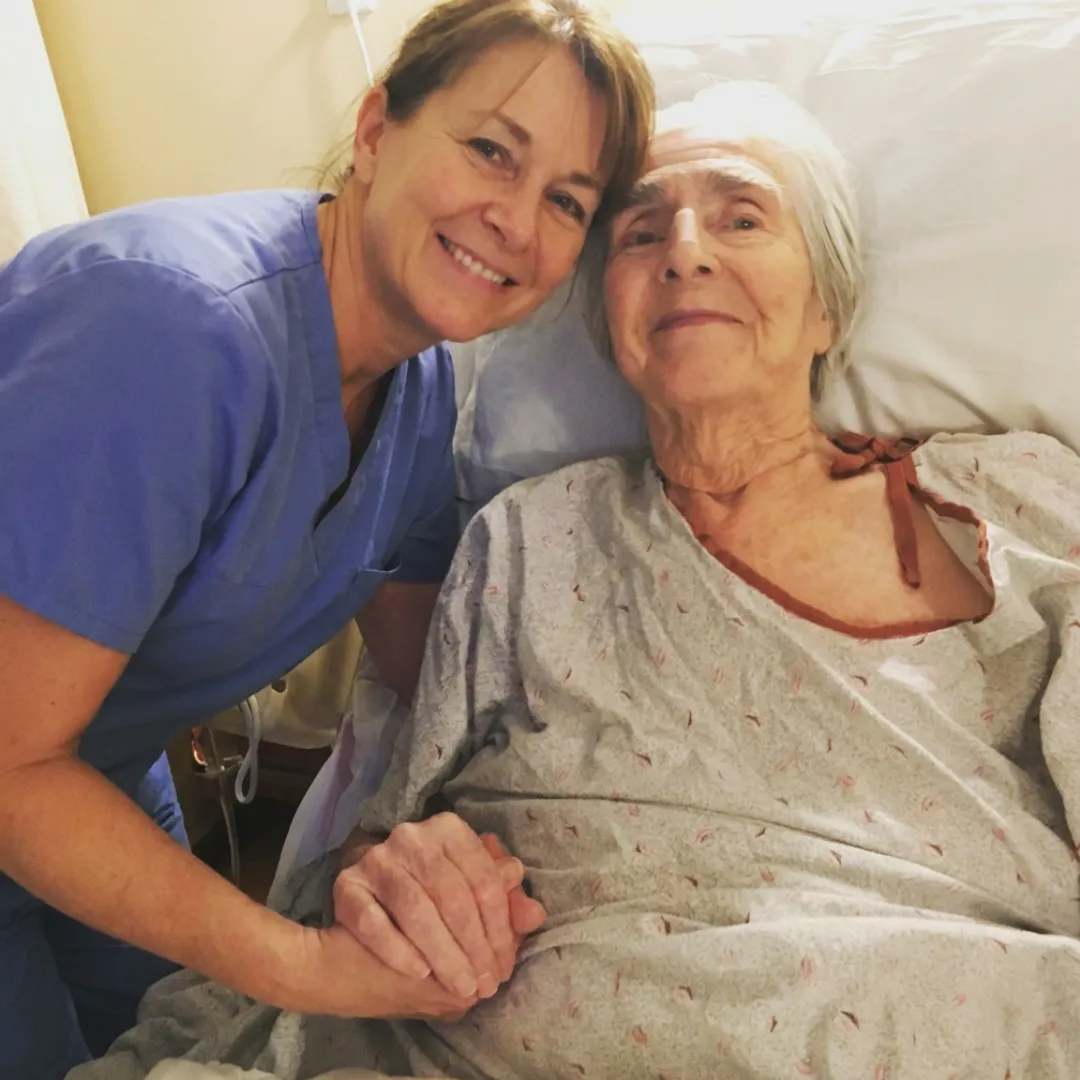
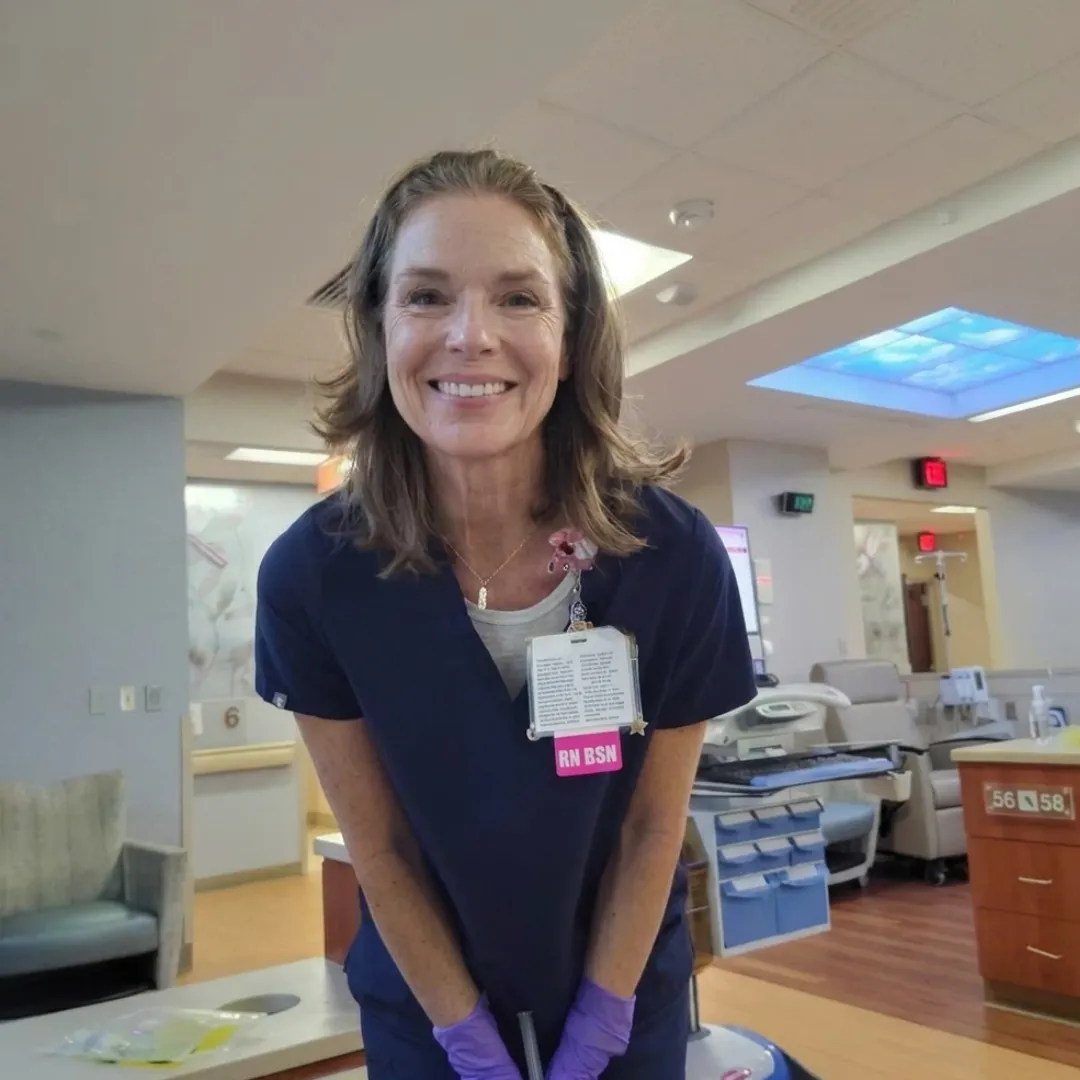
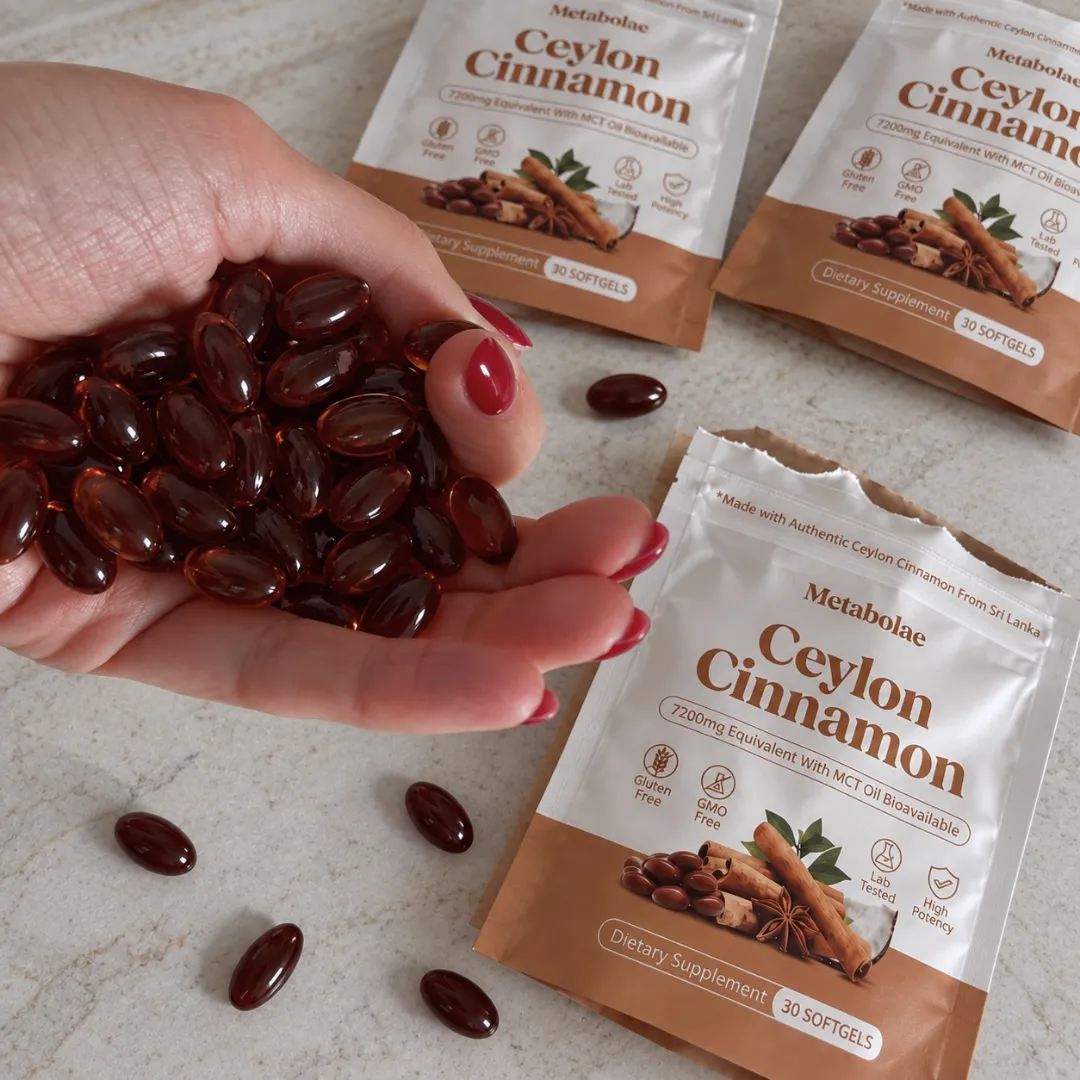
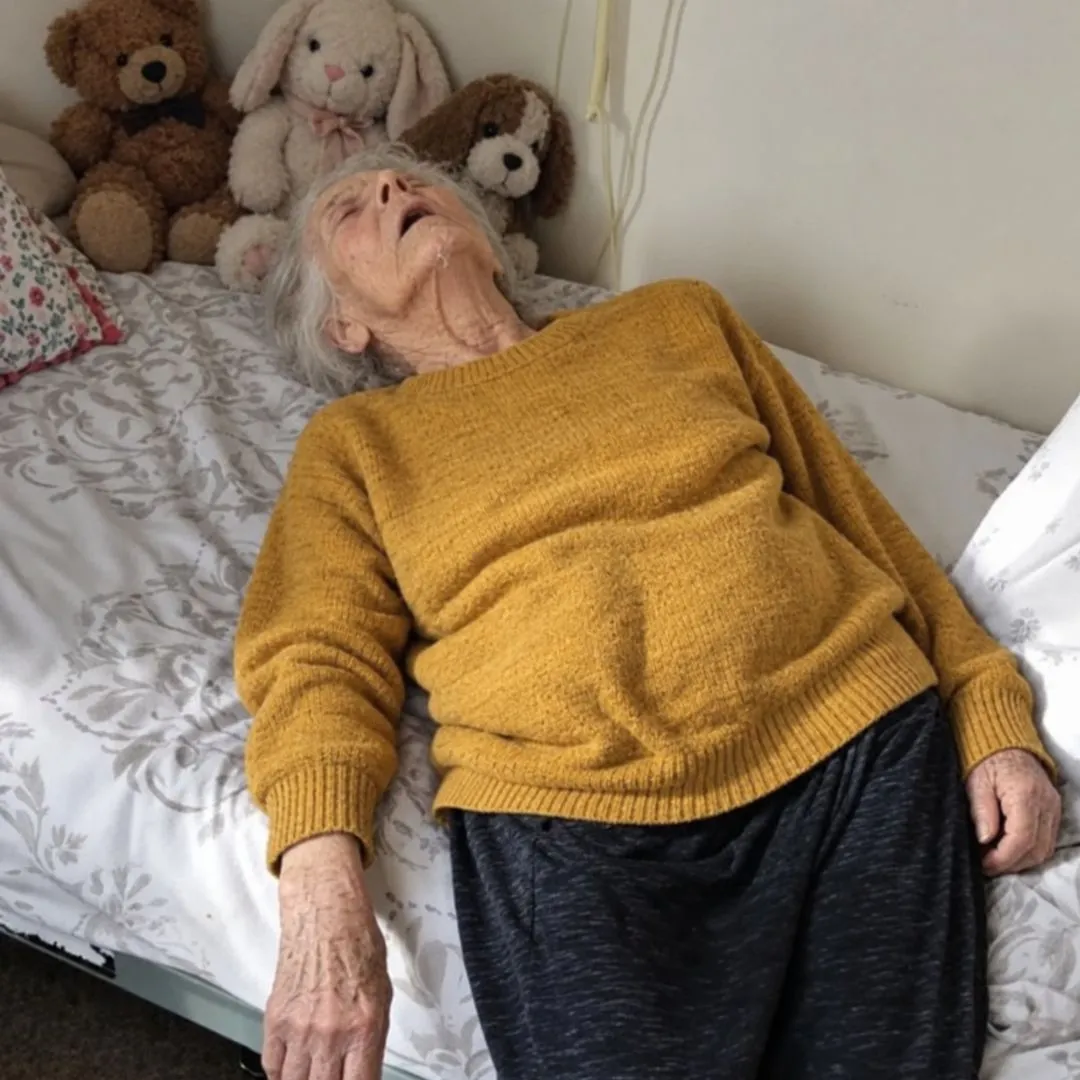
My son threatened to put me in a nursing home if I didn't post this... I said it was nobody's business but my own. He said, "It could save someone's life, Mom." So I finally gave in. I had a stroke last April. Not a massive one but enough to paralyze my left side and slur my speech for three terrifying minutes before my husband got me to the ER. The doctors ran every test. MRIs. Blood panels. Carotid ultrasounds. And when they found the cause, I couldn't believe it. It wasn't my cholesterol. It wasn't my blood pressure. It wasn't genetics. It was fifteen years of Type 2 diabetes that everybody, including me, thought was under control. My A1C was 6.4. It had been sitting right around there for years. Every single appointment ended with somebody telling me that was well controlled and I was doing great. And as a former nurse, I genuinely thought I was doing everything right. But about two years before my stroke, I started noticing things weren't right. I'd wake up exhausted like I hadn't slept at all. My hands and feet were constantly cold. My feet had started tingling at night, and then burning, and I'd begun sleeping with them outside the covers. I was up three and four times a night. I'd started holding the newspaper further out than I used to and blaming the light in my kitchen. And I had this weird brain fog that wouldn't go away no matter what I did. I went to my doctor. My A1C came back at 6.4. She told me: "You're 68. Your numbers are fine. This is just what aging looks like." So I tried everything. Walking every morning. The Mediterranean diet, properly, not half of it. I cut the bread. I cut the potatoes. I cut the rice. I gave up the thing my mother taught me to make because it was mostly pasta and I decided that was that. I did it for two solid years and I did it by the book, because I am a nurse and when I am given a protocol I follow it. Turmeric, fish oil, vitamin D, berberine, chromium. Nothing changed. If anything, I felt worse. And I want to say something about that, because I know what it does to a person. When you cut out everything you like and the number doesn't move, you don't blame the advice. You blame yourself. You assume you must be cheating somewhere without noticing. I spent two years quietly believing I was failing at something I was actually doing perfectly. Then about six months before my stroke, I started waking up at 3 a.m. every night. Wide awake. Heart racing. Low-grade panic for no reason. I felt like I was falling apart. And nobody could tell me why. Then one morning last April, I was making coffee and my left arm went completely dead. Not numb dead. Like someone had cut the strings. I tried to set down the mug but my hand wouldn't respond. The mug fell and shattered. I tried to say "I'm okay" but what came out was garbled nonsense. My husband came running, took one look at my face the left side drooping and called 911. His voice was shaking. And that's when I knew how bad it was. Because my husband never shakes. At the hospital, the neurologist went through every possible cause. My cholesterol was normal. Blood pressure was normal. No family history. I didn't fit the profile. "Then what caused it?" I asked. He hesitated. Then he said: "Your A1C is 6.4. That's not the problem. The problem is what your blood sugar has been doing to your vessels for fifteen years while everybody looked at that number." "What do you mean?" He pulled up the imaging. "Sugar is supposed to leave your blood. There are transport doors on the surface of your cells, and insulin knocks, and they open, and the sugar goes into the muscle and gets burned. After enough years, those doors stop answering. Insulin keeps knocking. Nothing opens." "So where does it go?" "Nowhere. It stays in your blood. Trapped." My stomach dropped. "And trapped sugar doesn't sit still. Every heartbeat pushes it through every vessel you own, and it drags across the lining inside them. That lining is one cell thick. Year after year it gets worn down and the vessels narrow and stiffen." He showed me images of constricted blood vessels. Narrow. Rigid. Starved of oxygen. "When those vessels narrow far enough, blood flow slows and clots form. In your case, that clot caused your stroke." Then he said the part I have not been able to put down since. "And it isn't only here. Your body doesn't have one set of vessels. The smallest and most fragile are in five places. The nerves in your feet. The filters in your kidneys. The retina in your eyes. The tissue that keeps you intimate with your husband. And the arteries feeding your heart." I felt like I'd been punched in the chest. Because I sat there and went through my own list. The tingling feet. The three and four trips a night. The newspaper held further out. The exhaustion that sleep did nothing for. Four things. I had taken every one of them to a doctor separately over two years. I had a different explanation ready for each one. Not one person, including me, had ever put them on the same page. They weren't four problems. They were one problem, arriving in five places, while everybody watched a number that could not see any of it. And then I understood the other thing, and this is the part I want every person reading this to actually hear. Two years of the Mediterranean diet reduced how much sugar was arriving in my blood. It did absolutely nothing about the doors. That's why it didn't work. Not because I did it wrong. Because I was solving one half of a problem and nobody ever showed me the other half existed. I gave up bread for two years to lower a number, and the sugar that was already stuck in me kept grinding through five places the entire time. I went home terrified. Terrified to sleep. Terrified that another clot was forming but also terrified I couldn't do anything about it. What if it happened again? I'd treated stroke patients who never recovered. Who lost speech. Mobility. I kept imagining my husband finding me unresponsive. I started setting alarms every two hours at night. Just to make sure I could still move my arms. Still speak. My husband would find me sitting on the edge of the bed in the dark, wiggling my fingers, repeating my name. "Mary Parker. Mary Parker. Mary Parker." He begged me to talk to someone. But I didn't want therapy. I wanted to fix the problem. My son lives three hours away. He came to visit two weeks after the stroke. When he walked in, I could see it in his face: He thought he was going to lose me. We sat at the kitchen table. I tried to act normal. But my hands were shaking when I poured the milk. And he noticed. "Mom," he said quietly. "You're not okay." I started crying. I hadn't cried in front of him since his brother died. I told him everything. The 3 a.m. panic. The alarms. The terror of knowing another clot could form at any moment. He didn't say anything for a long time. Then he said: "I'm going to figure this out." Four days later, he called. His voice sounded urgent. "Mom. I think I found something." When he showed up that weekend, he was carrying a bag. "Before you say anything," he said, "I know you're skeptical. But just… trust me. Please." He pulled out Metabolae Ceylon Cinnamon. I nearly laughed. I had cinnamon in the cupboard. I'd been putting it on my oatmeal for a decade. "It's not that," he said. "Read the label." He'd already brought my jar in from the kitchen and set it next to the bag. Mine said Ground Cinnamon. His said Cinnamomum verum. "There are two completely different trees sold under the same word, Mom. About ninety percent of what's in American shops is cassia, from a different continent. The compounds the research is about are barely in it. Yours is the wrong tree. It's been the wrong tree for ten years." He looked at me. And I saw something in his face I hadn't seen since he was a little boy: Fear. Not fear of the supplement fear of losing me. "Mom, I can't watch you live like this. Terrified every night. Please." I'm a retired nurse. I know every miracle cure scam in existence. But I realized: He's not trying to sell me something. He's trying to save me. So I said yes. That night I read the research he'd sent. A trial in Diabetes Care, the American Diabetes Association's own journal, recording fasting glucose falling by up to 29 percent. A 2024 review pulling together 28 randomised trials and more than three thousand Type 2 patients, finding the same thing held. Two compounds, doing two different jobs. MHCP signals those transport doors to start answering insulin again, so the sugar that has been trapped can finally leave the blood and stop grinding. Cinnamaldehyde supports the lining inside the vessels that the trapped sugar has already worn down, so blood gets back to the five places it stopped reaching. One stops the cause. The other helps the five places that have been paying for it. And I kept thinking: Why didn't I know this? I worked in hospitals for 35 years. I saw thousands of diabetic patients. Why did no one ever tell them there was a difference between how much sugar was in their blood and whether it could get out of it? Because we're still treating this like it's 1985. Cut the carbs. Take the metformin. Watch the number. Hope for the best. But this is biochemical. Your cells need those doors to answer or the sugar has nowhere to go. If we treated a blocked airway the way we treat a blocked cell, patients would die on the table. You can't clear a backlog by reducing what's arriving. So why do we think that works for diabetes? It doesn't. The doors stay shut. And everything you didn't eat makes no difference to the sugar already trapped in there. I took it the next morning. One softgel with my coffee, alongside the metformin I have taken every single day for fifteen years and have never once stopped. Now, I want to be honest about the first part, because I am a nurse and I will not tell you something that isn't true. Nothing happened. Not that morning. Not that week. Not the week after. Two full weeks of nothing at all, and I very nearly stopped, and if I had stopped I would not be writing this. My son talked me into finishing the bag. Week 3. My hands. I was holding my mug at the kitchen table and I put it down and picked up the newspaper instead, and it took me a moment to work out what had just happened. I hadn't been holding it for the tea. I'd been holding it because my hands were cold. That morning they weren't. Week 4. I slept through the night. All the way through. No 3 a.m. panic. No alarms. My husband woke up and found me still asleep at 7 a.m. He checked to make sure I was breathing. Week 6. The socks came off. My feet had stopped burning and I hadn't noticed it stop, I noticed one morning that they were bare and I couldn't remember taking them off. Week 8. I read a book in the evening. In my own kitchen. In the light I'd been blaming for a year and a half. Within three months I felt like a different person. The fatigue, the fog, the cold hands, the nights, the feet. Every single one of them. I went back to Dr. Caldwell for my three-month follow-up. My A1C had come down from 6.4 to 5.7. My kidney number had come back up for the first time in three years. And when he checked my feet with the little nylon filament, he found sensation in two spots that had been gone in the spring. He looked at the results. Then at me. "What did you do?" I told him. All of it. He wrote it down. Then he told me to keep taking my metformin alongside it, because the two of them were working together and not against each other. And then he said: "I wish I'd known to tell you this before your stroke." Me too. If I had found this two years ago when the symptoms first started I might have avoided the stroke entirely. The paralysis. The terror. My son's face when he thought he was going to lose me. And here is the last thing, and it's the one that surprised me most. I eat bread again. Not a loaf of it. I'm not an idiot and I'm still diabetic and I still watch it and I always will. But I have a slice with my soup and it doesn't do to me what it used to do to me, because there is somewhere for it to go now. Two years I gave that up. Two years of the Mediterranean diet done properly by a woman who follows a protocol, and it moved almost nothing, because the food was never the problem. The doors were. Nobody can eat whatever they want and I'm not telling you that you can. But there is a difference between a body that has nowhere to put a meal and a body that does, and I did not know that difference existed until I was 68 years old and lying in an MRI machine. That's why I'm sharing this. Because if you recognise ANY of the symptoms I described the fatigue, the cold hands and feet, the burning at night, the getting up three times, the brain fog, the newspaper held further away please don't wait. And especially if you have been cutting things out for two years and watching your number sit exactly where it was, and quietly deciding you must be doing something wrong. You're not doing it wrong. You're doing half of it. Before you go looking for a cinnamon supplement, I need to warn you. Most of the ones on Amazon or at the pharmacy do NOT work. I know because after my stroke, I looked at all of them. Cheap ones. Expensive ones. Most were the wrong tree entirely. Here's why. Around ninety percent of what's sold as cinnamon in this country is cassia, not Ceylon. Different tree, different continent, and the two compounds the research is about are barely present. Cassia also carries coumarin, which European regulators flagged as a burden on the liver at daily doses, which matters when the liver is one of the five organs already under strain. And the "Ceylon" claims on the front of a package? Anybody can print that. It means nothing without the species verified on the batch. Then there's the dose. The research used the equivalent of about 7,200 milligrams a day. Most products hold five hundred milligrams of raw powder. That's a fourteenth of what was studied. And there's one more, and it's the one I didn't know even as a nurse. Both compounds are fat soluble. Your cell membranes are made of fat. Dry powder in a capsule has nothing to carry it across, so it goes into your stomach and comes back out having touched nothing at all. My son made me cut one of the Metabolae softgels open over a saucer. Amber oil, spreading right across the plate. Then he cut open one of the old capsules from my cupboard next to it. Brown dust. It sat there in a little pile and did nothing. I've spent 35 years in hospitals. I know what an inactive preparation looks like. Metabolae is the only one I found that gets all three right. DNA verified Cinnamomum verum from Sri Lanka. Concentrated 12 to 1, which is the 7,200 milligram equivalent. Suspended in organic MCT oil so it actually crosses. Third-party tested. Made in the USA. That's why it works. And that's why the cheap ones don't. I bought two bags. One for me. One for my husband. I also bought one for my sister, who has been Type 2 for nine years and had been telling everybody her tiredness was her thyroid. Within a month she called me crying. "Mary, I didn't realise how bad I felt until I started feeling good again." That's what this does. It creeps up so slowly you forget what normal feels like. Metabolae sells out. They DNA verify every batch before it ships, which is not something you can hurry along when a supplier sends the wrong species. Last month one of my former nursing colleagues went to order it and it was out of stock. Three weeks later it came back. But by then she'd been in for a foot ulcer she never felt, and it took eleven weeks to close. She called me and said: "I wish I'd ordered it the first time I saw it." I don't want that to be you. If you're reading this and it's in stock get it. Don't think "I'll do it later." Because here's the thing about all five of these. You don't get a warning. One minute you're making coffee. The next minute your arm is dead and you can't speak. I got a second chance. My sister got hers. But not everyone does. Metabolae comes with a 90-day money-back guarantee, full bag or empty. If you don't feel a difference, you get every penny back. Right now they're running buy 2 get 1 free with free shipping. But use the whole 90 days. Don't do what I nearly did at two weeks. Don't wait until you're in an MRI machine praying it's not permanent. Don't wait until your family is terrified. Don't wait until it's too late. — Mary Parker, RN (Retired) 35 years in nursing Stroke survivor And someone who wishes she'd found this sooner P.S. Nobody in this story stopped a medication. I have taken my metformin every single morning for fifteen years and I still do, and Dr. Caldwell knows exactly what else is in my cupboard and told me to keep taking both. Add. Don't take anything away because a retired nurse on the internet told you her hands got warm. P.P.S. Go and look at whatever cinnamon is in your own kitchen tonight, before you spend a penny. Turn the jar round. If it doesn't say Cinnamomum verum, it's the other tree, and that is exactly why cinnamon has never done a thing for anybody you know. Mine had been in that cupboard ten years and I'd been putting it on my oatmeal thinking I was being sensible. P.P.P.S. I want to say this to the people who have been doing the diet properly. I did it for two years. Bread, potatoes, rice, all of it, by the book, and my number moved almost nothing and I decided I must be cheating somewhere without realising. I wasn't. It reduces what arrives. It doesn't open a door. If you have been quietly blaming yourself, please stop. You have been doing half of it very well and nobody told you the other half existed. P.P.P.P.S. And for the sons and daughters. Mine drove three hours, sat at my kitchen table, and said he was going to figure it out. I would not have found this on my own and I would have quit at two weeks. If somebody you love is telling you it's just their age, please be the one who doesn't accept that.
More from Mary Parker, RN
Ceylon Cinnamon 7200mg Equivalent with MCT Oil
Mary Parker, RN
Ceylon Cinnamon 7200mg Equivalent with MCT Oil
Mary Parker, RN
Ceylon Cinnamon 7200mg Equivalent with MCT Oil
Mary Parker, RN
Ceylon Cinnamon 7200mg Equivalent with MCT Oil
Mary Parker, RN
Ceylon Cinnamon 7200mg Equivalent with MCT Oil
Mary Parker, RN
Maintaining Internal Balance Beneath The Surface
Mary Parker, RN
Most Cinnamon Supplements Are Useless
Mary Parker, RN
Most Cinnamon Supplements Are Useless
Mary Parker, RN
Maintaining Internal Balance Beneath The Surface
Mary Parker, RN
Ceylon Cinnamon 7200mg Equivalent with MCT Oil
Mary Parker, RN
Ceylon Cinnamon 7200mg Equivalent with MCT Oil
Mary Parker, RN
Ceylon Cinnamon 7200mg Equivalent with MCT Oil
Mary Parker, RN

 Add to Chrome