Ceylon Cinnamon 7200mg Equivalent with MCT Oil
Ad Copy
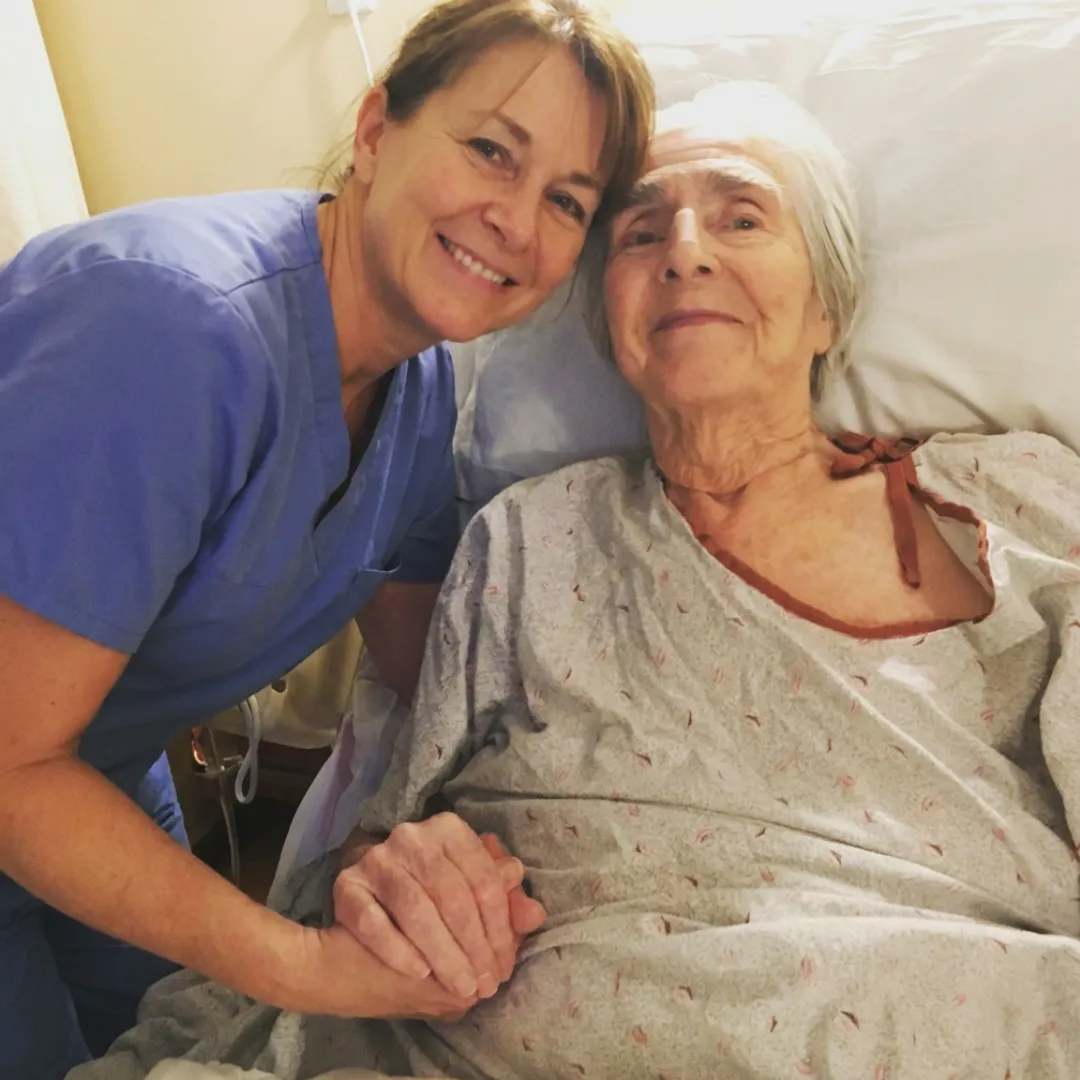
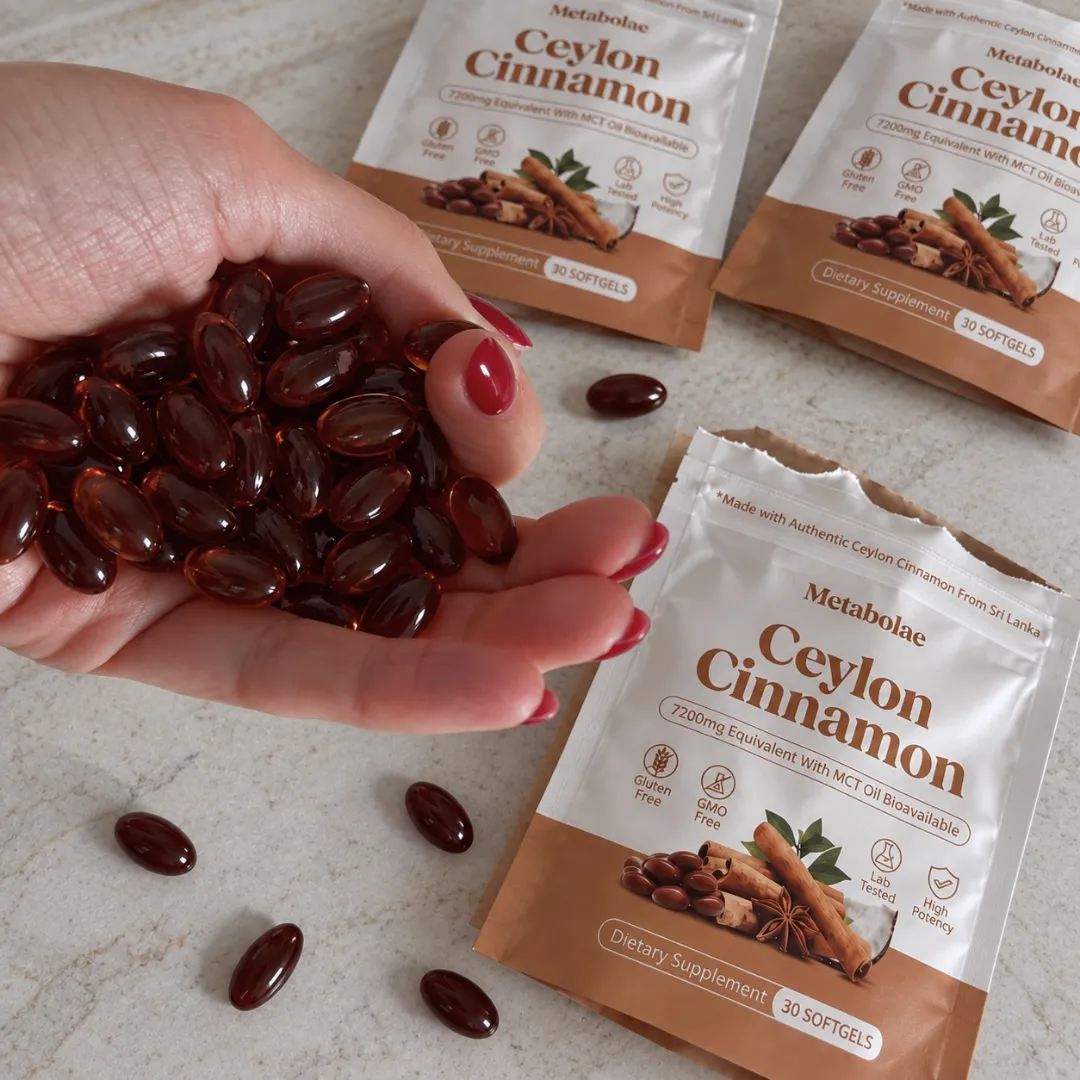
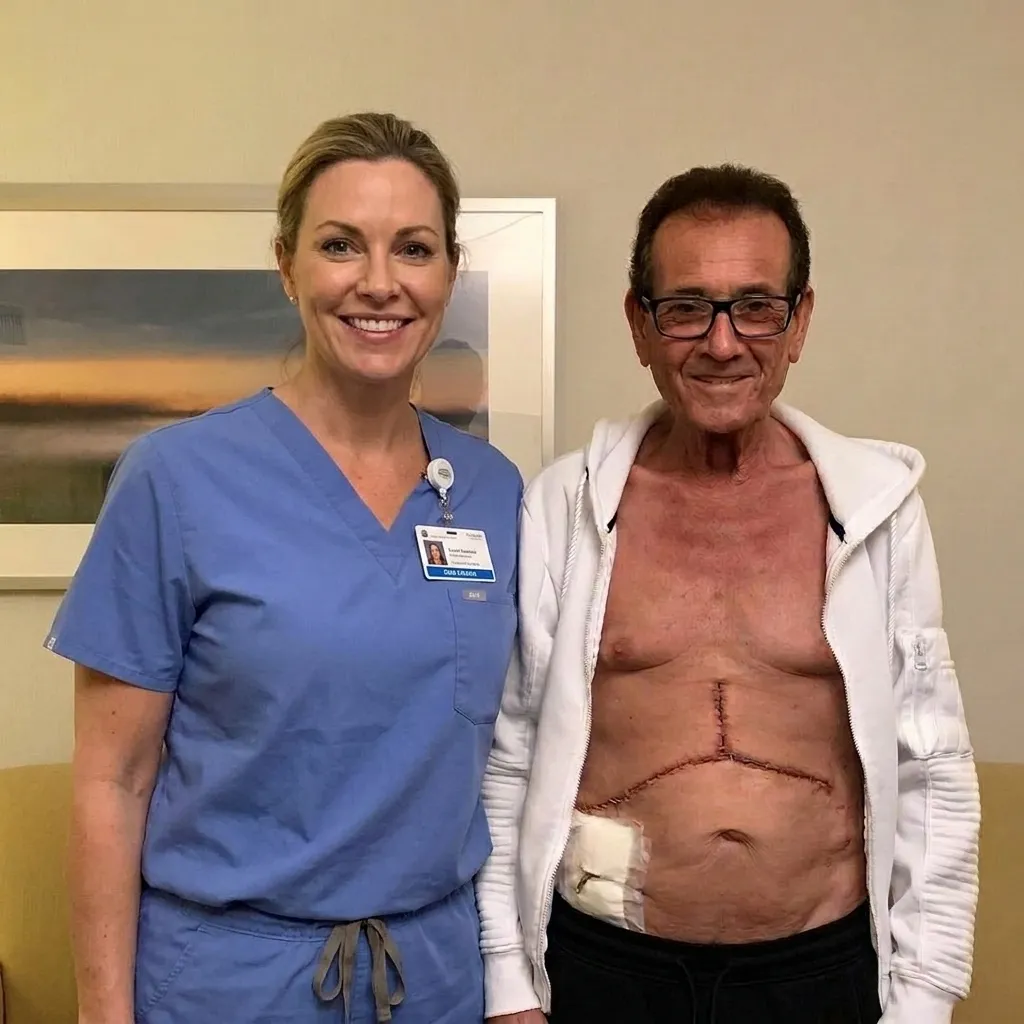
Three reasons to NEVER buy Metabolae. I'm Mary. Mary Parker. Cardiac ICU nurse. Twenty-six years. One: Your doctor will be mad they can't double your meds. Two: Your heart won't pound on the stairs anymore. Three: The terrifying foam in your toilet will disappear. But all jokes aside — listen to me. I manage life support and heart monitors for patients who just had massive heart attacks. I sit next to people on the worst day of their lives. I know what the road looks like before it ends. The dark secret of my unit is this: most of those fatal cardiac events didn't have to happen. If people had just paid attention to what was building in their blood — years earlier — most of them wouldn't have been wheeled through those doors. I watched it happen to other people for two and a half decades. Then last year, I started watching it happen to me. My father had his first heart attack at 57. I'm 54. You do the math. I've been doing it for years. Last spring, I went in for my annual cardiac screening. My blood pressure had been climbing slowly for three years — nothing dramatic, just a few points every visit. My LDL was elevated. My fasting glucose was 165. My A1C read acceptable on paper, but I knew what acceptable on paper means. I say it to families in the hallway. My cardiologist added a second blood pressure medication at that appointment. She said we'd monitor closely. I know what monitor closely means. I've been saying it to families for twenty-six years. Tom came to that appointment. He didn't say anything on the drive home. Here's what I've spent twenty-six years watching people get wrong — including myself. When your blood sugar goes up, your doctor adjusts your glucose management. When your LDL goes up, your doctor considers a statin. When your blood pressure goes up, your doctor adds a medication. Three separate numbers. Three separate conversations. Three separate prescriptions. And that's not wrong. Blood pressure medication can genuinely help manage blood pressure. Statins can genuinely help lower LDL. If you need those things, take them. I'm not telling you otherwise. But here's what I had to finally admit to myself after twenty-six years of watching people manage numbers that kept getting worse: Those three numbers are not three separate problems. They are three different signals of one upstream problem. When your body starts struggling to process blood sugar properly — when cells stop responding to insulin the way they should — the effects don't stay in one place. The same metabolic dysfunction that raises your blood sugar can also throw your lipid levels off. It drives inflammation in your blood vessels. It puts pressure on your kidneys. It narrows your arteries. Three different measurements. One underlying disruption. That's not a theory. It's what I saw happening in my own numbers, reading my own chart the way I'd read a thousand patients' charts — except this time it was mine. Managing individual measurements can absolutely help. But if the upstream metabolic dysfunction is still running underneath, the number on the chart can improve while the thing driving it hasn't changed. I had been watching it accumulate in my patients for twenty-six years without fully understanding what I was watching. Then I started watching it in myself. I had tried cinnamon. I should say that upfront. Two years before this, I'd read the research on cinnamon and blood sugar. I bought a bag from a health food store. I took it for six weeks. Nothing moved. I wrote it off. What I didn't know — what I should have known, honestly, given how much time I spend reading research — is that most cinnamon supplements are not the cinnamon used in the studies. The clinical research that showed meaningful effects on fasting glucose, on arterial inflammation, on LDL, used Cinnamomum verum. True Ceylon cinnamon. Grown in Sri Lanka. What's in most capsules at the pharmacy, on Amazon, at Walmart — that's Cassia. A different species, mostly from China. Same word on the label. Different plant entirely. And Cassia contains up to 250 times more coumarin, a compound that can stress the liver over time. I had taken the wrong cinnamon for six weeks and called it evidence. There are two other problems I didn't know about. Most cinnamon supplements — even the ones that are real Ceylon — are underdosed. The studies that moved glucose and lipid markers used the equivalent of 6,000 to 7,200 milligrams daily. Most capsules on the shelf contain 500 to 1,500 milligrams of raw ground powder. And cinnamon's active compounds are fat-soluble. In a dry powder capsule, without a fat carrier, they pass through you without absorbing properly. Three failures stacked on top of each other. Wrong species. Wrong dose. Wrong delivery system. I had eliminated cinnamon from my list based on three broken versions of it. Day 1. Tom had been reading. That's what Tom does when he's scared but doesn't want to show it. He reads until he finds something to try. He found Metabolae. True Ceylon — Cinnamomum verum — sourced from Sri Lanka. Not Cassia from a bulk supplier. Concentrated 12:1, so one softgel delivers the equivalent of 7,200 milligrams of raw Ceylon. Suspended in MCT oil so the active compounds have the fat carrier they need to actually absorb. Third-party tested, GMP certified, coumarin-free. Available only through the official Metabolae website — not through Amazon, not Walmart, not any third-party marketplace where you can't verify what's actually in the bag. There was a 90-day money-back guarantee. I don't take risks on anything without that. I said fine. Day 3. I woke up without the pounding in my ears that had become my alarm clock. I didn't trust it. One morning is not data. Day 5. Two mornings. No pounding. The foam in the toilet was lighter. I started logging my fasting glucose every morning. 151. I told Tom I was collecting data. Not building hope. Day 7. Fasting glucose 139. I slept through the night for the first time in seven months. Tom looked at me over his coffee. He knew my resting face well enough to see that something had shifted. I told him I was still watching. Day 10. I climbed the stairs to our front door without stopping at the landing. I had been stopping at the landing for a year. I stood at the top and noticed what was missing. My chest wasn't pounding. Day 14. Fasting glucose 122. The foam was gone. I checked twice. Clear both times. Tom looked at me at dinner. You look different, he said. I told him about the foam. He put his fork down and looked at me for a long time. Day 17. I took three flights of stairs at the hospital without stopping. I work in a unit where people arrive because their hearts could no longer do that. On the second-floor landing I noticed what I was doing. I kept going. Day 21. I took my blood pressure before my shift. 153 over 91. That number had started at 172 over 98. Tom was in the kitchen when I walked out. I showed him the monitor. He looked at the number. Then he looked at me. Is that right, he said. I told him yes. Day 24. Fasting glucose 109. Day 27. Tom asked if I was still checking for the foam every morning. I had to think about it. I hadn't looked in four days. Day 30. Blood pressure 148 over 87. Fasting glucose 98. Tom found me at the kitchen table before dawn with my notebook open. He looked at the numbers for a long time. He didn't say anything. Then he said: you are going to be okay. I'm a cardiac ICU nurse. I say what I know, not what I hope. I told him: these numbers are moving in the right direction. Which is not what they were doing before. Six weeks in, my cardiologist ran a full panel. Blood pressure 144 over 82. LDL down 24 points. She looked at the trend line and said: whatever you changed, don't change it back. Three months after I started, she reduced my second blood pressure medication. She used the word progress. I have been saying that word to families in the hallway for twenty-six years. I know what it costs to get there. My father had his first heart attack at 57. I'm 54. For the first time in three years, my trend line is moving the other direction. That is not a small thing to me. Metabolae is one softgel with breakfast. That is all I changed. It is not on Amazon. Not at Walmart. Not through any third-party marketplace. The only way to get it is directly through the official Metabolae website — because that's the only way to verify the Ceylon is actually sourced from Sri Lanka, that the concentration is 12:1, that the MCT oil delivery is there, that every bag has been third-party tested. There is a 90-day money-back guarantee. Open the bag. Take it every morning. If your blood pressure doesn't ease and your fasting glucose doesn't move in 90 days, send back what's left and you get every dollar back. No conditions. No paperwork. Track your blood pressure every morning. Log your fasting glucose. Get your full panel drawn at 60 days. Let your numbers tell you what's happening. If your numbers keep climbing and your doctor keeps adding prescriptions. If your LDL is elevated and the statin hasn't moved it enough. If your fasting glucose is above where it should be and your A1C reads acceptable on paper. If you're taking the elevator because the stairs make your chest pound. If you've tried cinnamon before and it did nothing — check the label. Check the species. Check where it was grown. Then look up what you actually took. Three different numbers. One upstream problem. That's the piece I was missing. I'm glad Tom was reading. — Mary Parker
More from Mary Parker, RN
Ceylon Cinnamon 7200mg Equivalent with MCT Oil
Mary Parker, RN
Ceylon Cinnamon 7200mg Equivalent with MCT Oil
Mary Parker, RN
Ceylon Cinnamon 7200mg Equivalent with MCT Oil
Mary Parker, RN
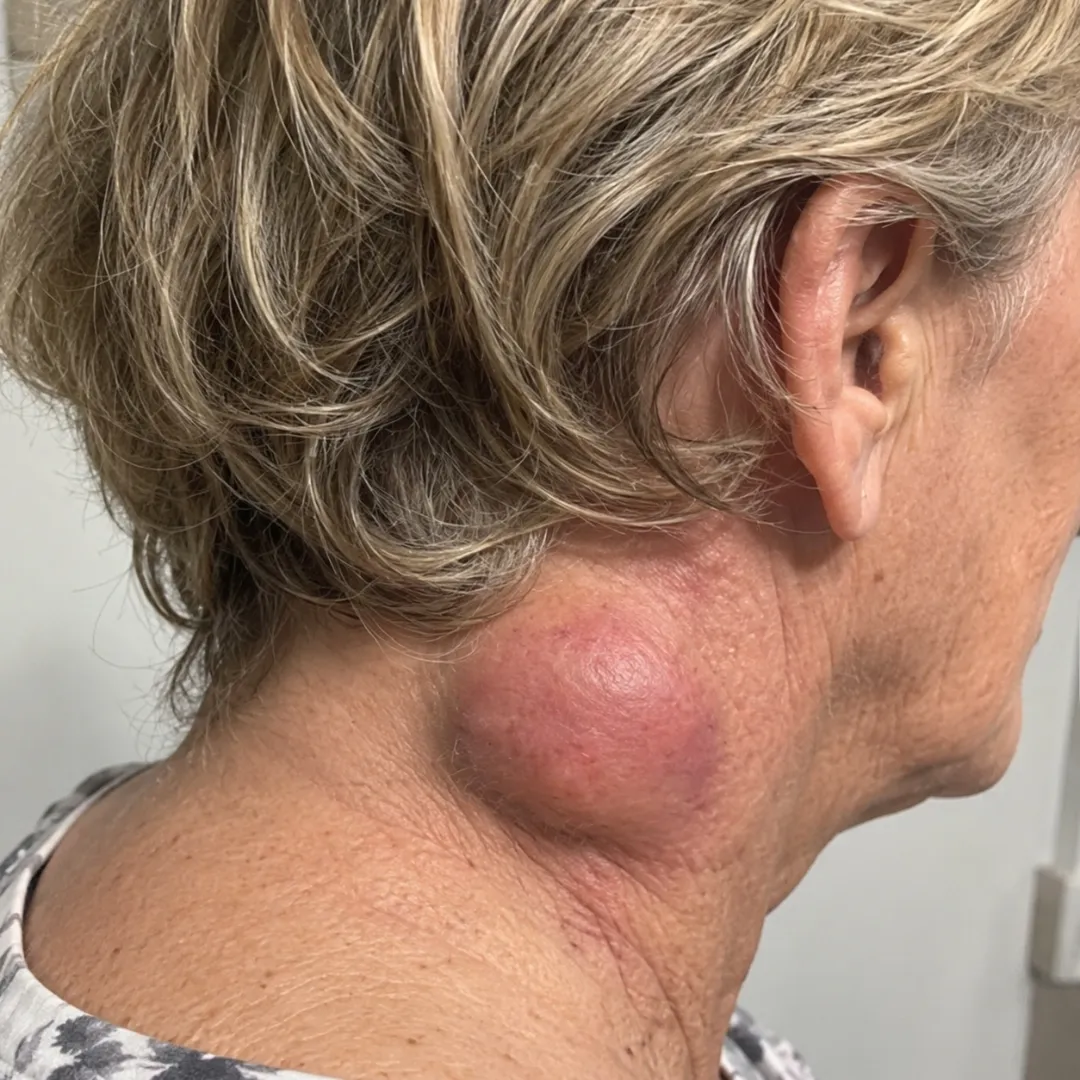
Ceylon Cinnamon 7200mg Equivalent with MCT Oil
Mary Parker, RN
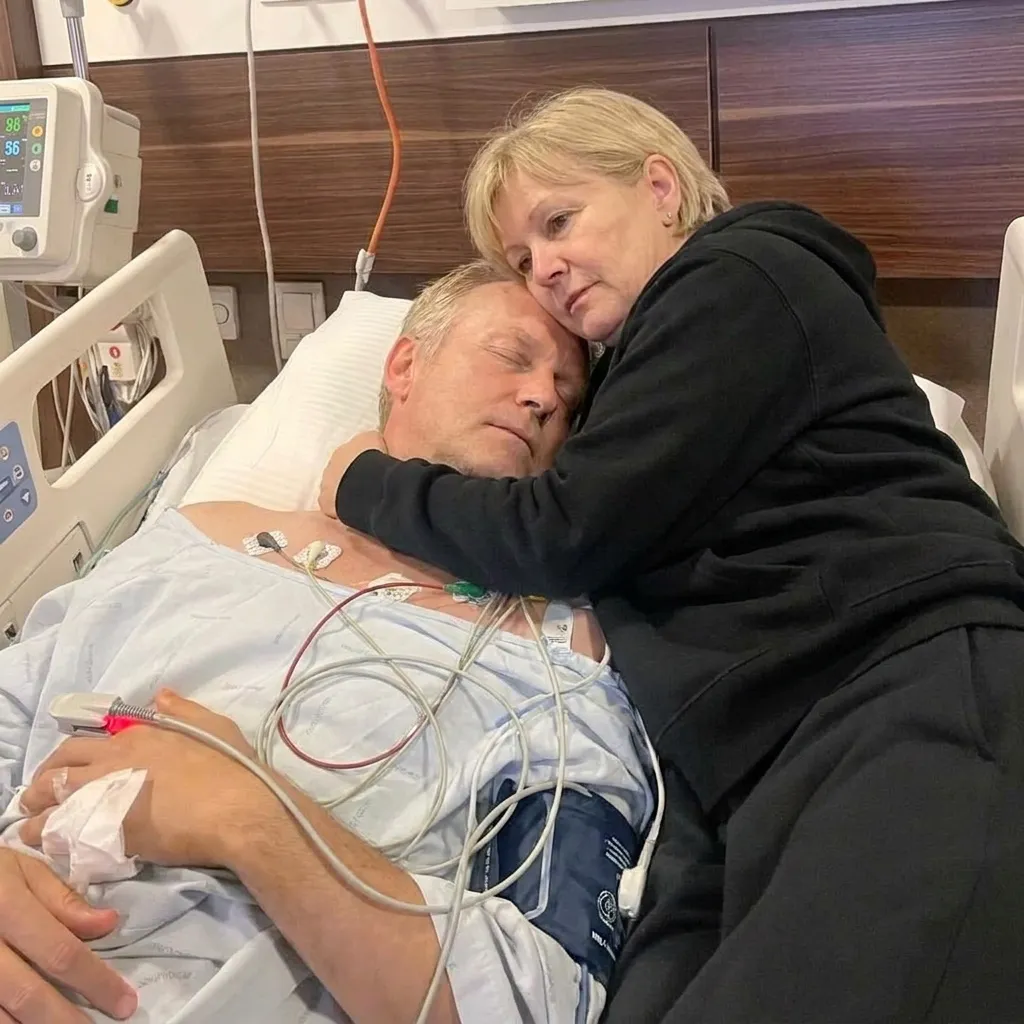
Ceylon Cinnamon 7200mg Equivalent with MCT Oil
Mary Parker, RN

Ceylon Cinnamon 7200mg Equivalent with MCT Oil
Mary Parker, RN
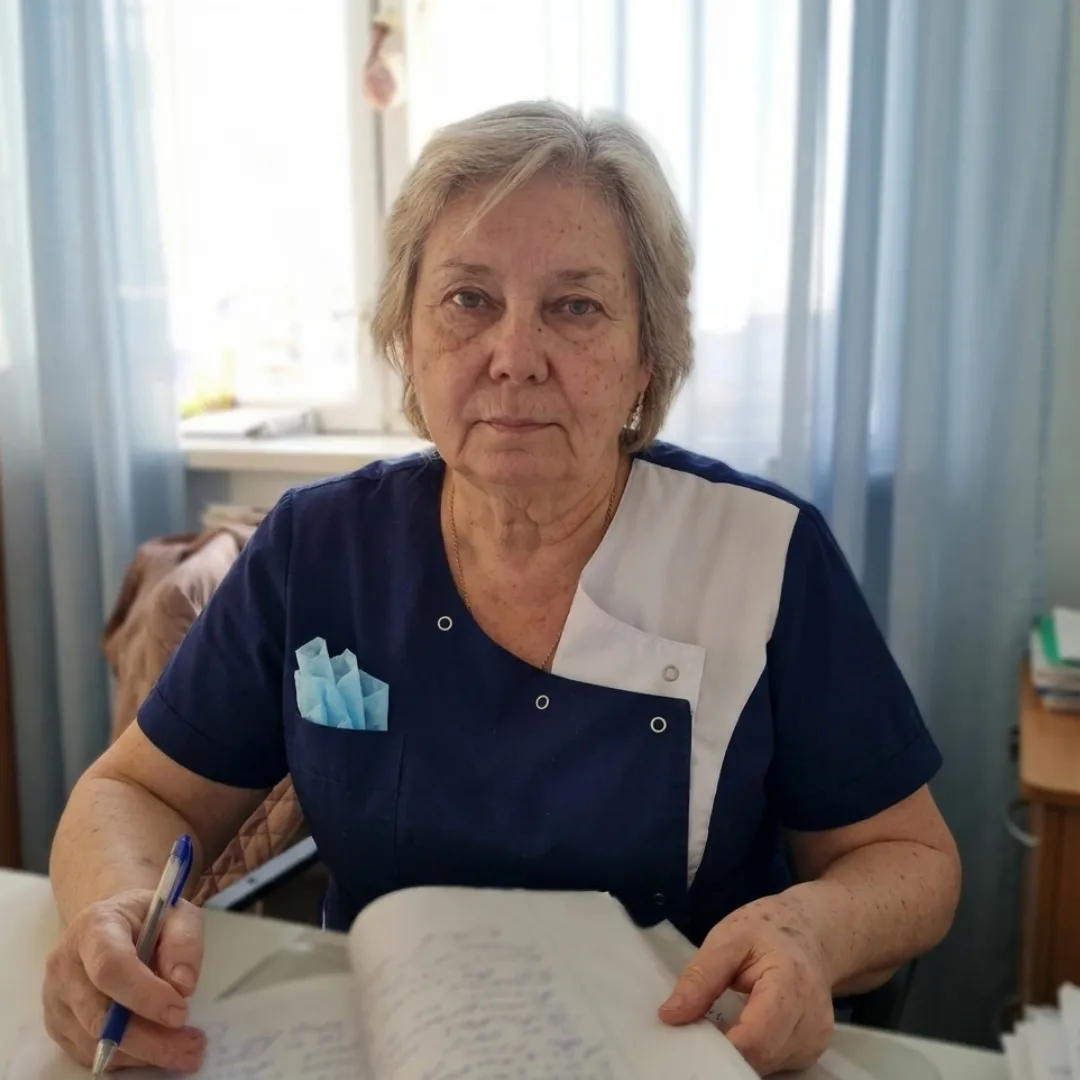
Maintaining Internal Balance Beneath The Surface
Mary Parker, RN
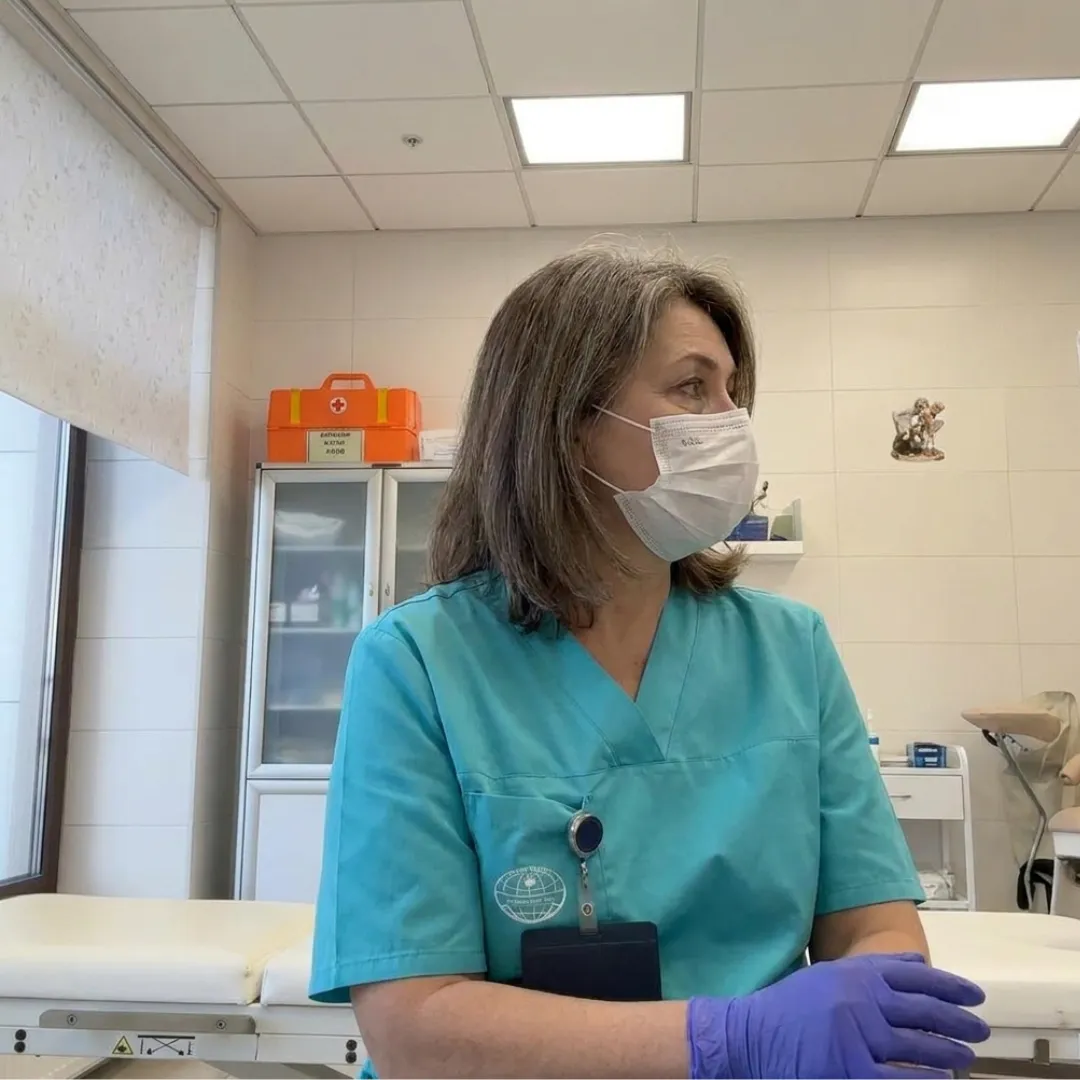
Most Cinnamon Supplements Are Useless
Mary Parker, RN
Most Cinnamon Supplements Are Useless
Mary Parker, RN

Maintaining Internal Balance Beneath The Surface
Mary Parker, RN
Ceylon Cinnamon 7200mg Equivalent with MCT Oil
Mary Parker, RN
Ceylon Cinnamon 7200mg Equivalent with MCT Oil
Mary Parker, RN

 Add to Chrome