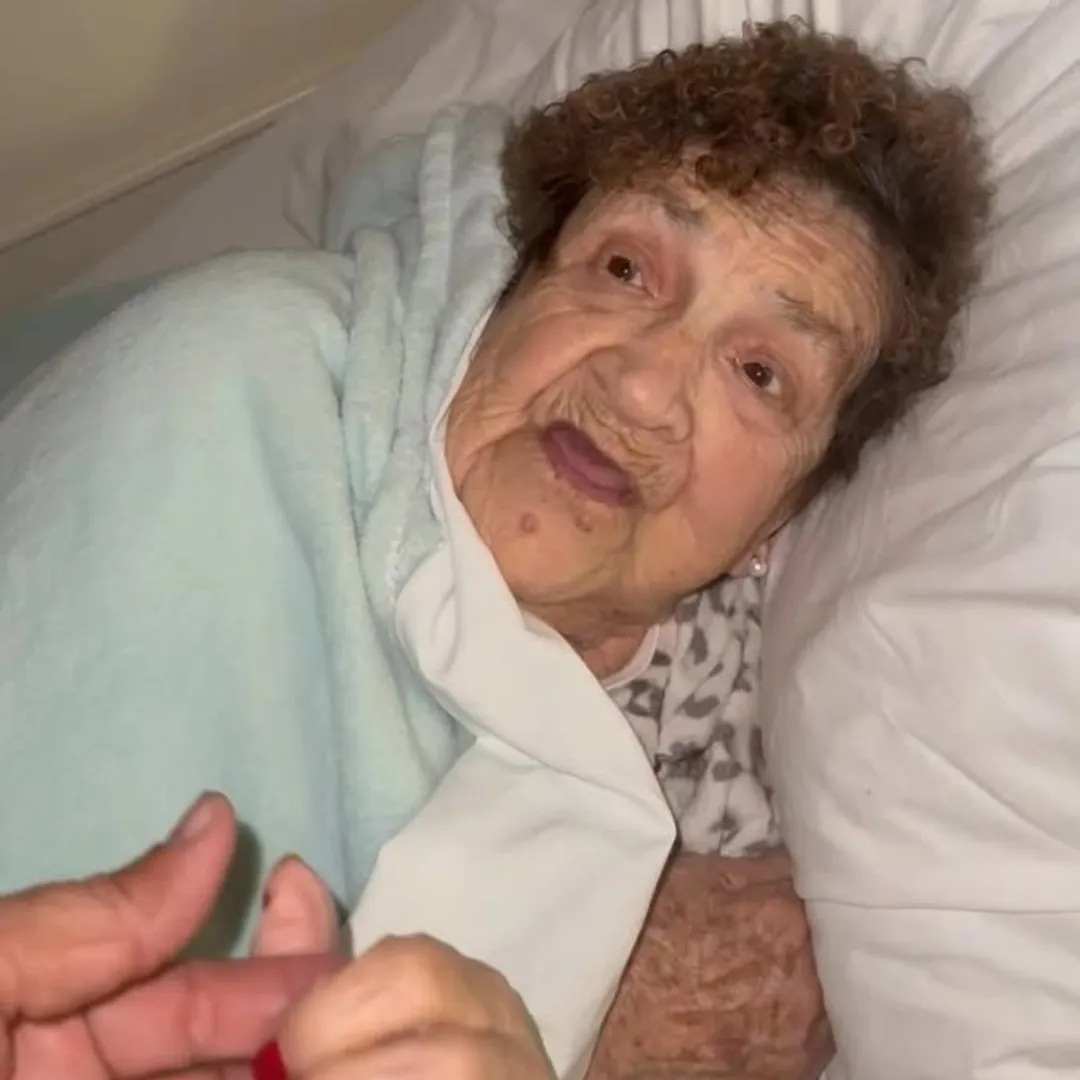
Ceylon Cinnamon 7200mg Equivalent with MCT Oil
Ad Copy
I'm a nurse. I took care of my diabetic 85-year-old neighbor for her inheritance, but she left me nothing. The next morning, her lawyer knocked and said, 'Actually, she left you one thing.' Her name was Evelyn Park. Everyone on the block called her Mrs. Park and nobody called her Evelyn except the mailman, and she didn't like the mailman. I'm Mary Parker, RN. I have been a cardiac floor nurse for twenty-two years. I have cared for diabetic patients who came to us after their first heart attack and never made it back outside. I have watched families lose fathers and husbands to strokes that their doctors had told them were not coming because the numbers looked stable. I have had more conversations in hospital hallways than I can count that started with 'but he was doing so well.' I am writing this because of what I know from those twenty-two years. And because of what an 85-year-old woman left me in a thermos. I was twenty-two. Fresh out of nursing school. No family left to speak of. I had been renting the small apartment above her garage for three months when she knocked on my door on a Saturday morning and said: 'You. The tall one. My rain gutters are full of leaves and I'm not climbing a ladder at my age. I'll pay you forty dollars.' That was the beginning. She didn't need a caretaker. She needed someone to do the things her body wouldn't let her do anymore. Gutters, storm windows, the heavy bags of salt for the water softener. She was sharp. Funny in a way that crept up on you. She'd say something devastating with a completely straight face and then go back to watering her tomatoes like nothing happened. One afternoon she watched me reset a sticking hinge on her back door and said: 'You've got good hands. Somebody should've told you sooner.' Nobody had ever said a thing like that to me. She insisted on cooking me dinner every Tuesday and Thursday. I told her she didn't have to. She told me she wasn't asking. 'You eat like someone who raised herself,' she said once, watching me microwave something from a gas station through her kitchen window. 'Come over at six. Bring nothing. Don't be late.' I came over at six. I brought nothing. I wasn't late. For four years. Every Tuesday and Thursday. Pot roast. Chicken and rice. A red bean stew she said was her mother's recipe but she'd changed so many things about it her mother wouldn't recognize it. She talked about her husband sometimes. Thomas. Thirty years as a machinist. Dead nine years by the time I met her. His heart went at sixty-eight. She kept Thomas's photograph on the mantle and his reading glasses on the side table next to his chair and she never moved any of them in the four years I knew her. Two more things of Thomas's sat on the shelf above the stove. A dented metal thermos with his initials scratched into the side. And a brown prescription bottle with Thomas's name on the label, empty for nine years. I moved them both every Sunday to get down her pill organizer and I never once asked her about either one. I sorted her pills every Sunday night. The plastic Monday-through-Sunday organizer, the four prescriptions, the magnesium she took with dinner. I'd sit at her kitchen table on Sunday evenings and fill the little compartments while she told me stories about the neighborhood, about Thomas, about the world. She watched me. I didn't know how carefully. The arrangement felt simple. She needed help. I needed something I couldn't name yet. She gave me forty dollars for the gutters and what she really gave me was a kitchen table to sit at and a person who expected me to show up. Mrs. Park expected it. And not showing up was not an option. 'Mary. You're three minutes late.' 'I was just across the street, I had to --' 'You were sitting in your car looking at your phone. Come in. The rice is getting dry.' It was on one of those Sunday evenings that I told her the one thing I knew about the family I came from. That the men died young. Not from cancer. From their hearts. My grandfather at sixty-two. His brother at fifty-nine. My father had gone the same way at sixty-four, two years before I met her. He hadn't even been sick, people said. He was managed. She didn't say anything for a long moment. Just set down the pill she was holding and looked at me. 'Thomas's cardiologist told him his numbers were beautiful,' she said. 'Right up until they buried him.' She picked the pill back up. Put it in the compartment. Didn't say another word about it that night. I didn't think anything of it. I didn't know she was already turning something over. She was the closest thing to a mother I'd ever had. I didn't say that to her. I think she knew. She got sick fast. The kind of fast that doesn't give you time to prepare. Three weeks from normal to gone. I drove her to the hospital. I sat in the waiting room in my scrubs because I'd come straight from a twelve-hour shift. I went home and sorted her pills into the organizer even though she wasn't there to take them. I didn't know what else to do with my hands. She died on a Thursday. One of our dinner nights. I found out about the will from her lawyer. He called me and said there'd be a reading. That I was invited. He said it in a way that made me think being invited meant something. The lawyer's office was small. Wood paneling. I sat at the end of the table. There were four of us. Me. A woman from her church. A representative from a children's hospital. And a man in his fifties in a gray blazer I'd never seen before, checking his phone. The lawyer opened the folder. The house, a three-bedroom she'd owned since 1979, went to the children's hospital. To be sold. The savings account went to the church. All of it. The jewelry went to the man in the gray blazer. A nephew. I learned later he'd visited twice in four years. That was it. The lawyer closed the folder. I sat there. Four years. Every gutter. Every storm window. Every bag of salt. Every Tuesday and Thursday. Every Sunday evening sorting pills at her kitchen table while she told me about Thomas. Nothing. Not a sentence. Not a mention. Not my name anywhere in the document. I drove home with my hands tight on the wheel and my jaw locked and I told myself I hadn't done it for the money. I told myself it wasn't about that. And it wasn't about the money. It was about the fact that she didn't think of me at all. Four years of showing up and she walked out of this life without putting my name on a single piece of paper. I sat in my apartment that night and I was twenty-six years old and I had no one again. The knock came at 8:15 the next morning. Her lawyer. Standing on my doorstep in a coat and tie, holding something under his arm. A dented metal thermos. Thomas's initials scratched into the side. The one that had lived on the shelf above her stove. 'Mrs. Park left specific instructions,' he said. 'This was to be delivered to you separately. Not at the reading. The morning after.' He held it out. 'She was very clear about the timing.' I took it. 'There's a letter inside,' he said. 'And a key. She asked that I tell you the key opens a safe deposit box at First National on Carroll Street. Box 6229. She added your name to the access list eight months ago.' He paused. 'She also asked me to tell you. And these are her words: "She's going to be angry. Tell her to read the letter before she does anything stupid with that key."' That sounded exactly like her. I closed the door. Set the thermos on my kitchen table. Sat down and stared at it. I didn't open it. I was too raw. I'd spent the night convincing myself I meant nothing to her, and now here was this object with a letter inside that I didn't want to read because what if it made it worse. I carried it to the closet in my hallway. Set it on the top shelf behind a box of old textbooks. Closed the door. I was twenty-six. I was grieving. I was angry at a dead woman for not loving me the way I thought she did. I didn't open that thermos for nineteen years. I'm forty-five now. Cardiac floor. Twenty-two years in. I have helped manage the discharge paperwork for more patients than I can count who left our unit on three medications: an antihypertensive, a statin, Metformin or a GLP-1 drug. I know what their follow-up appointments look like. I know the language their cardiologists use. I know what 'managed' means and I know what it doesn't mean, because I've also been the nurse at the bedside at 2 AM when managed stops working and something else begins. I am telling you this so you understand that what happened to me in Dr. Alvarez's office was not a surprise. It was a recognition. He pulled up my chart. Turned the screen toward me. 'Mary, your fasting glucose is 119. It was 104 two years ago. Your blood pressure is 148 over 94. That's three consecutive visits above 140. LDL is moving in the wrong direction. I want to start an antihypertensive today and I want to talk about Metformin.' I looked at the screen. The blood pressure at 148. The glucose at 119. The LDL climbing alongside both of them. I knew those numbers as a cluster. I had seen that cluster in charts on my unit for twenty-two years. I knew its trajectory the way you know the ending of a story you've read before. It was my grandfather's cluster. His brother's. My father's. All of them managed. All of them gone before seventy. 'Give me ninety days,' I said. He looked at me the way doctors look at nurses who are disagreeing with them from the patient chair. 'Mary. You know what these numbers together indicate.' I knew exactly what they indicated. That was the problem. I had explained this exact cluster to families in the hallway outside room 412 in words that were as gentle as I could make them. I had used the phrase 'we're going to try to get ahead of this' more times than I could count. I did not want those words said to me. 'Ninety days,' I said. 'Then I'll reconsider.' He gave me the ninety days. I drove home and sat on the edge of my bed and took stock. The headaches behind my eyes three mornings a week that I had been calling stress. My fasting glucose at 119 that I had been telling myself was diet. The tingling in both feet at the end of long shifts that I had been blaming on compression socks. The way my heart thudded climbing the two flights of stairs between the cardiac unit and the parking structure, heavy and fast, and I would stop at the landing with my hand on the wall until it settled. I had written the mechanism of that thudding heart in patient education materials. I had explained to a hundred families why glucose dysregulation drives arterial stiffness, why arterial stiffness raises pressure, why elevated pressure over years makes the heart work against a closed system until the system breaks. I had explained it in terms people without medical training could follow. I had never applied it to myself. Because in the clinical frame I was trained in, the answer to that cluster is the same three medications Dr. Alvarez had just offered me. The antihypertensive for the pressure. The statin for the LDL. Metformin for the glucose. Three numbers. Three drugs. That is the protocol. I have helped execute it hundreds of times. I sat on the edge of my bed and I thought about Thomas. Thomas, who died at sixty-eight getting dressed for church. The photograph on the mantle. The reading glasses on the side table. The empty prescription bottle I had moved every Sunday for four years. His numbers had been beautiful. I got up. Walked to the hallway closet. Reached past the winter coats, past boxes I hadn't touched since my last move. The thermos was still there. Nineteen years on a shelf. I carried it to the kitchen table. Sat down the same way I used to sit when I sorted her pills. The cap was stiff. I had to work it with both hands. Inside: a sealed envelope, yellowed at the edges. My name on the front in her handwriting. The same handwriting I'd seen on grocery lists and recipe cards for four years. Steady. Precise. And a key. Small. Brass. Taped to an index card that read: First National. Carroll Street. Box 6229. I slid my finger under the seal. A stack of pages. Her handwriting filling every line. Mary, If you're reading this, I'm gone. And if you're reading this the morning after the will reading, you're angry. I know you. You're sitting at your kitchen table with your jaw tight and you're thinking I forgot you. I didn't forget you. I could never forget you. What I left you is worth more than the house. I left you Thomas. Not his things. His story. The one his cardiologist never told him. The one I spent the last six months of my life trying to understand because it was too late for Thomas but it is not too late for you. Thomas's blood pressure started climbing at fifty-three. His doctor called it borderline. Said they'd watch it. They watched it for two years, then added a pill. Three years later they added a second one. His glucose was creeping. His doctor said it was common at his age. His cholesterol was climbing. Another pill. Four medications. Four numbers on four different chart lines. His cardiologist reviewed the panel every six months and shook Thomas's hand and said he was doing well. He died on a Sunday morning getting dressed for church. Sixty-eight years old. No chest pain. No warning. He sat down on the edge of the bed and was gone. I had been told for nine years that Thomas was managed. His doctor told me the same thing at the funeral. He was managed right into the ground, Mary. I went back to the cardiologist three months after Thomas died and I asked him one question. I asked him why. If Thomas was managed, why did he die? The cardiologist told me Thomas's arteries had been hardening for years. That it was a long process. That the medications had been doing what they were designed to do. I asked him what they were designed to do. He said: control the numbers. I asked him: and the arteries? He didn't have a good answer. I am not a scientist. I am not a doctor. But I am a woman who watched her husband take four pills every morning for nine years and die anyway at sixty-eight, and I was not willing to accept that the answer was simply bad luck. I spent six months at the library. On the computer. Printing papers. Talking to a pharmacist at the Walgreens on Fifth Street who was patient enough to sit with an old woman who kept asking the same question in different ways. Here is what I found. I am going to say it as plainly as I can. Thomas's blood pressure was not the problem. Thomas's LDL was not the problem. Thomas's fasting glucose was not the problem. They were all the same problem wearing three different names. The pharmacist explained it to me in stages because I made him start over twice. The sugar in Thomas's blood was not moving into his cells the way it was supposed to. His cells had become resistant to the signal telling them to open and accept it. So the sugar stayed in his bloodstream. Circulating. Every heartbeat, every meal, year after year. That circulating sugar does something to blood vessels that nobody told Thomas and nobody told me. It irritates the lining. Not dramatically. Slowly. The way sand in a river gradually wears down the bank. The lining of his arteries became rougher over time, less elastic, less able to expand when the heart pushed blood through. The vessels stiffened. And when vessels stiffen, the pressure inside them rises. That was Thomas's blood pressure. His doctor had been treating the pressure with a pill that relaxed the vessels slightly. The pill brought the number down. It did not stop the sugar from continuing to wear the lining. The worn lining also gave cholesterol something to grip. It accumulated in the rough patches, built up over years into plaques. His LDL climbed because the conditions in his arteries made it climb. His doctor had been treating the LDL with a statin that pulled some of it from the blood. The number came down. It did not stop the sugar from continuing to create the conditions that caused the accumulation. The Metformin suppressed some glucose output from his liver. His fasting number looked better. It did not open the cellular doors that had been stuck for years. The sugar was still flooding his vessels. Four medications. Four numbers controlled. One process underneath, grinding forward untouched for nine years. The pharmacist said it plainly: 'The medications managed the consequences. No one addressed the cause.' I sat in the pharmacy aisle on a Tuesday afternoon and I did not move for a long time. I thought about every conversation I'd had with Thomas's cardiologist. Every six-month review. Every handshake. Every 'he's doing well.' None of it had ever included the question I needed someone to ask. What is doing this to his vessels? Not what are the numbers. What is creating the conditions that the numbers are measuring. I went back to the pharmacist the following week. I asked him: is there anything that addresses the actual cause. The stuck cellular doors. The vessel lining. Not the downstream numbers but the upstream mechanism. He thought for a moment. Then he said yes. He told me about a compound that had been used for over a thousand years in Sri Lankan medicine. That the research on it was not new. That it had two actions that worked together in a way nothing else he knew of replicated. The first compound is called MHCP. It mimics the signal that should be telling cells to open and accept sugar from the blood. When cells stop responding to the body's own signal, MHCP steps in and opens the doors directly. The sugar moves out of the bloodstream and into the cells where it belongs. The flooding slows. The damage to the vessel lining slows with it. The second compound is called cinnamaldehyde. It works on the vessel lining itself. The roughened, stiffened walls that years of circulating sugar had been building. Cinnamaldehyde supports the repair of the endothelial lining, the inner surface of the arteries. The same surface that Thomas's sugar had been wearing at for nine years. Two compounds. One opens the doors so the flooding stops. The other supports the repair of what the flooding damaged. The pharmacist told me this comes from real Ceylon cinnamon. Cinnamomum verum. From Sri Lanka. Not what's sold at the grocery store. That is cassia. A different plant. It contains almost none of the active compounds. It contains up to two hundred and fifty times more coumarin, which stresses the liver at daily doses. Real Ceylon at the right dose, suspended in the right carrier so the fat-soluble compounds can actually absorb, is what the research used. He told me about a company his daughter had found. DNA-verified Ceylon sourced directly from Sri Lanka. Concentrated twelve to one to match the dose from the published research. Suspended in MCT oil, which is coconut-derived. The fat-soluble compounds dissolve in the oil and reach the bloodstream instead of passing through unused. Third-party tested. Made in the USA. It comes in softgels, in a bag. He wrote the name on the back of a receipt and slid it across the counter. Metabolae. Mary, I am writing this because you are a nurse. You have stood at those bedsides. You have had the conversations I never had with Thomas's cardiologist. You know the protocol better than anyone. And you know, because you have been in that room when the protocol runs out, what the protocol does not do. You told me about your grandfather. His brother. Your father. The men in your family who were managed until they weren't. I watched you take your blood pressure at my kitchen table with the cuff I kept for Thomas. You thought I wasn't paying attention. You held the number a moment too long before you put the cuff back in the drawer. I was paying attention. I always was. You are forty-five. You are a cardiac nurse. You are sitting in a doctor's office being offered the same four-pill protocol Thomas was on when I met him. I could not save Thomas. I found this too late. I am not too late for you. The safe deposit box has the research. The pharmacist helped me assemble it. You will know what you are looking at. Read it before you show anyone else. I love you like my own. Evelyn I read it three times. Then I put my head on the kitchen table and I cried. Not the crying from the night before. A different kind. The kind that comes when you realize someone was watching you when you thought no one was. The kind that arrives nineteen years late and still lands exactly where it was aimed. She hadn't forgotten me. She had watched me hold that blood pressure cuff and say nothing. She had seen the number I put back in the drawer. And she had spent the last months of her life building something for a person who wasn't going to need it for nineteen more years, and she built it anyway, because she had watched Thomas's cardiologist wait until it was too late and she was not going to make that mistake twice. I drove to First National the next morning. My name was there exactly as the lawyer said. Added eight months before she died. The safe deposit box was small. Inside: a manila folder, thick, held together with a rubber band that snapped when I tried to remove it. Printed research papers. Some highlighted in yellow, some in pink. Margin notes in her handwriting. Smaller than the letter. More cramped. As if she knew she was running out of time. Clipped to the inside of the folder, a single index card in block letters underlined twice at the top: MARY. FOLLOW THIS. NOT THE PHARMACY BRANDS. NOT THE GROCERY STORE POWDER. She'd written four criteria. DNA-verified as Cinnamomum verum, not cassia. Twelve to one extract, not powder. MCT oil carrier, because without it the compounds cannot absorb. Third-party tested with published results. That was Mrs. Park. Even from a safe deposit box, handing me a checklist and telling me not to come back with the wrong answer. I set the checklist on the passenger seat and opened the folder. The first printout had a section highlighted in yellow with a note beside it in her hand: 'This is what happened to Thomas.' I did not have to read slowly to understand what the research was describing. I have explained this mechanism in patient education materials. I have drawn the diagram on a whiteboard in family consultation rooms. Insulin resistance. The GLUT4 transporters that should be moving glucose from the bloodstream into the cells failing to reach the cell surface. The glucose with nowhere to go, staying in the blood, circulating. The endothelial lining of the arteries taking the abrasion of that circulating glucose year after year. Stiffening. Losing elasticity. The pressure inside the vessels rising as the walls stopped expanding. The roughened lining giving LDL particles somewhere to accumulate and build. I knew this. I had known this for twenty-two years. What I had not let myself finish the thought on was the next sentence. That the antihypertensive treats the pressure without touching the lining. That the statin treats the LDL without touching the conditions that make LDL accumulate. That Metformin suppresses hepatic glucose output without opening the cellular doors that have been stuck for years. Three drugs. Three numbers adjusted. One process underneath continuing uninterrupted. Thomas's cardiologist had been treating the measurements of the damage for nine years. No one had touched the damage. She'd written in the margin: 'They measured what the fire caused. Not once did they measure the fire.' I sat in my car in the bank parking lot for a long time. Then I read the section on MHCP. The cellular mechanism. The direct activation of the glucose transport pathway independent of whether the insulin receptor is responsive. The doors open. The sugar that has been flooding the vessels moves into the cells. The endothelial abrasion slows. And the cinnamaldehyde research. Arterial wall function. Endothelial repair markers over twelve weeks at the clinical dose. The vessel lining that years of circulating sugar had been slowly dismantling, responding. Two compounds. Working on the two things Thomas's four medications had never touched. Then the delivery section. Dry powder in a capsule cannot carry fat-soluble compounds into the bloodstream. They pass through unused. It does not matter what species the cinnamon is or what the dose says on the label. Without an oil carrier, the active compounds do not absorb. That is not a marketing claim. That is basic pharmacokinetics. I learned it in school. Mrs. Park's note beside it read: 'Thomas took cinnamon capsules for two years. I bought them myself. I thought I was doing something. Now I know I was handing him a bottle of fiber.' She had done this research dying. In a library. With a pharmacist who was patient enough to sit with her. For a twenty-two year old who wasn't going to open the thermos for nineteen more years. I closed the folder. I went home and ordered Metabolae that night. The bag arrived four days later. I took one softgel with breakfast the next morning. Week one. The headaches behind my eyes that had been waking me three mornings a week. Gone by day six. Not reduced. Gone. I noticed because I noticed I had stopped expecting them. Week two. The tingling in both feet that I had been attributing to long shifts and compression socks for two years. Quieter. I noticed it the way you notice a sound that's been running in the background of a room when it finally stops. Week three. I climbed the two flights between the cardiac unit and the parking structure after a twelve-hour shift. Stopped at the top. My hand was not on the wall. My heart was not thudding against my sternum waiting to settle. I went back down and climbed them again just to confirm what I had felt. Week four. I borrowed the blood pressure cuff from the nurses' station at the end of a shift. 131 over 82. Down from 148 over 94 in Dr. Alvarez's office four weeks earlier. I took the reading three times. Same number. Week eight. Fasting glucose 101. Down from 119. Week twelve. I went back to Dr. Alvarez's office for the ninety-day follow-up. He pulled up the chart. Looked at the numbers on the screen. Looked at me. Back at the screen. 'Mary.' A pause. 'Your blood pressure is 117 over 75. Fasting glucose 93. LDL is down 34 points from your last panel.' He scrolled. Read it again. 'What did you change?' 'One thing,' I said. He closed the laptop halfway. I had watched doctors make that face in the chart room at 6 AM when a patient's overnight numbers moved in a direction that did not fit the expected trajectory. It is not skepticism. It is recalibration. 'Whatever it is,' he said, 'don't stop. These are not the numbers I was looking at ninety days ago.' He did not start the antihypertensive. He did not mention Metformin. He printed my labs and handed them to me at the door. I drove to the cemetery that afternoon. Her headstone is small. Gray granite. Next to Thomas's. Evelyn Mae Park. Beloved wife of Thomas. I stood there with the folder in my hands. 'You left me everything,' I said. The wind moved through the trees. 'I thought you forgot me. Nineteen years I thought that. And you were the only person who ever really looked.' I set my hand on the stone. Cold granite. The October sun low behind me. 'Thomas would be proud. You figured out what his cardiologist couldn't. And you left it for someone who wasn't smart enough to open it until she had the same numbers he had.' A long pause. 'Thank you, Mrs. Park.' I drove home. Set the folder on my kitchen table. Took one softgel with a glass of water. And I sat in the same chair where I used to sort her pills. That was eight months ago. My last panel: blood pressure 115 over 73. Fasting glucose 90. LDL down 41 points from where I started. The tingling in both feet is gone. The headaches are gone. The stairs are stairs again. No antihypertensive. No Metformin. No statin. No hand on the wall at the landing. No version of Thomas's nine years running in my body. MHCP opens the cellular doors so the sugar stops flooding the bloodstream. Cinnamaldehyde works on the vessel lining the flooding was destroying. Not three downstream numbers managed by three separate drugs. One upstream cause addressed. Not managed. Improving. I'm forty-five years old. I grew up with no one. But I had Mrs. Park. And Mrs. Park left me the one thing worth more than a house or a savings account or a ring. She left me the truth about what took her husband. And it saved my life. I'm writing this because Mrs. Park can't. She spent the last months of her life assembling research for one person. She didn't have a platform. She had a thermos and a safe deposit box and a checklist in block letters and not enough time. If she'd had more time, she would have told everyone. I know that because I knew her. She would have knocked on every door on the block. So I'm knocking for her. You're standing where I was standing eight months ago. Where Thomas was standing at fifty-three when his cardiologist first wrote 'borderline' and chose to watch. Blood pressure climbing at every checkup. Fasting glucose that isn't alarming yet but isn't what it was two years ago. Cholesterol your doctor is monitoring. A heart that's working harder than it should on a staircase you've climbed a hundred times. You have Thomas's cluster. And your doctor is using Thomas's words. Borderline. We'll watch it. Managed. One path: the antihypertensive that relaxes the vessel walls slightly while the circulating sugar keeps abrading the lining underneath. The statin that pulls LDL from the blood while the roughened walls keep giving it somewhere to build. The Metformin that quiets hepatic glucose output while the cellular doors stay stuck and the flooding continues. Every six months, sit in that room. Hear the word stable. Shake hands. See you next year. Thomas walked that path for nine years. His cardiologist shook his hand at every visit. They buried him at sixty-eight. There is another path. The one Mrs. Park spent her last months building. MHCP opens the cellular doors so the sugar leaves the bloodstream. Cinnamaldehyde works on the vessel lining years of circulating sugar have been slowly destroying. Not three consequences treated. One cause addressed. That is what Metabolae is. DNA-verified Ceylon cinnamon sourced from Sri Lanka. Concentrated twelve to one to match the dose from the clinical research. Suspended in MCT oil so the fat-soluble compounds dissolve and absorb into the bloodstream instead of passing through unused. Third-party tested. Made in the USA. One softgel a day with breakfast. It ships in a bag. 90-day money-back guarantee. If your numbers don't move, you pay nothing. Thomas's cardiologist never offered a refund when nine years of management failed his arteries and stopped his heart. The system does not do refunds. Metabolae does. Mrs. Park would have appreciated that. She hated waste almost as much as she hated being given incomplete information by someone who was supposed to know better. P.S. My grandfather died of a heart attack at sixty-two. His brother at fifty-nine. My father at sixty-four. All of them on medications. All of them told their panels looked good. I am a cardiac floor nurse. I have stood at the bedside of men who looked like my grandfather while their families asked me the question I never had a good answer to: if his numbers were stable, why did this happen? I have one now. The numbers were stable. The process producing the numbers was not. Please share this with anyone you love whose blood pressure is creeping, whose glucose isn't where it used to be, whose cholesterol their doctor is watching. Even a little. Even borderline. Especially if they think they're managed. P.P.S. The index card Mrs. Park left me had four criteria. DNA-verified as Cinnamomum verum. Twelve to one extract. MCT oil carrier. Third-party tested with published results. Metabolae clears all four. Most of what fills the supplement aisle clears none of them. Dry powder in a capsule cannot carry fat-soluble compounds into the blood. Cassia mislabeled as Ceylon delivers almost none of the active compounds. An underdosed extract cannot replicate what the clinical dose did. Mrs. Park wrote at the bottom of the card: 'Don't buy the cheap one. I bought the cheap one for Thomas for two years and I was wasting both of our time.' I didn't make the same mistake. P.P.P.S. Metabolae sells out. When I tried to reorder two months ago it was backordered for eleven days. I keep two bags in the house now. If your next appointment is in the next thirty to sixty days and you want something to bring your doctor, check availability now. Thomas ran out of time. Mrs. Park ran out of time. You still have yours. P.P.P.P.S. For the ones reading this about someone else. The daughters watching their father's blood pressure climb three appointments in a row. The wives who hear their husband stop on the stairs and say nothing about it. The sons doing the math on their grandfather's age and their own. Mrs. Park didn't do this research for herself. She did it for a man she had already lost, and then she did it for a twenty-two-year-old with no one, nineteen years in advance. She left a thermos for someone she loved enough to spend her last months in a library for. You're reading this because someone you love has Thomas's numbers. Mrs. Park would have understood exactly why you're here. She was you. ~ Mary Parker, RN, Cardiac Floor, age 45
More from Mary Parker, RN
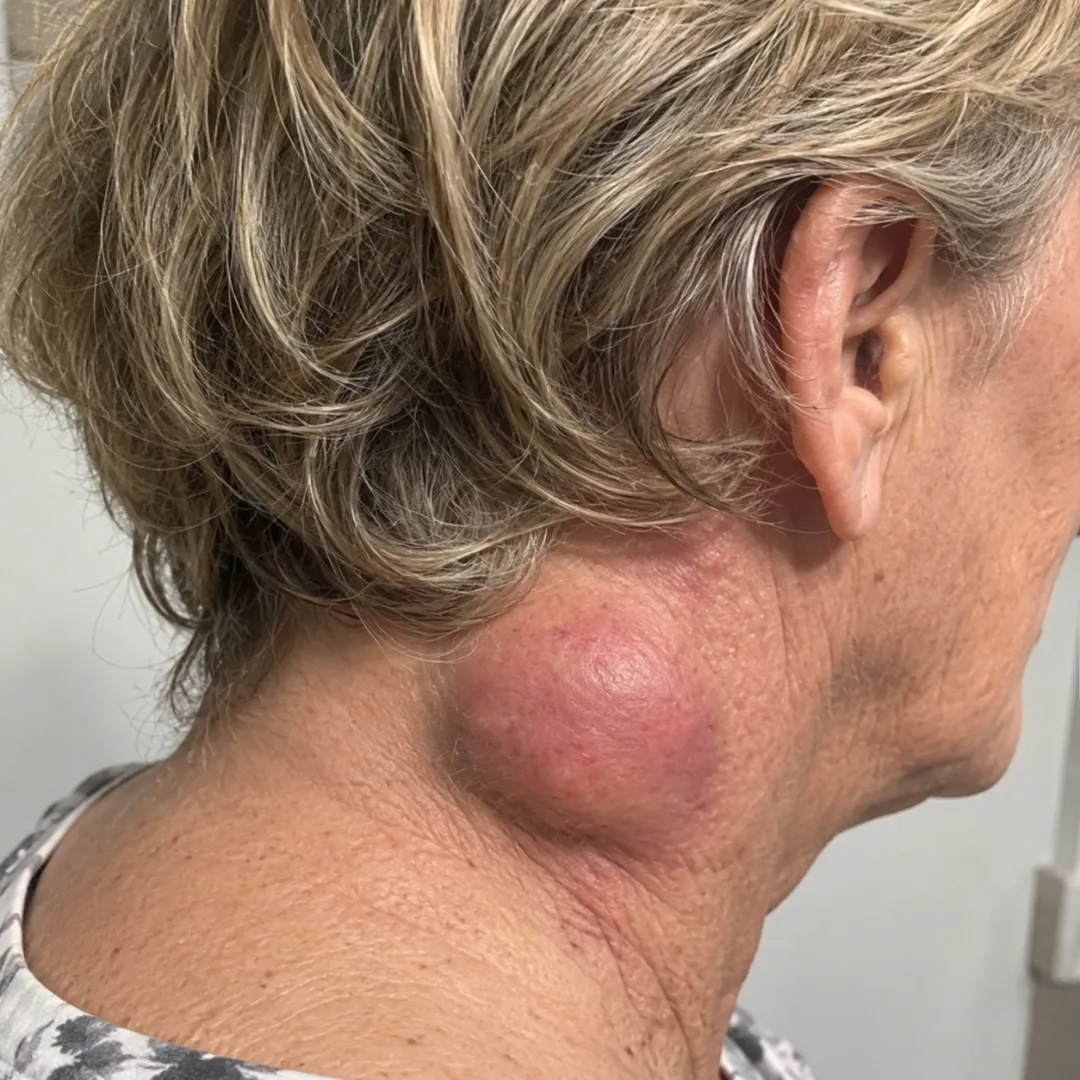
Ceylon Cinnamon 7200mg Equivalent with MCT Oil
Mary Parker, RN
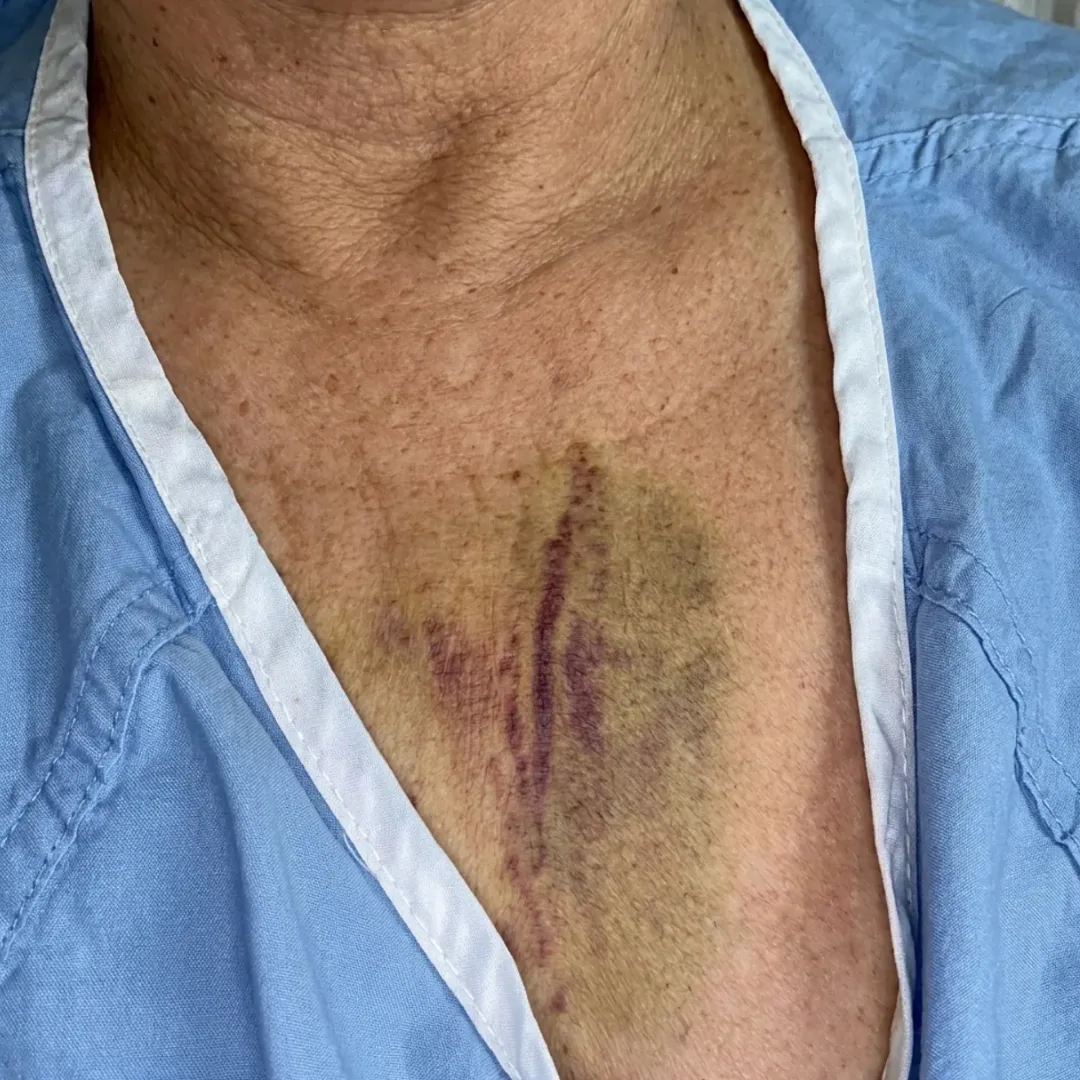
Ceylon Cinnamon 7200mg Equivalent with MCT Oil
Mary Parker, RN
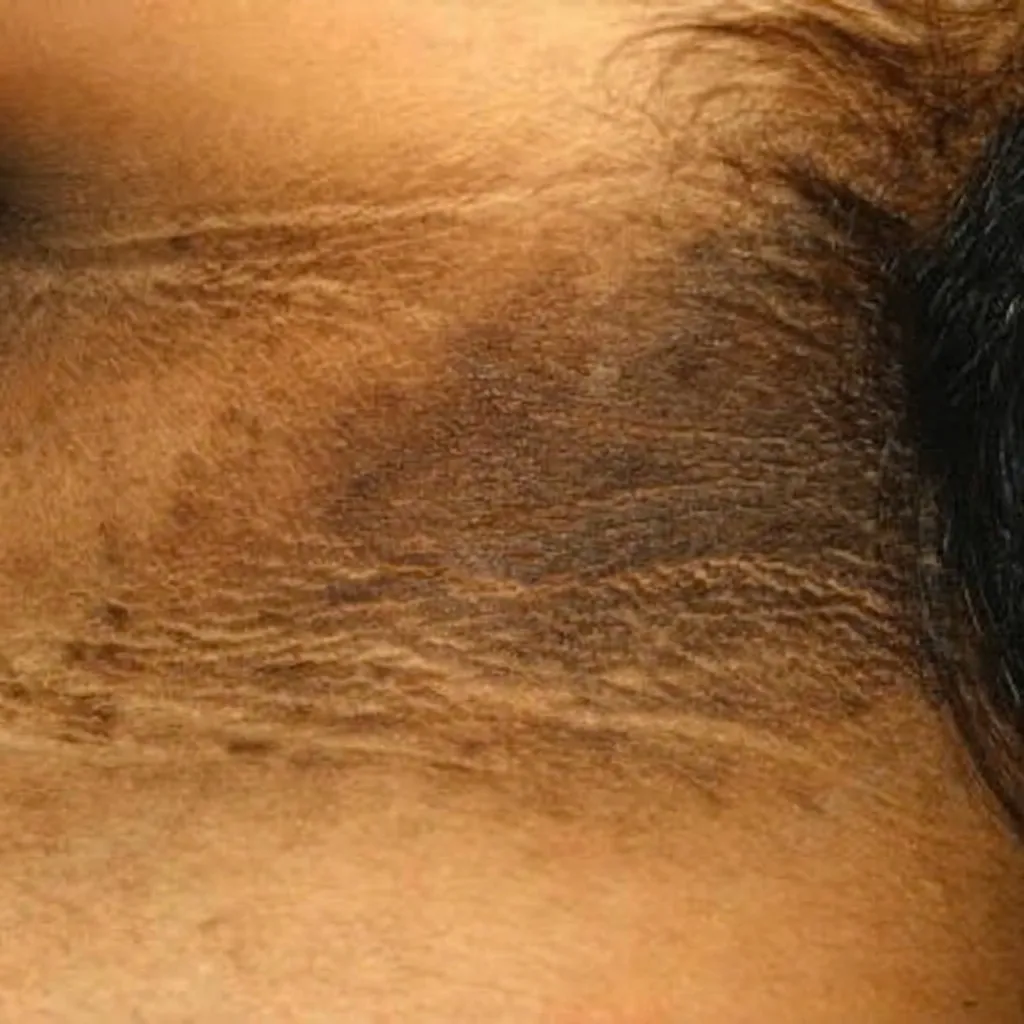
Ceylon Cinnamon 7200mg Equivalent with MCT Oil
Mary Parker, RN
Ceylon Cinnamon 7200mg Equivalent with MCT Oil
Mary Parker, RN
Ceylon Cinnamon 7200mg Equivalent with MCT Oil
Mary Parker, RN
Maintaining Internal Balance Beneath The Surface
Mary Parker, RN
Most Cinnamon Supplements Are Useless
Mary Parker, RN
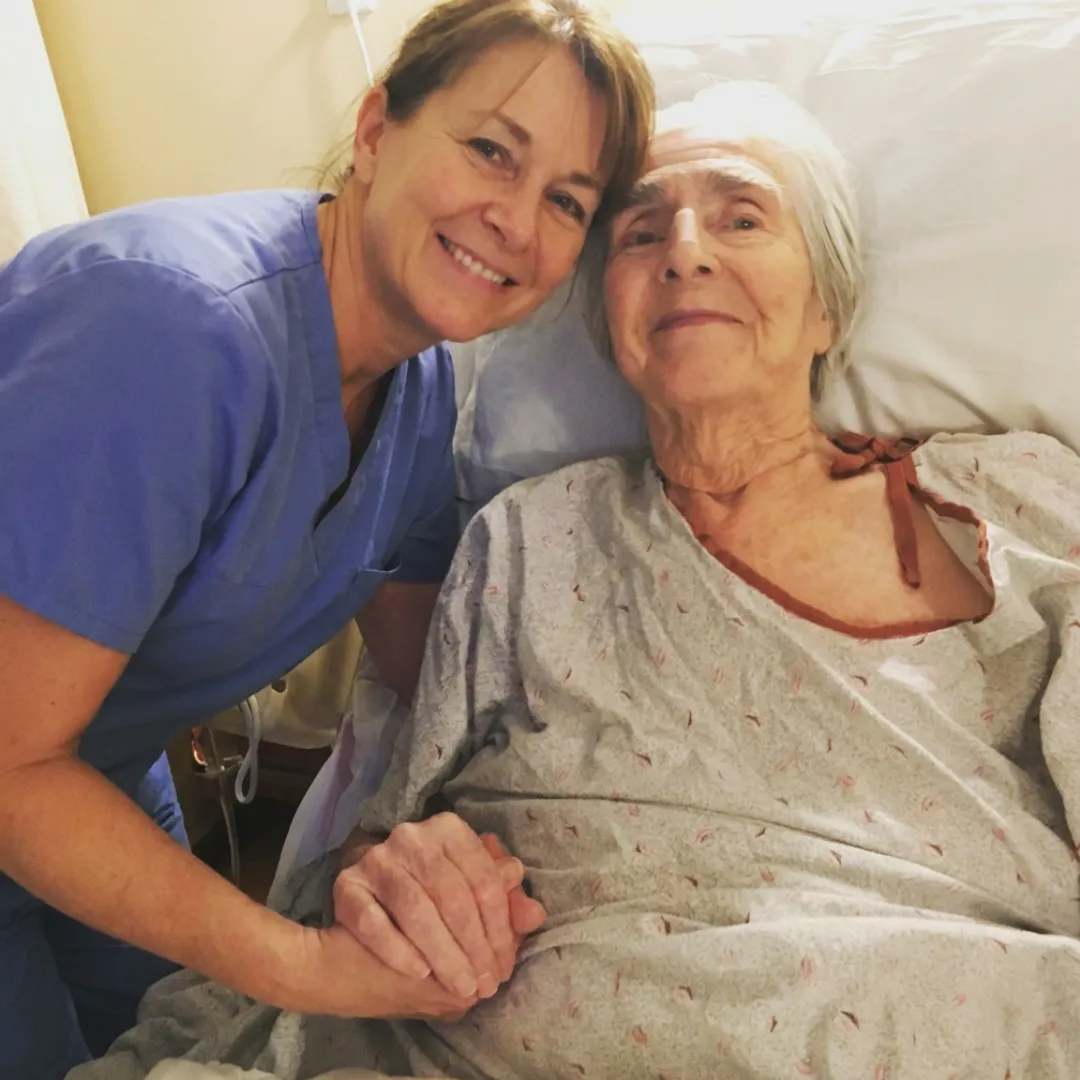
Most Cinnamon Supplements Are Useless
Mary Parker, RN
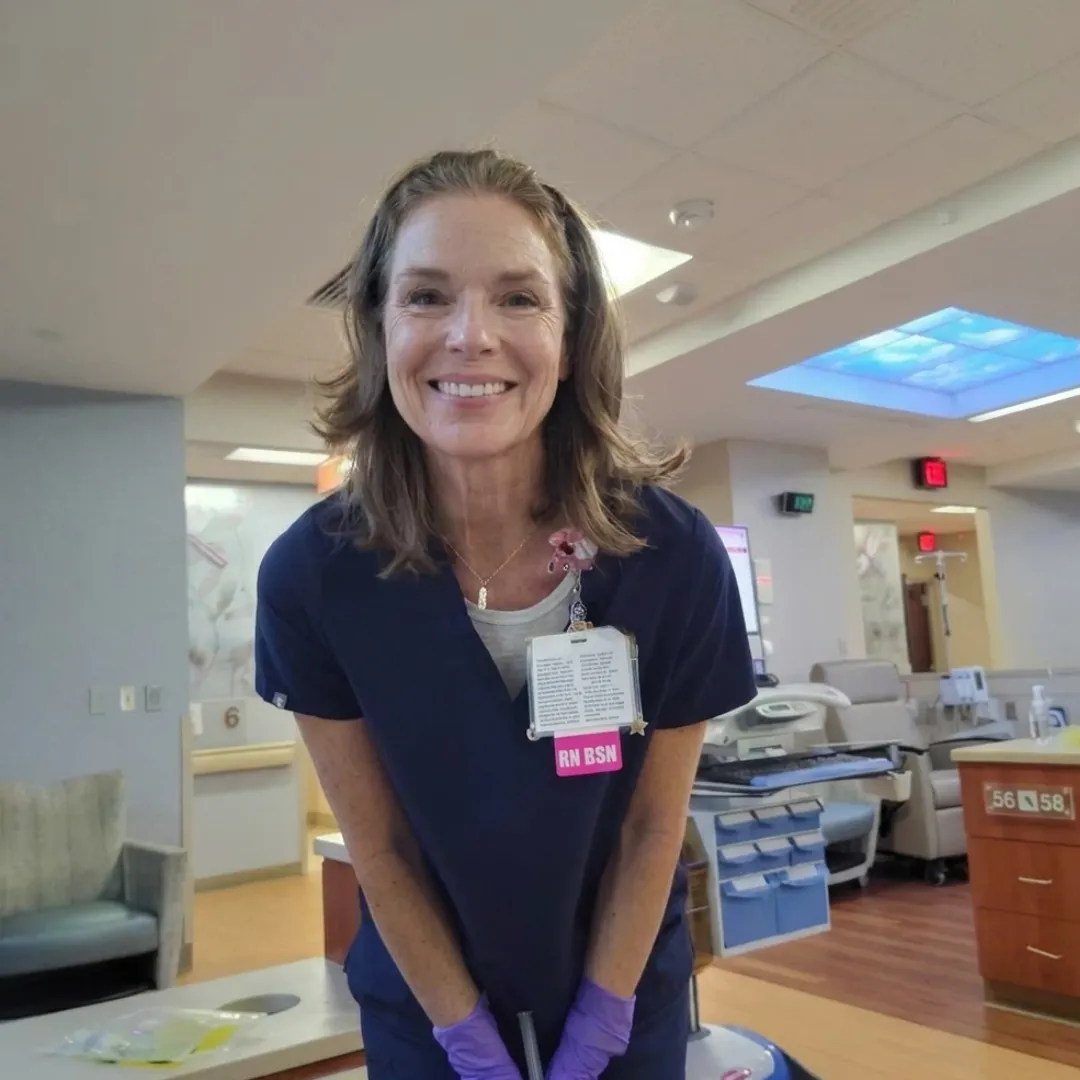
Maintaining Internal Balance Beneath The Surface
Mary Parker, RN
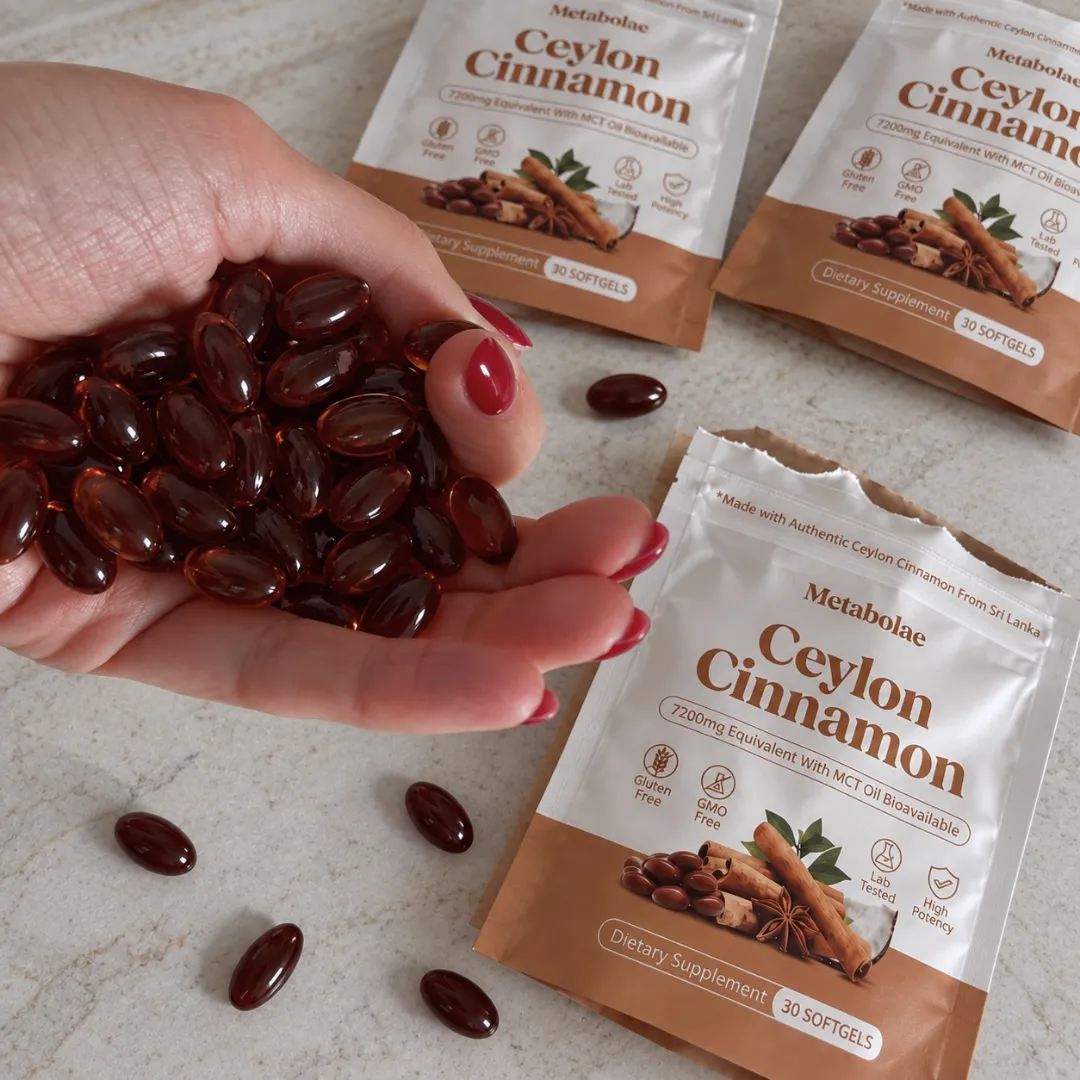
Ceylon Cinnamon 7200mg Equivalent with MCT Oil
Mary Parker, RN
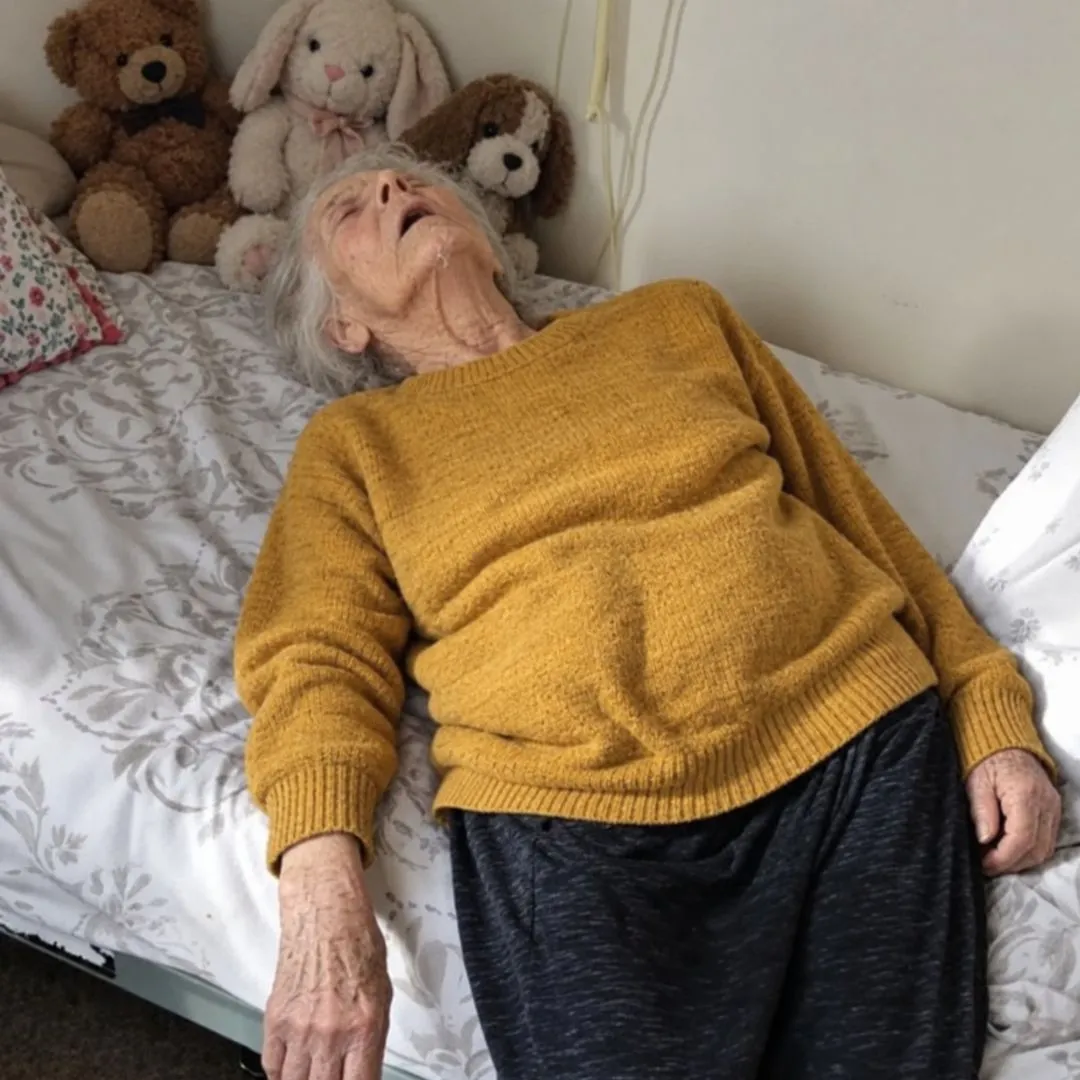
Ceylon Cinnamon 7200mg Equivalent with MCT Oil
Mary Parker, RN
Ceylon Cinnamon 7200mg Equivalent with MCT Oil
Mary Parker, RN

 Add to Chrome