Ceylon Cinnamon 7200mg Equivalent with MCT Oil
Ad Copy
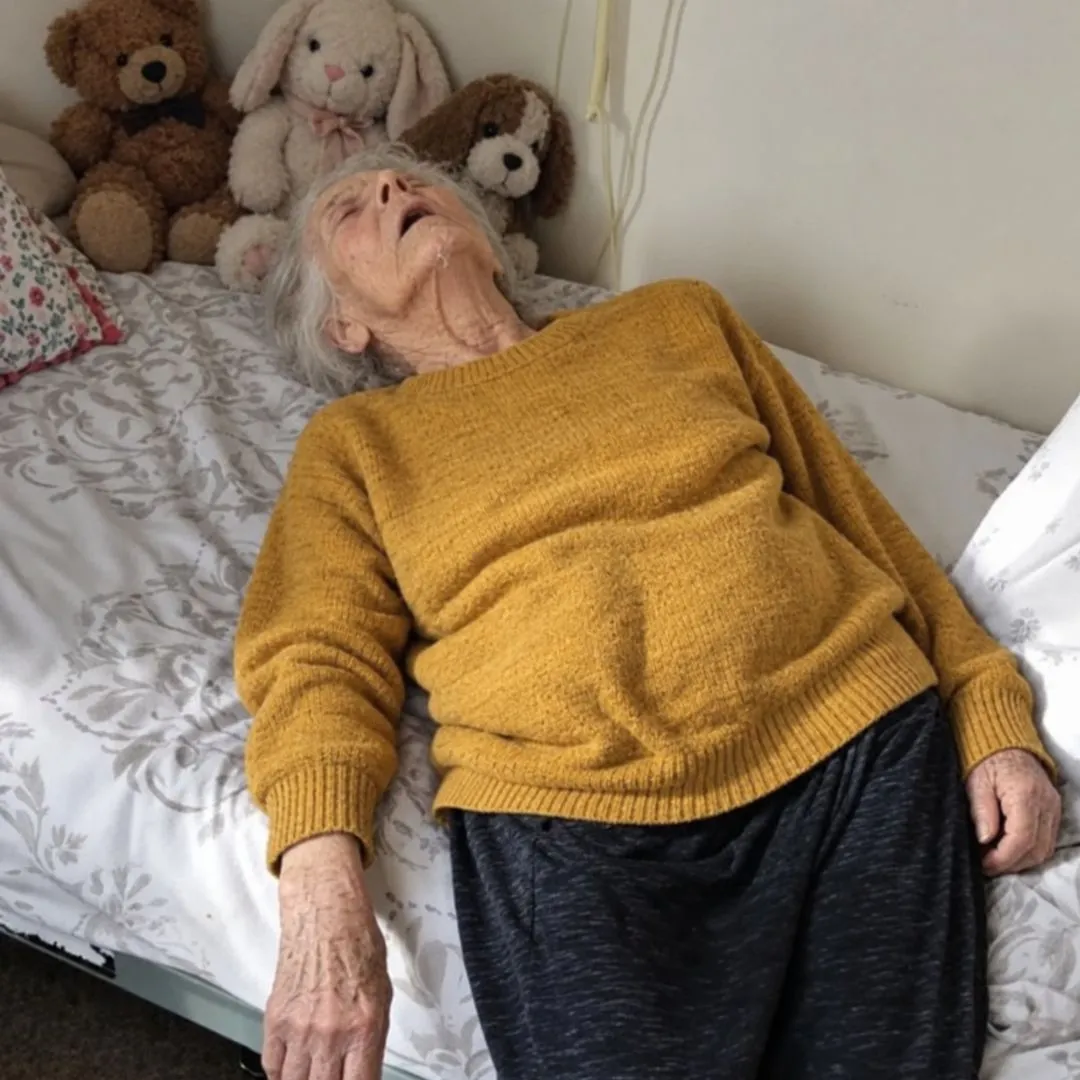
If you're tired in a way that sleep doesn't fix, foggy by the middle of the afternoon, puffy in the face when you catch yourself in the mirror, and carrying weight around your middle that will not move no matter what you cut out, and everyone in your life keeps telling you it's just your age, or your hormones, I need you to read this. Because that is exactly what we told my sister. For years. And by the time anybody looked deeper than cut back on sugar and we'll recheck in six months, she was already running out of time. My name is Mary Parker. I'm a registered nurse, and for the last 19 years I have worked as a liver transplant nurse coordinator. That means I'm the person who makes the call when a donor liver becomes available. I'm the person who sits with families in the waiting room at three in the morning. And far more often than I would like, I'm the person who has to explain that the patient they love ran out of time before a liver came. I need to be precise about what my job actually is, because it matters to everything that follows. My unit sees patients after the damage is done. By the time someone reaches me, we are not talking about borderline anything. We are talking about cirrhosis, about MELD scores, about organ allocation timelines, about whether a liver will become available before the person waiting for it runs out of time. I know the biochemistry of liver failure as well as any nurse in this country. I know how the liver converts excess glucose into fat. I know how fat becomes inflammation, inflammation lays down scar tissue, and scar tissue becomes cirrhosis. What my training never prepared me to do was look upstream. The beginning of the road, a fasting blood sugar that someone calls borderline and tells a patient to watch, was never my specialty. I handled the end of it. I did not know what to do with the beginning until I was sitting in a ship's medical clinic in the Caribbean, staring at my own numbers, four months after we buried Linda. That distinction cost my sister her life. And it nearly cost me mine. I have watched hundreds of people turn yellow. I have watched bellies swell with fluid until a patient could not sit up in bed. I have watched a retired schoolteacher forget her own husband's name because her liver could no longer clear the toxins from her blood. I know the end of this road better than almost anyone alive. And I still could not see the beginning of it in my own sister. Her name was Linda. She was three years older than me and she was the careful one. The big sister who read the label on everything, kept every appointment, and actually did what the doctor said. She is the reason I'm writing this. And she is the reason I'm still here. Linda was told she had a fatty liver at 55. It came from a routine physical. Her liver enzymes were a little high, and the ultrasound came back fatty. Her doctor gave her the same talk every woman in that position gets. Lose some weight. Go easy on the wine. Watch your sugar. We'll keep an eye on it. And here is the part I am most ashamed of. When she called me about it, I told her not to worry. I said, Lin, a quarter of adults in this country have a fatty liver. It's the most common finding there is. Lose a few pounds and it will sort itself out. I said that. Me. The woman who spends every working day with people whose livers have failed. I knew everything that happens at the end of that road. I did not recognize the beginning of it when it was sitting in my sister's chart. Linda barely drank. One glass of wine at Christmas, maybe one at a wedding. So she went after everything else. She lost twenty two pounds. She walked every single morning with her neighbor. She gave up bread, then pasta, then dessert. Her six month labs barely moved. Her doctor said sometimes it takes longer. Keep going. So she kept going. For eight years. Every panel came back a little worse than the one before it, and every single visit ended with the same plan. Monitor. Watch. Wait. When she complained that she was tired all the time, we said it was her age. When her face looked puffy in photos, we blamed salt. When she said she was foggy in the afternoons and kept losing her keys, I laughed and told her welcome to your sixties. There was one number nobody in her life ever worried about. Her fasting blood sugar. 109. Then 114. Then 117. Borderline, they called it. Nothing to treat yet. Just keep an eye on it. The year Linda turned 62, her doctor finally used the word cirrhosis. By then her liver was hard with scar tissue. There was nothing left to take back. She was listed for a transplant at a center two states away from mine. I could not be her coordinator. So I became the thing I had watched from the other side of the desk for nearly two decades. The family member in the waiting room, checking the phone every four minutes. Her score kept climbing. Her skin turned the color I see every week at work. The fluid in her belly had to be drained twice a month. The liver never came in time. Linda died at 63. I was holding one of her hands. Her husband Ray was holding the other. On our way out of the hospital, Ray stopped in the doorway and said something I still hear at two in the morning. She did everything they told her. The waiting is what killed her. I say the word waiting every day of my working life. Waiting list. Waiting room. We're still waiting on a match. I had never once heard it the way Ray said it that night. After the funeral, I went back through something I had never done in 19 years: the beginning of my transplant patients' charts. Not the end of their stories. The beginning. I was not looking for a surprise. I knew the NAFLD statistics. What I had never done was go back to the early labs of people I had personally sat with at three in the morning. The same number was sitting there, chart after chart. A fasting blood sugar that somebody had written off as borderline. A little high. Nothing to treat yet. Recheck next year. Not a surprise as a statistic. But seeing it in the records of people I knew by name was different. These were not data points. I had held their hands. I did not understand what I was looking at. Not yet. But I could not stop seeing it. Four months after we buried Linda, my husband Tom and I took the Caribbean cruise we had been saving for since our kids left home. I wanted to cancel. Linda had made me promise, near the end, that I would not. So we went. On day four, we were walking up the steep hill through Old San Juan toward the old fortress to watch the sunset. Blue cobblestones. Pastel buildings stacked up the hillside. The Atlantic spread out below us. Halfway up the hill, a dull ache started under my right ribs. It was not sharp. It was heavy, like something was pressing outward from the inside. And it was not new. I had felt it on and off for months. I had blamed my mattress. I had blamed the way I slept on my side. I had blamed the stress of watching my sister die. I stopped on the cobblestones and put my hand on the stone wall and told Tom it was just the heat. He did not believe me. The ache came back that night and kept me up, so the next morning he walked me down to the ship's medical clinic. The ship's doctor was Swiss. Mid fifties, gray hair pulled back, very calm. She pressed under my ribs. She listened to me explain away every symptom I had, the way I had heard a thousand patients do it. Then she asked me one question. What is your fasting blood sugar? Not how much do I drink. Not how much do I weigh. Not whether I had a family history, though I would have told her everything. My blood sugar. I told her it had been 112 at my last physical. My doctor at home called it fine. She put her pen down on the desk and said, That is not fine. That is the number that is actively building fat in your liver. I almost argued with her. I know what a fatty liver is. I know the biochemistry. I know that de novo lipogenesis converts excess blood glucose into fat and that the liver stores it. I had sat beside hepatologists for nineteen years. But she said something that stopped me. She said, the question is not what a high blood sugar does to a liver. You know that. The question is when it starts. You are looking at 112 and calling it borderline. That is a clinical label that means we have decided not to act. Your liver does not see a label. It sees a workload it has been carrying for years. Then she walked me through the specific machinery of how it happens. When your body starts ignoring insulin, the doors on your muscle cells that are supposed to pull sugar out of your blood stop opening properly. Those doors are called GLUT4. When they stick, the sugar from every meal has nowhere to go. Your pancreas pumps out more and more insulin trying to force those doors open. Your blood sugar creeps up just enough to be called borderline. And all that extra sugar gets sent to the one organ that will always take it. Your liver. Your liver turns that sugar into fat. And then it stores the fat inside itself. That is why so many women who barely drink end up with a fatty liver. It was never the wine. It was the sugar their cells stopped taking in years before anyone noticed. The fat irritates the liver. The irritation turns into inflammation. The inflammation slowly lays down scar tissue. And scar tissue, given enough years, becomes cirrhosis. I knew every step of that process. I had explained the endgame of it to more families than I could count. What I had not understood, what my training had never framed this way, was that the process does not begin when the enzymes become alarming. It begins at the number somebody calls borderline and tells you to keep an eye on. That was what I had missed in Linda. Not the biology. The threshold. The moment when borderline stops meaning nothing to worry about and starts meaning ongoing damage that has not yet shown up on a panel. And here is the cruelest piece. Your liver has no nerve endings inside it. It cannot warn you. It does not hurt until the damage is already deep. Your enzymes can sit just a little bit high for years while the fat and the scarring build. The liver just quietly keeps score while you blame your age, your mattress, your hormones, and the heat. Before I left the clinic, the Swiss doctor wrote something on the back of the clinic form that I have kept. In my country, we look at the blood sugar before the liver scars. In yours, you look at the liver after. Then she wrote two researchers' names beneath it. The insulin sensitization literature is more developed than what your doctors at home appear to be reading, she said. Start there. That was all. I sat in that little clinic on a ship in the middle of the Caribbean and finally understood my sister. When we got home, I had my own labs drawn at work. I did not tell anyone why. My ALT came back at 68. My AST at 74. Both were higher than Linda's had been at her first diagnosis. The ultrasound came back fatty. And I had felt fine. Tired, yes. Foggy at three in the afternoon, yes. A little puffy in the face, carrying weight around my middle that would not move. But fine. Fine in the exact way Linda had felt fine. I did what everyone does first. I cut the sugar. I started walking again. I took milk thistle for two months, because every website on earth swears by it. My numbers barely moved. Then I went back to the papers the Swiss doctor had written down, and spent three weeks at my kitchen table going through them and everything they cited. The mechanism kept pointing back to the same missing piece: something that could help those stuck doors open again. Berberine appeared. Metformin appeared. And then Ceylon cinnamon appeared — not as a fringe finding, but in four separate studies, consistently improving fasting glucose without the gastrointestinal side effects that made the others difficult to take long-term. The fat-soluble delivery problem came from the same reading. Most of these compounds barely absorb when swallowed dry. They need a fat carrier to reach your bloodstream. By the time I went looking for an actual product, I knew exactly what I needed. The first one I found had thousands of reviews. The label said Ceylon. It listed the Latin name, Cinnamomum verum, and claimed the cinnamon was sourced from Sri Lanka. I ordered it and took it every day for six weeks. My liver enzymes went up. I still had several weeks of capsules left. I sent them to an independent testing laboratory — the same kind that runs batch verification for legitimate supplement companies. The results came back ten days later. The coumarin content was consistent with Cassia, not Ceylon. By an order of magnitude. The label, the Latin name, the Sri Lanka sourcing claim: none of it reflected what was actually in the capsule. What I found in the literature after that made me furious, because it explained exactly why this is not unusual. A substantial portion of what is sold as Ceylon in the US supplement market is not Ceylon at all. It is Cassia, a cheaper and harsher species, often grown in China, sometimes blended with only trace amounts of genuine Ceylon to technically justify the label claim. The regulatory standard for what qualifies as Ceylon is loose enough to accommodate products that are overwhelmingly Cassia. I had not bought cheap generic cinnamon. I had bought something that said Ceylon on the label, claimed Sri Lanka sourcing, used the correct Latin name, and was actively harming my liver. Cassia contains coumarin at between one and five percent. Ceylon contains it at trace levels. At the doses you would need to take to see any metabolic effect, that difference is the difference between something that helps you and something that quietly doesn't. But even when a product really is Ceylon, there are two more ways it fails you. The first is the dose. Most cinnamon capsules hold a few hundred milligrams of ground bark. That is a sprinkle. It is nowhere near what the research actually used. The second is the delivery. Dry cinnamon powder barely absorbs. The compounds that matter need fat to be carried into your body. Swallowed as dry powder, most of it passes straight through you. Wrong species behind a correct-looking label. Wrong dose. Wrong delivery. Three ways to take what you genuinely believe is Ceylon every day for months and get nothing back. Or in my case, worse than nothing. I made a list of what a real product would need to satisfy me. Verified Ceylon — not label-claimed, but verified — with a certificate of analysis showing coumarin at trace levels. A concentrated extract at the dose the studies actually used, not ground bark powder. And a fat-based delivery system, because the active compounds in cinnamon are fat-soluble and need a carrier to reach the bloodstream. Most products I looked at failed on at least two of those three. Metabolae met all of them. Before I ordered, I asked for the certificate of analysis. Not the marketing claim — the actual third-party lab result, with a batch number I could reference. The coumarin reading came back at 0.004 percent. Cassia reads between one and five. I verified the laboratory that ran it. Then I ordered. I want to be precise here, because precision is my job. Metabolae is true Ceylon cinnamon, Cinnamomum verum. Not Cassia. Not a mislabeled product. The species is verified by third-party testing on every batch, and the certificate of analysis is available before you buy — which is what makes it possible to actually trust the label rather than hoping it's accurate. It is a 12:1 concentrated extract, so every softgel carries the equivalent of 7,200 mg of raw Ceylon cinnamon. That is the dose range the studies used. Not a sprinkle. And it is suspended in MCT oil from coconut, inside a softgel. So instead of sitting in your gut like dust, it is carried in the fat your body needs to absorb it. That is not a marketing distinction. It is why the research works and why most capsules don't. It is made in the USA, in a GMP-certified facility, and every batch is third-party tested. One softgel a day. That is all. A bag of 30 softgels lasts a full month. Before I started, I had my labs redrawn. I wanted a clean baseline, not the numbers from before the bad capsules. Whatever had been in them had left its mark. My ALT had climbed to 79. My AST was at 86. I stopped everything I had been trying. No sugar restriction. No morning walks. No milk thistle. I didn't want to change five things at once and then have no idea which one, if any, might have mattered. I took mine every morning with breakfast. I did not change anything else. The first two weeks, the afternoon fog lifted. I stopped needing to sit down at three o'clock. I stopped reaching for coffee I did not want. By week four, my fasting blood sugar had dropped from 112 to 96. The lowest it had been in ten years. Around week six, I realized I had not felt the ache under my ribs in days. Then weeks. My face stopped looking puffy when I caught myself in the mirror in the morning. I was sleeping through the night for the first time since before Linda got sick. At twelve weeks, I went back for labs. My ALT had gone from 79 to 29. My AST from 86 to 31. My follow-up ultrasound report used language I have written in charts for twenty years: improvement in hepatic steatosis, liver echogenicity decreased from the prior study. In plain language, the fat had come down. One of the hepatologists I have worked beside for over a decade looked at my numbers in the hallway and asked me what I had changed. I told him. He did not laugh. He asked me to write down the name. When I read my results to Tom over the phone, he had to pull the car over. Now I need to tell you something important, because I learned it the hard way and I don't want you to repeat my mistake. Metabolae is not sold on Amazon. It is not sold at Walmart. It is not sold on any third-party marketplace. That matters more than you think. When I searched for Ceylon cinnamon, I found thousands of results. Most of them never tell you the species. Many are Cassia sold alongside the word Ceylon. Some carry the correct label, the right Latin name, a Sri Lanka origin claim, and still test out as mostly Cassia. The capsules that pushed my enzymes up said Ceylon on the label. I cannot tell you with certainty what was in them — I did not have them tested. What I can tell you is that published testing of products in this category has found widespread adulteration: correct label, correct Latin name, correct origin claim, and still overwhelmingly Cassia. The only place Metabolae is sold is the official Metabolae website. Buying there directly is the only way to know you are getting the real formula. The right species, confirmed by a certificate of analysis you can see before you order. The stated dose. The MCT oil delivery. A product that has been third-party tested, batch by batch. If you see something calling itself Metabolae anywhere else, it did not come from them. I know what some of you are thinking, because I thought every one of these things myself. I barely drink, so it can't be my liver. Neither did Linda. Neither did more than half of the transplant patients I went back and looked at. A fatty liver in a woman who barely drinks is almost always a blood sugar problem first. My enzymes are only a little high. So were Linda's. For years. A little high is exactly how this road begins. It does not announce itself when it gets worse. It just stops being a little. I already take cinnamon. So did I. If your label says cinnamon and not Ceylon, you are not taking what the research used. And if your label says Ceylon but the product has never been third-party verified, you may be taking Cassia regardless of what it says. The label is not the test. The certificate of analysis is the test. I'll just wait and bring it up at my next appointment. Linda said that for eight years. Here is what I need you to take from this, because it is the whole reason I'm writing. You do not need a diagnosis to be in danger. Feeling fine means nothing when the organ in trouble cannot feel anything at all. If you are tired and foggy and puffy and carrying weight around your middle, and someone has called your blood sugar borderline and told you to keep an eye on it, that is not a reason to relax. That is the warning Linda never got. I spend my working life at the far end of this road, with people who are out of options and out of time. Most of them were once exactly where you might be right now. A little tired. A little high. Told to wait. The window where your liver can still repair itself is open right now. It does not stay open. I see what happens when it closes every single week. My sister proved it to me in a way I will never recover from. I won't turn her story into a sales pitch. I'll just tell you the exact thing I take every morning, and you can read about it and decide for yourself. Metabolae comes with a 90-day money-back guarantee. I ordered a three-month supply to give it a proper trial. Take it every day. Track your morning numbers. If they do not move at the end of 90 days, contact the company for a full refund — no return required. You risk nothing except the time. Go to the official Metabolae website. Not Amazon. Not Walmart. Not a marketplace listing. The official site, where the certificate of analysis for the current batch is there before you buy. I manage waiting for a living. Waiting list. Waiting room. We're still waiting on a match. For nineteen years I have known exactly what waiting costs once it has already cost everything. What I had never understood was that the same waiting happens much earlier, in a quieter room, with numbers that no one is treating yet. A doctor calls something borderline and says we'll recheck next year. The patient goes home. The liver, which cannot feel anything, keeps score. That is where Linda waited. That is where I waited. That is where every chart I went back through shows someone waiting — in the early labs, when the window to act was still open. I won't tell you what to do. I can only tell you what happened to my numbers, and what I have watched happen to people who kept waiting. Please don't watch and wait. I watched what waiting does. ~ Mary Parker, RN Liver Transplant Nurse Coordinator, 19 years P.S. Linda felt mostly fine right up until the year she didn't. If you've been telling yourself that tired is just your age, that is the same sentence she used for eight years, and the same sentence I said back to her. I can't go back and make her look sooner. I can ask you to. You don't have to learn this the way we did.
More from Mary Parker, RN
Ceylon Cinnamon 7200mg Equivalent with MCT Oil
Mary Parker, RN
Ceylon Cinnamon 7200mg Equivalent with MCT Oil
Mary Parker, RN
Ceylon Cinnamon 7200mg Equivalent with MCT Oil
Mary Parker, RN
Ceylon Cinnamon 7200mg Equivalent with MCT Oil
Mary Parker, RN
Ceylon Cinnamon 7200mg Equivalent with MCT Oil
Mary Parker, RN
Ceylon Cinnamon 7200mg Equivalent with MCT Oil
Mary Parker, RN
Maintaining Internal Balance Beneath The Surface
Mary Parker, RN
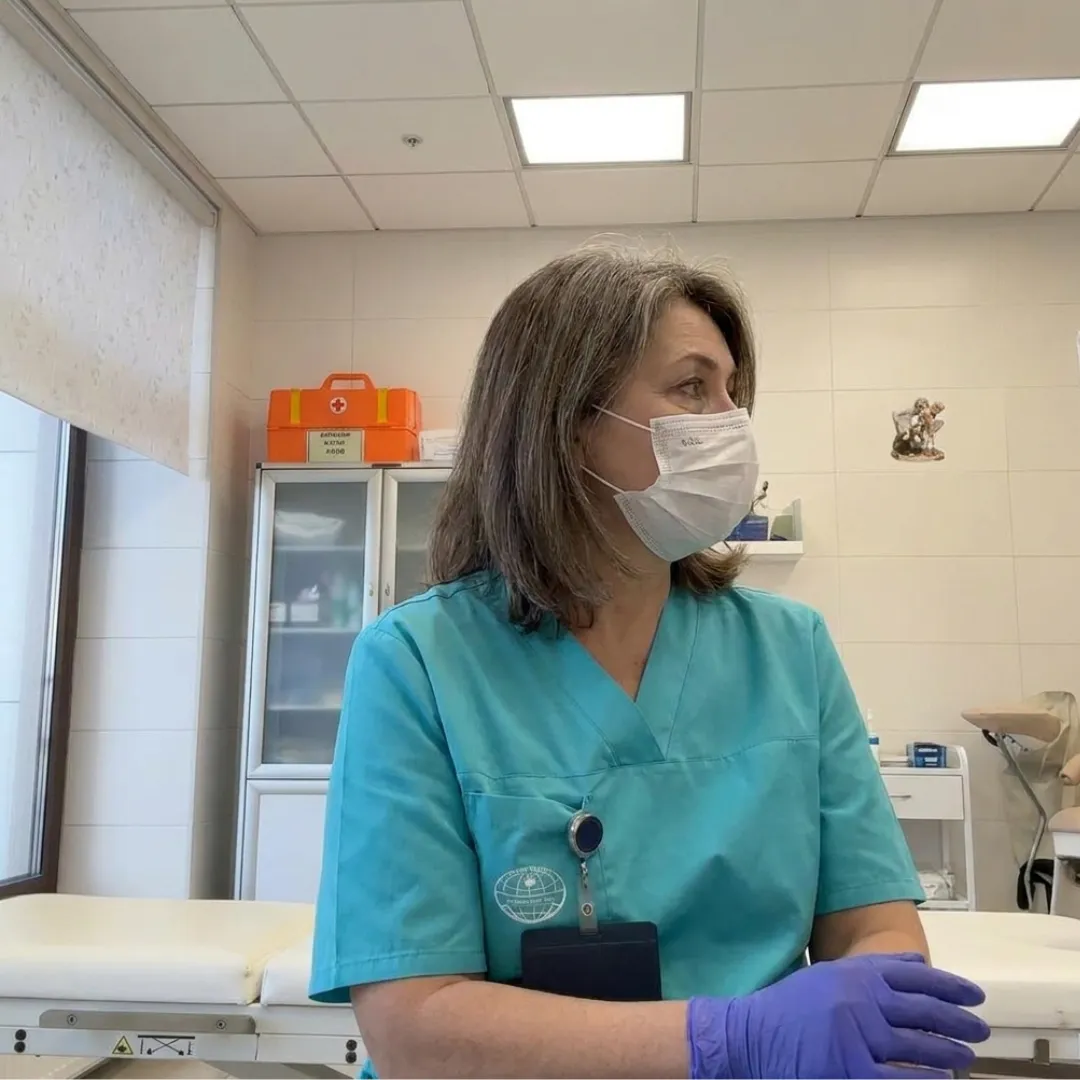
Most Cinnamon Supplements Are Useless
Mary Parker, RN
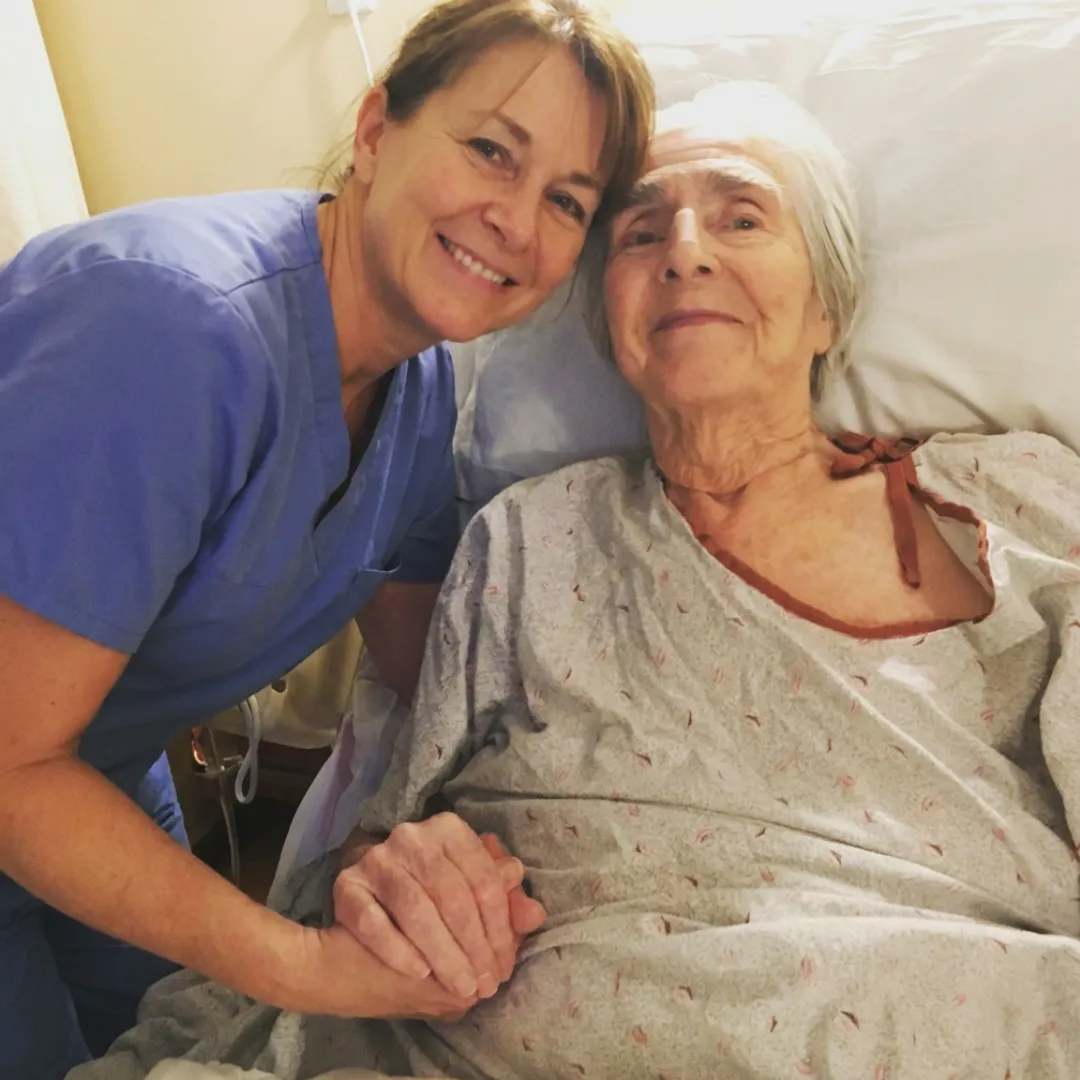
Most Cinnamon Supplements Are Useless
Mary Parker, RN
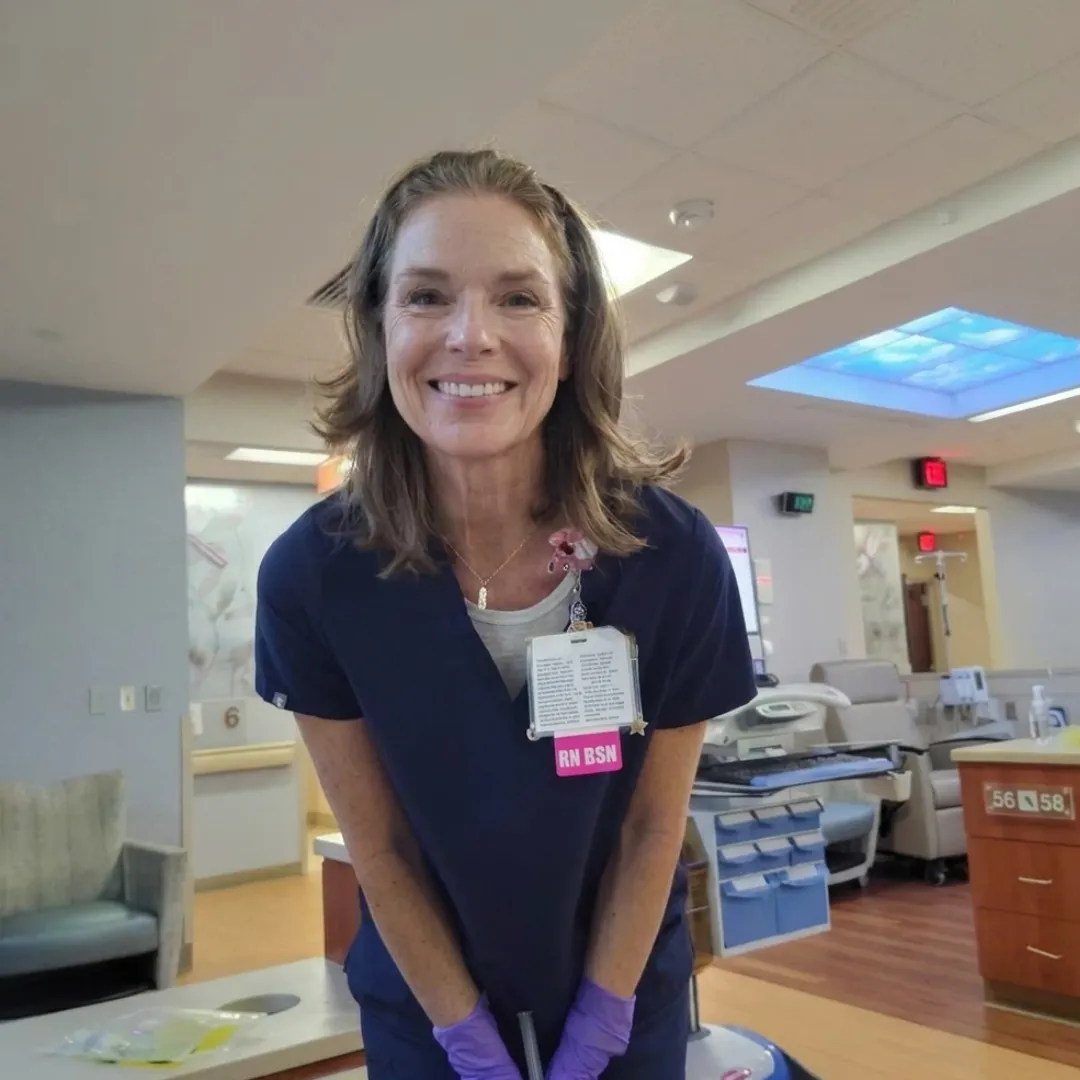
Maintaining Internal Balance Beneath The Surface
Mary Parker, RN
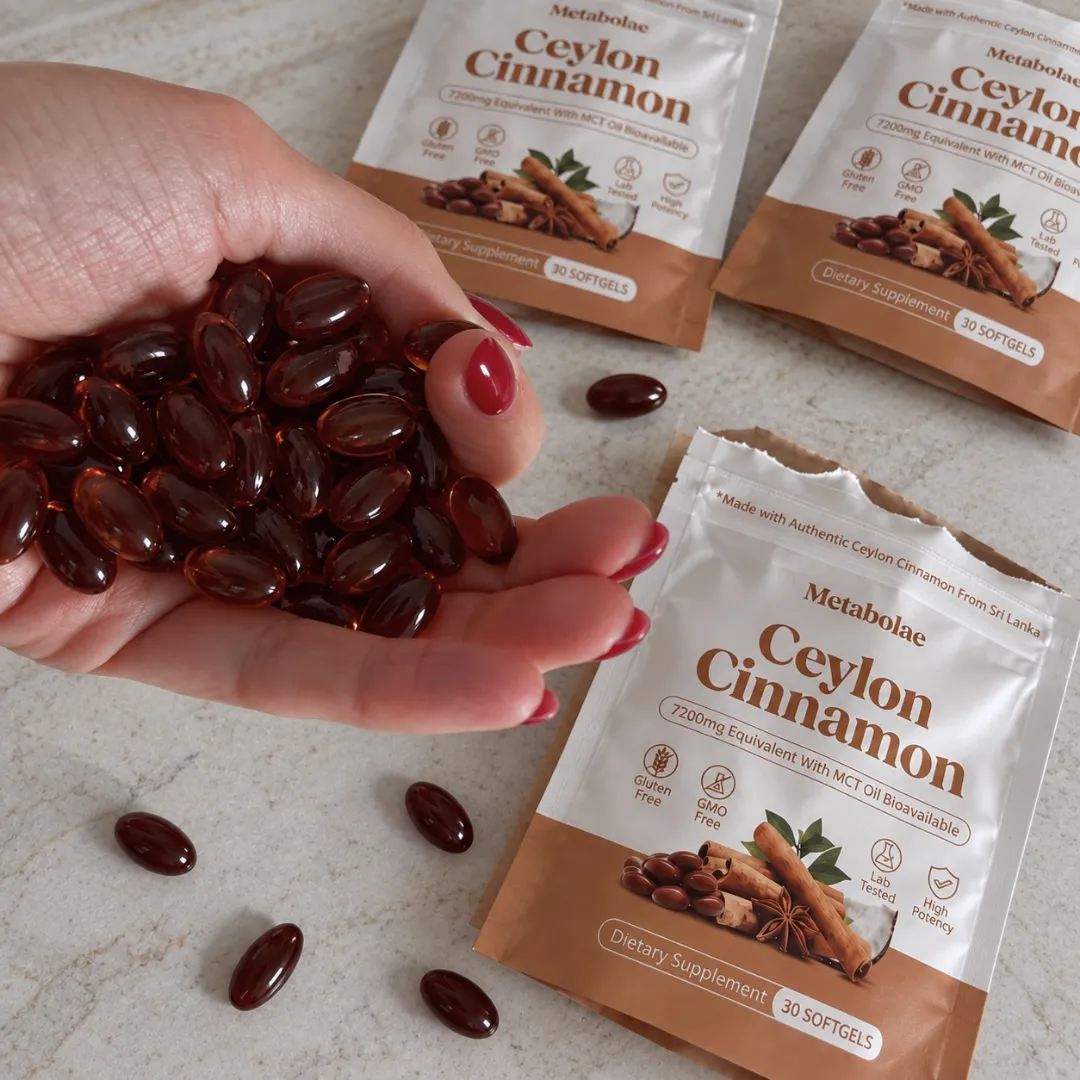
Ceylon Cinnamon 7200mg Equivalent with MCT Oil
Mary Parker, RN
Ceylon Cinnamon 7200mg Equivalent with MCT Oil
Mary Parker, RN

 Add to Chrome