Ceylon Cinnamon 7200mg Equivalent with MCT Oil
Ad Copy
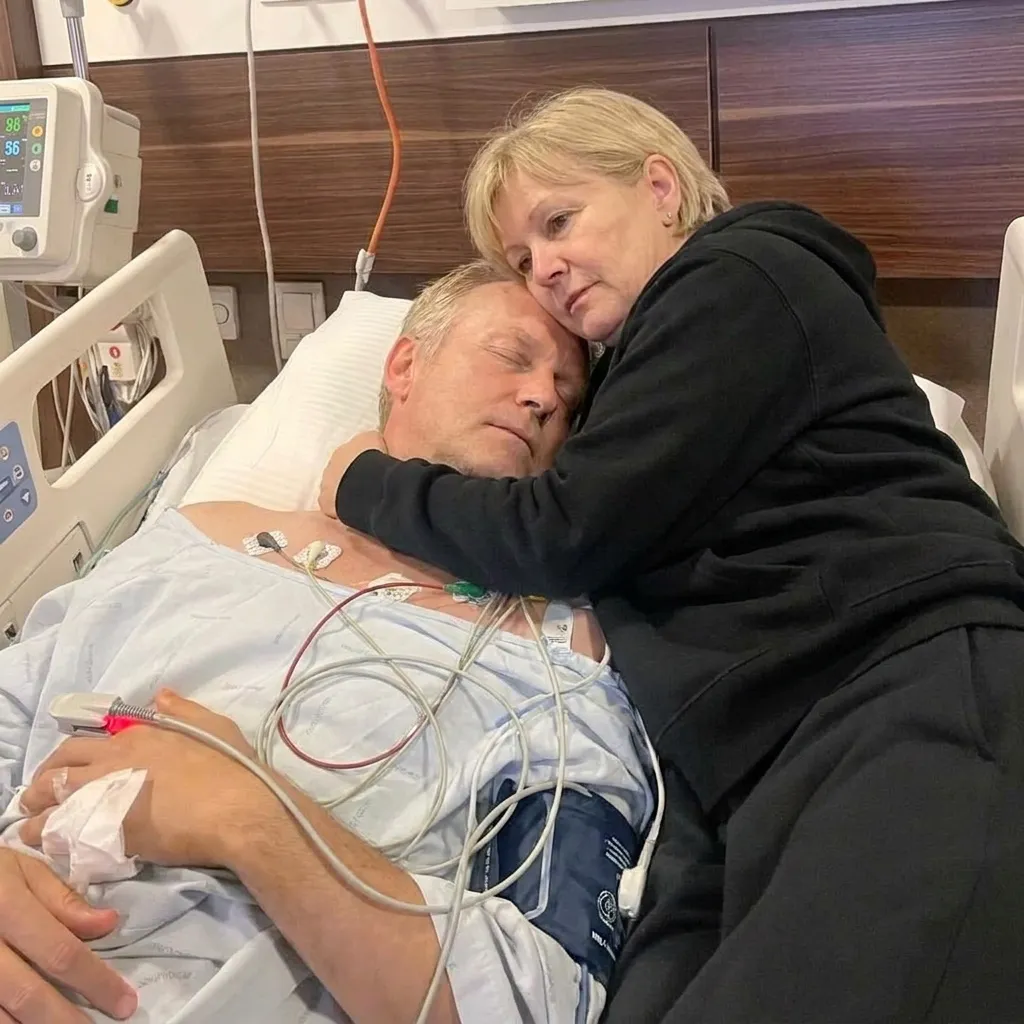
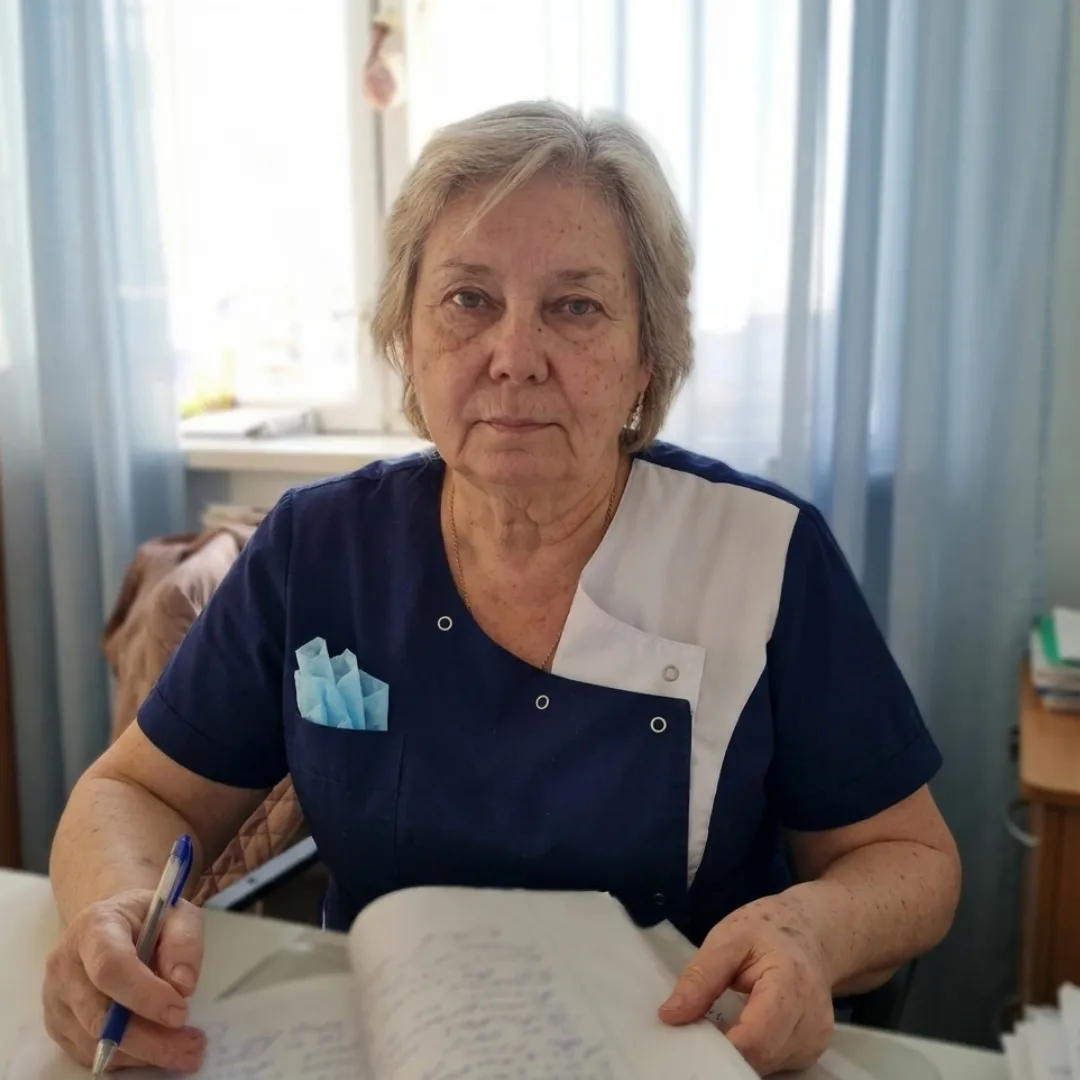
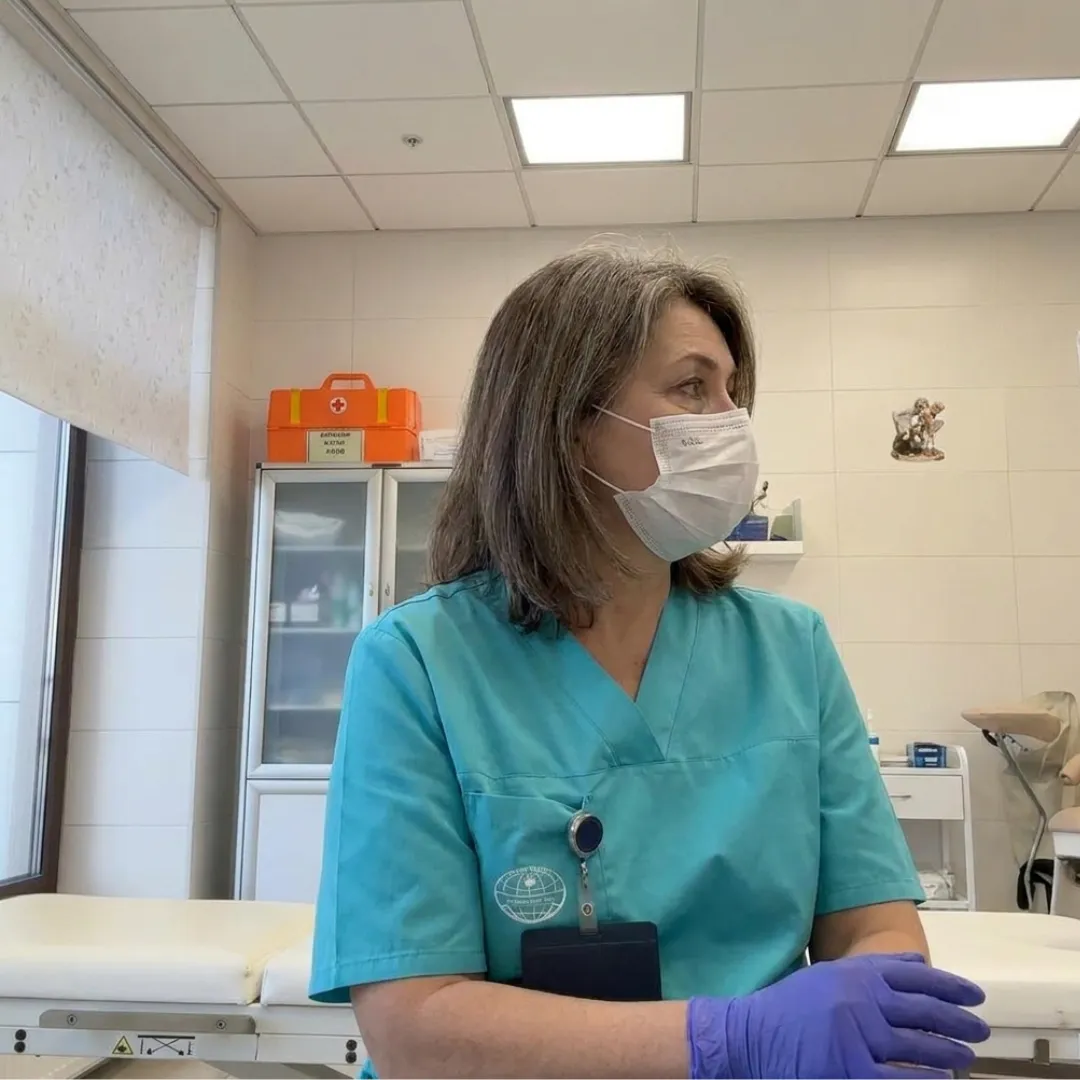
I saw a statistic that made me sick. Type 2 diabetic patients with gout flares are 4 times more likely to die from a heart attack before 65 than a normal person the same age. I didn't believe it when I read it. I have spent 24 years as a cardiac ICU nurse. I have watched more heart attacks than I can count. I know what a myocardial infarction looks like on a monitor before the patient feels it in their chest. I know the sound the crash cart makes when it rolls fast down a hallway. I know the specific silence that follows when it doesn't work. I had never once connected any of that to gout. I have gout. Have had it for eleven years. I also have Type 2 diabetes, diagnosed at 49. I take allopurinol for the gout and metformin for the blood sugar. My uric acid stays in range. My A1C sits at 7.2, which my endocrinologist calls well-managed. I flare every few weeks, mostly in my left foot, sometimes my right knee. I have learned to work around it the way you learn to work around any chronic pain. You adjust. You keep moving. You tell yourself it is manageable. I told myself that for eleven years. Then I ended up on the other side of my own unit's crash cart at 2:19 in the morning, and everything I thought I knew about my own body turned out to be wrong. I need to tell you what happened. And I need to tell you what I found out afterward. Because if you are a Type 2 diabetic person with gout, and your doctor has told you your numbers are controlled and you are doing fine, you are in exactly the position I was in the night my heart decided otherwise. My name is Mary Parker. I am 57 years old. I live outside Memphis, Tennessee. I have two sons and one granddaughter who calls me Mimi. I have worked cardiac ICU at the same hospital since I was 33 years old. I have seen this unit from every angle there is. Until eight months ago, I had never seen it from a stretcher. It started the way those nights always start. Busy. Four patients, two of them unstable, the kind of shift where you do not sit down between seven in the evening and seven in the morning. Around midnight I noticed my left foot was throbbing worse than usual. I had been on my feet for five hours. I told myself it was the gout. Took two ibuprofen at the medication station and kept moving. By one in the morning the throb had moved. Not just the foot. A heaviness in my chest, low and dull, the kind that makes you check your posture and roll your shoulders and tell yourself you have been hunching over a chart. I rolled my shoulders. I kept moving. At one forty-five I went to pull a medication from the Pyxis and my vision went gray at the edges. Not black. Gray. The way a television screen looks when the signal drops. I put both hands on the counter and waited for it to pass. It did not pass. My colleague Diane was three feet away restocking a supply cart. She looked up and saw my face and did not say a single word. She just turned to the intercom and called it. I remember sitting down on the floor because my legs made the decision before I did. I remember the sound of the crash cart coming down the hallway. I have heard that sound hundreds of times. I have never heard it coming for me. Blood pressure 88 over 52. Heart rate 141. Troponin elevated on the first draw. I was having a cardiac event. In my own unit. Surrounded by the people I had worked next to for two decades, whose children I had watched grow up in the photos on their locker doors. I remember lying on the stretcher looking up at the ceiling tiles and thinking one thing with complete clarity. I did everything right. My uric acid was controlled. My A1C was well-managed. I took every pill every morning. I showed up to every appointment. I have 24 years of cardiac nursing. I know what heart attacks look like. I know the risk factors. I know the warning signs. And I still ended up here. How. I spent three days in the ICU. The interventional cardiologist found partial blockage in two coronary arteries. Significant plaque accumulation that had been building, she said, for years. They managed it without a stent. I got lucky in the specific way that people who work in hospitals understand luck, which is that luck in a cardiac unit is a narrower margin than most people realize. The day before I was discharged, a cardiologist I did not recognize came into my room. Not from my care team. A person on consult from a cardiovascular research program at Vanderbilt, tall, reading glasses pushed up on his forehead, the kind of unhurried manner that means he has decided this conversation matters. He pulled a chair next to my bed and sat down like he had time. He said: Mary, I want to ask you something that nobody on your care team has asked you. How long have you had gout. I told him. Eleven years. He nodded slowly. He said: and in eleven years, has anyone ever explained to you the specific way your gout and your blood sugar are connected. Not that they coexist. The actual mechanism connecting them. I thought about it. I am a cardiac ICU nurse. I have read more medical literature than most patients see in a lifetime. I told him my endocrinologist had mentioned that diabetics are more prone to elevated uric acid. Something about kidney function. He said: that is the outline. Nobody ever filled it in. And that is why you are in this bed. He told me he was going to explain three things. And he said if anyone had explained these three things to me eleven years ago, I would not have spent a decade thinking I was managing two separate conditions when I was actually watching one condition destroy my cardiovascular system from two directions at once. I want to walk you through exactly what he told me. Because if you are a Type 2 diabetic person with gout, this is the conversation your doctor should be having with you and is not. He said: the first thing you need to understand is that your gout is not a separate disease from your diabetes. Your blood sugar created your gout. Directly. He explained it this way. When blood sugar is chronically elevated, the body produces excess insulin to try to compensate. Most of that insulin's job is to move glucose into cells. But insulin has a secondary effect on the kidneys that almost no one explains to diabetic patients. High circulating insulin sends a chemical signal to the kidneys telling them to reabsorb uric acid back into the bloodstream rather than excrete it through urine. The kidneys, following that signal, hold onto uric acid that should be leaving the body. The uric acid accumulates. The blood concentration climbs past the point of saturation. And when uric acid exceeds that threshold, it crystallizes. Those crystals deposit in the joints, the soft tissue, the tendons. The immune system attacks the crystals with everything it has. That attack is what a gout flare is. He said: Mary, your allopurinol slows how much new uric acid your body produces. But it cannot override the reabsorption signal your kidneys are receiving from the excess insulin. As long as your blood sugar remains elevated, your kidneys keep receiving that signal. And the crystal accumulation continues underneath the controlled uric acid number on your lab report. He let that sit for a moment. Then he said: the second thing you need to understand is what those crystals do to your heart. He said gout is not a joint disease that happens to also cause inflammation. Gout is a systemic inflammatory disease that expresses itself in the joints. And the inflammation it generates does not stay in the joints. He explained what happens when the immune system responds to urate crystals. It releases a cascade of inflammatory signaling molecules into the bloodstream. Those molecules circulate. They reach the endothelium, the delicate inner lining of every blood vessel in the body, including the coronary arteries. And they damage it. The endothelium is not a passive pipe. It is a living tissue that produces the protective molecules keeping arterial walls smooth, flexible, and resistant to plaque. When chronic inflammation attacks that lining repeatedly, the surface becomes rough and damaged. LDL cholesterol circulating through the bloodstream catches on the damaged surface. The immune system, treating it as an invader, builds an inflammatory cap over the site. Plaque forms. Layer by layer, year by year, the arterial channel narrows. He said: every gout flare you have had in eleven years has been an inflammatory event in your bloodstream. Not just in your foot. In your coronary arteries. Every flare contributed to the plaque accumulation the cardiologist found this week. Not one flare. Eleven years of flares. He paused. The plaque that was in your coronary arteries was not bad luck. It was not genetics. It was the predictable result of eleven years of a systemic inflammatory disease that nobody was looking at as a cardiovascular threat. I stared at the ceiling for a moment. I have 24 years of cardiac nursing. I have watched gout patients come through this unit. I had never once made that connection. He said: the third thing is the one that should concern you most. Because it explains why your two conditions together are so much more dangerous than either one alone. He said when elevated blood sugar and elevated uric acid coexist in the same body, they do not simply add their cardiovascular risks together. They multiply them. High blood sugar damages arteries through a process called glycation. Excess glucose binds to proteins in the arterial wall and creates harmful compounds that stiffen the vessel. An artery that is supposed to be elastic and responsive becomes rigid. It cannot dilate properly when the heart needs more blood flow. It cannot absorb the pressure of each heartbeat the way a healthy vessel does. The heart has to push harder against that resistance. Blood pressure climbs. At the same time, elevated uric acid suppresses nitric oxide. Nitric oxide is the molecule the endothelium produces to signal blood vessels to relax and expand. When uric acid levels are high, the production of nitric oxide is chemically inhibited. The arteries lose the signal that tells them to open. They stay narrower than they should. The resistance increases further. He said: you have blood sugar stiffening your arterial walls from the outside and uric acid suppressing the relaxation signal from the inside. At the same time. For eleven years. What the cardiologist found in your coronary arteries this week is not a surprise. It is the mathematical result of both processes running simultaneously, unchecked, while two separate doctors managed two separate numbers and nobody looked at what was happening in the space between them. He let the silence sit. Then he said: your rheumatologist is not looking at your heart. Your endocrinologist is not looking at your uric acid the way I just explained it to you. Your cardiologist is looking at what the imaging shows but not at the upstream cause. Nobody is looking at the connection. And the connection is what was killing you. I asked him what I should have been doing differently. Not in accusation. Just because I needed to know. He said the failure was not behavioral. It was mechanistic. No amount of dietary discipline or medication compliance was going to address what he had just described, because none of the medications I was on were designed to address it. He said: metformin tells your liver to produce less glucose. It does not open the cellular glucose uptake pathway. The trapped sugar keeps circulating. The kidneys keep receiving the insulin reabsorption signal. The uric acid keeps accumulating. The crystals keep forming. The inflammation keeps running in your arteries. He said: allopurinol reduces new uric acid production. It does not clear the crystals already lodged in your joints. Those existing crystals keep triggering the immune response. The inflammation keeps circulating. The endothelial damage continues. He said: your blood pressure medication manages the downstream pressure. It does not repair the arterial wall being damaged upstream. Your statin, when your cardiologist adds it, will reduce how much cholesterol your liver produces. It will not fix the inflamed, damaged arterial surface that is catching that cholesterol in the first place. Every medication I was on was managing a room. Nobody was treating the house. I asked him what treats the house. He said there is one natural compound that addresses both sides of this problem simultaneously. And that the research behind it is substantial enough that he recommends it to every diabetic patient he sees with elevated uric acid. I asked what it was. He said: Ceylon cinnamon. Not the cinnamon in a grocery store spice jar. Not the capsules in a health food store. True Ceylon cinnamon. Cinnamomum verum. Grown in Sri Lanka. An entirely different compound profile from the Cassia cinnamon that fills most commercial products. I almost said something. He read my face. He said: I know what you are thinking. Hear me out. He said Ceylon cinnamon contains two active compounds that do something no diabetes or gout medication currently approved in this country can do. The first is called MHCP, methylhydroxychalcone polymer. It is an insulin mimetic. It does not add insulin and does not push the pancreas to produce more. What it does is walk directly to the dormant glucose transporter doors on the surface of cells and activate them. The doors that insulin resistance has jammed shut. MHCP goes around the broken mechanism and opens them directly. When those doors open, glucose moves out of the bloodstream and into the cells where it is burned for energy. The circulating glucose level drops. The insulin response drops. And when insulin drops, the kidney reabsorption signal quiets. The kidneys begin excreting uric acid the way they are supposed to. The uric acid level in the blood starts to fall. The crystal formation slows. He said: that is the first pathway. Open the cellular doors, lower the insulin signal, let the kidneys do their job, reduce the uric acid accumulation that is feeding the inflammatory cascade. The second compound is cinnamaldehyde. The molecule responsible for cinnamon's characteristic smell. Inside the body, cinnamaldehyde does two things simultaneously. It calms the inflammatory pathway that has been keeping the immune system locked in permanent attack mode against the arterial tissue. The same cascade that every gout flare has been triggering for eleven years. By interrupting that signaling pathway, cinnamaldehyde reduces the systemic inflammation circulating through the bloodstream and reaching the coronary arteries. And it supports the endothelium. The damaged inner lining of the blood vessels. Cinnamaldehyde helps restore the production of nitric oxide, the molecule that signals arteries to relax and expand, the same molecule that elevated uric acid has been suppressing. When nitric oxide production recovers, the arteries begin to regain their flexibility. Blood pressure eases. The heart works against less resistance. He said: MHCP addresses the cellular mechanism driving the glucose accumulation and the uric acid signal. Cinnamaldehyde interrupts the inflammation damaging the arterial wall and begins to restore the vascular flexibility that the uric acid has been suppressing. Both compounds in one source. Addressing both sides of the problem at the same time. I asked him about the research. He said a published trial in Diabetes Care, the American Diabetes Association's own journal, documented fasting glucose reductions of up to 29 percent in Type 2 diabetics taking concentrated Ceylon cinnamon. A 2024 meta-analysis across 28 randomized controlled trials in more than 3,000 patients confirmed those results. Separate research on uric acid and inflammatory markers showed consistent directional improvement in patients with both elevated glucose and elevated uric acid. He said American physicians do not recommend it. Not because the evidence is insufficient. Because it is not a drug they can prescribe, and there is no pharmaceutical representative explaining the research at their Tuesday lunch. Then he said: there is a problem with most Ceylon cinnamon products on the market. And the problem is serious enough that I need you to understand it before you buy anything. He said three things determine whether a Ceylon cinnamon supplement actually does what the research shows. The first is species verification. He said the vast majority of cinnamon supplements sold in the United States, including most products labeled as Ceylon on Amazon, in Walmart, in GNC, and through every major third-party online marketplace, contain Cassia cinnamon. Not Ceylon. Cassia is a different tree, grown primarily in China, with a completely different chemical profile. It contains high levels of coumarin, a compound that stresses the liver at daily supplemental doses. It does not contain the MHCP concentration responsible for the cellular glucose uptake activation. The label can say Ceylon. The contents can be Cassia. Without a DNA verification certificate from an independent laboratory, you cannot know what you are actually taking. And taking Cassia at therapeutic doses daily is not a neutral act. It is liver stress on top of a body already under metabolic strain. He said: do not buy from a third-party marketplace listing. The species integrity cannot be verified from a retailer page. The only way to know you are getting authenticated Ceylon cinnamon from Sri Lanka is to buy directly from a manufacturer who publishes their certificate of analysis by lot number, where you can look up the specific batch in your hand and confirm the species and the coumarin level yourself. The second is dose. He said the research producing meaningful metabolic outcomes uses doses equivalent to between 3,000 and 7,200 milligrams of whole cinnamon. Most supplements on the market contain 500 to 1,000 milligrams of raw powder. You are not in the same conversation as the clinical evidence at that dose. A quality 12-to-1 concentrated extract delivers 7,200 milligrams equivalent per softgel. At 500 milligrams of raw powder, the MHCP and cinnamaldehyde concentrations are too low to meaningfully activate the pathways. It is the right idea at an inadequate scale. The third is delivery. The active compounds in Ceylon cinnamon, particularly cinnamaldehyde and the polyphenols, are fat-soluble. In a dry powder capsule, a significant proportion passes through the digestive system without absorbing into the bloodstream at all. Suspending the extract in MCT oil from coconut dramatically improves bioavailability. The format determines whether the compound reaches the tissue where it needs to act or exits the body unused. He said: species, dose, delivery. If any one of those three is wrong, you are not taking what the research tested. You are taking a label. I asked him what he recommended specifically. He said there is one product he has directed his patients to for the past two years. One that gets all three criteria correct. A 12-to-1 concentrated Ceylon cinnamon extract delivering 7,200 milligrams equivalent per softgel, suspended in MCT oil from coconut. DNA-verified Ceylon from Sri Lanka, not labeled, verified, with the certificate of analysis published by lot number. Third-party tested. Coumarin levels confirmed safe for daily use. GMP certified. No fillers. He said it is not sold through Amazon. It is not in Walmart. It is not in any third-party retail channel. He said that is not an accident. The species verification, the batch testing, the chain of custody from a Sri Lankan source to a tested finished product only holds when the product goes directly from the manufacturer to the consumer. A third-party listing breaks that chain. You have no way to confirm what is in the bag when it passes through a marketplace warehouse. The only place to get the verified product is the official Metabolae website. That is where the lot number, the certificate of analysis, and the species confirmation are accessible for every bag before you open it. He said: one softgel with breakfast. That is the protocol. He said: Mary, you came into this hospital because two conditions your doctors were managing separately were destroying your cardiovascular system together. Your metformin was not addressing the insulin reabsorption signal driving your uric acid. Your allopurinol was not clearing the crystals triggering the inflammation in your coronary arteries. Your blood pressure medication was not repairing the arterial wall being damaged upstream. Nobody was looking at the intersection. And the intersection was what put you here. He stood up. Pushed the chair back. He said: you know this unit better than anyone. You know what comes next if this continues. Address the root. Both sides of it. At once. I ordered Metabolae from my phone before he reached the door of my room. I want to tell you exactly what the following weeks looked like. Not because it was dramatic. Because it was not. And that matters, because the damage was done quietly, and the reversal happens the same way. Week one. One softgel with breakfast. I kept taking my metformin. I kept taking my allopurinol. I did not expect to feel anything immediately. The cellular pathways need time to respond. The inflammatory cascade does not switch off in a week. I took it every morning and I paid attention. Week two. The morning stiffness in my left foot, which I had accepted as the permanent background condition of being alive, was less. Not gone. Less. The kind of less that makes you notice its absence rather than its presence. I tested my fasting glucose on my home meter. 118. I had not seen below 120 in two years. Week three. I was sleeping through the night for the first time in longer than I could measure. The four-thirty wakeup from foot pain that had become as routine as my alarm was not happening. I walked from my car to the hospital entrance without favoring my left side. My daughter noticed before I did. Week four. Fasting glucose three mornings running. 112. 109. 108. I texted the numbers to nobody because I did not want to say it out loud yet. My blood pressure on the unit cuff, which I checked the same way I check it for patients out of professional habit, was reading 128 over 76. It had been 146 over 91 at my discharge. Week six. No gout flare. I realized it only because I noticed the absence. I had been flaring every two to three weeks for years. Six weeks had passed without one. I stood in the break room at three in the morning eating the same cold food I have been eating on night shifts for 24 years and I thought about the person in the chair next to my hospital bed and I thought about the 4x statistic and I thought about what eleven years of not knowing had cost me. Week eight. I went back for follow-up with my cardiologist. Full panel. Cardiac enzymes, lipids, glucose, uric acid, inflammatory markers. She walked in and pulled up the results and was quiet for a moment longer than usual. Fasting glucose: 98. A1C: 6.1. Down from 7.2. Uric acid: 5.2. Down from 7.8 at my admission. LDL: down 27 points. Blood pressure: 124 over 74. C-reactive protein, the inflammatory marker: down significantly from the elevated level recorded during my hospitalization. She looked at me. She said: Mary, what did you change. I told her everything. The cardiologist from Vanderbilt. The three-layer mechanism. The insulin reabsorption signal. The crystal inflammation in the coronary arteries. The nitric oxide suppression. The two compounds in Ceylon cinnamon. The 7,200 milligram extract in MCT oil. The lot-verified direct purchase. She typed for a long time without speaking. Then she said: I have not been trained on this. But these numbers do not lie. Let's hold on the statin for now. If your lipids hold at your six-month panel, we may not need it. And I want you to bring me the research citations at your next visit. I have not had a gout flare in four months. My fasting glucose this morning was 94. My blood pressure has not been above 128 over 78 since week four. I sleep through the night. My foot is quiet. I work my full shift without adjusting my path through the unit to favor my left side. Last Saturday I walked the full length of Shelby Farms Park with my granddaughter, three miles, and carried her on my shoulders for the last quarter mile when she got tired. I stood in the parking lot afterward and did not move for a moment. Because four months ago I was on a stretcher in my own unit with my colleagues running the crash cart to my bay. I am telling you this because I almost did not find out. I had 24 years of cardiac nursing and I did not know the mechanism. I had a good endocrinologist and a good rheumatologist and neither of them had connected the dots. I was managing my numbers. My numbers looked acceptable. And underneath those acceptable numbers, two conditions were cooperating to destroy my coronary arteries while every medication I took addressed a downstream symptom and left the upstream cause completely untouched. If you are reading this and you are a Type 2 diabetic person with gout, I need you to understand something that took a near-death event and a cardiologist from Vanderbilt to explain to me after 24 years of working in a cardiac unit. Your gout is not separate from your diabetes. Your blood sugar created your gout by driving the insulin signal that tells your kidneys to hold uric acid instead of excrete it. And your gout is not separate from your heart disease risk. Every flare you have had has been a systemic inflammatory event inside your coronary arteries. And the combination of elevated blood sugar and elevated uric acid is not additive. It is multiplicative. The blood sugar stiffens your arterial walls. The uric acid suppresses the nitric oxide that would let those walls relax. Both processes running at the same time, for years, is what produces the plaque accumulation that kills people before sixty-five. Your allopurinol is not stopping the upstream insulin signal. Your metformin is not opening the cellular doors. Nobody is treating the intersection. The intersection is what is killing you. According to the cardiologist who sat next to my hospital bed, the only compound with published clinical evidence for addressing both the cellular glucose mechanism and the uric acid inflammatory pathway simultaneously is 12-to-1 concentrated Ceylon cinnamon extract at 7,200 milligrams equivalent, suspended in MCT oil, from a DNA-verified Sri Lankan source with published batch testing. That means Metabolae. Do not look for it on Amazon. Do not look for it in Walmart or any third-party marketplace. Most cinnamon products on those platforms contain Cassia cinnamon sourced from China, not authentic Ceylon from Sri Lanka. The coumarin levels in Cassia are high enough to stress your liver at daily doses. The MHCP concentration is not equivalent. The label can say Ceylon and the contents can be something entirely different, and you have no way to verify it from a marketplace listing. The only place to get authenticated, lot-verified Ceylon cinnamon from Sri Lanka at the correct dose and in MCT oil delivery is directly from the Metabolae website. That is where the certificate of analysis lives. That is where you can look up the batch number on your bag and confirm the species, the coumarin level, and the active compound concentration before you take it. One softgel with breakfast. Thirty softgels per bag. Ninety-day money-back guarantee. If your fasting glucose does not move, if your uric acid does not come down, if your flares do not ease, send back what is left and every dollar comes back to you. No conditions. Ninety days is the honest minimum. That is how long the cellular pathways take to show you what they can do. That is the commitment I made. It was the right one. I work in a cardiac ICU. I know what is on the other side of unmanaged cardiovascular disease in a diabetic patient. I have known for 24 years. I just did not know that my gout was feeding it. I did not know that my insulin levels were driving my uric acid. I did not know that every flare was an inflammatory event in my coronary arteries. I did not know any of it until I was the one on the stretcher. You are reading this. That means you still have time to know it before then. The statistic that made me sick when I read it, 4 times more likely to die from a heart attack before 65, is not a warning about bad luck. It is a warning about a mechanism that is running in your body right now, quietly, underneath numbers that your doctor is calling controlled, in the space between two specialists who are each looking at one half of the problem and neither of whom is looking at the intersection. Go to the Metabolae website. Get a supply. Take the ninety days. Do not wait for a crash cart. Mary Parker, RN Cardiac ICU, 24 years Memphis, Tennessee
More from Mary Parker, RN
Ceylon Cinnamon 7200mg Equivalent with MCT Oil
Mary Parker, RN
Ceylon Cinnamon 7200mg Equivalent with MCT Oil
Mary Parker, RN
Ceylon Cinnamon 7200mg Equivalent with MCT Oil
Mary Parker, RN
Ceylon Cinnamon 7200mg Equivalent with MCT Oil
Mary Parker, RN
Ceylon Cinnamon 7200mg Equivalent with MCT Oil
Mary Parker, RN
Maintaining Internal Balance Beneath The Surface
Mary Parker, RN
Most Cinnamon Supplements Are Useless
Mary Parker, RN
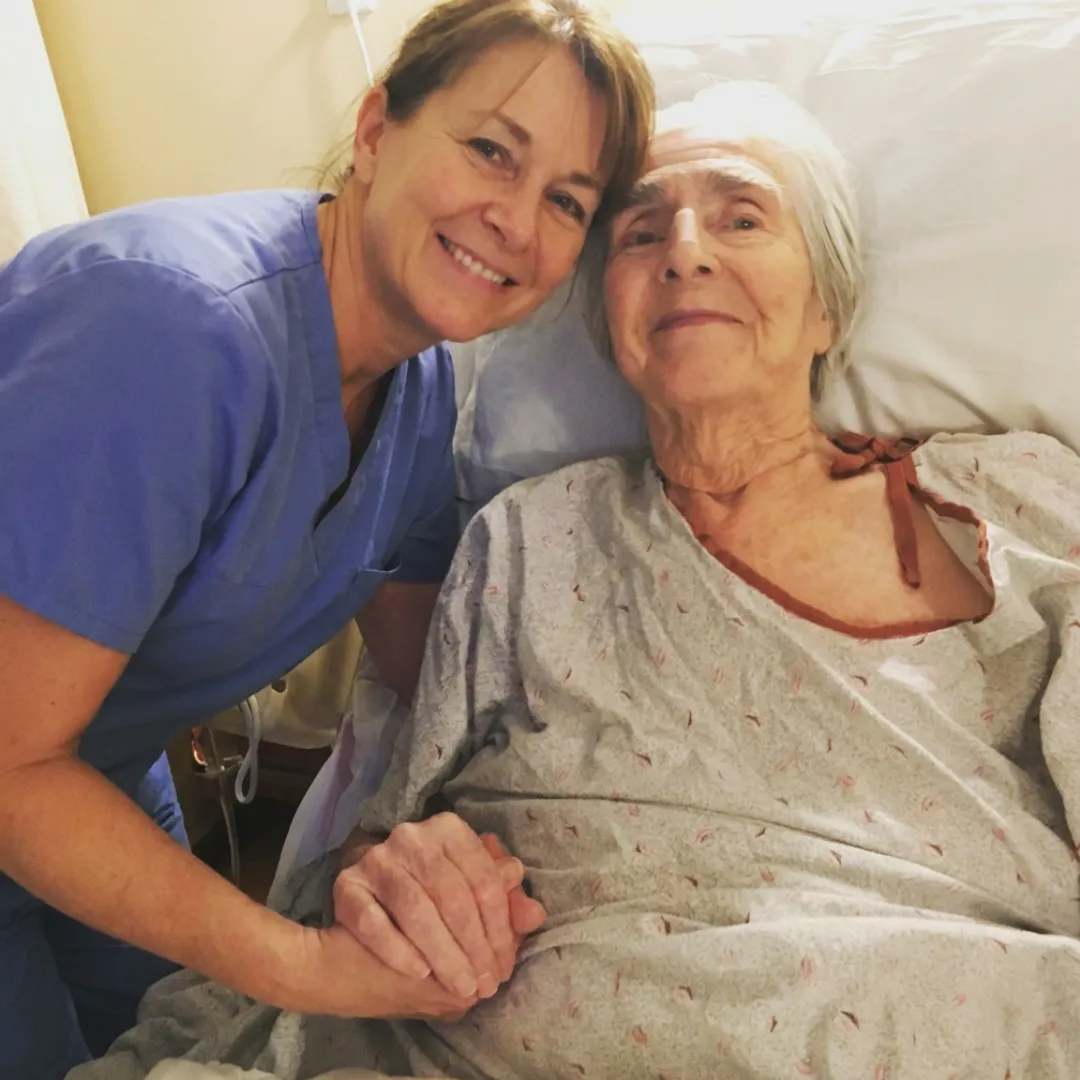
Most Cinnamon Supplements Are Useless
Mary Parker, RN

Maintaining Internal Balance Beneath The Surface
Mary Parker, RN
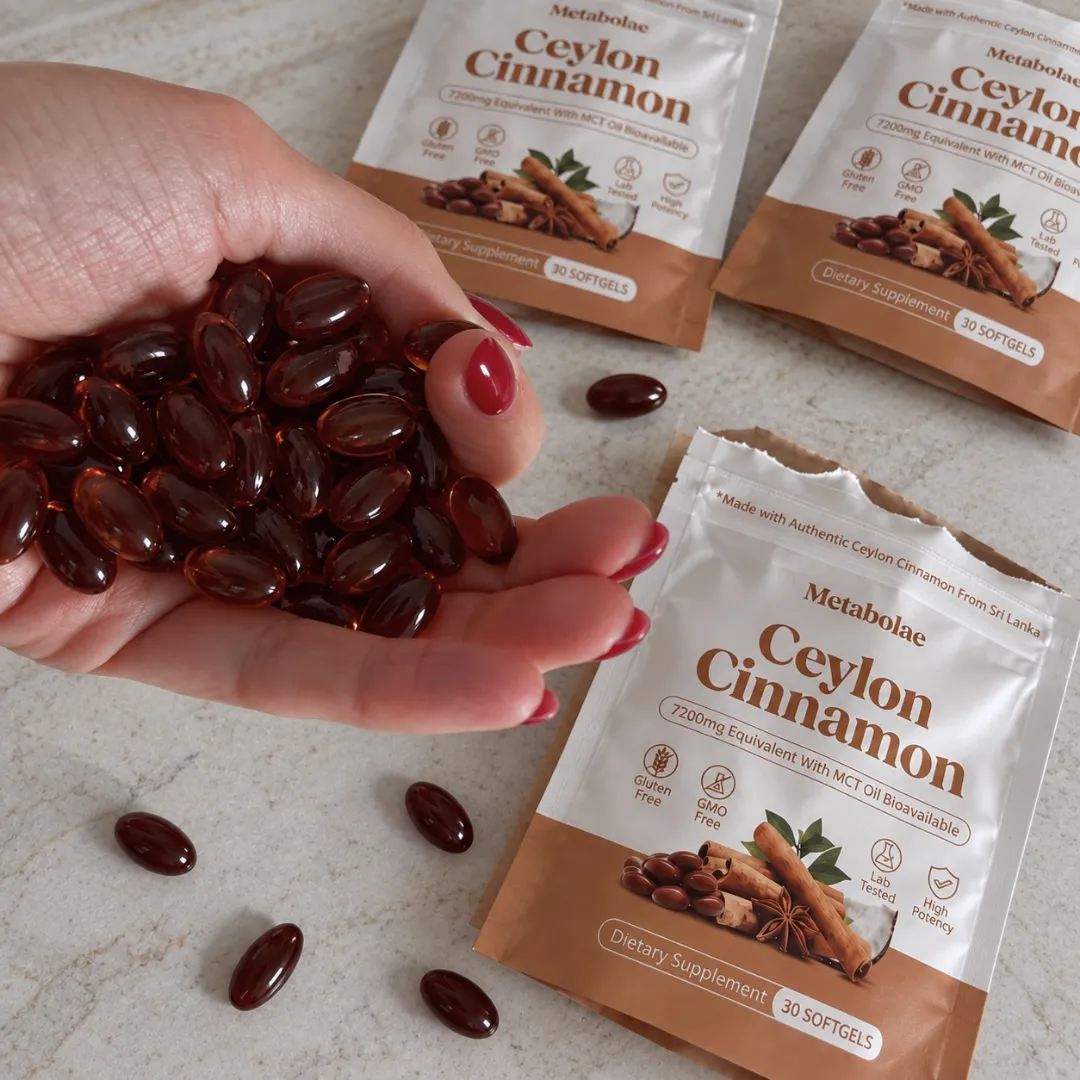
Ceylon Cinnamon 7200mg Equivalent with MCT Oil
Mary Parker, RN
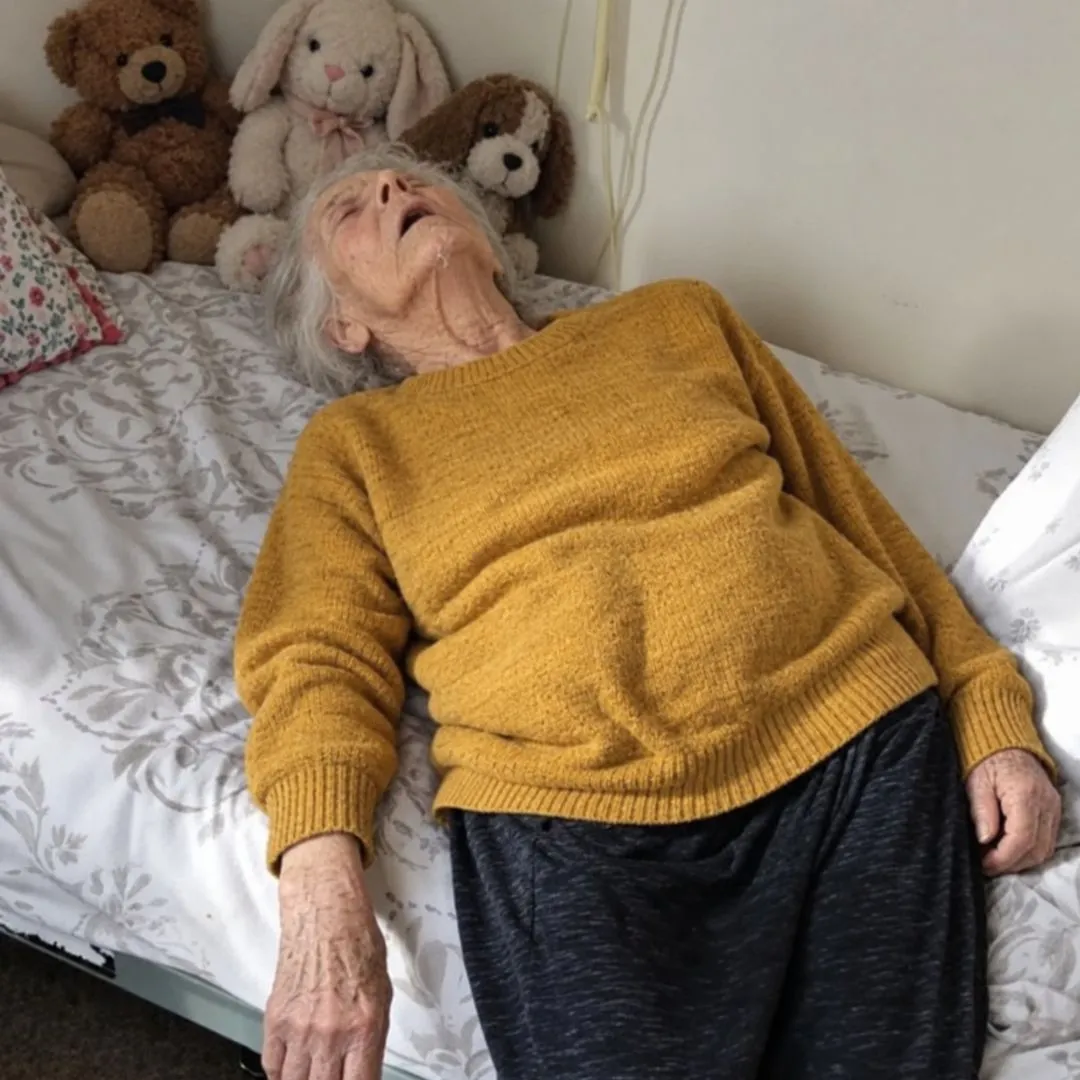
Ceylon Cinnamon 7200mg Equivalent with MCT Oil
Mary Parker, RN
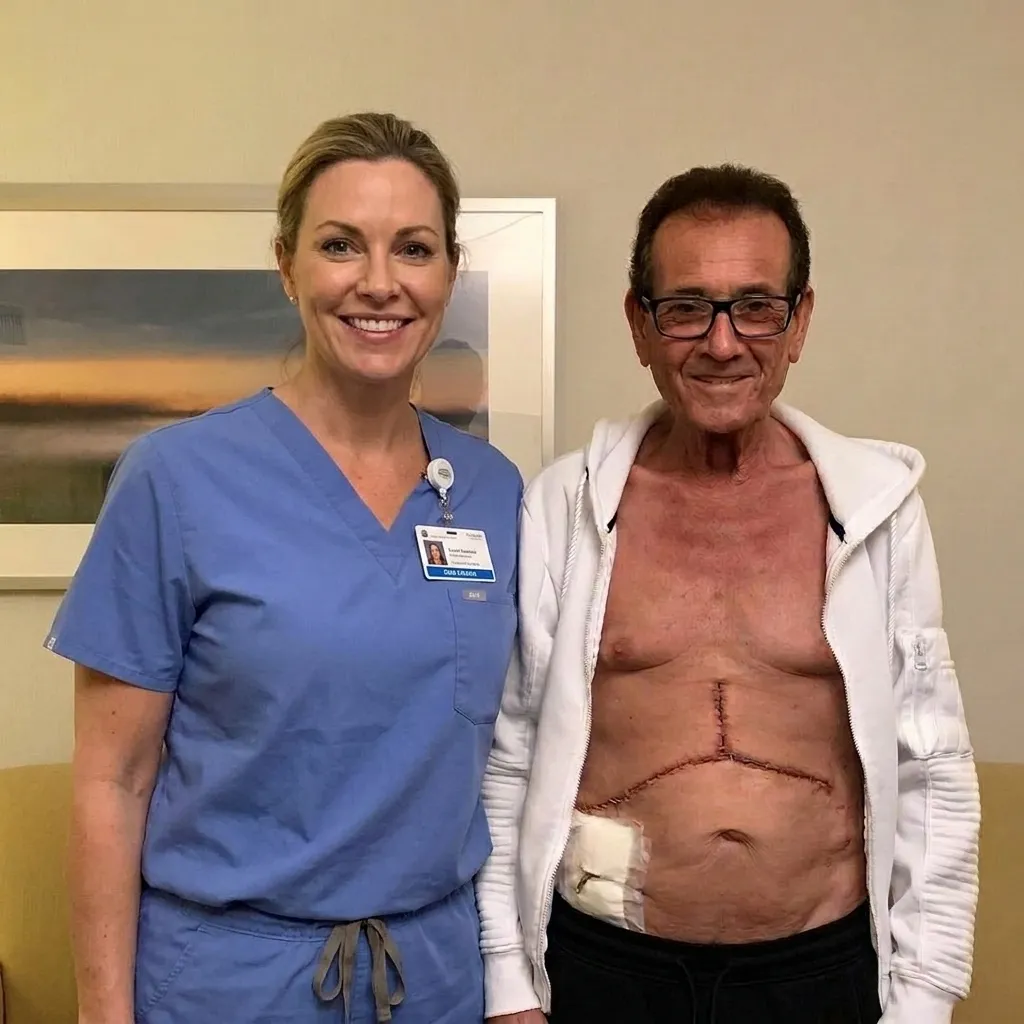
Ceylon Cinnamon 7200mg Equivalent with MCT Oil
Mary Parker, RN

 Add to Chrome