Ceylon Cinnamon 7200mg Equivalent with MCT Oil
Ad Copy
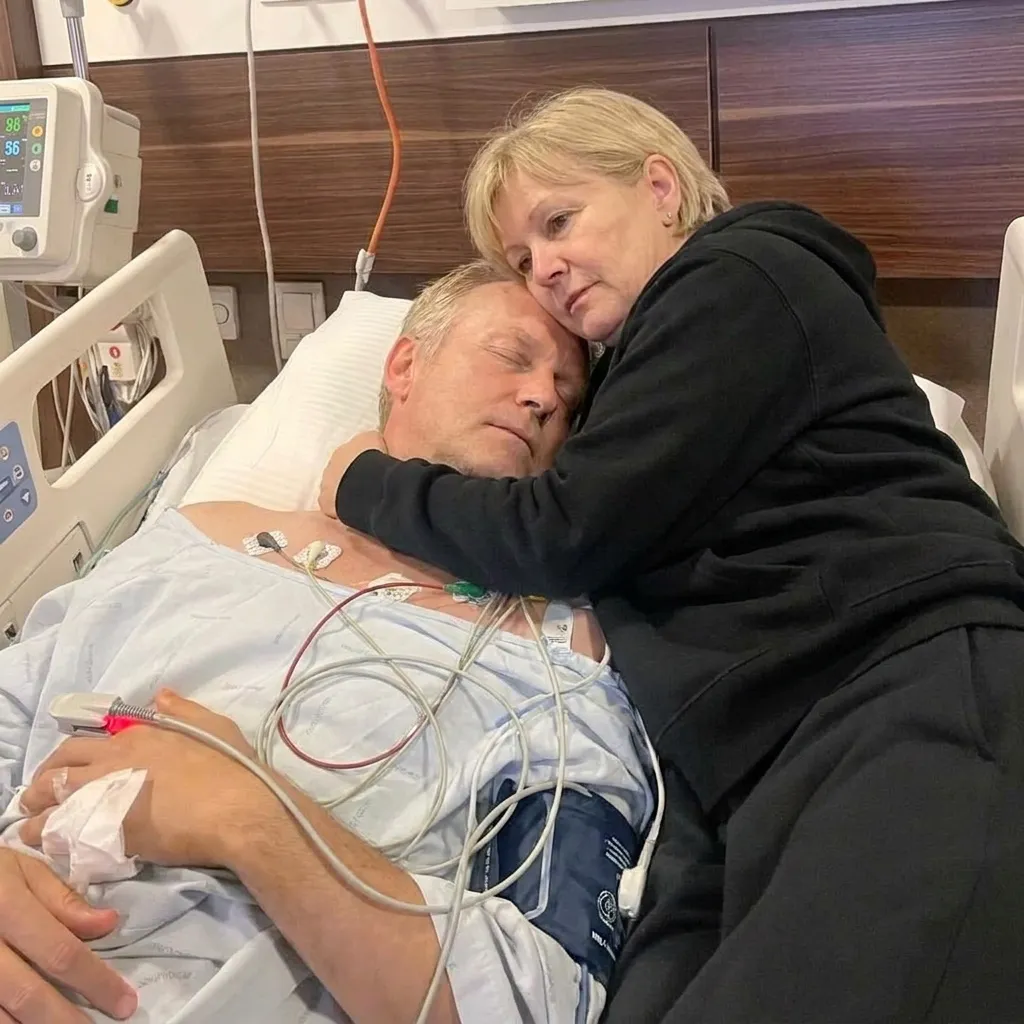
The hardest thing about being a diabetic's wife is lying next to him at 2 AM, listening to his breathing, and wondering if his blood vessels are silently failing while his lab results say fine. I spent 22 years married to Gerald. For years, I watched his blood sugar hover in that frustrating prediabetic range while his blood pressure slowly climbed. Every physical ended the same way: watch the carbs, keep an eye on it. So we did. He gave up every comfort food he loved, lost 19 pounds, and took every prescription his doctor wrote. His numbers on the kitchen table looked better. I thought we had won. What nobody explained to us, and what my 31 years of clinical nursing failed to catch, was that forcing a blood pressure number down with a pill doesn't stop sugar from inflaming the lining of his arteries from the inside. Gerald died of a massive heart attack on August 17th, 2025, at 4:17 AM. He was 64 years old. The hospital bill was $61,300. The funeral was $11,800. The anniversary card he left on the counter in July, the last one, is still on my nightstand. I cannot put it away. If I put it away, he is really gone. I want you to understand something before I go any further. Gerald was not a heart patient. Nobody who knew him would have used that word. No chest pain. Never smoked a day in his life. A little extra salt on his eggs. Pot roast on Sundays. Sweet tea every afternoon. Maybe a glass of wine on a Friday. Normal. The way most men his age live. The way maybe your husband lives, or your father, or you. When his doctor finally said the numbers were serious, cleaning up his diet was the obvious first step. And it was the right one. Gerald changed everything. No debates, no half-measures. He emptied the pantry the same night the doctor called. The question was never whether changing his diet was the right decision. It was. The question, the one nobody answered until it was far too late, was why the numbers barely moved after he did. And why, once the pills finally moved them, the damage inside his arteries kept going anyway. I need to tell you what happened to Gerald. Because I am seeing the same posts I was making just months before he died. My husband's blood pressure is finally under control on medication, so we can relax now, right? And it makes me physically ill. If you or someone you love has been told their blood sugar is a little high, or their blood pressure keeps creeping up, please read this entire thing. I know it is long. I know you are scrolling. I know you have things to do. Eighteen months ago I would have given everything, everything, for someone to tell me what I am about to tell you. And I am a registered nurse. Thirty-one years in clinical care. I know how to read a lab panel. I know what a blood pressure reading and a lipid panel look like on paper. But clinical training teaches you how to respond when disease announces itself. It does not prepare you to recognize how quietly a metabolic process can damage the inside of an artery for years while every number looks acceptable. There are real limits to what any of us are trained to see early. I learned that the hardest way a person can. And closing that gap is exactly why I am writing this. For six years, Gerald's physicals went the same way. A1C of 5.8. Then 5.9. Then 6.0. Blood pressure of 132 over 84. Then 136 over 86. Then 141 over 89. Every year a few points higher. Every year the same sentence at the end. Watch the carbs, Gerald. Keep an eye on it. Nothing alarming yet. I heard that sentence so many times I stopped hearing it. I was a nurse. I told myself that if it were serious, the doctor would say so. Gerald went in for his routine physical on February 18th, 2025. He felt fine. Better than fine. He was about to turn 64. He still helped coach his grandson's youth baseball team in Chattanooga. He still smoked a pork shoulder in the backyard every Saturday in summer. He thought he had decades left. Honestly, so did I. I had reviewed his pre-appointment bloodwork myself the night before. I had done that for years. Two days later his doctor called. Blood pressure of 152 over 96. LDL of 168. Triglycerides of 244. Fasting glucose of 126. A1C of 6.3. Gerald, this is not keep an eye on it anymore. Your blood pressure and your cholesterol are both elevated and your blood sugar is at the top of the prediabetic range. We need to talk about your diet. Gerald called me the second he hung up. He always called me first for anything medical. Twenty-two years married to a nurse and he still got nervous reading his own labs. Mary. I think something is wrong. Here is what I understand now that I did not understand then. February 18th was not when the problem began. February 18th was just the first time anyone treated it as urgent. All those years of watch the carbs, keep an eye on it, the numbers were showing us what was happening at the surface. They did not tell us what the sugar in his blood was doing to the walls of his arteries the whole time. An artery can stiffen significantly and still belong to someone who coaches youth baseball and smokes pork shoulder on Saturdays. The body has enormous compensating capacity. The heart simply pushes harder. By the time routine bloodwork looks serious, the process underneath is often far older than anyone assumes. Gerald had carried extra weight for nine years. He had the metabolic profile that builds quietly. Mildly elevated glucose for years before anyone treats it as a problem. Blood pressure going up a few points every year and getting called normal for his age. Cholesterol that appeared at the same appointment as the rising blood sugar. All of it accumulating below a surface that showed no obvious warning signs. Nothing that would make any reasonable doctor run an urgent cardiac workup. But something had been shifting below the surface long before anyone acted on it. Gerald, that pattern, combined with where your pressure, your cholesterol, and your glucose are sitting, tells me your cardiovascular system is already under metabolic stress. Cut the salt. Cut the sugar and the refined carbs. Cut the alcohol. Walk every day. We will retest in three months. He was quiet for a long time on the phone. That night he stood up, walked to the pantry, and started reading labels. Every box of pasta. Every sleeve of crackers. Every sauce with added sugar. Then he took every salt shaker in the house, the one on the table, the one by the stove, the one on the smoker in the backyard, and threw them in the trash. No hesitation. I know because he sent me photos of everything he threw away. He filled four trash bags that night. The white bread. The bacon. The sugary barbecue rubs he had been using for years. The sweet tea he had every afternoon. The biscuits he made on Sunday mornings. Every drop of wine in the house. That's it, he texted me. Starting over. And he did. For 96 days, he did not touch a single processed carb, added sugar, salty snack, or drop of alcohol. Not at his own birthday in March where his best friend Frank ordered a ribeye and a piece of cake right in front of him and Gerald ate grilled fish and fresh berries and drank unsweetened tea. Not at Easter dinner in April. Not at his nephew's graduation cookout in May. He stopped going to his Tuesday morning coffee group at the diner because watching everyone order pancakes and bacon while he had eggs plain was harder than he expected. He lost his Sunday pot roast ritual. He lost Friday evenings on the back deck, something he had done for as long as I had known him. He lost the ease of sitting at a table with people who did not understand why he was counting every gram of sugar. He gave up every comfort food he loved. He lost a piece of himself he had been carrying his whole adult life. And he did it anyway. Because the doctor said to. Because I, his wife, who had spent 31 years as a registered nurse, told him the numbers were serious and this was not the moment to cut corners. He lost 19 pounds in those three months. He started meal prepping on Sundays, Gerald, who had never once cooked a meal from a recipe in his life. He walked three miles every morning. He took the magnesium his doctor said was reasonable to try. He bought a blood pressure cuff and checked his reading at the kitchen table every morning. He ate grilled chicken and steamed vegetables at every dinner, the man who used to say a meal without gravy was not a real meal. Those 96 days were not nothing. He did everything the right way, with discipline I had never seen from him before. He removed salt. He removed processed carbs. He removed sugar. He lost nearly twenty pounds. He expected the numbers to reflect that work. That is a completely reasonable expectation. That is what we both believed would happen. He did everything right. The follow-up labs came back on May 27th. Blood pressure: 148 over 93. LDL: 161. Triglycerides: 229. Fasting glucose: 121. A1C: 6.2. He had cut salt completely, cut sugar, cut refined carbs, lost 19 pounds, and walked nearly every day for 96 days. And the numbers had barely moved. The doctor said, Give it more time. In the meantime, let us start you on lisinopril for the pressure and a low-dose statin for the cholesterol. We will retest in six months. Keep doing what you are doing. Gerald called me that night from the parking lot of the pharmacy. His voice sounded flat in a way I had not heard before. Mary. I gave up everything. Everything. And now I am on two prescriptions anyway. I told him to give it time. I told him the pills would bring the numbers down. I told him he was doing everything right and we would see it on the next panel. I believed it. I was a nurse of 31 years and I believed it. He nodded. He kept walking. He kept meal prepping. He took every prescription his doctor wrote, every morning with his breakfast. And the pills did exactly what they were supposed to do. By July, the cuff on the kitchen table was reading 129 over 82. He texted me a photo of it every morning. See? Getting there. His doctor's office called with a check-in reading and said the numbers looked fine. Fine. I remember that word. I thought we had won. But I still could not sleep. Most nights I lay next to him at 2 AM and listened to him breathe. I did not know what I was listening for. Something in me that 31 years of nursing could not name kept me awake anyway. On August 3rd, at 2 AM, I was already awake when he sat up in bed. A heavy pressure in the center of his chest that would not ease. He told me it felt like someone was kneeling on him. I drove him to the ER myself. By the time we were triaged, I looked at him under the fluorescent lights and saw it. His skin was gray. Not pale. Gray. Soaked in sweat. His left hand pressed flat against his sternum. I have worked in clinical settings for 31 years. I knew what that meant before a single test came back. He is having a STEMI. His left anterior descending artery is blocked. We are taking him to the cath lab now. His blood pressure has been controlled for weeks, I said. His doctor said his numbers were fine. He lost 19 pounds. His diet has been clean for five months. The attending cardiologist looked at me with the expression I recognized. The one I had given families myself, too many times. I know. I am sorry, Mrs. Parker. The changes he made were the right ones. The medications were the right ones. But what we are seeing now is not something that developed over five months. This is the end of a process that had been advancing inside his arteries for years. His blood pressure readings told us how hard his heart was pushing. They did not tell us what was happening to the walls it was pushing against. I had never been on this side of that expression before. I knew what cardiogenic shock was. I had explained it to families in waiting rooms. I had never sat in a waiting room while someone explained it about my husband. I knew what it meant when a heart could no longer pump enough blood to the brain. I knew what it meant when he looked at me on day 5 and asked where his son Daniel was, when Daniel was sitting right beside me. They gave him nitroglycerin in the ER. I knew what nitroglycerin was. The compound that forces blood vessels open by releasing nitric oxide, the same molecule the healthy lining of an artery is supposed to make on its own. I had administered it in the ICU myself hundreds of times. At the time, I had no idea why that detail would matter so much in the months that followed. Day 8, his kidneys started declining. Day 10, his lungs filled with fluid. They put him on a ventilator. I called my daughter Emily and told her to get in the car. Gerald came into her life when she was fourteen and never once let her call him anything but Dad. Day 14, August 17th, I was in the family room down the hall when I heard the sustained tone. At 4:17 AM, a hospitalist I had never seen walked in. I knew. I am so sorry, Mrs. Parker. We did everything we could. I drove home at 6 AM. The anniversary card was still on the nightstand where he had left it in July. His handwriting on the envelope. Mary, the past 22 years have been the best of my life. Still crazy about you. I stood there and read it eight times. I did not move for most of that morning. The house was so quiet I could hear the ceiling fan. That night I lay on my side of the bed at 2 AM out of habit. There was no breathing to listen to. The funeral was August 29th, in Chattanooga. His brother drove in from Memphis. Daniel flew back from Atlanta. The grandchildren wore clothes that were too formal for them and kept pulling at their collars. His youngest granddaughter, four years old, asked me: Grandma Mary, when is Pop coming back? I told her Pop was in heaven now. She said: Can I call him there? I had to walk out of the room. After the funeral, I tried to go back to normal. I could not. Because every time I opened my phone I saw people my age, in the prediabetes groups, the metabolic health groups, posting things like doc put my husband on a blood pressure pill and his numbers look great now, or A1C is 6.1, doctor said to watch the carbs, not that worried yet. Or finally got my pressure under control, feeling good. And I knew. I knew some of them were doing exactly what Gerald did. Giving up the foods they loved. Losing the weight. Walking every morning. Taking the pills. Watching the cuff reading come down and believing the problem was handled. Not understanding that the number they were watching may not be the thing doing the damage. I could not just sit there and watch it happen. Not when my own panel from my last physical had come back with numbers I recognized. Blood pressure of 140 over 89. LDL of 151. Fasting glucose of 113. A1C of 5.9. My doctor had said, Mary, nothing alarming yet. Watch the carbs. Keep an eye on it. I was 59 years old. I had just watched my husband die after six years of that exact sentence. I was not going to keep an eye on it. So I started researching. I know how to read journals. I know how to look past the abstract. And I had one question nobody had answered clearly: why did Gerald's numbers look fine on paper while his arteries were failing underneath them? The answer I kept finding was not the one I expected. Cutting salt, cutting carbs, losing weight, these are the right things to do. They reduce the ongoing burden. The medications are the right things too. They lower the pressure and the cholesterol on paper. But none of them reach the metabolic failure that may have been damaging his arteries from the inside for years before anyone called it urgent. The research kept pointing me toward a different underlying process. One that may have been stiffening Gerald's arteries through every one of those keep an eye on it physicals. One that operates at a level blood pressure pills and statins were never designed to touch. Most people believe high blood pressure comes from salt and stress, and high cholesterol comes from eating too much fat. Gerald cut the salt and cut the fat. But in someone with prediabetes or type 2 diabetes, there is a different driver, one that researchers have been studying for years, that rarely comes up in a standard appointment. Inside your cells, there are glucose transport structures called GLUT4 transporters. Think of them as doors. Their job is straightforward: open when insulin signals them, pull glucose out of the bloodstream, and move it into cells where it can be used for energy. In a healthy body, insulin knocks and the doors open. Sugar leaves the bloodstream. Cells receive fuel. Energy is managed efficiently. But in insulin resistance and prediabetes, those doors stop responding properly. Insulin knocks. The doors stay shut. Glucose stays in the blood far longer than it should. And that sugar-saturated blood moves through your arteries continuously, hour after hour, year after year. Your arteries are not rigid pipes. They are living tissue with a smooth inner lining called the endothelium. That lining is what keeps the vessel flexible. It is what produces nitric oxide, the molecule that tells the artery to relax and open with every heartbeat. Circulating glucose inflames those lining cells. It switches on the body's master inflammation signal and sends inflammatory proteins into the artery wall. The wall thickens. It stiffens. It stops making nitric oxide the way it should. Your heart has to push harder against a vessel that no longer gives way. That is where Gerald's slowly climbing blood pressure came from, all those years. Not the salt shaker. The wall. And at the same time, insulin resistance tells the liver to overproduce the particles that become LDL cholesterol. His cholesterol climbed for the same reason his blood pressure climbed. Same upstream failure. Two downstream measurements. Two separate prescriptions. One root that neither pill touches. The lisinopril forced the pressure number down. It did not stop the sugar from inflaming the wall. The statin lowered the cholesterol. It did not address why his liver was overproducing it. The cuff on the kitchen table read 129 over 82, and his doctor's office called it fine, while the lining of his arteries kept breaking down behind it. Gerald's numbers were not stubborn because he had not done enough. He cut the salt. He cleaned up his diet. He lost 19 pounds. The numbers barely moved because the underlying process had been operating at the cellular level for years. And when the pills finally moved them, they moved the measurement, not the damage. The 96 days mattered. They were not wasted. But they could not undo what had quietly built up over a decade inside the walls of his arteries. That was when I understood why the nitroglycerin mattered. In the ER, they had to force his arteries open with a drug that releases nitric oxide. Because his own arterial lining, inflamed by years of sugar that had nowhere to go, had stopped making enough of it long before anyone checked. He did everything he was told. What he was told was aimed at the numbers everyone could see. Not at what had been running underneath. I sat with that for a long time. And then I started asking a different question. If the doors that clear glucose from the blood are where this starts, what does the research say about supporting that pathway upstream? In the winter of 2026, several months after the funeral, I called a colleague of mine, a cardiologist I had worked alongside for years at the hospital in Knoxville. I told her about Gerald. The six years of keep an eye on it. The 96 days. The weight loss. The numbers that barely moved. The two prescriptions. The cuff readings that looked fine right up until the night they did not. What the research had pointed me toward about GLUT4 function and insulin resistance as a driver of arterial damage. She was quiet for a moment. Then she said, Mary, the medications manage the pressure and the lipids. They do what they are designed to do. But if insulin signaling at the cellular level is already impaired, the glucose keeps circulating and the arterial lining keeps taking the damage. Forcing the blood pressure number down does not repair the wall behind it. I asked what research existed on actually supporting that pathway. She said, There is research on certain botanical compounds and their relationship to insulin sensitivity and glucose transport, including pathways connected to GLUT4 activity. Some of the more consistent findings involve true Ceylon cinnamon. Not the common grocery-store variety. True Ceylon, properly extracted and delivered in a form the body can actually absorb. It is not a treatment. But the mechanism it appears to influence is upstream, which is exactly where the blood pressure pill and the statin do not reach. Why is this not part of the conversation earlier? She was quiet again. Because for years the numbers never look serious enough to demand anything but keep an eye on it. And once a prescription brings the number down, everyone stops looking. That is the gap. I went to the vitamin shop near my house the next day. I stood in the supplement aisle for a long time. I bought a standard cinnamon softgel. Took it for several weeks. No change I could measure. I went back to the research. And what I found explained why. Most cinnamon supplements sold in stores and on large online marketplaces use Cassia cinnamon, not true Ceylon. They are not the same plant and they do not have the same compound profile. Cassia is widely sourced from China and contains high levels of coumarin, a compound known to burden the liver at regular doses. The supplement marketed for metabolic support was, in many cases, adding stress to the very system it claimed to help. Then there is the concentration and delivery problem. Even products correctly labeled as Ceylon often use doses far below what the research on glucose transport was actually studying. And nearly all of them use dry powder. Cinnamon's active compounds are fat-soluble. In a dry powder format, they largely pass through the digestive system without being efficiently absorbed. Most of what is listed on the label never reaches the bloodstream in a form the body can use. I had been trying the right ingredient, from the wrong species, at the wrong concentration, in a form the body could not absorb properly. By the summer of 2026, I was still researching. Still frustrated. Still carrying those notes from conversations and journals and the question of what it would have looked like if we had understood any of this earlier. It was the week of Gerald's first anniversary when I met her. I had driven to the cemetery on the north side of Chattanooga on a Wednesday morning. I go most weeks, but the anniversary is different, and I had stayed longer than I meant to. Then the sky opened. One of those August thunderstorms that soaks you in under a minute. There is a small stone chapel near the back gate. I ran for the overhang. So did a woman about my age, and we ended up standing under that little roof together, the rain so loud we had to lean close to hear each other. Her name was Joanne. Sixty-three, a retired pharmacist, soft-spoken. She was there for her mother, a few rows over from Gerald. We did what two women do under a roof in the rain. We asked who we were visiting. I told her about Gerald. The prediabetes. The blood pressure climbing for years. The 96 days of clean eating. The two prescriptions. The numbers that looked fine. August 17th at 4:17 AM. She went very still. She told me her husband had been flagged for almost the same markers a few years back. Pressure climbing, cholesterol climbing, blood sugar borderline. He had done everything his doctor asked. He was put on the same two pills. His numbers looked better on paper and his doctor stopped worrying. She told me she used to lie awake at night listening to him breathe too. A pharmacist colleague had pointed her toward research on glucose metabolism and arterial health, specifically around what drives the damage upstream of the pressure and the cholesterol, and whether certain botanical compounds might address that pathway differently than medication alone. What her colleague kept emphasizing was that most people using cinnamon-based support were taking the wrong species entirely, and even the right species was being sold in forms the body could not properly absorb. She was not telling me her husband had been fixed by a supplement. She was a retired pharmacist pointing me toward a research thread I had not fully followed. She explained the distinction between species, why extraction concentration matters, and why fat-soluble compounds require a fat-based delivery system to reach the bloodstream. She did not hand me a product name. She handed me a framework that sharpened the criteria I had already been searching with. The rain stopped. We stood there anyway. I drove home and spent the next several weeks more focused than I had been in months. I had always been asking the right questions. Now I had the right lens to evaluate the answers. Here is what the research pointed to, and what I wish someone had placed in front of Gerald's doctor during any one of those keep an eye on it years. First, species. Not Cassia. True Ceylon cinnamon, Cinnamomum verum, sourced from Sri Lanka. The research on insulin sensitivity and glucose transport pathways, including GLUT4 activity, consistently involved Ceylon specifically. Cassia is a different plant with a different compound profile, including coumarin levels that create liver burden at regular doses. It is not a lower-grade version of the same ingredient. It is a different ingredient with meaningfully different effects. Second, concentration. A 12-to-1 concentrated extract delivers the equivalent of 7,200 milligrams of raw Ceylon cinnamon in a single softgel. That is the level of concentration the studies examining meaningful metabolic support were actually using. Not the low-dose, minimally processed powder in most retail products. Third, delivery. Ceylon cinnamon's active compounds are fat-soluble. Suspended in MCT oil inside a softgel, the extract becomes bioavailable in a way that dry powder formats cannot replicate. The compound reaches the bloodstream. It does not move through the digestive system largely intact and unused. Three things. All three working together. I went through every product I could find. Not one addressed all three. Most used Cassia. Nearly all used dry powder. None clearly disclosed coumarin content. And many products available on large online marketplaces had no verifiable third-party testing behind their labels. The packaging said Ceylon. The evidence behind the claim did not exist. That is when I found Metabolae Ceylon Cinnamon. It was the only formula I could find that addressed all three directly. Authentic Ceylon cinnamon, sourced from Sri Lanka, verified coumarin-free. A 12-to-1 concentrated extract. MCT oil delivery inside a softgel. Third-party tested for purity and potency per batch. One softgel a day. And it is not sold on Amazon, Walmart, or any third-party marketplace. The only way to verify you are receiving the correct species, stated concentration, MCT oil delivery, and tested formula is to order through the official Metabolae website, where every batch is traceable. 90-day money-back guarantee. Open the bag. Take it for 90 days. If your numbers do not move, you get every dollar back. I almost did not order it. After the supplement aisle. After the magnesium. After the standard cinnamon softgel that produced nothing. After Gerald. After everything. But I had a daughter, 36, two kids under ten, whose blood pressure had come back at 136 over 87 and whose fasting glucose had come back at 106 at her last physical. And I had my own borderline labs. And I was a nurse who had spent the better part of a year understanding how the standard advice manages every visible number while something upstream goes unaddressed. I ordered it. For both of us. I started the day the bag arrived. One softgel in the morning, every morning. I kept eating the way I had been eating, reasonably and without major changes. I kept walking. I kept my regular follow-up scheduled. I was not looking for a shortcut. I was adding one specific, researched upstream support to everything else I was already doing. Twelve weeks later I went back to my doctor in Chattanooga for the follow-up she had scheduled when she flagged my borderline numbers. Blood pressure: 127 over 81. Down from 140 over 89. LDL: 121. Down from 151. Fasting glucose: 97. Down from 113. A1C: 5.6. Down from 5.9. My doctor looked at the screen for a long time. She said: Mary, whatever you added, keep it. I do not think we need to have the statin conversation. I want to be clear about what I am saying. I was still eating well. I was still walking. I was still following my doctor's guidance. I added one upstream support, used consistently, alongside everything else. What I can say is that for months before it, nothing had moved. After twelve weeks, the numbers moved in a direction my doctor was pleased with, without a single new prescription. I sat in my car in the parking lot and I cried for thirty minutes. Because Gerald never had the chance to try any of this. Because he gave 96 days of everything he had, took every prescription, and the upstream piece was never part of the conversation he was offered. My daughter Emily. Blood pressure of 136 over 87. Fasting glucose of 106. Two kids under ten. Too busy to think about her own health. Mom, I am 36, I will deal with it later. I sent her a bag. I did not ask. I wrote a note that said, Take this every morning. I am not watching what happened to Dad happen to you. I mean it. She took it. She went back to her doctor eleven weeks later for a follow-up already on the calendar. Blood pressure: 123 over 79. Down from 136 over 87. Fasting glucose: 92. Down from 106. She called me from the parking lot. She said: Mom. Dad would have wanted to know about this. I had to hang up. Joanne and I still meet at the cemetery most Wednesdays. We visit, and then we sit in her car with two coffees and the air conditioning running and we talk. She told me her husband's markers have continued moving in a direction his cardiologist is watching with interest. She told me she sleeps through the night now. We did not say much after that. We did not have to. Two women under a chapel roof in the rain, and one of them still has her husband breathing beside her at 2 AM. I told my daughter. I told Gerald's brother when he called to check in. I told the women in my nursing colleagues group when I saw one of them post that her husband's pressure was finally under control, so probably fine now. I told the women from church who brought casseroles for three months after the funeral. I am a registered nurse. I spent 31 years in clinical care. I am not a cardiologist or an endocrinologist. I am not selling anything and I do not receive a penny from any of this. I am a 59-year-old woman sitting at my kitchen table at 2 in the morning because I still cannot sleep at that hour and I cannot stop thinking about my daughter and whether the same process that was building silently inside Gerald's arteries for years is building silently inside someone you love right now. Here is what I know because I lived it, as a nurse and as a widow: February 2025 was not when the damage started. It was when someone finally called it urgent. The process underneath had been running through every keep an eye on it physical for years, without symptoms, below the threshold of anything his doctors had reason to investigate. The heart compensates by pushing harder. The panel catches the signal late. It does not tell you how long the process has been running or how much damage has built up inside the artery walls. Forcing a blood pressure number down with a pill does not stop sugar from inflaming the lining of the arteries from the inside. Cutting salt and cleaning up your diet are still the right things to do. They address the ongoing burden. They do not open the doors that clear glucose from your blood, and they do not repair what that glucose has been doing to the arterial wall for years. Blood pressure medication lowers the force. It does not repair the wall. A statin lowers the cholesterol. It does not address why the liver is overproducing it. A number that reads fine is not a healed artery. Most cinnamon supplements use Cassia, not Ceylon. Many contain coumarin levels that burden the liver. Dry powder formats cannot absorb fat-soluble compounds efficiently. Most of what is in those products is not reaching your bloodstream in a usable form. Products sold on third-party marketplaces and through large generic retailers give you no way to verify species, sourcing, coumarin content, or third-party test results. The label can say anything. Gerald did everything right based on what he was told. He gave up every comfort food he loved. He walked three miles a day for 96 days and lost 19 pounds. He took every prescription his doctor wrote. The loss was not that he failed to follow advice. The loss was that nobody explained the upstream process that had been running for years behind every number. And by the time the cuff on the kitchen table read fine, the damage was already done. I wish we had understood those earlier signals during any one of those physicals. Before February 18th, 2025. Before the four trash bags and the salt shakers in the garbage. Before the 96 days of grilled chicken and unsweetened tea and walks in the dark before dawn. Before August 3rd at 2 AM. Before August 17th at 4:17 AM. I cannot go back. Gerald cannot come back. His anniversary card is still on my nightstand and it is going to stay there. But you can still go forward. Your husband can. Your father can. Your brother can. You can. The page that explains all of this, the GLUT4 mechanism, why a controlled blood pressure number does not tell you what is happening to the artery wall, what the research says about true Ceylon cinnamon and glucose transport, why species and delivery form matter, what Metabolae Ceylon Cinnamon actually contains, why it is only available through the official website so you can verify exactly what you are receiving, is the page that came together for me across months of research, a conversation with a colleague, and a stormy Wednesday morning at a cemetery in Chattanooga. Not just forcing the number down. Supporting the system upstream, before the numbers become the story. That is the line that finally connected everything for me, as a nurse and as someone who had watched the early signal be missed for years. I want you to read it. Not for me. For whoever lies next to you at night. Or whoever would have to bury you. Gerald used to say: The problem with a slow emergency is that it never feels like one until it is over. Now you know. ~ Mary Parker, RN, age 59 Chattanooga, Tennessee P.S. The anniversary card is still on my nightstand. I still cannot put it away. Six years of keep an eye on it. 96 days of him doing everything he was told. Every prescription taken. Lab results that said fine. One upstream process that nobody explained in time. If you are lying awake at 2 AM listening to someone breathe, please do not wait until the numbers become urgent to ask what has been driving them. P.P.S. I do not work for Metabolae. I do not receive a penny from this. If you go looking, be careful. Most cinnamon products online use Cassia, not Ceylon, with no way to verify what you are actually getting. Metabolae is only available through the official website, species verified, third-party tested, 90-day guarantee. Share this with anyone whose blood pressure is controlled on paper while their blood sugar keeps creeping up. Please.
More from Mary Parker, RN
Ceylon Cinnamon 7200mg Equivalent with MCT Oil
Mary Parker, RN
Ceylon Cinnamon 7200mg Equivalent with MCT Oil
Mary Parker, RN
Ceylon Cinnamon 7200mg Equivalent with MCT Oil
Mary Parker, RN
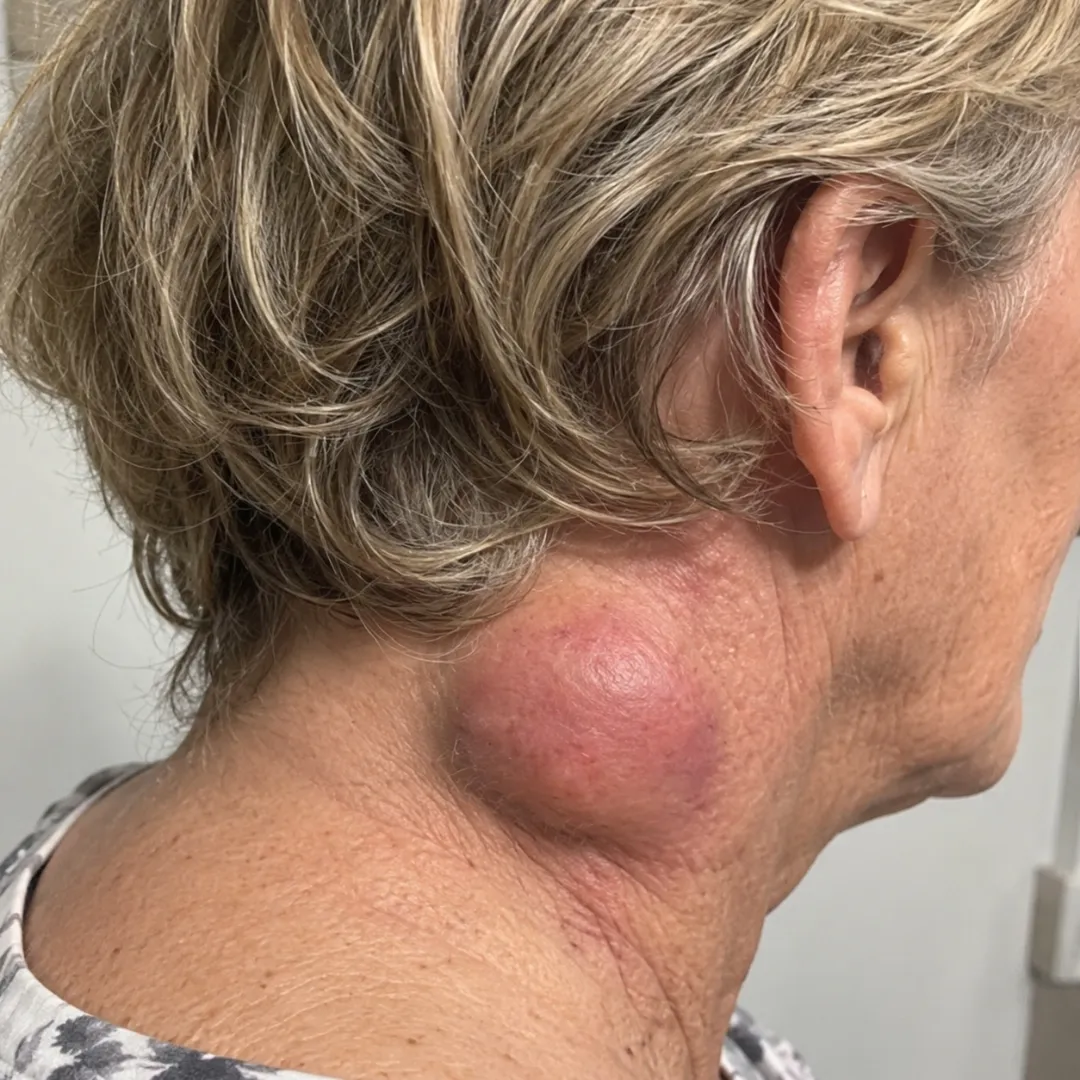
Ceylon Cinnamon 7200mg Equivalent with MCT Oil
Mary Parker, RN
Ceylon Cinnamon 7200mg Equivalent with MCT Oil
Mary Parker, RN
Maintaining Internal Balance Beneath The Surface
Mary Parker, RN
Most Cinnamon Supplements Are Useless
Mary Parker, RN
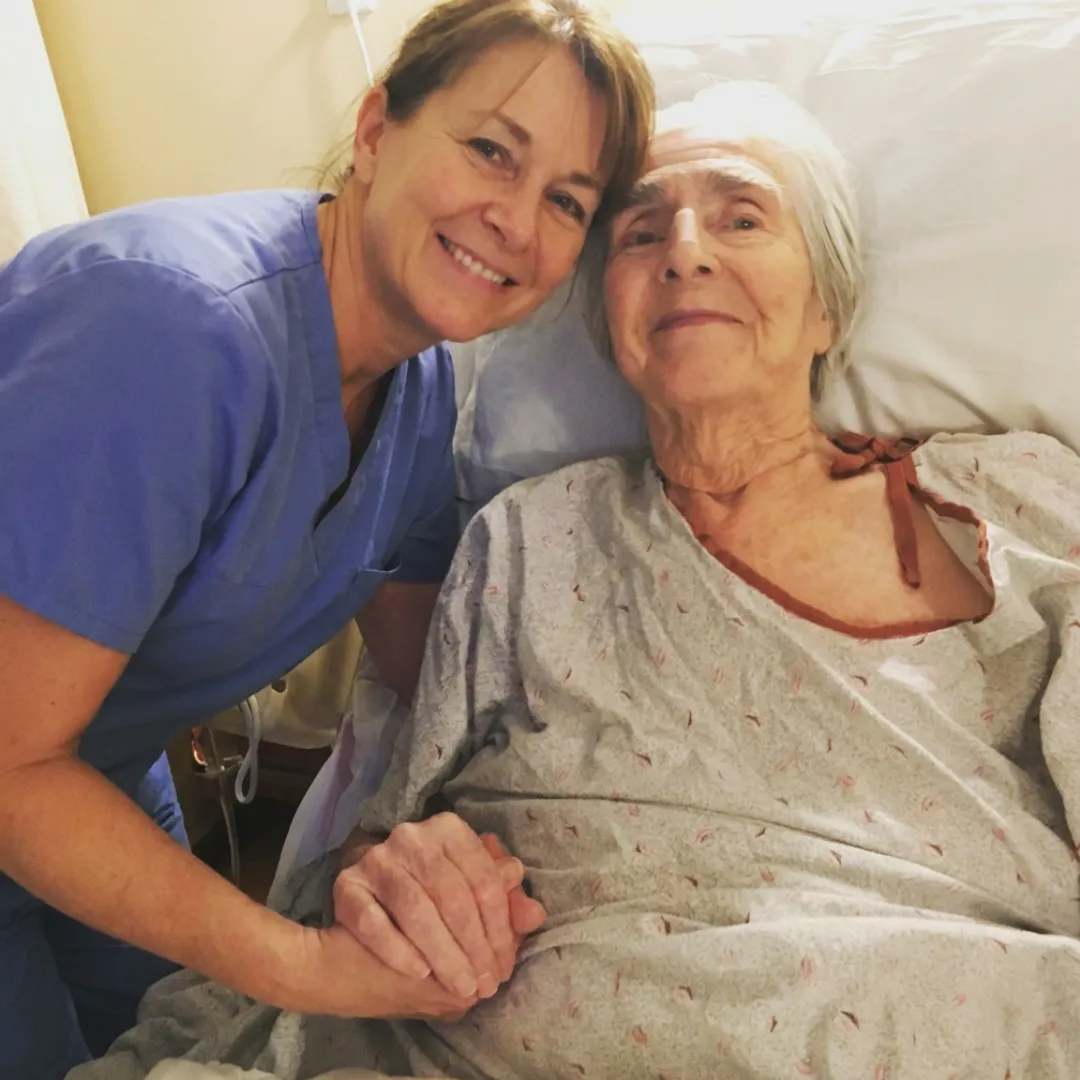
Most Cinnamon Supplements Are Useless
Mary Parker, RN

Maintaining Internal Balance Beneath The Surface
Mary Parker, RN
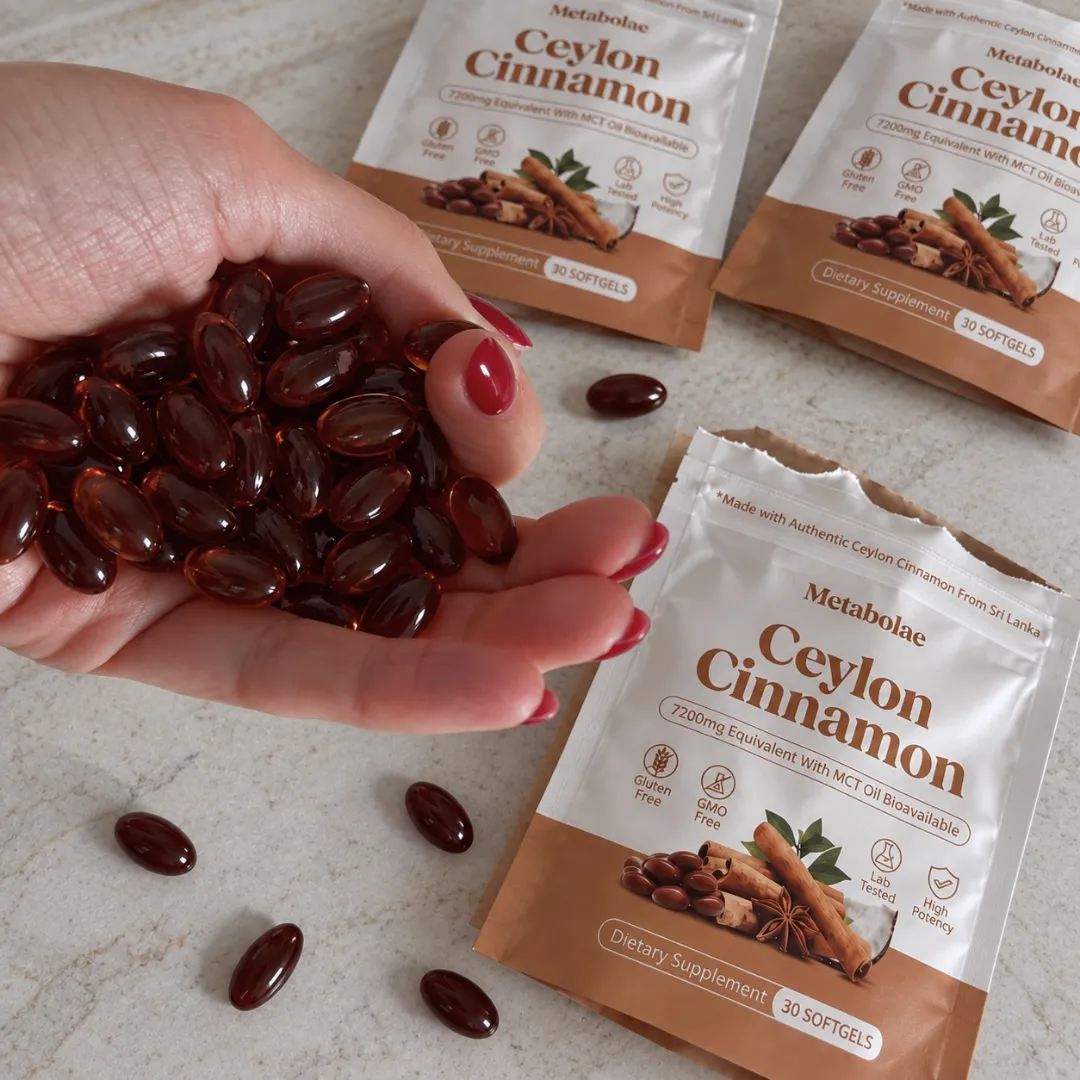
Ceylon Cinnamon 7200mg Equivalent with MCT Oil
Mary Parker, RN
Ceylon Cinnamon 7200mg Equivalent with MCT Oil
Mary Parker, RN
Ceylon Cinnamon 7200mg Equivalent with MCT Oil
Mary Parker, RN

 Add to Chrome