Ceylon Cinnamon 7200mg Equivalent with MCT Oil
Ad Copy
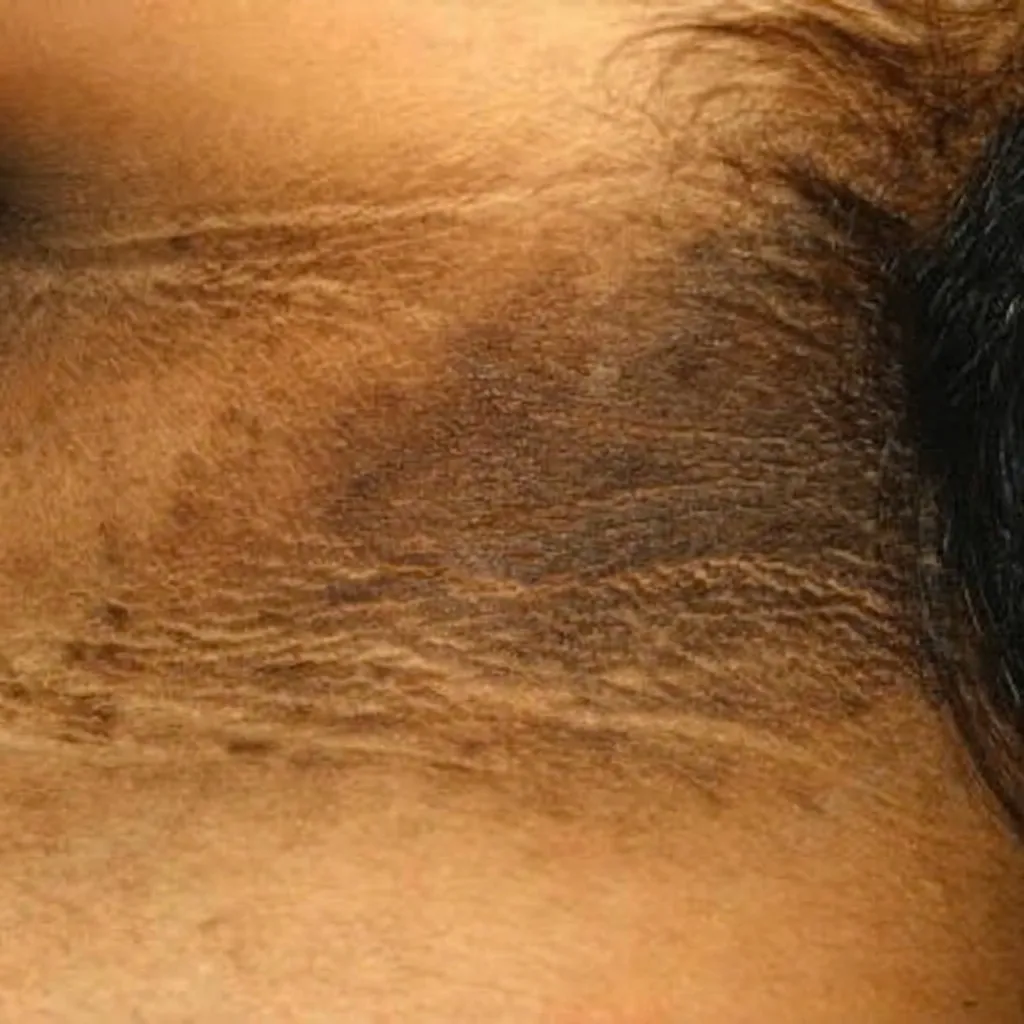
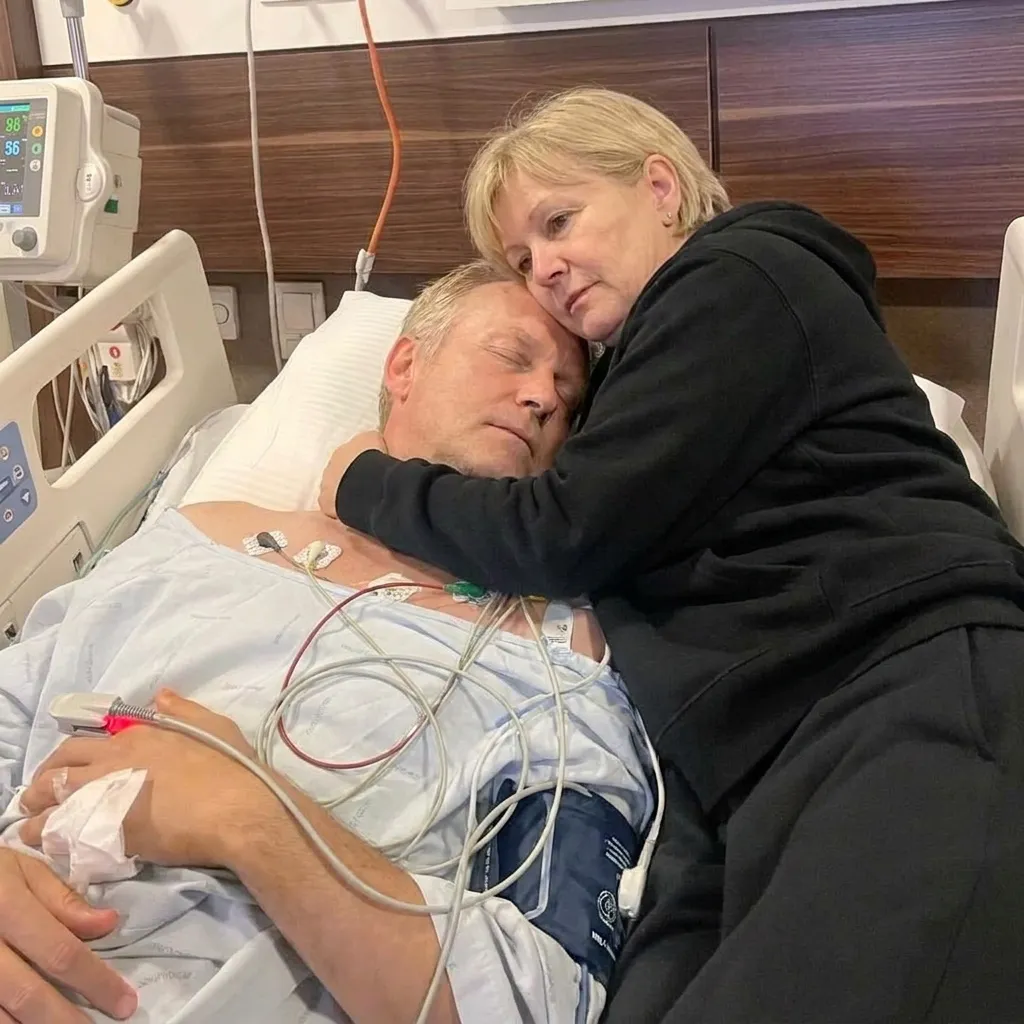
I rubbed my neck and it was thickening like dark velvet. Called my friend who’s a paramedic. She said, That’s severe insulin resistance. Your liver is failing. My patients with that end up in the ICU. I'm Mary Parker. I've been a hepatology nurse for 38 years. I've held the hands of people trembling on the exam table. I've watched livers fail in slow motion. I've seen the trajectory. So when my own A1C hit 9 and stayed there for 18 months, I knew exactly what was coming. But the dark, velvety skin around my neck? That was new. I looked in the mirror. My neck looked dirty. Like I had missed a spot in the shower. But no matter how hard I scrubbed, it wouldn't come off. I grabbed a washcloth. Scrubbed until my skin was raw and red. Still dark. That's when I called my friend Maria. She's been a paramedic for twenty years. Maria. My neck is getting darker. It looks like dirt that won't wash off. Silence for three seconds. Mary... that's not dirt. That's severe insulin resistance. Your liver is failing. My patients with that end up in the ICU. You need to see a doctor tomorrow. I already knew what it was. I'd seen it on patients for 38 years. Dark, velvety skin. Insulin resistance. The body's warning flag before the liver starts losing. I just needed someone else to say it. I hung up. And I just stared at the mirror. The dark mark was still there. I'd been avoiding this for 18 months. My A1C was 9. My fasting glucose was 170 most mornings. I knew I was in trouble. I was waking up two or three times a night. Not to use the bathroom. Just lying there, wide awake, exhausted but unable to stay under. By 2 PM every shift, my brain would just stop. I'd check my notes three times and still couldn't remember the details. The fog wouldn't lift no matter how much coffee I drank. The fatigue was constant. Not tired. Heavy. Like my body was burning twice the fuel just to stay upright. But seeing the dark mark made it real. That dark, velvety skin around my neck was my liver struggling in real time. The next morning I sat in my doctor's office. She ordered a blood test and liver scan. The liver panel came back. Elevated ALT. 140. Scans showing signs of liver fibrosis. She pulled up my chart. My A1C had been hovering around 9 for the last 18 months. I wasn't just diabetic anymore. Stage 2 liver scarring. Mary, she said. Your liver is struggling. The insulin resistance is sending the wrong signal over and over. That dark, velvety skin around your neck? That's the warning sign that your body has been producing too much insulin.” My chest tightened. “So what do I do?” “Usually, this means liver failure in a few years. A lifetime of medications to slow the damage. Regular scans. Constant monitoring. Until one day, you’re on the transplant list waiting for a donor liver.” I felt the walls closing in. “Is there anything that can stop it?” She paused. Looked at me for a long moment. “Between you and me, there's something that stops the overload. Can't officially recommend it because it's not pharmaceutical. But if I were you, I'd look into Metabolae.” “What's that?” Your liver is like a sponge,” she said. “It’s designed to absorb and process fuel from your food. A little at a time. All day. No problem.” She leaned forward. “But when your cells are broken—when they're insulin-resistant—they stop absorbing glucose properly. So that glucose just sits in your blood. And your liver keeps dumping more glucose into your blood trying to feed those starving cells.” “Your liver is trying to process an endless flood of fuel 24 hours a day. And it can't handle it. It becomes overloaded under the pressure. Like a sponge being forced to absorb water long after it's already full. The sponge becomes saturated.” “Fat starts building up inside those liver cells. Then inflammation follows. That's how the damage begins.” She pointed at the lab result. “Those rising liver numbers you saw? Those are your liver cells showing the damage from inside.” I felt sick. Metabolae doesn't just wring out the sponge, she said. “It helps shut off the signal causing the overload. It fixes the broken cells so they start absorbing glucose again. No more constant overload. No more excessive insulin signal. No more forcing your liver to store fuel it can't handle.” “Why can't you officially recommend it?” “Because it's not pharmaceutical. I can't prescribe it. Can't officially tell you to take it. But the research exists. And I've seen it work.” She wrote something on a prescription pad. Slid it across the desk. Not a prescription. Just a name: Metabolae. I went home that day and couldn't sleep. Not because of my blood sugar. Because of what she'd said. Your liver is struggling. I've been a nurse for 38 years. I don't believe in magic pills. I don't trust testimonials. I trust mechanisms and evidence. So at 2:47 AM, still awake, I started researching. Metabolae. A Ceylon cinnamon extract formulated specifically for blood sugar and liver protection. Not the cheap Cassia variety that fills most supplement shelves. The real thing—Cinnamomum verum—grown in Sri Lanka and used in medicine for centuries. The first study I found was from Japan. Type 2 patients on clinical-dose Ceylon cinnamon extract showed real improvements in insulin sensitivity and circulating glucose after 12 weeks. The second was from India. Metabolic syndrome patients showed reduced oxidative stress and better blood sugar metabolism — the exact stress that drives liver inflammation. The third was from Italy. Ceylon's active compound, cinnamaldehyde, reduced inflammatory cytokines and protected liver cells from oxidative damage. I kept reading. The mechanism made sense. Type 2 diabetes isn't just high blood sugar. It's insulin resistance damaging your cells' ability to respond to insulin. And that matters for the liver. Metabolic liver damage isn't random. It's glucose-driven insulin resistance and oxidative stress destroying your liver cells year after year. Ceylon cinnamon works differently than medication. Cinnamaldehyde—its primary active compound—activates the same metabolic pathways that exercise activates. It moves glucose into cells without relying on insulin. It shuts down the NLRP3 inflammasome—the master switch behind chronic metabolic inflammation. It's not forcing anything. It's removing the interference. Reduce the blood sugar. Reduce the inflammation. Give the liver a chance to recover. I ordered a bag that morning. Took one softgel with breakfast on a Monday. Didn't expect anything. That afternoon at work, my usual 2 PM crash — the one where my brain shuts off and I need coffee or I'll fall asleep on my feet — didn't come. I was just... steady. Clear. Functional. That night, I went to bed at 10:30 PM. I woke up at 6:45 AM. I hadn't woken up once. Not with that heavy exhaustion. Not with my mind feeling cloudy. Not already counting the hours until I could sleep again. I slept through the night for the first time in 14 months. I tested my fasting glucose. 145. 25 points lower than my usual 170. Day five: 130. Day seven: Sleeping through every night. Blood sugar consistently in the 120s. Week two: My brain fog was lifting. I could focus during rounds. I could remember patient details without checking my notes three times. Week four: Waking up consistently in the low 110s. And the dark mark around my neck? Fading. Finally fading. I literally took a picture and sent it to Maria. She called me immediately. “What did you do?” “Metabolae. Ceylon cinnamon extract. My doctor told me about it off the record.” She was quiet for a second. “I'm going to tell my patients about this.” Three months later, I walked into my doctor's office with a printout of my glucose log. She stared at it for a long time. “Your fasting glucose is consistently in the 110s.” “Yes.” “Your A1C is 7.4. Down from 9.” “Yes.” She pulled up another lab result. “Your ALT is 55. It was 140 three months ago.” I nodded. “Liver scarring doesn't improve, Mary. Once you hit liver scarring, the goal is to slow the decline. Not reverse it. But you reversed it.” “I know.” She looked at my neck for a long moment. “The dark skin is fading,” I told her. She smiled. “Your liver stopped struggling. The insulin resistance is improving.” Six months later: A1C 6.3. ALT stable at 40. Fasting glucose in the 90s every single morning. My doctor pulled up my chart. Looked at the progression. You're not on the transplant path anymore, she said. I almost cried. That was seven months ago. My fasting glucose is consistently between 90 and 100. My A1C is 6. My liver numbers are stable in the normal range. I sleep through every single night. The afternoon crashes are gone. The brain fog is gone. The dark, velvety skin around my neck has faded. I've recommended Metabolae to four patients now. All four have come back and told me the same thing: better sleep within the first week. Dark, velvety skin around their necks starts to fade around weeks three to four. Lower fasting glucose and improved liver numbers within the first month. One patient cried when she told me she'd slept through the night for the first time in two years. She'd been waking up with extreme fatigue. Another patient's A1C dropped from 9.8 to 7.6 in three months. His ALT improved from 120 to 55. But here's what I need you to understand. Not all Ceylon cinnamon works. Most cinnamon supplements fail for the same reasons: They're not real Ceylon. What's sold as “cinnamon” in most supplements is Cassia, a completely different species grown in China. Cassia contains up to 250 times more coumarin, a compound linked to liver damage with daily use. Clinical benefits were found for true Ceylon cinnamon—Cinnamomum verum—not Cassia. They're underdosed. Clinical studies showing meaningful blood sugar benefits used concentrated Ceylon extract equivalent to 6,000–7,200 mg daily. Most capsules contain 500–1,500 mg of powder. A fraction of what actually works. They use the wrong delivery format. Cinnamon's active compounds are fat-soluble. They need fat to absorb properly. Dry powder capsules have poor bioavailability. The right carrier is MCT oil, which increases absorption dramatically. They're not tested. Most supplements aren't third-party tested. You have no idea if you're getting real Ceylon or mislabeled Cassia. The Ceylon cinnamon that actually worked for me—the one my doctor told me about off the record—is Metabolae. It's true Ceylon cinnamon. Cinnamomum verum, sourced from Sri Lanka. DNA-verified. It's dosed at 7,200 mg equivalent per softgel. A concentrated extract. The amount that corresponds to clinical benefit. It's suspended in MCT oil. The bioavailability is dramatically higher than dry powder. It's third-party tested. GMP-certified. Every batch verified for purity, potency, and coumarin levels. It's not cheap. But after seeing what it did for my liver, I understand why. You're either getting real Ceylon cinnamon at a clinical dose with proper absorption, or you're taking Cassia that could stress your liver and won't stop the wrong signal. I'm not anti-medication. If your treatment is working and you're not suffering, keep taking it. But if you're like me—if your A1C is stuck above 9, if you're seeing dark, velvety skin on your neck, if you're terrified of transplantation—this is worth trying. My doctor told me about it. I tried it. It worked. I told four patients. It worked for all four. That's not a coincidence. That's a pattern. I'm sharing this because I hope it can help someone else the way it helped me. P.S. A few things I wish I'd known before ordering: They offer a 90-day money-back guarantee. If your fasting glucose doesn't drop, if your sleep doesn't improve, if you see no difference, if your liver markers don't stabilize, you pay nothing. Take one softgel daily with breakfast. Each delivers 7,200 mg equivalent of concentrated Ceylon extract in MCT oil. Timeline: Most people notice better sleep within 3-7 days. Dark, velvety skin around the neck starts fading around week 3-4. Blood sugar drops start between weeks 2-4. Full benefits—the A1C improvement, the liver recovery—take 8-12 weeks. They sell out. Small company. If it's in stock, order now. If you're dealing with: - Dark, velvety skin around your neck that won't wash away - A1C above 9 that won't come down - Waking up multiple times with extreme fatigue - Fear that transplantation is coming - Liver breaking down Try this. Give it 90 days. See what happens to your fasting blood sugar. See what happens to your liver. If it doesn't work, you get your money back. But if it works like it did for me... You'll wonder why you didn't try it sooner. I went from stage 2 liver scarring back to normal function. From dark, velvety skin around my neck to skin that has finally faded. From extreme fatigue to steady energy through the day. From a fasting glucose of 170 to 95. From being told a transplant list was my future to being told by my doctor: You're not on that path anymore. If there's even a chance this could work for you, it's worth trying. ~ Mary Parker, RN, Hepatology Unit, 38 years P.P.S. The damage you prevent today is the transplantation you avoid tomorrow. Every day the sponge stays saturated, your liver stores more damage than it can undo. Don't wait until the inflammation turns into liver failure. Don't wait until ALT 140 becomes 180 and liver failure becomes inevitable. If you're seeing dark, velvety skin around your neck, your liver is struggling right now. Stop the overload before the sponge can't recover.
More from Mary Parker, RN
Ceylon Cinnamon 7200mg Equivalent with MCT Oil
Mary Parker, RN
Ceylon Cinnamon 7200mg Equivalent with MCT Oil
Mary Parker, RN
Ceylon Cinnamon 7200mg Equivalent with MCT Oil
Mary Parker, RN
Ceylon Cinnamon 7200mg Equivalent with MCT Oil
Mary Parker, RN
Ceylon Cinnamon 7200mg Equivalent with MCT Oil
Mary Parker, RN
Maintaining Internal Balance Beneath The Surface
Mary Parker, RN
Most Cinnamon Supplements Are Useless
Mary Parker, RN
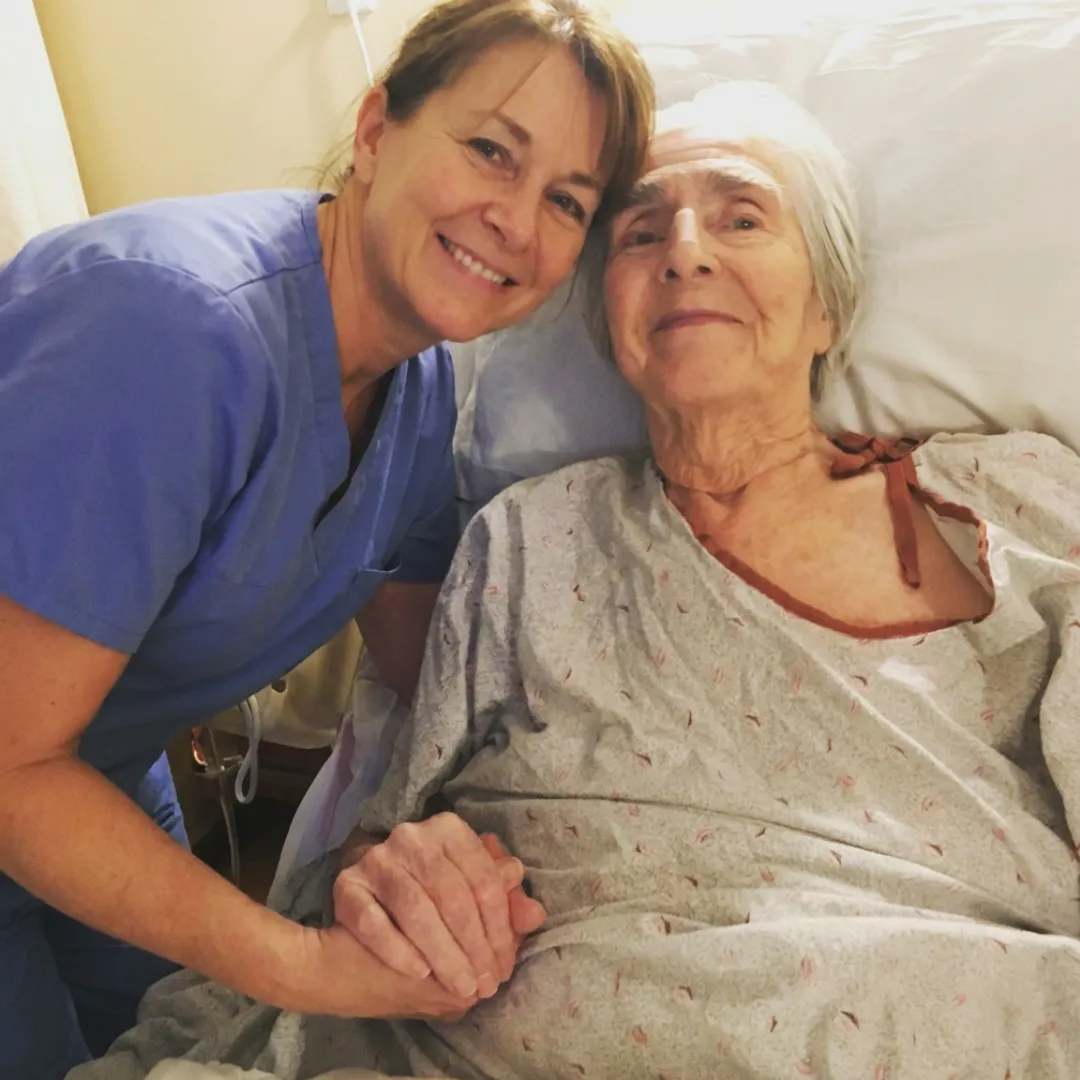
Most Cinnamon Supplements Are Useless
Mary Parker, RN
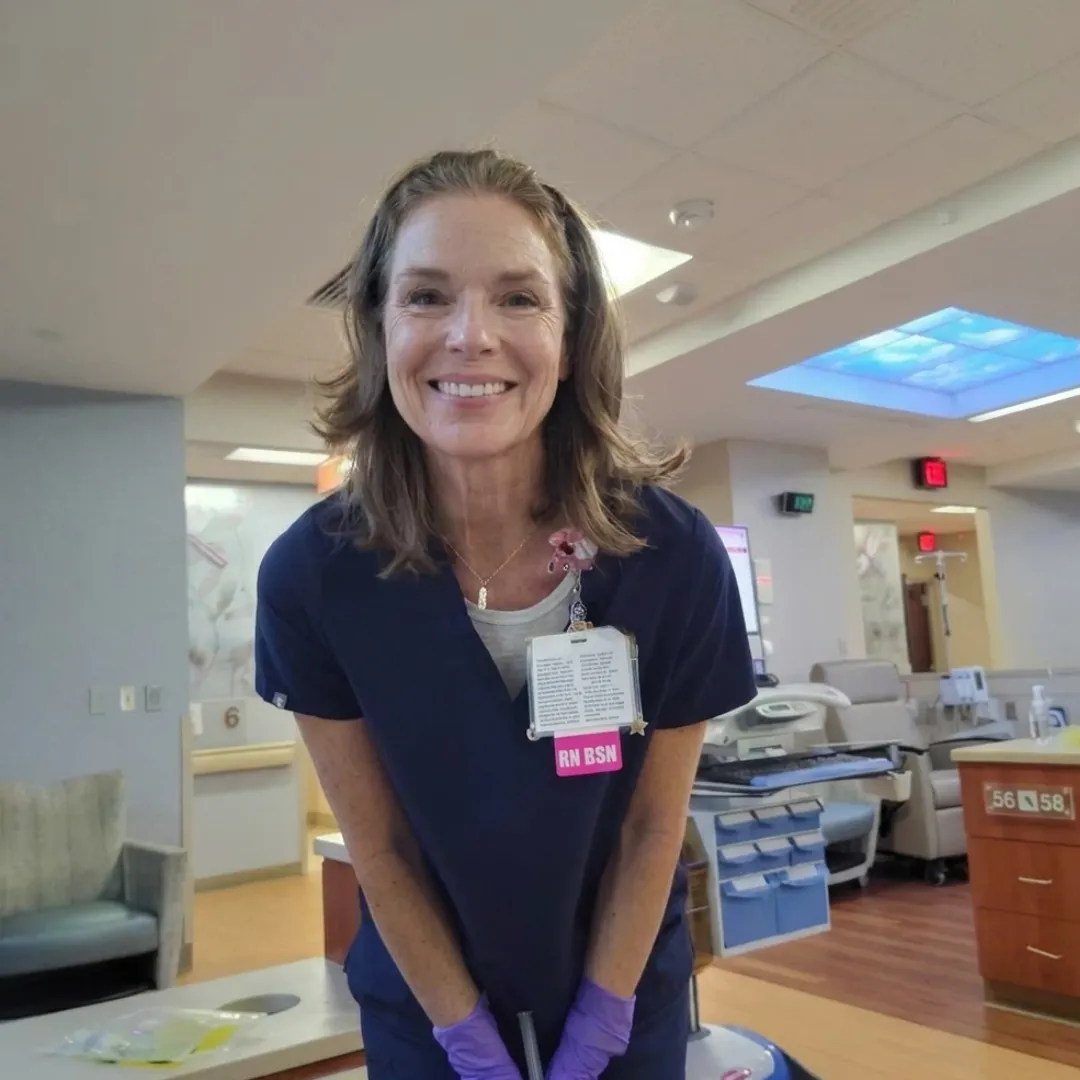
Maintaining Internal Balance Beneath The Surface
Mary Parker, RN
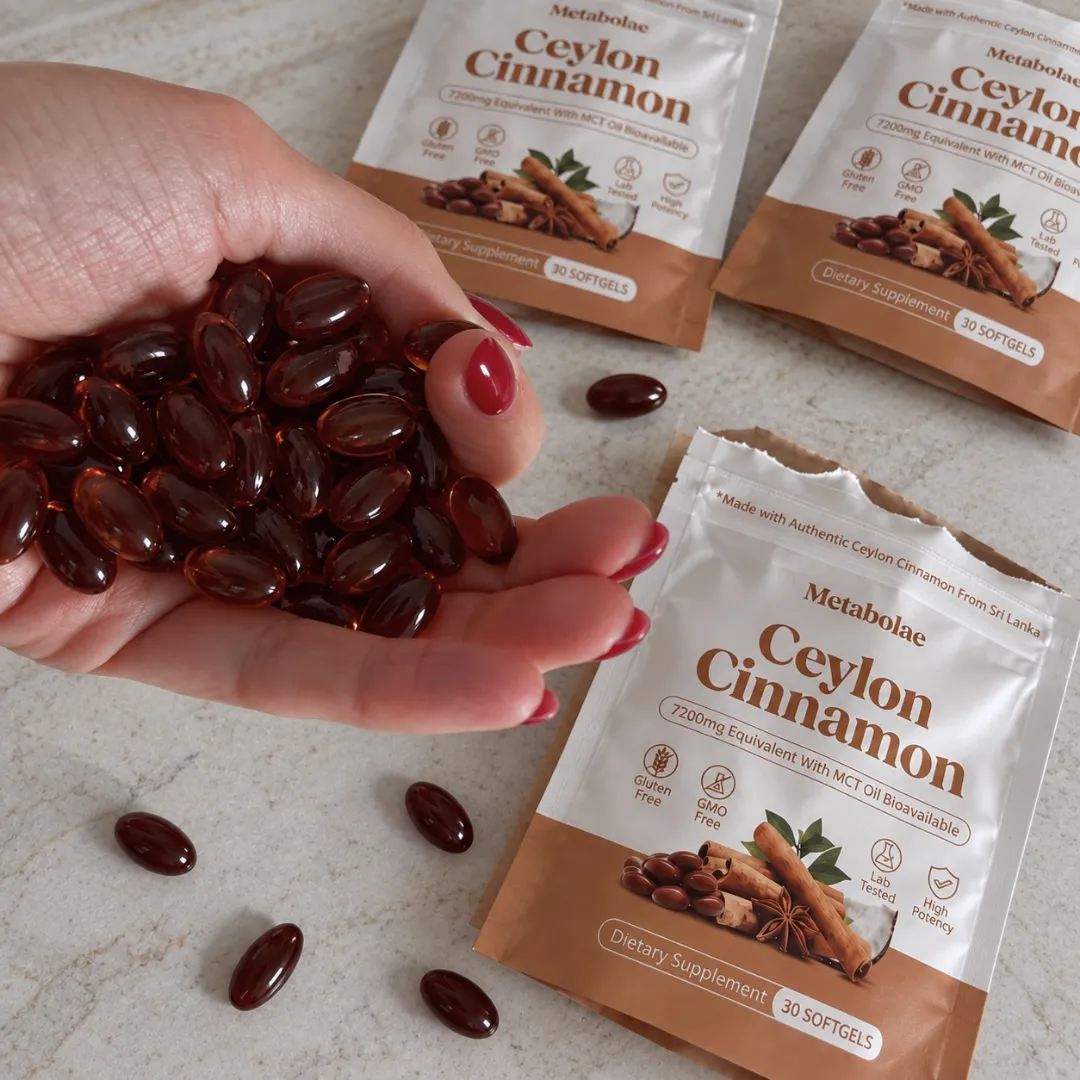
Ceylon Cinnamon 7200mg Equivalent with MCT Oil
Mary Parker, RN
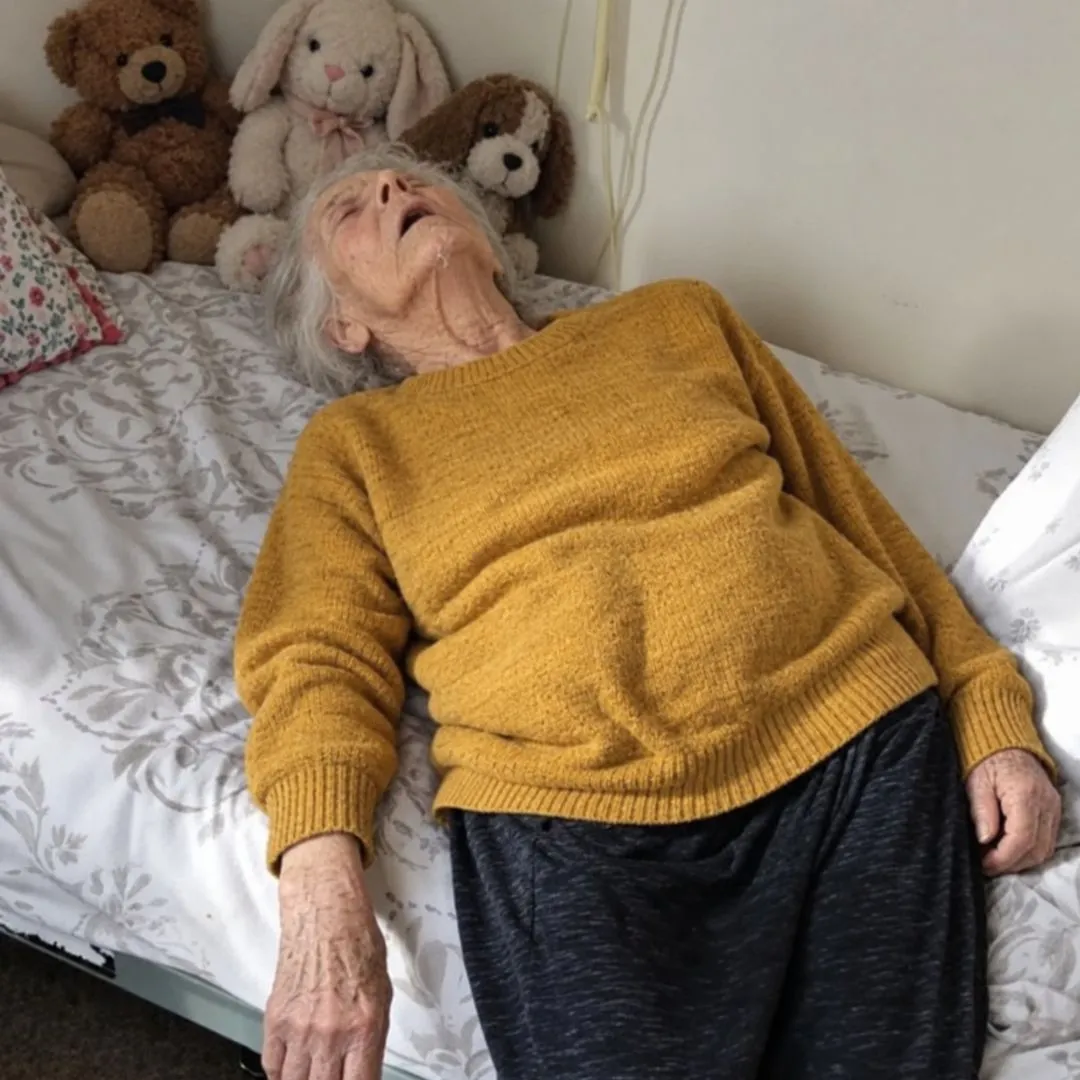
Ceylon Cinnamon 7200mg Equivalent with MCT Oil
Mary Parker, RN
Ceylon Cinnamon 7200mg Equivalent with MCT Oil
Mary Parker, RN

 Add to Chrome