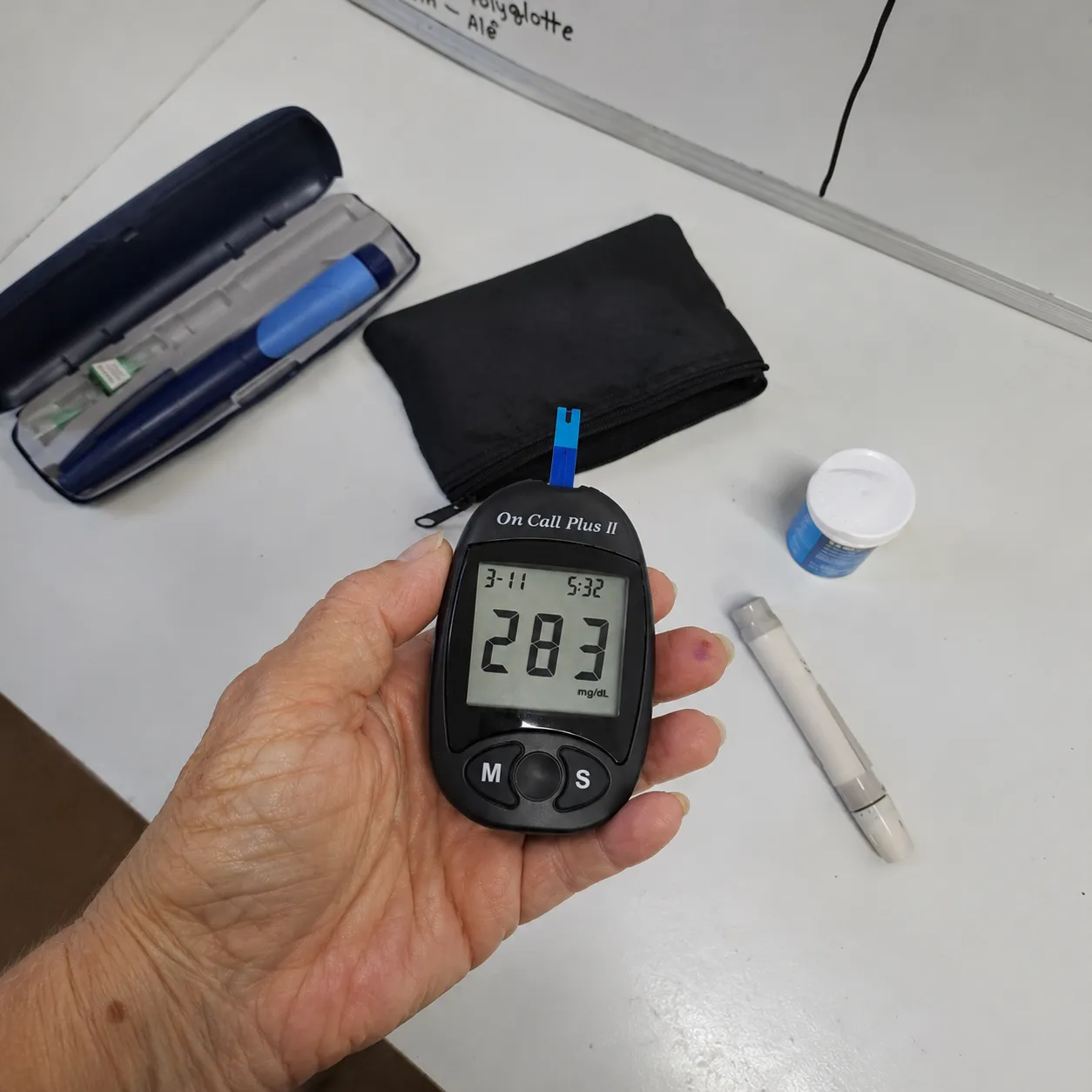
Beyond The 90-Day Blood Sugar Average
Ad Copy
The sign your liver is in real trouble isn’t the number on your blood panel. It isn’t the fatigue your doctor calls normal for your age. It’s every solution you have quietly given up on because nothing ever changed. My name is Mary Parker. I am a registered nurse, twenty-nine years in home care. And I was that person. Watching my liver enzymes climb. Telling myself I had tried everything. What I am about to tell you is what finally changed it. Twelve months ago my doctor sat me down with my blood panel. My ALT was 61. Normal is under 40. My A1C was 7.8. Up from 7.1 the year before. Triglycerides at 218. He said the pattern was clear. Fatty liver progressing. Possibly NASH if we didn’t get ahead of it. We had two choices. Start me on a GLP-1 drug and add a statin. Or give me ninety days to try to turn it around myself. I chose the ninety days. I walked out of that office and I did what every nurse does when she is personally afraid. I researched. I knew the textbook explanation. Insulin resistance. Glucose accumulating. Fat building in the liver when the cells stop absorbing. I had walked patients through this diagram a hundred times. What I had never been able to answer, not for my patients and not for myself, was why the standard interventions kept failing to reverse it. Metformin, eighteen months. My A1C had come down three points and had not moved since. Berberine. Two months. My fasting glucose moved two points. Cinnamon from Amazon. Two different brands. Six weeks each. Nothing. Intermittent fasting. Lost four pounds. My liver numbers didn’t change. My doctor said my body had become resistant. That medications were likely the only long-term answer. I had spent three decades sitting across from patients, handing them answers. I did not have one for myself. Three months after that appointment, everything changed. I was doing a home visit. A patient of mine. 68. Retired teacher. Type 2 diabetic. Her name was Dorothy. I had been following her case for two years. Her A1C had been 8.1 when she joined my care list. Before the visit I pulled up her latest panel. I stopped. Her A1C was 5.9. Her ALT was 32. Her triglycerides had dropped 90 points. I had not changed her care plan. I had not referred her to anyone. I sat down across from Dorothy and I asked her what she had done. She looked at me like she had been waiting for that question. She said her granddaughter had come to visit. Twenty-nine years old. Biochemist. Name of Rachel. And Rachel had sat Dorothy down at her kitchen table and said, “Grandma. I want to explain what is actually wrong with you. Not what your doctors told you. The actual mechanism.” Dorothy had written every word down. She pulled a notepad from her side table. She said, “Rachel showed me a diagram. Every cell in your body has these receptor doors on the outside. When you eat sugar or carbs, your blood sugar rises and your pancreas releases insulin. Insulin knocks on the doors. The doors open. The sugar moves out of the blood and into the cells, where your body burns it for energy.” I nodded. I knew this part. “But after years of high sugar intake, those doors stop responding to the knocking. The insulin is still there. The doors just stop opening. So where does the sugar go, Mary?” She looked at me. “It stays in your blood. And it moves with every heartbeat through every vessel in your body. Including the ones feeding your liver. That sugar doesn’t disappear. It converts. Your liver starts storing the overflow as fat because there is nowhere else for it to go.” She kept going. “That is what a fatty liver actually is. Not a disease that arrives from nowhere. It is what happens when years of trapped sugar have nowhere to go. And every downstream complication, the climbing ALT, the rising triglycerides, the blood pressure creeping, all of it, comes from the same trapped sugar showing up in different organs.” I set my pen down. “And your Metformin. What does it do? It tells your liver to produce less new glucose. It does nothing about the cellular doors that stopped opening. It does not touch the fat already accumulating inside the liver. It manages the number on the chart while the trapped sugar keeps converting underneath.” Dorothy flipped to a new page. A cinnamon tree. She said, “Rachel showed me two compounds found in real Ceylon cinnamon. Not the spice on grocery store shelves. The actual plant from Sri Lanka. The first is called MHCP. It does something no diabetes medication does. It signals the cellular doors to start opening again. The trapped sugar finally moves out of the blood. The overflow that was converting to fat in your liver stops arriving.” I leaned in. “The second is called cinnamaldehyde. It is what gives cinnamon its smell. And for the liver specifically it restores something important. After years of trapped sugar grinding through, the vessels feeding your liver stop producing nitric oxide. Blood flow drops. The liver loses what it needs to clear the fat and repair itself. Cinnamaldehyde restarts that nitric oxide production. The vessels start working again. The repair process begins.” She showed me the studies Rachel had printed. A 2003 trial from Diabetes Care, the flagship journal of the American Diabetes Association. Sixty Type 2 diabetics. Forty days on cinnamon. Fasting glucose down 29 percent. Triglycerides down 30 percent. LDL down 27 percent. A 2024 meta-analysis. Twenty-eight randomized trials. Over three thousand patients. Consistent results across all of them. Mechanism papers showing cinnamaldehyde tested on vessel cells exposed to years of high glucose. The cells that had stopped producing nitric oxide began producing it again. I had been a nurse for three decades. I had never seen this explained this clearly. “Dorothy,” I said. “I tried cinnamon twice. Two different brands. Nothing happened.” She nodded. “Rachel told me the same thing happens to nearly everyone. Ninety percent of what is sold as cinnamon in this country is not Ceylon. It is cassia. Cinnamomum cassia. A completely different plant. Almost none of the active compounds. And cassia contains coumarin, a compound that at daily doses damages your liver. The very organ you are trying to protect.” She turned to the last page. “Even real Ceylon sold in capsules usually comes as dry powder. And both active compounds are fat-soluble. They need a fat carrier to cross the gut wall and enter your bloodstream. Without it they pass right through. You absorb almost nothing.” She slid the notepad across the table. One word at the bottom. Metabolae. “Rachel said that is the only brand that hits every part of it. DNA-verified true Ceylon from Sri Lanka. Concentrated twelve to one to match the dose in the clinical research. Suspended in organic MCT oil so the compounds actually reach your bloodstream. Third-party tested every batch. Not on Amazon. The fakes are there, same bag, cassia inside. Only from the official site.” I sat with Dorothy for another hour that afternoon. Then I drove home and I ordered. Not because I had proof yet. Because I had been watching her panel numbers for two years and I did not have a better explanation for what had happened to them. The bag arrived four days later. One softgel every morning with my first meal. Week one, I kept everything the same. Metformin in the morning. Same meals. I was not expecting anything dramatic. Week two, my energy changed. Not like caffeine. Something steady underneath. The kind of steady I had forgotten I used to have. Week three, my post-meal crashes faded. I stopped needing to sit down after dinner. My husband asked twice if something was different because I seemed like myself again. Week four, down four pounds on the scale. I had not changed what I was eating. My rings were loose. Week five, I woke up and the foot tingling I had come to expect before getting out of bed was not there. Week seven, my fasting glucose on my home meter had dropped from 164 to 102. Week eight, my blood pressure cuff was reading 118 over 72. It had been 136 over 84 the month before. Week twelve, I went back for my repeat panel. My ALT came back at 29. Down from 61. My A1C was 5.7. My triglycerides had dropped 97 points. My doctor looked at the numbers. Then at me. Then at the numbers again. He asked what I had changed. I told him everything. Dorothy. Rachel. The cellular doors. The two compounds. Cassia versus real Ceylon. The coumarin. The MCT oil delivery. Metabolae. He listened for thirty minutes without interrupting. When I finished he was quiet for a moment. Then he said, “Send me this research.” I sent him Dorothy’s list that evening. He did not start me on a GLP-1 drug. He said in eighteen years of practice he had never seen liver enzyme numbers normalize this quickly in a metabolic case without pharmaceutical intervention. I am writing this because if you are reading it, I already know what your panel looks like. If your ALT has been climbing despite everything you have tried. If your A1C keeps moving the wrong direction despite Metformin, diet changes, supplements. If your triglycerides will not come down. If your doctor keeps talking about adding another drug. What is happening in your body is the same thing that was happening in mine and in Dorothy’s. The cellular doors have stopped responding to insulin. Your liver is storing the overflow as fat because there is nowhere else for it to go. And your medications are not addressing that. They are managing the number on the chart while the trapped sugar keeps arriving at your liver with every heartbeat. That is why your numbers keep moving in the wrong direction even when your doctor says you are managing well. The Metformin does not open the doors. The GLP-1 drug they may add next slows how fast sugar enters your blood. It does not open the doors. The statin manages the cholesterol number. It does not open the doors. None of them open the doors. There are two compounds in real Ceylon cinnamon that do. MHCP signals the doors to start responding again. Cinnamaldehyde helps restore the vessel lining the trapped sugar has been grinding through for years, including every vessel feeding your liver. Together they address what my Metformin never could. The brand Rachel found is called Metabolae. It is the only one I have come across that gets every piece right. Real Ceylon, not cassia. DNA-verified from Sri Lanka. Concentrated to match the doses in the research. Suspended in MCT oil so the compounds actually reach your bloodstream. Third-party tested. Made in the USA. One softgel every morning with your first meal. That is the whole thing. They stand behind it with a 90-day money-back guarantee. If your numbers have not moved in three months, one email and every dollar comes back to you. A quick note on availability. They produce in small batches and it runs out. When it is in stock, get it now. I am a registered nurse. I had the textbook knowledge. I explained the mechanism to patients for three decades. I still missed the root cause in my own body for two years. Dorothy’s panel numbers were in front of me for months before I thought to ask her what changed. I would not be writing this if she had not been generous enough to tell me. ~ Mary Parker, RN, Home Care, 29 years P.S. Dorothy’s granddaughter Rachel is 29. She watched her grandmother’s health decline for years and started taking Metabolae herself as a preventive. Her fasting glucose was 88 last month. Dorothy calls it her granddaughter being the smartest person in the family. Rachel calls it not waiting until it’s her turn. P.P.S. Please do not stop your Metformin the day your Metabolae bag arrives. Add it to your morning routine. Track your numbers at home. Let your doctor pull your medications when your labs come back showing you do not need them anymore. That is how my doctor handled my case and that is the safe way. Nobody in this story stopped a medication on their own. P.P.P.S. There are knockoffs on Amazon with the same bag and the same softgels. Inside is cassia and cheap seed oils. The coumarin in cassia damages your liver at daily doses. The only real Metabolae is from the official site. They sell out. When it is in stock, order.
More from Mary Parker, RN
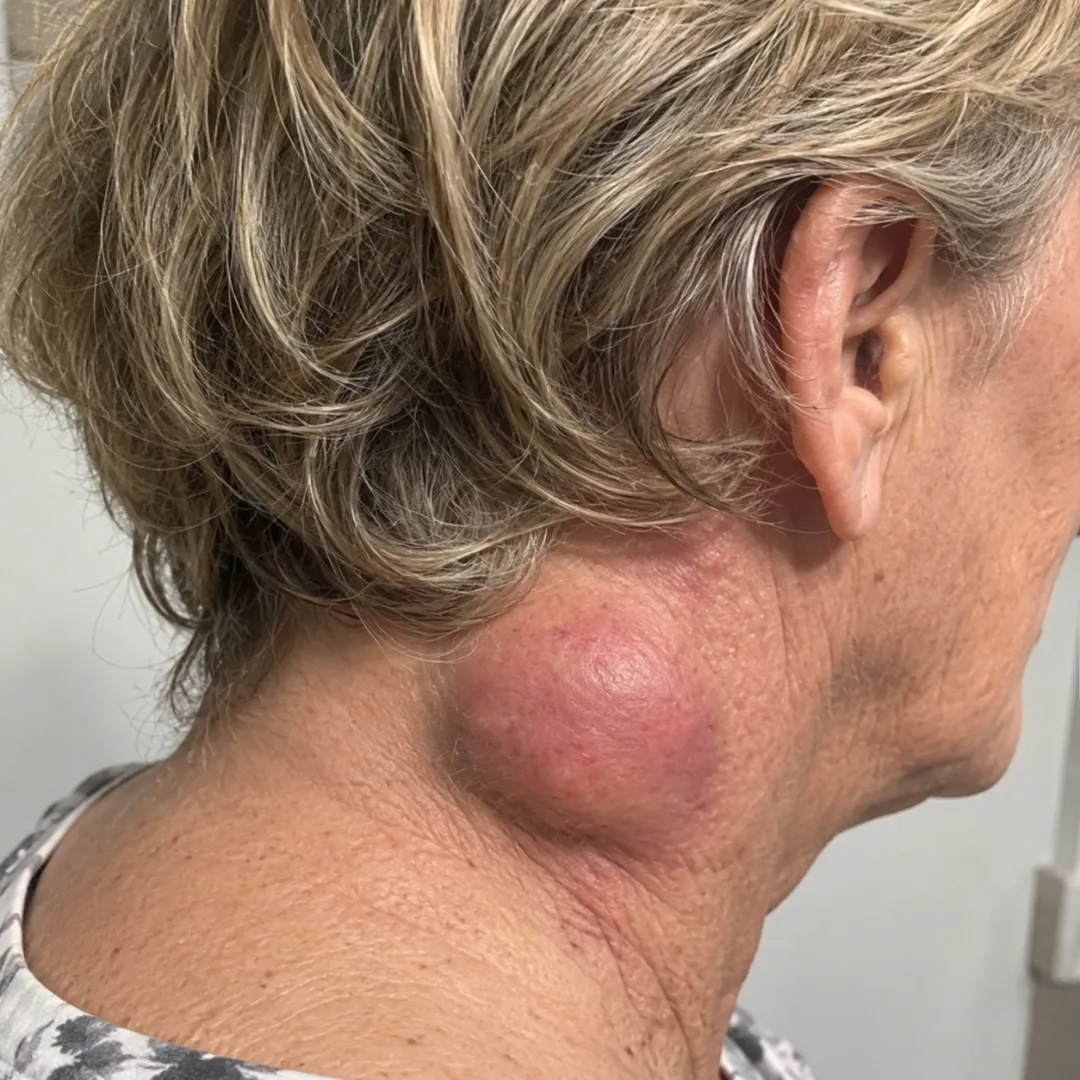
Ceylon Cinnamon 7200mg Equivalent with MCT Oil
Mary Parker, RN
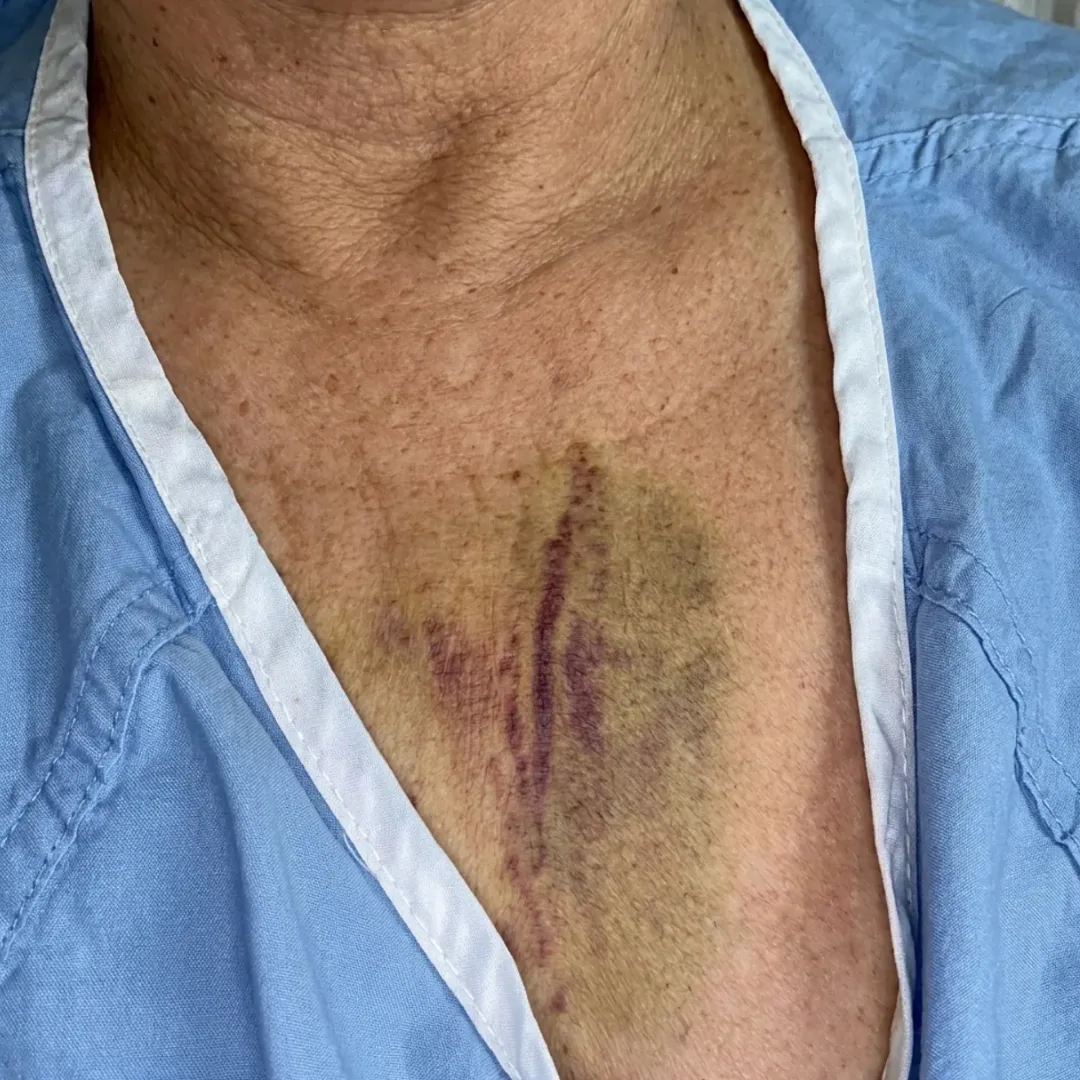
Ceylon Cinnamon 7200mg Equivalent with MCT Oil
Mary Parker, RN
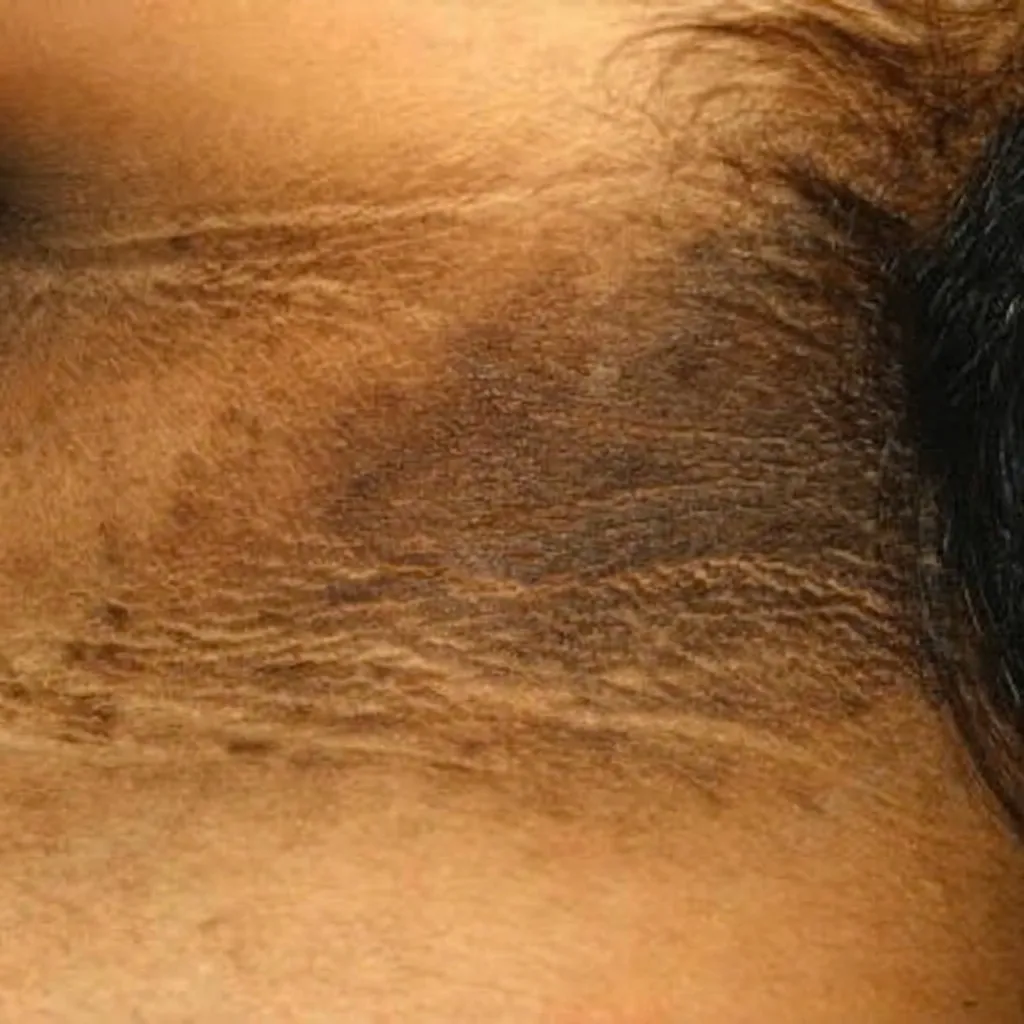
Ceylon Cinnamon 7200mg Equivalent with MCT Oil
Mary Parker, RN
Ceylon Cinnamon 7200mg Equivalent with MCT Oil
Mary Parker, RN
Ceylon Cinnamon 7200mg Equivalent with MCT Oil
Mary Parker, RN
Ceylon Cinnamon 7200mg Equivalent with MCT Oil
Mary Parker, RN
Maintaining Internal Balance Beneath The Surface
Mary Parker, RN
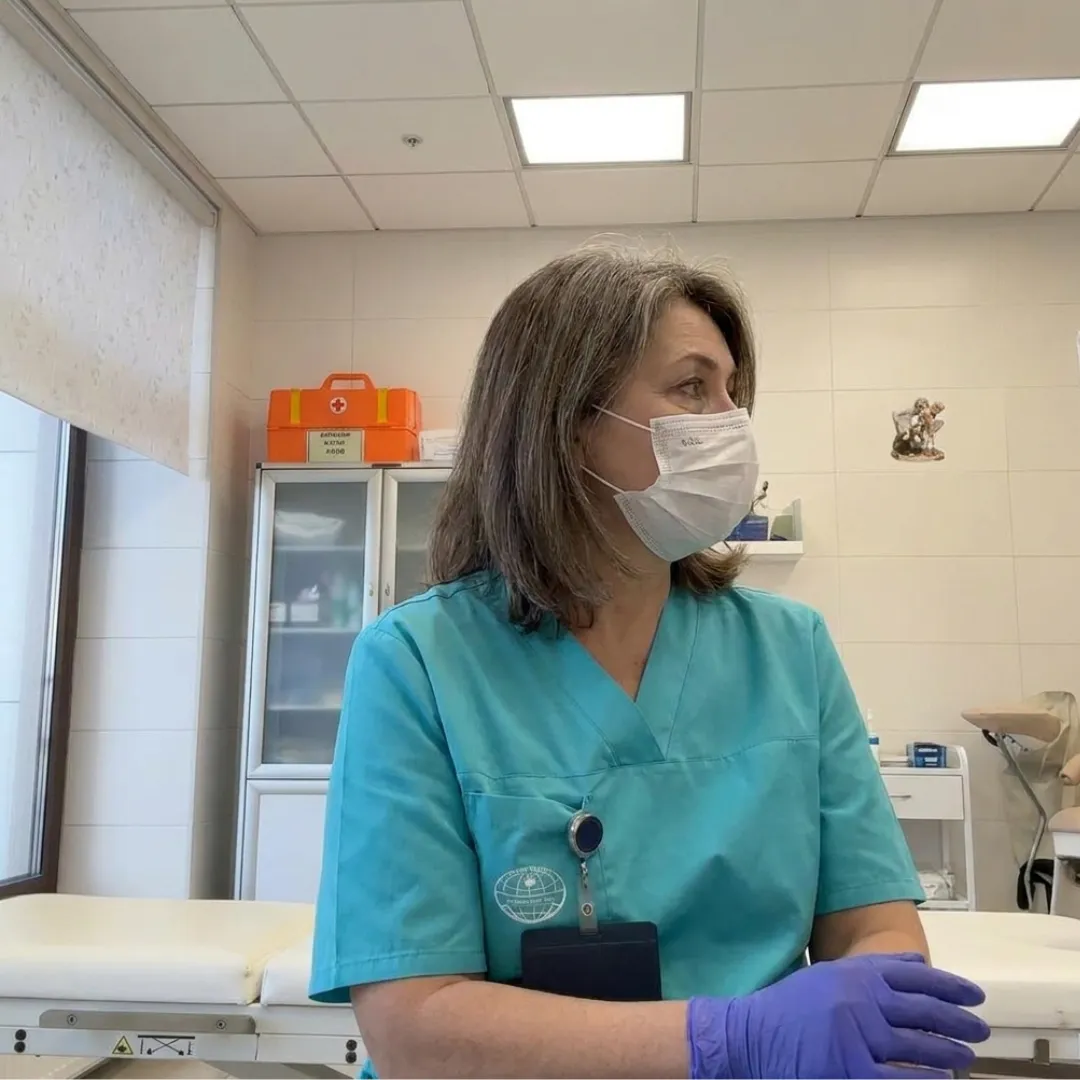
Most Cinnamon Supplements Are Useless
Mary Parker, RN
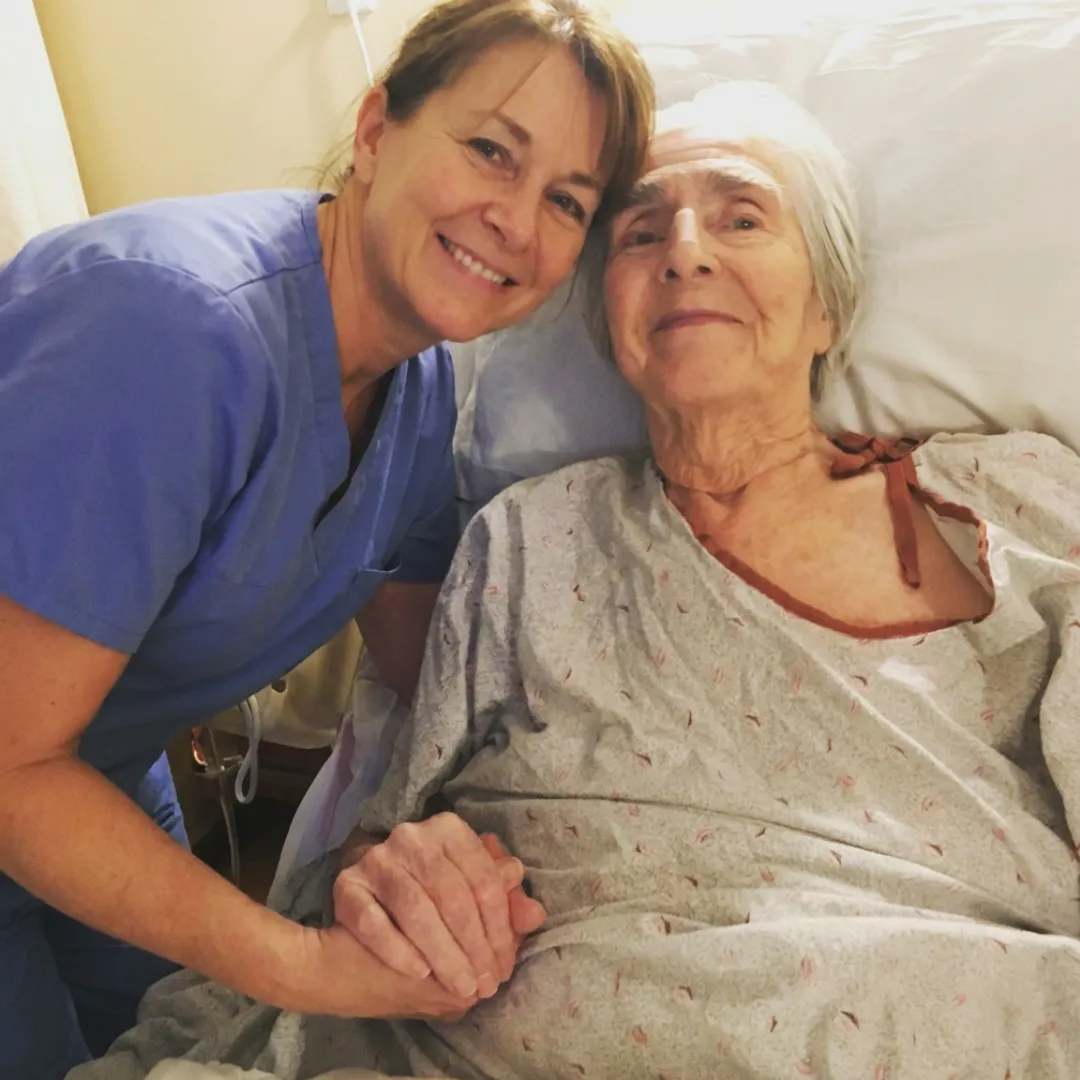
Most Cinnamon Supplements Are Useless
Mary Parker, RN
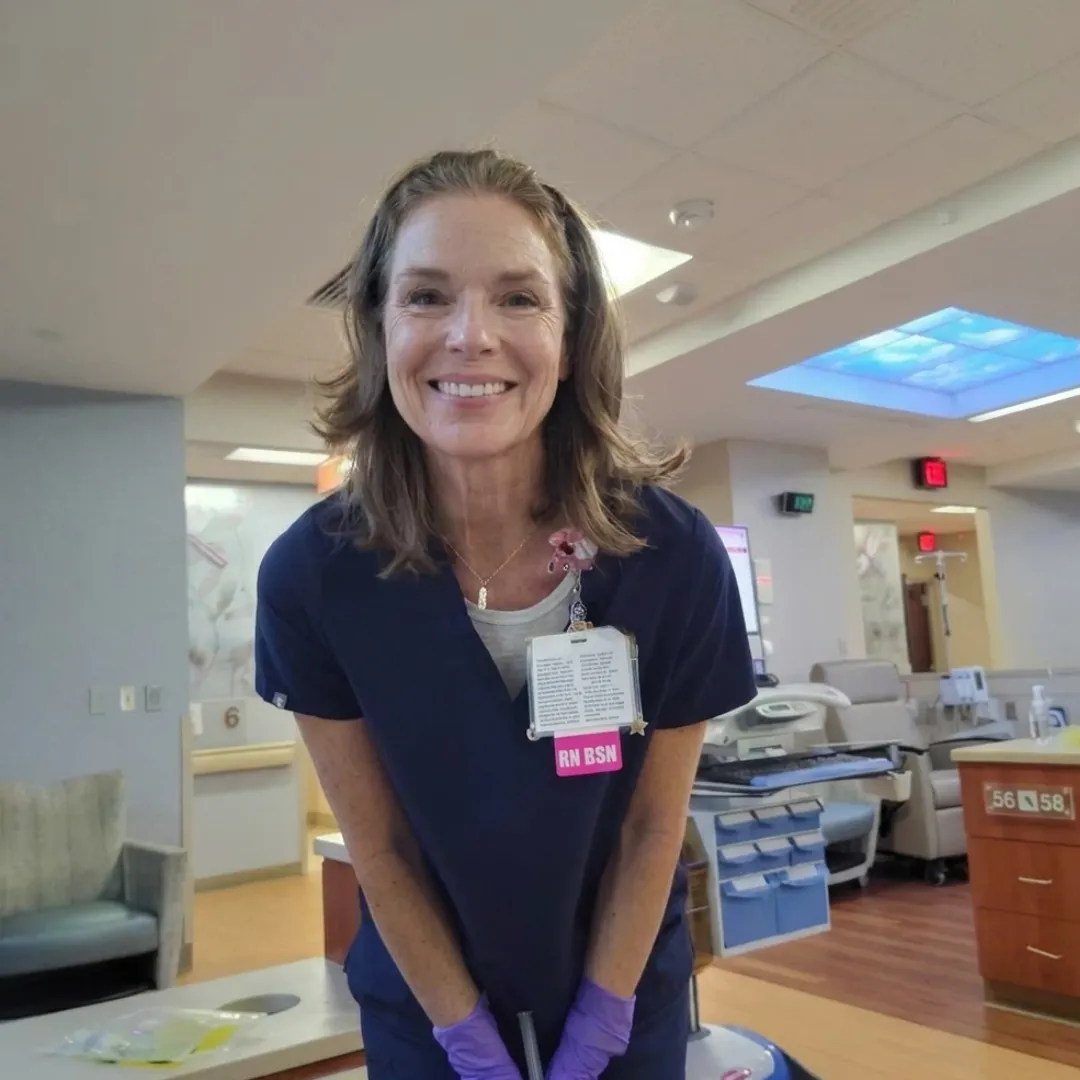
Maintaining Internal Balance Beneath The Surface
Mary Parker, RN
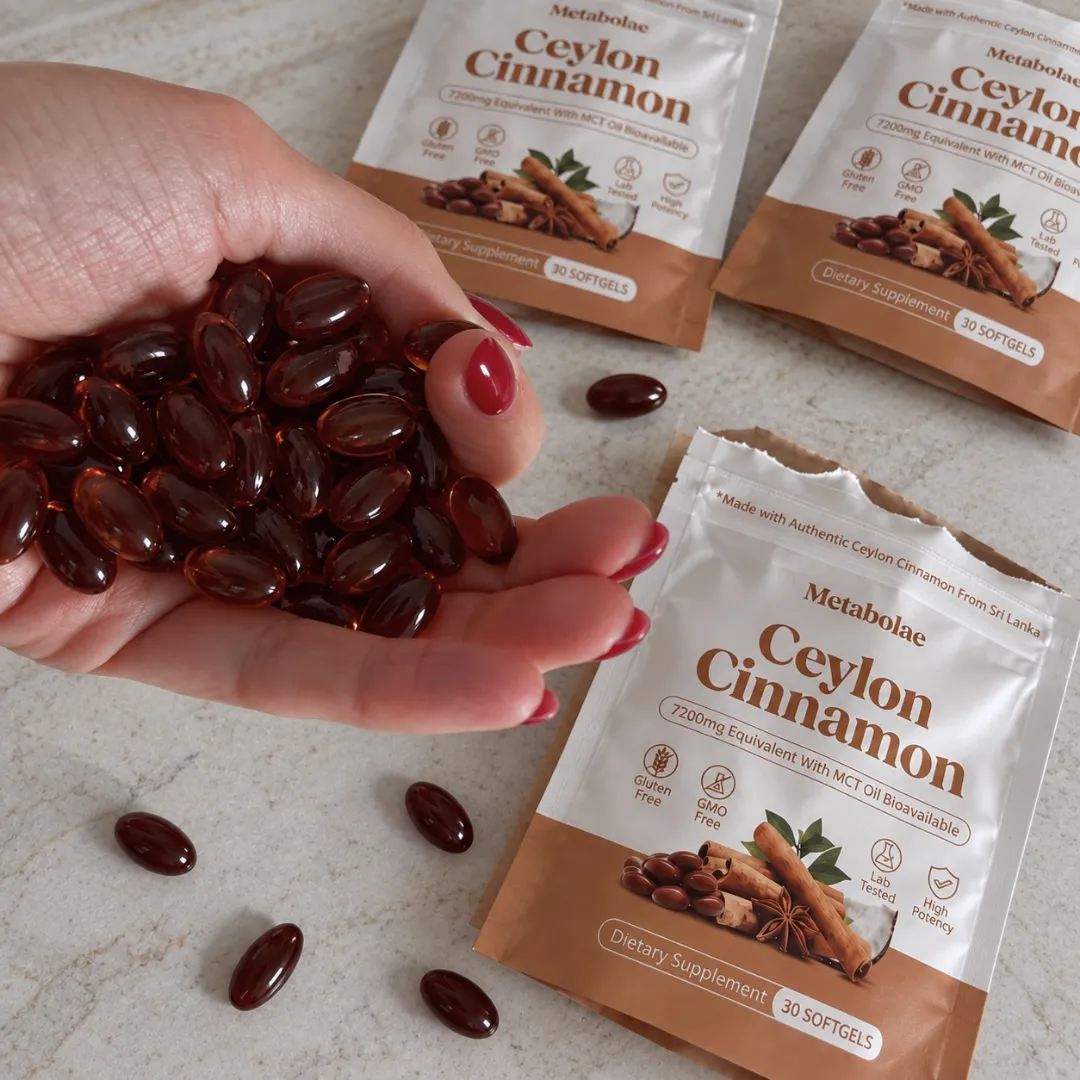
Ceylon Cinnamon 7200mg Equivalent with MCT Oil
Mary Parker, RN
Ceylon Cinnamon 7200mg Equivalent with MCT Oil
Mary Parker, RN

 Add to Chrome