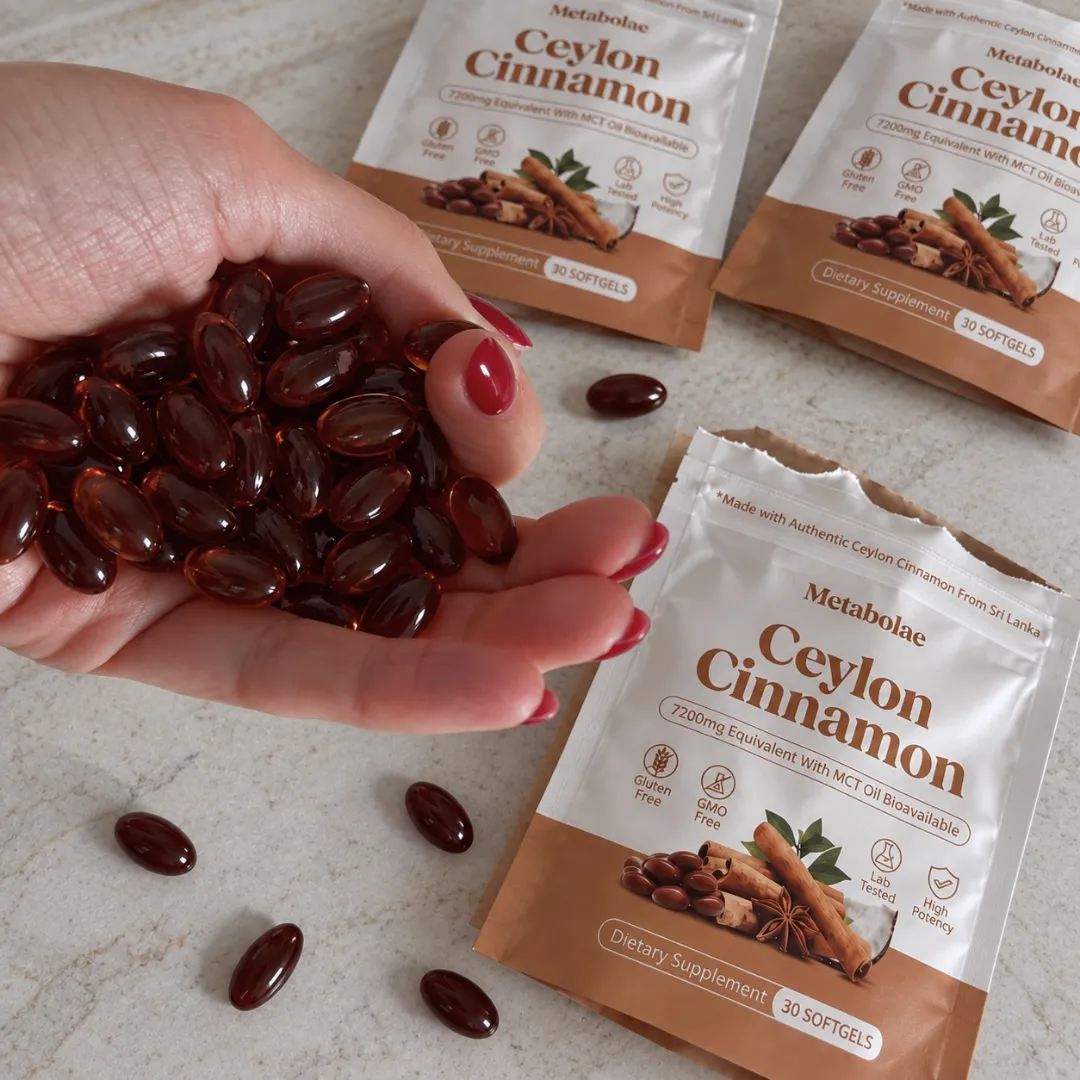
Ceylon Cinnamon 7200mg Equivalent with MCT Oil
Ad Copy
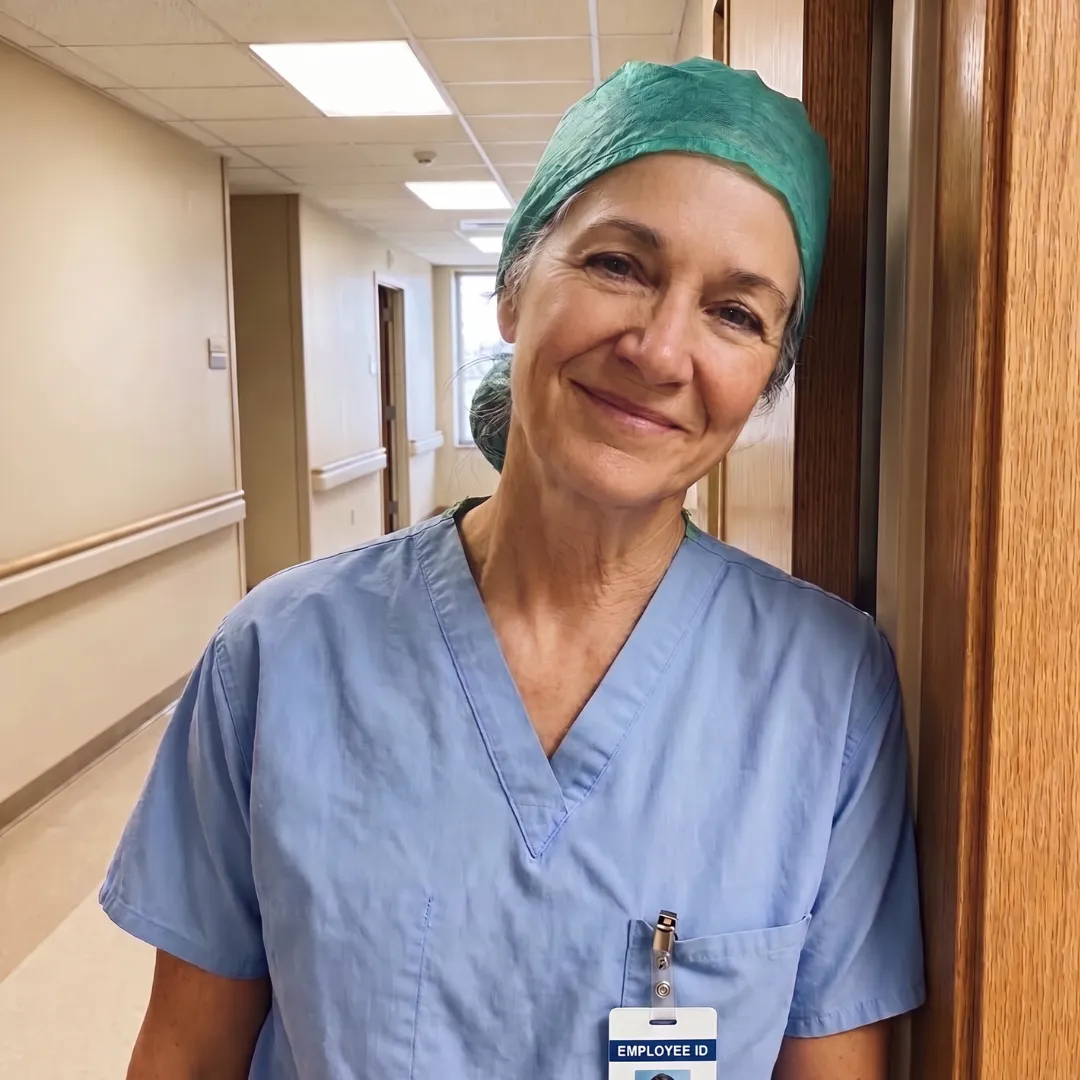
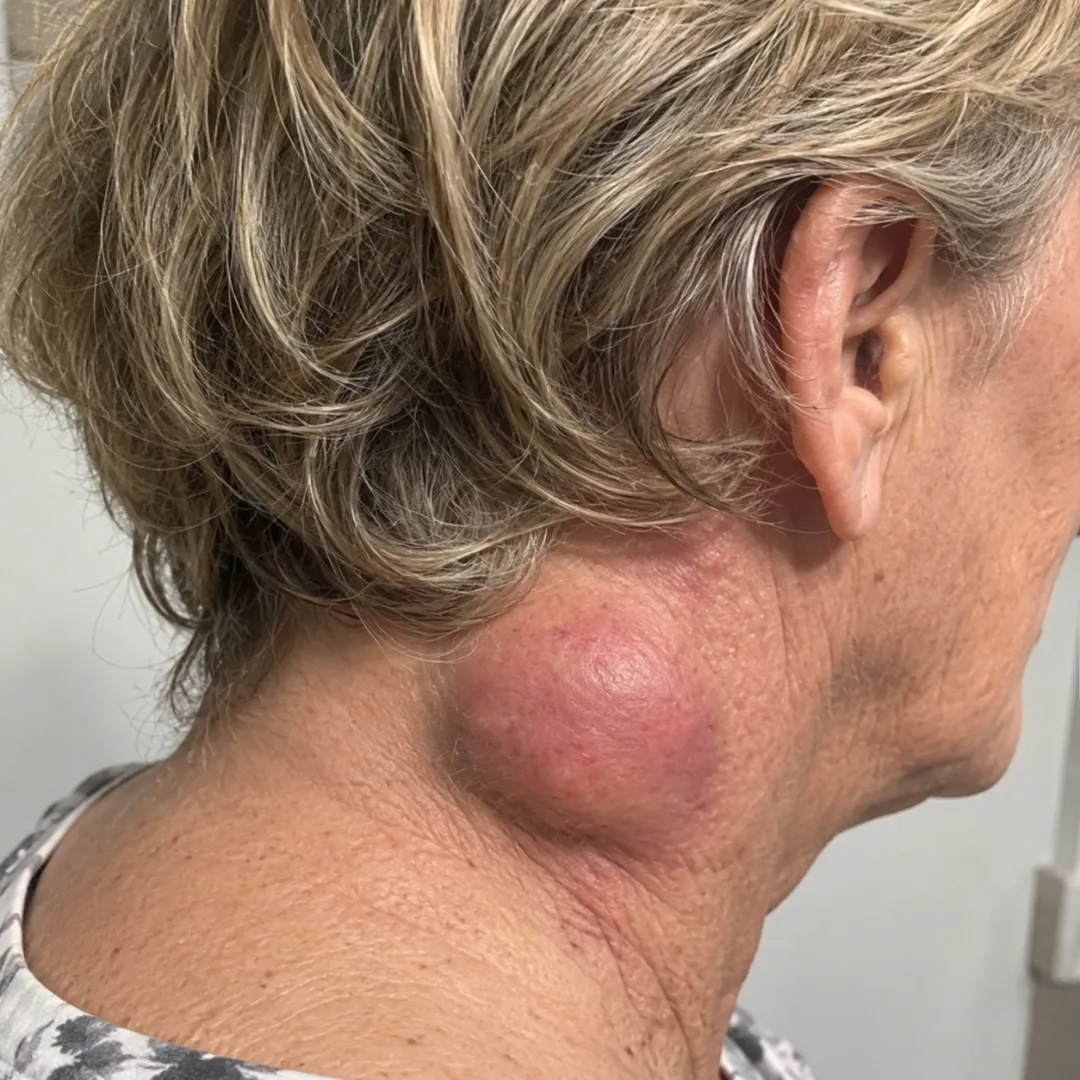
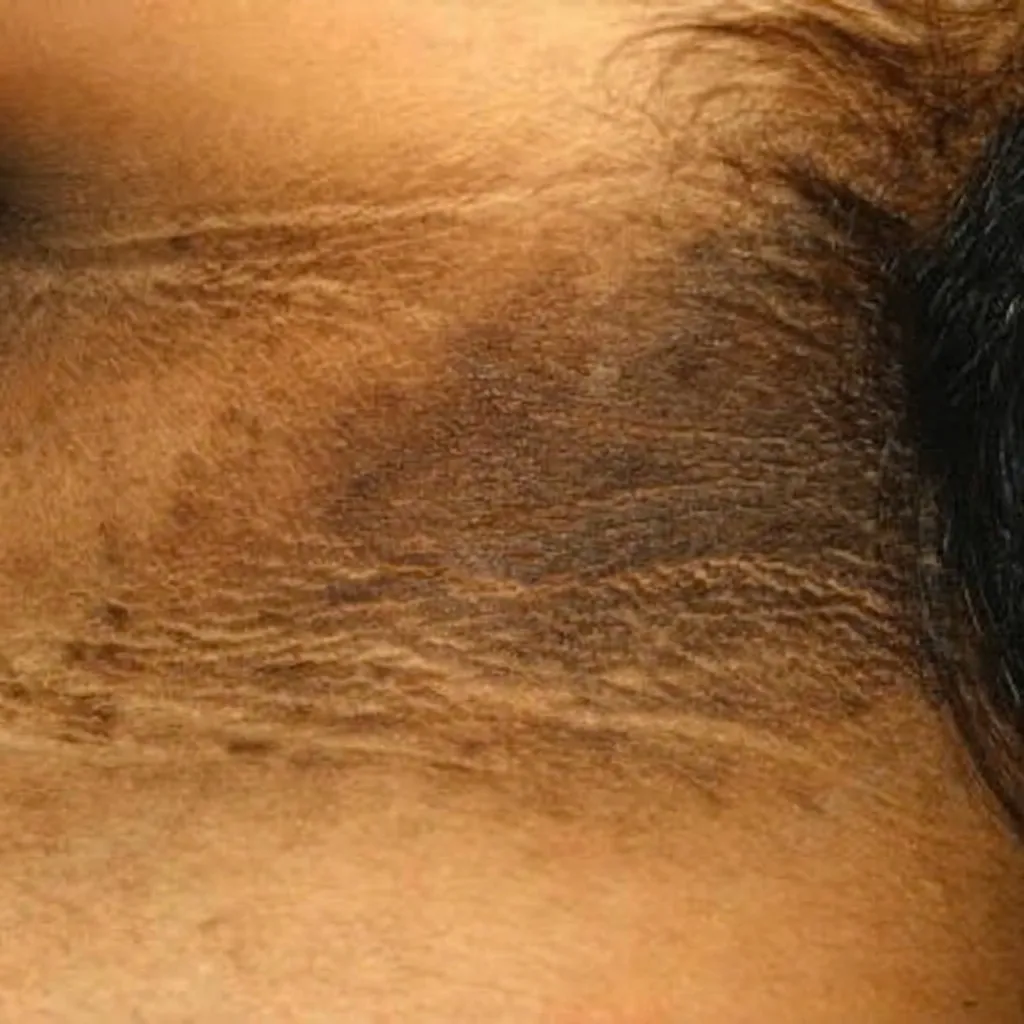
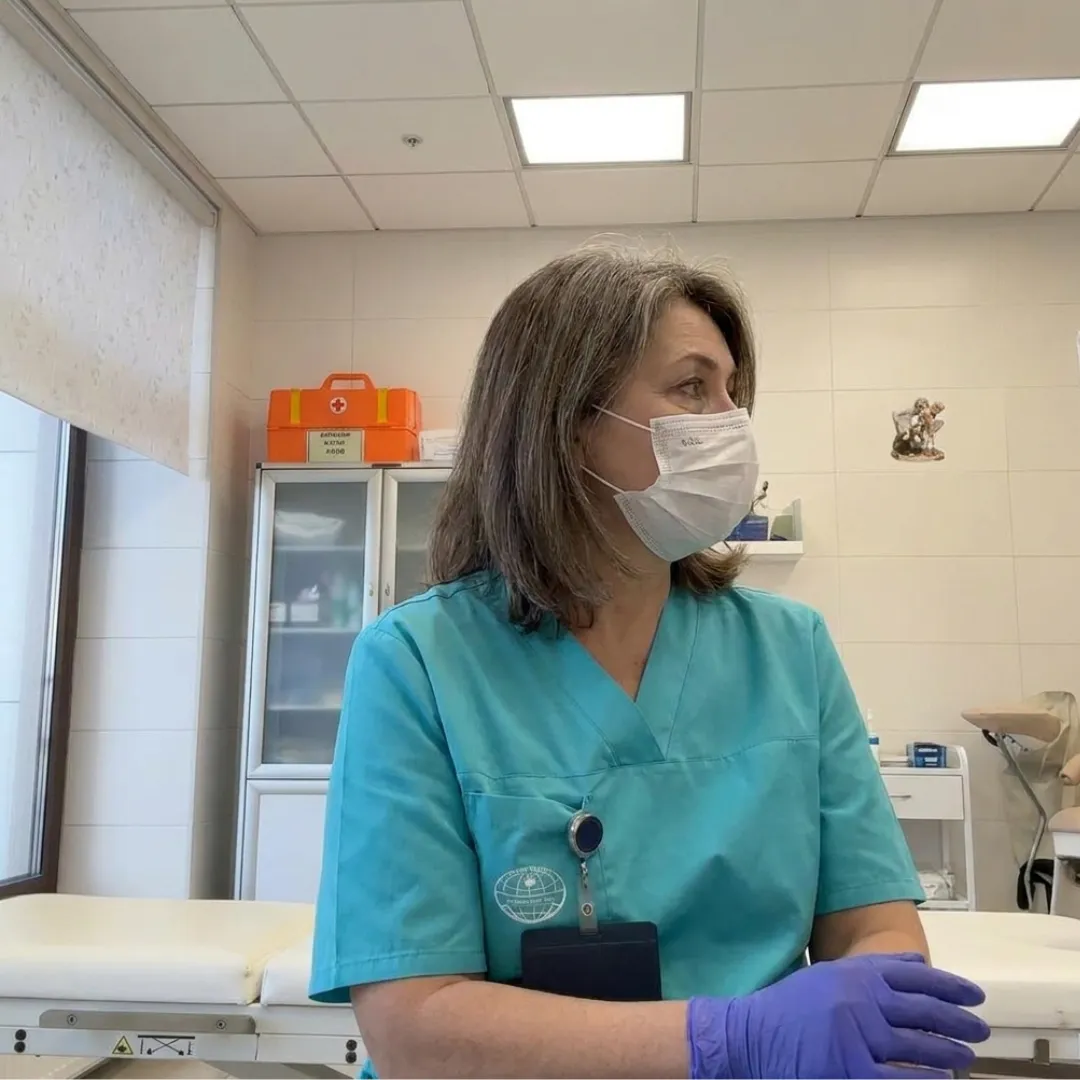
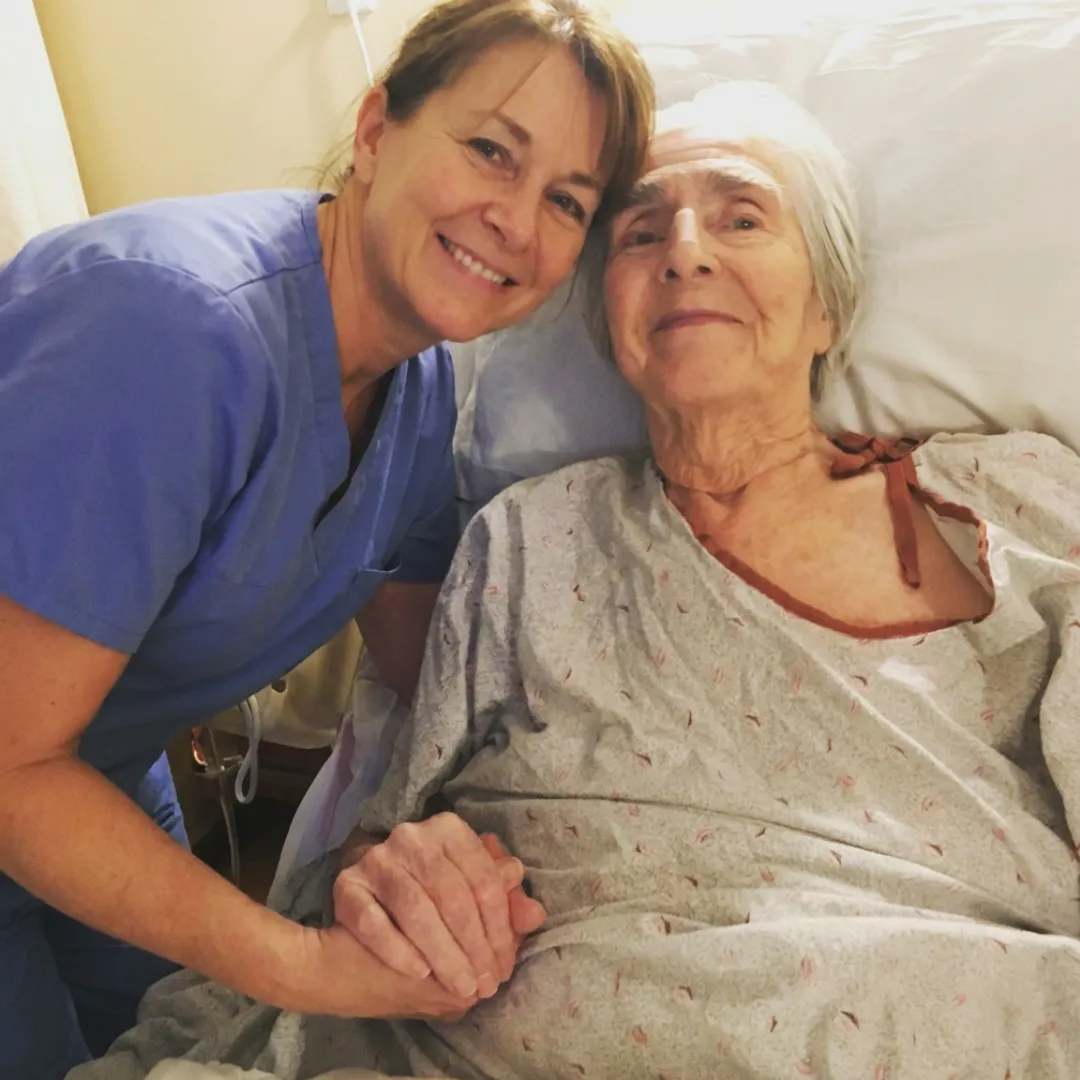
As a postmenopausal woman over 60 with Type 2 diabetes, I know I am twice as likely to end up on the liver transplant list. Not simply because of my blood sugar. Not because of my weight, or even what I eat. Because I'm postmenopausal. Here's the part our doctors don't tell us. My name is Mary Parker. I've been a lab nurse at a liver clinic for nineteen years. I process liver panels every day. I know what elevated ALT means. I've handed those results to women who had no idea anything was wrong until they were sitting across from a hepatologist being told their liver was scarring. They were almost always over 55. Almost always diabetic. Almost always postmenopausal. For nineteen years I processed those panels, handed those results, and went home. Never asked why. Then I became one of those women myself. And I had no idea. Type 2 diabetic since I was 54. On Metformin from day one. Added insulin two years ago when my numbers wouldn't hold. My endocrinologist called it a natural progression. A1C every six months. Nothing alarming enough to flag. I thought I was doing everything right. The tiredness I chalked up to shift work. The dull ache in my upper right side I decided was posture. Every winter, a rash came back on my arms and neck. For three winters I let my dermatologist treat it with a cream. I had an explanation for all of it. Then fifteen months ago, a hepatologist at our clinic asked me a question nobody had asked before. She wasn't my doctor. She was reviewing a file at the same counter, glanced at my screen, then at me. Mary. How old are you? Sixty-one. Are you diabetic? Yes. Since 54. When did you go through menopause? Fifty-two. She was quiet for a moment. Then she said, Has anyone ever run a full liver panel on you? Not just your metabolic panel. ALT, AST. Full liver function. I told her I didn't think so. She pulled up a chair. She said, I need to explain what happens inside a diabetic woman's body after menopause. Because it's not what your endocrinologist is watching for. In Type 2 diabetes, your cells have little doors that open when insulin knocks, so glucose moves out of your blood and into your cells where it gets burned for energy. In insulin resistance, those doors stop responding. Glucose stays in your blood. And the organ taking the first hit from that daily flood of surplus sugar is not your heart. It's your liver. I had known about insulin resistance since my diagnosis. What nobody told me was where the trapped glucose was going. Seven years of sending my liver a daily surplus it could not fully handle. And my A1C said we were fine. That was the first thing I had wrong. Then she asked if anyone had ever explained what estrogen does for the liver. I told her no. Estrogen protects the liver. Before menopause, it activates enzymes that break down fat before it builds up inside liver cells. It keeps inflammation from firing. It tells the liver to stay calm and keep processing, every single day, without us ever knowing it was doing any of it. When estrogen drops, that protection disappears overnight. I went through menopause at 52. Became diabetic at 54. For seven years, my liver had been absorbing a daily glucose overload without the estrogen that used to help it cope. At the same time. Every single day. Sitting there listening to her, I felt something colder than fear. I had processed panels for women like me for nineteen years. Watched their ALT climb. Handed them the printouts. And not once had I connected what I was looking at to this. She kept going. When the liver can't process the glucose overload, it converts the excess into fat and stores it inside the liver cells. That's fatty liver. It doesn't show up on a standard six-month metabolic panel. It's invisible until someone specifically looks. The exhaustion, the ache on my right side, the winter rash. Those were the only signals my body had left to give me. When fat sits in liver cells long enough, the immune system registers it as damage. It responds with inflammation. And once inflammation sets in, it converts healthy liver tissue into scar tissue. Fibrosis. The kind that becomes cirrhosis. She said women who are both diabetic and postmenopausal have nearly double the rate of that inflammation and fibrosis compared to diabetic women who still have their estrogen. Nearly double. She said, Your Metformin manages your glucose numbers. Your insulin keeps your blood sugar from spiking. Neither does anything about what's happening inside your liver. The fat is still there. The inflammation is still there. The doors to your cells are still not opening. Those medications prevent the fire from spreading. They are not putting it out. I asked her what I'd been doing for seven years. She said, Managing rooms. Not the house. Then she asked about the rash. When a liver is inflamed and overwhelmed, it clears toxins from the bloodstream more slowly. Those toxins back up. In some women they surface at the skin, particularly in colder months when circulation is reduced. Not a skin problem. A liver problem. Three winters of that cream. She didn't give me a prescription. She said to understand what was happening and figure out the rest myself. I went home and opened PubMed. I searched for fatty liver, postmenopausal diabetic women, insulin resistance. I was looking for something that addressed the actual problem, not just the glucose number. Three hours in, I found a Reddit thread. Women over 50 with Type 2 diabetes. Same symptoms. Same panel numbers moving in the wrong direction. The same thing kept appearing in the comments. Ceylon cinnamon. Not grocery store cinnamon. A specific type, used in a specific form. I went back to PubMed and searched directly. There was a double-blind clinical trial. Twelve weeks. Type 2 diabetics with fatty liver. At the end, ALT and AST were both significantly lower. The liver was measurably less inflamed. I read it three times. Then I spent a week understanding why before I ordered anything. True Ceylon cinnamon contains two active compounds. The first is called MHCP. It mimics what insulin is supposed to do, opening those dormant cellular doors directly. The glucose trapped in the bloodstream finally has somewhere to go. It moves into the cells. The daily flood hitting the liver starts to drop. The second is cinnamaldehyde, the compound that gives cinnamon its smell. It suppresses the inflammatory signal inside liver cells, the same one estrogen used to quiet before menopause. The one nobody has been quieting since. One compound reduces what the liver is drowning in. The other calms the fire it has been fighting. There was one problem I kept finding in those threads. Most cinnamon supplements are Cassia, not Ceylon. Two completely different plants. Cassia contains coumarin, which stresses the liver at daily doses. The last thing you want near an already-inflamed liver. And even supplements correctly labeled as Ceylon are almost always dry powder capsules. The active compounds in Ceylon cinnamon are fat-soluble. They need oil to be absorbed. Without it, most of what you swallow passes straight through. That is why the women who tried generic cinnamon felt nothing. It was never going to work in that form. After two weeks of reading, I knew exactly what I was looking for. DNA-verified Ceylon from Sri Lanka. Concentrated extract suspended in MCT oil, in a softgel. Coumarin levels verified safe for daily use. That is how I found Metabolae. I added one softgel to breakfast every morning and kept everything else exactly as it was. Metformin. Insulin. I tracked everything. Week one. No dramatic shift. But the fatigue that hit every afternoon started softening. I worked a full Thursday and came home and cooked dinner. I noticed because I hadn't done it in years. Week three. The ache on my right side was quieter. I stopped waking in the middle of the night feeling like I had already run a full day. Something in the background had turned down. Month two. I asked my doctor to add a full liver panel for the first time. He called me three days later. ALT: 31. It had been 63. Normal is under 40. AST: 26. Down from 51. Normal. He asked what I was doing differently. I pulled up the trial on my phone and handed it to him. He read it. He ordered the same panel at my next visit. Month three. The winter came. The rash did not. A1C: 6.1. Down from 7.6. ALT: 22. AST: 19. Both well inside normal range. He sat back. Mary. These are the best numbers you've had since I've been your doctor. Whatever you're doing, don't stop. We talked about adjusting my insulin protocol at my next visit. That was seven months ago. My liver enzymes have held in normal range through two full panels since. The rash has not come back. The ache is gone. I've told nine women at our clinic about Metabolae. Women who come in with elevated ALT and AST, postmenopausal, diabetic, exhausted, wondering why their right side always aches. Eight of them have reported back. Every one has seen liver enzyme improvements within twelve weeks. If you are a postmenopausal woman with Type 2 diabetes who is tired all the time, who has a dull ache on your right side that your doctor keeps waving off, who gets a rash every winter that your dermatologist keeps treating with cream, that is not three separate problems. It is one problem. The fat is still there. The doors are still not opening. The liver is still inflamed. There is something that addresses all three. One softgel with breakfast. Metabolae offers a 90-day money-back guarantee. No questions asked. If your enzyme numbers don't move, if the fatigue stays, if nothing changes, you send it back and get every dollar returned. I work in a liver clinic. I have processed the panels of women who found out too late. I will not be one of them. ~ Mary Parker, Lab Nurse, Liver Clinic, 19 years P.S. Linda, one of the women I spoke with at our clinic, noticed her energy steadying in week one and her ALT back inside normal range by month two. Her doctor now adds a full liver panel to every postmenopausal diabetic patient at every visit. Your timeline may differ. But you will not know unless you track it. P.P.S. Do not stop your Metformin or your insulin the morning your Metabolae bag arrives. Add it to what you are already doing. Keep tracking your numbers. When they improve, let your endocrinologist be the one to adjust your prescriptions. That is the right way to do this, and the only way I would recommend it.
More from Mary Parker, RN
Ceylon Cinnamon 7200mg Equivalent with MCT Oil
Mary Parker, RN
Ceylon Cinnamon 7200mg Equivalent with MCT Oil
Mary Parker, RN
Ceylon Cinnamon 7200mg Equivalent with MCT Oil
Mary Parker, RN
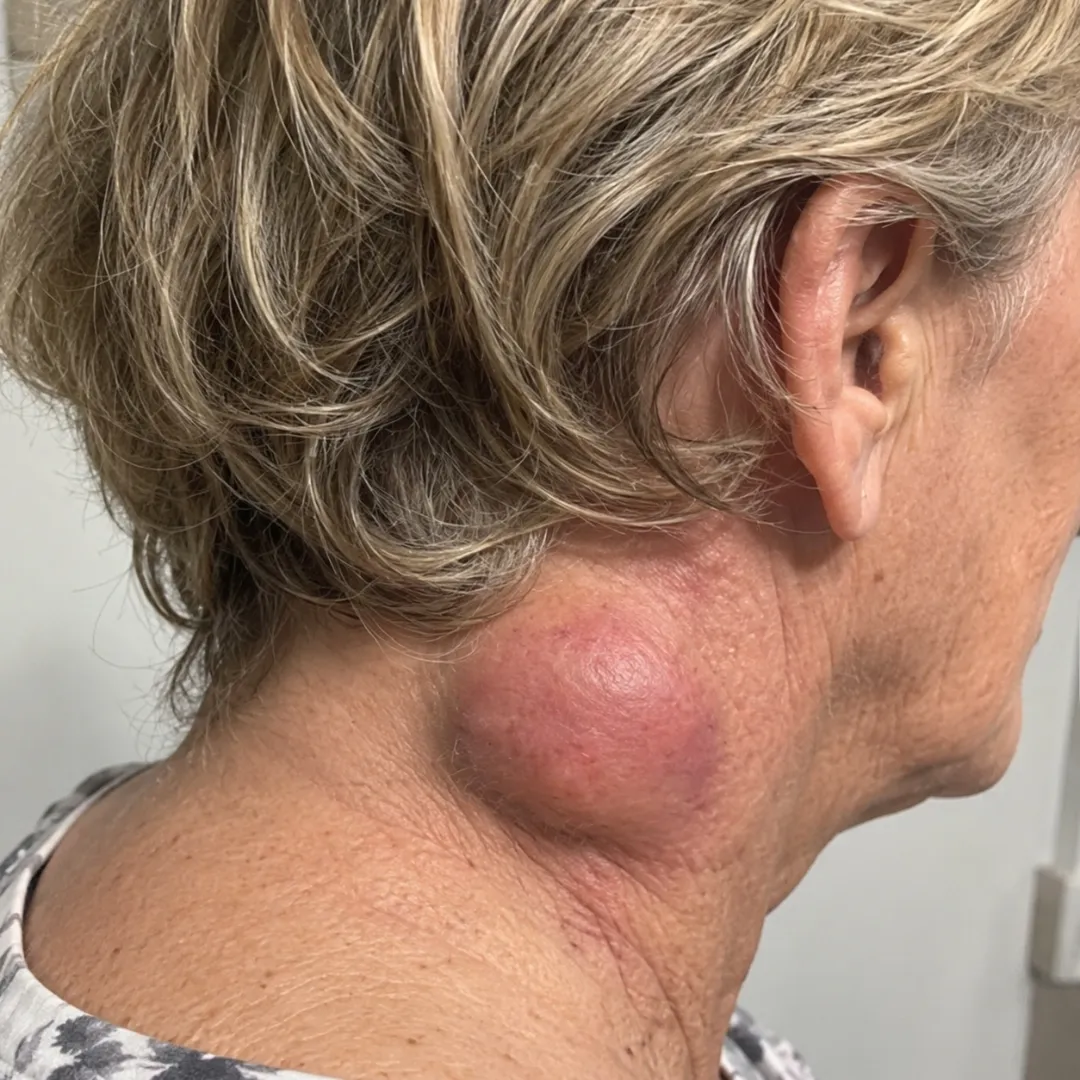
Ceylon Cinnamon 7200mg Equivalent with MCT Oil
Mary Parker, RN
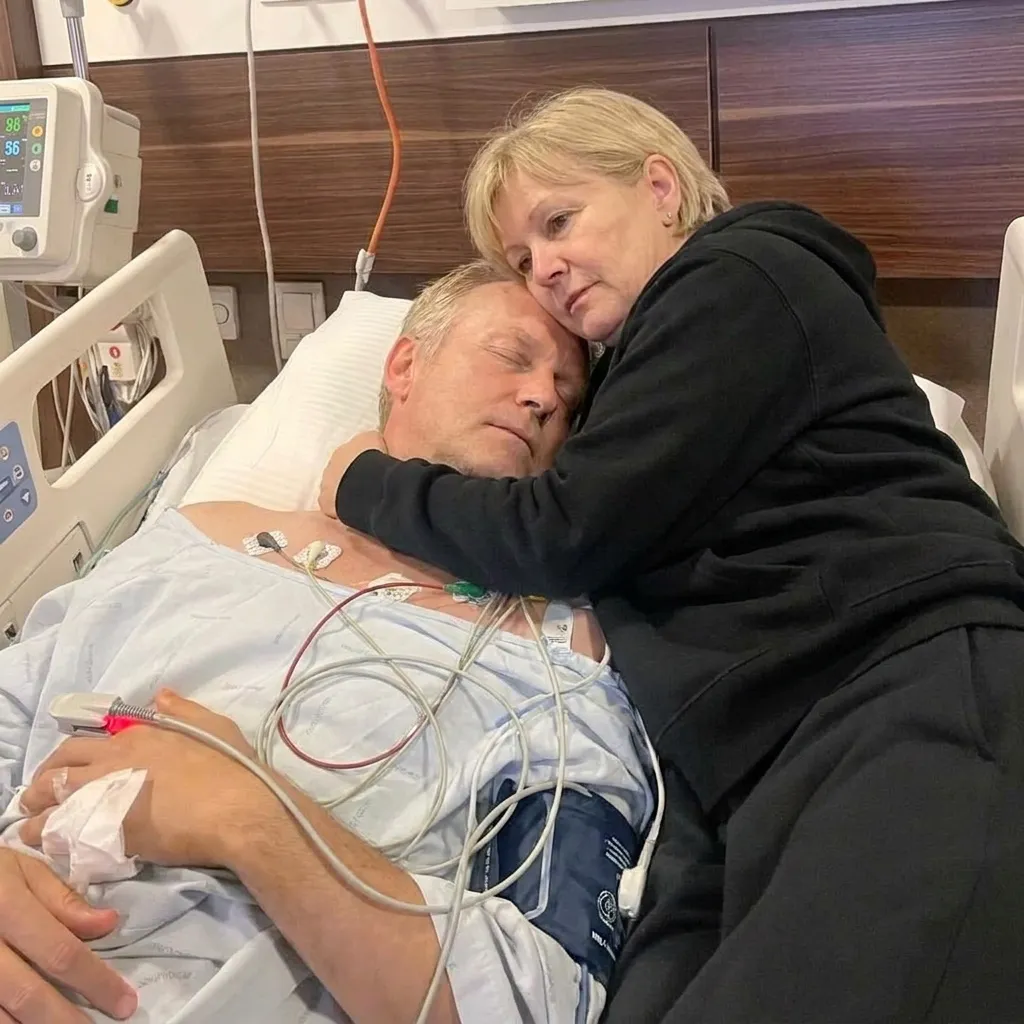
Ceylon Cinnamon 7200mg Equivalent with MCT Oil
Mary Parker, RN
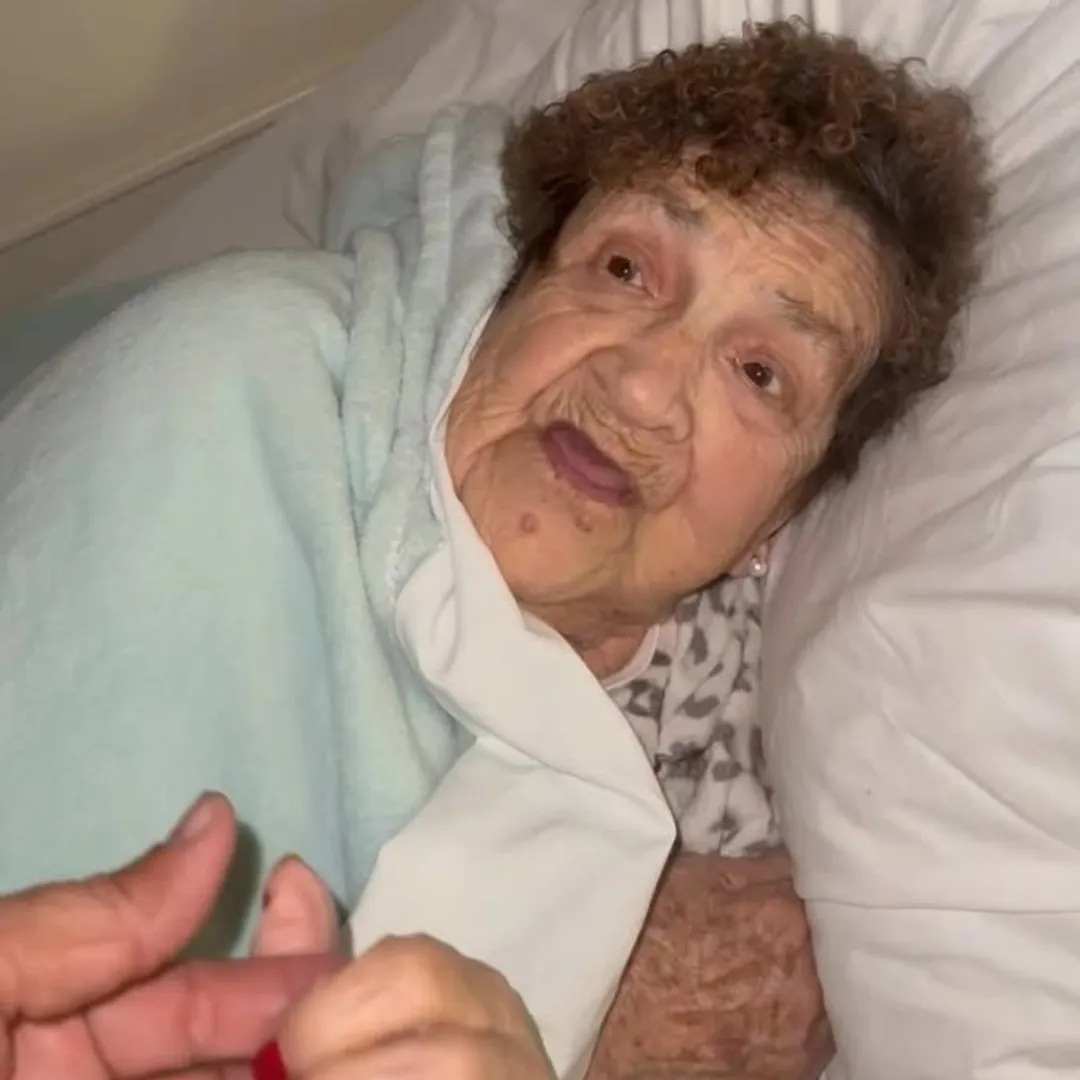
Ceylon Cinnamon 7200mg Equivalent with MCT Oil
Mary Parker, RN
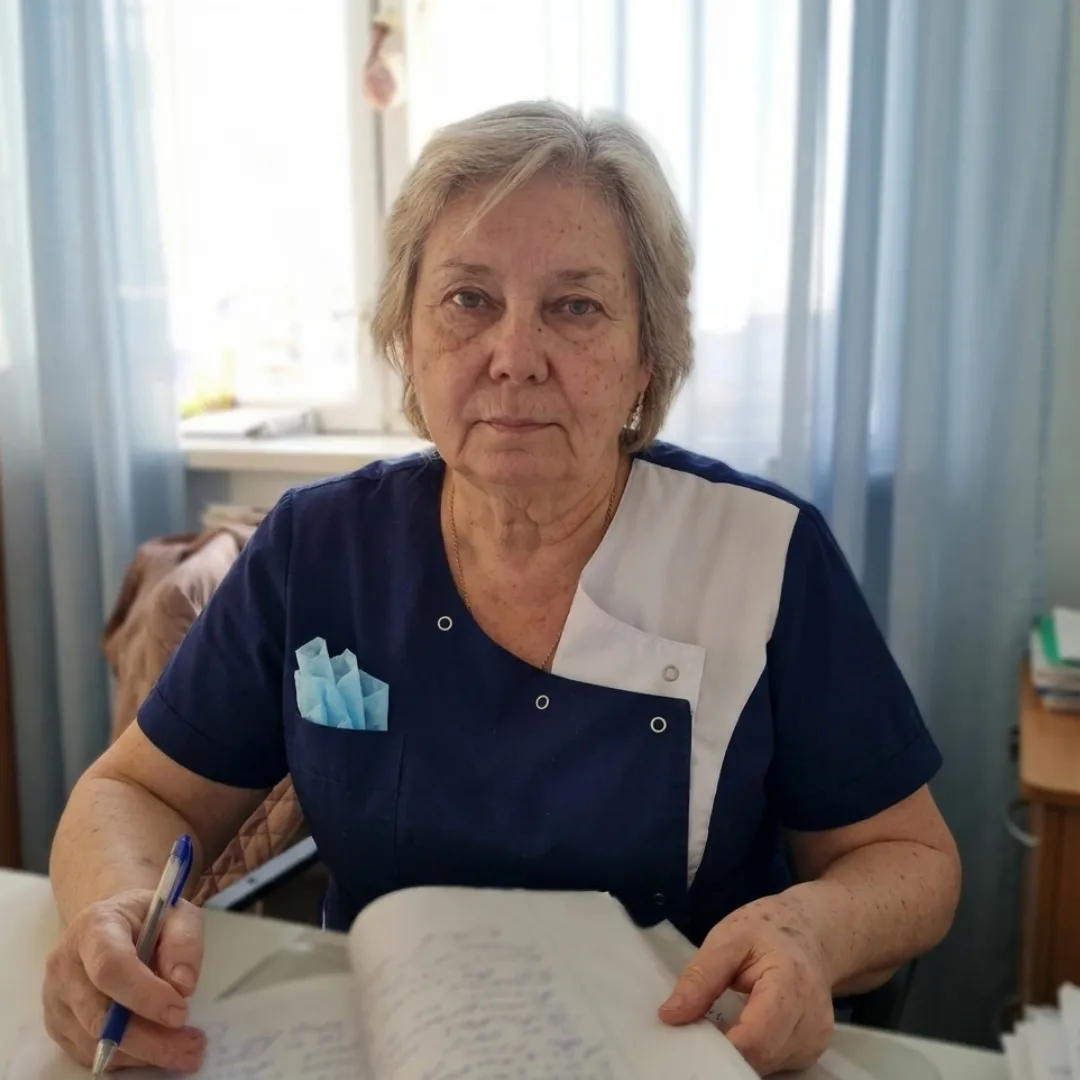
Maintaining Internal Balance Beneath The Surface
Mary Parker, RN
Most Cinnamon Supplements Are Useless
Mary Parker, RN
Most Cinnamon Supplements Are Useless
Mary Parker, RN

Maintaining Internal Balance Beneath The Surface
Mary Parker, RN
Ceylon Cinnamon 7200mg Equivalent with MCT Oil
Mary Parker, RN
Ceylon Cinnamon 7200mg Equivalent with MCT Oil
Mary Parker, RN

 Add to Chrome