
Ceylon Cinnamon 7200mg Equivalent with MCT Oil
Ad Copy
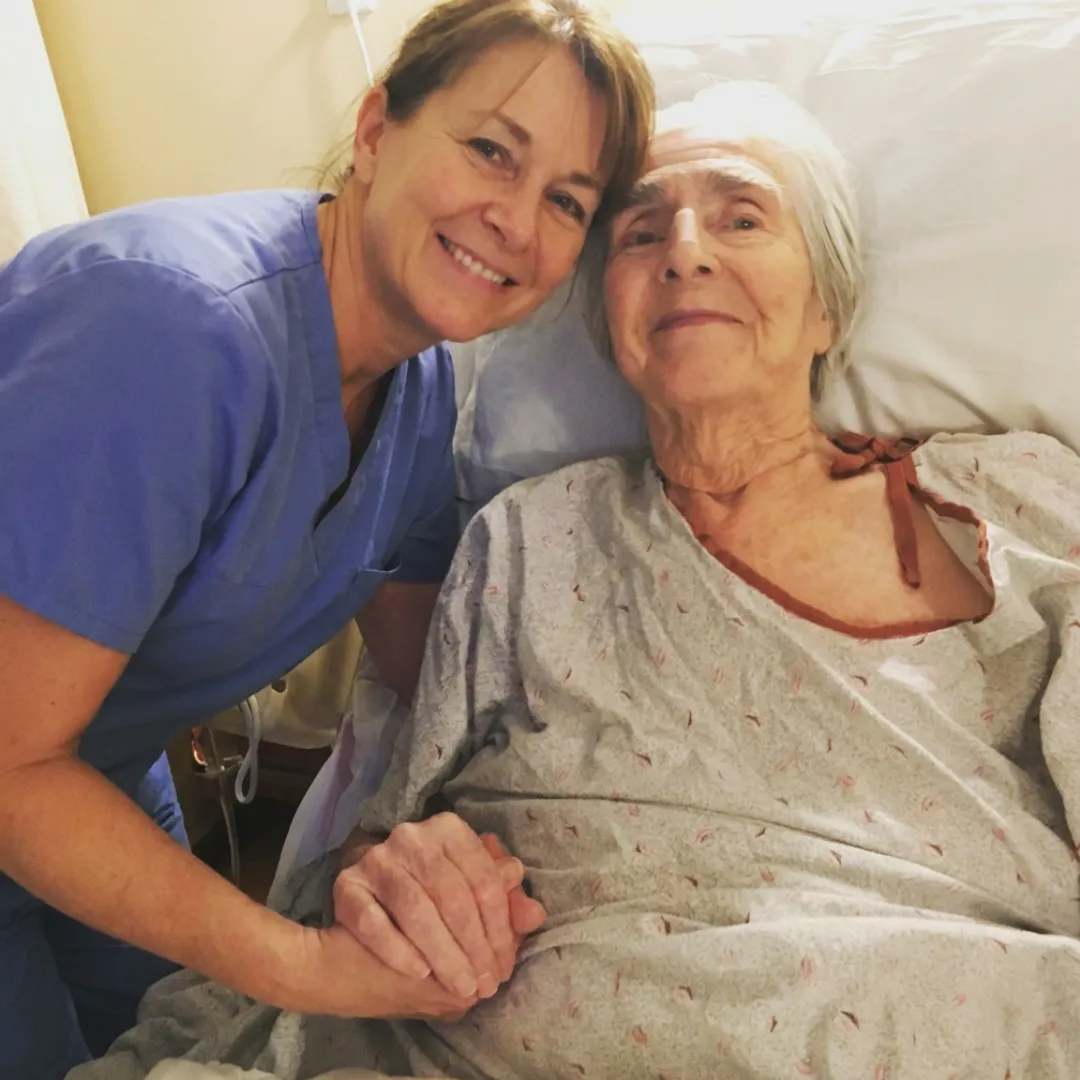
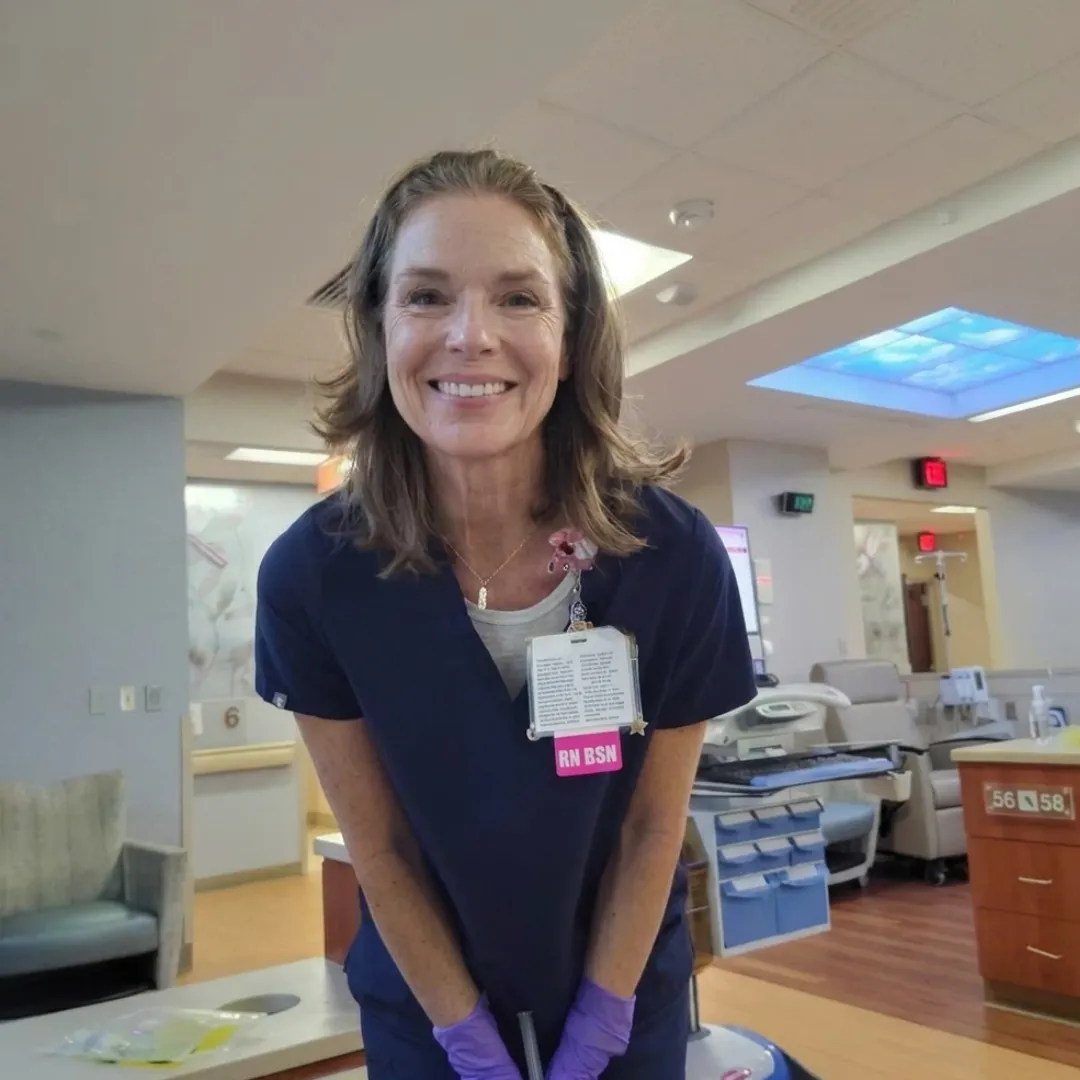
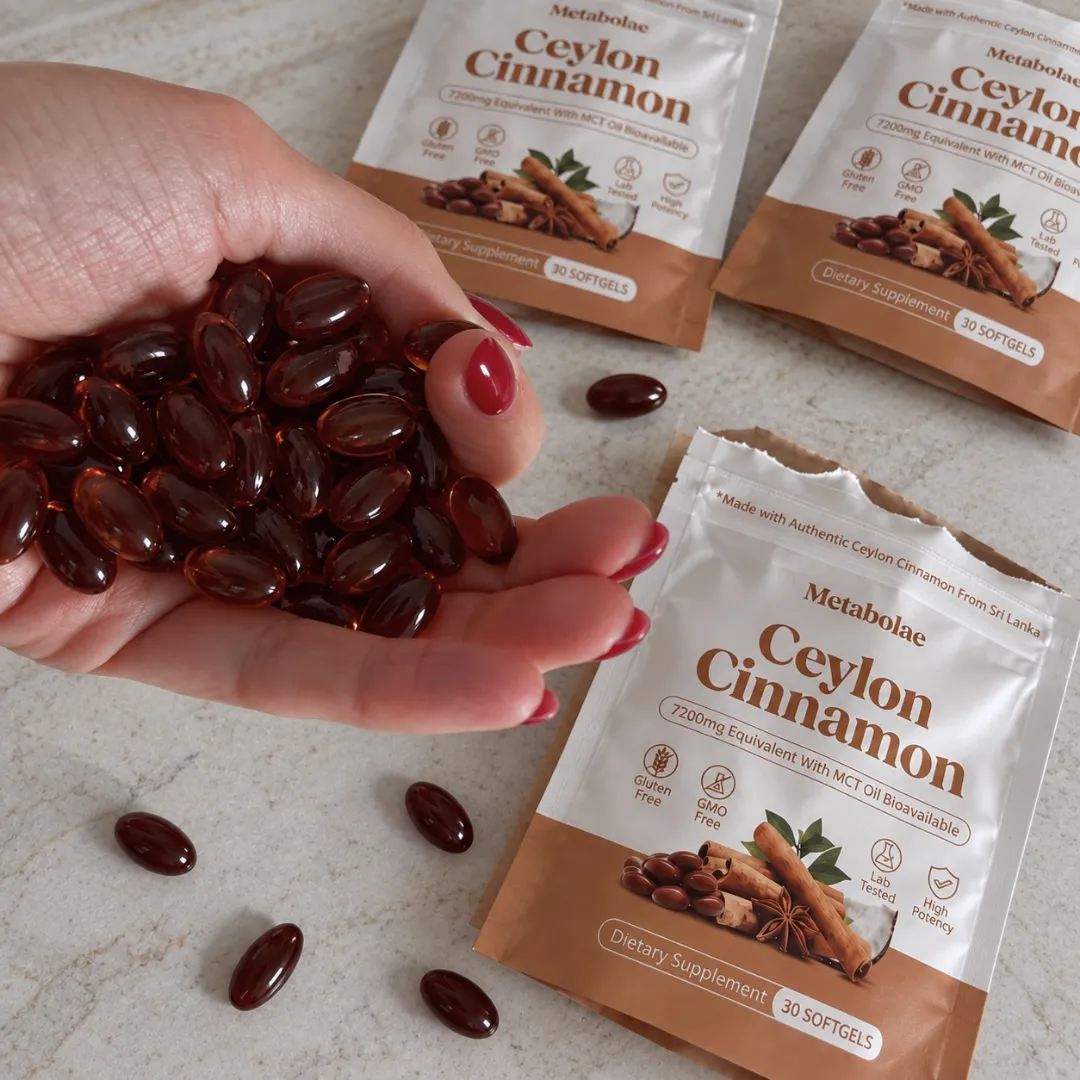
The terrifying thing about fatty liver is realizing your body was warning you long before the diagnosis. I spent 10 years in the gym, working out 4 times a week and following a keto diet, thinking I was doing enough. But my numbers kept going the wrong way. Here's what helps. If your liver numbers are heading in the wrong direction, you feel like you are doing everything right, and your body is still not responding, this is worth your attention. I'm Mary. I've been a lab nurse in a liver clinic for 38 years. I've watched non-drinkers end up in liver failure. I've seen families face years-long transplant waits. I've seen the trajectory. And I've seen something else. The thing nobody talks about. Fatty liver isn't a liver disease. It's a blood sugar disease that shows up in the liver. I've watched fatty liver quietly progress in people who never touched alcohol. It's chronic insulin resistance that makes your liver turn excess sugar into fat. Over time, that fat builds up, irritates your liver, and causes inflammation year after year. So when my A1C climbed to 7.2, my ALT hit 68, and my scan showed fatty infiltration, I knew exactly what my doctor would say before she said it. We need to start you on metformin. I smiled. Nodded. Took the prescription. But my mind wasn't in that room. It was in a hospital room in 1986, sitting next to my mother. Her name was Ruth. She taught Sunday school at our Baptist church in Bessemer for 30 years. She never had a drink in her life. Not one glass of wine at a wedding. Not a beer on the Fourth of July. At 61, her doctor told her she had cirrhosis. I remember the ladies at church whispering after the service. I remember one of them asking me, very quietly, if my mother had a problem at home. I was 22 and I didn't know what to say. She didn't have a problem at home. She had type 2 diabetes she'd been told was a little sugar, and a liver nobody ever checked. She waited three years on the transplant list. She died at 64, still on it. That's why I became a liver nurse. I wanted to be in the room where it gets caught early. Where somebody looks at the numbers before it's too late. And now my own numbers were sitting on my doctor's desk. I filled the metformin at the Walgreens on my way home. Two years later, my doctor added insulin. I took every pill and every shot, exactly like I tell my patients to. My sugar came down a little. My liver didn't care. My ALT went from 68 to 71. My AST climbed to 54. I knew what that meant better than anybody. My liver cells were under stress, and the medication helping my blood sugar wasn't reaching them. And I felt it. I was tired all the time. Not sleepy tired. Heavy tired. Like my body was running on a battery that never charged no matter how long I left it plugged in. I'd sit in my car in the clinic parking lot for ten minutes before every shift, just getting myself ready to walk inside. There was a dull ache under my right ribs. Not sharp. Just there. Like a bruise I couldn't remember getting. I caught myself pressing on it in the middle of conversations. And every winter, like clockwork, a red, itchy rash spread across my arms and neck. I wore long sleeves under my scrubs from November to March. My husband bought me every lotion Target sells. None of them did a thing. The worst part was I wasn't doing anything wrong. I live outside Birmingham, Alabama. I was at the gym at 5:30 every morning, four days a week. I'd been strict keto for three years. No bread. No rice. No sweet tea, which in Alabama is practically a crime. I meal prepped chicken and vegetables every Sunday afternoon while my husband watched the Crimson Tide. My friends at church called me disciplined. I felt like a fraud. Because I sat across from patients every single day and told them the same things. Lose some weight. Watch your carbs. Move your body. And I was doing all of it, harder than any of them, and my liver was getting worse. One night I sat at my kitchen table with my own lab printout, the same kind I've handed to thousands of patients. My husband looked over my shoulder. Isn't that the bad direction? Yes, I said. That's the bad direction. He put his hand on my shoulder and didn't say anything. He knew about my mother. He knew what I was thinking. Then came the appointment that scared me. My doctor ordered another scan. Same fatty infiltration. But this time the report mentioned something new. Possible early changes. She wanted me to see a hepatologist. I've walked hundreds of patients down the hall to hepatology. I know what that referral means. It means somebody wants to look closer for scarring. Scarring is the word that separates you have some fat on your liver from the road my mother went down. I drove home that night and didn't turn on the radio. I pulled into the driveway and sat there until the porch light came on. My husband came out in his slippers and opened my car door. How bad? I don't know yet, I said. That's what scares me. I had the hepatology appointment in eight weeks. Eight weeks to sit with that word. I went back to work the next morning because that's what you do. And that's where everything changed. I was drawing blood on a patient I'd seen every three months for years. Mr. Dawson, 58, a retired truck driver from Tuscaloosa. Big laugh. Always wore the same Auburn cap just to make me roll my eyes. Type 2 diabetic, on metformin like me. Fatty liver like me. His liver numbers had been stuck high for as long as I'd known him. When his results came back that afternoon, they had dropped by almost half. My first thought was that I'd made a mistake. Thirty-eight years in a lab teaches you to trust nothing on the first run. A bad sample. A mislabeled tube. A machine that needs calibrating. Numbers don't drop like that in three months for a man who's been stuck for years. So I pulled the backup tube and ran it again. Same result. I checked the label. Checked his birthdate. Checked the machine log. Everything was right. He was still in the waiting room putting his jacket on when I caught him. Mr. Dawson. Sit down a second. What did you change? He grinned like he'd been waiting for somebody to ask. You noticed, huh? I noticed. My daughter keeps sending me stuff off the internet. Most of it I ignore. This one I actually stuck with. Ceylon cinnamon. It's called Metabolae. Little softgel every morning with my eggs. I felt my face do the thing I'd watched doctors' faces do for 38 years. That polite little smile that means sure it did. You stopped your metformin? No ma'am. Doc won't let me off it, and I'm not arguing with her. I just added it. But my sugar's better than it's been in ten years. And now this. He tapped the paper in my hand. And I'm not falling asleep in my recliner at 3 in the afternoon anymore. My wife says I'm annoying now. Too much energy. I laughed. Then I went back to the lab and stared at his chart for a long time. I don't believe in magic pills. I've seen too many patients come in with bags of supplements from the health food store and the same bad numbers. But I believe in lab results. And I had just run his twice. That night I couldn't sleep. I kept thinking about my mother, and about that hepatology referral, and about a man in an Auburn cap whose liver had done in three months what mine hadn't done in five years. At 1 in the morning I got out of bed and started reading. What I found was simple. So simple it made me angry that I'd missed it. When you're insulin resistant, sugar has a hard time getting into your cells. So your body keeps pumping out more insulin to force it in. And all that extra insulin sends your liver one message. Take the leftover sugar and store it as fat. That's the fat on my scan. That's why my ALT kept climbing. I had been fighting the sugar on my plate. Keto, the gym, all of it. But nothing I was doing helped my body actually use the sugar that was already in my blood. So it kept going to the same place. My liver. Ceylon cinnamon has been studied for exactly that. It helps your cells answer insulin again, so sugar goes into your muscles where it belongs instead of piling up in your liver. There's even a study where people with fatty liver took cinnamon every day for 12 weeks, and their liver enzymes improved compared to the people who didn't. Less leftover sugar. Less fat stored in the liver. Less stress on the liver cells. Lower numbers. That was it. No miracle. Just the piece I'd been missing. But I'm cheap, and I'm stubborn. I wasn't going to pay for a brand name when cinnamon is cinnamon. So the next Saturday I went to Walmart and grabbed a $9 bottle of cinnamon capsules off the shelf. I took them every morning for six weeks. My energy didn't change. The ache didn't change. I ran my own panel on a slow afternoon. Barely a blip. I was ready to write the whole thing off. Then one morning I was standing at the counter, half awake, and I actually read the label on the bottle. It didn't say Ceylon. It just said cinnamon. My stomach dropped. Most of the cinnamon sold in this country, in the spice aisle and in most supplements, isn't Ceylon at all. It's Cassia. A different plant, mostly from China. And Cassia is high in coumarin, which is known to be hard on the liver when you take it every day. I stood in my kitchen holding that bottle and realized what I'd done. I was a liver nurse. With a fatty liver. With a hepatology referral in my purse. And for six weeks, I'd been taking something every morning that could put more stress on my liver. That bottle went straight in the trash. I ordered Metabolae that night. When it came, the first thing I noticed was the label. True Ceylon cinnamon from Sri Lanka. The low coumarin kind. Concentrated, so one softgel does what a handful of grocery store capsules can't. Tested batch by batch, so I knew what I was actually putting in my body. It comes in a little resealable bag. I put it next to the coffee maker so I'd see it every morning. One softgel with breakfast. I kept my metformin. I kept my insulin. I kept the gym. I didn't change another thing. I just added this. Then I went to my hepatology appointment. The hepatologist was a young woman, younger than my daughter. She looked at my history, my mother's history, my scans. She ordered more imaging. She was kind, but she was careful with her words, and I know what careful sounds like. Let's watch this closely, she said. I want to see you again in six months. Six months. I drove home thinking, either this works, or I'm going to find out what my mother found out. The first thing I noticed wasn't a number. It was a Thursday, after a 12-hour shift. Normally I'd walk in the door and go straight to the couch with my shoes still on. That night I stopped at Publix on the way home, came in, cooked dinner, and was still sitting up talking to my husband at 9 o'clock. He looked at me over his glasses. You're not tired. I hadn't even noticed. That's how gradual it was. A few weeks later, my fasting sugar started running lower than it had in years. I didn't touch my insulin. I called my doctor first, and she adjusted it herself. That's the only way I'd ever do it. Then came the twist I wasn't ready for. At six weeks I ran my liver panel, sure I'd see the start of something good. ALT 77. Higher than before I started. I sat down on the stool in the lab and felt the floor go out from under me. Six weeks of hope, and my number had gone up. I went home and put the Metabolae bag in the cabinet behind the coffee filters. I told my husband it hadn't worked. I told myself I was a foolish old woman who should have known better. I didn't take it the next morning. That afternoon, Mr. Dawson came in for his recheck. He saw my face and asked what was wrong. I told him. He frowned. What were you doing the day before they took your blood? I almost laughed at him. A truck driver asking a lab nurse about lab results. And then I stopped. Because I knew exactly what I'd been doing the day before. I'd done the hardest leg workout I'd done in months. Squats, lunges, the whole thing. I'd felt so good that week, I finally had the energy to push. And I know, better than almost anybody, that a hard workout can push your liver enzymes up for a few days afterward. Especially AST. It comes from your muscles too. I've explained it to patients a hundred times. I've told them not to lift heavy before a blood draw. I never once thought to tell myself. I went home, dug the bag out from behind the coffee filters, and took my softgel. I rested for five days. No heavy lifting. Then I ran my panel again. It was back down. Lower than where I'd started. I stood in the lab and laughed out loud. My coworker asked if I was okay. I said I was better than okay. I said I'd almost quit over a leg day. So I kept going. Somewhere in those next weeks, the ache under my right ribs stopped showing up. I didn't notice when. I just realized one day that I hadn't pressed on my side in a long time. My afternoons came back. I stopped sitting in my car before shifts. I started walking our dog around the neighborhood after dinner again, something I hadn't done since she was a puppy. Four months in, I ran my panel on a quiet Tuesday. Rested. No leg day. ALT 49. AST 41. Down from 71 and 54. I read it twice. I printed it. I put it on the fridge, next to my granddaughter's drawings. Then came the appointment I'd been dreading for six months. Back to hepatology. More imaging. My husband drove me this time and sat in the waiting room holding my purse. I sat on the exam table in that paper gown and thought about my mother the whole time. The hepatologist came in holding my results. She sat down. She didn't do the careful voice this time. Mary, your ALT is 34. Your AST is 29. And your scan has improved. I'm not seeing what I was worried about. I didn't say anything. I couldn't. Whatever you're doing, she said, keep doing it. And keep taking your medication. I walked out to the waiting room. My husband stood up. I nodded. He hugged me right there in front of everybody, purse and all. Then I went back to my regular doctor for my follow-up. She looked at everything for a long time. Your liver enzymes are almost normal, Mary. What changed? Everything you told me to do. Plus Ceylon cinnamon. She was quiet for a second. Then she said, Keep taking your meds. And keep doing whatever else you're doing. And this past winter, for the first time in as long as I can remember, the rash didn't come back. I can't promise you that's the cinnamon. I can tell you it's the first November I didn't dig out my long sleeves. The first winter I didn't spend scratching my arms through my scrubs. I think about my mother a lot these days. I think about the women at church whispering. I think about a doctor telling her it was just a little sugar. I think about how nobody ever told her that her diabetes and her liver were the same problem. She never had the chance to know what I know now. So I've started telling my patients. Not everyone. Just the ones who look like I looked. Doing everything right. Still watching their numbers climb. Every one of them is still on their medication, and I tell them to talk to their doctor first. But the ones who stick with it keep coming back to my chair saying the same things. More energy. Better sugar. A liver panel that finally started moving. If you take one thing from my story, take this. Fatty liver is a blood sugar problem. If you're only fixing what you eat, you're only fixing half of it. And if you're going to track your labs, and you should, don't do a hard workout the day before. I almost gave up on the one thing that worked because I forgot my own advice. I'm not anti-medication. I'm on two of them. But if you're doing everything right, your medication is helping your sugar on paper, and your liver numbers are still going the wrong way, this is worth trying. Mama, this one's for you. ~ Mary Parker, Liver Lab Nurse, 38 years P.S. Linda, one of the women whose labs I run at our clinic, noticed her energy steadying in week one and her ALT back inside normal range by month three. Her doctor now orders a full liver panel for every postmenopausal diabetic patient at every visit. Your timeline may be different. But you won't know unless you track it. P.P.S. Do not stop your metformin or your insulin the morning your Metabolae bag arrives. Add it to what you're already doing. Keep tracking your numbers. When they improve, let your endocrinologist be the one to adjust your prescriptions. That's the right way to do this, and the only way I would recommend it.
More from Mary Parker, RN
Ceylon Cinnamon 7200mg Equivalent with MCT Oil
Mary Parker, RN
Ceylon Cinnamon 7200mg Equivalent with MCT Oil
Mary Parker, RN
Ceylon Cinnamon 7200mg Equivalent with MCT Oil
Mary Parker, RN
Ceylon Cinnamon 7200mg Equivalent with MCT Oil
Mary Parker, RN
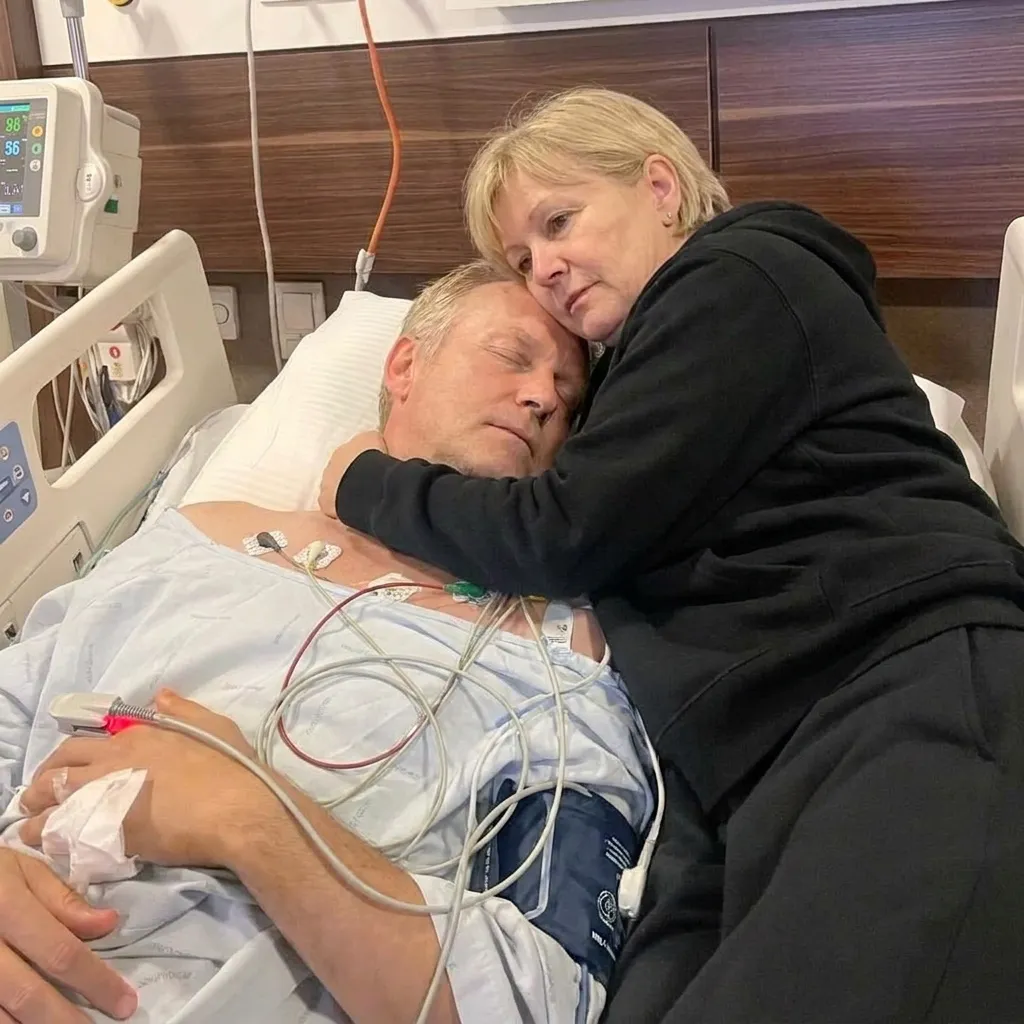
Ceylon Cinnamon 7200mg Equivalent with MCT Oil
Mary Parker, RN
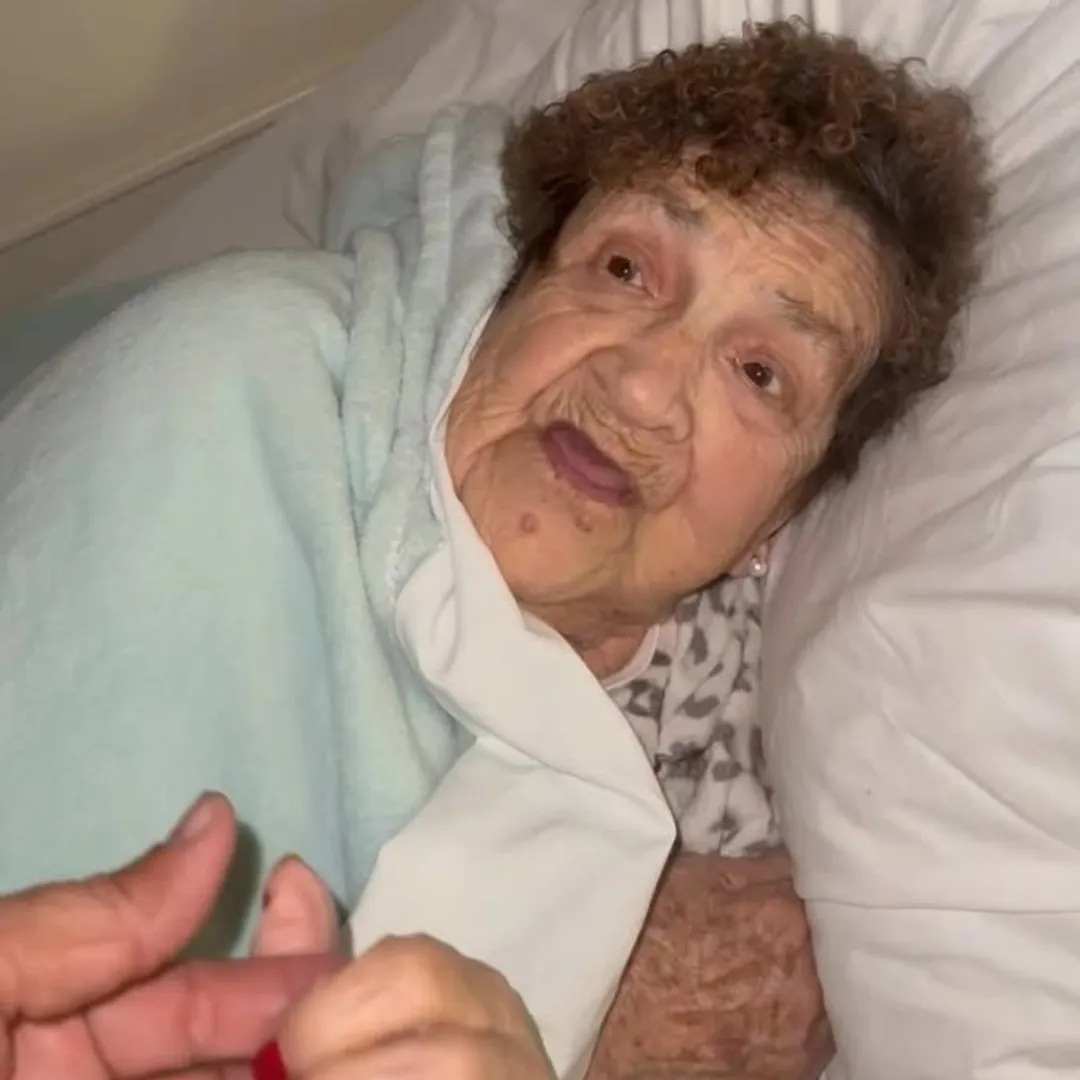
Ceylon Cinnamon 7200mg Equivalent with MCT Oil
Mary Parker, RN
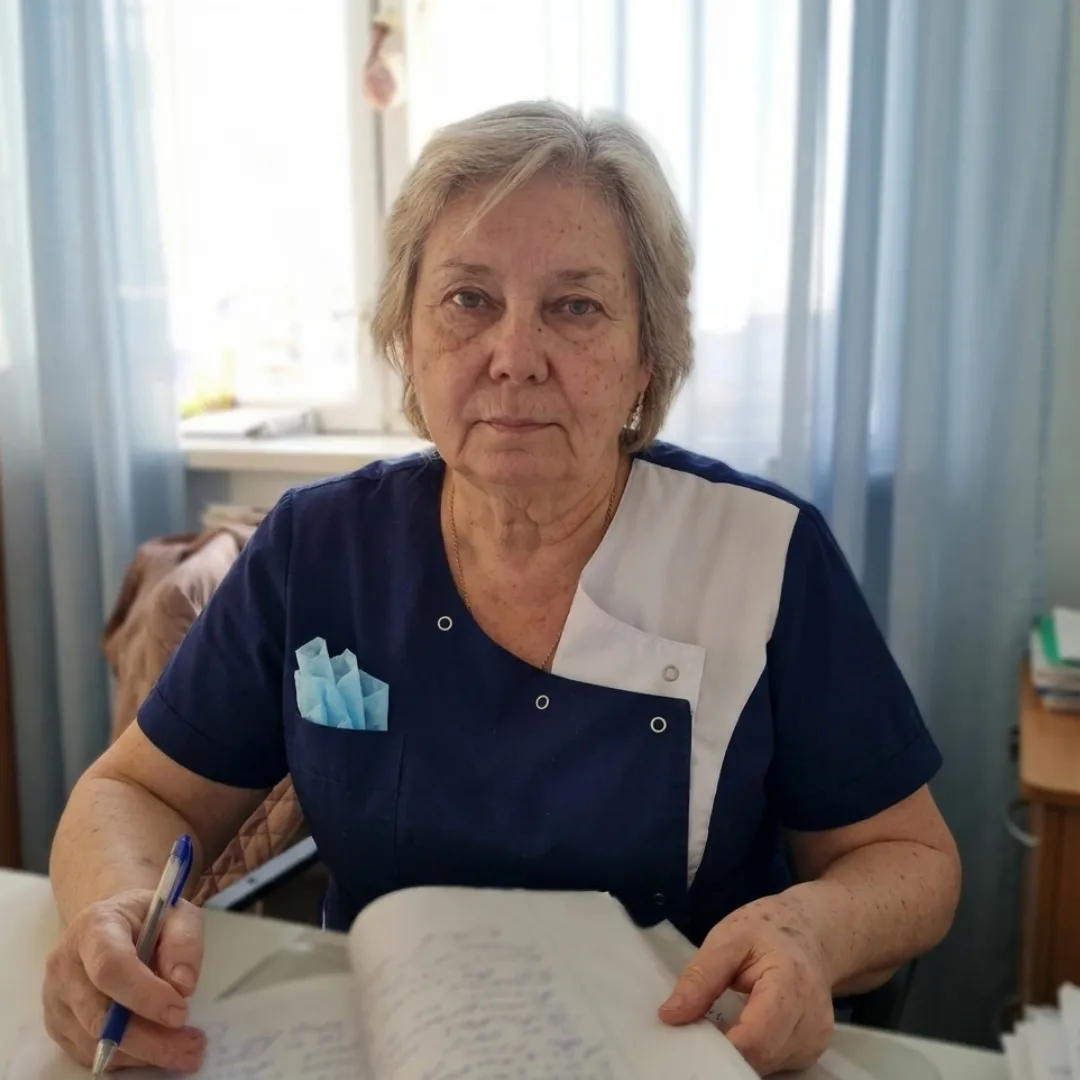
Maintaining Internal Balance Beneath The Surface
Mary Parker, RN
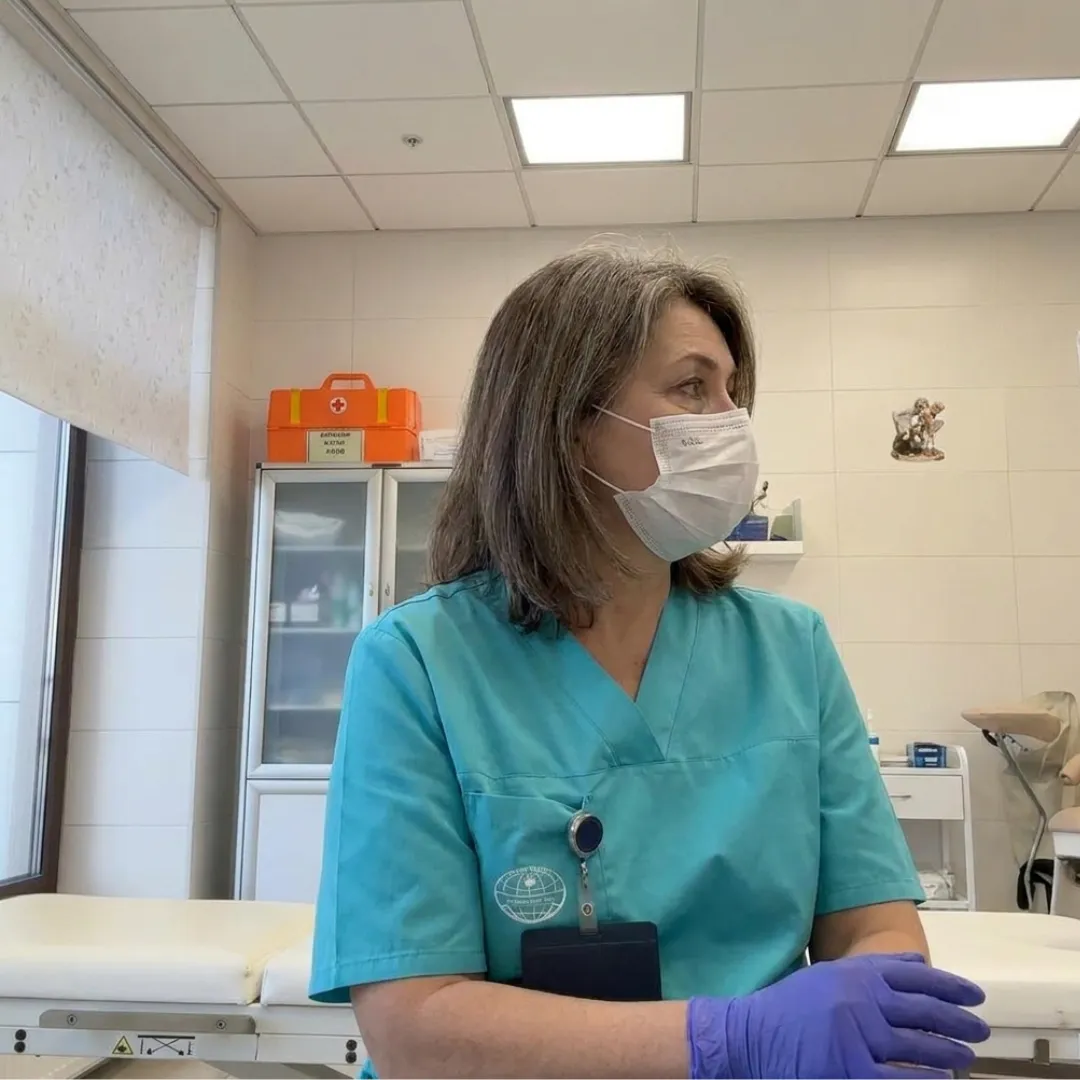
Most Cinnamon Supplements Are Useless
Mary Parker, RN
Most Cinnamon Supplements Are Useless
Mary Parker, RN
Maintaining Internal Balance Beneath The Surface
Mary Parker, RN
Ceylon Cinnamon 7200mg Equivalent with MCT Oil
Mary Parker, RN
Ceylon Cinnamon 7200mg Equivalent with MCT Oil
Mary Parker, RN

 Add to Chrome