Support stamina and heart health every day
Ad Copy
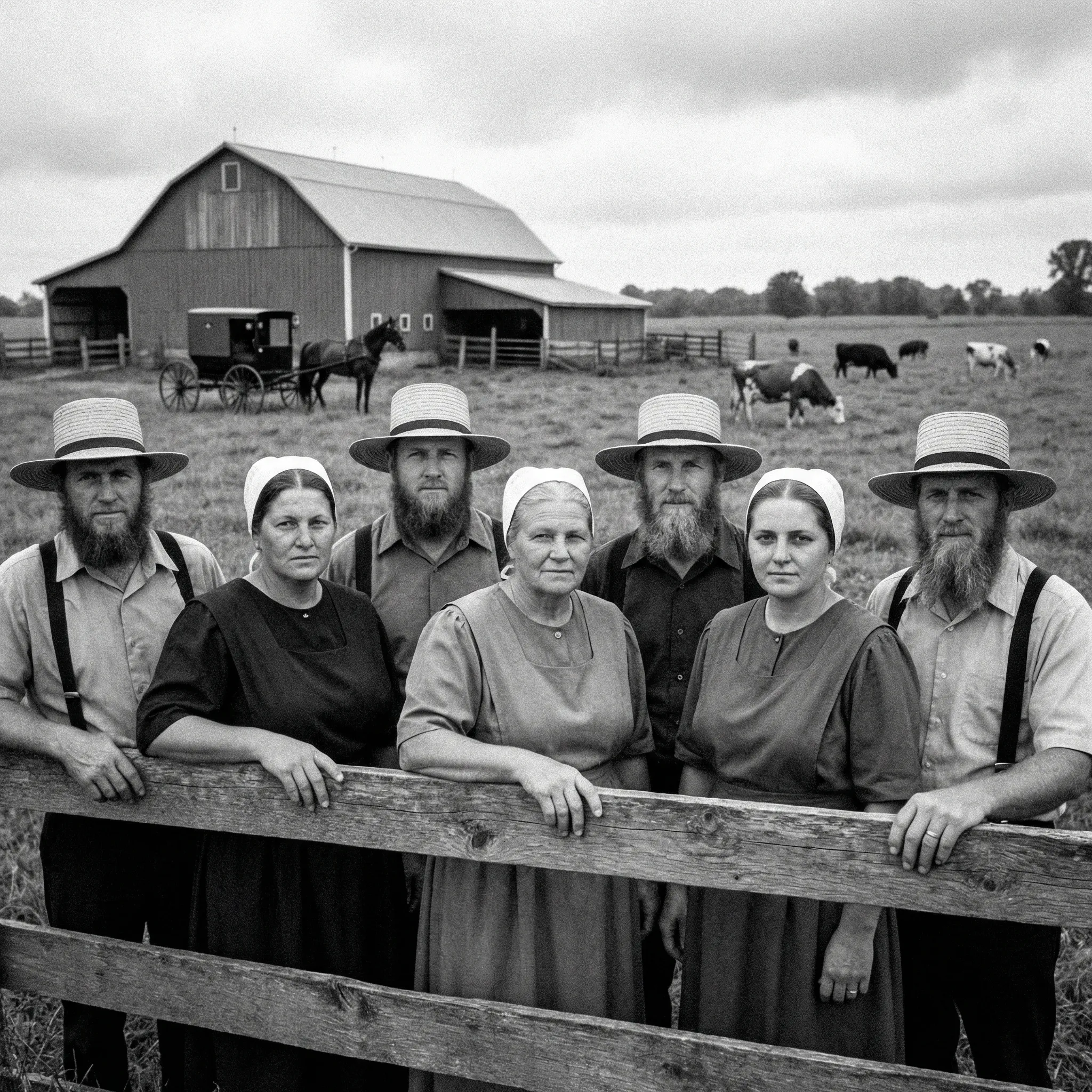
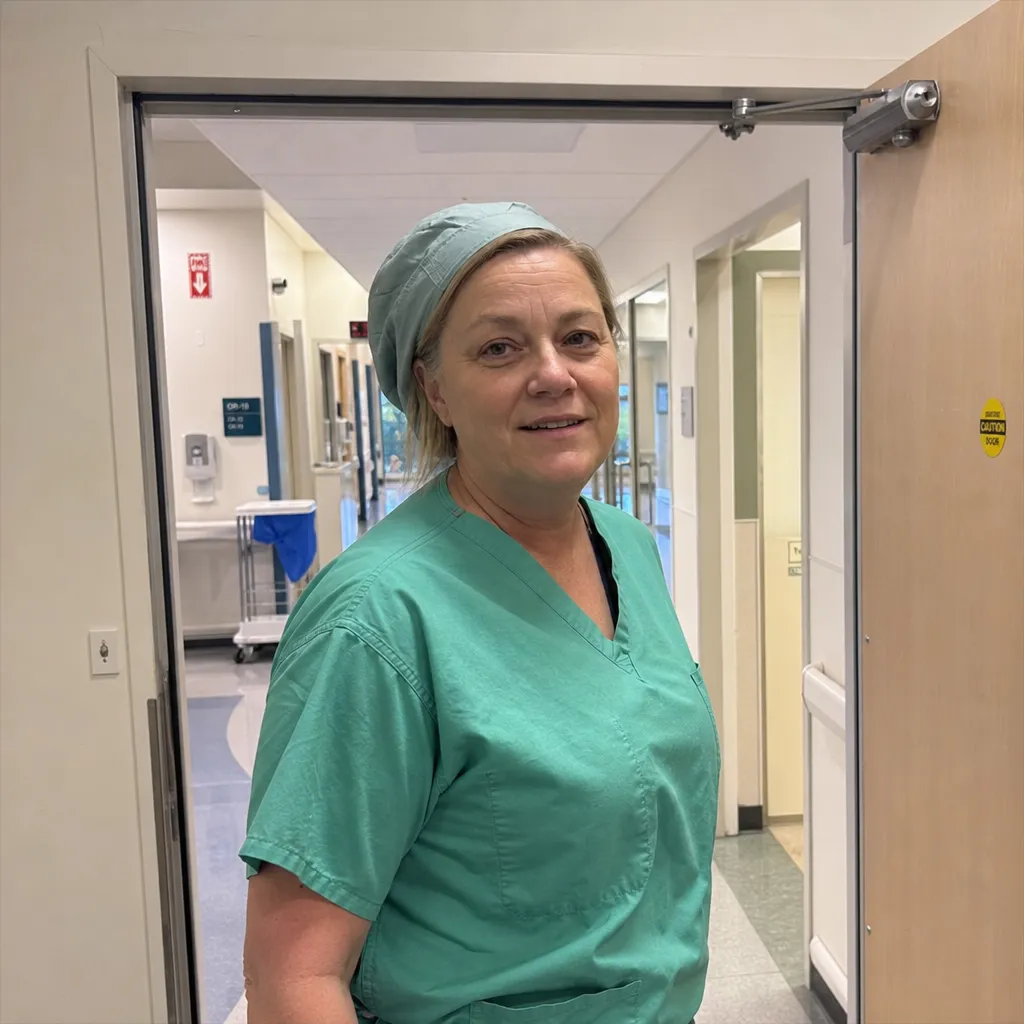
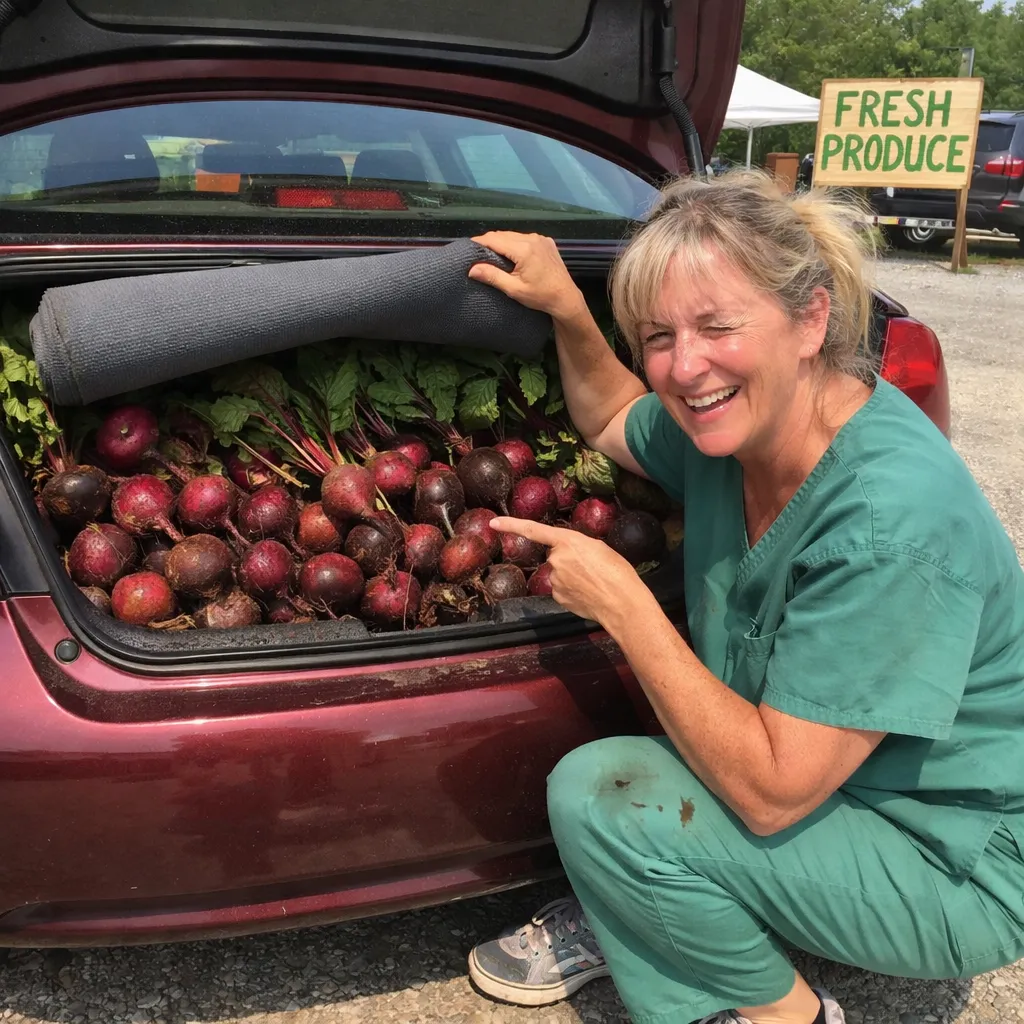
I Refused Atorvastatin for 3 Years. Here's What Happened to My Cholesterol. I've been a nurse for 38 years, and high cholesterol is one of the hardest things I watch patients struggle with. Not because the numbers are scary. Because the medication is. The one that haunted me most was Eleanor. She was 67. LDL of 94 on Lipitor for eleven years. "Perfect," her doctor had written in her chart. Perfect. She was buying grapefruit in aisle 4 at Giant when it happened. Widowmaker. She was gone before the paramedics got there. I was the one who called her daughter. That was four years ago. After that call, I started paying attention differently. Not to the numbers. To what was happening to the people next to the numbers. About three years ago, it happened to me. My own LDL started climbing. 167. Then 176. Then 184. All those years of 12-hour shifts and eating whatever was in the break room finally caught up with me. My doctor offered me Atorvastatin. Ten milligrams daily. "It's the gold standard," he said. "The benefits outweigh the risks." I smiled politely and said I'd think about it. But I knew I wasn't going to take it. I'd watched too many of my patients on that drug. Not just Eleanor. Richard was a carpenter. 41 years. Built his own house, built his daughter's house, built a deck on his son's house every other summer. By year four on Atorvastatin, he couldn't grip a hammer. His son finished the last deck. Richard sat in a lawn chair and pointed. Miriam played piano at her church every Sunday for 30 years. Her hands locked up by month eighteen on Crestor. She stopped going. Told me once, very quietly, that she'd been the organist since she was 22. She wasn't anymore. When I asked Richard's doctor about the grip, he said, "Muscle aches are common. Try some CoQ10." When I asked Miriam's doctor about her hands, he said, "She's just getting older." I've heard that second line more times than I can count. "He's just getting older." "She's just getting older." It's the thing they say when they don't want to say what the drug is doing. So when Dr. Patel said "the benefits outweigh the risks," I knew exactly what he meant. The benefit is a number on a piece of paper. The risks are a carpenter who can't grip a hammer and a pianist who can't play hymns. I wasn't trading one for the other. So I just dealt with it. Red yeast rice. Psyllium twice a day. Metamucil in the morning. Fish oil. Plant sterols. Cut the butter. Cut the cheese. Ate oatmeal until I couldn't stand oatmeal anymore. My LDL came down to 178. Then crept back up to 183. Three years of that. And every time I drew a patient's blood, I thought about Eleanor in aisle 4. Then about two months ago, one of my regular patients came in. Margaret. 71. I'd been drawing her blood for her cholesterol checks twice a year for twelve years. Stubborn LDL — 190s, 200s, never under 180 the whole time I'd known her. Nothing worked for her either. She'd tried everything I'd tried, plus a few things I hadn't. But this time she seemed different. Lighter somehow. Sitting up straighter. I asked her how she was doing. She said something I didn't expect. She said her LDL had dropped 64 points in ten weeks. Without a statin. She'd found beetroot capsules. Amish-grown ones. Been taking one a day with her coffee. And for the first time in twelve years, her doctor had told her she didn't need to start a medication. I'll be honest, I was skeptical. I've heard every miracle-cure story you can imagine in 38 years. Shark cartilage. Colloidal silver. You name it. But Margaret is not a miracle-cure person. Margaret is a retired bookkeeper who eats the same breakfast every day and irons her sheets. When Margaret tells me something, it's because she checked it twice. That night I couldn't sleep. My LDL was 184. Dr. Patel had asked me again at my last appointment. "Sandra, it's been three years. Please." So at 2 in the morning I got up and opened my laptop. I typed: "why don't Amish people die from heart attacks." What came back stopped me. A Penn State study. Lancaster County, Pennsylvania. Cardiovascular death rate among the Amish — 74% lower than the rest of the state. Not 10%. Not 30%. Seventy-four percent. I read it three times. Then I went deeper. And what I found rearranged 38 years of what I thought I knew. It turns out regular LDL isn't what causes heart attacks. Oxidized LDL is. Regular LDL is a delivery truck. It carries cholesterol to the cells that need it — cell membranes, hormones, vitamin D. Essential work. The body makes it on purpose. But free radicals — molecules produced by inflammation, pollution, stress, a bad night's sleep — attack LDL particles on the road. They oxidize them. Oxidized LDL is what embeds in arterial walls. Oxidized LDL is what triggers the immune response. Oxidized LDL is what becomes foam cells that become plaque that becomes the rupture. Atorvastatin blocks the liver from making LDL. The number on the lab report goes down. The doctor nods. But Atorvastatin does nothing — nothing — about oxidation. That's why Eleanor died with an LDL of 94. Her cholesterol number was the cover of the book. Nobody ever read what was inside. I sat there at the kitchen table and the hair on my arms came up. Then I kept reading. The Amish in Lancaster County grow a particular kind of beet. An heirloom seed line they call Blutwurzel. Blood root. Six generations on the same fields. They never participated in the sugar-selection breeding that turned the modern beet into candy. Their beets have ten times the betalain concentration of what you buy at the grocery store. Betalains are the compound that gives real beets their deep purple-red color. They're also one of the most powerful antioxidant classes in the food supply. They neutralize the exact free radicals that oxidize LDL. They don't lower the number. They protect the number that's there from turning into the thing that kills you. And the muscle weakness, the grip failure, the brain fog I'd watched my patients go through for years? Statins block the HMG-CoA reductase pathway in the liver. That same pathway produces CoQ10 — the molecule mitochondria use to power every cell in the body. Statins reduce CoQ10 production by up to 40%. Richard couldn't grip a hammer because his muscle cells weren't making energy anymore. Miriam's hands locked up because her finger muscles couldn't contract properly. It wasn't aging. It never was. I ordered beetroot capsules the next morning. The first bottle I bought was a cheap brand off Amazon. 200 mg, spray-dried. I took it every day for two weeks. My LDL came back at 178. Down from 184. Better. But not life-changing. I was frustrated. Margaret had dropped 64 points. I'd dropped 6. So I went back and started reading more carefully. That's when I saw it. Most beetroot supplements you can buy online are red dust. Modern beets have been bred for sugar content for over a century. Bright red on the outside, hollow on the inside. Some of them are 10% sugar. Nobody was measuring betalains — they were measuring shelf life and color uniformity. The beet that used to be medicine became candy. Then the companies take that candy beet, spray-dry it with high heat (heat destroys betalains), press it into capsules, and sell it on Amazon for $14.99. Every beetroot supplement I'd ever tried felt like nothing because it was nothing. The beetroot that actually works has to be: Heirloom seed line (not modern sugar-bred) Grown in living soil, harvested after first frost (when the plant pulls its concentrate into the root) Shade-dried (not high-heat spray-dried — heat destroys the active compound) Standardized to clinical betalain levels Third-party tested with a certificate of analysis you can actually read I kept seeing one brand in the reviews and the forums. Rosabella. Grown by an Amish community in Lancaster County. Samuel — the farmer who runs the operation — is 79. Six generations on the same land. His grandfather called the beets Blutwurzel, and that's still what's on the bag. 1,300 milligrams per capsule. Shade-dried. COA on their site. I ordered it. It was more expensive than the Amazon bottle. At that point I didn't care. When it arrived, I could tell it was different before I opened the bottle. The capsules were a deep, almost-purple red. Not the rust-orange of the cheap ones. I put the bottle on my kitchen counter and set one capsule on the saucer next to my coffee mug. Took it with my first sip. About seventeen minutes later, I noticed something. A lift in my head. Quiet under my chest. Like someone wiped a windshield I didn't know was dirty. I stood up and walked into the living room. I wasn't tired. I hadn't been not-tired at 6:30 in the morning in maybe four years. I checked my watch. Seventeen minutes. I wrote it down. By the end of the first week I drew my own blood at work and ran it. LDL 176. Down 8 points from 184 in seven days. I checked it twice because I didn't believe it. Week three: 168. Week ten I went in to see Dr. Patel. I handed him the bloodwork. He looked at it. Refreshed the screen. Looked again. Total cholesterol 204, down from 211. LDL 118, down from 184. HDL up 19 points — the protective cholesterol the statin had never moved in any of my patients. Triglycerides from 198 to 124. He didn't say anything for a full minute. Then he looked up at me. "Sandra. What are you doing." I told him. The beetroot. The heirloom seeds. The shade-drying. Samuel in Lancaster County. He didn't roll his eyes. He didn't say "placebo." He was quiet. Then he said, "I want to order one more test. Oxidized LDL. It's not something we usually run." I'd read about oxidized LDL testing in a journal years ago. I'd just never seen one of our doctors order it. I said, "Let's run it." Three days later he called me. "Based on your starting LDL of 184 and eleven years of borderline numbers, your oxidized LDL would typically come back somewhere around 68 to 75 U/L. Yours is 42." He said it twice. Then he said something he had not said to me in 22 years of watching my cholesterol creep up and trying to get me on that drug: "Sandra. I'm not going to put you on the Atorvastatin. Whatever you're doing, keep doing it." I walked out to my car and I sat there for probably ten minutes before I turned the key. It's been three months now. Last Tuesday I worked a 12-hour double shift at the hospital. Came home, ate dinner, walked three miles with my grandson around Lititz Reservoir. Didn't sit down until nine. I haven't done that since I was 49. Last Sunday my husband looked up from the newspaper and said, "You're humming again. You haven't hummed in maybe five years." I hadn't even noticed I was doing it. And last month I got a phone call. It was Eleanor's daughter — the one I'd called from aisle 4, four years ago. I'd sent her a bottle of Rosabella the previous month because her own LDL was climbing and her doctor had just mentioned Lipitor. She told me she'd been on it for six weeks. Her LDL had dropped 31 points. Then she said something I haven't stopped thinking about. "You found another way. My mom would have wanted this." I've told seven of my patients about Rosabella specifically. Not the Amazon red-dust version. The heirloom, shade-dried, Lancaster County one. Five have come back already. Margaret dropped another 11 points. A man named Carl, 64, whose wife had been begging him to stop his Lipitor — he's off it now, LDL at 134, first time under 150 in nine years. A woman named Doreen, 68, whose husband told me last week she's "back to being herself." Here's what I know now that I wish I'd known four years ago. The body already has the tool. Real beets — the kind the Amish in Lancaster County have been growing the same way for six generations — carry the antioxidant that neutralizes the exact free radical that turns regular LDL into the killer version. You don't have to block your liver. You don't have to drain your CoQ10. You don't have to trade a carpenter's grip for a number on a piece of paper. Carl got his grip back. Doreen is humming in her kitchen. Margaret's LDL is lower than it's been since her 50s. None of them are on a statin. All of them are sleeping through the night. This is what I'd have given to give Eleanor four years ago. I'd have driven it to her house. I'd have set the bottle next to her coffee mug myself. I can't do that. But her daughter is on it now. Margaret is on it now. Carl and Doreen and four more people I love are on it now. And the door is open. It wasn't four years ago. It is now. If you're on Atorvastatin, Lipitor, Crestor, or rosuvastatin — or if your doctor just offered you one and you're sitting on the fence the way I was for three years — I'd take the beetroot first. You'll know inside of 17 minutes whether it's going to work for you. The first morning. That lift in the head, quiet under the chest. You'll feel it before your bloodwork confirms it ten weeks later. It's one capsule. It's once a day. It's on the saucer next to your coffee. That's the whole protocol. Try it. See what happens. If I'm wrong, you get your money back. If I'm right — and after 38 years as a nurse, and 13 weeks of my own numbers, and Eleanor's daughter calling me last month, I know I'm right — you get your life back. ~ Sandra K. P.S. — A few things I wish I'd known before I ordered. Rosabella has a 90-day money-back guarantee. Every penny back, no questions asked. Pharmacies don't do that with statins. If it doesn't work for you, you're not out anything but time. And you'll know whether it's working in 17 minutes the first morning you take it. That lift in the head, quiet under the chest. You'll know. P.P.S. — Here's what my numbers did, for anyone who wants the diary version. Week 1: LDL 184 → 176. Week 3: 168. Week 10: 118. HDL up 19 points. Triglycerides down from 198 to 124. Oxidized LDL 42 U/L — should have been 68 to 75. No muscle pain. No brain fog. No dropped tools. Just my numbers getting better and me getting myself back. P.P.P.S. — Seven patients, five reported back already. Margaret 64 points down. Carl off Lipitor at LDL 134. Doreen's husband says she's "back to herself." I'll update this if the other two check in. P.P.P.P.S. — I keep two bottles in the house now. Rosabella is a small company. Samuel's community grows the beets, and they harvest once a year after the first frost. They can't rush it. The last time I ordered, it took 11 days to arrive — they were out of the current harvest and waiting on bottling. If you're going to try it, I'd grab it while it's in stock. They're running a buy-3-get-2-free right now, which is how I stock up. I went 38 years as a nurse without recommending a supplement to anyone. This is the one. ~ SK https://tryrosabella.com/products/rosabella-organic-beetroot-capsules-bogo-a?variant=48358828802303
More from The Heart Health Project
Support stamina and heart health everyday
The Heart Health Project
Support stamina and heart health every day
The Heart Health Project
Support stamina and heart health everyday
The Heart Health Project

Support stamina and heart health everyday
The Heart Health Project
Support stamina and heart health every day
The Heart Health Project
Support stamina and heart health every day
The Heart Health Project

The 1998 Nobel Prize Discovery That Pfizer Tried to Bury
The Heart Health Project
Support stamina and heart health every day
The Heart Health Project

Support stamina and heart health every day
The Heart Health Project
Support stamina and heart health every day
The Heart Health Project
Support stamina and heart health every day
The Heart Health Project
Support stamina and heart health every day
The Heart Health Project

 Add to Chrome