Support stamina and heart health everyday
Ad Copy
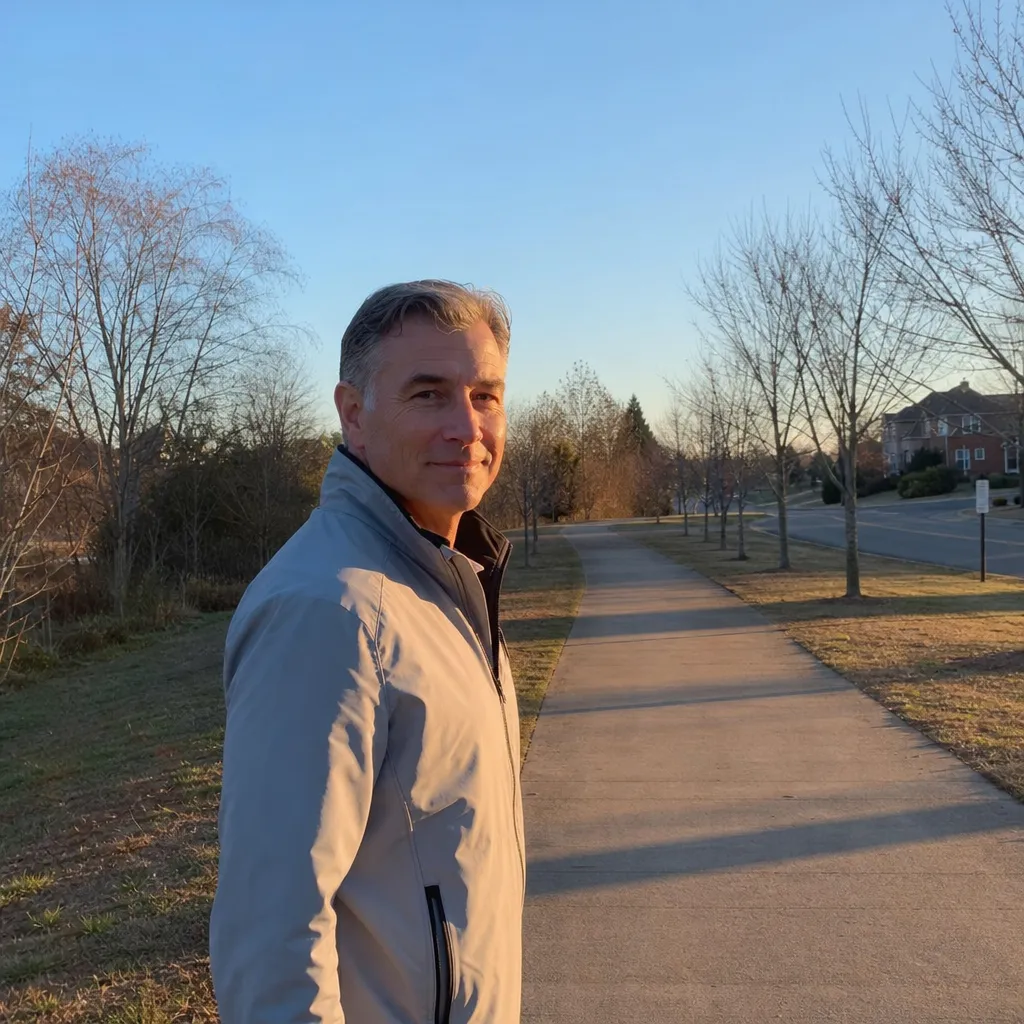
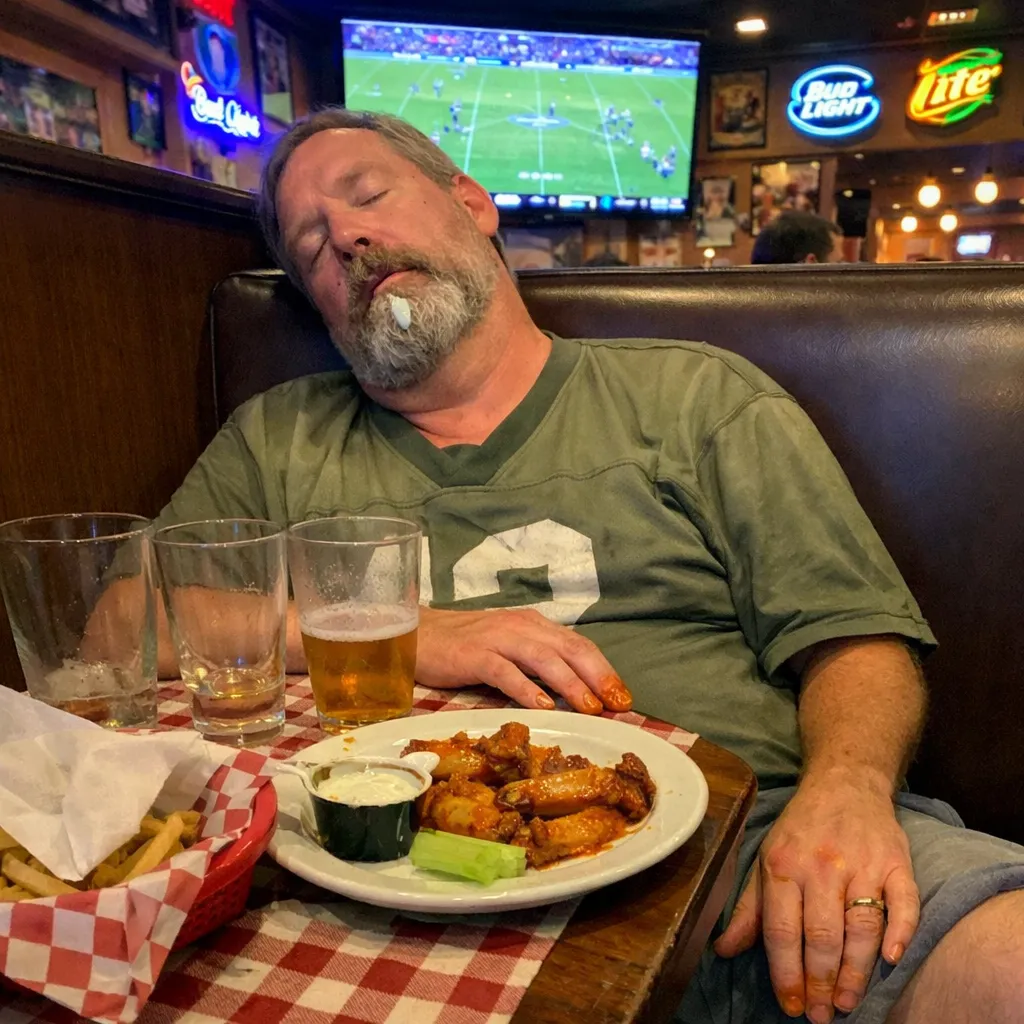
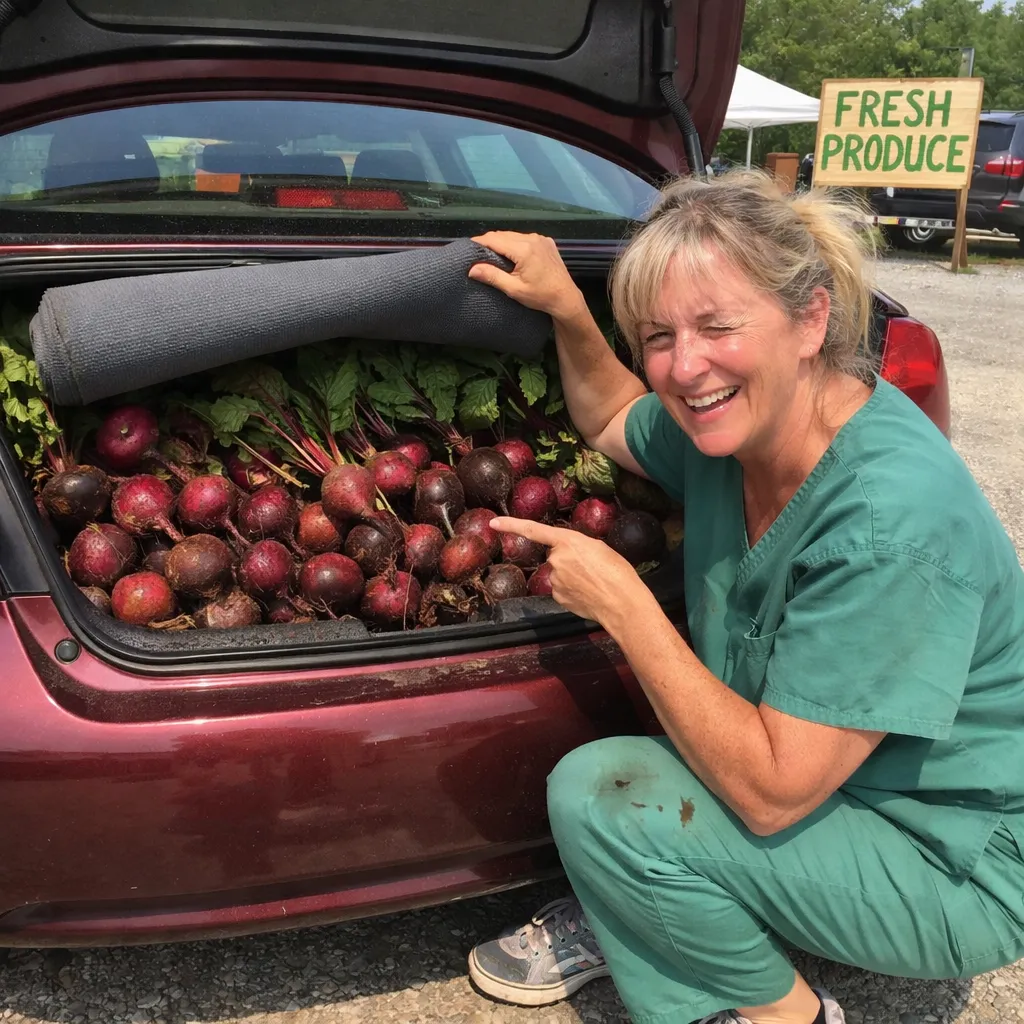
My husband's best friend dropped dead at his own mailbox on an ordinary Tuesday afternoon. The autopsy came back with three words I haven't been able to stop hearing since: no significant findings. A healthy fifty-nine-year-old heart that just stopped. I want to tell you about that Tuesday. But first I have to tell you about Chuck, because if you don't know who he was, the three words won't land on you the way they landed on me. My name is Glenda. I'm sixty-two. I taught second grade at the same elementary school for thirty-eight years, and I loved almost every single day of it. You learn things teaching second grade for that long. You learn to read a child before they say a word. You can tell who slept and who didn't. You can tell whose parents fought that morning. A kid will walk in the door and not say a thing, and you'll know. I think that's why I noticed. I'll get to that. Hold it for me. Chuck was my husband's best friend for forty years. His wife Carol is the closest friend I've ever had. The four of us — me and Hal, Chuck and Carol — we were a unit. Forty years. We played cards every Friday night. We rotated houses. Chuck cheated at pinochle and never once admitted it, and the joy of the whole game was catching him. We took our campers to the same lake every August and parked them side by side on the same gravel pad. Spot 14 and spot 15. We argued over whose turn it was to buy the ice. We knew each other so well the four of us finished each other's stories. Hal would start one and Chuck would land the ending. Carol would correct them both on the date. I'd correct her on the weather. You spend forty years with people and they stop being your friends. They become the walls of your life. You don't think about a wall. You just live inside it. Chuck was a big man. Loud laugh. He fixed everyone's lawn mower on the street for free. He kept a roll of quarters in his truck for the kids who sold lemonade. He was the healthiest one of all of us, if I'm honest. He walked three miles every morning before the sun. He hadn't had a cigarette since 1991. His doctor loved him. I need you to hold that too. His doctor loved him. Now the Tuesday. It was the second Tuesday in March. A gray, plain afternoon. Nothing about it was special, which is the part I can't get over. Carol was at the kitchen sink. She told me this later, and I've heard her tell it so many times now I can see it like I was standing in the room. She was rinsing a coffee cup. Chuck said he was going down for the mail. He said it the way he'd said it ten thousand times. The screen door clapped behind him and he never pulled it the rest of the way shut. She heard the door. Then she didn't hear anything. And the not-hearing is what made her look up. He was down at the end of the drive by the mailbox. Just down. Not clutching his chest. Not calling out. He hadn't even put a hand out to catch himself. He was a strong man one second and he was on the asphalt the next, and there was nothing in between. No warning. No sign. Nothing. Carol ran. She did everything right. She knew CPR — she'd taken the class at the church two years back, the both of them had, and they'd laughed about being the oldest ones there. She did it right there on the driveway in her house slippers until the ambulance came. The ambulance came. And when they got out, they didn't run. I will never forget her telling me that. They didn't run. They walked. They already knew. My phone rang at 4:12 that afternoon. I know because I looked at it later, the way you look at things later, trying to find the seam where your old life ended. It was Carol's number. But it wasn't Carol. It was a neighbor, because Carol couldn't make her mouth work. I was the one who answered. I was the one who had to call Hal at the hardware store and say the words out loud, and I couldn't, and then I did. The casserole dishes started the next morning. You know the ones. The whole street brings food when somebody dies, because nobody knows what else to do with their hands. By Thursday Carol's counter was a wall of foil pans and not one of them got opened. We threw most of it out. Grief doesn't make you hungry. It makes you tired in a way sleep can't touch. That's the Tuesday. A man walked down his own driveway for the mail and he did not walk back. Fifty-nine years old. The funeral was the following Monday. I'm not going to take you all the way through it. You've been to one. The too-warm room. The flowers that smell like a hospital. Carol in the front row holding the program in two hands like it might blow away. But I'll tell you one thing from the church, because it matters later. The pastor said Chuck took care of his body like it was a borrowed truck he meant to return in good shape. People laughed, the wet kind of laugh. It was true. Chuck did everything right. And everyone in that room was thinking the same thing nobody would say. If it could happen to Chuck — the walker, the healthy one, the one whose doctor loved him — then what was the point of any of it? What were the rest of us even doing? I sat there next to Hal and I held his hand and I felt how warm it was and I had a thought I pushed down so hard it took me weeks to dig it back up. Then came the report. It was about two weeks after the funeral. I was at Carol's kitchen table. We were doing the thing you do — the cards, the casseroles, the thank-you notes nobody has the heart to write. And out of nowhere she got up, went to the drawer by the phone, and put a stack of papers down in front of me. "I can't make sense of this," she said. "You're smart. Tell me what this means." It was the autopsy. The coroner's report. Carol had asked for it because she needed a reason. When a man drops at his own mailbox with no warning, you need a reason. You'd tear the world apart looking for one. I read it slow. There were a lot of words I didn't know. But I understood enough. His heart was clean. The report said it right there. The arteries were open. Not blocked. Not narrowed. There was no clot they could find. There was no rupture. There was nothing wrong with the muscle. There was, in the language of the report, no significant findings. I read those three words and I went cold. A man's heart had stopped, and the most careful examination they could do found nothing to blame. Nothing. The heart was, on paper, the heart of a healthy man. Carol was watching my face. "He was perfect," she said. And her voice did something I'd never heard it do. "Three weeks before. We went to the cardiologist for his checkup. The doctor shook his hand. He used the word textbook. He said Chuck had the heart of a man twenty years younger. Three weeks, Glenda." She wasn't crying. She was past crying. She was somewhere colder. "They told him he was perfect," she said. "He was perfect. He did everything they told him. He was perfect and he's in the ground." I didn't have anything to say to that. There wasn't anything. I just held her hand across the table the way I'd held Hal's in the church, and I felt how cold hers was, and I thought again about that warm hand at the funeral, and I pushed it down again. No significant findings. A healthy fifty-nine-year-old heart that just stopped. The weeks after a death are their own country. You live there for a while. I went to Carol's most days. There's a kind of work that comes after, and it's brutal in a quiet way. It's the closet. It's the side of the bed. It's the second toothbrush in the cup in the bathroom that nobody can be the one to throw away. We did it slow. We did the easy things first and left the hard things for a day with more sun in it. There was a flannel shirt of Chuck's, soft from a hundred washes, that Carol held to her face and then folded back into the drawer and shut. We didn't talk about that one. Some things aren't ready. And here is where I have to tell you what I started noticing. Because I drove home from Carol's every one of those days. And something had woken up in me, and I couldn't put it back to sleep. I told you I notice things. Thirty-eight years of reading kids who won't say a word. You don't lose that. It just sits in you, waiting. And on those drives home, in the quiet, with the radio off because grief makes the radio feel like a stranger shouting, I started noticing my own husband. The way I used to notice a child who walked in different one morning. Hal. Sixty years old. My Hal of thirty-nine years. When had he started using both hands on his coffee mug? I couldn't tell you. Both hands now, every morning, the way you'd carry something you were afraid of dropping. I'd been handing it to him with the handle turned the right way without even thinking about it. For how long? I didn't know. When had he stopped opening the back gate? It sticks, that gate. It always has. He used to pop it with one hand, this little flick of the wrist. Now I get to it first. I do it before he can try. I do it so he doesn't have to stand there and fail at his own gate in front of me. When did that start? I couldn't say. He reads the paper in the morning and I've watched him read the same paragraph three times, because by the time he gets to the bottom he's lost the top. He'll be asleep in his chair by quarter past eight with his reading glasses still on and the same page open on his chest, un-turned, for an hour. And the words. He'll be telling a story and the word won't come. A name. The name of the lake we've gone to for thirty years. And for half a second there's a look on his face — I only catch it because I'm looking — a flash of something that is very close to fear. And I hand him the word, smooth, like it's nothing, like I just happened to say it, so neither of us has to call it what it is. I had been calling it age. The whole time. I had a hundred little names for it and every one of them was a way of not being afraid. He's getting older. It's the season. He's tired. It's just what happens. I had been doing for Hal exactly what Carol had been doing for Chuck. The quiet covering. The turned mug handle. The gate gotten to first. I had been writing my own little notes and calling them nothing. I didn't have a word for the thing I was afraid of yet. I just knew the fear had a shape now, and the shape was my husband, and I couldn't drive home anymore without seeing it. Then one afternoon I found out the fear had a name. I just didn't know it was the name yet. It was a Saturday with sun in it, finally, so Carol and I decided to do the bathroom. The medicine cabinet. One of the hard rooms. I was clearing the shelf over the sink so we could wipe it down. And I picked up a row of orange bottles. Prescription bottles. Four or five of them, lined up the way a careful man lines things up. I wasn't snooping. You just pick them up. You read the label the way you read anything in your hand. They were all the same drug. A cholesterol pill. The kind a lot of men our age take. The kind the doctor puts you on and you don't think twice about, because the doctor said so, and the number on your chart goes down, and everybody's happy. I stood there with the bottle in my hand and the floor kind of moved. Because Hal takes the same pill. Eight years. The same little pill, every morning, next to the coffee I hand him with the handle turned. "Chuck's cholesterol," I said. I don't know why I said it out loud. Carol came and stood in the doorway. "His numbers were beautiful," she said. "That was the thing the doctor always said. Beautiful numbers. Better than men half his age. Nine years on that pill and every single checkup the doctor was thrilled." She looked at the bottle in my hand. "It was supposed to be protecting his heart." It was supposed to be protecting his heart. I looked at that orange bottle and I felt the whole thing turn over in my chest like a key in a lock. Here was a man with a heart so clean the coroner couldn't find a thing wrong with it. Here was a man whose doctor used the word textbook three weeks before he died. Here was a man who did everything right. And here, on the shelf above his sink, was the pill that was supposed to be keeping him alive. And my husband took the same pill. The dead man and the man I loved had one thing in common, and it was sitting in my hand. I put the bottle down very carefully, like it might go off. I drove home that afternoon and I could not see the road. I kept seeing the driveway. Carol's driveway, the gray asphalt, the man down at the end of it by the mailbox. Except now, every time, the man on the ground had Hal's face. Hal is sixty. Chuck was fifty-nine. Hal's checkups are perfect. So were Chuck's. Hal takes the pill. So did Chuck. I got home and Hal was asleep in his chair. Quarter past eight. Glasses on. Page open. I stood in the doorway of my own living room and I looked at my husband sleeping and I was more afraid than I have ever been in my life. Because I finally understood what I'd been watching for four years. It wasn't age. I'd been telling myself a story so I wouldn't have to be this afraid. And the man who'd believed that same story, who'd done everything right, who had beautiful numbers — he was at the end of a driveway by a mailbox, and the report said no significant findings. I didn't sleep that night. I went down to the kitchen at two in the morning and I opened my laptop on the table and I started to type. I typed the thing a scared wife types. I typed: "can a person have a heart attack with perfect cholesterol." And the floor came out from under me a second time. Because the answer was yes. It happens all the time. It has a whole sad library of cases. Men with beautiful numbers, dropping dead. So I kept reading. I read until the windows went gray. And then I did it the next night, and the night after that. Four nights at that kitchen table while my husband slept upstairs. I'm going to tell you what I found, the way I understood it, because I'm not a doctor and you don't need a doctor to understand this. That's the part that made me so angry I had to stand up and walk around the kitchen. Here is the thing nobody told Carol. Here is the thing nobody told me. The number on the chart is not the danger. You've got cholesterol moving through you. LDL, they call it. Your body makes it on purpose. It's not poison. It's supposed to be there. By itself, it isn't what kills you. What kills you is when that cholesterol gets damaged. They call it oxidized. Think of it like rust, or like a cut apple going brown. When the cholesterol gets attacked and goes "brown" inside you, that's the dangerous kind. That's the kind that sticks to the walls of your arteries. That builds the stuff that breaks loose and stops a heart. It's not the cholesterol. It's the oxidized cholesterol. The damaged kind. The rusted kind. And here is the part that made me grip the edge of the table. The pill — Chuck's pill, Hal's pill — only works on the number. It tells your liver to make less. The number on the chart goes down. The doctor sees the number, and the doctor smiles, and the doctor says beautiful. But the pill does almost nothing about the oxidizing. The rusting. The actual thing that builds the plaque and stops the heart. It pushes the number down and leaves the real danger running underneath the whole time. For nine years Chuck's pill drove his number down. And the whole nine years the real damage went on underneath, quiet, unseen, while his doctor smiled at a beautiful chart. That is how a man can have a "perfect" heart on paper and be dead at his mailbox three weeks later. They were all watching the number. Nobody was watching the danger. No significant findings. Of course there weren't. They were looking at the chart. They weren't looking at the rust. I had to put my head down on the table for a minute. Carol had asked me what the report meant. I finally knew. It meant nobody had been measuring the thing that killed him. But then I found the part that explained Hal. And this is the part that broke my heart, because it explained four years of my life in one paragraph. That same pill — the way it shuts down the cholesterol in the liver — it shuts down something else at the same time, on the very same path. Something called CoQ10. I'd never heard of it either. Here's all you need to know. CoQ10 is the spark. It's what your cells use to make energy. Your heart runs on it. Your muscles need it to grip. Your brain needs it to think and to find the word for the lake. And that pill can knock your CoQ10 down by up to forty percent. Forty percent. I sat there at two in the morning and I read that and I saw my husband's whole slow fade laid out in front of me. Both hands on the coffee mug. That's the grip. That's the muscle that lost its spark. Asleep by quarter past eight. That's the energy. Gone before the night even starts. The same paragraph three times. The word for the lake that won't come. The look of fear before I hand it to him. That's the brain, dimmed, running on a battery somebody quietly drained forty percent of. That wasn't age. That was never age. I'd been watching my husband slowly lose his spark for four years and calling it the season. And it gets worse, because the whole thing is a trap that feeds itself. When your body is under that kind of stress — that rusting, oxidizing stress — it actually makes more cholesterol to try to defend itself. More stress, more cholesterol, more rust. Round and round. And the pill can't stop the spinning, because the pill only ever touched the number. Chuck's pill held his number down for nine years while the real machine kept spinning underneath. Until it stopped him at the mailbox. Hal's pill had been doing the same thing for eight. I closed the laptop that fourth night and I sat in the dark and I made a decision. I was not going to be Carol. I was not going to stand at a sink one ordinary afternoon and look up because the not-hearing made me look up. Not Hal. Not if there was a single thing I could do. So the next night I went looking for the thing I could do. And that's when I found the part about the rust, and what fights it. There's a thing called betalains. Hard word. Don't worry about the word. Here's what it is. It's the deep red. The red in a beet. That stain you get on the cutting board when you slice one — that color, that pigment, that's it. That's the betalains. And here is what they do that the pill can't. They get right inside the cholesterol. The actual particle. And they stop the rust. They neutralize the thing that does the oxidizing — before it can damage the cholesterol, before it can stick to the artery, before it can build the plaque, before it can break loose and stop a heart. The pill works on the number. The betalains work on the rust. On the cause. On the actual thing that killed my best friend's husband. I read about a study where people took betalains every day for twelve weeks, and it didn't just bring their cholesterol number down on its own — it cut the oxidized kind, the rusted kind, the kind that does the damage, by more than twenty percent. Twenty percent off the thing nobody else was even measuring. I sat there and I thought, this is it. This is the thing nobody told us. This is the thing that was missing. But then I hit the catch. There's always a catch. The beets you buy at the store won't do it. They've been bred, over years and years, to be sweet. To go in juice and in chips. We bred the candy up and we bred the medicine out. The red they've got left is a fraction of what the old beets had. Except there's one kind still grown the old way. By Amish farmers, in Lancaster County, Pennsylvania. The Amish there have some of the lowest heart attack rates in the whole country. People have studied them for years. The seed line is over a hundred and fifty years old. They call it Blutwurzel. They've saved it every fall, by hand, never crossed it with the sweet commercial beets. It has ten times the red — ten times the betalains — of a grocery store beet. And here's the last thing, and it's the thing that made me sure everyone else was getting it wrong. Heat destroys betalains. It kills the red. And almost every beet supplement on the shelf is dried with high heat — it's fast and it's cheap — which means the active part is dead before it ever gets into the capsule. Most of what's out there is red dust. Pretty, and useless. There's one small company, Rosabella, that doesn't do that. They dry it slow, in the shade, at low heat, so the red stays alive. Thirteen hundred milligrams in every capsule, the real thing, still working. I ordered two bottles that night at two in the morning. One for Hal. And one I was going to put in Carol's hands. The bottles came on a Wednesday. Sixty capsules each. Two a day. I sat at my kitchen table and counted them like a woman who needed to be sure of something. The next morning I set two capsules and a glass of water down next to Hal's coffee. The coffee with the handle turned the right way. He looked at them. He looked at me. "What's this?" "Beetroot. From a little farm in Pennsylvania. I want you to take them. For me." He looked at the two little capsules for a long moment. Forty years of marriage is in a moment like that. "Just for me," I said. He took them. And here's the thing I didn't expect. I'd read that some people feel something the first time. I didn't believe it. I thought it was the kind of thing they say to sell you the bottle. About twenty minutes later Hal was sitting at the table and something crossed his face. I was watching, because I am always watching now. It was like a window I didn't know was dirty had just been wiped. A little warmth came up in him. He sat up straighter. He looked at me and he said, "Huh." Just that. "Huh." Like he'd noticed something and didn't have the word for it. I had to turn around to the sink so he wouldn't see my face. That first morning wasn't the real work. The real work takes weeks, I knew that. But it was the first signal. The first sign that something different was finally happening in my husband's body. The red, reaching the places nobody had been protecting. Day five, I found him at the kitchen table with the newspaper folded back to the crossword. He used to do it every morning. He'd quit a couple years back — I'd told myself he just got bored of it. He had a pen in his hand and four of the answers filled in. He looked up and said, "What's a six-letter word for stubborn." I told him I'd married one. He laughed and wrote it in, and I went out to the porch so he couldn't see me. Week two. I was carrying the laundry basket up the stairs and he took it off me at the landing. Just took it, one hand under it, the way you'd take it from a child you didn't want straining. He carried it the rest of the way up and set it on the bed. I stood at the bottom of the stairs and made myself breathe. I'd been carrying that basket up alone for longer than I'd let myself count. Week four. I came home from Carol's and Hal was carrying the ladder around from the side of the house with one arm, going to clean the gutters, and he didn't see me park. I sat in the car in my own driveway and watched my husband carry a ladder, and I cried, the good kind, the kind that doesn't make you tired. Week six. He went out the back to the garden and I heard the gate. The sticky gate. He popped it with one hand, that little flick of the wrist, the way he used to. He didn't notice he'd done it. I noticed. I noticed so hard I had to sit down. And the words came back. He told a whole story at dinner one night, start to finish, and got to the name of the lake all on his own, easy, like it had never left. I went to Carol's that second Saturday after Hal started. I brought the other bottle and I brought a folder. I'd printed out everything I'd found, at the library, so I wouldn't get a single thing wrong. I sat at her kitchen table — the same table where she'd put the autopsy in front of me — and I put the bottle and the folder down between us. "Carol. I need to tell you what I found." She read the whole folder. It took her the better part of an hour, and she didn't say one word the whole time. I just sat with her. When she finished she squared the pages up and set them down and looked at the bottle. "Why didn't his doctor tell us any of this," she said. I didn't have an answer for that. I still don't. She picked up the bottle and turned it over in her hands. "Chuck was always trying things," she said. "He was always reading. He took the fish oil. He took the garlic pills. He took the red yeast rice for a while. He'd take a thing for a month and quit it when nothing changed." She stopped. "He never found the right thing." She looked at the bottle a long time. "He would have wanted me to try this," she said. "He'd be mad at me if I didn't." She didn't start it for the cholesterol. Her cholesterol was fine. She started it because she'd watched her husband get measured by the wrong number his whole life, and she wanted, just once, to take care of the thing that was actually there. Hal went to his doctor about eight weeks in. I made the appointment. I wanted the number. I needed to see it on paper. He called me from the parking lot. "Well," he said. "The doctor's happy." His total cholesterol was down. His good kind was up. His triglycerides — that's another one they watch — had nearly cut in half. But here's the part I'd asked the doctor to check, the part nobody ever measures. I'd asked him to test the oxidized kind. The rusted kind. The actual danger. It was down. Way down. Lower than the doctor said he'd expected for a man Hal's age. The doctor looked at it and said he wasn't sure what Hal was doing, but it was working, and to keep doing it. "Whatever you've added," the doctor said, "keep taking it." I sat in my own kitchen with the phone against my ear and I thought about no significant findings. About the wrong number. About all the smiling doctors looking at the wrong chart. For once, somebody had looked at the right thing. And it was good news. It's June now. This morning I watched Hal walk down to our mailbox. I didn't plan to. I was at the window with my coffee and he went out the front in his work gloves to get the mail before he started on the fence, and I saw where he was walking and I couldn't move. He got the mail. He stood there a second flipping through it, the sun on him, sixty years old and squinting at a power bill. Then he walked back up the drive with his easy long stride, and he came in and dropped the mail on the table and asked me what I wanted to do this weekend. A whole walk to the mailbox and back. There and back. I had to set my cup down. Carol's been taking hers since that Saturday. She planted Chuck's tomatoes this spring — he always did the tomatoes — and she stands out there in the evening with the hose and she says it's the only time the quiet feels like company instead of a hole. Last week she finally took Chuck's soft flannel shirt out of the drawer, and she didn't put it back. She washed it and hung it in the closet where she can see it. I think about that Tuesday more than I'll ever say out loud. I think about the driveway. I think about how close I came to standing at my own sink one ordinary afternoon and looking up because of the not-hearing. I think about three words on a piece of paper that were supposed to be a comfort and were really a warning nobody read in time. Hal's next report won't be three words on a coroner's page. It'll be a living man squinting at a power bill in the sun. And then I think about you. Maybe you've got a husband whose hands don't do what they used to. Who falls asleep before the news is over. Who reads the same line twice. Who can't find the word, and gets that little flash of fear before you hand it to him so smooth that neither of you has to say it. Maybe you're the one with the perfect numbers. The beautiful chart. The doctor who's thrilled. Maybe you've been told there's nothing to worry about, and you feel worse every year anyway, and you've been telling yourself it's just age. Just the season. Just what happens. The doctor is reading the chart. You're the one watching the man. You're closer to the truth. Rosabella. Two capsules. One glass of water. The red gets inside the cholesterol and stops the rust the pill was never built to touch. The slow shade-drying keeps the red alive long enough to do its job. No spark drained out of him. No both-hands-on-the-mug. No good man fading at the edges while a chart says he's fine. A small company. Heirloom seed. Lancaster County. Hand-harvested. Shade-dried. Thirteen hundred milligrams in every capsule, the real thing, still alive. If you've been watching a good man fade and calling it age, look at the man tonight. Then do what I did. P.S. — The first dose is something. Two capsules, one glass of water. Most people feel something shift in the first twenty minutes or so. A warmth across the chest. A clearness in the head. Like someone wiped a windshield you forgot was dirty. That first dose isn't the deep work — the deep work takes weeks. It's just the first signal that something different is finally happening in there. The real red reaching your cholesterol for the first time. I watched it cross my husband's face at our own kitchen table. He didn't have a word for it. He just said "huh." I'll never forget it. P.P.S. — There's a ninety-day promise. You take it for ninety days. If you don't feel a difference in your energy, your grip, the way you move through your day — you send back the bottles and they give you every dollar back. Not just the unopened ones. The empty ones too. You have nothing to lose but the worry. P.P.P.S. — The Amish farms in Lancaster County only grow so much each harvest. You can't rush a hundred-and-fifty-year-old seed line, and you can't grow it the cheap fast way without killing the very thing that makes it work. When a harvest is gone, it's gone until next fall. The bottles do sell out. P.P.P.P.S. — Carol keeps her bottle on the windowsill over the kitchen sink. The same sink. She says she likes being able to see it from where she's standing. I keep mine by the coffee maker, next to the mug I hand Hal every morning with the handle turned the right way — though he reaches for it himself now, with one hand, and I let him. I think about Chuck every time I open the bottle. I think about the three words. And then I look across the kitchen at my husband, who is still here, and I am so glad I looked up in time.
More from The Heart Health Project
Support stamina and heart health every day
The Heart Health Project
Support stamina and heart health everyday
The Heart Health Project
Support stamina and heart health every day
The Heart Health Project
Support stamina and heart health everyday
The Heart Health Project
Support stamina and heart health every day
The Heart Health Project
Support stamina and heart health every day
The Heart Health Project

The 1998 Nobel Prize Discovery That Pfizer Tried to Bury
The Heart Health Project
Support stamina and heart health every day
The Heart Health Project
Support stamina and heart health every day
The Heart Health Project
Support stamina and heart health every day
The Heart Health Project
Support stamina and heart health every day
The Heart Health Project
Support stamina and heart health every day
The Heart Health Project

 Add to Chrome