Support stamina and heart health every day
Ad Copy
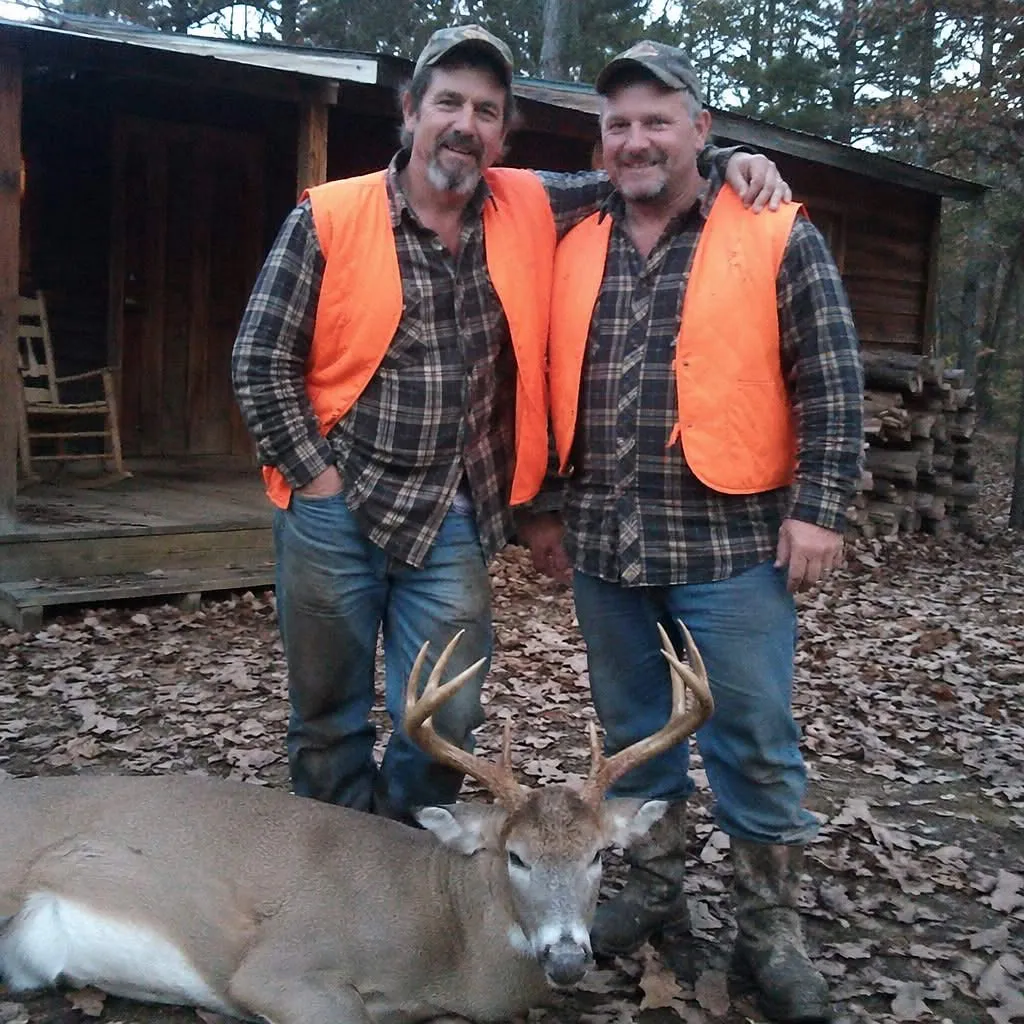
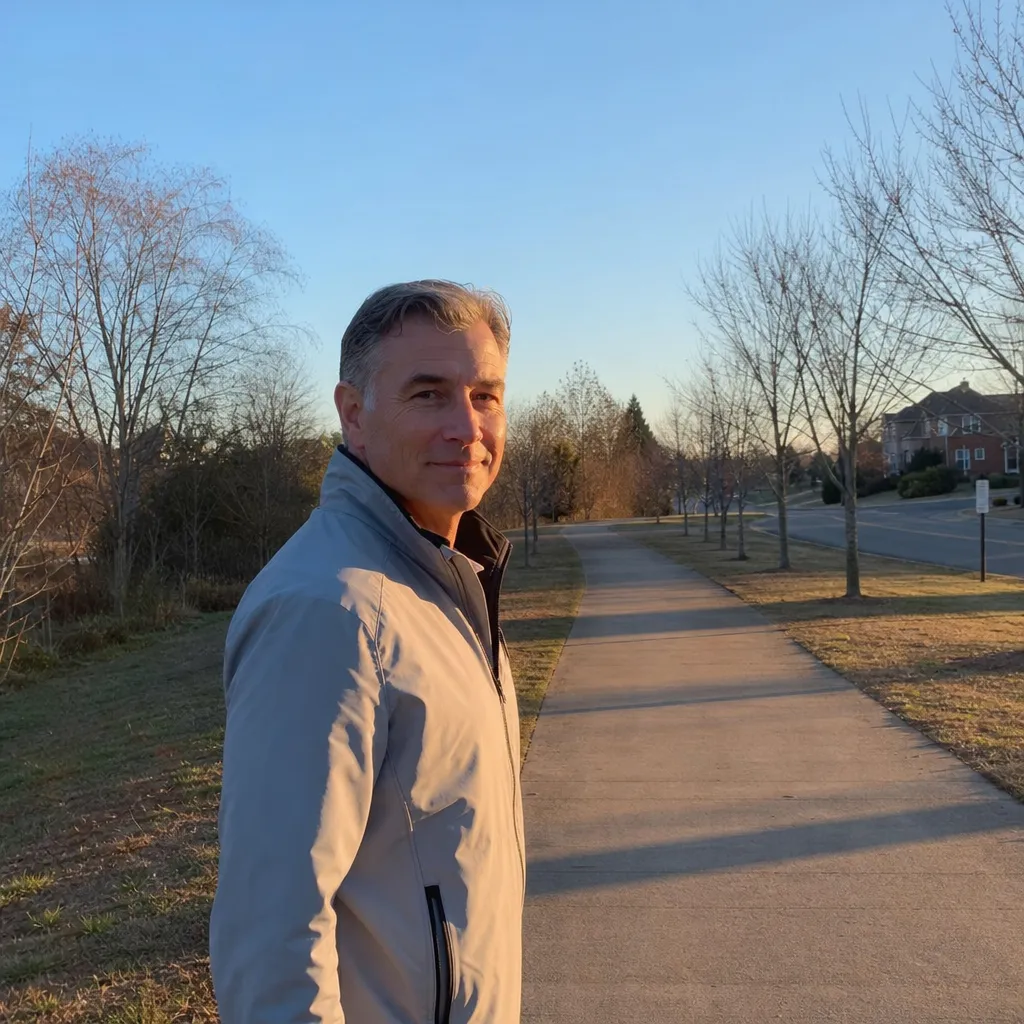
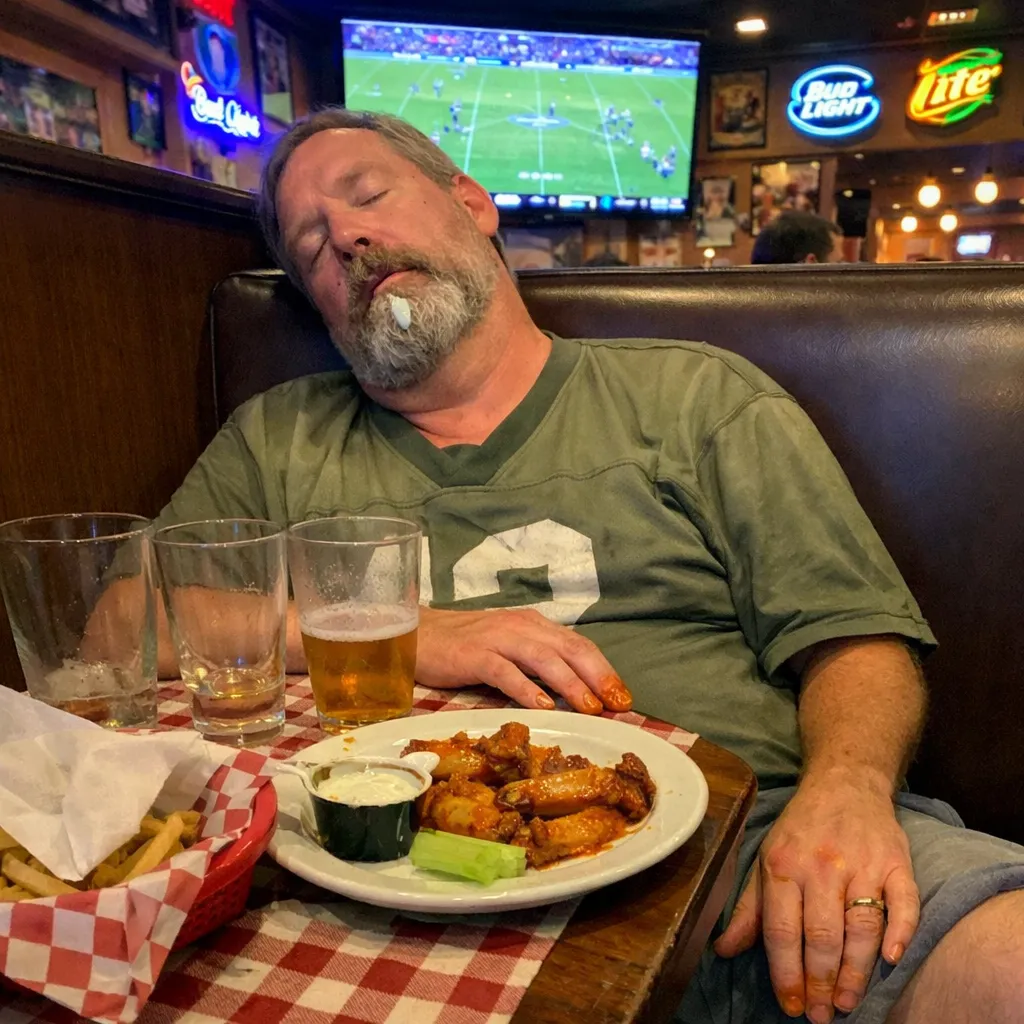
There were four of us at the cabin every November for 22 years straight. Me, Gary Linden, Dave Roush, and Charlie Kettner. Same week. Same bunks. Same thermos of Folgers at 4:30 AM. Same dirt road off Route 6 in Potter County, Pennsylvania. Now there are two of us. Gary died March 14th, 2024. Massive heart attack. Age 59. His LDL was 131 — "well-controlled," his cardiologist said. He'd been on 40mg of Lipitor since 2021. He ate grilled chicken and steamed broccoli five nights a week. He walked two miles every morning before sunrise. His numbers were "perfect." Dave died November 9th, 2024. Cardiac arrest in his sleep. Age 62. His LDL was 119 — even lower than Gary's. He'd been on 80mg of Crestor since 2019. He'd lost 34 pounds. Quit drinking. Gave up red meat entirely. His doctor called him a "model patient." Two men who did everything right. Two funerals in eight months. Two empty bunks at the cabin I can't bring myself to strip. Gary's sleeping bag is still rolled up on the top bunk where he left it November 2023. His orange vest is hanging on the nail by the door. His coffee mug — the chipped blue one with the Penn State logo — is still on the shelf above the stove. I can't move them. If I move them, he's really gone. Dave's boots are still under the bottom bunk on the left side. Size 12 Danners, caked with mud from the last morning we all hunted together. November 18th, 2023. Four of us walked out that door at 5 AM. Four of us came back with nothing but frozen fingers and a story about the ten-point buck Charlie missed. That was the last time all four of us were in the same room. I need to tell you why I'm writing this. Because this past March, I sat in my own doctor's office and heard the same words Gary and Dave heard before they died. And I made a different choice. If you're a man over 50 — or you love one — and the doctor is pushing a statin or has already put you on one, please read this whole thing. I know it's long. I know you're scrolling. I know you have things to do. Gary Linden was the toughest man I ever knew. Former Marine. Retired millwright out of the paper mill in Johnsonburg. Hands like catchers' mitts. Could field dress a whitetail in eleven minutes flat — I timed him once. He went in for routine bloodwork in February 2021. Felt fine. Looked fine. Still splitting his own firewood at 56. Still hauling his own deer out of the woods on a sled he welded himself. Doctor called two days later. LDL of 192. Total cholesterol of 271. "Gary, your LDL is dangerously high. I'm prescribing atorvastatin — 40mg, one pill every morning. And we need to talk about your diet." Gary didn't argue. That's not who he was. The doctor said take the pill, he took the pill. The doctor said cut the red meat, he cut the red meat. His wife Patty — who I've known since high school — told me later that he drove home from the pharmacy, walked into the kitchen, and threw away the pound of bacon in the fridge without saying a word. Didn't tell her why until she found the prescription bottle on the counter that night. He took that pill every morning at 6 AM for three years. Never missed a dose. Patty kept it in a weekly organizer next to the Mr. Coffee — she'd fill it every Sunday night. He quit bacon. Quit eggs. Quit the venison sausage he'd been grinding himself every December for 30 years. Quit the Friday night pizzas at Roselli's he and Patty had been getting since their kids were small. I watched him sit at the camp table in November 2021 eating a turkey sandwich on whole wheat while the rest of us ate venison steaks I'd grilled on the fire pit. He didn't complain. He just ate the sandwich and stared at the fire. November 2022, same thing. Turkey sandwich. No beer — he'd quit that too. November 2023 — the last time — he brought a cooler full of pre-made salads his wife had packed in little Tupperware containers with his name written on masking tape. Like a kid's lunchbox. He ate them without a word. I could see Dave watching him across the table. Neither of us said anything. By that last hunt, I'd started noticing things. Gary was slower on the trail. Not a little slower. A lot slower. The man who used to be fifty yards ahead of the rest of us was now fifty yards behind. He'd stop at the top of a ridge and put his hands on his knees. He'd wave us on. "Go ahead. I'll catch up." He never caught up. His hands were different too. I watched him try to work the bolt on his .30-06 one morning and his fingers wouldn't close right. He fumbled it twice. Then he saw me looking and turned away. "Cold morning," he said. It wasn't that cold. Patty told me later he'd been complaining about leg cramps at night since the spring of 2022. Deep aches in his thighs and calves that woke him up at 2 AM. He'd pace the house in the dark trying to walk them off. Doctor said it was probably from the walking. Probably age-related. Probably nothing. His follow-up labs in January 2024 came back looking "great." LDL of 131. Down from 192. His doctor was thrilled. "Whatever you're doing, keep doing it, Gary. These numbers are exactly where we want them." 131. Exactly where they wanted them. Seven weeks later he was dead. March 14th. A Thursday. 6:42 AM. Patty found him on the bathroom floor. She said his skin was the color of wet newspaper. She said his lips were already blue. The paramedics worked on him for 19 minutes in the hallway. She sat on the stairs watching. Their daughter — 34 years old, eight months pregnant with their first grandchild — drove 90 miles an hour from Erie and got there 40 minutes too late. His LDL was 131 the day he died. His statin was working perfectly. His heart stopped anyway. Dave watched Gary die and didn't change a thing about his own protocol. I don't blame him. What was he supposed to change? He was already on a stronger statin at a higher dose. His numbers were even better than Gary's — 119, down from 226. His doctor said he was doing "phenomenally well." Dave had been on 80mg of Crestor since 2019. He'd lost 34 pounds. He'd quit alcohol. He'd quit red meat two years before Gary did. He was walking four miles a day. His resting heart rate was 58. His blood pressure was 118/72. He looked healthy on paper. He looked healthy in person. But here's what I noticed at Gary's funeral: Dave was gray. Not sick-looking. Just... the color was wrong. Like someone had turned down the saturation. His skin looked like it hadn't seen blood in a while. He got winded walking from the parking lot to the church. Three hundred yards. He was breathing through his mouth by the time he sat down. After the service he told me his hands had been going numb at night. Both hands. He'd wake up and have to shake them for five minutes before they'd work again. "Doctor says it's carpal tunnel. From the desk work." Dave hadn't worked at a desk in six years. Eight months later — November 9th, 2024 — his wife Connie woke up at 5 AM and he was cold next to her. Cardiac arrest. In his sleep. No warning. No chest pain. No 911 call. Just gone. LDL at his last checkup six weeks before: 119. Model patient. Perfect numbers. Five years on the strongest statin his doctor could prescribe. Dead at 62. Connie called me that morning. I was in my garage sharpening broadhead arrows for the season. "Steve, Dave's gone." I sat down on the concrete floor and stayed there for an hour. Two men. Same hunting group. Same doctor's orders. Same pills. Same diet changes. Same "good numbers." Same result. Here's where I come in. March 19th, 2025. Three days after what would have been Gary's 60th birthday. I went in for my annual physical. I'm 58. I felt fine. My back hurt from splitting wood but that's been true since I was 40. I figured I'd be in and out. Bloodwork came back two days later. LDL: 189. Total cholesterol: 267. My doctor — the same practice Gary went to, different physician — pulled up the results on his screen and said the words I'd been dreading for two years: "Steve, your LDL is significantly elevated. I'm going to prescribe atorvastatin, 40mg —" "No." He looked up from his screen. "No?" "I'm not taking it." He set his pen down. Gave me the look doctors give you when you're being difficult. "Steve, I understand there's hesitation sometimes, but the data on statins —" "I watched two men take that pill and die." He was quiet. "Gary Linden. March of last year. LDL of 131 on Lipitor. Dead. Dave Roush. November. LDL of 119 on Crestor. Dead. Both of them did everything you guys told them and neither of them made it to 63." He leaned back in his chair. "Steve, those are individual cases. The clinical data shows —" "The clinical data didn't bury my friends. I did." I stood up. He told me I was making a mistake. He told me I was putting myself at risk. He told me he wanted it noted in my chart that I'd refused treatment against medical advice. "Note whatever you want. I'm not swallowing that pill." I walked out to my truck and sat in the parking lot for twenty minutes with the engine off. My hands were shaking. Because here's the thing — I wasn't brave. I was terrified. My LDL was 189. Higher than Gary's was when he started. I had every reason to be scared. But I'd watched two men do everything right and die anyway. And I couldn't make myself walk the same road they walked into a dead end. So I decided to find out what actually killed them. I started reading that night. Not the WebMD stuff. The actual papers. PubMed. Cardiology journals. I'd sit at my desk in the basement until 1 AM with a pot of coffee and a legal pad, reading studies I barely understood and writing down the parts that made sense. It took me three weeks to find the pattern. Everybody watches one number. LDL. That's the whole game. Get it down. Get it down far enough, check the box, you're "protected." Gary got his down to 131. Protected. Dave got his down to 119. Protected. Both dead. The number came down. Their hearts stopped anyway. Why? Because the number was never what killed them. Here's what I found in a paper out of the University of Tokyo, then again in a German study from Heidelberg, then again in a review from the American Journal of Cardiology: Cholesterol isn't poison. Your liver makes it on purpose. Your brain runs on it. Every cell membrane in your body is built from it. You'd be dead in a week without it. It only becomes dangerous when it gets damaged. Oxidized. You ever leave a piece of steel out in the rain? Comes back orange. Rusted. The iron reacted with the oxygen in the water. Same thing happens to the cholesterol in your blood — free radicals attack it, it oxidizes, and the rancid version turns sticky. That oxidized LDL works its way into the artery wall and packs in. Year after year. Layer after layer. Building up into hard deposits — plaque. Then one day, a piece of that plaque cracks open. Your blood hits the exposed core and forms a clot. The clot seals the artery shut. And the other end of that artery stops getting blood. That's the heart attack. Not because the LDL number was too high. Because the oxidized LDL was burrowing into the walls for years and nobody was looking at it. Gary's doctor watched his LDL number go from 192 to 131 and called it a victory. The oxidation — the rust — was eating through his artery walls the entire time. The statin couldn't touch it. It was never built to. I read that paragraph three times. I put the coffee down. I stared at the wall of my basement for ten minutes. Then I read the part that made me sick. The way a statin drives LDL down is it blocks an enzyme in your liver called HMG-CoA reductase. That enzyme is what your body uses to manufacture cholesterol. But that's not ALL it manufactures. The same pathway — the same enzyme, the same switch — also produces something called Coenzyme Q10. Also called CoQ10. CoQ10 is the spark plug of every cell in your body. It's what your mitochondria use to convert fuel into energy. Without it, muscles don't fire. Including the heart muscle. Especially the heart muscle. When you block HMG-CoA reductase with a statin, you drive down LDL production. But you also drive down CoQ10 production. You can't hit one without hitting the other. It's the same switch. Gary's leg cramps that woke him up at 2 AM. The bolt he couldn't work on his rifle. The ridges he couldn't climb anymore. Dave's gray skin. The numbness in his hands. The shortness of breath walking 300 yards to a church. That wasn't age. That wasn't "from the walking." That was the statin draining the spark out of every muscle in their bodies for years. The heart muscle most of all. By the time the heart attack comes — or the cardiac arrest comes — the tank is bone dry. The heart doesn't have enough energy left to fight its way out. It just... stops. Gary's heart stopped at 59. Dave's stopped at 62. Both with "perfect numbers." Both with hearts too depleted to save themselves. So I knew what NOT to do. Don't take the statin. Don't watch the number while the walls rot from the inside. But I was still sitting there with an LDL of 189 and no plan. I needed something that would stop the oxidation — the actual damage — without draining the spark. First thing I tried was fish oil. Everybody says fish oil. Dave's wife said his cardiologist had him on four grams a day. I called my buddy Rick — a retired PA I've hunted with on public land a few times, smart guy — and asked him about fish oil. He laughed. "Steve, fish oil thins the blood slightly. Might lower triglycerides a bit. It does nothing — zero — about oxidized LDL embedding in your artery walls. You're trying to put out a house fire with a garden hose." Then he said: "If you want to stop the rust, you need something that actually gets inside the particle and neutralizes it at the source. Fish oil doesn't do that. Most antioxidants don't do that." "What does?" He paused. "There's one compound I've been reading about. From beets." I almost hung up the phone. "Rick, I'm not drinking beet juice." "Shut up and listen. Not beet juice. Not the beet powder from GNC. Something specific. The pigment — betalain. The deep red compound. It's the only antioxidant I've found in the literature that crosses into the LDL particle itself, gets into the artery wall, and neutralizes the oxidized cholesterol at the source." "So I'll buy some at CVS." "Don't bother. I already tried. The stuff on the shelf is worthless." He explained it to me over the phone like he was explaining a rifle scope to a kid. Patient. Step by step. The beetroot in those bottles isn't what the research is about. Modern beets have been bred for a hundred years to be bigger, sweeter, and easier to ship. Every generation they bred for sugar, they bred the betalain DOWN. Betalains are a potent antioxidant that does the actual work of protecting the LDL from oxidation. Then the supplement companies take that already-gutted beet and blast it with heat to turn it into powder for the capsule. High-temperature spray drying. The same process that turns a steak into jerky. Betalain is heat-sensitive. You boil a beet long enough, it goes from deep red to grayish-pink. The active compound is gone. By the time it's in a capsule on the shelf at CVS — $16.99, "Heart Health Support" on the label — you're swallowing red-colored dust with almost zero active betalain left in it. I'd already bought a bottle the week before. I went upstairs and threw it in the trash. Rick told me there were five things he'd want in a formula if he were sitting where I was: One — it had to stop the oxidation. The actual damage. The rancid, sticky LDL that embeds in the artery wall and builds into plaque. Not just lower the number. Stop the rust. Two — it had to get inside the LDL particle and into the wall of the artery to do it. Most antioxidants float around the bloodstream and never reach the damage. Betalain is one of the few compounds shown to cross into the particle itself. Three — it had to leave CoQ10 alone. No draining the spark. No shutting down the energy pathway the heart depends on. The statin can't do its job without taking CoQ10 with it. Betalain doesn't touch it. Four — it had to come from the original beet. Not the grocery-store variety that's been sugar-bred for a century. There's one heirloom strain — the Amish in Lancaster County, Pennsylvania call it Blutwurzel, "blood root" in German — that's been seed-saved by hand for over 150 years. Never hybridized. Never bred for yield. The betalain content is ten to twenty times higher than anything on a modern shelf. Five — it had to be shade-dried after the first frost. Not heated. Not spray-dried. Not processed in any way that degrades the active compound. The old way. The slow way. The only way that preserves what you're actually paying for. Five criteria. All five. At the same time. In one capsule. Rick had already looked at everything on the market. Most hit one. The expensive ones hit two. None of them were heirloom Blutwurzel. None were shade-dried. Except one. He sent me the link that night. It was called Rosabella Organic Beetroot. Heirloom Blutwurzel beetroot, the actual 150-year seed line from Lancaster County. Shade-dried after the first frost. 1,300mg per capsule — twenty times the betalain content of anything in the CVS aisle. Two capsules every morning with a glass of water. Made in an FDA-registered facility in Ohio. Third-party lab tested. 90-day money-back guarantee tied to your actual bloodwork. I stared at the link for a long time. I thought about Gary's chipped Penn State mug on the shelf at the cabin. I thought about Dave's muddy boots under the bunk. I thought about my LDL sitting at 189 with nothing standing between me and the same road they walked down. I ordered it that night. Two capsules every morning. Glass of water. Set the bottle next to the Mr. Coffee like it belonged there. Didn't tell anyone. Didn't want to explain it. Didn't want to hear "you should really talk to your doctor" from people who didn't bury their friends. Here's what happened: Week two — the low-grade fatigue I'd been chalking up to "getting older" started lifting. I was sharper by 10 AM than I'd been in months. My legs felt lighter on my morning walks. Week four — I noticed I was taking the stairs at the Veteran’s office two at a time again. Hadn't done that in over a year. Week eight — went back to my doctor for follow-up labs. Didn't tell him what I'd been taking. Just wanted to see the number. LDL: 134. Down from 189. In eight weeks. No statin. No giving up red meat — I still eat a steak twice a week. No fish oil. No Mediterranean diet. No oatmeal. No quinoa bowls. No grilled chicken breast. Two capsules of heirloom beetroot every morning. That's it. My doctor looked at the screen and then looked at me. "What did you change?" I told him. He didn't say anything for a long time. Then he said: "Whatever it is, keep doing it." I told Charlie — the only other guy left from the four of us. Charlie's been on Lipitor for three years. His LDL is 141 — "acceptable," his doctor says. But he's had the same leg cramps Gary had. The same fatigue Dave had. The same death grip that won't close right on cold mornings. He started taking it alongside his statin six weeks ago. Called me last Thursday night. "Steve, my legs don't hurt anymore." Quiet for a second. "They haven't hurt in two weeks. First time in three years." Then: "I'm going to ask my doctor about coming off the Lipitor." I told him to get his labs done first. Give it ten weeks. Let the numbers speak. He's getting them done next month. I told my brother Paul. He's 61, lives in Michigan, refused his own physical for three years running because he's scared of what the numbers will say. I shipped him a bottle with a note that said: "Take it or I'm coming up there." He's on week four. Says his afternoon energy is back. Says the brain fog he'd been blaming on sleep apnea is clearing up. I told my neighbor Art. He's 64, been on a statin since 2017, and his hands shake so bad he can't thread a hook anymore. He started two weeks ago. Nothing yet. But he's taking it. I told every man at the Veteran’s office who'd listen. Most of them are on statins. Most of them have the leg pain. Most of them have the fatigue. All of them watched Gary's casket go into the ground. I'm not a doctor. I'm not a scientist. I'm an electrician with two empty bunks at a hunting cabin. But here's what I know because I watched it happen twice: The statin lowered the number on the chart. It didn't touch the oxidation eating through their artery walls. And it drained the one thing their hearts needed to fight back. Quitting red meat slowed new damage going forward. It didn't reverse the years of buildup already packed in. Fish oil thins the blood a little. It never reaches the artery wall where the real damage is. Most beetroot on the shelf is the wrong beet, heat-blasted into dust. The compound that does the work (betalains) is dead before the cap goes on. Gary gave up everything for three years. Dave gave up everything for five. Both had "perfect numbers." Both are in the ground. I gave up nothing. I took two capsules every morning. My LDL went from 189 to 134 in eight weeks and I still eat steak twice a week. I wish somebody had told us in 2021. Before Gary's prescription. Before Dave's. Before the 103 days of grilled chicken and turkey sandwiches. Before March 14th. Before November 9th. I can't bring them back. Their bunks are staying empty. The orange vest is staying on the nail. The boots are staying under the bed. But you're still here. And if your number just came back high, or you're already on the pill, or someone you hunt with or live with or love is — you still have time. Here's where I got it: https://tryrosabella.com/products/rosabella-organic-beetroot-capsules-bogo-a?variant=48358828802303 Not the number. The damage. That's the line that changed everything for me. Go order a bottle. Not for me. For whoever would miss you if your chair went empty. — Steve Kessler, age 58 Clearfield, PA P.S. Gary's chipped blue Penn State mug is still on the shelf at the cabin. Dave's boots are still under the bunk. This November it'll be me and Charlie walking out that door at 5 AM. Two men instead of four. $74,000 in hospital bills for Gary's family. Dave's wife Connie is selling their house because she can't afford the mortgage alone. And a bottle that costs less than a box of rifle cartridges — a bottle that could have changed everything if any of us had known. Don't wait until your cabin is empty too. https://tryrosabella.com/products/rosabella-organic-beetroot-capsules-bogo-a?variant=48358828802303 P.P.S. I don't work for Rosabella. I don't get a penny from this. I'm writing this on a Saturday night because Charlie just called me with his leg pain update and it hit me — there are thousands of guys just like Gary and Dave right now, taking their statin every morning, numbers looking "great," heart running on fumes. Share this with every man you know over 50. Even if his numbers are "fine." Especially if his numbers are "fine." Gary's were fine. Dave's were fine. P.P.P.S. If you're already on a statin and your doctor says your numbers look good — please don't close this page. Gary's LDL was 131 the day he died. His doctor would have called that a success. The number was never the threat. The damage was. The heirloom beetroot works on the damage. It works alongside the statin. Charlie's been taking both for six weeks and his leg pain is gone for the first time in three years. You haven't missed the window. The window opens the day you start. P.P.P.P.S. If you're the kind of guy who won't do something unless you see it on your own lab results — good. That's exactly how I am. There's a 90-day money-back guarantee tied to your actual bloodwork. If your numbers don't move in three months, you send the bottles back and get every penny refunded. No phone call. No arguing. No fine print. Three months is one round of labs. I knew in one round. You will too. P.P.P.P.P.S. If your wife sent you this — take it. If your buddy sent you this — take it. I know how it feels to have someone push a supplement at you. I know your first instinct is to close the page. Two years ago Gary would have closed this page. Dave would have closed this page. They trusted the pill and the doctor and the number, and their trust killed them. I'm not asking you to believe me. I'm asking you to try one bottle and believe your own bloodwork in 90 days. https://tryrosabella.com/products/rosabella-organic-beetroot-capsules-bogo-a?variant=48358828802303 P.P.P.P.P.P.S. Not on Amazon. Not at GNC. Not at Walmart. The Lancaster County family ships direct through one website. There are already knockoffs using the name on the cheap commodity beet. If it's not from the link below, it's not the heirloom Blutwurzel and you're wasting your money on red dust. https://tryrosabella.com/products/rosabella-organic-beetroot-capsules-bogo-a?variant=48358828802303
More from The Heart Health Project
Support stamina and heart health every day
The Heart Health Project
Support stamina and heart health everyday
The Heart Health Project
Support stamina and heart health every day
The Heart Health Project
Support stamina and heart health everyday
The Heart Health Project
Support stamina and heart health everyday
The Heart Health Project
Support stamina and heart health every day
The Heart Health Project
Support stamina and heart health every day
The Heart Health Project

The 1998 Nobel Prize Discovery That Pfizer Tried to Bury
The Heart Health Project
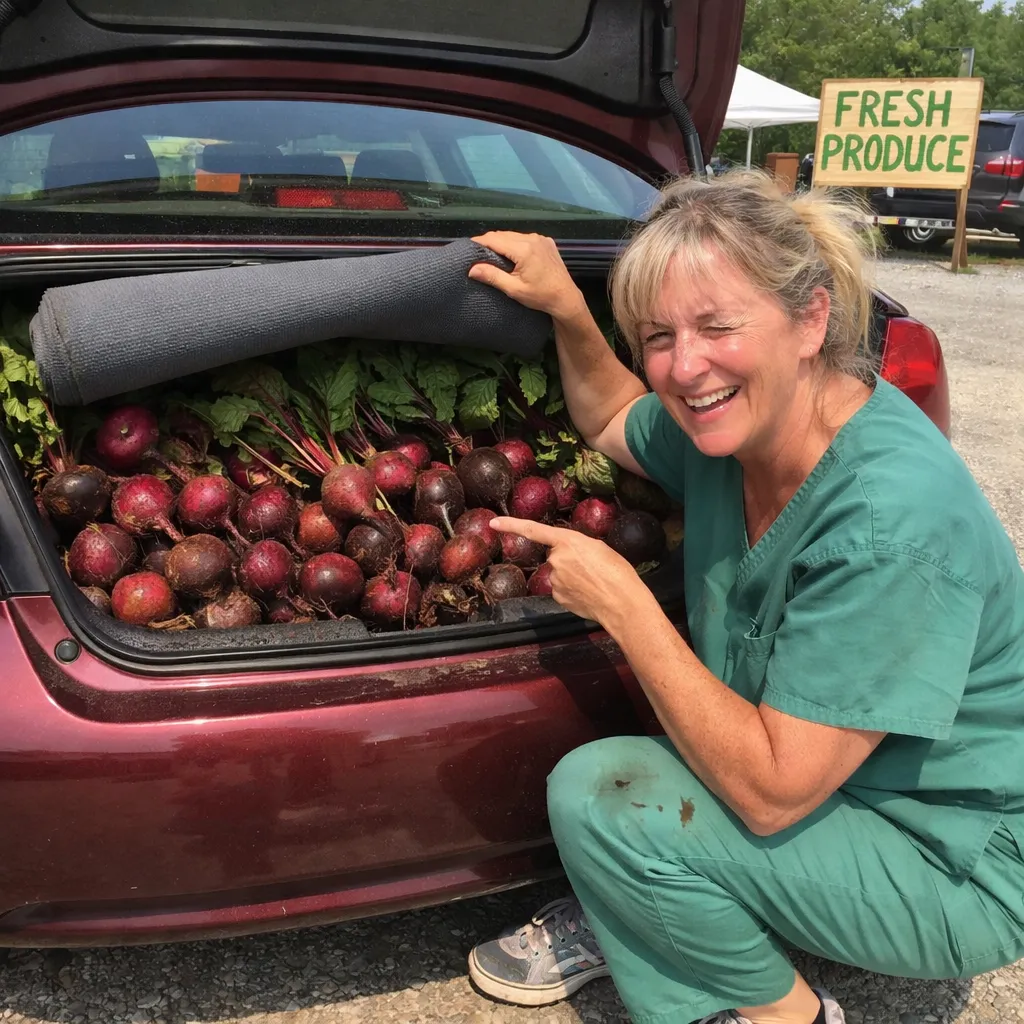
Support stamina and heart health every day
The Heart Health Project
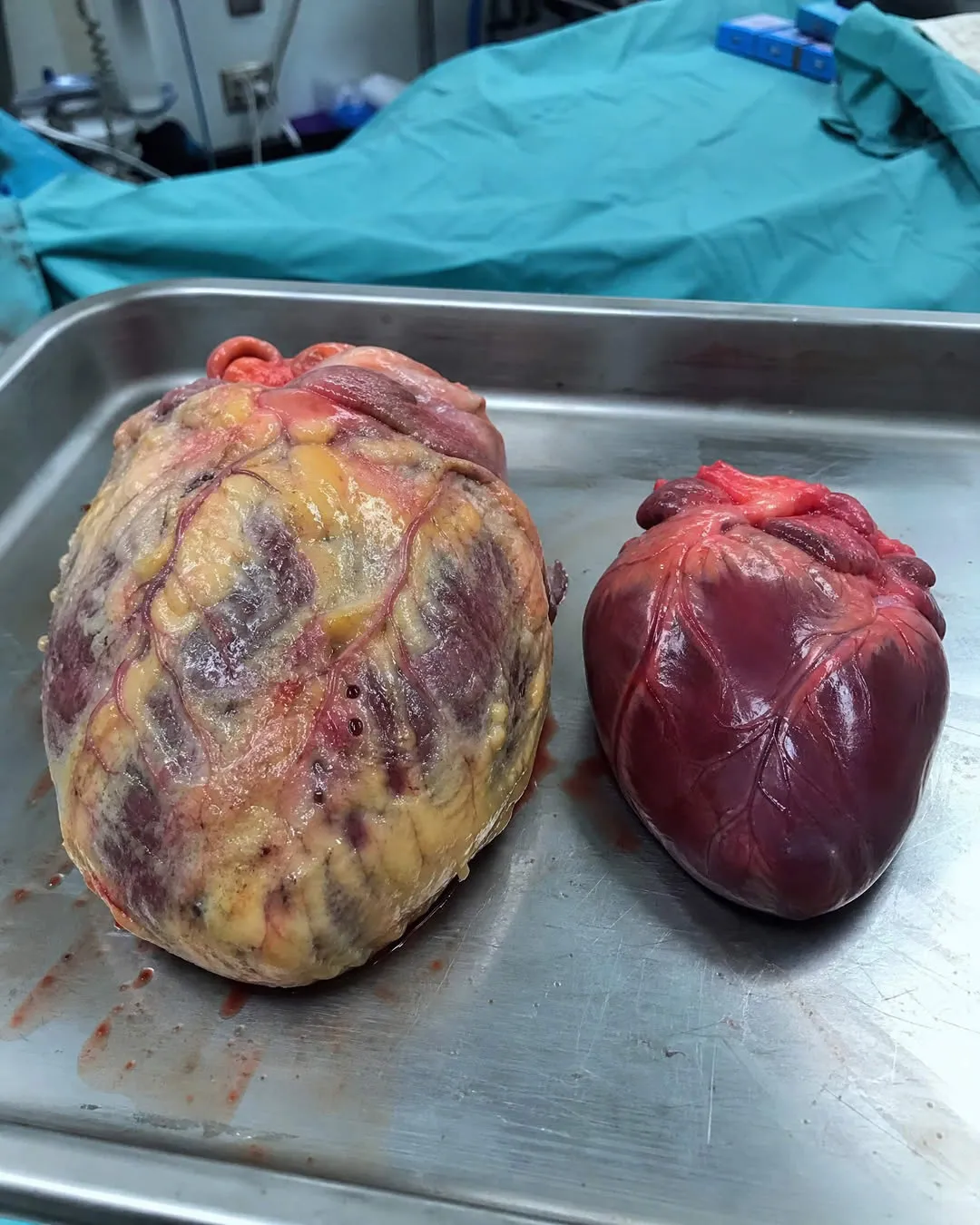
Support stamina and heart health every day
The Heart Health Project
Support stamina and heart health every day
The Heart Health Project
Support stamina and heart health every day
The Heart Health Project

 Add to Chrome