Support stamina and heart health every day
Ad Copy
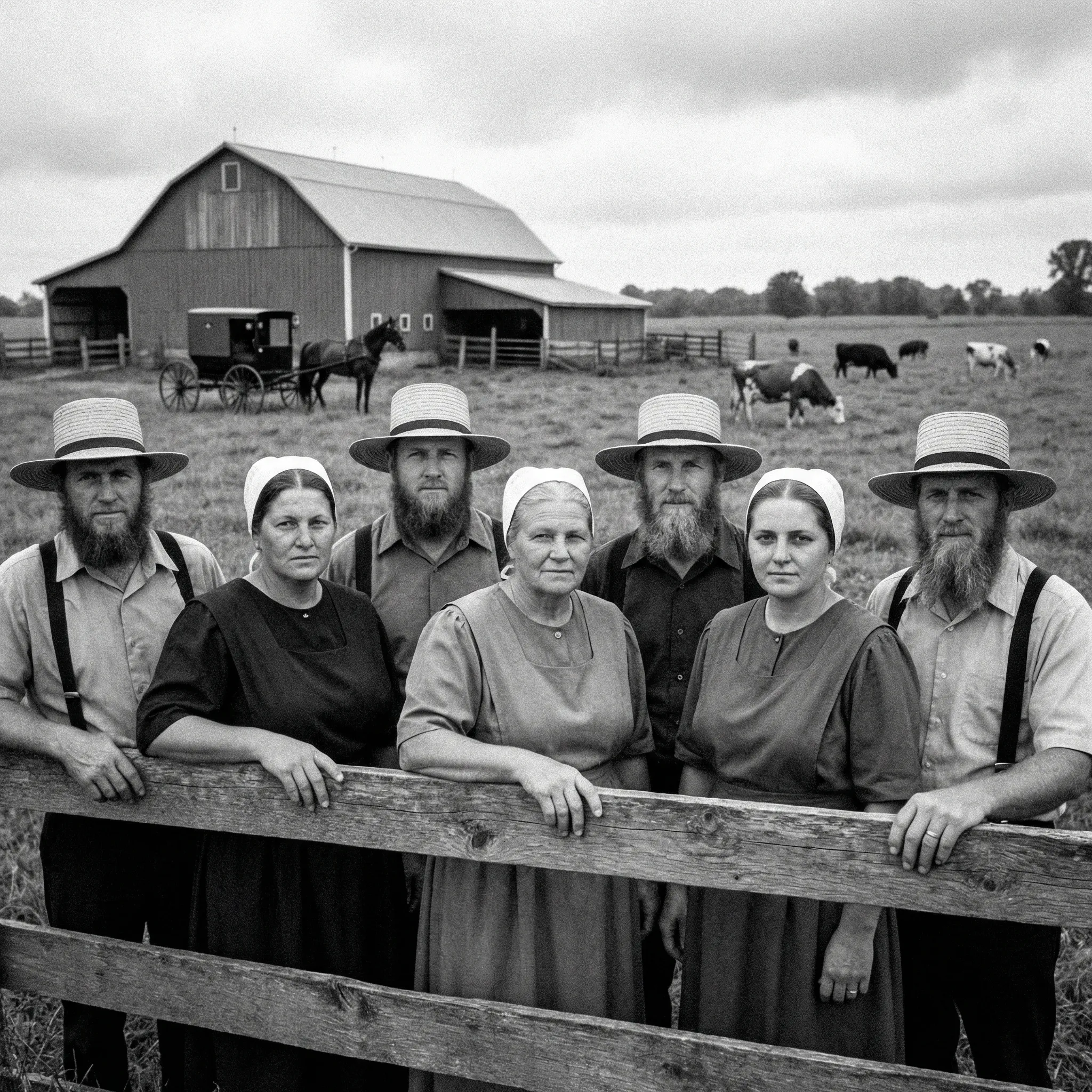
My great-grandfather saved this seed in 1889. For a hundred and thirty-five years, my family has pulled this beet out of the same soil without ever knowing it was keeping people alive. Last fall a man drove four hours from Philadelphia to tell me what this root is doing inside people's blood — and he asked me never to stop growing it. I didn't understand what he meant. I do now. And I understand why my grandfather called it Blutwurzel — blood root — sixty years before any scientist thought to look. I'm going to tell you what that man told me, sitting at my kitchen table with dirt still under my fingernails and a beet I'd just pulled from the ground sitting between us like a piece of evidence. Because for a hundred and thirty-five years my family grew something extraordinary, and we never once knew what it was doing for the people who ate it. We just knew they kept coming back. We just knew we were never allowed to let the seed die. Now I know why. My name is Eli. I'm not going to use my family name — you'll understand why before this is over. Eli is close enough. I'm a fourth-generation Amish farmer in Lancaster County, Pennsylvania. Our family has worked the same forty-seven acres since my great-grandfather bought them with cash in 1886, three years before the seed. Plain people. No electricity in the house. No tractor — we still use horses. No phone except the one in the barn my wife makes me keep for emergencies. I tell you this so you understand the distance between my world and the one I'm about to describe to you. I know soil. I know seasons. I know when to plant and when to pull and how to dry a thing so it keeps its life through winter. That's what I know. I don't know medicine. I don't know laboratories. I didn't know what oxidation meant until that man sat in my kitchen and said it, and I had to ask him to say it again slower. But I know this beet. I've known it since my hands were too small to pull it from the ground on my own, and my father would wrap his hands over mine and we'd pull together and the soil would give and the root would come up bleeding that color — that impossible, violent, almost-purple red — and stain everything it touched for days. I know this beet the way I know my children's faces. From memory. From repetition. From love that doesn't need a reason. What I didn't know — what nobody in my family knew for a hundred and thirty-five years — was that the color was the whole point. Let me tell you about the seed, because the seed is where everything starts and it's the thing that cannot be replaced. In 1889, my great-grandfather — his name was Abram — received a small canvas bag from an old man at a seed swap in Gordonville. The old man was from the older community, the ones who'd come over from Germany decades before Abram's family did. He told my great-grandfather that the seed was precious. That his family had carried it from the old country. That it must never be crossed with anything else and never be rushed. He said it had a name: Blutwurzel. Blood root. Abram planted it that spring in a small plot behind the barn. When the root came up in late September, it bled onto his hands like a wound. He planted it every year after that. His son — my grandfather — planted it every year after him. My father, every year after him. And me, every fall, the same forty-foot plot behind the same barn, the same seed Abram put in the ground a hundred and thirty-five years ago. We never crossed it. Not once. That was the rule passed down from Abram: this beet stays pure. You save the seed from the strongest plant each fall, you replant it in spring, and you never let it touch a sugar beet or any modern variety. Ever. We didn't know why. We just obeyed. It was a promise made to a dead man and that was enough for plain people. Now I know the why, and the why is everything. I need to tell you what this beet looks like when you cut it, because it's different from any beet you've ever seen in a store, and the difference is not small. A store beet is red. A pleasant, predictable red. You cut it and it bleeds a little, sure. It stains your fingers. You rinse it off. Our beet — the Blutwurzel — when you cut it, the color that comes out is something else entirely. It's so deep it's almost black at the center. The red isn't cheerful. It's violent. It looks like the inside of something alive. It stains your cutting board and the stain doesn't come out. It stains the wood of the crate. It stains the cloth you wrap it in. My wife has rags from ten years ago that still carry the mark. That color has a name I didn't learn until last fall. Betalains. But I'm getting ahead of myself. For a hundred and thirty years, we just called it the blood. The beet bleeds and you cannot stop it bleeding and everything it touches carries the stain. We thought that was just the nature of the thing. We didn't know the blood was the medicine. Let me tell you about the people who used to come. For as long as I can remember, certain people have driven to our farm to buy this beet. Not many. A handful each fall. They'd heard about it from someone — a cousin, a friend, a woman at church who swore by it. They'd come with a cooler in the trunk and buy as many as we could spare, fresh from the ground. They were usually older. Usually quiet about why they wanted it. One man told my father it was for his blood pressure. A woman told me once it was for her legs, that they'd ached for years and the doctor couldn't help and the beet was the only thing that touched it. A couple from New Jersey came every October for nine years straight. I never asked them why. They stopped coming one year and I never found out what happened. I want you to understand — I noticed these people. I noticed that they came back. I noticed that they drove a long way for a vegetable they could supposedly buy at any grocery store. And I noticed that they didn't buy the store beet. They came for ours. Only ours. But I'm a farmer. I don't ask why a thing works. I just know whether people come back for it. And they came back. Year after year after year, until someone would stop them coming — age or distance or death. They came back with the loyalty of people who'd found something they couldn't find anywhere else. I filed it under things that weren't mine to understand. The beet grew. People wanted it. That was enough. Until last September, when a silver car I'd never seen before came up our lane and parked beside the barn, and a man got out in clothes no one from around here wears, and knocked on my front door, and changed everything I thought I knew about the thing growing in my own soil. I'm going to call him David. That isn't his name either. David works for a company — a small one — that makes health supplements. He'd been looking for this beet for two years. He'd tested beetroot from twenty-three different sources before he found us, and he'd rejected every single one. He told me that within thirty seconds of sitting down at my table, and I want you to hear it the way I heard it, because it was the first time anyone from the outside had ever explained to me why our beet was different. "Your beet," he said, "has more of the compound that matters than anything else I've tested. By a factor that shouldn't be possible. And I've tested everything." Then he set a piece of paper on my table. Numbers. A lab analysis — something called a certificate of analysis, which I'd never heard of. Our beet on one line, commercial beets on the other. And the number next to ours — the thing he called betalain concentration — was so far above the others it looked like a mistake. "That's not a mistake," he said, when he saw my face. "That's what happens when you never breed the medicine out. Every commercial beet on the market has been crossed with the sugar beet for a hundred years — bred to be sweeter, bigger, easier to ship. Every time they crossed it, they diluted the betalains. The pigment. The part that actually does the work. By now, the grocery-store beet still looks red enough to fool you, but the concentration of the active compound is a shadow of what it used to be." He pointed at our number. "This is what a beet looked like before anyone ruined it. This is the original. A hundred and thirty-five years of your family saying no to every shortcut is the reason this number exists." I understood that part. What I didn't understand yet was why it mattered. Why a man would drive four hours for a number on a piece of paper about the inside of a beet. So he told me. And what he told me is the thing I've been turning over in my mind for a year, and it's the reason I'm writing this down — because it's too important to stay between the two of us at a kitchen table. I'm going to tell you what he told me the way he told it to me — simply, in order, for a man who didn't have the training to hear it any other way. And I think that might actually be useful to you, because I'm going to explain it the way someone who needed it explained from scratch would want to hear it. He started with a question. "Eli, do you know what actually causes a heart attack?" I said what I think most people would say. Cholesterol. High cholesterol clogs the arteries and then the heart stops. He nodded the way you nod at a child who gave the expected wrong answer. "That's the story everyone's been told," he said. "And it's not wrong exactly. But it's so incomplete that it might as well be wrong, because it leads people to the wrong solution — and the wrong solution is what's killing them." Then he told me to think about something I actually know. He said — and I'll never forget this because he put it in language I could see: "Eli. Think about a nail. A clean, new nail, fresh from the box. Solid. Strong. Useful. Now leave that nail outside in the rain for a year. What happens?" It rusts, I said. "Right. It rusts. Now — did you add anything to the nail? Did you pour something on it? Did you change what it was made of?" No. The air did it. The water did it. The nail just sat there and the world turned it orange and crumbling. "That," he said, "is exactly what happens to cholesterol." He explained it piece by piece, and I want to give it to you the same way. Cholesterol, he told me, isn't bad. Your body makes it on purpose. Every single day, your liver produces cholesterol because your cells need it, your hormones need it, your brain needs it. Without it you'd die. It was never poison. It was never the enemy. But sometimes — because of the food we eat, the stress we carry, the years passing — some of that cholesterol oxidizes. It rusts. The same chemical process that turns the nail orange turns the cholesterol particle sticky and damaged and dangerous. And rusted cholesterol doesn't behave like normal cholesterol. It burrows into the wall of your arteries. It packs in, layer after layer, year after year, and it hardens into a thing doctors call plaque — a thick, waxy, yellow-gray buildup that narrows the channel your blood is supposed to flow through. That narrowing is what kills people. Not cholesterol. Rusted cholesterol. He waited for me to sit with that. Then he said the part that I think changed the direction of everything. "Eli, when a doctor measures cholesterol — when they take that blood test everybody gets — they're counting how much cholesterol is in the blood. A headcount. That's all. They cannot see, from that number, how much of it has rusted." I asked him why not. "Because the rust is hard to measure. The number is easy. So medicine standardized on the easy number and somewhere along the way everyone forgot it was never the thing that actually mattered." He told me about a man — he didn't say his name — a surgeon in a hospital somewhere in this state, who opens people's arteries for a living. And this surgeon has told him, privately, that some of the worst arteries he's ever cut open belonged to people whose cholesterol number was fine. People whose doctors had been telling them for years they were healthy — while inside their arteries, the rust was building the whole time, where no blood test was looking. The number said safe. The artery said dying. Both at the same time, in the same person. I sat at my table and I thought about the people who'd been driving to my farm for decades. The man with the blood pressure. The woman with the aching legs. The couple from New Jersey who came every October like clockwork. None of them had ever said the word "rust" to me. None of them had known to say it. But something in their body had been telling them to come back for this beet, and they'd listened, even without the science, even without the language. Their bodies knew before any of us did. Then David told me about the drug — the one most people get put on when their cholesterol number goes up. It's called a statin. I'd heard the word but I didn't know what it did. He explained it simply. A statin reaches into your liver and shuts down the production line that makes cholesterol. Your body makes less. The number on the chart goes down. The doctor looks at the lower number and says, "Good. It's working." And here's the part that made my stomach turn, because even I — a farmer with dirt on his boots and no medical training — could see the problem the instant he said it. The statin lowers the amount. It does nothing about the rust. The thing that's actually causing the buildup — the oxidation, the rusting — the drug doesn't touch it. It was never built to. It pushes the number down, the number everyone watches, and the rust keeps running underneath like water under ice. He told me about the surgeon again. He said the surgeon has seen patient after patient come to his operating table after ten, thirteen, fifteen years on a statin — years of good numbers, years of the doctor saying "looks great" — and their arteries are full of exactly the buildup the drug was supposed to prevent. Because the drug was never fighting the rust. It was fighting the number. And the number was never the problem. "The number," David said, "is like the temperature gauge on a car. You can reach behind the dashboard and pull the wire so the gauge reads cool. But the engine is still overheating. You just stopped looking at it." That I understood. Any farmer understands a machine that's lying to you. And there's something else, he said. Something that makes it worse. That production line in your liver that the statin shuts down — it doesn't only make cholesterol. It also makes something your muscles need to function. Your energy. Your fuel. Shut the line down to force the cholesterol number lower, and you throttle the fuel at the same time. "The fatigue," he said. "The people who feel like they lost a step. The heaviness in the legs, the fog. They blame it on age. It isn't age. It's the drug quietly starving their muscles of the thing that powers them." And the muscle it starves most, he said — the one that needs that fuel more than any other — is the heart itself. The one organ the pill is supposed to be protecting. I'm a simple man. I don't have the training to tell you whether that's right or wrong from a medical standpoint. But I can tell you that when he said it, something in my chest went cold — because I thought about that woman with the aching legs, the one who came to my farm for years, and I thought: she probably tried the pill first. And when the pill didn't help — when it maybe made her feel worse — she went looking for something else. And she found us. How many people are out there right now, feeling worse and being told that worse is what working looks like? That's when David picked up the beet. The one sitting between us on the table. The one I'd pulled from the ground that morning with the purple stain still on my hands. He turned it over in his fingers like it was made of glass. "Eli, this is what stops the rust." He told me about the color. The betalains — that deep, violent, almost-black-at-the-center red that I'd known my whole life without ever knowing its name. Most antioxidants, he said — the ones you read about, the ones in vitamins and supplements — work like a shotgun blast. They scatter through the body hitting everything, including things your body wanted left alone. They spend themselves everywhere and concentrate nowhere. Betalains don't scatter. They go after one specific chemical reaction — the exact reaction that turns cholesterol to rust — and they neutralize it right there in the bloodstream, inside the cholesterol particle, before it can oxidize, before it can turn sticky, before it can embed in the wall of the artery and become the thing that kills people. Not a shotgun. A single, precise strike at the one place the damage actually begins. "And here's what makes it different from the drug," he said. "It doesn't touch the production line in your liver. It doesn't throttle your fuel. It goes after the rust and leaves everything else alone. All of the help. None of the cost." "And when it brings the number down," he said — and this is the part I asked him to repeat — "it brings it down for the right reason. Not forced. Not pushed from the outside. The rust stops, so the body stops overproducing cholesterol to patch the damage, so the number falls on its own. A number that comes down because the reason it was high is gone — not because a drug is holding it down by the throat." I looked at the beet in his hands. The thing I'd been pulling from the ground since I was seven years old. The thing my great-grandfather Abram planted because a stranger told him it was precious and he believed him. For a hundred and thirty-five years, my family had been growing a thing that goes after the rust inside people's blood. We just didn't have the words for it. We just called it the blood. My grandfather called it Blutwurzel. Blood root. He wasn't naming the stain. He was naming what it does. Then David told me why he'd driven four hours. Why he'd rejected twenty-three other sources. Why our beet was the only one that mattered. And it comes down to three things — three things my family did right for a hundred and thirty-five years without ever knowing they were doing them right. The first: we never crossed it. Every commercial beet in the world has been bred for sugar. Sweeter, bigger, easier to harvest, easier to ship. For a hundred years, growers have been crossing the table beet with the sugar beet — and every single cross diluted the betalains. Bred the medicine out. Bred the candy in. By now, the beet in your grocery store still looks red enough to pass. But the actual concentration of the compound that stops the rust? A fraction of what it once was. A ghost of the original. Our beet — Abram's beet — has never been crossed. Not once in a hundred and thirty-five years. The seed goes from our strongest plant to next year's soil, and nothing else touches it. That's why David's lab analysis showed a betalain concentration so far above commercial sources it looked like an error. It isn't an error. It's what happens when you obey a dead man's instruction for a hundred and thirty-five years and never take a shortcut. The second: we never spray. We don't use pesticides. We don't use herbicides. We don't use synthetic fertilizer. Plain people don't, as a rule — we never have. The soil those beets grow in has been clean since 1886. Not "organic" in the way the English use the word, with a sticker and a premium. Just clean. The way soil is supposed to be when you haven't poisoned it for a hundred and thirty-seven years. David told me this matters because the betalains are fragile. They don't tolerate chemical stress. Spray a field with glyphosate or drench it in synthetic nitrogen and the plant fights to survive instead of building pigment. The concentration drops. The medicine weakens. Our beet never had to fight anything except weather and time — so it put everything it had into the color. Into the blood. The third — and this is the one I didn't know was important until David explained it — is how we dry it. We've always dried our beets the same way. We slice them thin, lay them on wooden racks in the shade of the barn, and let the air do the work. Slowly. Over days. No heat. My father did it this way. His father did it this way. It's just how you dry a thing if you don't have electricity — you let the wind and the shade take their time. David told me that this — this slow, cool, patient method we'd been using because we had no other option — is the reason the medicine in our beet survives. Because betalains die in heat. Almost every beetroot supplement on the market is dried fast and hot, in industrial ovens, because speed is money. And the heat cooks the betalains dead before the powder ever reaches a capsule. What's left is brown dust that looks like a supplement and is basically empty. There's even a tell, David said: live betalains are deep crimson, almost violet — the color you see when you cut our beet fresh from the ground. Dead betalains turn a dull brown. The brown ones are corpses. "Your beet," he said, "shade-dried the way your family has always done it — the betalains arrive alive. That violent red. That's what people are actually swallowing when they take this. Not dead powder. Not a processed ghost of what the beet used to be. The living thing." I thought about a hundred and thirty-five years of my family laying beet slices on wooden racks in the shade of the barn because we had no other choice, and how that lack of choice — that slowness forced on us by the plain life — turned out to be the exact thing that kept the medicine alive. All this time, we were doing it right because we couldn't afford to do it wrong. I want to tell you what David told me about the research, because I asked the same question you'd ask. I said to him: "This is a nice story. But is it more than a story? Has anyone measured what this actually does?" He liked that I asked. He said most people who buy supplements never ask. "There's a clinical trial," he said. "Twelve weeks. Concentrated betalains, taken daily. And yes — the cholesterol number came down. About fifteen points on average. A real move, but not a dramatic one." He leaned forward. "But that's not why I care. They didn't just measure the amount. They measured the oxidized cholesterol — the rust. The thing that actually does the damage. And the rust didn't come down fifteen points like the total number. It came down more than twenty percent. The rust fell further and faster than the cholesterol itself." He let that sit. "The rust is what I'm targeting. And this is the only result that shows the thing underneath moving more than the number on top. That's not a supplement being lucky. That's a compound hitting exactly what it's supposed to hit." I understood that. A good tool doesn't fix everything. A good tool fixes the one thing that matters, and it fixes it clean. I want to tell you about the people I've heard from since. David's company — they're called Rosabella — they've been making capsules from our beet for a few years now. Not long. They're small. They buy our entire harvest each fall — every root we can pull from those forty-seven acres — and it still isn't enough. They've had to turn people away. They've run out twice. But since I learned what this beet is doing — since that conversation at my kitchen table — I've asked David to share some of the letters. The ones people send in. I wanted to know what was happening on the other end. Where the beet goes after it leaves my hands. I'll tell you a few, the way they were told to me. A woman named Carol — sixty-three, retired teacher — had been on a statin for eleven years. She was tired in a way no one could explain. Her legs ached. She'd lost something in herself she couldn't name. Her numbers were fine. Everyone said she was fine. She didn't feel fine. She started taking the Rosabella capsules alongside her statin — didn't stop anything, didn't change anything else. After about three weeks, she told David, the tiredness lifted. Not all at once. Not like a switch. Just — lighter. Like something that had been pressing on her let go a little more each day. By week six she was walking her dog again, the full loop around the lake, the one she'd cut in half two years earlier. Her next blood draw showed her LDL had come down further than the statin alone had ever managed — and her doctor actually asked her what she'd changed. A man named Robert — seventy-one, retired plumber — had a calcium score that scared his doctor. High. The kind that means there's buildup already in the wall. They put him on a statin, the strong one, and doubled it within a year because the numbers weren't coming down fast enough. He hated how it made him feel. Dead tired. Foggy. He said he felt twenty years older than he was. But he was scared to stop because of that score. He added Rosabella. Four months later, his next panel came back and his numbers had dropped to a level neither his statin dose nor any previous combination had achieved. His doctor reduced the statin. Reduced it. That had never happened before. He told David: "I feel like I got something back that I didn't know I'd lost." A woman named June — fifty-four, a nurse herself, funnily enough — had a family history. Father died at fifty-eight of a heart attack. Brother had a triple bypass at fifty-one. She was terrified. She'd been doing everything right — exercise, diet, the works — but her LDL kept creeping up year after year and she knew what was waiting for her at the end of that line. She refused the statin. Not out of stubbornness — out of fear. She'd watched her father on one for ten years before it failed to save him. She started Rosabella instead. Her LDL came down. Not by the brutal amount a statin forces — but it came down, and it stayed down, and it came down for what she believed was the right reason. She told David: "For the first time in my life, I feel like I'm actually addressing the thing that killed my father, instead of just covering the number up." I don't tell you these stories as proof in the way a doctor means proof. I tell you them because these are the people on the other end of my field. These are the lives my beet is touching after it leaves my hands. These are the people who found the thing the system couldn't or wouldn't give them, and it led them back to a seed a stranger gave my great-grandfather in 1889. I didn't know. For a hundred and thirty-five years, my family didn't know. We just grew it because we were told to keep it alive. Now I know why. I want to tell you what happened in my own family, because I think you'll hear it differently coming from a man who isn't trying to sell you a study. My grandfather — my father's father — worked this farm until he was eighty-nine. Not supervised. Worked. Drove the horses. Pulled roots. Carried crates. He died at ninety-one, in his sleep, in the house he was born in. His heart, the doctor said at the end, was unremarkable. For a ninety-one-year-old man, that's a word that means something. My father is eighty-three. He still works. Not full days — he tires now, which he didn't used to — but he's in the barn every morning and his hands are steady and his mind is clear. Both of them ate this beet their entire lives. Fresh in the fall. Dried through the winter. Boiled into soup, sliced onto bread, ground into everything my grandmother and my mother could put it in. I never thought about it as medicine. It was just food. It was just what we ate. But now I think about that word David used — oxidation — and I think about my grandfather at eighty-nine, still pulling roots from the ground, with a heart the doctor called unremarkable. And I think about the men he grew up with, the English men in town who ate the store food and took the pills and died at sixty-eight, seventy-two, seventy-four, one after another. I'm not a scientist. I can't prove my grandfather lived that way because of the beet. But I can tell you that my family has been taking the strongest natural rust-fighter on earth every day for a hundred and thirty-five years — and we've been outliving our neighbors the entire time without ever thinking to ask why. Maybe Abram's stranger knew more than he said in 1889. Or maybe he just knew what plain people have always known: that the old ways survive because they work, and the reason is nobody's business to explain. Either way, the seed was right. And I'm never letting it die. Here's where I need to be honest with you about something, because David asked me to say this and I think it matters. You cannot get what's in this capsule by buying beets at the grocery store. I know that sounds like a thing someone says to sell you something. I promise you it isn't. I'm telling you as the man who grows both — because I do grow a few rows of regular red beet for the neighbors and for market, the kind you can buy anywhere — and the difference is not subtle. It's like comparing a glass of water to a glass of wine. They're both liquid. One of them does something the other never will. The store beet has been bred for sugar. It has been crossed and recrossed until it's sweet and mild and the color is cosmetic — a faint blush instead of a wound. The betalain content — the part that stops the rust — has been diluted to nearly nothing. Our beet — Abram's beet, the Blutwurzel — has never been touched. A hundred and thirty-five years of isolation, of refusal, of keeping the line pure. That's what's in the capsule. Nothing else. And you can't get it by buying beet juice either. Or the powder from the health store. David tested those. Some of them have already been cooked in processing. Some use the wrong variety. Some mix strains. Almost all of them have betalain levels so low they'd need to be taken by the handful to approach a single capsule of what we grow. It took David two years and twenty-three sources to find us. Everything else was noise. The capsule is called Rosabella. That's the company David works with. And I want to tell you what's in it, because it's simple and I want you to know there's nothing hidden. It's our beet. The Blutwurzel. Hand-harvested from our farm in the fall. Shade-dried in our barn the way four generations of my family have always done it — slowly, gently, never heated, so the betalains arrive in the capsule alive. That violent crimson-purple. The living color. Standardized to 1,300 milligrams — the same concentration used in the clinical research David showed me. Not a random scoop of powder. A measured, tested, consistent dose. With a certificate of analysis — an outside lab testing every batch and posting exactly what's in it. David insisted on that. He said a man shouldn't put a mystery in his own body, and I agree with that. Farmers don't sell what they can't stand behind. Two capsules a day. That's it. That's the whole thing. Two capsules of a beet my great-grandfather planted in 1889, protected for a hundred and thirty-five years, shade-dried the way we've always done it, and delivered to you with nothing added and nothing taken away. Here is the thing I cannot get over, and I'm a man who doesn't get worked up easily. Rosabella comes with a ninety-day guarantee. You take it for three months. If it doesn't help you — if your numbers don't move, if you feel nothing — you send the bottles back. Even the empty ones. And you get every dollar returned to you. David told me about the drug — the statin — that millions of people take every morning. It does not come with that promise. If you take it for thirteen years and it doesn't prevent what it was supposed to prevent — if you end up on a surgeon's table anyway, with good numbers and bad arteries — nobody gives you anything back. Not a dollar. Not an apology. Not an explanation. A small company buying beets from an Amish farm will stake its own money that this works. The companies making billions on the drug that millions organize their lives around will not. I'm a plain man. I don't know much about the English world of business. But I know what it means when someone puts their own money where their mouth is, and I know what it means when someone won't. One honest thing about supply, because this is the part that keeps me up at night. I have forty-seven acres. Not all of it is beet — there's the rest of the farm to think about, the family to feed, the horses to maintain. The Blutwurzel gets its plot, and it gets everything I can give it, but there is a ceiling and I cannot move it. I harvest once a year, in the fall. The drying takes weeks. You cannot rush a shade-dry — if you try to speed it with heat, you kill the betalains and you might as well throw the whole batch in the compost. So what we produce each year is what there is, and when it's gone, it's gone until the next harvest comes through. Rosabella has run out before. Twice since we started working together. Both times, people were on a waitlist. Both times, David told me people wrote in asking when it would come back. I felt that weight — the weight of being the only source of something people are depending on. I'm growing as much as I can. But I cannot grow more than the land and the season allow. That's the truth, plain as I can state it. Right now they're offering a buy-three-get-three — three months for you, three to give to someone in your life who needs it. I'd take that offer, not because I'm trying to sell you extra, but because running out is the worst feeling on either end — for you waiting, and for me knowing someone's waiting. But the supply isn't the real reason to start today. This is. The rust doesn't take a day off. David explained this to me and it stuck in my chest like a splinter. The oxidation — the thing that turns cholesterol into a killer — is happening right now. In your blood. While you're reading this. Every day you wait is another day the rust builds a little more, packs in a little more, narrows the channel a little more. The disease has been working since before you knew it was there. It doesn't pause while you think it over. It doesn't wait for you to get around to it. Every day the beet isn't in you is a day the rust gets to itself. That's not a sales pitch. That's the thing that made a man drive four hours to my kitchen table and ask me to never stop growing this seed. This is where David's company sells it — the same capsule, the same beet, the same harvest from our farm: https://tryrosabella.com/products/rosabella-organic-beetroot-capsules-bogo-a?variant=48358828802303 I want to tell you one more thing, and then I'll go back to my field where I belong. Last October, during the harvest, I was pulling beets the way I've done since I was a boy. Hands in the soil. Knees in the dirt. The root comes free and there's that moment — that color hitting the air, that deep red-purple bleeding onto my palms. I'd done it ten thousand times. But this time I stopped. Because for the first time in my life, I wasn't just looking at a beet. I was looking at what it does. I was holding in my hands the thing that stops the rust inside a stranger's blood, a hundred miles from here, in a body I'll never meet. My great-grandfather Abram couldn't have known what he was saving. The old man at the seed swap in 1889 might have known — I believe he did, in the way people knew things before there were words for them. But Abram just obeyed. And his son obeyed. And my father obeyed. And I obeyed — for decades, without understanding, because a promise to a dead man was reason enough. Now I understand. And obeying isn't enough for me anymore. I want you to understand it too. I want you to hold the thing I hold every fall and know what you're holding. Know that it goes after the rust. Know that it doesn't touch the fuel your heart runs on. Know that it brings the number down the right way — not forced, not held down by the throat, but resolved, because the reason it was high is gone. I want you to know that my grandfather ate this beet every day and worked this farm until he was eighty-nine with a heart a doctor called unremarkable. I want you to know that a surgeon in a hospital in this state takes it every morning before he operates and has for twelve years. I want you to know that a hundred and thirty-five years of a seed staying pure is not something that can be manufactured or rushed or bought at a grocery store. It had to be kept. By hand. By people too stubborn or too faithful to let it change. That's what you're being offered. The kept thing. The unkilled thing. The beet nobody bred the medicine out of, grown in soil nobody poisoned, dried in shade the way it's always been done, with the blood still alive in it. Two capsules a day. Ninety days to see what it does or send it back. I'll be in my field either way. But I'd rather be in my field knowing it reached you. https://tryrosabella.com/products/rosabella-organic-beetroot-capsules-bogo-a?variant=48358828802303 ~ Eli Fourth-generation Amish farmer, Lancaster County, PA P.S. I want to say clearly: I'm not a doctor. I don't give medical advice. I grow a beet. If you're on a medication, do not stop it because a farmer on the internet told you a story. Bring this to your doctor. Ask questions. Ask them to test the rust, not just the number. The point is not to fight your doctor. The point is to put something on the table that the prescription pad might not have room for. P.P.S. About the first few weeks — David warned me people sometimes expect to feel something right away and quit when they don't. Betalains work at the level of the particle, in the blood, where you can't feel them. The rust getting neutralized isn't something you notice the way you notice a pill. Most people tell David the first thing they feel is subtle — sleeping better, a little more energy at the end of the day. The number on the chart is the slowest thing to move, because arteries heal on their own schedule. That's why the guarantee runs ninety days and not thirty. Give it the whole window. If nothing changes, send it back and it costs you nothing. Beet farming teaches you patience. I'd ask the same of you. P.P.P.S. The guarantee is the thing I come back to when I think about this from your side of it. A small company buying beets from my farm will bet its own money that this helps you. The companies making the pills millions of people take every morning will not. I'm a simple man and I don't understand everything about the English world of medicine. But I understand what it means when a man puts his money on the table. And I understand what it means when he won't. P.P.P.P.S. This fall I'll plant the same seed Abram planted in 1889. Same plot. Same soil. Same prayer I say over it every spring — that it grows strong, that it bleeds dark, and that it reaches the people who need it. You're one of those people now, whether you know it yet or not. The seed's been waiting for you for a hundred and thirty-five years. Don't make it wait any longer. https://tryrosabella.com/products/rosabella-organic-beetroot-capsules-bogo-a?variant=48358828802303
More from The Heart Health Project
Support stamina and heart health every day
The Heart Health Project
Support stamina and heart health everyday
The Heart Health Project
Support stamina and heart health everyday
The Heart Health Project

Support stamina and heart health everyday
The Heart Health Project
Support stamina and heart health every day
The Heart Health Project
Support stamina and heart health every day
The Heart Health Project

The 1998 Nobel Prize Discovery That Pfizer Tried to Bury
The Heart Health Project
Support stamina and heart health every day
The Heart Health Project
Support stamina and heart health every day
The Heart Health Project
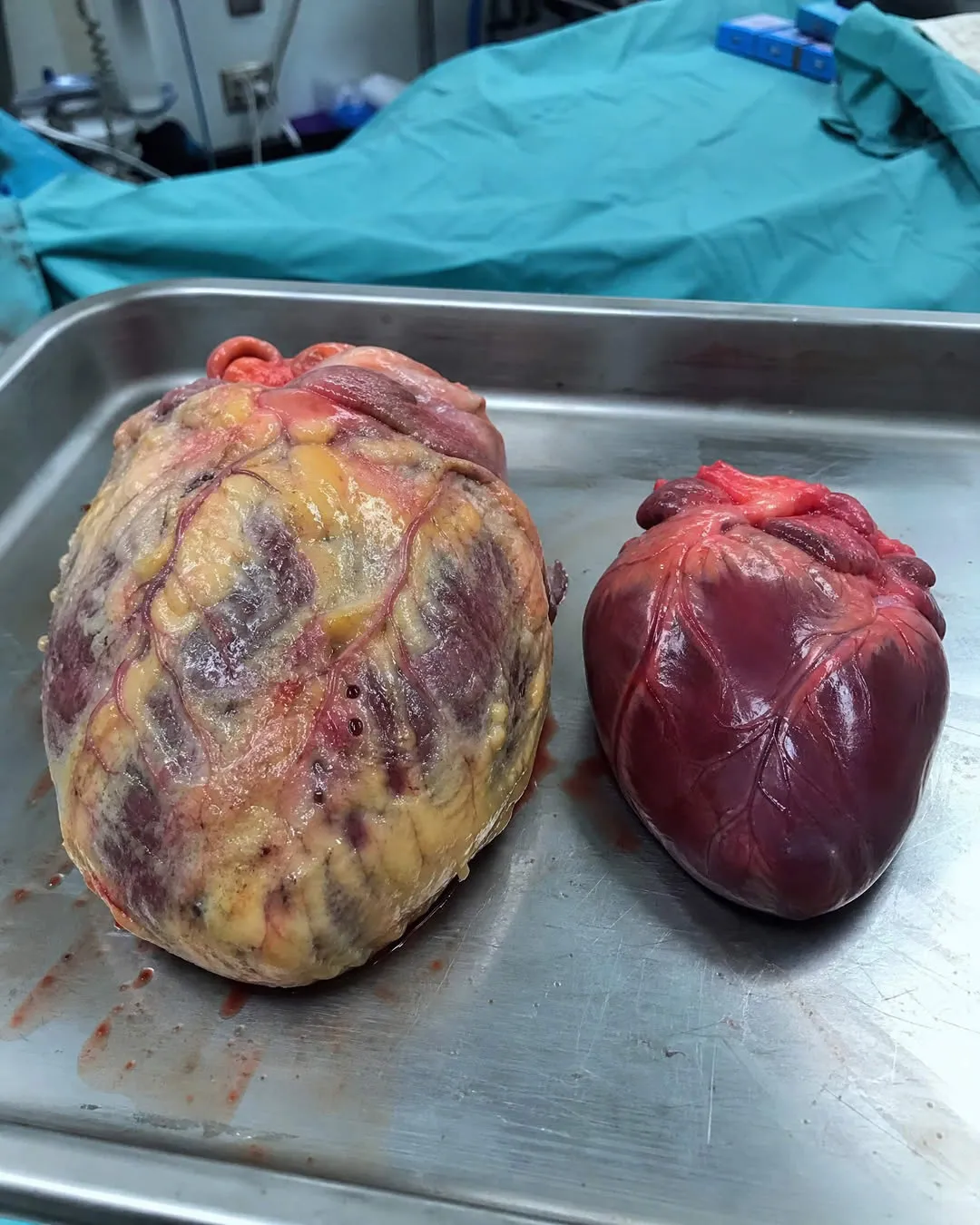
Support stamina and heart health every day
The Heart Health Project
Support stamina and heart health every day
The Heart Health Project
Support stamina and heart health every day
The Heart Health Project

 Add to Chrome