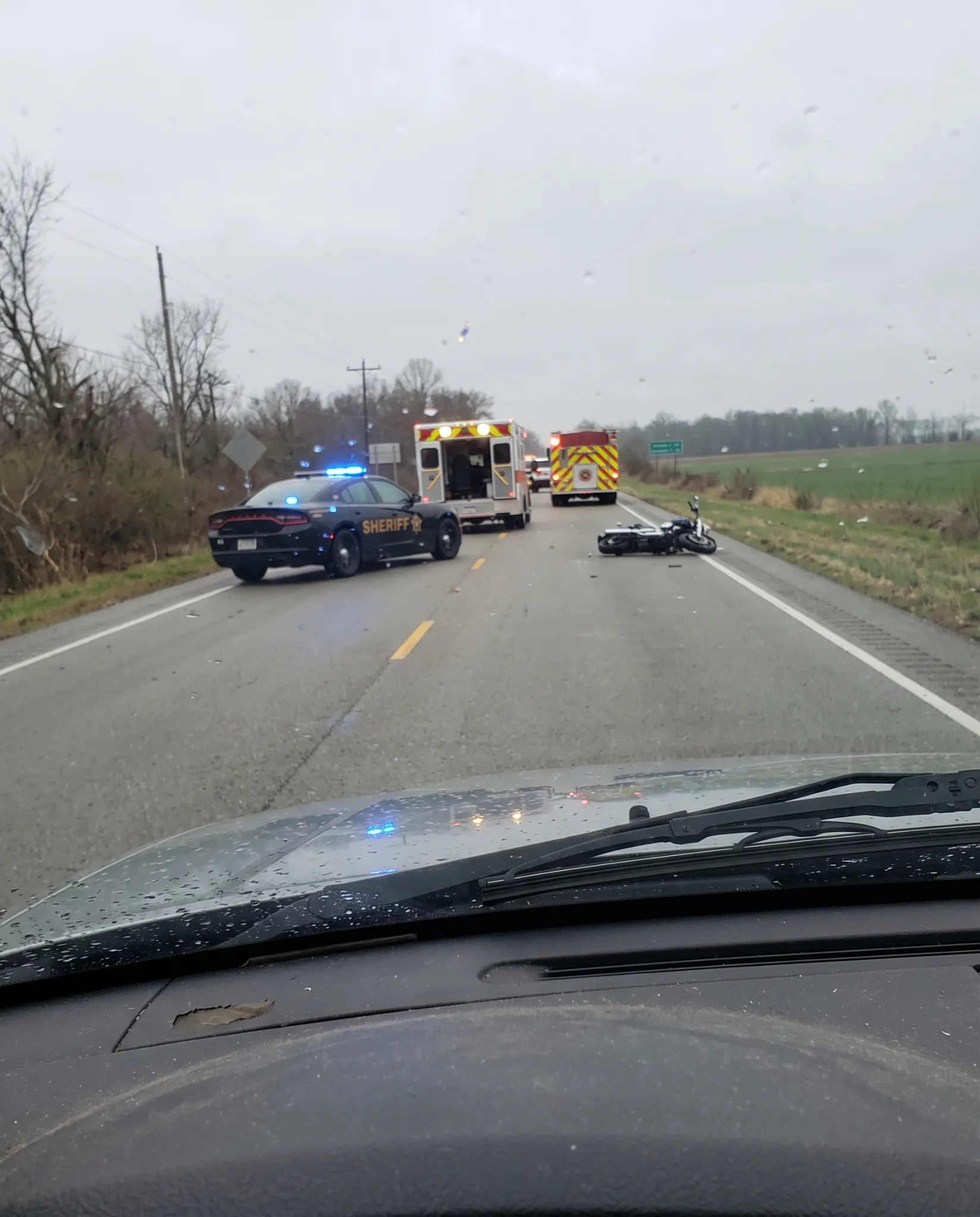
Fifty-eight degrees. That's why there's nothing parked in my garage.
Ad Copy
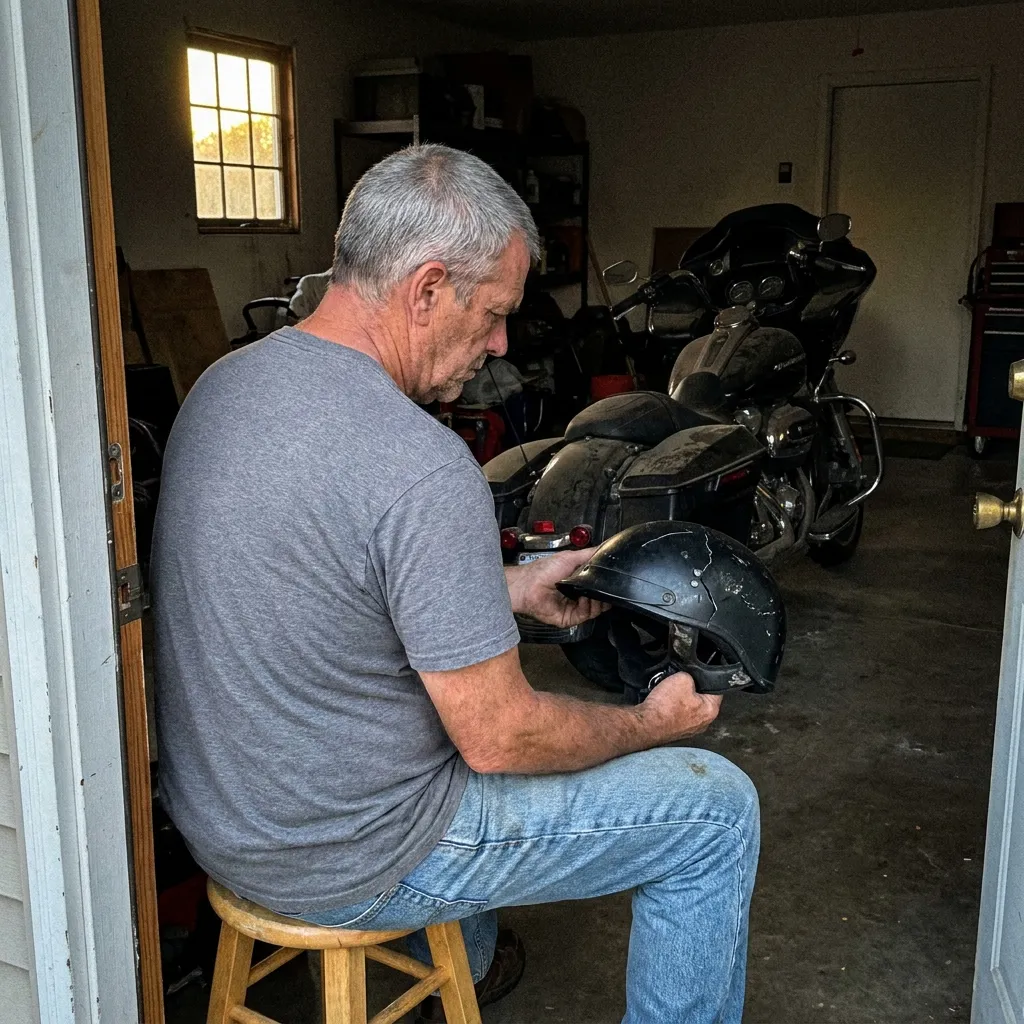
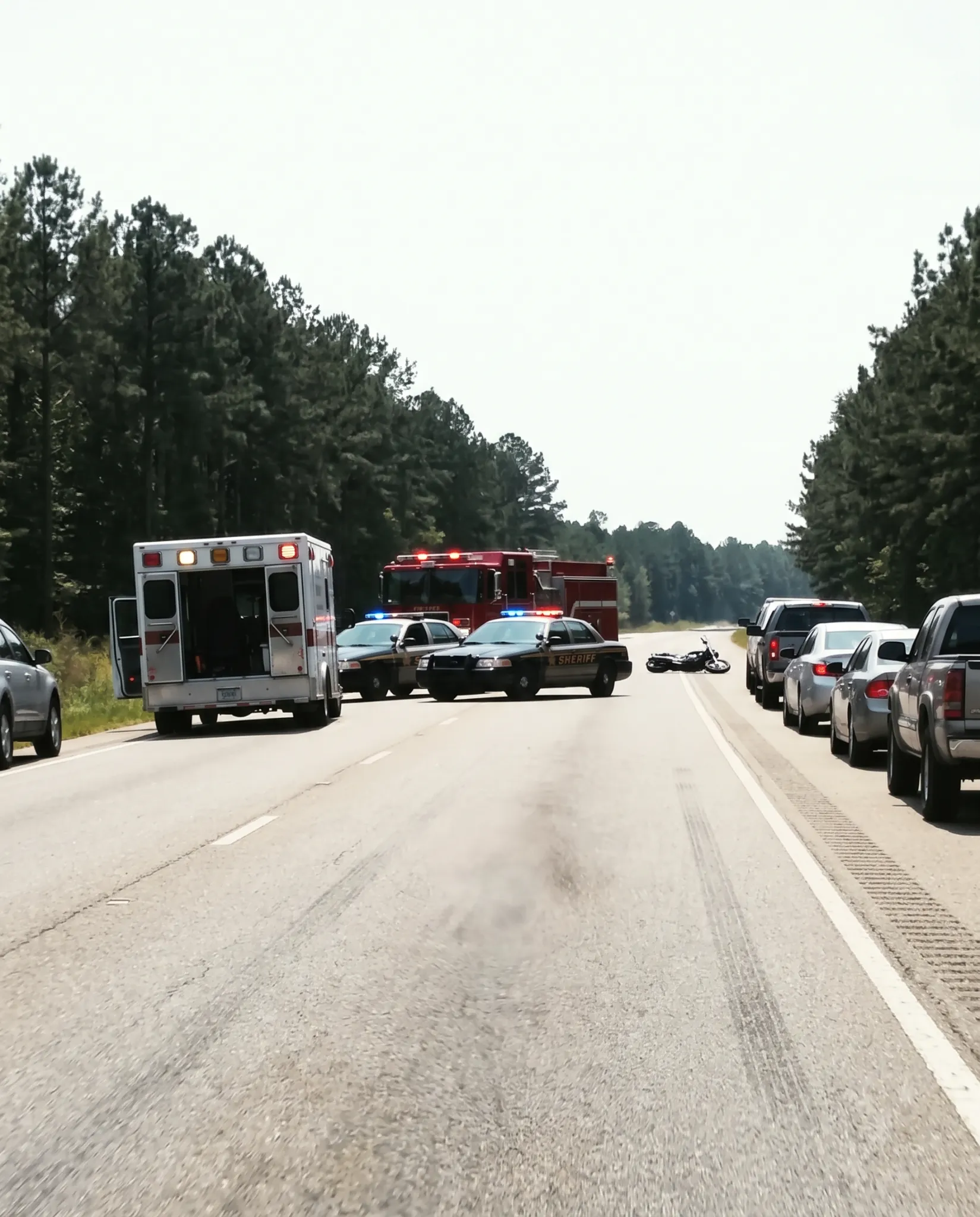
A physical therapist put a protractor on my leg last November and read me a number out loud, and that number is the reason there is nothing parked in my garage. Fifty-eight degrees. My name is Roscoe Gentry. I'm seventy-one. I called livestock auctions in south Missouri for forty years and I rode a motorcycle for fifty-four of them, and I sold mine in March. Not because I got scared. Not because Juanita asked me to. I want to put that down flat, because that's the story everybody assumes when a man my age gets rid of his bike, and it is not what happened here. The crash June, a year ago. Highway 76 east of Ava, in the Ozarks, which is the best motorcycle road in this part of the country and the reason a lot of us live where we live. It was ninety-six degrees. That matters. They seal the cracks in those roads with tar. You've seen it — those black snakes of sealant laid down over every crack, some of them a foot wide by the time the crew's done. In April they're nothing. At ninety-six degrees in the afternoon sun they go soft, and a soft one in a curve is about like a strip of grease. I got on one at the apex of a right-hander at maybe forty-five. The front tucked and there was no part of it I felt coming. Low-side, down on my left, and the outside of my left knee took the road first and kept it for the whole slide. Nobody's fault. The county sealed the cracks because that's what you do to keep a road from coming apart, and it was hot because it's June in Missouri. There's nobody to be angry at, which I have found to be its own particular problem. What I thought had happened Skinned knee. That's it. That's what I thought, sitting on the shoulder with my jeans opened up from the thigh down and my knee wet. Nothing was broken. I could bend it. I rode the bike home — I want you to hear that, because it's the piece that makes the rest of this so hard to explain to people. I rode the motorcycle home. Twenty-two miles. Put it in the garage, walked in the house, and Juanita took one look and drove me to Cox in Springfield. That's the whole crash. Forty-five miles an hour, no bones, rode home. What actually happened The knee is not like the rest of you. Everywhere else, there's meat between the road and the working parts. The outside of your knee doesn't have any. It's skin, then a thin layer of nothing, then the capsule of the joint itself. Mine opened. Not much. They told me the tear in the capsule was smaller than a dime. But a joint is a sealed space, and it is a sealed space for a very good reason, and what got in with the road grit was ordinary bacteria off a hot county highway. Septic arthritis. That's the term. It means an infection living inside the joint, and the reason they got very serious very quickly is that the cartilage in there has no blood supply of its own, so the body cannot send anything in to fight for it, and while you're waiting the infection eats it. They washed that joint out three times in eleven days. Six weeks of antibiotics through a line in my arm. Juanita ran it at the kitchen table twice a day because they'll teach you to do it at home. They saved the leg. Nobody ever used the word amputation and I don't want to make this sound worse than it was. What I lost was the bend. Fifty-eight degrees Scar tissue is the body being efficient. It fills a joint back in with something tougher and dumber than what was there. Mine filled in over the winter while I did the exercises they gave me, and I did them, and I want that on the record too — I did every one of them. Last November a therapist named Ashlyn, who is maybe thirty and does not sugarcoat anything, sat me on a table and put a goniometer on my leg. It's a protractor with two arms. She lined one up on my thigh and one on my shin and bent my knee until it stopped. She said "fifty-eight." I asked her fifty-eight what. She said, "Degrees of flexion. A knee that's had nothing happen to it does about a hundred and thirty-five. You're at fifty-eight and I think fifty-eight is roughly where you're going to stay." I asked her the only question I actually cared about, which was whether I could ride. And she did something I've thought about ever since — she didn't answer it as a medical question. She asked me what I rode. I told her, a big touring bike, and she asked me how I get on it. I said you swing your right leg over the seat. She said, "You need somewhere around a hundred and ten degrees to do that. And then at a stoplight you're holding the whole weight of it on one leg, and that's the left one." Then she wrote something down and said, "I'd get a man to help you sell it." That's how it happens. Not a doctor sitting you down. A thirty-year-old with a protractor giving you a number, and you doing the arithmetic yourself on the drive home. Yes, somebody sells these I'll get it out of the way. There's a link at the bottom of this. A company sells these trousers, and if you buy some through it they have a better day than otherwise. Here's the part that makes me different from every other letter of this kind you've read: I own a pair and I do not own a motorcycle. I can't use them. I bought them in April, three weeks after the bike went, and I couldn't tell you why and Juanita has never asked me. So when I tell you these are worth a hundred and twenty-nine dollars, understand that I have already spent mine and got precisely nothing back for it, and I'm not going to get anything back for yours either. Fifty-four years of the wrong trousers Three things. I'll price the two that cost money. Blue jeans. Since 1971. Same as you. Denim's gone in eight or ten feet and the road has the rest of the slide to work with, and on the day it counted mine were open from the thigh down before I'd finished sliding. Motocross knee guards. Forty-five dollars, 2016. Worn under the jeans. I want to talk about these because I suspect some of you own a pair. They're the strap-on kind. And on a motorcycle seat, sitting down, they roll. They creep down the shin, they bunch behind the knee, and by fifty miles you're reaching down at a stoplight to drag them back up. I wore them maybe eight times over two years. The thing I bought for forty-five dollars was not protection. It was a project, and it was one I quit. "Riding jeans." A hundred and seventy dollars, 2021. Lined, no hard armor at the knee — a floating pad in a pocket that sat wherever it wanted. On a man sitting on a bike, "wherever it wanted" is above the kneecap, and the road doesn't take the front of your knee. It takes the outside. Two hundred and fifteen dollars of trying, plus fifty-four years of jeans, and I went down on Highway 76 in Wranglers with nothing on the outside of the joint that ended my riding. How I came to own a pair I can't use Verlon Pitts. Sixty-eight, farms out toward Squires, has been in my life since the third grade. He came by in March, the day two men from Springfield loaded my bike into a trailer, and he stood in the garage with me afterward and neither one of us said anything for a while, which is what men do. Then he asked me what I'd have wanted to be wearing. I didn't have an answer. That's the thing that got me — fifty-four years and I could not have told you what a man is supposed to put on the outside of his knee. Nobody had ever told me. Not one person in fifty-four years, and I've spent my whole life around men on motorcycles. Verlon went home and looked, and he bought a pair, and he brought them over so I could see them, and I sat in a kitchen chair turning a pair of trousers over in my hands the way you'd handle a tool you found out too late about. EKON RoadArmor. A hundred and twenty-nine dollars. I ordered a pair three weeks later. They're in the closet. What they are Cargo pants. They look like work pants, which is the entire reason a man will actually put them on — and I'd ask you to take that seriously, because every protective thing I ever owned failed at the moment I decided whether to wear it, not at the moment it hit the road. CE Level 2 armor at the hip and the knee. Level 2 is the higher of the two ratings. A hard plate, not a lining, not a floating pad that wanders. It comes out if you want it out. Now let me tell you about the knee, because every man reading this is worried about the wrong joint. We all picture the hip. The hip is what you break. But a hip is buried in muscle and it takes a real impact to hurt it, and if you do, they can fix a hip — they replace them by the thousand and men walk out. The knee is the one that's sitting right out there on the outside of your leg with nothing on top of it. It doesn't take an impact. It takes a slide. And you don't have to break anything or lose anything for it to be over — you only have to lose the bend, and the bend is the difference between a man who rides and a man who used to. I have a hundred and twenty-nine dollars' worth of hard plate sitting in a closet, cut to sit exactly where my leg met Highway 76. They breathe as well — there are zip vents down the legs, and in a Missouri August that's the whole difference between wearing a thing and owning one. Water-resistant too, and I'll say it the way I'd want it said to me: they'll get you home dry out of a surprise, they won't keep you dry through an all-day rain. Six pockets. The ankles open up to come down over a boot. There's a webbing belt in the box that I expected to be junk and it isn't. Black, army green, or camo. Around here Verlon Pitts, 68, farms toward Squires. Bought his the week they took my bike. He has never once said anything to me about why. Dwight Sisco, 73, retired from the school district, rides a Wide Glide. Ordered a pair in April. "Roscoe, I've known you since Ford was president and I never thought about my knees one time." Bernard Coker, 66, still hauls hay out of Norwood. Big man; he'd quit shopping for gear because nothing was cut past a 2XL. He's in the 4XL. "I figured they'd go straight back." Nobody was paid a nickel. That's just what's happened around here since March. The one line I know the objection. It was mine for fifty-four years — that you'll look like a fellow dressed for a road race at the Casey's. Here it is as short as I can put it: They're work pants with a hard plate over the hip and the knee. Nobody looks. You put them on in the morning and you quit deciding. And if you get on a soft tar snake at forty-five in a curve you've ridden four hundred times, then the slide happens to a piece of fabric instead of to the one joint that decides whether you own a motorcycle. The simple part EKON RoadArmor cargo pants. $129. Black, army green, or camo. Sizes US 24–40. CE Level 2 armor at the hip and knee, removable. Zip vents, six pockets, opens over a boot, webbing belt in the box. Sold direct by EKON — no shop in between, which is why it's a hundred twenty-nine, and also why nobody behind a parts counter will ever mention them to you. 60 days. Ride in them, sweat in them, and if they aren't what I've described, send them back and get your money. Their arrangement, not mine. 1-year warranty on top of that. 👉 https://ekontravel.com/products/roadarmor-pants Order your usual size — they run true. If you're between two, take the bigger one; there's armor in them and you want a boot over the peg without the trousers arguing. Roscoe Gentry Ava, Missouri P.S. — I called livestock auctions for forty years. I have sold other men's cattle, other men's equipment, and twice other men's farms after they died, and I have always been proud of being good at it. I did not call the sale on my own motorcycle. I had a fellow from Springfield handle it and I stayed in the house, and that is the only auction in forty years I could not stand in front of. P.P.S. — The trousers are in the closet with the tags still on them. Juanita has moved them twice while she was cleaning and both times she put them back. She has not asked me what they're for and I would not have an answer. P.P.P.S. — They sealed the cracks on 76 again this May. I drove out and looked. New tar, black and shining, all the way through the curves. It'll go soft again this August, same as always, and there's not a thing wrong with the county for doing it — it's how you keep a road from coming apart. The road's going to be the road. The only part of this that was ever up to me was what I had on my leg, and I didn't know. Now you do. Please.
More from Miles & Motorcycles
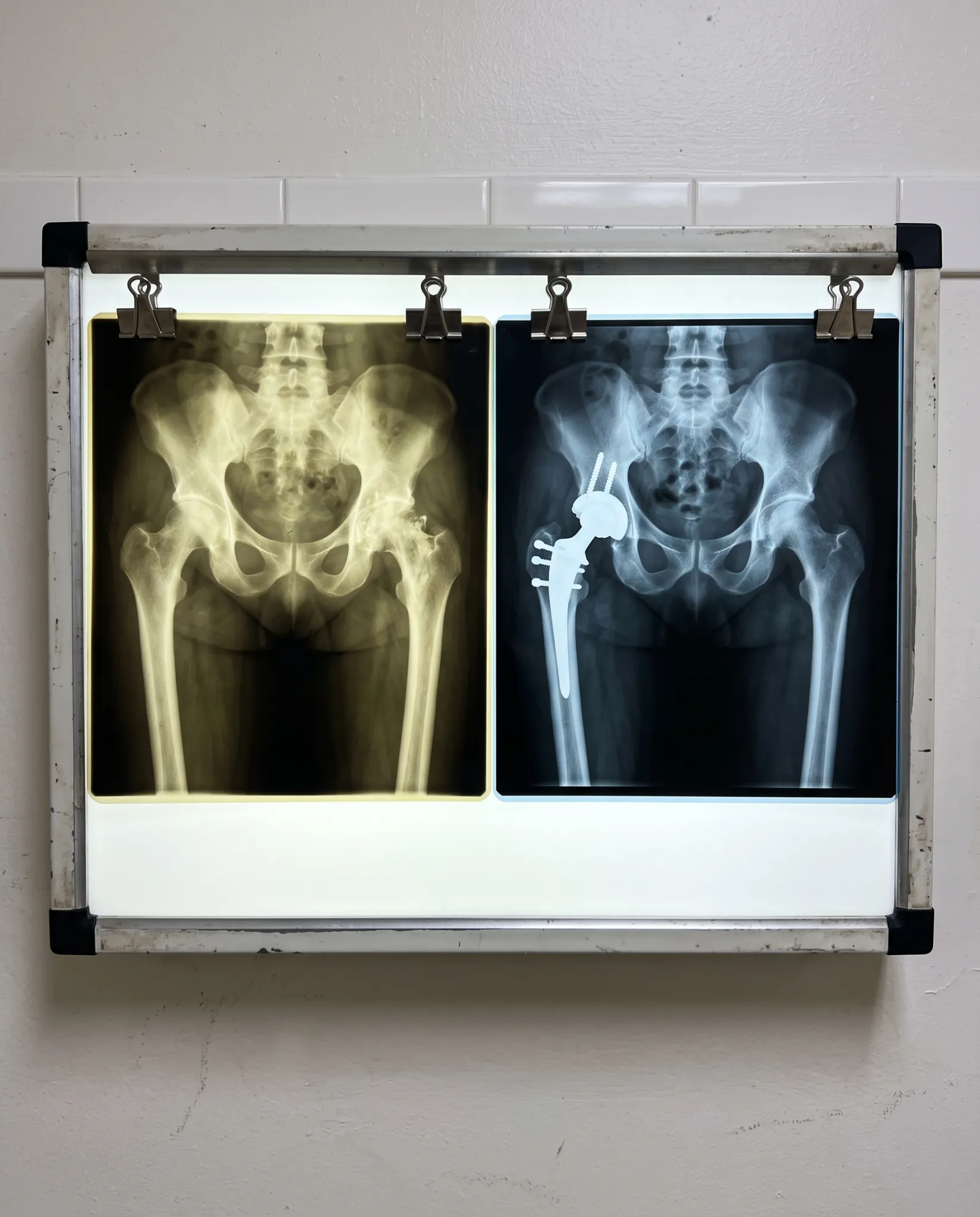
Same gravel, same second, eleven feet apart. He lost the leg. I got a bruise.
Miles & Motorcycles
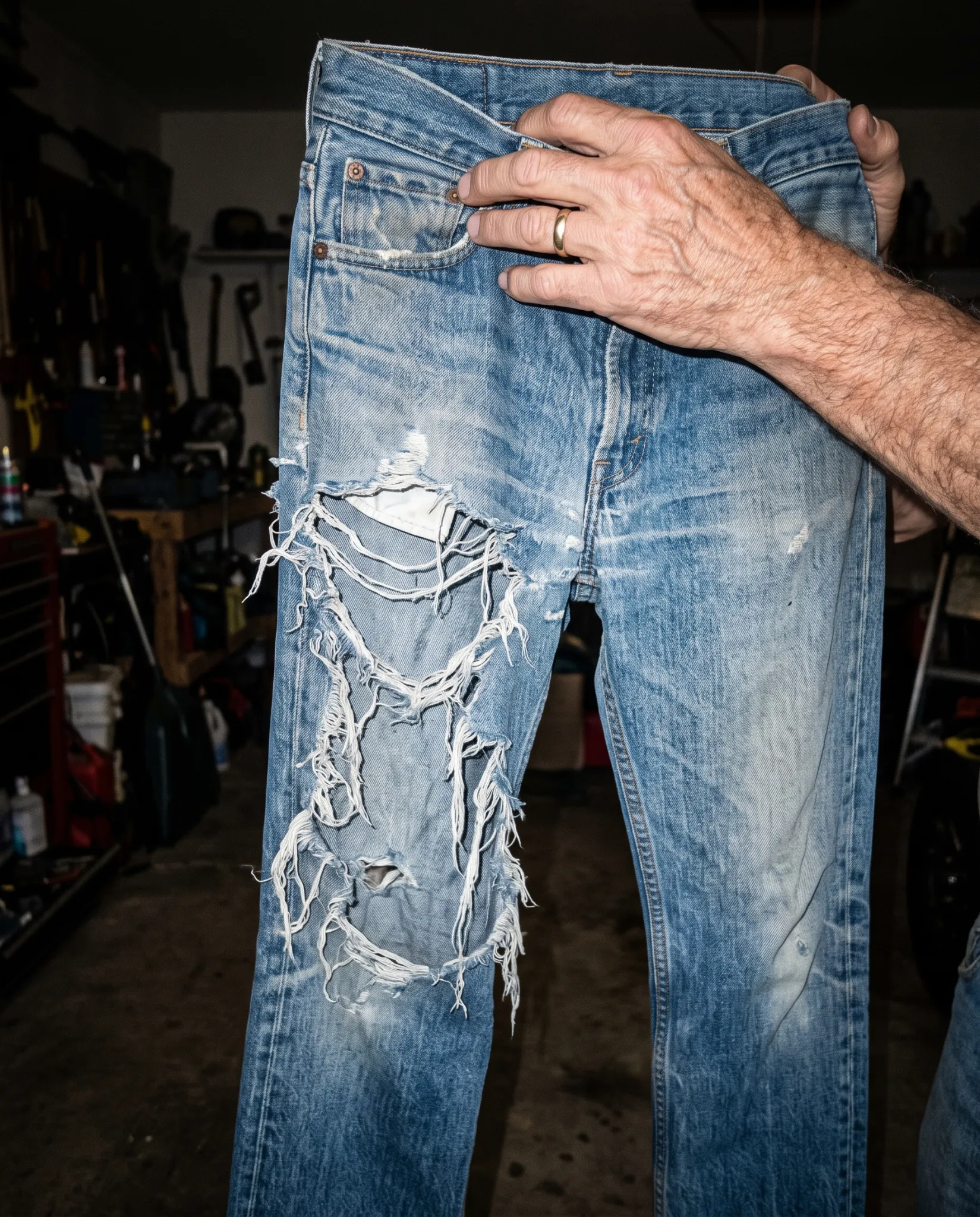
A stranger told the dispatcher to send a mortician. He was talking about me.
Miles & Motorcycles
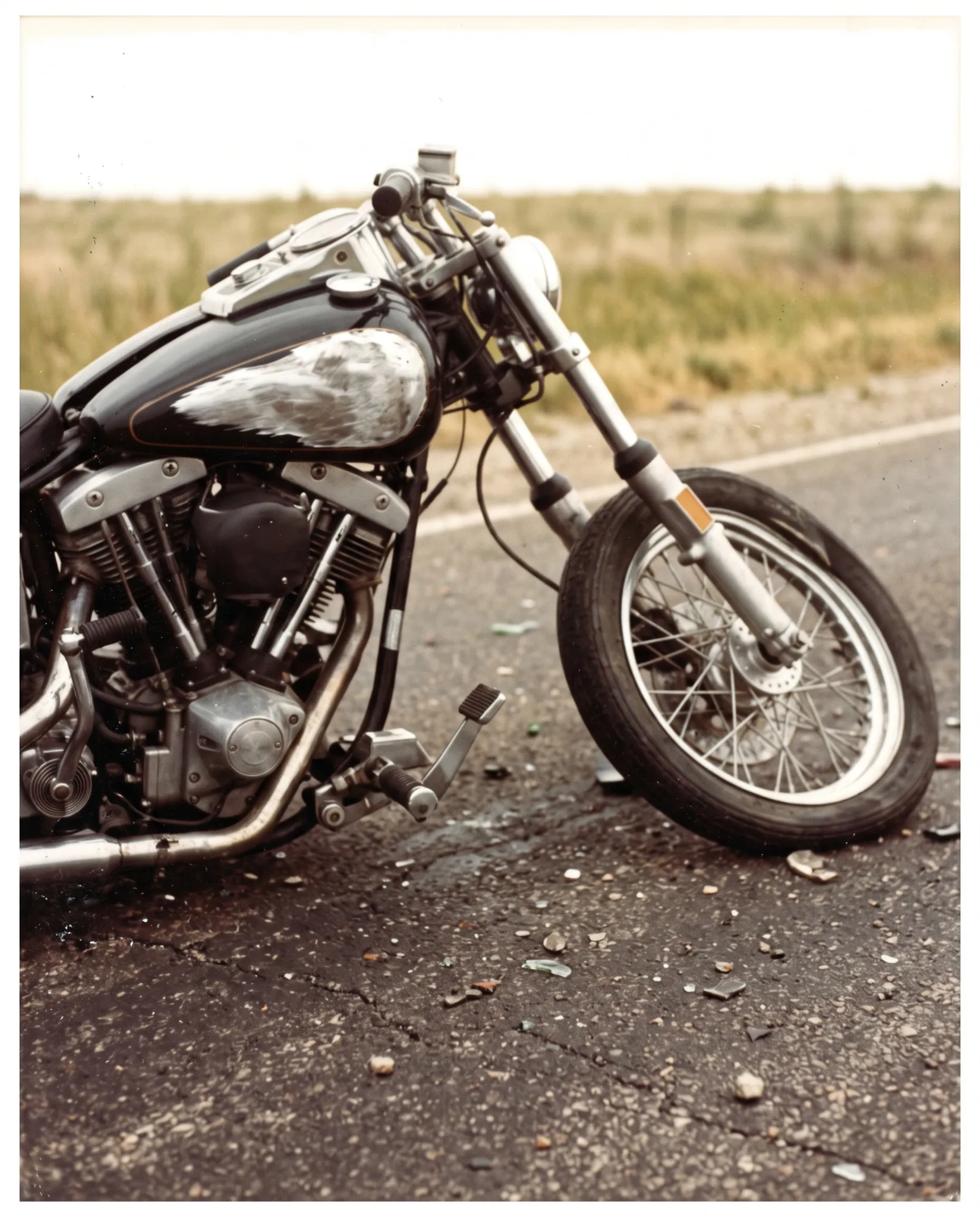
At 28 he'd have been fixing a bone. At 73 he said he'd be trying to keep me out of a chair.
Miles & Motorcycles
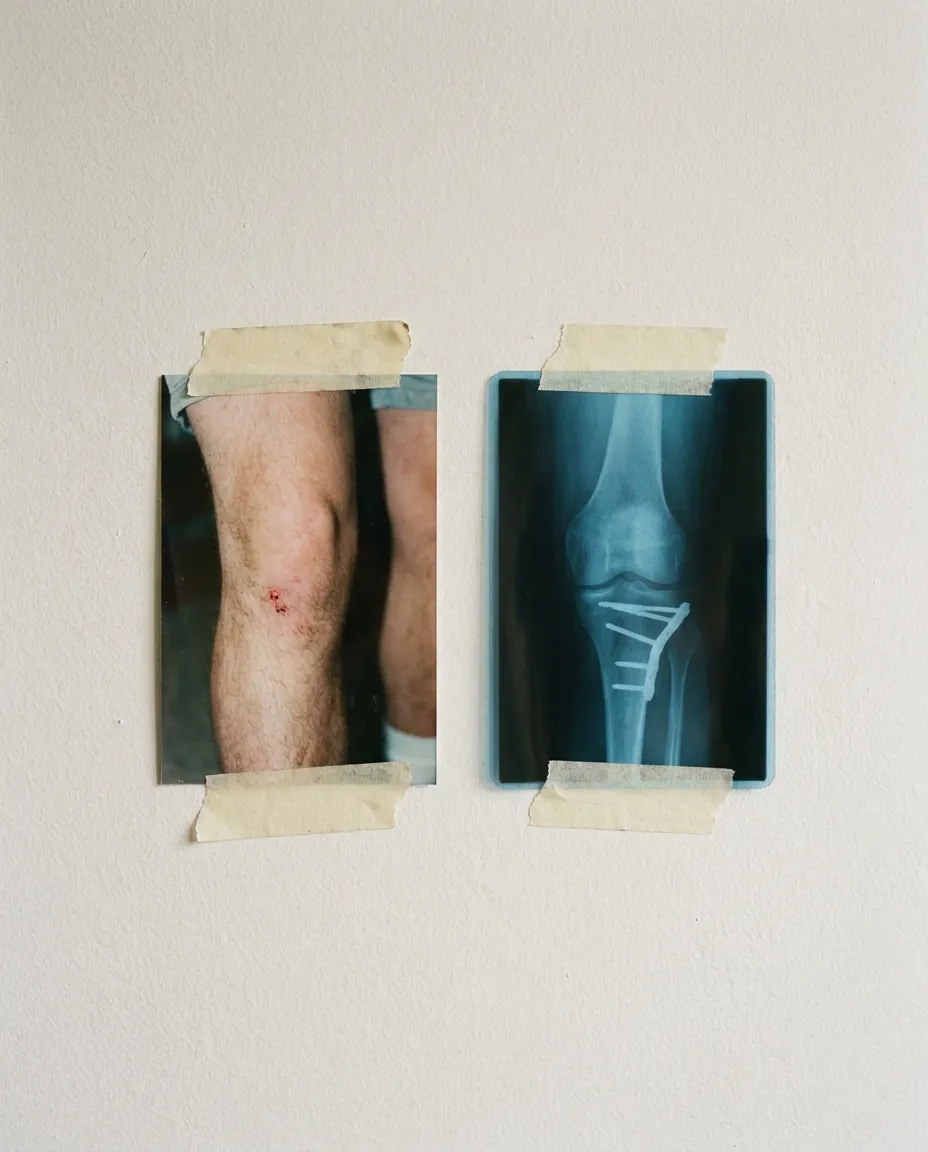
My gear saved everything it covered. The surgeon asked about the part it didn't.
Miles & Motorcycles
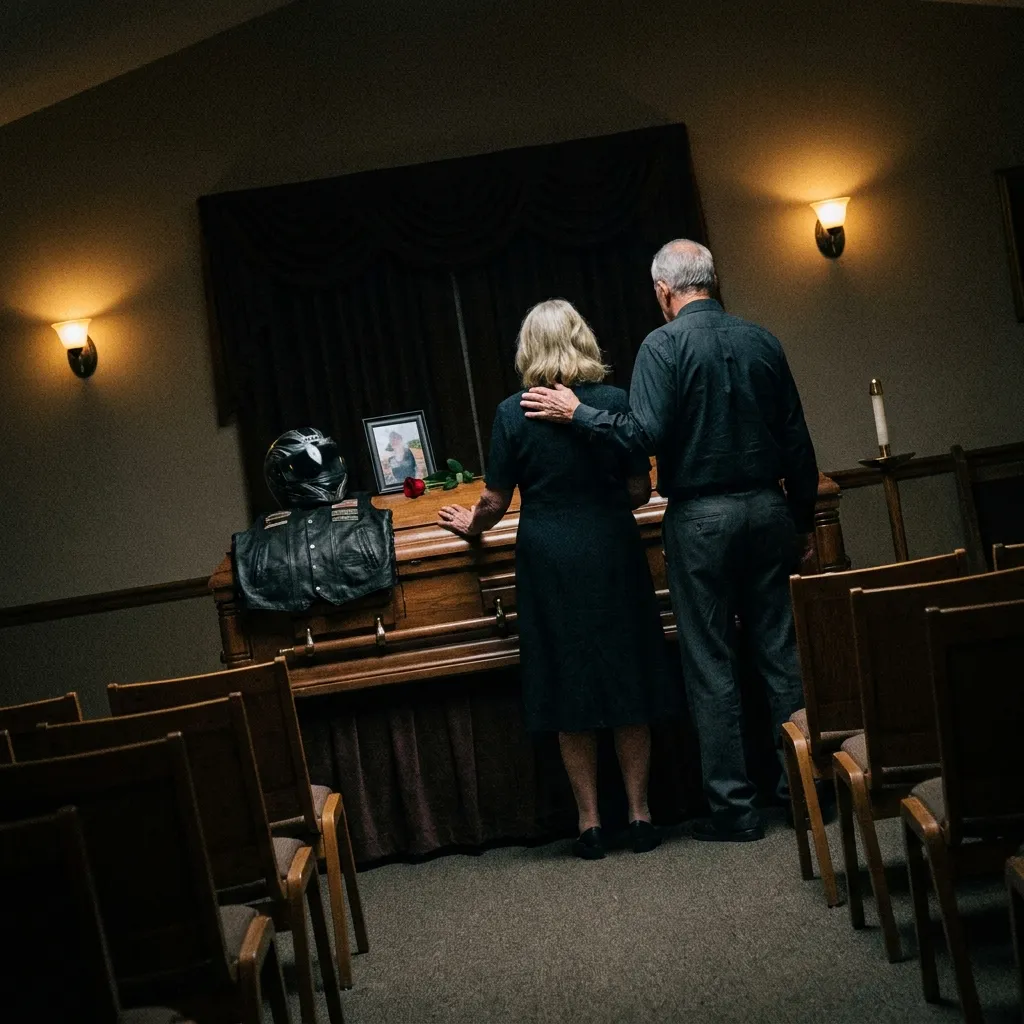
I rode in $26.99 Wranglers for eleven years.
Miles & Motorcycles
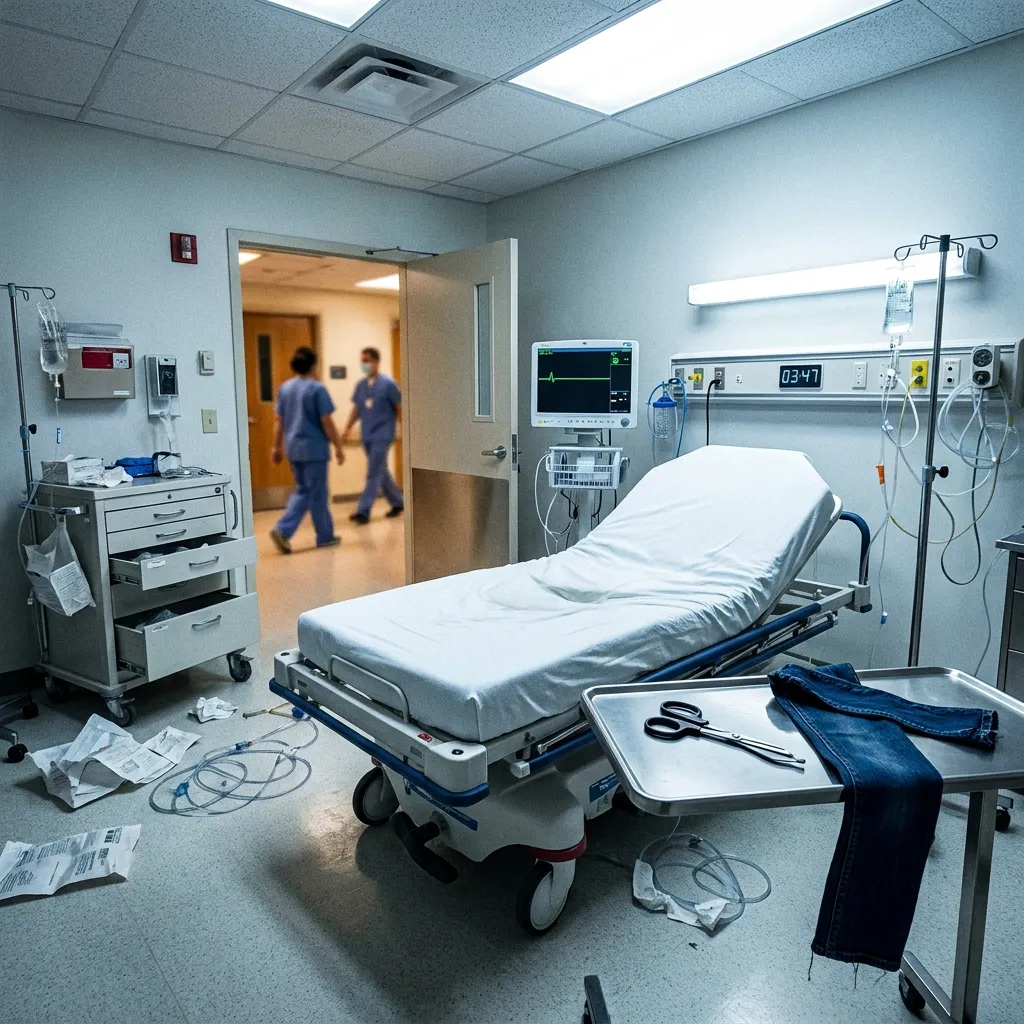
I rode in $26.99 Wranglers for eleven years.
Miles & Motorcycles
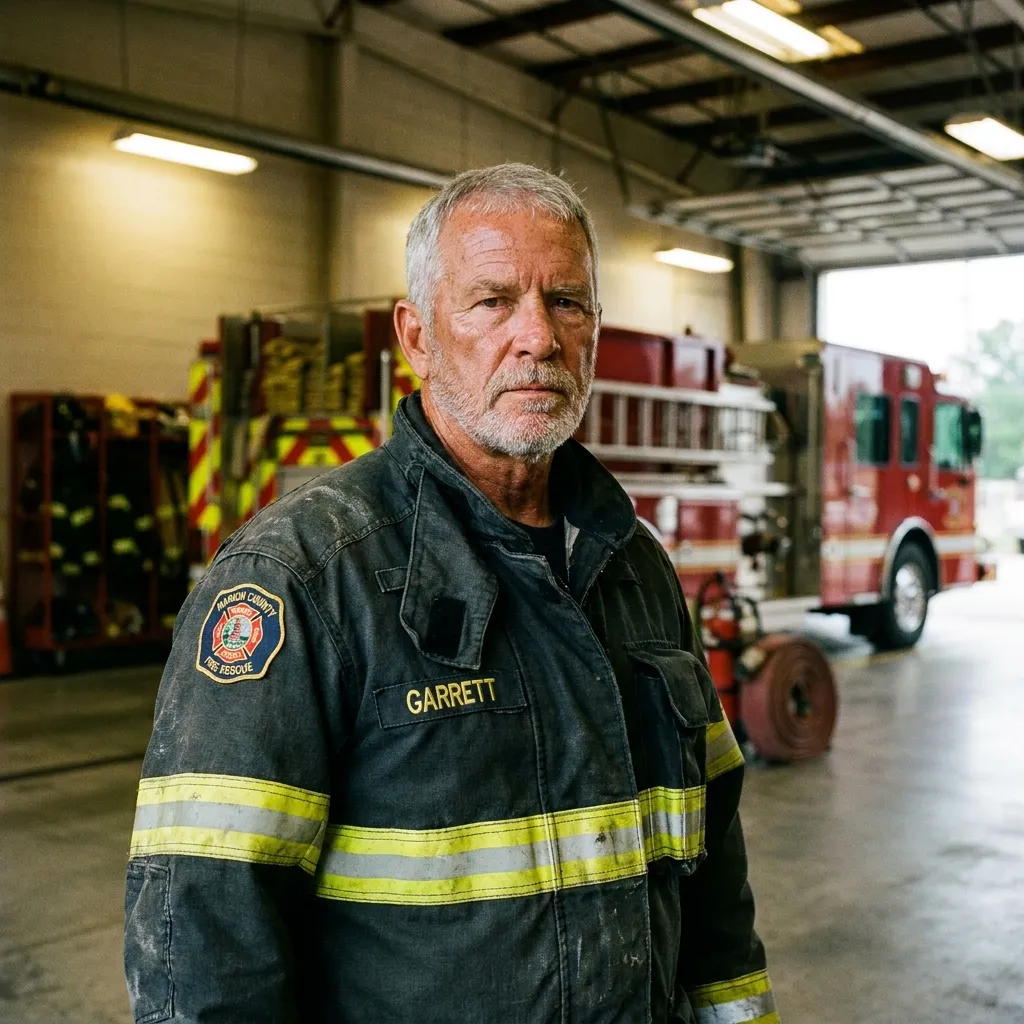
Forty feet of asphalt ended fifty years of riding in jeans.
Miles & Motorcycles
I rode in $26.99 Wranglers for eleven years.
Miles & Motorcycles
I rode in $26.99 Wranglers for eleven years.
Miles & Motorcycles
At 28 he'd have been fixing a bone. At 73 he said he'd be trying to keep me out of a chair.
Miles & Motorcycles
I rode in $26.99 Wranglers for eleven years.
Miles & Motorcycles
I rode in $26.99 Wranglers for eleven years.
Miles & Motorcycles

 Add to Chrome