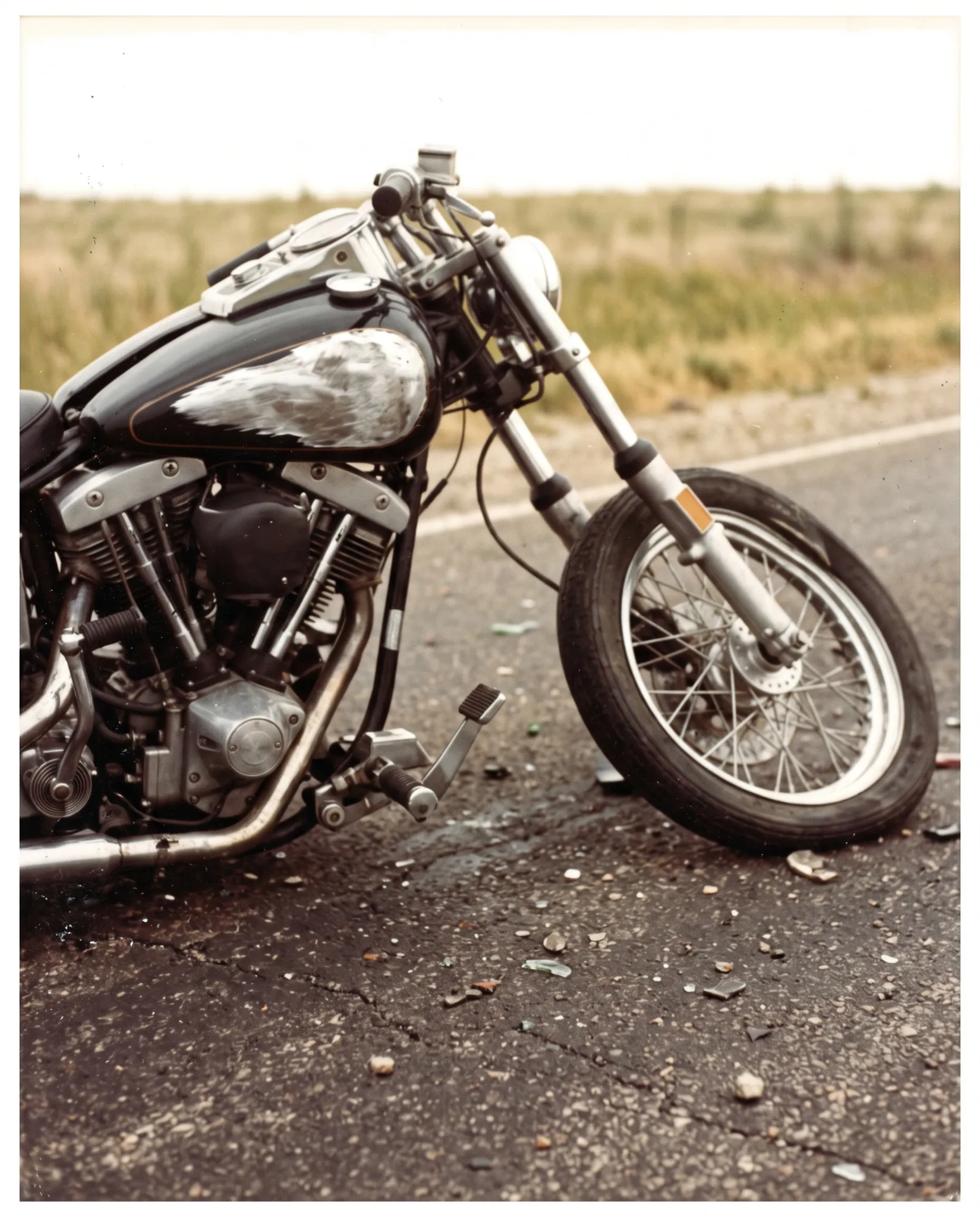
At 28 he'd have been fixing a bone. At 73 he said he'd be trying to keep me out of a chair.
Ad Copy
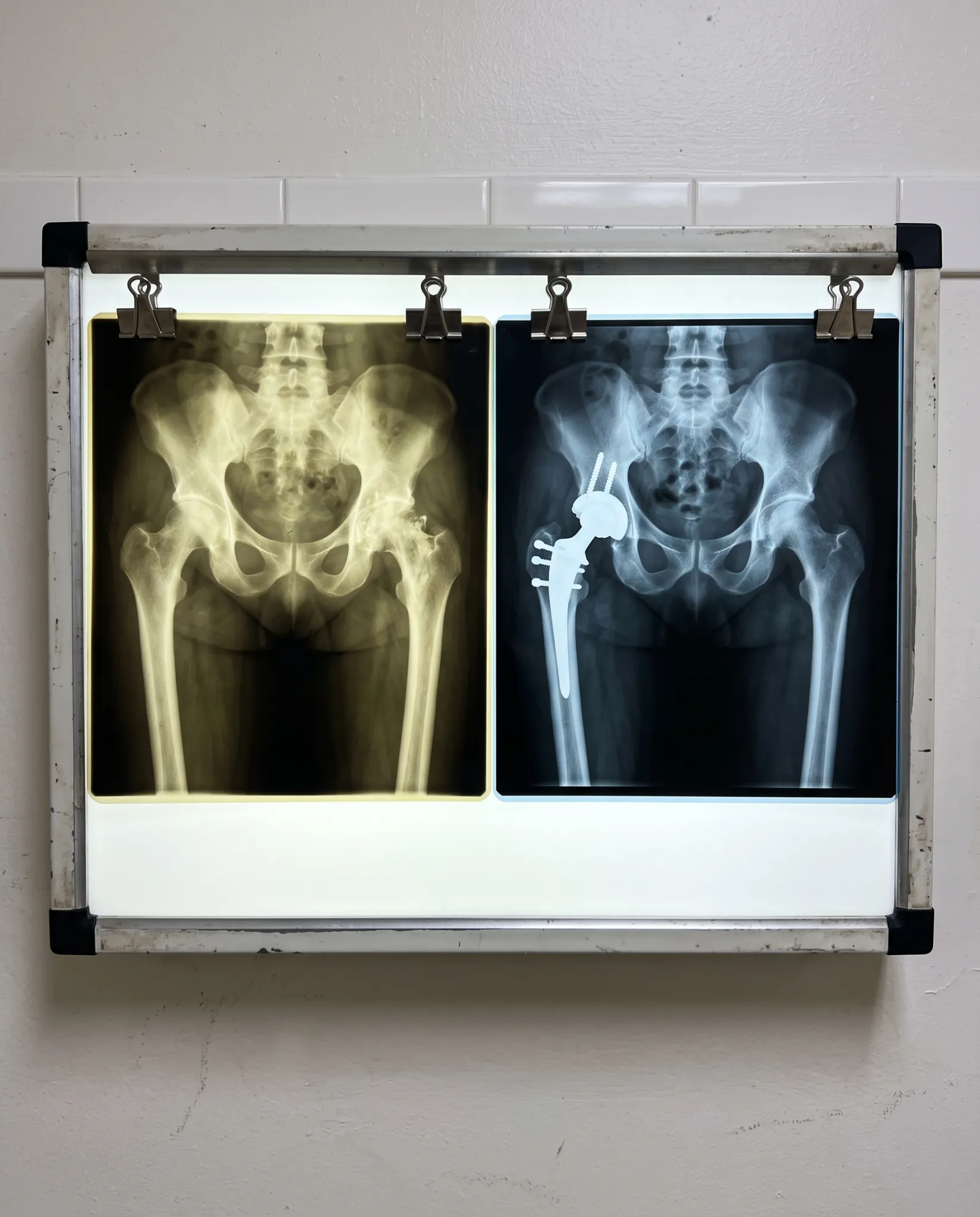
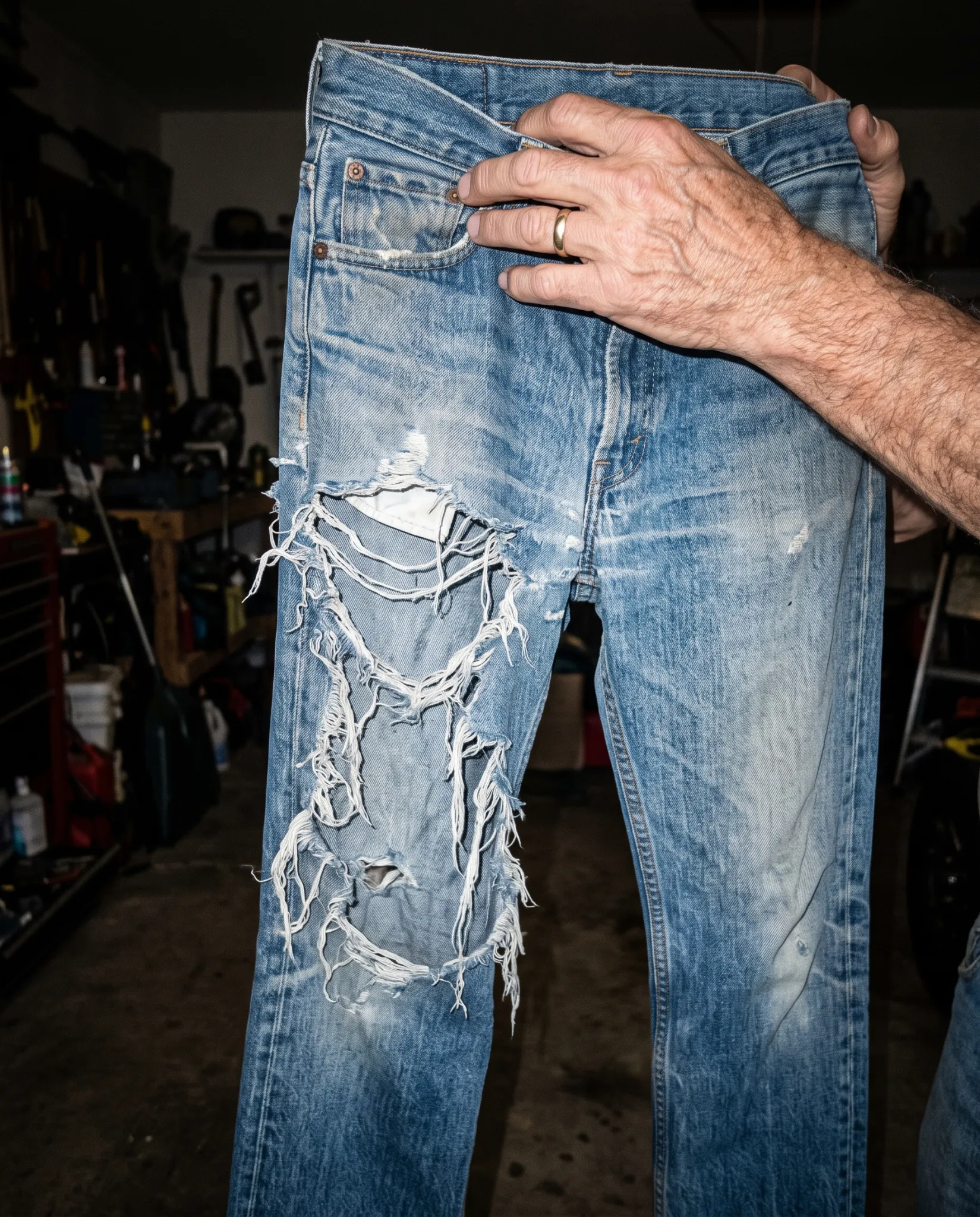
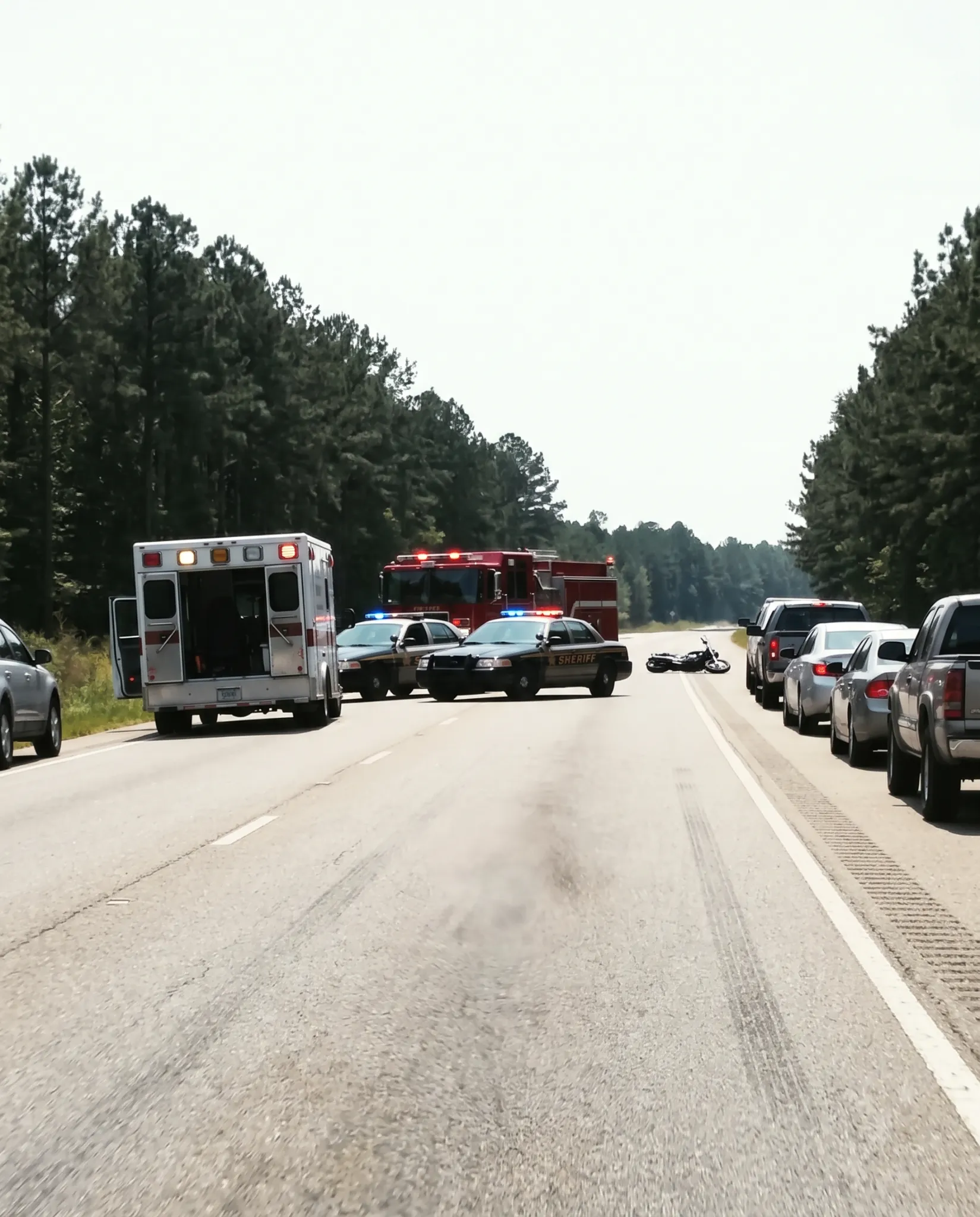
June the twentieth, 1981. Highway 231 south of Arab, Alabama. Ninety-seven degrees at four in the afternoon. I hit a piece of truck tire lying in my lane at sixty and it broke my left leg and it broke my pelvis, and I have spent forty-five years thinking about the fact that the thing that did it wasn't even alive. My name is Lamar Vandiver. I'm seventy-three. I ran heavy equipment for the Marshall County road department for twenty-nine years — graders mostly — I've been on a motorcycle since 1971, and I'm writing this at half past four in the morning at my own kitchen table with my wife asleep down the hall, because my hip has got me up again and I've decided I'm done not saying this. I was twenty-eight. I had a Shovelhead I'd owned nine weeks. And what got me was a retread. One of those long black strips of tire that comes off a semi and lies in the road looking like a dead snake. You've all gone past a hundred of them. There was a rise before that spot, and it was in the shade of it, and I was doing sixty, and I never saw it until it was underneath the front wheel. Nobody hit me. No animal ran out. Nothing made a decision. A piece of rubber came off somebody's trailer maybe an hour before I got there, and it lay in the road doing nothing at all, and it cost me eleven years of riding and a hip I've been carrying around for forty-five years since. I want that in front of everything else I'm going to tell you, because every man reading this has a story in his head about how he's careful. So was I. Careful had nothing to do with it. There was nothing there to be careful about. Here's what I remember. I remember the front end kicking, hard, like the wheel had hit a curb. I remember the bars going out of my hands, which is a thing I did not know could happen. And I remember the road. I came down on my left side and I went a long way, and the thing about going a long way on Alabama asphalt in June is that it is hot before you get there. That road had been sitting in ninety-seven degrees since morning. It was not just abrasive. It was hot enough to cook on, and I was on it for a while. I had Levi's on. They were opened up the left side before I'd stopped moving. I ended up on my back in the southbound lane, and I could not move my legs, and I understood that immediately and completely, which is its own kind of quiet. And then a woman put a birthday cake on the roof of her car. I want to tell this part carefully because it's the reason this letter exists. She was maybe thirty-five. She'd been two cars back. She pulled onto the shoulder and got out with a sheet cake in a white box, the way you carry one, flat on both hands — and she looked at me lying in the road, and she set that cake on the roof of her car, and she came out and knelt down beside me on the asphalt. She never picked it back up while I was there. She didn't try to move me. She got down where I could see her without turning my head, and she held my hand, and she talked to me. I don't remember one word of what she said. Not one. I remember the sound of it, which was steady, and I remember that she did not once look away from me to look at anything else that was happening. She stayed twenty-one minutes. I know it's twenty-one because I asked the Marshall County ambulance service about it years later and they still had the run times. And when they finally got me loaded and pulled out, that cake was still sitting on the roof of her car. Somebody's birthday didn't happen that day because of me. A child's, most likely, at that hour, at that time of year. I have thought about that cake more than I have thought about the tire. I never got her name. I was in Huntsville twelve weeks that first stretch. Twenty months of surgeries after that. They rodded the femur. The pelvis they put back together with plates and screws and then told me to lie still for a long time, which at twenty-eight is its own particular punishment. The skin is the part nobody warns you about. A cut heals, a burn heals, but abrasion is a thing they have to replace — they take it off your back to cover your leg, so you finish with two wounds where you had one, and the one they made on purpose is the one that hurts. Faye was twenty-five. We'd been married four years. She sat in that room every evening after work for twelve weeks and never once said the thing she was owed. I sold the Shovelhead out of the hospital bed. Nine days after. A man named Odom came over from Boaz and gave me thirty-one hundred dollars for it, and I signed the title with my left hand because the right one had a pin through it. And then I did not sit on a motorcycle for thirty-one years. Thirty-one years. Nineteen eighty-one to two thousand twelve. My thirties, my forties, my fifties. I ran a grader for the county, I raised a son and a daughter, and every time a set of pipes went by on 231 I went out in the yard and stood there like a fool. I got back on in 2012, at fifty-nine, on a Road King I've still got. Faye made me promise two things: no riding when I'm tired, and I call her when I get where I'm going. She never asked me to wear anything. I want to be clear about that, because it would be easy to write her as the wife who nagged me for forty years and she wasn't. She never brought it up once. I've thought about why and I believe it's because she'd already watched me do twelve weeks in Huntsville and she couldn't stand to be the one who said it out loud again. She's asleep down the hall right now. Forty-nine years in August. The appointment I see Dr. Sowell in Huntsville. Orthopedist, eight years now, and he is a young man who talks with his hands. Routine follow-up in April. He was looking at the hip films and I asked him a question I'd never asked anybody, which was what would happen if I went down again. And he did something I didn't expect. He tore off a length of that paper they run over the exam table, and he took a pen out of his coat, and he drew. He drew a ring. Just an oval, closed. He said, "That's a pelvis. It's a ring. The whole trick of it is that it's closed — it carries everything above it down into your legs. When you broke yours in 1981 we opened the ring, and we closed it back up, and you were twenty-eight, so your body helped us." Then he drew a second ring beside it, and he put little marks on it — the plates and screws that are in me now. He said, "This is yours today. It's closed, but it's closed because there's hardware in it, and the bone around that hardware is seventy-three years old." I asked him straight out what he'd be doing if I came in like that again. And he put the pen down on the paper and he said: "At twenty-eight I'd be fixing a bone. At seventy-three I'd be trying to keep you out of a chair." Nobody had ever put it to me in a way I could see. In forty-five years, nobody had drawn me a picture. Then he picked the pen back up and moved on to the range of motion, the way they do. Yes, somebody sells these I'll put it out front so you're not sitting there waiting for it. There's a link at the bottom. A company sells these trousers. If you buy some through it, they do better that day than they would have. I'd have been suspicious of that myself, so I'll tell you the prices, including the money I threw away, and you can weigh it. I'm a retired grader operator in Marshall County. There's nothing in this for me except the possibility that fewer men spend thirty-one years standing in a yard. Forty-five years of the wrong trousers Three things, priced. Blue jeans. Since 1971. That's the default and it was mine, and I want you to notice that I went back to them after — after the pelvis, after Huntsville, after a woman knelt on a road and let a cake go to waste on the roof of her car for me. Fourteen more years of riding, in Levi's, with plates in my hip. That's how little the proof does. I had the whole argument welded into my own body and it didn't change what I put on in the morning one time. Denim goes about ten feet. I know exactly. Canvas brush pants. Ninety-five dollars, 2014. This is the one I want to warn people about, because I was proud of this decision. They're the heavy tan hunting kind, briar-proof, double-faced down the front. I'd worn them in the woods for years and never torn them, and I thought: that's tough cloth, that'll do something. Briar-proof is not road-proof. A briar is one thing catching one thread. A road is the whole surface taking the whole leg at once, and cloth does not care how thick it is if there's nothing hard behind it. I bought ninety-five dollars of confidence and no protection at all, and the confidence is the worse half of that. "Armoured" jeans. A hundred and ninety-five dollars, 2019. Foam. A soft pad floating in a pocket at the knee, and nothing whatsoever at the hip — which, as I could have told anybody who asked, is the exact place a road put me in 1981. Hot, heavy, armoured in the wrong place. I wore them a season. Two hundred and ninety dollars in a closet, plus a lifetime of Levi's, and I rode to Huntsville in April to ask a doctor what would happen if I went down again, and I made that drive in blue jeans. Where I saw them Not from a man my age. That's the part that got under my skin. Rual Petty bushhogs my back field twice a summer. He's forty-four, he does yard work and small dozer jobs, and he rides a motorcycle to the jobs because it's cheaper than running his truck. He came to do the field in May and he had on a pair of green cargo trousers, and I asked him — I was making conversation — whether he'd been in the Guard. He said no sir, these are riding pants, and he knocked on the outside of his hip and it answered back hard. Not padding. Something that meant it. And then he said the thing that I have not been able to put down since. He said: "My daddy went down at forty-one and never worked right after. I figured I'd just not do that." Forty-four years old, and he had already done the arithmetic that took me forty-five years and a drawing on exam table paper. He told me what they cost. A hundred and twenty-nine dollars. EKON RoadArmor. The closet Here's my confession, and it's not the one you're expecting. I ordered them that night. The box came on a Wednesday and I opened it the same afternoon — no drama, no nine days sitting in the hall staring at it. Then I hung them in the closet and I rode past them for nine weeks. I know how that sounds. I've turned it over and the honest version is this: opening a box costs nothing. Putting them on meant walking out of my own house dressed differently than I had dressed for fifty years, in front of a county where I have known everybody since grade school. That's what nine weeks was. Not fear of the money and not doubt about the product. Vanity, at seventy-three, with plates in my hip. Faye never said a word about them hanging there. She has never once in forty-nine years told me what to do and I have never once deserved that. The first time I wore them The twenty-eighth of June. Just down to the co-op in Arab and back, maybe nine miles, because I wasn't going to make a ceremony out of it. Ninety-four degrees. Nobody looked at me. That's the whole report. I got off at the co-op and a man I've known since 1968 asked me about my hip, the way he always does, and never mentioned my trousers, because they look like trousers. The vents run down the legs and you open them and the air comes through. I'd expected to be talking myself into tolerating them by mile five. Instead I forgot about them, which is not something I have ever been able to say about anything protective I have ever owned. And there's a hardness over the hip. You feel it swinging a leg over. It isn't comfort and it isn't confidence. What it is, is twelve weeks in Huntsville, sitting on the outside of the joint where I can feel it. What they are Cargo trousers. They look like work pants — and that's not a small thing, that's the entire thing, because the nine weeks in my closet were about how they'd look and nothing else. CE Level 2 armour at the hip and at the knee. Level 2 is the higher of the two ratings. A hard plate, not a floating foam pad, not thick cloth. It comes out if you want it out. Mine stays in. Let me stay on the hip, because it is the joint nobody sells right and it's the one I lost. Everybody pictures the knee. You can see your knee. But the road doesn't set you down on the knee — it lays you over onto the point of the hip and drags you, and past seventy that joint is the difference between a man who lives in his own house and a man who doesn't. Dr. Sowell drew me a ring on a piece of paper and that ring is the reason I got dressed differently this morning. They breathe — zip vents down the legs, and in an Alabama July that is not a feature, it is the only reason the trousers are on my body instead of on a hanger with the brush pants. Water-resistant too, and I'll say it the way I'd want it said: they'll get you home dry out of a shower, they won't keep you dry through an all-day rain. Six pockets. The ankles open up to come down over a boot. There's a webbing belt in the box that I expected to be junk and isn't. Black, army green, or camo. Rual's are the green. Mine are the black, because I am not going to pretend I've got the nerve for camo. Around here Rual Petty, 44, bushhogging and dozer work, Arab. Not one of us, and the reason any of this happened. "My daddy went down at forty-one." Coy Ledbetter, 70, retired from the tire plant in Huntsville, rides a Heritage. Ordered a pair in June. "Lamar, I have never in my life thought about my hip." Marvin Sides, 67, still hauls chicken houses out of Boaz. Big man — he'd quit shopping for gear because for years nothing was cut past a 2XL. He's in the 4XL. "I ordered them expecting a fight about the size." Herschel Nance, 75, retired schoolteacher, Guntersville. Herschel doesn't ride anymore and bought a pair anyway, which none of us have asked him about. Nobody was paid a nickel. That's what's gone around here since June. "You're turning into one of those fellas" I know. I said it myself for fifty years, out loud, about other men. There's a version of a fella who turns up to a bike night dressed like he's being timed round a circuit, and every one of us has made the joke, and I don't want to be him any more than you do. Here it is as short as I can get it. It took forty-five years and a drawing on a piece of paper: They're work pants with a hard plate over the hip and the knee. That's all. Nobody at the co-op looked twice. You put them on over your boots and you go, and if there's a piece of somebody's tire lying in the shade of a rise where you can't see it — and there is, right now, on some road you're going to ride this month — then the road gets a piece of cloth instead of the joint that decides where you live when you're eighty. The simple part EKON RoadArmor cargo pants. $129. Black, army green, or camo. Sizes US 24–40, and they're cut for men and for women both. CE Level 2 armour at the hip and the knee, removable. Zip vents down the legs, six pockets, ankles open over a boot, webbing belt in the box. Sold direct by EKON — no shop in the middle, which is why it's a hundred twenty-nine, and also why nobody behind a parts counter will ever mention them to you. 60 days. Ride in them, sweat in them, and if they aren't what I've described, send them back and get your money. That's their arrangement, not mine. 1-year warranty besides. 👉 https://ekontravel.com/products/roadarmor-pants Order your usual size — they run true. If you land between two, take the bigger one; there's armour in them and you want a boot over the peg without the trousers arguing with you. Lamar Vandiver Arab, Alabama P.S. — The brush pants are still on a hook in the shed. Twelve years old, briar-proof, never once torn, and completely useless for the one job I bought them thinking they'd do. Faye asked whether she ought to put them in the church box. I told her to leave them where they are. I want to walk past them. P.P.S. — My granddaughter Sherrilyn is twenty-six and rides a little Rebel to nursing school in Huntsville, which I did not vote for and was not asked about. She's had a pair of these since May. They make them in a women's cut — same armour, cut different — and I want to say plainly that I bought hers before I would wear mine, which tells you everything about how a man's head works. She thanked me and put them on. It took me nine more weeks. P.P.P.S. — I still don't know her name. A woman, about thirty-five, in a light-coloured dress, southbound on 231 south of Arab on the afternoon of June the twentieth, 1981, who was carrying a sheet cake in a white box and set it on the roof of her car and knelt down on hot asphalt and held a stranger's hand for twenty-one minutes and never picked the cake back up. She'd be about eighty now. Somebody didn't get their birthday that year. If that was your mother, or your grandmother — I have thought about you every year on the twentieth of June since Reagan's first term, and I would like to say so to her face. And if you're reading this in a pair of jeans: it isn't dying. It's half past four in the morning. It's thirty-one years standing in a yard. Please.
More from Miles & Motorcycles
Same gravel, same second, eleven feet apart. He lost the leg. I got a bruise.
Miles & Motorcycles
A stranger told the dispatcher to send a mortician. He was talking about me.
Miles & Motorcycles
My gear saved everything it covered. The surgeon asked about the part it didn't.
Miles & Motorcycles
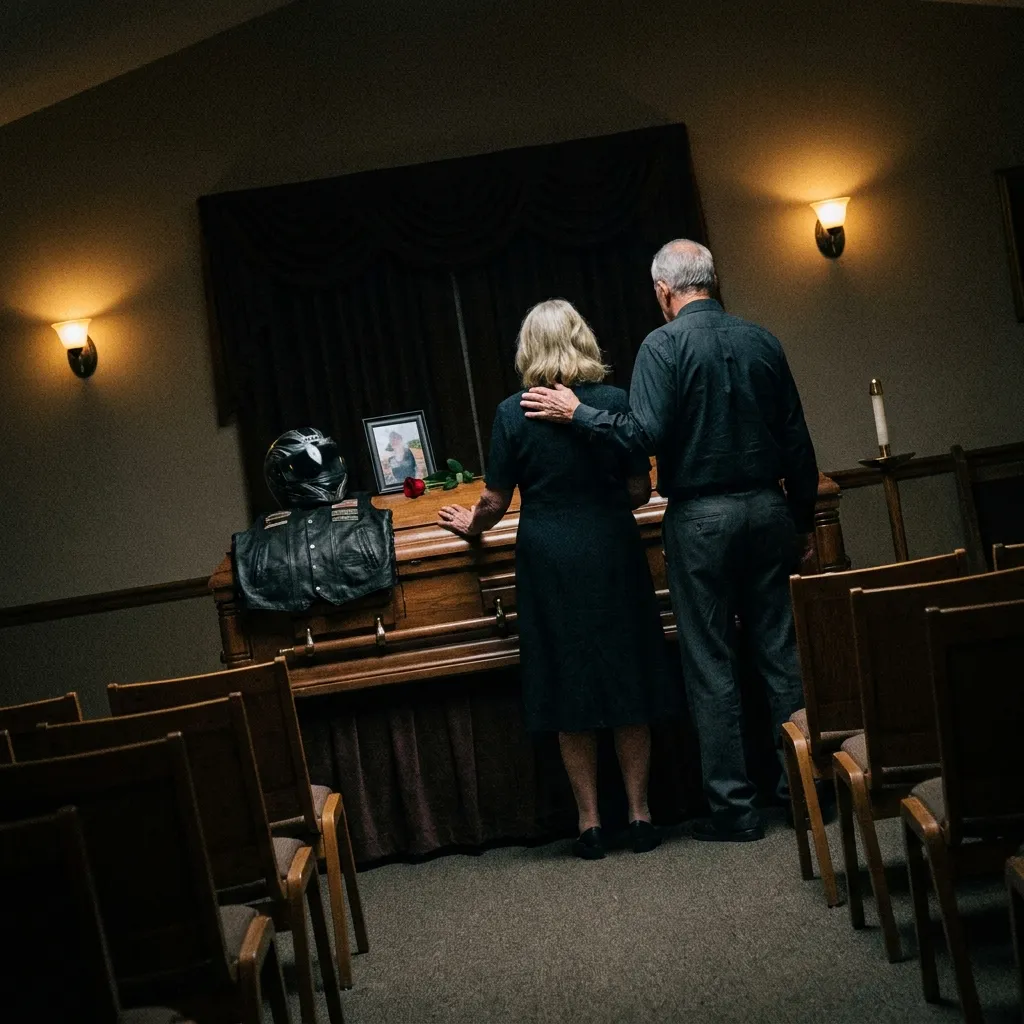
I rode in $26.99 Wranglers for eleven years.
Miles & Motorcycles

I rode in $26.99 Wranglers for eleven years.
Miles & Motorcycles
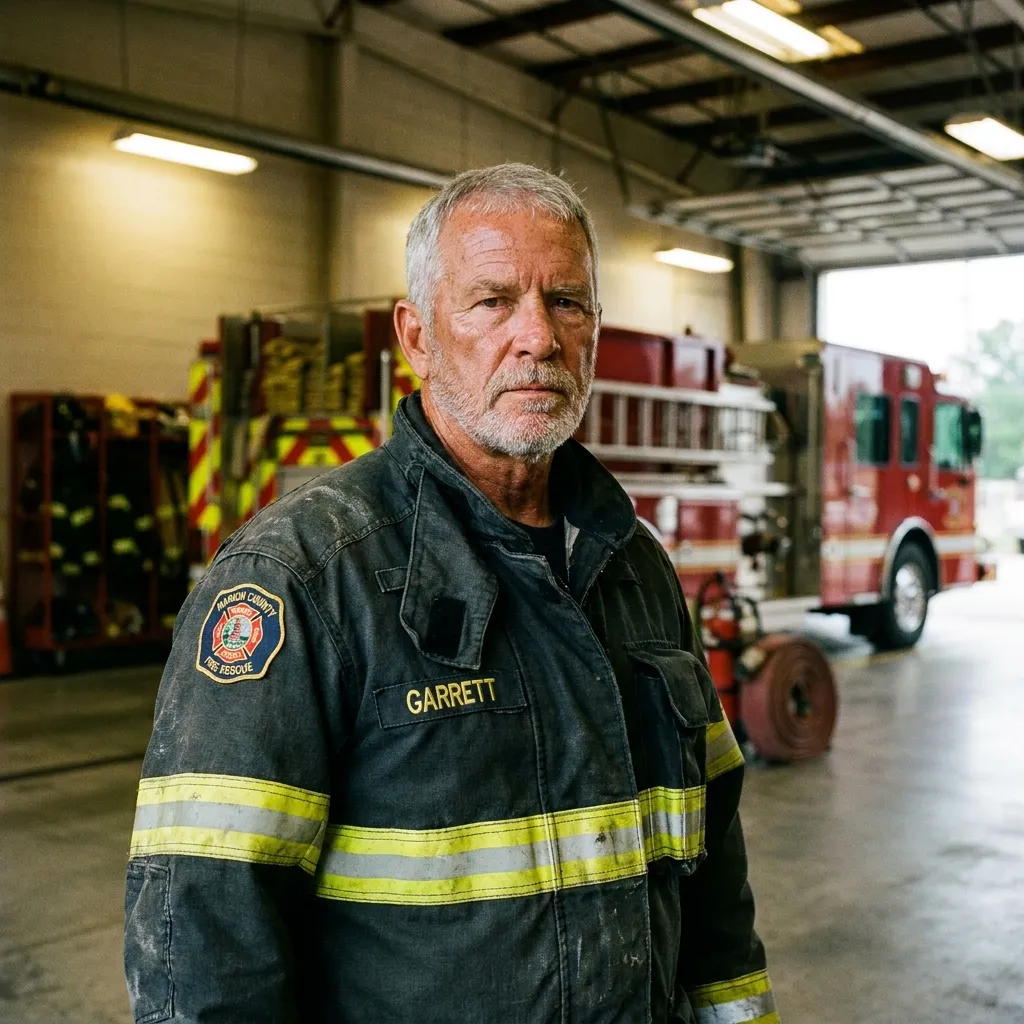
Forty feet of asphalt ended fifty years of riding in jeans.
Miles & Motorcycles
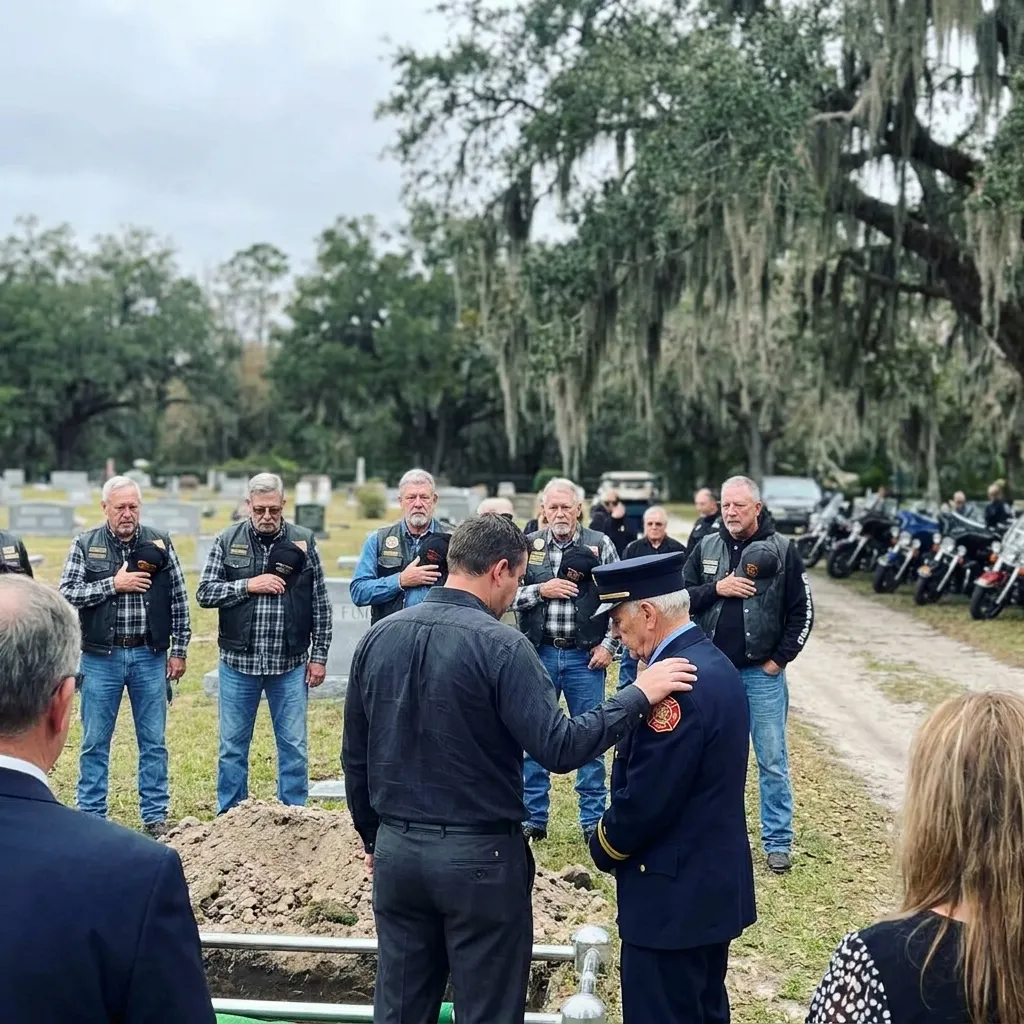
I rode in $26.99 Wranglers for eleven years.
Miles & Motorcycles
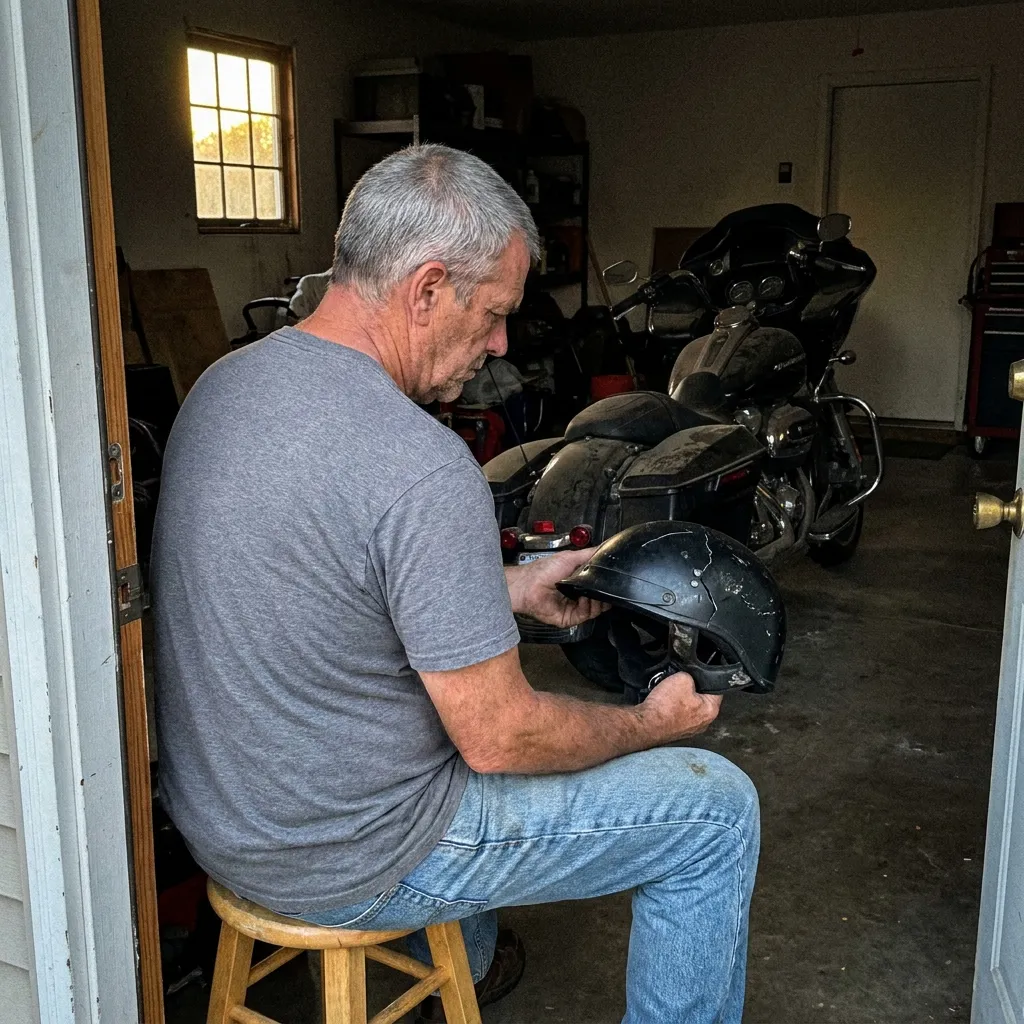
I rode in $26.99 Wranglers for eleven years.
Miles & Motorcycles
At 28 he'd have been fixing a bone. At 73 he said he'd be trying to keep me out of a chair.
Miles & Motorcycles
I rode in $26.99 Wranglers for eleven years.
Miles & Motorcycles
I rode in $26.99 Wranglers for eleven years.
Miles & Motorcycles
I rode in $26.99 Wranglers for eleven years.
Miles & Motorcycles

 Add to Chrome