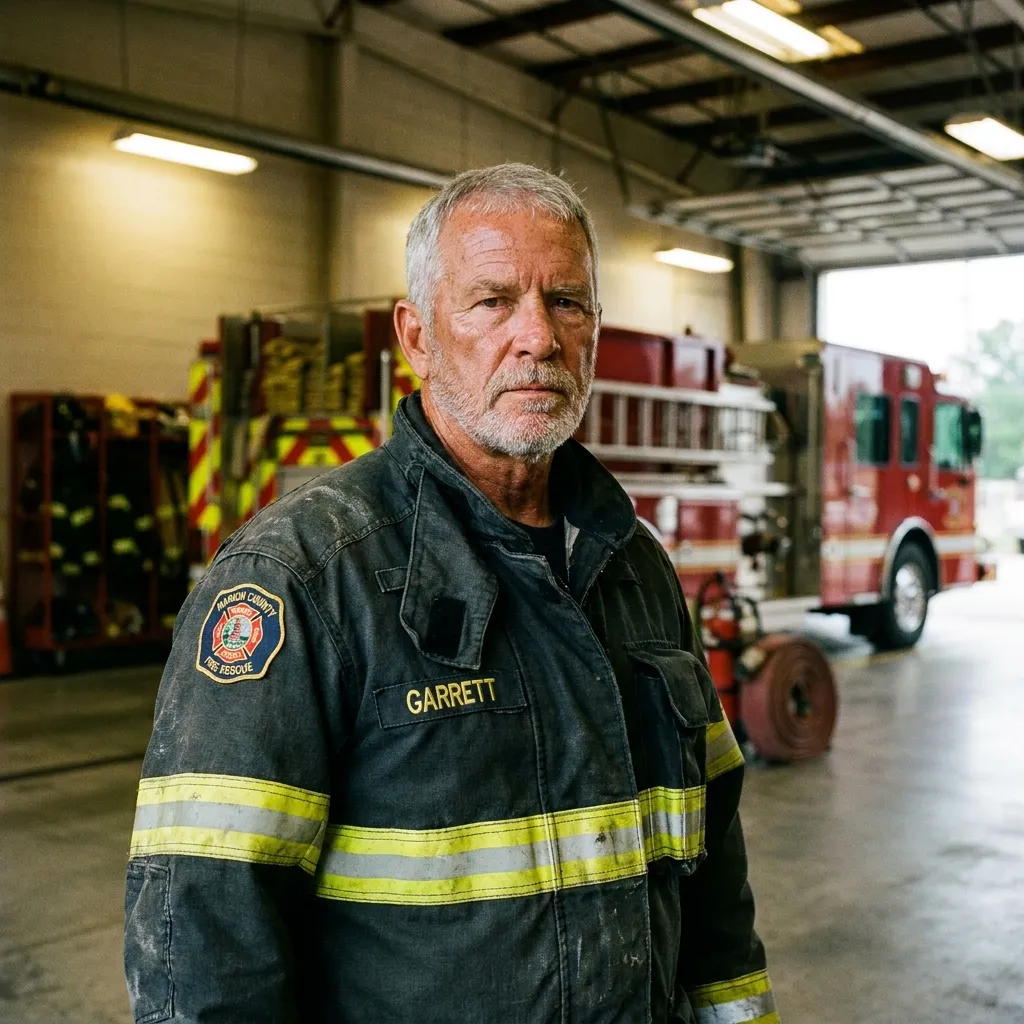
Forty feet of asphalt ended fifty years of riding in jeans.
Ad Copy
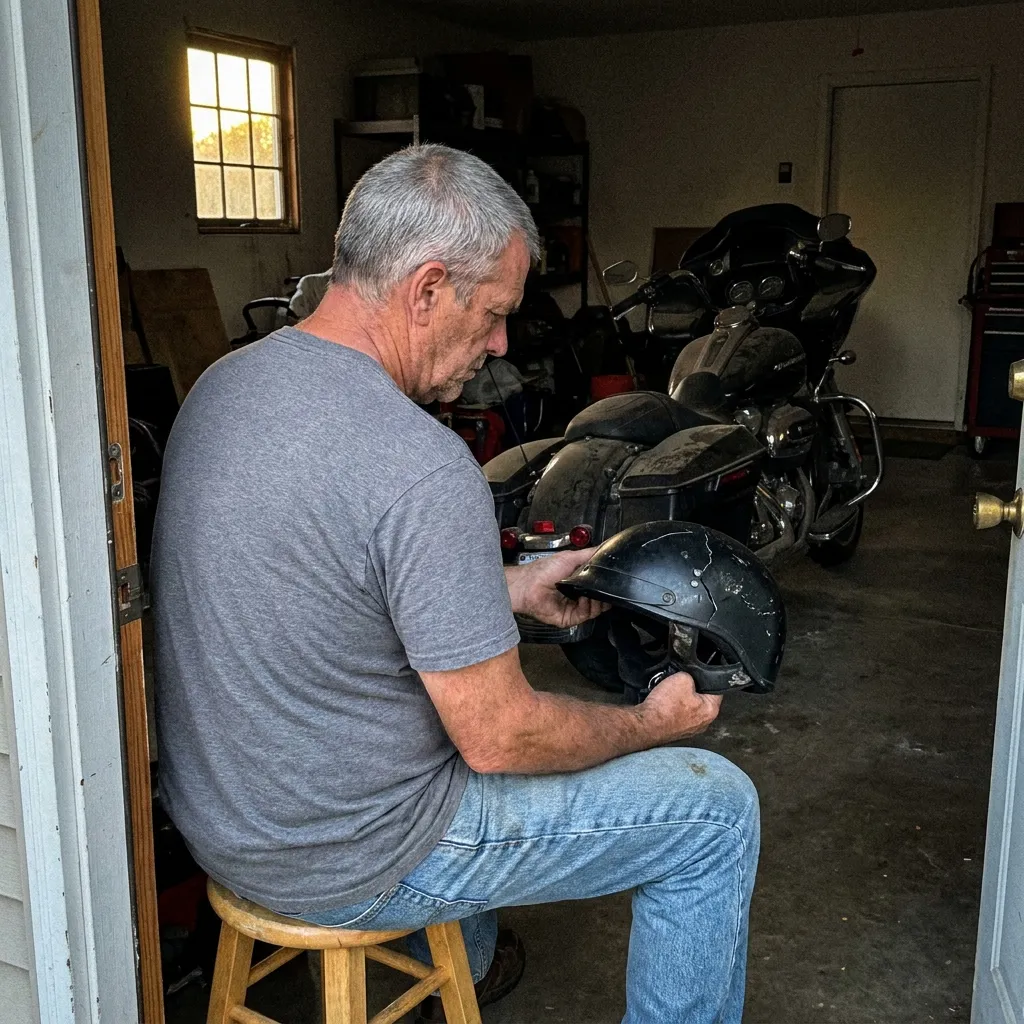
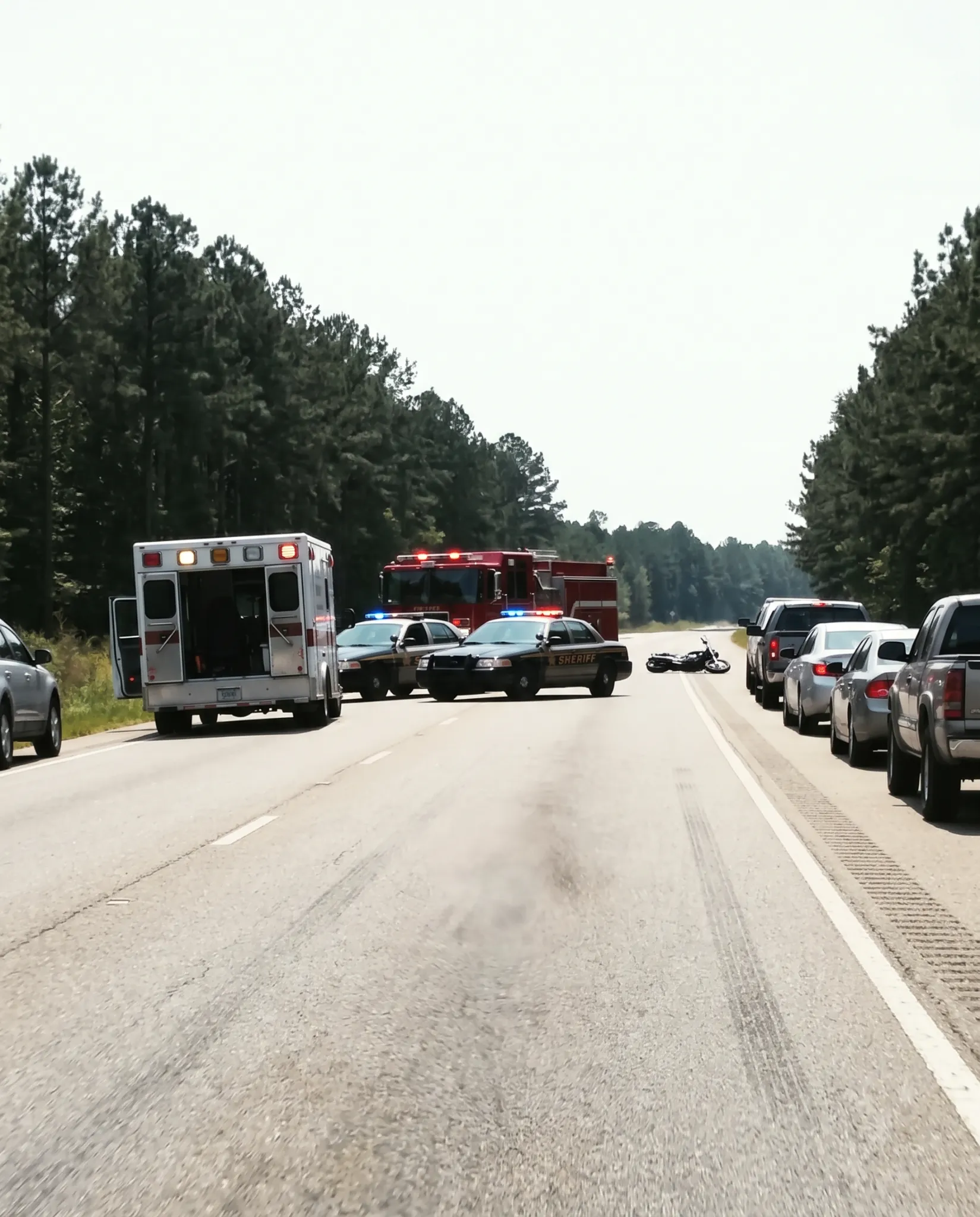
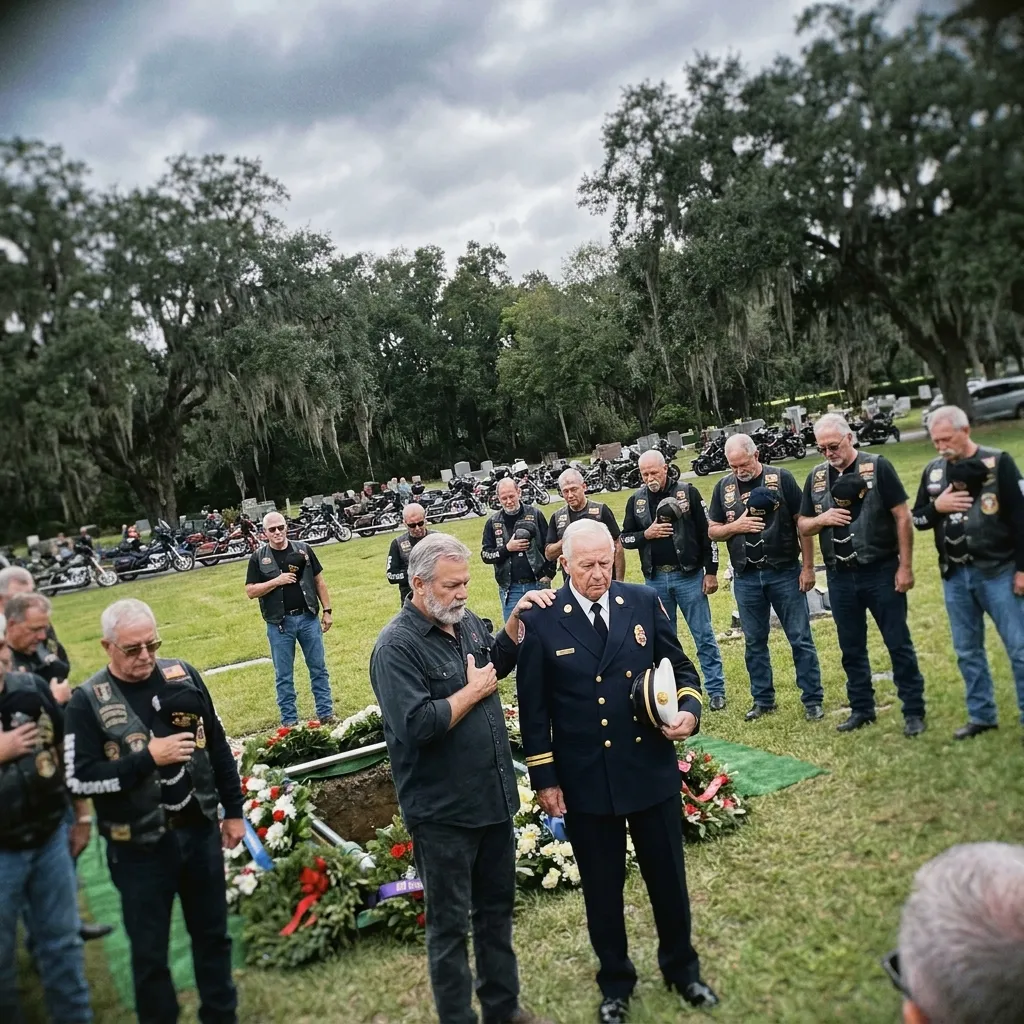
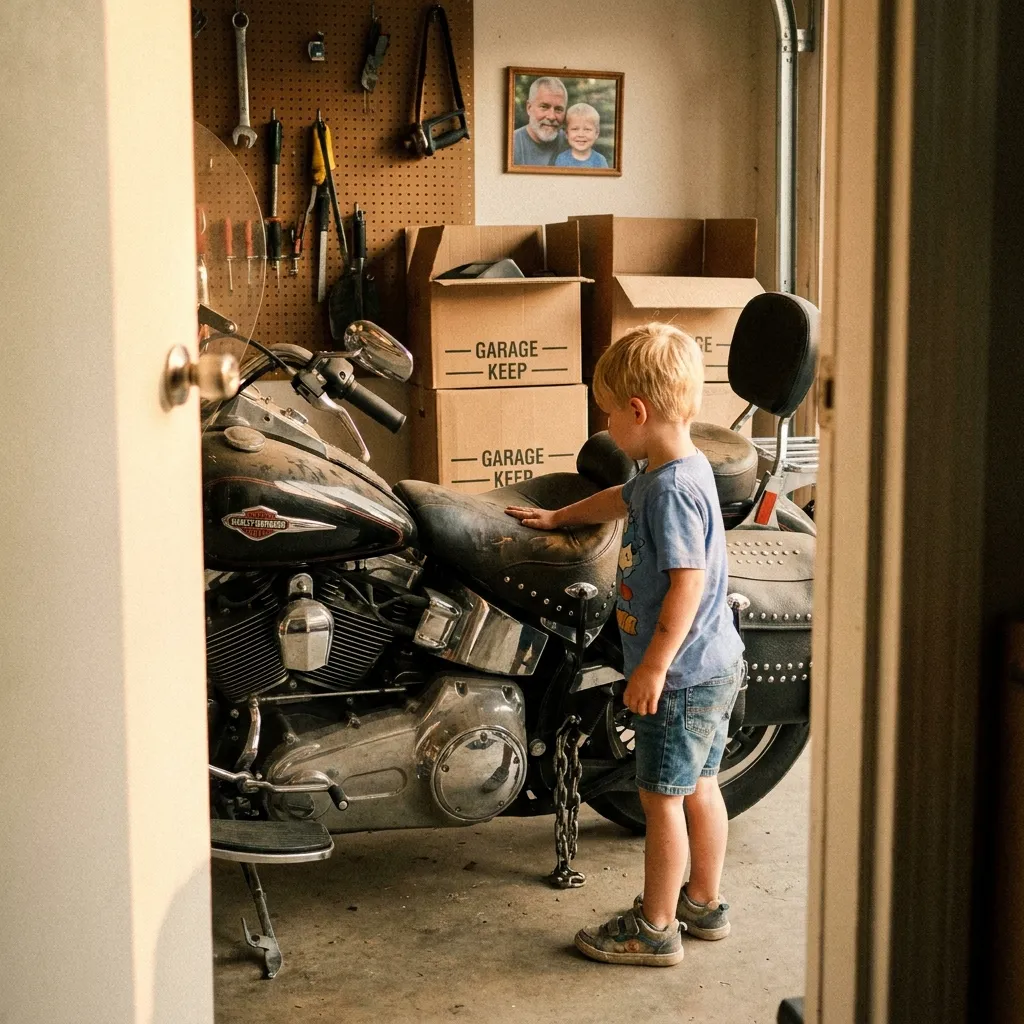
In 33 years on the Ocala Fire Department I responded to 47 motorcycle fatalities. Last August my best friend became the forty-seventh. I drove to the scene in $26.99 Wranglers from Tractor Supply. He was wearing the same brand. My name is Wayne Garrett. I'm 67. I live in Ocklawaha, Marion County, Florida. I retired from the fire department in 2021. I'm writing this from my kitchen at 2:14 AM because I have not slept properly in nine months and my wife Donna has told me that I need to put this down or it's going to put me down. If you're a man over 50 who rides — especially if you're a firefighter, a cop, a paramedic, a nurse, a vet, anyone who has spent his life around what happens to human bodies and still rolls out of his garage in jeans because nothing else is bearable in Florida heat — please read this. I owe Trey at least the chance that one of you reads what I'm about to write and decides not to be where I'm standing right now. The morning of August 14, 2024. I keep an old Bearcat scanner on the kitchen counter because Donna gave up trying to make me throw it out around year two of retirement. Habit, mostly. I was making coffee at 7:51 AM. The call came over as a single-vehicle motorcycle MVA. Highway 200. Mile marker 38. Rider down, unresponsive. I was 2.6 miles from the scene. I told Donna I'd be back and drove the F-150 down there in what I had on, which was Wranglers, a t-shirt, and Justin Ropers. I beat the engine to the scene by about ninety seconds. There's a rule about retired guys showing up to active scenes that I broke. I don't care about the rule. The bike was a 2017 Heritage Softail Classic. Vivid black. The arc of fluid and debris ran 180 feet across both lanes — what 65 mph laid down on July asphalt looks like. Trey was in the grass on the shoulder. On his back. One leg pointed wrong. His helmet — a half-shell, what we call a brain bucket — was thirty feet up the road. His jeans were torn open from the waist to the right knee, and what was underneath them I'd seen forty-some times in my career and I'm not going to describe for you. A woman had stopped before I got there. I recognized her from the Publix on State Road 35 — I'd seen her bagging her own groceries a hundred times. She was on her knees in the gravel next to Trey, holding his left hand. She had a beach towel from her trunk pressed against the worst of his right thigh, soaked through, the way you've held a towel against something when you don't know what else to do. She moved over without a word when she saw I knew him. She stayed on her knees in the gravel for fourteen minutes until the engine arrived. She did not say anything. She just held his other hand. She did not introduce herself. When the medics took over she walked back to her car, drove away, and I have not seen her in nine months. I have shopped at that Publix every Tuesday since. I want to thank her. I have not been able to find her. I knelt on the asphalt next to Trey in my Wranglers and held his right hand. I said, "Trey. Trey, it's Wayne. You stay with me, brother. Look at me. Look right here." His eyes opened twice. He squeezed my hand the second time. He died at Shands in Gainesville at 1:47 PM. The trauma surgeon told Charlotte that the pelvis was fractured in five places, both femurs were broken, the spleen was lacerated, and the right kidney had been shredded by a fragment of bone that had separated and migrated four inches from the original injury. The hospital called it "non-survivable." He was 58. He left a wife named Charlotte and a four-year-old grandson named Cole who called him Papa Trey. I drove home. I parked the F-150 in the garage next to my Road Glide. I sat in the driver's seat for a long time looking at my own motorcycle and at my own pants. Same brand. Same cut. Same Tractor Supply. Then I went inside and threw up. The three days. Trey died Wednesday at 1:47 PM. The funeral was Saturday. The silence between is the part nobody tells you about. Donna made the phone calls I could not make. She called Charlotte at 4 PM. She called the chapter. She called my old battalion. She called my brother in Lake City. I sat in the kitchen with my hand on the phone three different times Wednesday afternoon and could not lift it. The Wranglers I had worn on the previous Sunday's ride — eighty-four miles, ninety-one degrees, two days before Trey died — were folded on top of the dryer where I'd left them Sunday evening. I had washed them, dried them, and folded them while Trey was watching a Braves game in his living room in Belleview with Charlotte. After he died I could not put the Wranglers in the dresser. I could not throw them away. They sat folded on the dryer for three days. Donna walked past them six times a day for three days and did not say a word. I went out to the garage at 2:15 AM Friday and sat on the Road Glide in the dark for an hour. I was waiting for it to tell me something. It did not. I am writing this down because if you read about a funeral and a pair of pants and you do not understand that there are three days between those events that break something in a man that does not get fixed, then I have not done my job here. The pants do not fix it. Nothing fixes it. The pants only mean it might not happen to one more man whose wife is standing at the dryer next month looking at his folded Wranglers and not knowing what to do with them. Why a 33-year fire department veteran rides in jeans. I want to be honest about this because if I'm not, the rest of this doesn't mean anything. I had been a firefighter and EMT-Intermediate since June of 1988. I have personally been on scene at forty-seven motorcycle fatalities, plus triple that number that didn't end in a death. I have cut leather pants off men with trauma shears to get to a femoral bleed. I have stood by while paramedics called time of death on the shoulder of I-75 with the engine still ticking down beside us. I knew the data. I knew the kinetics. I knew exactly what 45 mph on Florida asphalt does to the dermis. I knew, statistically, that a 67-year-old man on blood thinners for an irregular heartbeat had no business throwing a leg over a Road Glide in Tractor Supply jeans. Every Sunday I knew. Every Sunday I lied to myself and put them on anyway. There is no version of that story where I come out a smart man. I want to tell you why, because if I just say "I was an idiot" that's not useful to you, and the truth is what's going to keep one of you alive. I bought a Road King in March of 2013, at 56. That Saturday I drove from the dealership to Big Cypress Cycle Gear and bought Vanson leather pants for $420. American-made, full-grain cowhide, CE armor at the knees. The kid behind the counter was 23 and told me leather was the only serious answer. On June 12, 2013, at the I-75 rest stop near Bushnell, I came within six minutes of going to the hospital for heat stroke. 94 degrees. I'd ridden 38 miles. I lay on the men's room tile floor for twenty minutes before I was steady enough to walk back to my bike. A trucker gave me a Gatorade out of his cab and told me I looked like death warmed over. The Vanson pants have hung in my garage since that day. Donna will not let me throw them out. We have had three separate fights about this in twelve years. In 2014 my nephew Brett, an engineer at Lockheed, let me borrow his $1,250 Klim Badlands Pro adventure pants for a long weekend. They are an excellent product for crossing Mongolia with eighty pounds of camping gear strapped to the back of a BMW GS. On a Road King cruising US-301 they made me look like an astronaut. The vents flowed at 70 mph and did nothing at the long red light at Williston Road. The CE armor migrated three inches down my shin in 90 miles. I gave them back Sunday night. In 2017 I bought Kevlar-lined riding jeans from a brand I won't name because they're still in business. $189. The "armor" was foam pads in fabric sleeves that slid around every time I shifted in the saddle. The aramid panel was 9 by 7 inches, sewn into the inside thigh. I was wearing Tractor Supply jeans with a placebo sewn into them. I knew it. I kept wearing them anyway because it let me tell Donna I was wearing "riding pants." By 2018 I had given up. I was 61. I had spent close to nine hundred dollars on three categories of pants and not one of them had been built for what I was actually doing: riding a cruiser, in Florida, between April and October, at speeds between 0 and 70 mph, in temperatures between 78 and 98 degrees, as a 230-pound man who didn't bounce back from anything the way he used to bounce back from things in 1985. I started riding in Wrangler 13MWZs. $24.99 at Tractor Supply. For six and a half years. I told myself the same lies every rider my age tells himself. I was careful. I rode defensively. The data was about young guys on sportbikes. I wasn't 27 anymore. My chapter buddies were in the same boat and we couldn't all be wrong. We could all be wrong. We were. I knew, at the bottom of all of it, that I was lying to myself, because I had stood on the shoulder of dozens of roads in three counties and watched men my age die in exactly the pants I was wearing. The funeral. Trey was buried on August 17, 2024, at Highland Memorial Park on East Anthony Road. Two hundred and forty people. The whole HOG chapter. Half the fire department, current and retired. His pastor was a man named Dwight Henley who I'd known twenty years. He said this at the end of the service, and I have written it down word for word because I do not want to lose it: "There is no good reason that Trey died on the side of that road. He was a careful man. He was a good rider. But he was riding the same way most of us in this room ride, in the same clothes most of us in this room wear, and the truth that we are all going to have to sit with is that there was nothing about Trey that made him different from any of us. He was just first." You could hear the parking lot from inside the chapel. After the service I went out to my truck to get my jacket and I saw Trey's younger brother Brad standing by his bike. Brad is 61. He rides a 2019 Indian Chieftain. He sells construction equipment. He is one of the most physically un-vain men I have ever met. He was wearing pants I did not recognize. Olive green. Cargo cut. Hung straight. No visible armor pads. I'd known Brad Calloway for twenty-two years. I had never seen him in anything other than jeans. I said, "Brad. What are you wearing." He looked down. Then he looked back up. And the man started crying. Not loud. Not falling apart. Just standing in the parking lot outside his brother's funeral with tears running down his face. He said, "Carla bought these for me last October. I have not put on Wranglers since November 3rd. I begged him. I begged him to try them. I sent him the link three times. He told me he'd think about it." Five days later, on the phone, I asked Brad the name. He told me the pants were called RoadArmor. The company was EKON. Carla had found them through a forum post by a man up in Wakulla Station — retired engineer, 73, lost both his femurs to a deer in 1979, spent eighteen years afterward in wrong gear. I'm not going to retell that man's story here. He's told it himself and you can find it, and you should. I ordered a pair that night. Army Green. $149. The Sunday I almost sent them back. I want to be honest about this part because I think it's the part that matters most for whoever is reading this. I almost sent them back, but not for the reasons I'd sent gear back before. Not because they failed. The first three weeks were fine. October in north Florida is gentle. The vents worked. The fit was right. The armor stayed where the armor was supposed to stay. I almost sent them back because I felt sick wearing them. I sat on the couch on a Sunday afternoon in late December in my RoadArmors watching the Jaguars lose to the Titans. The pants felt comfortable. Comfortable in a way nothing I had worn on a motorcycle in eleven years had felt. And I looked down at my own legs and I thought: Charlotte is alone tonight. Cole asks for Papa Trey at bedtime. The HOG chapter has had an empty chair at every meeting since August. And I am sitting on this couch in a pair of pants that might have made the difference for him, three months and twelve days after I knelt in his blood on Highway 200. The pants felt like a betrayal. Like I had outlived my friend by a small administrative act — clicking a link Brad had told me about — that Trey had not gotten around to performing. Donna found me in the garage that night looking at the empty return shipping box. She asked what I was doing. I told her. I told her I couldn't wear something Trey hadn't gotten to wear. It didn't feel right. She let me finish. She did not say anything for a long time. Then she said: "Wayne. If Trey were alive he would have ordered these the day Brad told him about them, the same way you did. The reason he didn't is not because he was loyal to Wranglers. It is because he ran out of time. If you send those pants back you are not being loyal to Trey. You are being loyal to the lie that killed him. Wear the pants. Stay alive. Tell every other Trey in the chapter what you know now. That is how you honor him." I closed the empty box. I have not opened it since. The rain. First real weather test came in November. Coming back from breakfast in Crescent City a Florida sky did what a Florida sky does — went from cloudless to wall-of-water in eleven minutes. I pulled off under the Highway 19 overpass with Mickey Levesque and zipped the vents shut. Whole operation took four seconds per leg. We rode forty minutes in steady rain. Inside of the pants was bone dry when I got home. For eleven years I'd carried nylon rain pants in my saddlebag. I have not worn them since. They are still in there, as a kind of memorial. The aha moment, which was different from what I expected. I had thought my moment was going to be the vents at a stoplight. Brad had told me about that. I waited for it from December through May. I unzipped the vents at every long light. They worked. The air moved. It was nice. But it wasn't the moment. The moment was July 19, 2025. Saturday. I was riding Highway 40 east toward Astor for a chapter ride. 94 degrees. The road runs through the Ocala National Forest — long stretches of pine, no shade, asphalt that holds heat like a stove. I was 18 miles in. I came around a bend at the south end of Lake Bryant. There's a wide pull-off on the left where troopers run radar. I'd ridden past it eight hundred times in eleven years. It was the spot where Lonnie Caulder went down in October of 2014. Lonnie was 64. Retired UPS driver. Goldwing. He hit a deer at 48 mph and slid 110 feet across the shoulder and into the grass. He died of a fractured cervical spine in the helicopter. I was on the engine that responded. We cleared the scene at 9:42 PM and I drove home and ate cold meatloaf at the kitchen counter with the lights off because I didn't want to wake Donna up. She found me there at 5 AM still in my turnouts, asleep with my head on the counter. I had ridden past that pull-off forty times a year for eleven years. Every single time, my shoulders had come up. My grip had tightened. My breathing had gone shallow for about 200 yards. I had not consciously noticed it, because human beings are good at not noticing what they don't want to know about themselves. On July 19, 2025, I rode past the pull-off where Lonnie Caulder died, and my shoulders did not come up. I do not know how to explain this to you if you have not been riding a motorcycle in the wrong clothes for eleven years. I had been bracing, for a decade, every single time I got on that bike. Some part of me — some part trained by forty-seven motorcycle fatalities and the wet sound of denim on asphalt and the smell of a torn femoral artery in July heat — had been on the bike with me the whole time. Waiting for me to be the next one. On a Saturday in July, in a pair of pants I had ordered after watching my best friend's brother cry in a funeral parking lot, that part of me let go for the first time. I pulled over about a mile past the pull-off. I sat on the bike with the engine running. I am not a man who cries easily and I have not cried in front of Donna since my father died in 1998. I sat there for about four minutes. Then I rode to Astor and met the chapter for lunch and I did not tell any of them what had happened, because I did not have the words for it yet. Chief Pendergrass. I ran into my old chief about three weeks later, on August 9, 2025, at the Cracker Barrel on State Road 200 — four miles from where Trey went down. His name is Ed Pendergrass. He's 76. He was my battalion chief from 1994 until he retired in 2014. In thirty-three years I never heard him swear once. He used to say "consarn it" without irony. We sat at a four-top by the window. Fifteen minutes in, while we were waiting on the food, I noticed his pants. Olive green. Cargo cut. Hung straight. He looked at me. He said, "Took you long enough." He had been wearing them since February. His cardiologist had been telling him for six years to stop wearing leather in summer or he'd be back in the cardiology unit before Christmas. Marlene had ordered them after a documentary on PBS. He looked at me across the catfish and the country fried steak. He said this, and I wrote it down in my phone in the parking lot before I drove home: "Wayne. In my forty years on the line in Marion County I worked two hundred and twelve motorcycle calls. Seventy-one fatalities. Of those seventy-one, sixty-three were riders over fifty wearing jeans. Six were sportbike kids in racing textile, which is a different kind of dying. Two were a couple on a Goldwing in matched leather suits in August who both died of cardiac events related to heat exhaustion before they ever hit anything. I did not pull a single fatality off a road in this county in four decades who was wearing what would today qualify as appropriate gear for what he was doing. Not one. "The gear to do that has existed for thirty years. The industry built for three customers. Twenty-something racers in leather — leather is built to survive a 120-mph track slide for thirty seconds, that's the point, that's why it's hot. Thirty-something adventure tourers in bulky textile suits built for hauling camping gear across Patagonia. Kids in skinny Kevlar jeans built around how they look, not what happens when they hit pavement. None of them was us. We told ourselves leather was the gold standard because our chiefs had worn leather. Our chiefs had worn leather because in 1972 nothing else existed. That changed thirty years ago. Nobody told us. "I am 76 years old. I should have figured this out the morning we cleared Lonnie Caulder's scene. I should have figured it out a hundred mornings. I did not, because I was old and I was tired and I was too proud to keep looking for a fourth answer after three of them had failed me. The luck part of staying alive was never something I had control over. The gear part was. I am angry about it." I drove home. I taped what he'd said to the inside of my garage door. The chapter. By Christmas of 2024, eight of us were in RoadArmors. By March of 2025, fourteen of the twenty-six active members of the Ocala chapter. I want to tell you about three of them, because if I don't they're just numbers. Mickey Levesque, 70, retired Marion County sheriff's deputy. Lost his first wife Susan to ovarian cancer in 2014. Almost sold his Heritage that fall. Bought RoadArmors in November of 2024. Rode 1,100 miles solo to North Carolina in May 2025, something he hadn't been physically able to consider doing in eight years. He told me at the chapter dinner in June that the trip felt like coming back from somewhere. Carl "Bull" Ramirez, 64, retired plumbing contractor, Type 2 diabetes, dropped 80 pounds between 2020 and 2024 on his doctor's orders. Had basically stopped riding by 2022 because the heat was making his blood sugar unmanageable. His Softail sat in the garage for 28 months. Started riding again in his RoadArmors in January 2025. His A1C dropped from 8.4 to 6.9 in six months. His endocrinologist asked him what he'd changed. He said: "My pants." Tom Whitaker, 71, dairy farmer in Citra, riding since 1969. I ran into Tom at the Tractor Supply on East Silver Springs in early February — the same Tractor Supply where I'd bought eleven years of Wranglers — and I noticed he was wearing the RoadArmors. Tom is a man of approximately fourteen words a day. He said, in their entirety: "Wife. Christmas. Wore them twice. Won't wear nothin' else." From Tom Whitaker, that is a five-minute speech. Cody. I have one son. His name is Cody. He is 38, lives in Atlanta, works as an account manager at an industrial valve company. Married to Megan. They have a daughter, my granddaughter Hazel, who is 6 and runs the household. Cody has been asking me to teach him to ride for twelve years. I have said no every time. I have said no because I have spent my career pulling men his age out of cars and off the shoulder, and I did not want to be the man who put his son on a motorcycle. He came home for Trey's funeral. He flew down on the Thursday. He hadn't been home since Easter. He noticed something at the wake — I don't know what, exactly. Maybe Brad's pants. Maybe my face. He sat with me on the porch on the Sunday morning before he flew back. He said: "Dad. I've been thinking about the bike thing again. Don't say no yet. I want to do the MSF course in Marietta this fall. I want you to ride with me when I'm down here for Christmas. I want Hazel to know what it looks like to have a grandfather who rides." I told him I'd think about it. I did not say no. In January he passed the MSF course. In March he bought a 2022 Sportster — used, 4,100 miles, $8,200 from a private seller in Marietta. He bought RoadArmors before he bought the helmet. Megan made him. He came down for Father's Day weekend on the Sportster. We rode together for the first time in our lives, from my house to the Cracker Barrel in Belleview and back. 28 miles round trip. 30 to 45 mph on county roads. Saturday morning. 88 degrees. Both of us in RoadArmor pants. It was the best morning of my life. I want to be more careful with that sentence than I have been with anything else in this letter. I am 67. I have had a long marriage and a good son and a career I loved. I have had a lot of mornings. The morning of Saturday, June 14, 2025, riding behind my son's Sportster on County Road 484 with the light coming through the pines at the angle it comes through the pines in June in Florida, was the best one. It would not have happened in 2014. It would not have happened in 2019. It happened in 2025 because Trey died, because Brad was crying in a parking lot, because Donna would not let me send a pair of pants back in December. I do not know how the dominoes were lined up. I know I will spend the rest of my riding life pointing at them. I need to be clear about something. Nobody paid me to write this. I don't work for EKON. I am a retired firefighter who paid $149 on his Visa for one pair on October 1, 2024, then paid for two more pair a few weeks later, then paid for a pair for my brother-in-law in Lake City at Christmas. The customer service email got back to me in 41 minutes the one time I had a question. The return window I almost used, I did not use. The pants are in my closet. The Wranglers from that Sunday ride — the ones folded on the dryer for three days — are in a Goodwill bag in the garage. Donna put them in there on October 1st when my RoadArmors arrived. She has dared me to take them out. I have not. I'm 67 years old. I rode an active scene in jeans on the morning my best friend died. I want every man over 55 in a hot state in this country to read this and have the chance I did not have for eleven years. What I'd tell myself, the morning of August 14, 2024. I'd tell him the call is real. Trey is going to be on his back in the grass when he gets there. He cannot get there fast enough to change anything. I'd tell him the pants he's wearing on the drive over are the same pants Trey is wearing. I'd tell him to look at them in the F-150 mirror at the next red light and ask himself how he is going to live with that. I'd tell him there is gear that breathes in 95 degrees, gear with armor that stays where it's supposed to be, gear that does not make him look like he is reporting for duty. I'd tell him a man named Brad is going to be crying in the parking lot at his brother's funeral in three days, and that if he wants to know what to do about any of this, he should walk up to that man and ask. I'd tell him his son Cody, who he has been telling no for twelve years, is going to ask one more time after the funeral, and that for the love of God and the love of his granddaughter he had better say yes this time, and he had better have a pair of these pants in his hand when he does. I cannot drive back to the morning of August 14, 2024. I can write this. You are reading it. The simple part. The pants are called RoadArmor. The company is EKON. The link is at the bottom of this letter. I want to tell you, in fire department language, what you need to know before you click it. You will not find these in your local Harley dealer. You will not find them at Cycle Gear. The dealer channel stocks what the legacy brands push, and the legacy brands are not going to put a product on the shelf next to their leather lines that makes those leather lines look like what they are, which is forty-year-old technology built for a customer who is not you. EKON sells direct because the dealer channel will not have them. I'm an old firefighter, not an economist, but I can read a fire when it's in front of me. The cost is $149 for one pair, $249 for two. A belt is included. The return window is 60 days. I ordered, sent the first pair back for a sizing exchange — they came big, I should have ordered down a size — and re-ordered. I had a question about waterproofing at the cuff and emailed the customer service line. They wrote back in 41 minutes. They are a small company, and the people answering the email are the people building the pants. The link: https://ekontravel.com/products/roadarmor-pants What I would do if I were reading this letter for the first time: I would order them tonight. I would wear them three times in October to break them in. I would test them in the first 90-degree day next April. I would stop at a long red light and reach down and unzip the vents and feel air on my legs that I had not felt in eleven years of riding in Florida. If they don't do for you what they did for me, you have sixty days to send them back. That is the whole deal. I am not going to ask you twice. I am 67 years old and I do not have the energy to chase men my age who have decided they would rather die in Wranglers than spend $149. The deer is coming. The Buick turning left out of the parking lot is coming. The seventeen-year-old on the cell phone in the next lane is coming. Maybe not today. Maybe not this year. Maybe ten years from now, on a road you've ridden a hundred times, on a morning that starts like any other. In 1979 Earl Peterson had no choice. In 2024 Trey Calloway did, and didn't know it. In 2026, you do, and you know it. Whatever you do next is on you. — Wayne Garrett Ocklawaha, Florida May 2026 P.S. The Vanson leather pants from 2013 are still in the garage. Donna will not let me throw them out. She says I am going to look at them every time I walk into the garage for the rest of my life so that I remember. I am not sure she is wrong. P.P.S. Charlotte Calloway called me in February. She had been going through Trey's email looking for a paid bill, and she found a draft email Trey had started writing to his brother Brad on July 28, 2024 — seventeen days before he died. The subject line was "those pants." The body was one line: "Send me the link again, I lost it." He never sent it. I do not know whether RoadArmors would have saved Trey at 65 mph on Highway 200. Nobody can know. What I know is that he was thinking about ordering them, and he had not gotten around to it. That is going to be true of some of you reading this if you do not get around to it in the next ten minutes. If you have a father, a brother, a husband, or a buddy in your chapter who is over 55 and rides in jeans because "everything else is worse" — send him this. Do not let the next pair of Wranglers be the last thing he ever puts on. Please. P.P.P.S. If you are the woman in the white Toyota Camry who pulled over on Highway 200 just south of mile marker 38 at approximately 7:55 AM on the morning of August 14, 2024, and knelt in the gravel and held a man's hand for fourteen minutes with a beach towel pressed against his thigh — please write to me. I have been trying to find you for nine months. Trey's wife would like to know your name. So would I.
More from Miles & Motorcycles
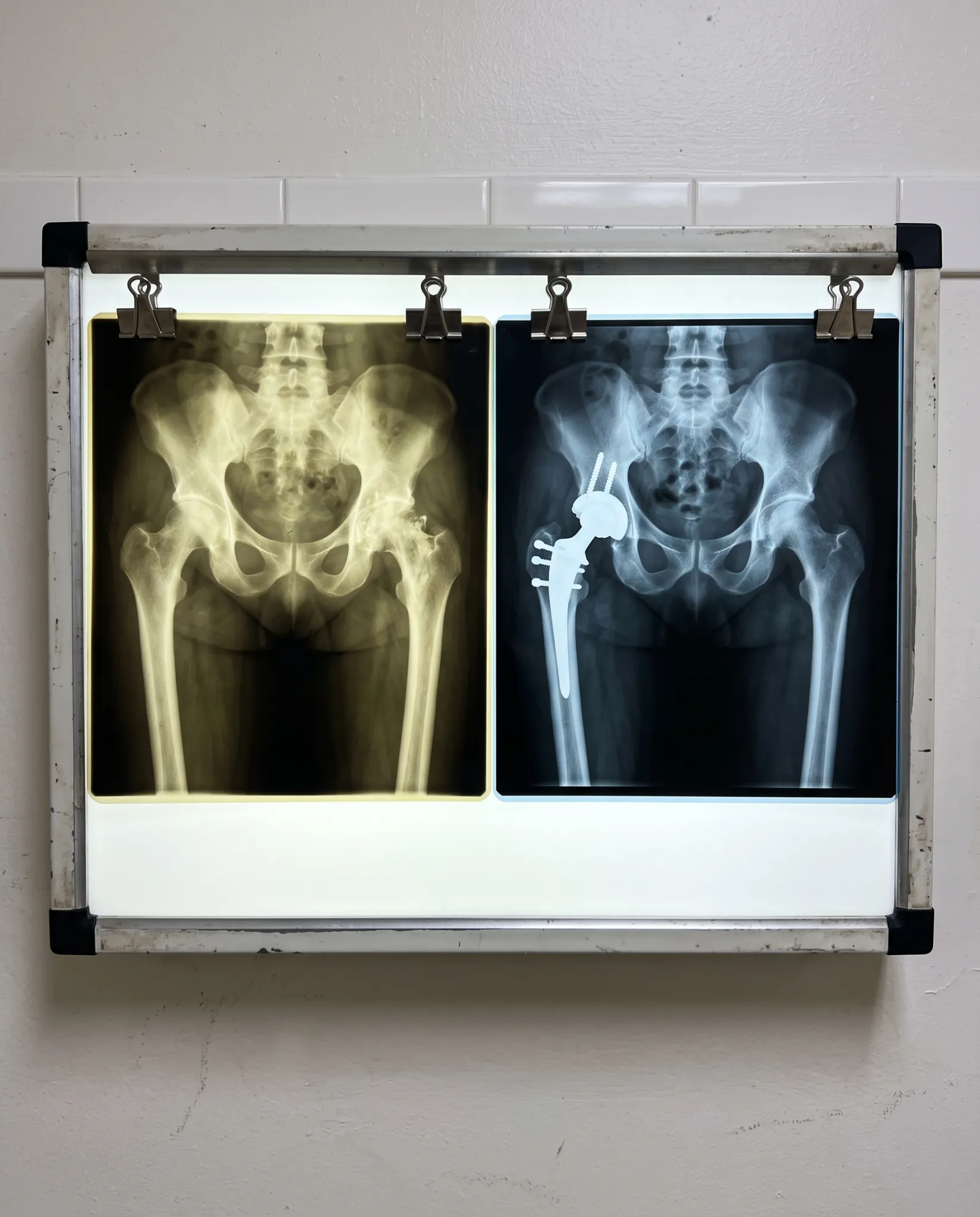
Same gravel, same second, eleven feet apart. He lost the leg. I got a bruise.
Miles & Motorcycles
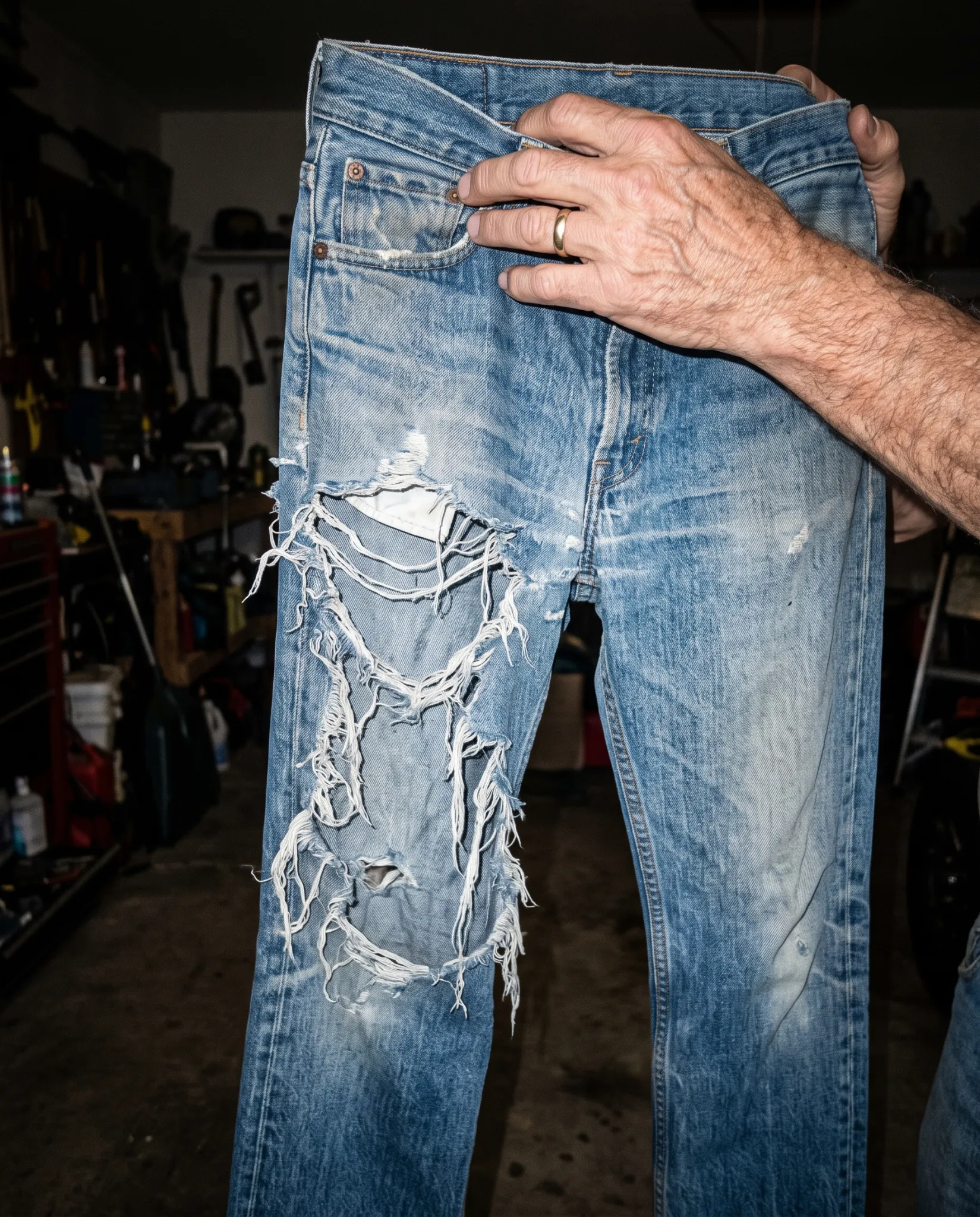
A stranger told the dispatcher to send a mortician. He was talking about me.
Miles & Motorcycles
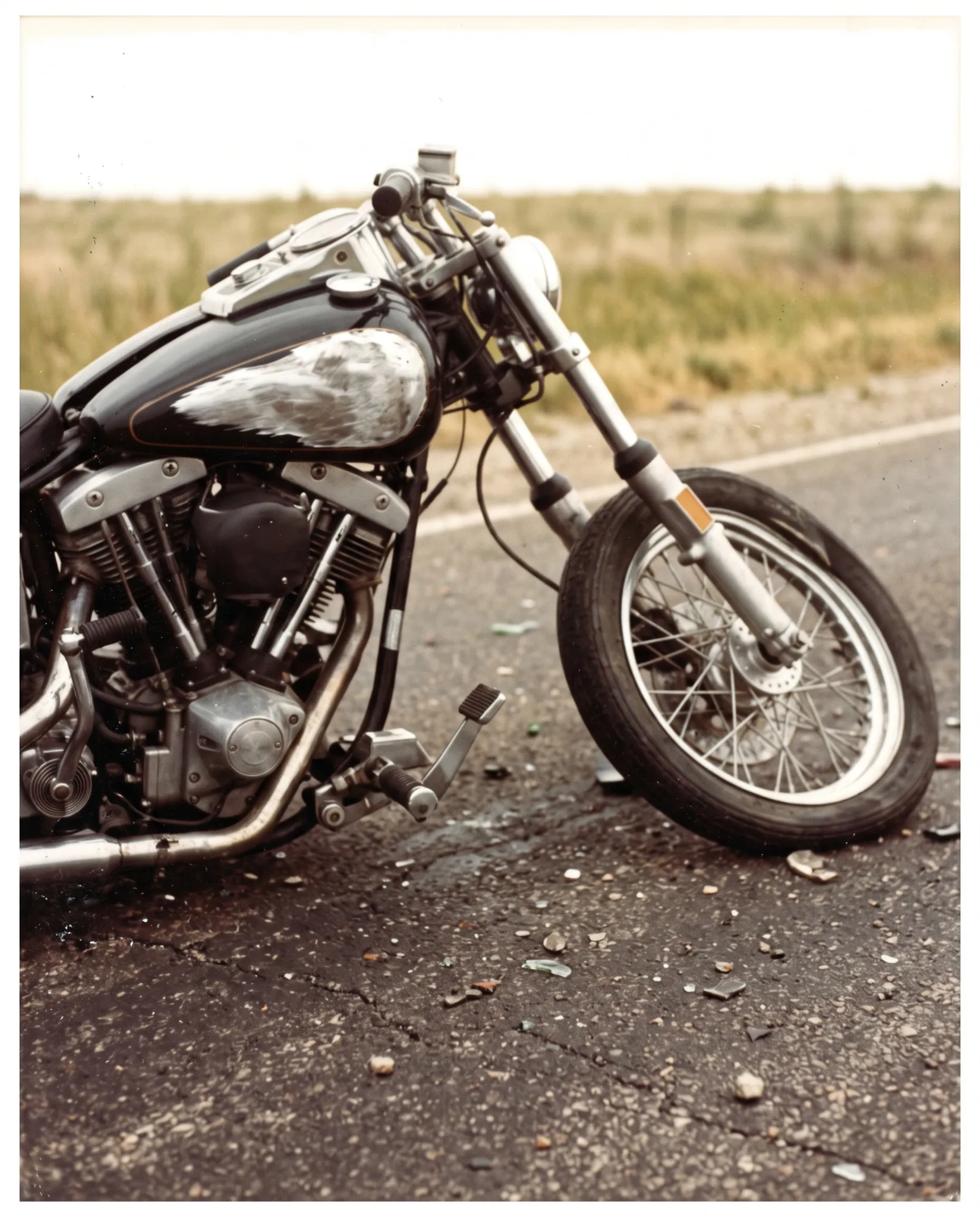
At 28 he'd have been fixing a bone. At 73 he said he'd be trying to keep me out of a chair.
Miles & Motorcycles
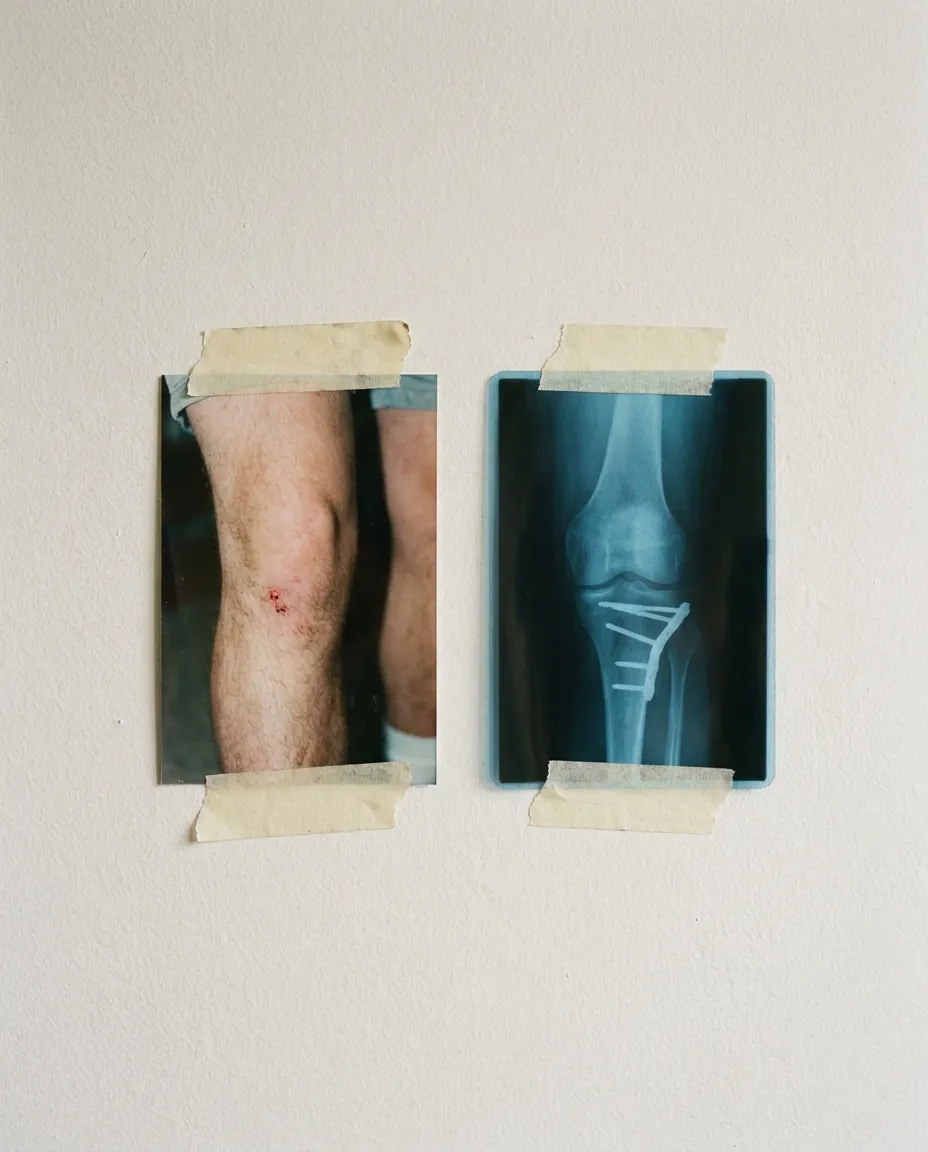
My gear saved everything it covered. The surgeon asked about the part it didn't.
Miles & Motorcycles
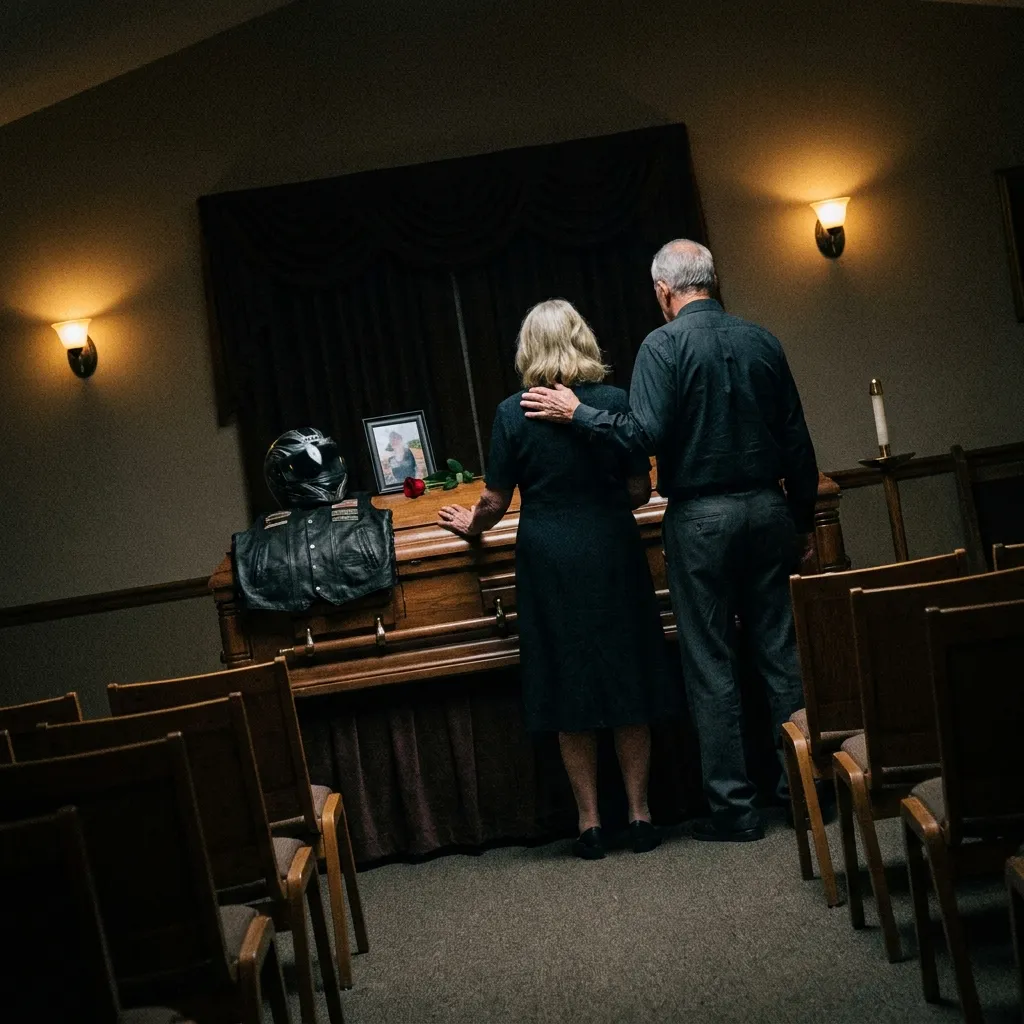
I rode in $26.99 Wranglers for eleven years.
Miles & Motorcycles
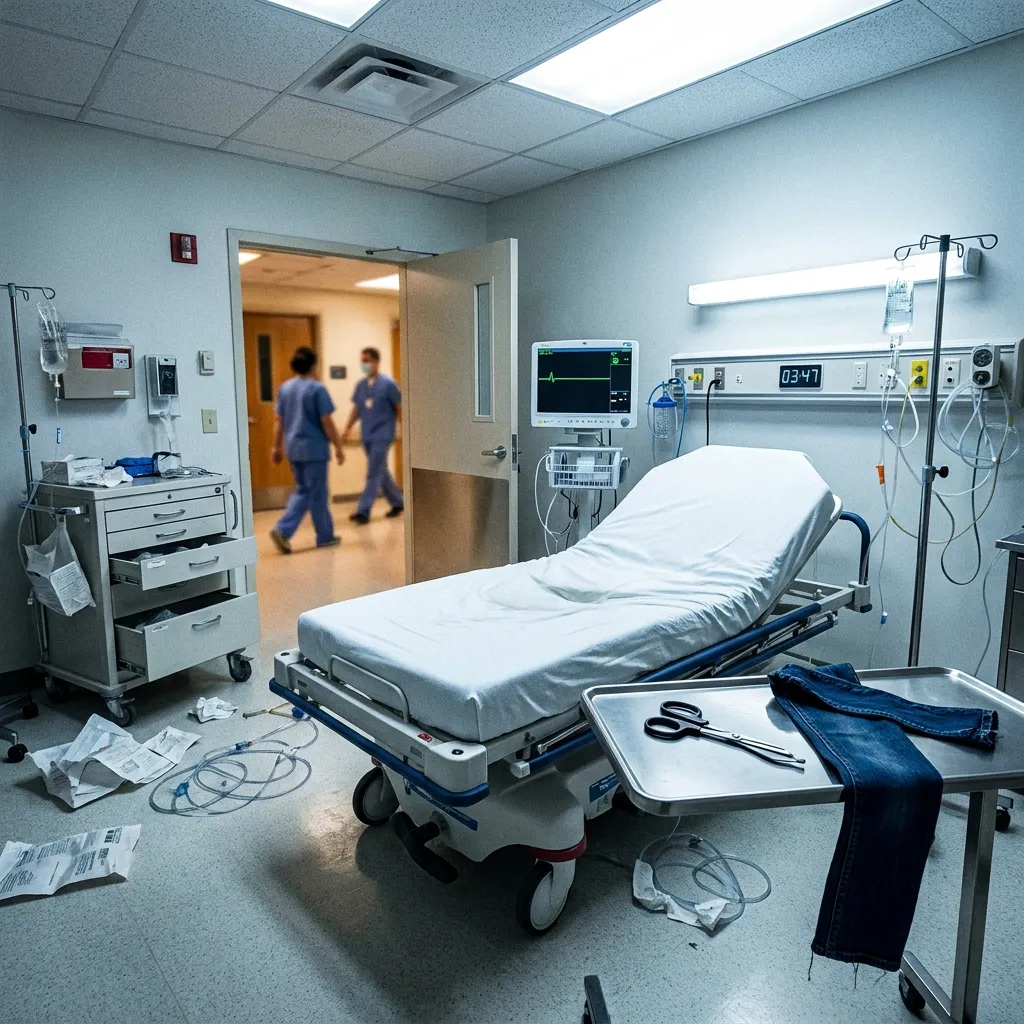
I rode in $26.99 Wranglers for eleven years.
Miles & Motorcycles
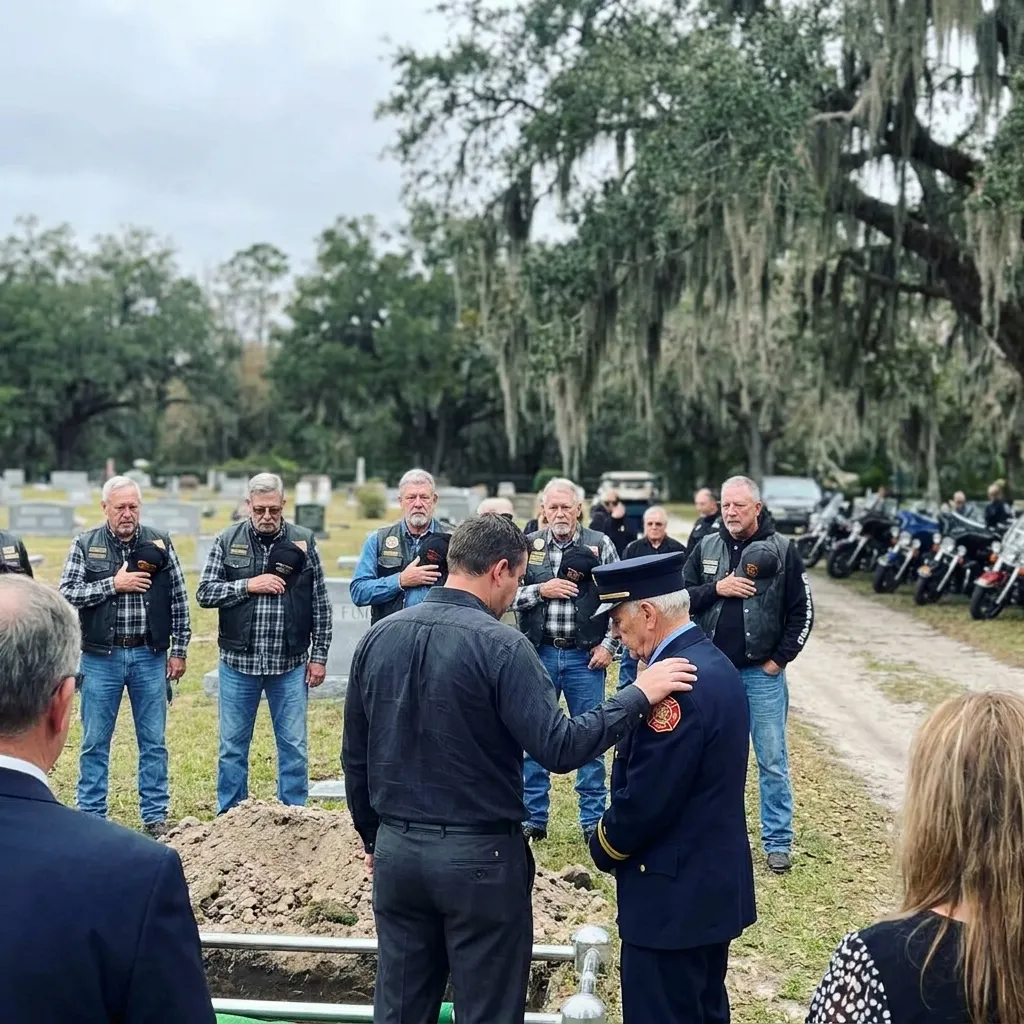
I rode in $26.99 Wranglers for eleven years.
Miles & Motorcycles
I rode in $26.99 Wranglers for eleven years.
Miles & Motorcycles
At 28 he'd have been fixing a bone. At 73 he said he'd be trying to keep me out of a chair.
Miles & Motorcycles
I rode in $26.99 Wranglers for eleven years.
Miles & Motorcycles
I rode in $26.99 Wranglers for eleven years.
Miles & Motorcycles
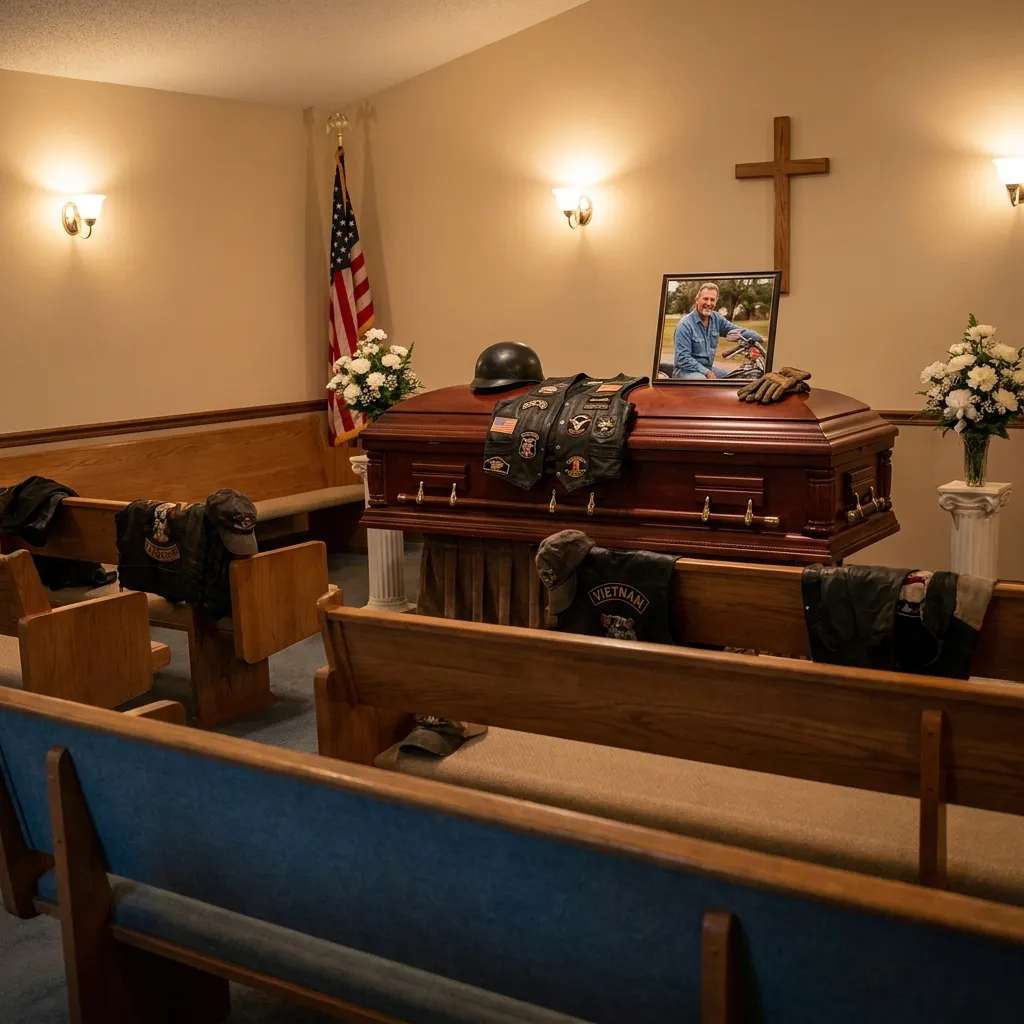
I rode in $26.99 Wranglers for eleven years.
Miles & Motorcycles

 Add to Chrome