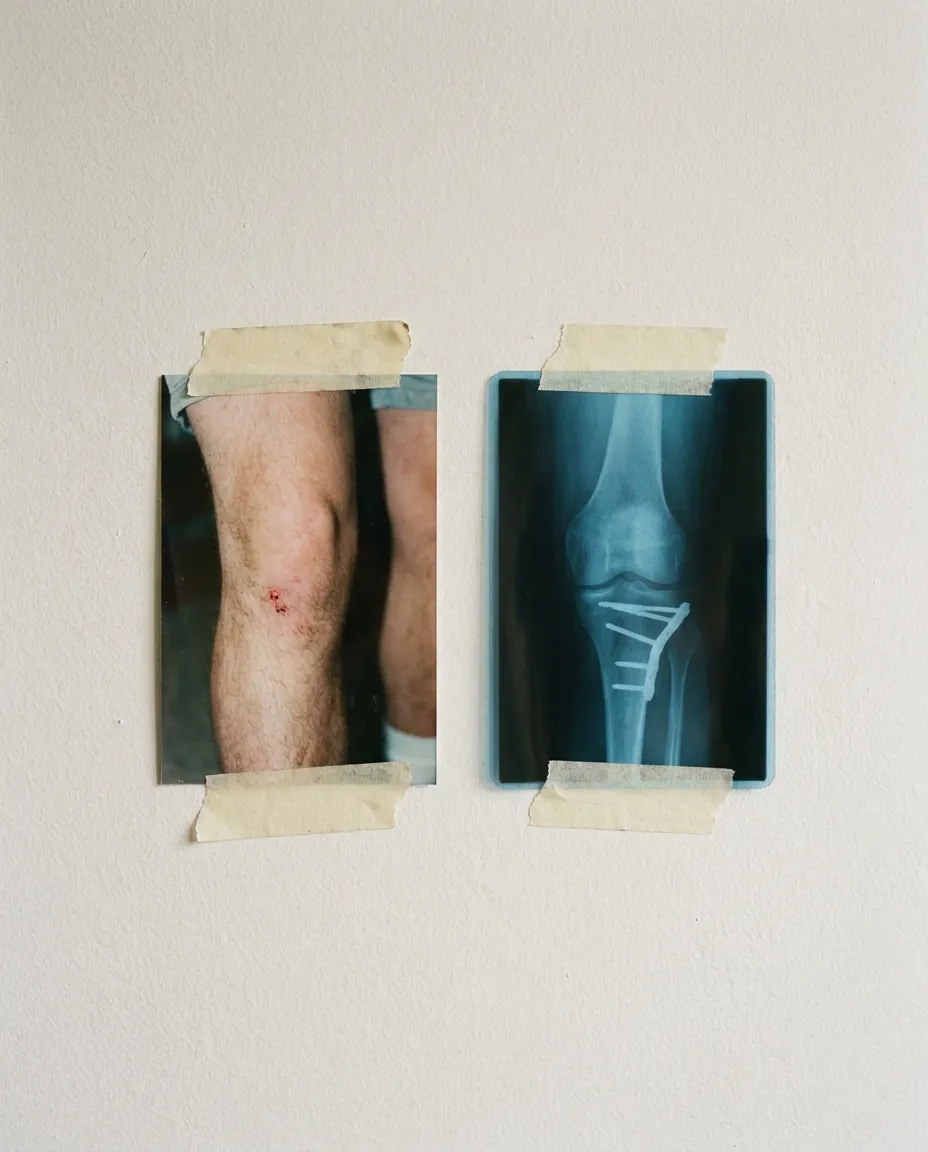
My gear saved everything it covered. The surgeon asked about the part it didn't.
Ad Copy
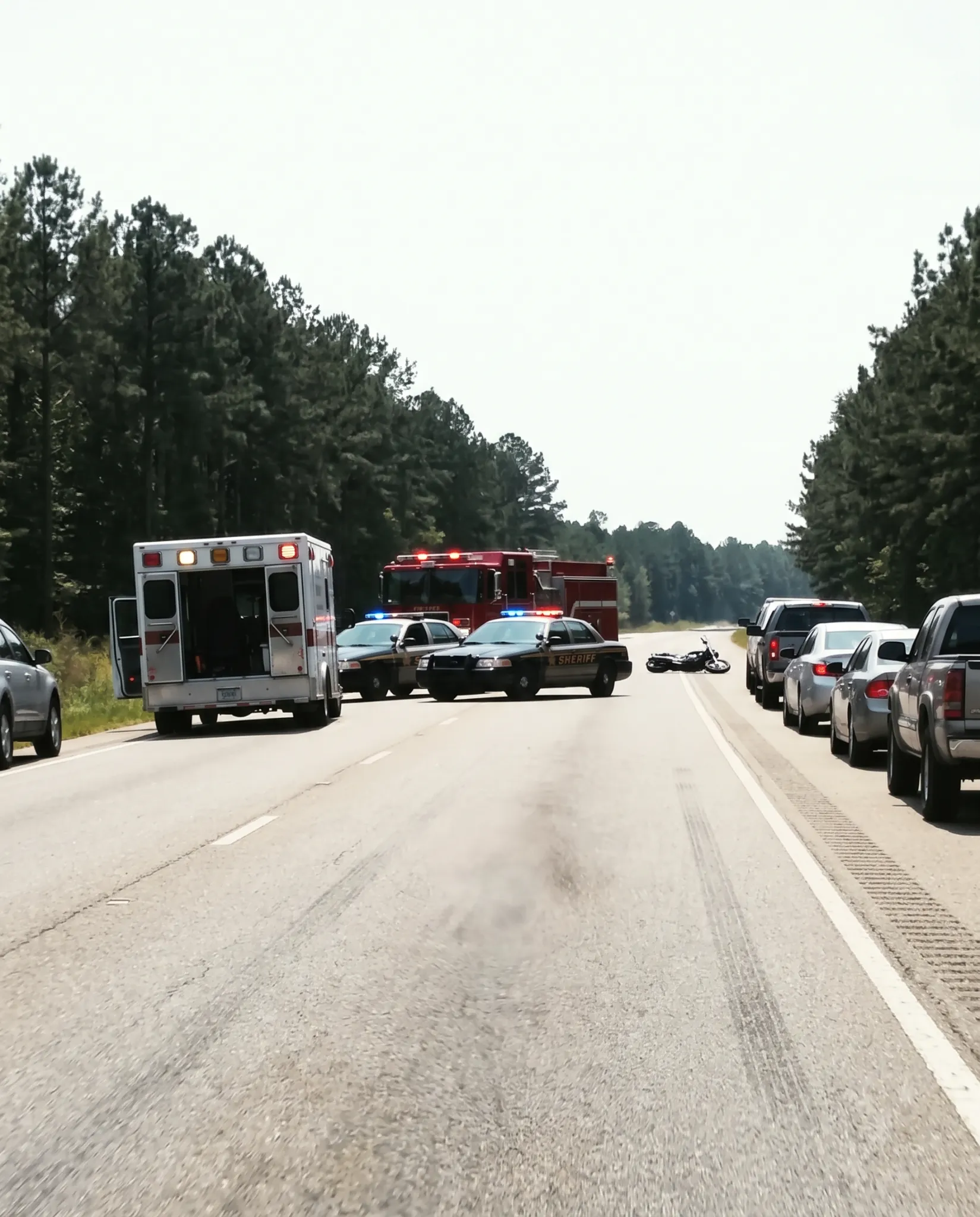
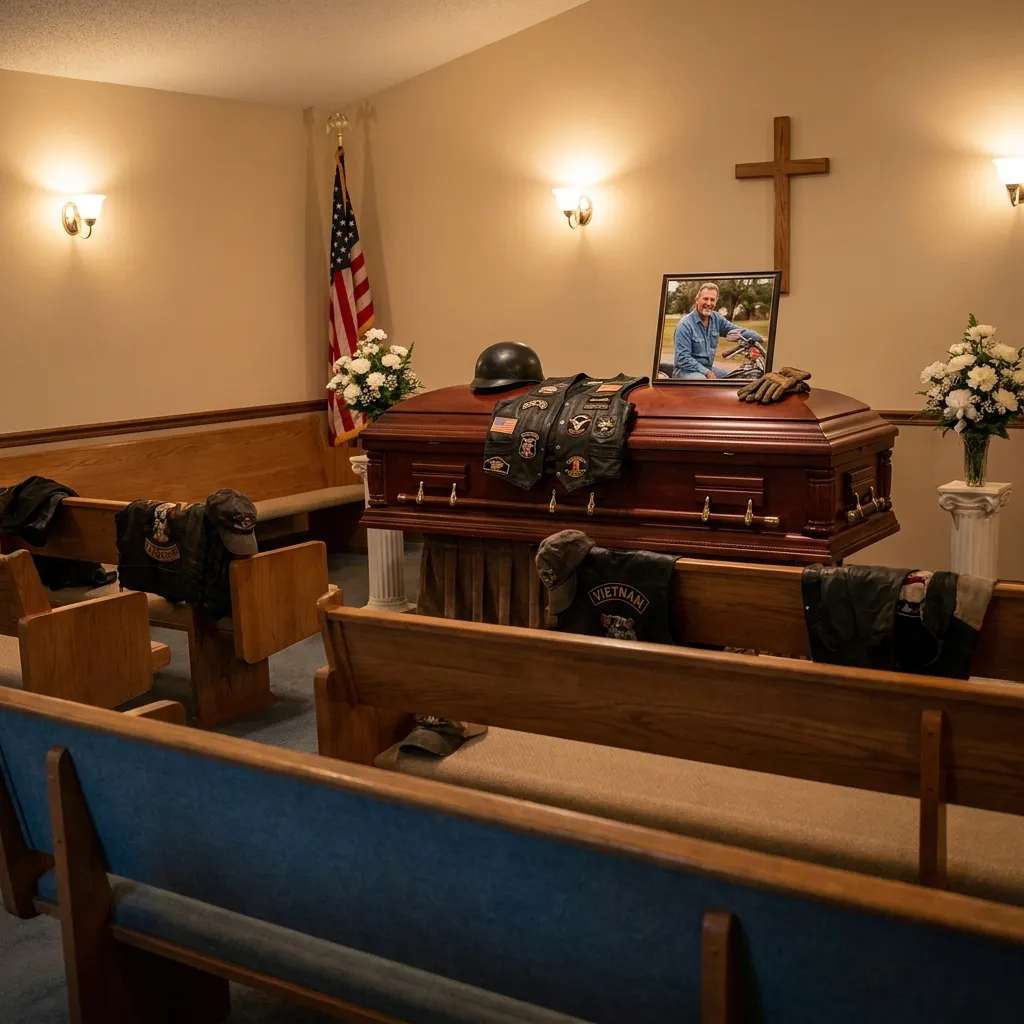
The car came across the on-ramp like it had every right to. I had maybe half a second. I remember the chrome of its door mirror, and then I remember the sky, and then I remember a man in a landscaping shirt holding my hand on the shoulder of the road and telling me not to look at my arm. So I looked at my arm. My name is Roberto. I'm 67. I live outside Ocala, married 42 years to a woman who is a better person than I am, with a son and a daughter and four grandkids, all of them within five miles of my front door. I've been riding 44 years. I am writing this at the kitchen table at a quarter to five in the morning because at my age you learn to make peace with the hours you don't sleep, and because there is a thing I got wrong for four decades that I need to say to somebody before I talk myself out of it again. That morning in June of 2018 I was commuting to work the way I had for eight straight years, eighty miles a day on a 2005 CBR with thirty-five thousand on the clock, red, white, and blue, the prettiest thing I ever owned that wasn't a grandchild. The car merged into a lane that already had a motorcycle in it. There was no skill left to use. I went down hard on my left side and the bike and I parted ways across the asphalt. You don't slide as gracefully as the movies make it look. You tumble. The world becomes a washing machine of sky-road-sky-road, and the sound is the worst of it — a long tearing grind of gear and metal against pavement that I can still hear if the room is quiet enough. When it finally stopped, I was on my back looking up at a Florida morning that had no business being that beautiful, and a man had already pulled over and was running across two lanes to get to me. Landscaping shirt, grass on his boots. He got down on the asphalt next to me, took my right hand in both of his, and told me to keep my eyes on him and not look at my left arm. So naturally I looked at my left arm. The shoulder was wrong. There was a hard point pushing up under the skin near my collarbone that should not have been there. And I remember the thought, perfectly calm, that arrived in my head: that's a bone. That's my bone. He stayed with me until the ambulance came. He never let go of my hand. I never even got his name, and I've spent two years thinking about that, and I'll come back to it before I'm done. Here is the part I want you to hear, because it's the only reason I'm still around to type this. My gear held. The helmet, the jacket, the gloves — they did exactly the job men twice as smart as me designed them to do. I broke my humerus and I drove the end of my collarbone up under the skin, and the surgeon later had to reach in and pull it back where it belonged, which is a sentence I can write now but couldn't say out loud for about a year. Multiple contusions. Two surgeries. A plate and ten screws holding my left arm together to this day. But not one square inch of skin lost. Not one. The gear took the grinding so my body didn't have to. I tell people that and they nod like it's a happy ending. It isn't. Because there's a second half to it, and the second half is the reason I almost died of something stupid eighteen months later, and the reason I'm writing to strangers at five in the morning. The recovery is the part nobody photographs. Two surgeries to put the arm back together, and the second one is where they slid in the plate and the ten screws that are still in there, that still set off the wand at the airport, that ache when a cold front comes through like a second weather report I never asked for. Then the months. Two months of formal therapy and a year of the informal kind. A young therapist, kind as anything, who one afternoon asked me to lift a can of soup off a shelf and hold it, and I couldn't, and I cried right there in front of her — a 65-year-old man undone by a can of Campbell's — and she pretended not to notice, which was the kindest thing anyone did for me that whole year. And the paper. The bills came for months like a tide that wouldn't go all the way out. When it finally stopped, the number was a hundred and eighty thousand dollars. For an arm. For one arm that I was lucky about. Something else moved in during those months, quietly, and didn't leave: fear. Not the dramatic kind. The small, sensible kind that sits in the back of your skull and does arithmetic. I'd lie awake doing the math of how close it had been, and the math kept landing in the same place. While I was healing, I had a lot of time to think about what had been covering me when I hit the road. And the honest accounting goes like this: my top half was wearing armor. My bottom half was wearing whatever I'd grabbed. Let me tell you about my bottom half. Let me tell you about the four decades of pants. I want to be fair to myself, so understand — I tried. I am not one of those fools in shorts and flip-flops you see on the causeway in July. I bought gear. I bought a lot of gear. I just never once found a pair of pants I could actually live with in this state, and after a while a man stops buying and starts settling, and settling is how you end up on a 90-degree morning in a pair of work pants that are exactly as protective as a pillowcase. There was the armored leather over-pants. Two hundred and twenty-nine dollars, beautiful, built like a catcher's mitt. And in Florida heat they were a slow-cooking crime against the human leg. By the second stoplight in August I could feel my own pulse in my thighs. I wore them maybe six times in three years. They've been hanging in my garage so long the tag has gone the color of a tea bag. There was the mesh "adventure" set. A hundred and ninety-nine dollars. I looked like I was about to be airdropped into a war zone. Pockets I'd never use, buckles that caught on the seat, and hip armor that started the ride where it was supposed to be and migrated down into my front pockets after about twenty minutes, so I'd be at a rest stop fishing a piece of foam out by my knee like loose change. And there was the in-between — the "kevlar-lined" jeans, the street-and-steel cargo pants, a hundred and sixty dollars for a thick pair of work pants with a postage stamp of padding sewn over each knee. Sounds reasonable. Except the padding sat over the knee only when I was standing in the store. The second I threw a leg over the bike and bent my knee to ride, the armor rode up my thigh and left the kneecap — the actual joint, the actual thing that hits first — covered by nothing but denim. Hot, heavy, and false. The worst combination there is, because false comfort is the kind that gets you on the road. I rode in those the most, if I'm honest, because they were the least miserable. Least miserable is not the same as protected. It just feels close enough that you stop asking. That's the trap, and I want to be plain about it because I lived inside it for years: it is never one big decision to ride unprotected. It's a hundred small mornings. It's 91 degrees and you're already late and the leather pants are a sweat lodge and the adventure pants are a production to put on and the work pants are right there by the door, broken in, comfortable, fine. And every single one of those mornings you are quietly betting your hips and your knees against the chance that today is not the day. I won that bet a few thousand times. There's a fellow whose story went around our circles — a retired engineer up near the Panhandle who put his femur clean through a pair of jeans on a dry, ordinary afternoon. He won that same bet for decades, right up until the morning he didn't. Once is all it takes. The asphalt doesn't keep score of how many times you got away with it before. So that's where I was. Top half: engineered. Bottom half: a coin flip I'd been winning for forty-four years and had started to believe was a skill. The man who took that belief away from me wasn't a salesman. It was my surgeon. I went back for a follow-up about the arm, and he's a no-nonsense type, mid-fifties, the kind of doctor who looks at the X-ray longer than he looks at you. He held the film up to the light — you could see the plate, the ten screws, the whole hardware store in there — and he said, "This healed about as well as it was going to. You're lucky. The gear up top is why you have an arm." I thanked him. And then, putting the film down, almost to himself, he asked: "What did you have on the bottom that day?" I told him the truth. Regular pants. He didn't lecture me. He just looked at me for a second the way you look at a man who's standing closer to the edge than he realizes, and he said something I have not been able to un-hear. He said, "At your age the bone doesn't knit like it used to and the skin doesn't scrape, it tears. I can rebuild an arm. A hip is a different conversation, and it's a conversation I'd rather not have with a man your age." Then he washed his hands and went to the next room, because to him it was just Tuesday. A hip is a different conversation. I drove home doing the math. The same crash — the exact same car, the exact same half-second — but six inches lower. My gear had cashed a check my legs hadn't even bought a stamp for. I'd love to tell you I fixed it that week. I didn't. I went right back to the coin flip, because I still didn't have pants I could stand to wear in the heat, and a problem you can't solve comfortably is a problem most men just stop looking at. For another year and a half I rode bare-legged under work pants and knew it and did it anyway. What kept me riding through all of it — through the fear, through the hardware in my arm, through a wife who had every right to ask me to quit and never once did — was my son. When I retired in 2024, he did something I'll be grateful for until they put me in the ground. He sold his own sportbike, bought a 450, and got me out on dirt. Dual-sport. Then trails. Then, God help me, a motocross track that he's a member of, where at 67 years old I am the oldest man by about three decades and the other riders call me "sir" and then quietly make sure I'm okay after every session. I am not good at it. I fall constantly — slow, dumb, dusty little falls. And it is the most alive I have felt since I was a young man. My boy gave me that. He looked at his old man, plated and screwed and scared, and instead of telling me to hang it up, he handed me a reason to keep going and then rode next to me so I wouldn't go alone. You don't walk away from that. You don't tell your son who pulled you back into the thing you both love that you're going to quit. What you do — what you owe him — is everything in your power to make sure you're still around to ride next to him next year, and the year after, and to be there when those four grandkids are old enough to want a turn. That's not a slogan. That's just the arithmetic of an old man who got a second chance and would like, very much, to not waste it lying in a ditch over six inches of bare leg. And that brings me to the night my boy fixed the one thing I'd never fixed. He sent me a thread of write-ups — riders my age, not kids, men in their sixties and seventies, talking about a pair of pants they could actually wear. His text said, "Dad, somebody finally built these for guys your age. Just read the reviews." That was the whole pitch. No ad, no pressure. Just my son, who has watched me push my luck for his entire life, telling me to read. The pants are the EKON RoadArmor cargo pants, and I'll tell you straight, what sold me wasn't a feature list. It was that every story sounded like mine. Older men. Hot states. Bodies that don't bounce anymore. Guys who'd given up on finding bottoms that did the job without parboiling them. So here's the simple version of what they are, and why they finally broke my coin-flip habit, because everything I'd hated about every pair before came down to the same three failures, and these answer all three. The heat — the thing that made me leave the leather pants in the garage and ride bare-legged in armor that lived in my closet. The RoadArmor has horizontal zip vents that actually move air across the leg. I'll get to what that felt like at a stoplight in a minute, because it's the part I still can't believe. The armor that wandered — the foam that ended up in my pockets. The RoadArmor uses CE Level 2 armor at the knees and the hips, sitting in pockets built to hold it where the joint actually is when your knee is bent on the bike, not where it sits when you're standing flat in a store. And the costume problem — looking like I was parachuting into a war zone. These are cargo pants. They look like cargo pants. The armor is already inside them. Nobody at the gas station, nobody at church, nobody at the grandkids' ball game has any idea I'm wearing protection, because there's nothing to see. They're just a regular pair of pants with the engineering hidden where it belongs. Now. The part I'm not proud of. When the box came, I almost sent them back. Not because of anything wrong with them — I hadn't even put them on yet. I almost sent them back because opening that box felt like signing a form that admitted something. Forty-four years I'd told myself I didn't need this. That I rode smart, that I'd been fine, that the men who suited up head to toe were a little soft. Pulling on a pair of armored pants at 67 felt like agreeing, finally, out loud, that I'm not what I was. I stood in the bedroom with them half on and the return label already printed, and I genuinely almost folded them back up out of pure stubborn pride. My wife walked in, looked at me, looked at the return label, and didn't say a single word. She just looked. Forty-two years buys her that. I put my other leg in. First real ride was a Tuesday, August, the air thick enough to chew, coming back from the track. I pulled up to a red light on a county road, the kind of dead-stop heat where you start counting the seconds — and I felt air. Air moving across my knees at a standstill, in Florida, in August. I hadn't felt moving air on my legs at a dead stop in I-don't-know-how-many years, because for years my legs had either been suffocating in leather or exposed in denim. I sat at that light and, I am not embarrassed to say, I got a little choked up over a pair of pants. The light turned green and I rode home grinning like a fool. That was the comfort. The proof came about three weeks later, and it came the way it always comes — when you're not braced for it. I was out on the track with my boy. Nothing heroic — a slow, stupid, off-camber moment in a soft berm, front wheel washed out, and down I went on my left side at maybe fifteen miles an hour. The exact kind of low, dumb fall I take out there most weekends. Except every other time, somewhere in the back of my mind on the way down, there's a flicker of the old math: not the hip, please not the hip. This time I hit, slid a few feet in the dirt, and the first thing I was aware of — before I even stopped moving — was that the armor was still there. Right on the knee. Right on the hip. Exactly where it was when I'd thrown my leg over the bike, not migrated up my thigh into my pocket like loose change, not bunched somewhere useless. It took the hit. I took none of it. I got up, spat out some dirt, and my son rode over to check on me the way he always does. And I just stood there in the middle of that track holding my own hip through the pad, because for the first time in forty-four years the part of me I'd spent two years lying awake worrying about had hit the ground and gotten back up like it was nothing. Fifteen miles an hour in the dirt is not a car on an on-ramp. I know that. But I also know what the surgeon said about the difference between scraping and tearing at my age, and I know which side of that line I was standing on, dusty and grinning, when I got back on the bike. A hip is a different conversation. That afternoon, for once, it was a conversation I didn't have to have. I'm not the only one. There's a small group of us who ride together, and once one man broke, we all did. Carl, 71, rides a Road King, ordered his in March after I wouldn't shut up about mine. His verdict: "First pants I've owned that didn't make me choose between cooking and dying." Dale, 64, retired electrician, dual-sport like me, ordered in April. He's the quiet one. All he said was, "Armor stays put. That's it. That's the whole review." And Walter — 69, sold real estate his whole life, never crashed once, which is exactly the kind of man who shouldn't push it — ordered a pair in green in May after his daughter showed him a write-up by some retired engineer up near the Panhandle who'd lost a leg to a deer decades back and swore he'd never ride bare again. Walter called it "the first smart thing I've done in a while." Three men in their sixties and seventies who all spent decades doing the same coin flip I did. None of us got hurt doing it. That's not the same as it being safe. It's just the same as being lucky, and luck is not a plan you should hand to a man with grandchildren. Look — I know the resistance, because I had it. The little voice that says armored pants are a costume, that they're for guys who are scared, that real riders don't need them. Let me kill that voice the way it deserves: they are a regular pair of cargo pants with real protection built inside. That's the entire product. There's nothing to be embarrassed about and nobody can even tell. The only person who knows is you, the next time the road comes up to meet you. The simple part — how I got them. They're $129 from EKON directly. Your dealer doesn't carry them; this is a direct-to-rider thing, which is half of why the price is what it is. They come with a tactical webbing belt thrown in free, the kind that actually holds a pair of loaded cargo pants up. There's a one-year warranty, and — this is the part that finally tipped me — a 60-day money-back window. Sixty days. You can ride in them all summer, in the worst heat your state can throw at you, and if they're one more pair of pants that cooks you, you send them back and you're out nothing. That guarantee is the only reason a stubborn old man like me even rolled the dice, and I'd put my plate and ten screws on it that you won't send them back. I got the Army Green. My boy says it suits me. I think he just likes that his old man finally listened. Here's where they are: https://ekontravel.com/products/roadarmor-pants Roberto S. Ocala, Florida P.S. — The leather over-pants are still hanging in my garage with the tag on. Two hundred and twenty-nine dollars to be a decoration. If you've got a pair like that — the expensive ones you bought to be safe and never wear because they're miserable — then you already know the exact problem these solve. The most protective gear in the world protects nothing on a hanger. P.S.2 — My surgeon asked what I had on the bottom. I've thought about that question every single ride for two years. I finally have an answer I'm not ashamed of. I'd like you to be able to answer it too, before somebody in scrubs asks you. P.S.3 — I never found the man in the landscaping shirt who held my hand on the side of the road and told me not to look. I've stopped trying. But I think about him, and I think the way you pay back a stranger who keeps you alive is you don't make him do it twice, and you don't make the next stranger do it at all. Cover your legs. I'm too old to keep getting this lucky, and so are you. Please.
More from Miles & Motorcycles
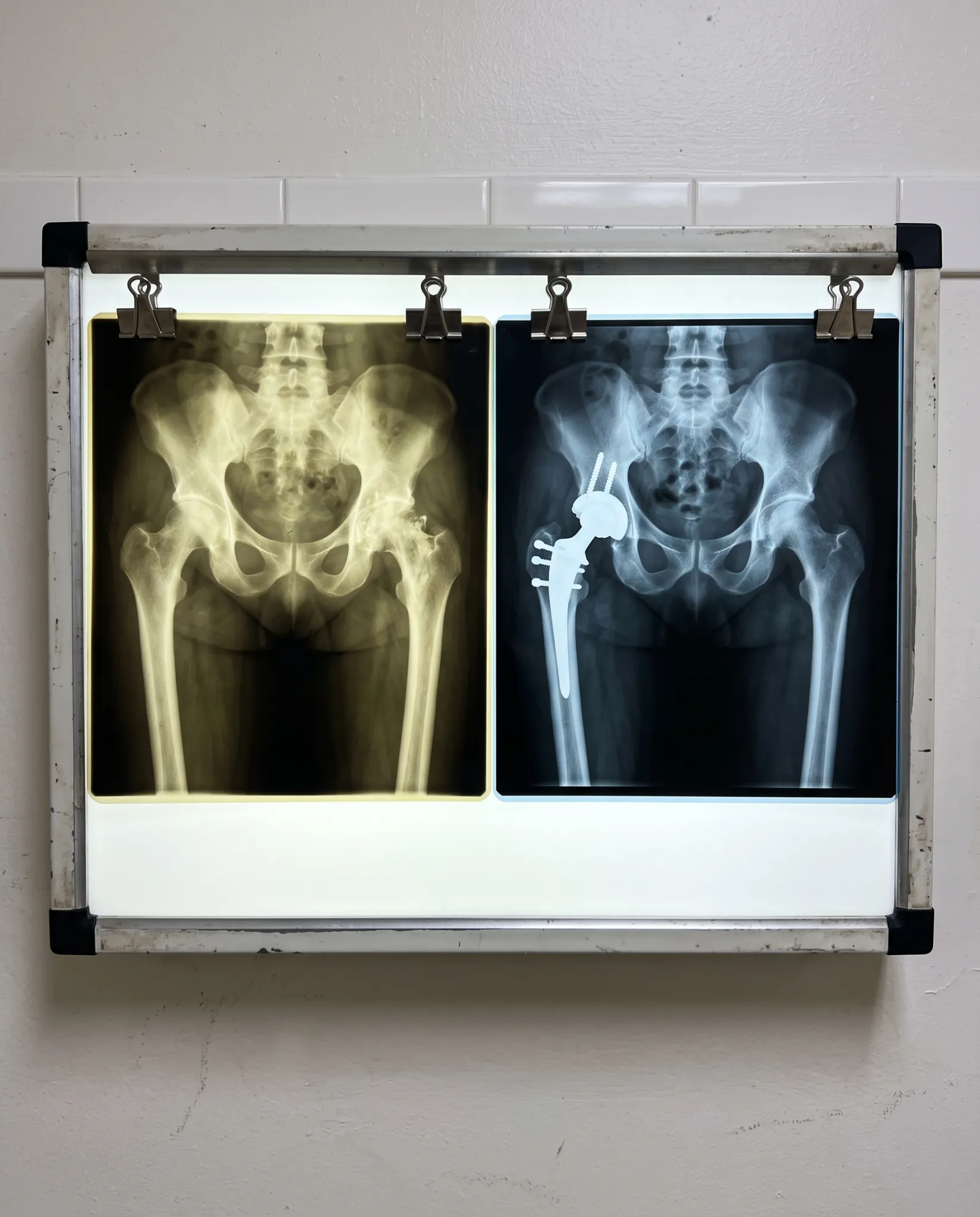
Same gravel, same second, eleven feet apart. He lost the leg. I got a bruise.
Miles & Motorcycles
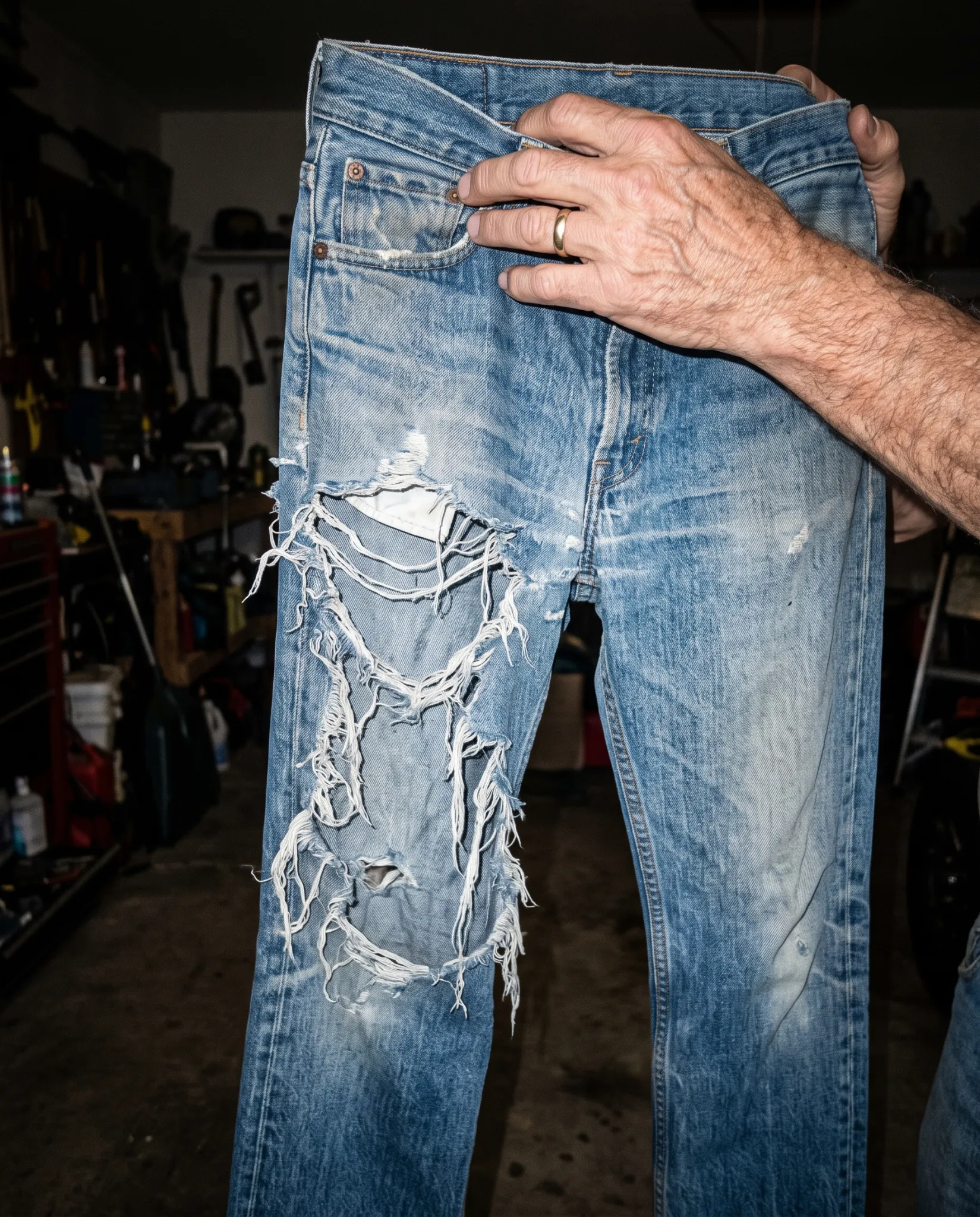
A stranger told the dispatcher to send a mortician. He was talking about me.
Miles & Motorcycles
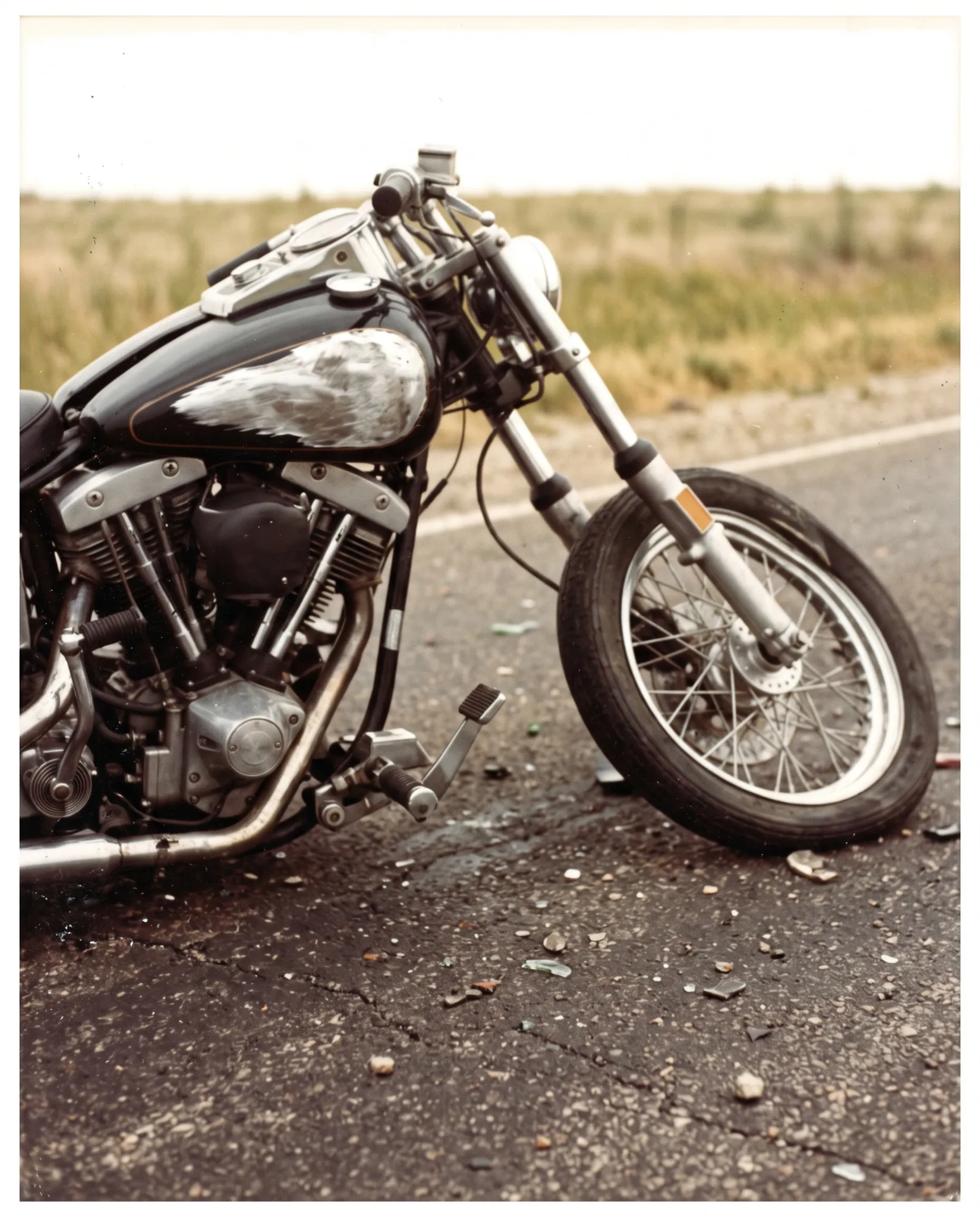
At 28 he'd have been fixing a bone. At 73 he said he'd be trying to keep me out of a chair.
Miles & Motorcycles
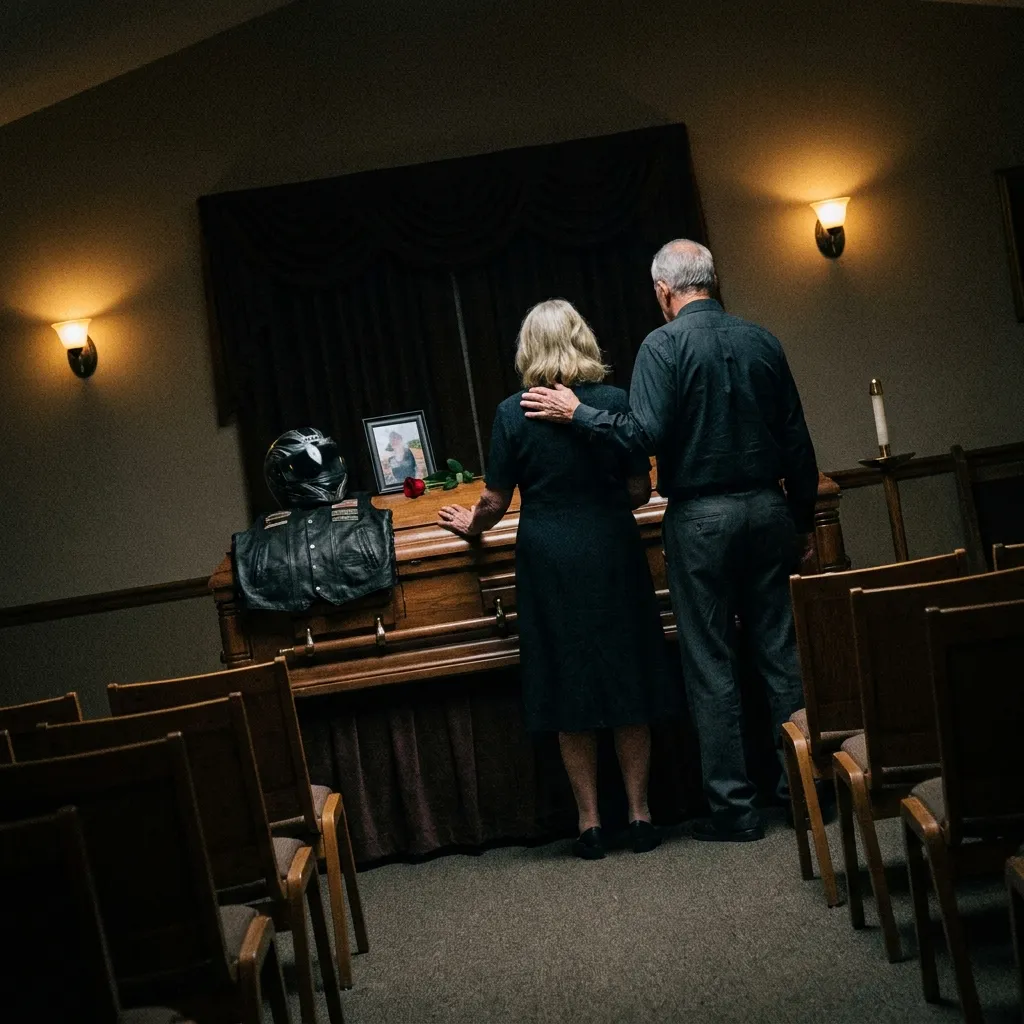
I rode in $26.99 Wranglers for eleven years.
Miles & Motorcycles
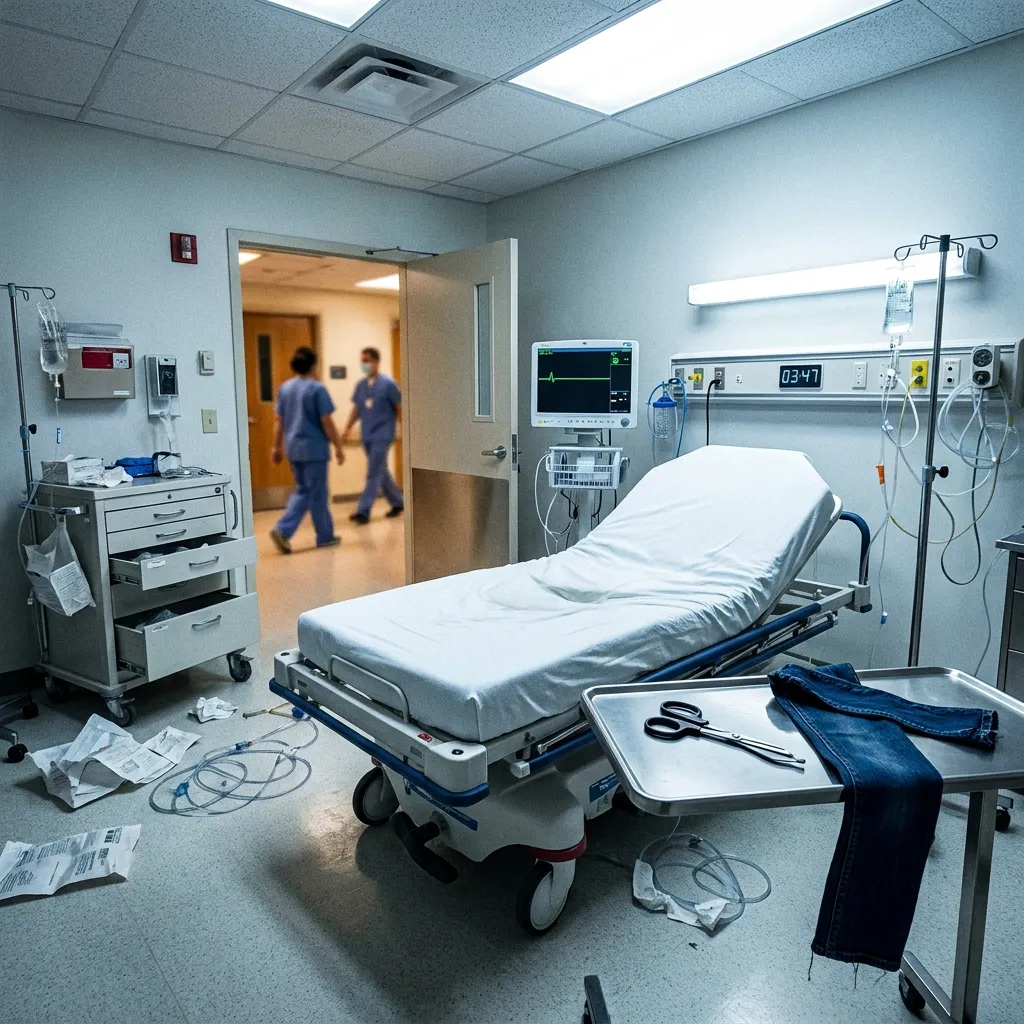
I rode in $26.99 Wranglers for eleven years.
Miles & Motorcycles
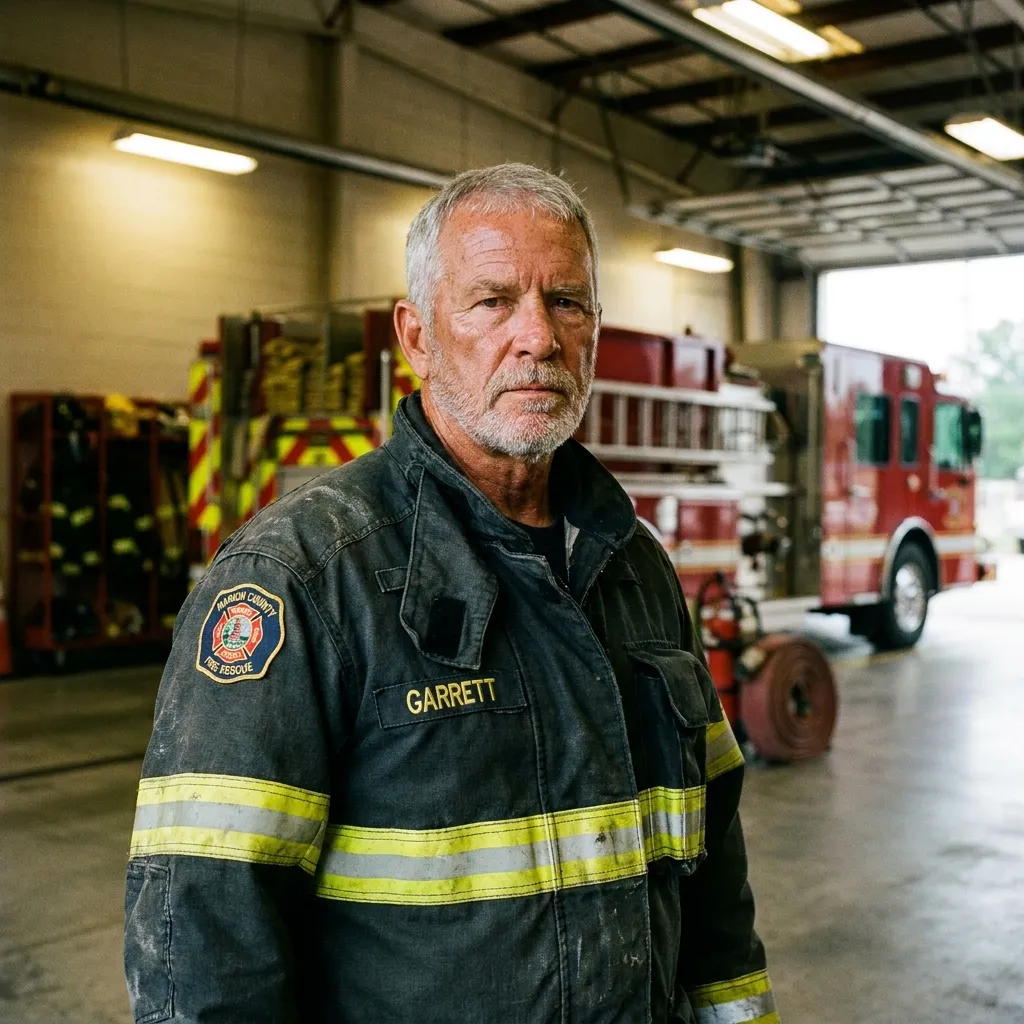
Forty feet of asphalt ended fifty years of riding in jeans.
Miles & Motorcycles
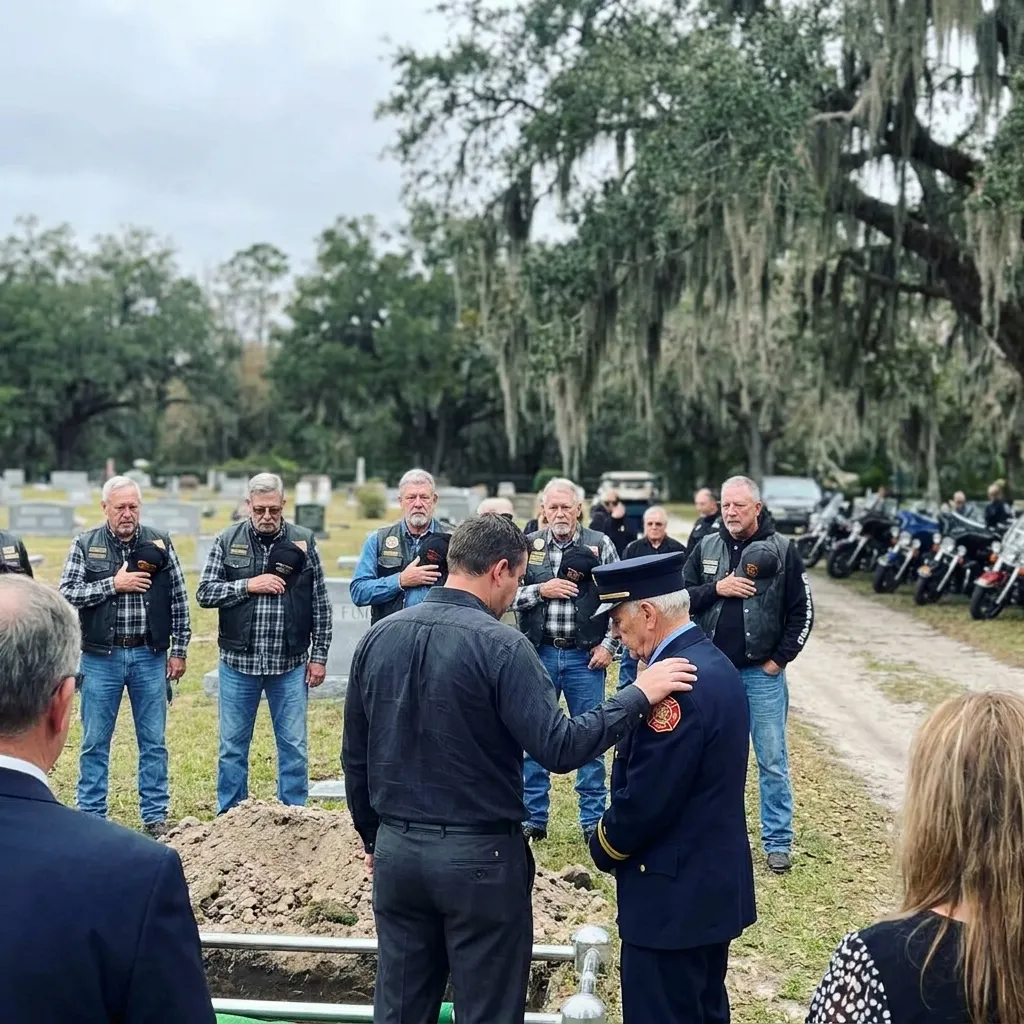
I rode in $26.99 Wranglers for eleven years.
Miles & Motorcycles
I rode in $26.99 Wranglers for eleven years.
Miles & Motorcycles
At 28 he'd have been fixing a bone. At 73 he said he'd be trying to keep me out of a chair.
Miles & Motorcycles
I rode in $26.99 Wranglers for eleven years.
Miles & Motorcycles
I rode in $26.99 Wranglers for eleven years.
Miles & Motorcycles
I rode in $26.99 Wranglers for eleven years.
Miles & Motorcycles

 Add to Chrome