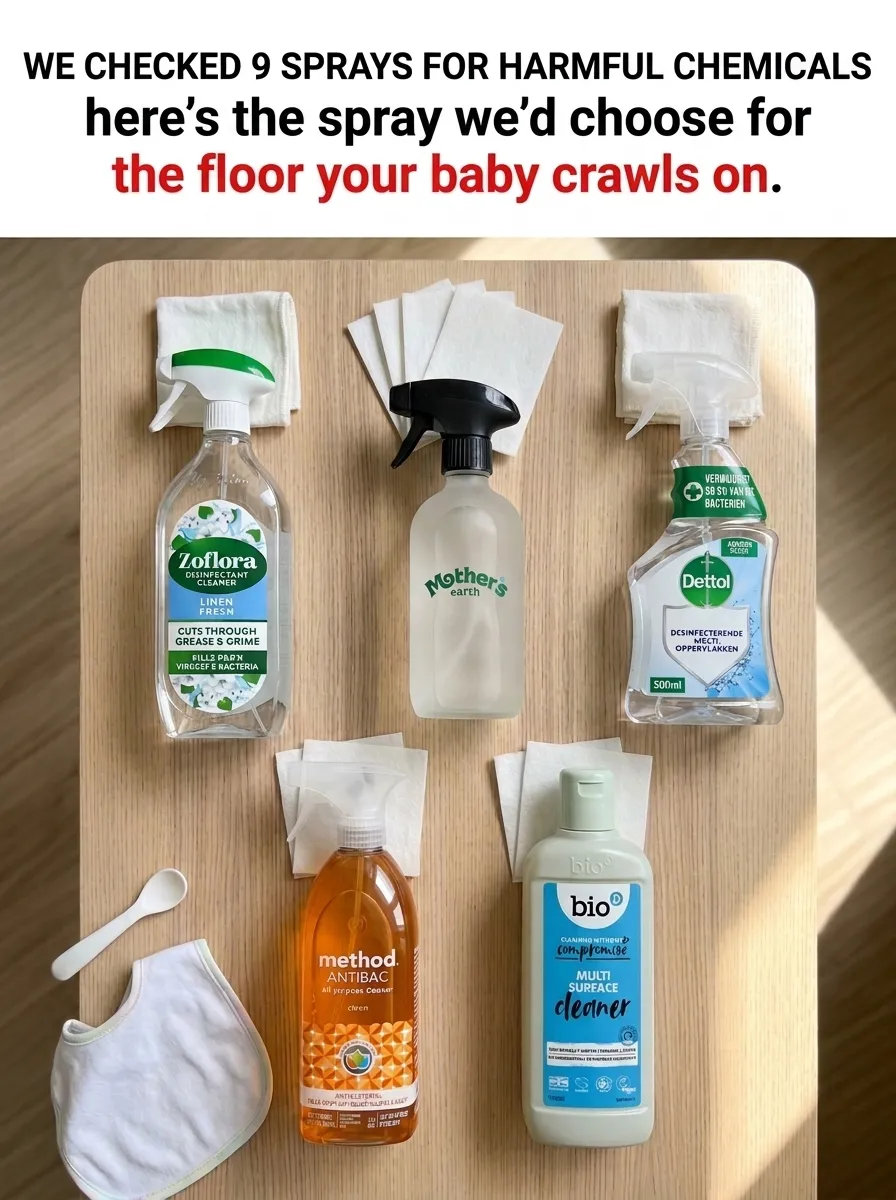
Kills 99.9% of germs” is the problem
Ad Copy
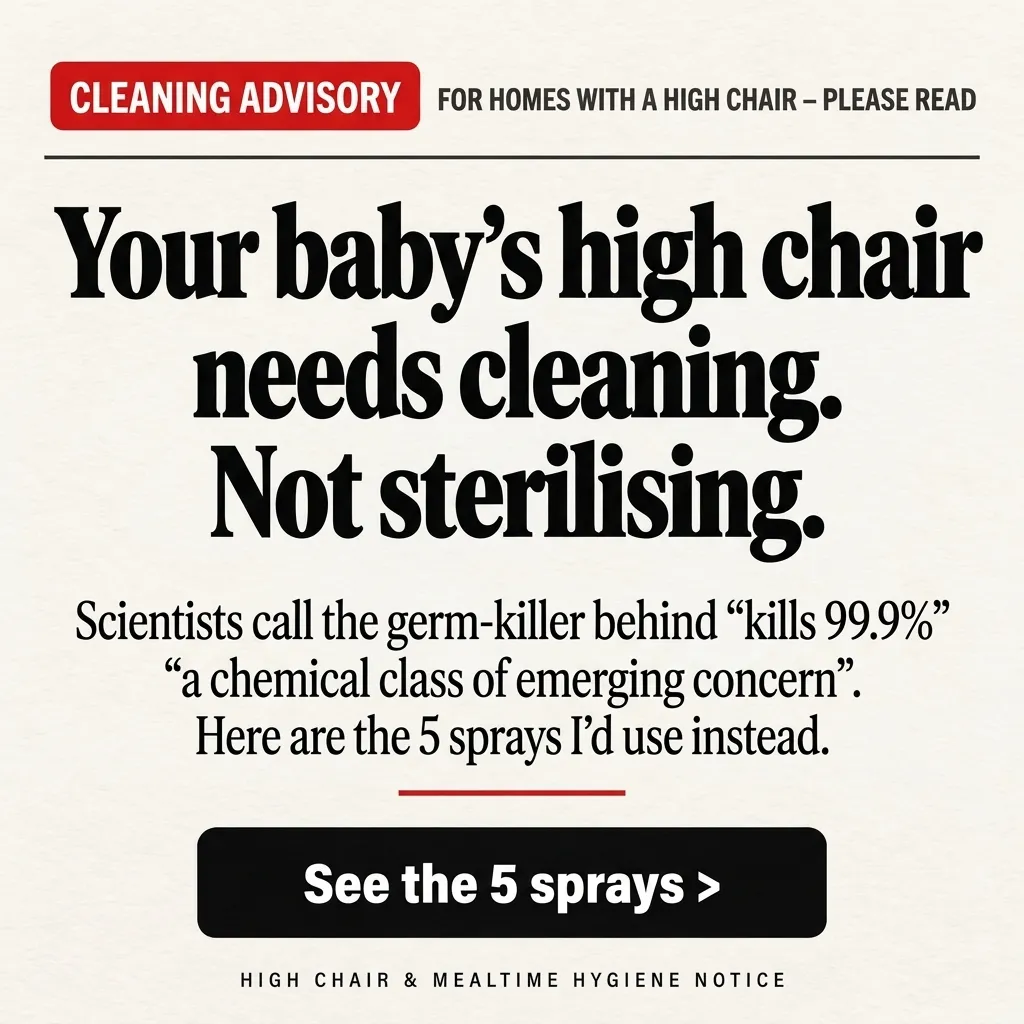
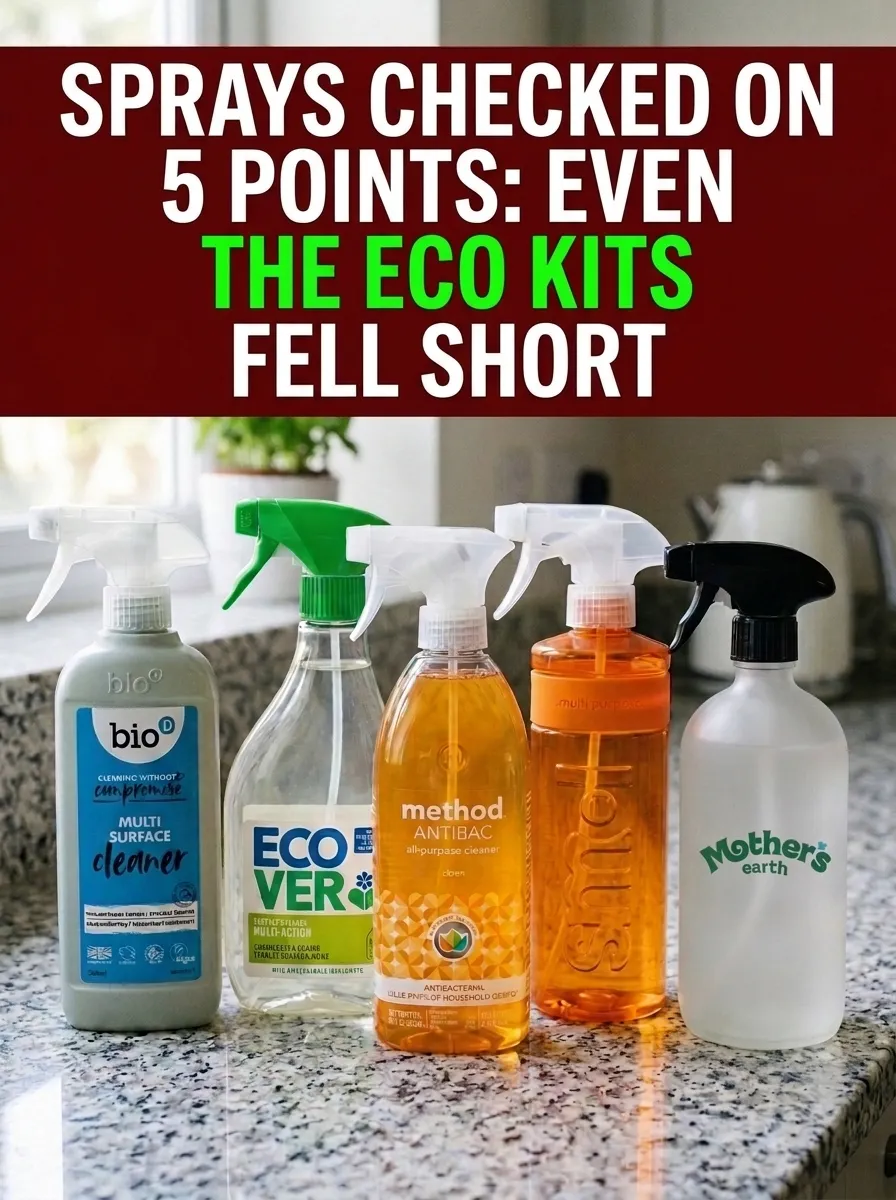
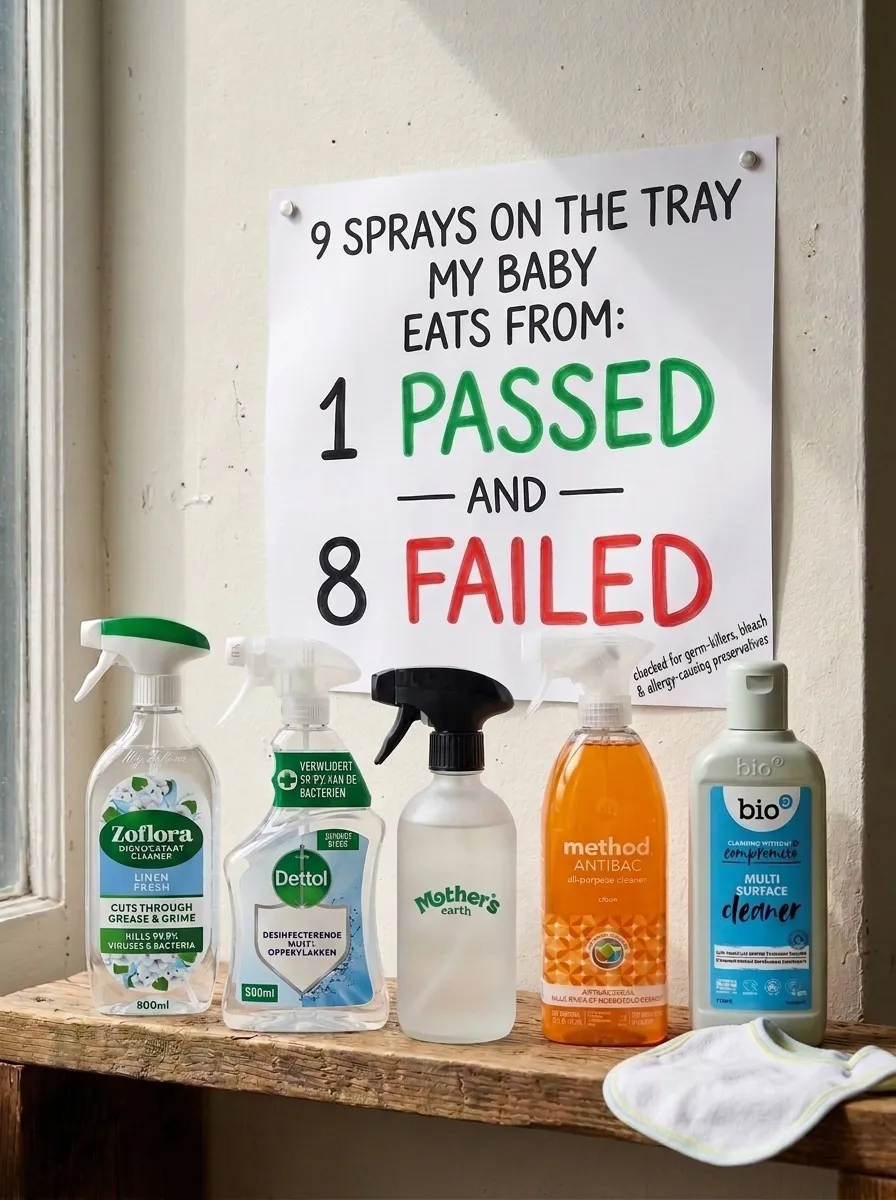
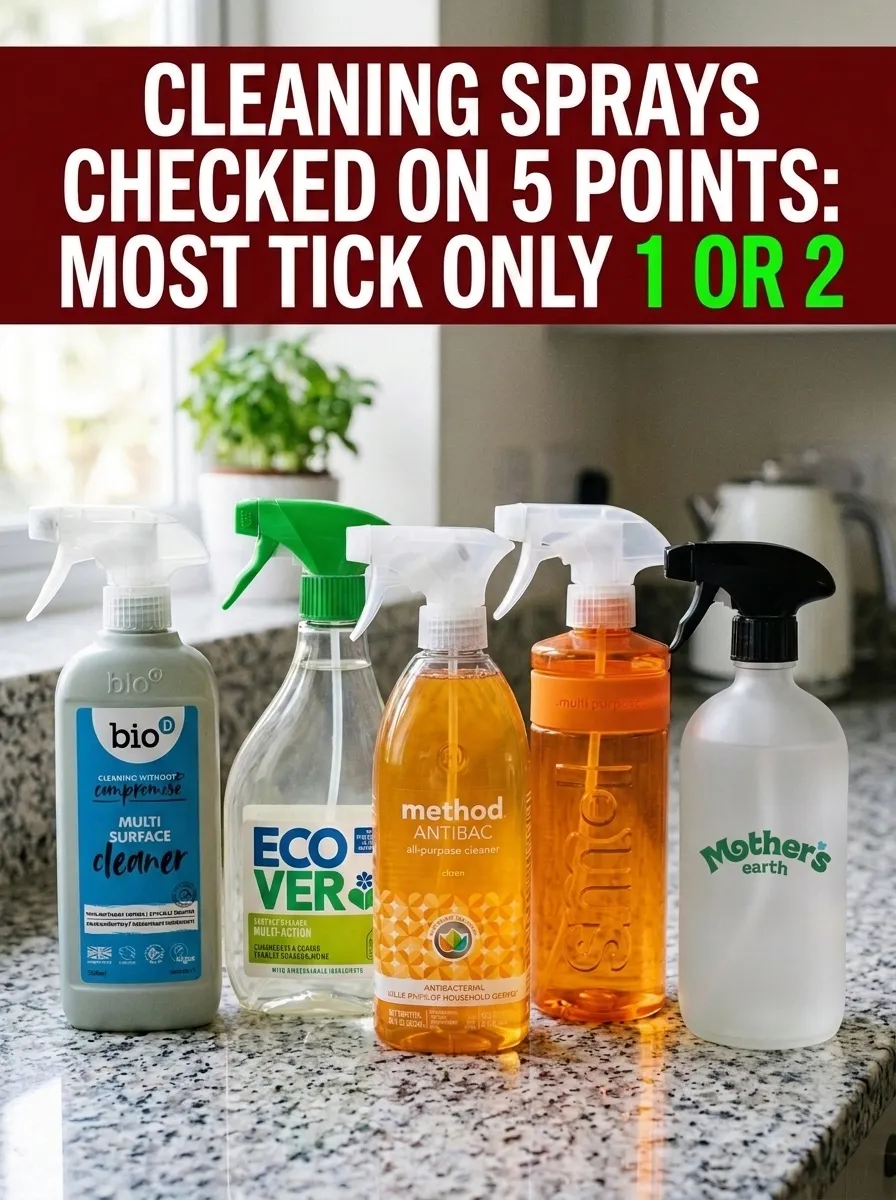
"The spray I used on my daughter's high chair tray five or six times a day came joint last in my test of 9. I write about home and health for a living, and I'd never once read its label. If you have a baby or a toddler, if you wipe the high chair tray after every meal, and if the bottle under your sink says ""kills 99.9% of germs"" on the front, please read this to the end. It's long, but it's about the tray your little one eats from, and I wish someone had told me sooner. I'm Lena, and I'm the home and health editor at a cleaning magazine. I've spent years reading studies about the products people use at home, and writing about them so other people don't have to. I'm also the mum of a toddler. Mila is sixteen months old, she has two bottom teeth and a top one on the way, and she treats our kitchen floor as her personal kingdom. Her high chair stands at the end of our kitchen table, right next to the window, and if I'm honest it's the most-cleaned piece of furniture in our house. I'm telling you this partly because it's embarrassing, and partly because if it could slip past me, it can slip past anyone. It started on a completely ordinary weekday morning a few weeks ago. Mila had porridge for breakfast, which means Mila had porridge on the tray, on the straps, in her hair and, somehow, on the underside of the table. I lifted her out, sat her on the floor with a wooden spoon, grabbed the spray from under the sink and did what I always did. Three or four squirts on the tray, a wipe with the cloth, another squirt for the bits that had dried on, and done. Then I did the same to the table, because she'd leaned across and put both hands in the bowl. And later that afternoon I sprayed the bit of floor by the fridge, because she'd dropped half a banana there and then crawled through it. I never thought about any of it. You don't, do you? You think about getting the porridge off before it sets like cement. You think about whether she's about to pull herself up on the chair leg again. You don't think about what's on the cloth. That evening, while she was in the bath with her dad, I sat on the edge of the sofa with my phone and went through the reading I'd saved for work. One of the papers was a study that had followed 2,022 babies from birth. The researchers had asked their parents how often they cleaned with everyday products, and then they followed the children. I read the result twice, because the first time I assumed I'd misunderstood it. In the homes that used cleaning products the most, 65% more children had asthma by their third birthday than in the homes that used them least. Not chemicals from a factory down the road. Not anything exotic. Everyday cleaning products, in ordinary homes, used by ordinary parents who were trying to keep things clean for their children. I put the phone down and counted. The tray after breakfast, after lunch, after her afternoon snack and after dinner. The table after most of those. The floor whenever something landed on it, which with a toddler is roughly always. Five or six times a day, every day, since the week she started solids. I wasn't one of the parents who cleaned least. What I keep coming back to is that I'd chosen that spray on purpose. When Mila was about to start on purées, I stood in the supermarket aisle and picked the antibacterial one, the one with ""kills 99.9% of germs"" on the front, because it felt like the responsible choice. A baby was about to start eating off that tray. Surely you want to kill the germs. That's what the front of the bottle is for, really. It tells you you're being careful. My mum used the same brand when I was little. Everyone I know with a baby has one of three or four bottles under their sink, and the shelf in every supermarket is full of them. If there were anything to worry about, I'd always assumed, someone would have said so on the front. Nobody says so on the front. I had tried to be sensible in my own way. I'd opened the kitchen window when I cleaned, because the smell of the spray caught the back of my throat. I'd bought a cheap pack of plastic cloths for the high chair so I wasn't using the same one as for the hob. I'd even thought, a couple of times, that the tray smelled a bit chemical when I put her toast down on it. But I'd filed all of that under ""normal"". It's what clean smells like, isn't it? None of that is stupid. Every bottle on that shelf is designed to make you feel you're doing the right thing for your family. What made me pick the bottle up again that night was one paragraph further down in the study. The researchers explained why babies are hit hardest, and it was so simple that I felt a bit sick reading it. Babies spend almost all their time indoors. They breathe faster than adults do. And they touch every surface around them. I thought about Mila with both hands flat on the tray, then both hands in her mouth. I thought about her cheek pressed against the table when she's tired at lunch. I thought about her crawling across the floor by the fridge, and the way her fingers go straight from the floor to her mouth without stopping anywhere in between. So I went to the kitchen, took the bottle out from under the sink and turned it around. And then, because I couldn't help myself, I did the same with eight more of the most popular sprays. What surprised me most was this. The part of a spray that actually cleans is simple. It's a soap-like ingredient that grabs grease on one side and water on the other, so the dirt lifts off the surface and goes into your cloth. That's it. That's the bit that gets the porridge off the tray. Everything that worried me was added on top of it, so the bottle can promise something a soap can't. The biggest one is the germ-killer behind ""kills 99.9%"". In most everyday sprays it's a family of chemicals called quats, and on the label you'll usually see it as benzalkonium chloride, or another name ending in ""ammonium chloride"". It's the ingredient that allows the bottle to make that promise. In 2023, a team of scientists called quats ""a chemical class of emerging concern"". Health and safety researchers have linked them to asthma in professional cleaners, and they're highly irritating to the skin. Then there's bleach, which plenty of kitchen sprays still come ""with"". In a study of more than 9,000 schoolchildren, children whose parents cleaned with bleach at home had more flu, tonsillitis and other infections, and the researchers think the fumes irritate young airways enough to let infections take hold. Then a group of cheap preservatives called isothiazolinones, which show up on labels as MI, MCI or BIT. In 2013, dermatologists warned of an ""epidemic"" of skin allergy caused by them. And once someone has become allergic, it stays that way for life. And finally the harsh helpers, the ingredients that make a spray cut grease a bit faster or look nicer in the bottle: caustic soda, phosphates, solvents, EDTA and dyes. Each of these is usually used in a small amount. But they rarely come on their own. A typical antibacterial spray combines two to four of them, and we use it several times a day, at the height of our baby's face, in the home where they spend almost all their time. That's exactly the pattern the asthma study measured. I sat at the kitchen table with the bottle in front of me and finally saw what I'd been doing. I'd been sterilising the tray my daughter eats from. Five or six times a day. To kill germs that the soap-like part and a cloth were already wiping away. Your kitchen table isn't an operating theatre. Neither is a high chair. When Sam came downstairs with Mila in her sleepsuit, I showed him the bottle and the study. He read it, and then he did what he always does, which is argue the other side. ""But she puts everything in her mouth,"" he said. ""Isn't that exactly why we want to kill the germs?"" It's a fair question, and I'm sure he isn't the only one asking it. I'm not a doctor, and I'm not going to pretend I know more than the researchers. But the answer I found made sense to both of us. Feeding bottles are something you sterilise. A high chair, a table or a kitchen floor needs cleaning, which means wiping the dirt, the food and the germs sitting in them into a cloth, and then into the wash. The germ-killer doesn't make the tray any cleaner. It's what allows the bottle to say ""kills 99.9%"", and it also happens to be the ingredient the scientists are most worried about. Sam read the label again. Then he put the bottle on top of the fridge, which in our house is where things go when we've decided Mila shouldn't be anywhere near them. The next weekend I did what I'd do for any article. I picked nine sprays that are easy to buy: the four best-selling household names, three eco brands, a letterbox refill brand, and one I'd only come across online. I lined them up on the kitchen counter and asked every label the same question. Would I spray this on my daughter's high chair tray? That one question came down to five simple tests, one point each: No germ-killers. No bleach or ammonia. No allergy-causing preservatives. No harsh helpers or dyes. No plastic bottle to throw away every time you run out. After that, I used every spray for a week in our own kitchen, on the high chair, the table, the counter and the hob. Mila was a very willing tester. She made sure there was always something to clean. The big names are the bottles most of us have under the sink, and not one of them scored more than three out of five. Flash Spray Wipe Done did best of the four, with three points. To its credit, it leaves the germ-killer out of its everyday spray. But it's preserved with benzisothiazolinone, one of those ""epidemic"" allergens, and it comes in a new plastic bottle every time. Dettol Antibacterial scored two. That was the one on Mila's tray. It's the best-known antibacterial spray of all, and the clearest example of everything on my list: benzalkonium chloride, phenoxyisopropanol and monoethanolamine. Even its refills are concentrates in small plastic bottles, so refilling still means more plastic. Zoflora scored two as well. It combines benzalkonium chloride with EDTA, and its own label tells you to keep pets off treated areas until they're completely dry. I read that line out loud to Sam. If that's the advice for your cat, think about your baby crawling across the same floor. Cif Power & Shine Antibacterial also scored two. Cif's multi-purpose sprays had the highest dose of benzalkonium chloride in my whole test, and the Power & Shine adds caustic soda, sodium carbonate and a phosphate on top. The eco brands did a lot better than the big names, and I want to be fair to them. But none of them passed all five tests either. Three still came in a new plastic bottle every time, and one contained a dye that does nothing for your surfaces and is only there to make the liquid look nicer. A leaf on the front, it turns out, tells you very little. Only one spray in my test passed all five. And you won't find it on a supermarket shelf. I'm not going to name it here, because the article explains it properly, with the full table and the reasons behind every point. I'll only tell you two things. It's the one on our counter now. And it doesn't kill 99.9% of germs. It cleans, so the dirt and the germs go into your cloth and then into the wash, instead of a germ-killer being left behind on the tray. I'd rather you knew that before you click than after. This was the part I was most sceptical about, because I half expected a gentle spray to mean more scrubbing. It didn't. One wipe took dried-on porridge off the high chair tray and the grease off the hob front, and the counter was left without a single streak. Ten minutes later, Mila was back in her high chair with a piece of toast. And for the first time since she started solids, I didn't think twice about what was on that tray. It smells softly of herbs, a lot less chemical than the spray I used to use, and I've stopped opening the window when I wipe down. Sam noticed before I said anything. He came in from work, put his keys on the counter and said the kitchen didn't smell of cleaning any more. It has 4.7 out of 5 stars from 163 reviews, and one of them sums it up better than I can: ""Cleaned the kitchen, the doors and so on. Just spray and wipe. No streaks, great."" If you wipe the high chair tray after every meal, sometimes five or six times a day. If you chose the antibacterial spray because it felt like the responsible thing to do with a baby in the house. If your little one puts their hands on the tray and then straight into their mouth. If they spend their afternoons crawling across the floor you sprayed that morning. If you've ever noticed the tray still smells of spray when you put their food down. If there's a Dettol, a Zoflora, a Cif or a Flash under your sink right now and you've never turned it around. If none of that sounds like you, brilliant, you don't need the article. But if even one of those lines made you think of your own kitchen, it's worth four minutes before the next meal. The article is called ""'Kills 99.9% of Germs' Is the Problem: The 5 Multi-Purpose Sprays I'd Actually Use Around a Baby or Toddler"". It goes through the four ingredients, the five tests, all nine sprays side by side, and the one that passed every test. There's a big Black Friday sale on it right now, and it comes with a 30-day money-back guarantee, so you can try it on your own high chair for a month and get your money back if you're not happy. The full test is below 👇 P.S. The thing I can't get past is that I chose ""kills 99.9%"" because I thought it was the careful choice for Mila. Per bottle, the one that passed costs a little more than a supermarket spray, but the bottle and three cloths are already in the box, and you stop paying for a new plastic bottle full of water every few weeks. All nine sprays and their scores are below 👇
More from The Healthy Clean
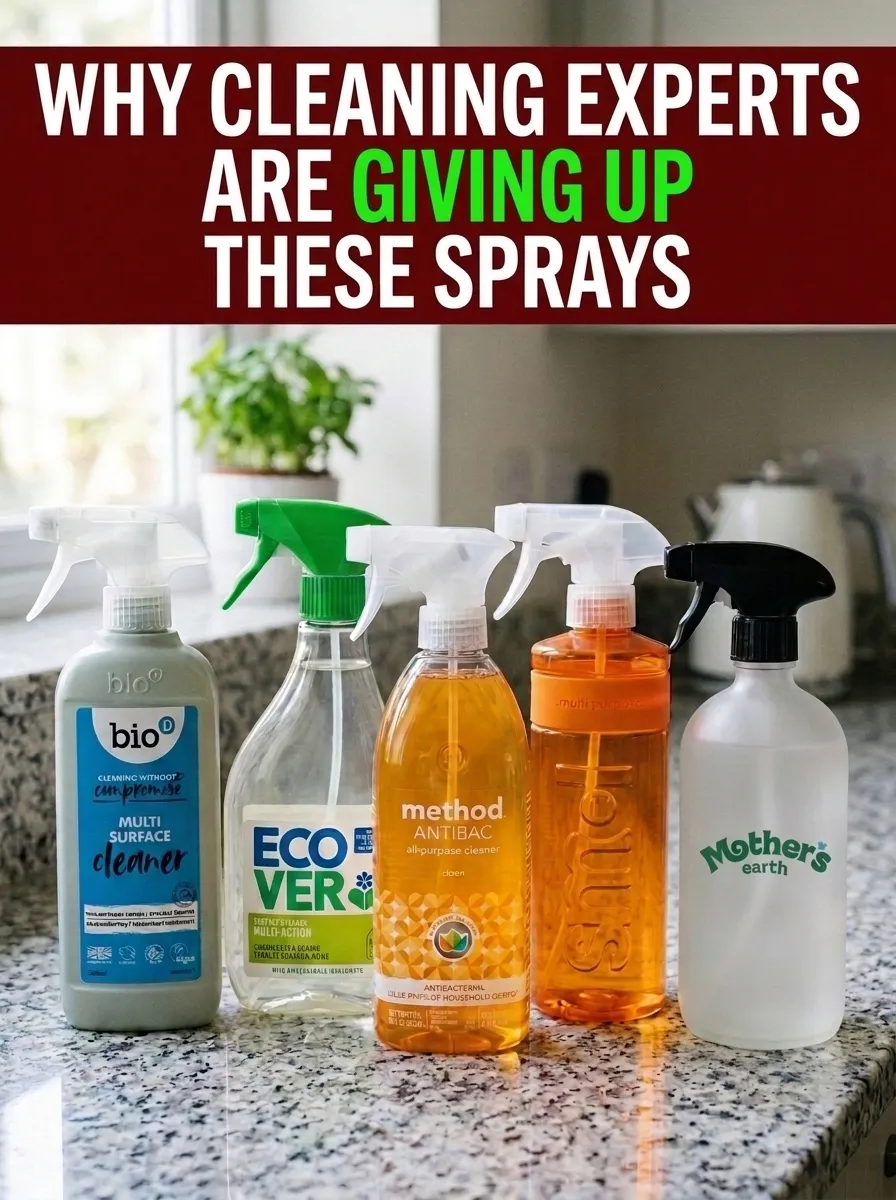
Only 1 kit passed all 5 points cleaning experts check
The Healthy Clean
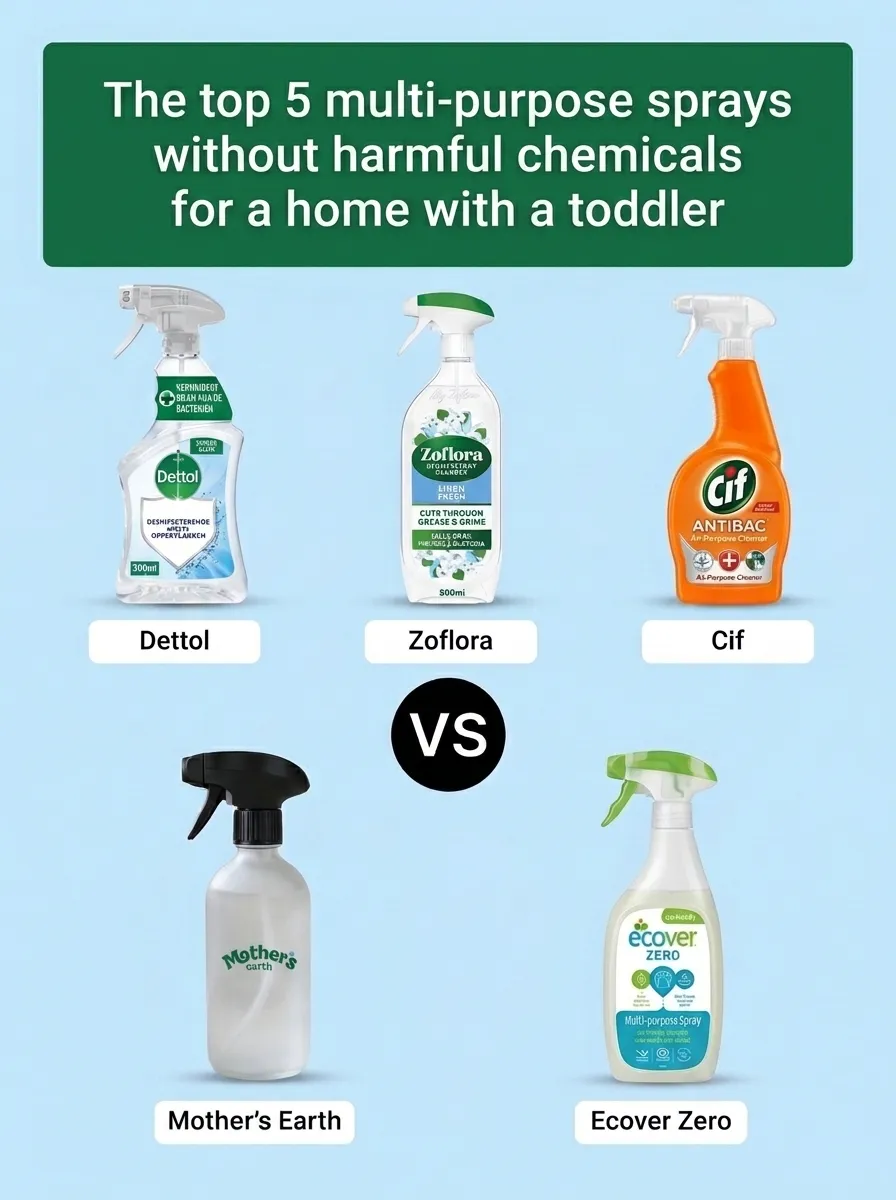
Kills 99.9% of germs” is the problem
The Healthy Clean
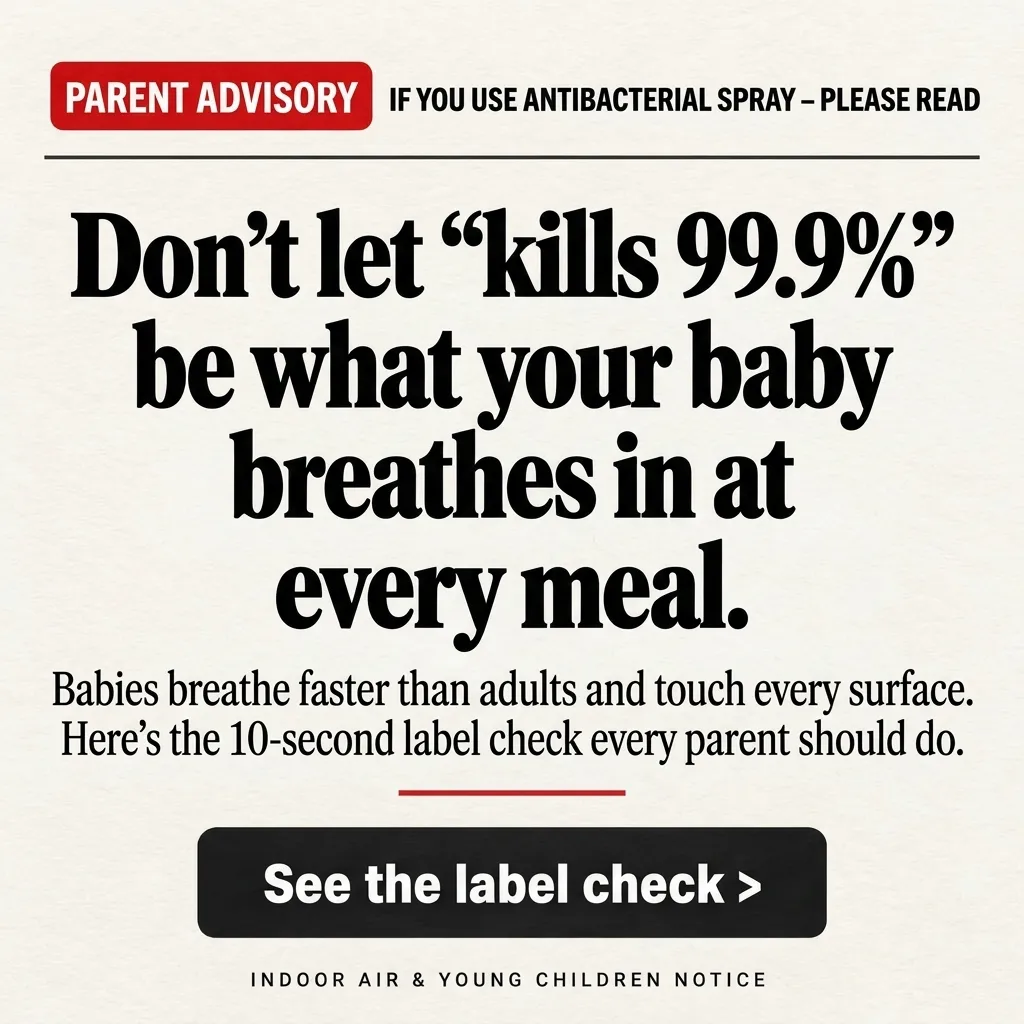
Why “kills 99.9%” doesn’t belong on a high chair
The Healthy Clean
Why “kills 99.9%” doesn’t belong on a high chair
The Healthy Clean
Only 1 kit passed all 5 points cleaning experts check
The Healthy Clean
Kills 99.9% of germs” is the problem
The Healthy Clean
Only 1 kit passed all 5 points cleaning experts check
The Healthy Clean
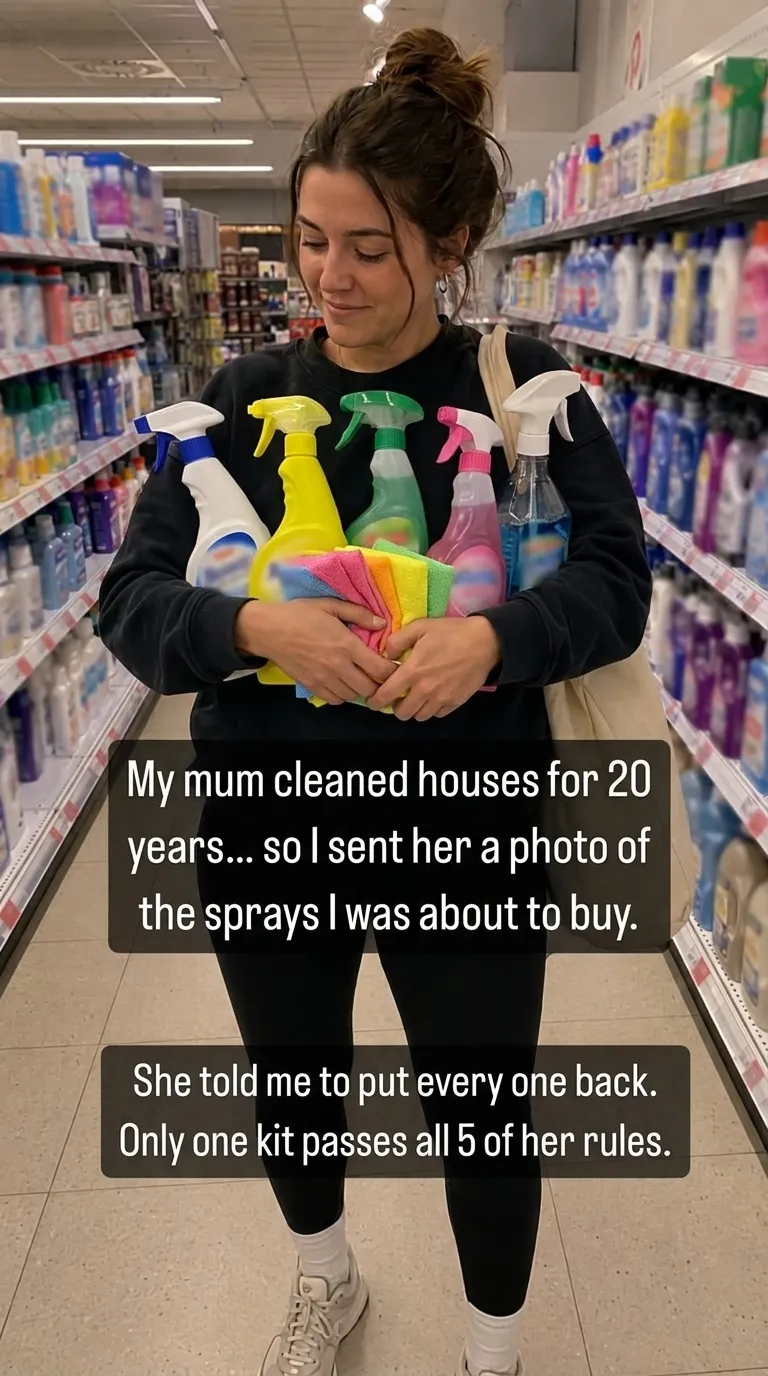
The 5 things cleaning experts check before buying a spray
The Healthy Clean
Which dishwasher tab leaves nothing on your kids’ plates?
The Healthy Clean
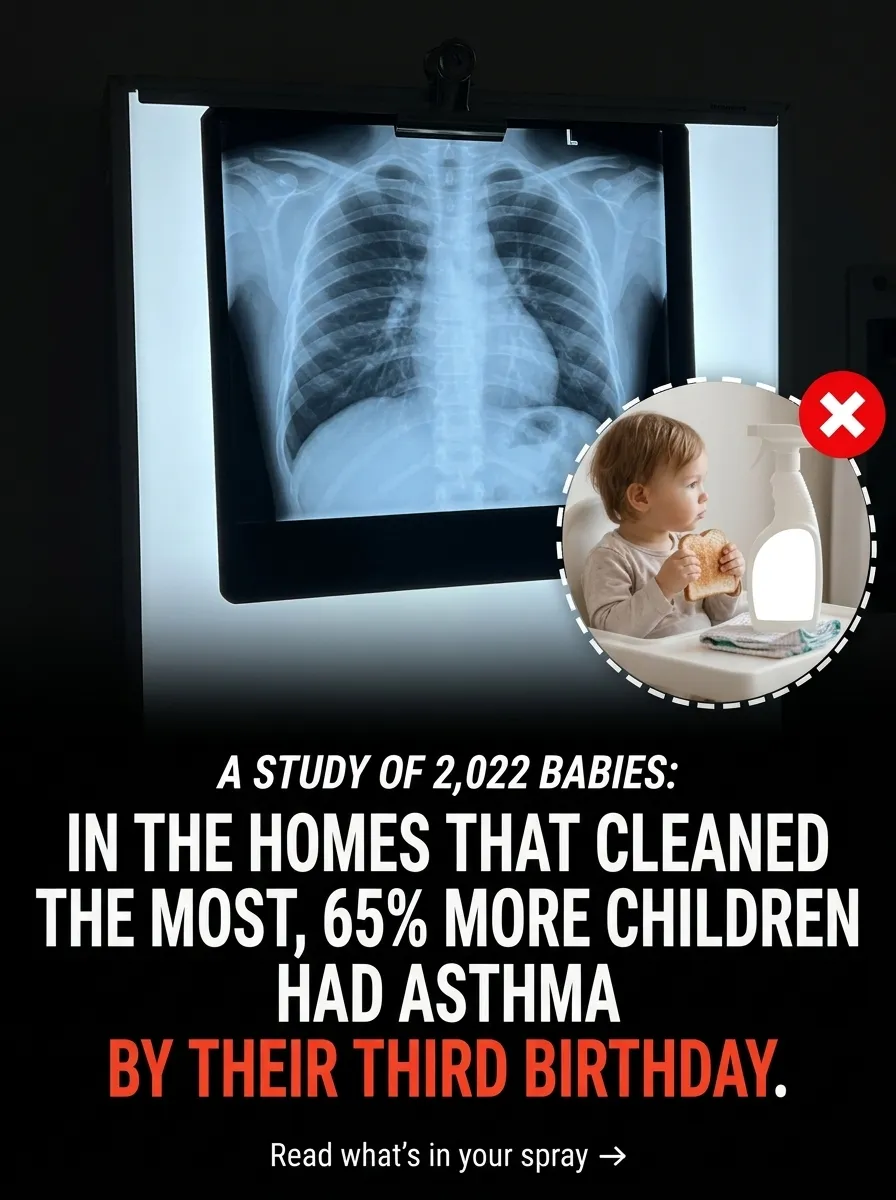
Only 1 of 9 sprays passed my high chair test
The Healthy Clean
The cancer-classified by-product missing from detergent labels
The Healthy Clean
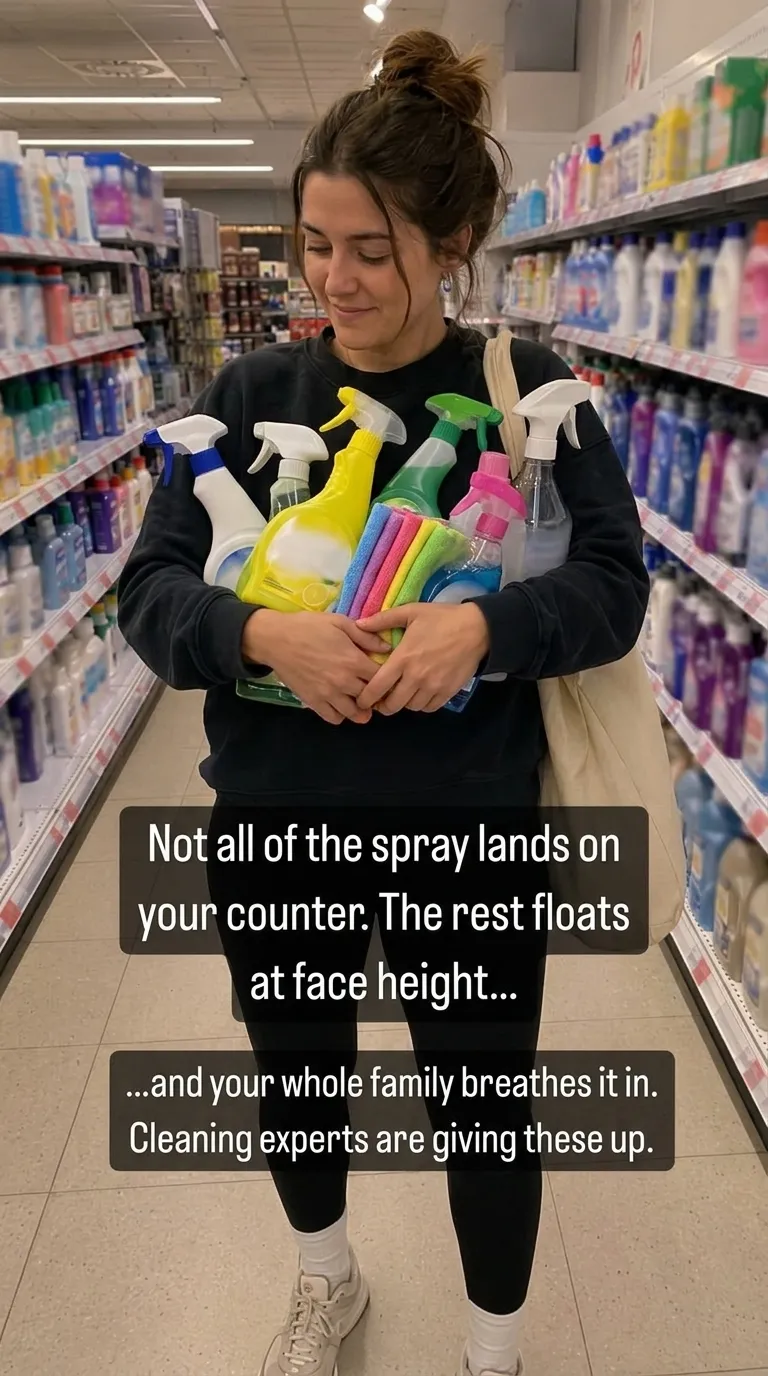
The 5 things cleaning experts check before buying a spray
The Healthy Clean

 Add to Chrome