Which dishwasher tab leaves nothing on your kids’ plates?
Ad Copy
"I'm ashamed to admit it, but for years I put harmful chemicals on my kids' plates every single day. My daughter noticed first. If you run the dishwasher every night, buy the tabs everyone buys, and you've ever noticed that your ""clean"" glasses smell a bit perfumed or look slightly cloudy, please read this to the end. It takes a few minutes, and it's the thing I wish someone had told me years ago. A bit about me first, so you know who's talking. My name's Lena, I'm a mum of two, and I'm the person in our house who reads the back of every box. I'm not a chemist. I don't work for a detergent company. I just got a very uncomfortable answer to a question I'd never thought to ask, and I've been testing things in my own kitchen ever since. It started at breakfast on a perfectly normal weekday. My daughter is seven. She'd asked for a glass of water, I'd taken one straight out of the dishwasher, filled it from the tap and put it down in front of her next to her cereal. She took one sip, pulled a face and pushed it back across the table. ""Mum, this tastes like the dishwasher."" I laughed, honestly. I told her water doesn't taste like anything and to stop being fussy. She shook her head, very seriously, the way seven-year-olds do when they know they're right, and refused to drink it. So I picked the glass up and smelled it. And there it was. Faint, but definitely there: that clean, flowery smell you get when you open the dishwasher door at the end of a cycle. On a glass she was about to drink from. Then I held it up to the kitchen window. There was a thin, milky haze across the glass. I'd seen it a hundred times before and always put it down to limescale. We live in a hard water area, so I'd never given it a second thought. I poured her a fresh glass from the cupboard, she drank it without a word, and everyone went off to school and work. But I stood there with that hazy glass in my hand for a lot longer than I'd like to admit. The thing is, I wasn't careless. I'd done what everybody does. I bought the big-brand tabs, the ones with the shiny box that promise sparkling glasses and a hygienic clean. I topped up the rinse aid whenever the little light came on, because the box said that's how you get streak-free glasses. I ran the dishwasher most nights, sometimes twice on a weekend. I trusted that if something went on the shelf in every supermarket in the country, it had to be fine for the plates my children eat from. And I told myself all the usual things. ""It's just limescale."" ""Everything gets rinsed off anyway."" ""If it was a problem, they wouldn't be allowed to sell it."" ""Everyone uses these."" If you're telling yourself the same things right now, please don't feel bad about it. I believed every one of them for years. Nobody puts the important part on the front of the box. A few days after the glass, a friend sent me a link with a short message: ""Have you seen this? Read the bit about rinse aid."" It was a study from the University of Zurich. The researchers had looked at dishes that came out clean from commercial dishwashers, the big machines used in restaurants and canteens. They found rinse-aid residue still sitting on them. And in the lab, that residue damaged the cells that line the gut. I read it twice. Then I read the part that really stopped me, and it's so simple I couldn't believe I'd never thought about it. Rinse aid goes in during the very last rinse. That's how it works: it's added at the end so the water runs off and the glasses come out shiny. Which means nothing comes afterwards to wash it off. Whatever is in it simply dries onto the plates, the glasses and the cereal bowls. I'm not a chemist, and I want to be fair here. Our machine isn't a restaurant machine, and I can't tell you exactly how much of anything reaches a child. But I also didn't need a lab to tell me I didn't want it on my kids' plates. That evening I did something I'd never done in my life. I got our box of tabs out from under the sink and read the whole ingredient list. Bleach. Phosphonates. Perfume, with several of the ingredients declared as allergens. Colouring. In some tabs, rinse aid built straight in. Every one of those is another thing that can end up on the plate. And the plate is where breakfast goes. That's the image I couldn't shake. The cereal bowl comes out of the dishwasher looking spotless, with whatever was in the last rinse dried onto it. Then I pour milk in, and my kids eat it with spoons they lick clean. The same with the warm pasta on the plates in the evening, and the plastic beakers they drink from all day. I felt sick. Not dramatic, panicky sick. Quietly, guiltily sick, the way you feel when you realise you've been doing something every day without knowing what it was. But there was also something oddly hopeful in it. With so much of what worries you as a parent, there's nothing you can actually do. This was a box under my sink. I could change it before the next wash. My husband, to his credit, was sceptical when I told him. ""Everyone uses those tabs,"" he said. ""And remember the last eco stuff we tried? The pans came out worse than they went in."" He wasn't wrong. That's the fear, isn't it? You swap to something gentler, and then you're scrubbing the lasagne dish by hand every night, and three weeks later the old box is back in the trolley. So I decided to test it properly, on our dishes, with our mess. Over the next few weeks I tested five dishwasher detergents. I set myself four rules, and every detergent had to pass all of them. One: it has to clean properly. Not ""fine for an eco product"". Properly. Two: nothing left on the dishes that could end up being swallowed. That meant no phosphonates, no benzotriazole and no dyes. Three: there has to be a fully scent-free version, because I don't want perfume on the plates, and definitely not on baby bottles. Four: I have to be able to read the ingredient list without a chemistry degree. Then I gave them the worst our kitchen had to offer. The lasagne dish with the burnt edge. The pan I'd scrambled eggs in. The cereal bowls with the dried-on bits nobody rinses. And at the end of every load I did the same thing I'd done that morning: I held a glass up to the window and ran my finger down it. If it squeaked, there was nothing on it. Here's how the big names did. Finish Ultimate Plus is the best-selling dishwasher detergent in the world, and it does clean. But the ingredients list up to 30% bleach, 5 to 15% phosphonates and 5 to 15% polycarboxylates, plus perfume ingredients like limonene and geraniol. I did the sum on one cap. It weighs about 12 grams, so up to 15% phosphonates means roughly 1.8 grams in every wash, in the same hot water the cereal bowls are sitting in. And the pack still recommends you add their rinse aid on top. It came last. Fairy Platinum Plus has the rinse aid built in, which the box sells as a plus. After everything I'd just learnt about the last rinse, I read that very differently. It also lists 15 to 30% oxygen bleach, 5 to 15% phosphonates and nine different fragrance ingredients, four of them on the EU allergen list. I couldn't find a scent-free version anywhere. At around 20p a tab, I wanted a much shorter label for that money. Frosch Classic, the one with the green frog, is honestly a decent product. No phosphonates on the label, and at about 12p a tab it was the cheapest of the five. But every single tab I found was scented, the pack lists 5 to 15% oxygen bleach, and the box itself recommends adding salt and rinse aid for the best result. I wanted a plate with nothing on it. Ecover All-in-One is a good brand and a big step up from most supermarket tabs. They've made detergent without phosphates or phosphonates since 1979, and there's a fragrance-free Zero version. But it still contains 5 to 15% oxygen bleach and limonene, and at around 21p a tablet it costs about 30% more than my winner. Only one detergent passed all four rules. It cleaned everything I threw at it, including that lasagne dish. The glasses came out clear, without any rinse aid at all. The ingredient list is short enough to read in ten seconds: no phosphonates, no benzotriazole, no dyes, no bleach, no zinc salts, no acrylic polymers. It dissolves on every programme, eco and quick wash included. And there's a completely scent-free version, which is the one I'd recommend for baby bottles. I'm not going to name it here, because the whole point of the article is the comparison, and I'd rather you see exactly why the other four didn't make it. But I will tell you that it costs less than Fairy and Finish, which I didn't expect at all. I'll be honest about one thing, too. It doesn't do magic with hard water. In our area I still put dishwasher salt in, like with any detergent. What I don't need any more is a separate bottle of rinse aid. A couple of weeks after we switched, I took a glass out of the dishwasher, filled it with water and put it in front of my daughter without saying anything. She drank half of it, put it down and said, completely matter-of-fact: ""Now it tastes like water."" I held that glass up to the same kitchen window. Clear. I ran my finger down it, and it squeaked. I didn't expect a glass of water to make me emotional, but it did. Since I wrote the article, the comments and reviews have been the part I read most. Sandra wrote that it's reassuring to know no chemicals end up on her children's dishes. Petra said the streaks and residue she used to get are gone, and she feels better about her son eating from those plates. Christina's glasses come out without streaks. Maximilian noticed there's no residue or bad taste any more. And Craig put it the way my husband eventually did: it cleans as well as the branded tabs, and it's cheaper and healthier. My husband, by the way, has stopped asking about the pans. I'm writing all of this out because I know how many of you are exactly where I was that morning at the breakfast table. If you run the dishwasher every night and buy the tabs everyone buys… If your clean glasses smell faintly of that dishwasher perfume… If you've always put the cloudy film on your glasses down to limescale… If you top up the rinse aid whenever the light comes on, because the box says so… If your kids eat their cereal from bowls that came straight out of the dishwasher… If your little one's bottles go through the same machine… If you've ever thought ""it all gets rinsed off anyway""… …then please read the article before you buy your next box. And if none of that sounds like you, that's genuinely great. You don't need it. On price, because I know it matters: my winner starts at 16p a wash, which is less than Fairy at around 20p and Finish at around 17p. Their Black Friday sale is on right now, with up to 58% off plus free gifts, and it's only in their own shop. There's also a 30-day money-back guarantee, so if it doesn't clean your dishes the way it cleaned mine, you get your money back. But don't start with the offer. Start with the comparison, and then go and read the back of your own box. Here are the 5 best dishwasher detergents without harmful chemicals, and the one I'd put my kids' plates in 👇 P.S. Tonight, take one glass out of your dishwasher, hold it up to the window and run your finger down it. If it doesn't squeak, read the article. It costs nothing to check, and it might change what's on your kids' plates tomorrow morning 👇
More from The Healthy Clean
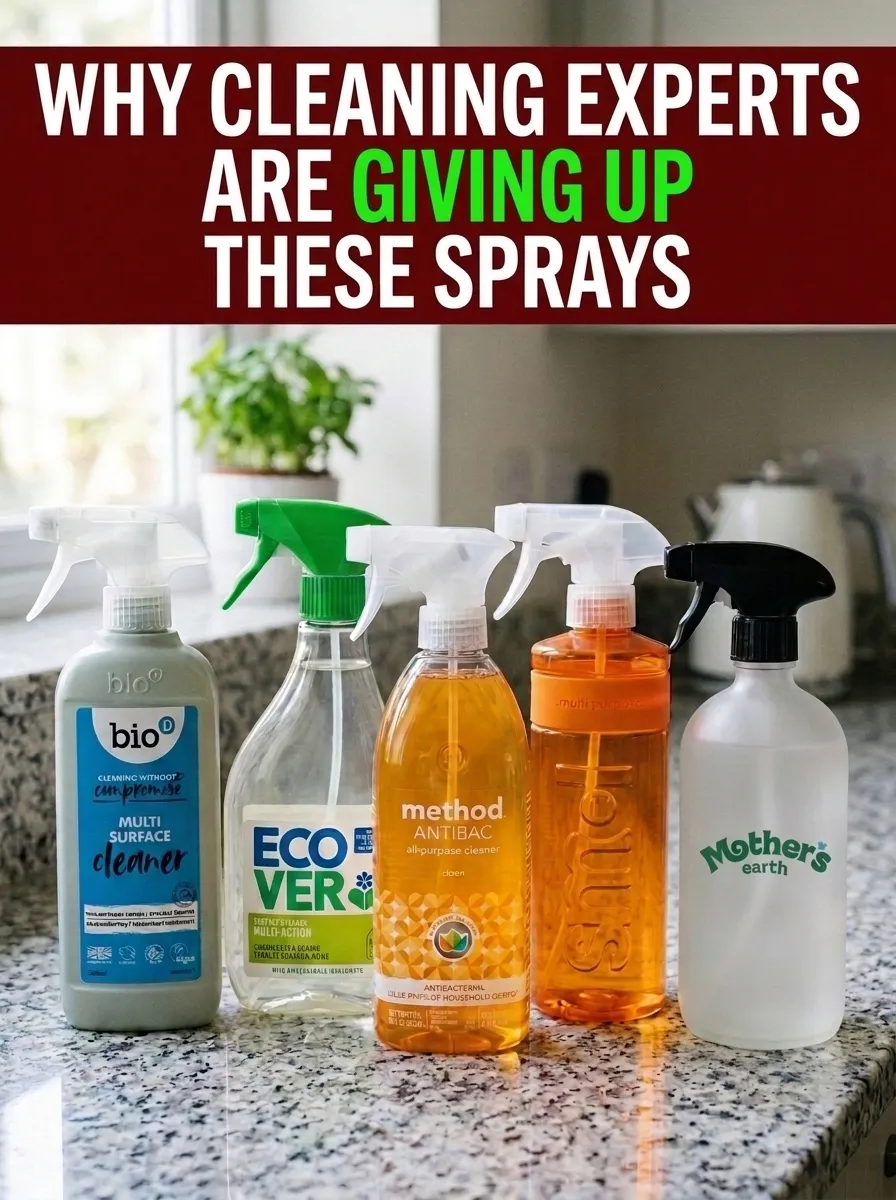
Only 1 kit passed all 5 points cleaning experts check
The Healthy Clean
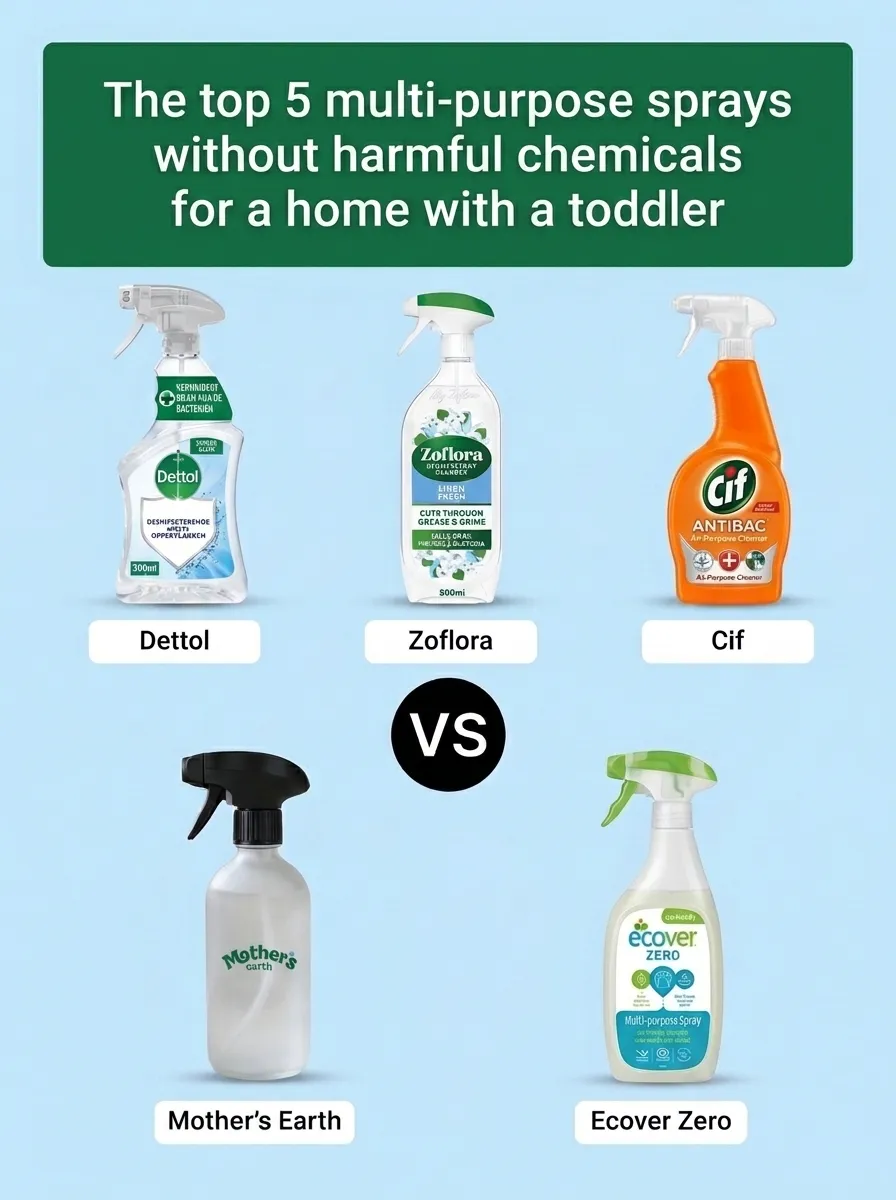
Kills 99.9% of germs” is the problem
The Healthy Clean
Why “kills 99.9%” doesn’t belong on a high chair
The Healthy Clean
Why “kills 99.9%” doesn’t belong on a high chair
The Healthy Clean
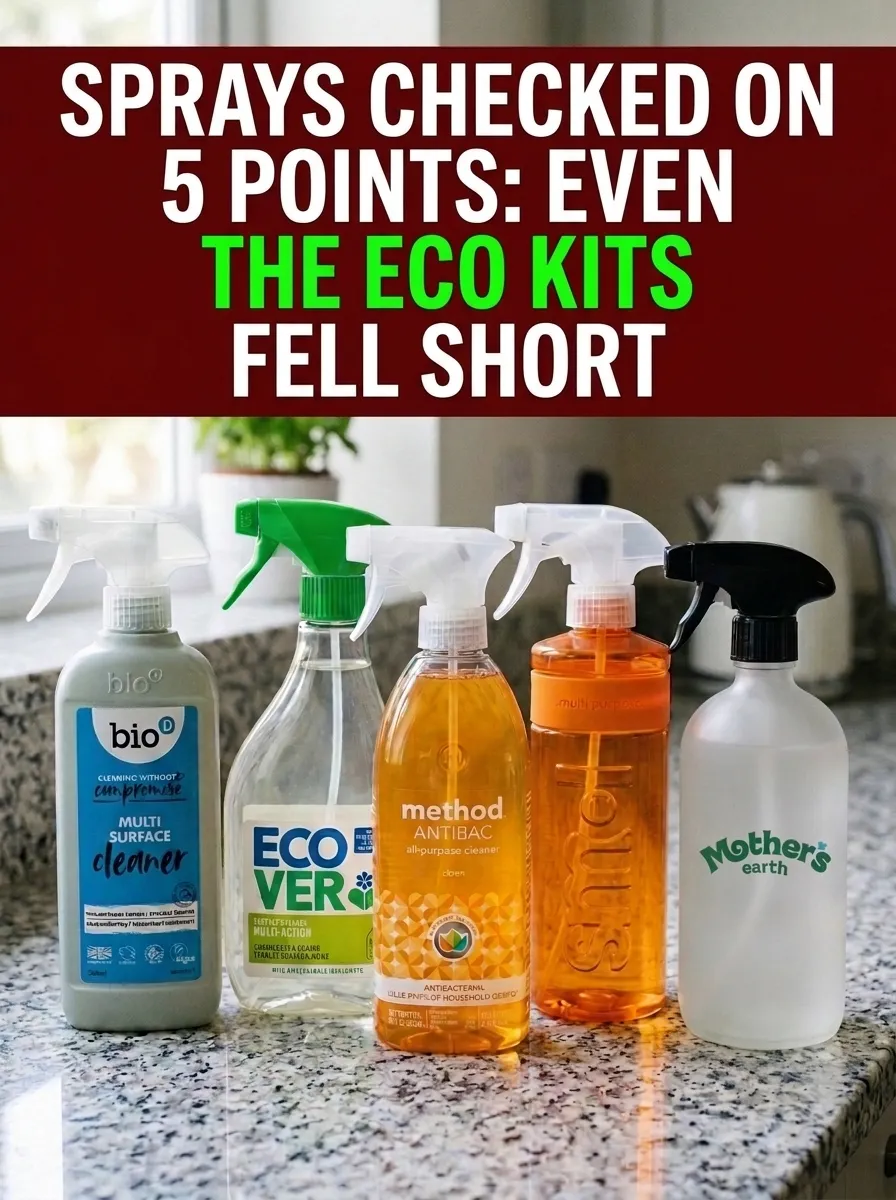
Only 1 kit passed all 5 points cleaning experts check
The Healthy Clean
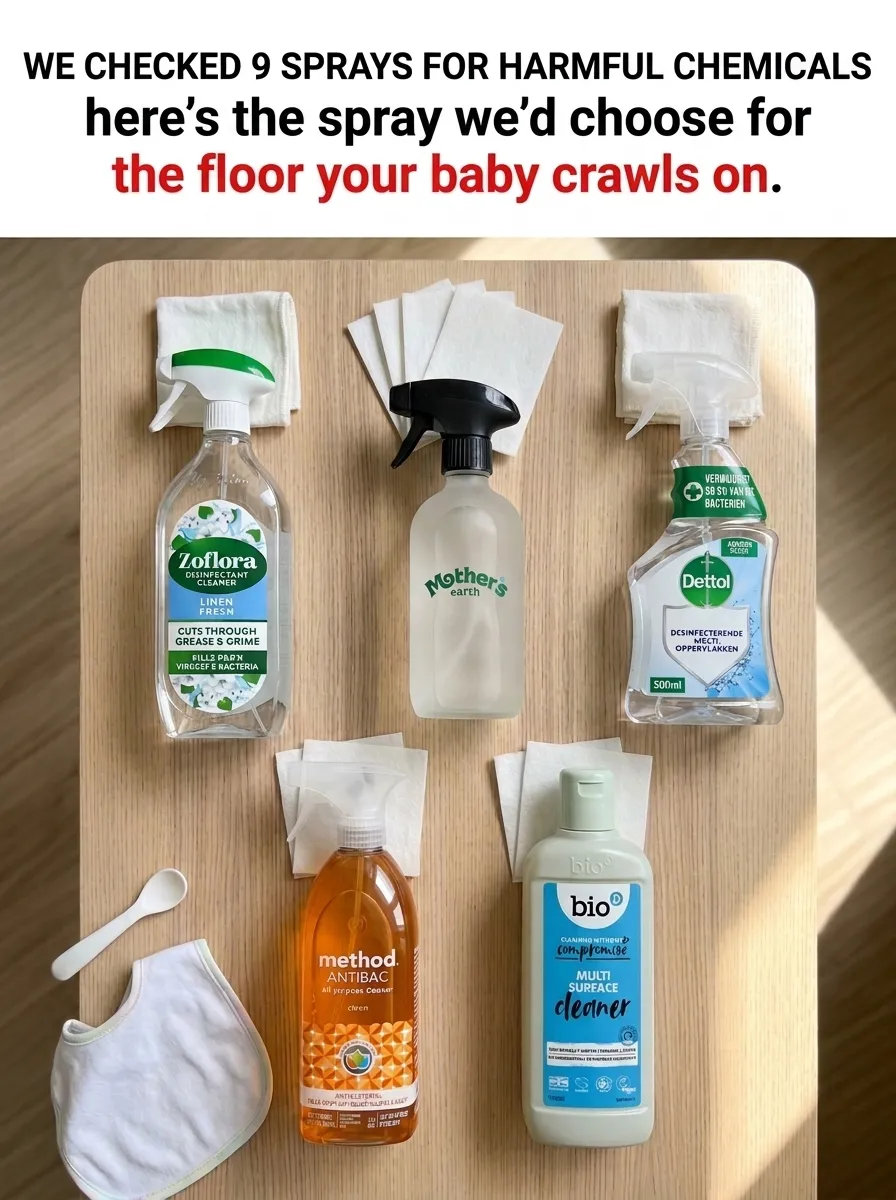
Kills 99.9% of germs” is the problem
The Healthy Clean
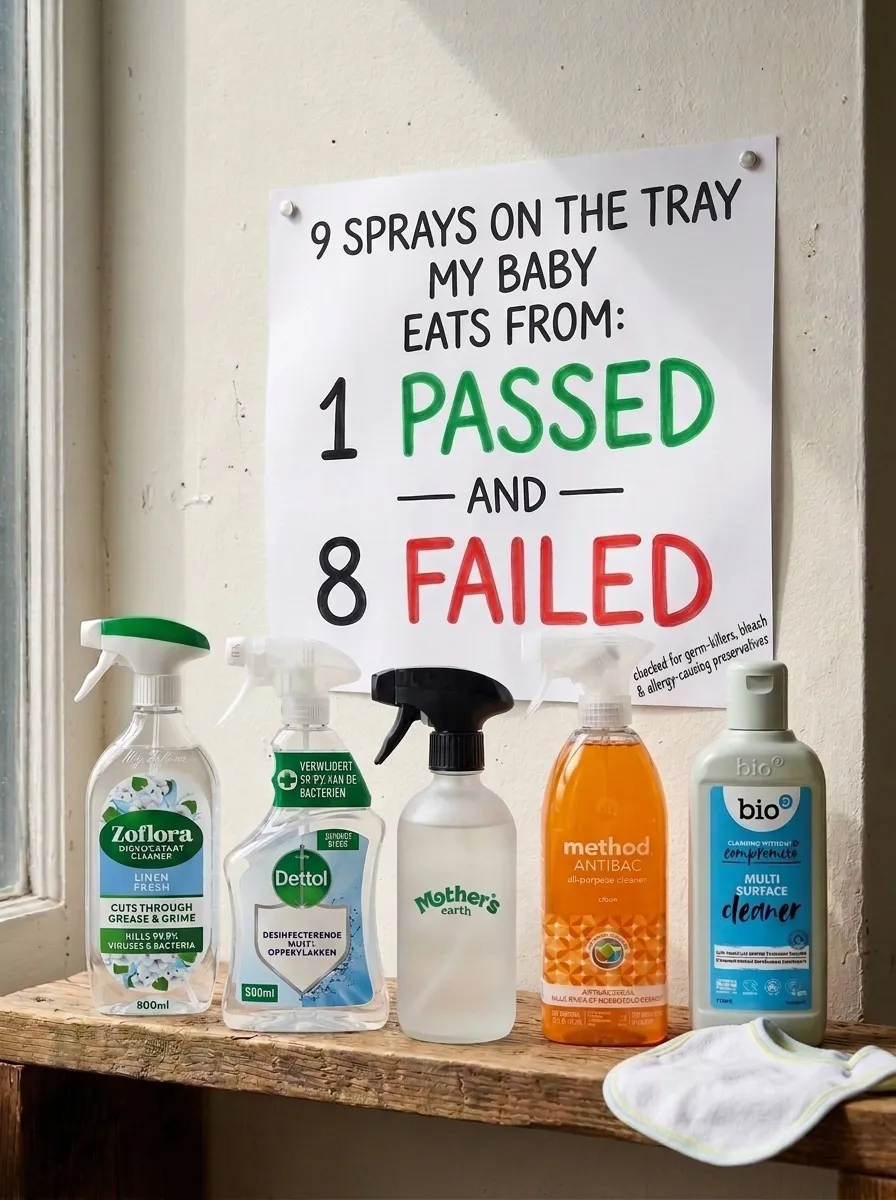
Kills 99.9% of germs” is the problem
The Healthy Clean
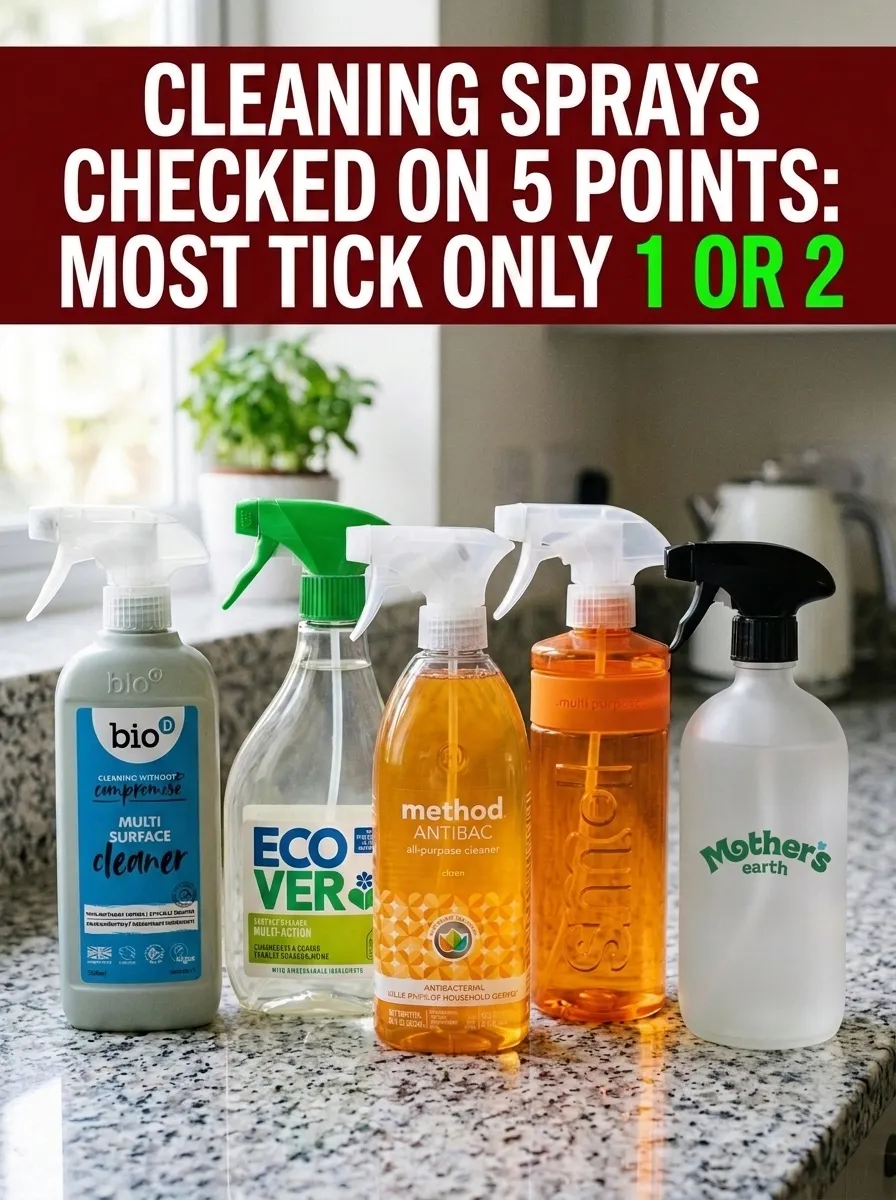
Only 1 kit passed all 5 points cleaning experts check
The Healthy Clean
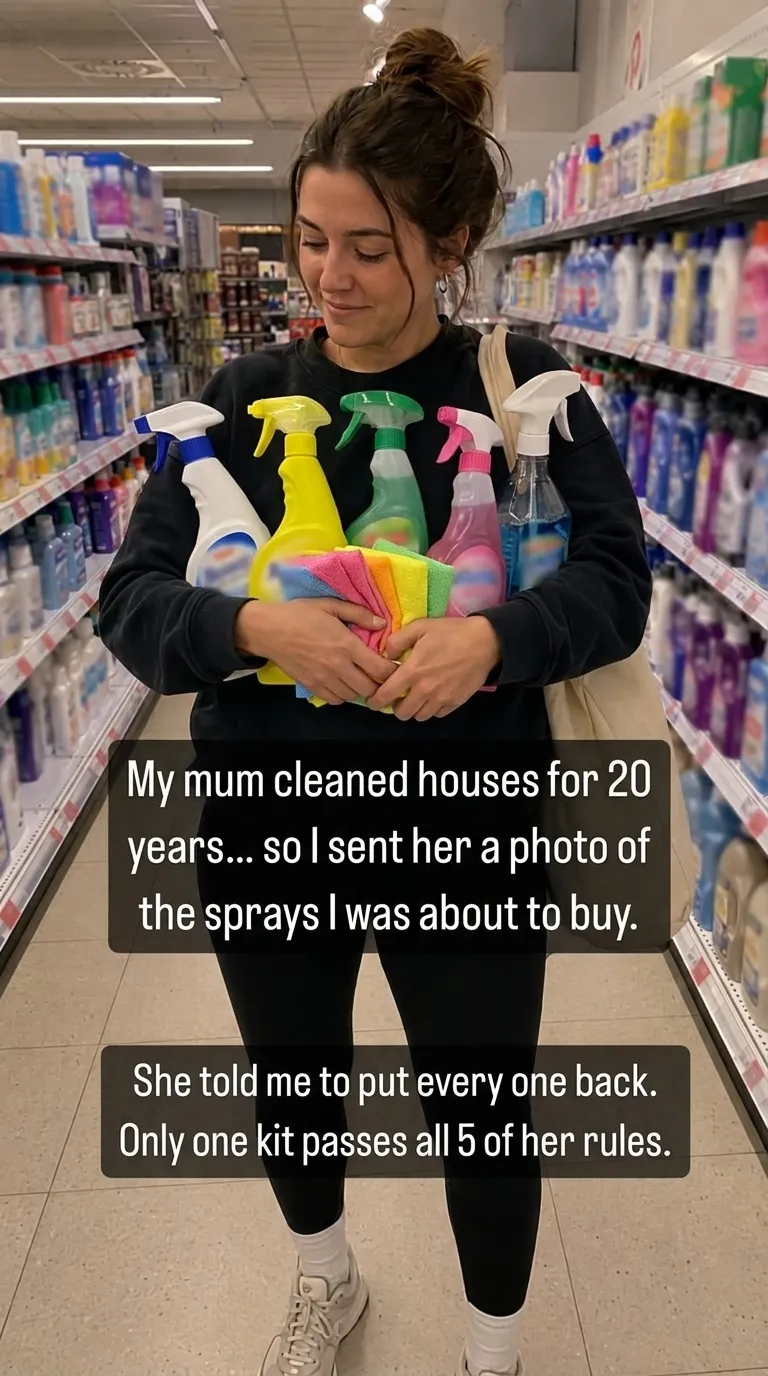
The 5 things cleaning experts check before buying a spray
The Healthy Clean
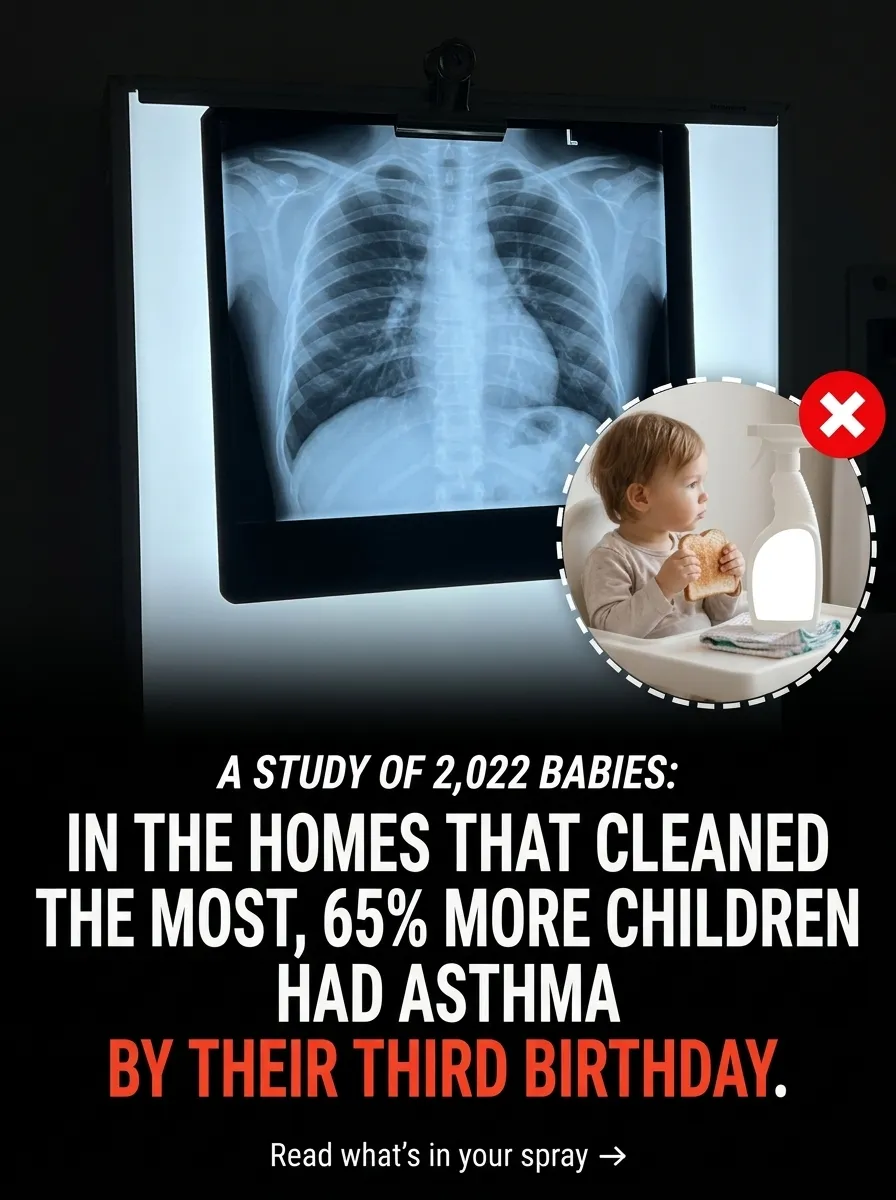
Only 1 of 9 sprays passed my high chair test
The Healthy Clean
The cancer-classified by-product missing from detergent labels
The Healthy Clean
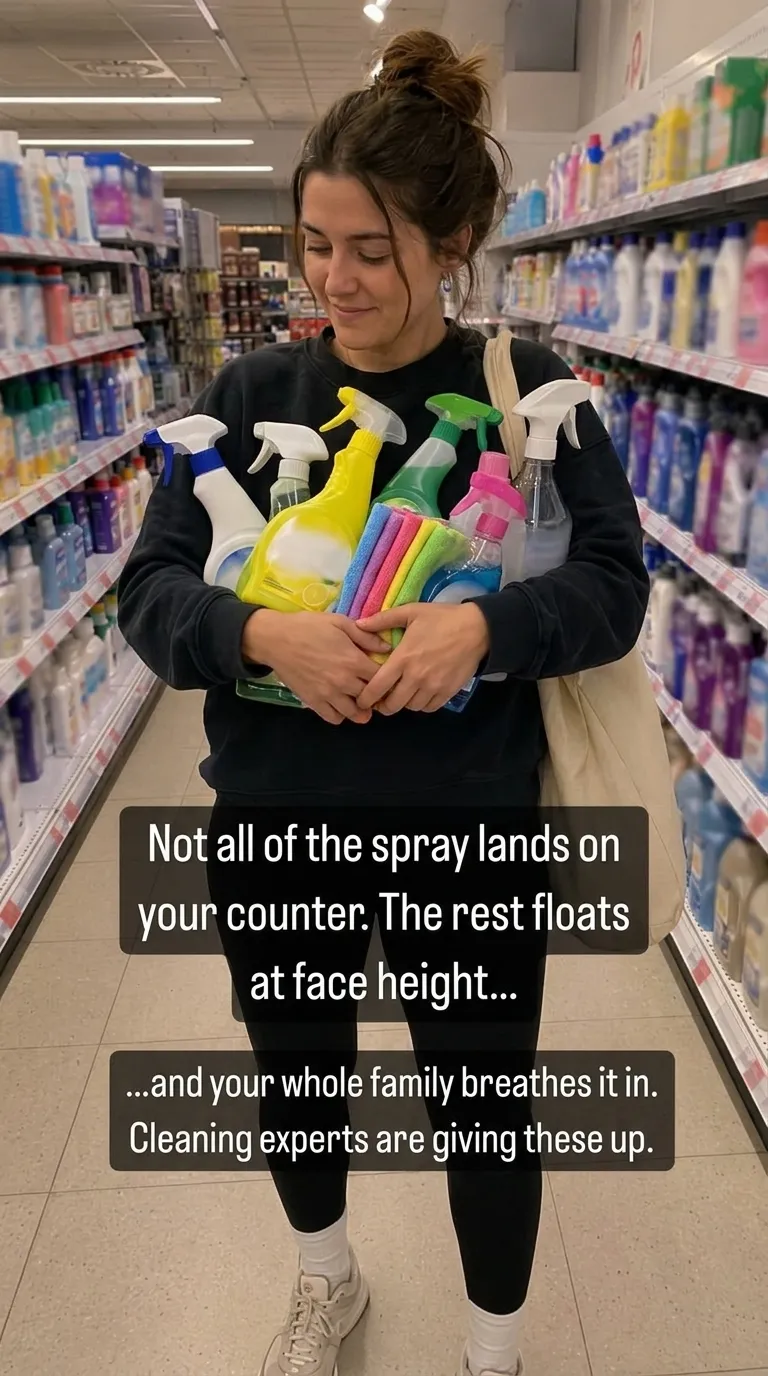
The 5 things cleaning experts check before buying a spray
The Healthy Clean

 Add to Chrome