The 5 things cleaning experts check before buying a spray
Ad Copy
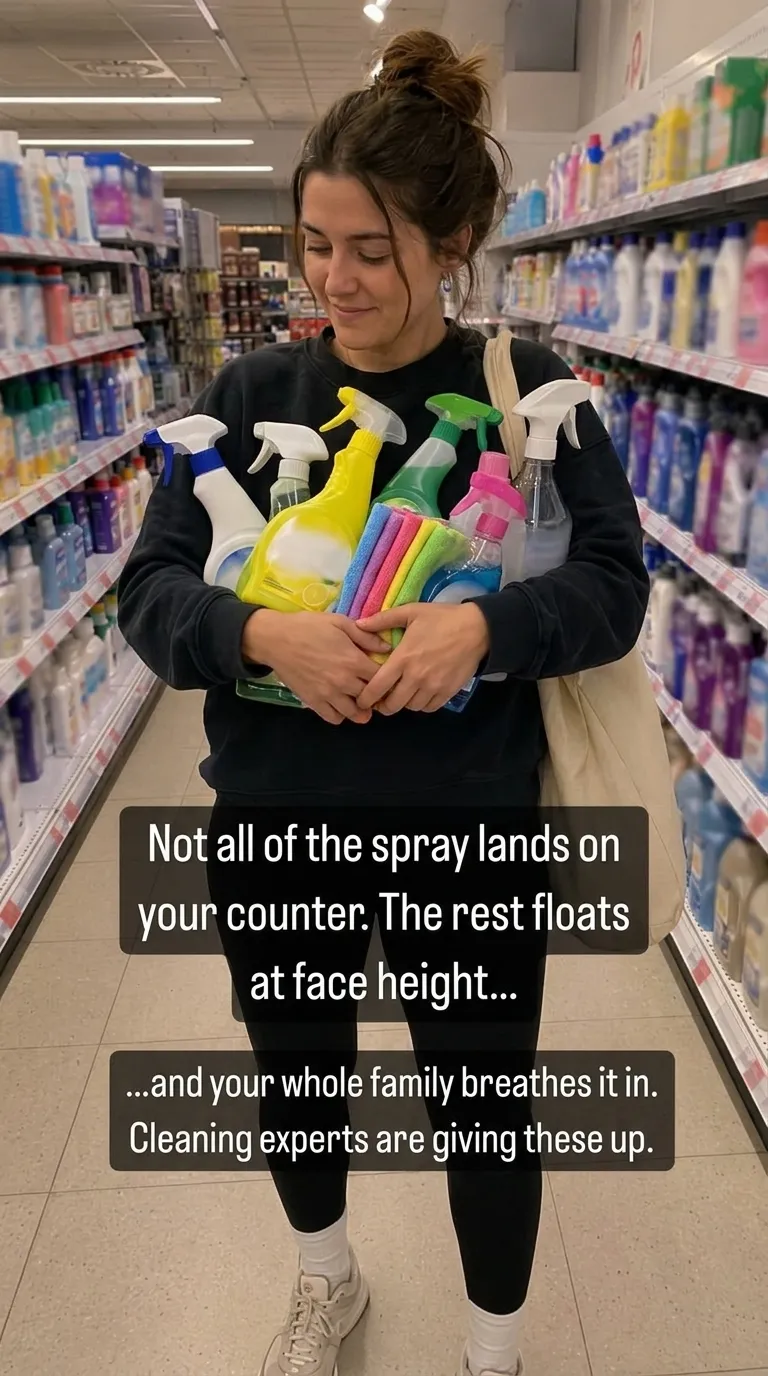
"I was standing in the cleaning aisle with seven sprays in my arms when my mum, who cleaned houses for 20 years, texted me back: put them all back. If you pick up a new spray most weeks, and you wipe down the worktop your kids eat breakfast at with it every single day, please read this to the end. It's long, I know. But it's the most useful thing anyone has told me about my own kitchen, and I've been cleaning it for fifteen years. So you know who's writing this: I'm 41, I have two kids, Ellie who's eight and Jack who's four, and I work mornings on the front desk of a dental practice. Thursday evening is my big shop, after the kids are in bed and my husband is on bedtime duty. It's my one hour of peace in the week, and I spend a ridiculous part of it in the cleaning aisle. Last Thursday was no different. There was an offer on, so I'd grabbed the antibacterial kitchen spray I always buy, a lemon multi-purpose one because it smells lovely, a separate one for the bathroom, a ""fresh linen"" one I'd never tried, and a refill pouch for the eco spray bottle I'd switched to last year. Under my arm was a pack of microfibre cloths in bright yellow and blue, because mine had gone a bit grey. Seven sprays and a pack of cloths. I couldn't carry a basket as well, so I was hugging the lot against my chest like a toddler with too many teddies, and I thought it was funny. So I balanced my phone on top, took a photo of myself in the aisle and sent it to my mum with ""Thursday night shop. Living the dream."" My mum spent twenty years cleaning other people's houses. Five or six homes a week, keys on a big ring by the door, and she always came home smelling of other people's cleaning products. I sent her the photo as a joke. I expected a laughing face back. Instead, my phone buzzed with three words. ""Put them back."" Then, before I could reply, a second message. ""All of them. I'm ringing you."" I stood there in the aisle, with a woman trying to reach past me for the washing-up liquid, while my phone rang on top of a pile of spray bottles. I got it wedged between my ear and my shoulder and said, ""Mum, it's spray. It's cleaning spray."" ""I know what it is,"" she said. ""Turn one of them around and read me the back."" Here's what I want you to understand about what I believed, standing there, because I suspect you believe it too. I bought antibacterial because I have small children, and killing germs felt like the responsible thing. If it says antibacterial on the front, surely that's the safest thing to wipe a highchair with. I judged whether the kitchen was clean by the smell. If it smelled of lemon or fresh linen afterwards, the job was done. And I genuinely thought I'd already sorted the plastic problem, because I'd moved to an eco refill bottle and felt rather smug about it. Before that I'd tried a ""natural"" spray with leaves on the label, which didn't seem to shift the grease on the hob at all, so I went back to the antibacterial one. I'd also got into the habit of opening the window when I cleaned, because the smell sometimes caught the back of my throat. I never once asked myself why. None of that is stupid. Every bottle on that shelf is designed to make you feel you're doing the right thing for your family. Nobody tells you otherwise, and it certainly isn't on the front of the bottle. So I turned the antibacterial one around, squinted at the tiny print and read it out to her. Somewhere in the list was benzalkonium chloride. ""There you go,"" she said. ""That's a quat."" I asked her what on earth a quat was, and she explained it in the way only someone who's done the job for twenty years can. ""Most of the sprays on that shelf are made to disinfect,"" she said. ""Even when all you want is to wipe some toast crumbs off the table. To kill germs they use quaternary ammonium compounds, quats for short, or ammonia, or bleach. Benzalkonium chloride is one of the most common quats, and it's a recognised cause of asthma in people who clean for a living."" Then she said the sentence I keep coming back to. ""The people who clean for a living were the first ones anybody checked."" She told me that when you clean professionally, you're breathing that spray for hours every day, in small bathrooms and kitchens, often with the windows shut. So when researchers wanted to know what cleaning sprays do to the people using them, cleaners were the obvious place to start. And because they were studied first, they were also the first to change how they work. ""When you pull that trigger,"" she said, ""not all of it lands on the worktop. Part of it turns into a fine mist that floats at face height. You breathe it in with every wipe. So do the kids, if they're in the room."" I said something like, ""Mum, it's a spray, it goes on the surface,"" and she told me to try it at home the next morning with the sun coming through the kitchen window. I'll come back to that, because she was right, and it was not a nice thing to see. That night, after I'd put most of the bottles back on the shelf and gone home feeling a bit silly, I looked up what she'd told me. I'm my mother's daughter and I don't believe anything until I've checked it. A large study followed more than 3,500 adults for around nine years. The ones who used cleaning sprays at least once a week were more likely to develop asthma, and the more often they sprayed, the higher the risk. In 2023, a team of scientists described quats as ""a chemical class of emerging concern"". At least once a week. I was spraying the kitchen twice a day, and the bathroom on top. The next morning I did what Mum said. The sun was low and coming straight through the window over the sink, the kids were at the table with their cereal, and I sprayed the worktop right in the light. There it was: a fine cloud of cleaner hanging in the air at exactly the height of my face, drifting slowly towards the table where Jack was still in his pyjamas. I'd sprayed that worktop thousands of times and had never once looked at where the spray went after it left the bottle. I'd only ever looked at the worktop. When I told my husband all this, he did what he always does and played devil's advocate. ""Our parents used these for decades,"" he said. ""And with two little ones, don't we need to kill the germs?"" It's a fair question, and I'm not a scientist, so I asked Mum. She keeps one proper disinfectant under her sink for the rare times she genuinely needs it. What she doesn't do is spray it around the kitchen every day to wipe up crumbs and jam. For everyday dirt and grease you don't need any of it, she said, because plant-derived cleaning agents lift the dirt into the cloth perfectly well. Then I asked her about the lemon one, the one that smells so nice. She laughed. ""That's the oldest trick in cleaning."" The fresh smell tells you the job is done and covers the chemical smell underneath, but perfume doesn't remove a single crumb. What it does is add to the air. When researchers measured what household cleaners release indoors, fragrance compounds were the most common chemicals they found. So if your kitchen still smells of ""fresh linen"" an hour after cleaning, as mine always did, that's an hour of perfume your family has been breathing. And then there was the part I'd forgotten about completely. On the phone in the aisle, just before we hung up, she'd said, ""And that pack under your arm. Put that back too."" The microfibre cloths. ""That's plastic,"" she said. I honestly thought microfibre was the good stuff. My eco refill kit had come with one in the box. But microfibre is made from polyester and nylon, so it's a plastic cloth. Tiny plastic fibres break off every time you wipe and every time you wash it. Indoors, they end up in the dust and the air of your home. The same air we'd just been talking about. I looked that one up too, and I wish I hadn't done it just before bed. In a 2022 study, 17 out of 22 healthy adults had plastic particles in their blood. That same year, researchers found microplastic fibres in living human lung tissue for the first time. So there I'd been, every single day, wiping the table my children eat at with a plastic cloth, spraying a mist of disinfectant and perfume over it, and feeling pleased with myself because the bottle was refillable. A couple of days later I found an article that puts all of this together far better than I can. It's by a home and cleaning editor at a cleaning magazine, and it starts with almost exactly my sunlit-kitchen moment. She goes through five reasons the people who clean for a living are giving up plastic spray bottles, with the studies behind each one, and then turns them into a simple checklist for choosing what to use instead. No quats, ammonia or chlorine bleach. A light scent, or none at all. Refills without the water, mixed with tap water at home. A bottle you keep, instead of single-use plastic. Cloths that aren't plastic, like cellulose and cotton. The water one stopped me too. According to the article, a typical bottle of cleaner is about 90% water. That water is bottled in a factory, driven across the country and carried home by you, and you pay for every step of it, while the same water comes out of your tap for a fraction of the cost. I'd been hugging seven bottles of mostly water in that aisle. Then she holds the usual options up against the checklist. A supermarket spray often fails the first point, rarely passes the second and fails the last three. A typical eco refill kit does better on the bottle and the refills, but it usually comes with a microfibre cloth, which is exactly what I had. Most sprays and refill kits tick one or two of the five boxes. Of everything she looked at, only one kit ticked all five. I'm not going to spoil which one, because the article explains it properly, but I will say it's the one now sitting on my worktop. And to be fair, it doesn't disinfect, and the article says so plainly. For the rare times you need that, you keep a separate product, the way Mum does. I've used it for a few weeks now. I spray onto the cloth instead of into the room, and one wipe takes the grease off the front of the hob. The scent is soft and green, and it doesn't hang about the kitchen the way the lemon one did. The cloths are cellulose and cotton, they soak up just as much as the microfibre ones and they go in the wash at 60 degrees. The bottle is glass and lives on the worktop now instead of hiding under the sink. Last Thursday I walked straight past the cleaning aisle for the first time in about fifteen years. I took a photo of that too and sent it to Mum. This time she sent back a thumbs up, which, if you knew my mum, is about the highest praise there is. It has 4.7 out of 5 stars from 163 reviews, and one of them says exactly what I'd been thinking: ""I love the smell and particularly the idea that the product is natural and thus, will not leave toxic chemicals behind. The cloths are also biodegradable, which is much better than the microfiber ones that leave so many microplastics."" If you buy the antibacterial one because it feels like the safe choice with children in the house. If you spray the worktop your kids eat at once or twice a day, often while they're sitting right there. If you know the kitchen is clean because it smells of lemon or fresh linen afterwards. If you open the window when you clean because the smell catches your throat. If your eco refill kit came with a microfibre cloth and you've used one ever since. If you've never once turned your spray around in the shop and read the back. If none of that sounds like you, brilliant, you don't need the article. But if even one of those made you think of the bottles under your sink, it's worth five minutes before your next shop. The article is called ""5 reasons cleaning experts are giving up plastic spray bottles (and what they use instead)"". It goes through all five reasons with the research behind them, the checklist, and the one kit that passed every point. It comes with a 30-day money-back guarantee, so you can try it for a month and get your money back if you're not happy. I've linked it below 👇 P.S. The thing I can't stop thinking about is that photo of me in the aisle, hugging seven bottles that were mostly tap water, plus a pack of plastic cloths. Per bottle, the kit costs a little more than a supermarket spray, but the glass bottle and three cloths are already in the box, and you stop paying to have water bottled and driven to you. The full article is below 👇
More from The Healthy Clean
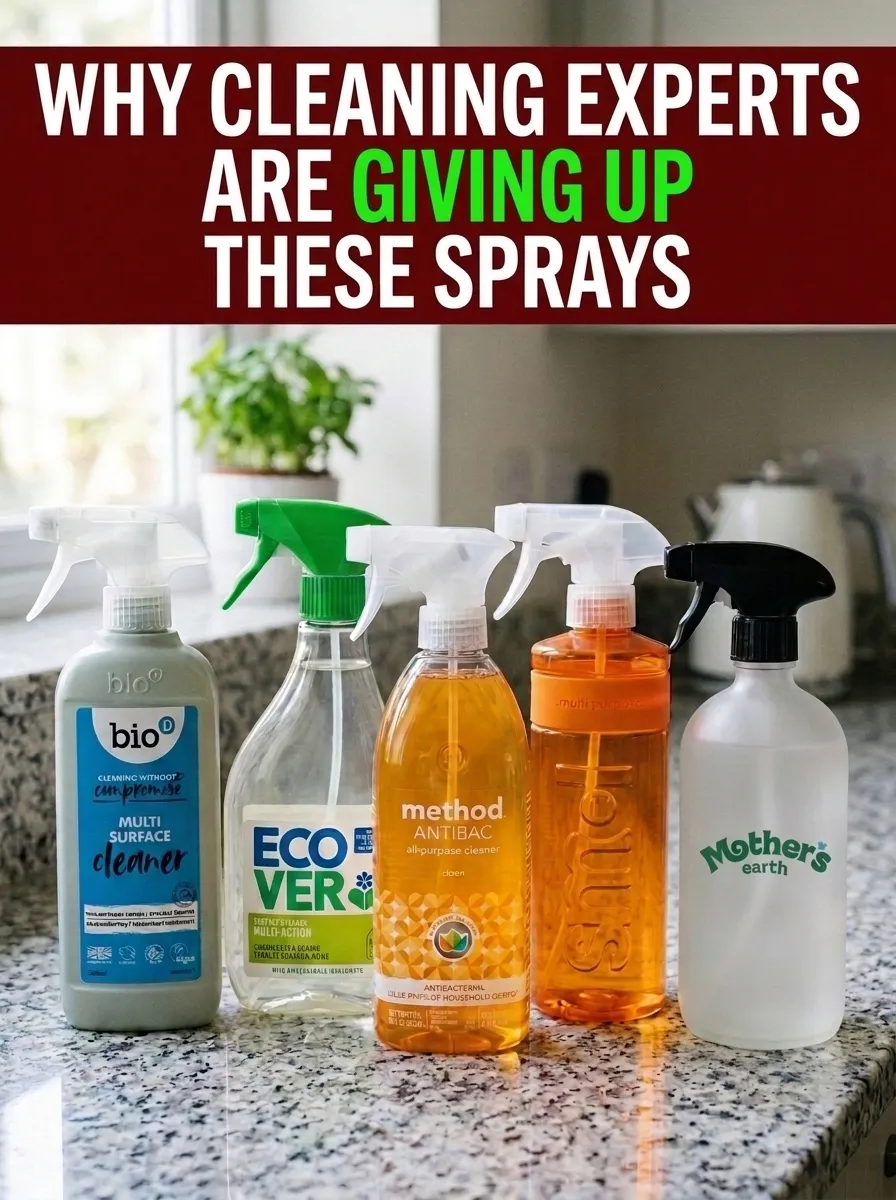
Only 1 kit passed all 5 points cleaning experts check
The Healthy Clean
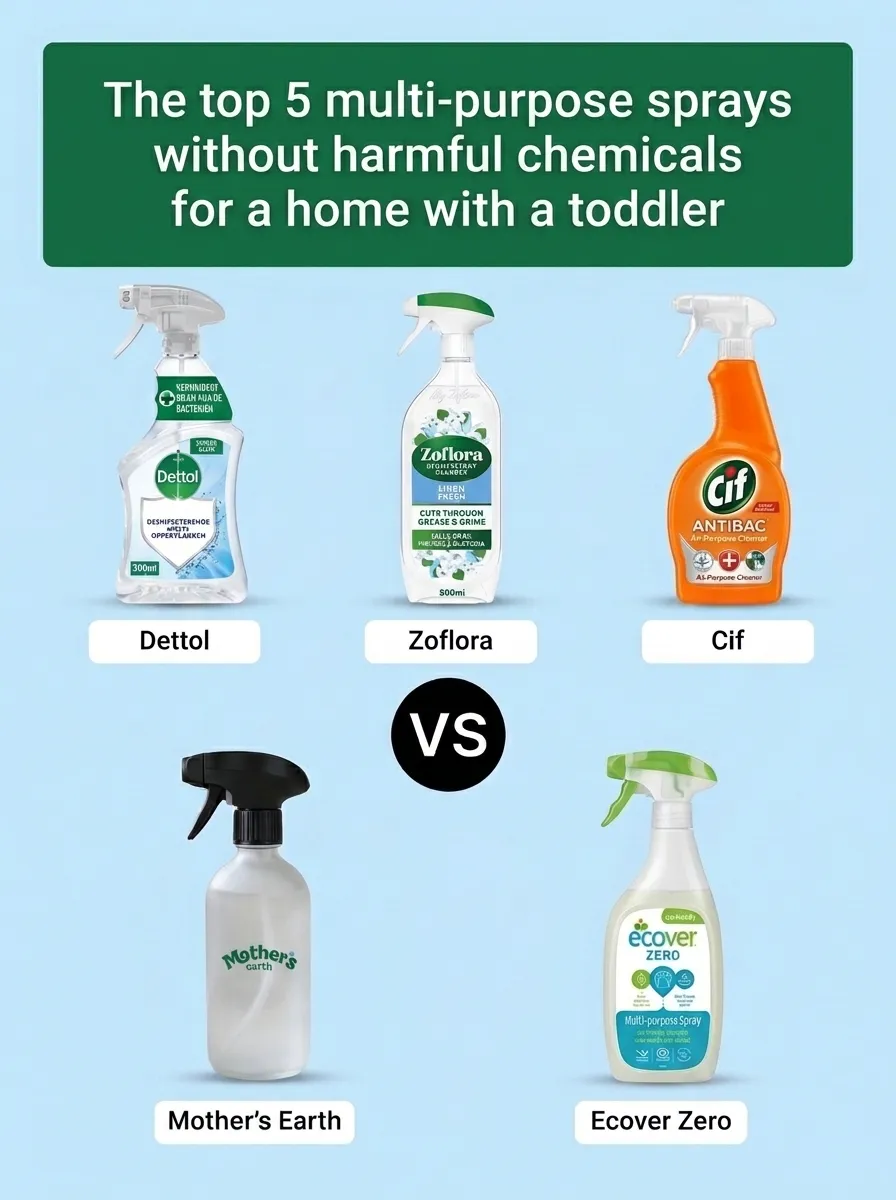
Kills 99.9% of germs” is the problem
The Healthy Clean
Why “kills 99.9%” doesn’t belong on a high chair
The Healthy Clean
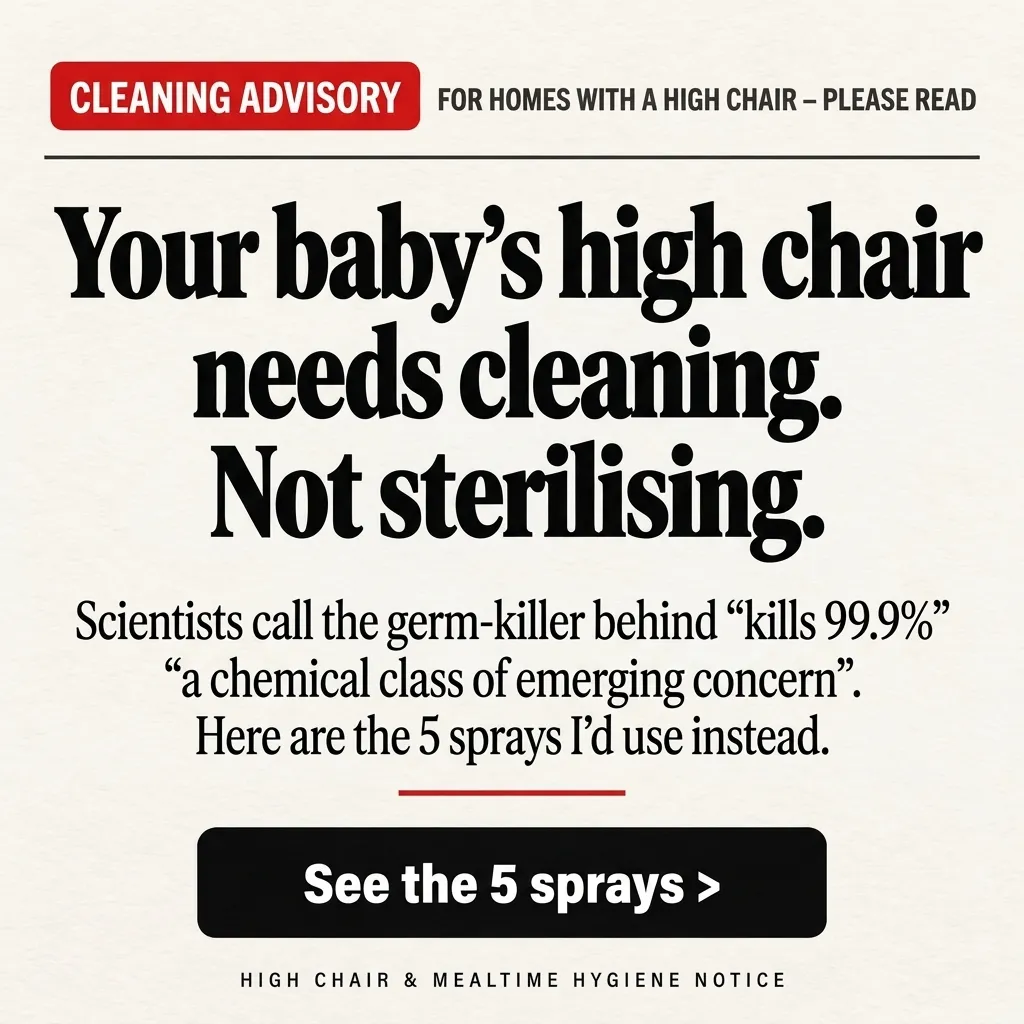
Why “kills 99.9%” doesn’t belong on a high chair
The Healthy Clean
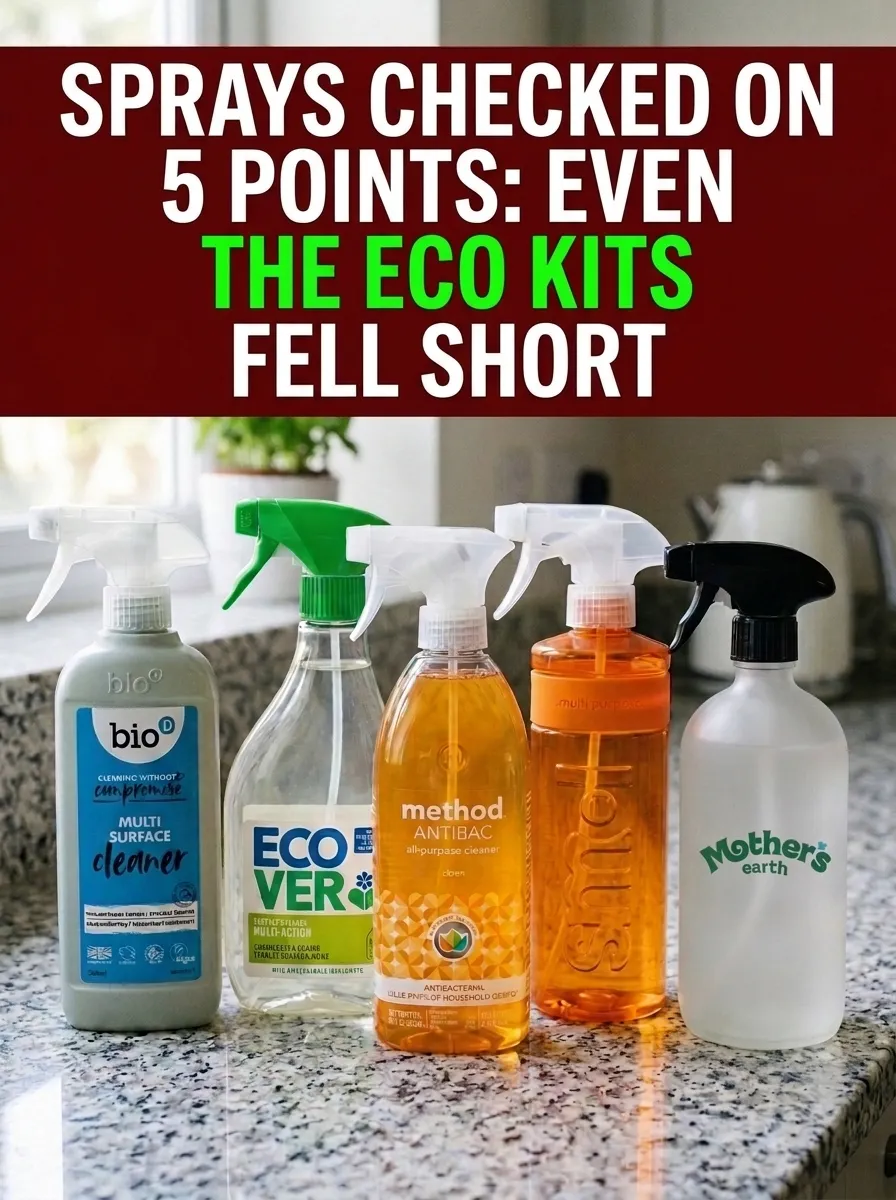
Only 1 kit passed all 5 points cleaning experts check
The Healthy Clean
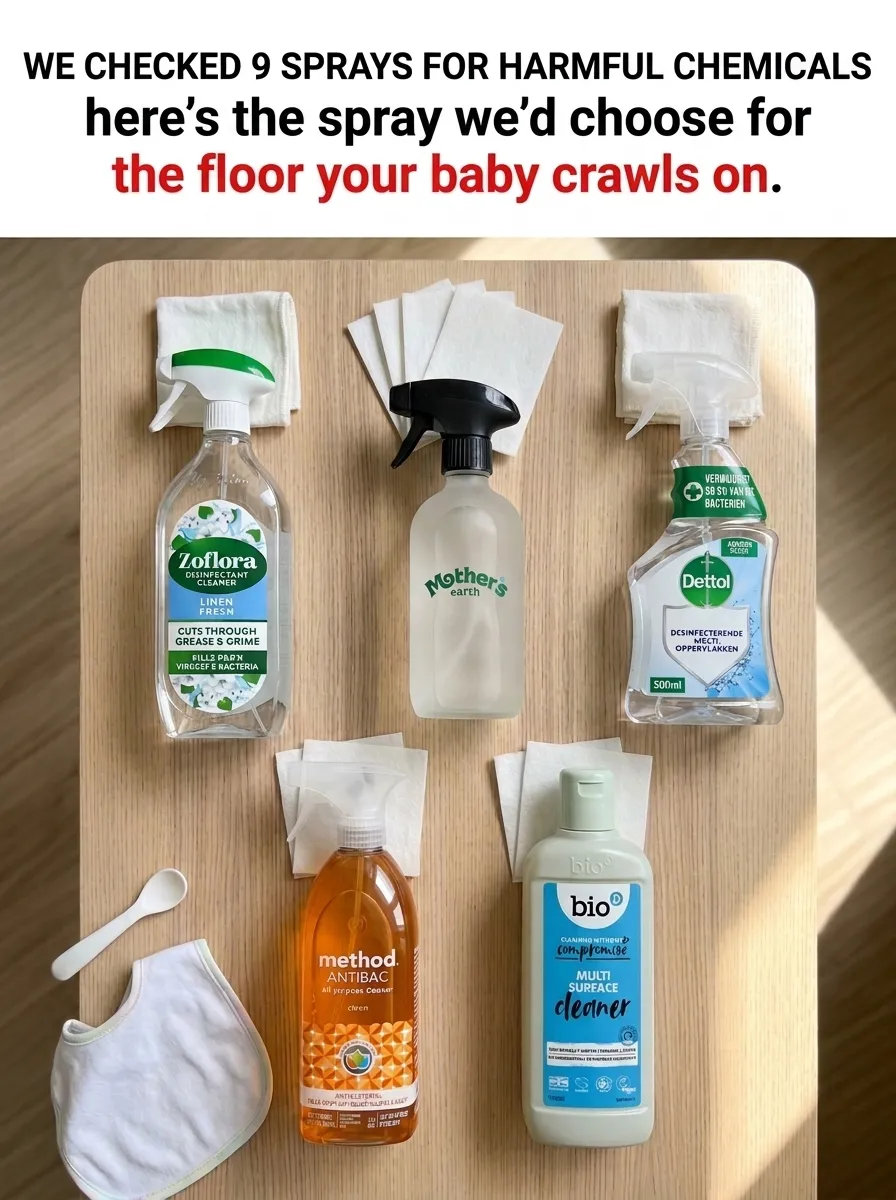
Kills 99.9% of germs” is the problem
The Healthy Clean
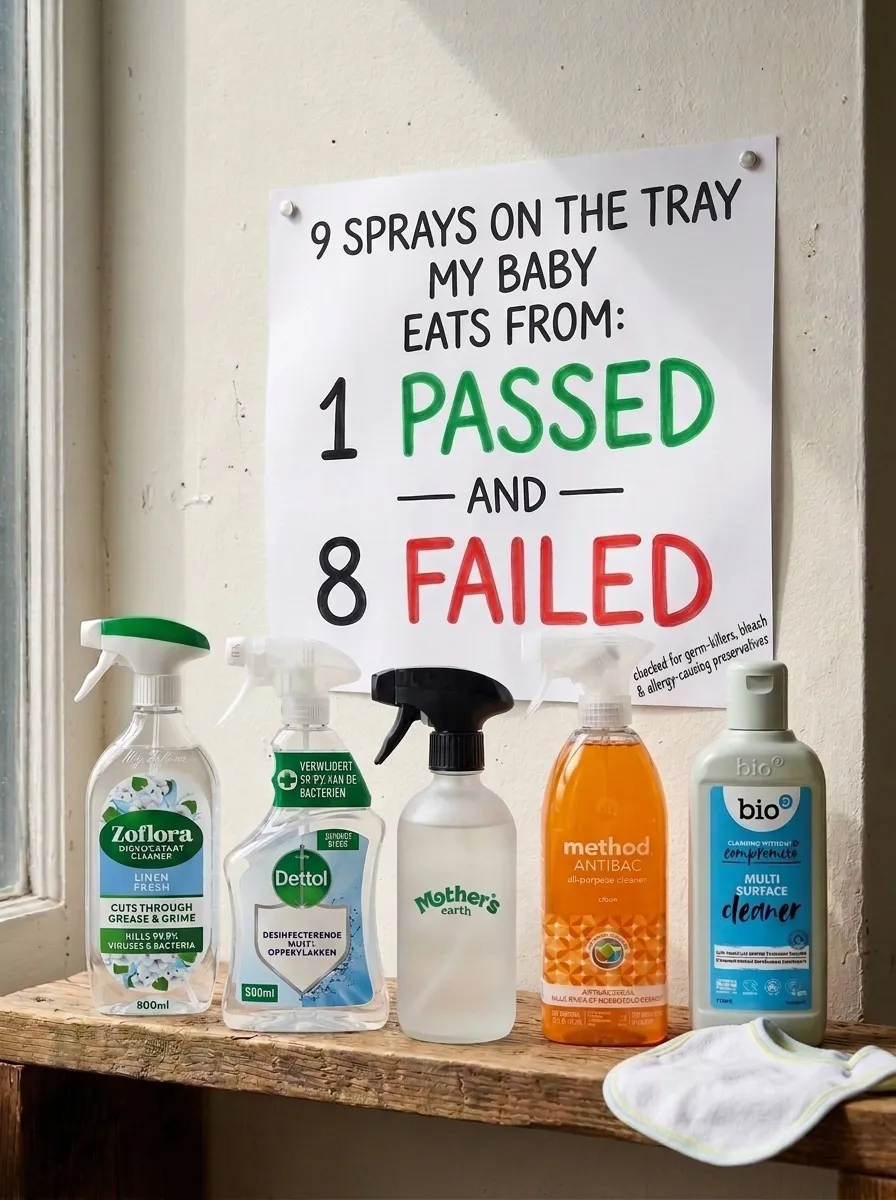
Kills 99.9% of germs” is the problem
The Healthy Clean
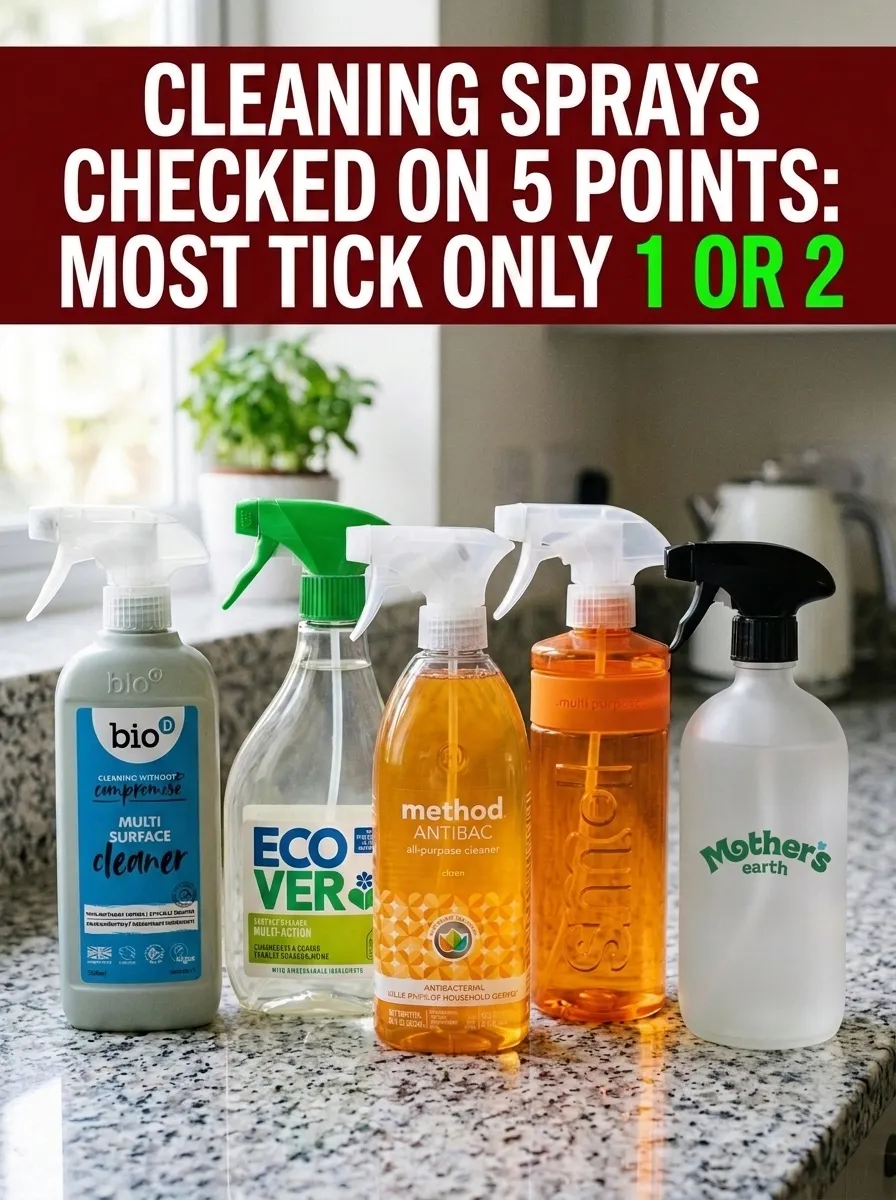
Only 1 kit passed all 5 points cleaning experts check
The Healthy Clean
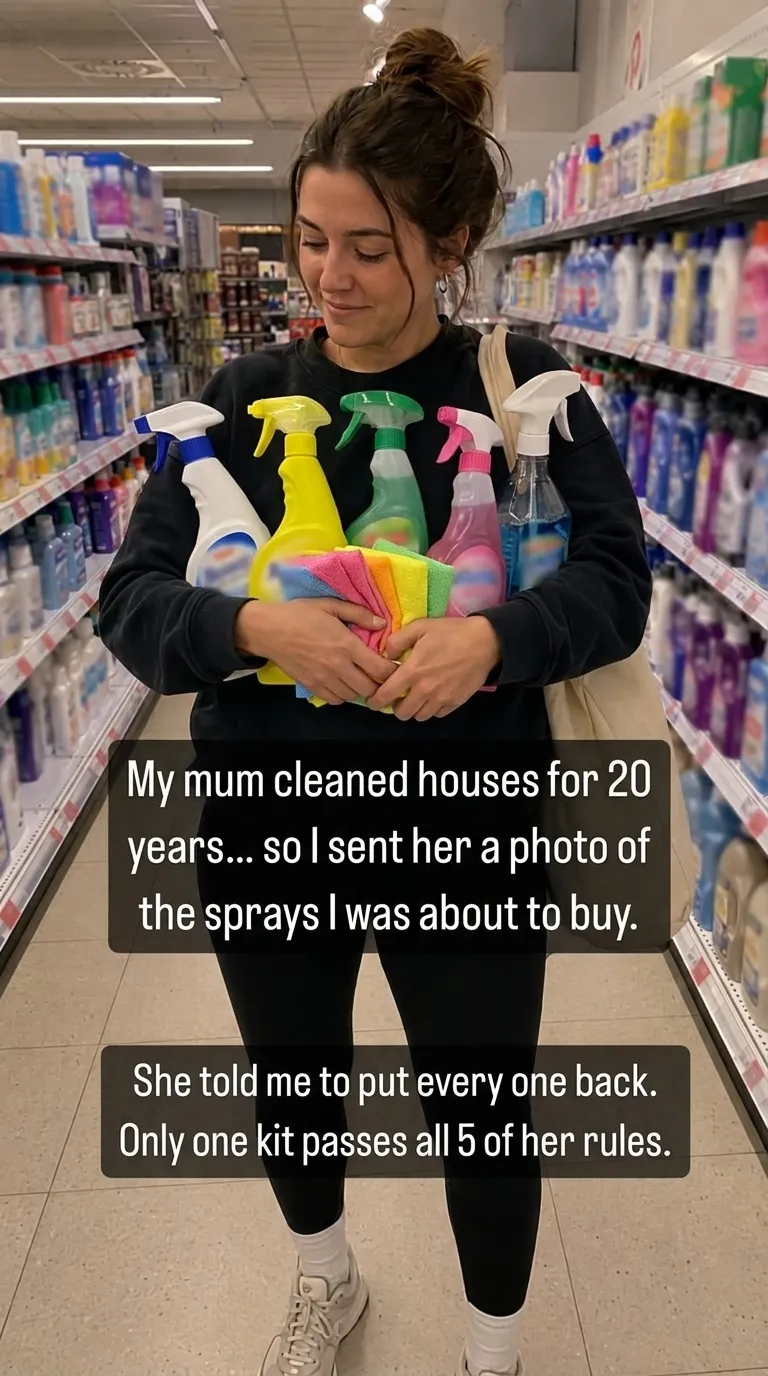
The 5 things cleaning experts check before buying a spray
The Healthy Clean
Which dishwasher tab leaves nothing on your kids’ plates?
The Healthy Clean
Only 1 of 9 sprays passed my high chair test
The Healthy Clean
The cancer-classified by-product missing from detergent labels
The Healthy Clean

 Add to Chrome