The cancer-classified by-product missing from detergent labels
Ad Copy
"I spent eleven years working in a detergent factory, and I won't wash my own kids' clothes in anything I helped make there. If you wash your family's clothes in a big-brand liquid or in capsules, if you switched to non-bio when the baby came because everyone said it was gentler, or if you moved to an eco brand to get away from all of this, please read this to the end. What worries me isn't on any label you've ever read, and I don't think anyone has told you about it. A bit about me first, so you know where this is coming from. I wasn't in marketing and I never wrote a single word that went on a bottle. I worked on the production side, where a recipe on paper gets turned into tanks of liquid and pallets of capsules, and where every ingredient has a price per tonne next to it. For most of those years I thought of detergent the way you probably do: it washes, it rinses out, and if something in it were a problem, it wouldn't be allowed. I went home at night smelling faintly of fragrance concentrate and never gave it a second thought. That changed on a very ordinary evening about six years ago. Our daughter was due in a few weeks and my partner had started washing all the tiny clothes we'd been given. The babygrows, the little hats, the muslins, the sleepsuits with the feet in them. There was a pile on the kitchen table and a bottle of Fairy Non-Bio next to it, because that's what you buy for a baby. Her mum had used it on her. My sister used it on hers. The midwife's leaflet, the forums, the woman in the queue at the shop, they all said the same thing. ""Can you check how much of this I'm supposed to use for a half load?"" she asked me. So I picked up the bottle, and out of habit I didn't look at the dosing chart. I looked for the ingredients. On the back there were only the groups you're required to print, things like ""non-ionic surfactants"", which tell you almost nothing. So after she'd gone to bed I looked up the full list on the manufacturer's own website, the way I would have done at work. I counted ten ethoxylated ingredients in the non-bio that the whole country buys for its babies. Ten. I sat at that table for a long time with the babygrows in front of me, because I knew exactly what that word meant, and I knew what nobody puts on the bottle when you make one. The next morning I told myself I was overreacting. It's allowed. It's everywhere. It rinses out. Those are the three sentences I'd heard my whole working life, and I'd said them myself to friends who asked. If it were really a problem, someone would have done something about it by now. But I kept coming back to the list, and then I started looking up the others. The ""sensitive"" versions. The capsules we used for our own clothes. The eco brands that friends had switched to precisely because they wanted to get away from big-brand chemistry. And it was the same story over and over, which is the part I want you to hear before anything else: if you've been careful, you haven't done anything wrong. Non-bio, sensitive and eco are all labels that describe something real, but none of them tells you anything about this. Non-bio only means there are no enzymes in the bottle. Sensitive mostly refers to the fragrance and the testing. Eco usually describes where the ingredients come from and how the packaging is made. You can tick all three boxes and still end up with the same group of ingredients that worried me at that kitchen table. So let me explain what they are, in plain language, because the word itself sounds harmless. Ethoxylates are the cheap workhorses of detergent. They're the surfactants, the ingredients that actually loosen the grease and dirt and make the foam. You make them by taking a fatty alcohol, often from coconut or palm oil, and reacting it with a gas called ethylene oxide. That reaction is called ethoxylation, and it's why you'll see names on the full lists like Laureth, Pareth, PEG, Steareth or simply ""ethoxylated"" something. Here's the part that matters. That reaction also creates a by-product called 1,4-dioxane, and small amounts of it can stay behind in the surfactant and end up in the finished detergent. The EU officially classifies 1,4-dioxane as ""may cause cancer"". It's in the same hazard class, Carc. 1B, based on animal studies. Since 2021 it has also been on the European list of substances of very high concern, partly because it barely breaks down in the environment once it's out there. And you will never see it on a bottle, for a reason that's almost boring. An ingredient list is a list of what the manufacturer added on purpose. Nobody adds 1,4-dioxane on purpose. It's what the reaction leaves behind, so legally it isn't an ingredient. The best way I can put it is this: a label is a shopping list, not a lab report. Manufacturers can remove a large part of it during production. Whether they do, and how thoroughly, is something you can't check anywhere as a shopper, because nobody is required to publish it. There's no maximum for 1,4-dioxane in detergent here. Germany proposed restricting it in the production of surfactants across Europe, and then withdrew the proposal in August 2025. So the honest answer to ""how much is in my bottle?"" is that nobody outside the factory knows, and the factory doesn't have to say. I can already hear what my brother-in-law said when I told him all this over Sunday lunch, because it's what I used to say too. ""If it were actually dangerous, it wouldn't be allowed. They'd have banned it."" It's a fair point, and I'll give you the straight answer, not the scary one. The American environmental agency, the EPA, looked at people using detergent at home and found no unacceptable risk. Ethoxylates are simply allowed. I'm not going to tell you that your washing is poisoning anyone, and I'm not telling you to pour your detergent down the sink tonight. Even the investigation I'm about to point you to says don't throw it away. What I am telling you is what happened in the one place that did set a rule. In the US state of New York, a legal limit has applied since the end of 2023: at most 1 part per million of 1,4-dioxane in cleaning products and detergents. An environmental group had well-known detergents tested there before and after the law came in. In 2019, five of them measured between 6 and 14 parts per million. In 2024, the same products came in under 1. Nothing about the science changed in those five years. The only thing that changed was that the brands had to. So when someone tells you it can't be helped, that's the part I'd point to. They can bring it down when they're made to. Here they aren't made to, and nobody publishes what's in the bottles. Those are American formulas, by the way, and the measurements for the bottles sold here aren't public, which is exactly the problem. For a long time all of this lived in my head as a vague unease, the kind of thing you mention at a barbecue and then let go. What finally made it concrete was an investigation by a team of cleaning writers who did what I'd been doing at my kitchen table, only properly and for every bottle on the shelf. They read the full ingredient lists that the manufacturers publish themselves, on their own databases, for 35 washing liquids, capsules and powders from Persil, Fairy, Ariel, Surf, Bold, Daz, Ecover and smol. All 35 contain at least one ethoxylated ingredient. Ariel's original washing liquid lists eleven. Fairy Non-Bio, the one so many parents trust for baby clothes, lists ten, which is exactly the number I counted that night. Bold's all-in-one pods list nine. Persil's non-bio capsules list six. Persil's Wonder Wash Sensitive and Surf's washing liquid list four each. Ecover's non-bio liquid lists two, and smol's liquid lists one as well. I'll be honest, the eco results were the ones that stung, because those are the brands people choose when they're trying to do the right thing. Green packaging tells you nothing about this group of substances. And for the supermarket own brands, the team couldn't even find a full ingredient list online to check. They also wrote down how to check your own detergent, and it takes about two minutes. You look up the full ingredient list on the manufacturer's website, because the bottle often only shows the groups. Then you search the page for ""eth"", ""pareth"", ""PEG"" or ""ethoxylated"". On capsules you'll often spot one in the small print on the pack itself, right after the word ""Contains"". If you find them, your detergent is made with ethoxylates, and you can't see how much 1,4-dioxane came along with them. That was the first thing we did at home after I read it. My partner went through the cupboard under the sink with her phone in one hand and the capsule box in the other, and found Laureth on the pack within about thirty seconds. ""It's been on there the whole time,"" she said. ""I've just never read the small print on a detergent box. I read the back of everything else."" That's the thing. We read the labels on cereal and yoghurt and baby food, and then we wash the babygrows, the school uniform and the pyjamas in something we've never looked at, and our children wear it on their skin all day and sleep in it all night. The obvious question is what you're supposed to use instead, and this is where I expected the investigation to fall apart, because I know how hard it is to make detergent work without cheap surfactants doing the heavy lifting. The answer is enzymes. Protease and the enzymes like it don't push dirt around; they break down the stains themselves, from sweat, grass and food, so they rinse out, and they work even at low temperatures. Which? has said there's ""little scientific evidence"" that enzymes cause skin irritation, and in its latest tests not a single non-bio was good enough to be a Best Buy. So the thing many of us were told to avoid for the baby's sake turns out to be the part that actually cleans. And they found one brand that had gone a step further than anyone I'd ever worked for. A small family business that deliberately leaves ethoxylates out of its standard product, breaks stains down with enzymes even at 15 degrees, puts every ingredient online with its CAS number, and then did the thing I'd never once seen a brand do in eleven years. It paid an independent lab to test what's not on the box. No 1,4-dioxane detected. No heavy metals, no parabens, no optical brighteners either. I won't pretend that one lab report settles everything, and I'm not a doctor. But it's the first time I've seen a company answer the question I was asking at my kitchen table, instead of telling me it's allowed. They also let you try a full pack for 30 days and give you your money back if you're not happy, which tells you something about how sure they are that it cleans. Before I point you to it, I want to be clear about who I wrote this for. If you bought non-bio for the babygrows because that's what everyone told you was gentlest… If ""gentle on skin"" on the front of the bottle was the reason you picked it… If you switched to an eco brand so you didn't have to think about any of this anymore… If you read every label in the supermarket except the one on the detergent… If you wash school uniform, pyjamas and bedding in capsules every single week… If you've never once seen the words 1,4-dioxane on a bottle and assumed that meant it wasn't there… Then this is for you, and I'd really like you to spend five minutes on the full investigation. If none of that sounds like you, that's genuinely fine, and you don't need to read any further. The article is called ""We tested the most popular detergents for harmful chemicals"". It has the table with every product and every ethoxylate it lists, word for word from the manufacturers' own sites, the New York before-and-after, the two-minute check for your own bottle, and the one brand that had a lab prove what's not in it. Nobody is going to make the big brands take it out, so the only person who can decide what goes into your family's wash is you. The full investigation is linked below 👇 P.S. The detail I keep coming back to is New York. The same well-known detergents went from 6 to 14 parts per million down to under 1, and the only thing that changed was a law. Nothing like that exists here, so the check takes two minutes and it's in the article below.
More from The Healthy Clean
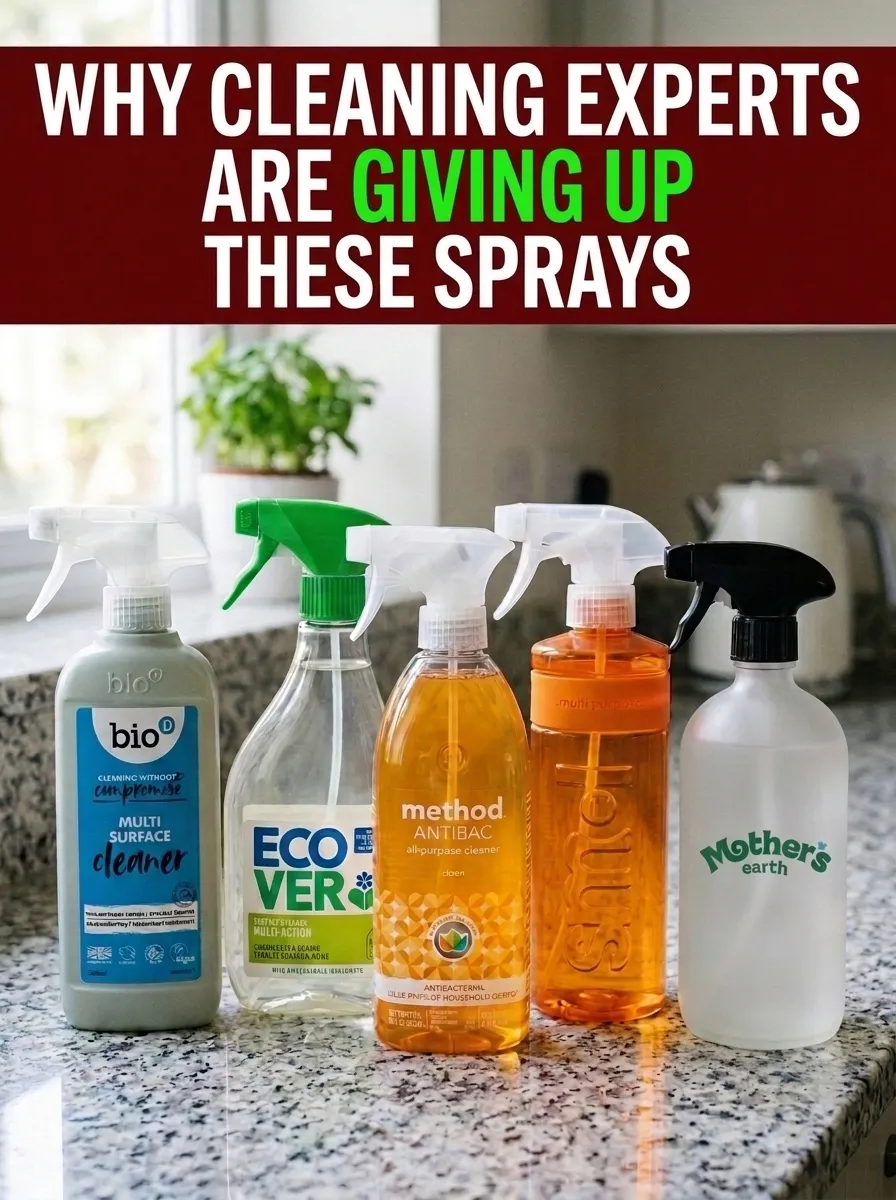
Only 1 kit passed all 5 points cleaning experts check
The Healthy Clean
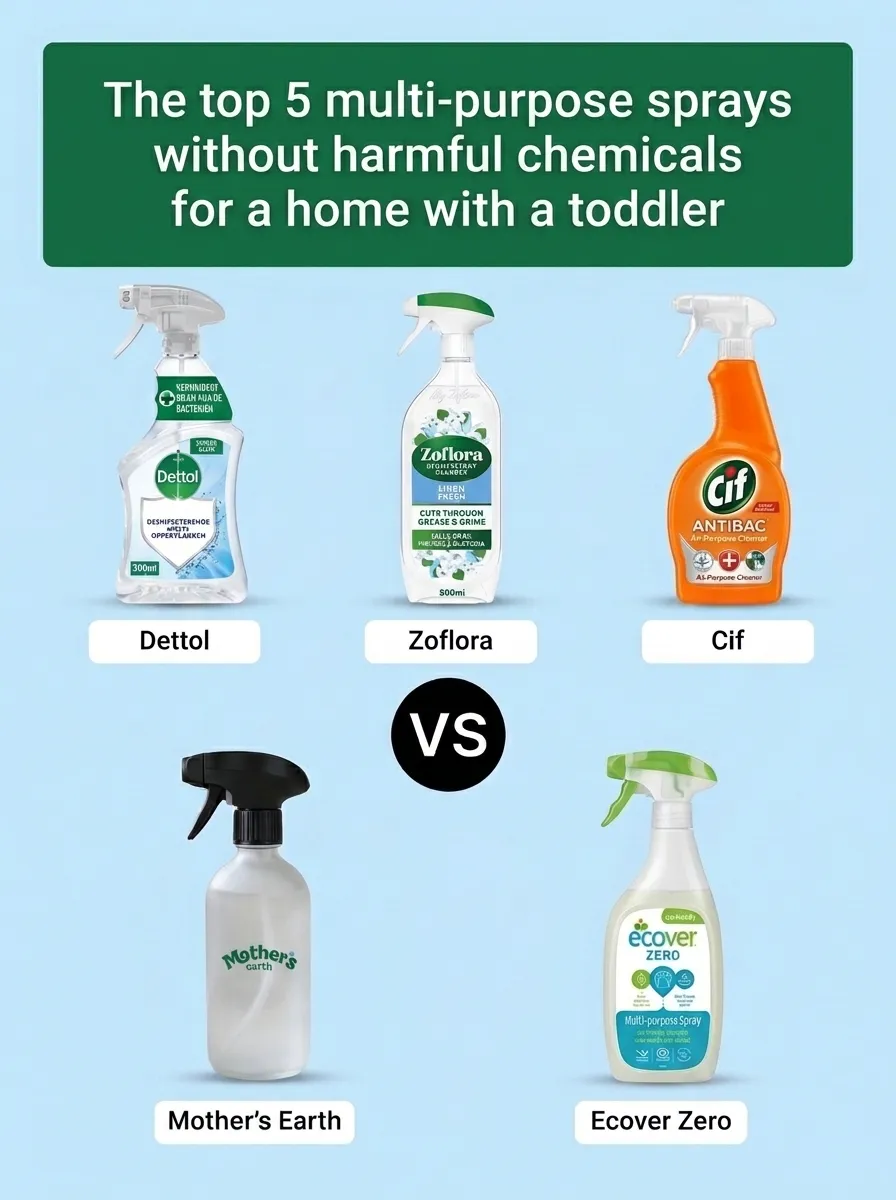
Kills 99.9% of germs” is the problem
The Healthy Clean
Why “kills 99.9%” doesn’t belong on a high chair
The Healthy Clean
Why “kills 99.9%” doesn’t belong on a high chair
The Healthy Clean
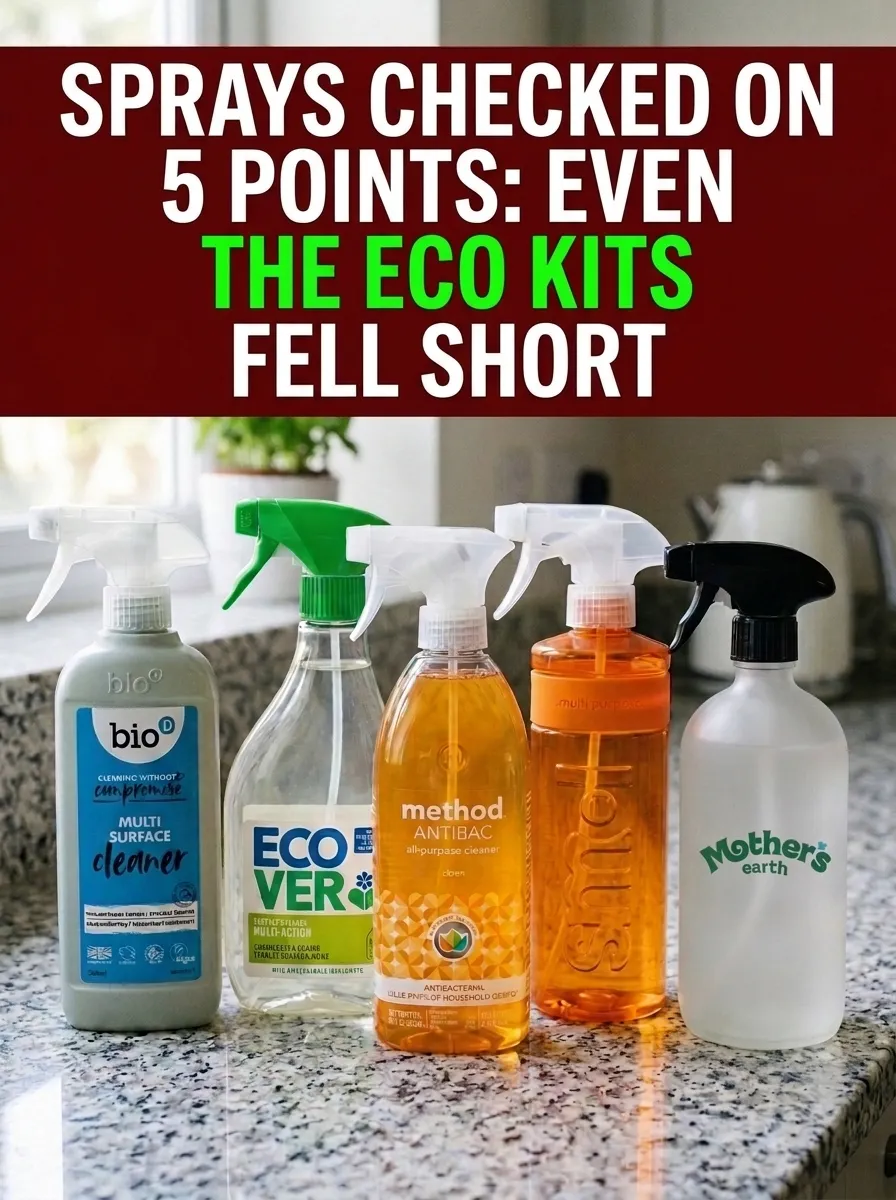
Only 1 kit passed all 5 points cleaning experts check
The Healthy Clean
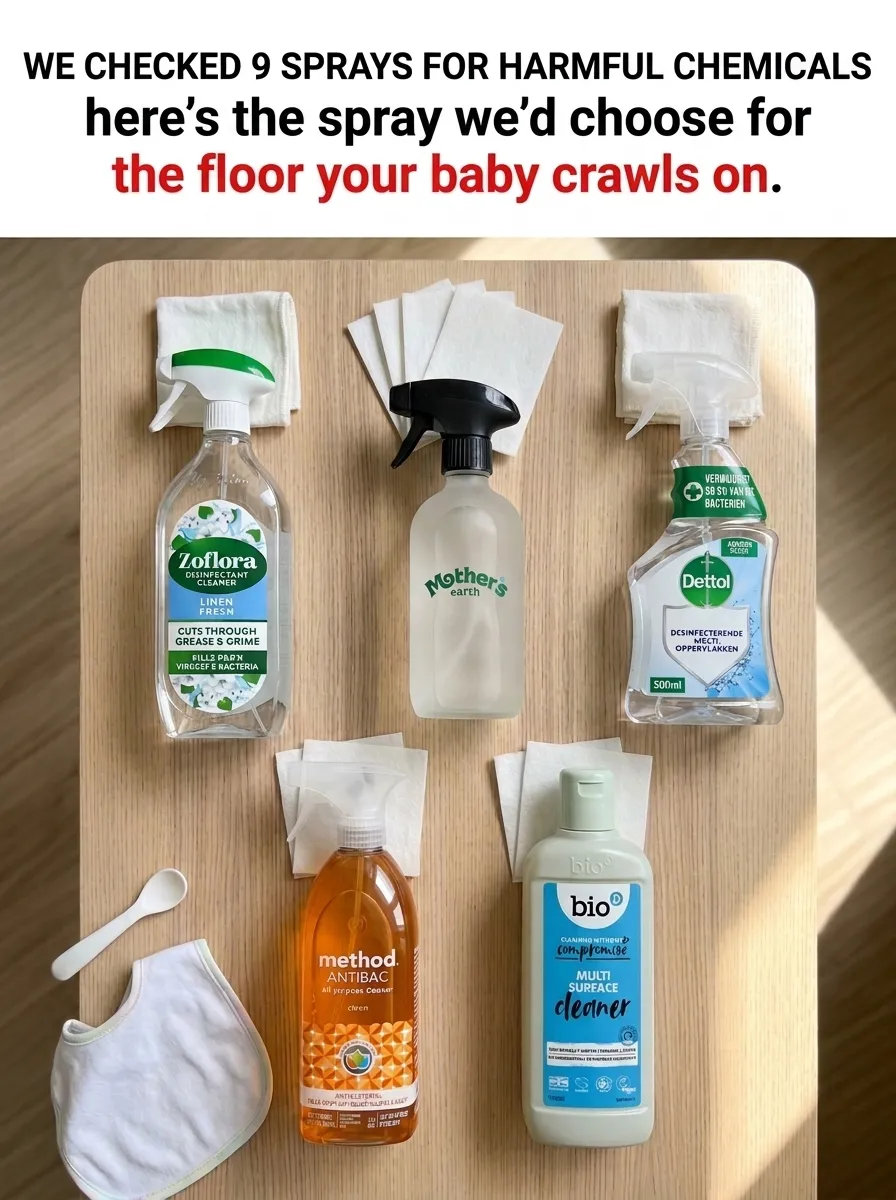
Kills 99.9% of germs” is the problem
The Healthy Clean
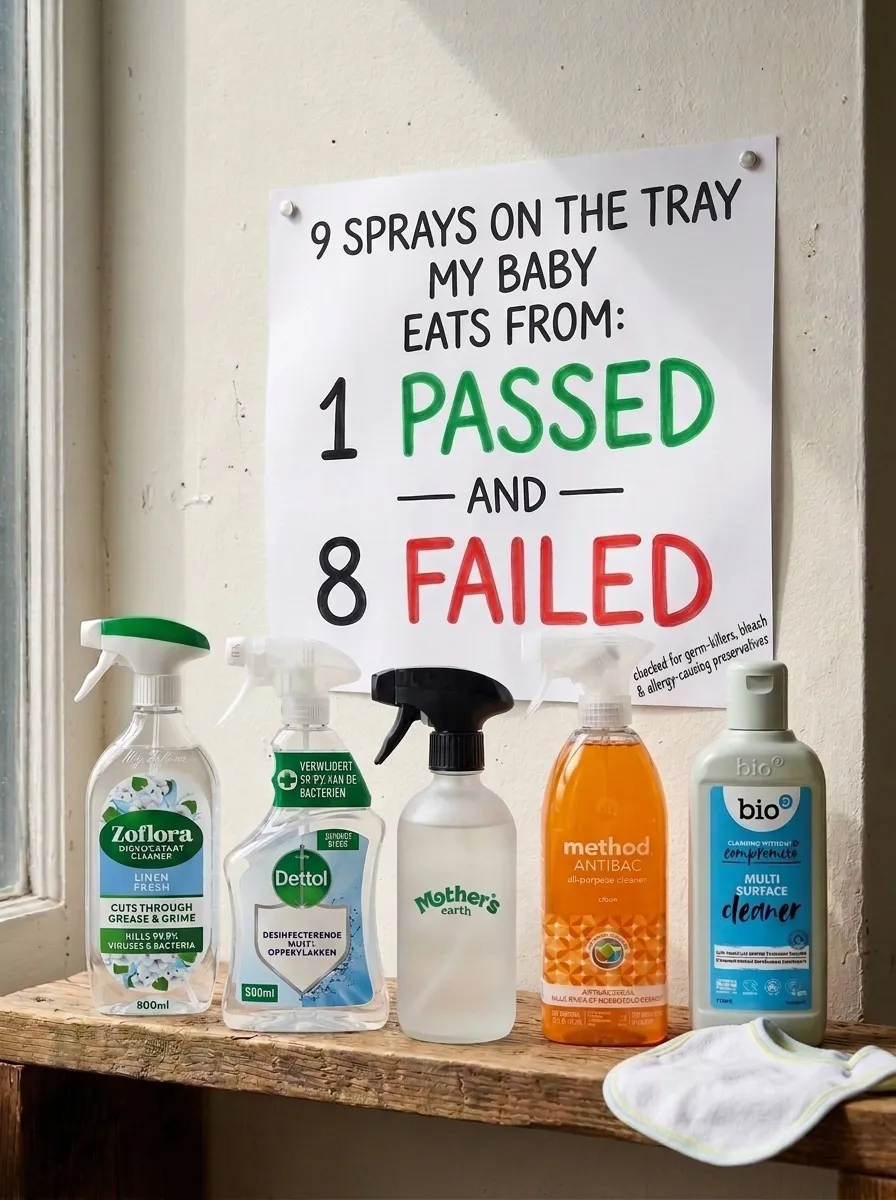
Kills 99.9% of germs” is the problem
The Healthy Clean
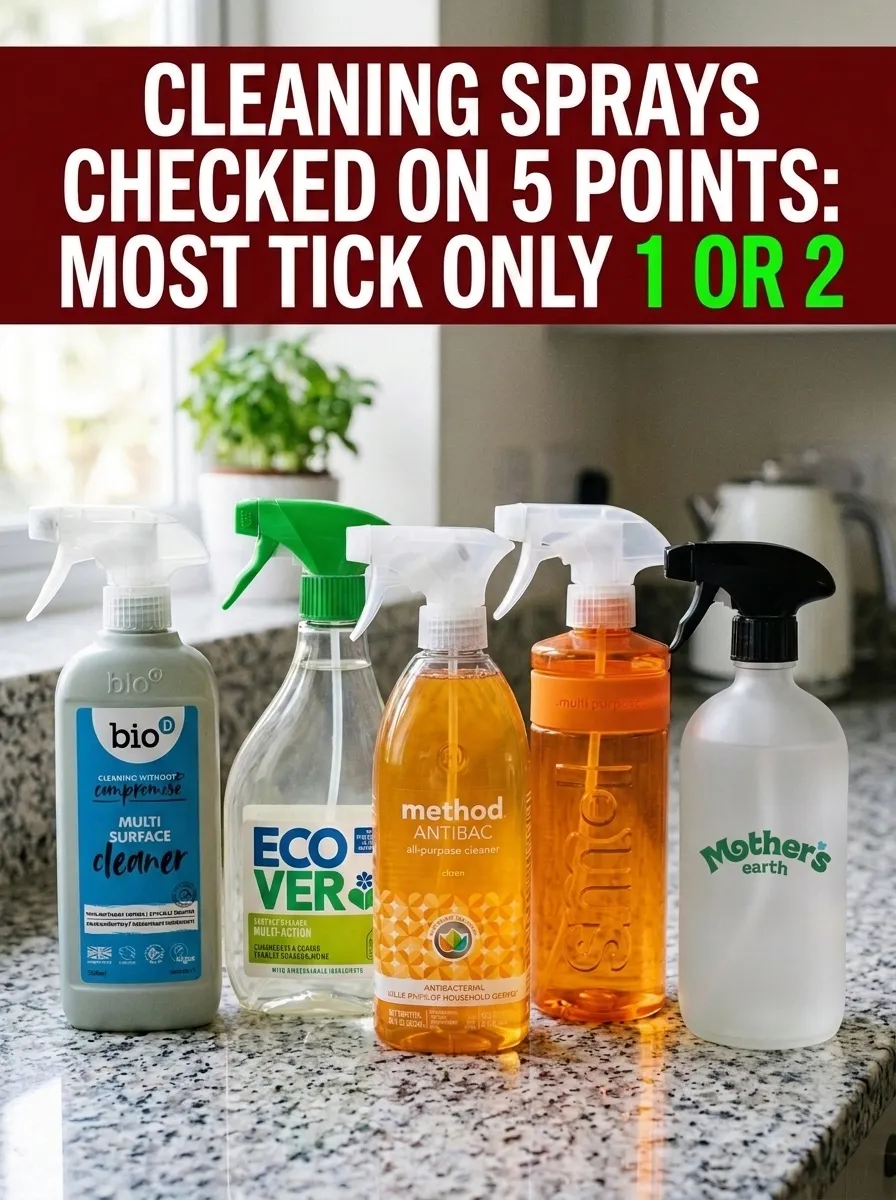
Only 1 kit passed all 5 points cleaning experts check
The Healthy Clean
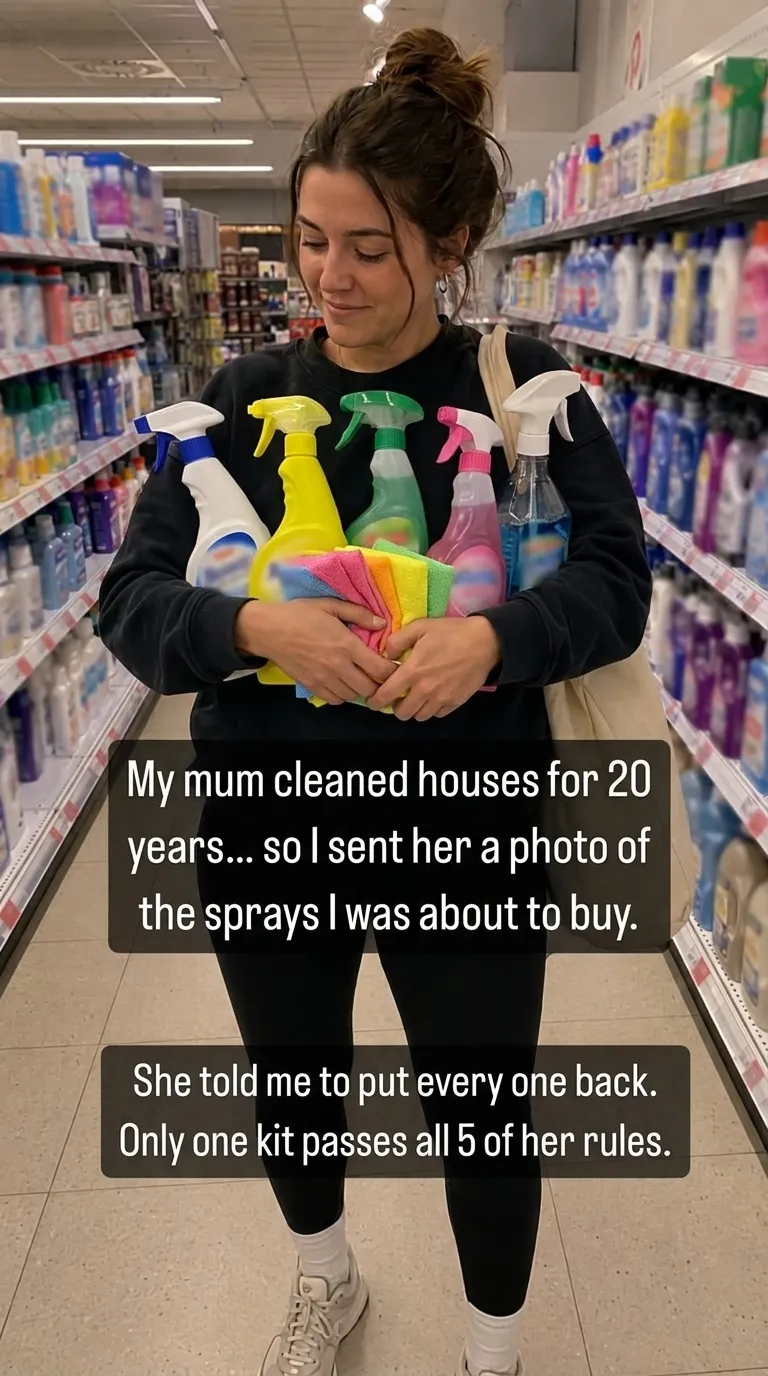
The 5 things cleaning experts check before buying a spray
The Healthy Clean
Which dishwasher tab leaves nothing on your kids’ plates?
The Healthy Clean
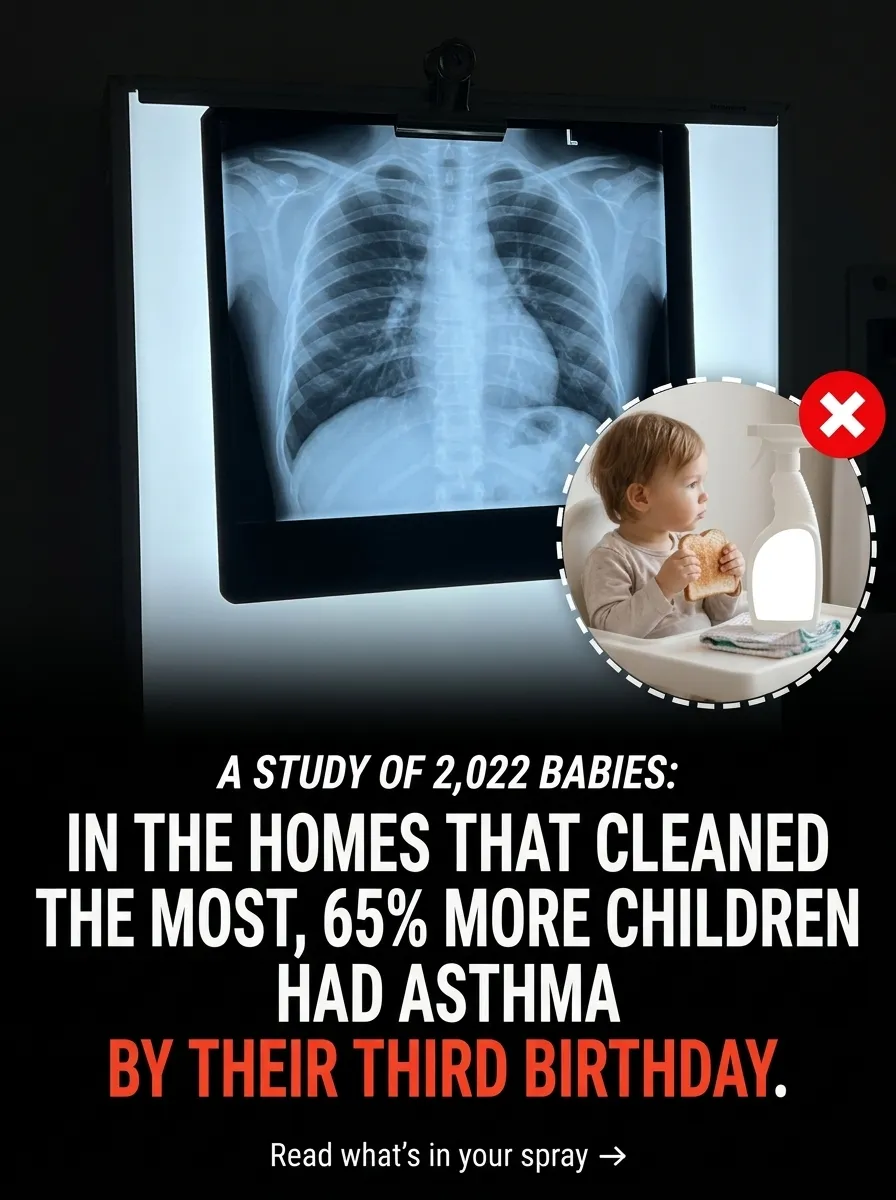
Only 1 of 9 sprays passed my high chair test
The Healthy Clean
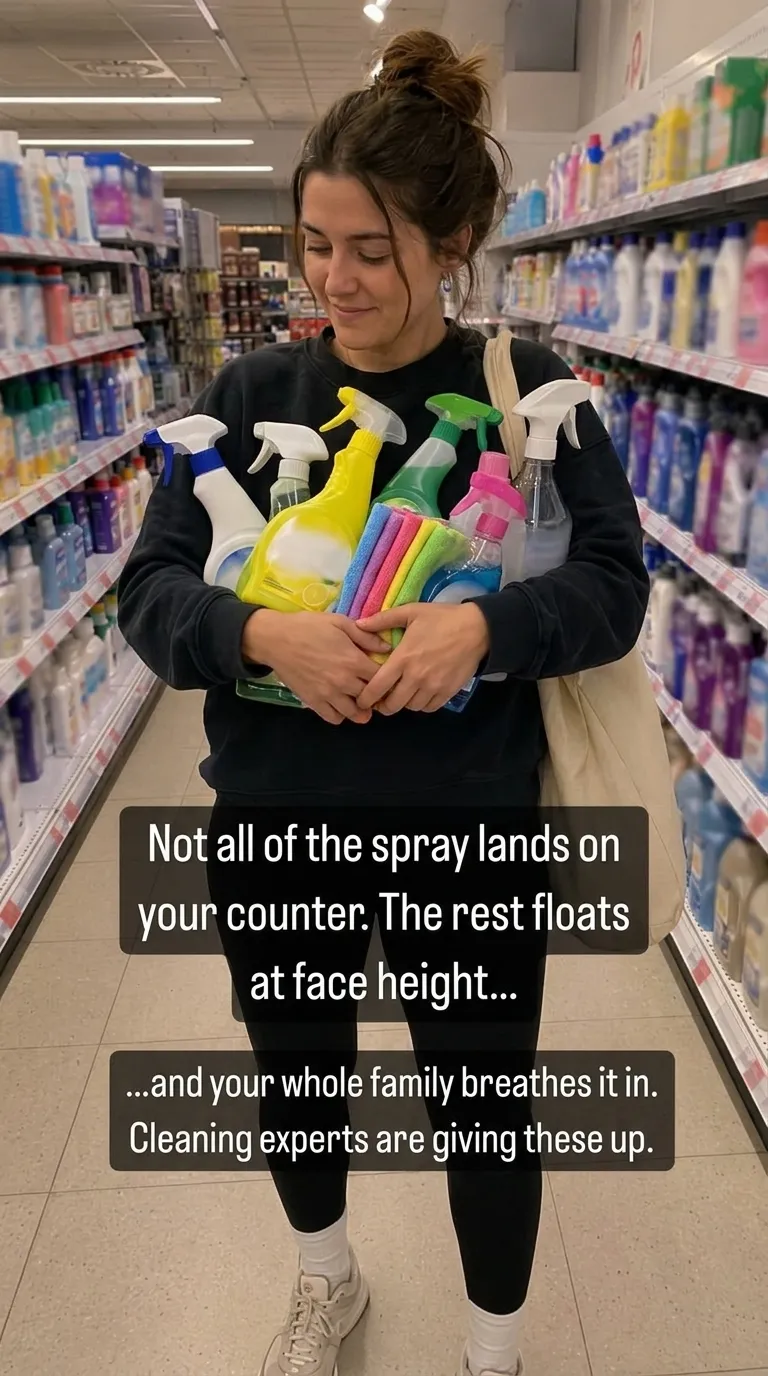
The 5 things cleaning experts check before buying a spray
The Healthy Clean

 Add to Chrome