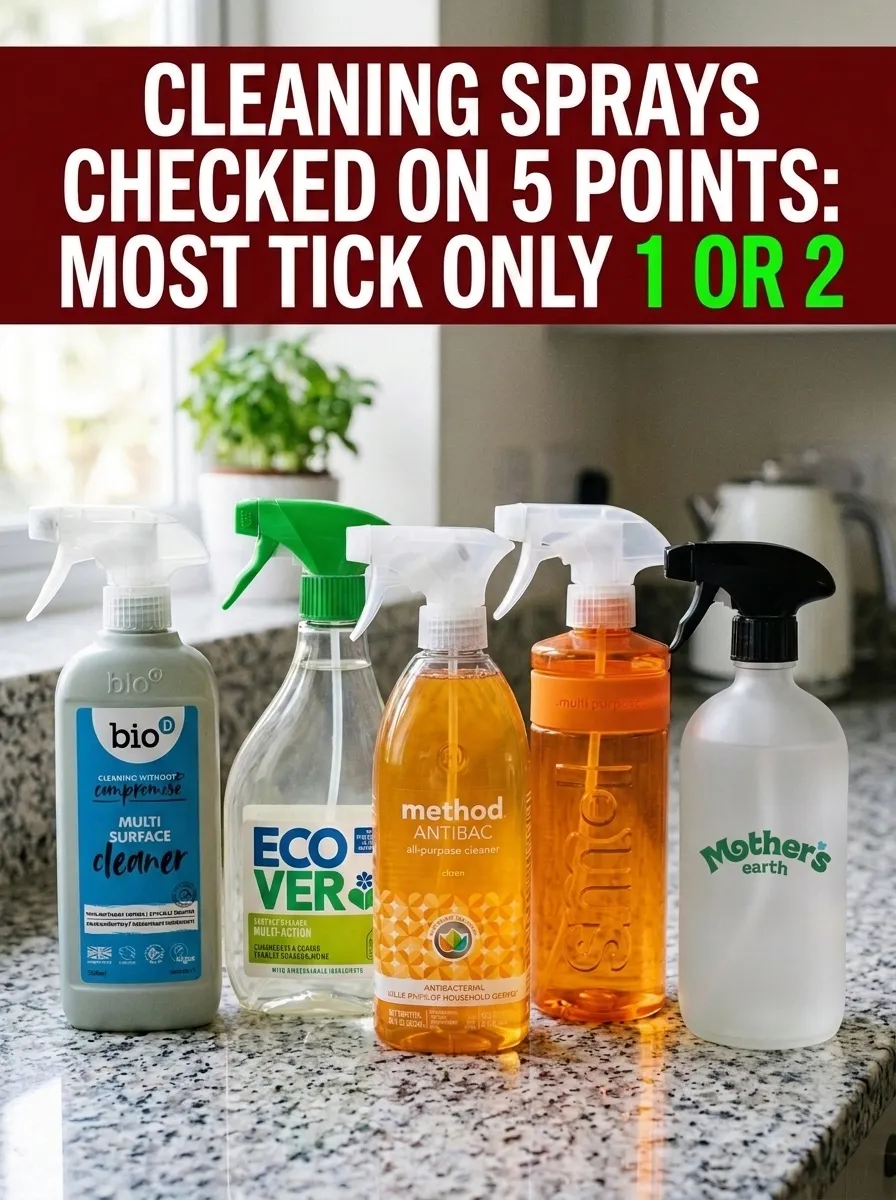
Only 1 kit passed all 5 points cleaning experts check
Ad Copy
"Last Sunday, the low autumn sun through my kitchen window showed me what I'd been breathing in every time I cleaned. And I write about cleaning for a living. If you wipe your kitchen worktop down with a spray every day, if a new bottle goes into your basket every few weeks, and if you've ever opened a window while you cleaned because the smell caught the back of your throat, please read this to the end. It's long, but it's about the bottle under your sink, and I think you'll want to know. I'm Lena, and I'm the home and cleaning editor at a cleaning magazine. I'm 44, and I live with my partner Tom and our son Finn, who is nine and does his homework at the kitchen table because he says his room is ""too quiet"". Over the years I've read more studies about cleaning products than I can count, and I've written about most of them. So I'm telling you this partly because it's embarrassing, and partly because if it could happen to me, it can happen to anyone. It was a perfectly ordinary Sunday morning. Breakfast was done, Tom had taken the bins out, and Finn was back at the table with a maths worksheet he'd been avoiding since Friday. I grabbed the spray from under the sink, the antibacterial one I'd been buying for years, and started on the worktop next to the hob, where the toast crumbs and the butter smears always end up. The sun was very low that morning, the way it is in November, and it was coming straight through the window over the sink. I pulled the trigger, and for the first time I actually saw it. A fine cloud of cleaner was hanging in the light, right at the height of my face. It didn't fall onto the worktop. It just stayed there, glittering a little, and drifted slowly away from me, towards the table where Finn was sitting with his pencil in his mouth. I stood there with the bottle in one hand and the cloth in the other and watched it for what felt like a long time. I've sprayed that worktop thousands of times, and I had never once looked at where the spray went after it left the bottle. I'd only ever looked at the worktop. So I did the thing I tell readers to do and never do myself. I turned the bottle around. The first ingredient was water. After that came a list of chemicals in tiny print, some of which I knew far too well from work. I put the bottle down next to the kettle, opened the cupboard under the sink and counted. It was my third bottle of kitchen spray that autumn. Here's the part that bothers me most. I knew the research. I'd read the studies on professional cleaners, the people who breathe these sprays for hours every day, and I knew why so many of them now clean differently. I'd even written about it. But somewhere in my head I'd filed all of that under ""people who clean offices all day"", not ""me, on a Sunday, in my own kitchen"". I had simply never thought about the bottle in my own hand. And I'd had plenty of comfortable explanations. The antibacterial spray was the careful choice, because with a child in the house, killing germs felt like the responsible thing to do. The lemon multi-purpose smelled lovely, and a kitchen that smells fresh is a clean kitchen, isn't it? Everyone I know uses the same bottles, our parents used the same bottles, and the shelf in the supermarket is full of them. If they were a problem, surely someone would have said so on the front. Nobody says so on the front. The front says antibacterial, or fresh linen, or ocean breeze, and the back says the rest in letters so small you need your reading glasses. To be fair to myself, I had tried to do better. A couple of years ago I bought a ""natural"" spray with leaves on the label, but it smeared all over the hob and I quietly went back to the old one. Last year I switched to an eco refill kit and felt very pleased with myself, because I was no longer throwing away a plastic bottle every few weeks. It came with a pack of bright yellow and blue microfibre cloths, and I'd used them ever since. I'd also got into the habit of opening the window over the sink whenever I cleaned, without ever asking myself why I needed to. None of that is stupid. Every bottle on that shelf is designed to make you feel you're doing the right thing for your family. But that Sunday it all looked rather different with the sun on it. On Monday I rang Marta. I met Marta last year when I interviewed her for a piece on how professionals clean. She has cleaned other people's homes and offices for most of her working life, and she is the most practical person I know. I told her about the cloud in the sunlight, half expecting her to laugh at me. She didn't laugh. She said, ""Everybody looks at the worktop. Nobody looks at the air."" Then she explained it in about two minutes, more clearly than most of the papers I've read. When you pull the trigger, not all of the cleaner lands where you aimed. Part of it turns into a fine mist that floats at face height while you clean, so you breathe it in with every wipe. The people who clean for a living breathe that mist for hours a day, often in small kitchens and bathrooms with the windows shut. That's why they were the first people anyone studied, and it's also why they were the first to change how they work. ""But the mist is only half of it,"" she said. ""What matters just as much is what's in it."" Most supermarket sprays are made to disinfect, even when all you want is to wipe crumbs off the table. To kill germs they use quaternary ammonium compounds, quats for short, such as benzalkonium chloride, or they use ammonia or chlorine bleach. Those are what's floating in that cloud at face height. Benzalkonium chloride is a recognised cause of asthma in professional cleaners, and in 2023 a team of scientists described quats as ""a chemical class of emerging concern"". ""For crumbs and grease you don't need any of that,"" Marta said. ""Plant-based cleaning agents lift the dirt into the cloth perfectly well. You're using a germ-killer to wipe up jam."" I asked her about the lemon one, because I was rather attached to it. She laughed properly at that. ""That's the oldest trick there is,"" she said. The fresh smell tells you the job is done, and it covers the chemical smell underneath, but perfume doesn't remove a single crumb. What it does is add to the air. When researchers at the University of York measured what household cleaners release indoors, fragrance compounds were the most common chemicals they found. So if your kitchen still smells of fresh linen an hour after you've cleaned, as mine always did, that's an hour of perfume your family has been breathing. I thought about Finn at the table with his worksheet, and an hour of fresh linen drifting over his maths. That evening I told Tom all of this over dinner. He listened, and then he did what he always does, which is argue the other side. ""Our parents used those sprays for decades,"" he said. ""And don't we want to kill the germs, with a nine-year-old who touches everything?"" It's a fair question, and he's not the only one who asks it. I'm not a doctor, and I'm not going to pretend there's never a time for a disinfectant. Marta keeps a dedicated product under her own sink for the rare times she genuinely needs one. What she doesn't do is spray it around the kitchen twice a day to wipe up toast crumbs. And the ""decades"" argument is exactly what the research looked at. A large European study followed more than 3,500 adults for around nine years. The people who used cleaning sprays at least once a week were more likely to develop asthma, and the more often they sprayed, the higher the risk. At least once a week. I was spraying the kitchen most days, and the bathroom on top. Tom went quiet for a while, then got up and opened the cupboard under the sink himself. The next weekend I did what I'd do for any article. I took every spray bottle in the house out of the cupboards and lined them up on the worktop in a row: the antibacterial kitchen spray, the lemon multi-purpose, the bathroom one, a ""fresh linen"" spray I'd bought on offer and hardly used, and the eco refill bottle with its pack of microfibre cloths beside it. Five bottles in a row on the counter, in the same sunny spot where I'd seen the cloud. Then I checked every one of them against the five things that people who clean for a living look for, the same points Marta and I had gone through on the phone: No quats, ammonia or chlorine bleach. A light scent, or none at all. Refills without the water, mixed with tap water at home. A bottle you keep, instead of single-use plastic. Cloths that aren't plastic, like cellulose and cotton. The supermarket sprays did exactly what you'd expect from everything above. They often failed the first point, rarely passed the second, and failed the last three outright. Every one of them was a single-use plastic bottle, bought full of water. According to the Ellen MacArthur Foundation, a typical bottle of cleaner is about 90% water. That water is bottled in a factory, driven across the country and carried home by you, and you pay for every step of it, while the same water comes out of your tap for a fraction of the cost. The eco refill kit was the one I'd been proud of, and to be fair it did better. The bottle was one you keep, and the refills came without the water. But then I picked up the cloths. Microfibre is made from polyester and nylon. The cloth I'd been holding in my other hand that sunny Sunday was a plastic cloth, and it had come in the box of my ""eco"" kit. Tiny plastic fibres break off every time you wipe and every time you wash it. The European Environment Agency estimates that around 8% of the microplastics Europe releases into the ocean come from synthetic textiles, and indoors those fibres end up in the dust and the air of your home. The same air Marta and I had just been talking about. I looked up one more study that night, and I wish I hadn't read it just before bed. In 2022, researchers at Vrije Universiteit Amsterdam found plastic particles in the blood of 17 out of 22 healthy adults. That same year, another team found microplastic fibres in living human lung tissue for the first time. So that was my lineup. Five bottles on the worktop, and most of them ticked one or two of the five boxes, which is exactly what most sprays and refill kits do. Of everything I looked at over the following weeks, only one kit ticked all five. I'm not going to name it here, because the article explains it properly, with the table and the research behind every point. I'll only say that it's the one on my worktop now, and that it doesn't disinfect. The article says so plainly, and I'd rather you knew that before you click than after. For the rare times you need a disinfectant, you keep a separate product, the way Marta does. I've used it in my own kitchen for a month now. One wipe takes the grease off the front of the hob, which I honestly didn't expect from something without the harsh stuff in it. The scent is soft and green, nothing like the cloud of perfume I used to clean in, and it doesn't hang about the kitchen for an hour afterwards. The cloths are cellulose and cotton instead of microfibre, they soak up just as much, and they go in the wash at 60 degrees. The bottle is glass, and it lives on the worktop now instead of hiding under the sink. Last Sunday the sun was low through the window again. Finn looked up from his homework and asked why the kitchen didn't smell of anything any more. I told him that was rather the point. He went back to his fractions, and I stood there a second longer than I needed to, looking at a clean worktop in a kitchen that smelled of nothing at all. It has 4.7 out of 5 stars from 163 reviews, and one of them says almost exactly what I'd been thinking: ""I love the smell and particularly the idea that the product is natural and thus, will not leave toxic chemicals behind. The cloths are also biodegradable, which is much better than the microfiber ones that leave so many microplastics."" If you wipe the worktop down with a spray every day, sometimes twice. If you bought the antibacterial one because it felt like the careful choice with a child in the house. If you know the kitchen is clean because it smells of lemon or fresh linen afterwards. If you open the window when you clean and have never asked yourself why. If your eco refill kit came with a pack of microfibre cloths and you've used them ever since. If there are three or four plastic spray bottles under your sink right now and you've never turned one of them around in the shop. If none of that sounds like you, brilliant, you don't need the article. But if even one of those lines made you think of the cupboard under your sink, it's worth five minutes before you buy your next bottle. The article is called ""5 reasons cleaning experts are giving up plastic spray bottles (and what they use instead)"". It goes through all five reasons with the research behind each one, the checklist, the table, and the one kit that ticked every box. It comes with a 30-day money-back guarantee, so you can try it for a month and get your money back if you're not happy. The full article is below 👇 P.S. The picture I can't shake is that row of bottles on my worktop: mostly tap water I'd paid to have bottled and driven to me, plus a pack of plastic cloths. Per bottle, the kit costs a little more than a supermarket spray, but the glass bottle and three cloths are already in the box, and you stop paying for water. The five reasons are below 👇
More from The Healthy Clean
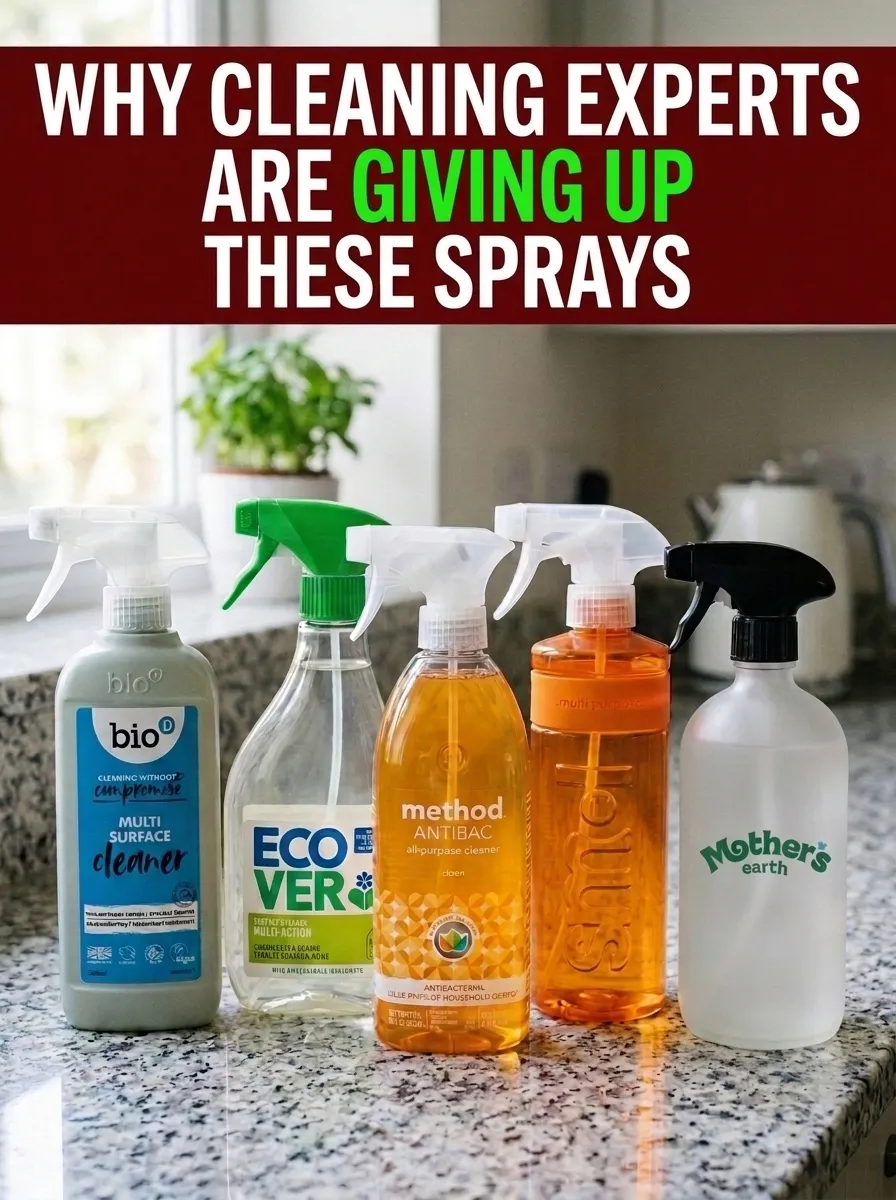
Only 1 kit passed all 5 points cleaning experts check
The Healthy Clean
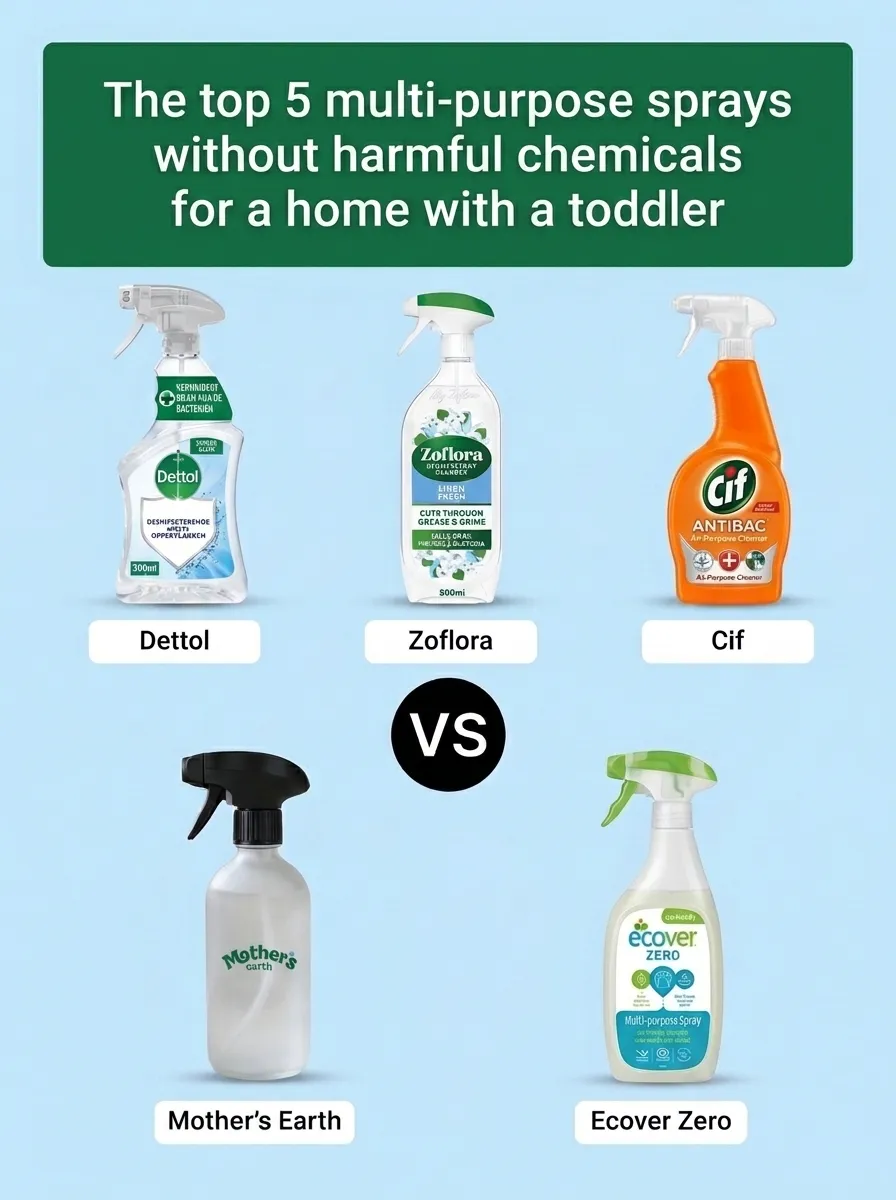
Kills 99.9% of germs” is the problem
The Healthy Clean
Why “kills 99.9%” doesn’t belong on a high chair
The Healthy Clean
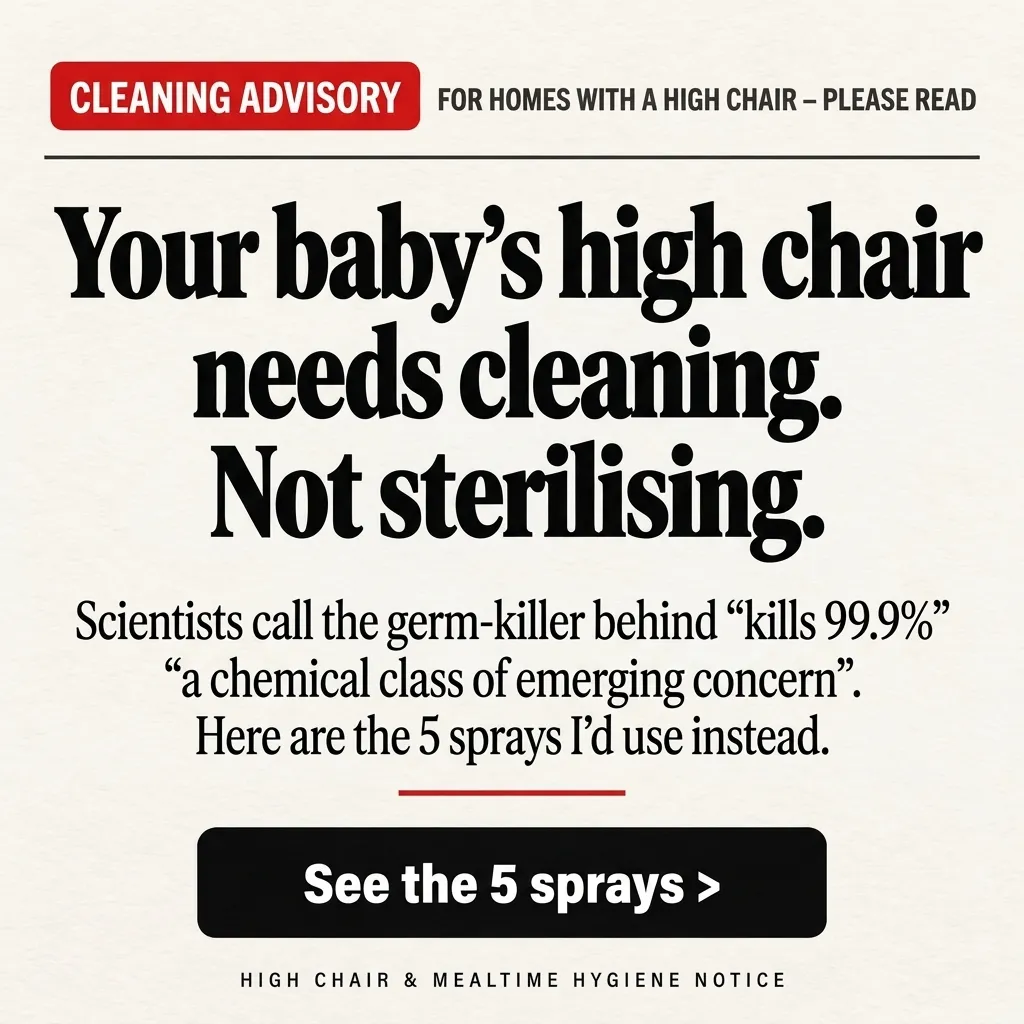
Why “kills 99.9%” doesn’t belong on a high chair
The Healthy Clean
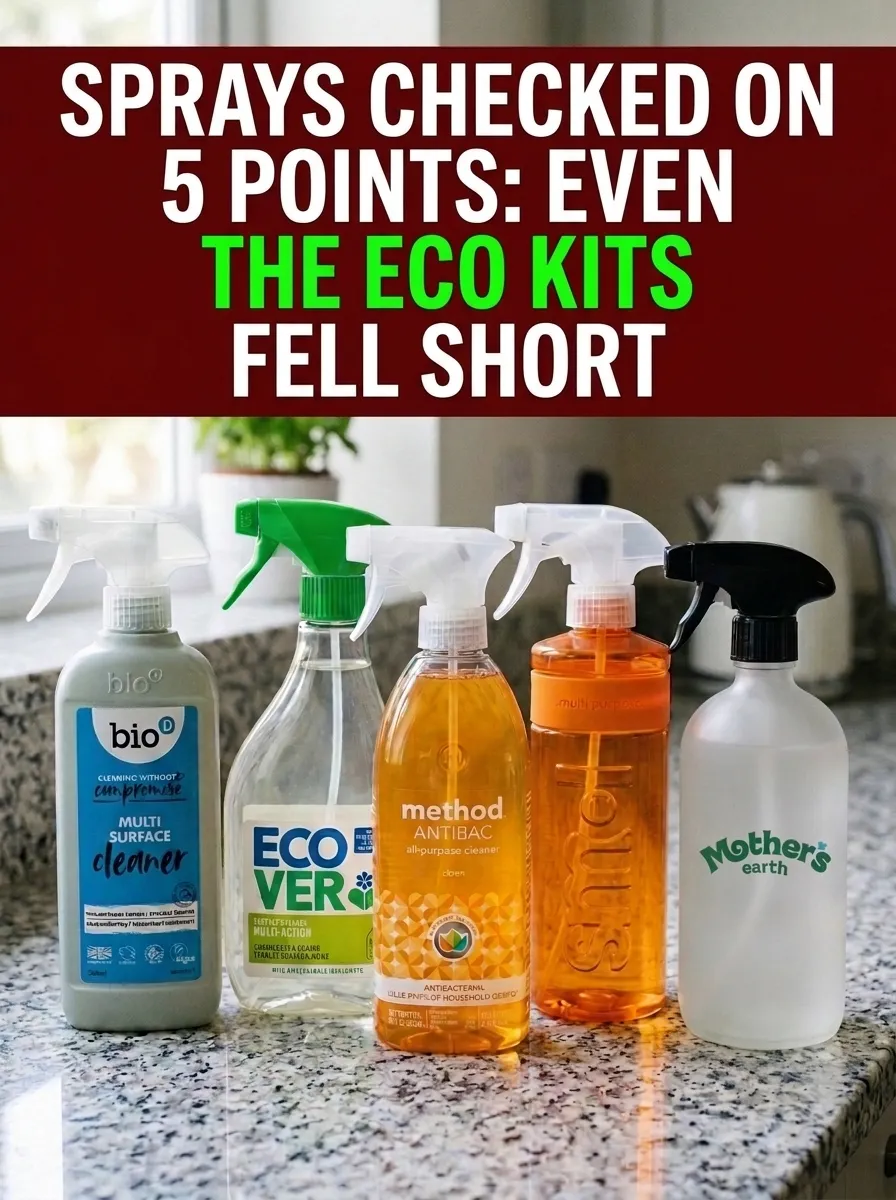
Only 1 kit passed all 5 points cleaning experts check
The Healthy Clean
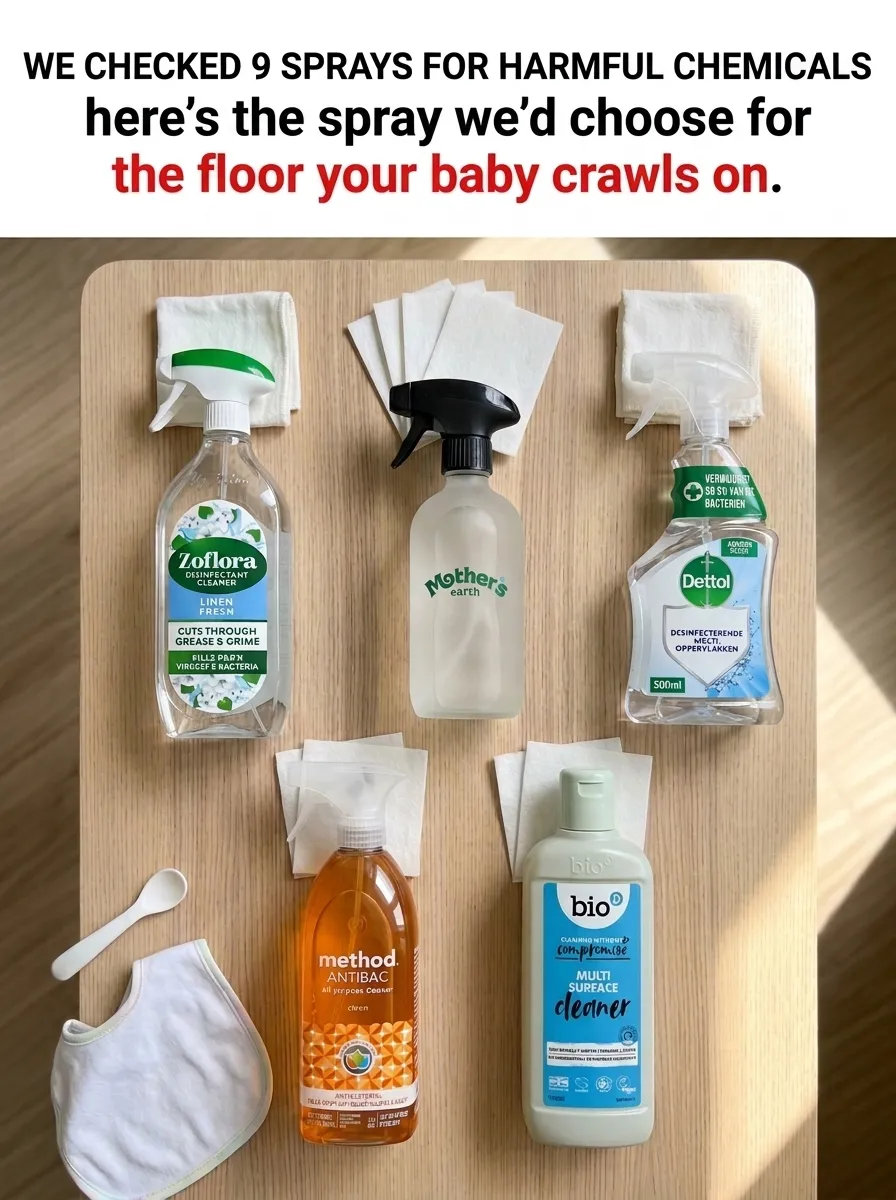
Kills 99.9% of germs” is the problem
The Healthy Clean
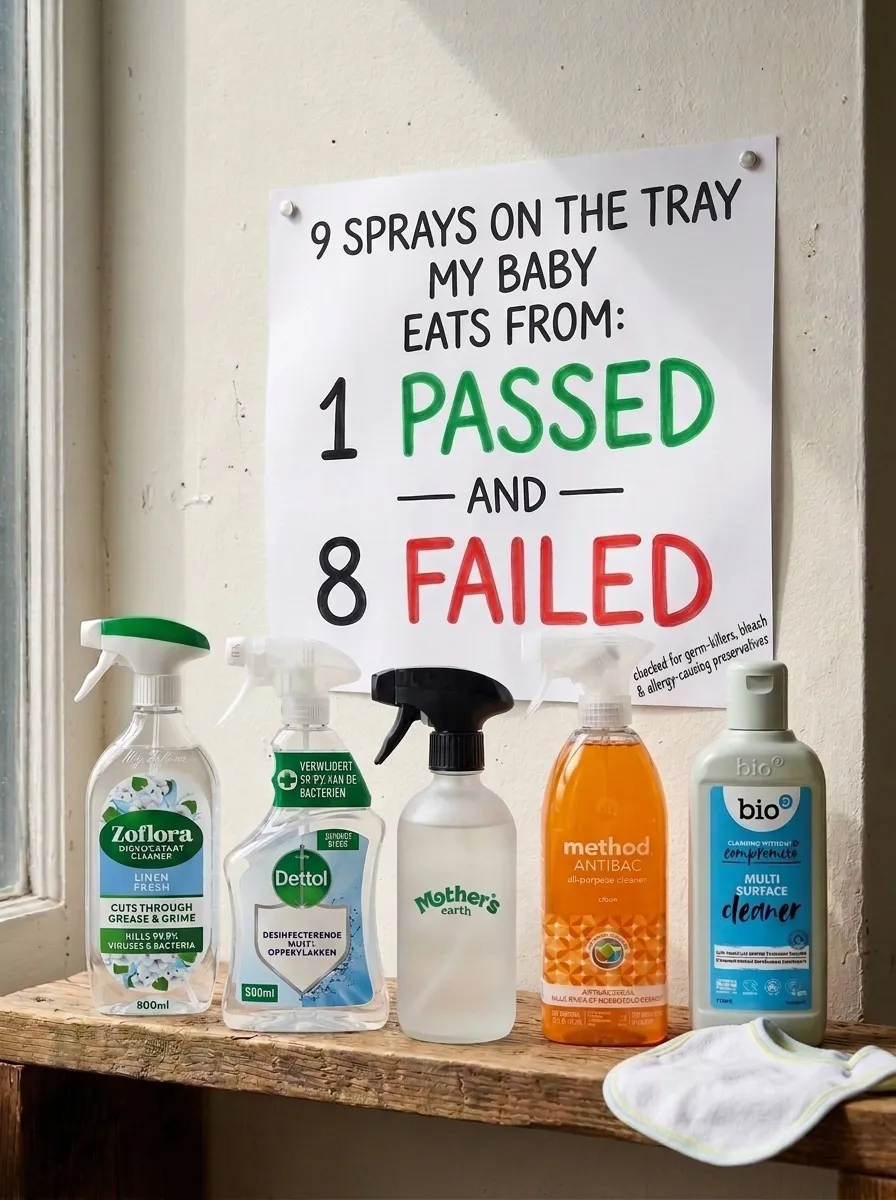
Kills 99.9% of germs” is the problem
The Healthy Clean
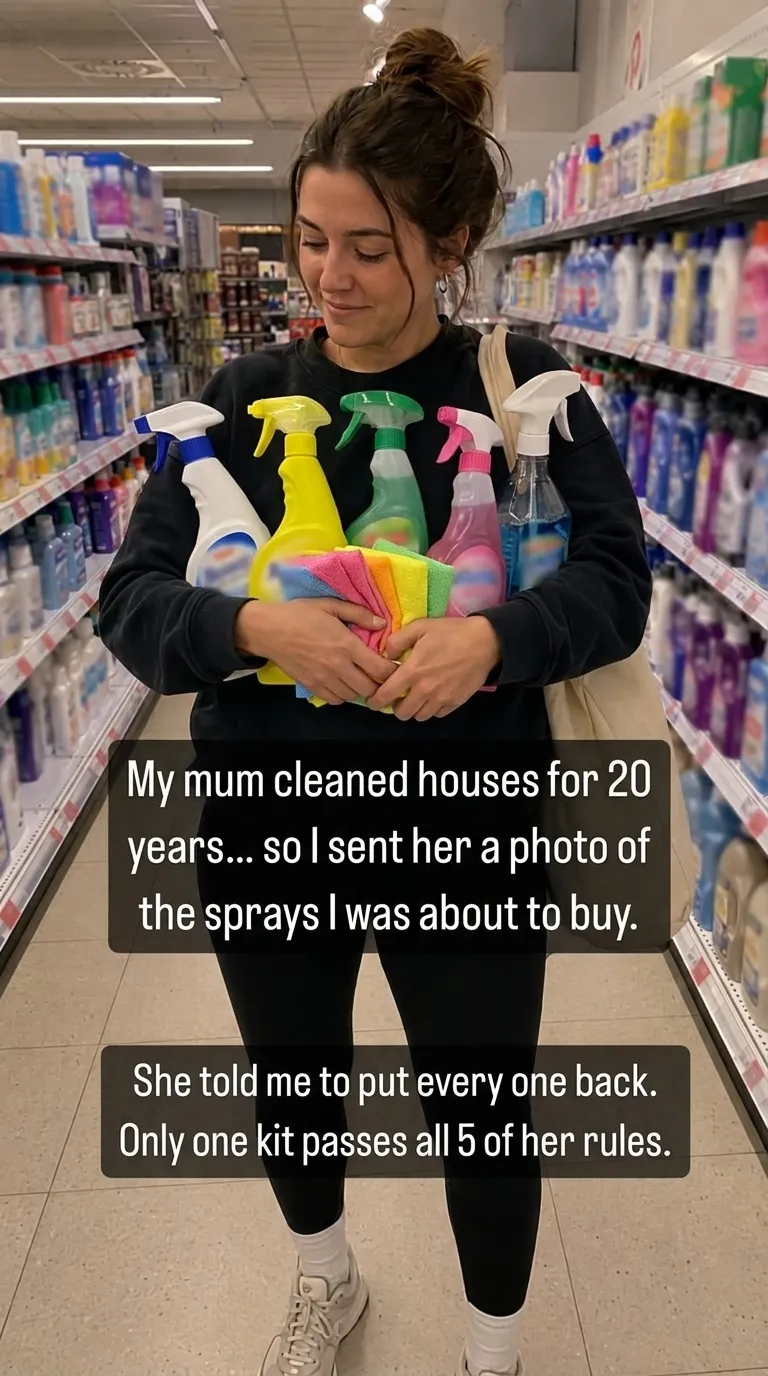
The 5 things cleaning experts check before buying a spray
The Healthy Clean
Which dishwasher tab leaves nothing on your kids’ plates?
The Healthy Clean
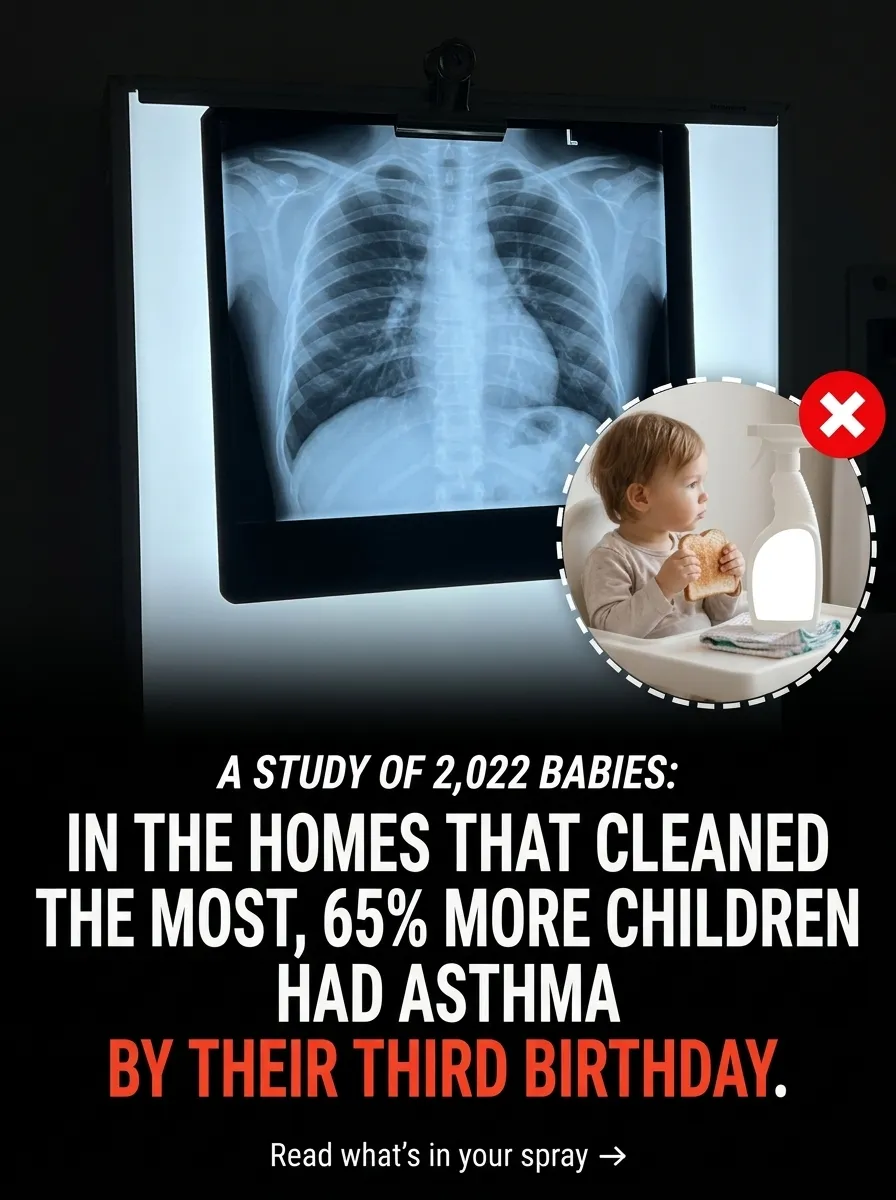
Only 1 of 9 sprays passed my high chair test
The Healthy Clean
The cancer-classified by-product missing from detergent labels
The Healthy Clean
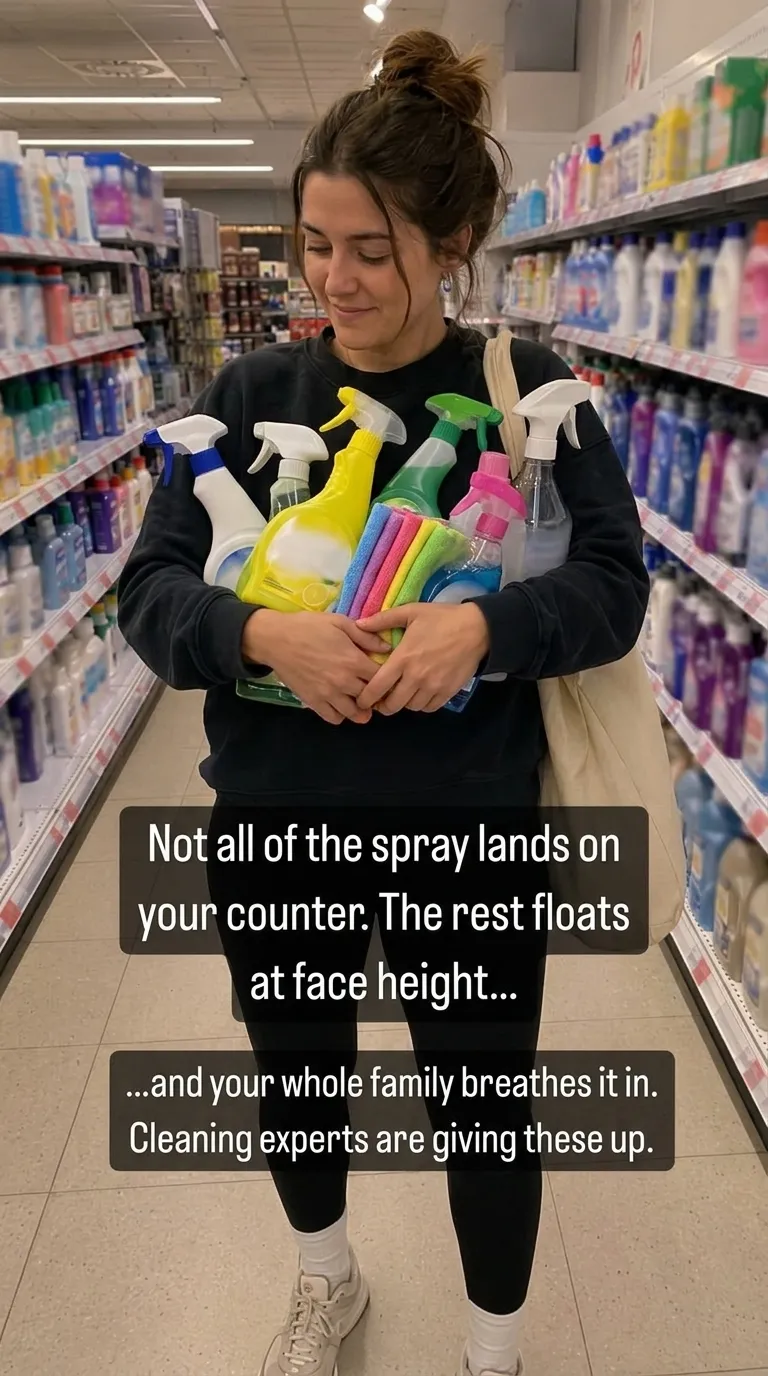
The 5 things cleaning experts check before buying a spray
The Healthy Clean

 Add to Chrome