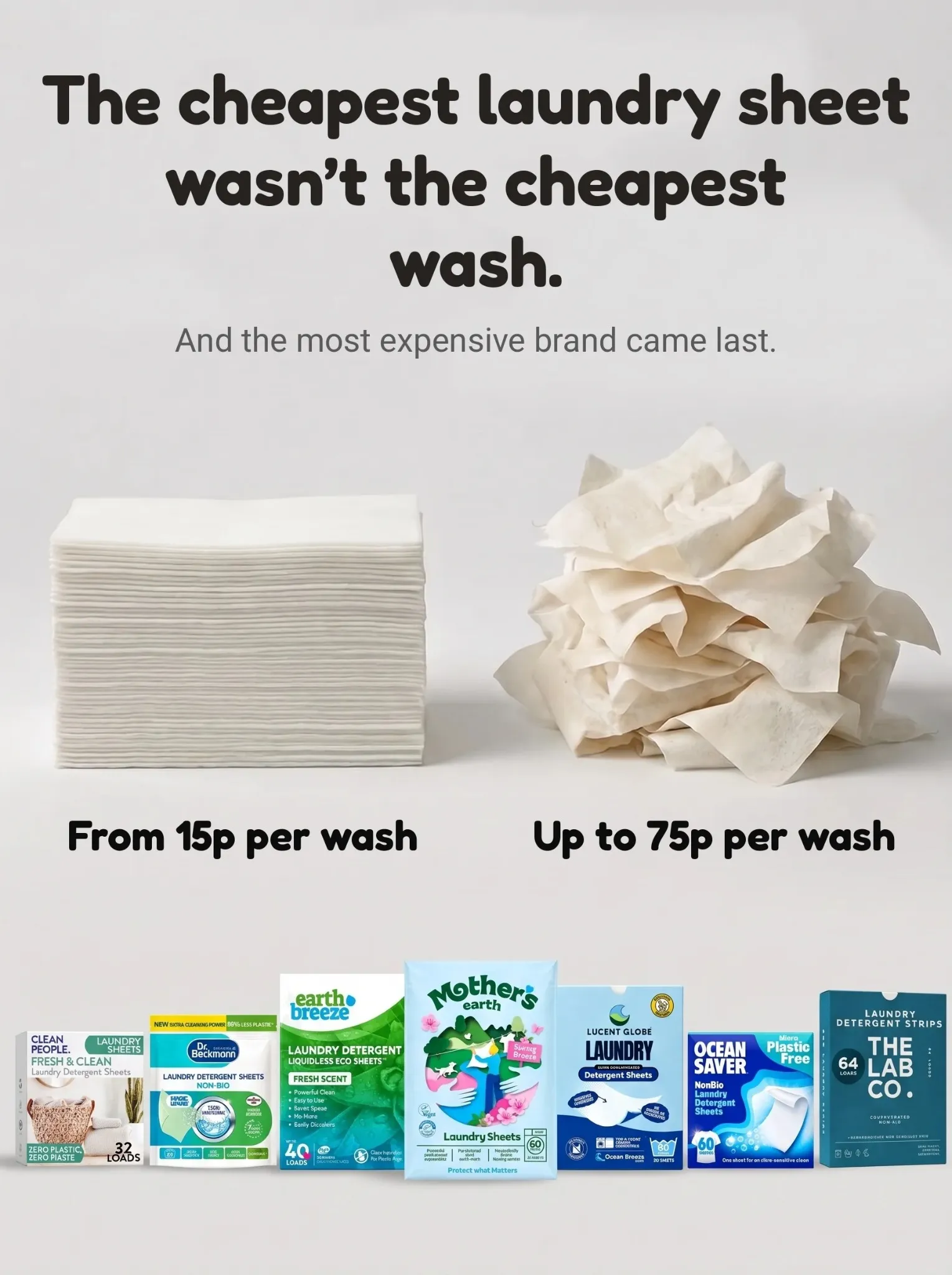
Without enzymes, a laundry sheet barely shifts stains at 20°C
Ad Copy
"My black jeans came out of the wash with a white, sticky streak, washed with laundry sheets. It wasn't the machine. So we bought seven popular brands and tested them one by one in our own washing machine. The supermarket favourite finished last. If you've switched to laundry sheets and your dark clothes have come out with white marks ever since, please read this to the end. The same goes if your gym tops still smell faintly sour after drying, or a coffee stain only goes paler at 30 degrees. Especially if you're standing in front of the shelf right now, wondering which brand to try next. We were exactly there, and the answer surprised us. A bit about us first. There are four of us: my husband, our two kids and me. Our son plays football three times a week, and our daughter is fifteen and has worn almost nothing but black for about two years now. Black hoodies, black leggings, black jeans. The washing machine runs pretty much every day in our house, and at least every second load is dark. I switched to laundry sheets a little over a year ago, mostly for convenience if I'm honest. We live in a third-floor flat with no lift, and I was tired of carrying a heavy bottle of detergent up the stairs every few weeks. And suddenly I was seeing the things everywhere, in my Instagram feed, in the shops and eventually even at the supermarket. A thin cardboard box, one sheet per wash, no measuring and no sticky drips down the side of the bottle. It just seemed sensible. So I ordered a pack that looked good. Lots of green on the box, a couple of seals, and the promise that the sheet dissolves even in cold water. Because dark clothes fade so quickly otherwise, I washed most of ours at 20 degrees on the quick wash. For a few weeks everything seemed fine. At least, I thought it did. Then one Saturday morning I was unloading a full drum of black washing, and the first thing out was my own jeans. On the inside of the waistband and all along the seam there were white marks. Not a lot, but enough to see from across the room. I rubbed one with my thumb and it smeared rather than came off. It felt a little sticky, like soap that hadn't been rinsed out properly. Next out was one of my daughter's black hoodies, with the same marks on the hood. Then my husband's work trousers, where you could see it best of all against the dark fabric. My first thought was a tissue. Everyone knows that one: somebody forgets a tissue in a pocket and everything comes out covered in fluff. So I turned every pocket inside out and found nothing. Then I called my husband over. ""Did you leave a tissue in your trousers?"" He looked at the trousers for quite a while and then said, ""No. That looks more like detergent."" ""We don't even use detergent any more. Only the sheets."" ""Then it's the sheets,"" he said, with the shrug he saves for problems that involve washing he doesn't have to do. I didn't want to leave it there. The sheets were the whole reason I'd switched. No more gel gumming up the drawer, no more powder clumping in the corner. And the box said very clearly that the sheet dissolves completely. So I took a proper look at the machine instead. The rubber seal around the door was a bit grey, and the detergent drawer wasn't exactly spotless either. Of course, I thought, it's the machine. It's nine years old, after all. Over the next few weeks I worked through every tip you hear. And everyone I mentioned it to had one ready. ""The drum's too full, nothing can dissolve in there."" So I loaded less, only two thirds full. With the amount of washing we have, that just meant running the machine even more often. ""That's what happens at 20 degrees. Wash warmer."" So the dark things went back in at 40. The marks did get fewer, I'll give it that. But after three washes my daughter's favourite jeans looked as if they'd been through five years, and I heard about it at length. ""Run a machine cleaner through it."" I did, twice, empty and at 60 degrees. The seal was cleaner afterwards. My jeans after the next wash were not. And then there were the other things that I hadn't connected with the detergent at all until then. My son's football kit still smelled faintly sour after it had dried. Not of the changing room exactly, more that stale smell you can't quite place. A grey jumper of mine smelled musty after a night on the airer, even though it had only just been washed. And a coffee stain on my light blouse was paler after a wash at 30 degrees, but very much still there. So I did what I suspect most people do. I switched brands. A different box, a different colour, a different promise. This one said to use a whole sheet for a full drum, where the price on the front was for half. I did as I was told. Some time later it dawned on me that I was reordering my supposedly cheap sheets an awful lot. What annoyed me most was that every ad I saw promised the same thing. Dissolves in cold water, cleans powerfully, smells lovely. Every single one. And there I was in front of the washing machine with a streaky pair of black jeans in my hand, with no idea which of these boxes to believe. The turning point came on an ordinary evening when my sister-in-law was over for dinner. She has read every label for years before buying anything, and she's the only one in the family who looks at the back of a shampoo bottle for longer than the front. I showed her the box and complained about the marks, half joking, because I expected her to laugh. She didn't laugh. She turned the box over, read for a while and said: ""A sheet is a shape. It isn't a formula. What's in it is on the back."" Then she explained what actually matters. I looked it all up again afterwards, because at first I didn't want to believe it. A thin sheet in a cardboard box looks natural. But the shape tells you nothing about what's inside. Some brands put the same substances in their sheet as in an ordinary bottle of detergent: optical brighteners, phosphonates, polyacrylates, dyes. And ethoxylates, which are artificial cleaning agents, and when they're made a substance called 1,4-dioxane can be left behind. That substance can cause cancer. You'll never see it on the box. You will see the ethoxylates, if you know what to look for: names with ""eth"" in them. Why those substances are in there is usually simple. They're cheaper than the ingredient that actually does the work. And the ingredient that actually does the work is an enzyme. For me that was the most important sentence of the evening. Soap loosens dirt, fair enough. But sweat, grass, food and blood are protein stains, and you only really break those down with an enzyme like protease. In hot water the heat can help a bit. At 30 degrees or colder, which is exactly where I'd been washing all our dark clothes, the enzymes make the difference. A sheet without enzymes has to rely on warm water. And if the water is cold, you might as well wash without a sheet at all. Suddenly a lot of things made sense. The football kit that still smelled sour after drying. The coffee stain that only went paler. I'd been using sheets that could barely touch exactly those stains in cold water, and then wondered why I kept having to turn the temperature back up. The optical brighteners gave me a bit of a turn, I have to admit. They're made to cling to your clothes so they look brighter. That means they stay in the fabric after the wash, against your skin all day. My sister-in-law left me with two more things before she went home. First, if I want to judge a detergent, I should smell the washing once it's dry. Almost every box smells lovely when you open it. What counts is what's still there after a day on the airer. Second, I should work out what one full wash costs. When a brand prices its sheet for half a drum and tells you to use a whole one for a full load, a cheap sheet suddenly isn't cheap any more. That was exactly what I'd been doing, for months. My husband, as always, was the voice of reason. ""Then just go back to liquid,"" he said. ""That worked."" He wasn't entirely wrong. But I didn't want to go back to lugging bottles up three flights of stairs just because I'd picked the wrong sheet. And I had a question nobody could answer for me. Is there actually a laundry sheet that gets a cold quick wash properly clean, with no residue, none of those substances, and one sheet for a full drum? So we tried it. Properly, the full works. We bought seven brands that a lot of people are buying right now: OceanSaver, Earth Breeze, Lucent Globe, Clean People, The Lab Co., Dr Beckmann and a seventh I'd only come across online. From each brand we took the standard sheet for coloured washing. Then every one of them went through the same five tests in our own washing machine, the way most of us actually wash. First, the cold-wash test: a full drum of dark clothes at 20 degrees or colder on the quick wash. Afterwards we checked every item for residue, streaks and sticky patches. Second, the stain test: coffee, grass, sweat in a gym top and food stains on children's clothes, washed at 30 degrees. Third, the scent test. We smelled the washing straight out of the machine, after drying on the airer, and once more the next day out of the wardrobe. Fourth, the label check. Does the sheet contain the substances you'd rather not have in your clothes? Which independent seals does the brand have? Has the sheet been tested on people with sensitive skin? And fifth, the price check: what does one full wash really cost, with the best-value pack and as many sheets as the brand itself recommends? I'm not a lab, and I won't pretend to be. But sniffing the same gym tops every evening for weeks and holding every black seam up to the light tells you pretty clearly what a sheet can do. The difference between the best and the worst was far bigger than I'd expected. Last place went to the most familiar name of all: Dr Beckmann's Magic Leaves, the ones you'll find on the supermarket shelf right next to the big liquid brands. According to the pack, one sheet is enough for up to 4.5 kilos of washing. A family drum takes a lot more than that, so you need two, which makes a full wash about twice as expensive as with our winner, and the sheets come in a plastic pouch. The bestselling Non-Bio sheet has no enzymes, and the pack itself tells you to pre-treat heavily soiled clothes with a separate stain remover. Even the Bio sheet lists ethoxylated alcohols. And on the back of the pouch, in capital letters: DANGER. Causes skin irritation, causes serious eye damage, harmful to aquatic life. The Lab Co. came sixth. At 30 degrees the washing came out clean, to be fair. But in the cold-wash test, the clothes washed with it didn't smell as clean as with the sheets further up. It's a non-bio strip, so there are no enzymes on the list, and the surfactants are only given as groups without saying which substances they actually are. The brand itself says two strips for up to 7 kilos. Clean People came fifth. Its whole message is about what isn't in the sheet, including, in its own words, no ethoxylated alcohols. Yet the list includes Glycereth-6 Cocoate, which is made by exactly that process, ethoxylation. There's no enzyme either, and in our cold wash the gym top came out still smelling faintly sour. For around twice the price of our winner. Lucent Globe, the brand you've almost certainly seen in your feed, came fourth, and on paper it's the closest to our winner. It contains protease, lists no ethoxylates and uses one sheet for a full 8 kilo drum. But in our stain test, coffee and grass faded at 30 degrees without coming out. The scent smelled lovely in the box and had almost gone after a day on the airer. And when the consumer organisation CHOICE tested it in a lab, it scored 51% in a front loader, against 49% for a wash with plain water and no detergent at all. Earth Breeze came third. The sheet dissolved quickly, I'll give it that. But what it calls a load is half a sheet, and for a full load the brand itself says to use a whole one. That makes a full wash three to five times as expensive as with our winner. Even with a whole sheet it stayed behind the best sheets on coffee, and instead of enzymes it uses an alcohol ethoxylate and polyethylene glycol. OceanSaver came second. The Bio sheet did well on stains, thanks to the protease in it. But the price on the box is for half a sheet, meant for up to 4.5 kilos in soft water. For a load over 6 kilos, or in hard water, OceanSaver itself says to use a whole sheet, and then you pay more than twice as much per wash as with our winner. The Non-Bio version has no enzyme at all, and the list includes a fatty alcohol polyglycol ether, which is an ethoxylate. Four of the six other brands list ethoxylates, and a fifth won't say which surfactants it uses. And every single box looked so natural. Then came the seventh sheet. In the cold-wash test it was the sheet we had to worry about least. Twenty degrees, quick wash, a full drum of exactly the black clothes that had been driving me mad for months. Afterwards there was no residue, no streak and no sticky film. I held my jeans up to the window seam by seam and found nothing. Coffee and grass came out at 30 degrees, because there's protease in the sheet. The gym top that still smelled faintly of the gym with a few other brands came out simply fresh. We tested the Spring Breeze scent, which is fresh without being overpowering, and the next day the washing out of the wardrobe still smelled clean. It felt soft too, without any fabric conditioner, thanks to the plant-based glycerin in the sheet. One sheet does a full drum. There are no ethoxylates, no optical brighteners, no phosphonates, no bleach and no dyes in it, and it carries the Dermatest seal for sensitive skin. More than 500,000 customers already use it. And when I wrote all the prices side by side at the end, it turned out to be the cheapest full wash in the whole test. There is one catch, and I don't want to hide it. You can only buy it online, not in the supermarket. For me that ended up being more of a plus, because the box fits through the letterbox and I don't have to carry anything up three flights of stairs. Since then our black washing comes out black again. At 20 degrees on the quick wash, same as before, just without the white marks on the waistband. The other day my daughter took a hoodie out of the wardrobe and gave it a quick sniff. ""This smells brand new,"" she said. From a fifteen-year-old, that's about the highest praise washing can get. And my husband put on his work trousers, looked down at them and said nothing at all. Which, with him, means everything is fine. I learned one more thing along the way: the sheet belongs on top of the clothes in the drum. For months I'd been putting it in the detergent drawer. I'm writing all this down in so much detail because I think a lot of people are standing in front of their washing machine right now, thinking exactly what I was thinking back then. If there's a white, sticky streak on your black clothes, even though the box promises the sheet dissolves in cold water … If you've already cleaned the machine, loaded less and gone back to washing warmer … If your gym top still smells faintly sour after it's dried … If a coffee stain only goes paler at 30 degrees … If you use a whole sheet for a full drum because the box says the price is for half … If everyone keeps telling you it must be your machine … … then it's worth taking a look at the sheet before you clean the machine one more time. If none of that sounds familiar and your sheets simply wash well, wonderful. Then you don't need the article. For everyone else, we've written up the whole test. All seven brands, the five tests, the results table and the real cost of a full wash. There's an autumn sale on the test winner at the moment, with up to 65% off and two free gifts. And if you're not happy within 30 days, you get your money back. The best way to find out is to run the same test we did: a full drum of dark washing, 20 degrees, quick wash, one sheet on top of the clothes. Then smell it once it's dry. Which sheet came first, and why the supermarket favourite ended up last, is in the article 👇 P.S. Have a quick look at how many sheets your box really needs for a full drum. With Dr Beckmann it's two, and with OceanSaver and Earth Breeze the price on the front is for half a sheet. Our winner does a full drum with one sheet, and it was the cheapest full wash in the test. Nothing was left on our black clothes afterwards either. The full test is here 👇"
More from The Healthy Clean
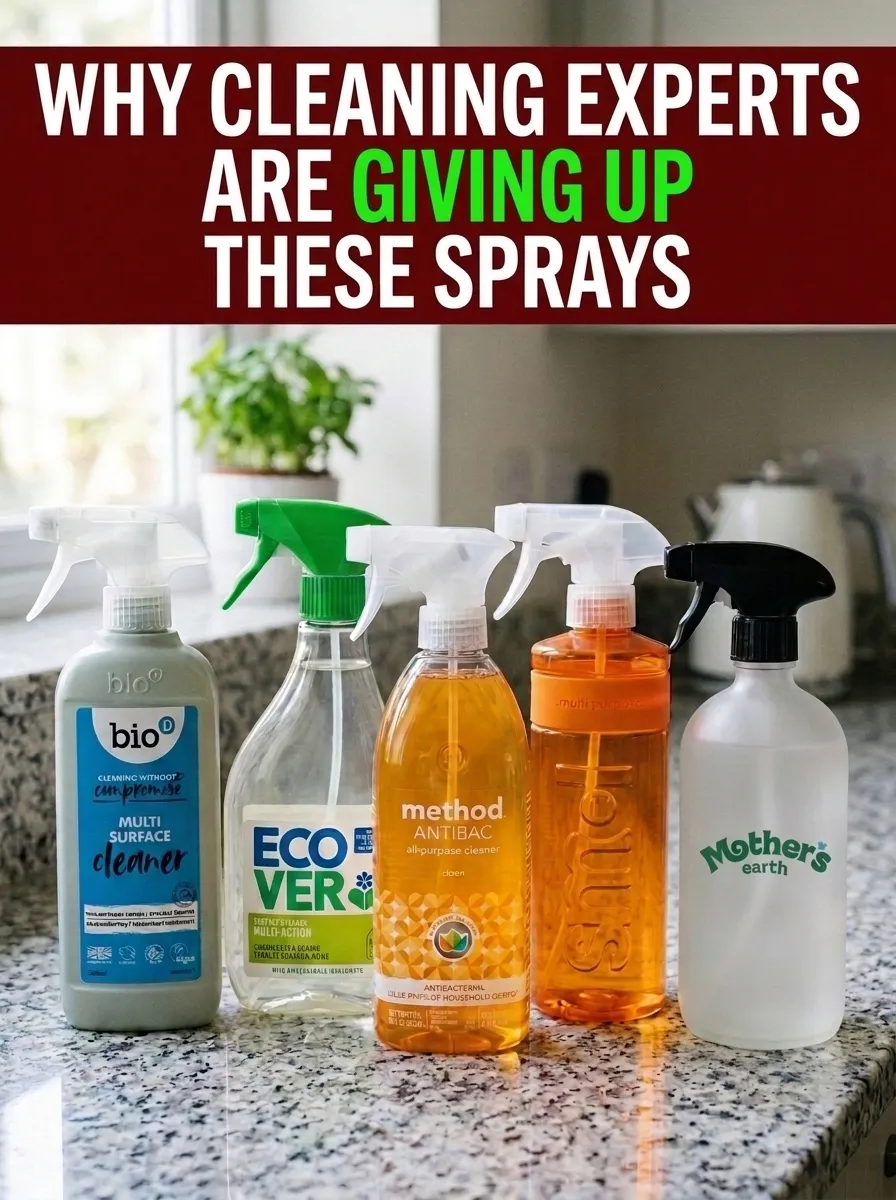
Only 1 kit passed all 5 points cleaning experts check
The Healthy Clean
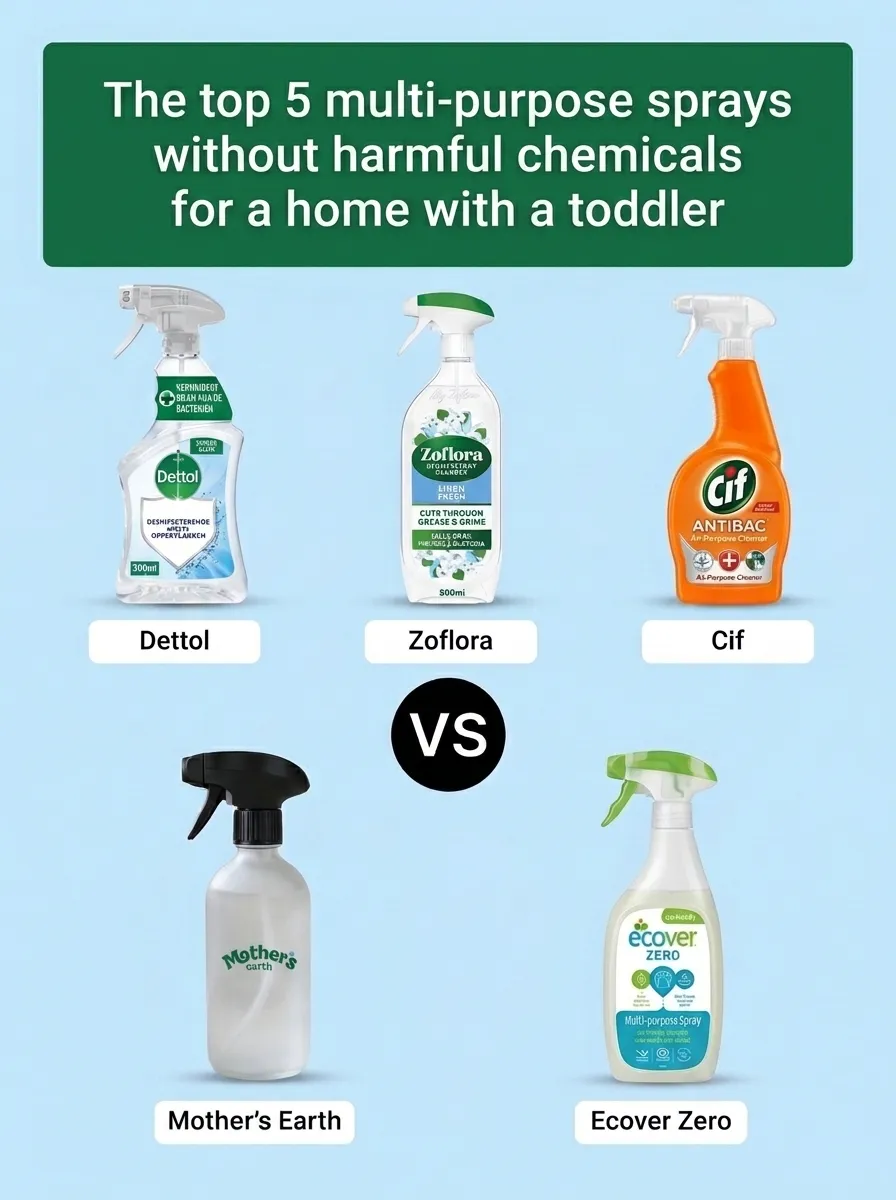
Kills 99.9% of germs” is the problem
The Healthy Clean

Why “kills 99.9%” doesn’t belong on a high chair
The Healthy Clean
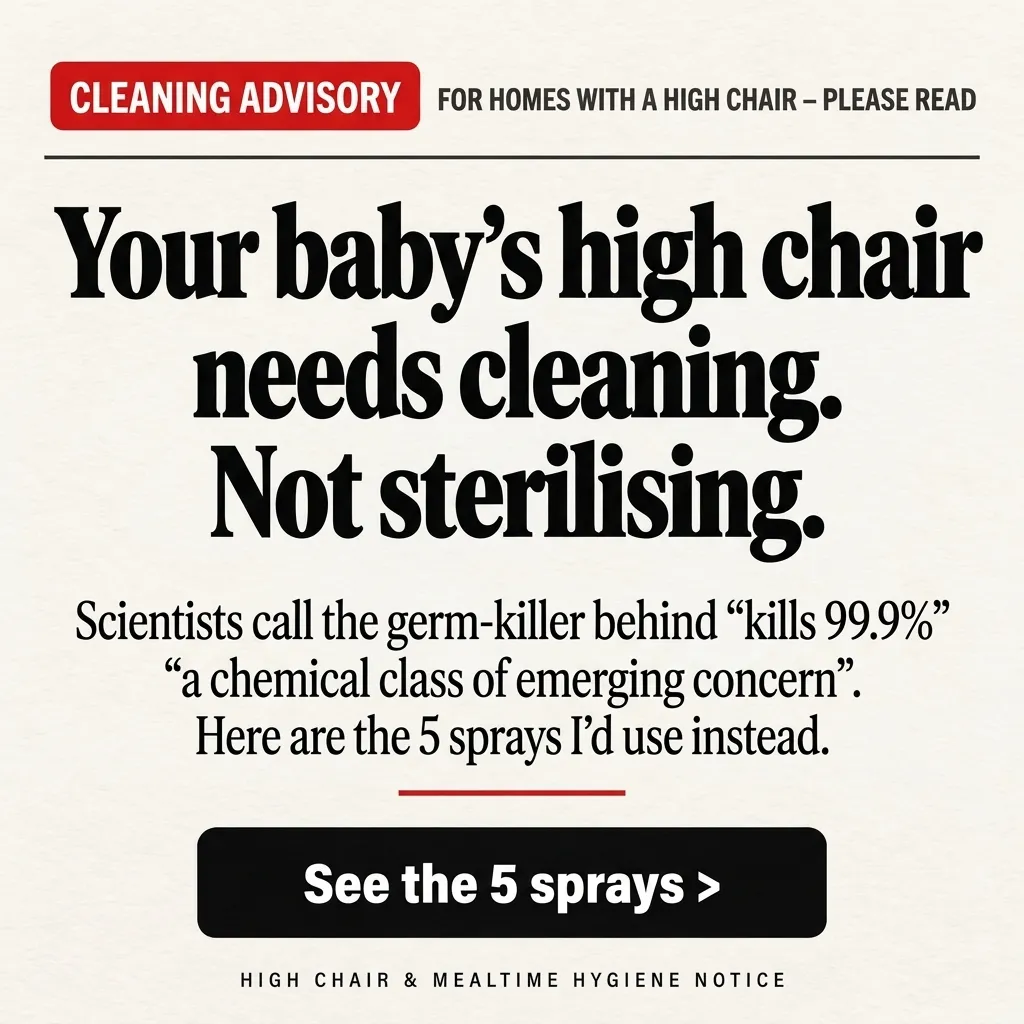
Why “kills 99.9%” doesn’t belong on a high chair
The Healthy Clean
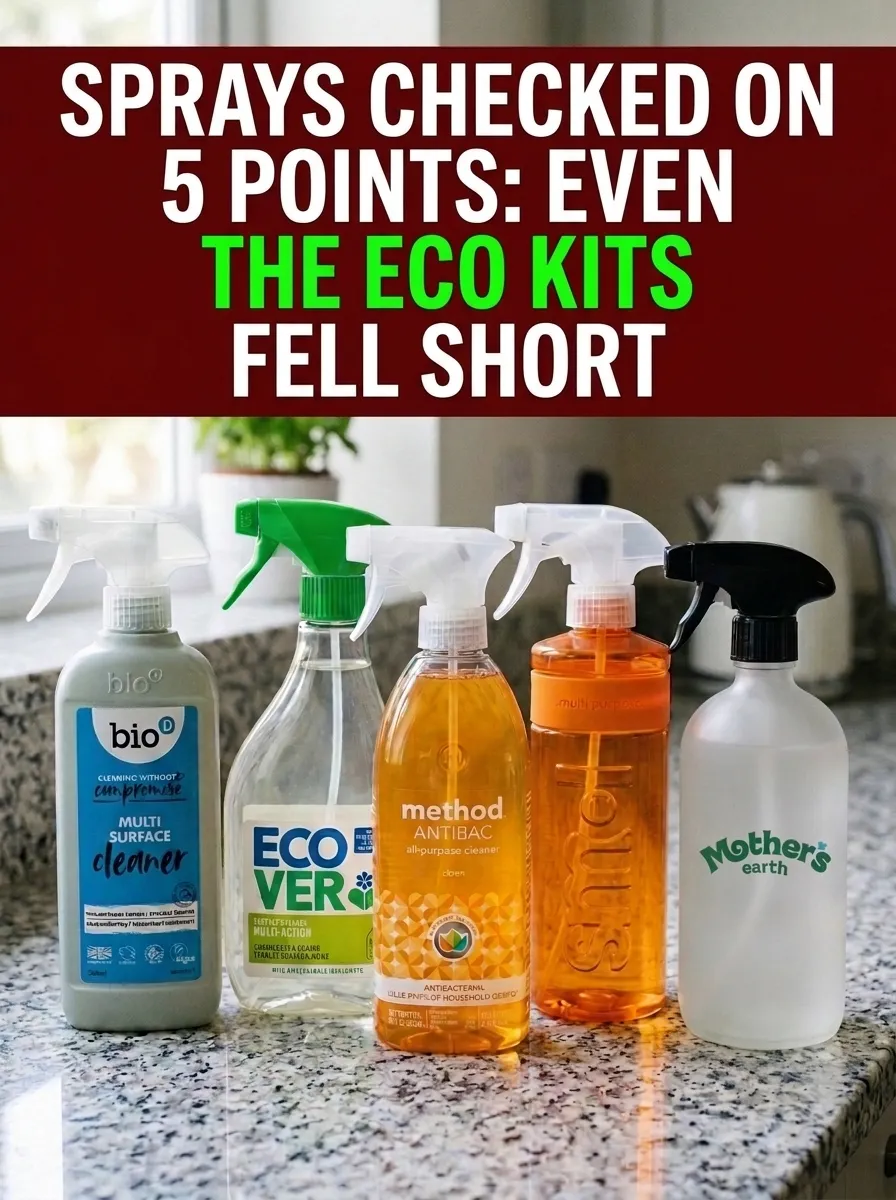
Only 1 kit passed all 5 points cleaning experts check
The Healthy Clean
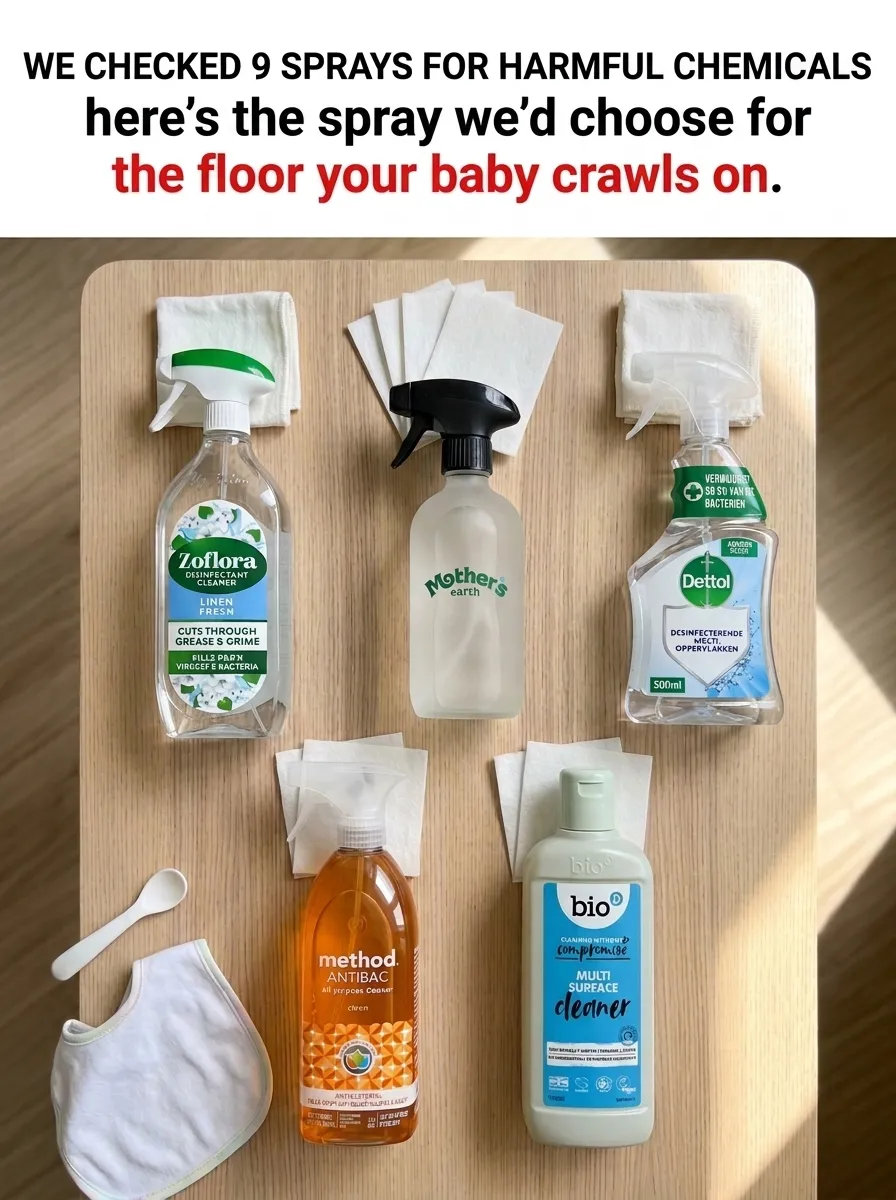
Kills 99.9% of germs” is the problem
The Healthy Clean
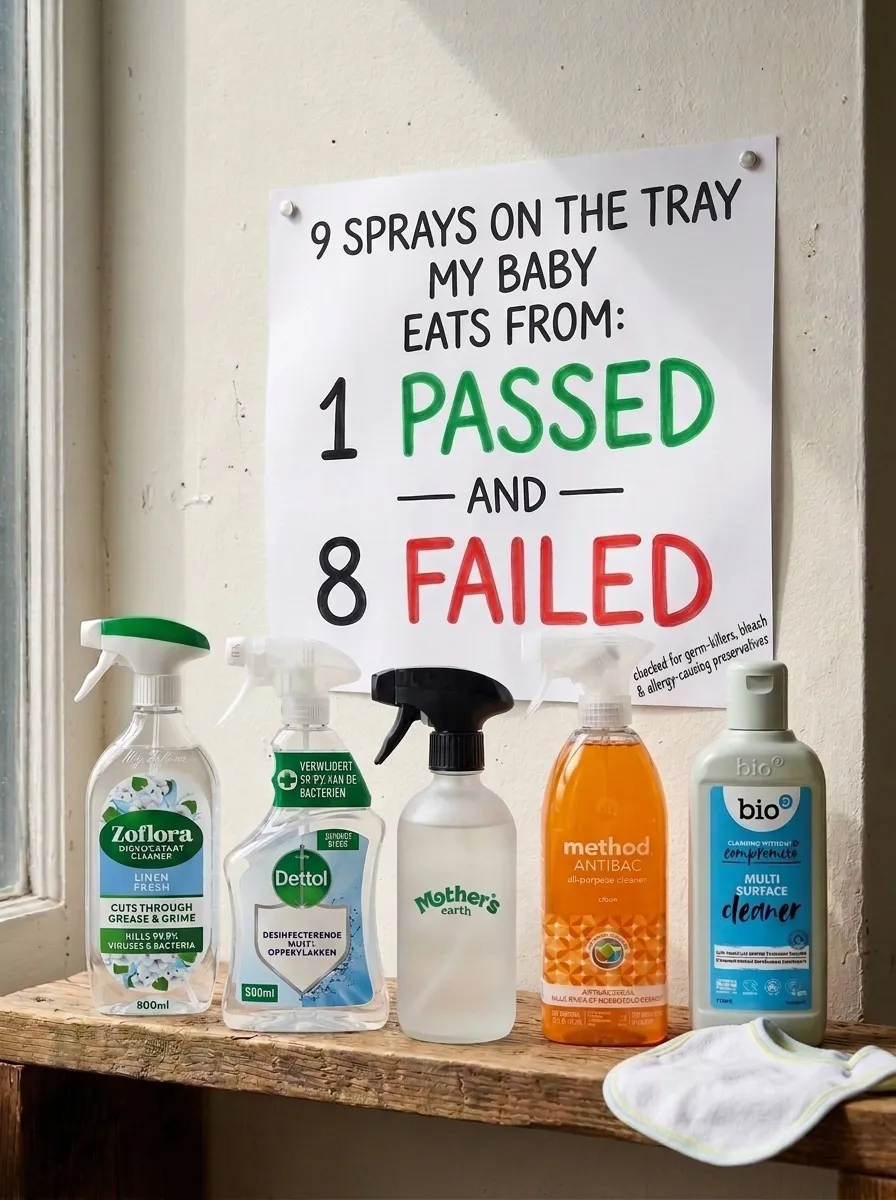
Kills 99.9% of germs” is the problem
The Healthy Clean
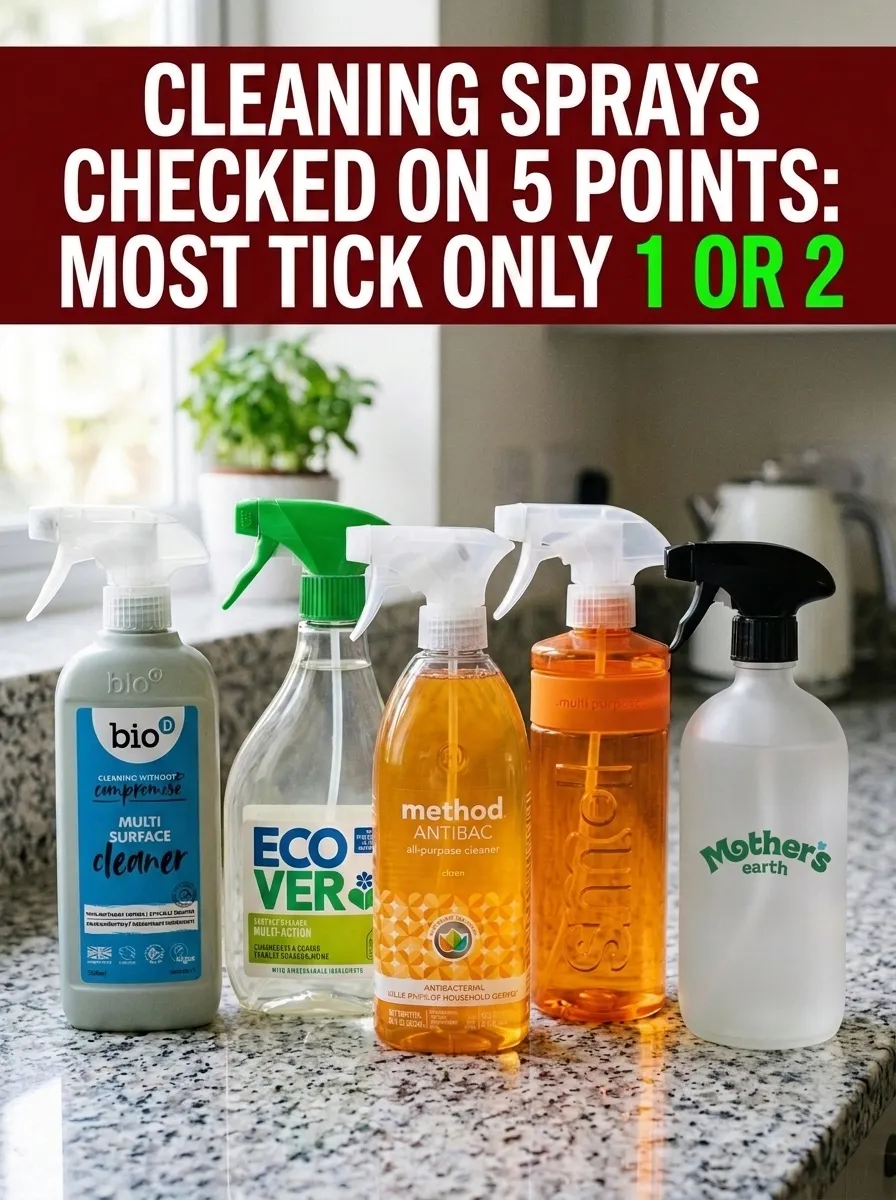
Only 1 kit passed all 5 points cleaning experts check
The Healthy Clean
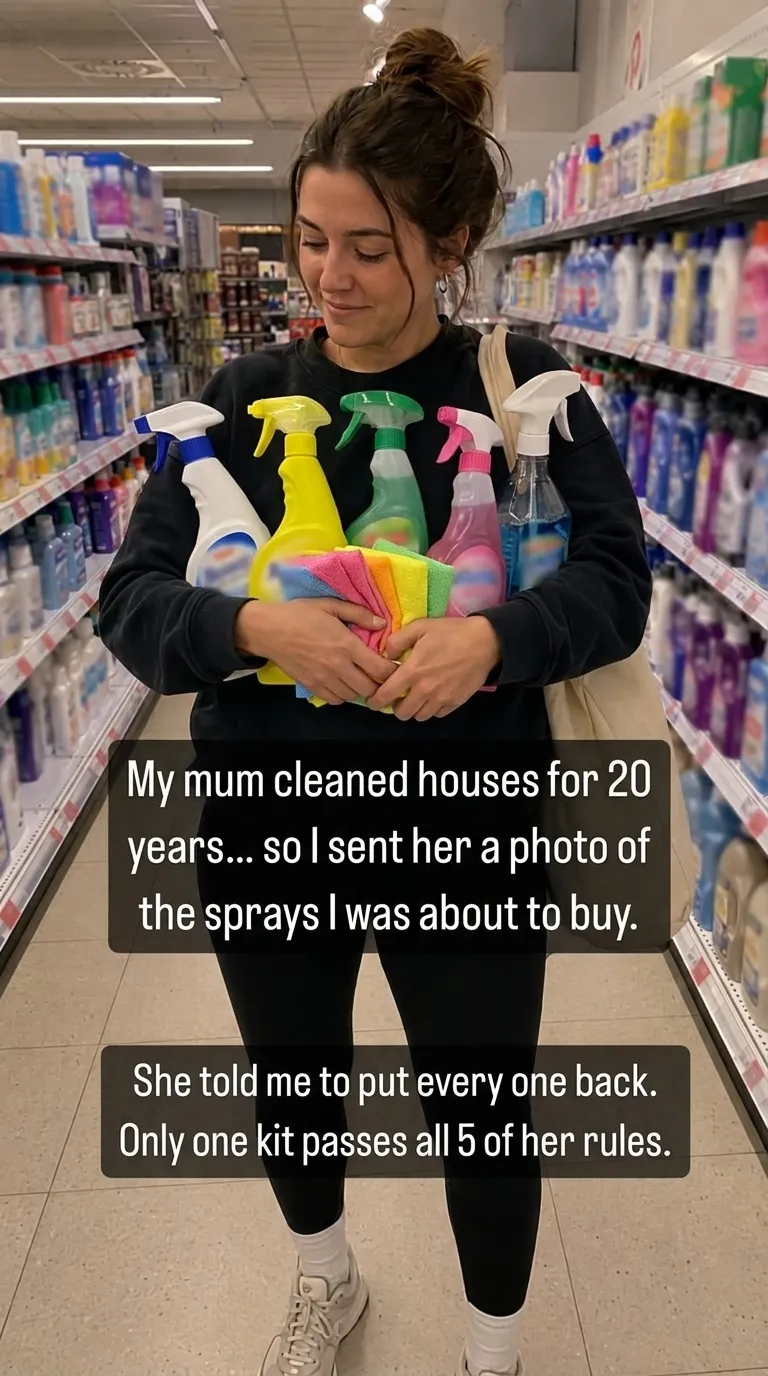
The 5 things cleaning experts check before buying a spray
The Healthy Clean
Which dishwasher tab leaves nothing on your kids’ plates?
The Healthy Clean
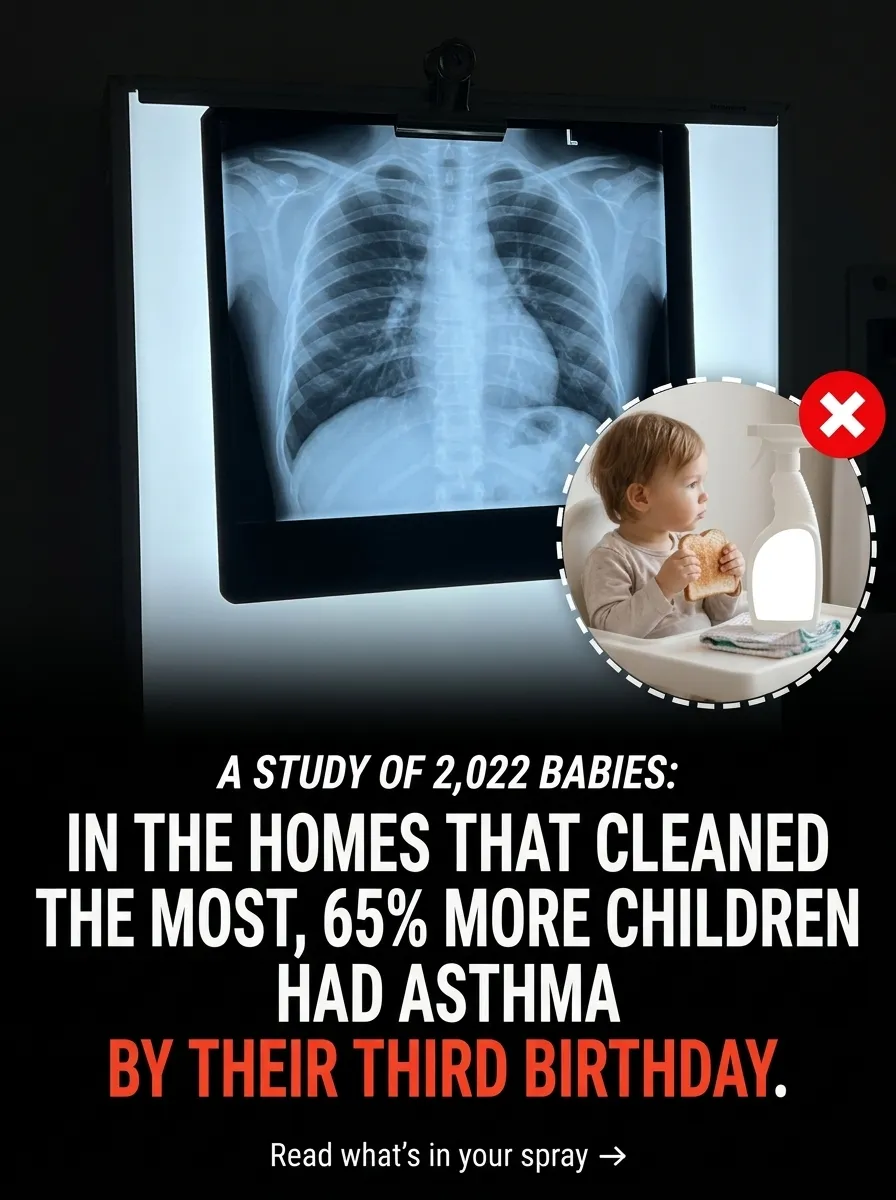
Only 1 of 9 sprays passed my high chair test
The Healthy Clean
The cancer-classified by-product missing from detergent labels
The Healthy Clean

 Add to Chrome