Support stamina and heart health everyday
Ad Copy
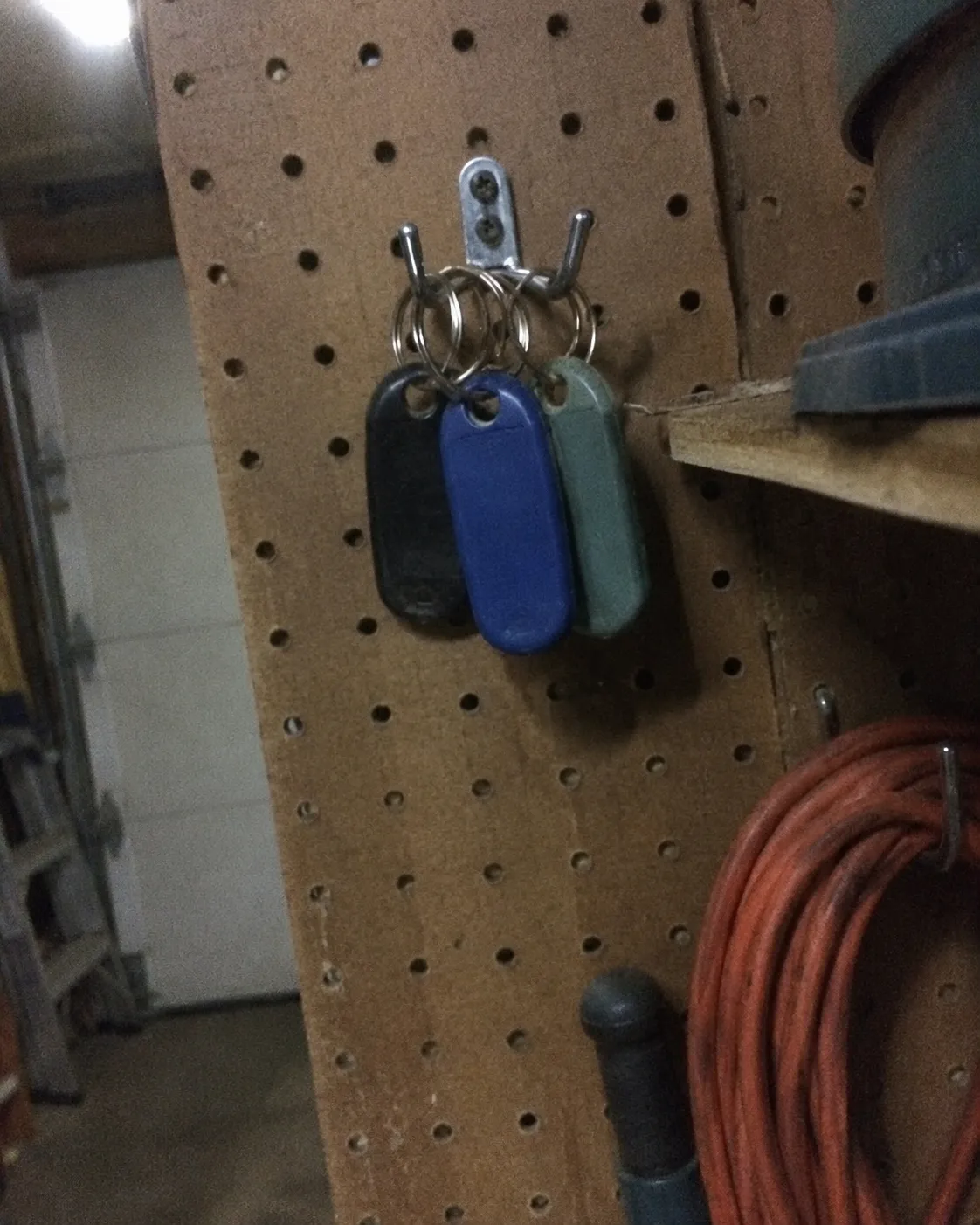
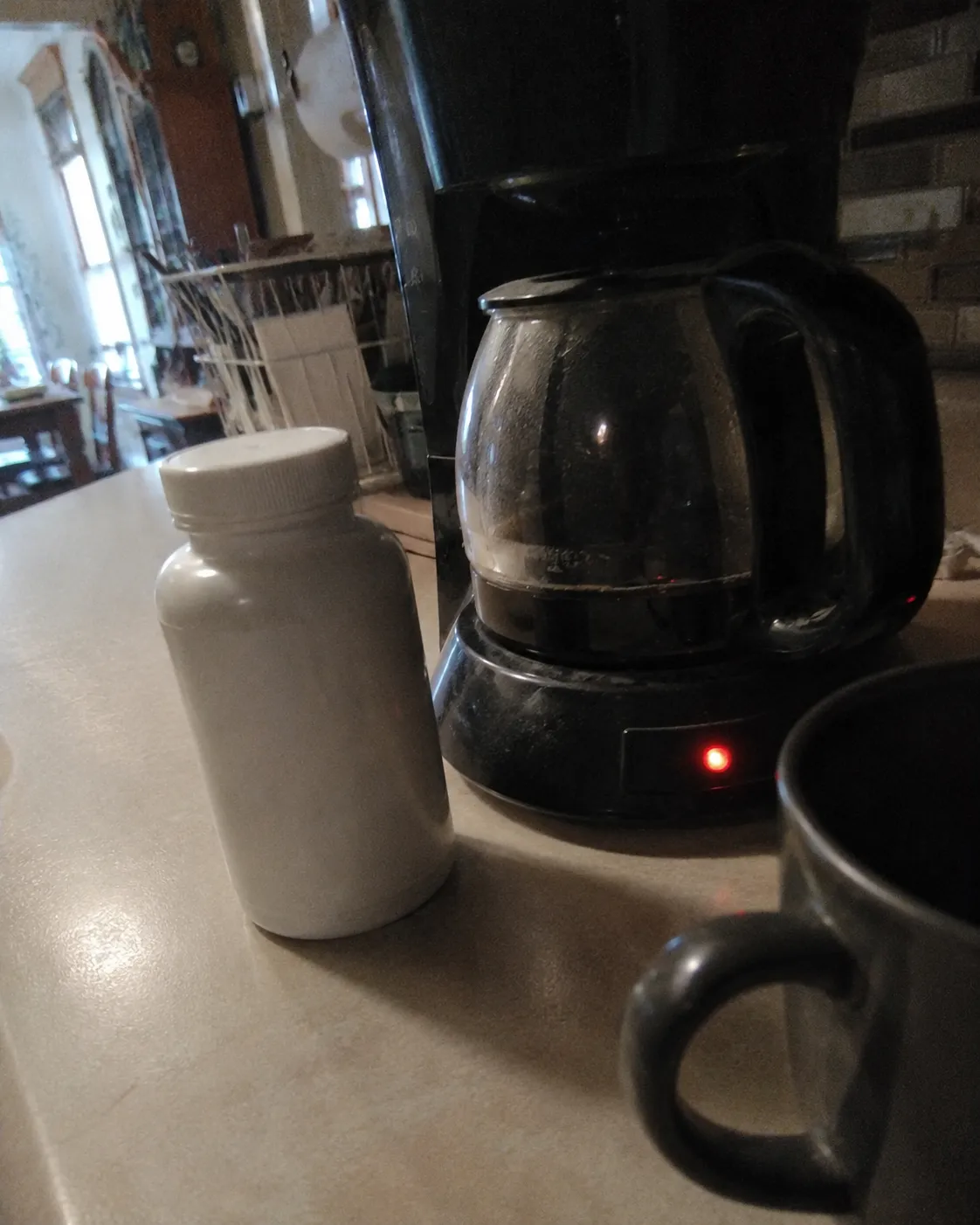
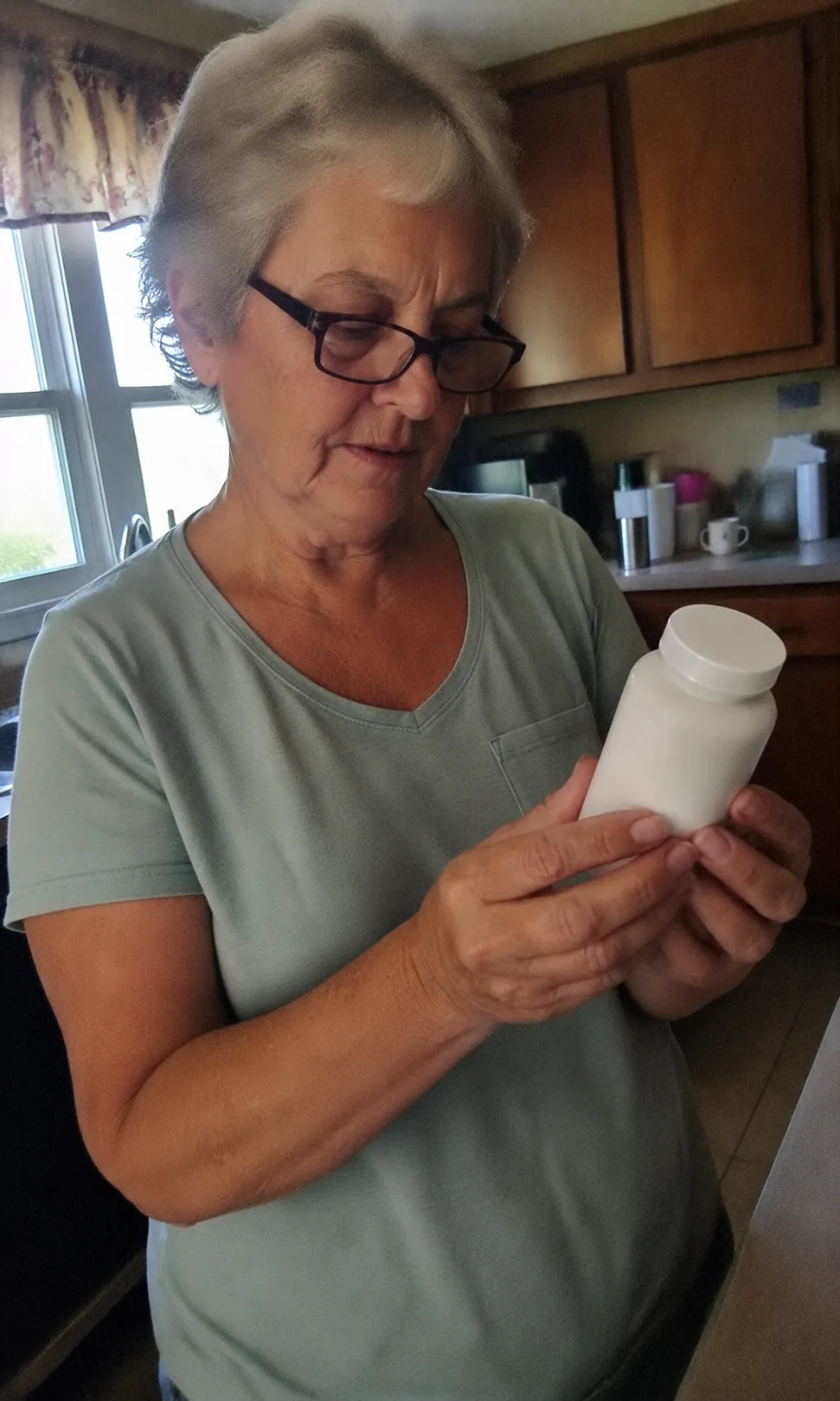
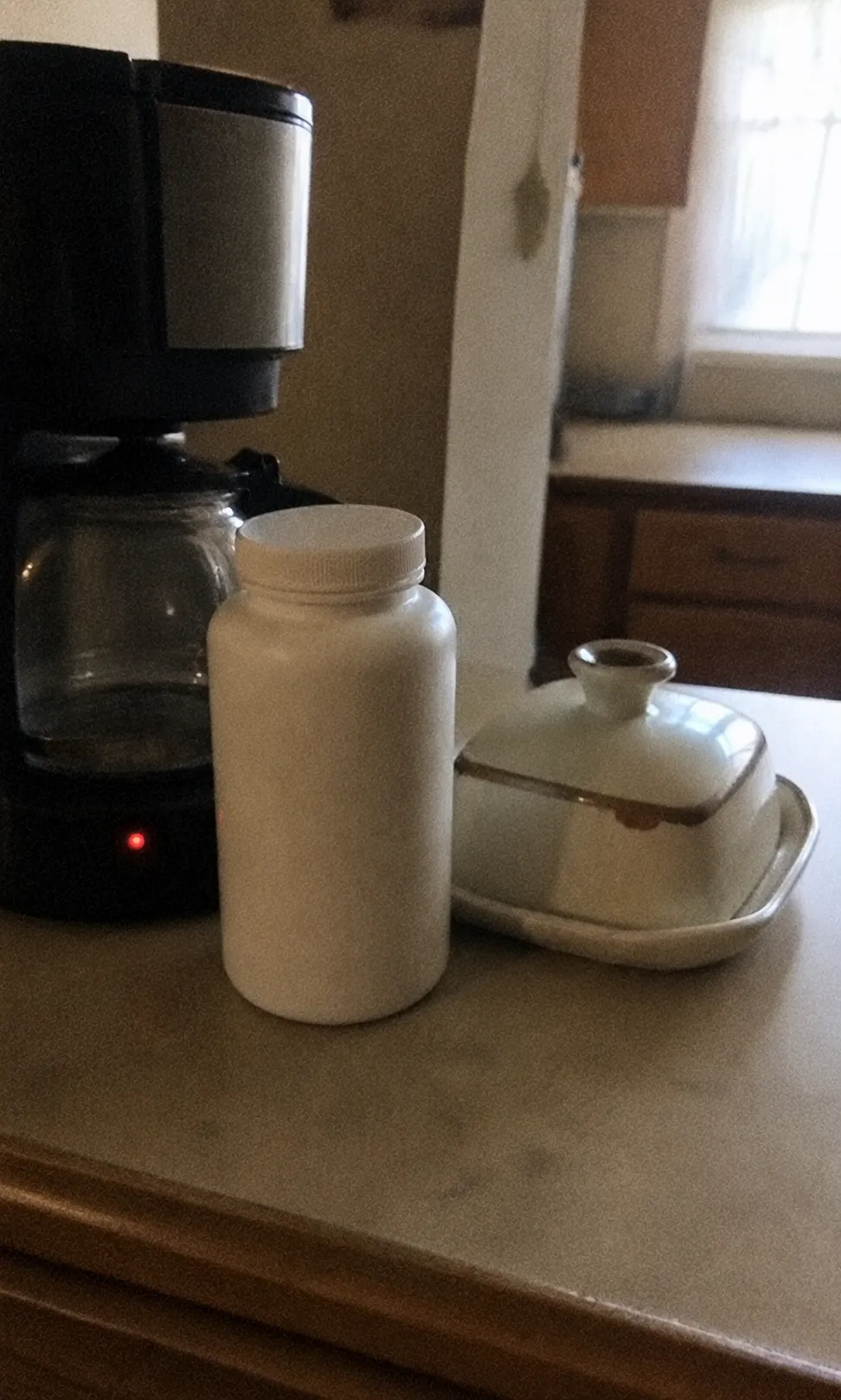
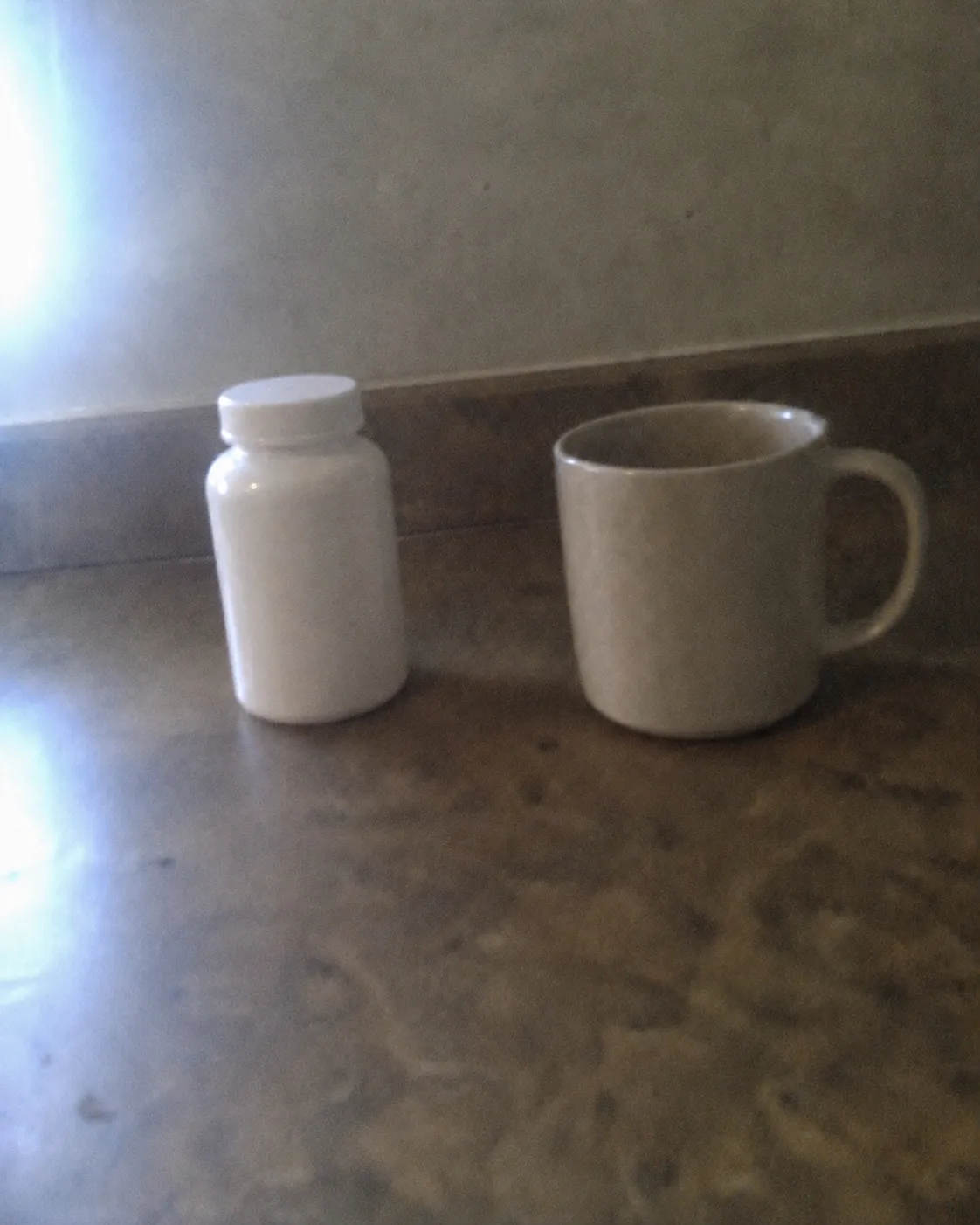
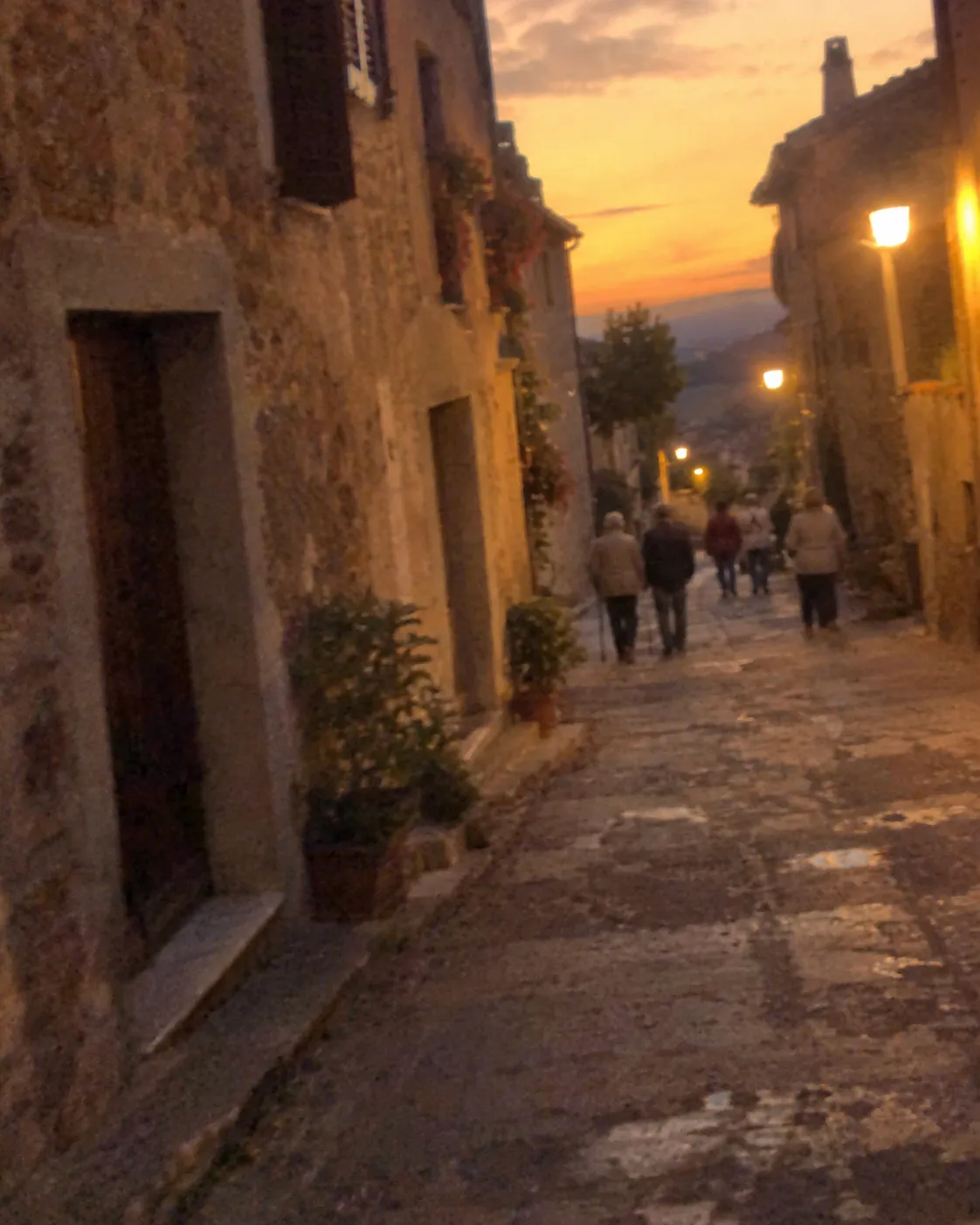
The Whole Town Goes for a Walk at Six O'Clock. Nobody Remembers Deciding To. Picture a hill town in the old country, at ten minutes to six on an ordinary Tuesday evening. The shops are pulling their shutters halfway down. Not closing — pausing. There's a difference, and the difference is the whole story. Picture a man watching this from a café table, jet-lagged, holding a coffee he was too polite to refuse. Call him Frank. And picture the older man across the table, grinning at him like he knows what's about to happen. Call him Nino. What's about to happen is six o'clock. And what six o'clock does to that town — and eventually to Frank — takes two weeks, no equipment, and exactly zero decisions, which is the part that's going to keep him up at night. Let me back up. You need Frank first, and you've met him. There's a Frank on your street. Check the garage. Frank is sixty-two. He ran a printing business for thirty-three years — ran it well, sold it decently, and now consults two days a week so he doesn't drive his wife Diane out of her mind. He is a man of plans. And for our purposes, one department of his plans matters: for forty years, Frank has been about to get moving. You can carbon-date his eras by the evidence. There are three gym key-fobs on a hook in his garage, from three different gyms, none current. There was the app that counted his steps and sent him encouraging messages, then concerned ones, then nothing, like a friendship that didn't take. There was the year of the racquetball league. The knee sleeve is still in a drawer. There was equipment — there is always, eventually, equipment — and the equipment now holds winter coats with real distinction. Understand the man before you laugh at him: every one of those was a sincere plan, researched and paid for. And every one of them was an appointment — a block of time, reserved against the week, defended by willpower. And appointments compete. That's what appointments are. Every gym visit had to beat something — a client call, a rain delay, a Tuesday that ran long — and over forty years, the something usually won. Frank's movement has always been a meeting his life kept rescheduling. He doesn't talk about this. It's a hum, not a crisis. He did everything a planning man does. The plans were all good. The plans just kept losing to the calendar that contained them. So: the trip. Diane's grandmother was born in this hill town, and going has been on the list for twenty years — the real list, the someday list. This spring, someday finally lost its excuses. Two weeks. Her cousin Nino — seventies, retired postmaster, mustache like local government — has a spare room and opinions about everything. They arrive on a Monday. And on Tuesday evening, at ten to six, Frank is at the café with Nino, watching the shutters come halfway down, when the town begins to move. It starts as a trickle and becomes weather. Doors open. Families come out. Old men in pressed shirts. Women arm in arm. Teenagers pretending not to be with their parents. A dog who clearly runs the entire operation. And they walk. Not anywhere, exactly. There's a loop — down the corso, around the fountain square, out to the overlook where the valley goes gold, and back. Slow. Talking. Stopping constantly. Greeting everyone, because everyone is there, because it's six o'clock. The whole town, on foot, every single evening. Frank watches this for a solid twenty minutes before he asks the question that marks him as a foreigner more than his shoes do. "What's the occasion?" Nino looks at him with genuine confusion. Then with pity. "It's evening," says Nino. That's the entire answer. Frank waits for more. There is no more. They join the loop — you don't decline the loop; declining the loop would require an explanation nobody has ever successfully given — and Frank spends his first evening walk in the old country being introduced to forty people whose names he immediately loses, at a pace his step-app would have classified as suspicious loitering. And so it goes, every evening, for two weeks. Six o'clock arrives, and the town stands up. Rain? Umbrellas appear; the loop shortens to the arcades; the walk happens. Cold snap? Coats. The walk happens. The evening the next town over wins some football matter Frank never fully decodes? The walk happens angrier, but it happens. By the end of the first week, Frank is doing what Frank does: studying the operation. He was a systems man for thirty-three years. He wants to find the mechanism. He asks Nino, on the overlook, while the valley does its gold thing: "How does everyone keep this up? Every day. Nobody misses. Back home you couldn't get forty percent attendance at anything, with prizes." And Nino — who has been waiting two weeks for this question, because cousins from away always ask it eventually — delivers the town's whole philosophy, leaning on the rail, in the tone of a man explaining that water is wet. "Keep it up?" he says. "Franco. Nobody is keeping anything up. You keep up a program. This is not a program." He waves his hand at the loop, the shutters, the benches. "Look at the town. The shops close at six — all of them, together, since before my grandfather. So the work ends, and the evening begins, at the same hour, for everyone. The loop is flat — the only flat road we have, and the benches are every fifty meters, and the fountain is in the middle, because the men who built this town meant to walk it. They built the walk into the stones." He shrugs, the full old-country shrug, shoulders to ears. "You're asking who decides. Nobody decides. Deciding is what you do when the thing isn't built in. The evening comes, the shutters come down, your neighbors are outside — what are you going to do, not walk? You'd have to decide that. And then explain it. Easier to walk." He taps Frank's chest with the back of his hand, friendly, like knocking on a door. "Your problem, Franco — and don't be offended, you're family — is that where you live, moving is a project. Here it's just what six o'clock is." Frank is not offended. Frank is doing arithmetic. He does it that night, and on the overlook the next evening, and properly, at altitude, on the flight home, with two hours of clouds and no radio. Forty years of movement-as-appointment, laid out like a ledger. Every plan he ever bought was a program — a block of time that had to win against the week, every single time, forever. The gyms, the app, the league, the equipment under the coats. None of them failed because Frank is weak. Ask his old employees if Frank is weak. They failed because an appointment has to be decided, and decisions have opponents, and the opponents were his actual life. And that town — that maddening, unhurried town — never asks anyone to decide. The walk isn't willpower. It's architecture. Shops that close together. A flat loop. Benches. Neighbors as gravity. The whole day shaped so that the good thing is simply what happens next. Nobody in that town has ever once kept it up. The town keeps it up. The people just live there. His world doesn't have that architecture. That's the honest part, and Frank is honest at altitude. His shops don't close together. His street has no loop, no fountain, no Nino tapping on chests. You can't import a civilization in a suitcase. But you can learn the principle, and the principle is portable: The things that last aren't the things you decide to do. They're the things built into an hour that was coming anyway. Which brings this story — through that door, and no other — to beets. People have been eating beets for thousands of years. They were in the root cellars and soup pots and pickle jars of half the world's grandmothers — in that hill town's cellars too, in a soup Nino's mother made that Diane has the memory of but not the recipe for — long before anyone could say why. Kept, replanted, and put up every autumn on nothing more than the accumulated verdict of generations. Beets also carry betalains — the deep crimson pigments that give them their color and stain a cutting board for a week. Nature did the formulating a long time ago. But the beet, in every traditional form, is a program. You know this by now — the roasting evening, the staining, the cleanup, the juicer with its parts. Every classic form asks to be decided, daily, against a calendar full of opponents. In the old town, the beet lived inside the architecture — the garden, the cellar, the soup, the grandmother whose day was built around a kitchen. In Frank's world, that architecture went the way of the six o'clock shutters. Rosabella Beetroot exists to be the built-in form: two capsules, once a day. Small enough to attach to an hour that was coming anyway — the coffee, the kettle, the morning's one unarguable fixture. Not a program. Not an appointment. Nothing your week has to defend. What's in it reads in one breath. 1,300mg of organic beetroot powder per serving — a serving being those two capsules. One active ingredient, with the dose printed plainly on the label, nothing to decode. Non-GMO, third-party lab tested, produced under GMP, made in the USA from globally sourced ingredients. It contains no caffeine. Sixty capsules in a bottle; thirty days. And now the part you don't usually read in something like this, so read it twice: Nobody here is going to promise you a transformation. We're not going to tell you what you'll feel or when. Bodies are different, and yours doesn't owe an advertisement anything. And let's be plain about the ceiling, the way Nino would be: a capsule is not a walk. It won't close your shops at six, and it won't put your neighbors on the sidewalk. Nothing in a bottle builds you a town. This is the small, portable piece — the one thing that can be woven into the hour you already have. What can be promised is what's on the label — built-in, not decided. One thing before anything goes in a cart: talk to your doctor or pharmacist before adding any supplement, especially if you take any medication. This goes alongside the rest of a routine — the meals, the walks, the sleep — not in place of any of it. On Amazon, Rosabella Beetroot sits at 4.4 out of 5 across more than 14,000 ratings as of August 2026. If you're not satisfied for any reason, return the product within 90 days of delivery for a full refund. The ending is small. By now you know that's the point — and you know what it isn't. Frank did not come home a new man. There is no loop on his street, and he didn't build one, and the key-fobs are still on their hook in the garage, a small bronze-age exhibit he has decided to keep for humility. What's there is this: On the kitchen counter, next to the coffee maker — the one fixture of Frank's morning that has never once required a decision — there's a bottle. And taped to the fridge, at Diane's insistence, a photograph: the fountain square at six o'clock, the whole town mid-loop, a blur of pressed shirts and linked arms and one dog who runs the entire operation. The photo is there to remember a town by. The bottle is there because of what the town taught him: don't decide daily. Build in, once. The smallest possible version of six o'clock, attached to the only hour his world still closes its shutters for. That's the whole ending. A man, a photograph, and one thing built into the morning. The rest is still appointments. But not this. P.S. If your garage has its own bronze-age exhibit — the fobs, the app, the equipment under the coats — nothing was wrong with your discipline, and you don't need a better program. Programs get decided, and decisions have opponents. The old towns knew the other way: build the good thing into an hour that arrives on its own. Find your six o'clock. It's probably the coffee. P.P.S. What it is, plainly: organic beetroot powder in capsules — 1,300mg per two-capsule serving, one active ingredient, dose on the label, no caffeine, non-GMO, third-party lab tested. Thirty days a bottle. That's the whole story. P.P.P.S. If you're not satisfied for any reason, return the product within 90 days of delivery for a full refund. Enough time to find out whether it becomes the built-in thing — which is the only test that matters for deciding that. Individual experiences vary. These statements have not been evaluated by the Food and Drug Administration. This product is not intended to diagnose, treat, cure, or prevent any disease.
More from Blood Pressure Secrets
Support stamina and heart health every day
Blood Pressure Secrets
Support stamina and heart health every day
Blood Pressure Secrets

Support stamina and heart health everyday
Blood Pressure Secrets
Support stamina and heart health everyday
Blood Pressure Secrets
Support stamina and heart health every day
Blood Pressure Secrets
Support stamina and heart health every day
Blood Pressure Secrets
Support stamina and heart health every day
Blood Pressure Secrets
Support stamina and heart health every day
Blood Pressure Secrets
Support stamina and heart health every day
Blood Pressure Secrets
Support stamina and heart health every day
Blood Pressure Secrets
Support stamina and heart health every day
Blood Pressure Secrets
Support stamina and heart health every day
Blood Pressure Secrets

 Add to Chrome