Support stamina and heart health every day
Ad Copy
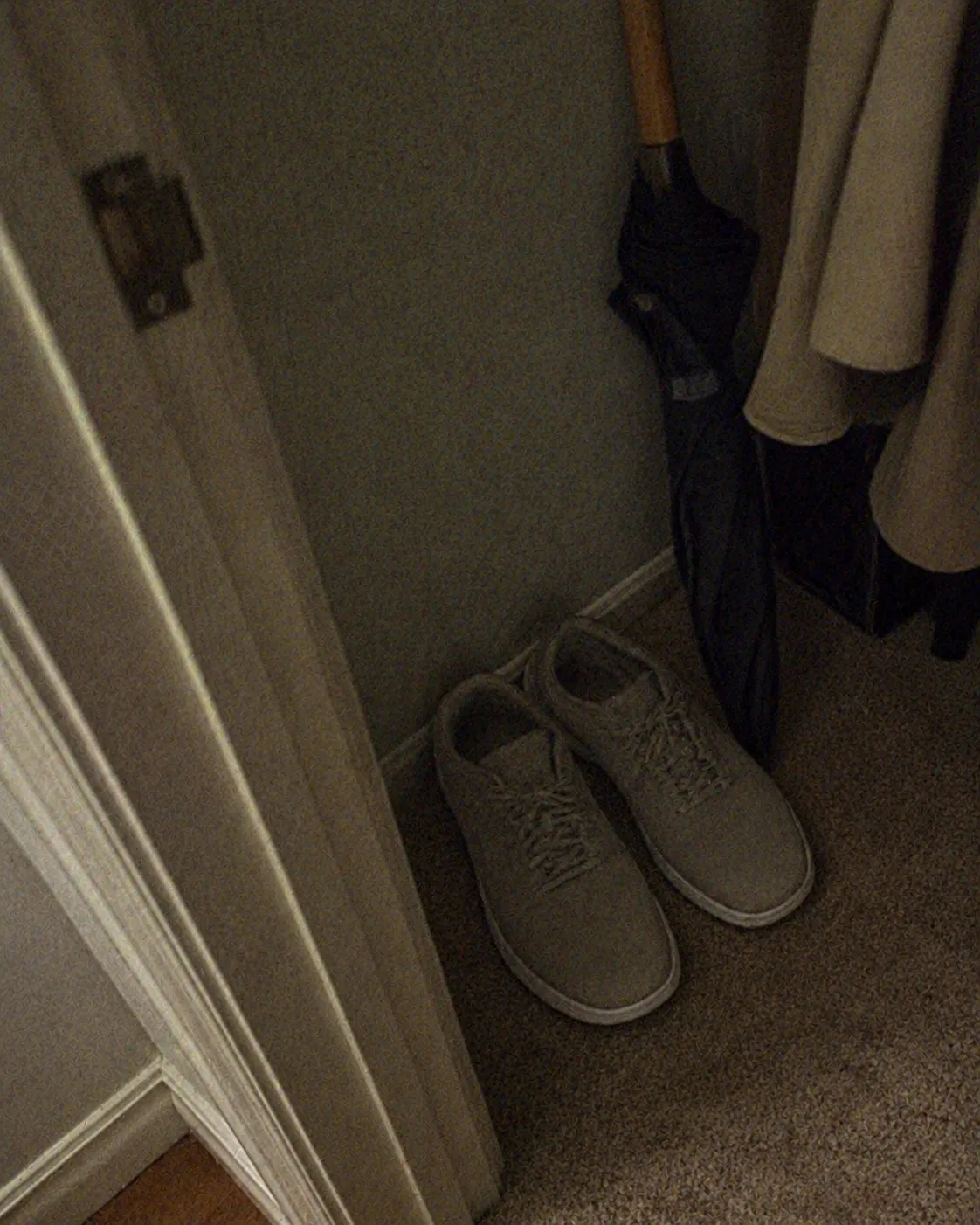
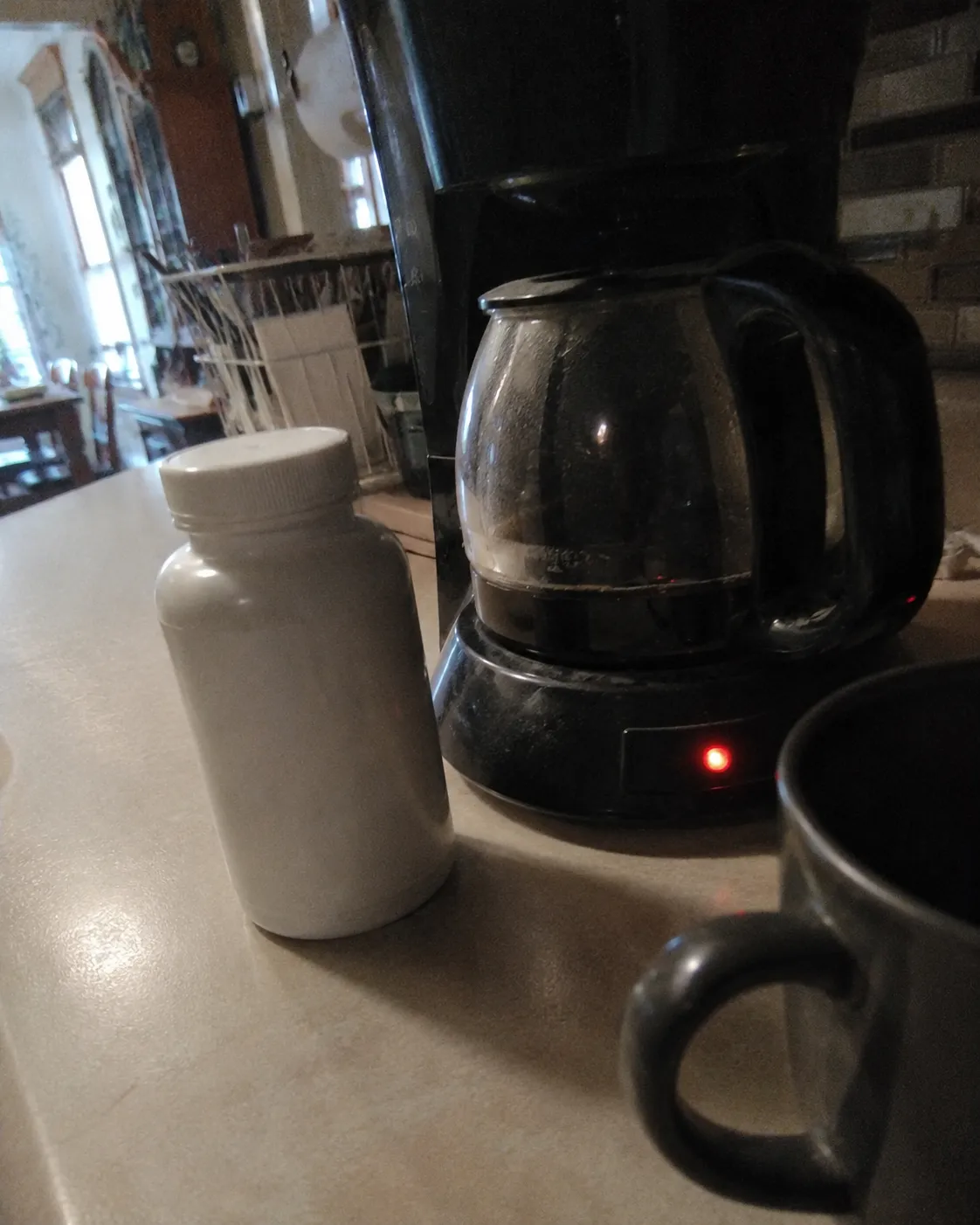
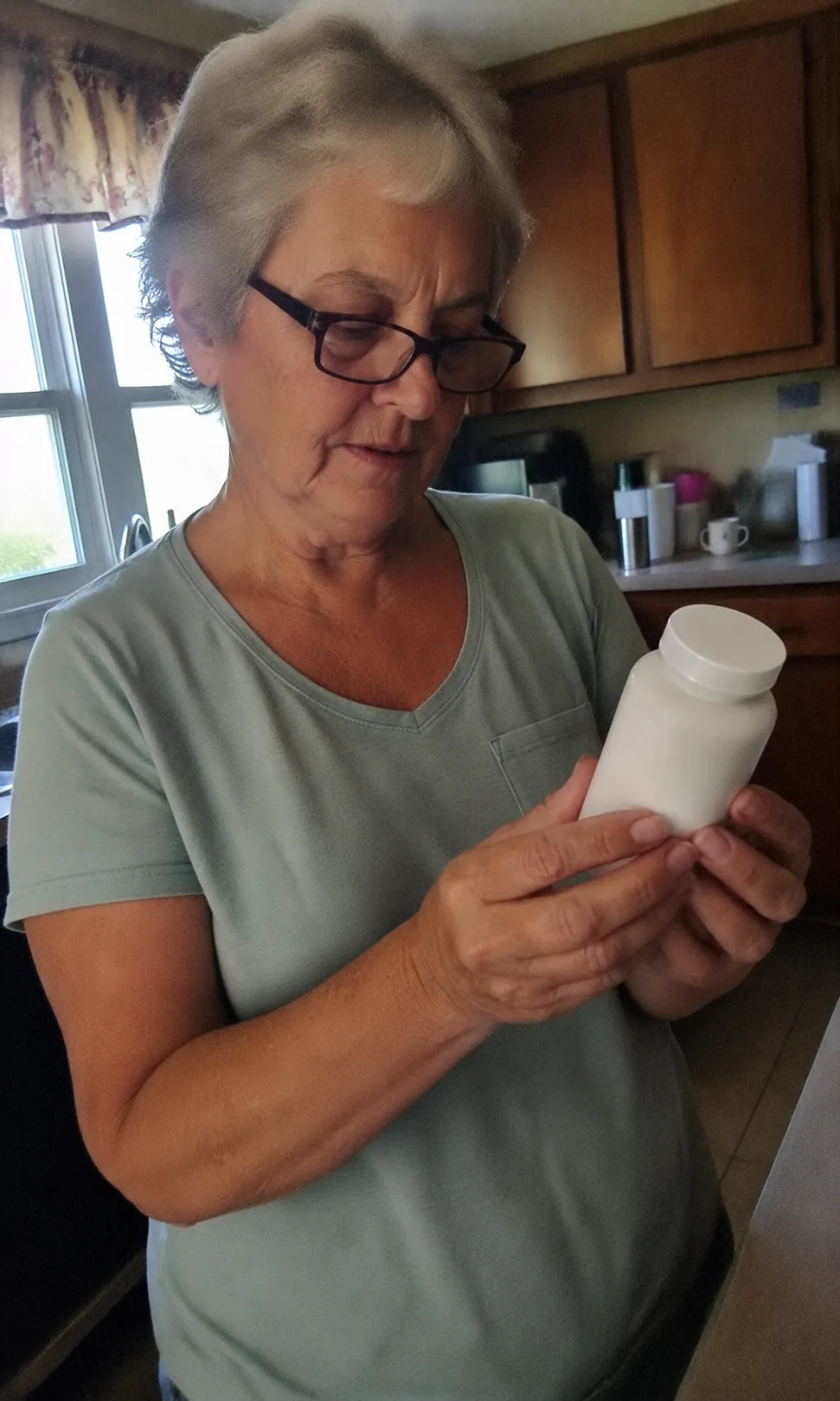
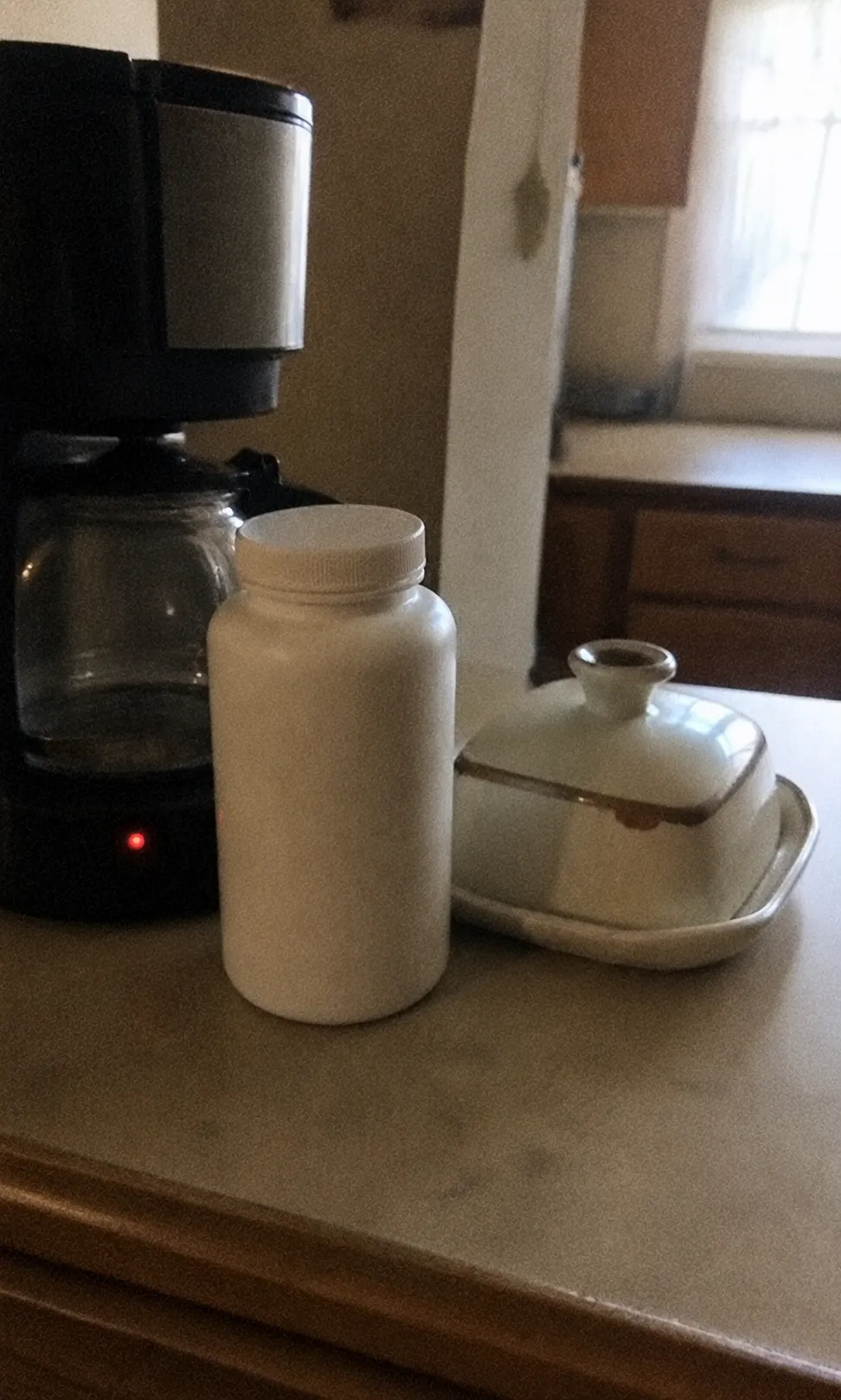
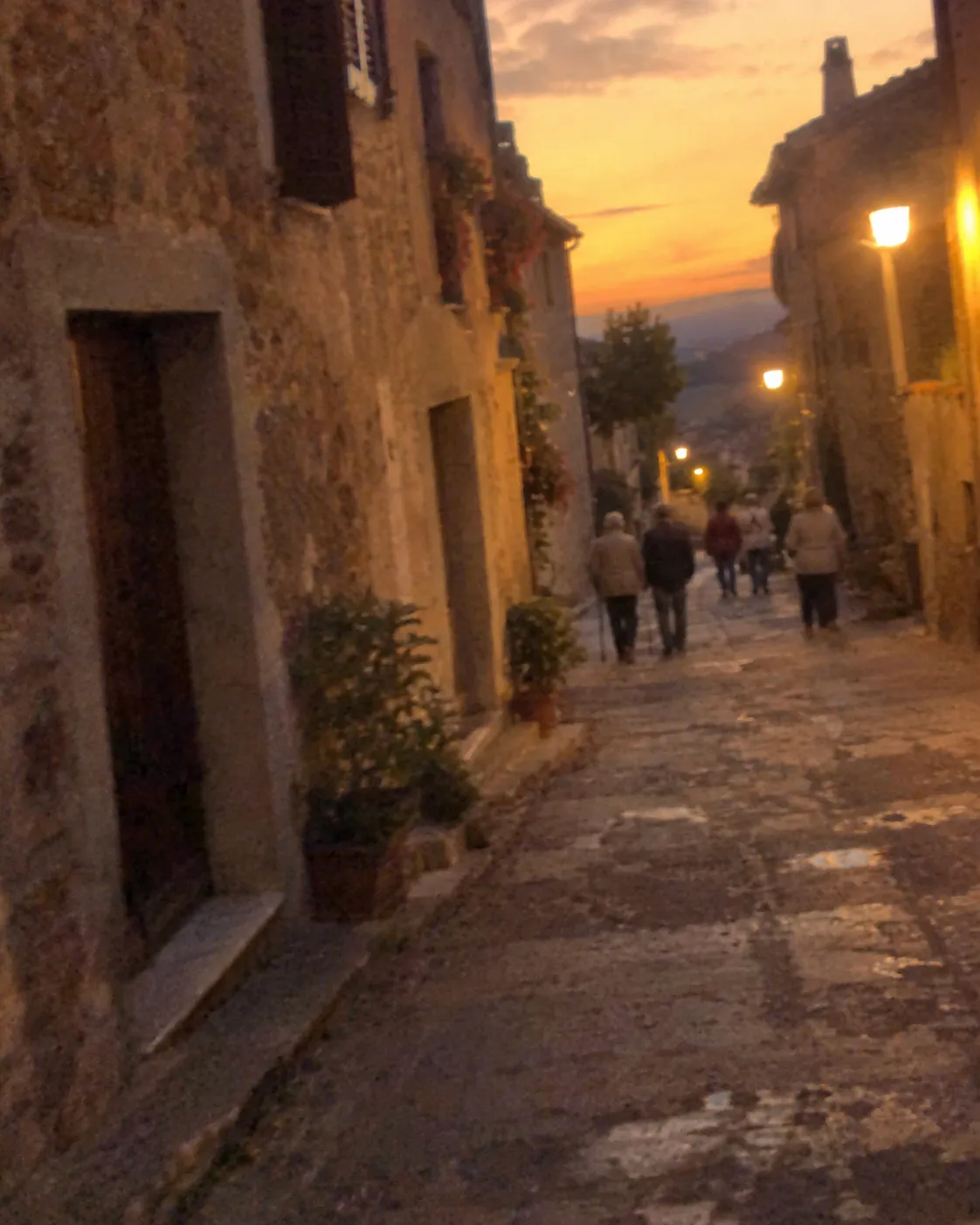
Picture a Man Who Has Walked the Same Four Miles Every Morning for Forty Years — and Never Once Called It Exercise. This is an illustrative story about a woman named Lois, a retired letter carrier named Earl, and a week without a car. Picture a town small enough to walk and built back when people did — porches close to the sidewalk, the hardware store eight blocks from anything. Picture Lois, sixty-four, thirty years at the county assessor's office, retired three of them, backing out of her driveway the way she has every morning of her adult life. Except this morning the transmission has opinions. Loud ones. And picture Earl — seventy-one, retired letter carrier, four miles every morning, rain or shine — about to become the most useful thing Lois's week produces. Let me back up. You need Lois first, and you have met her. Lois is organized, dependable, and fully retired in every respect except one: she still drives everywhere the way a working woman drives — the bank, the bakery, the hardware loop, timed and efficient, a life administered through a windshield. It's not laziness. It's habit with tenure. And in her front closet, there is a pair of walking shoes. Bought in the spring. Good ones — she read the reviews. There was a plan attached: mornings, the park loop, starting Monday. The shoes are still clean. Not because Lois is weak — the woman ran an assessor's office; weakness is not the diagnosis. The plan just died the way those plans die: quietly, in March, without a decision ever being made. A rainy week, a visit from the grandkids, and the loop never restarted. She noticed, the way you notice. She concluded she's just not a walker. Keep that. The week is about to overturn it. So: the transmission. The shop says Thursday, maybe Friday. The loaner falls through. And Lois, doing the arithmetic of a small town, discovers that everything she needs this week is technically eight to twelve blocks away. Fine. She walks. Day one, to the bakery, she passes a man moving down the opposite sidewalk with a gait she can only call professional — unhurried and completely without hesitation, the walk of a man who has never once wondered which way to go. Day two, to the hardware store, she ends up half a block behind him for a quarter mile and watches three dogs come to three fences in sequence, tails going, like he's scheduled. Day three, at the corner by the church, he holds the crosswalk a beat for her, nods, and says, "You're new to mornings." That's Earl. And because a week without a car makes a person sociable, Lois falls in step, and gets the seminar. Earl carried mail in this town for thirty-four years. This route — the one they're walking — was his for the last nineteen of them. Four miles, a hundred and some households, every porch and gate and shortcut of it filed where his feet can reach it without asking his head. He retired six years ago. He never stopped walking the route. "Same time, same loop," he says, like it's the weather. "The bag's gone. The route stayed." Lois asks the question you're supposed to ask — doesn't he ever miss a day? — and Earl looks at her with genuine puzzlement, the way you'd look at someone who asked if you ever miss a Tuesday. "Miss it how? It's the route." And then, when she laughs, he actually stops — at the corner where the maple has buckled the sidewalk, which he steps around without looking — and gives her the sentence she'll be repeating at her own kitchen counter by the weekend. "You're asking how I stay faithful to it, ma'am. That's the wrong direction. The route stays faithful to me." He gestures up the street with his chin — the fences, the porches, the whole four miles of it standing there like furniture. "A resolution, now — a resolution asks how you feel this morning. Every single morning, it asks. And some morning you'll have an answer it doesn't like, and that's the end of the resolution. The route never asks. The route is just there, same as the street is there. I didn't keep this thing going for forty years. I bolted it to the town, and the town kept it going." A dog arrives at a fence then, on schedule, and the seminar's over. Lois walks her errands the rest of the week — and you knew, and she knew, what she'd be doing while she walked. The arithmetic. The spring shoes in the closet died because they were attached to a resolution — a plan that lived entirely inside her own morning mood, and asked her opinion every day, and one day in March got the wrong answer and never asked again. Earl's four miles never asked. They're bolted to a route, and the route is bolted to the town, and the town does not have moods. That's the discovery, and it's worth saying plainly: A route outlives a resolution. Anything that has to be re-decided every morning will eventually be decided against — not from weakness, but because moods vote and streets don't. The habits that survive aren't the ones you feel strongest about. They're the ones bolted to something that doesn't ask. The coffee pot doesn't ask. The dog at the fence doesn't ask. The route doesn't ask. Bolt the things you mean to keep to the things that are already there. And that is where the beet enters the story. Because the beet, in Lois's kitchen, has always been a resolution. It's a good, plain food — she knows that; everybody's grandmother knew that. Beetroot naturally contains dietary nitrates, and the body converts those into nitric oxide, a molecule that helps support healthy blood flow.* But every traditional form of the beet asks the morning-mood question. The roasting asks for an hour. The juicing asks for a machine and a crimson sink. Each one is a small resolution, re-decided every time — and Lois's beets, bought in good faith, have gone soft in the drawer more than once while the deciding went on. Rosabella Beetroot is two capsules, once a day. What the capsule form asks for is the point: nothing your morning doesn't already have. It stands beside the coffee maker — and the coffee, as Earl would appreciate, is a route. Nobody re-decides the coffee. It never asks how you feel; it's simply there, the most faithful four feet of counter in the house. What's in it reads in one breath. 1,300mg of organic beetroot powder per serving — a serving being those two capsules. One active ingredient, with the dose printed plainly on the label, nothing to decode. Non-GMO, third-party lab tested, produced under GMP, made in the USA from globally sourced ingredients. It contains no caffeine. Sixty capsules in a bottle; thirty days. One thing before anything goes in a cart: talk to your doctor or pharmacist before adding any supplement, especially if you take any medication. This goes alongside the rest of a routine — the meals, the walks, the sleep — not in place of any of it. On Amazon, Rosabella Beetroot is rated 4.4 out of 5 across more than 14,000 ratings as of August 2026. The story's ending is small, and most of it happened on foot. The car came back Thursday. The shop apologized for the delay; Lois, to her own surprise, didn't much mind it. Two of the errands never went back to the windshield. The bakery and the bank are a fixed loop now — same blocks, same order, Tuesdays and Fridays, bolted to market day and deposit day, which were already there. Not a resolution. A route. It doesn't ask. Some mornings she passes Earl, and he nods, and once he said "Mornings suit you," which from Earl is a parade. And on the counter, beside the coffee maker, there's a bottle — bolted to the one route she never once missed in forty years. The spring shoes, for the record, are no longer clean. That's as dramatic as this story gets, and it's plenty. And now the last part, plainly, because this is where the promising usually starts, and we're not going to do that. Nobody here is going to promise you a transformation. We're not going to tell you what you'll feel or when. Bodies are different, and yours doesn't owe an advertisement anything. We're not going to dress it up in a story either — Lois and Earl are illustrations, and we said so in the first line, because that's the only honest way to use them. And we can't hand you a route. That's the honest ceiling of it: Earl's four miles took a town and thirty-four years, and nothing in a bottle builds that. All we made is a version of one plain vegetable small enough to bolt to a fixture you already keep. What we sell is what's on the label, at the dose on the label. The rest — the streets, the fixtures, the things that don't ask — was always yours. P.S. If there's a pair of clean walking shoes in your own closet — or a juicer in the garage, or any good plan that stopped asking — the finding of this story, plainly: the plan didn't fail because the idea was bad. It failed because it was a resolution — and resolutions ask every morning until they get the wrong answer. Pick the thing worth keeping and bolt it to something already there: the coffee, the market day, the dog. Routes don't ask. P.P.S. What it is, plainly: organic beetroot powder in capsules — 1,300mg per two-capsule serving, one active ingredient, dose on the label, no caffeine, non-GMO, third-party lab tested. Thirty days a bottle. That's the whole story. P.P.P.S. If you're not satisfied for any reason, return the product within 90 days of delivery for a full refund. Individual experiences vary. These statements have not been evaluated by the Food and Drug Administration. This product is not intended to diagnose, treat, cure, or prevent any disease. https://track.tryrosabella.com/8ae97cac-2146-42d6-af75-de0e59d15644
More from Blood Pressure Secrets
Support stamina and heart health every day
Blood Pressure Secrets
Support stamina and heart health every day
Blood Pressure Secrets
Support stamina and heart health everyday
Blood Pressure Secrets
Support stamina and heart health everyday
Blood Pressure Secrets
Support stamina and heart health everyday
Blood Pressure Secrets
Support stamina and heart health every day
Blood Pressure Secrets
Support stamina and heart health every day
Blood Pressure Secrets
Support stamina and heart health every day
Blood Pressure Secrets
Support stamina and heart health every day
Blood Pressure Secrets
Support stamina and heart health every day
Blood Pressure Secrets
Support stamina and heart health every day
Blood Pressure Secrets
Support stamina and heart health every day
Blood Pressure Secrets

 Add to Chrome