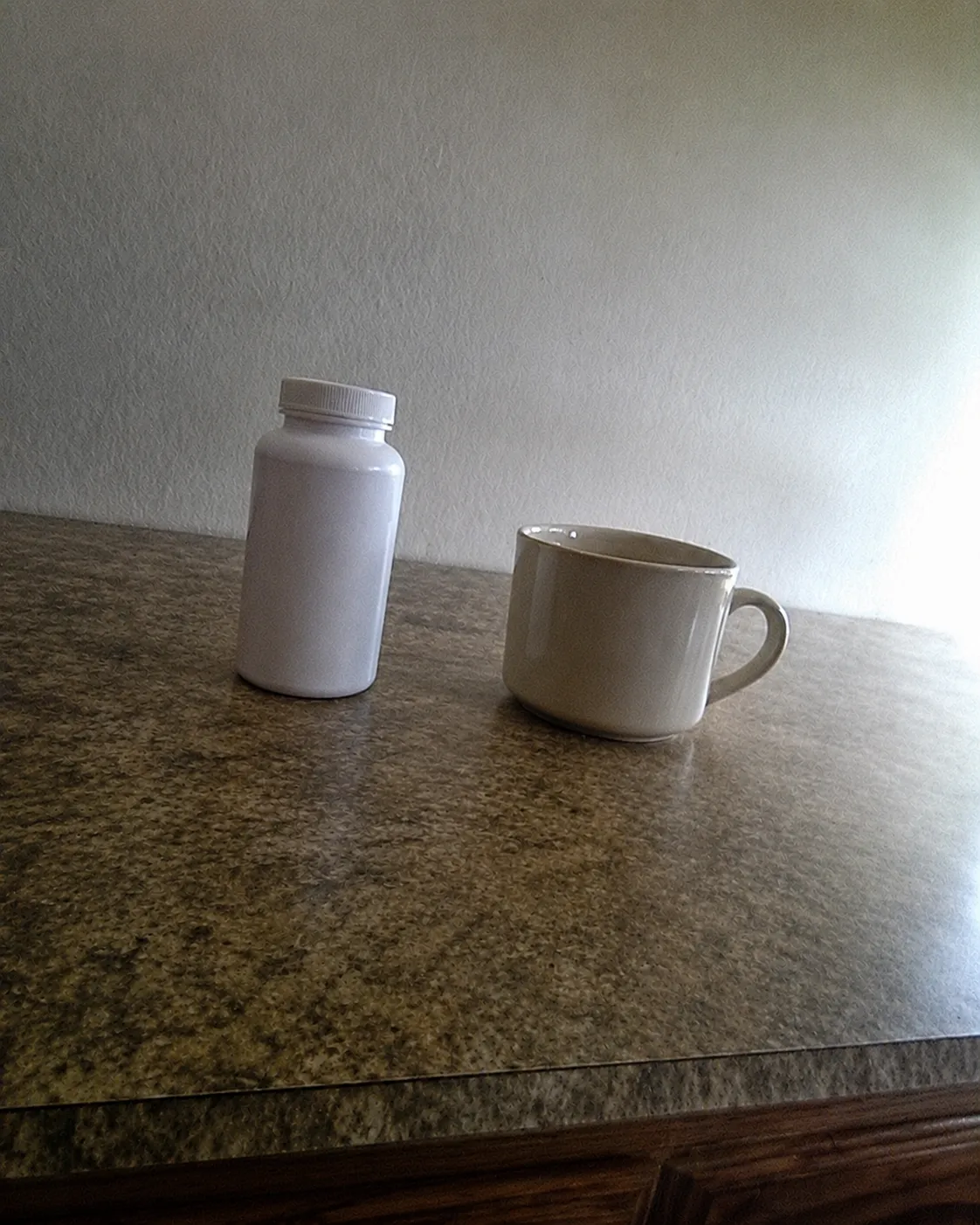
Support stamina and heart health every day
Ad Copy
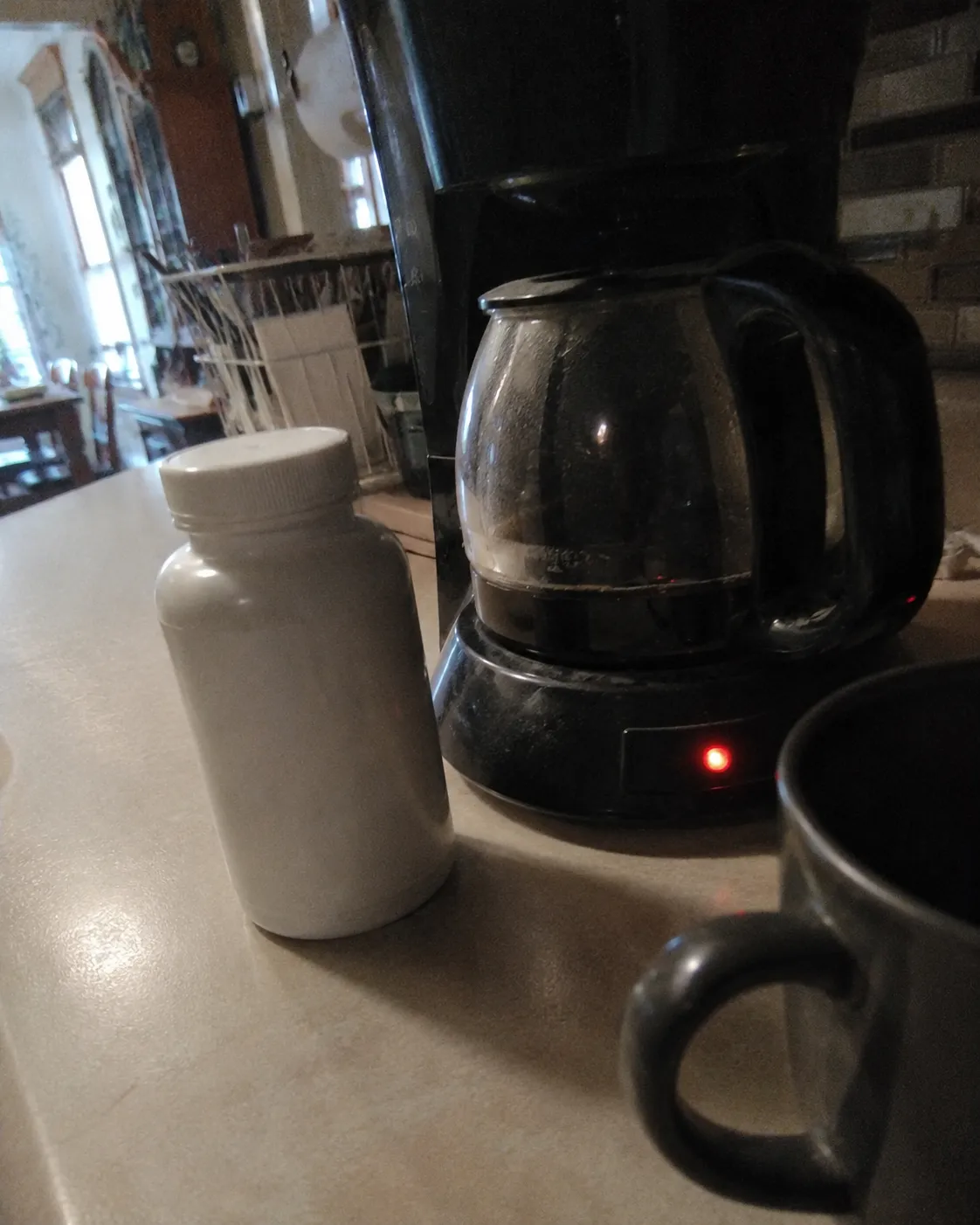
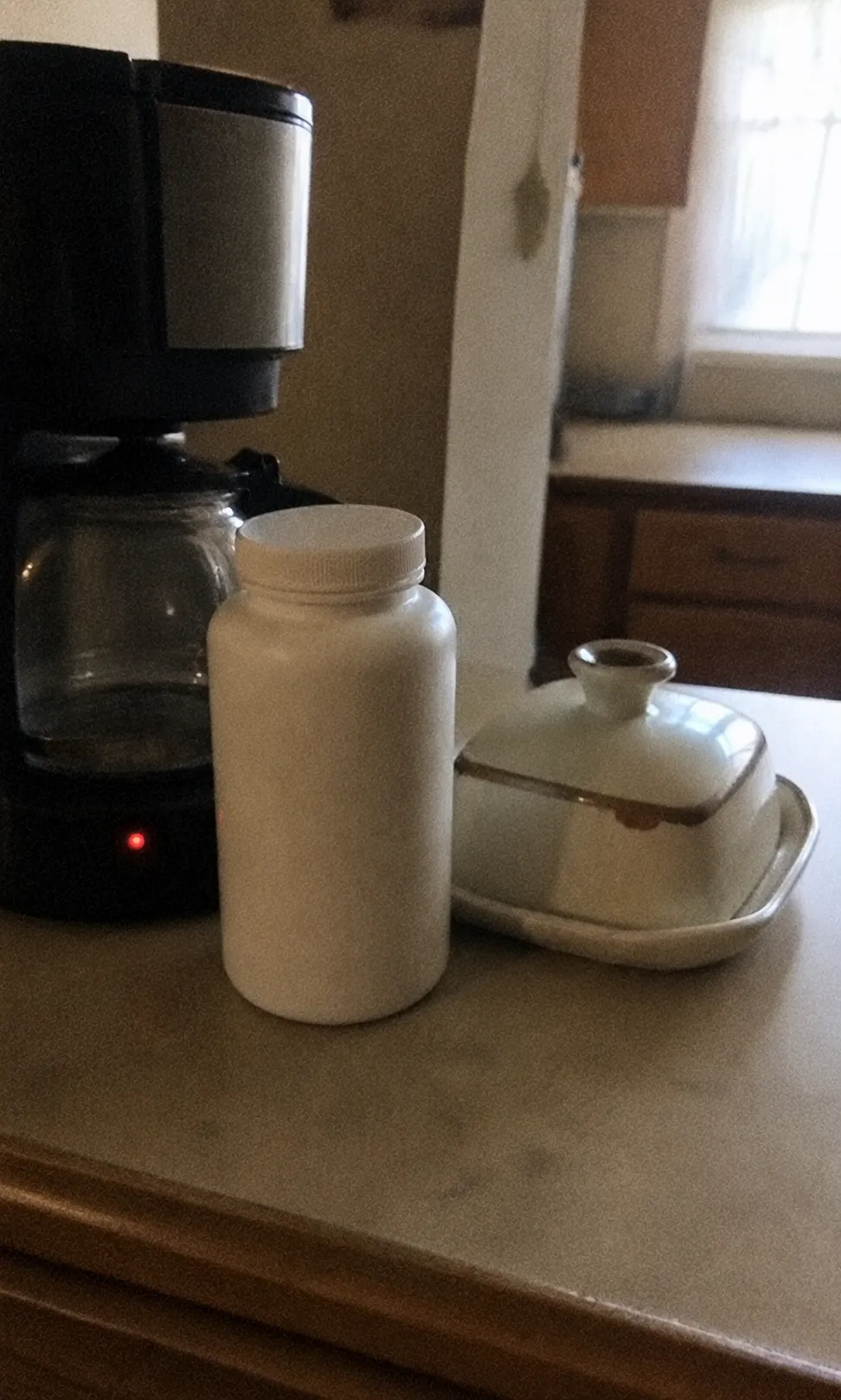
Picture a Man Who Has Spent Fifty Years Telling People What Their Things Are Actually Worth — Kindly, Room by Room. This is an illustrative story about a woman named Lorraine, an appraiser named Sy, and one Saturday walkthrough that sorted a whole house into two honest columns. Picture Lorraine, sixty-four, retired from running a dental office, standing in her front hall with a legal pad, three months before a move she is genuinely happy about. The house sold well. The new place is smaller on purpose — one floor, better light, a garden bed she can reach without a ladder. Nobody is making her do this. She'd want that on the record. What's making her reach for professional help is the stuff. Thirty-one years of it, and she has discovered she cannot price a single piece. And picture Sy, seventy-seven, who has been appraising household estates since before Lorraine owned a house — a small man with half-glasses, a cloth notebook, and the unhurried manner of somebody who has delivered fifty years of true numbers to people who were hoping for other numbers. Let me back up. You need Lorraine's problem first, and you may have it too. Lorraine is not sentimental in the dramatic sense. She's organized. She ran an office for three decades; she can make a list. But walk her rooms with her, the week before Sy comes, and watch the pricing fail. The dining set — that's good, isn't it? It was bought as good. It was the expensive one that year. The sideboard her husband was so proud of finding — solid, surely. It was called a find at the time. It has been a find for twenty-six years. The china from her mother — that's valuable. Obviously. It's china. It lives behind glass. Things that live behind glass are valuable; that's what the glass means. Every object in the house arrives wearing its story, and the story always includes a number, and Lorraine has begun to suspect — this is the hum — that she cannot tell, for any object she owns, where the story ends and the number begins. She has concluded you'd need an expert. Which is true, but not the way she thinks. Keep that. Saturday is about to overturn it. So: Saturday, nine o'clock, and Sy works the house the way he has worked a few thousand houses — slowly, touching things lightly, saying almost nothing for the first half hour. Then the seminar starts, in the dining room, with his hand flat on the table. "Walnut," he says. "Real, solid, nicely kept. This has a price, and it's a decent one. Keep it or sell it — either way, you'll be dealing in facts." He moves to the sideboard. Runs a thumb along the edge, tilts his glasses, opens one door and closes it with the gentleness of a man closing a patient's file. "Veneer over pine," he says. "Well made, mind — it's done its job for you. But the wood in the story and the wood in the piece are two different woods. The label that year said walnut finish, and the word doing all the work in that sentence was finish. Nobody lied to your husband. The sentence just let him hear what he was hoping." Lorraine starts to say something about the china and he holds up one finger, crosses to the cabinet, and looks through the glass without opening it. "Now this," Sy says, "is the important lesson in the house, so I'll go slow. "Ordinary pattern, big production run, sweet condition. On the market it's worth very little — that's one fact, and I'd be robbing you if I dressed it up. "But watch what I'm not saying. I'm not saying it's worthless. I'm saying it isn't priced. Your mother's table on holidays — that's real too. It's just not in this ledger." And he taps the cloth notebook. "Fifty years, and here's the whole trade: everything in a house belongs in one of two ledgers. What it's worth — that's mine, I can fill that in for you by suppertime. What it is to you — that's yours, and no stranger's pen belongs in it. The trouble in most houses isn't too much stuff. It's fifty years of the two ledgers written in one column." He looks around the dining room, kindly. "The sideboard stayed because it was 'solid.' It isn't — it stayed because he was proud the day he found it, and that was real. The china sits behind glass as 'valuable.' It isn't — it's dear, which is better, and rarer. You've been keeping worth-reasons for dear things and dear-reasons for worth things, and that's why nothing in this house can be priced. Sort the ledgers, and the house sorts itself." By four o'clock there are true numbers on forty years of things, and Lorraine walks him to his car and stands in the driveway a while. Because she is not thinking about furniture. She's thinking about columns. Every keep-or-sell decision she's been dreading for three months turns out to have been two easy decisions wearing one impossible costume. Is it worth something — Sy's ledger, now full of plain numbers. Is it dear — her ledger, and she finds she can fill that one in about four seconds per object, once nobody's asking it to also be an investment. That's the discovery, and it's worth saying plainly — as hers, learned in one Saturday: Worth and dear are two different ledgers. One can be filled in by a stranger with a notebook; the other can only be filled in by you. Nothing needs to score in both to earn its place — but a house where the ledgers share a column becomes impossible to read, because every object is holding two jobs and doing neither honestly. Ask each thing one question at a time. The answers get easy. Now, before the next part: everything Lorraine sorts in the weeks after, she sorts because of Sy and a Saturday. No supplement had anything to do with it, and nothing in this ad should be read that way — keep that straight, because the next part is about a supplement. Separately, then: here's where the beet fits — because a label is an appraisal too, and we'd like ours read the way Sy reads. Why beetroot at all? It naturally contains dietary nitrates, and the body converts those into nitric oxide, a molecule that helps support healthy blood flow.* That's the mechanism, stated once, and it belongs to the vegetable. Rosabella Beetroot is organic beetroot powder in capsules — two capsules, once a day. And its label is a worth-ledger document, filled in all the way: 1,300mg of organic beetroot powder per serving — a serving being those two capsules. One active ingredient, with the dose printed plainly on the label, nothing to decode. Non-GMO, third-party lab tested, produced under GMP, made in the USA from globally sourced ingredients. It contains no caffeine. Sixty capsules in a bottle; thirty days. Every line of that is checkable, which is what a worth ledger is for. And notice what the label doesn't do: it writes nothing in the other column. No feelings promised, no mornings staged, no story sold alongside the powder. That column was never ours to fill. One thing before anything goes in a cart: talk to your doctor or pharmacist before adding any supplement, especially if you take any medication. This goes alongside the rest of a routine — the meals, the walks, the sleep — not in place of any of it. On Amazon, Rosabella Beetroot is rated 4.4 out of 5 across 14,557 ratings as of September 1, 2026. The story's ending is small, and most of it happens at a dining table. The walnut table went to the new house — it earned its spot in both ledgers, which Sy said happens a few times a house. The sideboard sold, without a pang, to a young couple who were told exactly what it was; being veneer never made it less handsome, and the pride it carried stayed with Lorraine, who had, it turns out, been keeping the pride all along and just storing it in furniture. And the china came out from behind the glass. It gets used now — Sundays, ordinary ones — because once it stopped having to be valuable, it was finally free to be dear. And separately — it is separate — on the counter of the new, smaller kitchen, there's a bottle beside the coffee maker. It didn't sort a single shelf; a man with a cloth notebook did that. It's just the one thing in the moving boxes whose worth ledger arrived already filled in, with nothing written in the other column at all. And now the last part, plainly, because this is where an ad usually starts writing in the column that isn't its own — and we're going to do what Sy does instead. Nobody here is going to promise you a transformation. We're not going to tell you what you'll feel or when. Bodies are different, and yours doesn't owe an advertisement anything. We're not going to present the story as proof of what the product does — Lorraine and Sy are illustrations, and we said so in the first line so the distinction stays clear. And here is our version of the finger Sy holds up: we can fill in one ledger for you, and we have — what it is, how much is in a serving, that it's third-party lab tested, and what the routine asks for. Every line plainly stated. The other ledger — whether this becomes something in your mornings, something you'd miss — only you can write there. We wouldn't presume, and you shouldn't let any advertisement presume, ours included. What we sell is organic beetroot powder, in capsules, at the dose on the label. Worth ledger: plainly stated. The dear ledger we leave the way Sy leaves it. Blank, and yours. P.S. If your own house has things holding two jobs — the "valuable" china that's actually dear, the "solid" find that's actually a good memory in wooden form — the finding of this story, plainly: nothing has to score in both columns to stay. Try one shelf with Sy's method: one question at a time. Worth something? Then that's a fact to know. Dear? Then that's a reason to keep it — and maybe to take it out from behind the glass. P.P.S. What it is, plainly: organic beetroot powder in capsules — 1,300mg per two-capsule serving, one active ingredient, dose on the label, no caffeine, non-GMO, third-party lab tested. Thirty days a bottle. That's the whole story. P.P.P.S. If you're not satisfied for any reason, return the product within 90 days of delivery for a full refund. Individual experiences vary. These statements have not been evaluated by the Food and Drug Administration. This product is not intended to diagnose, treat, cure, or prevent any disease.
More from Blood Pressure Secrets
Support stamina and heart health every day
Blood Pressure Secrets
Support stamina and heart health every day
Blood Pressure Secrets
Support stamina and heart health everyday
Blood Pressure Secrets
Support stamina and heart health everyday
Blood Pressure Secrets
Support stamina and heart health everyday
Blood Pressure Secrets
Support stamina and heart health every day
Blood Pressure Secrets
Support stamina and heart health every day
Blood Pressure Secrets
Support stamina and heart health every day
Blood Pressure Secrets
Support stamina and heart health every day
Blood Pressure Secrets
Support stamina and heart health every day
Blood Pressure Secrets
Support stamina and heart health every day
Blood Pressure Secrets

Support stamina and heart health every day
Blood Pressure Secrets

 Add to Chrome