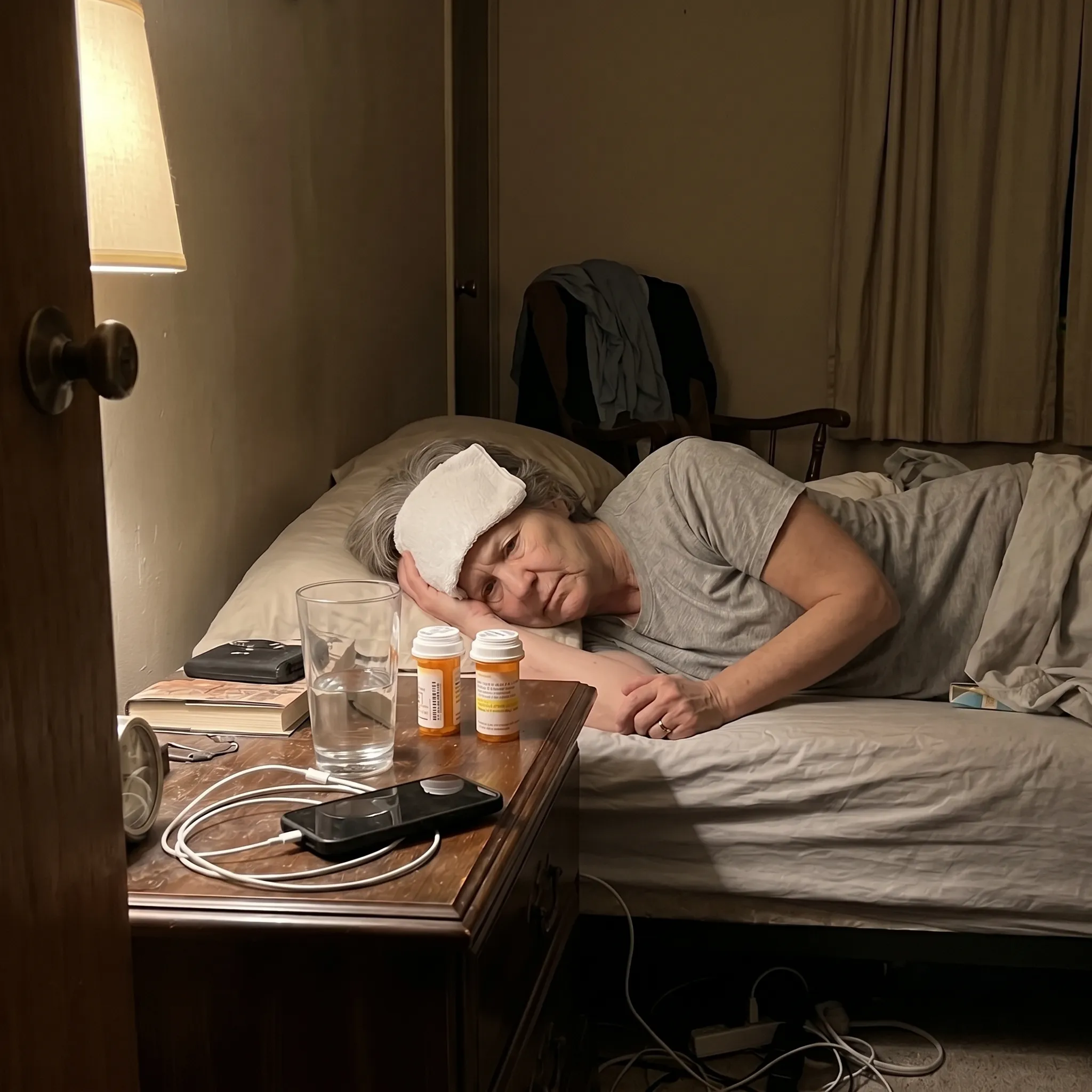
For Those Who Have Hormonal Migraines
Ad Copy
If migraines took over your life when your hormones changed, read this. Because what’s actually happening isn’t what most women are told. For 48 years I had my migraines in check. I could usually tell when one was coming. I knew my triggers, I knew what preventatives to take, and if I caught it early enough there was at least a chance I could still function. It wasn’t a perfect life, but it was one I understood. Then sometime last fall, my periods started getting strange. I’d always been pretty regular, usually every 28 to 30 days, so I generally knew when my period was coming. Then the timing started drifting. It showed up early, then late. Some months were much heavier than usual, others barely lasted, and a few months later I skipped a period completely. I figured this was probably just the beginning of perimenopause. Annoying, but not exactly shocking. What I didn’t expect was for my migraines to change right along with it. Before perimenopause, there was at least some kind of pattern. After that, it felt like the daily hormonal rollercoaster changed everything. I could get hit two or three times in the same week, sometimes for a day or two at a time, and it wasn’t happening at one predictable point anymore. The migraines I’d spent years learning how to manage had suddenly become completely unpredictable. Sometimes Sumatriptan still worked the way it always had. Other times I’d take it early, do everything right, and still end up in a dark room with an ice pack pressed against one side of my head waiting for it to let go. That was when my structured life started crumbling. Someone would ask if I wanted to go to dinner the next weekend and instead of thinking about whether I wanted to go, I’d immediately wonder what I’d do if a migraine hit while I was there. Could I leave early? Would I have my meds with me? How far would I be from home? After cancelling enough times, I started saying “maybe” more than yes. That bothered me more than I expected because I had spent years learning how to live with migraines without letting them make every decision for me. Now, all of a sudden, they were getting a vote again. So I made an appointment with my OB-GYN. I told her what had been happening. The irregular periods. The migraines getting more frequent and less predictable. The fact that my rescue meds were no longer saving me. She told me it sounded like perimenopause and explained that the estrogen swings could be triggering the migraines. Honestly, that made sense. If unstable hormones were setting them off, then stabilizing the hormones sounded like the obvious answer. So when she suggested trying HRT, I didn’t need much convincing. She prescribed a low-dose estradiol patch that I’d wear continuously and change twice a week, with the idea that keeping my estrogen steadier might stop those big hormonal swings from setting my migraines off. I picked it up, put the first patch on that week, and waited for things to settle down. But a couple of weeks in, I knew something was wrong. My migraines weren’t just still there. They were hitting harder and hanging around longer, and the medication I’d relied on for years wasn’t saving me the way they used to. That first month on the patch, I had 17 migraines and one that lasted six days. Six days of waking up with it, going to bed with it, taking my rescue meds and waiting to see if this dose would finally be the one that broke it. By the time it finally lifted, I wasn’t looking for some perfect migraine-free life. I just wanted the one I had before all of this started. The boring version where I understood my body. Where I could feel a migraine coming, take something, and have a pretty good idea of what the next day was going to look like. For a while, I honestly didn’t know what I was going to do for the next 10-15 years. Then something happened that I wasn’t expecting. Scrolling through my Facebook feed, I saw a post from a friend of mine named Claire. Claire was a few years older than me and had been dealing with almost the same thing. Migraines for years, then perimenopause hit and everything went sideways. I hadn’t seen her post much in a while, so what she wrote caught my attention. She said her periods were still all over the place, but somehow the migraines weren’t following every hormonal swing the way they had been. She was going longer between attacks, using her rescue meds less, and finally starting to feel like her body wasn’t constantly pulling the rug out from under her. Then she mentioned dinner with her husband and spending a whole weekend with her family. That was what made me stop scrolling. A few months earlier, she’d been cancelling plans just like I was. So I messaged her and asked what changed. She told me she’d stopped looking at her migraines like they were only a hormone problem. That threw me off at first, because of course they were hormonal. Mine had changed at the exact same time my periods did. But that wasn’t what she meant. She said, “I spent so much time trying to control the hormones that I never stopped to ask what those hormone swings were doing to my brain.” The way Claire explained it, when hormones shift, they can drain magnesium. And when that happens, the brain has less of one of the things it relies on to stay calm and stable, which can make the inflammation, pain signals, and whole migraine cascade easier to set off. She put it even simpler than that. “The hormones might be lighting the match, but the magnesium drain is what can make your brain so much easier to ignite.” That one stuck with me because for months I had been looking at the problem in one straight line. My hormones changed, so I needed to change my hormones. That was why the estradiol patch had made so much sense to me. Claire was showing me there was another way to look at it. The hormones could still be the trigger without being the only thing I could do something about. Maybe the bigger question was what those hormonal shifts were draining from me every time they happened. A hormonal problem didn’t necessarily require a hormonal solution. She told me that instead of trying to control every swing, she had started focusing on keeping her magnesium replenished every day. That was where I pushed back, because magnesium wasn’t new to me. I’d already tried glycinate. I had bottles in the cabinet. Like most people with migraines, I’d been told more than once that magnesium was supposed to help. Sometimes I took it consistently for a while. Sometimes I only thought about it once I could already feel a migraine starting. It never did enough for me to think much of it, so eventually I just treated it like another thing I’d already tried. Claire asked what kind I’d been taking, how much elemental magnesium I was actually getting, and whether I was taking it every day. I had to stop and think because I honestly couldn’t give her a good answer. That was when I realized I hadn’t really been taking magnesium to keep anything replenished. I’d been taking it because somebody told me magnesium was “good for migraines,” and half the time I only reached for it once my head had already started acting up. If my hormones were draining magnesium over and over again, taking some here and there wasn’t the same thing as keeping enough there every day. The drain was happening whether I remembered the bottle or not. Claire told me that was the difference for her. She stopped treating magnesium like something she reached for when a migraine started and started treating it like something she needed to stay on top of every day. Then she told me what she’d switched to. Magnera. I looked it up myself before I bought anything because by that point I wasn’t interested in blindly adding another supplement to the cabinet. What caught my attention was that it gave 400 mg of magnesium a day in two capsules of magnesium bisglycinate, and the whole product was built specifically for women whose migraines change with their hormones. For the first time, magnesium didn’t feel like some random add-on to my migraine routine. It finally made sense why I was taking it in the first place. I ordered a bottle that night and told myself I’d take the two capsules every day for 30 days and see what happened. I’m going to tell you how it actually went, because I would’ve rolled my eyes at anybody promising me some overnight miracle. Week one, nothing happened. I felt exactly the same, and by day five I was already thinking, here we go again. Another bottle that sounded good and was probably going to end up sitting in the cabinet. But Claire had warned me not to judge it that quickly. She said if my hormones had been draining magnesium over and over again for months, a few days of putting it back wasn’t going to suddenly change everything. So I kept going. Sometime during the second or third week, I realized I hadn’t reached for my Sumatriptan in several days. At first I figured it was probably just a good stretch. I’d had those before. Then I got another migraine. It came, it passed, and instead of rolling straight into another bad stretch a day or two later, I went back to feeling normal again. I wasn’t suddenly migraine-free. I just started getting enough space between the bad days that normal stopped feeling temporary. Over the next few weeks, I started noticing it in smaller ways too. I could get through an afternoon without thinking about my head. I wasn’t watching the clock to see when I could take another dose. I could finish work and still feel like doing something afterward instead of treating the evening like recovery time. Then around the second month, my period showed up early again. Normally that would’ve been enough to put me on edge, because by then every weird cycle change felt like a warning that my head was about to go with it. But that week didn’t fall apart. My hormones were still shifting, but my migraines weren’t reacting to every change the way they had been. I hadn’t fixed my hormones, and I wasn’t trying to. I just wasn’t getting dragged around by every shift the same way anymore. After that, little pieces of my life started coming back without me really noticing. I started making plans again without immediately thinking about how far I’d be from home or whether I had enough medication with me. Around the three month mark, my husband noticed it before I did. We were getting ready to leave the house and he said, “You haven’t cancelled on me in a while.” I laughed, but he was right. For months, migraines had been in the back of my mind every time I made a plan. How far away was it? Could I leave early? Did I need to keep the next day free? And lately, I just... wasn’t doing that anymore. It’s been about twelve weeks now. I’m still in perimenopause. My periods are still irregular. I still get migraines, and some days are still bad. But there’s a difference between having migraines inside a normal life and having a life that revolves around migraines. I’d forgotten that difference existed. I’m not telling you this because I think Magnera is some miracle that fixes every migraine. I just remember what it felt like to be on the other side of this. Watching something I’d managed for years suddenly stop making sense, trying to follow every hormonal change, and wondering why the things that used to work weren’t working the same anymore. And if you’ve already tried magnesium, I get why you’d be skeptical. I was too. What finally changed for me was understanding that I’d been looking at the problem backwards. I kept trying to control the hormonal swings themselves. I never really stopped to think about what those swings could be draining from me every time they happened. Once I understood the magnesium drain, taking magnesium every day stopped feeling like another random supplement somebody told me was “good for migraines.” It finally had a reason behind it. Magnera is the one I’d tell other women in my situation to try. It gives you 400 mg of magnesium a day in two capsules of magnesium bisglycinate, and it was built specifically for women whose migraines change with their hormones. If any of this sounds like what happened to you when your hormones started changing, don’t write magnesium off just because you’ve “already tried it.” That’s exactly what I almost did. And if you decide to try Magnera, they give you 60 days to see if it’s right for you. If it isn’t, you can get your money back. I just know that if I were back where I was a few months ago, wondering how I was supposed to live like that for another 10 or 15 years, I’d want someone to tell me this existed. Check it out below.
More from Quiet Head Stories

For Those Who Have Hormonal Migraines
Quiet Head Stories

Read if you're having 10+ migraines every month☝️
Quiet Head Stories

For Those Who Have Hormonal Migraines
Quiet Head Stories

For Those Who Have Hormonal Migraines
Quiet Head Stories

For Those Who Have Hormonal Migraines
Quiet Head Stories

For Those Who Have Hormonal Migraines
Quiet Head Stories
For Those Who Have Hormonal Migraines
Quiet Head Stories

For Those Who Have Hormonal Migraines
Quiet Head Stories

For Those Who Have Hormonal Migraines
Quiet Head Stories
For Those Who Have Hormonal Migraines
Quiet Head Stories

For Those Who Have Hormonal Migraines
Quiet Head Stories
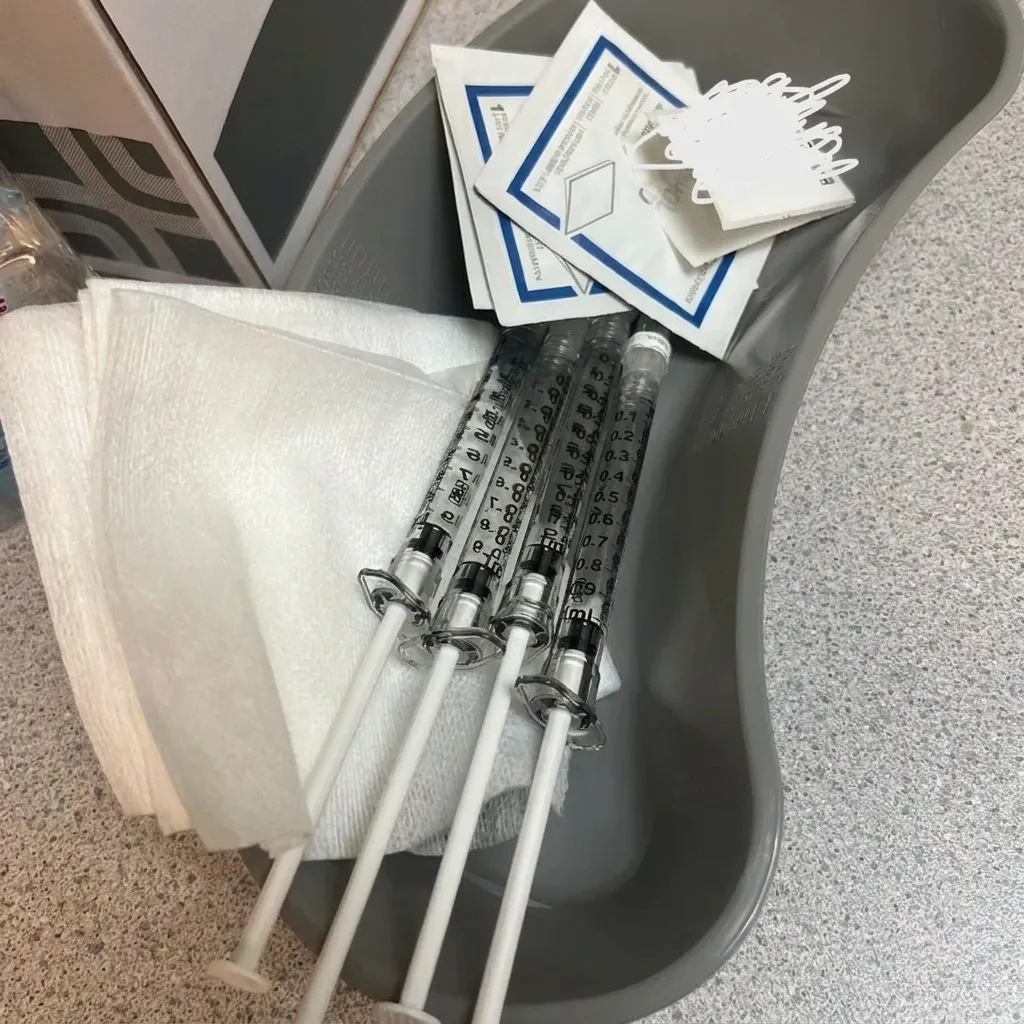
Read if you're having 10+ migraines every month☝️
Quiet Head Stories

 Add to Chrome