Artery Clean-Up Enzyme. B1G1
Ad Copy
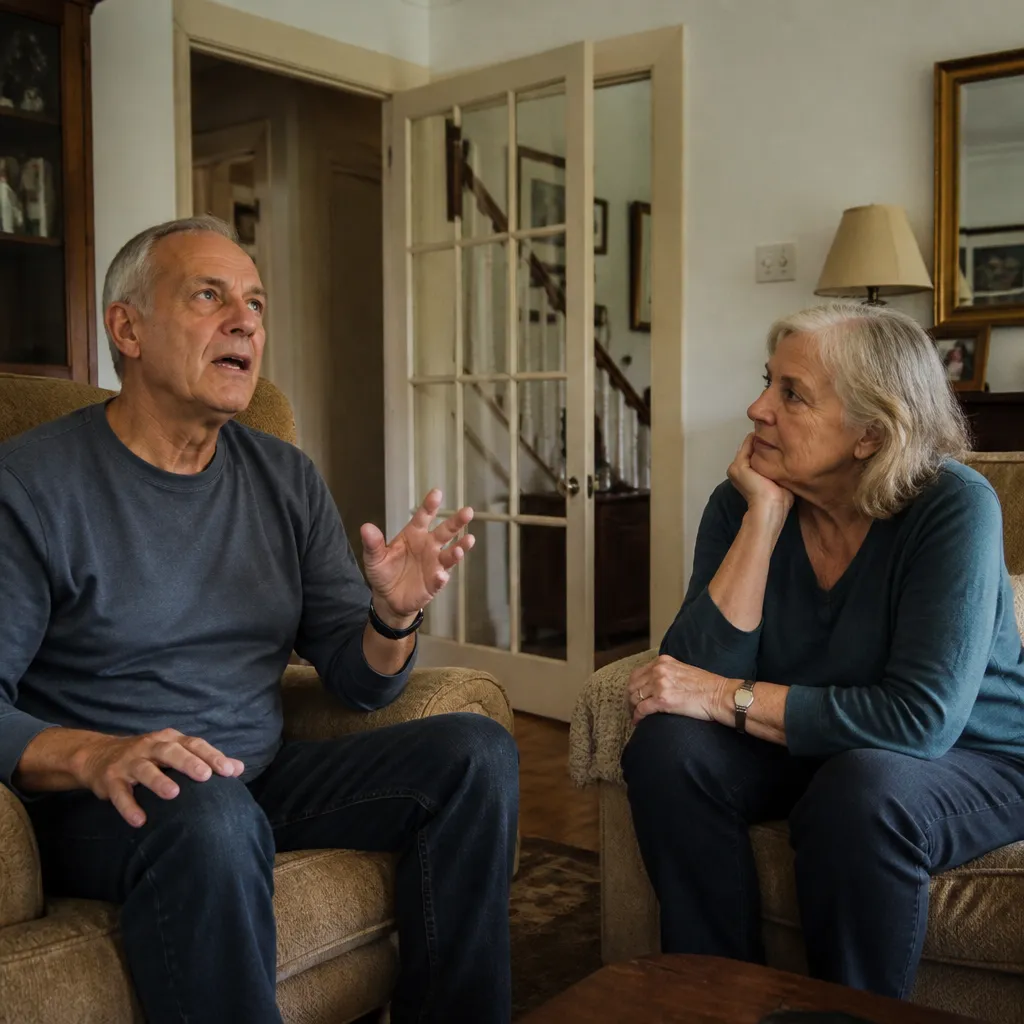
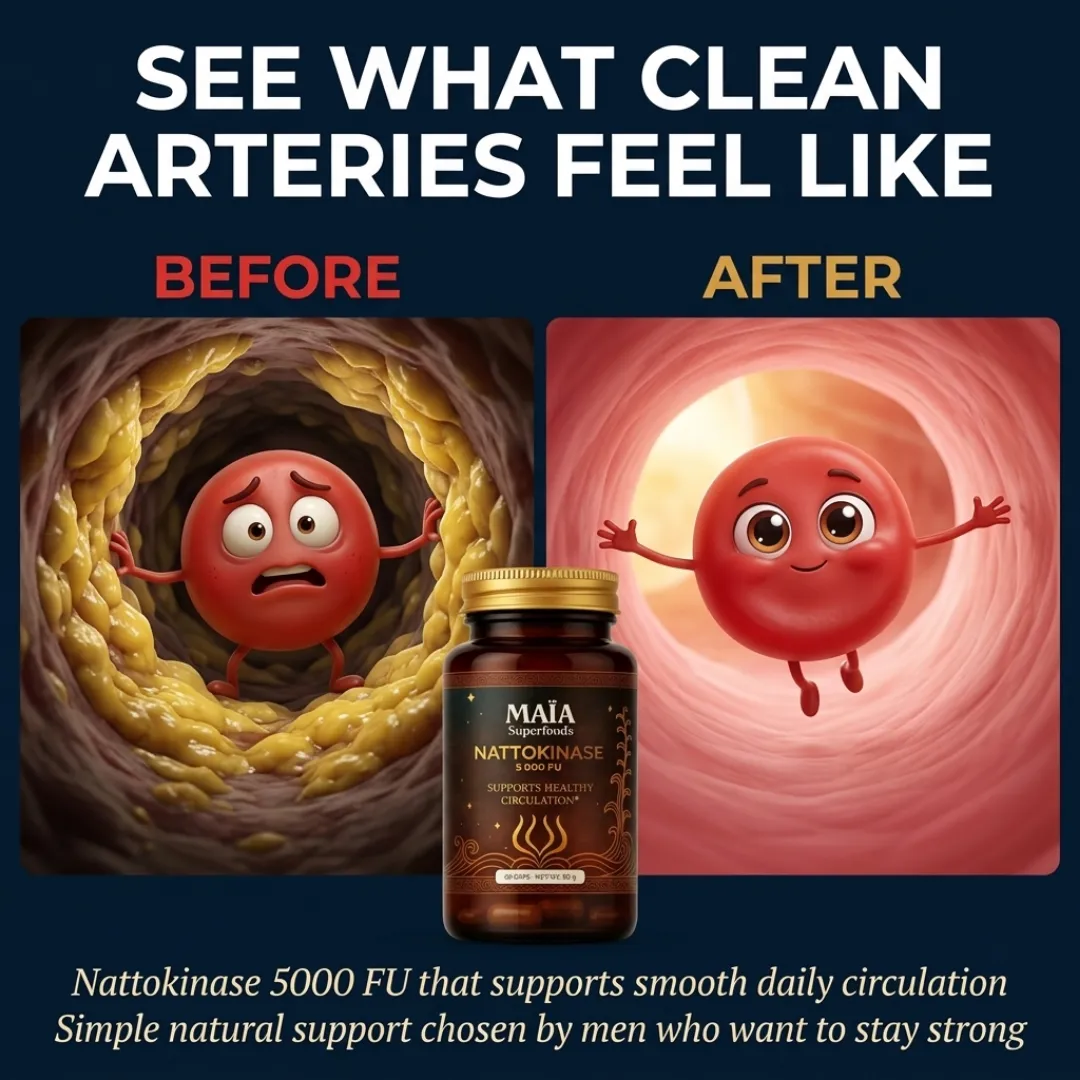
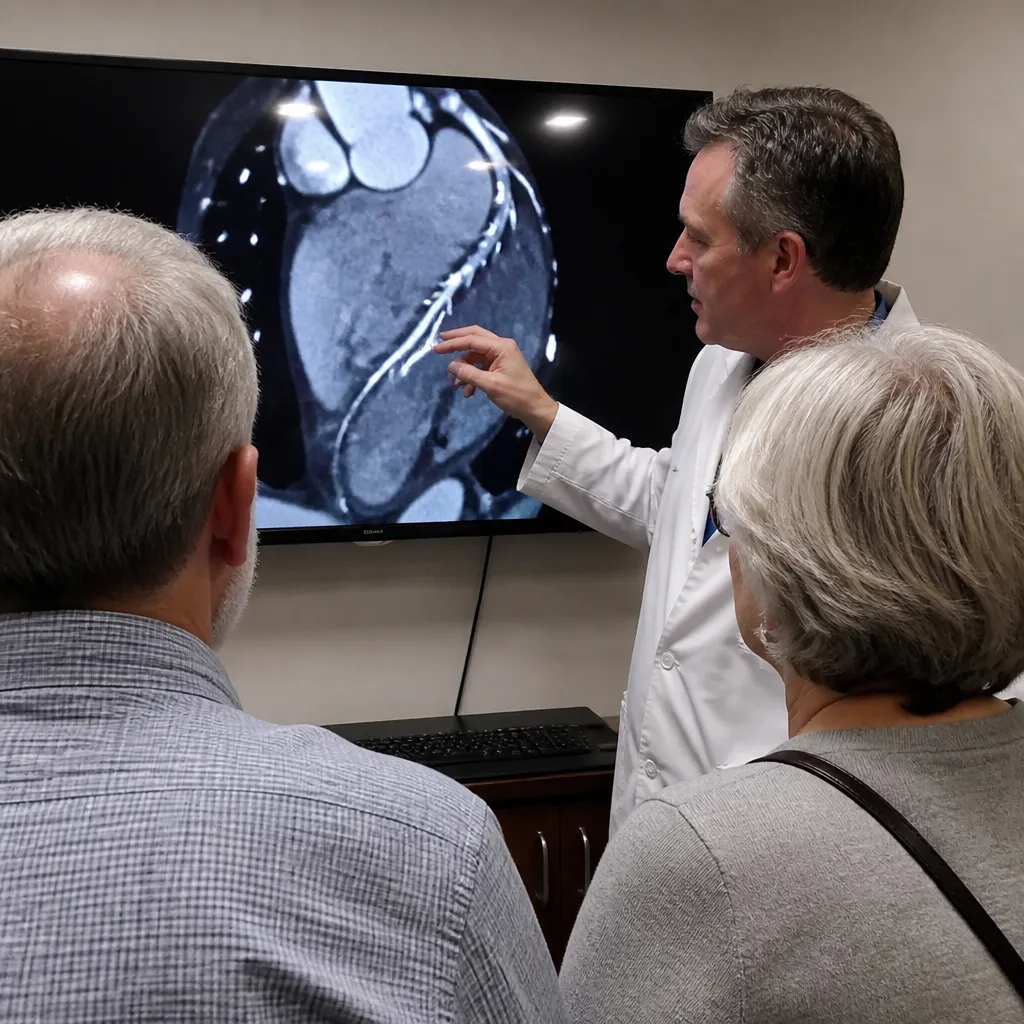
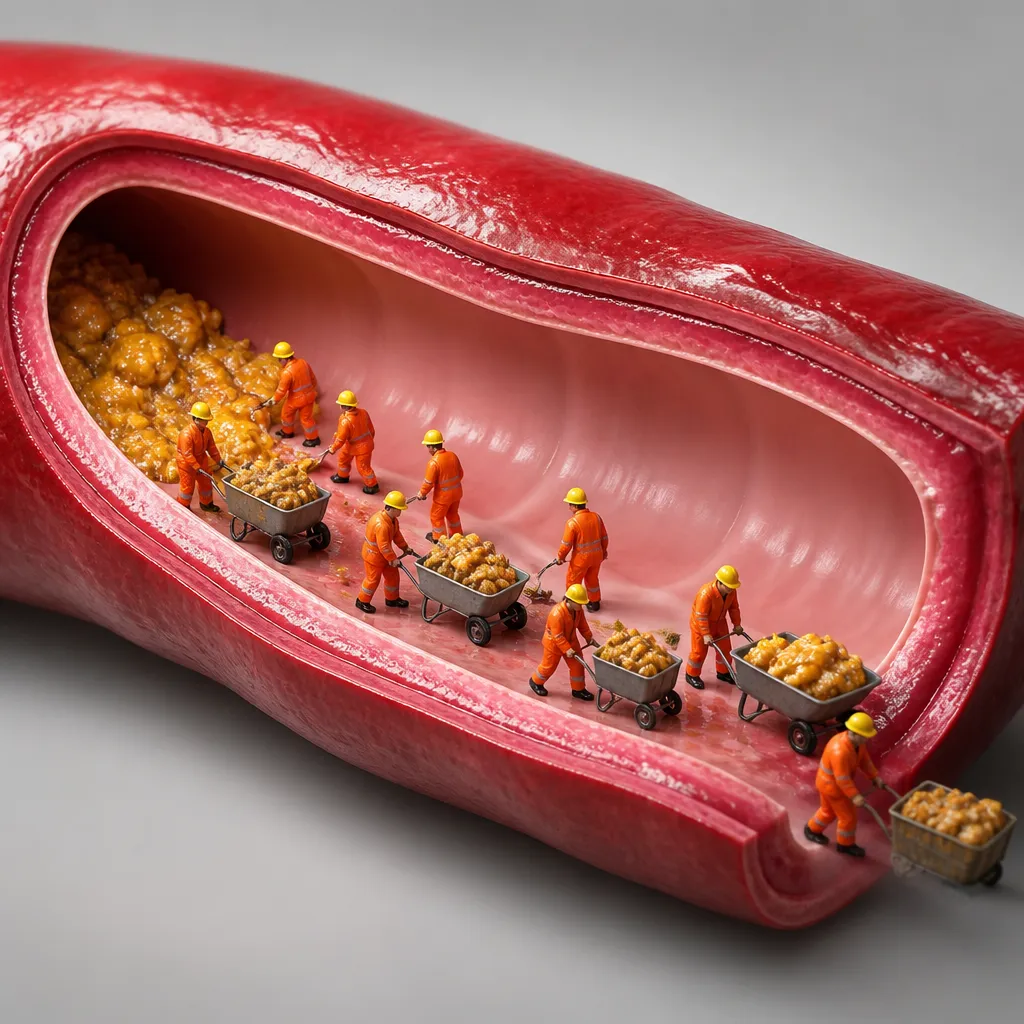
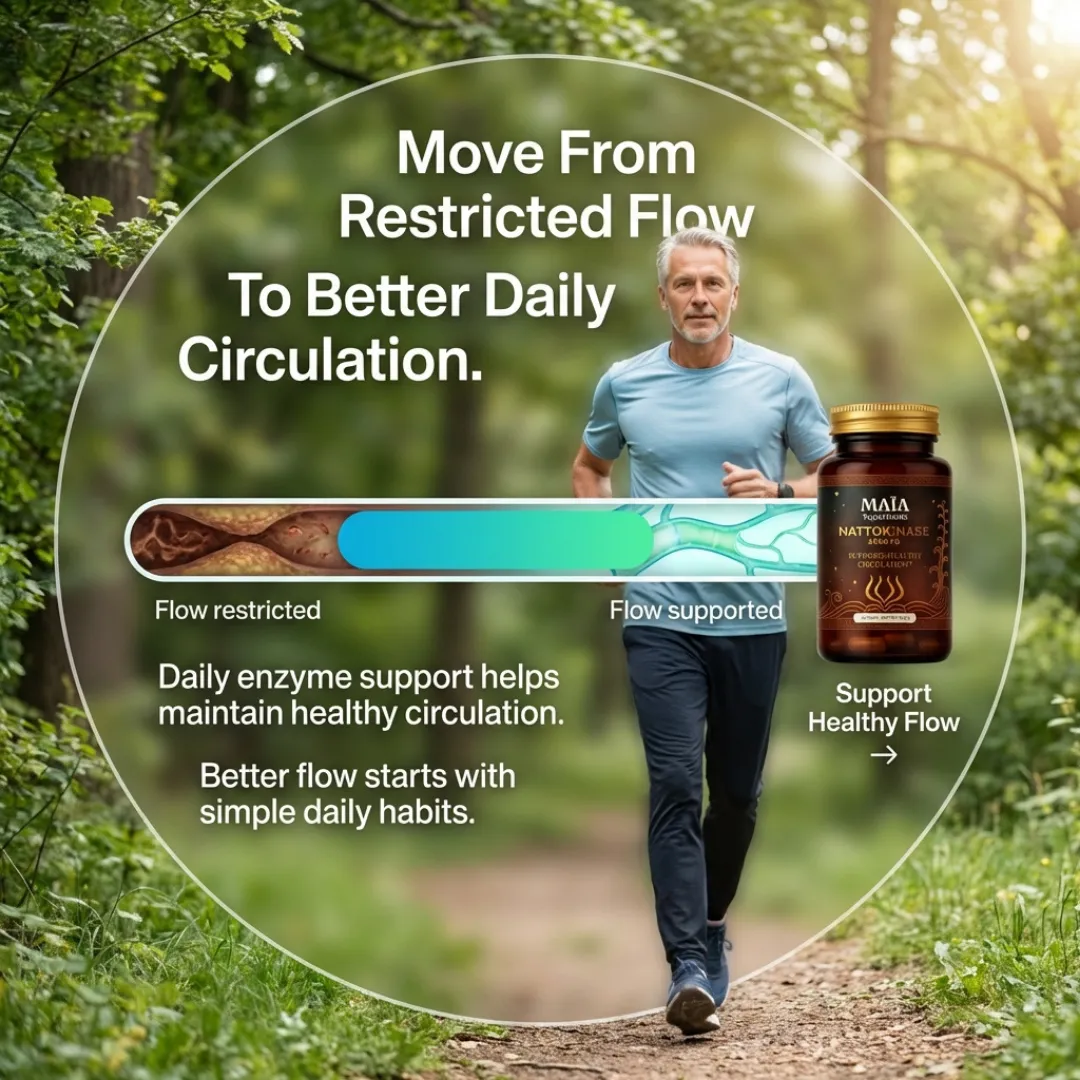
I forgot my granddaughter's name for two full seconds at her birthday party last Saturday. She is four. Her name is Emma. I have called her Emma since the day she was born. She was sitting on my lap. She had just blown out her candles. She turned around and looked up at me with frosting on her chin. She said, "Bumpa. Did you see me blow them out." I said, "Yes, sweetie." She said, "Did I do good." I opened my mouth to say her name. It wasn't there. I sat with my four-year-old granddaughter on my lap and could not produce her name. I knew everything about her. I knew her favorite color was purple. I knew her doll was named Hannah. I knew she had been afraid of the dark since October and slept with a small lamp on. I knew her name. It was Emma. I just couldn't say it. It was like reaching for a name on a shelf and finding the shelf empty. I held her against my chest for two seconds while I waited for it to come back. Then it did. I said, "Emma. You did great, sweetheart." She squealed. She climbed off my lap and ran to find her cousin. I sat on the couch for a long time after that. I'm 63 years old. My name is Tom. For about two years before that birthday party, my brain had been doing this. A name I couldn't pull up. A word I had to talk around. The reason I had walked into a room I couldn't find. It had grown. I had stopped telling stories at dinner parties because I couldn't remember the names of people in them. I had stopped going to my monthly poker game with the same five guys I had played with for 22 years. I had stopped reading novels because I couldn't keep track of who was who. I had a calcium scan two years ago. My score was 412. The cardiologist had told me, "Tom. This is meaningful." I had not connected the two. I thought the artery plaque was one problem and the memory thing was another problem. I thought I needed two solutions for two different things. I was wrong. The week after the birthday party, I went to see my brother-in-law Dennis. Dennis is a retired pharmacist. 35 years at a hospital pharmacy. The careful, quiet kind of smart that makes you want to listen. I told him about Emma. About the two seconds. About her face on my lap waiting for me to say her name. Dennis was quiet for a long time. And then he said, "Tom. The two things you've been treating as separate problems are actually the same problem." Here's what he said. Your brain is the most blood-hungry organ you own. It is about 2 percent of your body weight. It uses 20 percent of your blood supply at any moment. Every memory, every word, every face, every name your granddaughter has waited for you to say depends on a steady, full flow of blood to the right region of your brain at the right time. Artery plaque narrows the channel that blood flows through. Years of plaque buildup means less room for the same amount of blood. The smallest vessels at the end of the line, the tiny capillary networks that feed your brain in places too small to see on a scan, are the first to feel the squeeze. But the pipes are only half the story. The other half is the blood itself. After 50, your blood changes. Your body uses a protein called fibrin to seal microscopic damage to artery walls. Your body also uses an enzyme called plasmin to clear the fibrin out once the damage is healed. After 50, plasmin activity drops. By your sixties, it can be down 50 percent. Fibrin starts accumulating in your blood. The blood thickens. It moves slower through pipes that are already narrowed. The smallest vessels of the brain get even less. You sit down with your four-year-old granddaughter and you can't produce her name for two seconds. Dennis said almost nothing on the supplement aisle addresses any of this. Fish oil supports inflammation, but doesn't touch fibrin. Garlic has a small effect. Ginkgo crosses the blood-brain barrier but doesn't fix the upstream supply. CoQ10 works on a different system. L-arginine helps in the short term but plateaus. What I actually needed was an enzyme called nattokinase. It comes from a traditional Japanese fermented soy food. It has been studied for forty years. It mimics and supports plasmin, the body's natural fibrin-clearing enzyme. It supports healthy fibrinolytic activity. It supports healthy blood viscosity already within the normal range. It supports healthy circulation. It supports healthy blood flow. The blood thins back to where it should be. It moves at the speed it used to move. The smallest vessels of the brain start getting the fuel they used to get. Dennis warned me about the trap. Almost every nattokinase product on the shelf is barely active. The enzyme is measured in fibrinolytic units, or FUs. Clinical studies use 2,000 FUs per dose. Most products deliver 500 or 1,000, often with no third-party verification. The enzyme is temperature-sensitive. Cheap processing destroys most of its activity before it reaches the bottle. He named one small company. MAÏA Nattokinase. Real fermented natto. Low-temperature processed. 2,000 FUs per dose. Vitamin K2 removed for safety. Third-party tested for active enzyme content every batch. No fillers. I ordered it that night. It arrived four days later. I took the dose every morning with water. The first week, nothing dramatic. By week three, I told a story at dinner and used a full name I had not said in a year. By week six, my wife came home from book club and asked me what I thought of a movie we had watched two weeks before. I told her in detail. The plot. The actors. The ending. She put her purse down on the counter and said, "Tom. You haven't talked about a movie like that in two years." By month three, Emma came over with her parents. She climbed up on the couch next to me. She said, "Bumpa. Watch this." She did a little dance she had been working on. When she was done she crawled into my lap. She said, "Bumpa. Did I do good." I said, "Emma. You were amazing." She didn't notice anything. I noticed everything. If you have lost the name of someone you love for two seconds. If your grandchildren have had to wait while you went looking for their name on an empty shelf. If you have been telling yourself it is just age. It is not just age. Your arteries are narrowed. Your blood is thickening. The smallest vessels of your brain are not getting the fuel they used to get. And almost nothing you have tried so far reaches the place where the actual problem lives. MAÏA Nattokinase offers a 30-day money-back guarantee. That is the only reason I had the nerve to order it. They are a small company. They sell out. Last time I reordered, they were on backorder for over a week. If they have it, get it. Say your granddaughter's name on the first try. The link is below. https://www.buymaia.com/shocking-discovery-nattokinase-plaque
More from Natural Wellness Magazine

Artery Clean-Up Enzyme. B1G1
Natural Wellness Magazine
Artery Clean-Up Enzyme. B1G1
Natural Wellness Magazine

Artery Clean-Up Enzyme. B1G1
Natural Wellness Magazine
Artery Clean-Up Enzyme. B1G1
Natural Wellness Magazine
Artery Clean-Up Enzyme. B1G1
Natural Wellness Magazine
Artery Clean-Up Enzyme. B1G1
Natural Wellness Magazine
Artery Clean-Up Enzyme. B1G1
Natural Wellness Magazine

Artery Clean-Up Enzyme. B1G1
Natural Wellness Magazine
Artery Clean-Up Enzyme. B1G1
Natural Wellness Magazine

Artery Clean-Up Enzyme. B1G1
Natural Wellness Magazine

Artery Clean-Up Enzyme. B1G1
Natural Wellness Magazine
Artery Clean-Up Enzyme. B1G1
Natural Wellness Magazine

 Add to Chrome