
Artery Clean-Up Enzyme. B1G1
Ad Copy
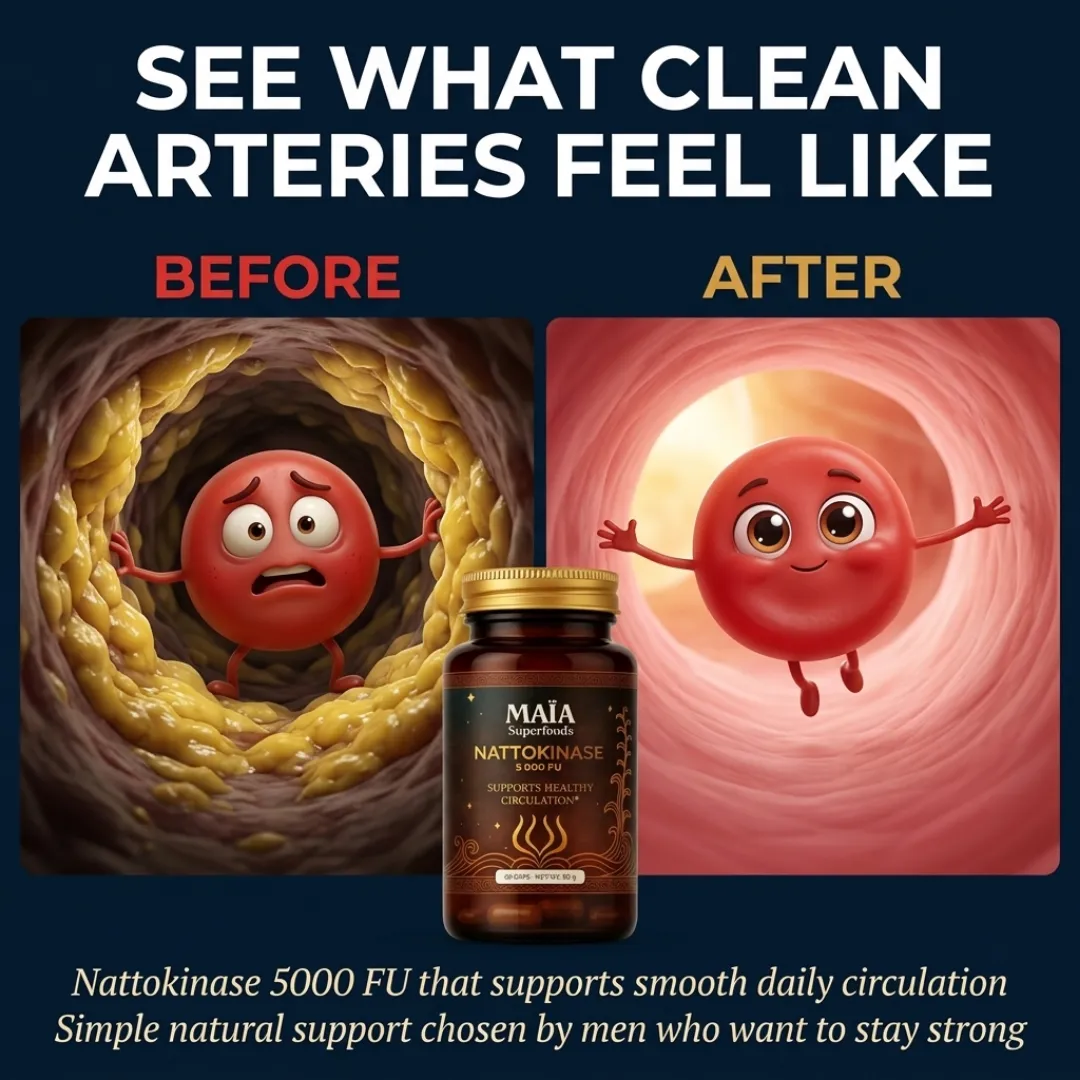
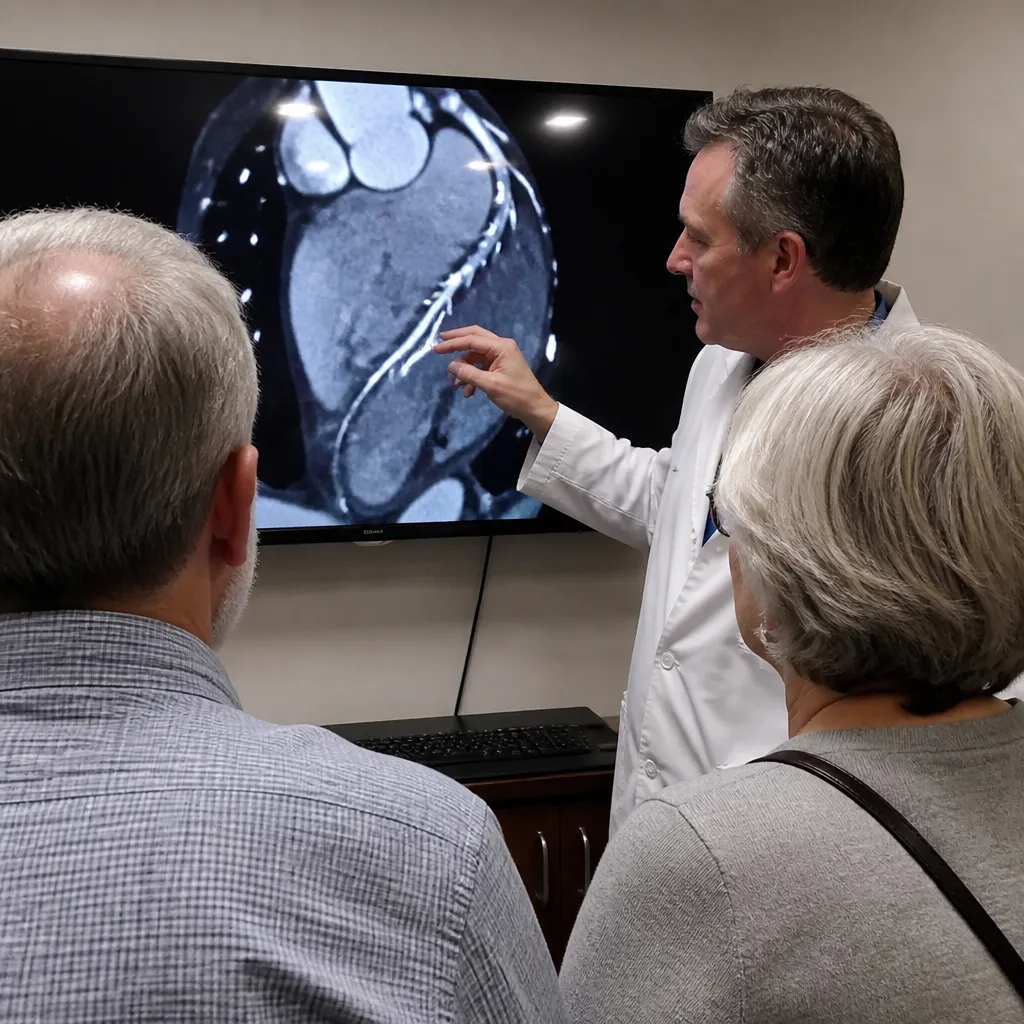
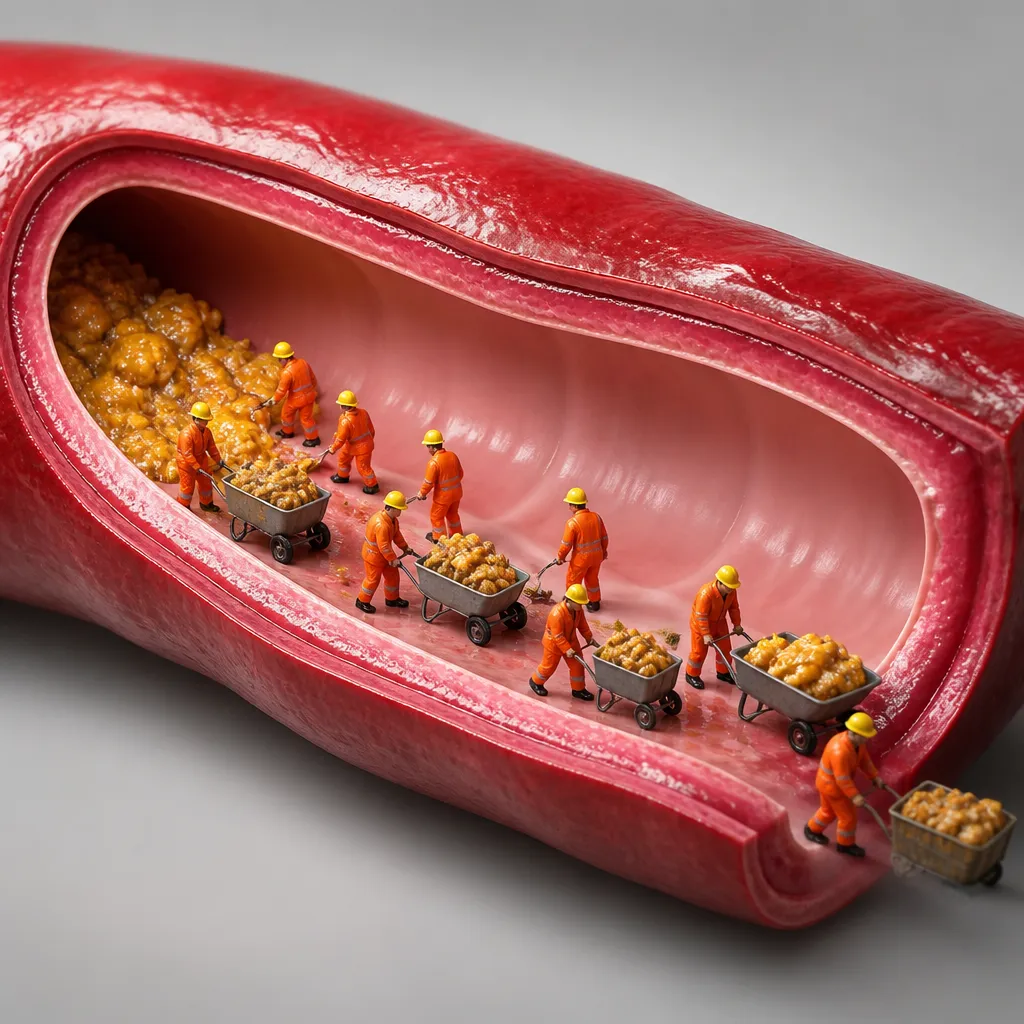
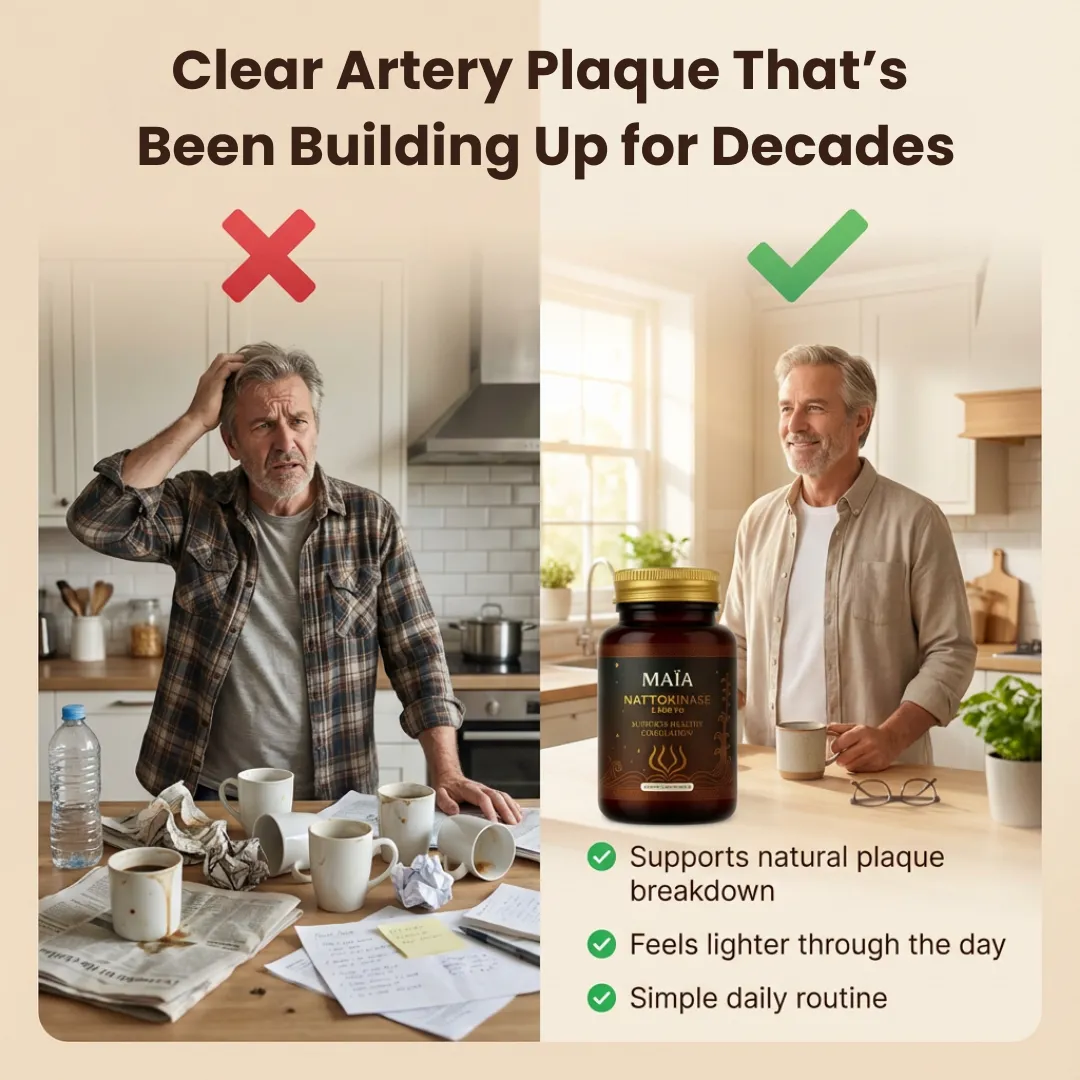
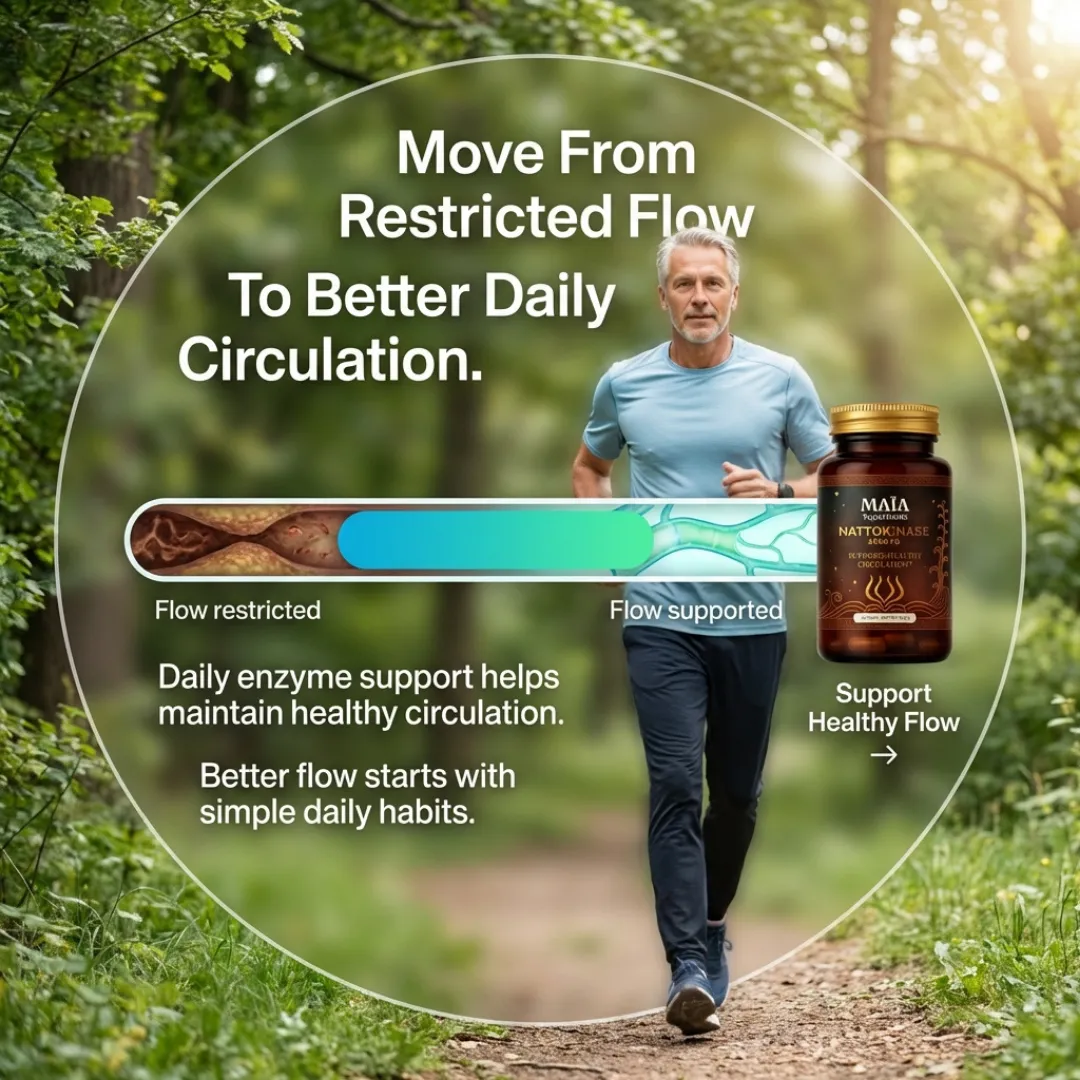
I am 62 years old. I have been walking to my mailbox every morning at 7 AM for 34 years. It is 240 feet from my front door. Last October, I made it 140 feet before my chest went tight. My calcium score came back at 687. Three arteries with significant buildup. That is when I met Dr. Elena Rodriguez. And in one afternoon, she explained everything my three previous specialists had failed to figure out in twenty years of regimens and appointments and lab draws. The reason my calcium score kept climbing while my cholesterol was "well managed." The reason my hands were cold at breakfast in June. The reason I couldn't finish a walk I had been doing since 1991. Everything. But here's what shocked me most about our meeting. Dr. Rodriguez didn't just explain what nobody had bothered to tell me. She told me exactly what to do about it. And what she recommended isn't a regimen. It isn't a procedure. It isn't in your specialist's playbook. But in the last four months since I've been following her recommendation, my calcium score dropped from 687 to 594. My hands are warm at 7 AM. I walk the full 240 feet to my mailbox and back without stopping. I climbed the two flights at my daughter's new house last weekend and stood at the top talking to my grandson like a man twenty years younger. I want to share her exact explanation with you now. Because if you have a rising calcium score, if you have been on a regimen for years watching the number climb anyway, if you have been told to "keep an eye on it" while your body is quietly telling you something is very wrong, what Dr. Rodriguez explained to me might be the most important information you read this year. Let me back up. My name is Frank. I had my first calcium scan in 2019 at age 59. Score of 187. My specialist said, "Frank, this is elevated. Let's manage your cholesterol and keep an eye on it." I did every right thing. Cut red meat. Added fish four nights a week. Walked three miles at 6 AM. Lost 22 pounds. Took the fish oil, the CoQ10, the garlic capsules, the beetroot powder my niece sent me from her health store in Colorado. 2021 scan: 342. 2023 scan: 511. October 2024: 687. Every scan, I asked the same question. "What am I doing wrong?" Every specialist gave me the same answer. "Some of this is genetic. Some of it is aging. Manage what you can manage." I was on my third specialist by then. All three of them, in sixteen years of appointments, had used the same phrase. Manage what you can manage. Nobody had ever explained what was actually happening inside my arteries. Nobody had ever told me why the score kept climbing while my cholesterol looked fine. Nobody had ever mentioned the word "fibrin" in a single appointment. I met Dr. Rodriguez by accident. My daughter had brought me to her clinic for a consultation because she had heard from a friend that Dr. Rodriguez took a different approach with patients whose numbers weren't responding to the standard playbook. Elena Rodriguez, MD. Twenty-two years in vascular medicine. Ran a small clinic in a strip mall next to a nail salon in a suburb of Cleveland. She sat me down at a small round table in her office. Not a desk. A table. She sat next to me instead of across from me. She pulled up my scans on a laptop. All four of them. She looked at the images for a long time. Then she looked at me. She said, "Frank. I want to tell you something no one has told you in five years. Your body is producing artery plaque every single day of your life. It always has. It always will." I stared at her. She said, "The question was never whether your body was making plaque. The question is whether your body can still clear it. And your body has been losing that ability since the year you turned 50." I sat back in my chair. For the next hour, Dr. Rodriguez walked me through the mechanism nobody had taught me. I want to give you the same explanation now. Because if you understand what I understood that afternoon, you will never look at your bloodwork the same way again. Every artery in your body is lined with a single layer of cells. She held up her finger for me to see. She said, "One cell thick, Frank. That's the surface where all of this happens." Your blood is not gentle. It carries oxygen radicals from every breath. Inflammatory molecules from every stressed hour. Blood sugar changes from every meal. Every heartbeat pushes about five ounces of blood across every inch of that lining. 100,000 heartbeats a day. The lining takes damage. Not the kind you feel. Microscopic tears. Thousands of them every 24 hours. Your body responds to those tears the way it responds to any wound. It patches them. The patch is made of a protein called fibrin. Fibrin is your body's biological duct tape. It weaves a mesh across the damaged spot. It seals the injury. It gives your body time to heal. The patches are microscopic. They are essential. Without them, your arteries would leak. Dr. Rodriguez said, "Frank, this is normal biology. Your body has been laying down fibrin patches every single day of your adult life." Then she said, "But for the first forty years, your body was also clearing them every single day. That's the part nobody talks about." The clearance is done by an enzyme called plasmin. Plasmin is your body's natural fibrin dissolver. It finds fibrin patches that have finished their work. It breaks them down. It clears them away. For four decades, plasmin ran the reset. Damage in. Damage out. Zero net storage. Your arteries stayed clean not because you weren't making plaque material. You were, every day. Your arteries stayed clean because plasmin cleared it every day. Then you turned 50. Dr. Rodriguez tapped the table. She said, "After 50, plasmin activity drops by as much as 50 percent. By 60, it can be down 60 percent or more. This is happening in every man on this planet, Frank. It is not something you did. It is biology." Damage is still happening. Same rate. Fibrin patches are still being laid down. Same rate. But clearance has collapsed. The patches stop being dissolved. They stay. They harden. Cholesterol and calcium arrive to reinforce them. Because your body sees them as unhealed wounds that need more sealing. Every day, your arteries are now storing fibrin patches instead of clearing them. She showed me the math on a napkin. At 55, storing maybe 5 patches a day. At 60, 8 a day. At 65, 12 a day. She said, "Frank. You are 62. Over the past decade, your body has quietly stored tens of thousands of microscopic fibrin patches that were supposed to be cleared. Each one hardened. Each one calcified. Each one is a tiny white dot on your scan." She turned the laptop toward me. She said, "Your calcium score of 687 is not measuring the plaque you formed this year. Your calcium score is measuring every fibrin patch your body could not clear over the last decade." I sat there for a long time. I said, "Doctor. My specialist told me I had elevated cholesterol. That's the problem. That's what the regimen is supposed to fix." Dr. Rodriguez shook her head. She said, "Frank. Your regimen manages the raw material your body uses to build patches. That is a real effect. But it does not restore plasmin. It does not reactivate your fibrin clearance system. Which means the thousands of patches deposited during your 50s, before you were on anything, are still there. Silently hardening. And every day, more fibrin is being laid down at a reduced but still real rate, while your clearance is broken." She said, "You have been managing the wrong number for sixteen years. The cholesterol number is one half of the picture. The fibrin clearance system is the other half. And nothing in the standard playbook addresses it." I asked her about the supplements I had been taking. She said, "Frank. Fish oil supports inflammation in the blood. It does not touch fibrin. CoQ10 supports mitochondrial function inside cells. It does not restore plasmin. Beetroot juice adds a small temporary boost of nitric oxide for four to six hours. It does not dissolve fibrin. Garlic thins the blood slightly. It does not clear patches. Every product on the wellness aisle is aimed at something adjacent to the fibrin clearance system. Nothing supports the fibrin clearance system itself." I said, "Then what does?" She smiled for the first time all afternoon. She said, "There is one natural enzyme that has been documented for over 40 years to support the body's fibrinolytic activity. It comes from a traditional Japanese fermented soy food called natto. Japanese fishermen and farmers have been eating it every morning for a thousand years. The regions of Japan where they eat the most natto have some of the lowest rates of vascular events in the developed world." She said, "The enzyme is called nattokinase. It mimics and supports plasmin. It does what your plasmin used to do on its own before it declined." Nattokinase supports healthy fibrinolytic activity. It supports healthy blood viscosity already within the normal range. It supports healthy circulation. It supports healthy blood flow. It supports the body's natural ability to clear the kind of fibrin buildup that contributes to artery plaque. Dr. Rodriguez said, "This is the enzyme your body is missing, Frank. Not a medication. Not a procedure. A support for the biology you have been losing since you turned 50." I almost laughed. I said, "Doctor. My daughter tried to make me eat natto once. It smelled like feet." Dr. Rodriguez laughed. She said, "Nobody eats natto for the taste, Frank. The active enzyme has been isolated and can be taken as a supplement. But there is a catch, and this is where most people fail." She said, "Almost every nattokinase product on the market is nearly inert." I said, "How?" She said, "The enzyme is measured in units called fibrinolytic units. FUs. Clinical research uses 5,000 FUs per serving. Most products on the shelf deliver 500. Sometimes 1,000. Sometimes 2,000. Well below the dose that has been shown to support fibrinolytic activity." She said, "The enzyme is also heat sensitive. Cheap processing destroys most of the activity before it reaches the bottle. And almost no product on the market does third-party testing to verify the actual FU content in the capsule. You are trusting the label." She said, "You get the name. You do not get the enzyme." She pulled a small bottle out of the drawer of her desk. She said, "In twenty-two years of practice, I have found one company that gets all six criteria right. It is the brand I take myself. It is the brand my sister takes. It is the brand I recommend to every patient whose calcium score is climbing and whose regimen is managing the wrong number." She said, "MAÏA Nattokinase. Real fermented natto. Low-temperature processed to preserve enzyme activity. 5,000 FUs per serving. Vitamin K2 removed for safety. Third-party tested every batch for actual FU content. No fillers." She said, "Take two capsules every morning with a glass of water. Give it 8 to 12 weeks. Get another scan. See what your body does when the fibrin clearance system finally has support." I ordered a bottle that night on my laptop at the kitchen table. It arrived four days later. I want to tell you what happened. Week one, nothing dramatic. The capsules went down easy. No taste. No reaction. Week two, my hands were warm at breakfast. First time in three winters. Week three, I walked to the mailbox and back and my chest wasn't tight. I stood at the mailbox for a long time looking at my own driveway. Week four, I climbed the four steps to my back porch without holding the railing. Week six, I did my three miles at 6 AM. All three miles. First time since October. Week eight, I climbed the two flights at my daughter's new house in Akron. I stood at the top of the stairs and I talked to my grandson about baseball for twenty minutes without needing to sit down. Week twelve, I went in for another scan. The technician handed me the printout. Calcium score: 594. Down from 687. I sat in my truck in the parking lot for fifteen minutes. I called Dr. Rodriguez. She said, "Frank. Keep doing what you're doing. Come see me in twelve weeks." That was four weeks ago. I still make my routine every morning at 6:30. Two capsules with a glass of water at the kitchen counter. Then coffee. Then out the door for my walk. I want to say something to whoever is reading this. If your calcium score has been climbing for years while your cholesterol looks fine. If your specialist has told you to "manage what you can manage." If you have been sitting in appointments watching numbers move in the wrong direction while nobody explains why. You are not out of options. You are not out of time. But the standard playbook is aimed at the wrong number. Your cholesterol is one half of the picture. Your fibrin clearance system is the other half. And nothing in your regimen addresses it. There is one natural enzyme with more than 40 years of research behind it. Nattokinase. But only if the product delivers a real clinical dose in a form that preserves the enzyme. MAÏA Nattokinase. Real fermented natto. Low-temperature processed. 5,000 FUs per dose. Vitamin K2 removed for safety. Third-party tested every batch. No fillers. Supports healthy fibrinolytic activity. Supports healthy blood viscosity already within the normal range. Supports healthy circulation. Supports healthy blood flow. Supports the body's natural ability to clear fibrin buildup that contributes to artery plaque. It does not replace what your specialist has you on. It addresses the half of the picture the regimen was never designed to reach. MAÏA offers a 90-day money-back guarantee. https://www.buymaia.com/shocking-discovery-nattokinase-plaque If it doesn't work, they refund every dollar. They are a small company. They make everything in small batches to preserve enzyme activity. They sell out. Last time I reordered, my shipment was delayed by nine days. I rationed the bottom of the bottle so I wouldn't miss a morning. If you click below and they are out of stock, I am sorry. Try again the following week. But if they have it, get it. Take two capsules tomorrow morning with a glass of water. Get a baseline scan. Give it 8 to 12 weeks. Get another scan. Watch what your body does when the fibrin clearance system finally works again. Dr. Rodriguez told me something at the end of our meeting last October. She said, "Frank. Your body is producing plaque every day. The question has always been whether your body can still clear it." For the first time in a decade, mine can. Yours can too. https://www.buymaia.com/shocking-discovery-nattokinase-plaque
More from Natural Wellness Magazine

Artery Clean-Up Enzyme. B1G1
Natural Wellness Magazine
Artery Clean-Up Enzyme. B1G1
Natural Wellness Magazine

Artery Clean-Up Enzyme. B1G1
Natural Wellness Magazine

Artery Clean-Up Enzyme. B1G1
Natural Wellness Magazine
Artery Clean-Up Enzyme. B1G1
Natural Wellness Magazine
Artery Clean-Up Enzyme. B1G1
Natural Wellness Magazine
Artery Clean-Up Enzyme. B1G1
Natural Wellness Magazine

Artery Clean-Up Enzyme. B1G1
Natural Wellness Magazine
Artery Clean-Up Enzyme. B1G1
Natural Wellness Magazine

Artery Clean-Up Enzyme. B1G1
Natural Wellness Magazine
Artery Clean-Up Enzyme. B1G1
Natural Wellness Magazine
Artery Clean-Up Enzyme. B1G1
Natural Wellness Magazine

 Add to Chrome