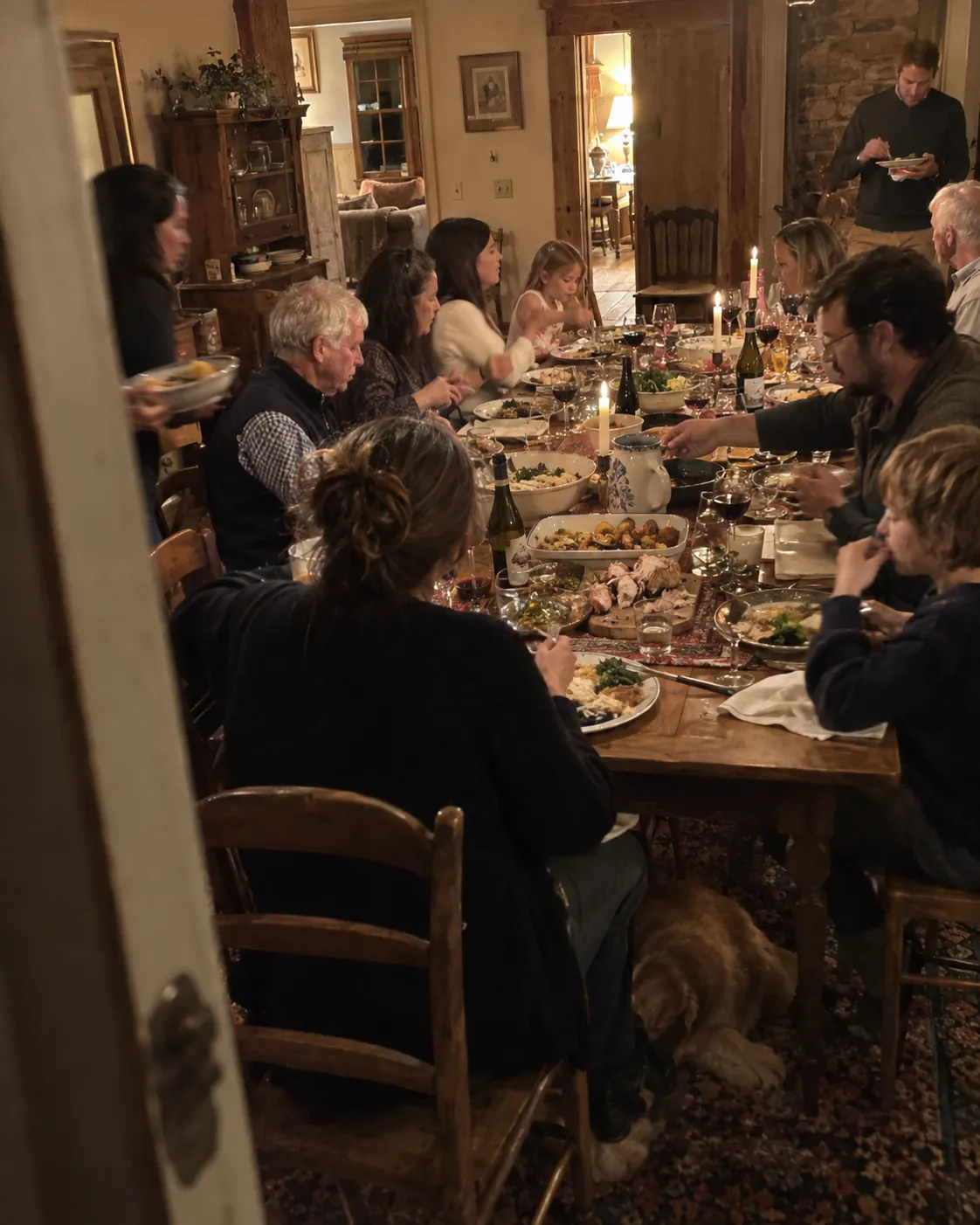
My Family Left My Chair Empty for 29 Years. I Didn’t Know Until I Came Home a Widow.
Ad Copy
I left the Amish at twenty-four for a pharmacy tech certificate and, as it turned out, the man sitting next to me in the night class. Last spring I buried him. He was sixty. At the funeral, my brother — who hadn't spoken my name in twenty-nine years — said two words at the grave that sent me back to my father's table. I have to start at the funeral, because that's where this story turns, even though I'd rather start anywhere else. Rieth-Rohrer-Ehret Funeral Home, LaGrange, Indiana. A gray Saturday. My Mark in a casket at the front, and me in the receiving line doing the thing widows do — thanking people while your own voice sounds like it's coming from the next room over. Then the room changed. You could feel it before you saw it. Black hats. Two of them, and my sister-in-law in a plain dress, filing in quiet at the back. My brother Levi, the head of the family since our father passed. His wife. My sister. Fifty miles from a farm they almost never leave, standing in an English funeral home with their hands folded, looking at me. Twenty-nine years. No visits. No letters answered — and that part is mine to carry, not theirs. It had never once occurred to me they knew Mark's name. They knew it. A cousin who still keeps one foot in both worlds had mentioned it, the way you'd hear weather from a country your child moved to. They stayed through the service. They stood at the back at the cemetery. And when it was over — when the English crowd had drifted to their cars, and it was just me and the tent and the hole in the ground with my husband in it — Levi walked up beside me. Fifty-eight now, running the farm our father left him. He stood next to me looking at the grave, hat held over his chest, and I braced myself, because the last words this man had said to me were in 1996, through a letter, and they hadn't been gentle. He said two words. Not *I'm sorry.* Not *come home.* Two words that made no sense at all standing over a coffin — two words I turned over for two weeks like a key with no door, until I got in my car one Wednesday morning and drove out to find the lock. I'm going to hold them a while, the way I held them, because they won't mean to you now what they meant to me by the end. He said them, put his hat back on, and shook my hand once — the first contact in twenty-nine years — and the van took them away. Let me back up. All the way back. My name is Leah Miller. It was Leah Hershberger first — Elkhart-LaGrange country, second of seven, no electricity in the walls, a produce farm outside Shipshewana. Every child on the place had work that was theirs. My brothers had the milking. My sister had the henhouse. I had the beet bed by the well, given to me at eight years old the way English children get a bicycle — an old, dark strain my grandmother carried down from her own mother, never once crossed with anything the English bred. I planted it, thinned it, pulled it after first frost, and every October I helped put up jars in the cellar, and the beets stained my fingers that deep crimson that doesn't wash out. I want to be fair to that life: it wasn't bad. It was beautiful and endless, and at twenty-three I could stand at that bed and see my whole future the way you see weather coming across a valley. My sister found that beautiful. I found it like a bonnet pinned too tight. I left for a pharmacy technician certificate in South Bend — not for a man, not at first. I wanted a trade with my own name on it. Mark Miller sat next to me in the drug-classifications unit, twenty-six, easy to talk to, and by winter I was doing arithmetic no Amish girl is supposed to do. I left on a March morning with a duffel bag. My mother — gone now, ten years — was the only one who knew. She stood at the kitchen door, took my red-stained hands in hers, and said, in Deitsch, "A trade doesn't unmake a daughter. Go learn it." Then she let me go. My father found out by breakfast, and my father was a different man about it, and the letter Levi eventually sent me on his behalf was hard enough that I decided I'd never go back. Pride is a crop that comes up every year without planting, and I tended mine for twenty-nine years. Mark and I married in 1998. I filled prescriptions for a small pharmacy for over two decades — reading labels for a living, catching other people's dosing errors before they left the counter. I was raised to grow what my family ate, and I built a career instead on knowing exactly what was in everything else's. Mark drove a regional freight route for twenty-two years. He was a heavy sleeper, a big laugher, up before the birds his whole life — and then, somewhere past fifty, sleep stopped doing what it was supposed to for him. He'd go to bed at ten and wake up at six as tired as when he lay down. Coffee stopped helping by noon. We both called it age, the way everyone calls it age. At fifty-six, his annual physical came back "nothing concerning, sleep more if you can." And still — the up-before-dawn man was gone, replaced by one who hit snooze three times and dragged through the morning route. I watched it for four years, and here's my confession: something in me knew, and it wasn't from anything I'd learned behind a pharmacy counter. It was older than that. My grandmother used to say, sorting beets on the cellar steps, "Rested and tired-but-quiet aren't the same thing, even when they look alike from the porch." I'd filed it under things old women say. Mark's chart was unremarkable the week he died. Went to bed on a Tuesday and didn't wake up Wednesday morning. Sixty years old. "Sleep more if you can," right up to the last night he ever did. There was no error to find. I checked his med organizer at 3 a.m. anyway, the way widows check, as if finding one would mean an appeal could be filed. So: the funeral, the black hats, Levi at the grave, the two words that made no sense. Two weeks of turning them over. And one more thing happened in those two weeks — my daughter drove me to my own doctor, the way children do after burying one parent and refusing to take chances on the other. My physical came back with the same shrug Mark's doctor gave him for years. I sat there recognizing the exact not-actually-rested tired I'd watched in my husband for four years, and I decided I wasn't waiting four more to find out what it meant. So that Wednesday, I drove out to the farm. Levi met me at the lane like no time had passed. That evening, before I'd worked up the nerve to ask about the two words, my sister-in-law let it slip while setting the table: there was a chair in the corner of the kitchen, plain, unremarkable, that nobody in twenty-nine years had ever been allowed to use, not even at Christmas with fifteen people standing. It was mine. The one I'd had as a girl. My sister wrote a company name down for me, on the back of a receipt from the feed store. I put it in my coat, in the pocket where a woman keeps things she isn't going to lose. And because I do this for a living, I actually caught the wrong one myself before I ever bought it — I picked up a red-labeled beetroot supplement at a pharmacy chain, out of habit, and stopped with it half in the cart when I read the panel the way I read every panel: a proprietary blend, no milligram count listed anywhere on it. I'd have caught that for a customer in two seconds. I almost let a nice photograph do my thinking for me instead. I looked up the name from my coat pocket that night. Good Science — the company my family's district had come to trust for strains like mine, grown a few farms from my old beet bed, pulled after first frost. 1,300 milligrams to the capsule, printed plain on the label, no blend to hide a dose inside of. That's the whole reason I trusted it before I ever opened a bottle: I could actually read what I was buying. Two capsules the next morning, coffee on the porch, paying attention on purpose. Twenty minutes in — warmth into my hands, a kind of clearing behind my eyes. I'll tell you plainly what that was and wasn't, the same way I'd tell a customer: it isn't the whole story by itself. What actually builds — the real day-to-day difference — takes weeks of taking it the way you're supposed to, not twenty minutes on a porch step. The real proof came slower. Within two months I was waking up rested again, actually rested, most mornings — not every one, but most, which was more than I'd had in years. I stopped needing the second alarm. Then Renata, who's worked the counter next to mine for eleven years — Mark's age, Mark's exact wake-up-tired pattern, joking about it at the register for as long as I'd known her. I didn't tell her to try it. I set a bottle by her register with a sticky note — *Ask me about this one* — and two weeks later she asked. A month after that she told me she'd made it through an entire double shift without the three o'clock wall hitting her, first time in years, and asked me where the beets in the story actually came from. I told her about the bed by the well. And in August, I drove back out to Shipshewana — and this time I didn't go alone. My kids came with me. We stayed two days. My grandkids fed the chickens. On the second evening, fourteen of us sat at the long table, and there were beets on it — pickled, crimson, in a dish I remembered from girlhood — and I watched my English granddaughter spear one on her fork, consider it, and take another. My sister-in-law watched her too, hands folded, still faintly red at the creases from the morning's jars. After supper, Levi walked me into the kitchen and pulled the chair out from the corner. Set it right up to the table, in the empty spot that had somehow always been left open even with fourteen of us crowded around it. Mine. Exactly where it had been the day I left. "Come Wednesday." Those are the two words. My brother stood over my husband's coffin, after twenty-nine years of silence, and the two words he chose to say were the same two words our mother used to call up the stairs on canning day — the day everybody's help was needed and nobody got left out, including, apparently, me, for twenty-nine years running. In the kitchen that evening, he said the rest of it: "Nobody sat in it. Not once, not even the year we had eighteen for Christmas and stood two deep by the stove. It was not a rule anybody wrote down. It just never felt like ours to use." That's the whole reason you're reading an ad that doesn't feel like one, in one sentence from a fifty-eight-year-old man in a farmhouse kitchen: it never felt like ours to use. It was always yours. If someone in your life has a chart that comes back "fine" while they go to bed and wake up equally tired, night after night — hear me. A clean chart and an actually rested morning are not always the same thing. A supplement isn't a substitute for your doctor, and it never will be — but supporting your everyday circulation and energy, alongside whatever your doctor already has you doing, is something you don't have to wait years to start.† Good Science Beetroot is 1,300 mg of beetroot powder, two capsules a day, no proprietary blend to hide behind. It supports healthy circulation, everyday energy, and cardiovascular wellness as part of a daily routine† — not a replacement for anything your doctor's prescribed, and not a promise about any specific condition. Here's the whole arrangement, plain, the way I'd explain any prescription: try it for 30 days. If it's not for you, send the bottles back — empty is fine — and Good Science refunds every dollar. One bottle is $34.99. Buy 3 and get 2 free — $79.99, five bottles total — is what most people in this story ended up ordering, once it stopped being just about themselves. The same seed line, kept over a hundred and fifty years by a handful of families in one county, pulled once a year after first frost, when the red runs deepest. When a season's harvest sells through, it's gone until the next one. I keep bottles ahead now the way my grandmother kept jars. My family kept a chair empty for twenty-nine years for a daughter who might never sit in it again. You only have to order once. — Leah Miller (born Hershberger), Shipshewana, Indiana *P.S. — Talk to your doctor before starting any new supplement, especially if you're already on medication — don't change anything on your own, and don't let anyone you love change anything on theirs either. That's exactly how everyone in this story actually did it.* †These statements have not been evaluated by the Food and Drug Administration. This product is not intended to diagnose, treat, cure, or prevent any disease.
More from Kenneth Walker Wellness
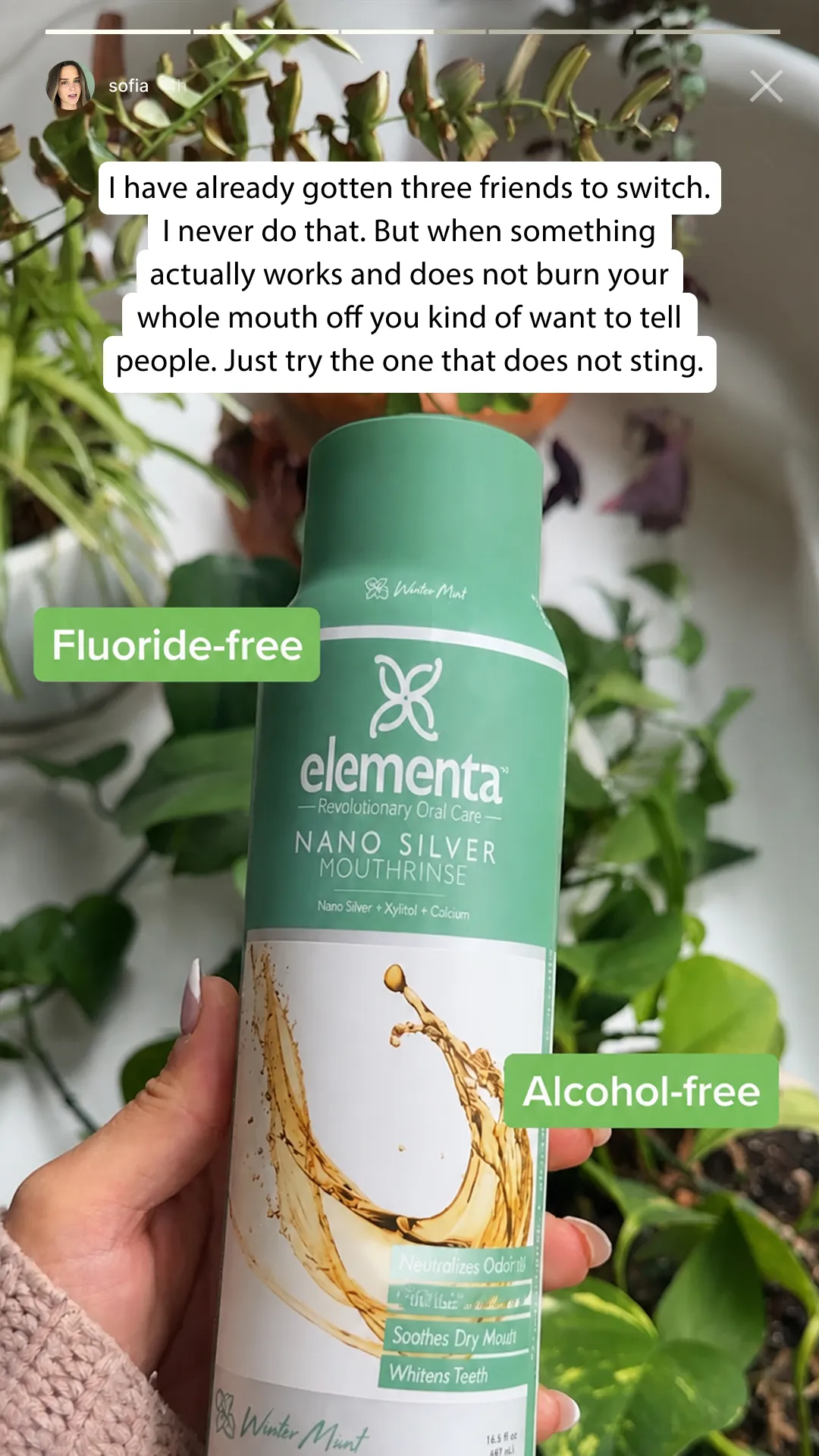
🤯 The Real Reason Your Breath Stinks (It's Not What You Think)
Kenneth Walker Wellness
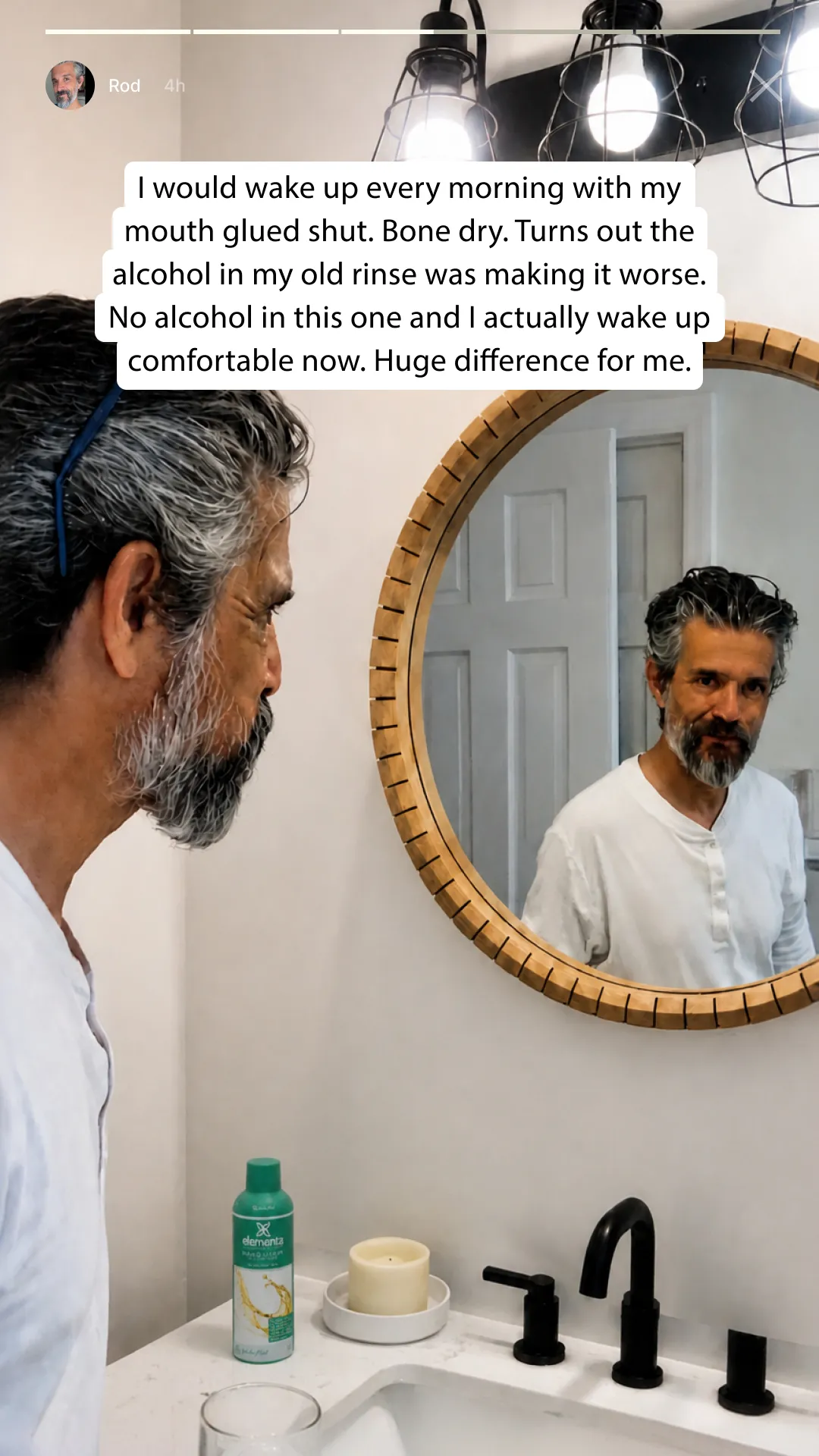
🤯 The Real Reason Your Breath Stinks (It's Not What You Think)
Kenneth Walker Wellness
🤯 The Real Reason Your Breath Stinks (It's Not What You Think)
Kenneth Walker Wellness
🤯 The Real Reason Your Breath Stinks (It's Not What You Think)
Kenneth Walker Wellness
My Family Kept Two Rows of Beets for Me for 38 Years. I Didn’t Know Why Until My Husband Died.
Kenneth Walker Wellness
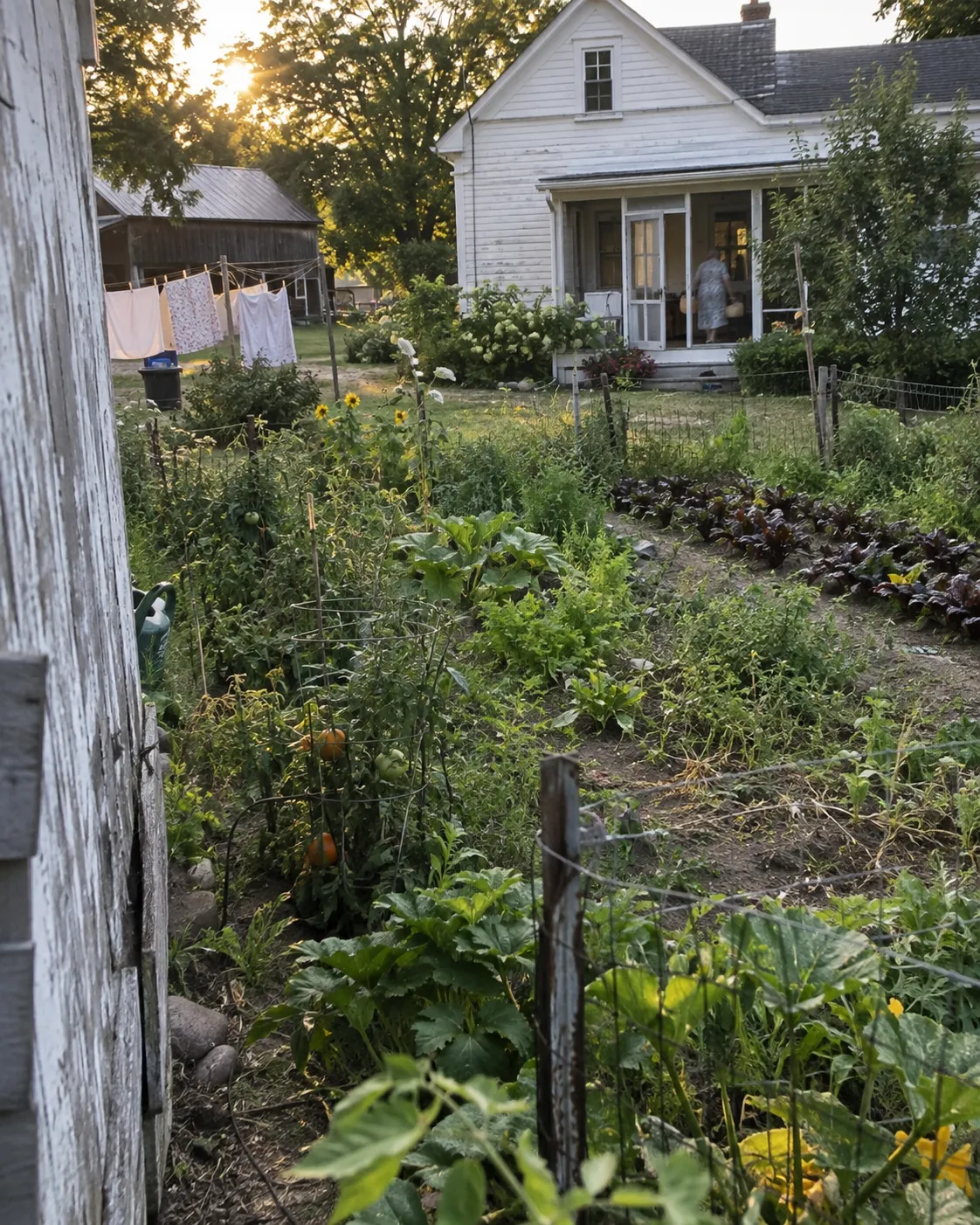
My Family Kept Two Rows of Beets for Me for 38 Years. I Didn’t Know Why Until My Husband Died.
Kenneth Walker Wellness
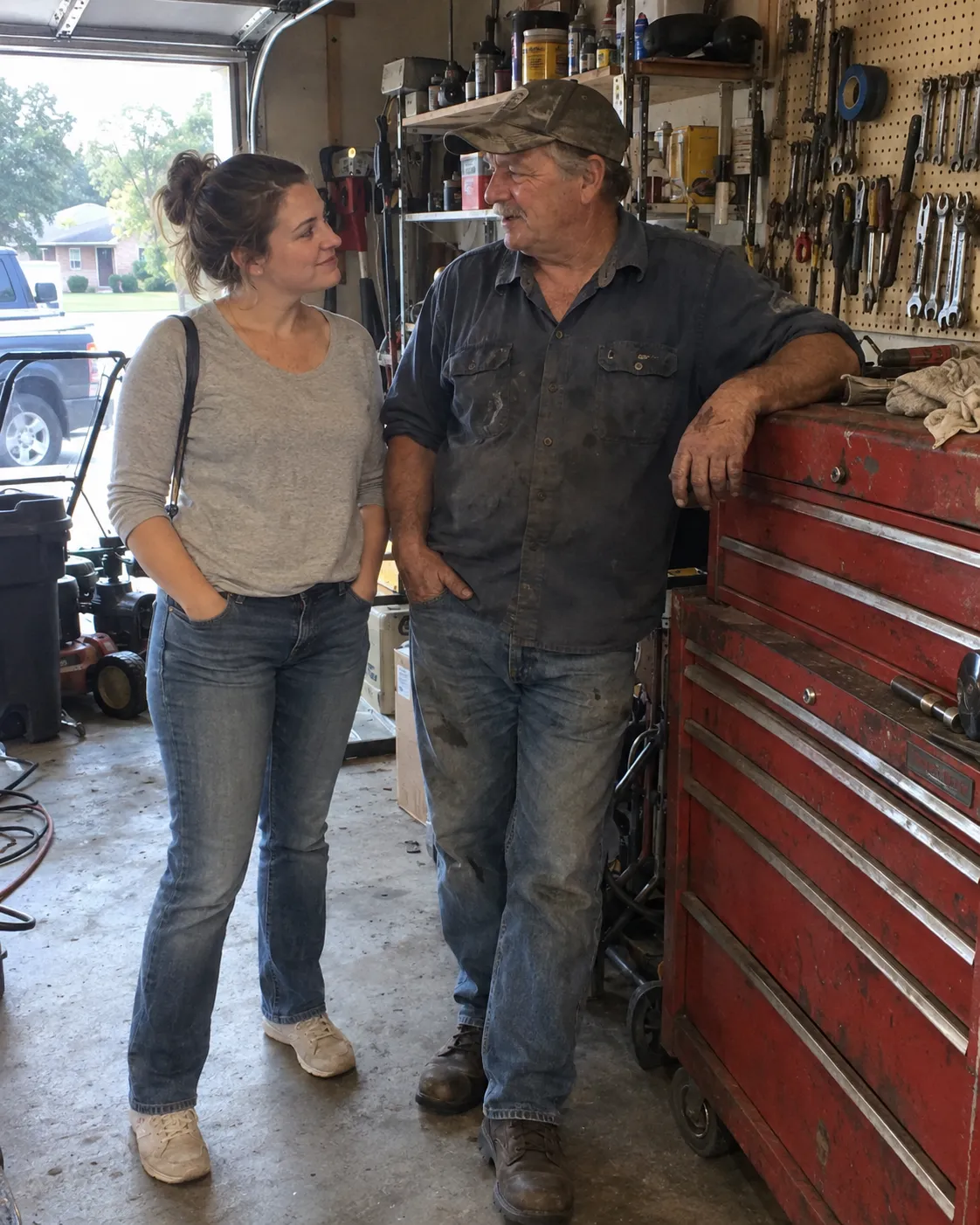
My Father Died Without Ever Saying What I Needed to Hear. Twelve Years Later, I Found His Letter.
Kenneth Walker Wellness
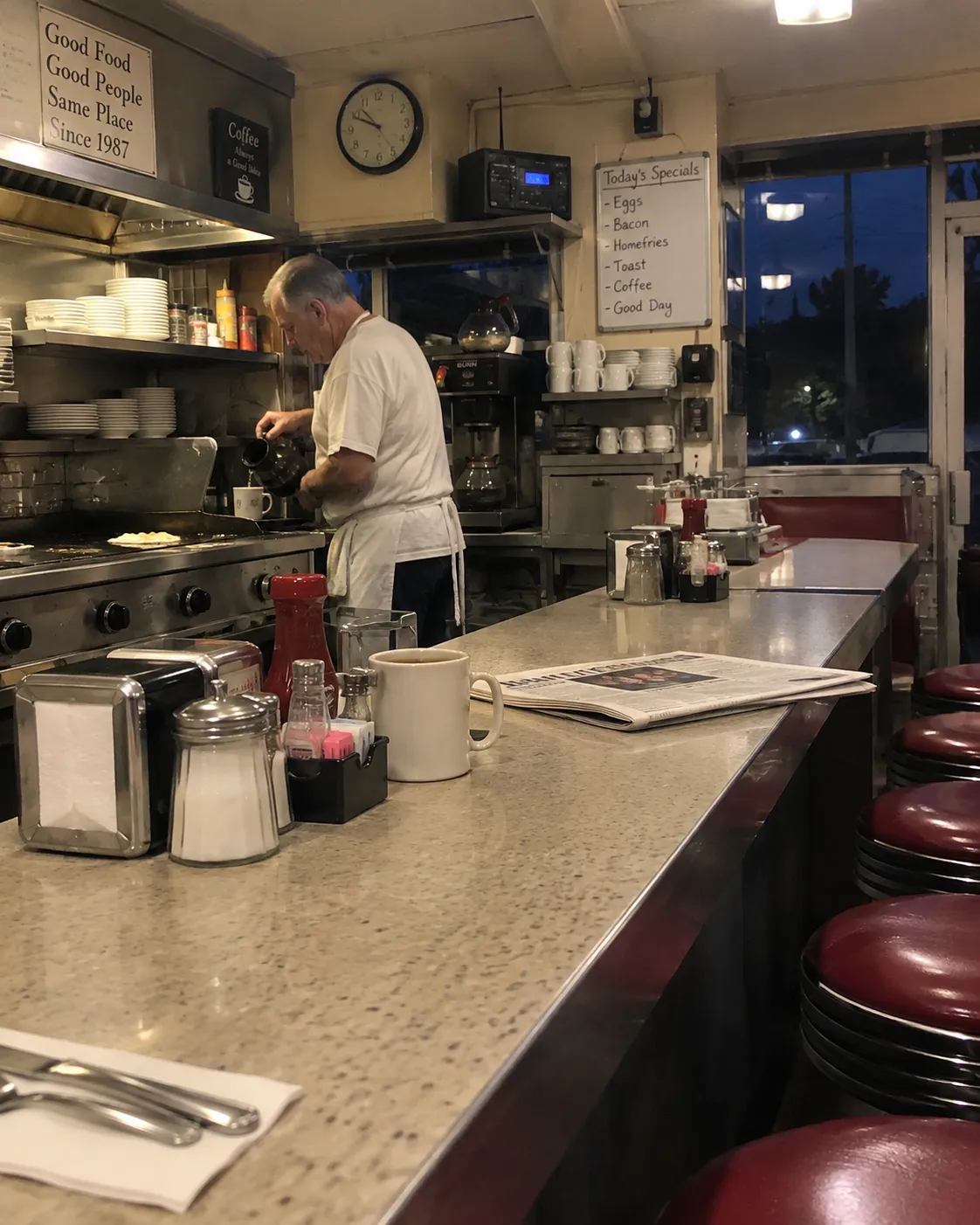
My Father Died Without Ever Saying What I Needed to Hear. Twelve Years Later, I Found His Letter.
Kenneth Walker Wellness
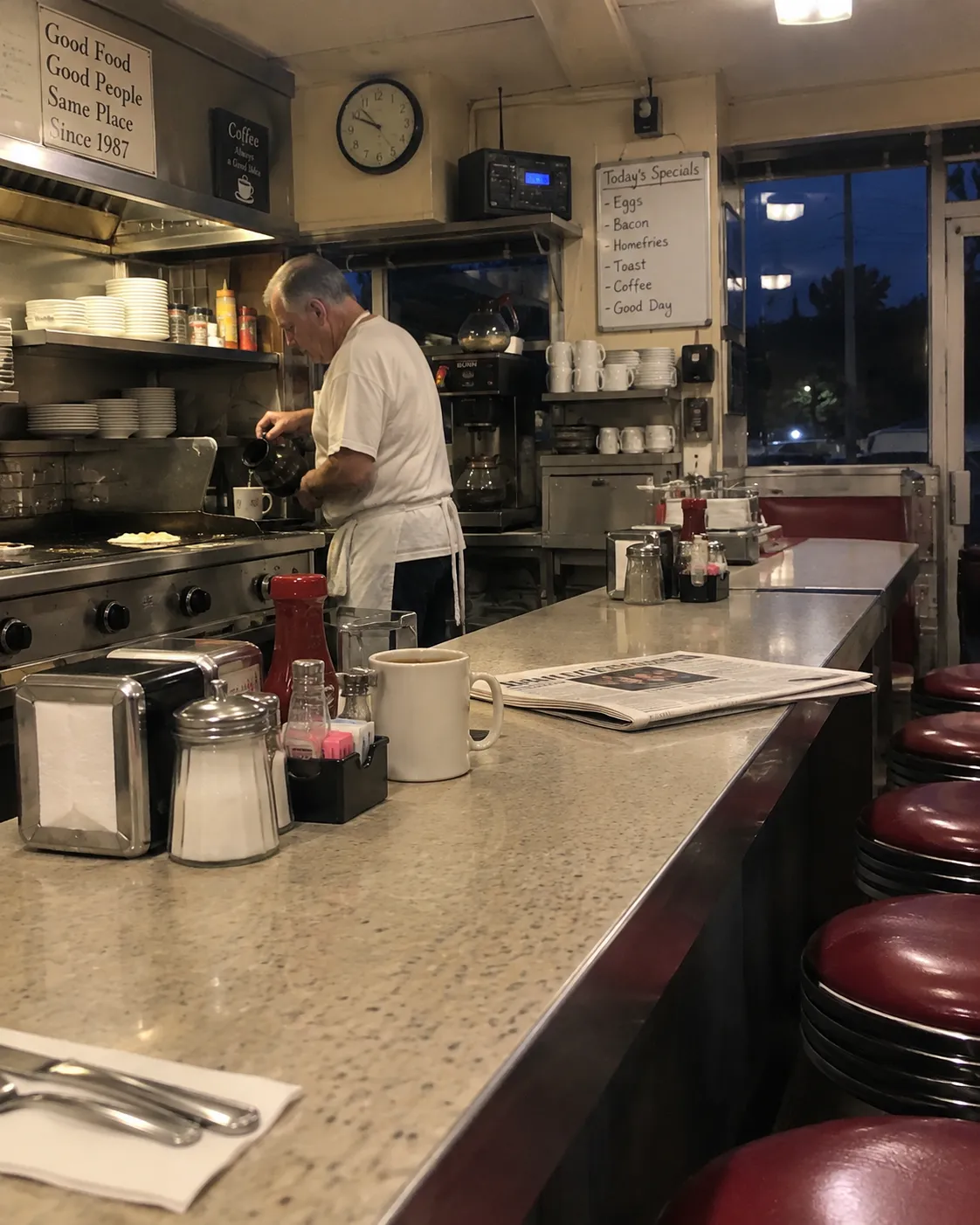
The Woman Who Ignored Every Big Claim on the Front
Kenneth Walker Wellness
My Father Kept My Seed Jar for 31 Years. I Finally Understood Why After My Wife Died.
Kenneth Walker Wellness
My Father Kept My Seed Jar for 31 Years. I Finally Understood Why After My Wife Died.
Kenneth Walker Wellness
My Father Kept My Seed Jar for 31 Years. I Finally Understood Why After My Wife Died.
Kenneth Walker Wellness

 Add to Chrome