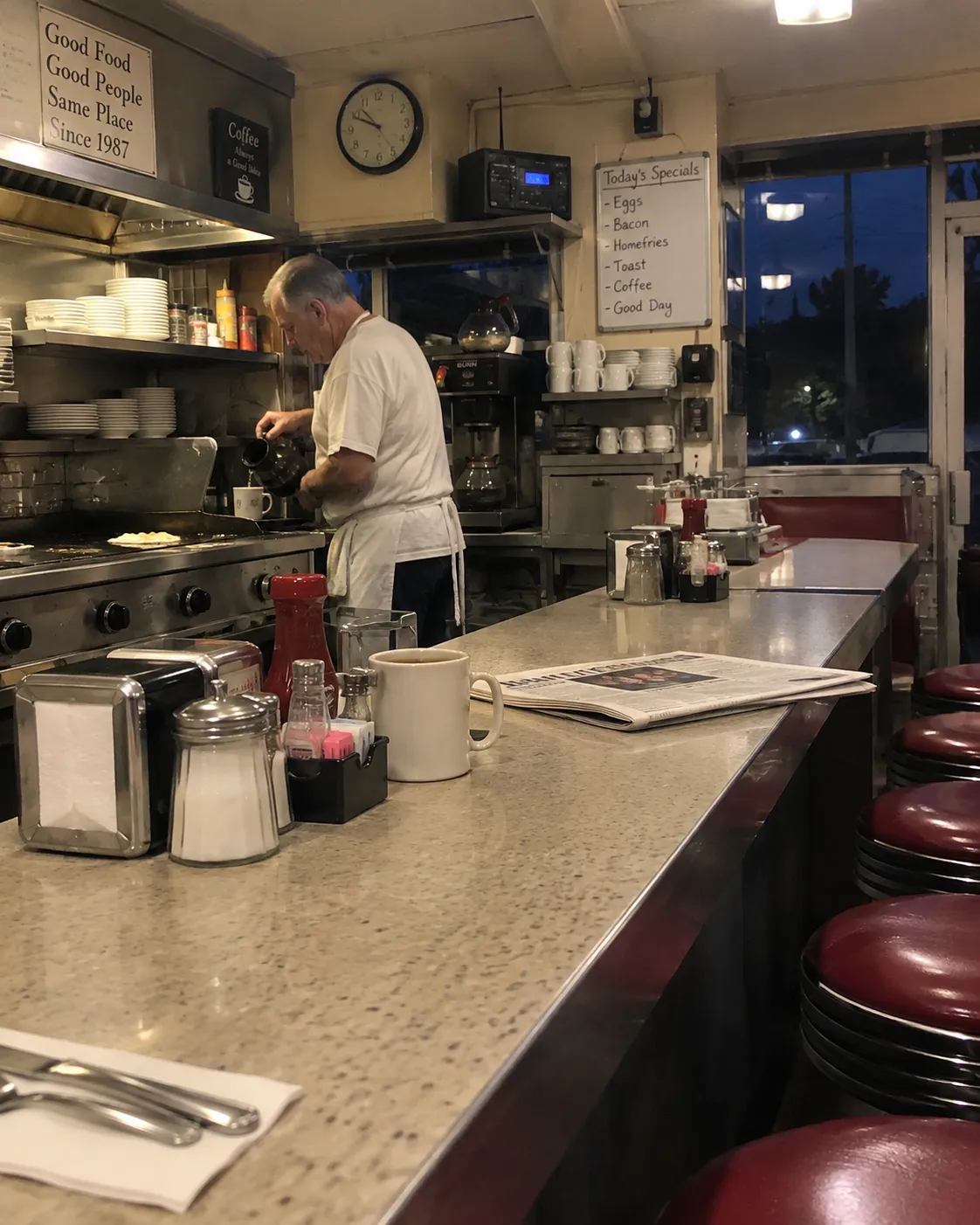
My Father Died Without Ever Saying What I Needed to Hear. Twelve Years Later, I Found His Letter.
Ad Copy
My father and I barely spoke for the last seven years of his life. When he died, the only thing he left me personally was an old red toolbox nobody else wanted. I sold it for forty dollars. The man who bought it came back the next morning holding a black notebook and a yellow envelope. "Ma'am, I think your father hid these for you." My father's name was Raymond Mercer. Everybody called him Ray, including my mother when she was happy with him. When she wasn't, which was often enough, he became Raymond. Dad was an aircraft mechanic for thirty-seven years. Not a pilot or an engineer. He was the man underneath the wing at five in the morning with grease on his sleeves, checking the things everybody else was trusting to work once the plane left the ground. He believed almost anything mechanical warned you before it failed. The problem, according to Dad, was that most people didn't notice until the warning got loud. Every car he owned had a spiral notebook in the glove compartment. Oil changes, brake pads, belts, tires, mileage, dates, part numbers. When I got my first car at sixteen, he put one in mine. Three months later he found it buried under two sweatshirts and a McDonald's bag in the back seat. "You know what a warning light means?" he asked. "Something's wrong." "No. It means something has already been wrong long enough for the car to notice." He put the notebook back in the glove compartment and told me to write down the mileage. That was Dad. Machines made sense to him because machines behaved logically. Maintain them and they kept working. Ignore them and eventually something broke. People were harder. Especially me. My mother died when I was twenty-six. Breast cancer. Eleven months from the first appointment to a funeral neither of us was remotely prepared to attend. Dad and I grieved in completely different languages. I wanted to talk about her. He wanted to fix things. I'd call him crying and he'd ask whether I had checked the oil in my car. I'd tell him I missed Mom and he'd tell me the left rear tire was wearing unevenly. Once, when I came over because I couldn't stand being alone in my house, he spent two hours replacing a broken latch on my back gate. About six months after the funeral, I finally snapped. "I don't need you to fix something, Dad. I need you to say something." He was standing in my driveway holding a tire gauge. He looked at me for a long second and said, "I don't know what you want me to say." "Anything." He didn't. The fight lasted maybe five minutes. The silence after it lasted almost seven years. I moved two states away. Calls became monthly, then holidays, then birthdays. Eventually my brother became the person who told me how Dad was doing. He was fine, apparently. Dad was always fine. Then one Tuesday morning, my brother called at 6:40 and said Dad had collapsed in the garage. A neighbor found him. By the time I got to the hospital, there was nothing left to say. I remember standing beside his bed and being furious that death had made our stupid argument permanent. Seven years of waiting for one of us to call first, and suddenly there was no first call left to make. My brother took Dad's truck. My aunt wanted my mother's china. We donated most of the furniture. Nobody wanted the toolbox. It was a big red Craftsman Dad had owned since before I was born. Three tall sections, drawers that stuck in the summer, grease worked permanently into the handles. One caster pulled slightly left no matter how many times he repaired it. My brother asked whether I wanted it. I said no. Then I took it anyway. I moved it into my garage and didn't open it for eight years. Every once in a while I thought about getting rid of it, then imagined Dad complaining that somebody would put the wrong sockets in the wrong drawer and left it alone. When I was forty-one, I finally listed it on Facebook Marketplace. OLD CRAFTSMAN TOOL CHEST. $40. PICKUP ONLY. A man named Dennis messaged me twenty minutes later. He showed up that afternoon in an old Ford pickup, opened a few drawers, nodded approvingly, handed me two twenties and spent ten minutes strapping the toolbox into the bed of his truck. I watched him drive away and expected to feel something. I didn't. The doorbell rang at 8:17 the next morning. Dennis was standing there holding a small black spiral notebook and a yellow envelope. "I found these taped underneath the bottom drawer," he said. "Figured forty bucks didn't include somebody's personal stuff." My name was written across the envelope. CLAIRE. Underneath, in Dad's blocky handwriting: YOU'RE ALREADY DOING IT. I stared at those four words. "What does that mean?" Dennis asked. "I have no idea." He handed me the notebook, then asked whether I wanted the toolbox back. I told him no. Ten minutes later, he unloaded it into my garage anyway. I put the envelope on my kitchen table and sat across from it. For seven years before Dad died, I had wanted him to say something to me. For eight years after he died, I had convinced myself he never had. Now there was an envelope with my name on it. I couldn't open it. I told myself I had work, then errands, then dinner. That night I carried it back into the garage, put it inside the top drawer of the toolbox, and closed it. It stayed there for almost four more years. I'm forty-five now. Last February, I was sitting in my doctor's office wearing one of those paper gowns that somehow makes every adult feel twelve years old. Dr. Patel was scrolling through my chart when she stopped. "You told me last year you were walking four or five times a week." "I still walk." "How far?" "It depends." "On what?" I knew where the conversation was going and didn't particularly want to go there. "How tired I am." She looked at me. "When did you start getting winded this easily?" "I don't." "You mentioned it on the questionnaire." "I said sometimes." "Doing what?" "Normal things." "What does normal mean?" I looked down at the paper gown. "Stairs." "How many?" "One flight. Maybe two." She nodded and typed something, then asked about the afternoon fatigue I'd checked on the form. I told her I got tired sometimes. "How tired?" "Coffee tired." "That's not a medical term." "It should be." She smiled a little, then asked about sleep, movement, stress and whether I had stopped doing anything because it felt harder than it used to. I laughed. "I'm forty-five." Dr. Patel didn't. "Claire, forty-five isn't eighty-five." That irritated me immediately, mostly because Dad would have said exactly the same thing. She wasn't telling me anything dramatic was wrong. She talked about the usual things: move more, sleep better, drink enough water, eat better, keep up with routine care. Then she leaned back in her chair. "What I don't want," she said, "is for you to slowly make your life smaller because you've decided getting tired is just what happens now." That sentence followed me all the way home. Make your life smaller. I knew exactly what she meant. I took the elevator to my office even though it was only four floors. I parked closer to stores than I used to. If my daughter Lily wanted to walk the dog farther than our usual block, I'd usually find a reason we should turn around. At work, I bought another coffee almost every afternoon around three-thirty. None of those things seemed important by themselves. Together, they bothered me. I pulled into my driveway and sat in the car for a while. Then I remembered Dad. Not the hospital or the funeral. Something much smaller. One of my last visits home before we stopped speaking, I had been carrying boxes from Mom's old sewing room down to the basement. Halfway back up the stairs, I stopped on the landing and pulled out my phone. Dad was standing at the top. "You get a message?" "Yeah." My phone screen was black. Dad looked at it. Then looked at me. He didn't say anything. I hadn't thought about that moment in twelve years. I got out of the car and went straight to the garage. The toolbox was behind two folding chairs, a Christmas tree box and a vacuum cleaner I had been promising myself I would repair for three years. I pulled open the top drawer. The envelope was still there. CLAIRE. YOU'RE ALREADY DOING IT. I carried it inside, sat at the kitchen table and finally opened it. There were nine handwritten pages. The first line said: Claire, If you're reading this because I'm dead, then apparently I waited too long again. I could hear his voice immediately. The next paragraph stopped me. I owe you an apology. I sat there with my finger resting on those words. For seven years before he died, I had wanted to hear them. For almost twelve years after his death, I had been angry that I never would. Now they were sitting on my kitchen table in his handwriting. I kept reading. Your mother understood people. I understood machines. When she died, I tried to fix everything except the thing that was actually broken. Us. You kept asking me to talk. I kept changing your oil. I thought taking care of your car counted as taking care of you. It didn't. I know that now. I had to put the pages down. I cried for a while, then became angry all over again because the apology I'd waited years for had apparently been sitting underneath a toolbox drawer while I was busy being stubborn. Dad would have appreciated the irony. When I started reading again, he wrote about Mom. About the months after she died. About our argument in the driveway. Then halfway down the third page, the subject changed. There's something else I need you to know. I've been watching you make one of my mistakes. Not the mistake with you. The other one. Waiting for a warning light. I read that twice. He continued. The last few times you came home, you stopped halfway up the basement stairs and pretended to look at your phone. There was nothing on the phone. You carried your mother's storage boxes from the garage and put every one down on the porch before you took it inside. You never used to do that. After dinner you'd sit down and say you were exhausted. You were thirty-two. You called it being busy. I called everything age. Both of us were giving things names so we didn't have to pay attention to them. I remembered the basement stairs. I remembered standing on the landing pretending to answer a message and carrying Mom's boxes one at a time because I needed a break between each one. What I hadn't remembered was Dad watching. The next page was about him. After your mother died, I started slowing down too. At first it was small. I sat down more often in the garage. I stopped taking the long way through the hangar. I turned down fishing trips because loading the boat suddenly sounded exhausting. Every time something changed, I had an explanation. Age. Long week. Bad sleep. Too hot. Didn't eat enough. Ate too much. I had an explanation for everything. Which is another way of saying I wasn't asking why I needed so many explanations. Dad wrote that the first thing he tried was exactly what I had been doing. Coffee. Then more coffee. He bought an energy drink once at a gas station and hated it so much he wrote the brand name in the margin just so he could put a line through it. But the caffeine never changed the thing that bothered him. He still felt like he had less in the tank. He was just more awake while having less in the tank. That sentence made me put my coffee cup down. The next section began: I started reading because reading is cheaper than guessing. That sounded like Dad too. He wrote about sleep, muscle, food, hydration, the heart and staying active. Then the notes turned to something simpler. Blood getting where it needed to go. He explained it the way he explained almost everything to me. An airplane can have plenty of fuel and still have a delivery problem. Your body obviously isn't an airplane, despite what your father may have implied for most of your childhood. But blood still has a job. It carries oxygen and nutrients where your body needs them. Your muscles need that delivery when they work. Your heart needs it. Everything you ask your body to do depends on blood getting where it needs to go. That made sense to me. Not because it sounded scientific. Because it sounded obvious. Dad continued: That sent me down another rabbit hole. Blood vessels don't behave like rigid pipes. They can tighten and relax. Your body has ways of signaling them to do that. One of those signals is something called nitric oxide. I know that sounds like something you put in a race car. It isn't. I laughed. Then kept reading. Nitric oxide helps signal blood vessels to relax. That supports normal blood flow. That matters when you're walking, exercising, carrying boxes, working in the yard, climbing stairs or doing any of the other things you keep pretending you're too busy to do. This was the first point in the letter where Dad used the word circulation. Apparently the normal word for all this is circulation. I always thought "poor circulation" meant your grandmother's cold feet. Turns out there's more to it than that. That was exactly how Dad would have discovered it. He hadn't started with a wellness word. He had started with a question. Why am I slowing down? That question led him to blood flow. Blood flow led him to nitric oxide. Then nitric oxide led him somewhere I did not expect. The next page began: Then I found beets. I stopped reading. Beets? I remembered seeing beet juice in Dad's refrigerator once after Mom died. I assumed some woman from church had given it to him. Apparently not. Yes, beets. Your grandfather hated them. I hate them. Keep reading. Beetroot naturally contains dietary nitrates. Your body can use those nitrates as part of the pathway that produces nitric oxide. That's why people interested in exercise, endurance and blood flow started paying attention to beetroot. It isn't magic. It is a vegetable. That last line was underlined twice. Dad hated exaggerated claims almost as much as he hated mayonnaise. He wrote that he tried beet juice first and spilled it on Mom's white countertop. The stain lasted almost a week. Then he tried powder. He used it five times before deciding any health habit requiring him to wash another glass every morning was not going to survive. Then he started looking at capsules. That was when he discovered something else. Most people buy supplements the way you buy tires. They look at the front. Do not look at the front first. Turn the bottle around. At the bottom of the page was one line: SEE BLACK NOTEBOOK. I had forgotten Dennis returned the notebook with the envelope. It was still in the toolbox. I went back outside, found it in the second drawer and brought it inside. The first ten pages were exactly what you would expect from Dad. Part numbers. Torque specifications. Oil filters. A diagram of something I still can't identify. Then page eleven. BEET ROOT. Underlined twice. There were columns for brands, serving sizes, ingredients, prices and notes. Dad had apparently compared beetroot supplements the way he compared replacement alternators. Some were crossed out. Some had question marks. One had RIDICULOUS written beside the price. Paper-clipped to the opposite page was a white index card. At the top: CLAIRE - IF YOU EVER TRY THIS, FOLLOW THE LIST. Five things. Of course. 1. THE AMOUNT SHOULD BE OBVIOUS. If a company makes you hunt for how much beetroot is actually in the serving, keep looking. No mystery blend. No hiding the ingredient behind twenty other things. You should know what you're buying. 2. GET AN ACTUAL BEETROOT SERVING. Dad had circled one number. 1,300 MG. Underneath: Enough that beetroot is the product, not decoration for the label. 3. BEETROOT SHOULD BE THE POINT. You already know where to buy caffeine. You already know where to buy a multivitamin. If you're looking for beetroot, buy beetroot. You do not need fourteen exciting ingredients keeping it company. 4. PICK SOMETHING YOU WILL ACTUALLY USE. Juice works if you drink it. Powder works if you mix it. Anything sitting in your cabinet has a serving size of zero. You hate washing glasses. Act accordingly. 5. THE COMPANY SHOULD STAND BEHIND WHAT IT SELLS. Clear product. Clear amount. Clear guarantee. If ordering is easy and getting your money back requires a law degree, choose somebody else. At the bottom of the card, Dad had added: DO NOT BUY THE CHEAPEST ONE JUST BECAUSE IT IS CHEAP. Then underneath: YOU WILL. That sounded exactly like him. And he was right. I closed the notebook, opened Amazon and typed BEETROOT CAPSULES. There were hundreds. I picked one with more than ten thousand reviews. Four and a half stars. $18.99. Bright red bottle. The front said SUPER BEET PERFORMANCE COMPLEX, with words like ENERGY, CARDIO, SUPERFOOD and PERFORMANCE underneath. It looked impressive. I ordered it. When it arrived two days later, I started taking it every morning. The first day, nothing. Third day, nothing. A week, nothing I could identify. Two weeks. Still nothing. I wasn't expecting a caffeine buzz. Dad had made that very clear. But after almost three weeks, I couldn't honestly tell you why I was still taking it other than the fact that I had paid for it. One Sunday morning I was sitting at the kitchen table with Dad's index card beside me. I picked it up. Rule one. THE AMOUNT SHOULD BE OBVIOUS. I turned the bottle around. Beetroot was inside a blend with several other ingredients. The total amount of the blend was listed. How much of it was actually beetroot? No idea. Failed. Rule two. GET AN ACTUAL BEETROOT SERVING. Again, no way to tell. Failed. Rule three. BEETROOT SHOULD BE THE POINT. Beetroot, berry powder, green tea, a botanical blend and something called an energy complex. Failed. Rule four. PICK SOMETHING YOU WILL ACTUALLY USE. Capsules. Fine. Passed. Rule five. THE COMPANY SHOULD STAND BEHIND IT. I went looking for the guarantee. The return page sent me to another page, which sent me to an FAQ, which told me to contact support. I stopped. Dad had warned me. I ignored him. He had even predicted that I would ignore him. For someone who claimed not to understand people, the man understood his daughter extremely well. I threw the bottle away. Then I did what I should have done three weeks earlier. I put Dad's checklist beside my laptop and started comparing products one at a time. Some were gummies with long ingredient lists. Crossed off. Some were powders. Dad had written beside one: CLAIRE WILL USE THIS FOR FOUR DAYS. He wasn't wrong. Crossed off. Some had caffeine. I already owned coffee. Crossed off. Some had proprietary blends. Others looked straightforward until I tried to figure out how much beetroot was actually in the serving. Crossed off. I kept going. Then I opened one product page and stopped. Good Science Beet Root. The bottle wasn't trying very hard to impress me. GOOD SCIENCE. BEET ROOT. 1,300 MG. 60 CAPSULES. That was basically the conversation. I pulled Dad's card closer. Rule one. Amount clearly stated. 1,300 mg. Check. Rule two. Actual beetroot serving. The same number Dad had circled. 1,300 mg. Check. Rule three. Beetroot should be the point. It wasn't an energy matrix. It wasn't a kitchen sink formula. It was Beet Root. Check. Rule four. Something I would realistically use. Capsules. No blender. No beet juice staining my counter. No powder slowly becoming a permanent resident of the cabinet. Check. Rule five. Company stands behind it. 30-day money-back guarantee. Check. Five items. Five checks. I sat there looking from the screen to Dad's card, then read everything again because Dad raised me to distrust anything that seemed too convenient. The product was almost exactly what the checklist had led me toward. A straightforward beetroot supplement. 1,300 mg. Simple enough to take every day. No mystery about what I was buying. I could almost hear him: "Was that difficult?" I ordered one bottle. Dad would have bought enough to follow the routine properly. I bought one. Some things survive death. When it arrived, I started the next morning. I took the capsules with water, went to work and waited for absolutely nothing to happen. Nothing did. No rush. No buzz. No sudden feeling that somebody had replaced my batteries. Good. Dad had written another sentence in the notebook: BEETROOT IS NOT COFFEE. STOP EXPECTING EVERYTHING TO FEEL LIKE COFFEE. So I stopped looking for a moment. I just took it every morning. Near the end of the first week, I was sitting at work around 3:30 when I looked at the clock and realized I hadn't gone downstairs for another coffee. My mug from that morning was still beside the computer. Normally, 3:30 was automatic. Elevator down, coffee, elevator back up. I hadn't even thought about it. Could have meant nothing. So I didn't make anything of it. The next week, I got to work late and watched the elevator doors close as I crossed the lobby. I took the stairs. Second floor. Third. Fourth. I walked through the office door and headed toward my desk. Then I stopped. I hadn't done the phone trick. For years, whenever I reached the third-floor landing, I would pull out my phone and stand there scrolling. Nobody thinks you're catching your breath if you're looking at your phone. Dad had seen me do it when I was thirty-two. I was still doing it at forty-five. Except that morning. I hadn't. I stood in the hallway for maybe ten seconds thinking about that. Then I told myself not to be ridiculous and went to work. Week three, Lily asked me to walk the dog. Our normal route went around one block. At the corner she kept going straight. "Where are you going?" "Long way." "I didn't agree to the long way." "You're already walking." Apparently seventeen-year-olds have their own contract law. So we kept going. Half a mile. Then another. When we got home, I took my shoes off, went upstairs, changed clothes, came back down and started dinner. Lily stood at the refrigerator watching me. "What?" "You didn't sit down." "I don't always sit down." "Yes, you do." "No, I don't." "Mom. Every time we walk." Teenagers are unreliable narrators. But I thought about it for the rest of the evening. By week four, I wanted to understand more of what Dad had been reading. My brother still had two boxes of Dad's papers in the attic at our old house, so I went over one Saturday and brought them downstairs. Inside were yellow legal pads, printed articles and pages of notes. Sleep. Exercise. Food. Stress. Blood pressure. Blood flow. Nitric oxide. Dietary nitrates. Beetroot. Dad hadn't been looking for one miracle ingredient. He had been trying to understand why he was slowing down. One page had a heading: ENERGY IS NOT ONE THING. Underneath: SLEEP. FOOD. MOVEMENT. OXYGEN. BLOOD FLOW. RECOVERY. STRESS. Then, circled: STOP TRYING TO SOLVE A SYSTEM WITH COFFEE. That one felt unnecessarily personal. Another page said: BLOOD FLOW = DELIVERY. If delivery matters, support the system that delivers. Simple. That was Dad's entire way of thinking. Find the system. Understand what it needs. Maintain it before the warning light. And buried deeper in his notes, the word that had once sounded like vague supplement language finally made sense. Circulation. Not as some abstract wellness promise. Just the ordinary fact that blood has to move through your body and get where it needs to go. That was what Dad had been trying to understand. So I changed other things too. I started walking most mornings. Nothing heroic. Twenty minutes. I drank more water, started going to bed earlier and stopped treating vegetables like decorations that came free with restaurant meals. And I kept taking Good Science Beet Root. Every morning. One thing fed the next. Around week six, Mom came over for dinner. She had remarried years earlier and lived about fifteen minutes away, but we still had several boxes of old family things stored in my spare room. After dinner she asked me to carry one upstairs. I picked it up, walked up, put it in the room and came back down. Mom was standing at the bottom of the stairs. "What?" "You didn't stop." "What do you mean?" "You used to stop halfway." "No, I didn't." She pointed toward the landing. "You'd take your phone out." I didn't say anything. She smiled slightly. "Your father noticed it too." That got me. "What?" "He worried about you." "Dad worried about everybody." "No." She shook her head. "Your father worried about machines. With people, he mostly watched." That sounded exactly right. "He knew you were slowing down before you did." That night, after Mom left, I read the letter again. I kept coming back to the same paragraph. I've been watching you make one of my mistakes. Waiting for a warning light. The stairs. The boxes. The coffee. The excuses. For seven years, I thought Dad and I weren't speaking. Apparently he was still paying attention. Two months after I started changing things, I had another appointment with Dr. Patel. There was no dramatic doctor scene. No stunned face. No "What miracle are you taking?" Real life isn't an infomercial. She asked whether I was walking. "Most days." "How are the stairs?" "Better." "Afternoon fatigue?" "Better." "Still drinking three or four coffees?" "Usually one." That made her look up. "One?" "Sometimes two." "What changed?" "A few things." I told her. Walking. Sleep. Food. More water. Beetroot. She nodded. "Good." That was basically it. Then she said: "Keep doing the things you can actually sustain." Dad would have liked that sentence. By month three, I stopped thinking about Good Science very much. Oddly enough, that's when I realized I liked it. It had become boring. Wake up. Water. Capsules. Get dressed. Walk. Go to work. No ritual. No mixing. No deciding whether today was the day I felt motivated enough to make beet juice. It was just part of the routine. Then I noticed somebody else doing the phone trick. Her name is Melissa. She runs payroll at our company. Forty-seven. Two teenagers. Divorced. Knows more about everybody who works there than Human Resources does. Every afternoon around four, Melissa opened the same silver energy drink. One Tuesday she cracked the tab, took a sip and said: "I swear I didn't used to need this." That sentence bothered me. I had been saying versions of it to myself for years. I didn't respond. Nobody wants to hear a lecture about beetroot while they're opening an energy drink. The next week, the elevator was being serviced. Melissa and I took the stairs. On the third-floor landing, she stopped, pulled out her phone and looked down at the screen. The screen wasn't doing anything. She was waiting. Waiting for her breathing to settle. Exactly like I used to. Exactly like Dad had watched me do. I didn't say anything that day either. A few days later, Melissa saw the Good Science bottle sticking out of my bag. "What's that?" "Beetroot." She looked at me. "Why are you taking beetroot?" I gave her the short version. She asked for the long version. So at lunch I told her. Dad. The toolbox. The envelope. The letter. Getting tired. The phone trick. His research. The notebook. The five rules. The cheap bottle I bought after ignoring nearly all of them. Then Good Science. She laughed. "Your dead father left you supplement homework?" "Basically." "Can I see the checklist?" The next morning, I photocopied Dad's card and put it on her desk. Three weeks later, Melissa walked into my office and put the photocopy down in front of me. She had added a sixth rule in purple ink. 6. STOP USING CAFFEINE TO REPLACE SLEEP. "That wasn't Dad's rule." "It is now." Then she said: "I ordered the beetroot." "That wasn't why I gave you the list." "I know." She tapped the page. "That's why I trusted it." I've thought about that sentence a lot. Dad never actually left me a product recommendation. He left me a way to make a decision. Know what you're getting. Make sure the amount is clear. Make sure beetroot is actually the point. Choose something you can realistically keep taking. Buy from a company willing to stand behind what it sells. That framework led me to Good Science. Not a celebrity. Not a before-and-after photo. Not ten thousand reviews from people I don't know. A checklist written by an aircraft mechanic who distrusted marketing and believed you should inspect anything before you depended on it. That's probably why I'm writing this. Dad spent thirty-seven years checking airplanes before strangers trusted those airplanes enough to leave the ground. He understood something I somehow forgot when it came to myself. Maintenance happens before failure. You don't change the oil after the engine seizes. You don't inspect a line after it breaks. You don't wait for the warning light and call that maintenance. But that's exactly how I had been living. Tired? Coffee. Stairs getting harder? Elevator. Afternoon crash? More coffee. Walking less? Busy. Turning down things I used to enjoy? Getting older. I had an explanation for everything. So did Dad. Until eventually the explanations weren't enough. I don't think beetroot is magic. Dad would hate that word. I don't think one supplement replaces movement, food, sleep, medical care or paying attention when something feels wrong. It doesn't. What changed for me was simpler. I stopped treating slowing down like something I was required to accept without question. I started walking again. Sleeping more. Eating better. Paying attention. And Dad's research taught me why beetroot had become interesting to people who wanted to support healthy blood flow, exercise and endurance. Dietary nitrates. The body's nitric oxide pathway. Healthy blood-vessel function. The thing supplement labels summarize with one word: Circulation. By the time I learned the word, it didn't sound like marketing anymore. I knew what it meant. Delivery. Good Science made adding beetroot to my routine simple enough that I actually stayed consistent. 1,300 mg of beetroot powder. Capsules. No complicated formula. No elaborate routine. No stimulant pretending to be the answer to every tired afternoon. Dad's checklist led me there. So I tried it. Then I kept taking it. That was seven months ago. I still walk most mornings. I still take the stairs. I still drink coffee. Usually one. Sometimes two. I'm not twenty-five again. I'm forty-five. But I stopped treating forty-five as an explanation for everything I didn't want to notice. Last month, Lily and I took the dog on the long route. When we came home, she went into the kitchen and I started upstairs. "Mom." I turned around. "What?" "You didn't sit down." I knew exactly what she meant this time. I smiled. "Your grandfather would have noticed too." She looked confused. She never knew Dad well enough to understand that. Maybe someday I'll show her the notebook. For now it stays in the toolbox. Top drawer. Beside the letter. For twelve years, I believed my father died without ever saying the thing I needed him to say. I was wrong. He said it. He just taped it underneath a toolbox drawer because apparently even an apology needed an installation method. There's one sentence from his letter on my refrigerator now. Not the apology. Not the part about Mom. The other one. SUPPORT THE SYSTEM BEFORE YOU NEED THE WARNING LIGHT. Dad learned that later than he should have. I opened his letter later than I should have. Maybe you don't have to wait as long as either of us. If you've started noticing little things you keep explaining away, pay attention. The pause halfway up the stairs. The afternoon coffee that stopped being optional. The walks getting shorter. The little things you stopped volunteering to do because they suddenly feel like more work than they used to. Sometimes tired really is just tired. Sometimes busy really is just busy. But taking better care of yourself doesn't have to begin after something scares you. Walk. Sleep. Drink water. Eat better. Talk to your doctor when something doesn't feel right. And if beetroot is something you want to add to support healthy circulation, Dad's rule applies: Turn the bottle around. His checklist was simple. 1. Is the amount clearly stated? 2. Is it a real beetroot serving? 3. Is beetroot actually the point? 4. Is it simple enough that you'll use it consistently? 5. Does the company stand behind what it sells? That search led me to Good Science Beet Root. 1,300 mg. Straightforward beetroot support. Five boxes. Five checks. Dad would have appreciated that. P.S. The product Dad's checklist eventually led me to is called Good Science Beet Root. Each serving provides 1,300 mg of beetroot powder. I use it as part of my daily routine to support healthy circulation, heart health, and everyday energy and endurance. No mixing. No beet juice. No elaborate morning routine. Good Science also has a 30-day money-back guarantee. Dad would absolutely have checked that before buying anything. The man once returned a garden hose because, according to him, "A hose has one job." P.P.S. If you're expecting beetroot to feel like an energy drink, that wasn't what interested me. Coffee stimulates you. Beetroot is interesting for a different reason. Beetroot naturally contains dietary nitrates involved in the body's nitric oxide pathway. Nitric oxide helps support normal blood-vessel relaxation and healthy blood flow. That's why beetroot has become popular with people interested in circulation, exercise and endurance. Dad's explanation was simpler. Don't just press harder on the gas. Pay attention to delivery. P.P.P.S. I made exactly the mistake Dad predicted. I bought the cheap random beetroot first because it had thousands of reviews and an impressive label. Then I turned the bottle around. I couldn't even tell how much beetroot I was actually getting. If you're comparing products, ignore the front for a minute. Look at what you're actually buying. Good Science made that easy for me. Beet Root. 1,300 mg. Straightforward. That was exactly what Dad's checklist had taught me to look for. P.P.P.P.S. Good Science currently has larger package options too. Buy 2 and you can get an additional bottle free. Buy 3 and you can get 2 additional bottles free. I started with one because apparently twelve years wasn't enough time for me to learn to listen to my father. If beetroot is something you already know you want to make part of your routine, the larger packages make more sense. Consistency was the point of Dad's fourth rule. It was also his rule about oil changes, exercise, marriage and calling your daughter. He was better at some of those than others. P.P.P.P.P.S. Melissa still has Dad's photocopied checklist taped beside her monitor. Her sixth rule is still written underneath in purple: STOP USING CAFFEINE TO REPLACE SLEEP. Last week she added another. 7. START BEFORE YOU THINK YOU NEED TO. I stared at it for a while. Then I went home and opened Dad's letter again. Almost the same sentence was sitting near the bottom. SUPPORT THE SYSTEM BEFORE YOU NEED THE WARNING LIGHT. Dad figured that out late. I figured it out later than I should have. Maybe you don't have to. Good Science Beet Root. 1,300 mg. Simple enough to use every day. Not because the front of the bottle shouted the loudest. Because when Dad taught me to turn it around, the boxes were easy to check.
More from Kenneth Walker Wellness
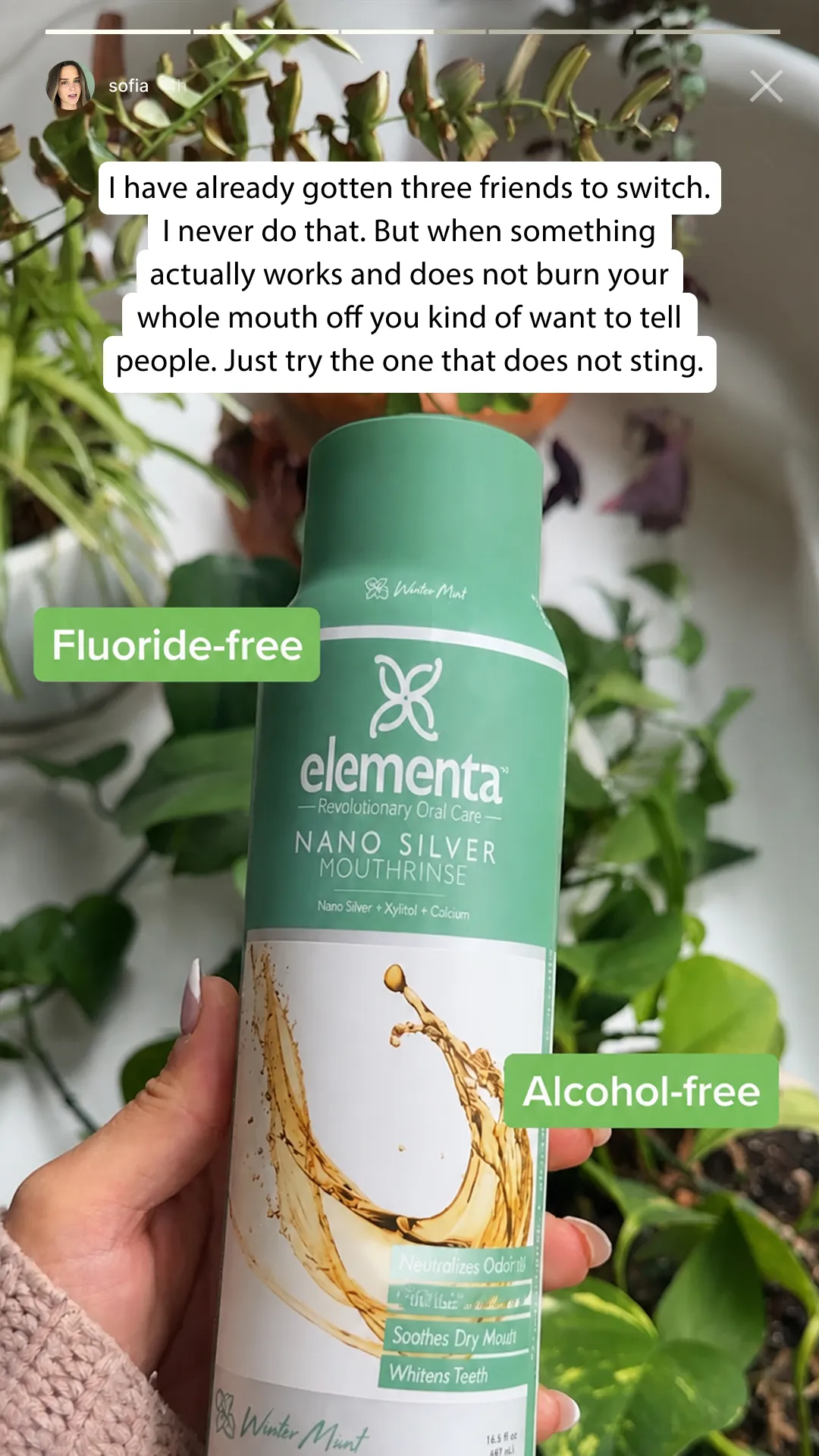
🤯 The Real Reason Your Breath Stinks (It's Not What You Think)
Kenneth Walker Wellness
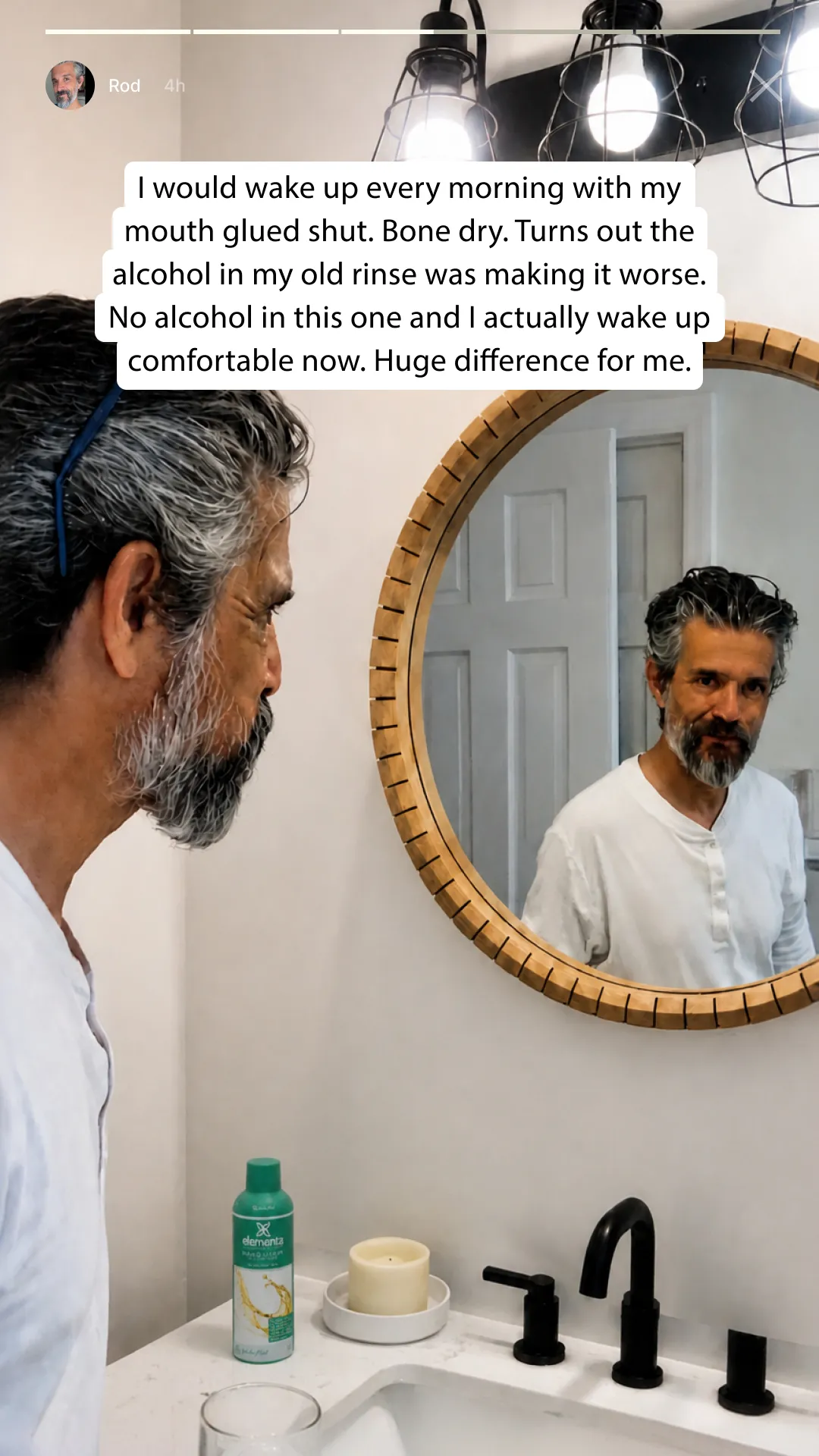
🤯 The Real Reason Your Breath Stinks (It's Not What You Think)
Kenneth Walker Wellness
🤯 The Real Reason Your Breath Stinks (It's Not What You Think)
Kenneth Walker Wellness
🤯 The Real Reason Your Breath Stinks (It's Not What You Think)
Kenneth Walker Wellness

My Family Kept Two Rows of Beets for Me for 38 Years. I Didn’t Know Why Until My Husband Died.
Kenneth Walker Wellness
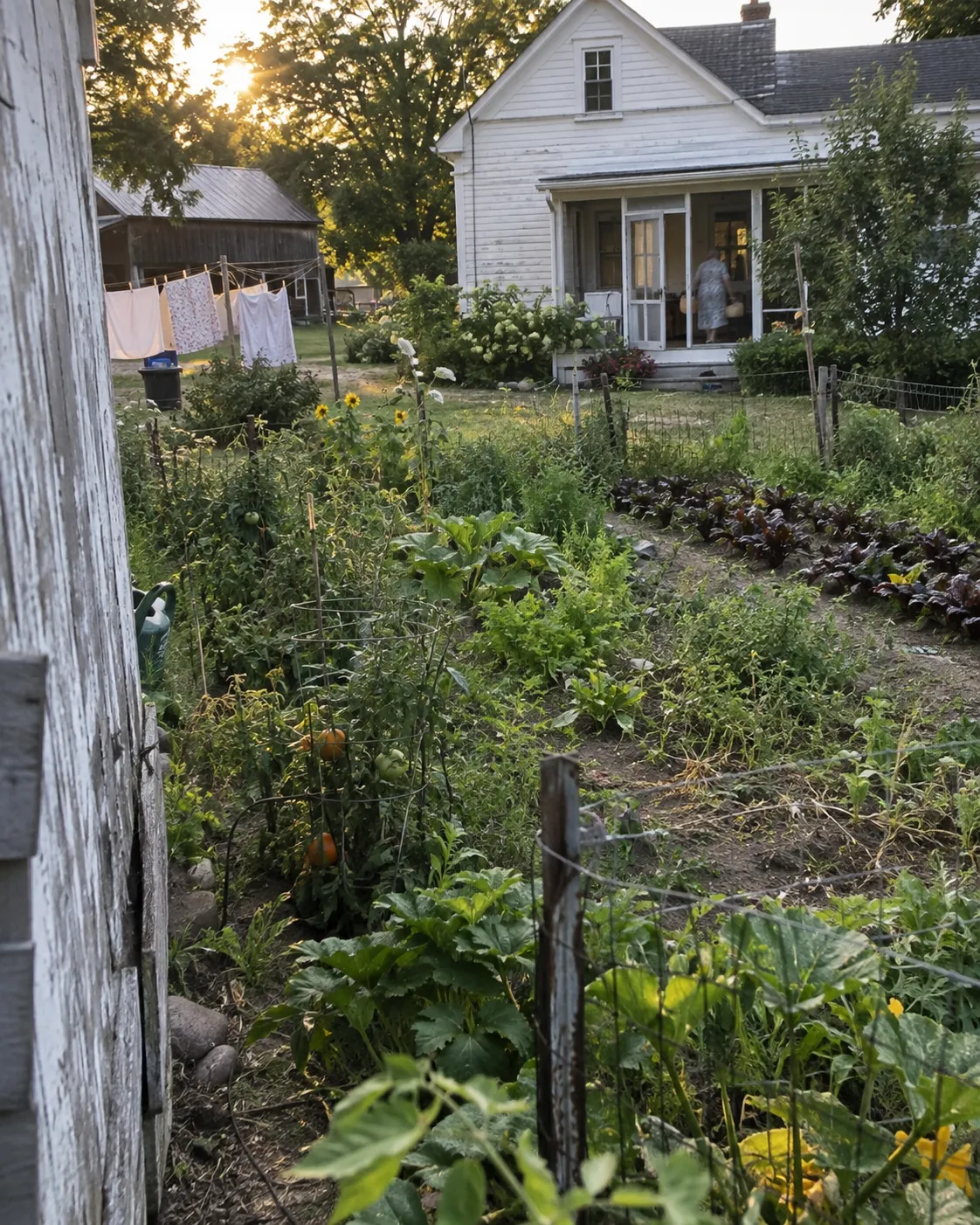
My Family Kept Two Rows of Beets for Me for 38 Years. I Didn’t Know Why Until My Husband Died.
Kenneth Walker Wellness
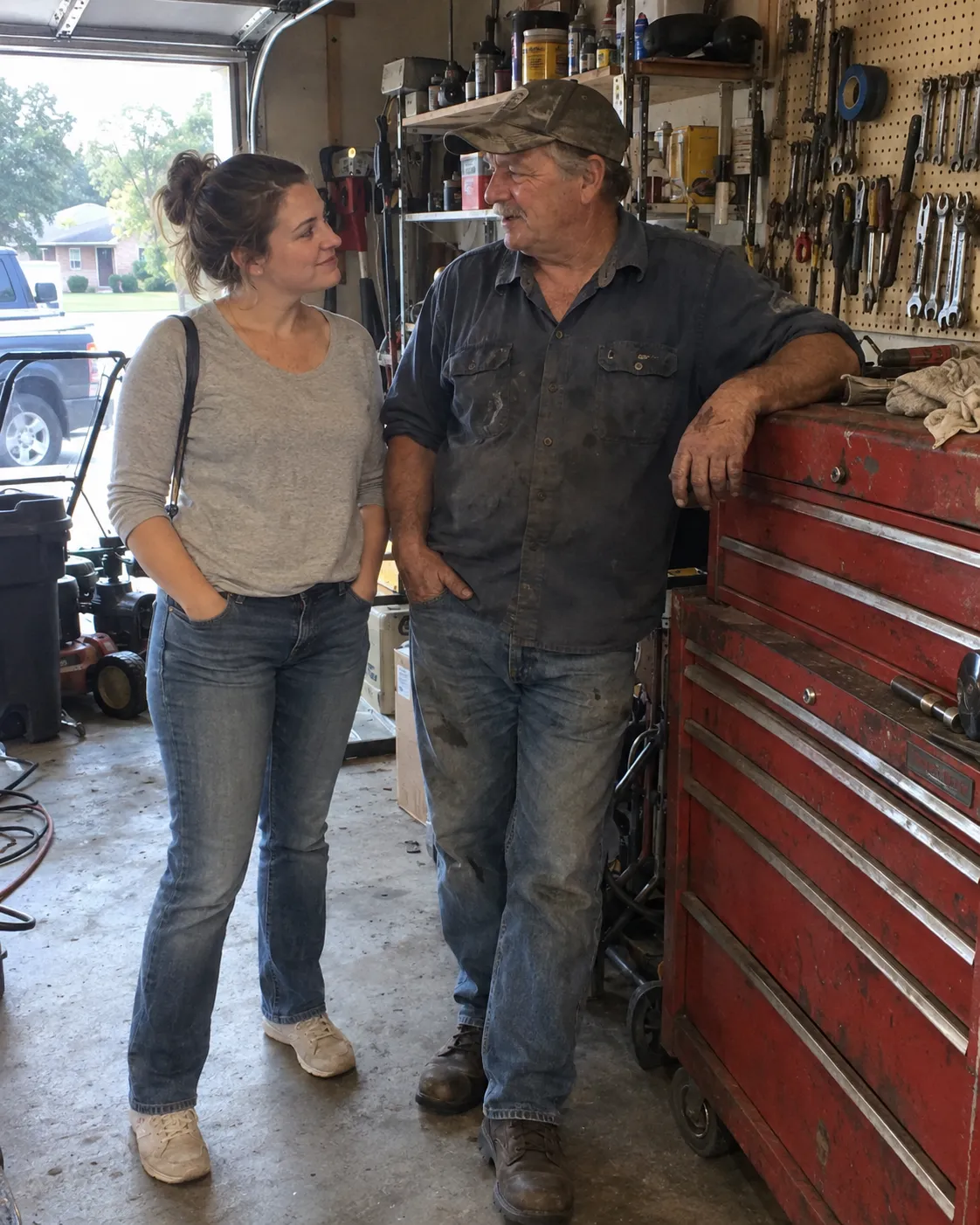
My Father Died Without Ever Saying What I Needed to Hear. Twelve Years Later, I Found His Letter.
Kenneth Walker Wellness
The Woman Who Ignored Every Big Claim on the Front
Kenneth Walker Wellness
My Father Kept My Seed Jar for 31 Years. I Finally Understood Why After My Wife Died.
Kenneth Walker Wellness
My Father Kept My Seed Jar for 31 Years. I Finally Understood Why After My Wife Died.
Kenneth Walker Wellness
My Father Kept My Seed Jar for 31 Years. I Finally Understood Why After My Wife Died.
Kenneth Walker Wellness

My Father Kept My Seed Jar for 31 Years. I Finally Understood Why After My Wife Died.
Kenneth Walker Wellness

 Add to Chrome