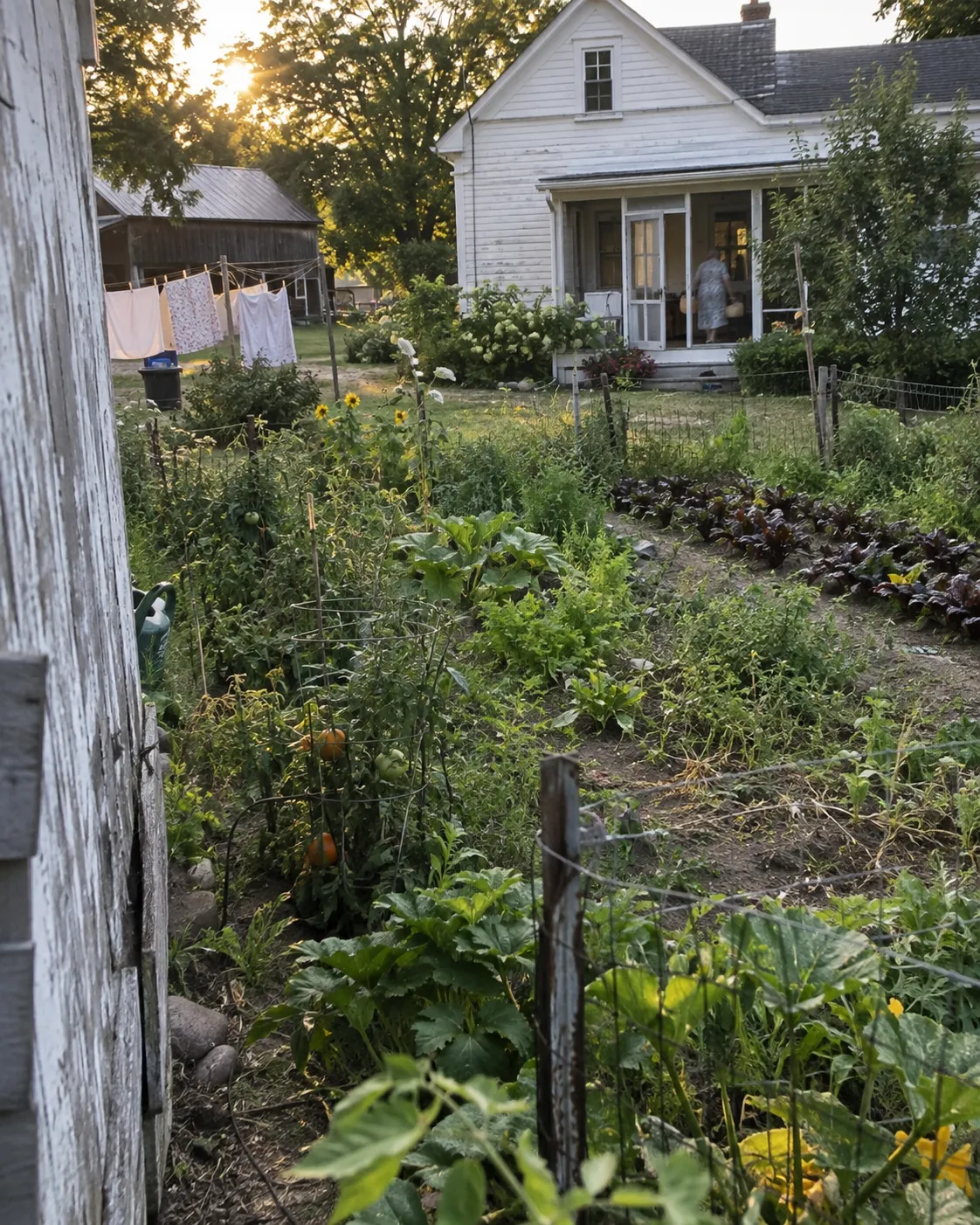
My Family Kept Two Rows of Beets for Me for 38 Years. I Didn’t Know Why Until My Husband Died.
Ad Copy
I left the Amish at nineteen for an English man with a work truck and a laugh you could hear from the barn. Last winter I buried him. He was fifty-nine. At the funeral, my father — who hadn't spoken my name in thirty-eight years — said four words at the grave that sent me back to his farm. I have to start at the funeral, because that's where this story turns, even though it's the worst day of my life and I'd rather start anywhere else. Yutzy & Sons Funeral Home, Millersburg, Ohio. A gray Tuesday. My Wayne in a casket at the front of a room with carpet the color of wheat, and me in the receiving line doing the thing widows do — thanking people for coming while your own name floats somewhere above your head where you can't quite reach it. Then the room changed. You could feel it before you saw it. Black hats. Four of them, and two women in plain dresses, filing in quiet at the back. My father. My brother and his wife. My sister. And my mother, eighty-one, in the navy-black of Amish mourning, two hundred miles from a farm she almost never leaves, standing in an English funeral home with her hands folded, looking at me. Thirty-eight years. No visits. No letters answered — and that part is mine to carry, not theirs. It had never once occurred to me that they even knew Wayne's name. They knew it. They'd heard it from a cousin who still keeps one foot in both worlds — the way you'd hear about weather in a country your child moved to. They stayed through the service. They stood at the back at the cemetery. And when it was over — when the English crowd had drifted to their cars, and it was just me and the tent and the hole in the ground with my husband in it — my father walked up beside me. Eighty-four years old. A beard gone white as flour. He stood next to me looking at the grave, hat held over his chest, and I braced myself, because the last words this man had said to me were in 1987, and they hadn't been gentle ones. He said four words. Not *I'm sorry.* Not *come home.* Four words that made no sense at all standing over a coffin — four words I turned over in my hands for two weeks like a key with no door, until I got in my car one morning and drove east to find the lock. I'm going to hold them a while, the way I held them, because they won't mean to you now what they meant to me by the end. He said them, put his hat on, and touched my shoulder — once, the first time in thirty-eight years — and the vans took them away. Let me back up. All the way back. My name is Miriam Kauffman. It was Miriam Troyer first, and if you know Holmes County you know that name puts me on a produce farm before I ever say it — fourth of seven, no electricity in the walls. Every child on the farm had work that belonged to them. My brothers had the milking. My sister had the henhouse. I had two rows in the garden — mine, given to me at seven the way English children get a bicycle. Beets, mostly — an old, dark strain grown from seed my grandmother's mother carried over on the boat, never once crossed with anything the English bred. My grandmother doubled those rows in 1961, after something hard happened in the family that nobody talked about outright — there's a story there, and my mother will tell it to you herself before we're done. I planted them. I pulled them after first frost, and the beets stained my fingers that deep crimson that doesn't wash out — it wears out. I want to be fair to that life: it wasn't bad. It was beautiful and endless, and at seventeen I could stand in my rows and see my whole future the way you see weather coming across a valley. Some girls found that beautiful. My sister did. I found it like an apron I couldn't untie. In the summer of 1987, Wayne Kauffman started hauling produce for the auction house. Twenty-one years old, forearms out the window of a truck, hired to run crates from our farm to the auction in town. He came up our lane twice a week all summer. I was nineteen, weighing tomatoes at our stand. He had a laugh you could hear over the engine, and he thought I was funny — me, the quiet one. I left on a September night with a pillowcase of clothes. My mother was the only one who knew. She stood at the kitchen door, took my red-stained hands in her red-stained hands, and said, in Deitsch, "The garden doesn't hold anything against the seed that blows over the fence." Then she let me go. My father found out in the morning, and my father was a different man about it, and the words he said — weeks later, secondhand — were hard enough that I decided I'd never go back. Pride is a crop that comes up every year without planting, and I tended mine for thirty-eight years. Wayne and I married in 1989. I was raised to feed people from dirt I could see from the kitchen window, and I stepped straight into the decades built to erase that — the nineties, the drive-thru, Hamburger Helper on a Tuesday because we both worked. Nobody warns the girl who leaves that the table is the religion. I converted, all the way, without ever thinking of it as conversion. Wayne ate what I set in front of him, and what gas-station windows set in front of him on the road — he drove a delivery route for twenty-five years. He was a big, strong, laughing man, and then he was a big, tired man, and the change came the way it comes: one belt notch a decade, the recliner taking him earlier each night, the stairs slower. We both called it age, because everyone calls it age. At fifty, his annual physical came back "all normal, nothing to worry about." And meanwhile the man was dimming. Aches he blamed on the miles. A fog that would sit behind his eyes by four in the afternoon — my Wayne, who could remember every customer's kid's name, standing in our kitchen holding his keys, trying to remember what the garage was for. Falling asleep at his own birthday dinner, mid-sentence, while the candles burned. I watched it for nine years, and here's my confession: something in me knew. Not from any English source. From the cellar. My mother had a saying, and her mother before her: "A number is not a feeling. Tired is not the same as fine." I'd filed it under things quaint old women say. I did not open that door. He looked fine on paper the morning he died. Without warning, at the kitchen counter, coffee still brewing, the mug never touched. Fifty-nine years old. Nine years of "nothing to worry about." There was no error to find. Every checkup clean. And the man I married was gone at his own coffee maker anyway. So: the funeral, the black hats, my father at the grave, the four words that made no sense. Two weeks of turning them over. And one more thing happened in those two weeks that turned the key in my own chest — my children marched me to a doctor, the way children do, and my own physical came back with the same shrug: "these things happen as we get older." I sat in that paper gown feeling the exact tired I'd watched creep into Wayne for a decade, and I decided I wasn't waiting nine years to find out what it meant. So I drove to Holmes County. I won't walk you through every mile of that drive except to say I hadn't earned the welcome I got. My mother met me at the porch like no time had passed. My father sat at the long table that night — I was fourth from the end, my place waiting thirty-eight years — and after supper, before I'd worked up the nerve to ask about the four words, my mother told me the family story I'd never heard whole: her own grandfather had "seemed fine" right up until he wasn't, the same age Wayne was, and that's the real reason the rows got doubled in 1961. Two generations of the same shrug from two different doctors, thirty years apart. My brother wrote a name down for me, in pencil, on the torn top of a seed envelope. I put it in my purse, in the pocket where a woman keeps things she isn't going to lose. And then, because I'm my father's daughter, I didn't use it — not at first. I saw a red-labeled beetroot supplement at a drugstore two days later, $16, a nice photo on the box, and I thought: a beet is a beet, and my son Josh needs this now. I bought three bottles. Six weeks in, I even felt a little lift in the afternoons, and let myself believe it. Then I opened a capsule over a white saucer, the way my mother always told me to check anything I bought. Dust brown. Nothing close to the color that stained my fingers every October of my childhood. I couldn't prove a thing about it in a lab that morning — but I knew what living beetroot looks like, and that wasn't it. The name was still in my purse. Good Science — the company my mother's people had come to trust for the old line, grown two farms from my childhood rows, pulled after first frost. 1,300 milligrams to the capsule, printed plain, no blends. I opened one over the same saucer. Deep red, almost violet at the edge. It bled into a drop of water like ink into paper. I put my finger in it, the way I hadn't in thirty-eight years, and it stained. I cried for the fourth time in this story, and not the last. Two capsules the next morning, a glass of water, and I sat on my back step paying attention on purpose. Twenty minutes in — warmth into my hands, a kind of clearing behind my eyes, like a window you didn't realize was dirty. I'll tell you plainly what that was and wasn't: that feeling isn't the whole story by itself, and I'm not going to pretend it is. What builds — the actual day-to-day difference — takes weeks of taking it the way you're supposed to, not twenty minutes on a back step. The real proof came slower, and it came around my whole table. Me first: within two months I wasn't fighting the four o'clock fog anymore. I sleep through the night. I walk to the cemetery on Saturdays, two miles each way, and the hills don't take my breath the way they used to. Then my son Josh — thirty-six, his father's build, his father's habits, a doctor last year saying "let's keep an eye on it." I didn't ask him. I drove to his house with a bottle and his grandmother's story and put both on his counter and said, "Take it. For your kids." A couple months later he called me from his truck and said he had more in him at the end of a workday than he'd had in years, and then — and this is the whole reason this story exists — he asked me to tell his son Eli about Grossmammi's rows again. Eli is eight. He wants to plant beets. Wayne's brother Curt next — same build, same laugh across a table. I gave him the bottle and the story too. He did it exactly right, the way I want on record for anyone reading who's worried about doing this wrong: he told his own doctor everything first, kept every prescription he was already on exactly as written, and made his own health decisions with his own physician — nothing in this story is a substitute for that conversation, ever. What Curt will tell you is that his hands don't ache on the steering wheel the way they did, and at Christmas he told a forty-minute story without losing the thread once. And then, in September, I went back to Holmes County — and this time I didn't go alone. My whole English family spilled into my mother's yard. We stayed two days. My grandchildren gathered eggs. On the second evening, twenty of us sat down at the long table, and there were beets on it — pickled, crimson, in a glass dish I remembered from girlhood — and I watched my eight-year-old English grandson spear one on his fork and eat it, and consider, and take another. My mother watched him too. Her fingers, folded on the table, red in the creases. His, brand new, about to be. After supper, my father asked me to walk to the garden. We went down the rows in the last light, past the beans, to the far side — and there they were. Two rows of beets, standing dark and proud, ready for first frost. My rows. The ones I was given at seven. In the exact place they'd always been. "Your mother kept your rows." Those are the four words. My father stood over my husband's coffin, after thirty-eight years of silence, and the one thing he chose to tell me was that every spring since 1987, my mother had planted my two rows — not the family's rows, mine, a separate plot, planted and tended for a daughter who might never come back to pull them. In the garden that evening, he said the rest of it: "It was not only your mother. Some years I plowed them myself. We did not know if you would come. That was never the question. The rows are not for whether you come. They're so there's something here when you do." That's the whole reason you're reading an ad that doesn't feel like one, in one sentence from an eighty-four-year-old man in a garden: the rows are not for whether you come. They're so there's something here when you do. If you're reading this at the end of a long day, and there's someone in your house right now whose checkups keep coming back "fine" while the light in him keeps dimming anyway — hear me, one table-setter to another. A clean chart and feeling like yourself are not always the same thing. A supplement isn't a substitute for your doctor, and it never will be — but supporting your everyday circulation and energy, alongside whatever your doctor already has you doing, is something you don't have to wait on.† Good Science Beetroot is 1,300 mg of beetroot powder, two capsules a day, no proprietary blend to hide behind. It supports healthy circulation, everyday energy, and cardiovascular wellness as part of a daily routine† — not a replacement for anything your doctor's already prescribed, and not a promise about any specific condition. Here's the whole arrangement, kitchen-table plain: try it for 30 days. If it's not for you, send the bottles back — empty is fine — and Good Science refunds every dollar. That's it. No bloodwork required, no conditions attached. One bottle is $34.99. Buy 3 and get 2 free — $79.99, five bottles total — is what most families in this story ended up ordering, because once you're doing this for more than one person at your table, you want enough on the shelf to not think about it again for a while. The same seed line, kept a hundred and fifty years by a handful of families in one county, pulled once a year after first frost, when the red runs deepest. When a season's harvest sells through, it's gone until the next frost. I keep bottles ahead now the way my mother keeps jars. My mother planted rows for thirty-eight years for a daughter who might never come. You only have to order once. — Miriam Kauffman (born Troyer), Millersburg, Ohio *P.S. — Talk to your doctor before starting any new supplement, especially if you're already taking medication — don't change anything on your own, and don't let anyone in your life change anything on theirs. That's not a disclaimer, that's how every person in this story actually did it, and it's the only way I'd tell you to.
More from Kenneth Walker Wellness
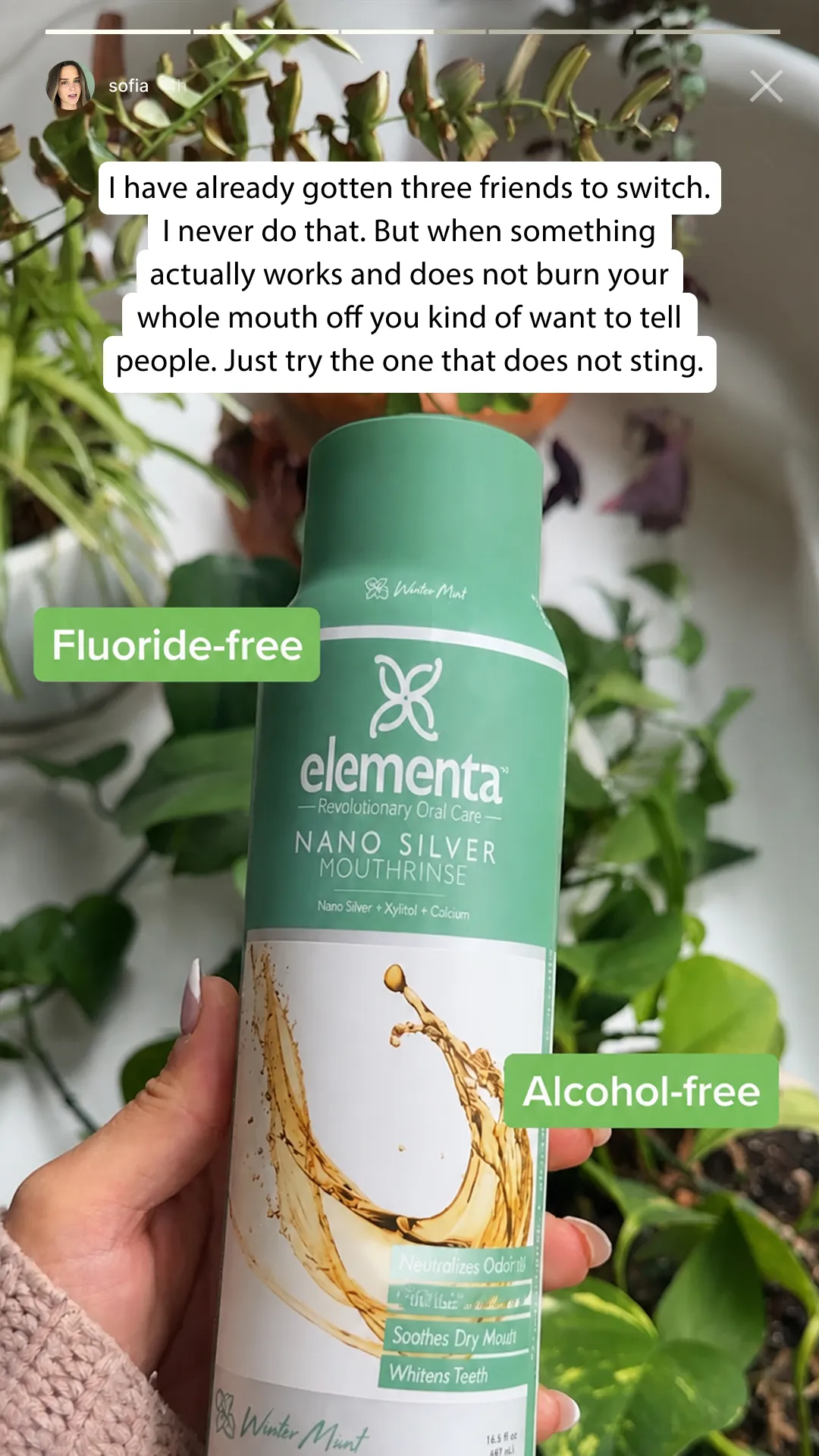
🤯 The Real Reason Your Breath Stinks (It's Not What You Think)
Kenneth Walker Wellness
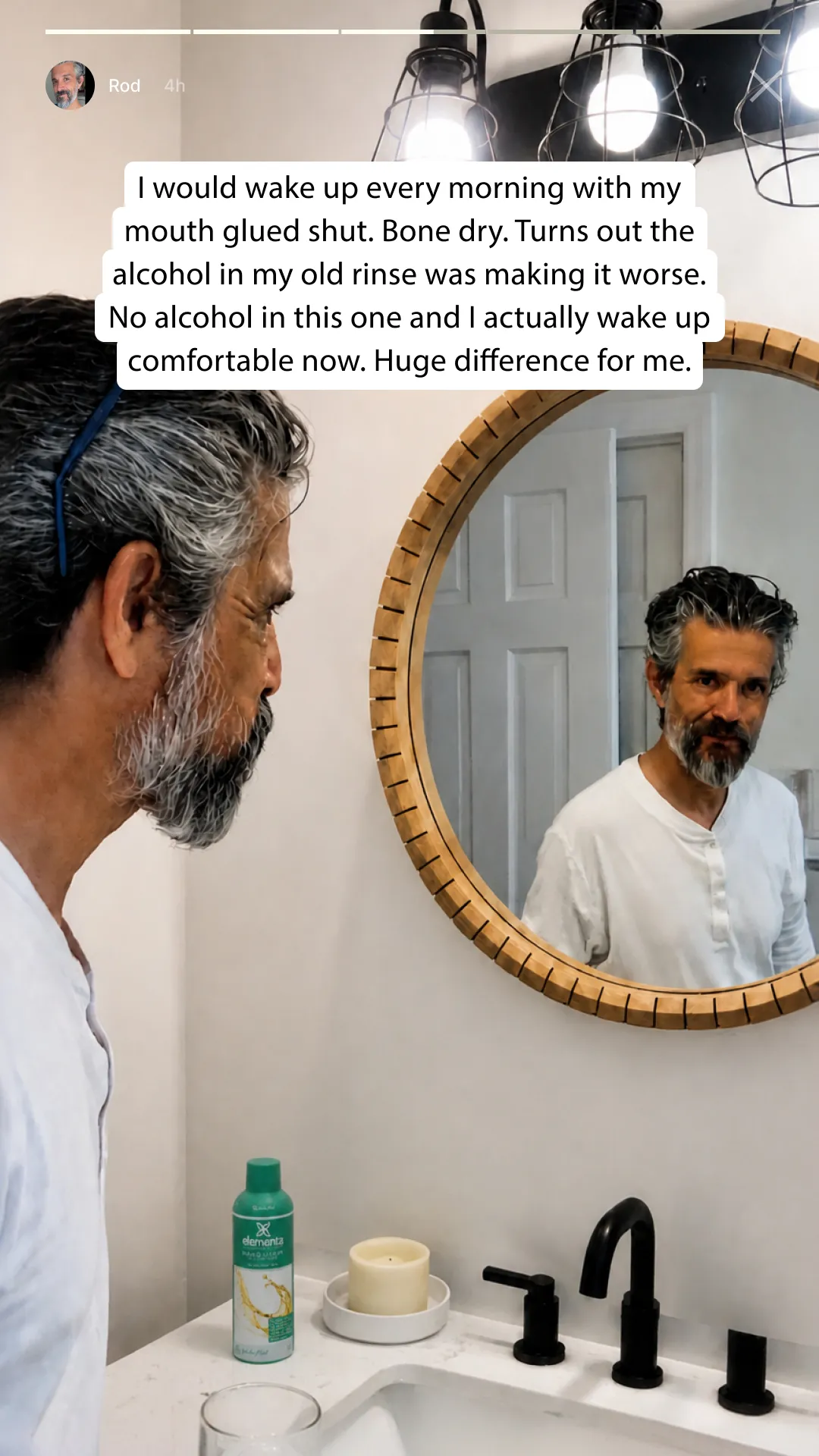
🤯 The Real Reason Your Breath Stinks (It's Not What You Think)
Kenneth Walker Wellness
🤯 The Real Reason Your Breath Stinks (It's Not What You Think)
Kenneth Walker Wellness
🤯 The Real Reason Your Breath Stinks (It's Not What You Think)
Kenneth Walker Wellness
My Family Kept Two Rows of Beets for Me for 38 Years. I Didn’t Know Why Until My Husband Died.
Kenneth Walker Wellness
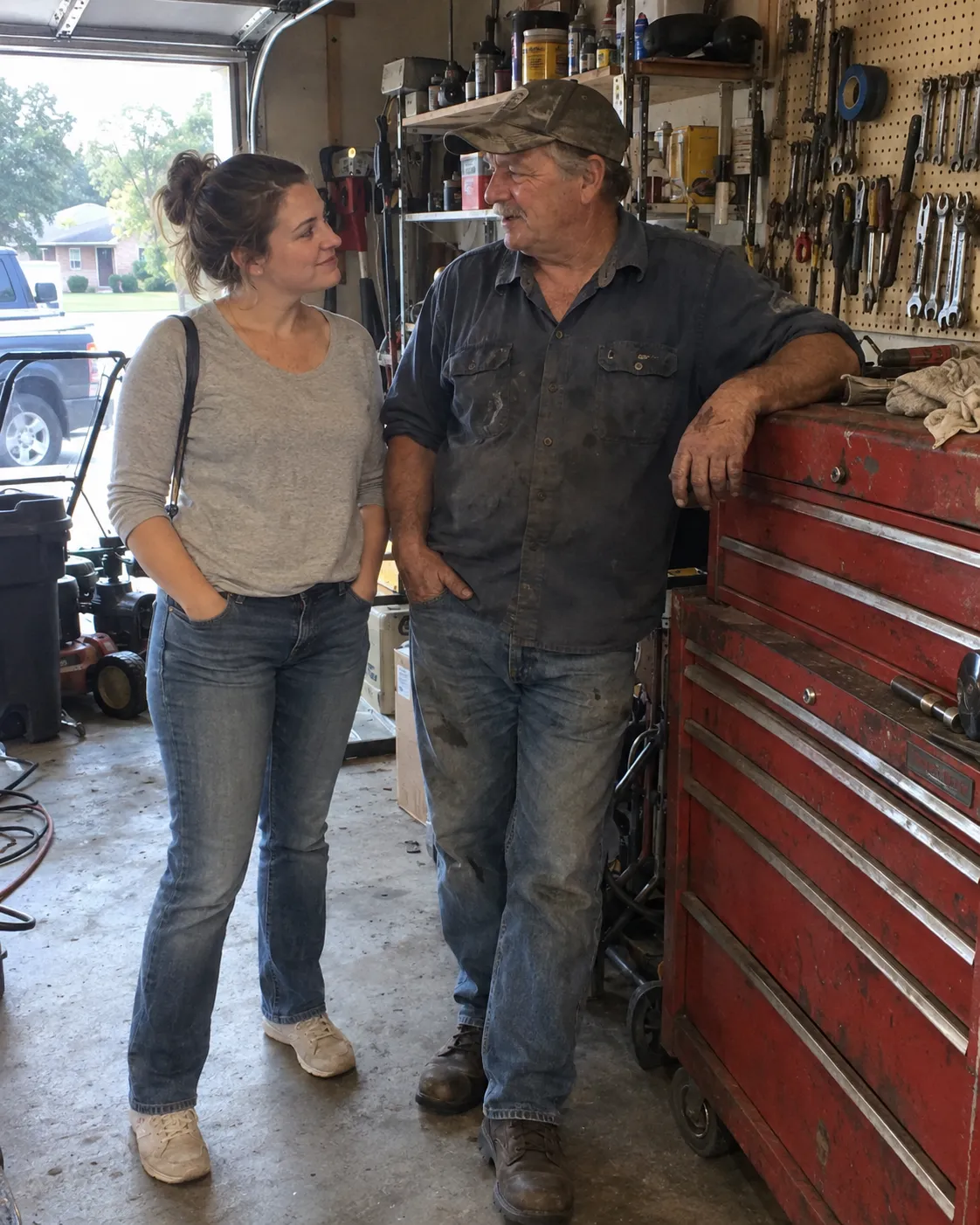
My Father Died Without Ever Saying What I Needed to Hear. Twelve Years Later, I Found His Letter.
Kenneth Walker Wellness
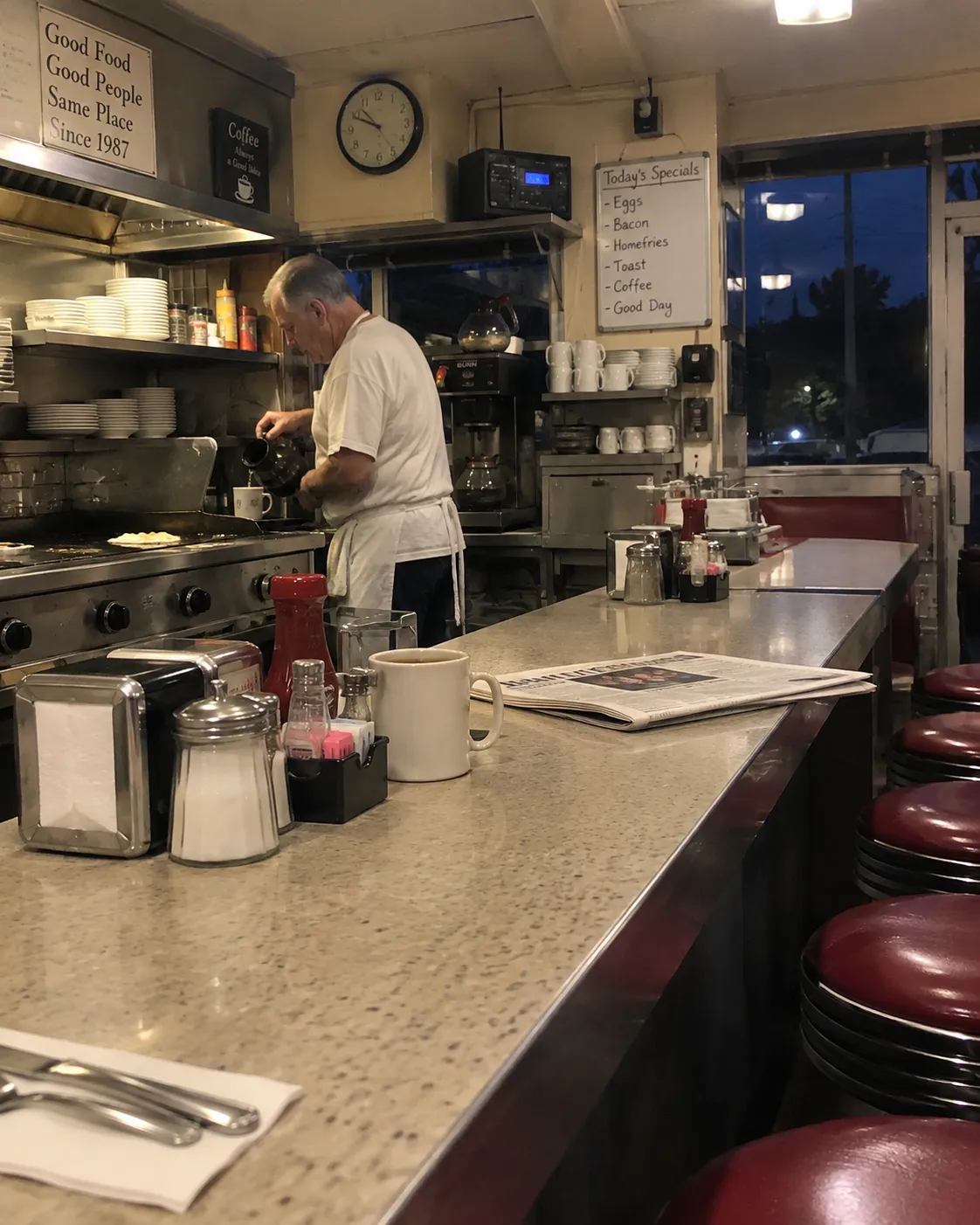
My Father Died Without Ever Saying What I Needed to Hear. Twelve Years Later, I Found His Letter.
Kenneth Walker Wellness
The Woman Who Ignored Every Big Claim on the Front
Kenneth Walker Wellness
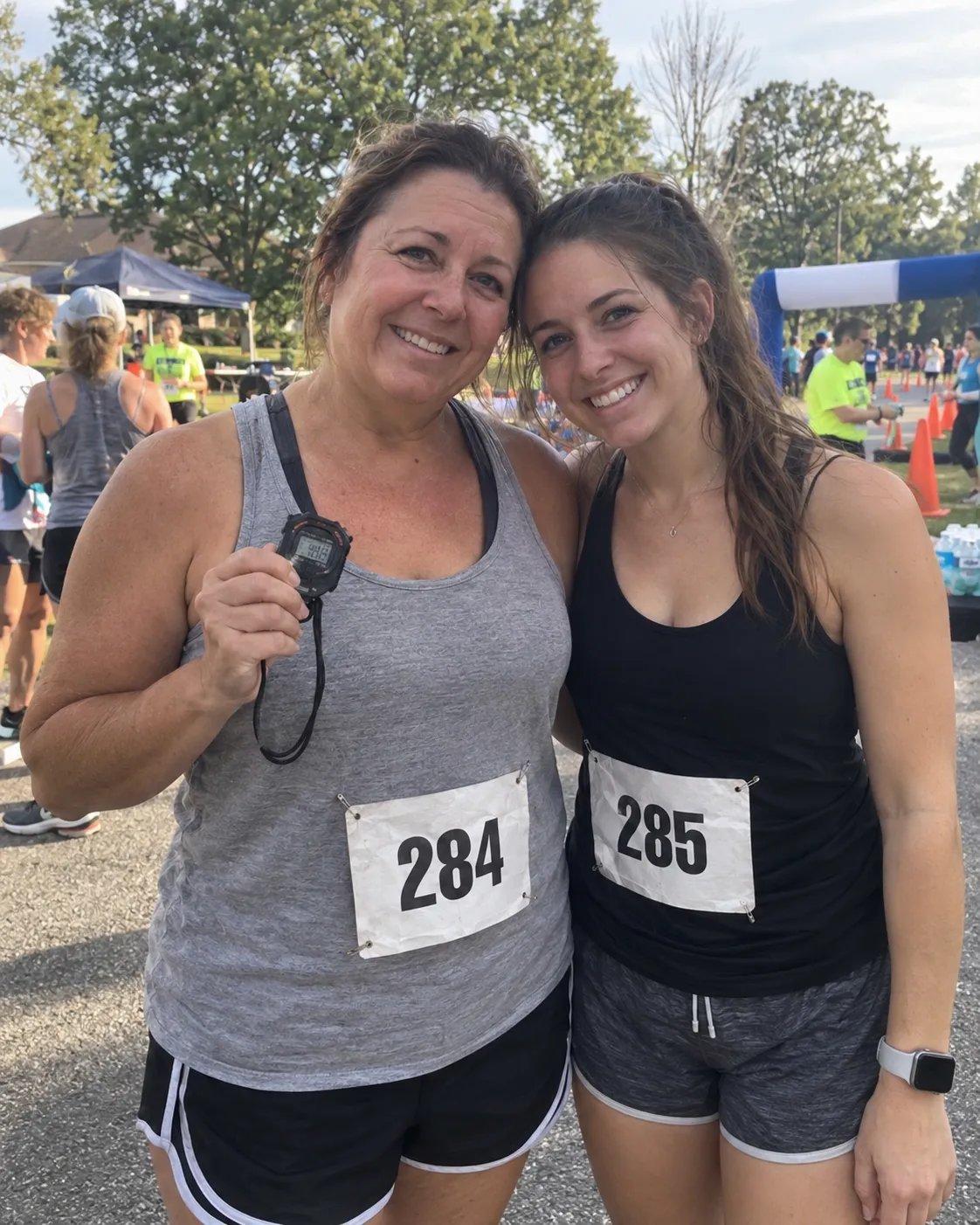
My Father Kept My Seed Jar for 31 Years. I Finally Understood Why After My Wife Died.
Kenneth Walker Wellness
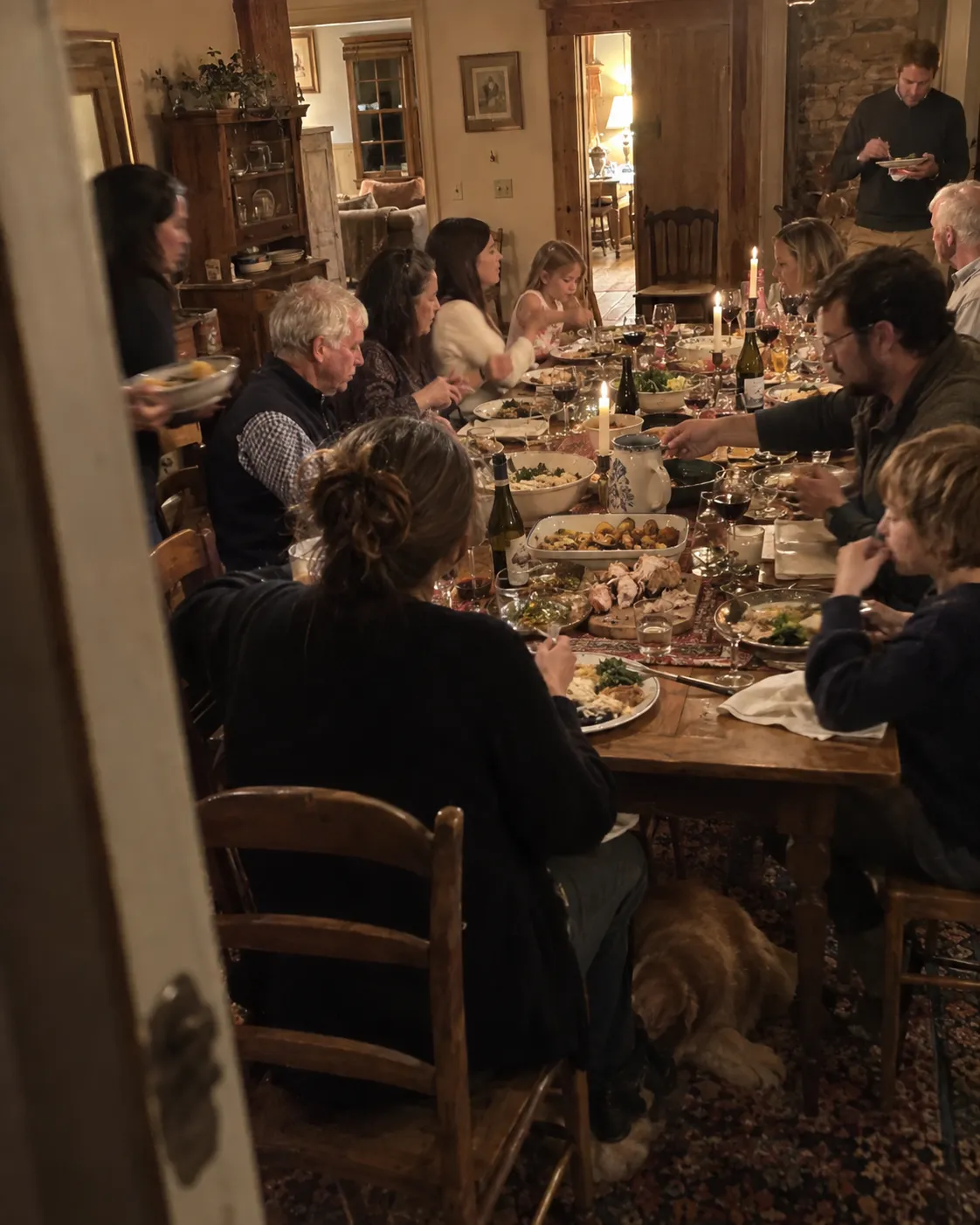
My Father Kept My Seed Jar for 31 Years. I Finally Understood Why After My Wife Died.
Kenneth Walker Wellness
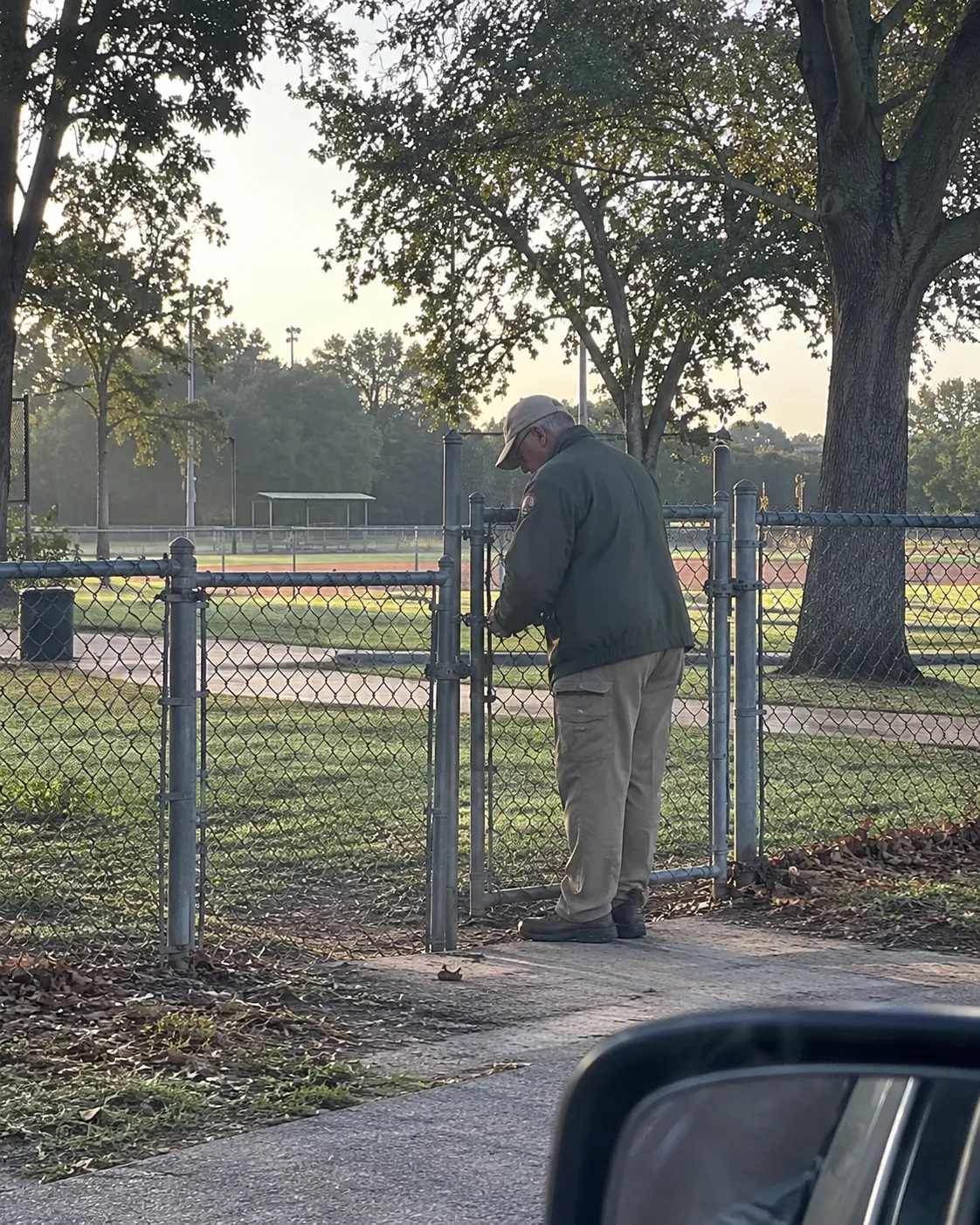
My Father Kept My Seed Jar for 31 Years. I Finally Understood Why After My Wife Died.
Kenneth Walker Wellness
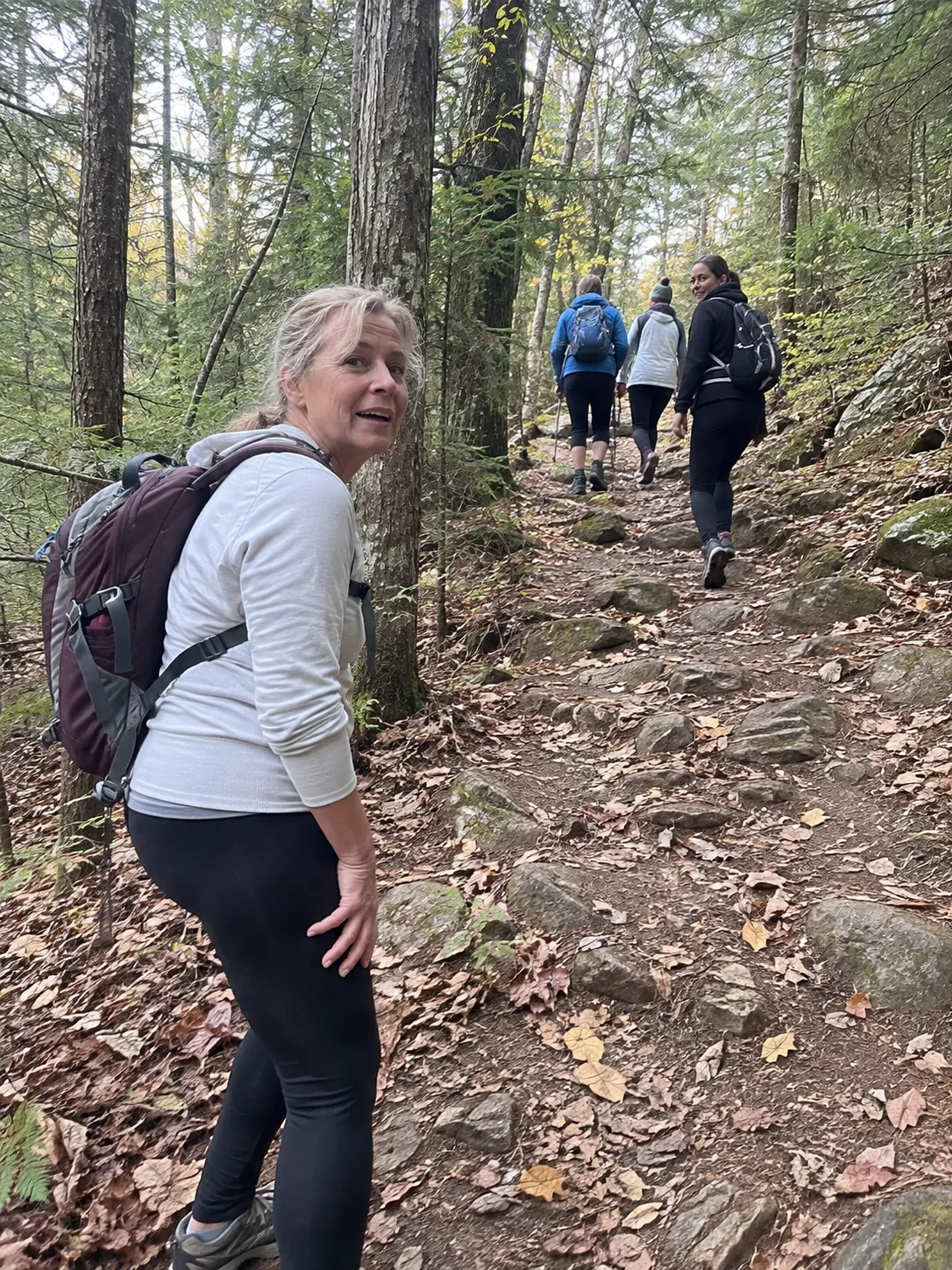
My Father Kept My Seed Jar for 31 Years. I Finally Understood Why After My Wife Died.
Kenneth Walker Wellness

 Add to Chrome