The Woman Who Ignored Every Big Claim on the Front
Ad Copy
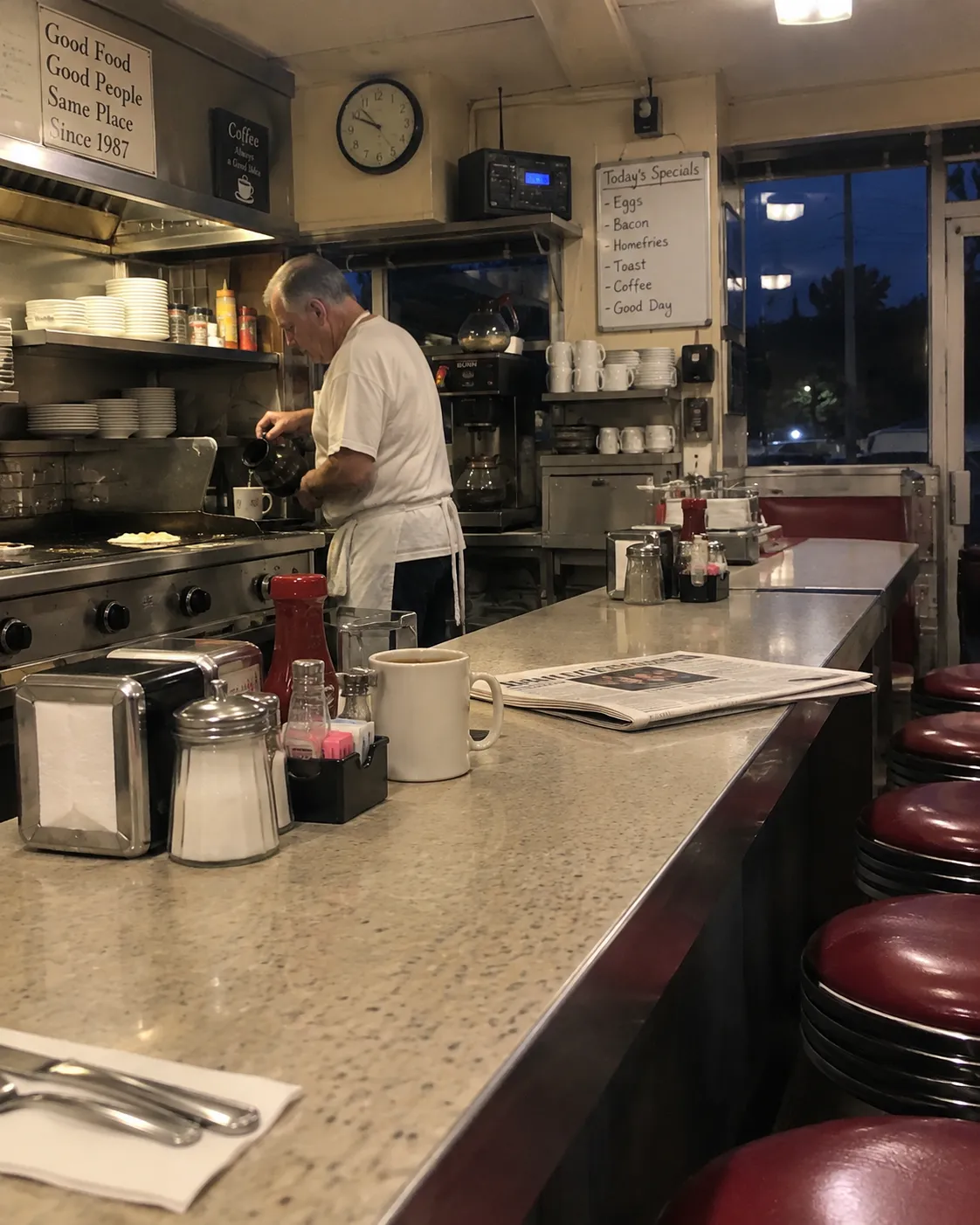
Every Grocery Store Had a Frances — the Woman Who Only Ever Trusted What Was Printed on the Back. This is an illustrative story about an archetype, not a report about a real person. Every grocery chain had a Frances. Maybe yours was a Hal, or a Donna, or a man named Gus who could smell a reformulated recipe before the new box hit the shelf. Picture yours; this essay will keep up. Frances is sixty-six now, retired from thirty-one years in the labeling department at a regional grocery chain — the kind of place that printed its own private-label brand on everything from soup to shampoo. Boxes arriving from a hundred different suppliers. Front panels promising something bold in forty-point type. Product managers standing at her desk holding new packaging, looking pleased with themselves before she'd said a word. And in the middle of all that promising stood Frances, who had one skill that made her the most trusted person in that department without ever once being the department head. Frances only ever trusted what was printed on the back. A box would land on her desk on a Monday with a front panel that said Reduced Fat, or All Natural, or Just Like Homemade. Frances would set the front face-down. Then she'd read the ingredient panel. Slowly. Out loud, sometimes, if the list was long enough to need it. Not the claim. Not the artwork. Not the meeting the brand team wanted to have about consumer perception. The back. The part that had to be true, because the law said it did. And it worked. Every time anyone asked her to check. Buyers stopped approving packaging without her sign-off. The regional VP, who was not supposed to walk labeling floors personally, walked labeling floors personally. The front panels still existed — printed, approved, sitting in every cart in the store. Nobody at her desk needed them. The back had already told her what she needed to know. Understand that skill and you understand the whole woman, so let's tour the rest of her. Frances's own pantry has one rule. If she can't read the ingredient list out loud without stumbling, it doesn't come home. The rule hasn't changed since the week she started the job. "Anything I can't pronounce," she says, "somebody's hoping I won't ask about." Frances's recipe cards list ingredients, not adjectives. Her granddaughter once brought home a recipe blog printout calling for "a splash of love" and "a generous handful." Frances read it, laughed, and rewrote it in her own hand: 2 tbsp butter. 1 cup flour. 350°, 22 min. The printout went in the recycling. The card went in the box. Nobody missed anything. Frances answers the family group chat with one question. Someone shares a link to a product promising a breakthrough, a secret, a formula nobody else has. Frances, at 9 PM: What's on the back? The thread usually stops there. Nobody's ever actually looked. Frances's old work notebook is the same. Every entry is three lines. What the front claimed, what the back actually said, and whether they matched. "If a claim needs the front of the box to make its case," Frances says, "the back usually has something to say about it." Now, the retirement party — because that's where this is going. Somebody in the department had an idea: they pulled her old correction notebooks out of a filing cabinet nobody had opened in years. Not the packaging. The corrections. They read a few aloud — a "reduced sugar" cereal that had simply added more starch, a "farm fresh" carton that came from the same distribution center as everything else, a "new recipe" soup that changed nothing but the font — and here is what the room realized, somewhere around the third one: In thirty-one years, Frances had caught 1,140 labels that needed fixing before they ever reached a shelf. Every one of those gaps — between what the front promised and what the back actually said — had been caught before a single customer ever saw it. And a young hire who'd been proofreading labels for six months, a little sheepish to ask, said the thing the whole room wanted answered: "How did you always know where to look?" Frances, who does not give speeches, gave a short one. "I never looked at where they wanted my eye to go, dear. I looked at where they didn't. "A big claim on the front isn't usually a lie. It's a hope. A hope that you won't turn the box over. "Most of the time the back tells you everything the front was too busy to mention. "And here's the part that took me twenty years to understand: if a label needed the front to convince me and the back to hide from me, that wasn't a sign the product was complicated. It was a sign somebody didn't want me reading closely." She stopped talking. The room didn't. That's the discovery, and Frances would want it said plainly — in one line or fewer: The gap between what's promised and what's printed is where trust actually gets decided, not on the front of the box. Reading the back isn't a trick for a labeling department. It's a test for anyone selling something, writing something, or claiming something: if the back doesn't hold up the front, the front wasn't the truth. It was the pitch. Turn it over. Read the back first. Let the label make its own case. Now, before the next part: Frances is an illustration — we said so in the first line — and every correction she ever made was her own. No supplement had anything to do with any of it, and nothing in this ad should be read that way. Keep that straight, because the next part is about a supplement — and about its own back of the label. Separately, then: here is a beetroot supplement, written the way Frances would have it labeled. Beetroot naturally contains dietary nitrates, and the body converts those into nitric oxide, a molecule that helps support healthy blood flow.† That's the whole science we'll state, and it belongs to the vegetable. And here is the back of the label — before you'd even have to turn the box over: Good Science Beetroot is beetroot powder in capsules — two capsules, once a day. 1,300 mg of beetroot powder per serving — a serving being those two capsules. One active ingredient, with the dose printed plainly on the label, nothing to decode. Non-GMO, third-party lab tested, produced under GMP, made in the USA from globally sourced ingredients. It contains no caffeine. Sixty capsules in a bottle; thirty days. The old ways of getting beetroot into a day — the roasting, the juicing, the canning — don't come with a front panel making promises at all. They're just beets. This is the same thing, in a format that doesn't ask you to wash, roast, juice, or scoop beet powder yourself. And Frances's own rule applies here too: the back is the whole label, not a summary of it. Follow the directions printed there — the serving is two capsules, taken once daily. One thing before anything goes in a cart: talk to your doctor or pharmacist before adding any supplement, especially if you take any medication. This goes alongside the rest of a routine — the meals, the walks, the sleep — not in place of any of it. And this is where the comparison to Frances's notebook is worth repeating: there isn't a front-panel promise here that the back has to work around. It's beetroot powder, at a stated dose, and nothing on the label written to keep your eye from the ingredient panel. And that's where the Frances comparison ends. Her rule belongs to the illustration; the product facts above stand on their own. No bottle proofread a label, caught a mismatch, or created any of the qualities in the story. The comparison here is only about presenting information plainly. And now the last part, which Frances would insist be short. Nobody here is going to promise you a transformation. We're not going to tell you what you'll feel or when. Bodies are different, and yours doesn't owe an advertisement anything. We're not going to present the story as proof of what the product does — Frances is an illustration, and we said so in the first line so the distinction stays clear. The back of the label is above. The file is the label itself, and the conversation with your pharmacist. The format is two capsules, once a day. That's the format. P.S. — If your own life has a front-panel problem — a promise you never checked, a claim nobody in the group chat has actually verified, a "new and improved" you took on faith — the finding of this story, plainly: try Frances's test on it. Turn it over. If the back doesn't hold up the front, that's useful to know before you buy the front's story. P.P.S. — What it is, plainly: beetroot powder in capsules — 1,300 mg per two-capsule serving, one active ingredient, dose on the label, no caffeine, non-GMO, third-party lab tested. Thirty days a bottle. Those are the basics. P.P.P.S. — If you're not satisfied for any reason, return the product within 30 days of delivery for a full refund.
More from Kenneth Walker Wellness
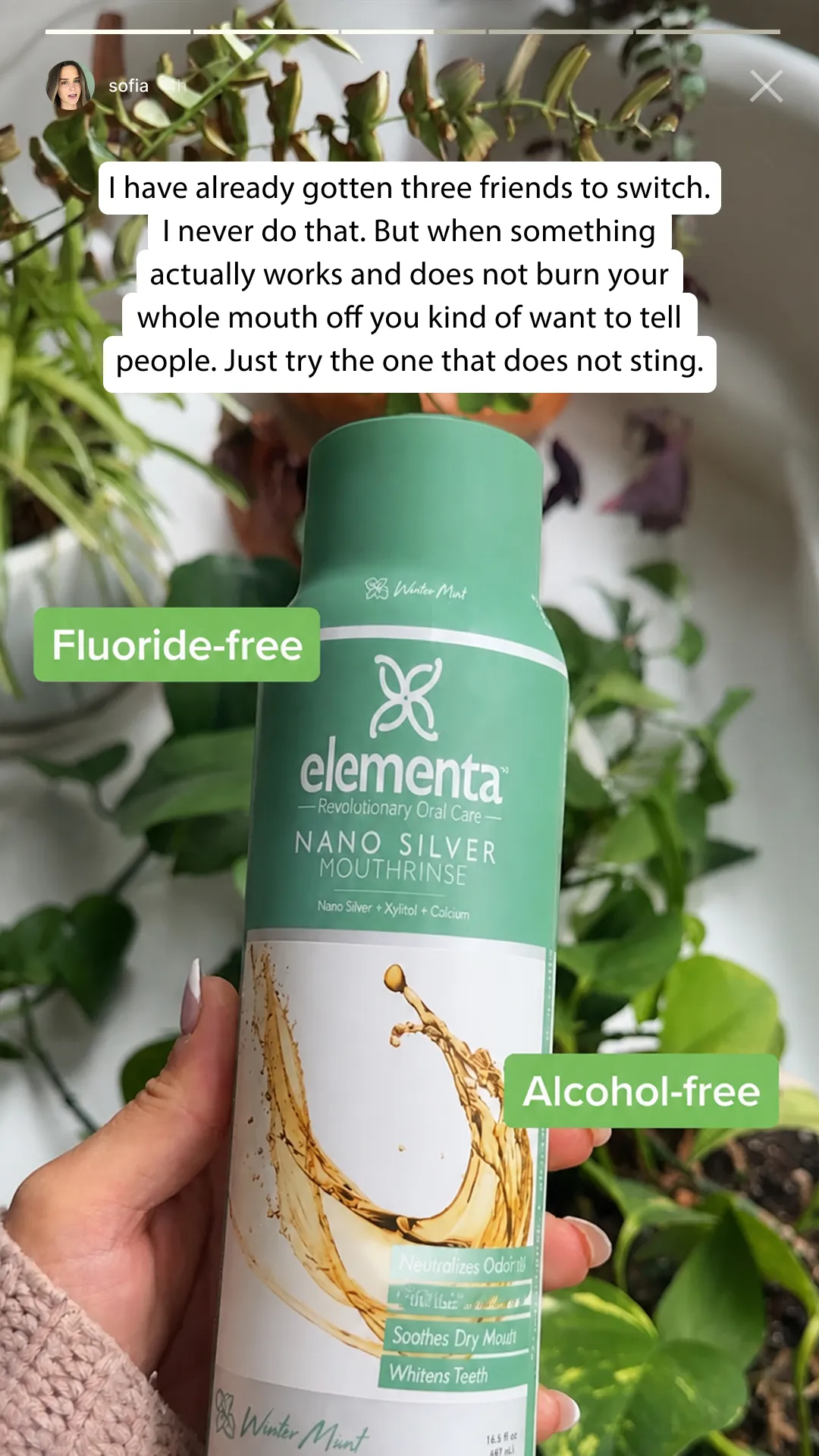
🤯 The Real Reason Your Breath Stinks (It's Not What You Think)
Kenneth Walker Wellness
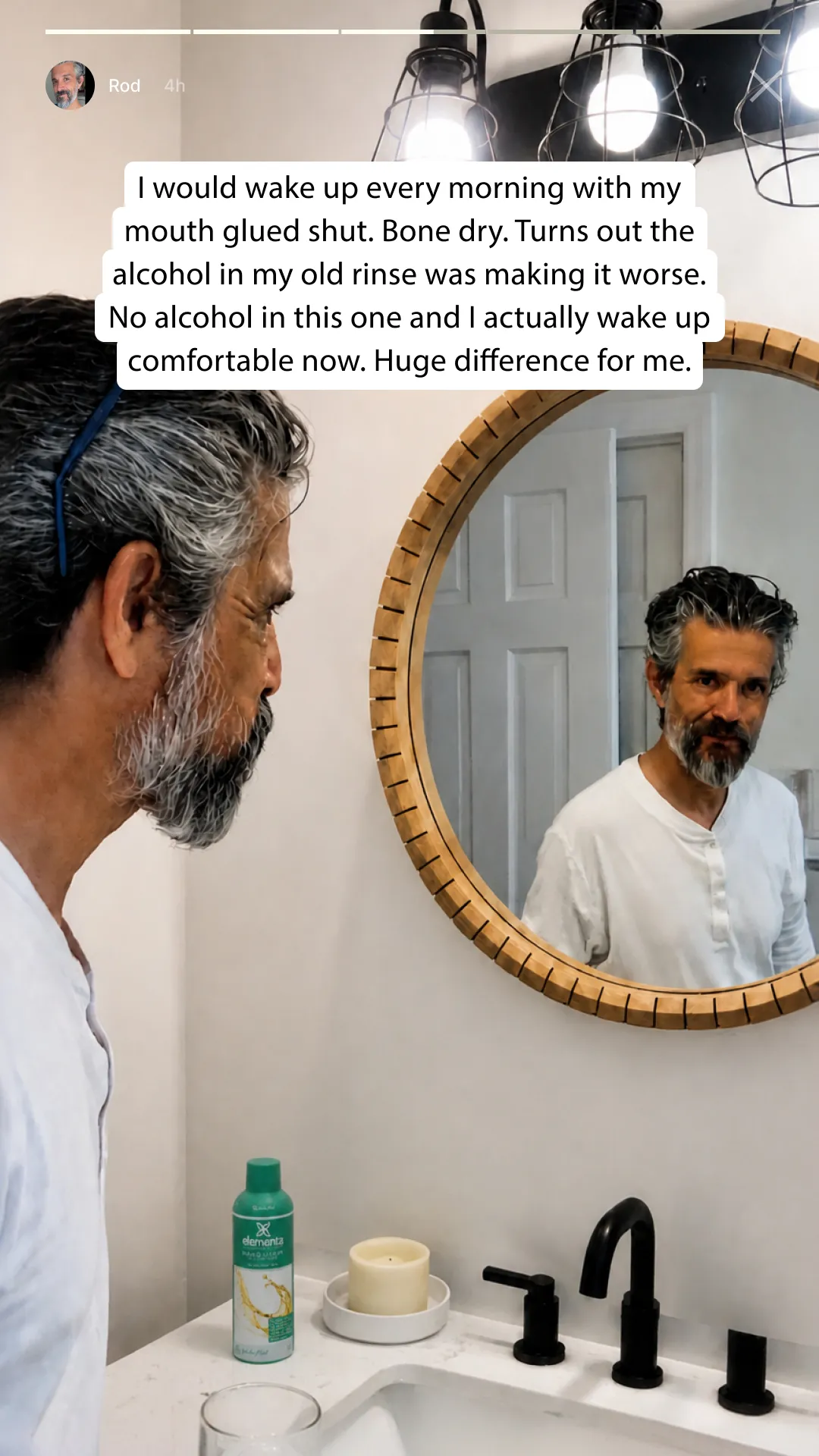
🤯 The Real Reason Your Breath Stinks (It's Not What You Think)
Kenneth Walker Wellness
🤯 The Real Reason Your Breath Stinks (It's Not What You Think)
Kenneth Walker Wellness
🤯 The Real Reason Your Breath Stinks (It's Not What You Think)
Kenneth Walker Wellness

My Family Kept Two Rows of Beets for Me for 38 Years. I Didn’t Know Why Until My Husband Died.
Kenneth Walker Wellness

My Family Kept Two Rows of Beets for Me for 38 Years. I Didn’t Know Why Until My Husband Died.
Kenneth Walker Wellness
My Father Died Without Ever Saying What I Needed to Hear. Twelve Years Later, I Found His Letter.
Kenneth Walker Wellness
My Father Died Without Ever Saying What I Needed to Hear. Twelve Years Later, I Found His Letter.
Kenneth Walker Wellness

My Father Kept My Seed Jar for 31 Years. I Finally Understood Why After My Wife Died.
Kenneth Walker Wellness
My Father Kept My Seed Jar for 31 Years. I Finally Understood Why After My Wife Died.
Kenneth Walker Wellness

My Father Kept My Seed Jar for 31 Years. I Finally Understood Why After My Wife Died.
Kenneth Walker Wellness

My Father Kept My Seed Jar for 31 Years. I Finally Understood Why After My Wife Died.
Kenneth Walker Wellness

 Add to Chrome